

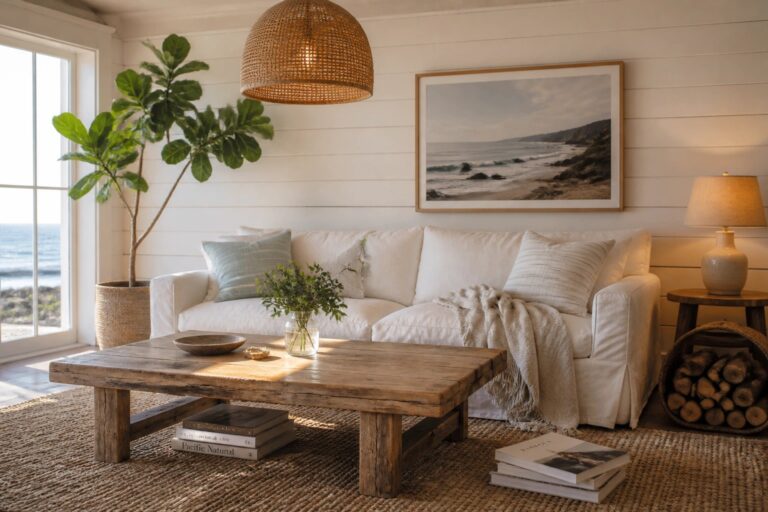
I’ve found that the right wall treatment often determines whether a room ends up feeling open or closed in once the furniture is in place.
Shiplap can create that balanced surface that reflects light evenly while still giving some depth to the space.
A few of the versions I have tested over the years hold up better than others when it comes to everyday wear.
Some rooms simply do not need the extra layer.
Trying one of these patterns in a hallway or bedroom might be the simplest way to see if it fits the way the rest of the house flows.
All White Shiplap for a Relaxed Room
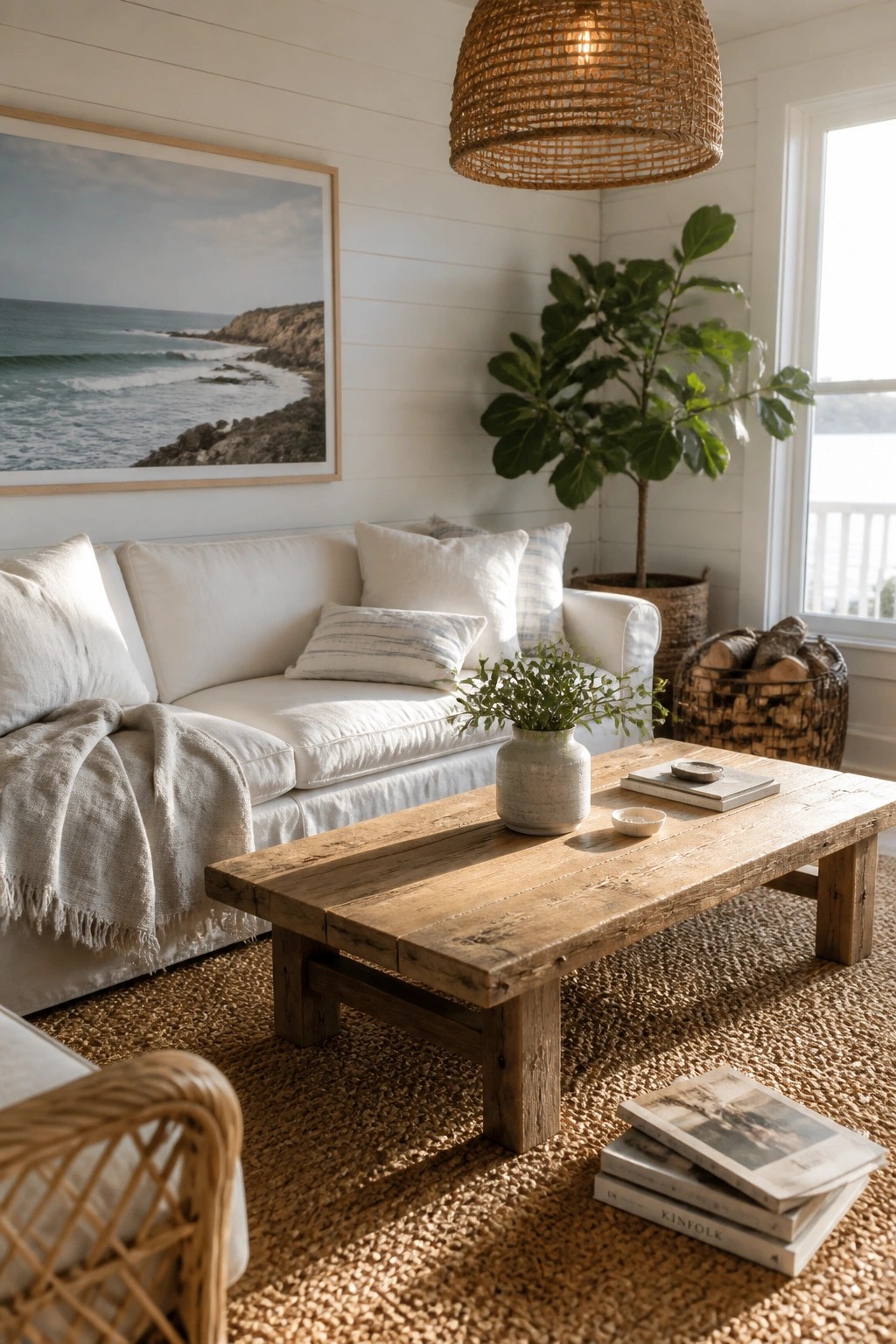
White shiplap keeps a room feeling open and easy. It works as a quiet backdrop that lets other pieces like wood furniture and soft textiles stand out without competing.
This look suits casual homes that want a light, low-key feel. Stick with the same white on the trim and ceiling so the walls blend in rather than stand out.
Shiplap Walls Bring Calm to the Kitchen
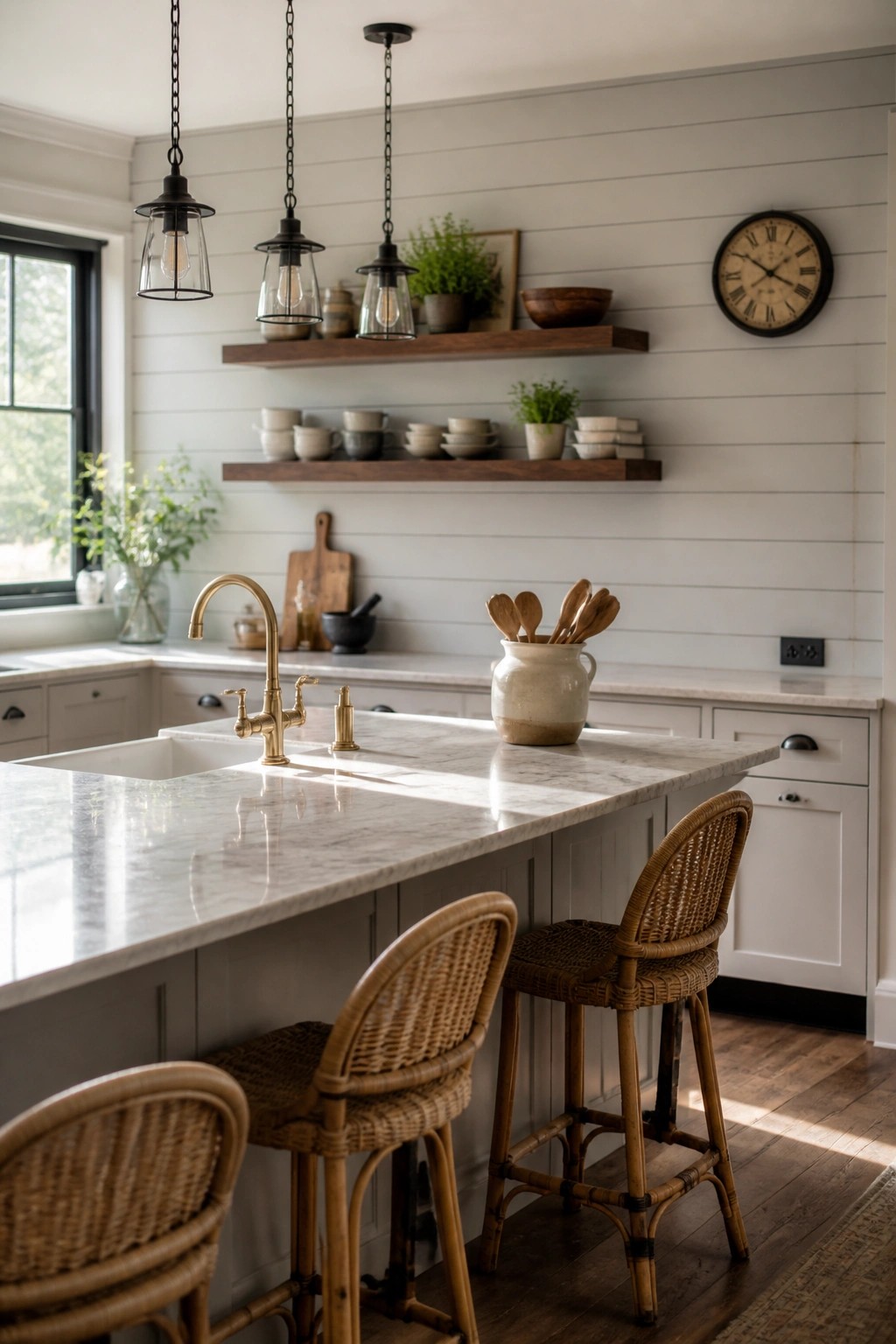
Shiplap works well in kitchens because the clean lines add a bit of texture without making the room feel busy. A light color keeps the space bright and helps it stay relaxed even when counters are full.
This approach suits homes that want a simple, lived-in look rather than something too polished. It pairs easily with stone surfaces and wood tones, though darker grout lines can make the pattern stand out more if that is the goal.
Horizontal Shiplap Behind the Bed
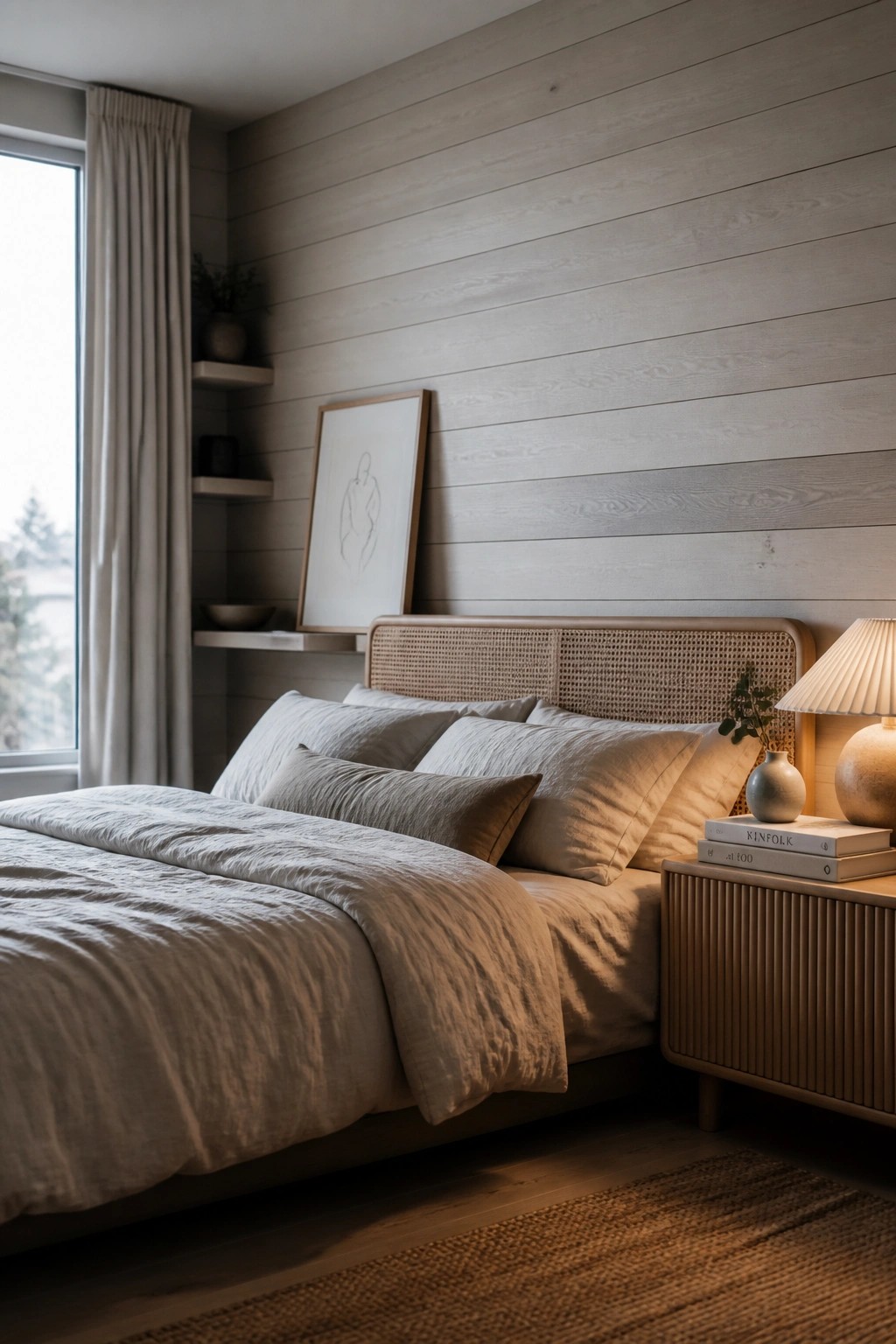
Horizontal shiplap gives a bedroom wall just enough texture to feel interesting while still keeping the space calm. The light tone and simple lines help the room feel brighter and a little more open without adding any fuss.
This works best in smaller bedrooms or guest rooms where you want a quiet backdrop. Keep the bedding and other furnishings in soft neutrals so the wall stays the main feature without competing with too many other details.
Shiplap Walls In Bathrooms
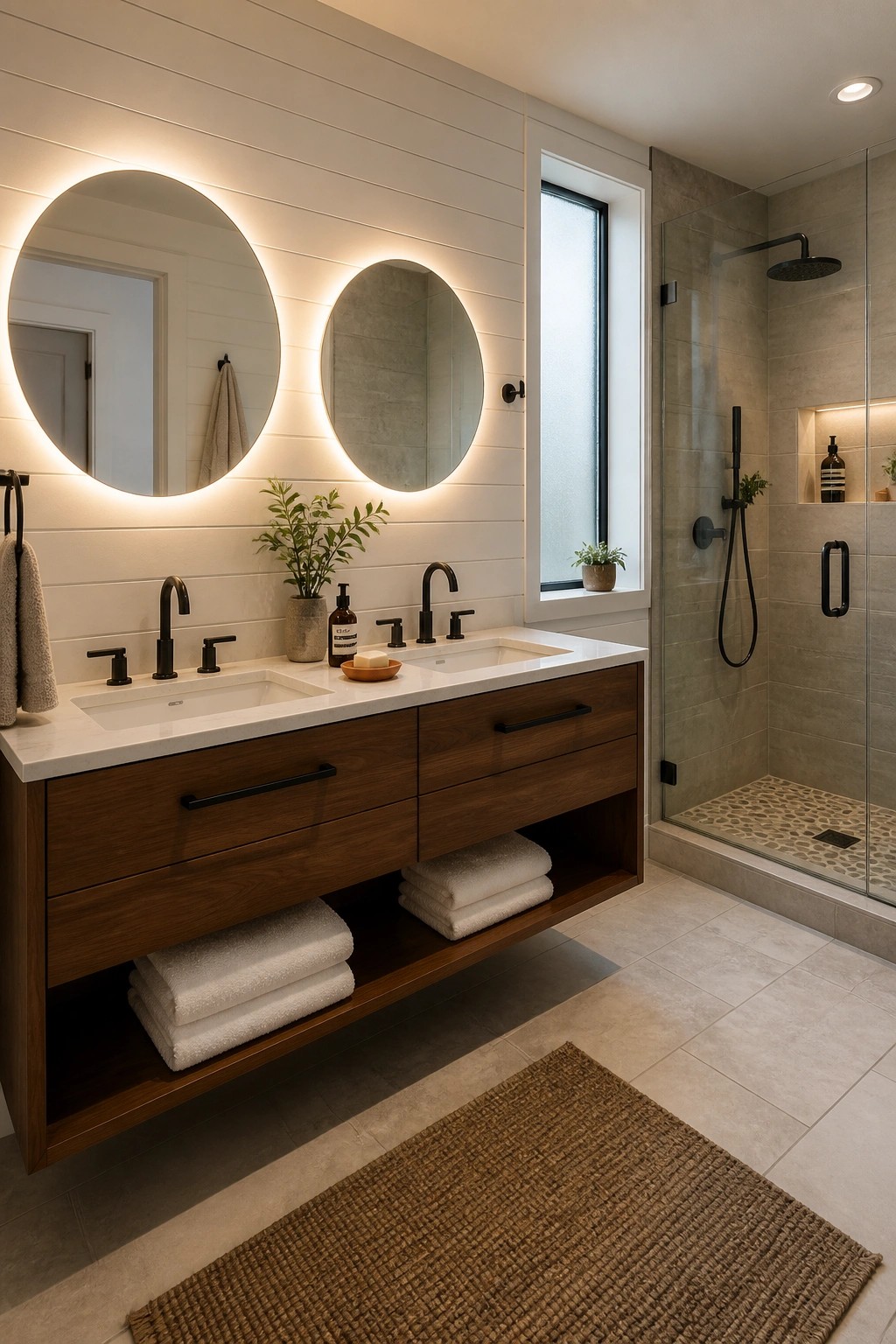
Shiplap adds just enough texture to bathroom walls without crowding the space. The horizontal lines give a calm, orderly feel that pairs well with simple vanities and open storage below.
This approach works best in rooms that already get good natural light. Keep the finish light and the hardware minimal so the wall treatment stays in the background rather than taking over.
Horizontal Shiplap in Dining Rooms
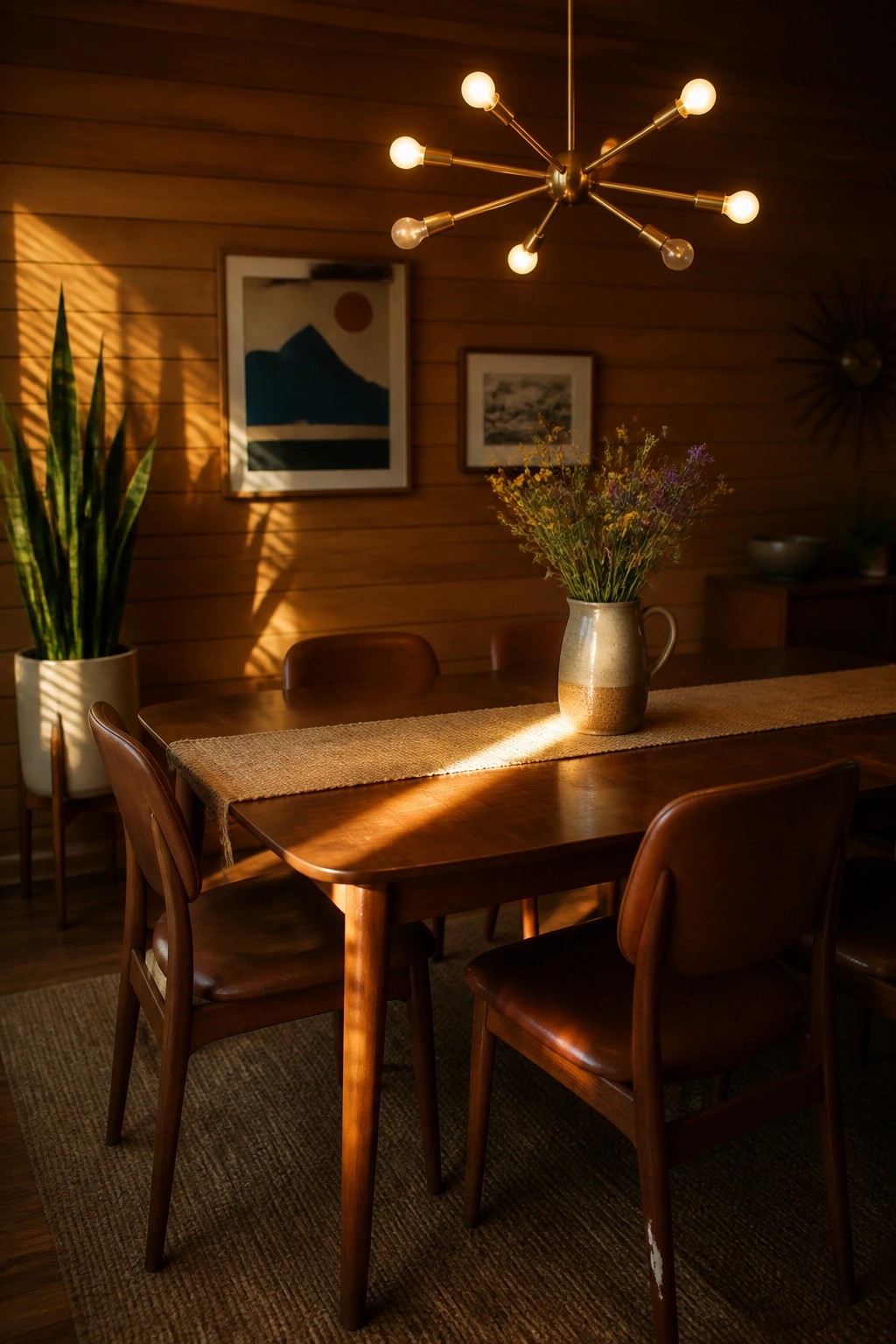
Horizontal shiplap works well in dining rooms because it adds quiet texture without crowding the space. The lines stay simple and let the rest of the room feel open and easy to use. Many people choose this style when they want the walls to support the furniture instead of competing with it.
It fits best in homes that already lean on wood tones and straightforward pieces. Keep the finish light so the room stays bright, and avoid hanging too much on the walls if you want the clean look to hold.
Shiplap Walls In Mudroom Storage
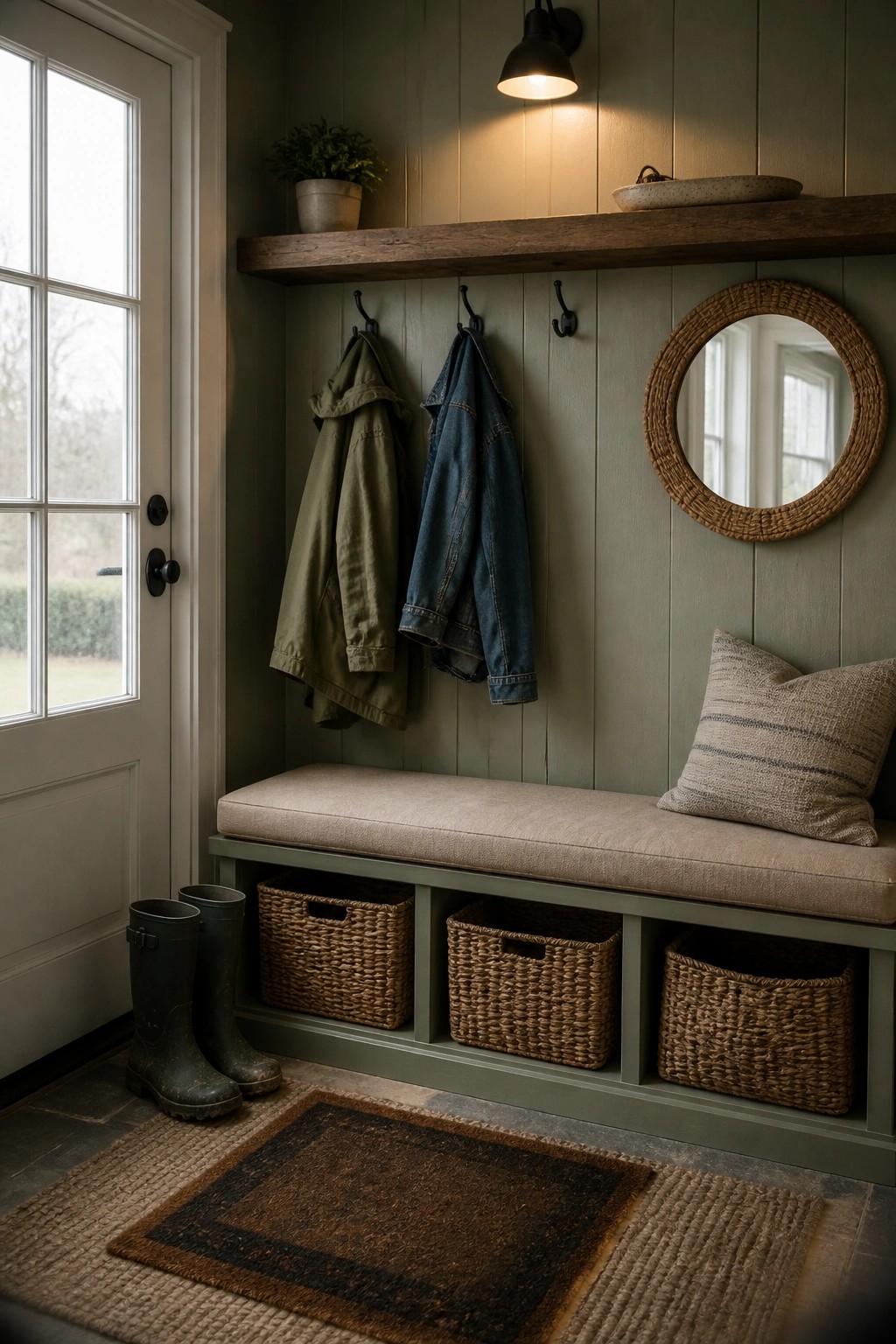
Shiplap gives a mudroom or entry a simple structure that holds up to daily use. The vertical lines add just enough texture while keeping the space from feeling too plain, especially when painted in a soft color that works with the rest of the house.
This approach works best in homes that need a spot for coats, boots, and bags right by the door. A built-in bench with open storage below and hooks above keeps everything off the floor and easy to reach. It suits active households that want the area to stay calm rather than cluttered.
White Shiplap for a Calm Space
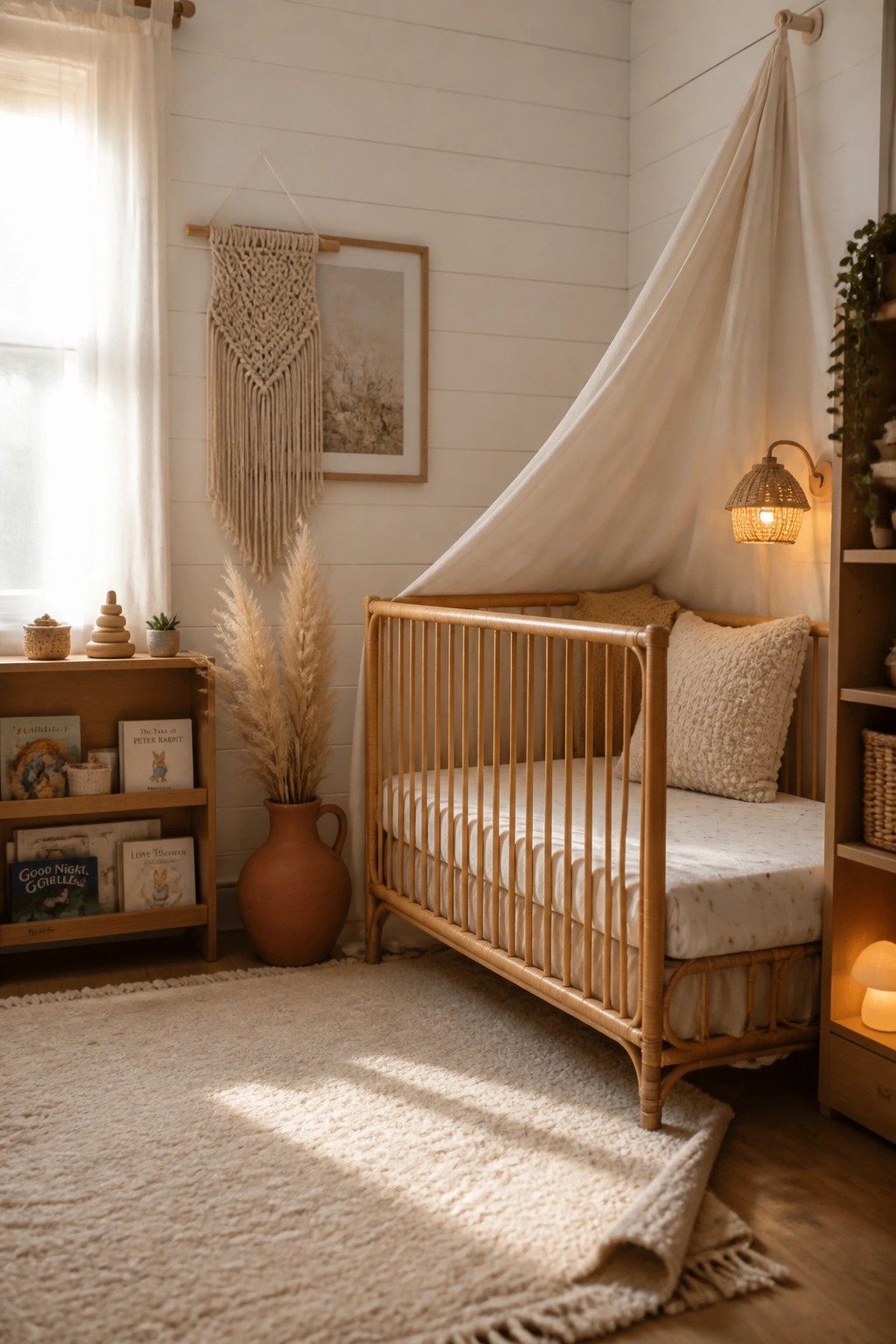
White shiplap works well when you want a room to feel open and easy without much effort. The clean lines add a bit of texture but still keep the overall look light, which helps smaller rooms feel less closed in.
This approach suits spaces like nurseries or bedrooms where you want things to stay simple. Stick with light wood furniture and soft textiles so the walls remain the main quiet feature rather than competing with too many colors or patterns.
Dark Shiplap in a Home Office
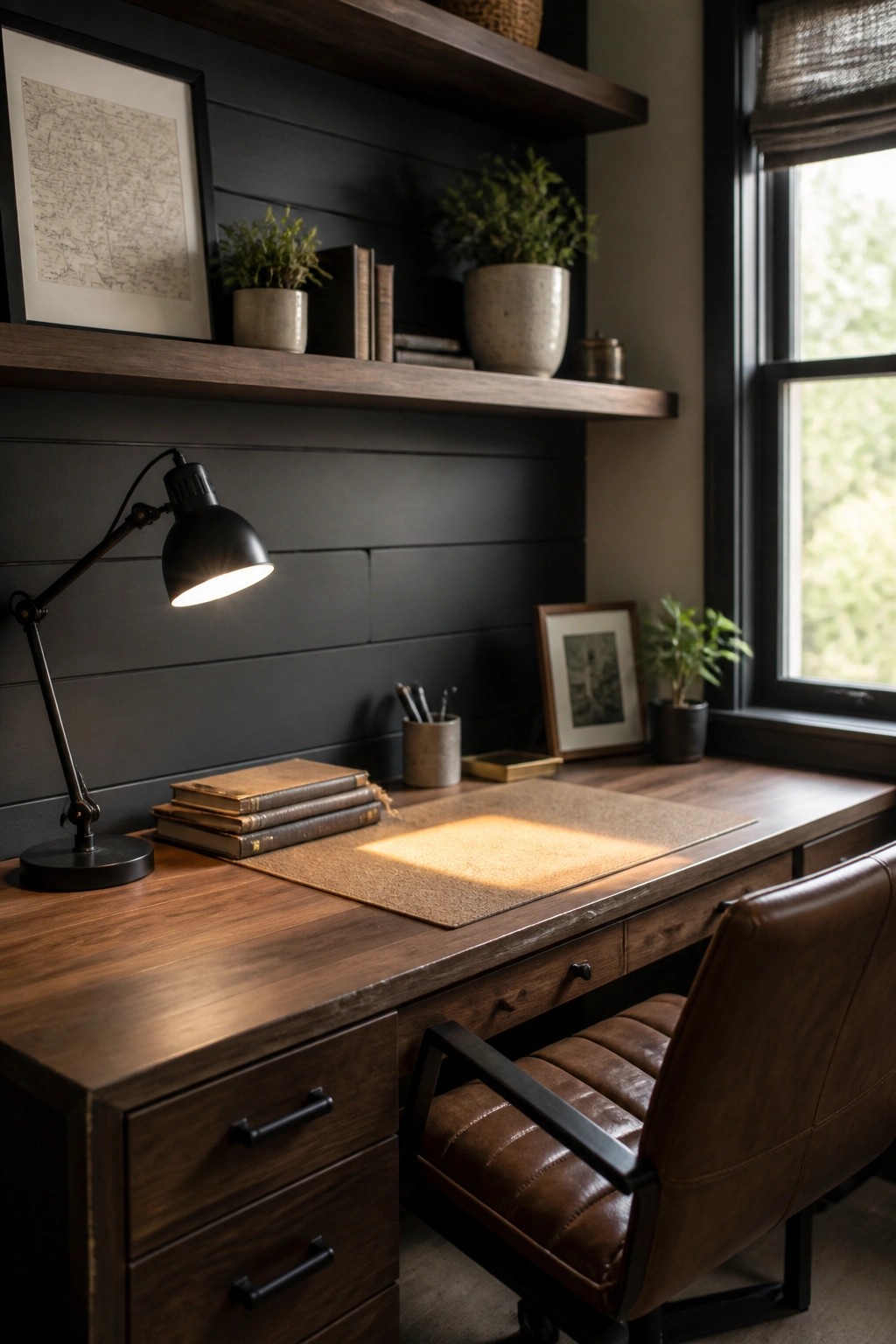
Dark shiplap gives a workspace a calm, settled feel without making it heavy. The horizontal lines add just enough texture to keep the wall from looking flat, and the deep color helps the room feel more focused.
This approach works best in smaller offices or corners where you want some structure. Keep the rest of the room simple with wood furniture and a few plants so the wall sets the tone without taking over.
Shiplap In The Laundry Room
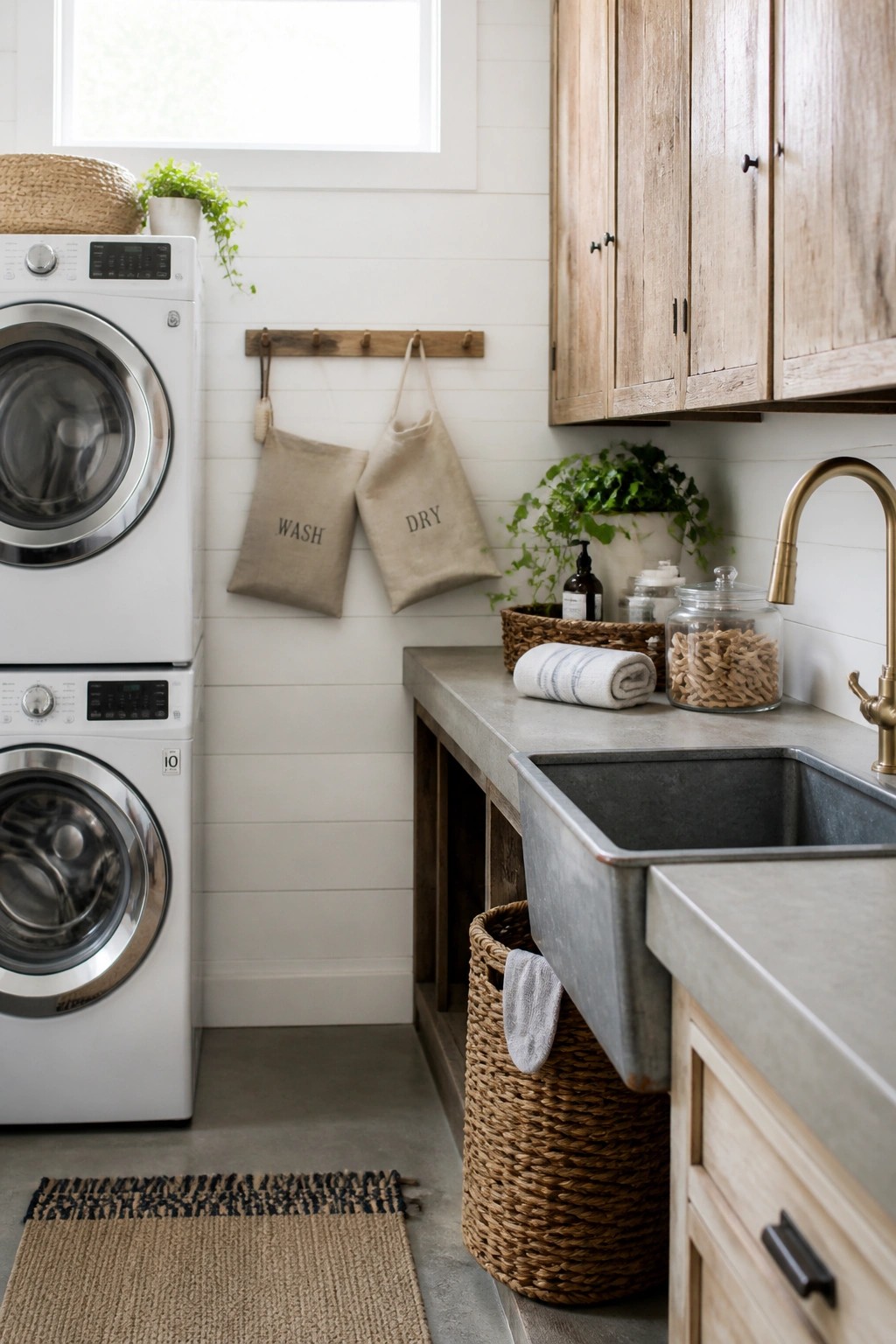
Shiplap gives laundry rooms a clean look that still feels relaxed. The lines add just enough texture to keep the space from feeling plain, especially when the room has to hold machines, baskets, and supplies.
This works best in homes that already lean toward simple or farmhouse styles. Paint it white or a soft off-white so the room stays bright, and keep the rest of the finishes fairly plain so the walls do not compete with everything else.
Shiplap In A Soft Neutral
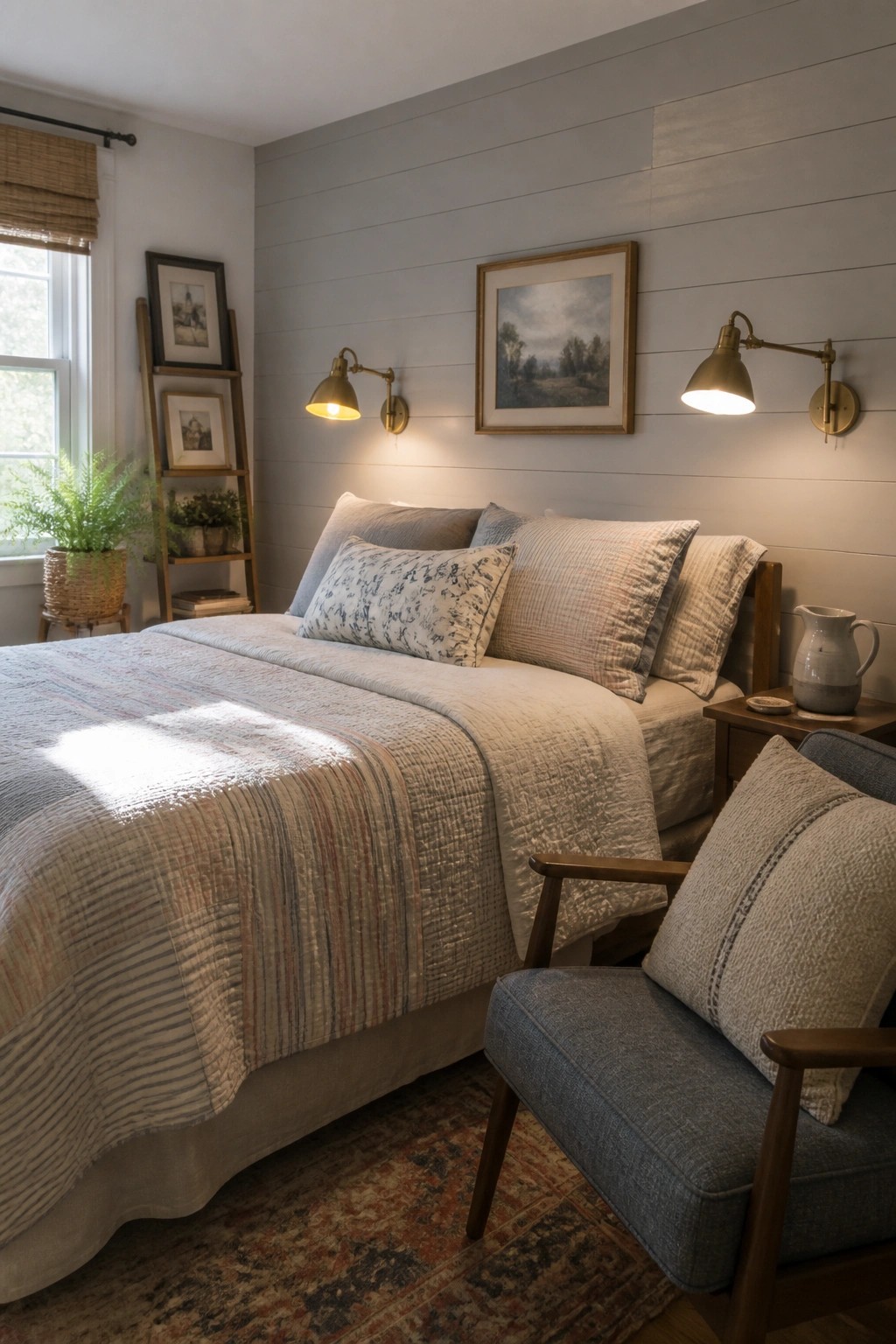
Many people paint their shiplap a light gray like this when they want the wall to add some texture without making the room feel busy. The color stays quiet and helps the whole space feel calmer and more put together.
It works well in bedrooms where you already plan to keep the bedding and furniture in similar soft tones. Just watch the lighting, since the grooves can pick up shadows and change how the color reads throughout the day.
Dark Shiplap Behind the Fireplace
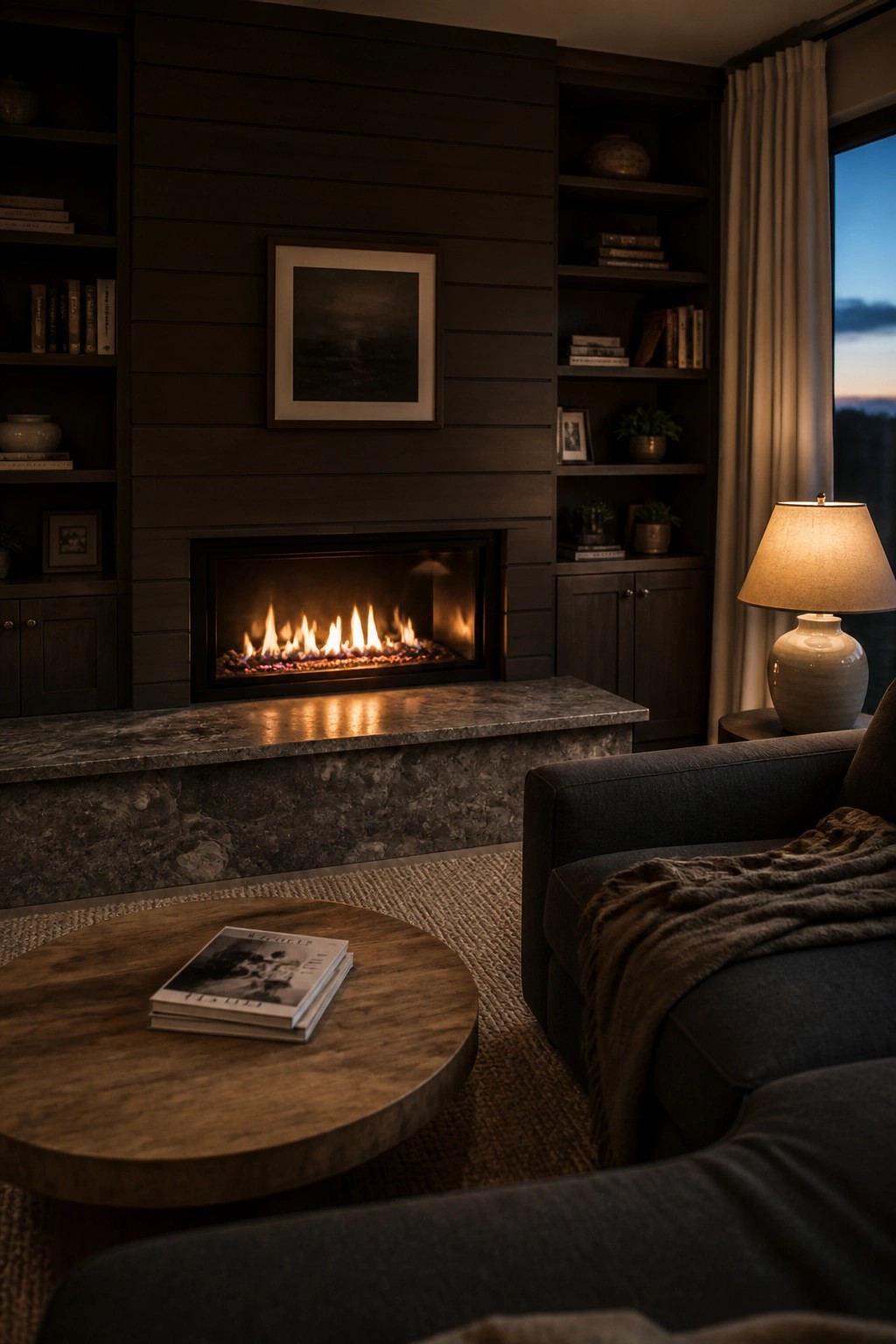
Dark shiplap works well as a backdrop for a fireplace because it adds texture without making the room feel busy. The vertical lines give the wall some structure, and the deeper tone helps the fire stand out more in the evening.
This approach suits living rooms that already have a relaxed feel. It works best when you keep the rest of the space fairly simple, and it can handle a few built-in shelves on either side for books and small items without crowding the look.
Shiplap Behind A Built-In Bench
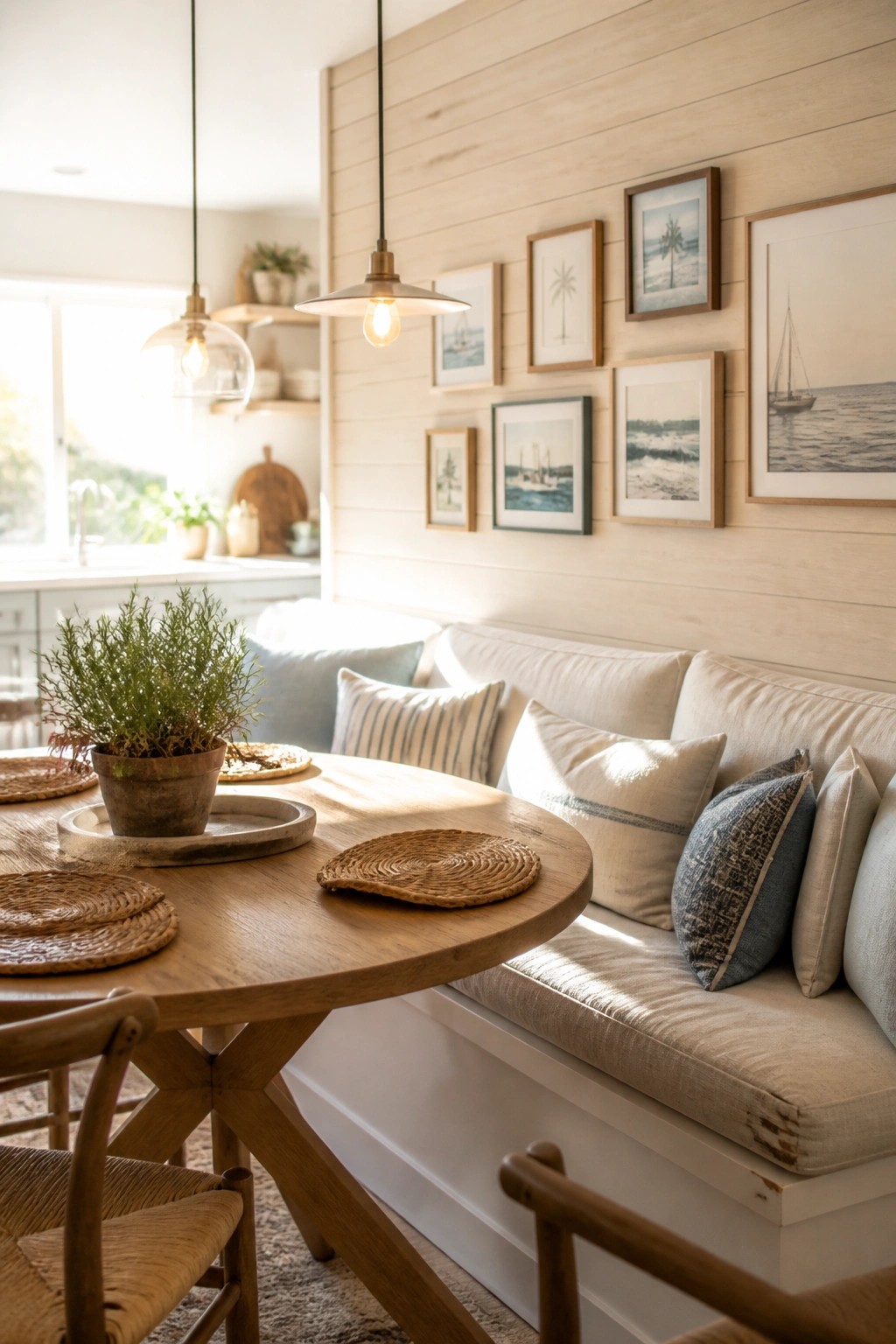
Shiplap works especially well when it backs a built-in bench in a dining space. The horizontal lines keep the wall simple while the bench adds a layer of comfort that makes the whole area feel more casual and usable.
This setup suits homes that want a relaxed dining spot without turning it into a full built-in dining room. Keep the bench cushions in light fabrics and limit the wall decor to a few framed pieces so the shiplap stays the main feature.
Shiplap Walls In The Bathroom
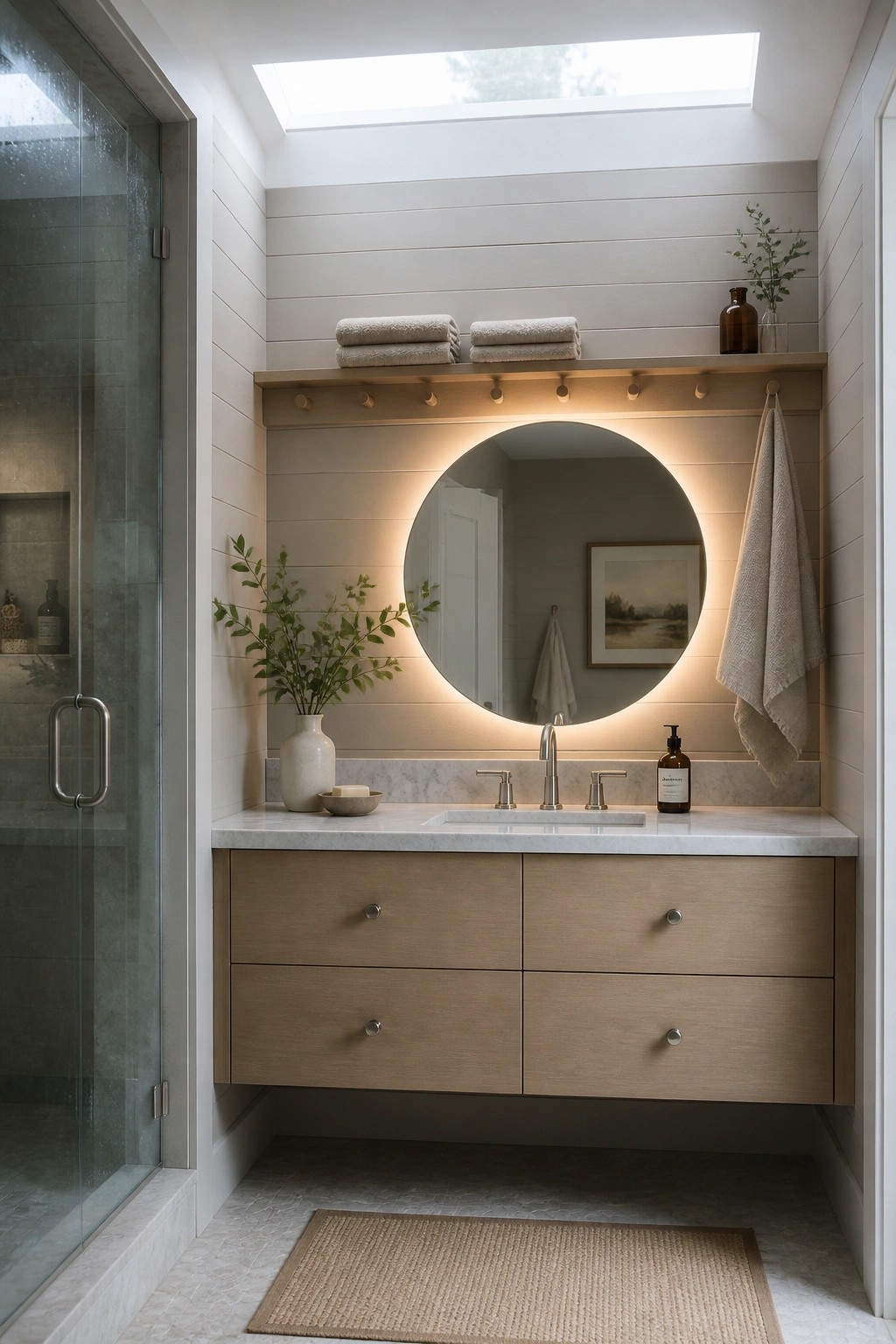
Shiplap gives a bathroom that clean look without making the space feel plain. The horizontal lines add just enough texture to keep things interesting while the light color helps the room feel open and calm.
This approach works best in smaller bathrooms where you want the walls to stay in the background. Keep the rest of the room simple with a wood vanity and basic hardware so the shiplap can do the work. Make sure the material is sealed well if the room gets steamy.
Shiplap Walls in Hallways
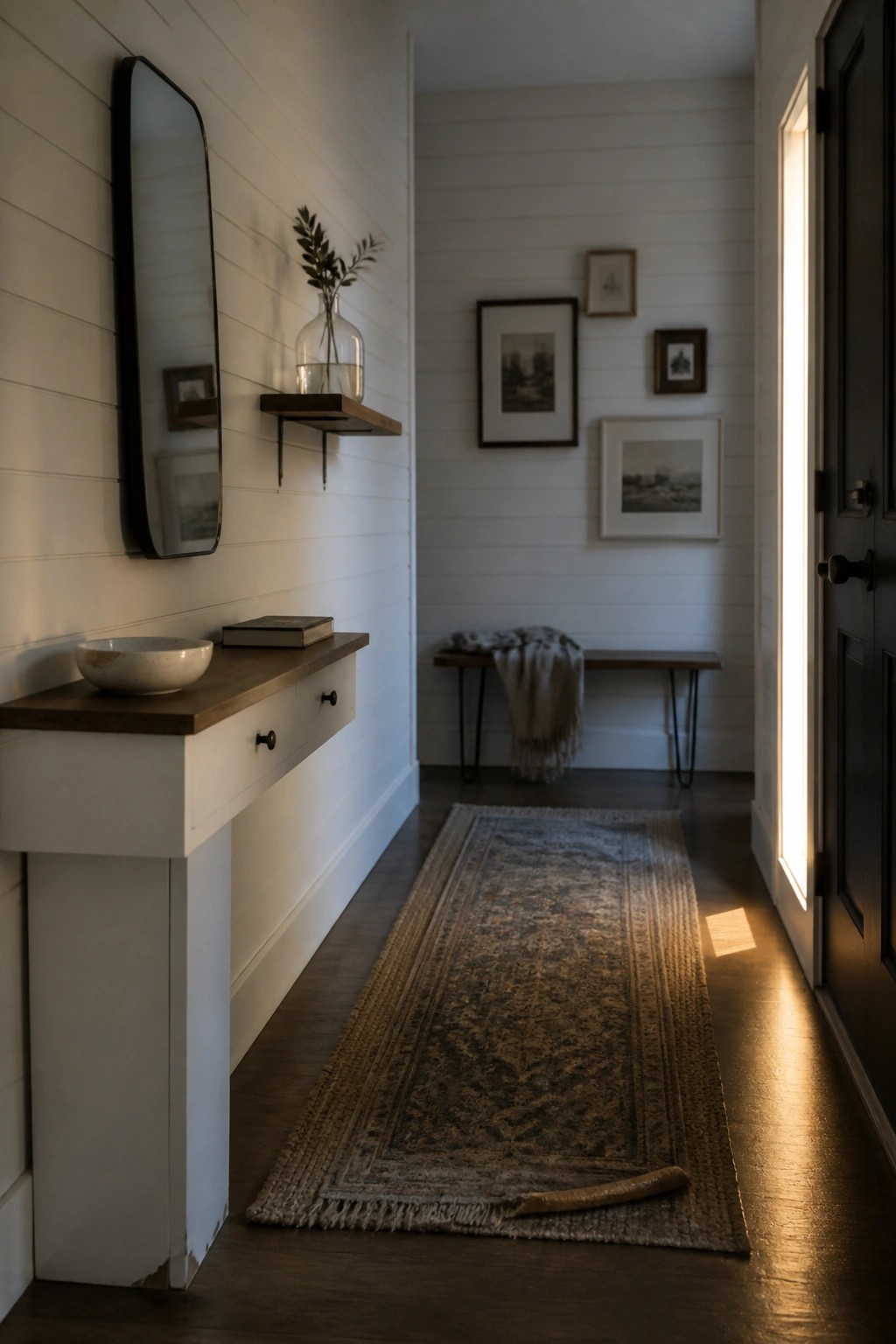
Shiplap gives a hallway a clean surface that feels calm without trying too hard. The horizontal lines keep the space from looking too plain while the white paint bounces light around and makes the whole area feel more open.
This works best in homes that already have some wood trim or older details. Keep the rest of the hallway simple with just one or two pieces along the wall so the shiplap stays the main feature.
Shiplap Behind the Bed
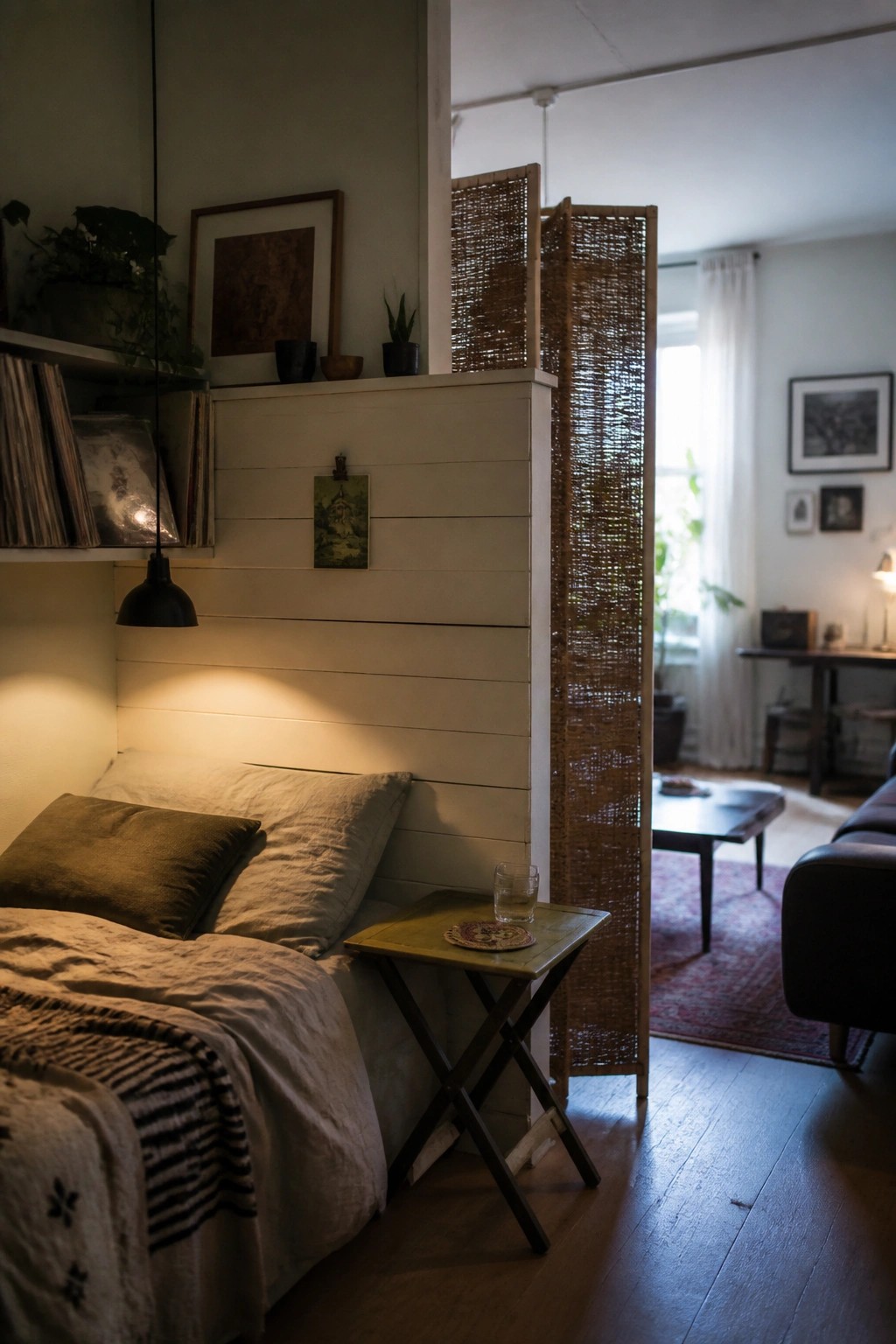
Shiplap makes a good choice for a headboard wall because the lines add quiet texture while still keeping the space feeling open and calm. A light paint color helps the boards catch soft light and gives the bed area a finished look without needing extra trim or heavy furniture.
This approach works especially well in smaller bedrooms or studio layouts where you want something simple and easy to live with. Stick with a soft neutral shade and avoid overcrowding the wall with too many shelves or art so the texture stays the main feature.
Shiplap In A Corner Dining Spot
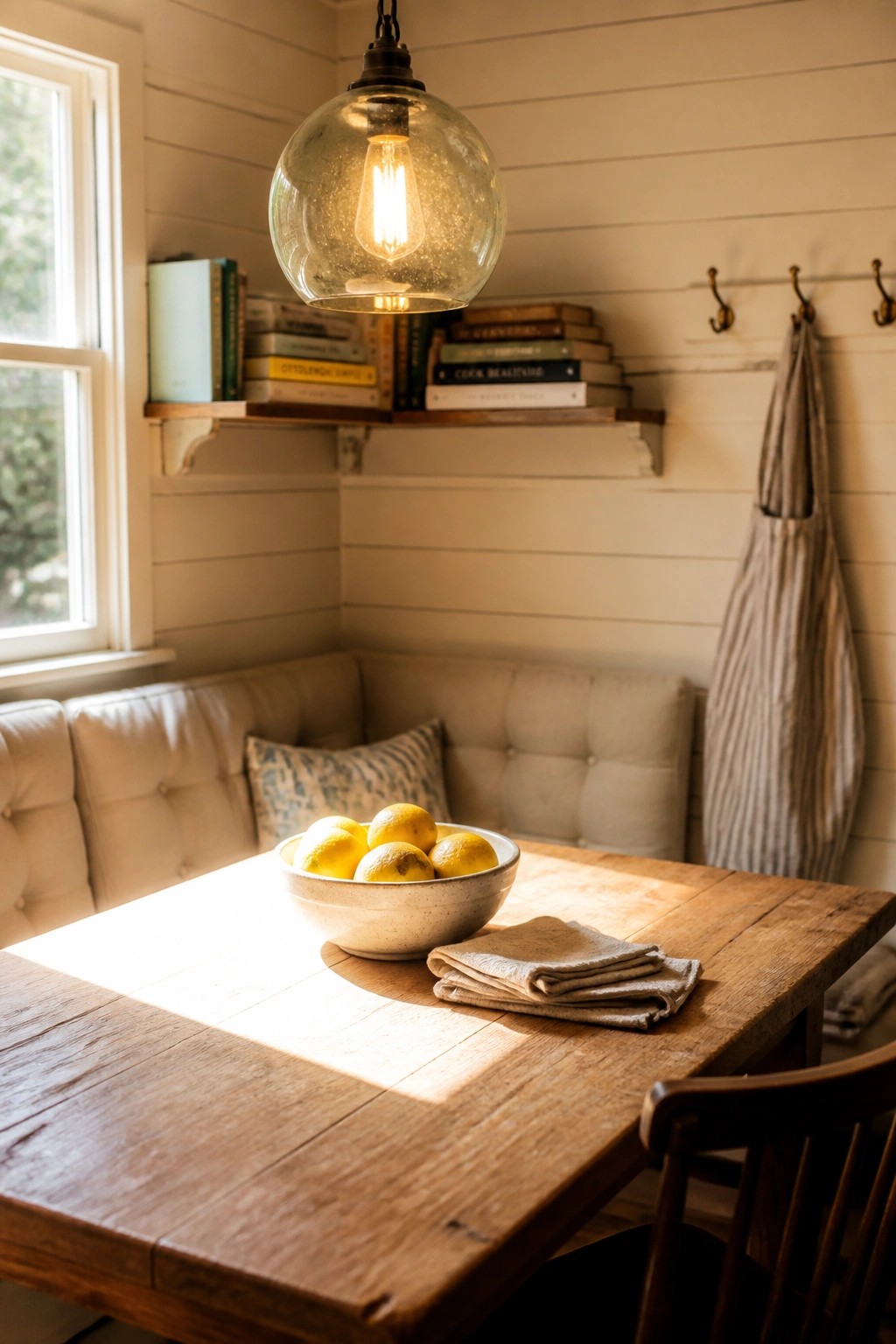
Shiplap works well in small dining areas because it adds texture without making the space feel busy. The horizontal lines keep things simple and help the room feel a bit more open while still giving the walls some character. It pairs easily with wood furniture and soft seating, which is why the look stays relaxed rather than formal.
This approach fits best in casual homes where the dining area shares space with the kitchen or living room. Keep the color light if you want the room to stay bright, and avoid covering every wall if the space is already small. A single accent wall or two is often enough.
Muted Green Shiplap Walls
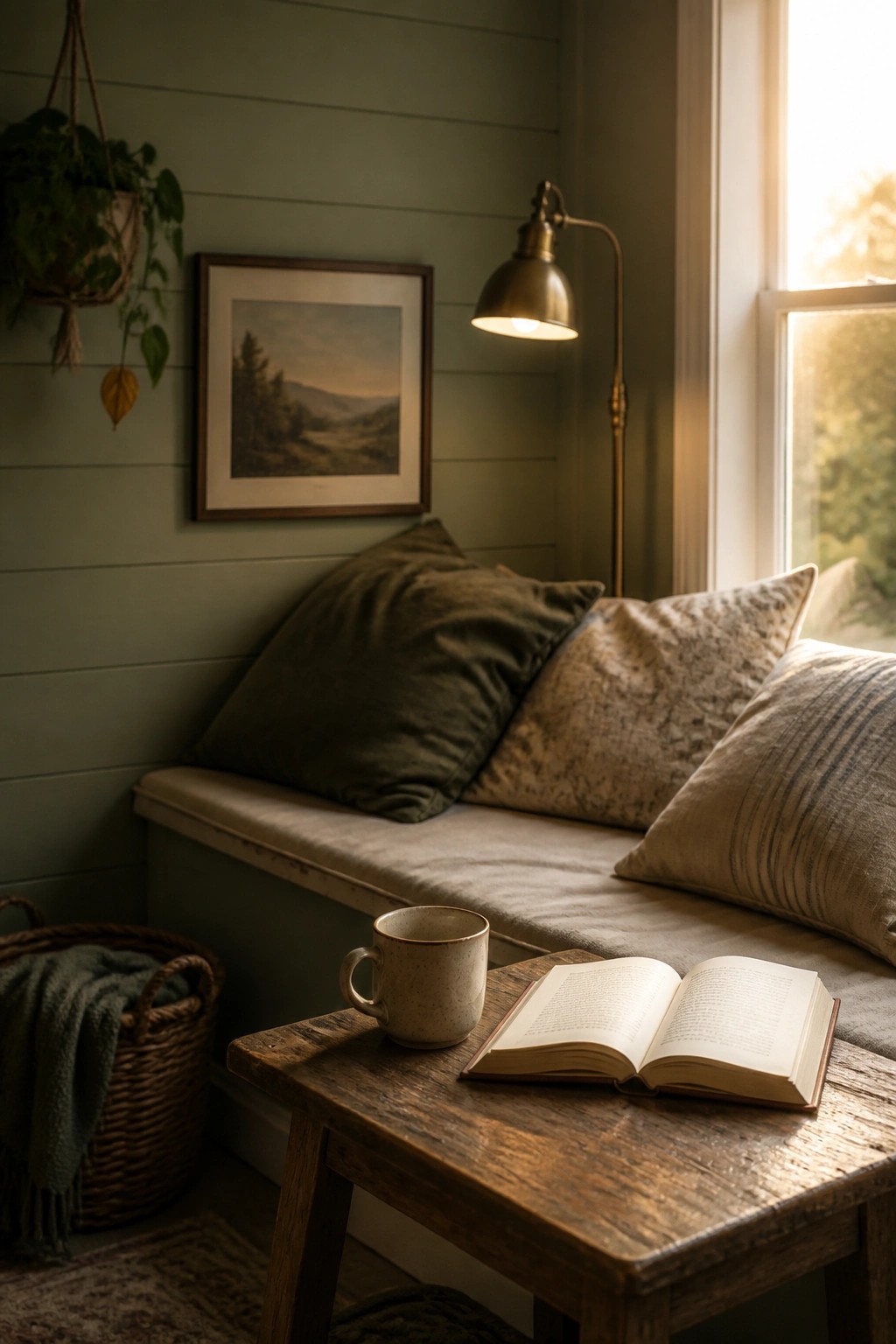
Shiplap painted in a soft green shade gives a room a quiet, settled feel without much effort. The color stays calm next to wood and linen, and the lines of the planks keep the wall from looking plain.
This works best in smaller spaces like a window seat or reading corner where you want texture but not a lot of pattern. It suits older homes or any place that already has wood furniture and simple fabrics.
Dark Shiplap For Vanity Areas
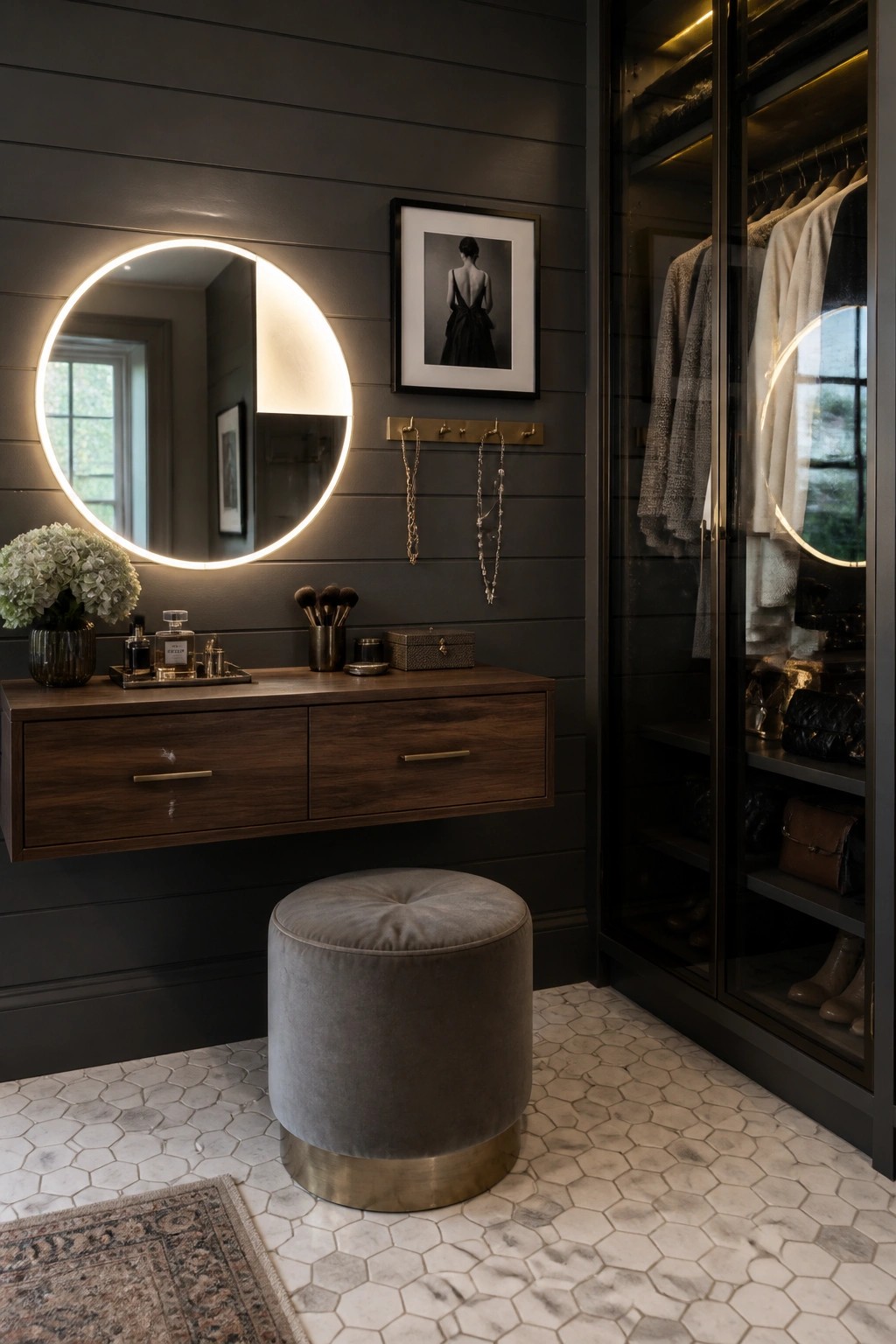
Shiplap takes on a different feel when painted dark and used around a vanity. The texture stays visible but the color keeps the space from feeling too bright or scattered. It gives the wall some depth while still reading as calm and simple.
This works best in bedrooms or dressing areas where you want a little enclosure without closing the room off. Keep the floor light and add only a few metal accents so the wall stays the main feature.
Shiplap In The Pantry
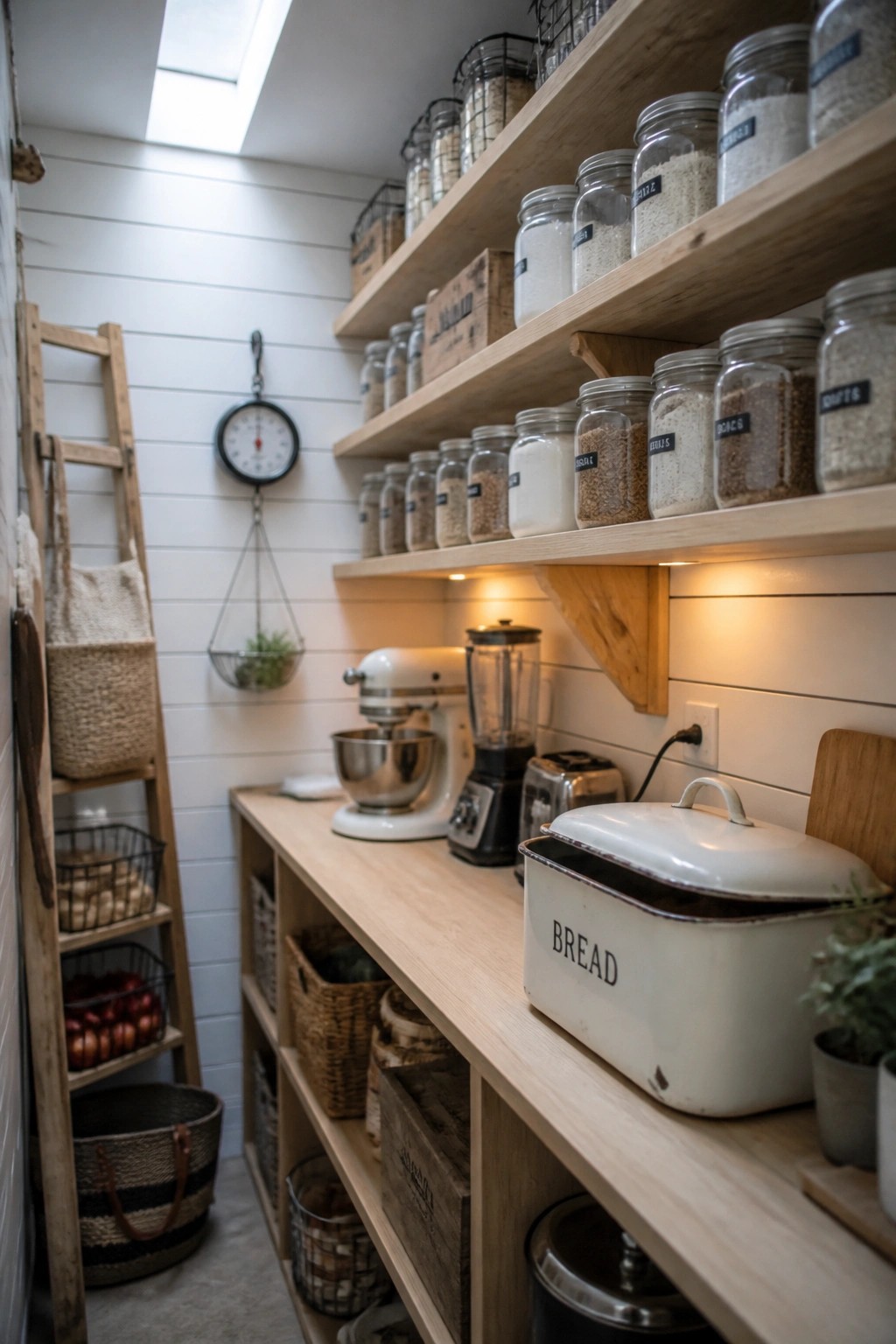
Shiplap on pantry walls gives a clean surface that still feels relaxed. It works well behind open shelves because the lines add a bit of texture without making the space feel busy or cluttered.
This approach fits smaller homes or anyone who already uses shiplap in the kitchen or hallway. Keep the color light and pair it with simple wood shelving so the room stays bright and easy to use every day.
Shiplap Behind The TV
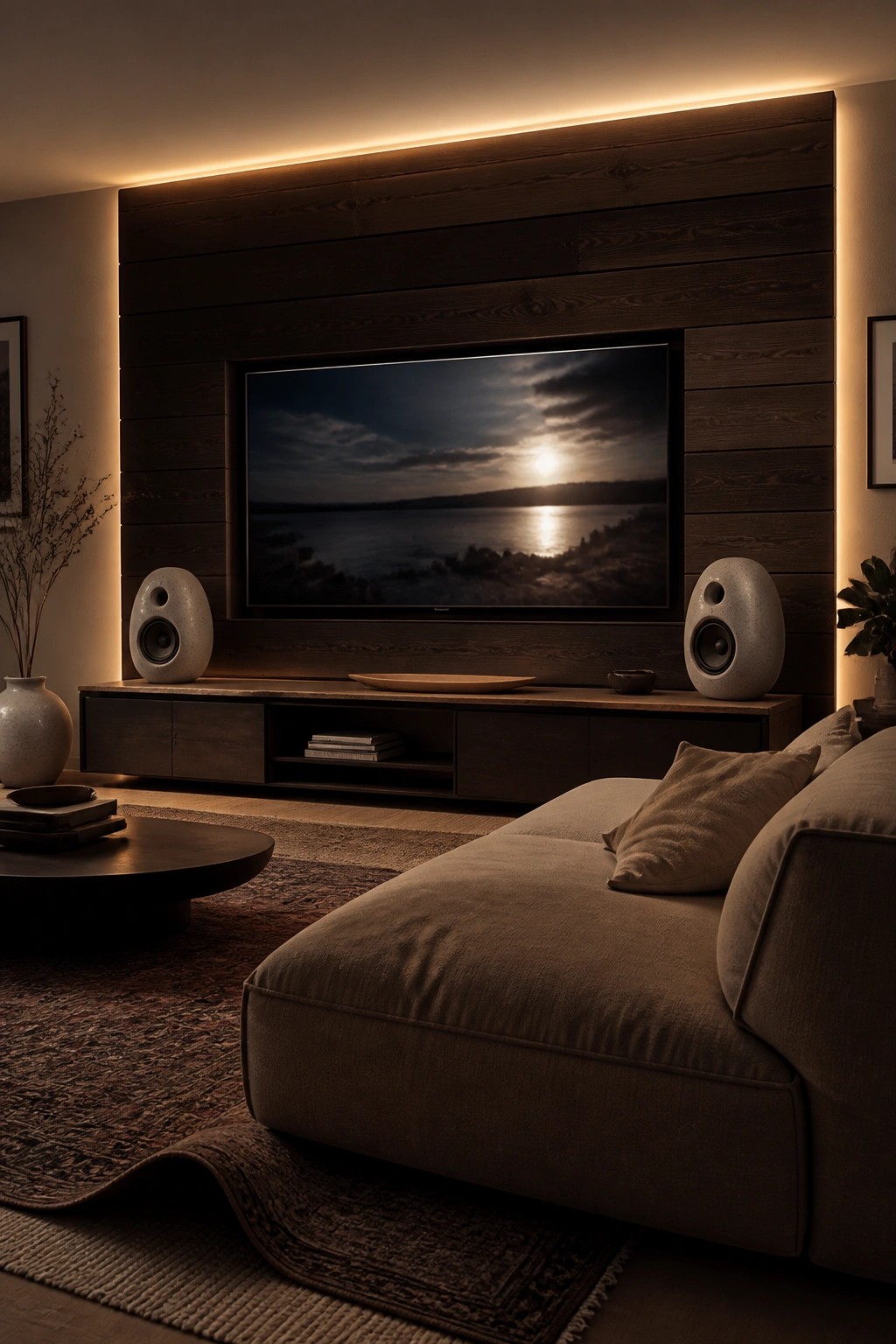
Shiplap works nicely as a backdrop for a television because it adds texture without making the room feel busy. The horizontal boards create a quiet rhythm that keeps the focus on the screen while still giving the wall some character.
This approach suits living rooms that already have simple furniture and soft lighting. A darker wood tone helps the setup feel grounded, but keep the finish matte so reflections stay low. Avoid overcrowding the console underneath, or the whole wall can start to feel heavy.
Frequently Asked Questions
Q: Should I paint the shiplap before or after hanging it on the wall?
A: Paint the boards first if you want clean lines between them. It saves time and keeps the grooves neat. Touch up any nail holes after installation.
Q: Can shiplap work well in a kitchen without looking too rustic?
A: It works if you keep the boards narrow and paint them a light color. The clean lines still give that relaxed feel.
Q: How do I clean shiplap walls without damaging the finish?
A: Dust them regularly with a microfiber cloth. For spots, wipe gently with a damp rag and mild soap. Avoid scrubbing hard or using harsh cleaners that could strip the paint.
