

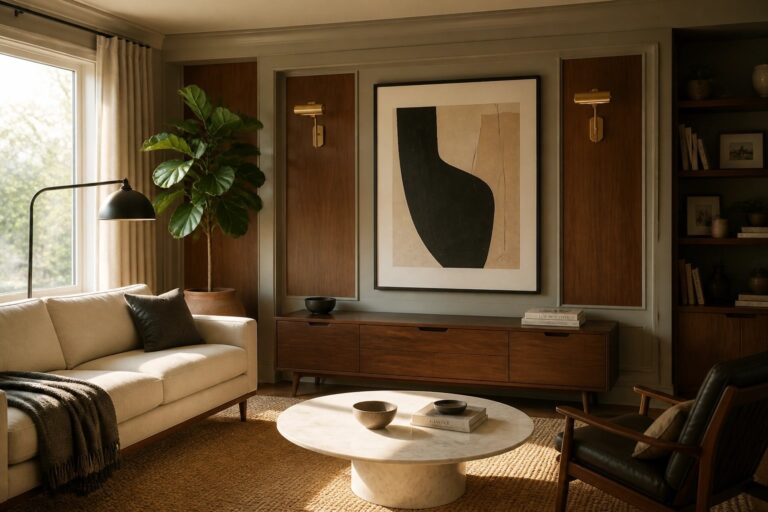
When plain walls start to feel too bare after living in a space for a while, wood trim often becomes the detail that pulls everything into balance.
It adds depth without taking over the room, which matters when you want the furniture and lighting to stand out instead.
I’ve found that the right trim choice can make a room feel more put together even on days when nothing else is perfectly arranged.
Small choices like this tend to matter more than they first appear.
Trying one or two versions in a real setting usually shows whether they fit the way the space is used every day.
Built-In Wood Shelving With Simple Trim
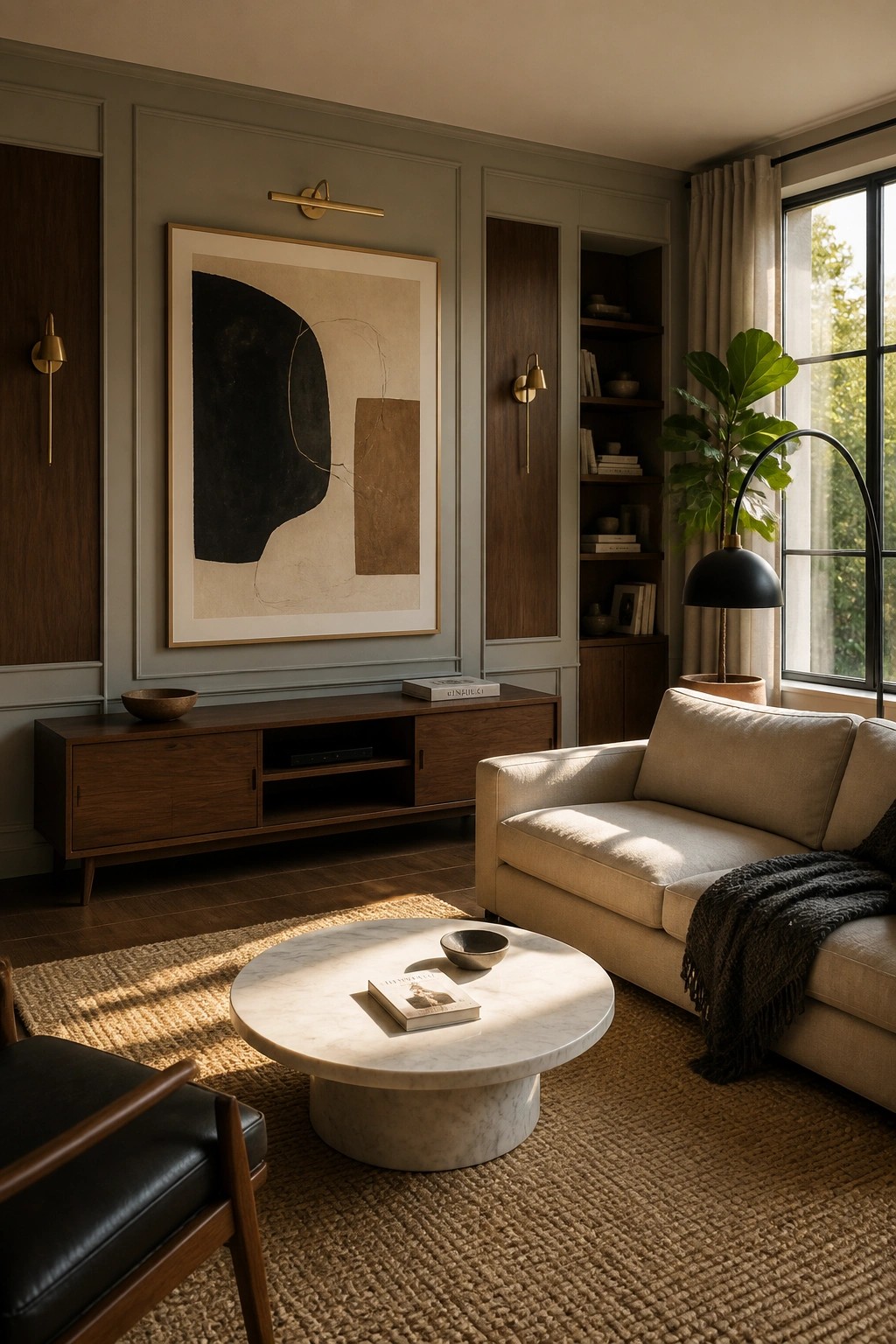
Built-in shelving framed by wood trim gives a plain wall real purpose. It adds storage and display space while keeping the room feeling calm and organized instead of crowded with extra furniture.
This approach works best in living rooms or family spaces where you want a few books and objects visible but not scattered. Match the wood tone to other pieces in the room and keep the trim width modest so the wall still feels light.
Vertical Wood Slats Behind The Bed
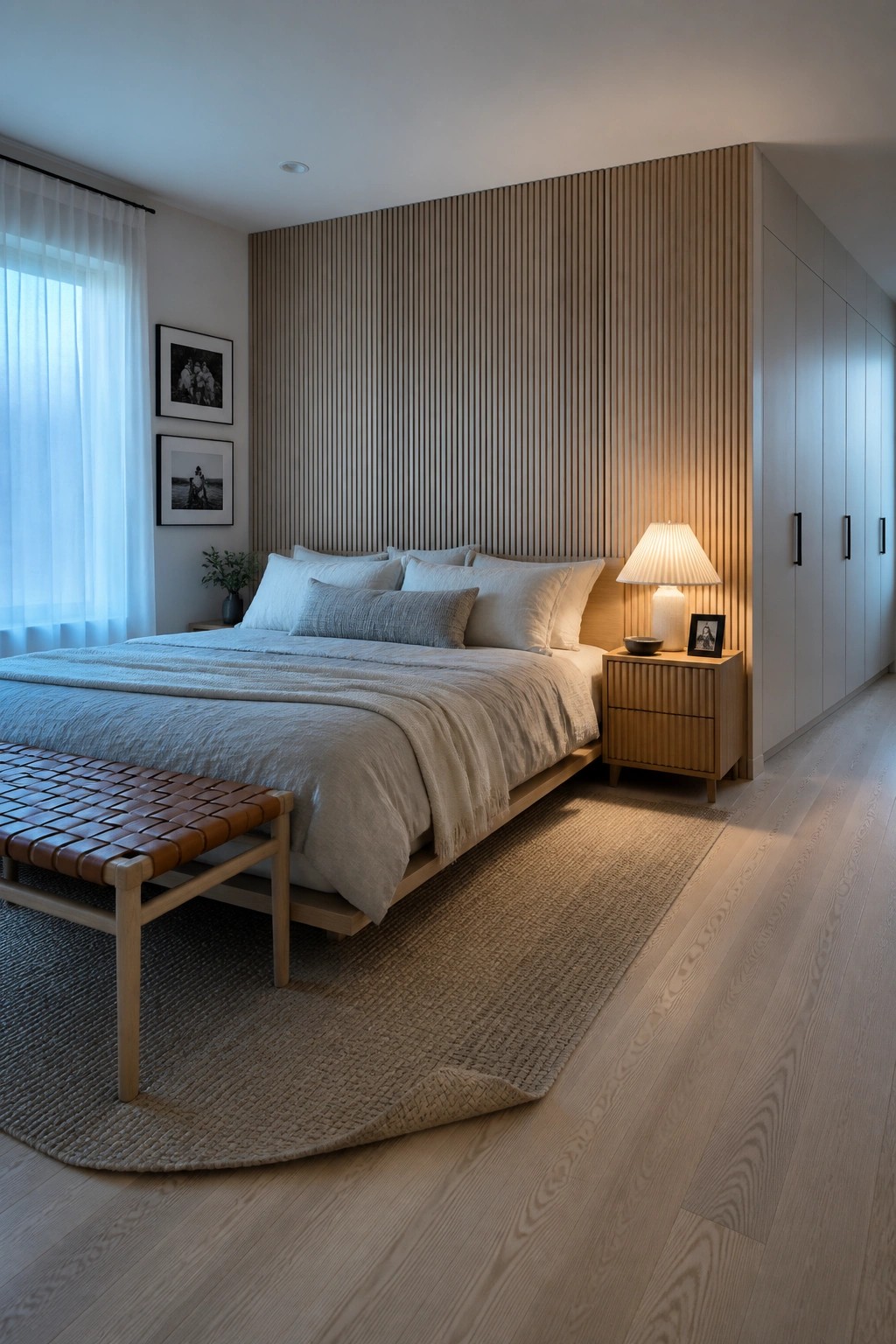
Vertical wood slats give a plain wall real texture without adding clutter. The look works because the lines stay simple and the material feels warm next to soft bedding and light floors.
This detail suits bedrooms that need a quiet focal point. Use it on one wall only, keep the rest of the room neutral, and make sure the wood tone matches nearby furniture so the room stays calm.
Vertical Wood Paneling With Built-Ins
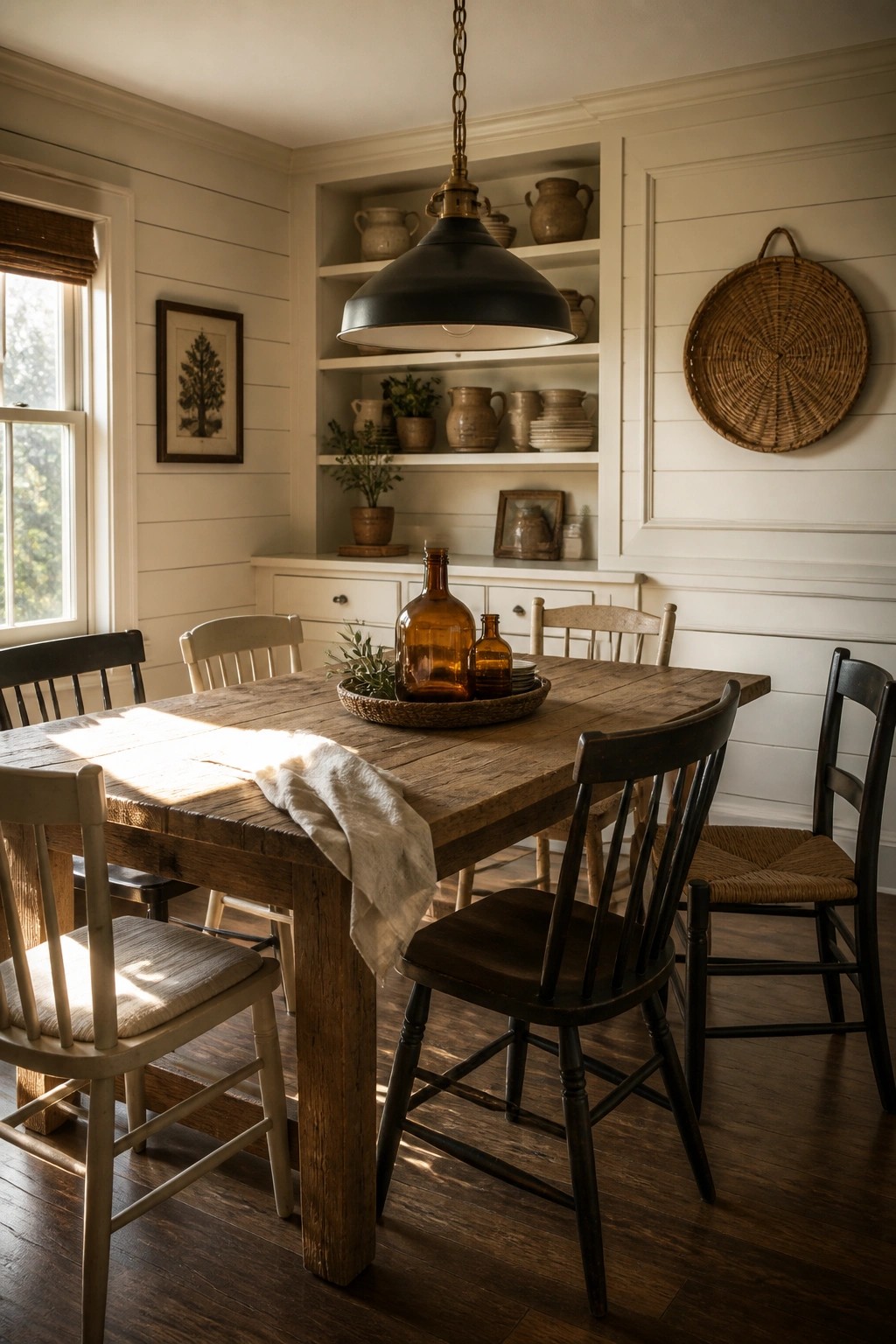
White vertical paneling gives a room structure without making it feel busy. It adds quiet texture to walls that would otherwise look flat, and it works especially well when paired with simple built-in shelves for storage and display.
This approach suits older homes or any space that needs a bit more character. Keep the trim painted the same color as the walls if you want a soft, blended look, and make sure the shelves stay functional rather than overcrowded.
Beadboard With A Bracketed Wood Ledge
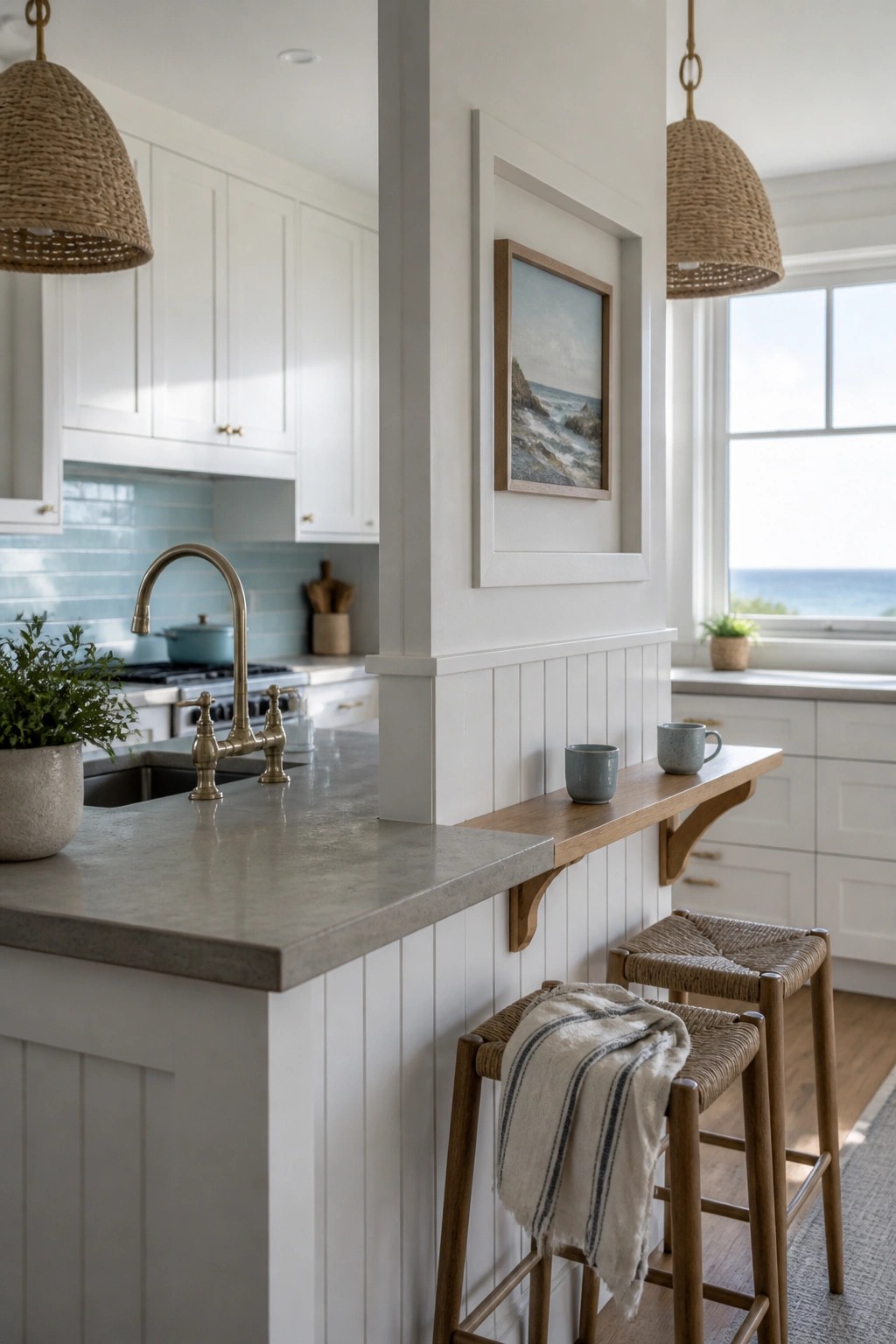
A simple way to add interest to plain walls is to run beadboard along the lower half and top it with a narrow wood ledge on brackets. This creates a clean break in the wall while giving you a spot to set down small items without needing a full shelf unit. It keeps the space feeling light but adds a bit of structure that plain drywall lacks.
This approach works well in kitchens or breakfast areas where you want some display space without cluttering the floor plan. It suits homes that lean traditional or coastal, and the brackets keep the ledge from feeling too heavy. Just watch the depth so it does not interfere with seating or walkways.
Arched Wood Trim Gives a Wall Gentle Structure
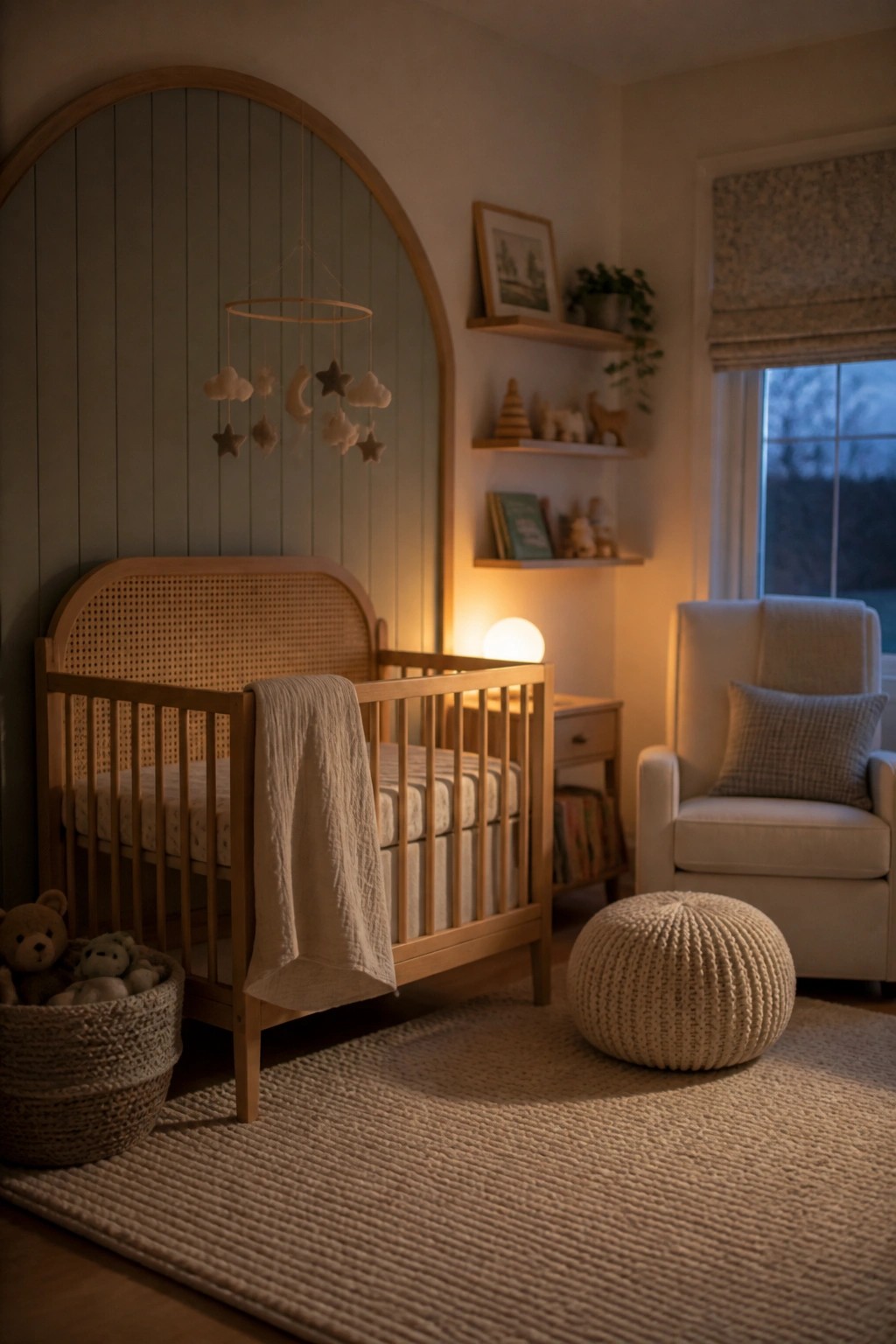
An arched wood trim detail can turn a plain wall into something more finished without adding clutter. The shape softens the lines and creates a quiet focal point that feels calm rather than busy.
This approach suits smaller rooms or spaces that need a bit of order. Keep the trim in a muted tone and let the rest of the wall stay simple so the arch does the work on its own.
Wood Trim Paneling On An Accent Wall
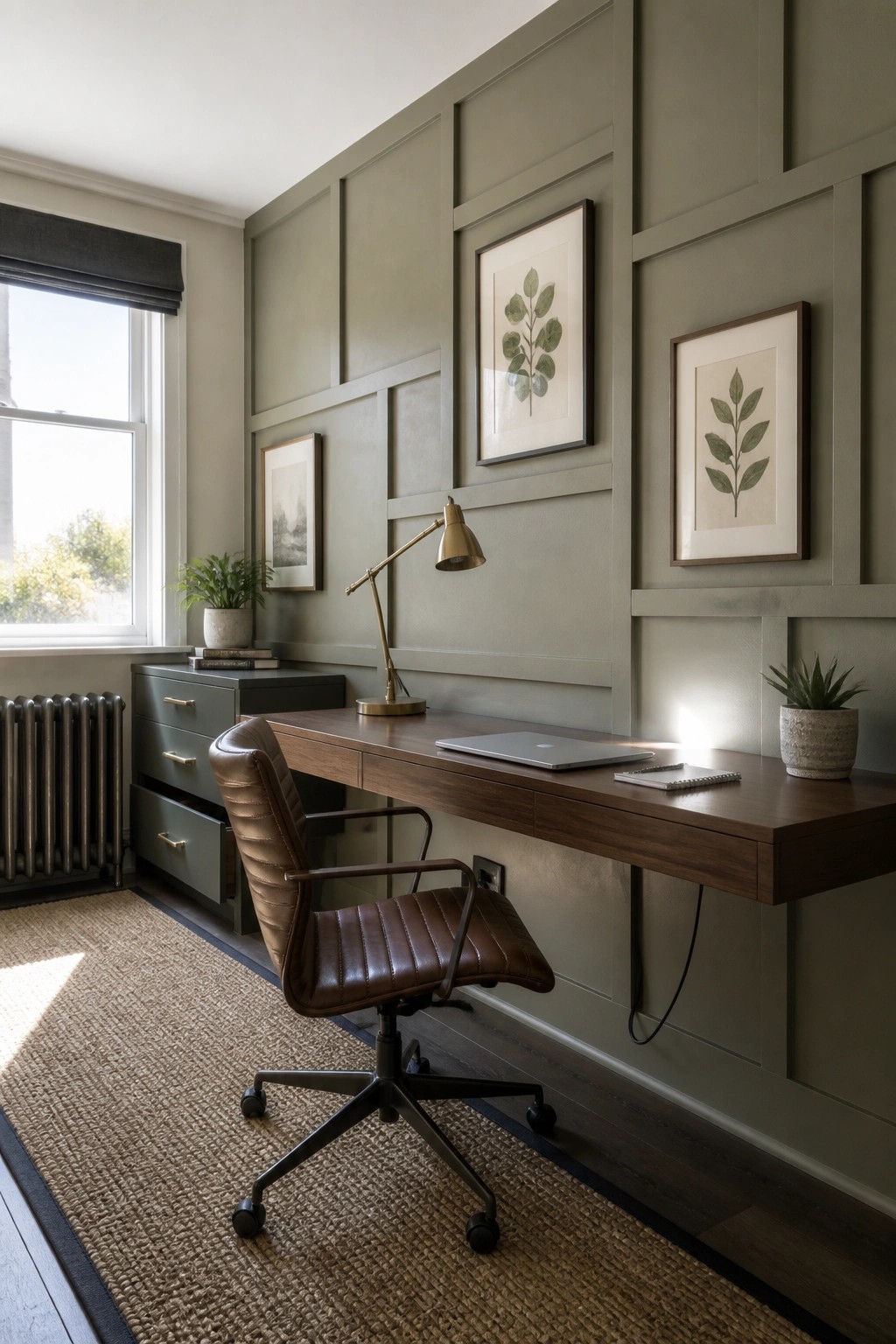
Wood trim paneling gives a plain wall some quiet structure without much fuss. It breaks up a flat surface into framed sections that feel more intentional, which works especially well behind a desk where you spend long hours. The trim keeps the room from feeling bare while still leaving plenty of open space.
This approach suits smaller work areas or studies in homes with basic drywall. Keep the trim and wall the same color for a soft, calm look, and use the panels to place artwork at a natural height. Just watch the scale so the grid does not feel too busy in a compact room.
Narrow Wood Slat Accent Wall For Minimal Bedrooms
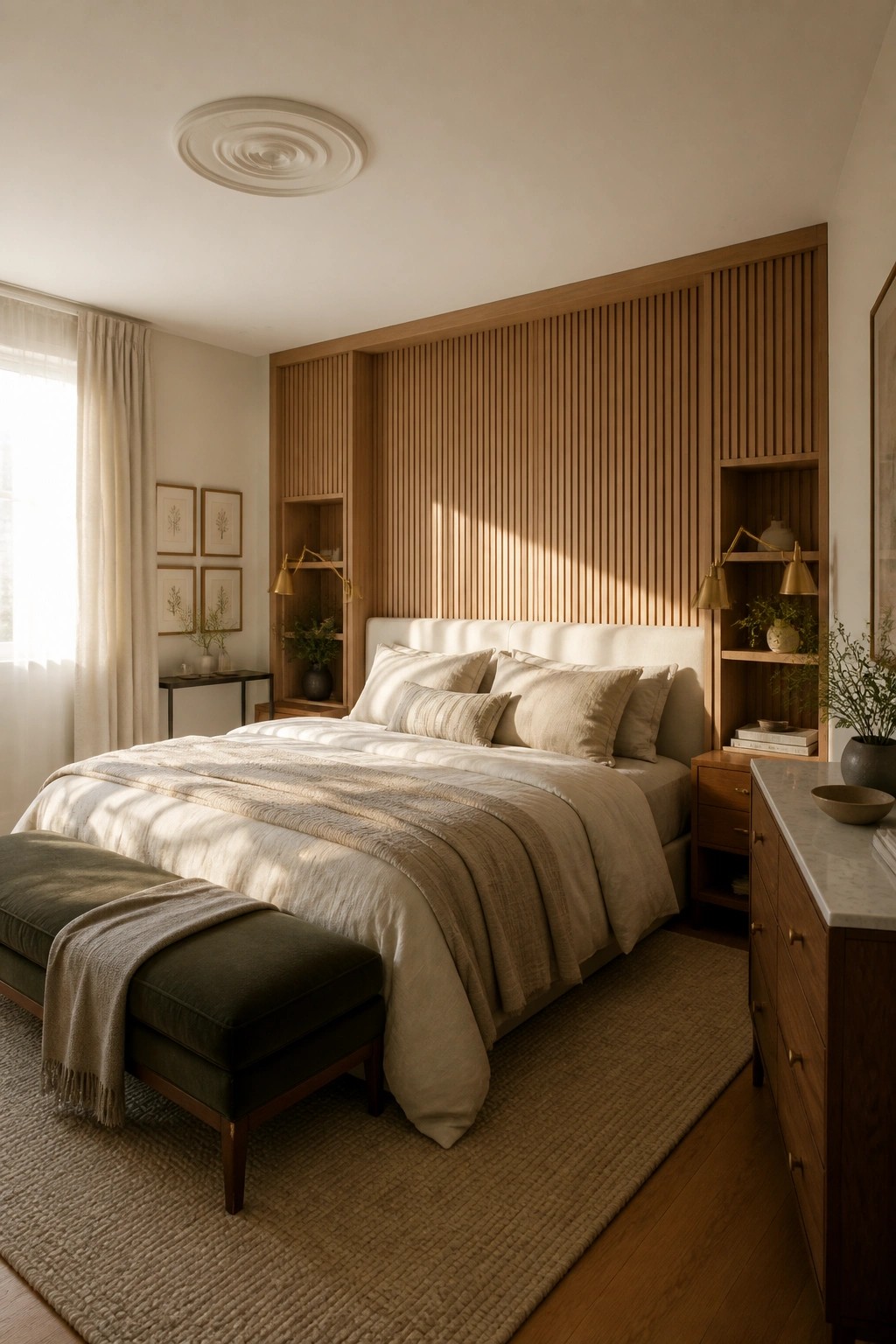
Vertical wood slats can turn a plain bedroom wall into something more interesting without adding much clutter. The narrow spacing and natural tone give the surface depth while still feeling calm and simple.
This works best in rooms that already have neutral bedding and minimal furniture. Keep the rest of the space light so the wood trim stays the main feature rather than competing with other details.
Wood Trim Along The Bottom Of Walls
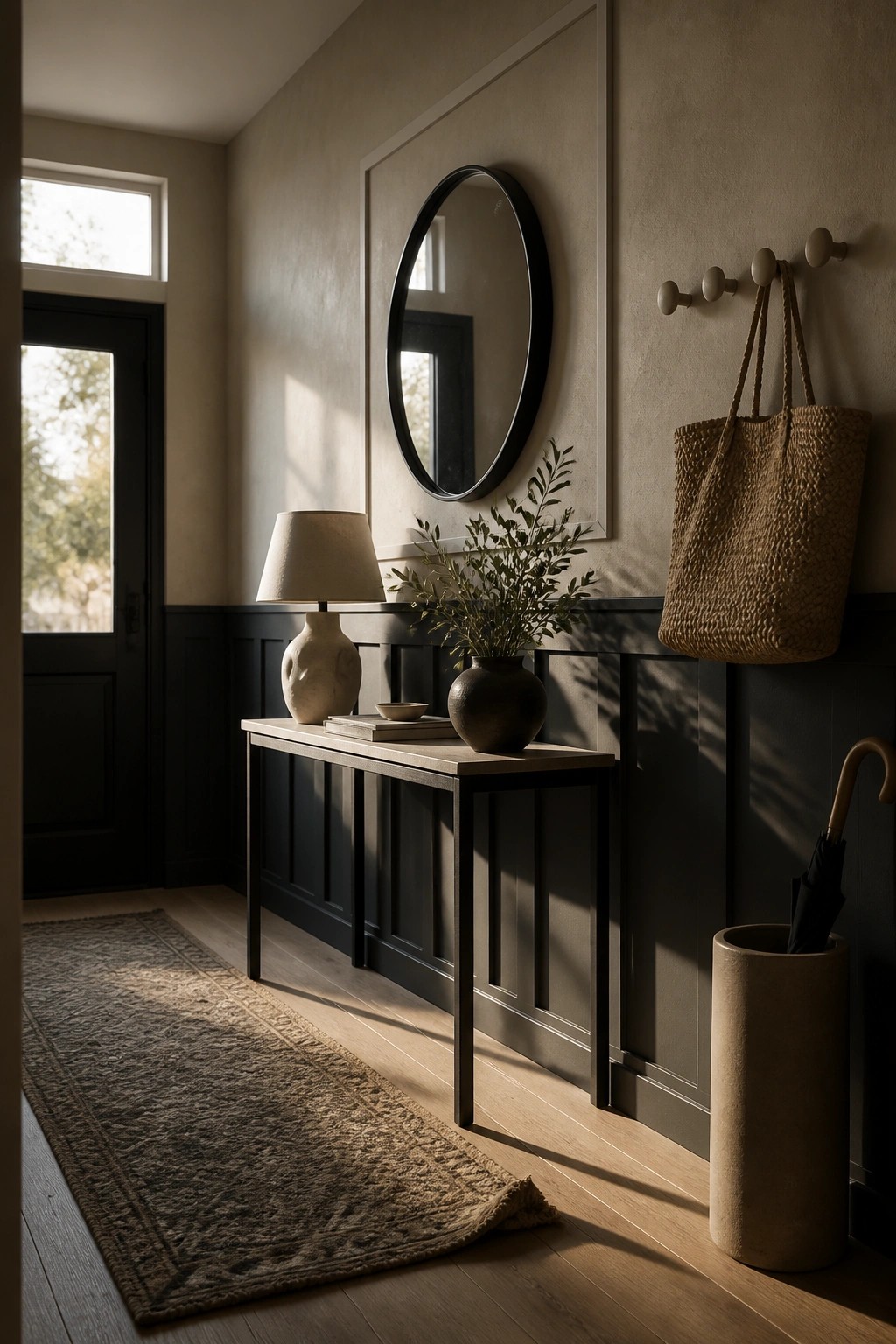
Wood trim on the lower half of a wall gives a plain space some structure without much effort. It breaks up the height, adds a bit of shadow and texture, and works especially well in hallways or entry areas where walls can otherwise feel flat and empty. Many people choose a darker shade for the trim so it stands out against lighter paint above.
This approach suits older homes and newer builds alike, as long as the trim is kept simple. It works best when the top and bottom sections stay in the same color family, and it is easy to add to an existing room if the baseboards are already in decent shape. Just keep the upper wall clear so the trim stays the focus.
Vertical Wood Slats On Bathroom Walls
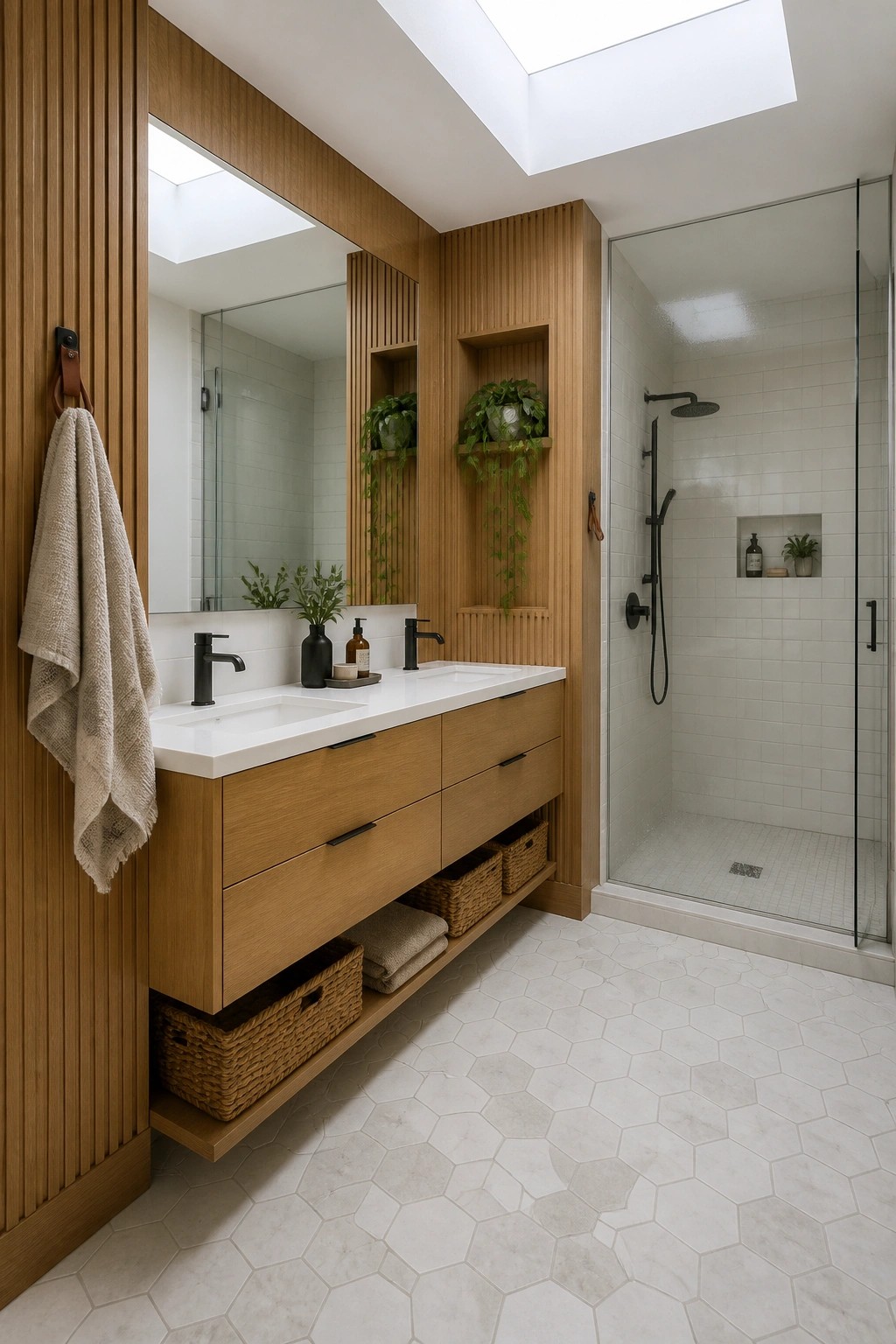
Vertical wood slats give a bathroom wall some texture and height without needing a lot of extra decoration. They stand out most when placed around a vanity or mirror, where the lines help the area feel more finished and less flat.
This look works best in spaces that already use wood tones elsewhere, like cabinetry or flooring. Keep the rest of the room simple so the slats do not compete with too many other patterns or colors.
Vertical Wood Trim For Gentle Wall Texture
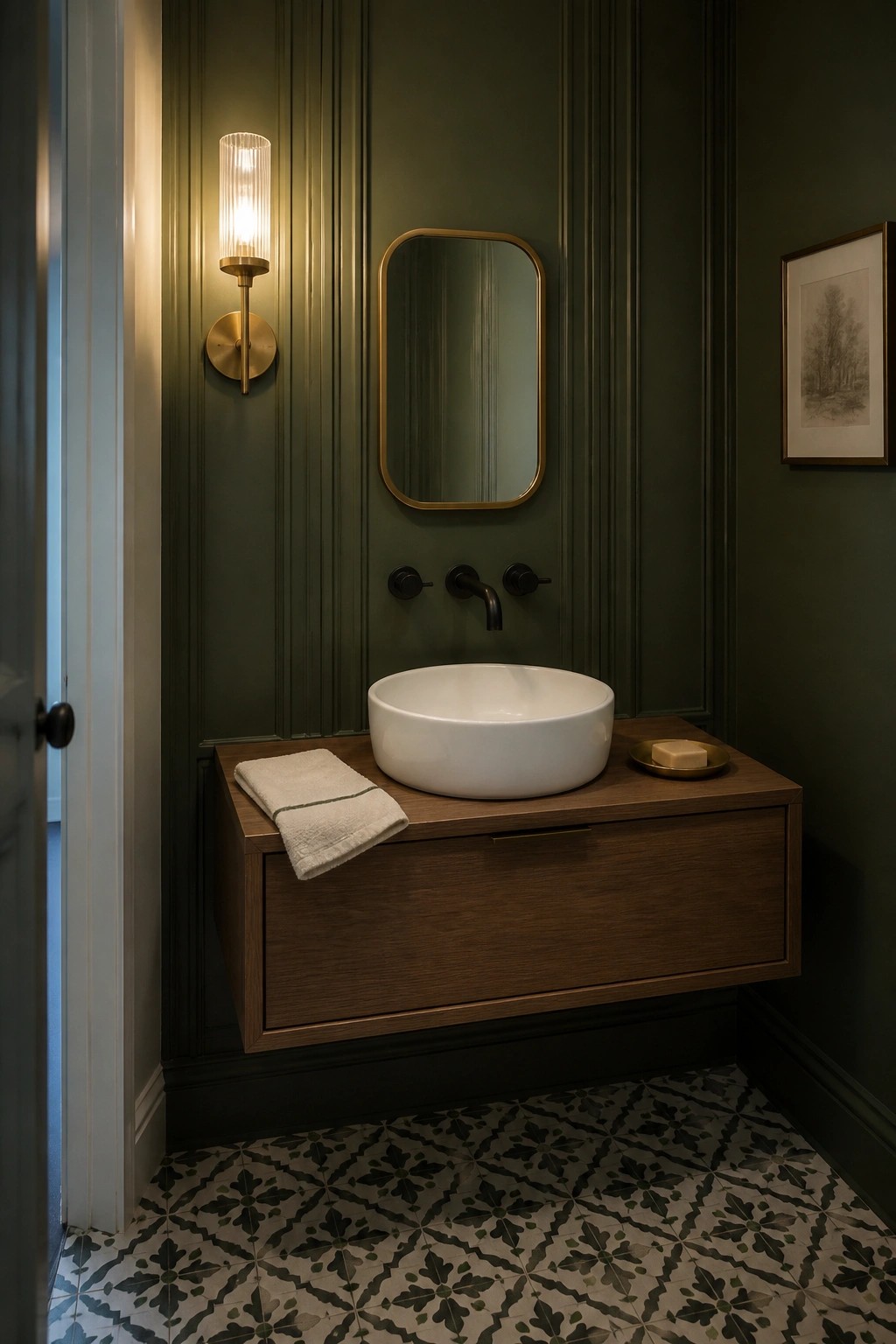
Many people add wood trim when plain walls start to feel flat. Vertical lines like these bring just enough movement and catch light softly across the surface.
This works especially well in smaller rooms where you want some detail without crowding the space. Keep the trim simple, paint it the same color as the wall, and pair it with clean fixtures so the texture stays the main focus.
Herringbone Wood Trim On An Accent Wall
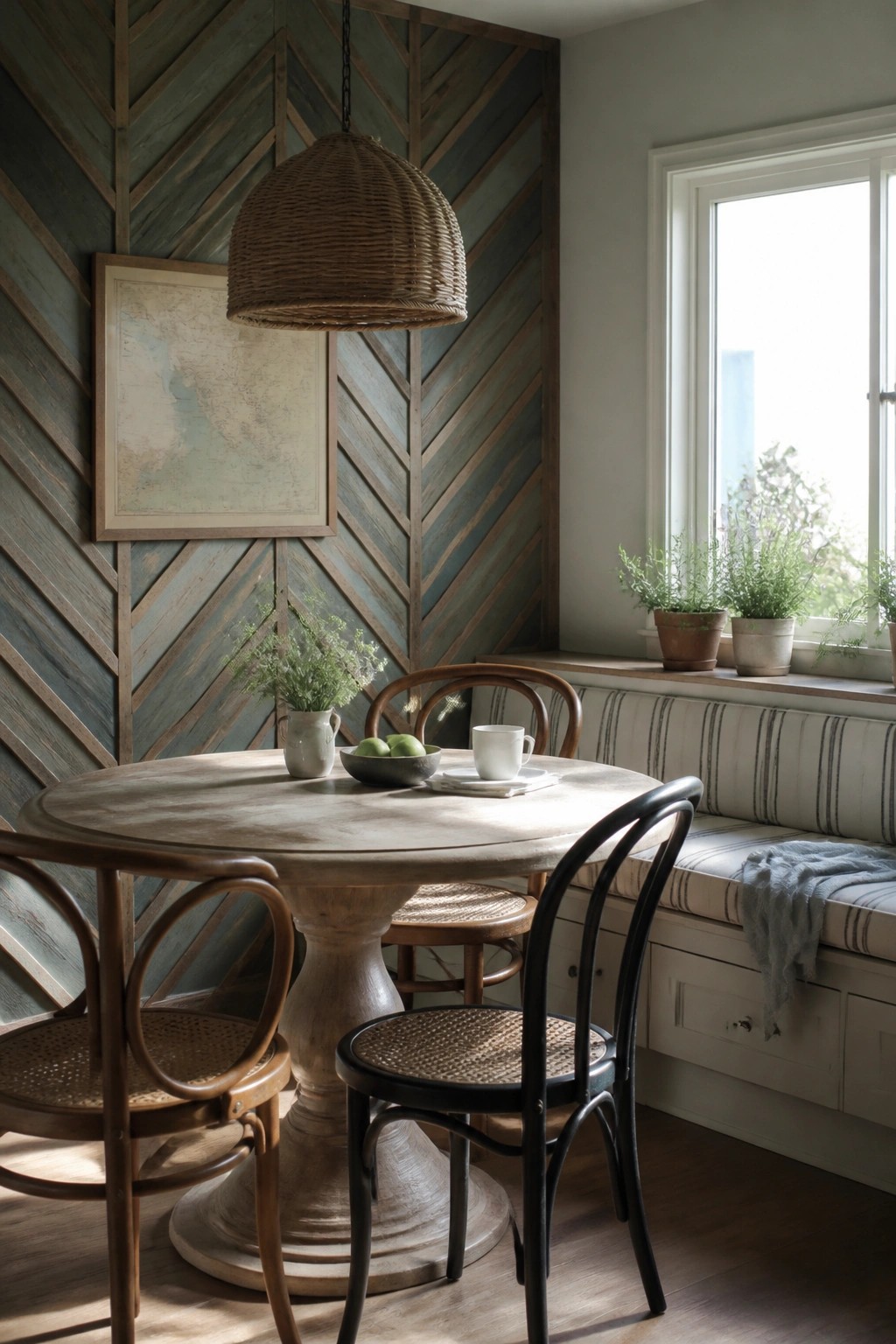
Herringbone wood trim gives a plain wall some shape without making the room feel busy. The angled layout adds movement and a bit of depth that flat paint alone cannot match.
This approach works best in smaller spots like dining corners or breakfast nooks where you want quiet interest rather than a big statement. Keep the rest of the space simple with light furniture and soft tones so the trim stays the focus.
Wood Paneling With Built-In Benches
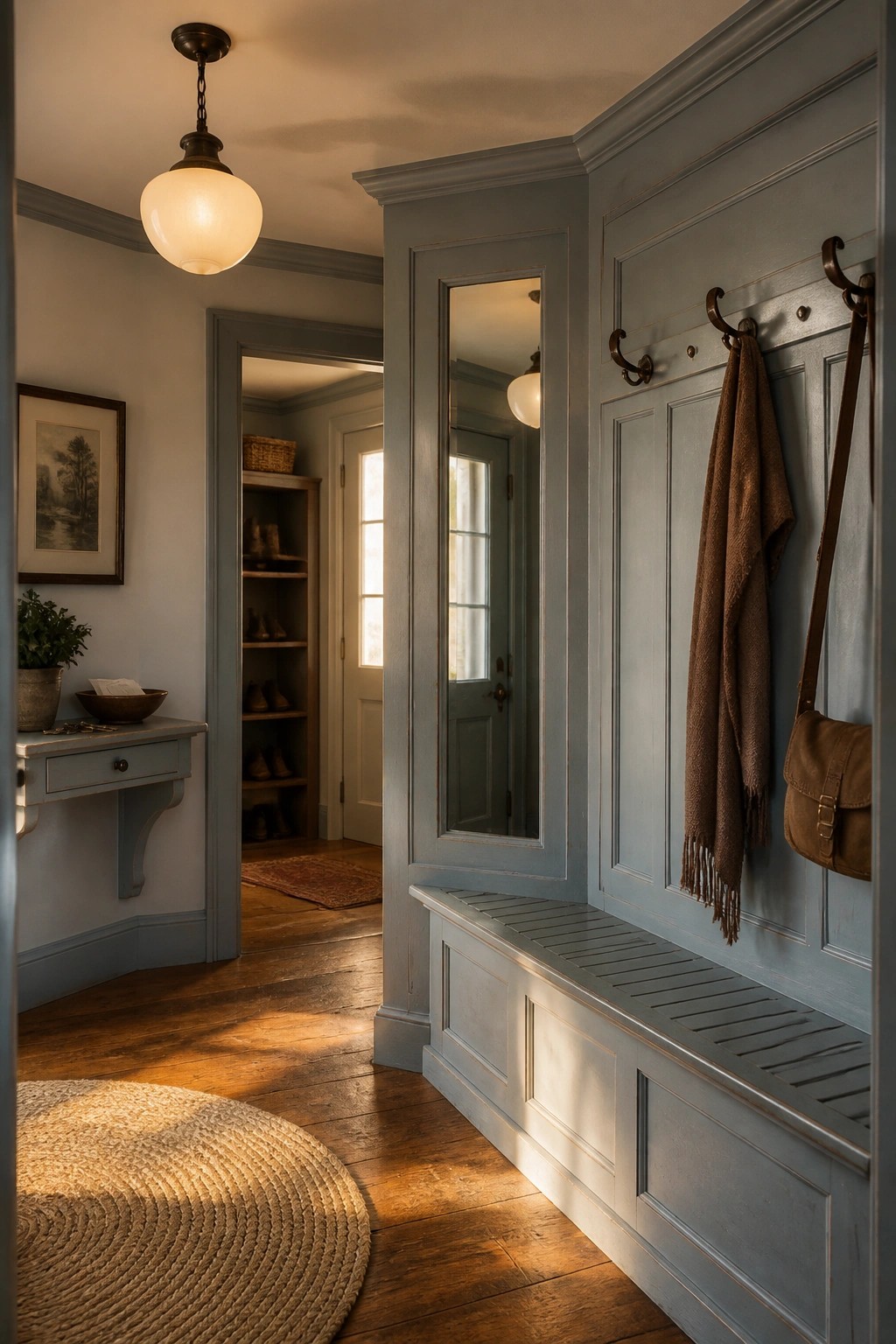
One useful way to make wood trim feel more practical is to build a bench right into the paneling. This turns a plain wall into a spot for sitting down, taking off shoes, or dropping bags without adding separate furniture that might crowd the space.
It works especially well in entryways or hallways where you need a little storage and seating. Keep the trim simple, paint it the same color as the walls, and add hooks above the bench so coats and bags stay off the floor. Just make sure the bench depth stays shallow enough that it does not block the walkway.
Bedroom Wainscoting With A Display Ledge
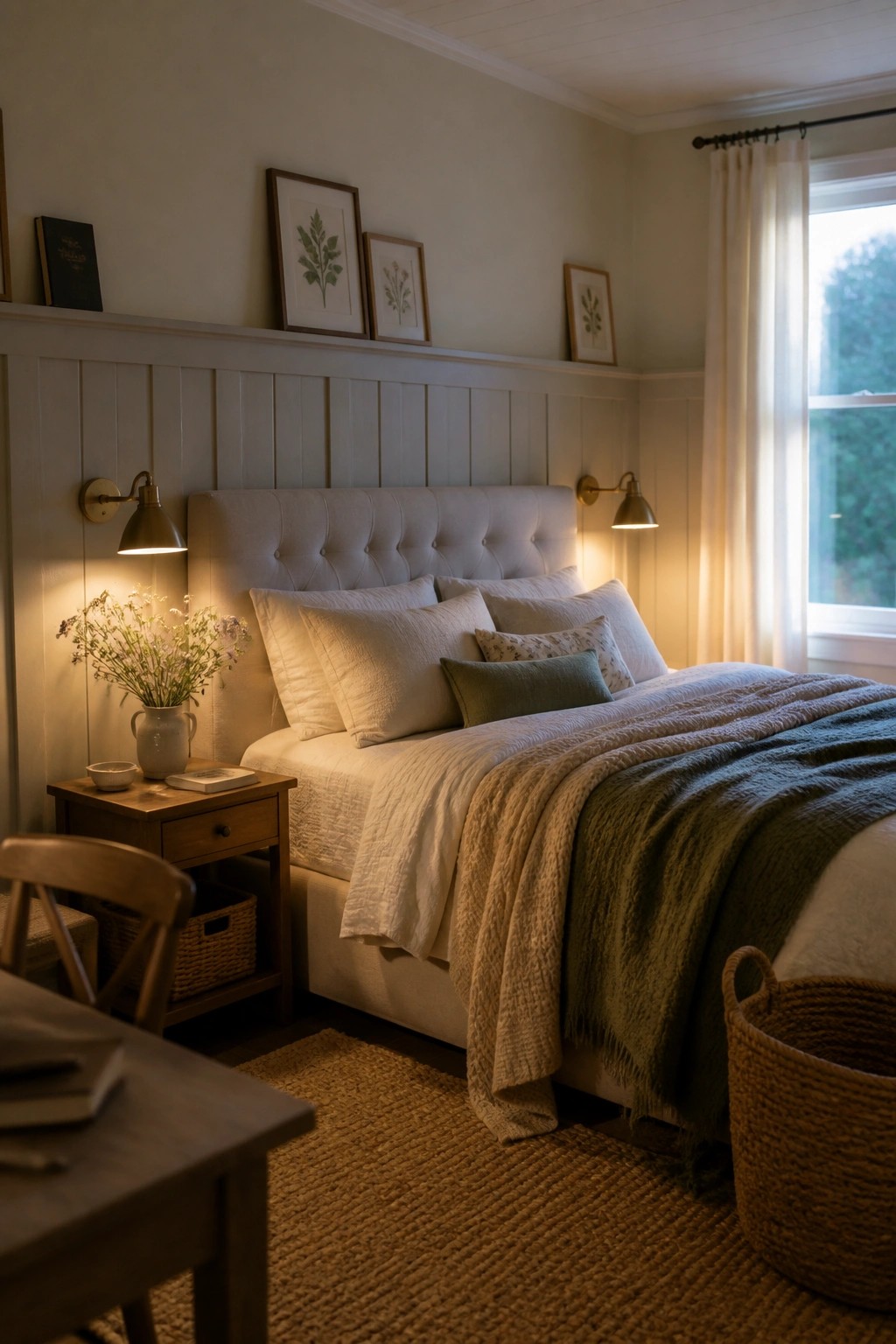
Many bedrooms start with flat walls that feel unfinished once the furniture is in place. Vertical wood trim on the lower half adds just enough structure to make the room feel considered. It works especially well when the trim stops at a narrow ledge that can hold a few frames without needing hooks or heavy hanging.
This detail suits neutral bedrooms where the goal is warmth rather than pattern. Keep the trim painted the same color as the wall above so it reads as texture instead of contrast. The ledge then becomes the only extra element needed for display.
Painted Wood Trim Built-Ins For Utility Rooms
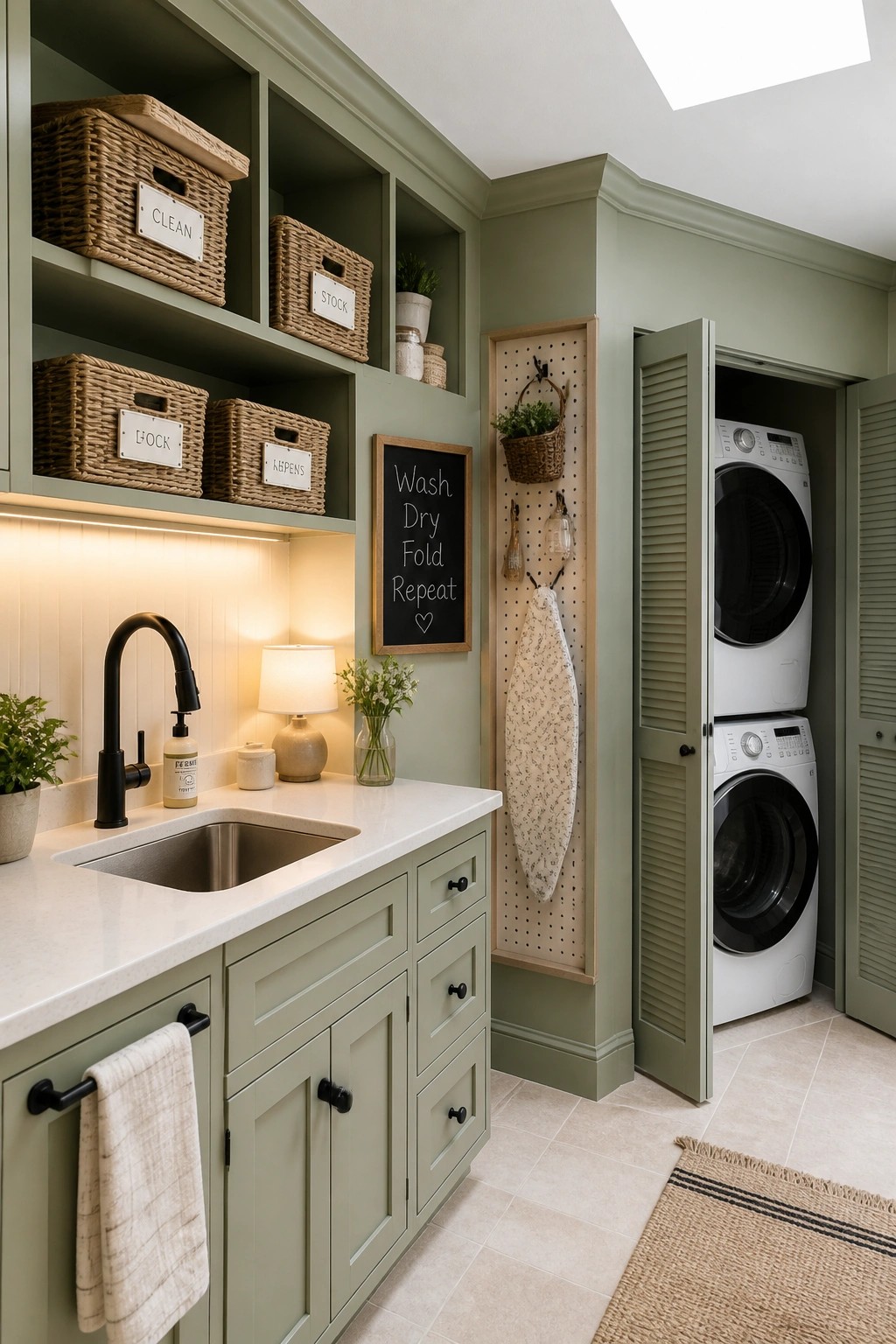
Built-in cabinetry with painted wood trim can make a laundry room feel like a real part of the house instead of a leftover space. The trim gives structure to the walls and turns plain storage into something that looks intentional and finished.
This works best in homes where the laundry area sits near living spaces or gets daily use. Match the trim color to the cabinets so the whole wall reads as one piece, and keep the style simple so it does not compete with the function of the room.
Built-In Wood Shelving For A Classic Study
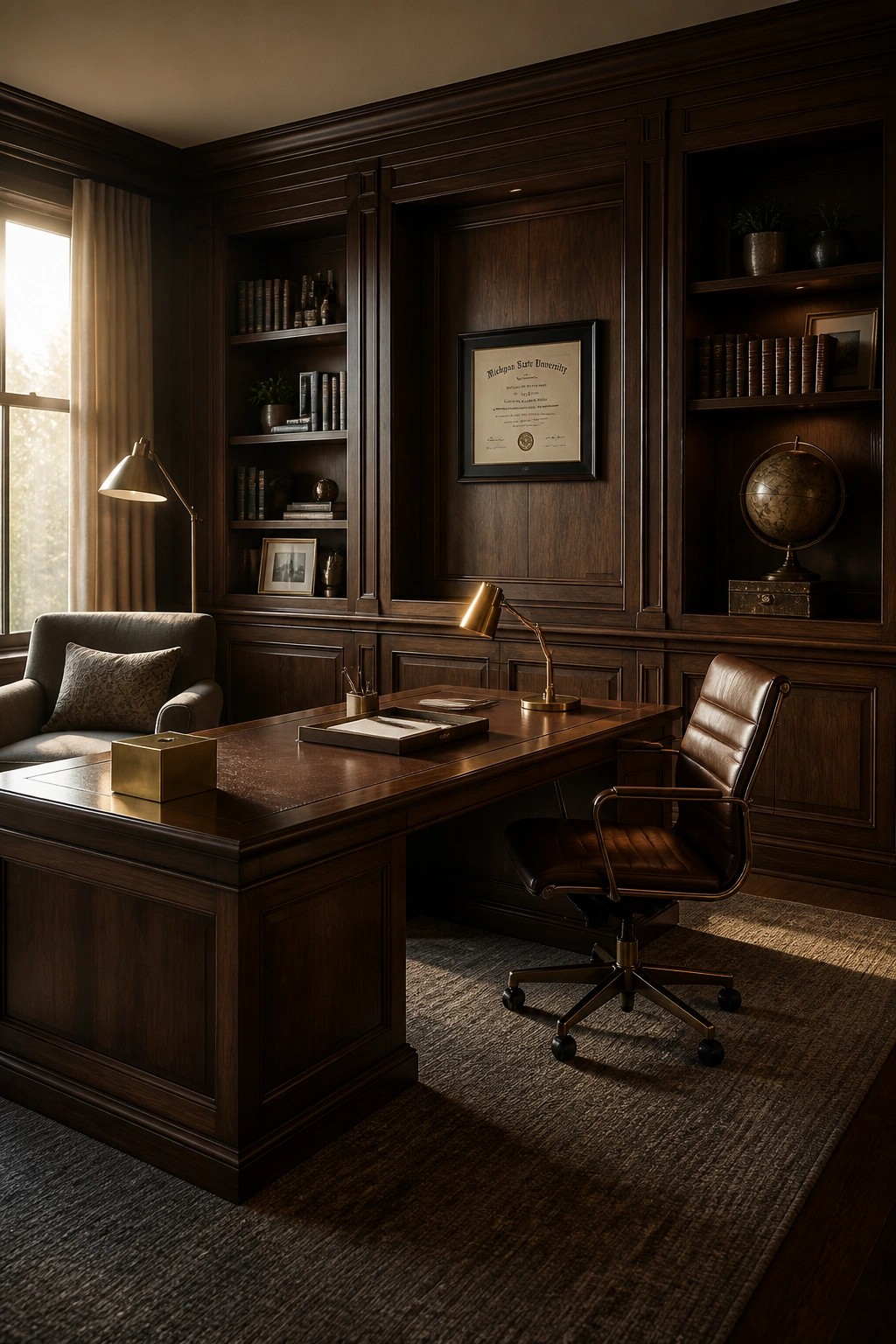
Built-in wood shelving gives a room weight and purpose without needing much extra furniture. The continuous paneling and shelving turn plain walls into something that feels permanent and useful at the same time.
This works best in offices or libraries where you want storage and a calm mood. It suits homes with traditional details or any space that feels too bare on its own. Keep the wood tone consistent with your desk and trim so the whole room reads as one.
Soft Green Wood Paneling For Calm Bathrooms
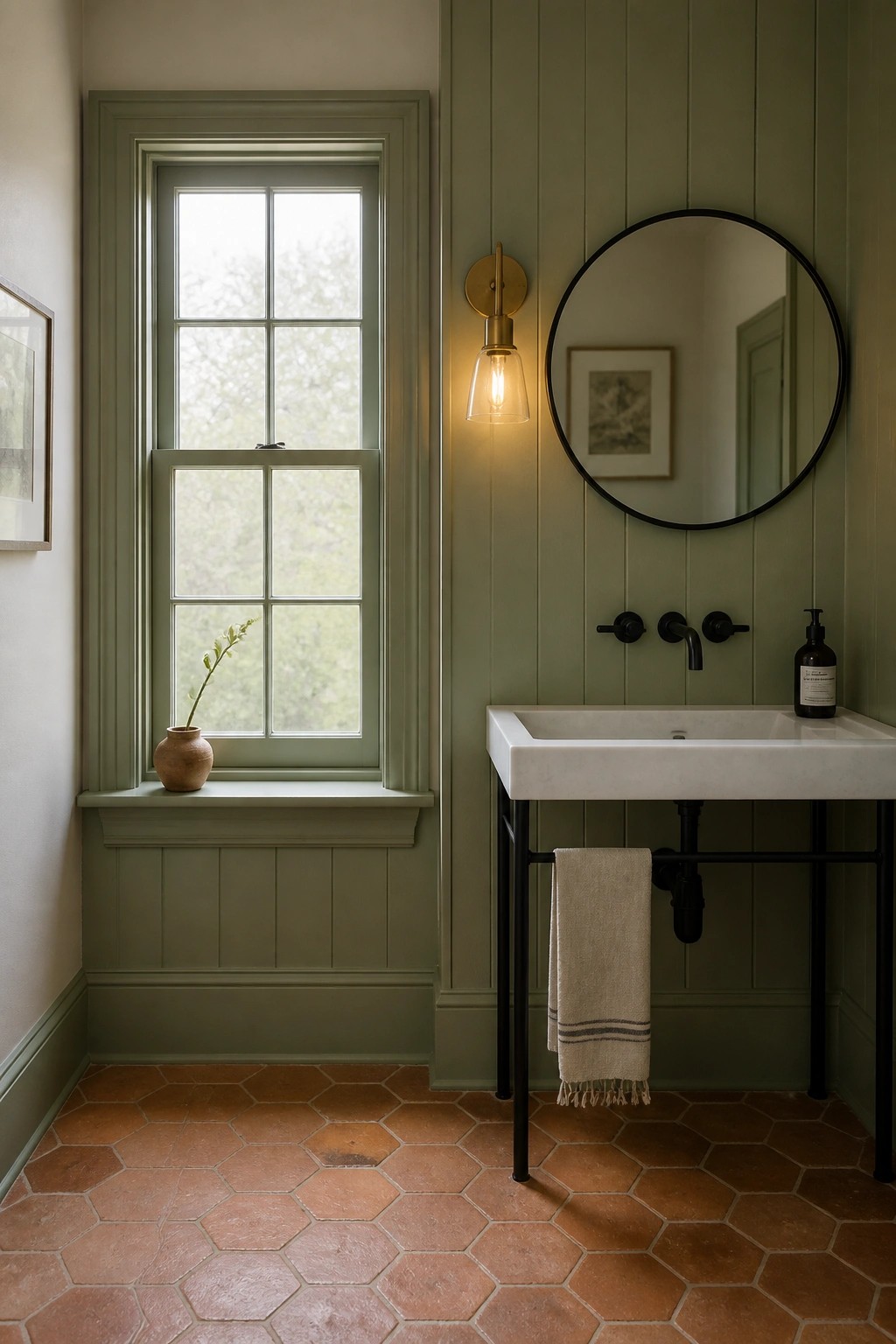
Vertical wood paneling gives walls a quiet texture that feels finished without looking busy. Painting it a muted green keeps the look soft and helps the room feel calm rather than stark. The paneling also adds some depth so plain walls do not read as flat.
This approach works especially well in bathrooms or smaller rooms where you want character but not strong patterns. Keep the trim simple and match the color on window frames so everything feels pulled together. It suits older homes and newer builds alike as long as the paint color stays on the gentle side.
Dark Vertical Paneling For A Living Room Feature Wall
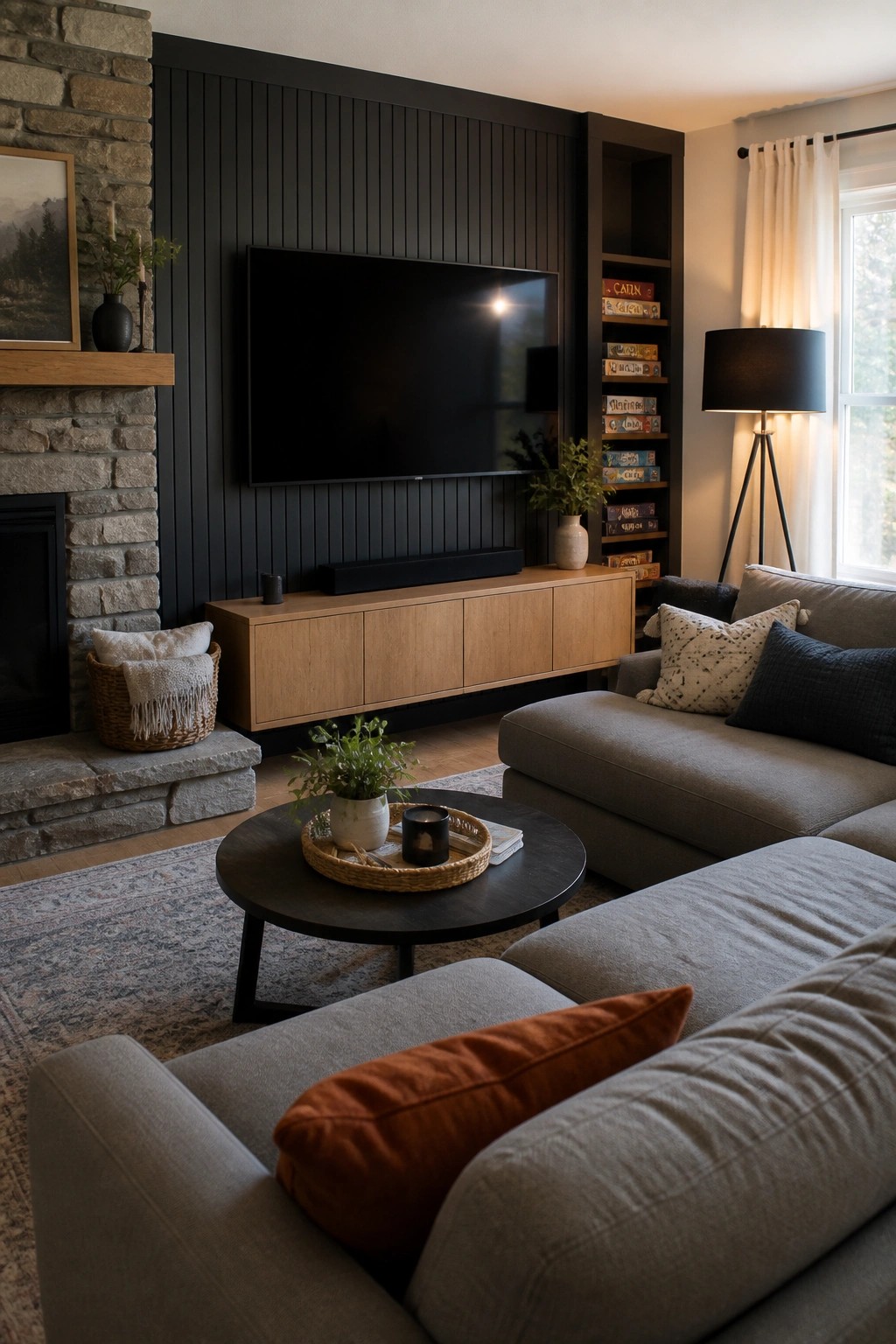
Vertical wood paneling in a dark finish gives a room instant structure without much extra work. It turns a plain wall into a backdrop that holds attention while still letting the furniture and accessories stand out. The clean lines add height and keep the space from feeling flat.
This approach works well in living rooms where the tv or fireplace needs a stronger presence. Keep the paneling to one wall and pair it with lighter wood tones nearby so the room stays balanced. It suits homes that already have some wood trim or want a simple way to add texture without busy patterns.
Bathroom Wood Ledge Above Painted Wainscoting
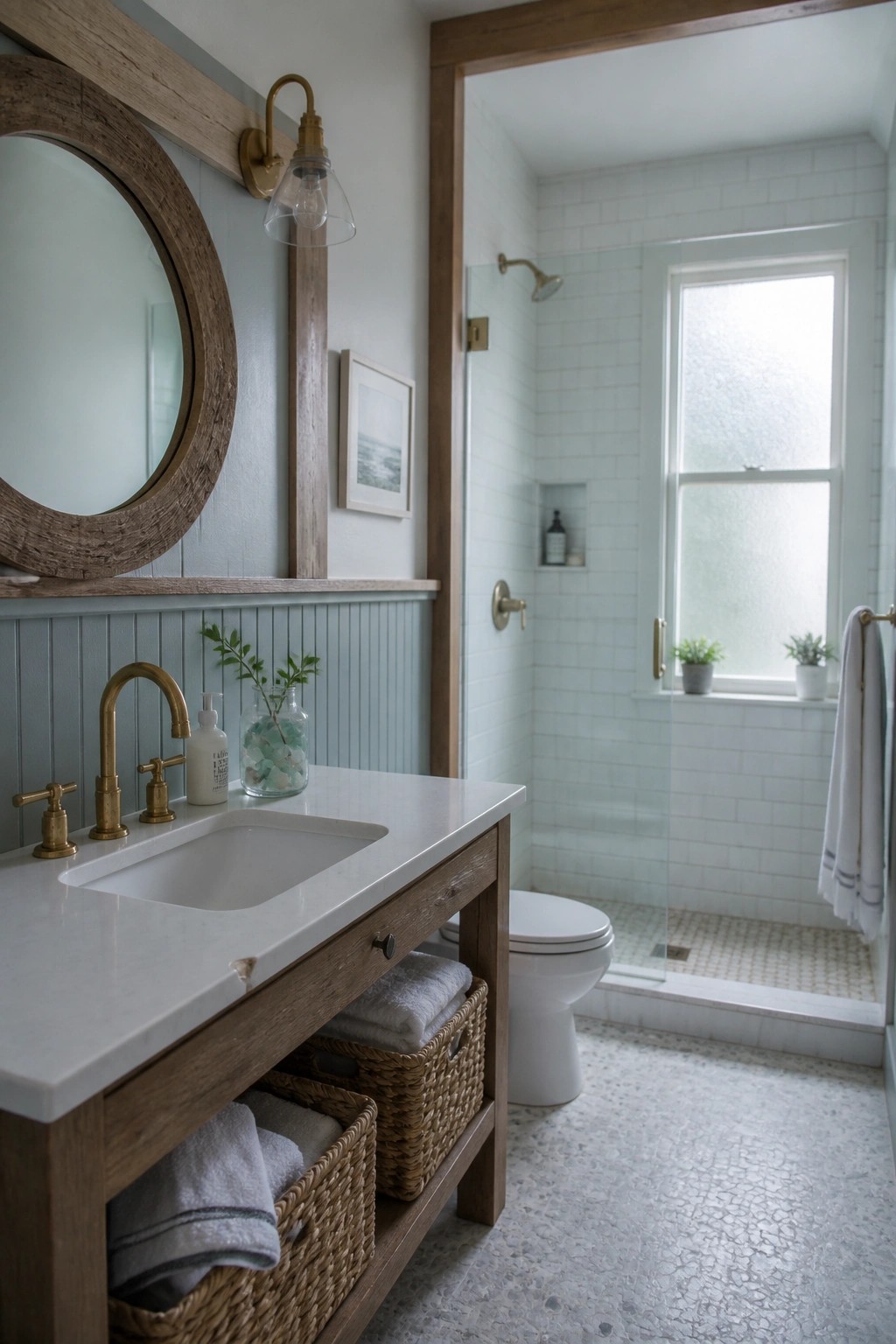
A simple wood ledge running across the wall adds structure without making things feel busy. It works especially well when paired with painted wainscoting below, since the wood brings warmth while the paint keeps the look light and clean. Many people like this mix because it gives the wall more presence than paint alone.
This approach suits bathrooms and smaller rooms where you want some texture but not a full wood wall. Keep the ledge at a practical height so it can double as a narrow shelf, and match the wood tone to other trim in the room for a pulled-together feel. Avoid using too many different wood finishes in one space.
Dark Wood Paneling To Add Weight To A Room
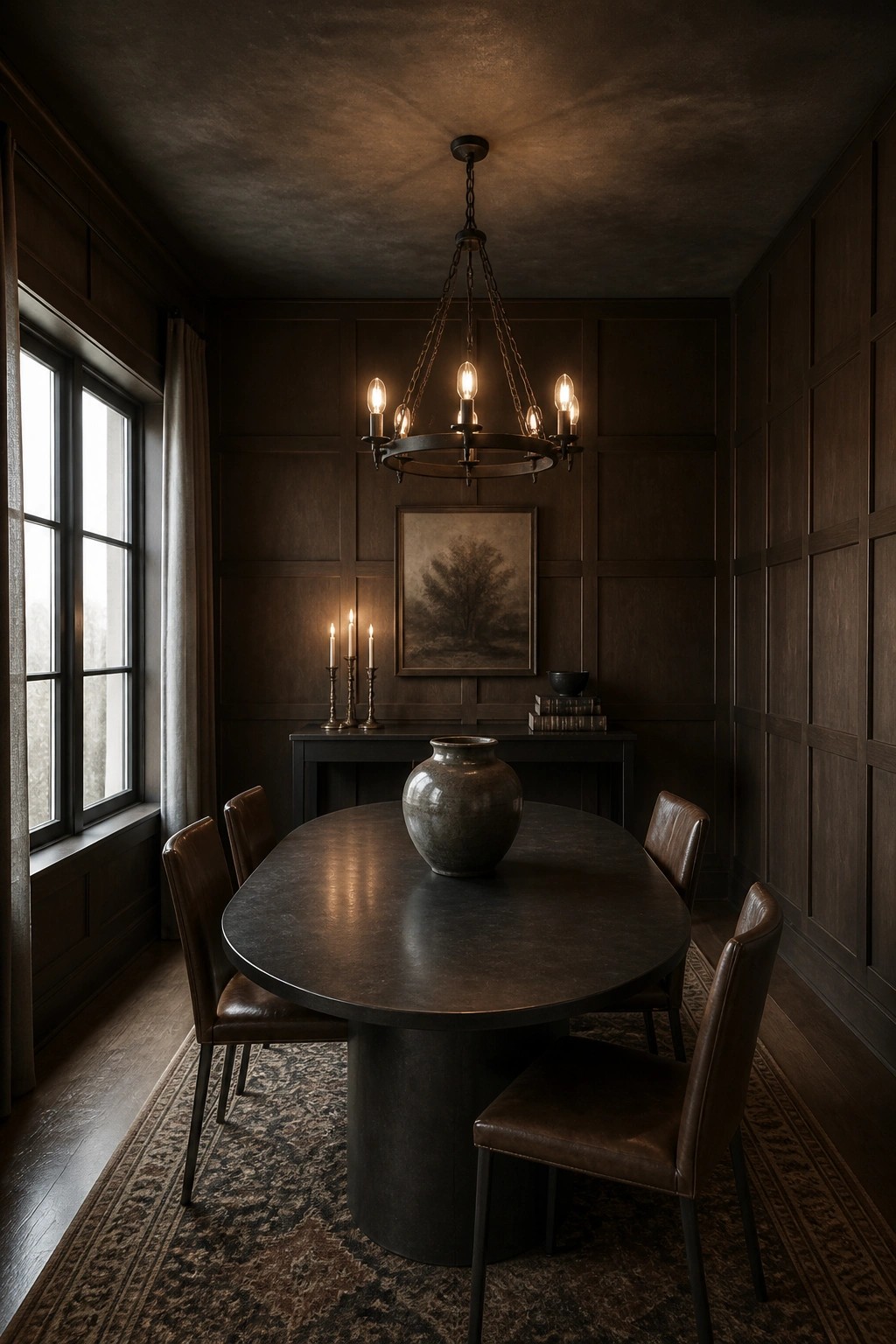
Dark wood paneling gives walls a finished look that plain paint rarely achieves. It works especially well in dining rooms or other spaces that need a bit more presence without extra furniture or art.
This treatment suits homes with traditional or transitional styles and pairs best with simple furnishings so the walls remain the focus. Avoid using it in very small rooms where the darkness could close things in too much.
Wood Trim Built-Ins For Entry Storage
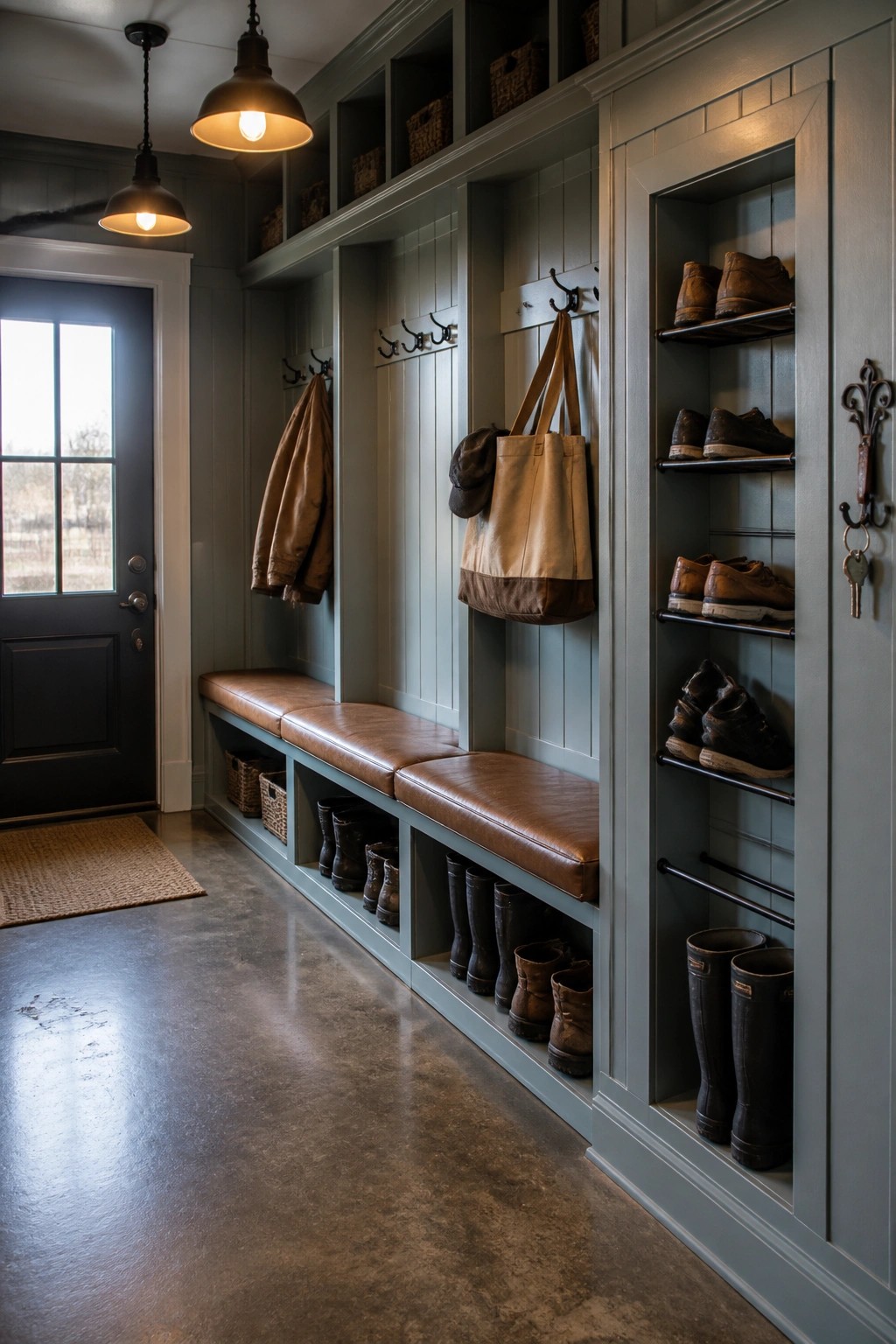
Built-in storage works better when wood trim is used to frame the whole wall. It turns a plain stretch of wall into a place that actually holds coats, bags, and shoes without looking messy.
This approach suits homes that get a lot of daily use near the door. Keep the trim clean and painted to match the wall color so the storage feels like part of the room rather than an add-on.
Wood Paneled Closet Walls With Built-In Storage
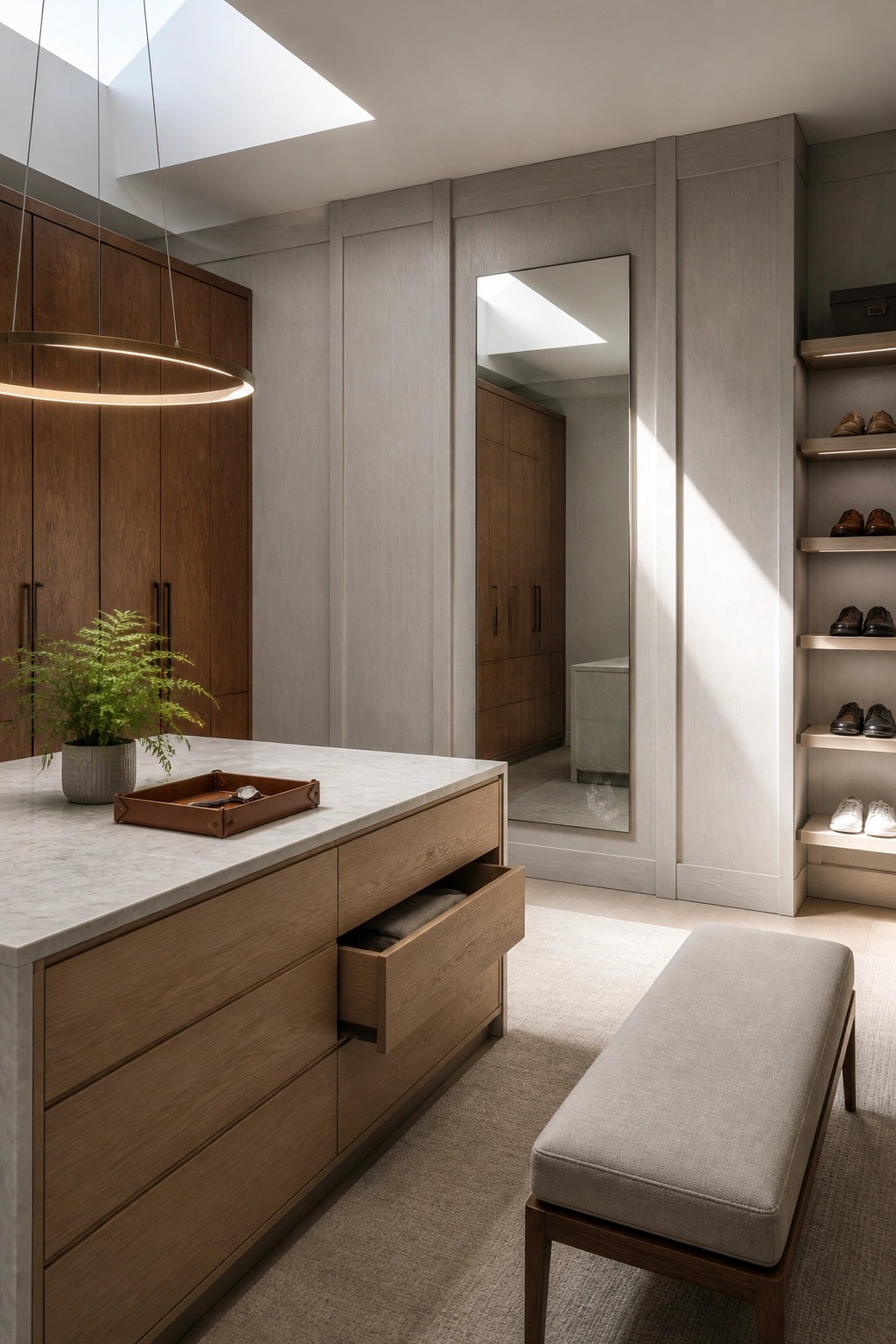
Many storage rooms stay plain because the focus stays on shelves and rods. Vertical wood paneling changes that by giving the walls texture and a finished look without adding clutter. It works especially well in spaces that already have built-in cabinetry.
This treatment suits homes that want storage areas to feel connected to the rest of the house. Use light or mid-tone woods so the room stays bright, and keep hardware simple so the panel lines stay the main detail.
Dark Trim Forms Geometric Wall Designs
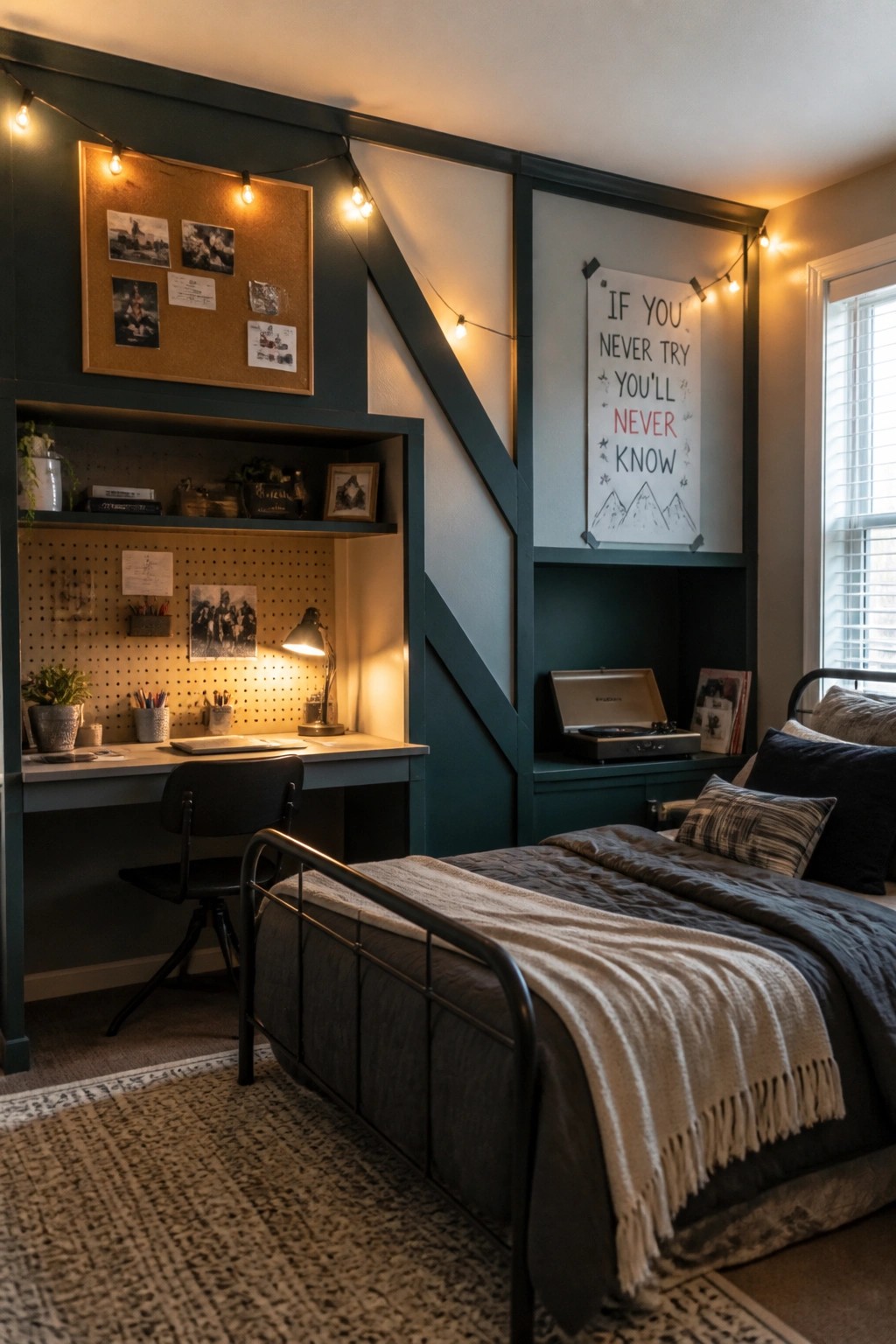
Many people reach for wood trim when they want to give plain walls more shape without adding a lot of clutter. In this bedroom the dark green trim runs at angles to create simple panels that separate the desk area from the rest of the wall and give the space a finished, built-in feel. The contrast against the lighter paint makes the lines stand out without needing extra decoration.
This approach works well in smaller rooms where you want structure but still need room for a desk or storage. Keep the trim color deep so it reads as a frame rather than decoration, and let the panels follow the shape of your built-ins. It suits older homes or newer builds that feel flat, and it avoids the need for full wainscoting if you only want accents in one or two spots.
Frequently Asked Questions
Q: Will wood trim clash with my existing baseboards and door frames? A: Match the profile and thickness as closely as you can so everything reads as one built-in system. If the old trim is simpler, add a small transition piece where they meet to keep the lines clean.
Q: How do I keep dust from settling in all the grooves of these designs? A: Run a vacuum brush attachment over the trim once a week and follow with a barely damp microfiber cloth. Skip heavy oils or sprays that just attract more dust over time.
Q: What if I rent and cannot cut into the walls? A: Use prefinished trim pieces that attach with removable adhesive strips or small brads you can fill later. Focus on simple vertical or horizontal bands that sit flat against the surface without any routing.
