

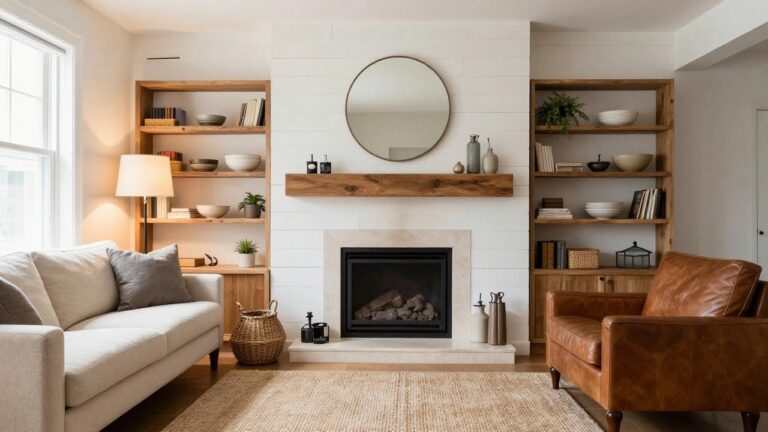
I keep coming back to the fact that an accent wall only feels right when it works with how people actually move through the room and use the furniture around it.
Shiplap in particular can add texture without much fuss, but the wrong color or pattern quickly makes everything else in the space look mismatched.
Over the years I have learned to look at how the wood grain and joint spacing interact with natural light before committing to a full wall treatment.
Balance prevents that.
Many of these approaches show ways to keep the look current by blending it with existing architectural details rather than letting it stand alone.
White Shiplap On The Fireplace Wall
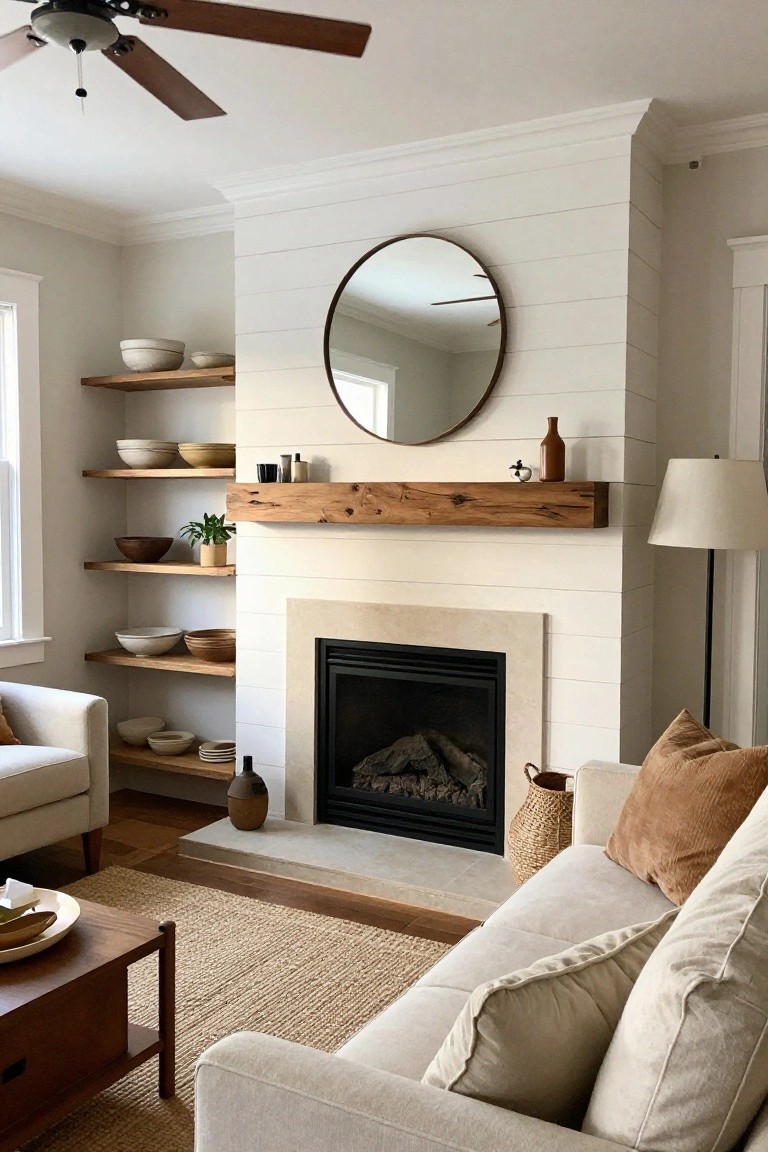
Shiplap on a fireplace wall stays fresh when it stays light in color and simple in layout. The vertical lines add texture that feels calm rather than busy, especially once the whole surface is painted the same soft white as the trim.
This works best in living rooms that already use wood tones elsewhere, like a mantel or coffee table. Keep anything hung above the mantel minimal so the shiplap remains the quiet focus instead of competing with extra layers.
Wood Shiplap Behind the Bed
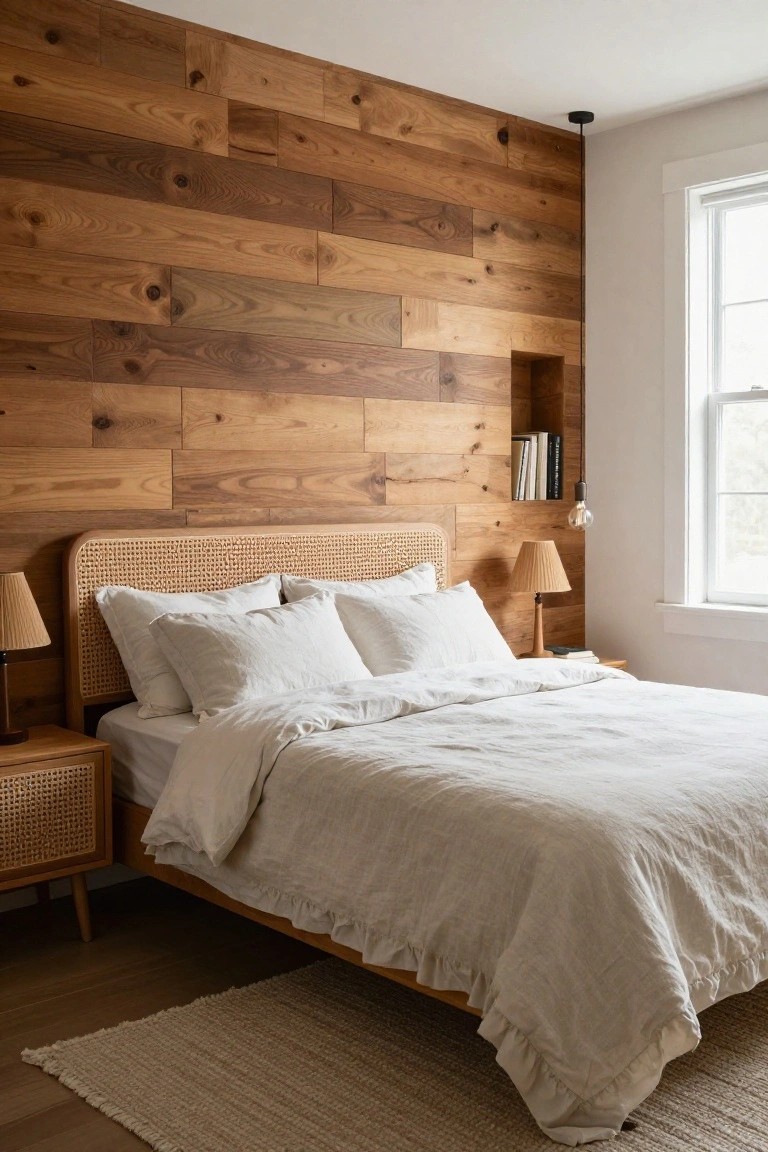
Wood shiplap works well as a bedroom accent wall because it adds texture and a bit of warmth without taking over the whole room. The horizontal planks keep things simple and let the rest of the space stay calm and uncluttered.
This idea fits best in bedrooms where the bed is the main focus. It suits homes that already use natural materials and works nicely with light bedding or simple wood furniture. Just keep other wall details minimal so the wood can stand out on its own.
White Shiplap In The Kitchen
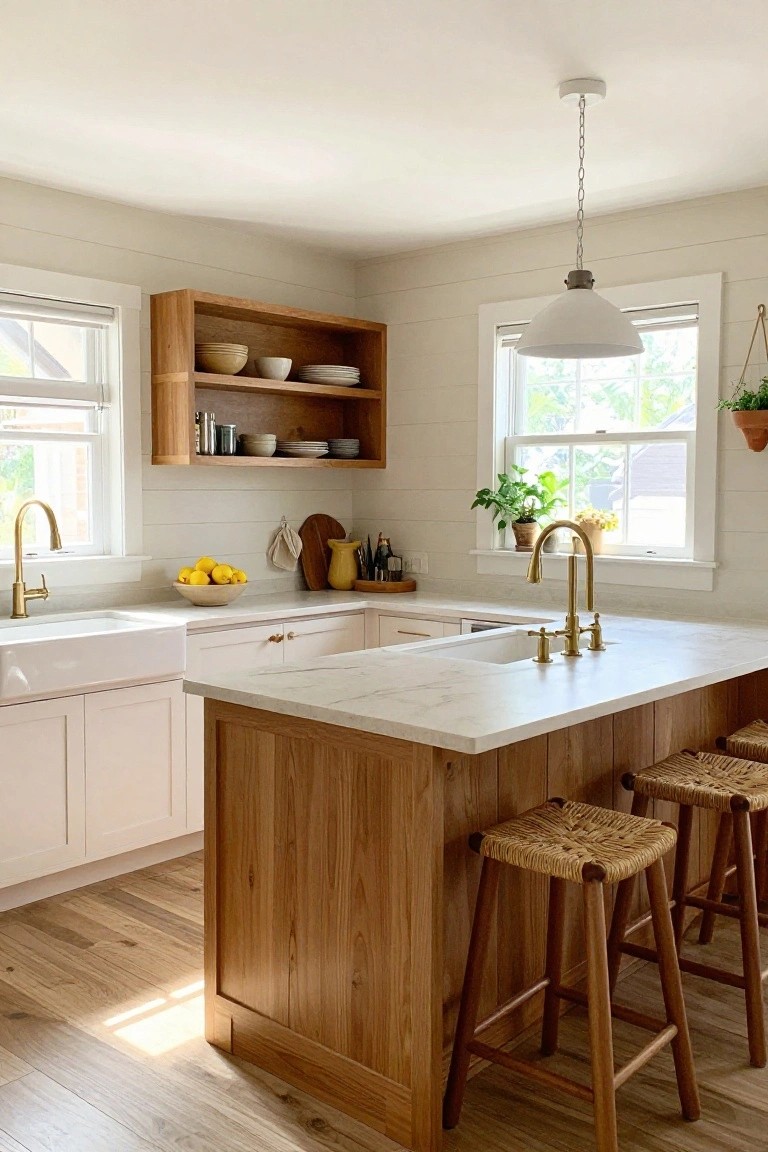
White shiplap gives a kitchen just enough texture to feel interesting without crowding the space. It keeps the room bright and lets the wood tones on the island and shelves stand out more clearly.
This approach works best in homes that already lean toward simple, light colors. Use it across the main walls and leave the cabinetry and counters fairly plain so the lines of the shiplap stay visible but never overpower the room.
Dark Wood Shiplap in the Bathroom
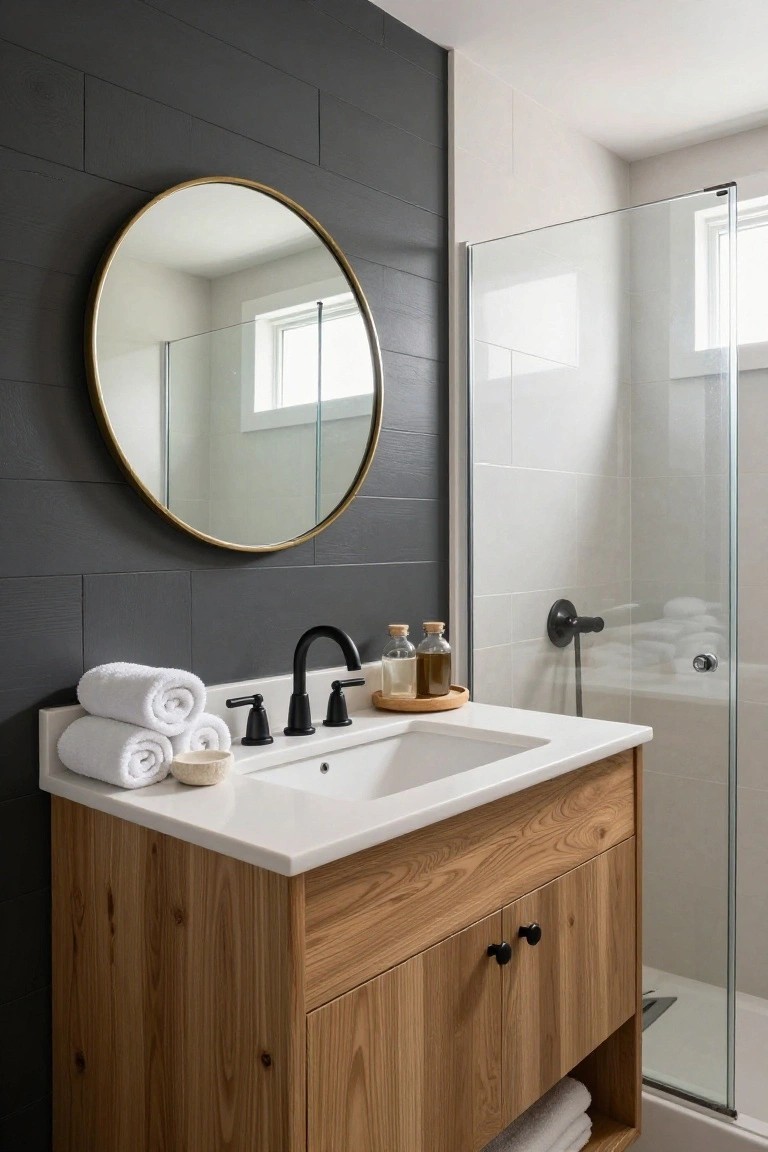
Dark wood shiplap works well as an accent wall in bathrooms because it adds texture and a bit of warmth without taking over the whole room. It gives the space some depth while still letting the other elements stay light and simple.
This approach suits smaller bathrooms or guest baths where you want a little contrast. Pair the shiplap with a light countertop and wood cabinetry to keep the look balanced and avoid making the room feel closed in.
Dark Shiplap In Dining Rooms
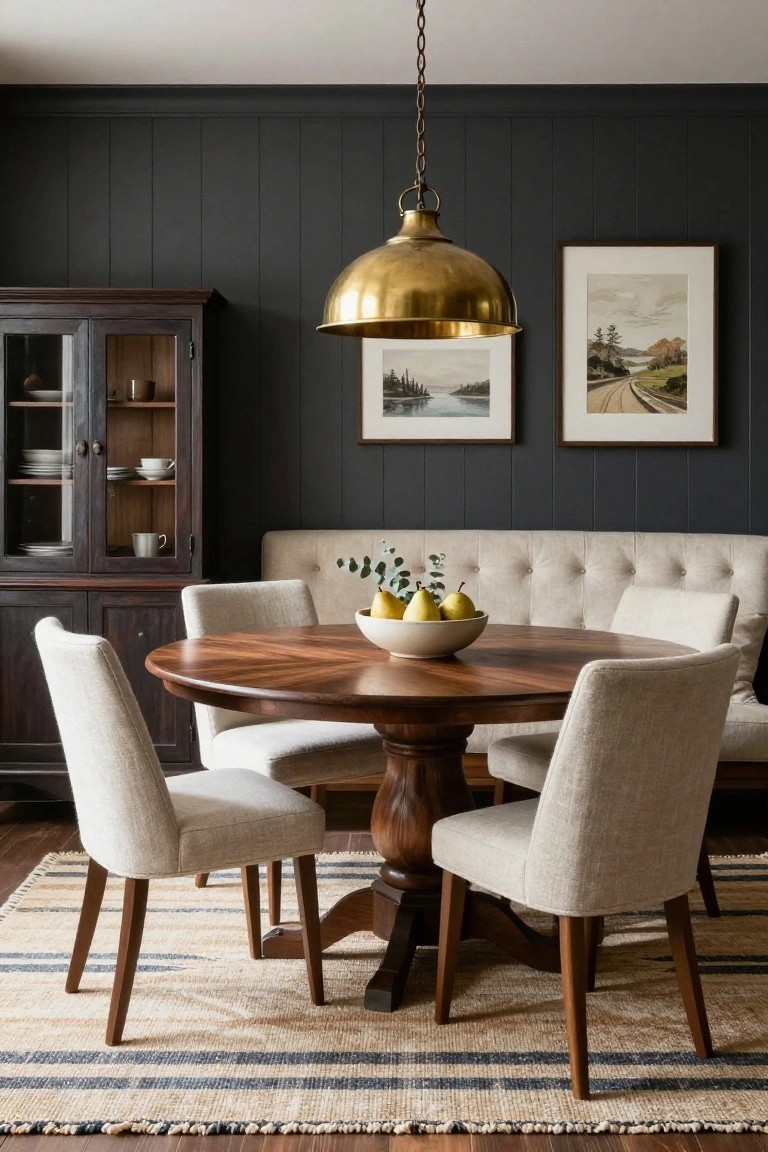
A dark shiplap accent wall gives a dining room a grounded feel without making it feel heavy. The vertical lines add just enough texture to hold interest, and the deep color creates a nice contrast with lighter furniture and floors.
This works best in spaces where you want the room to feel a bit cozier and more defined. Pair it with simple seating and wood tones so the wall becomes the quiet focal point rather than competing with other details.
Wood Accent Walls In Hallways
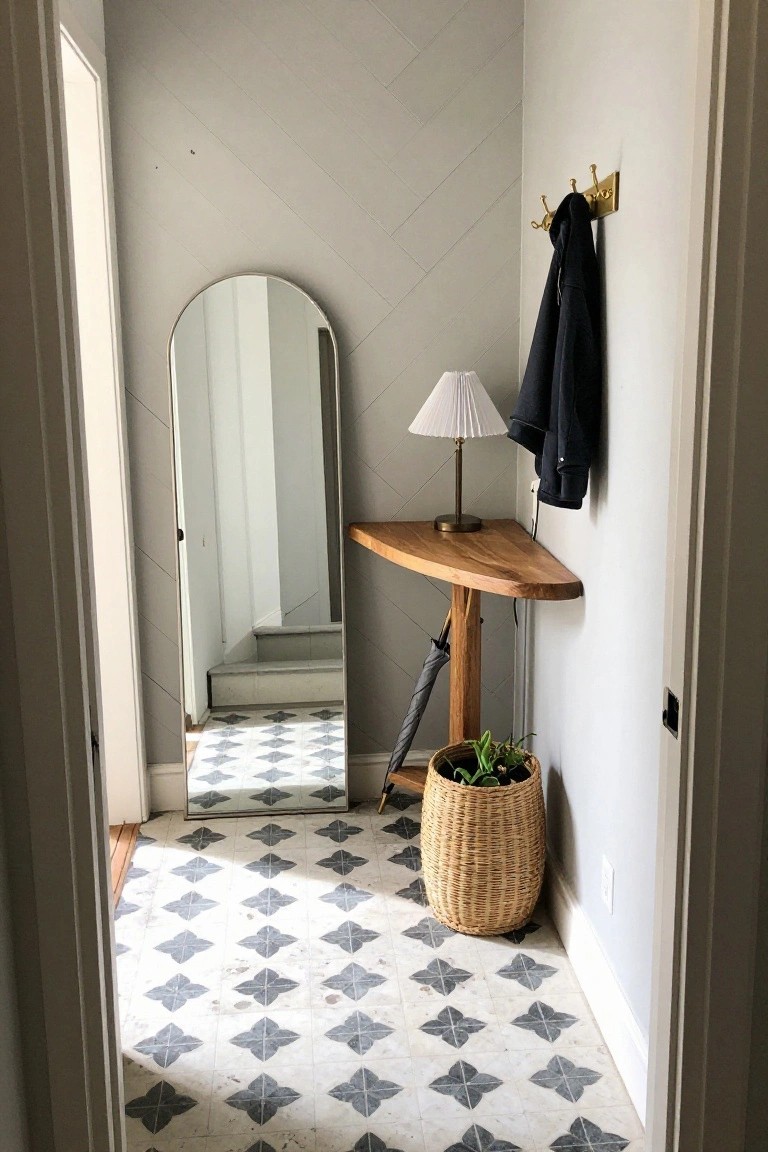
A wood accent wall gives a hallway some texture and warmth without crowding the space. The herringbone pattern here keeps things interesting while still feeling calm and simple next to the rest of the room.
This approach suits older homes or any narrow entry area that needs a little character. Stick with a light finish and keep other details minimal so the wall does not feel too heavy.
Muted Green Shiplap in a Nursery
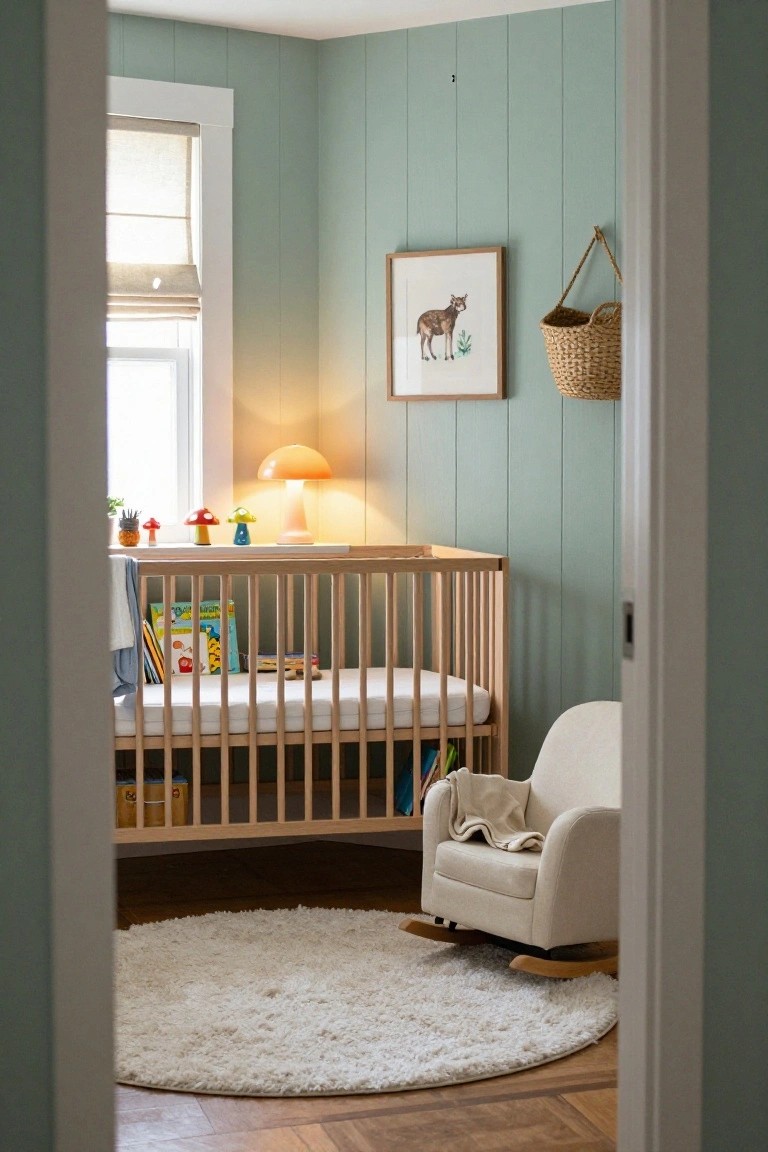
Painted shiplap in a soft sage tone gives a wall quiet texture that feels calm rather than busy. The vertical lines add just enough detail while the color keeps the space feeling light and restful, which works well in rooms meant for quiet.
This choice suits smaller bedrooms or kid spaces where you want warmth from the wood but still need the room to stay simple. It pairs easily with light furniture and needs little else on the wall to feel finished.
Painted Shiplap In Laundry Rooms
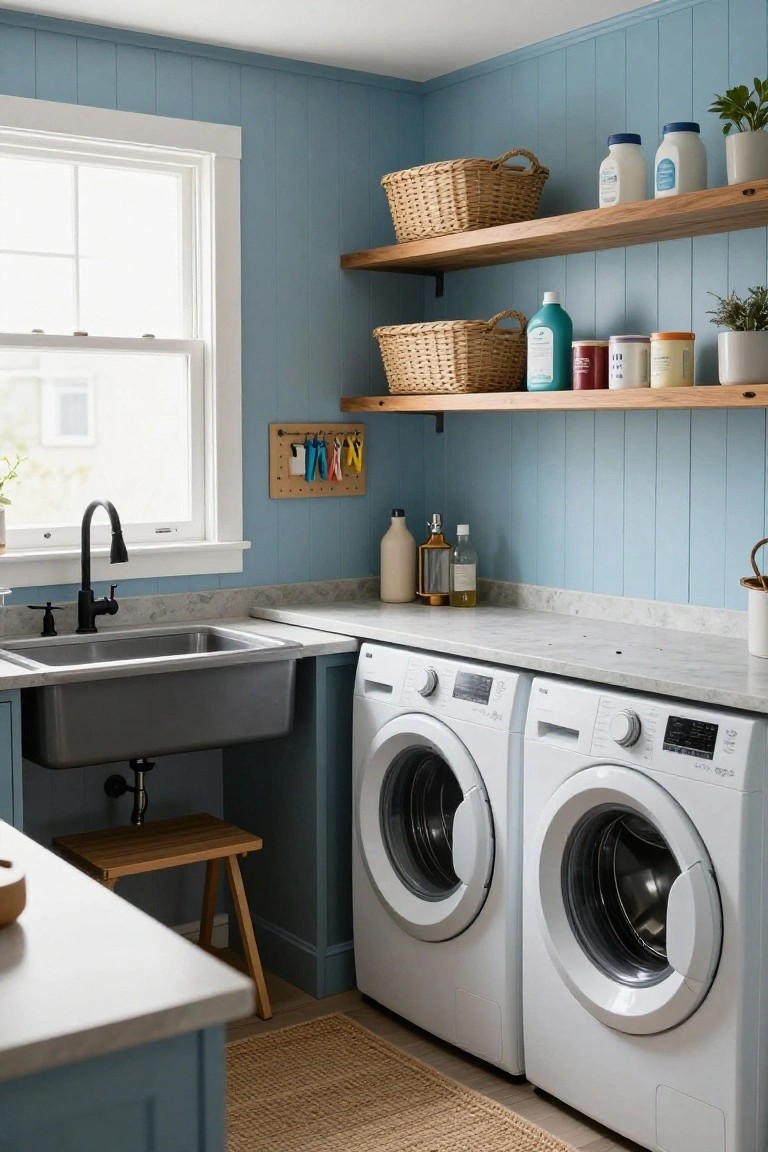
Many people like painted shiplap in laundry rooms because it adds a bit of texture without making the space feel busy. The vertical lines keep things simple while the paint color gives it a calm, finished look that works around all the equipment.
A soft color works best in these rooms since there is already so much going on with the machines and storage. Stick with open shelves and basic counters so the walls do not compete with everything else.
White Shiplap With Natural Wood Furniture
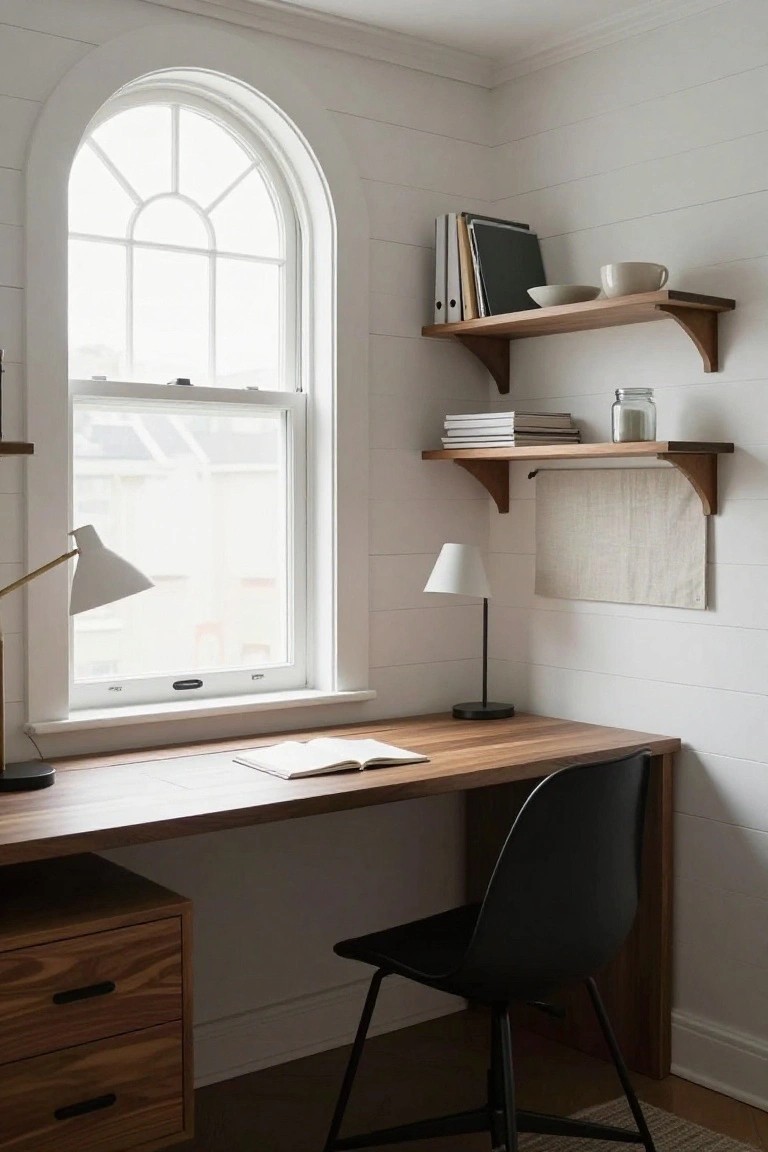
White shiplap walls give a workspace an easy, updated feel when you keep the rest of the room simple. Pairing them with a wood desk and a couple of floating shelves adds just enough warmth and texture.
This mix works best in a home office or small room that needs to stay bright. Use only a few wood pieces so the shiplap stays the main feature instead of getting lost.
Shiplap on a Stair Wall
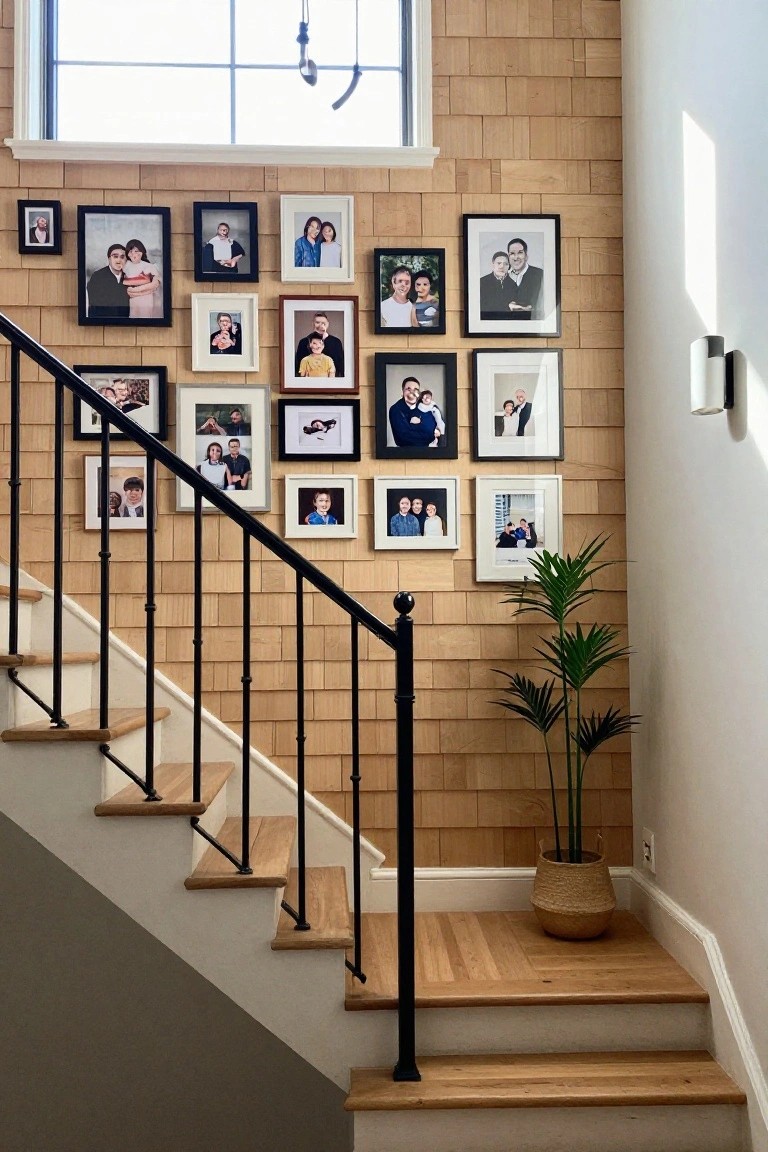
Shiplap gives a stair wall just enough texture to stand out while still feeling like part of the house rather than a big statement. The wood grain shows through clearly and the boards run horizontally, which helps the wall feel wider and calmer than a plain painted surface would.
This works best in homes where the stairs are fairly open and visible from the main living areas. Keep the photo frames simple and mix black and white so the wood remains the main material instead of getting lost behind too many competing colors.
Shiplap Walls In Built-In Reading Nooks
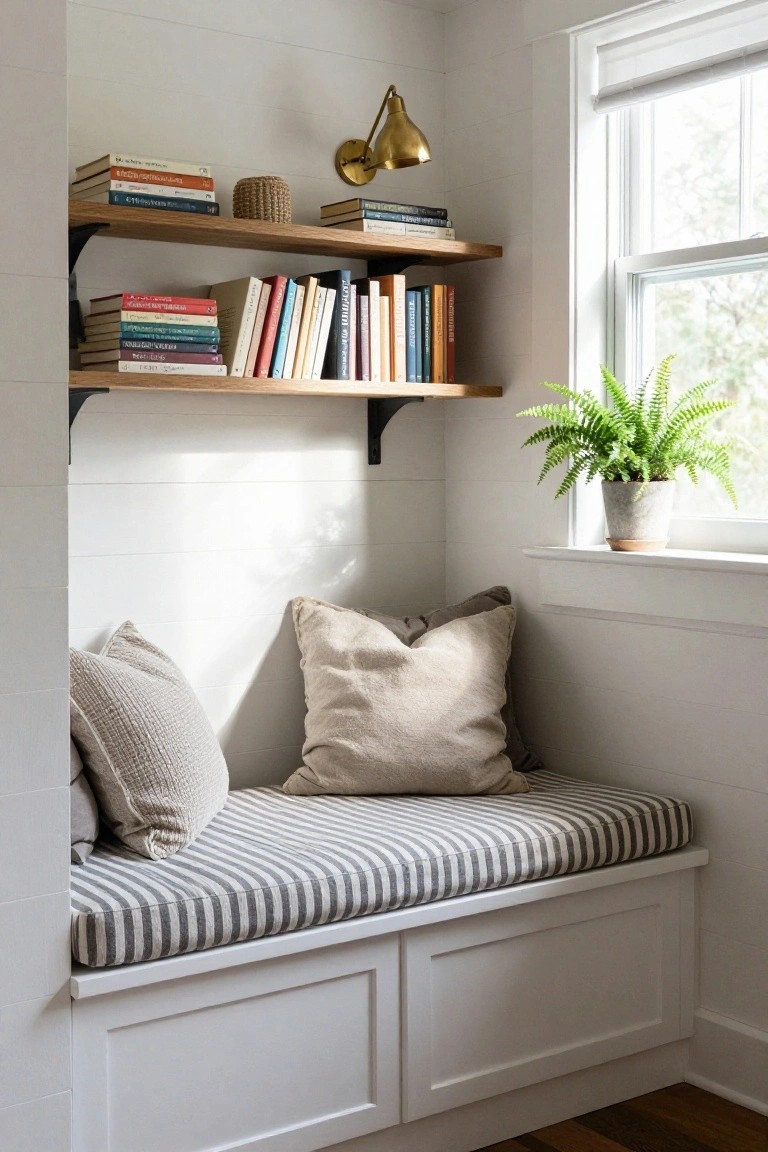
Shiplap gives a built-in nook just enough texture to feel interesting without making the space feel busy. The horizontal lines add subtle depth while keeping the whole corner light and open, especially when everything stays in soft white tones.
This works well in smaller homes or rooms where you want a quiet spot to sit without adding heavy furniture. Keep the shelves simple and let the wall treatment carry the look so it stays fresh instead of cluttered.
Shiplap Walls In Busy Entryways
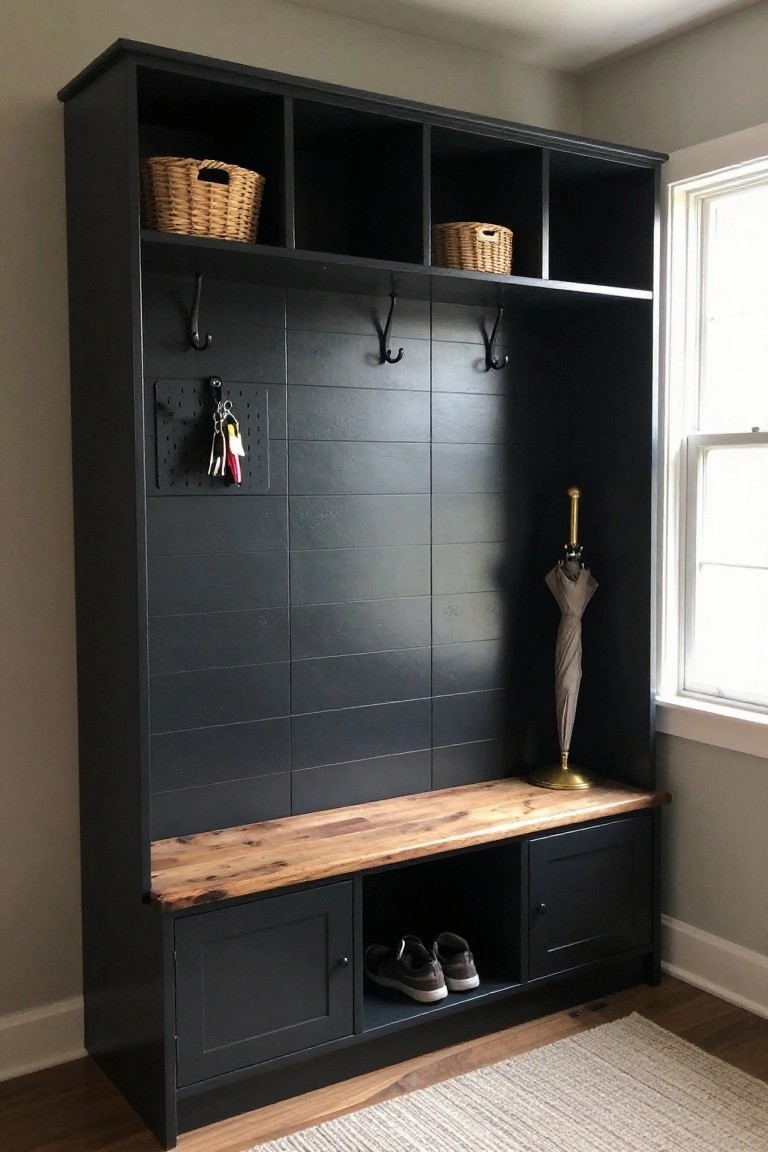
A painted shiplap wall gives an entry a bit of texture without making the space feel busy. It holds up well when you need to hang coats, bags, and keys every day, and the vertical lines keep the wall from looking flat behind all the hooks.
This setup works best in homes that get a lot of foot traffic through the door. Keep the color dark if you want it to hide scuffs, and make sure the bench below has room for shoes so the floor stays clear.
Soft Gray Shiplap on a Bedroom Accent Wall
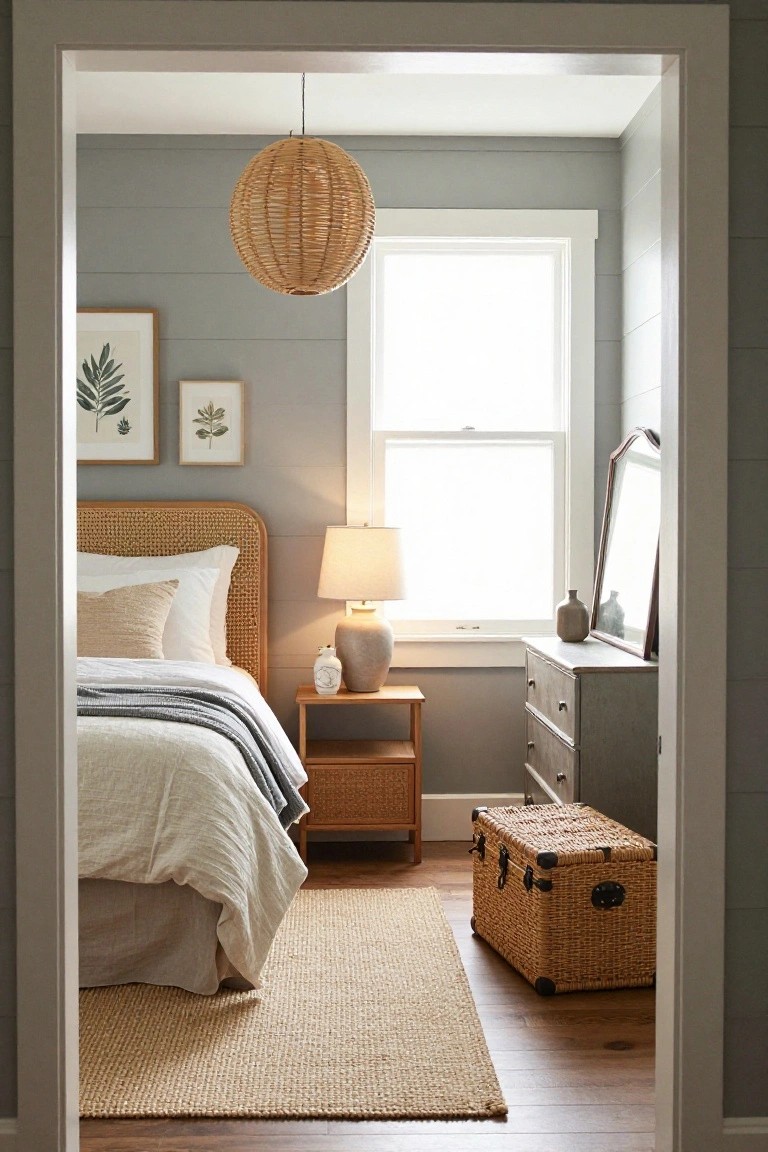
A painted shiplap wall in a soft gray tone gives a bedroom just enough texture without turning the space busy. It works because the color stays calm and the horizontal lines add quiet interest behind the bed, rather than competing with other elements in the room.
This approach suits smaller bedrooms or guest rooms where you want some character but still need the space to feel restful. Keep the rest of the room simple with natural textures like a woven headboard and a jute rug so the wall stays the main quiet detail.
Wood Shiplap Behind a Media Console
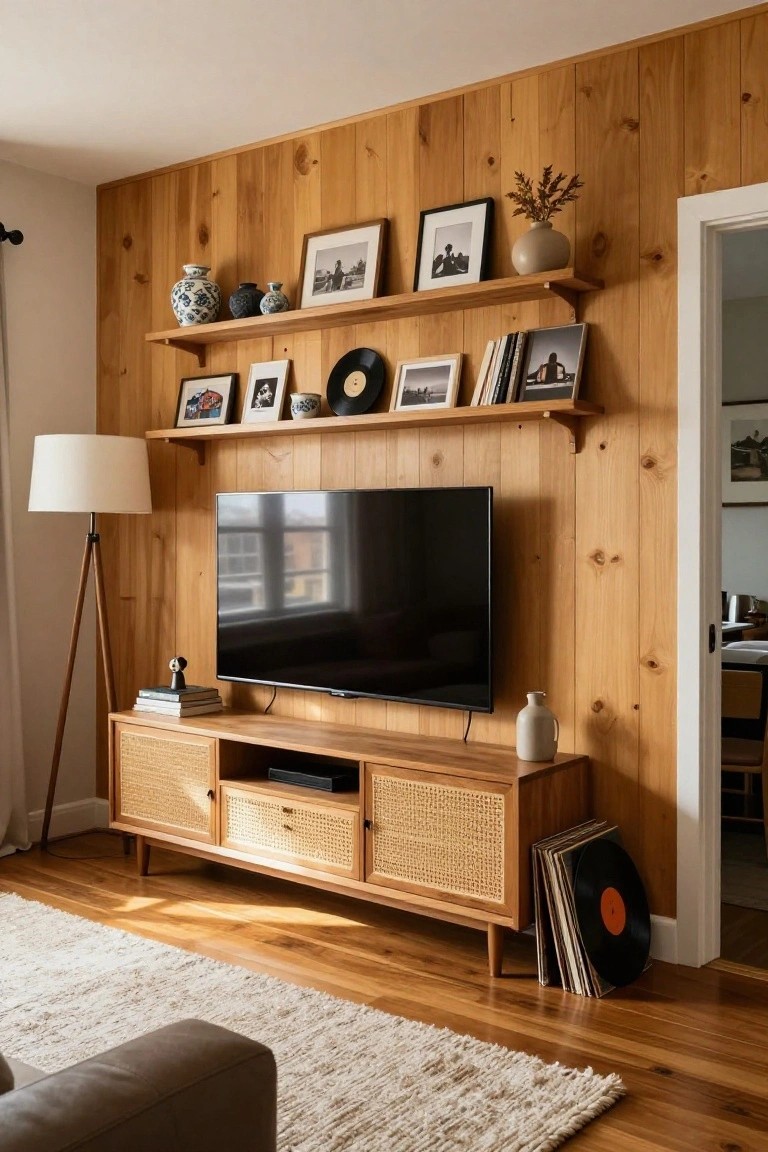
A wood shiplap wall works well behind a TV because it adds texture without needing extra furniture or bold colors. The vertical lines keep the space feeling open while giving the room a grounded, lived-in look that plain drywall rarely achieves.
This approach suits living rooms where the TV is the main focal point. Use floating shelves above the console to hold a few framed pieces and keep the lower storage simple so the wood remains the main feature.
Sliding Barn Doors For Pantries
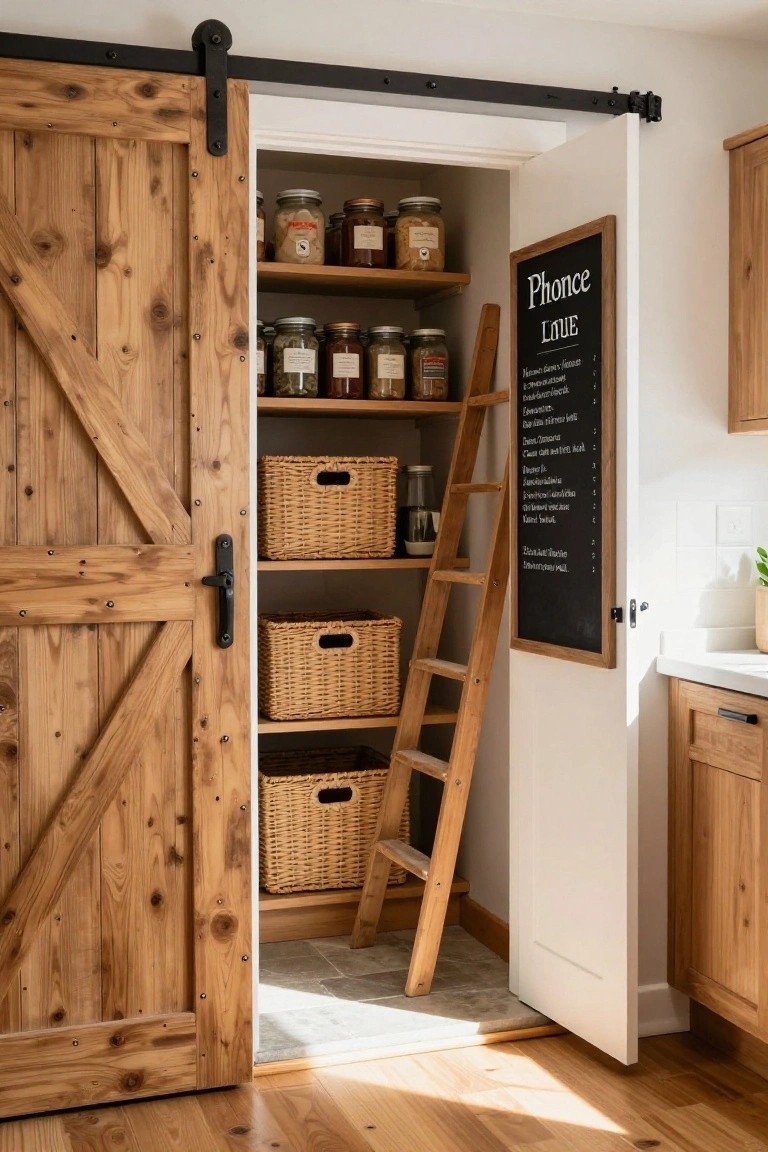
A sliding barn door works well when you want pantry storage without losing floor space to a swinging door. It slides out of the way completely, so the open shelves stay easy to reach even in a tighter kitchen layout.
This setup suits homes that already use wood tones elsewhere, since the door can match cabinets or flooring without needing extra trim. Just make sure the track is mounted solidly and the door clears any nearby counters or appliances.
Painted Shiplap on a Covered Porch
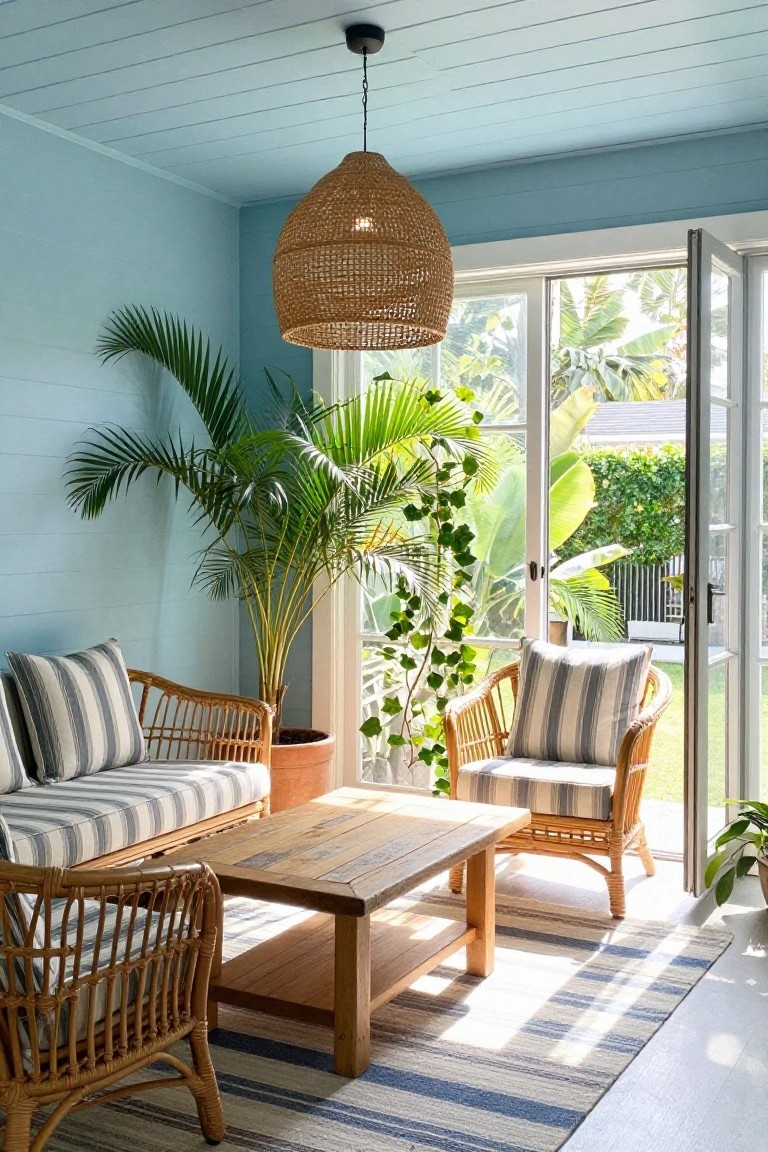
Shiplap can work just as well outside as it does indoors when you keep the color soft and the scale simple. A light blue finish on the walls and ceiling gives the porch a calm, pulled-together feel without making it look too formal or closed in.
This approach suits homes with a cottage or coastal style where the porch gets regular use. Stick with a matte or low-sheen paint that holds up to humidity, and let the boards run horizontally so the space still reads as relaxed rather than busy.
Shiplap On Sloped Ceilings
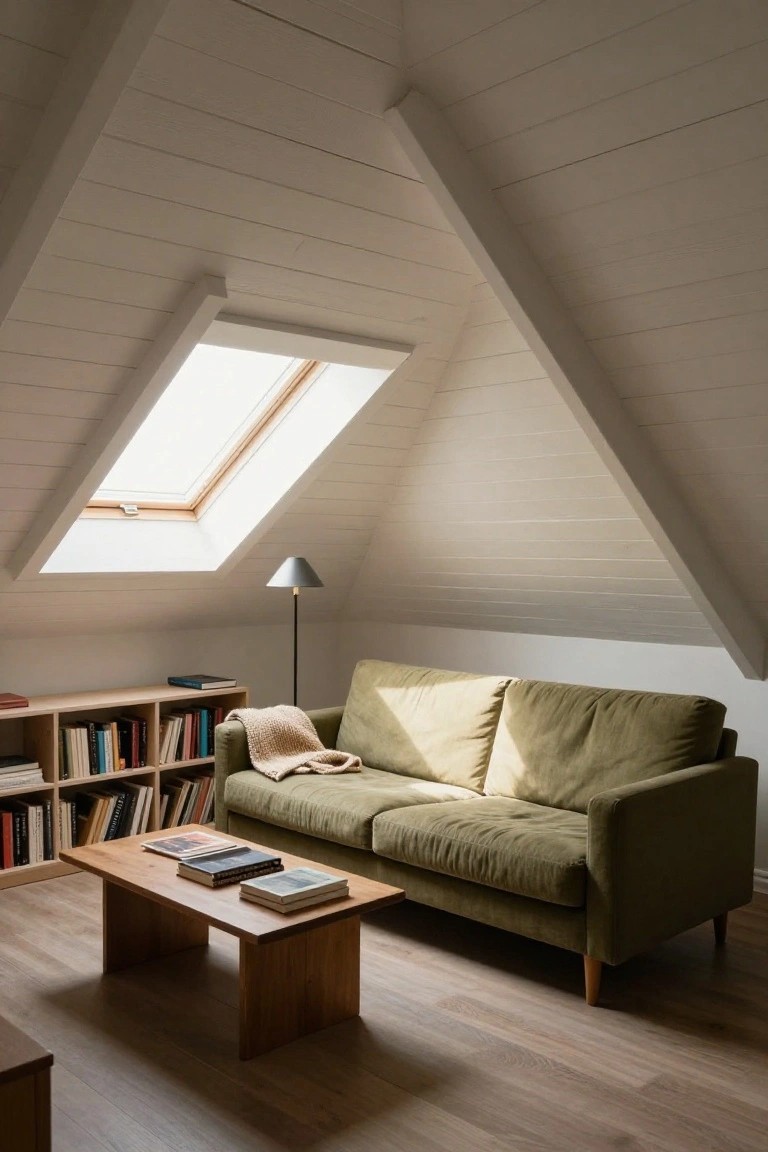
White shiplap works especially well on sloped ceilings because the lines follow the angle without making the space feel boxed in. It adds texture and keeps the room bright even when natural light comes from one main source like a skylight.
This approach suits attic rooms or any space with angled walls where you want some warmth but still need the area to feel open. Keep the rest of the room simple with low furniture and a single accent color so the ceiling stays the main feature without competing.
Neutral Shiplap in Hallways
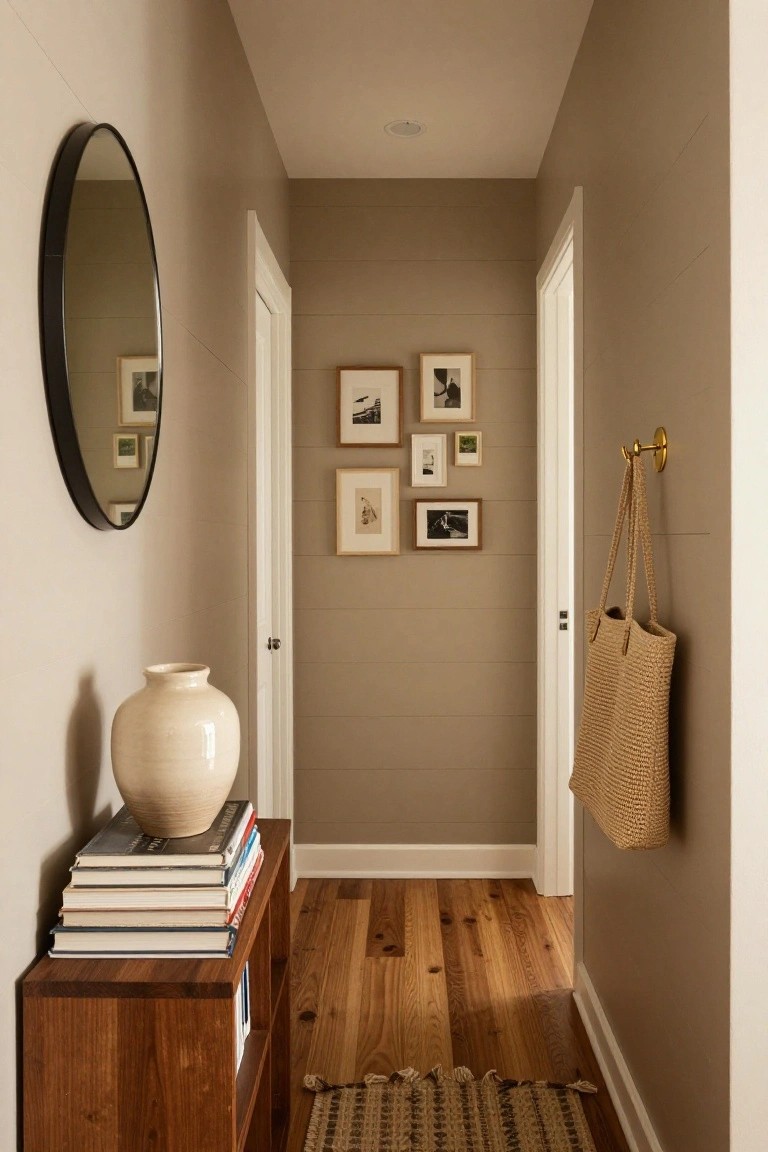
Shiplap works especially well in hallways when it stays simple and gets painted a soft neutral. The horizontal lines add quiet texture to a narrow space without making it feel busy or closed in. Many people like this approach because it gives the walls some character while still letting light move through the area.
This look suits homes that already have wood floors and white trim. Keep the color warm but not too dark, and limit extra decoration on the opposite wall so the shiplap remains the main feature. It also holds up nicely in high-traffic spots where you want something more interesting than flat drywall.
Vertical Ribbed Tile In The Shower
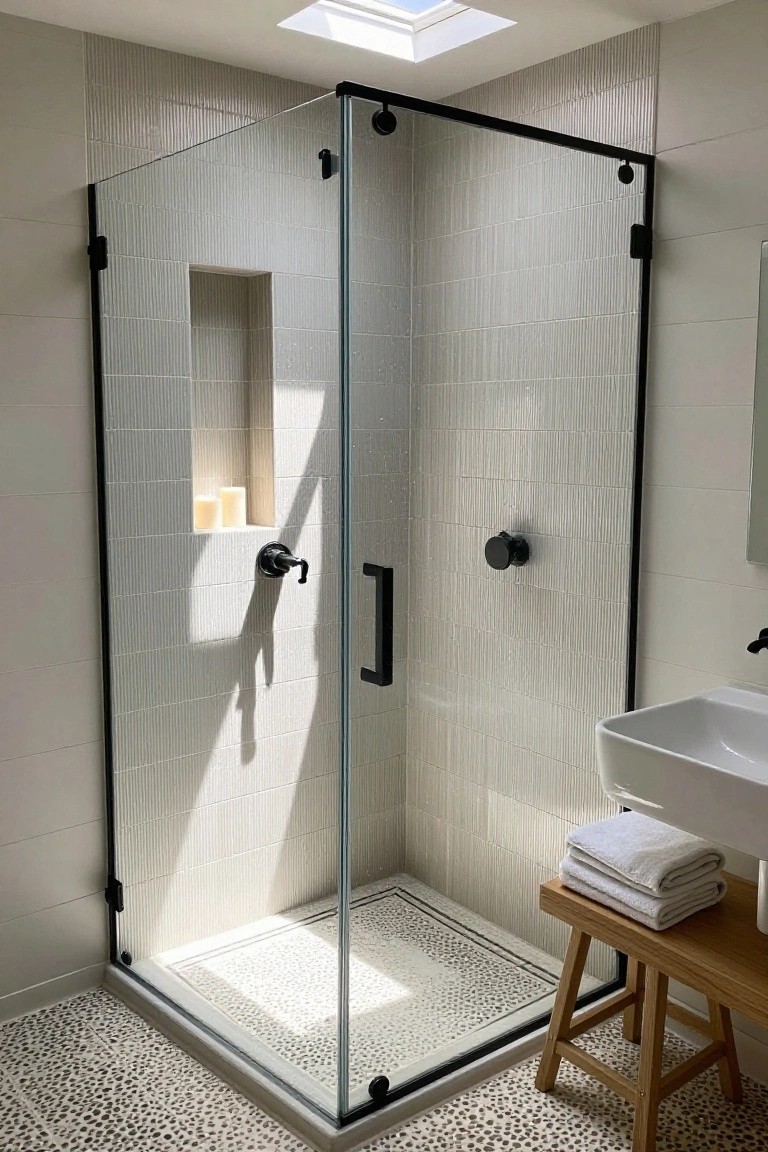
Vertical ribbed tile adds just enough texture to shower walls without making the space feel busy. The lines run up and down, which helps the room feel a little taller and keeps the look simple even when the tile covers most of the enclosure.
This approach suits smaller bathrooms or any space where you want a quiet accent rather than a bold pattern. It pairs best with plain fixtures and light grout so the texture stays in the background instead of competing with everything else.
Deep Colored Shiplap for Bathroom Walls
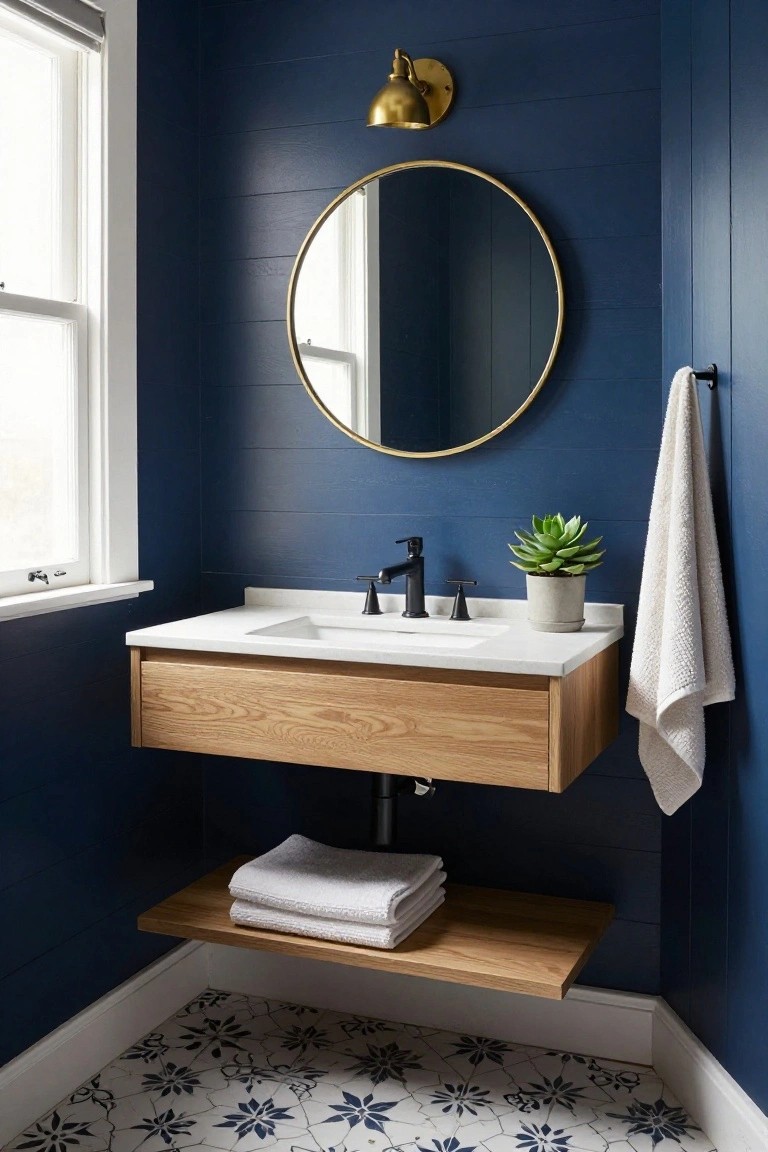
Painting shiplap a deep navy gives a bathroom wall more weight without making the space feel heavy. The color keeps the texture visible while shifting the look away from the usual light and bright versions that have been everywhere for years.
This approach works best in smaller rooms where you want the wall to stand out but still need the space to feel calm. Pair it with natural wood and simple hardware so the color does not overwhelm the room.
Horizontal Shiplap in Soft Stripes
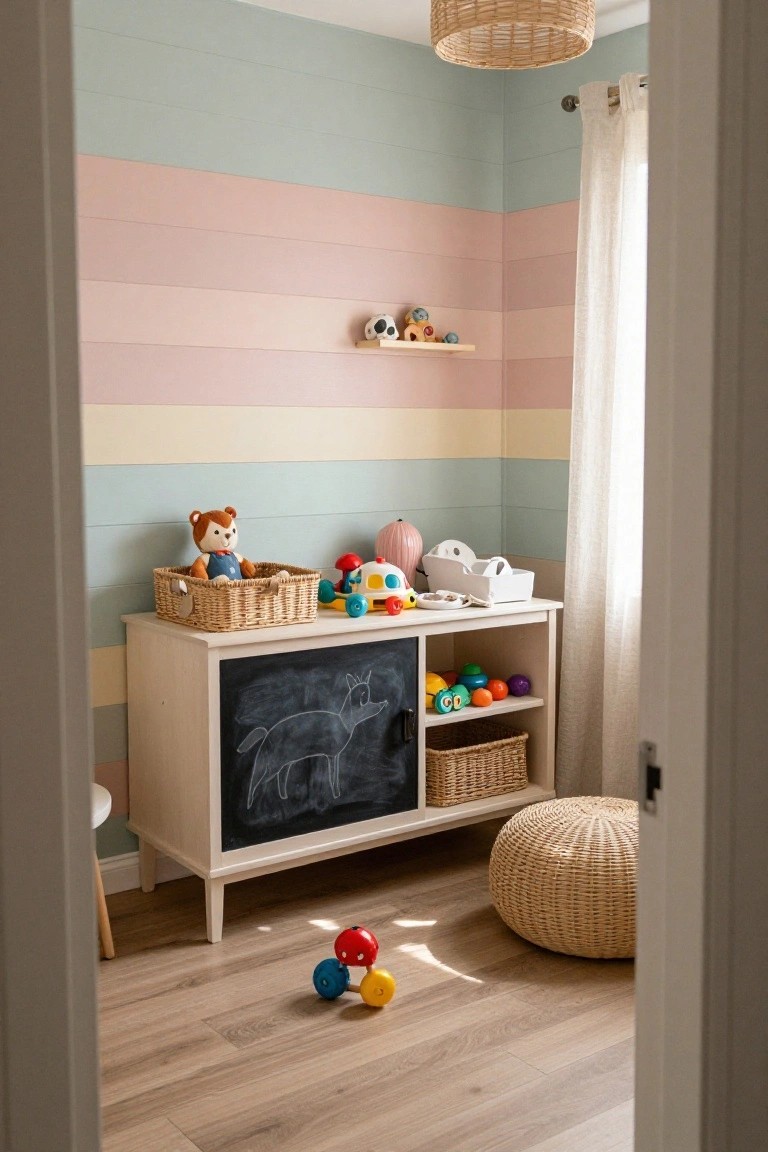
Horizontal shiplap works well when painted in gentle stripes rather than one solid color. The bands add interest without making the wall feel busy or overly themed, which helps the look stay current longer in a space that gets heavy use.
This approach suits playrooms or kids’ bedrooms best. Keep the stripes in muted tones and limit other patterns in the room so the wall stays the main feature. A simple storage piece in front is usually enough to finish it.
Painted Shiplap in Soft Colors for Dining Corners
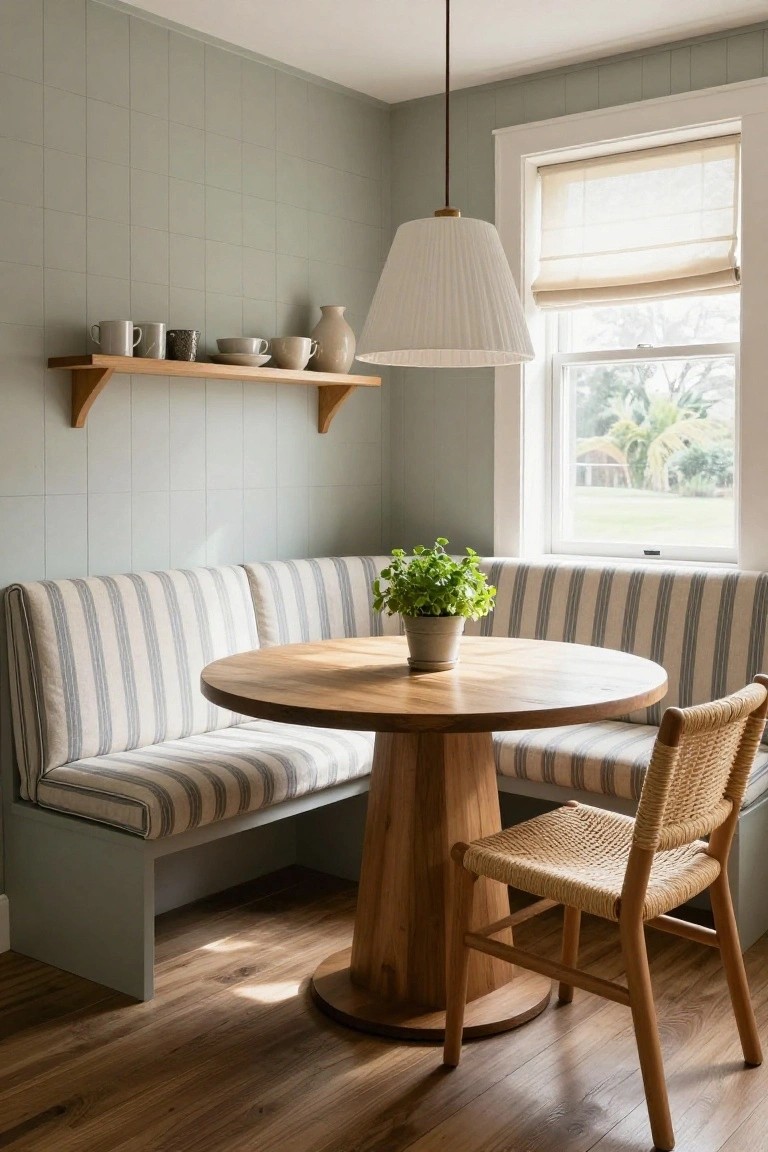
Painting shiplap a muted green-gray tone gives a dining nook some texture while keeping the space calm and simple. The vertical lines add just enough detail to hold the corner together, especially when the same color covers the built-in bench.
This works best in smaller eating areas where you want the walls to feel connected to the seating. Stick with a color that blends with your trim and skip any dark stains if you want the look to stay current rather than rustic.
White Shiplap In Bathrooms
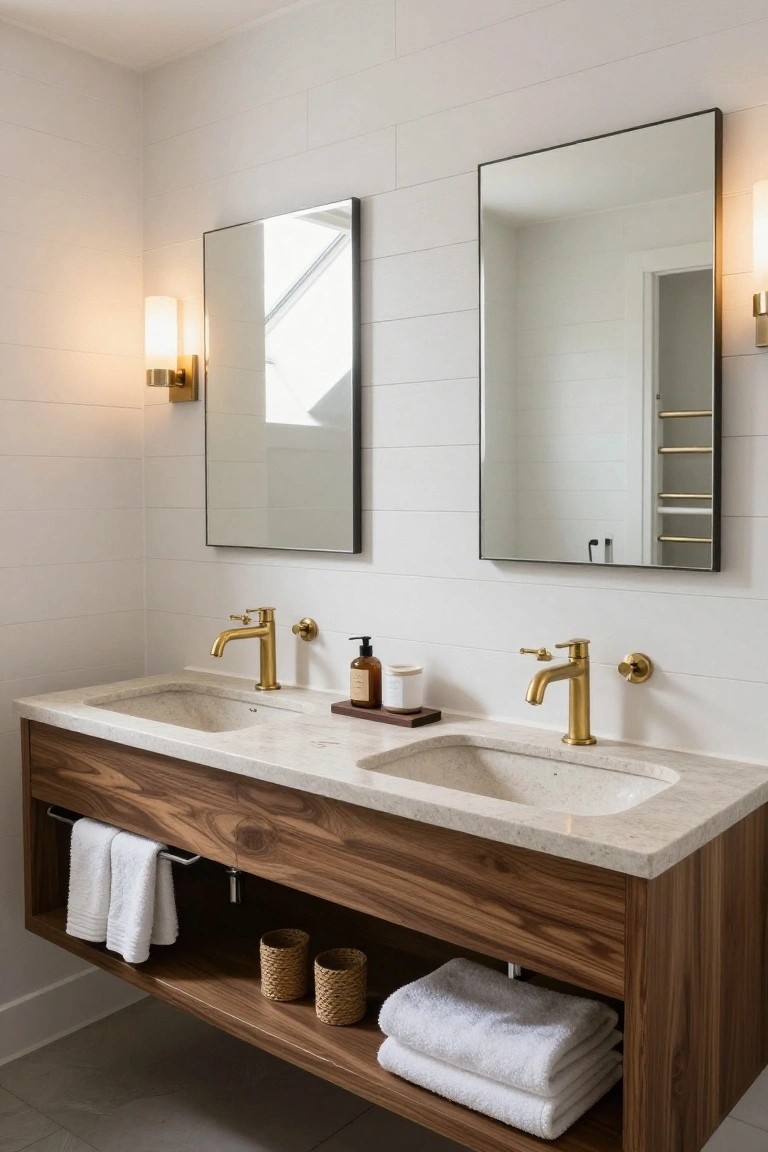
White shiplap gives a bathroom just enough texture to feel interesting while still keeping the whole space bright and simple. It works because the horizontal lines add a quiet rhythm without competing with other finishes like stone or wood.
This approach suits homes that already lean toward clean lines and natural materials. Keep the paint crisp so the walls reflect light, and pair it with warmer wood tones on vanities or shelving to avoid a cold feel.
Frequently Asked Questions
Q: Can I install wood shiplap myself if I have never done a project like this before?
A: Start with a level and basic nail gun to keep the boards straight on the wall. Watch a short tutorial on attaching everything to the studs first. Many people wrap up a small accent wall over one weekend.
Q: What rooms work best for these wood accent walls?
A: Living rooms and bedrooms often feel cozy with the added texture. Kitchens handle it fine too if you pick a sealed finish that resists steam.
Q: How do I keep the wall from looking too rustic or dated?
A: Pair the wood with simple modern furniture and fresh paint on the other walls. A light stain helps the whole space feel current instead of heavy.
Q: Do I need to seal the wood after installing it?
A: Yes, a clear coat guards against everyday dust and spills. Put it on once everything is up and dry.
