

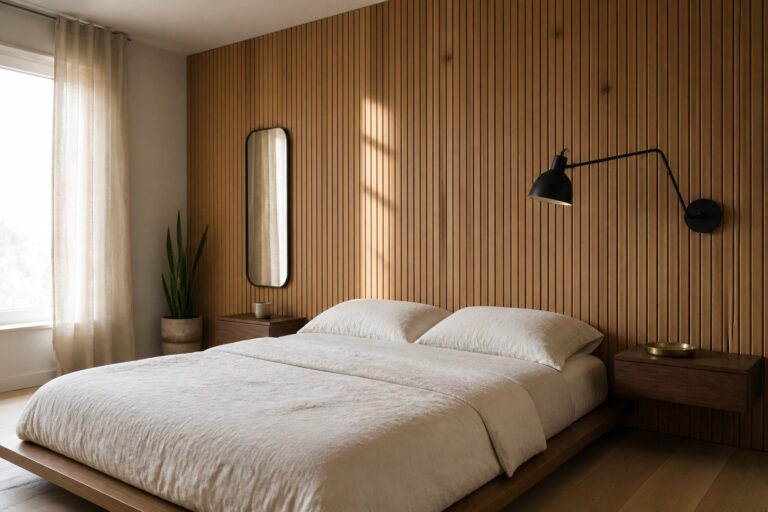
Wood walls with restrained lines often soften a room’s edges in ways paint alone cannot achieve.
I have seen how the natural texture catches morning light differently than evening shadows and that shift affects how comfortable the space feels over time.
Many people notice first whether the wood blends with existing floors or stands apart as its own element.
Testing one small section reveals more than sketches ever show.
Matching the finish to nearby cabinetry or trim usually keeps the overall look balanced rather than competing for attention.
Vertical Wood Slats On A Bedroom Wall
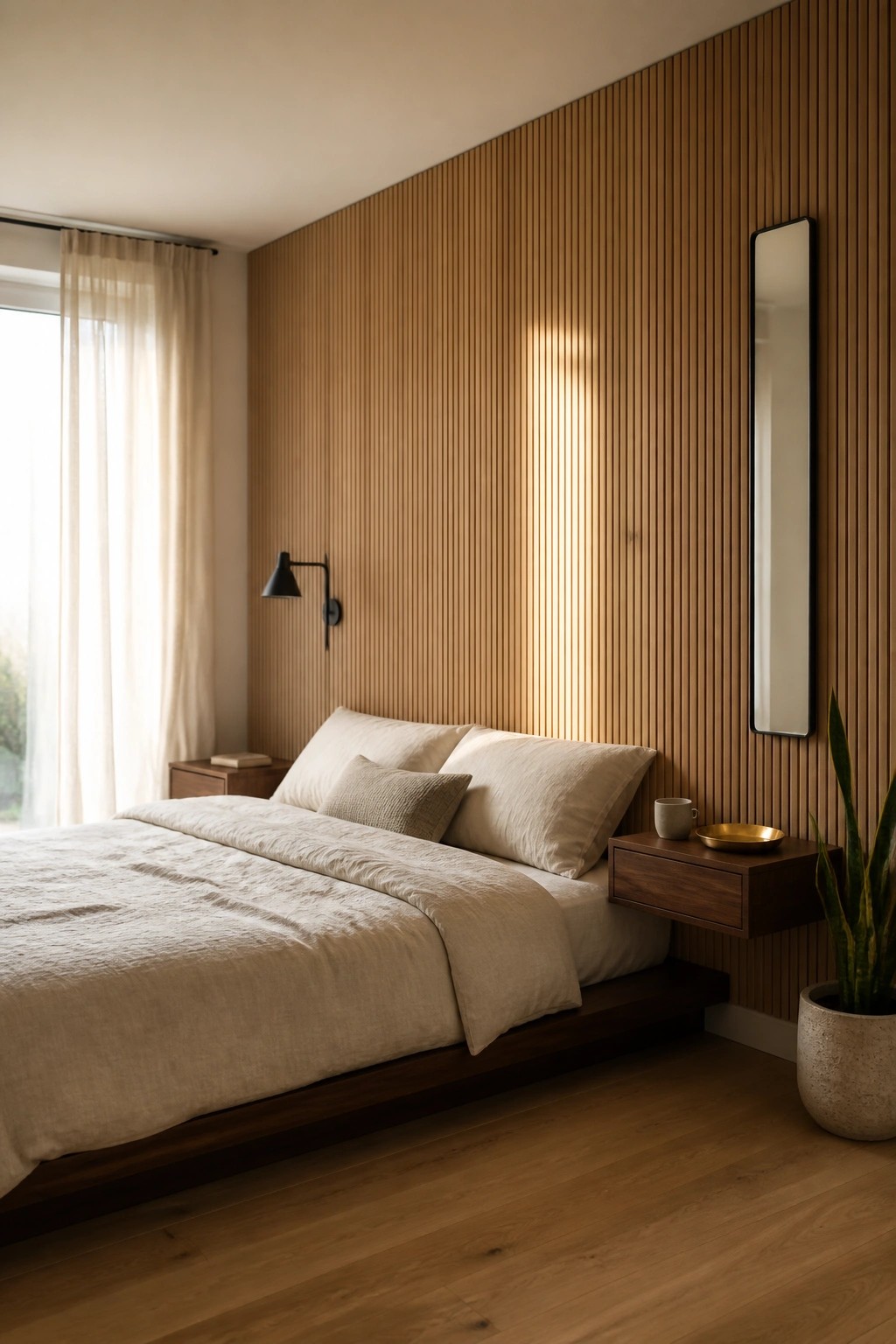
Vertical wood slats give a bedroom wall quiet texture without adding clutter. The straight lines keep the look clean while the wood grain brings in some natural warmth that works well with simple bedding and light floors.
This approach suits rooms that already lean minimalist. Keep the rest of the space fairly open so the wall can stand out on its own. It works especially well behind a bed where the height of the panels can be fully seen.
Horizontal Wood Planks For Simple Texture
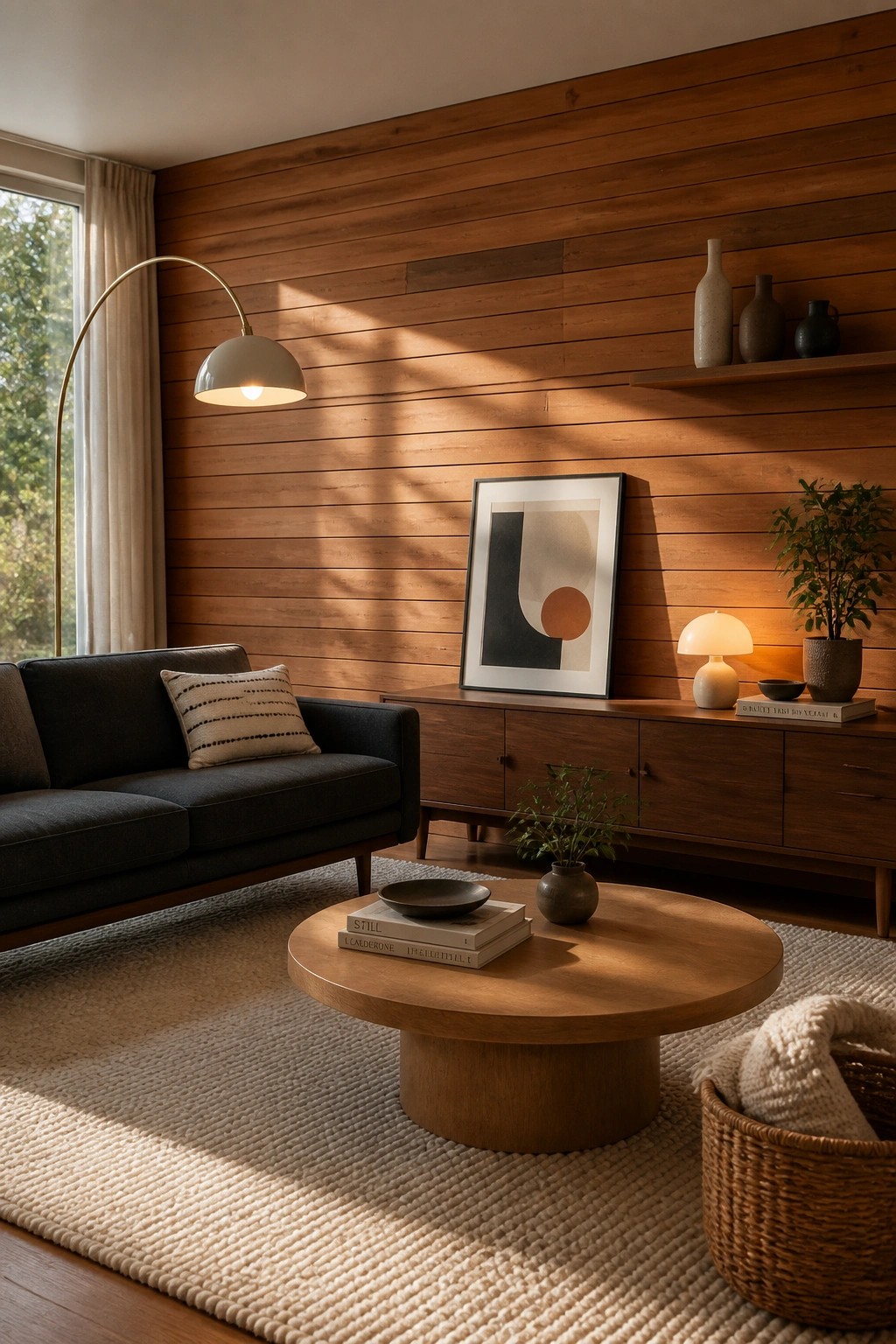
Many people choose horizontal wood planks when they want a wood wall that feels calm and steady rather than busy. The clean lines keep the look minimal while the natural grain adds just enough texture to warm up the room.
This works best in living spaces where you already have simple furniture and want one wall to carry the material interest. Stick to one wall only and let the rest of the room stay light so the wood does not feel heavy.
Vertical Wood Paneling for Kitchen Texture
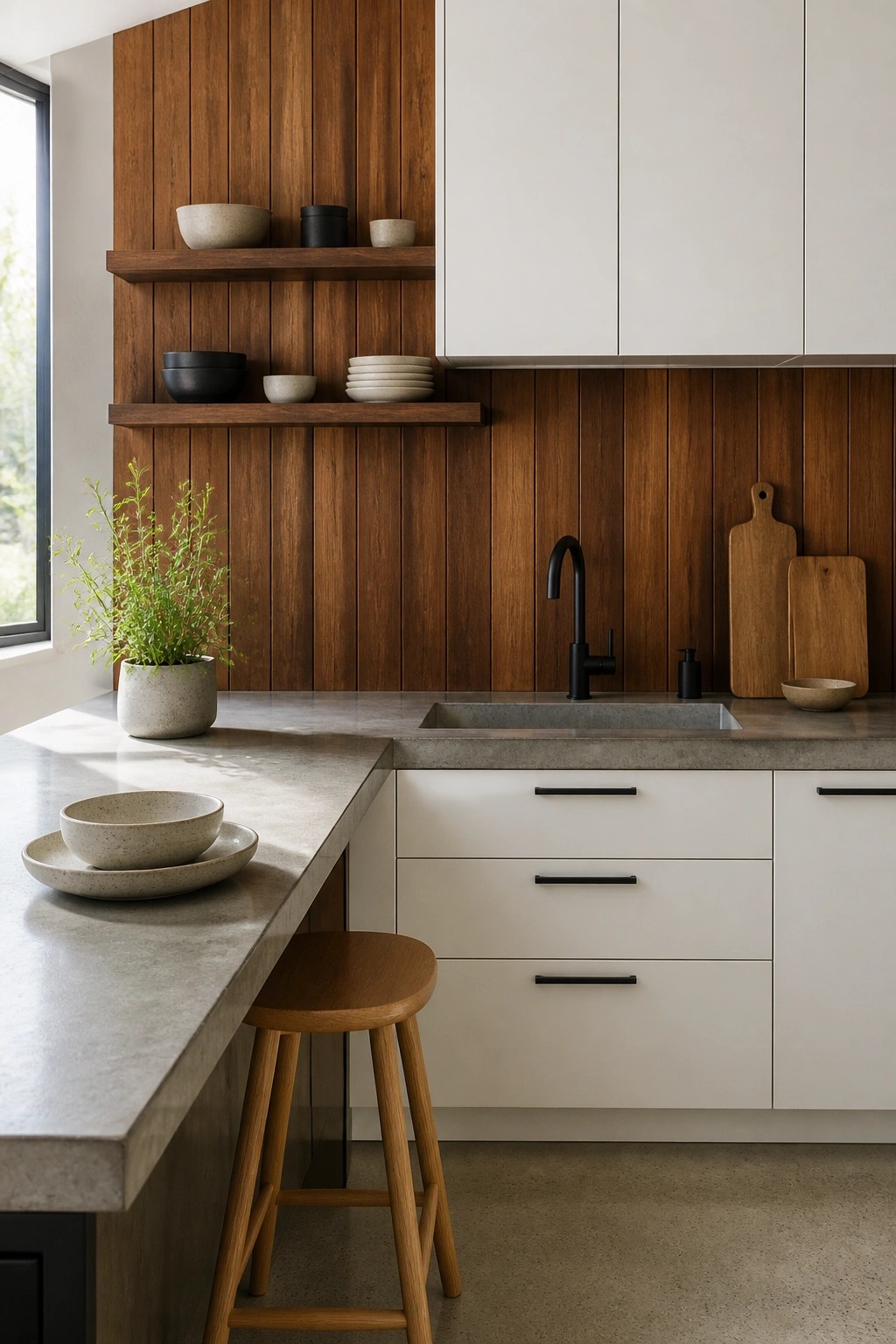
Vertical wood paneling gives a kitchen wall quiet texture while keeping the overall look clean. The straight lines add some depth without breaking up the space or adding extra trim.
This works best in minimalist homes that already use simple cabinetry and solid surfaces. Keep the wood tone natural and let it run behind open shelves or the sink area so the texture stays consistent.
Vertical Wood Walls For Quiet Texture
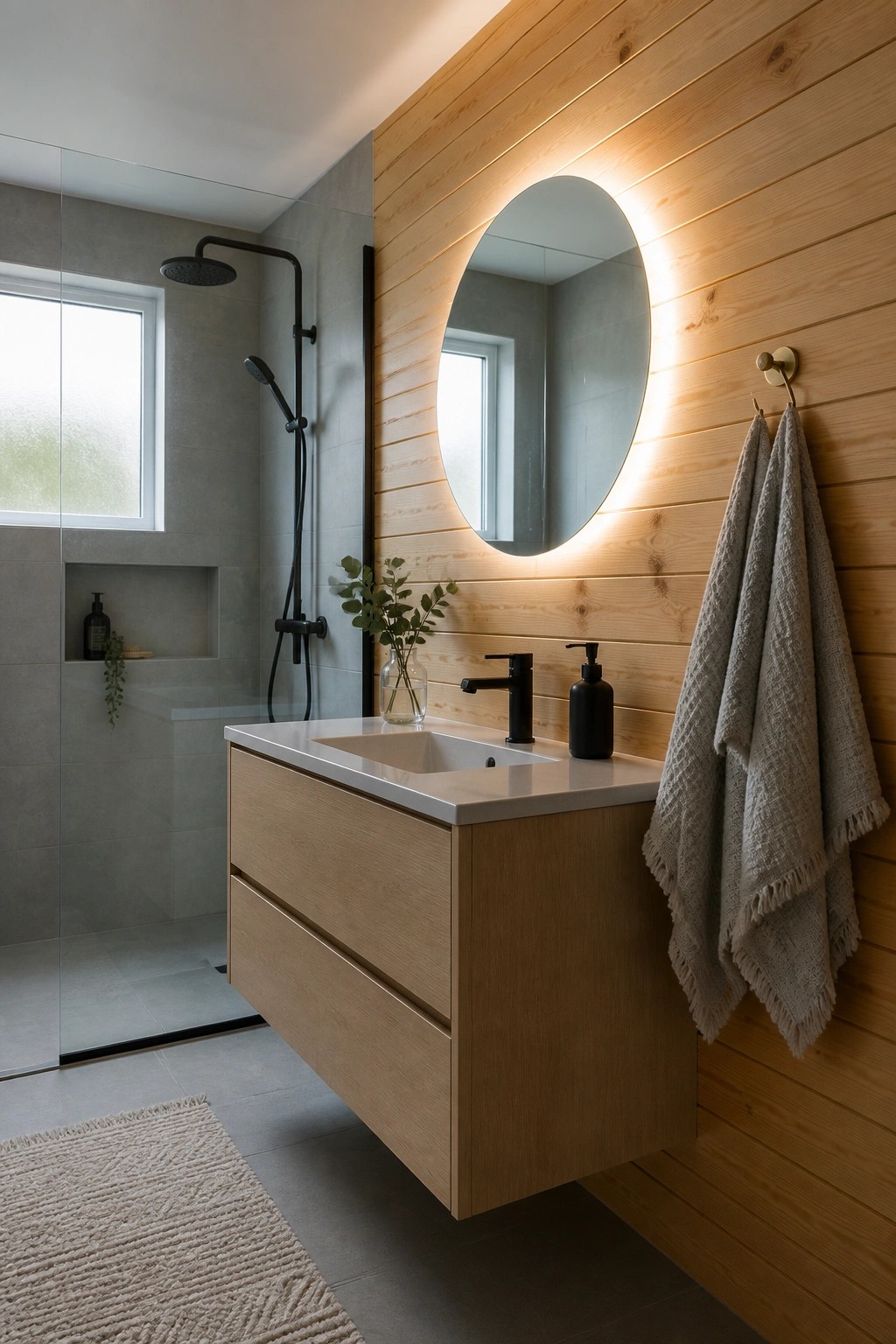
A single wall finished in vertical wood planks adds natural texture while keeping the overall look clean and simple. The straight lines and visible grain give the space warmth without any extra decoration or busy patterns.
This approach works especially well in bathrooms or compact rooms where you want one focal point. Choose a light wood tone, keep surrounding surfaces plain, and let the wall do the work on its own.
Herringbone Wood Walls Bring Quiet Texture
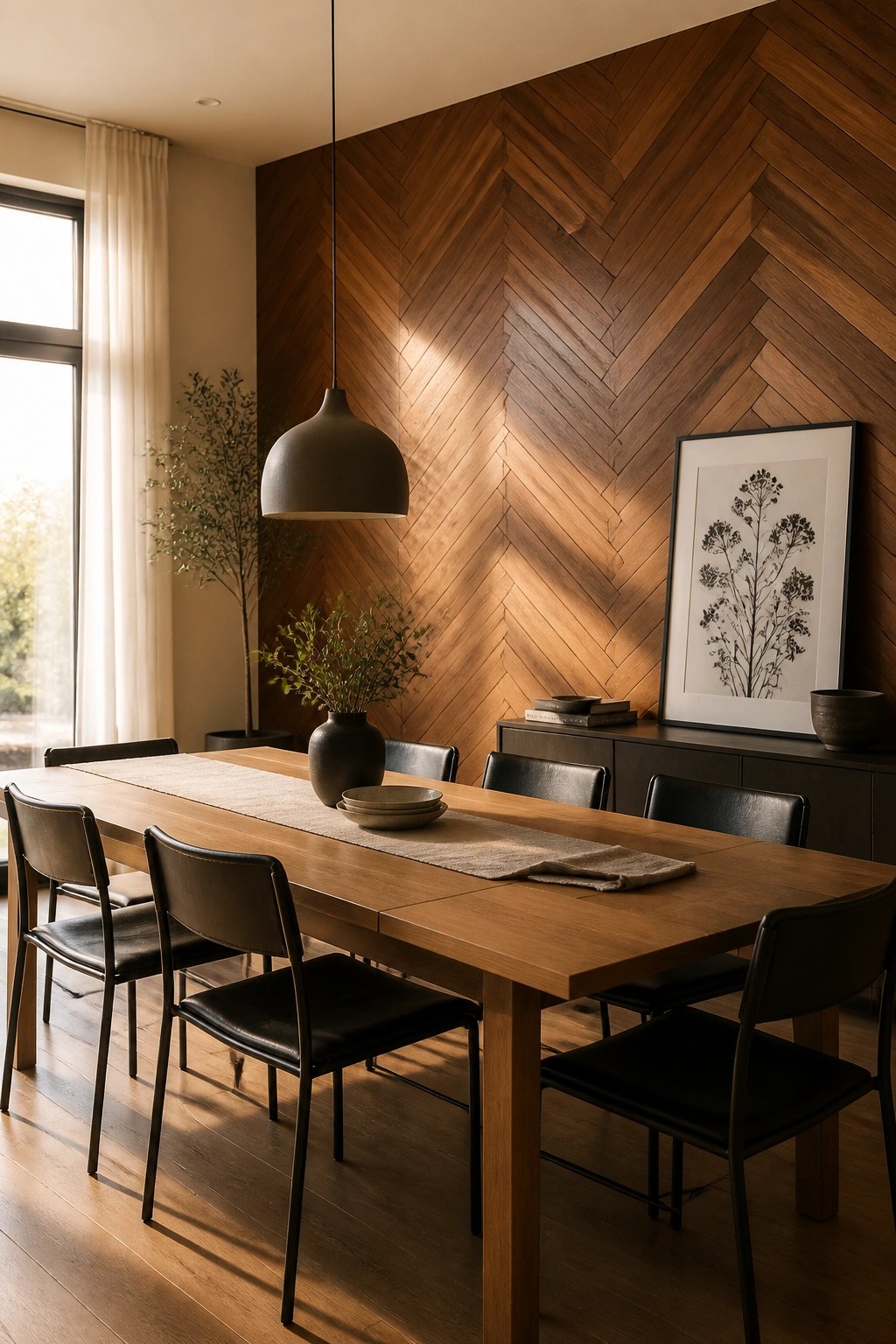
A herringbone wood wall adds texture and subtle movement to a room while keeping everything else simple. The pattern gives the surface interest without extra decoration or busy details, which works especially well in a dining space where the table and chairs already take center stage.
This approach suits minimalist homes that still want some natural warmth. Use it on one main wall, keep other surfaces plain, and let the grain and lines do the work.
Vertical Wood Slats In Entryways
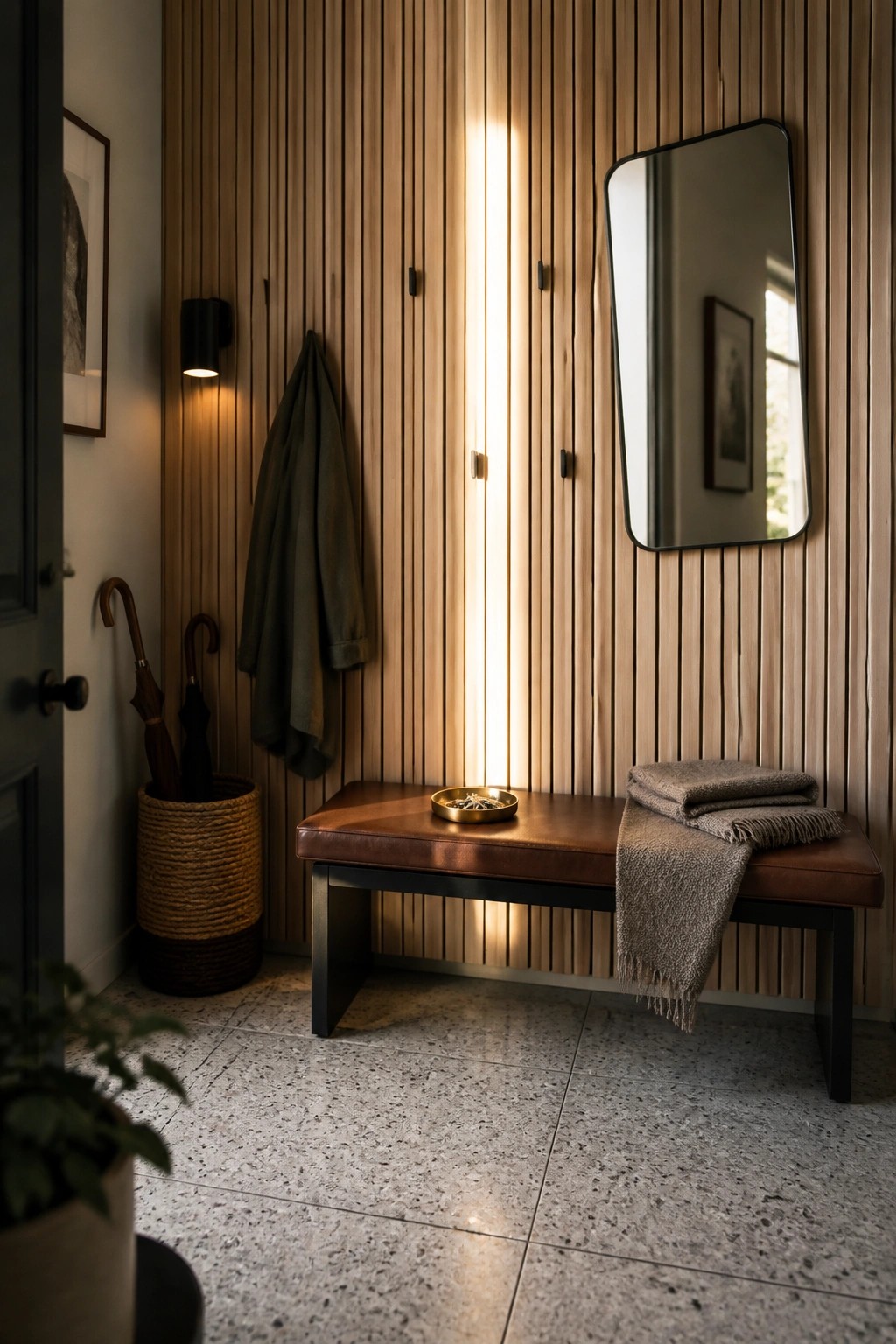
Vertical wood slats give a wall texture without adding much visual noise. The straight lines run from floor to ceiling and keep the surface interesting while still feeling calm and ordered. Many homes use this approach in entry areas where you want a bit of warmth from wood but do not want busy patterns.
This style works best in smaller or narrow rooms because the vertical lines can make the space feel taller. Space the slats evenly and keep the finish light or natural so the wall does not overpower the rest of the room.
Vertical Wood Paneling For Small Rooms
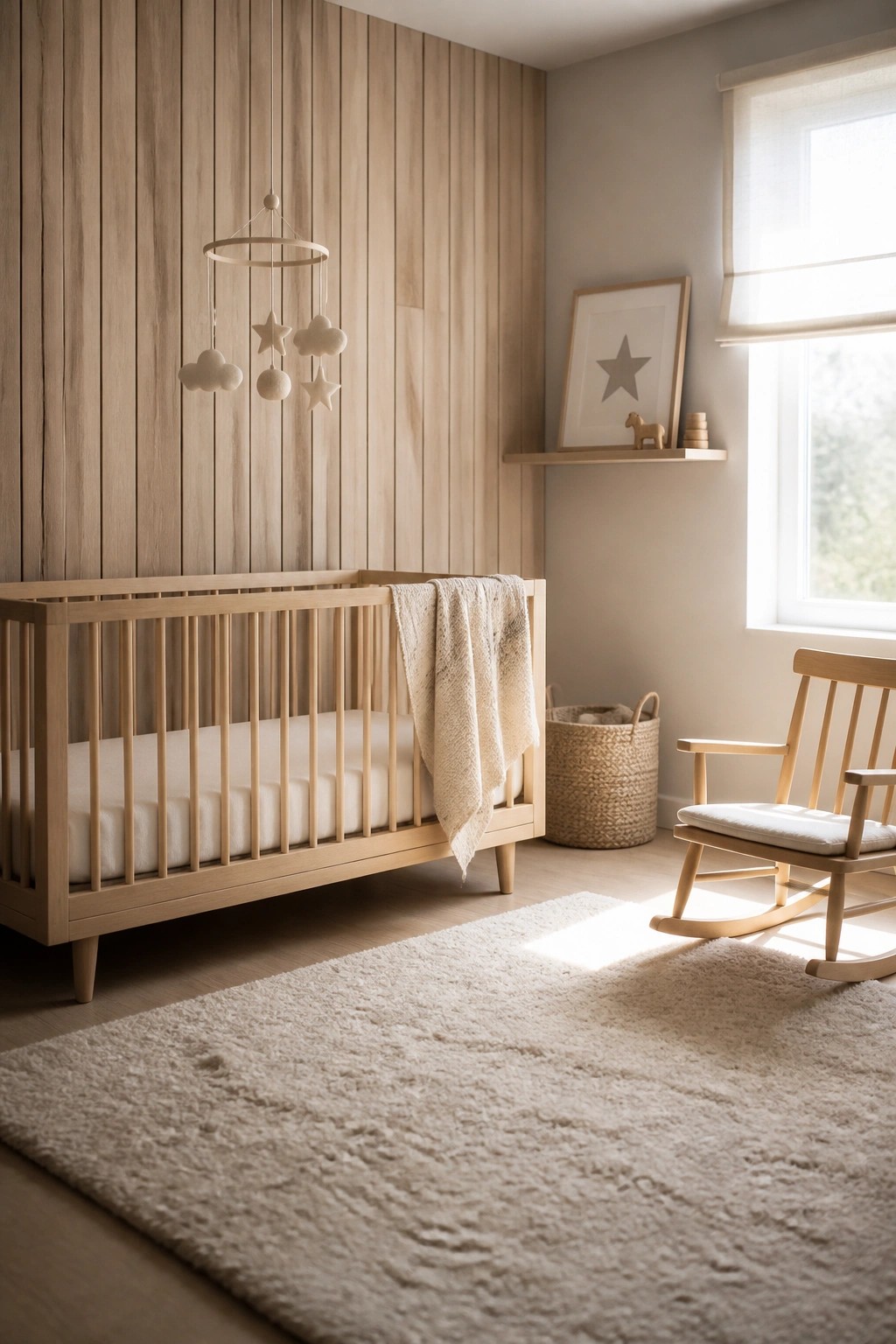
Vertical wood paneling gives a room a quiet sense of structure without adding clutter. The straight lines keep things feeling calm and orderly, and the natural grain adds just enough texture to make the wall interesting on its own.
This approach works best in smaller rooms or spaces that already have simple furniture. Keep other surfaces light and avoid busy patterns so the wood can stay the main feature.
Vertical Wood Slats For Laundry Rooms
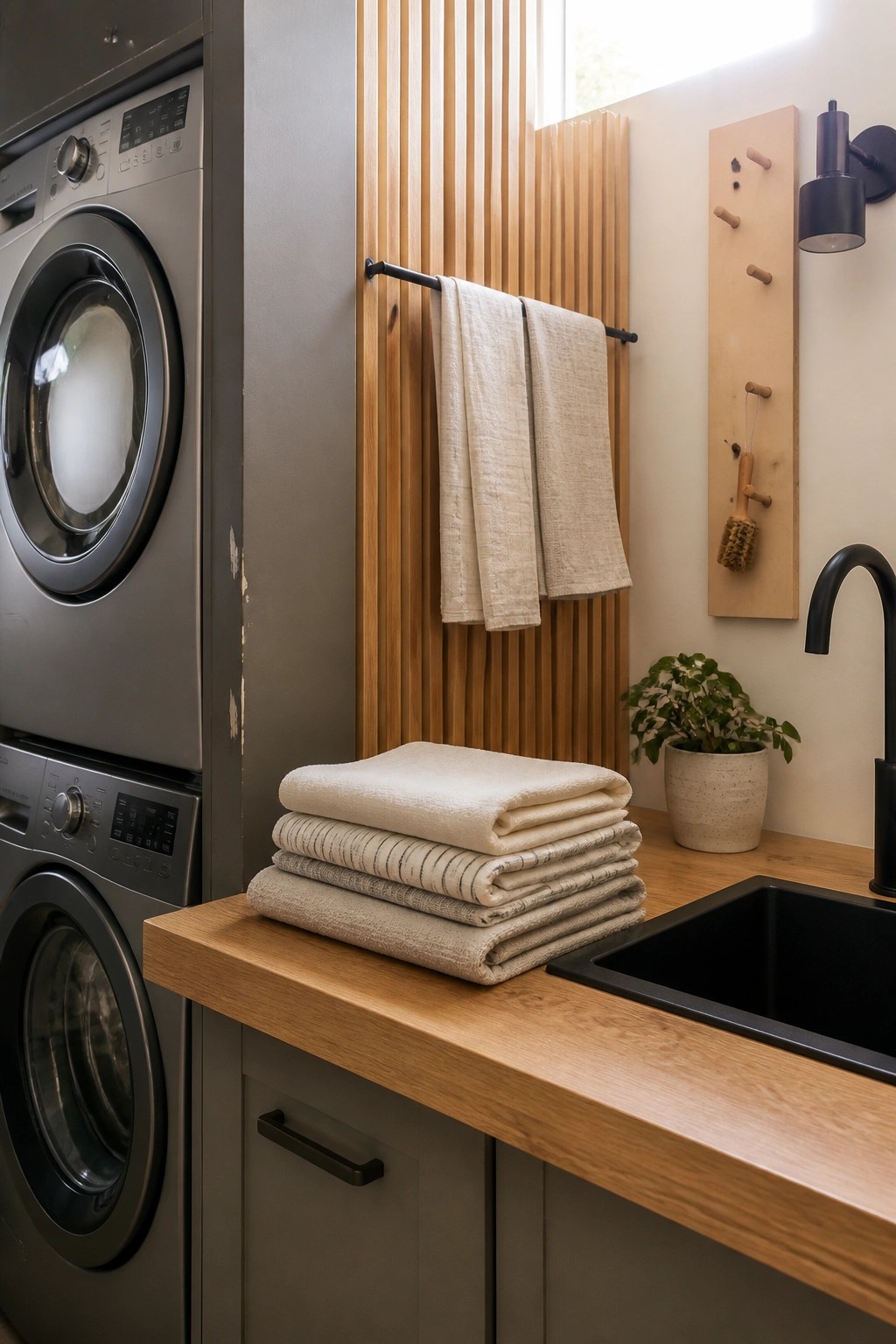
Vertical wood slats bring a quiet layer of texture to rooms that often stay plain and functional. The straight lines keep things orderly while the wood grain adds just enough warmth next to machines and hard surfaces.
This works best in laundry rooms or utility spaces where you want one wall to stand out without extra decoration. Keep the slats narrow and evenly spaced, and pair them with simple hooks or a short rail so the focus stays on the material itself.
Built-In Desks Within Wood Slat Walls
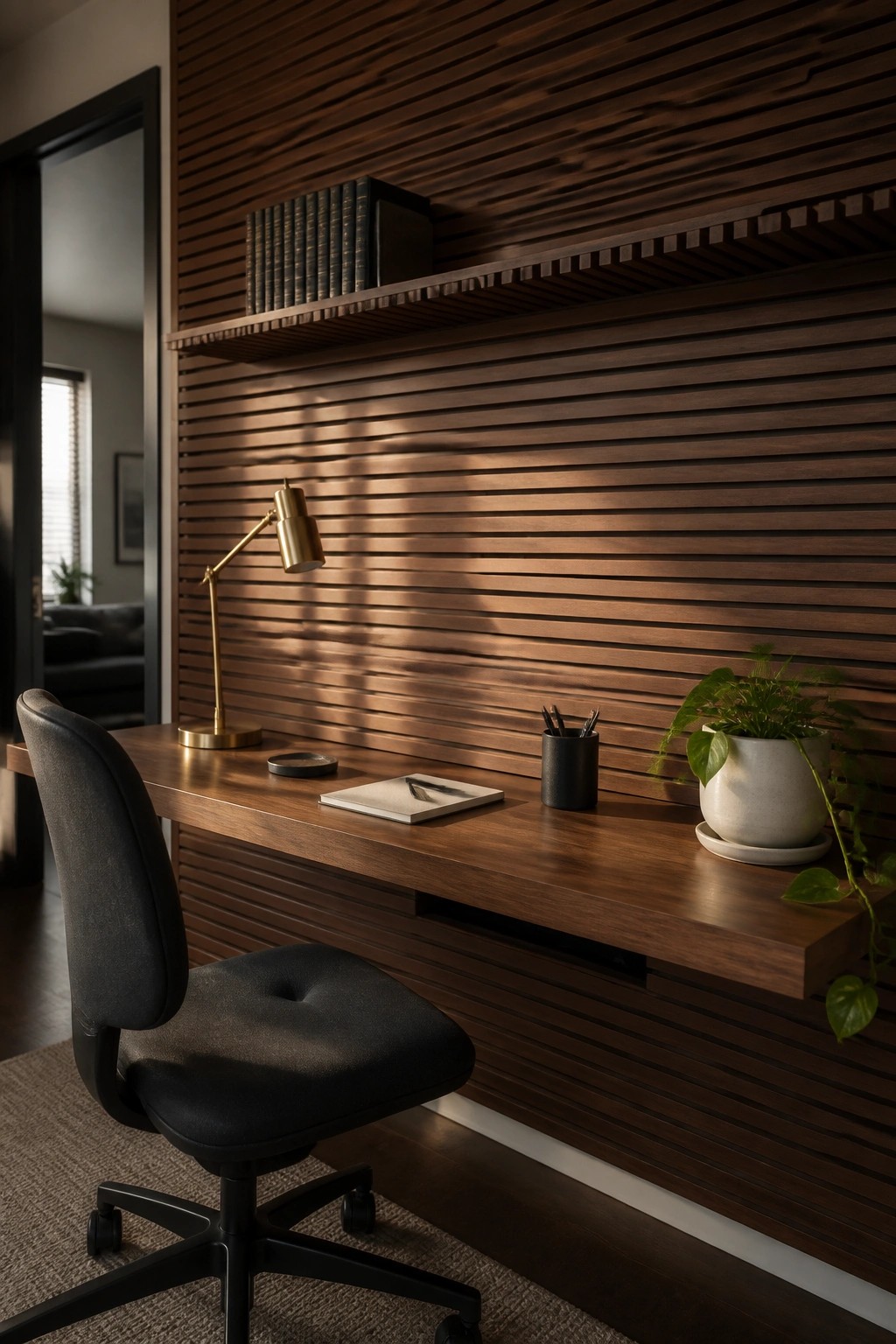
A built-in desk set into a wood slat wall keeps the workspace feeling calm and uncluttered. The horizontal lines add texture without any extra trim or decoration, and the desk surface blends right into the wall so the whole area reads as one clean plane.
This approach works best in smaller home offices or studies where you want storage and surface space without adding furniture that breaks up the room. It suits homes that already lean minimalist, since the wood itself carries the visual weight. Just make sure the desk depth stays practical for daily use.
Vertical Wood Paneling Along Staircases
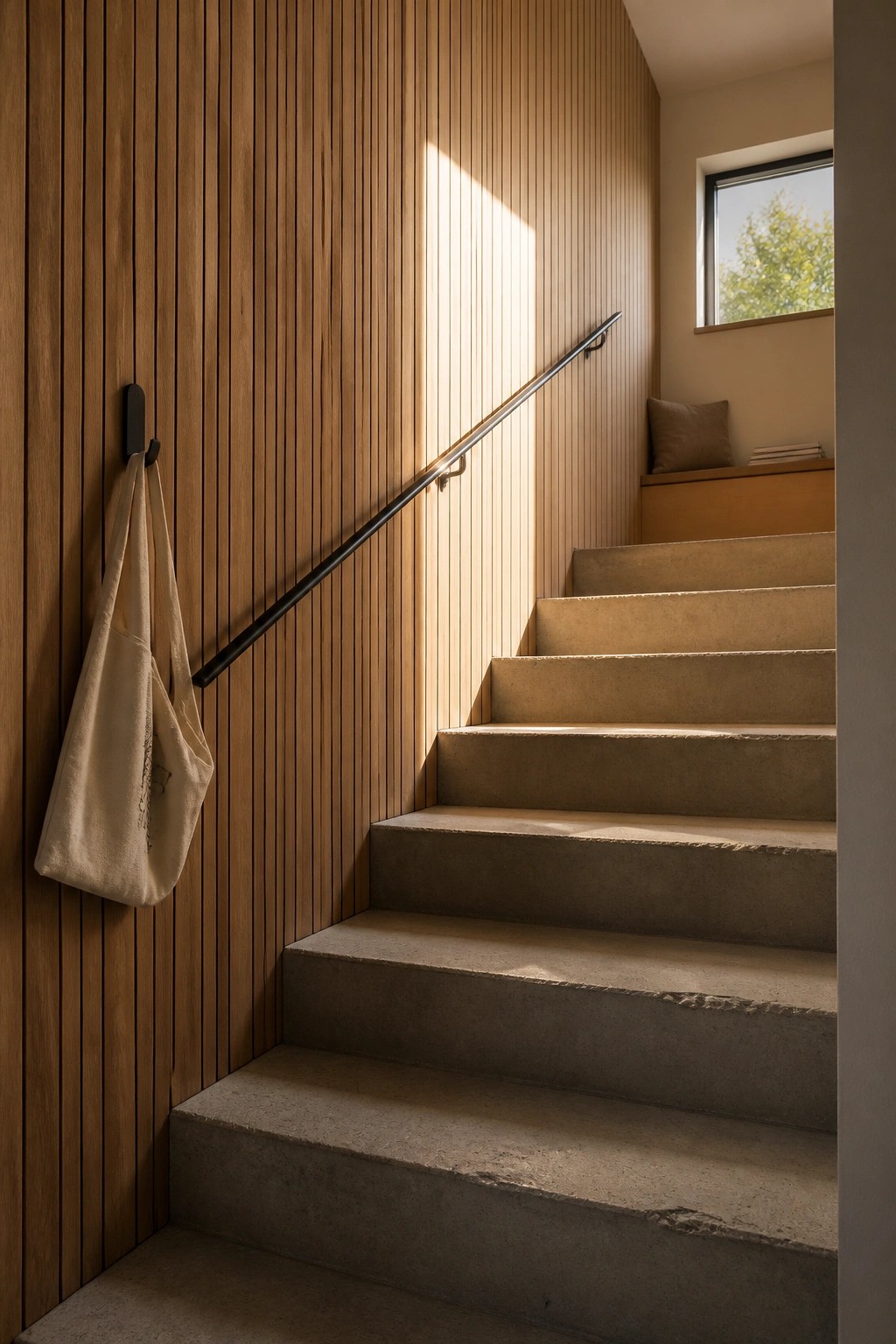
Vertical wood paneling gives a staircase a quiet sense of order. The straight lines keep the space feeling open while the wood grain adds just enough texture to avoid a flat look. Many people like this because it brings warmth without needing extra trim or decoration.
This treatment works best in homes that already lean minimalist. It pairs easily with simple railings and plain stairs, and it holds up well in narrow or tall spaces where patterns might feel busy. Stick to a single wood tone and let the lines do the work.
Horizontal Wood Slats On A Fireplace Wall
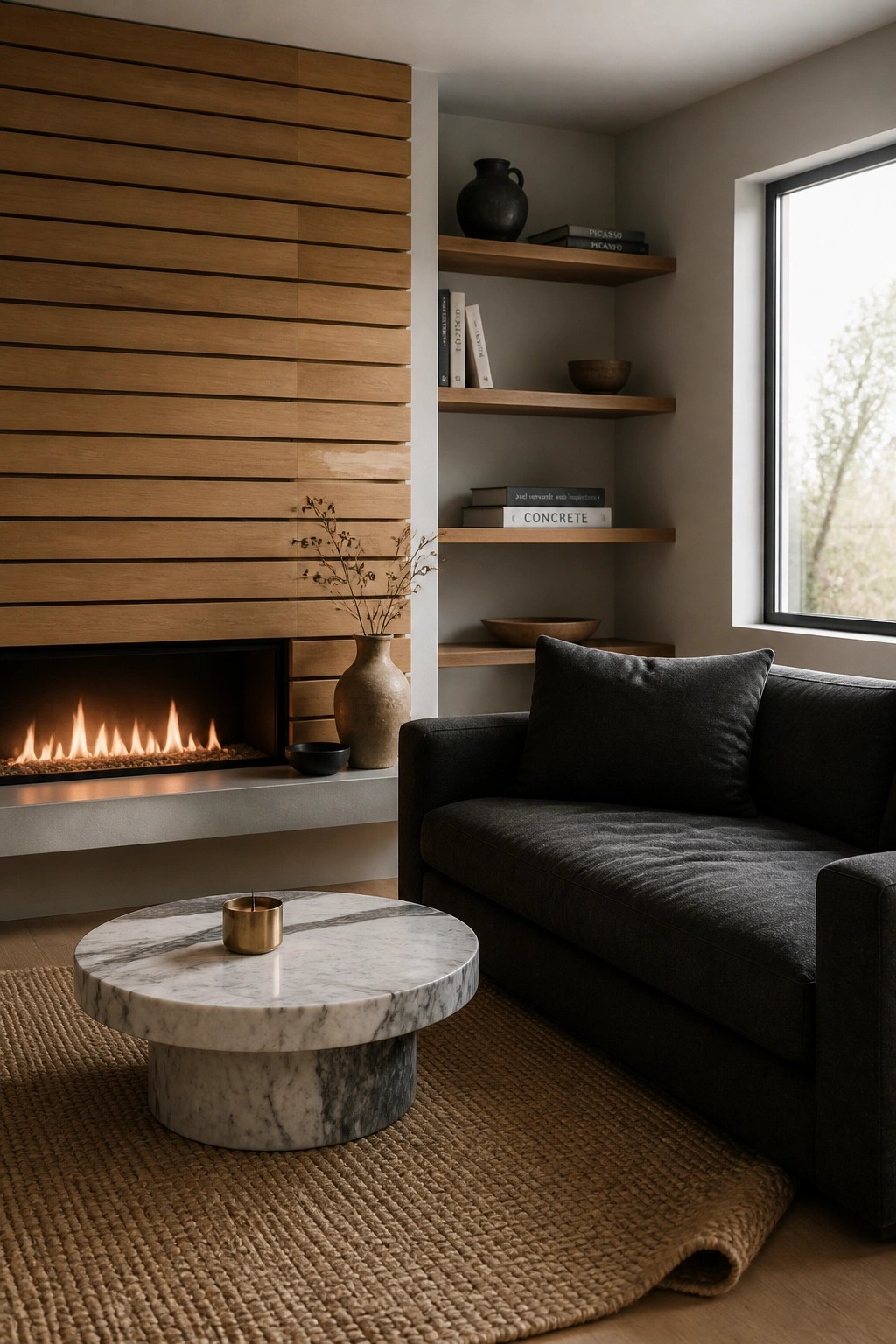
Horizontal wood slats give a fireplace wall quiet texture while keeping the lines very simple. The wood adds warmth without needing much else on the surface, so the fire stays the main point.
This approach works best in living rooms that already lean minimalist. It pairs easily with plain seating and low tables, and it helps the space feel calm rather than busy. Just keep the slats evenly spaced and match the tone to any other wood in the room.
Vertical Wood Paneling Behind the Vanity
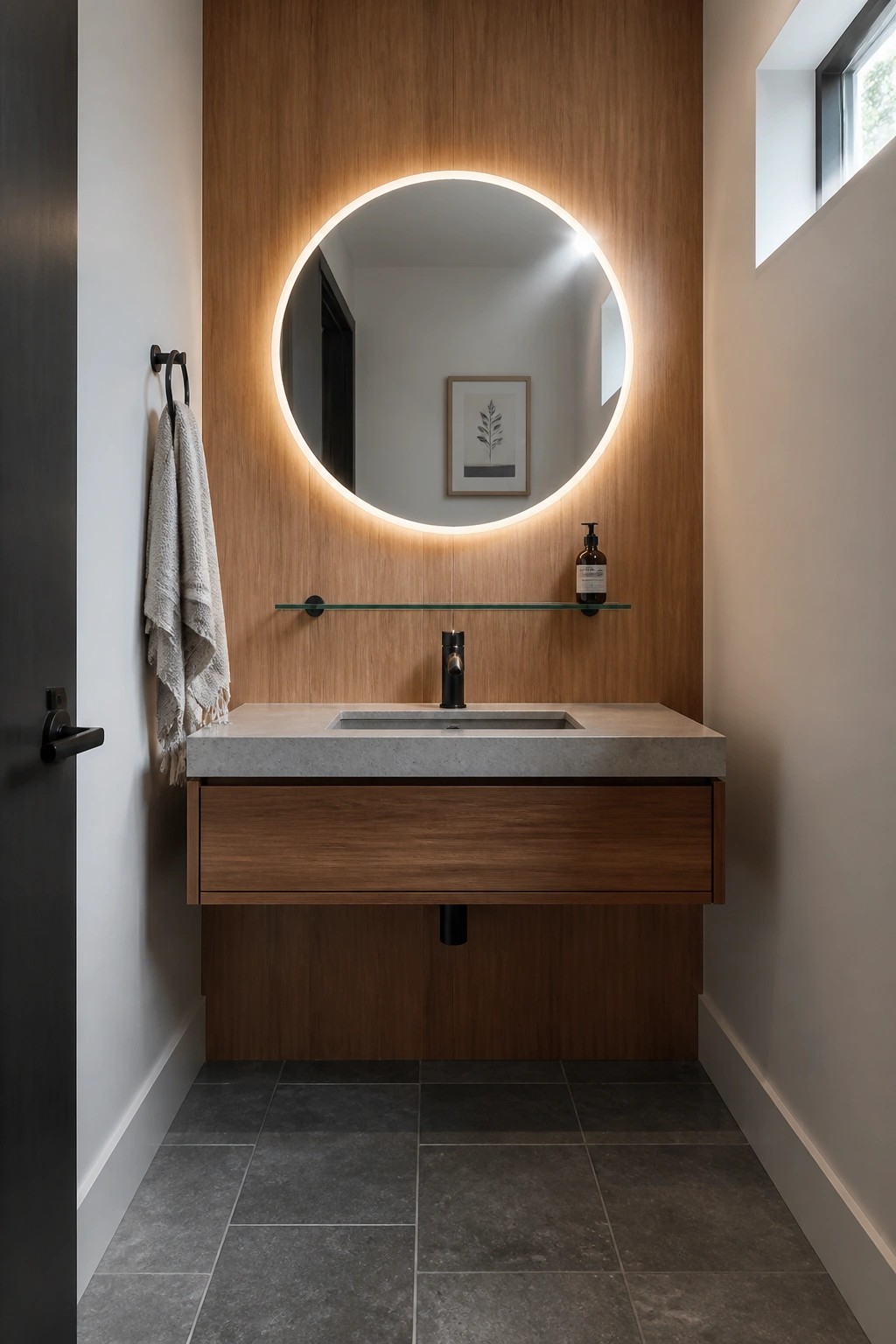
Vertical wood paneling works well as a simple way to add texture to a bathroom without crowding the space. The straight lines keep the look clean, and the wood grain gives just enough warmth against cooler surfaces like stone and tile.
This treatment suits small or narrow bathrooms where you want some depth but still need the room to feel open. It works best with a floating vanity so the wood can run all the way to the floor, and it pairs easily with neutral counters and simple fixtures.
Wood Plank Walls Behind the Bed
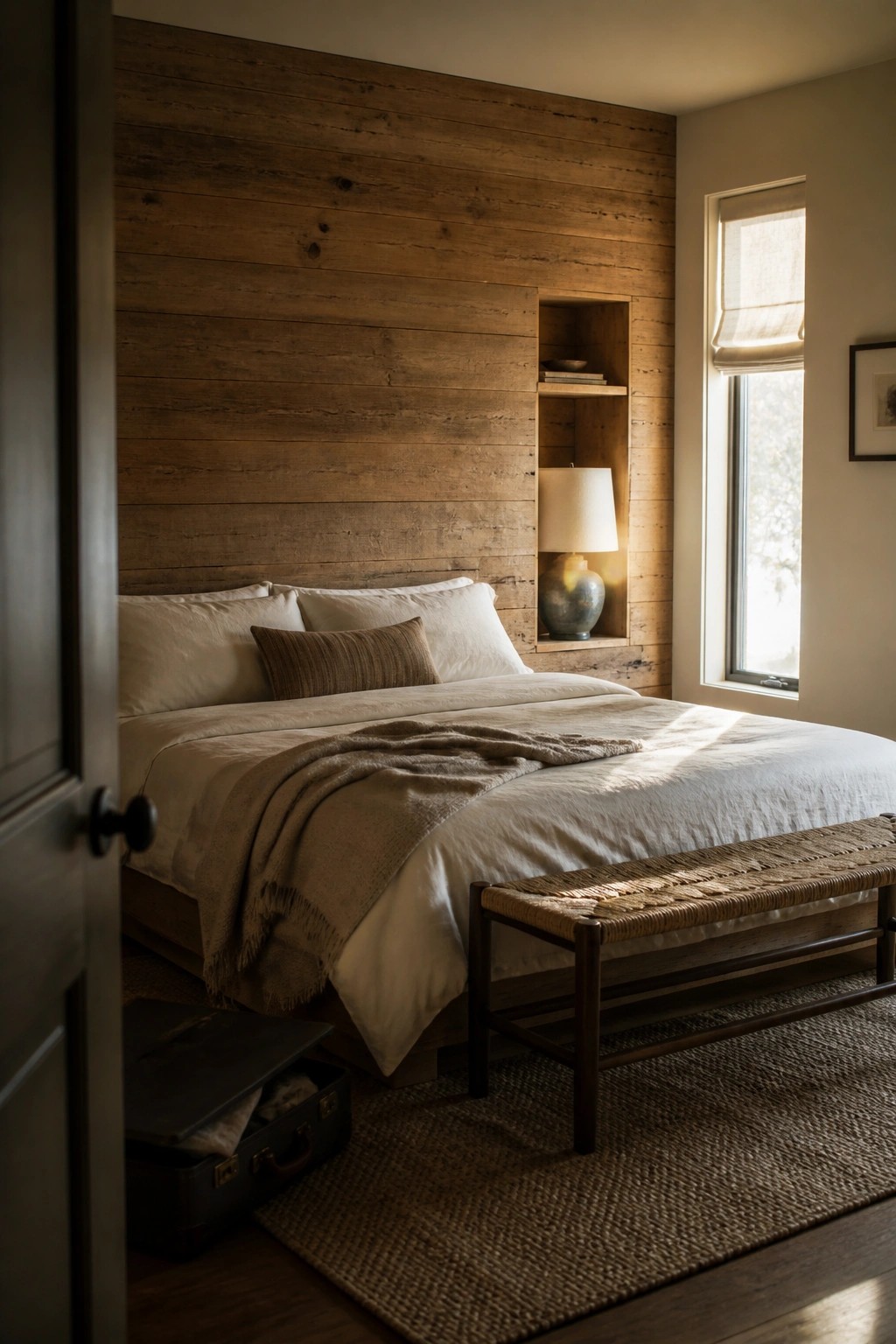
A full wood wall behind the bed gives a bedroom texture without adding clutter. The simple horizontal planks create a calm backdrop that still feels warm and grounded, especially when the rest of the room stays light and plain.
This approach suits smaller or medium bedrooms where you want one strong surface to do the work. Keep bedding and other furnishings minimal so the wood grain stays noticeable, and consider adding a small recessed shelf if you need a place for a lamp or a few books.
Light Wood Cabinetry With Simple Lines
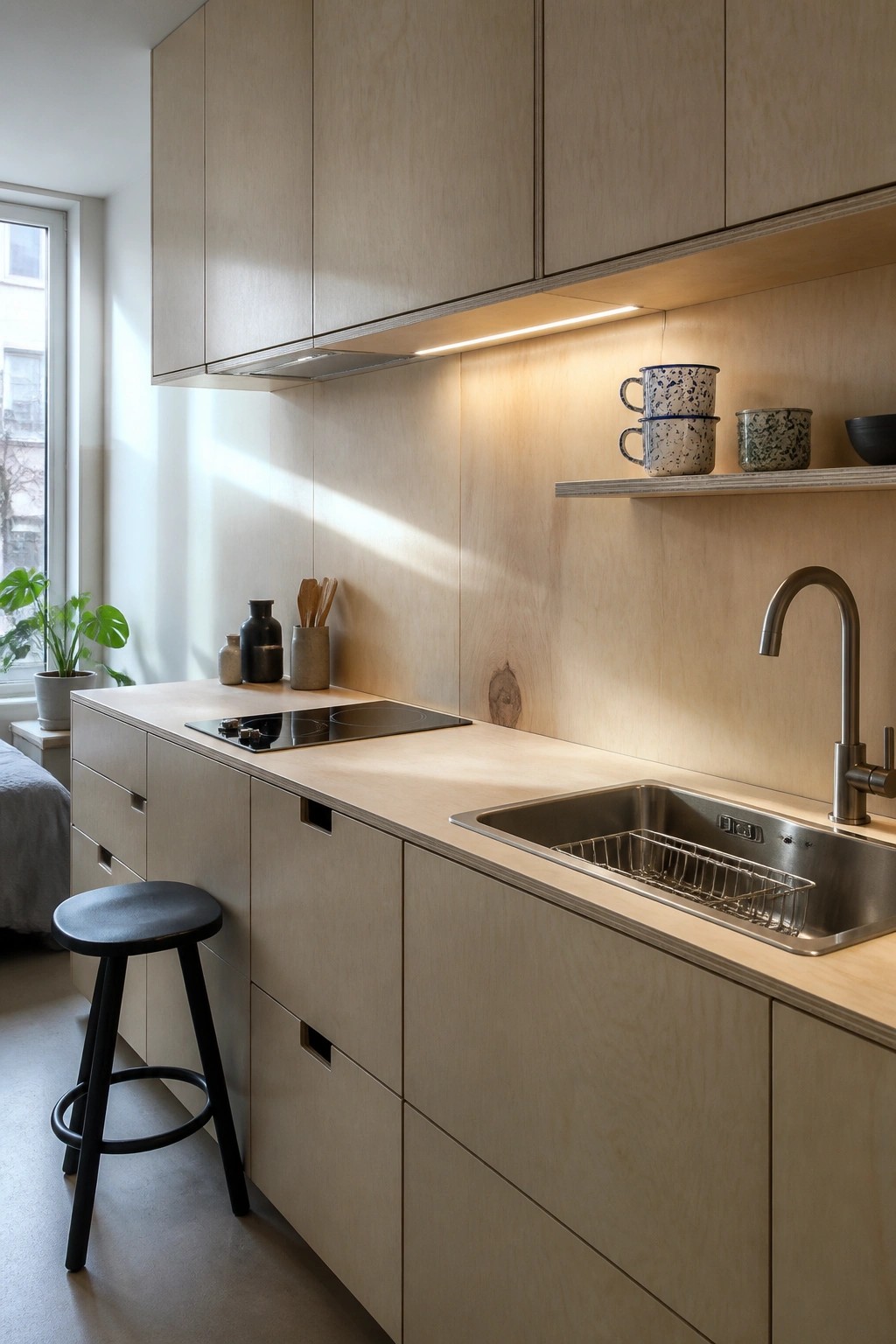
Light wood cabinetry works well when you want storage without adding visual weight to a kitchen. The straight fronts and matching grain keep everything looking calm and connected from floor to ceiling.
This style suits small spaces or open layouts where you need the room to feel larger. Stick to basic hardware and plain counters so the wood texture stays the main feature.
Vertical Wood Slats For Texture
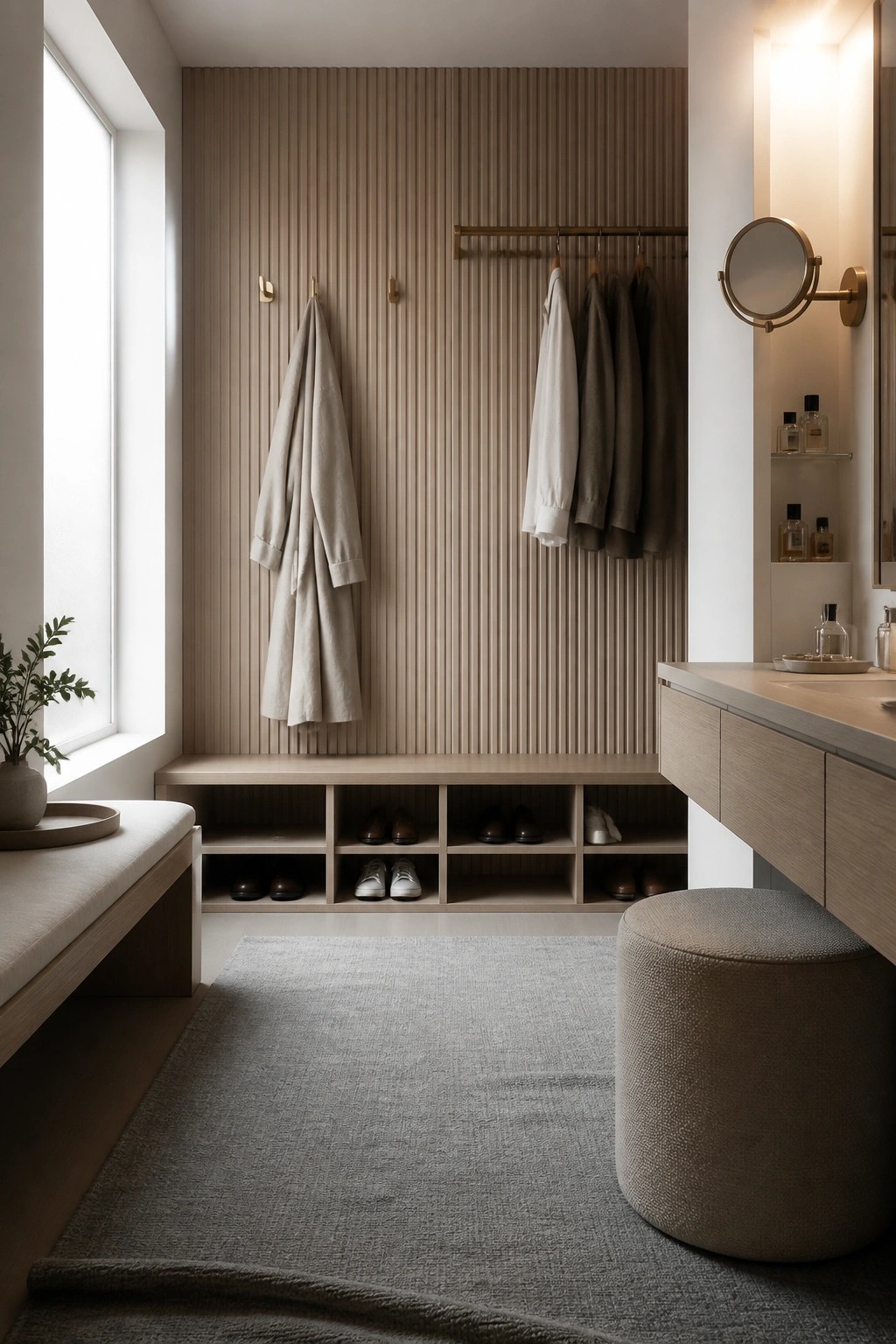
Vertical wood slats give a wall just enough pattern without adding clutter. In this setup the narrow grooves catch light softly and create depth while the overall surface stays calm and simple. It works especially well in rooms that already have clean lines and neutral tones.
Try this approach on a feature wall in an entry or dressing area where you need some visual interest but still want the space to feel open. It suits homes that lean minimalist and pairs nicely with built-in seating or open storage below. Keep the finish light and matte so the texture stays the main point rather than any shine or color variation.
Vertical Wood Slats Add Simple Texture
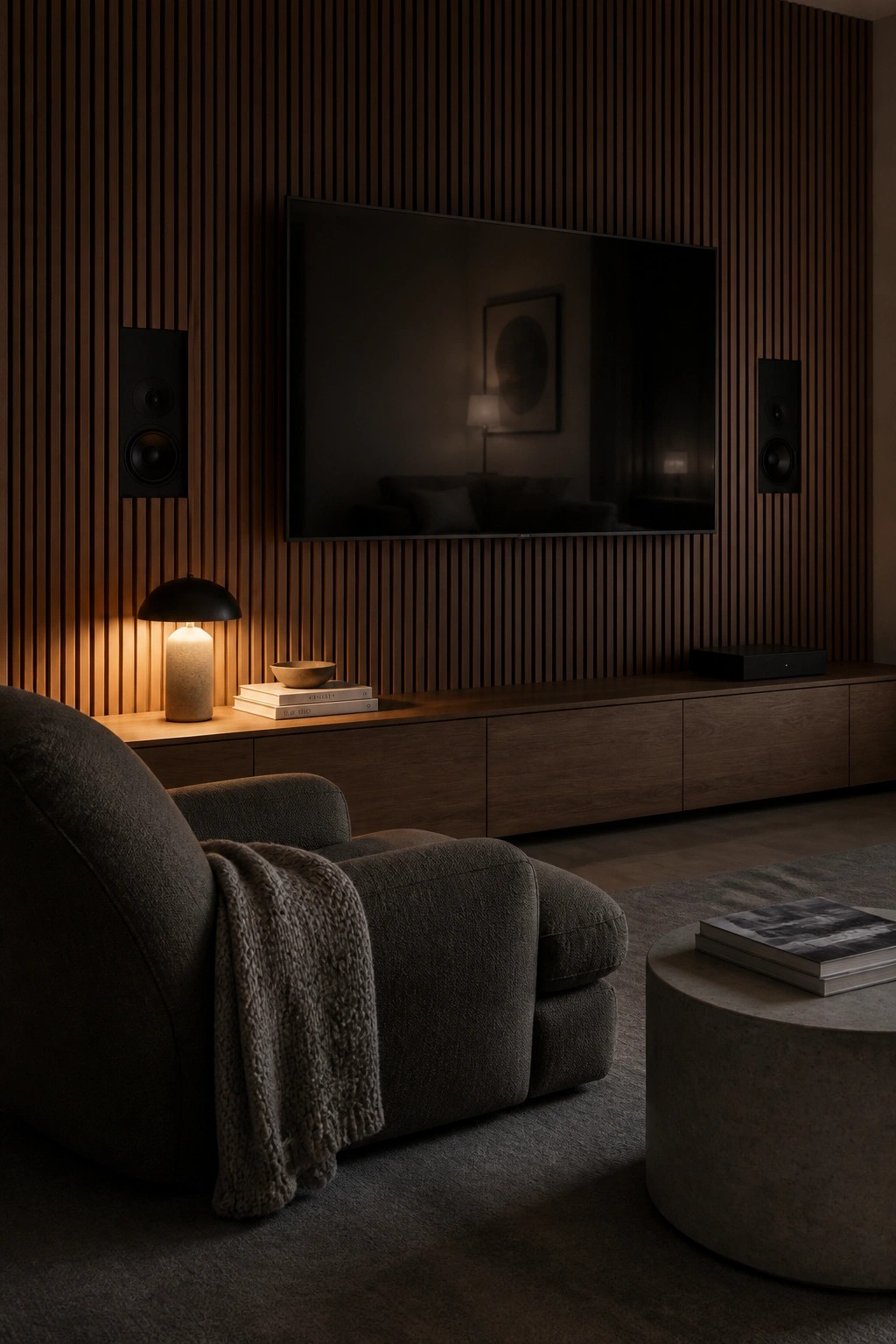
Vertical wood slats give a wall quiet depth without needing extra decoration. The even spacing creates lines that feel steady and calm, which works well in rooms that already have a lot of furniture or a large screen taking up space.
This treatment suits living rooms or bedrooms where you want wood warmth but still prefer a clean look. It pairs best with simple furniture and soft lighting so the texture stays noticeable but not overwhelming.
Horizontal Wood Planks on Walls
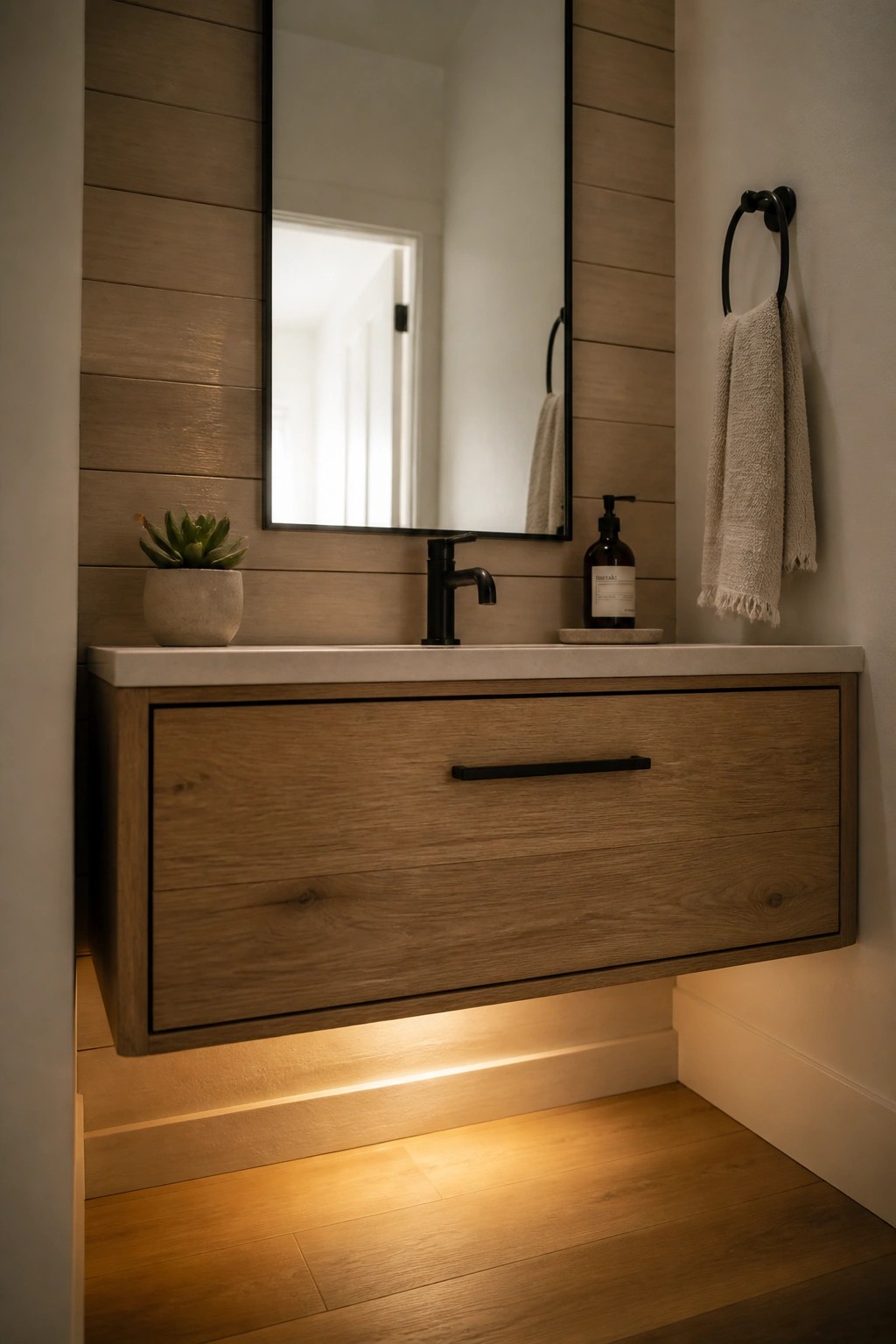
Horizontal wood planks give a bathroom wall quiet texture without adding clutter. The simple lines keep the space feeling calm and open, especially when the planks run the full height behind a vanity.
This approach works best in smaller rooms where you want warmth but still need the walls to feel light. Keep the finish natural and the hardware minimal so the wood itself stays the focus.
Vertical Wood Slats For Built-In Walls
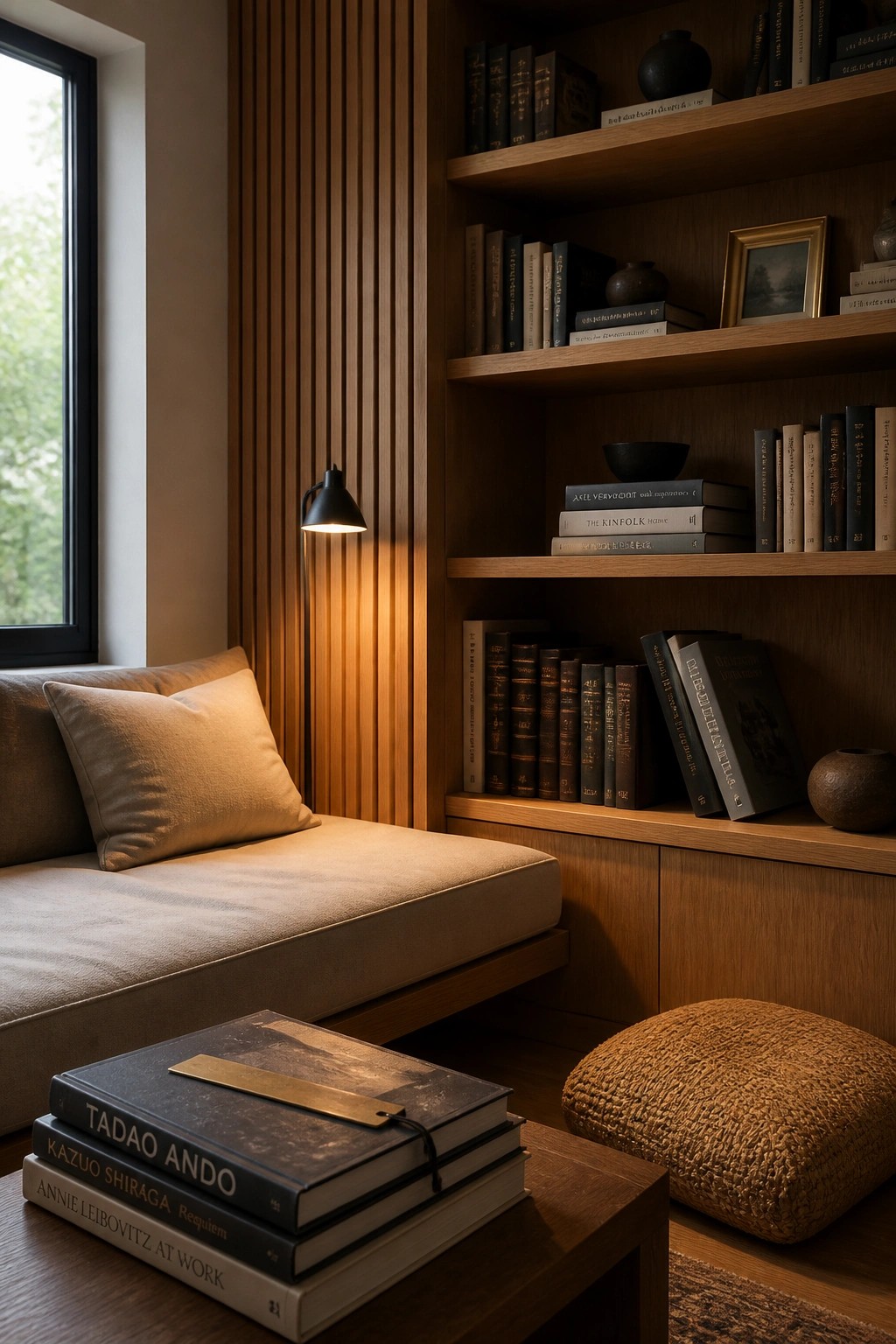
Vertical wood slats bring a quiet texture to a wall without adding much visual noise. They work especially well when paired with built-in shelves, since the lines stay consistent and the whole setup feels calm and orderly rather than busy.
This kind of wall treatment suits smaller reading corners or alcoves where you want the wood to feel present but not overwhelming. Keep the rest of the room simple so the slats and the grain do the work.
Vertical Wood Paneling For Bathroom Walls
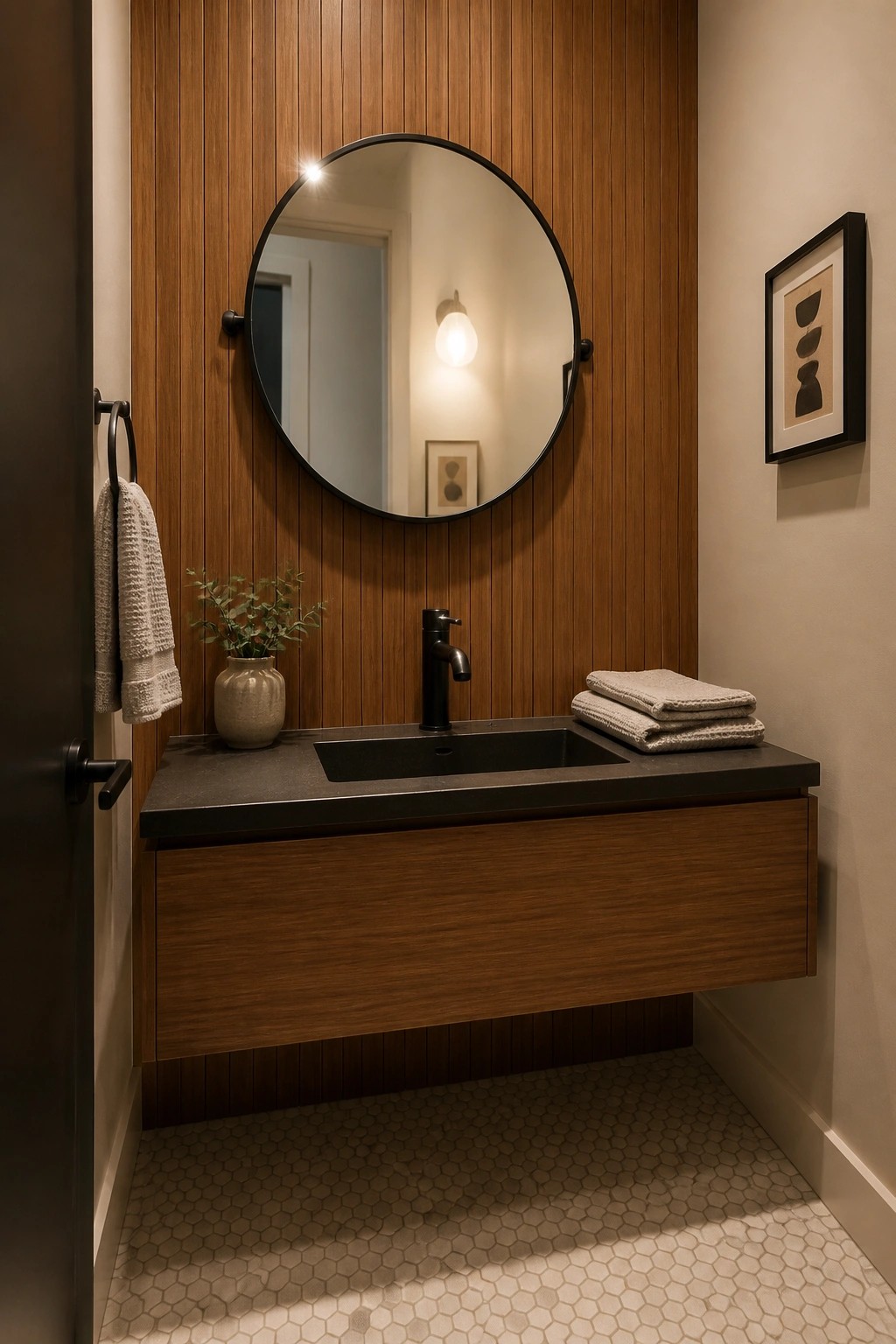
Vertical wood paneling gives a bathroom wall just enough texture while keeping the lines clean and straightforward. The narrow planks run straight up without any fussy trim, so the surface feels calm rather than busy. This works especially well in smaller rooms where you want some warmth but still need the space to feel open.
It suits homes that already lean minimalist because the material does the work without extra decoration. Pair it with a floating vanity and a dark countertop so the wood stays the main focus. Keep other finishes quiet so the paneling does not compete.
Vertical Wood Slats For Family Spaces
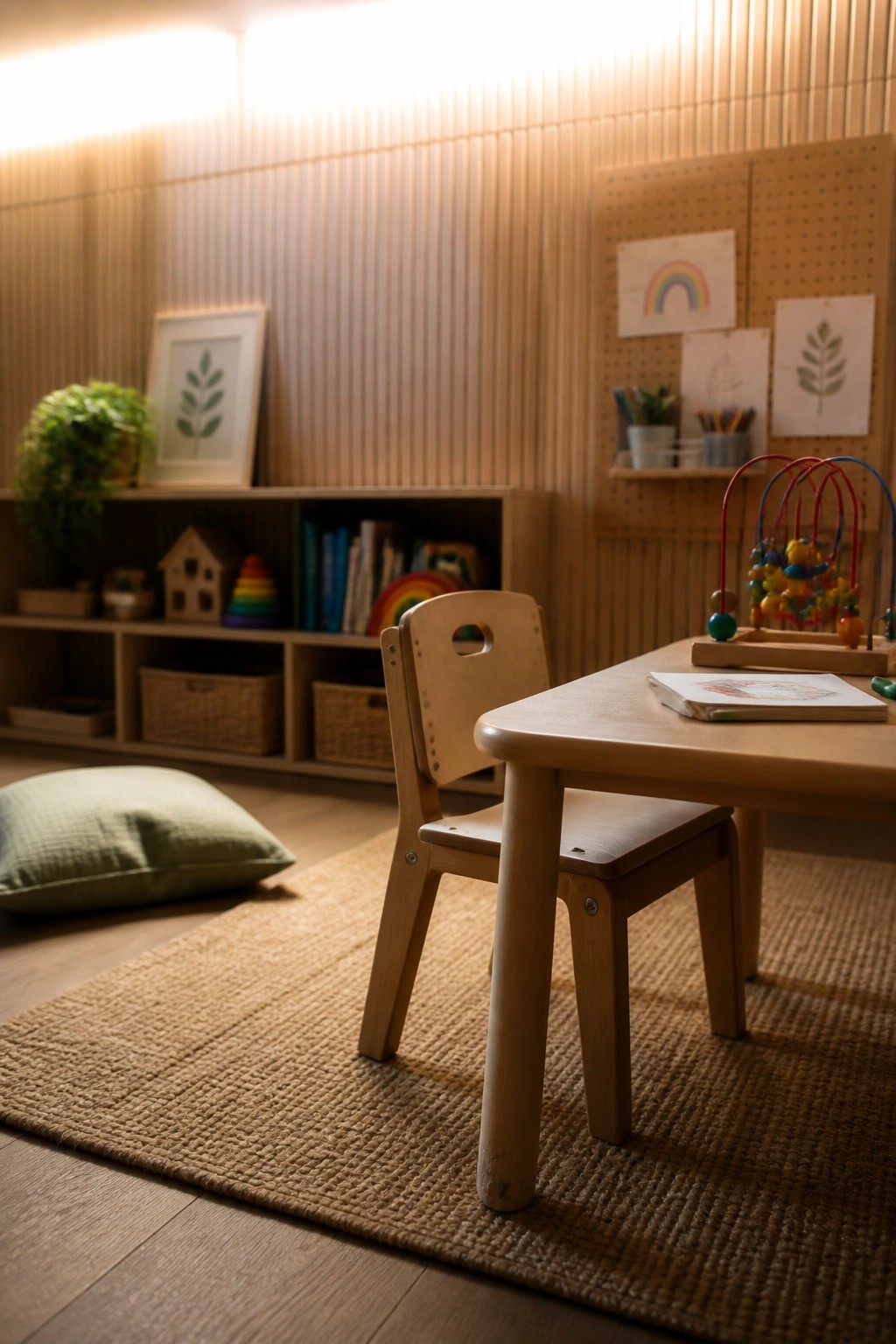
Vertical wood slats give a wall just enough texture while keeping everything else clean and calm. The straight lines add interest without breaking up the space or making it feel busy.
This approach works well in rooms that need a bit of warmth but still want to stay open and easy to use. It suits family spaces or play areas where you want the wood to feel natural rather than decorative.
Vertical Wood Slats In Storage Areas
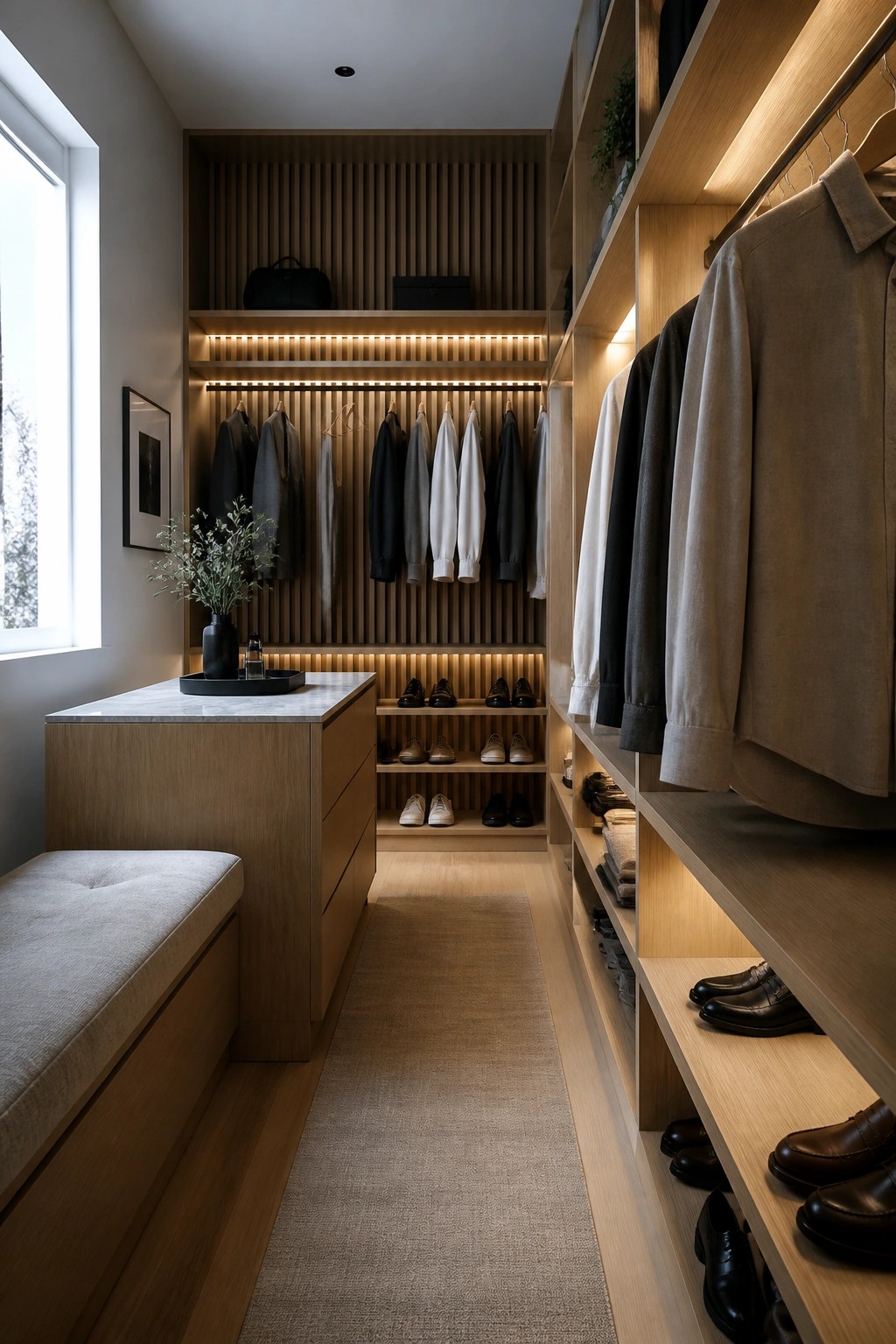
Vertical wood slats give storage rooms a bit of texture while keeping the overall look simple and orderly. The lines run top to bottom behind the hanging clothes, so the wall adds interest without crowding the space or competing with the items stored there.
This works best in narrow or built-in closets where you already need shelving and hanging space. Keep the wood tone light and let the slats run the full height of the wall so the pattern stays consistent even when the shelves are full.
Horizontal Wood Slats For Bathroom Walls
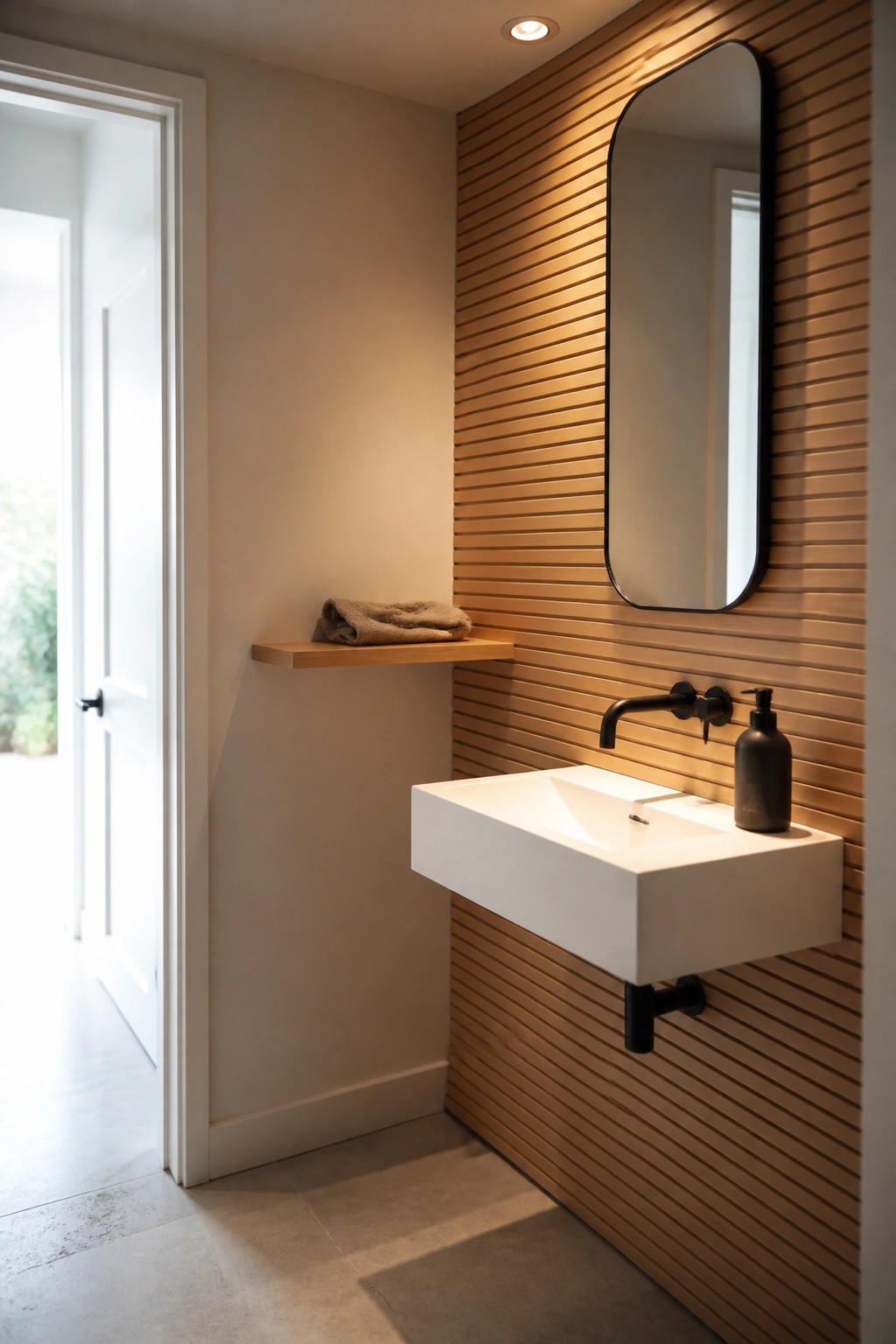
Horizontal wood slats work well when you want texture in a small bathroom without adding clutter. The lines stay straight and even, so the wall feels calm rather than busy, and the wood tone softens the look of white fixtures and dark hardware.
This approach suits compact baths that already follow a minimalist style. Keep the rest of the room simple, use matte black or brushed fittings, and let the slats carry the warmth. Avoid mixing in too many other materials or busy patterns on the remaining walls.
Frequently Asked Questions
Q: How do I pick wood that shows off simple lines without extra shine? A: Go for matte finished oak or ash with straight grain. These highlight texture through natural shadows once the panels sit on the wall. Test a small sample in your lighting first.
Q: Will a wood wall change how sound moves around the room? A: It softens echoes a bit because the surface absorbs some noise. Keep the design flat and gap free for the cleanest effect. Add a rug if you want more quiet.
Q: What happens if one panel gets a dent after a few years? A: Sand the spot lightly and rub in matching oil to blend it back. The simple lines stay intact as long as you work with the grain. Most people never notice after the fix.
