

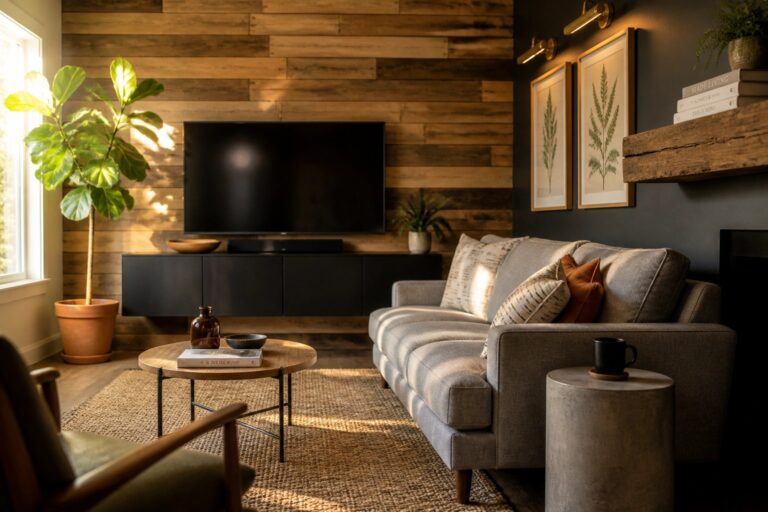
I’ve noticed that a single textured wall can quietly change how the whole room feels when you walk in.
Pallet wood gives that layered look without needing much more than time and a few basic tools.
It works surprisingly well in smaller spaces too.
When I tried this approach in my living room the grain and gaps caught the light in ways that made the area feel more settled by evening.
Those details matter because they decide whether the wall becomes part of the room or just sits on it.
Pallet Wood Accent Walls For Living Rooms
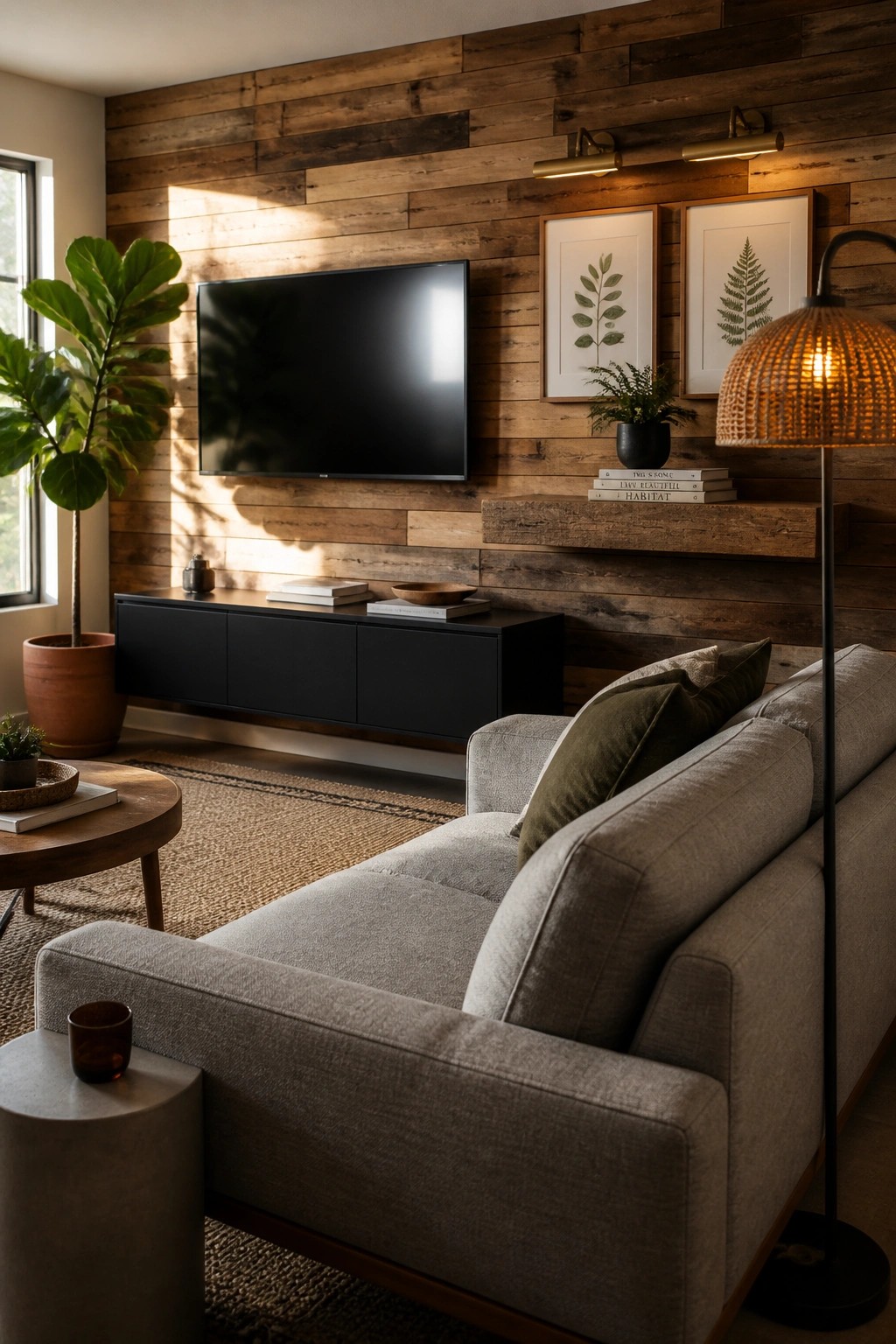
Covering one wall with pallet wood gives a room instant texture and character without a big budget. The wood adds warmth that works well with neutral furniture and simple decor, turning an ordinary wall into the main focal point.
This idea suits most living rooms where you want a bit of rustic feel without going overboard. Install the planks horizontally or in a mix of tones, and keep the rest of the space light so the wall stands out on its own.
Vertical Wood Paneling For Bedroom Accent Walls
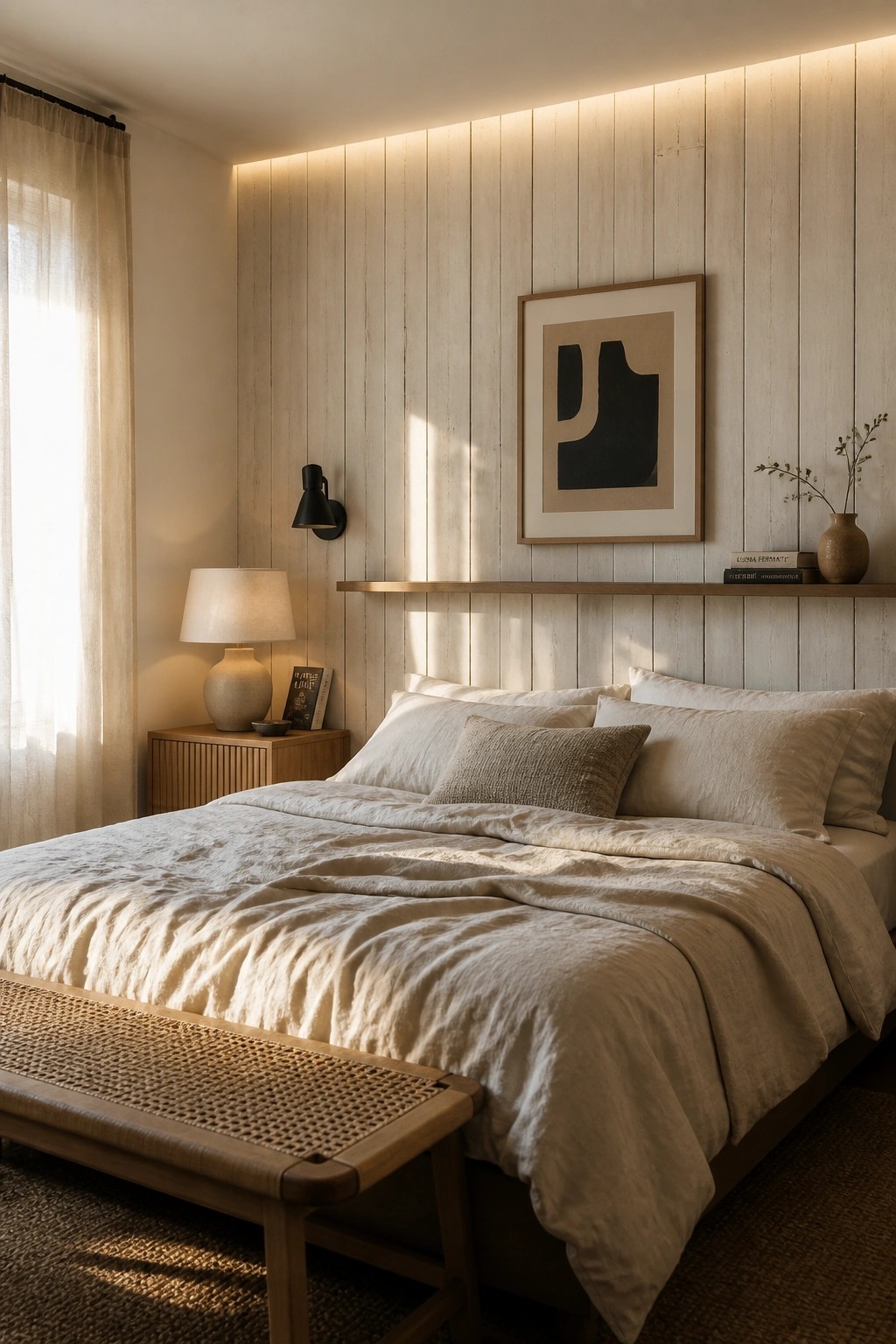
One easy way to add character to a bedroom without spending much is to cover one wall with vertical wood planks. The look feels warm and simple, and it works especially well behind the bed where it can stand out without taking over the whole room.
This approach suits smaller spaces that need a bit of texture but still want to stay light and calm. Use affordable or reclaimed boards, keep the finish natural or lightly whitewashed, and pair it with plain bedding so the wall does the work.
Horizontal Planks For Added Wall Character
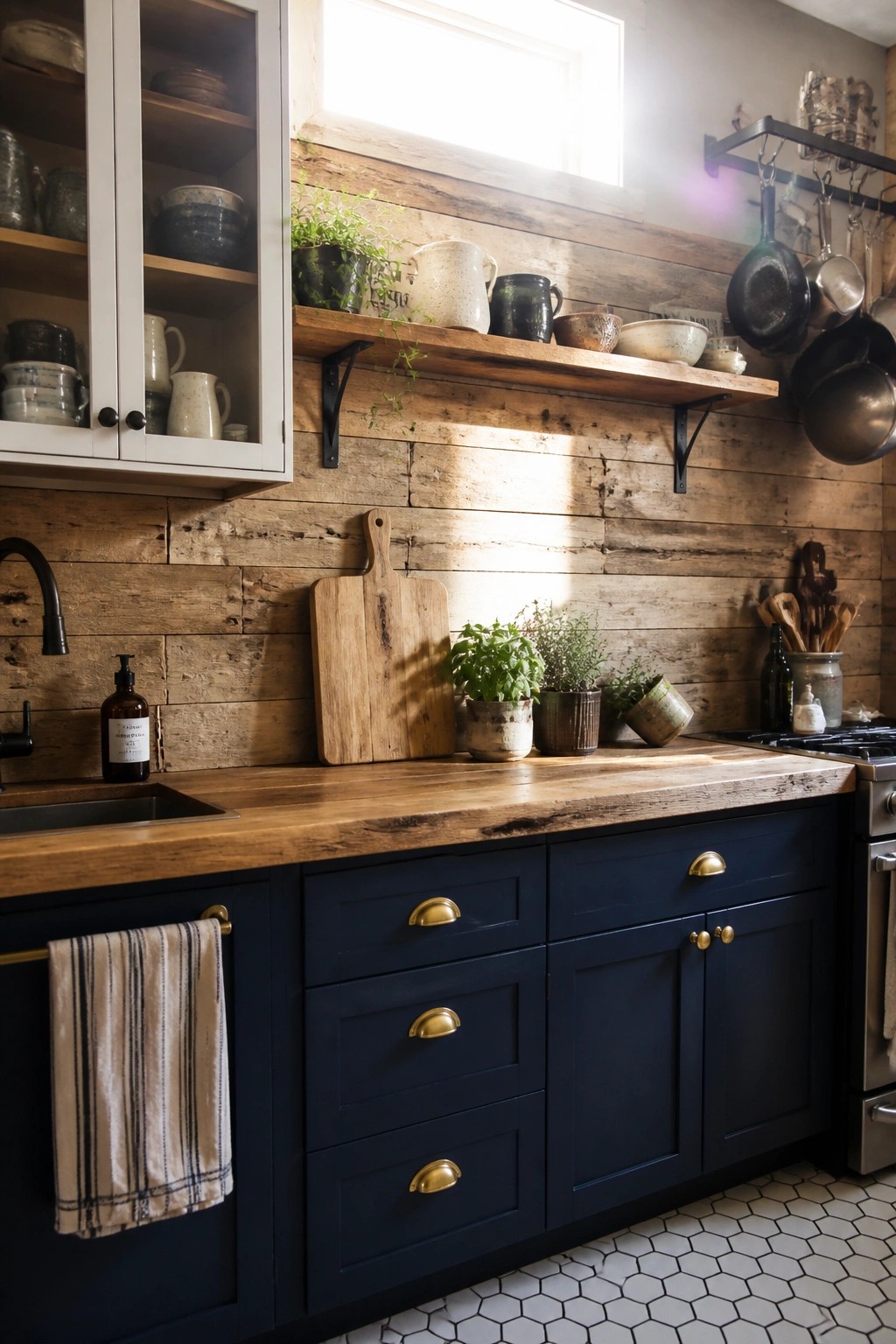
Horizontal wood planks can give a kitchen wall a lot of texture without much cost. They work especially well behind a countertop or sink area where you want some warmth against darker cabinets or plain surfaces. Many people like this look because it feels casual and lived in rather than perfectly finished.
This approach suits older homes or any space that needs a bit more personality on a budget. You can source the wood from pallets or reclaimed boards and install them directly over drywall. Just make sure the planks are clean and dry before putting them up so they hold up well over time.
Pallet Wood Walls In Entryways
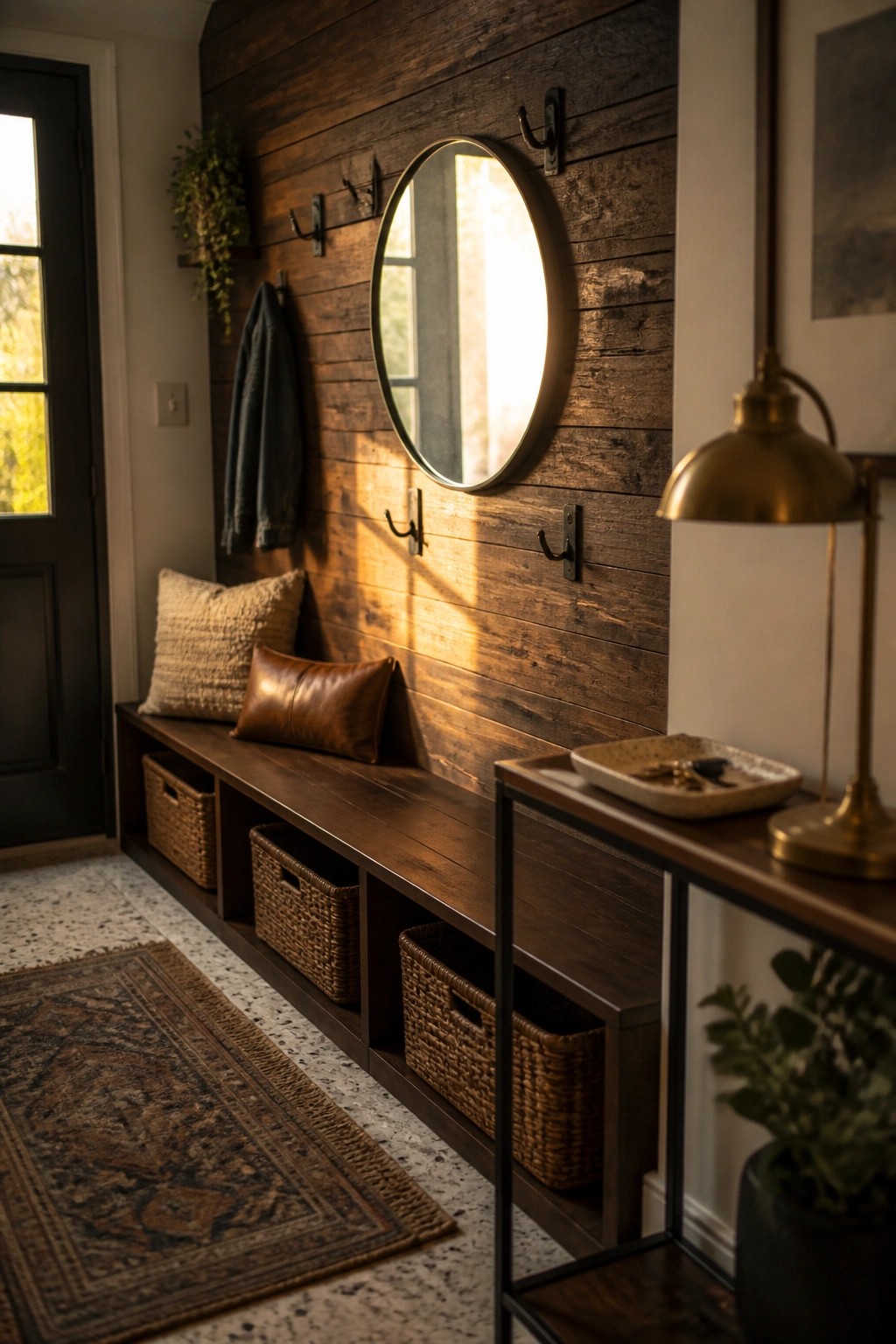
Many homes use pallet wood on an entry wall because it adds texture and a place to hang things without extra framing. The planks give the space a settled look while holding hooks at different heights for coats and bags.
This works best in smaller homes that need the wall to do more than one job. Sand the wood first and mount it directly over drywall, then add a simple bench below for shoes and baskets.
Herringbone Pallet Wood Walls
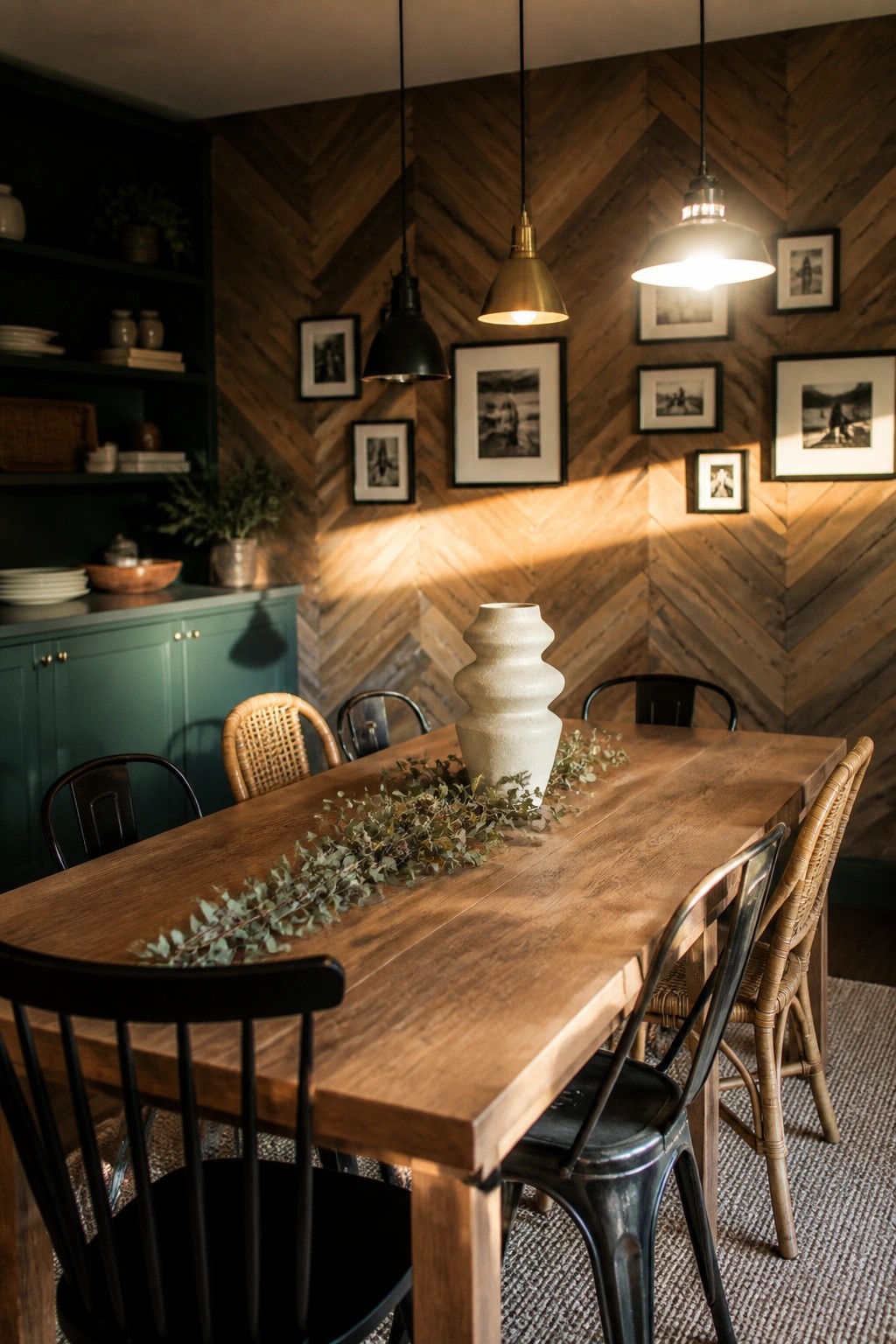
A herringbone pattern built from pallet wood adds texture and warmth to a room without needing a big budget. The angled layout breaks up flat walls and gives the space more depth than a simple vertical or horizontal arrangement would.
This approach works best on one feature wall in a dining area or living room. Keep the rest of the surfaces simple so the pattern stays the focus, and sand and seal the wood well if the room sees regular use.
Horizontal Pallet Wood For A Bathroom Accent Wall
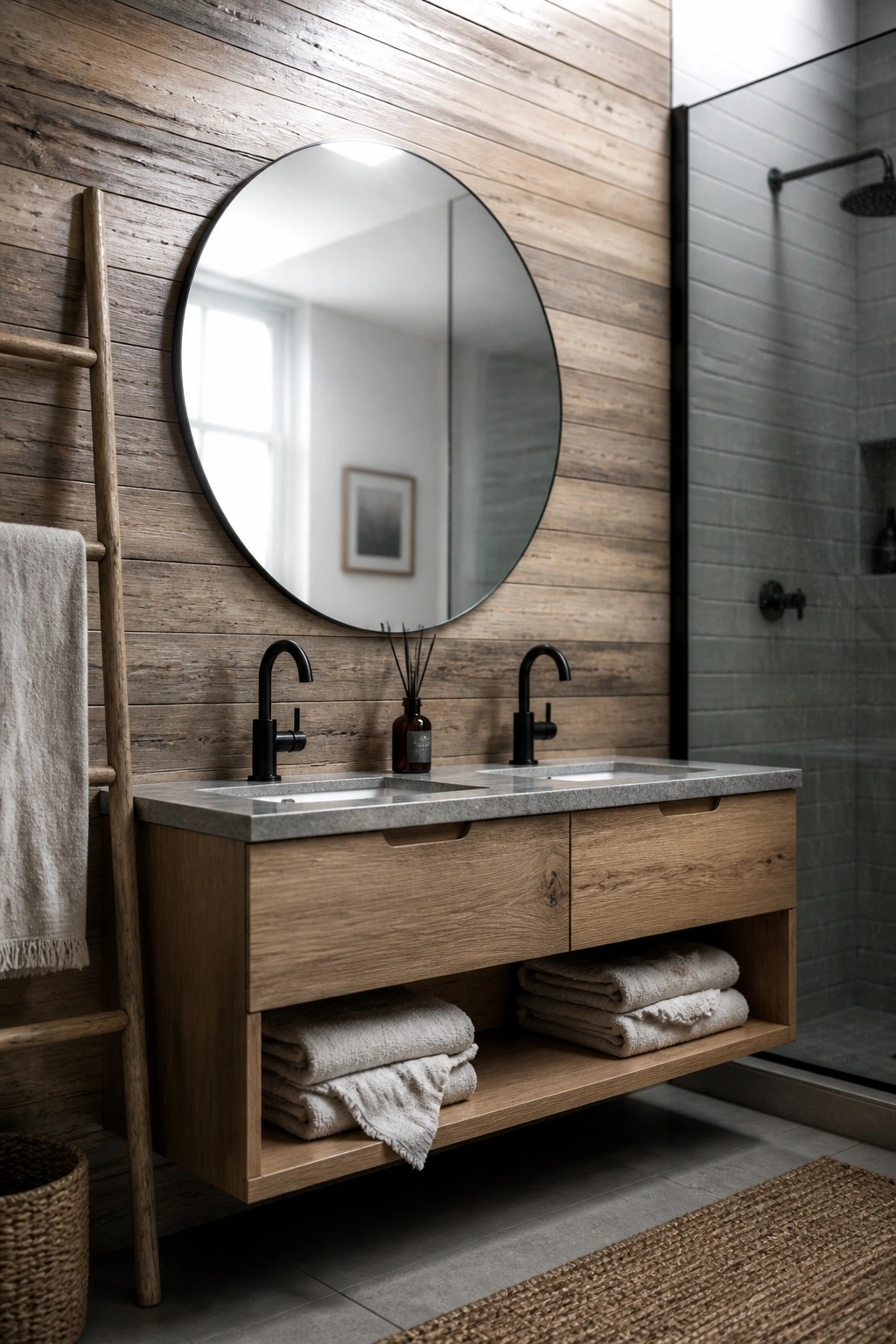
One easy way to add some character to a bathroom is to put up horizontal pallet wood on one wall. It brings in texture and warmth without needing a big budget or fancy materials. The planks give the space a lived-in feel that works especially well behind a vanity or sink area.
This idea suits smaller bathrooms where you want one wall to stand out. Clean and seal the boards first so they hold up to moisture, then line them up straight across for a simple, clean pattern. It pairs nicely with basic vanities and dark fixtures.
Horizontal Shiplap For Simple Wall Character
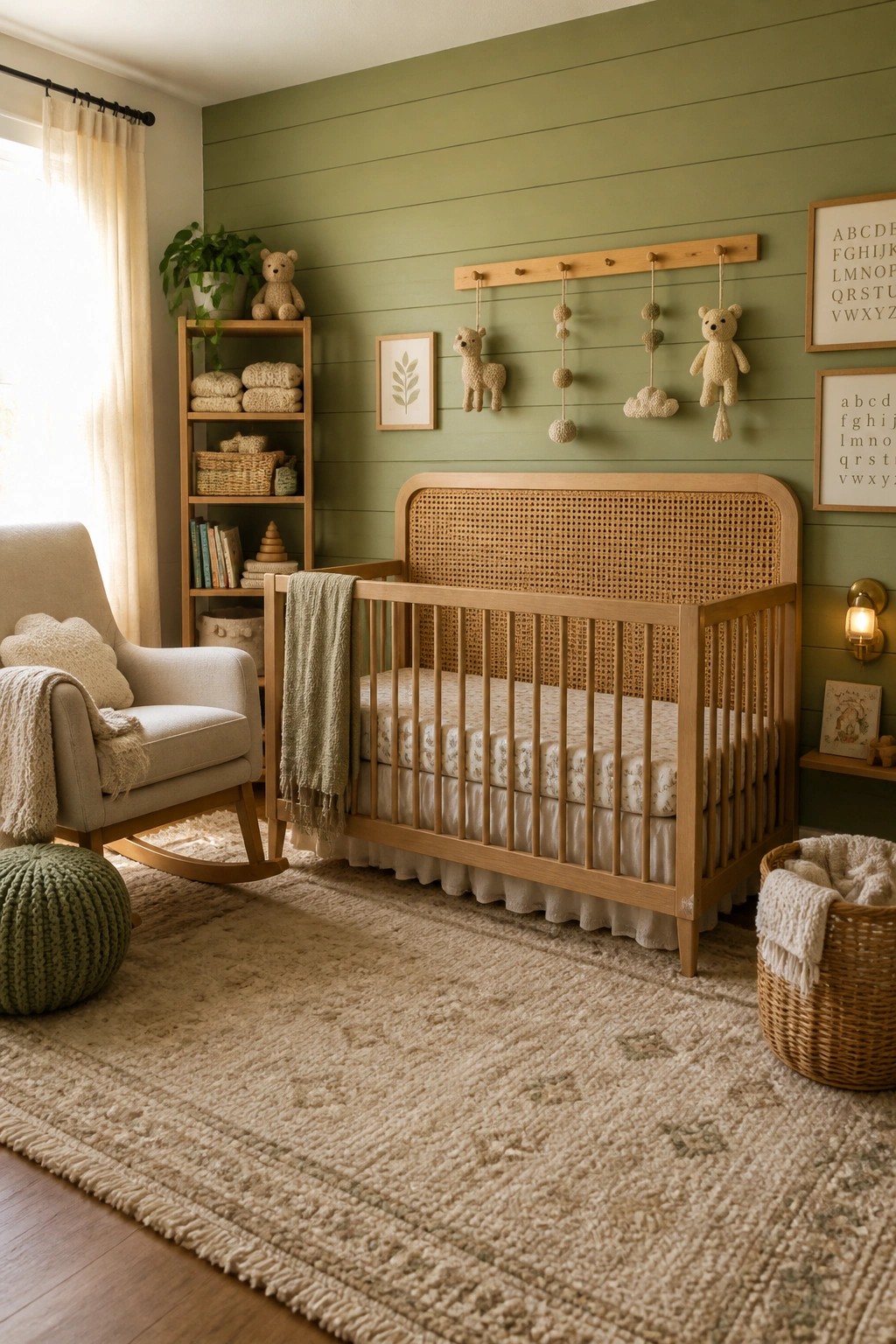
Horizontal shiplap gives a room a finished look without costing much. It adds texture and breaks up flat walls in a way that feels intentional. Many people use pallet wood or similar budget boards to get the same effect, especially in spaces that need a bit of warmth.
This works well in smaller rooms where you want the walls to feel cozy rather than bare. Paint the wood a soft color if you want it to stay quiet, or leave it natural for more contrast. Just make sure the boards are sanded smooth before you install them so the surface stays comfortable to the touch.
Reclaimed Wood Walls In Home Offices
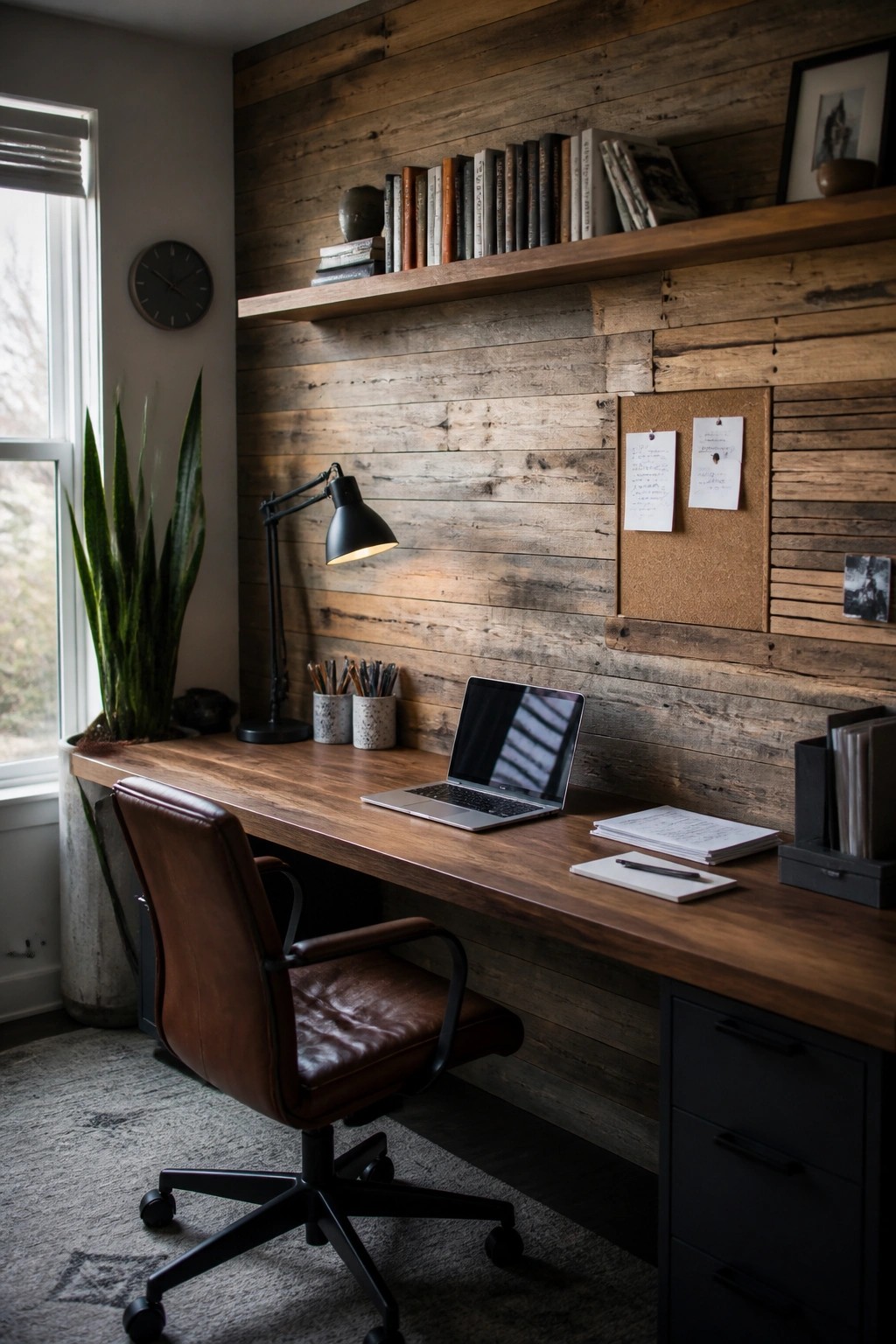
Reclaimed wood planks make an easy accent wall that adds texture without costing much. The natural grain and slight color shifts give a workspace more character than plain drywall ever could.
This idea suits smaller rooms best where you want one strong surface to stand out. Install the planks over an existing wall and keep furniture and accessories simple so the wood remains the focus.
Wood Plank Walls In Laundry Rooms
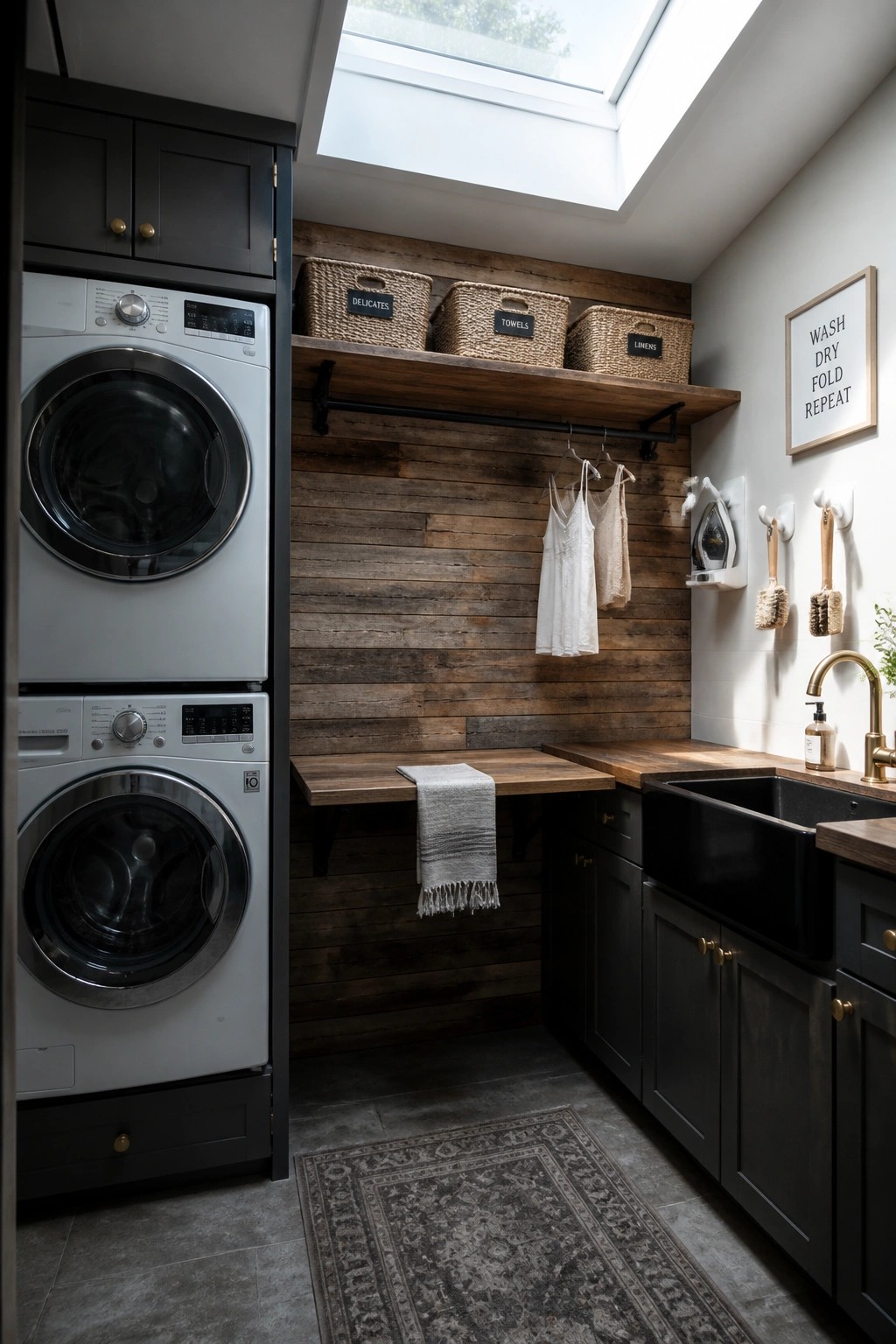
A wood plank wall gives a laundry room some warmth without needing much extra decoration. It turns a plain utility space into something that feels more finished and less like a forgotten corner of the house.
This works best in smaller rooms where one wall can carry the look. Use reclaimed boards or pallet wood for the surface, and keep the rest of the room simple so the texture stands out on its own.
Reclaimed Pallet Wood Accent Walls
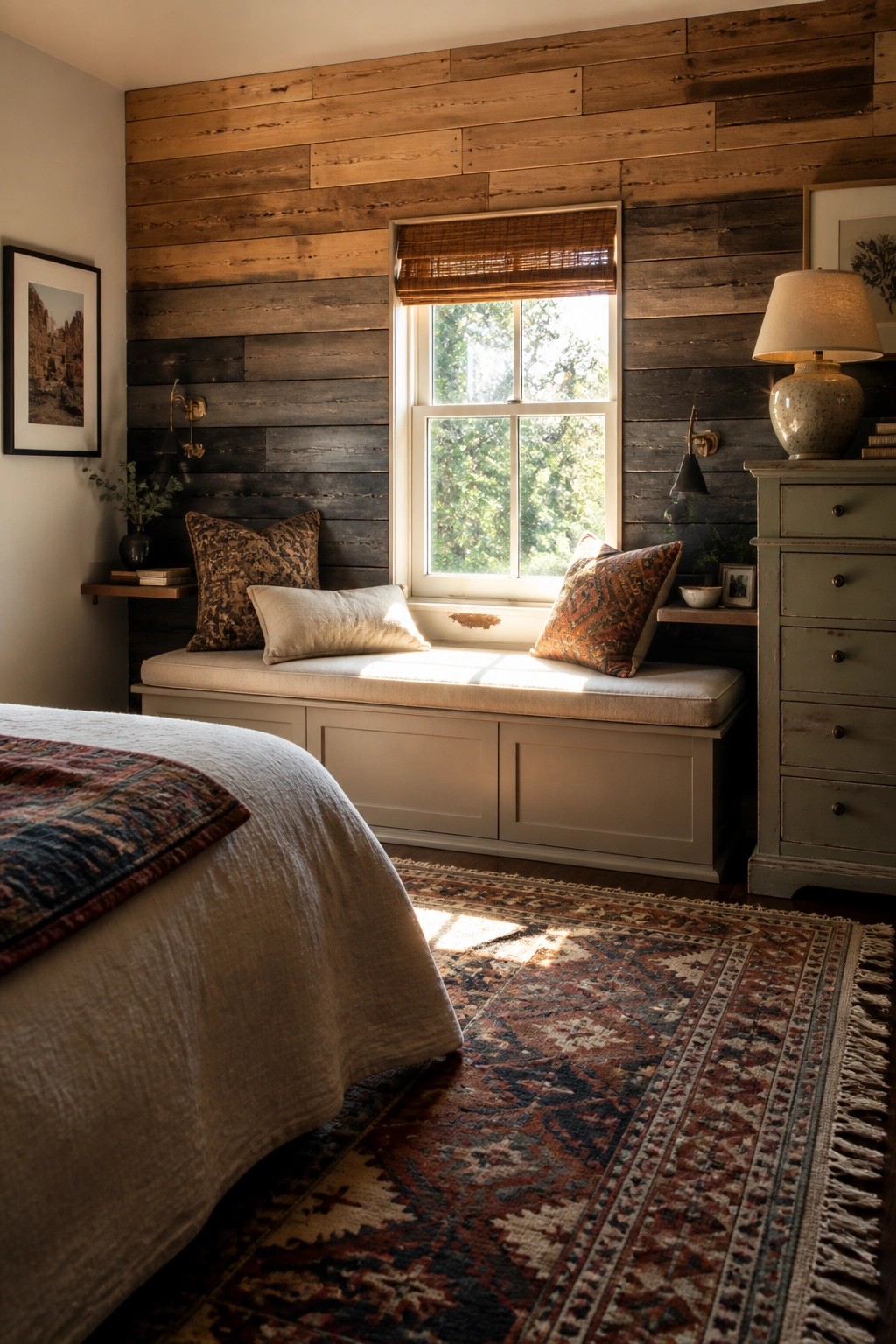
Pallet wood gives an accent wall plenty of texture without a big budget. The varied tones and rough grain add warmth and character that new lumber often lacks.
It works best in bedrooms or living rooms where you want one strong focal point. Keep the rest of the space simple so the wood does not feel overwhelming, and seal it well if the planks come from outdoor pallets.
Pallet Wood Walls With Built-In Shelving
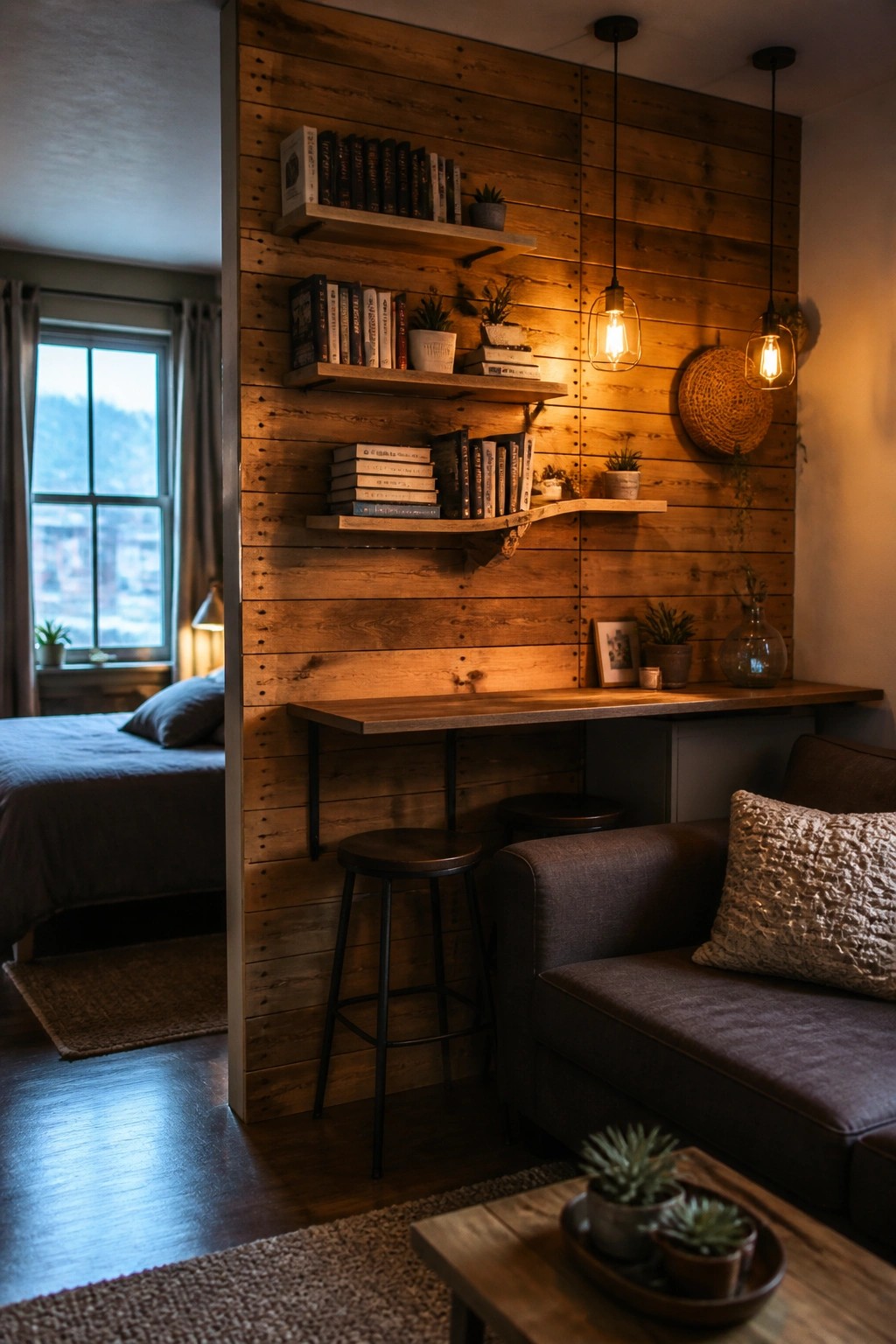
Pallet wood works well when you want one wall to do more than just look nice. The planks give texture and warmth while the attached shelves and desk area turn the same surface into useful storage and a workspace.
This approach fits small homes or apartments where floor space is limited. Sand the wood well, plan the shelf heights around what you need to store, and keep the rest of the room simple so the wall stays the focus.
Horizontal Pallet Wood For Kid Rooms
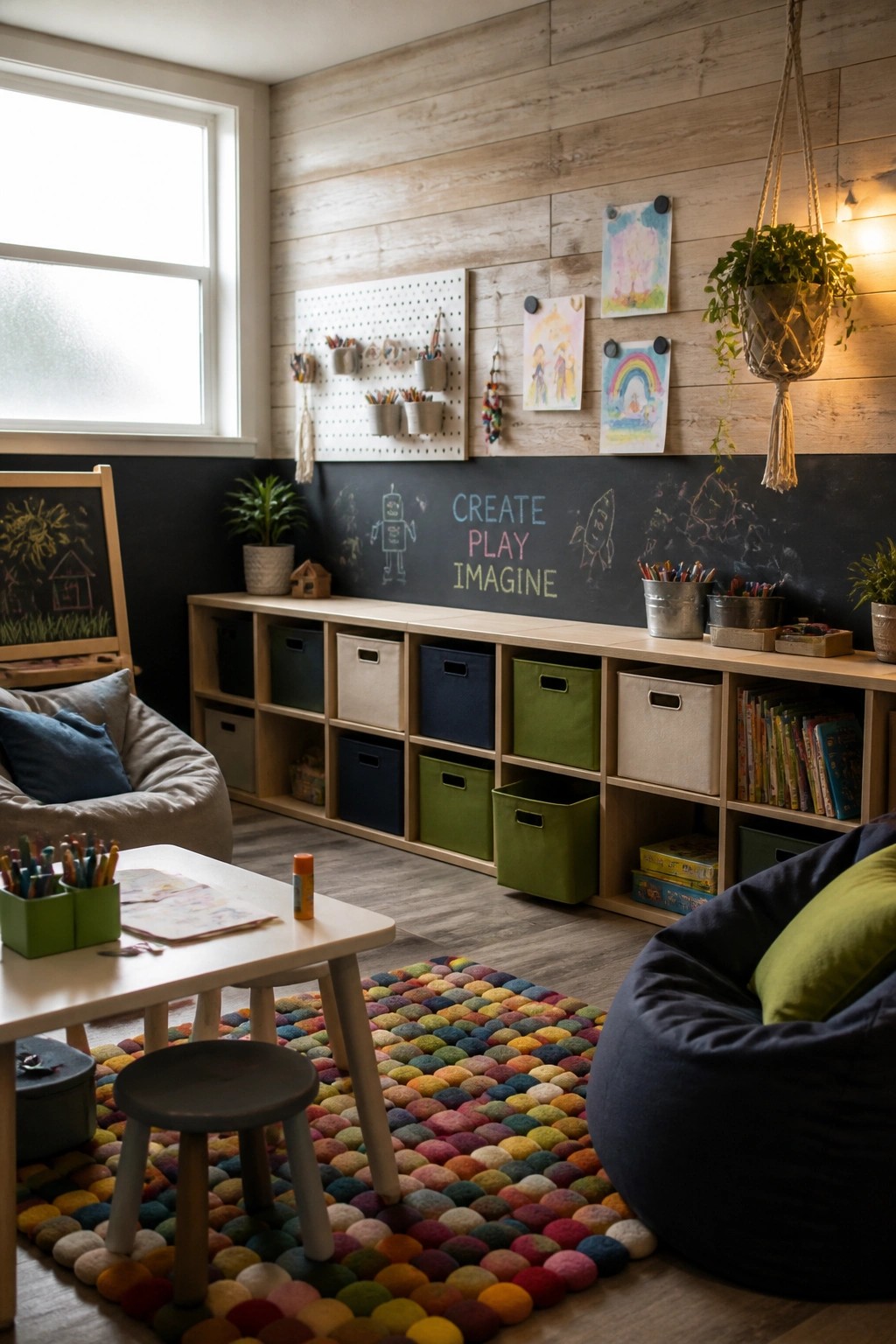
Many people reach for pallet wood when they want texture on a budget. The horizontal planks here sit above a chalkboard section and give the wall a simple, finished look without fancy trim or paint.
This approach works in any room where kids play or create. Keep the wood light so it does not darken the space, and pair it with open storage so the room stays practical.
Vertical Wood Paneling in the Bathroom
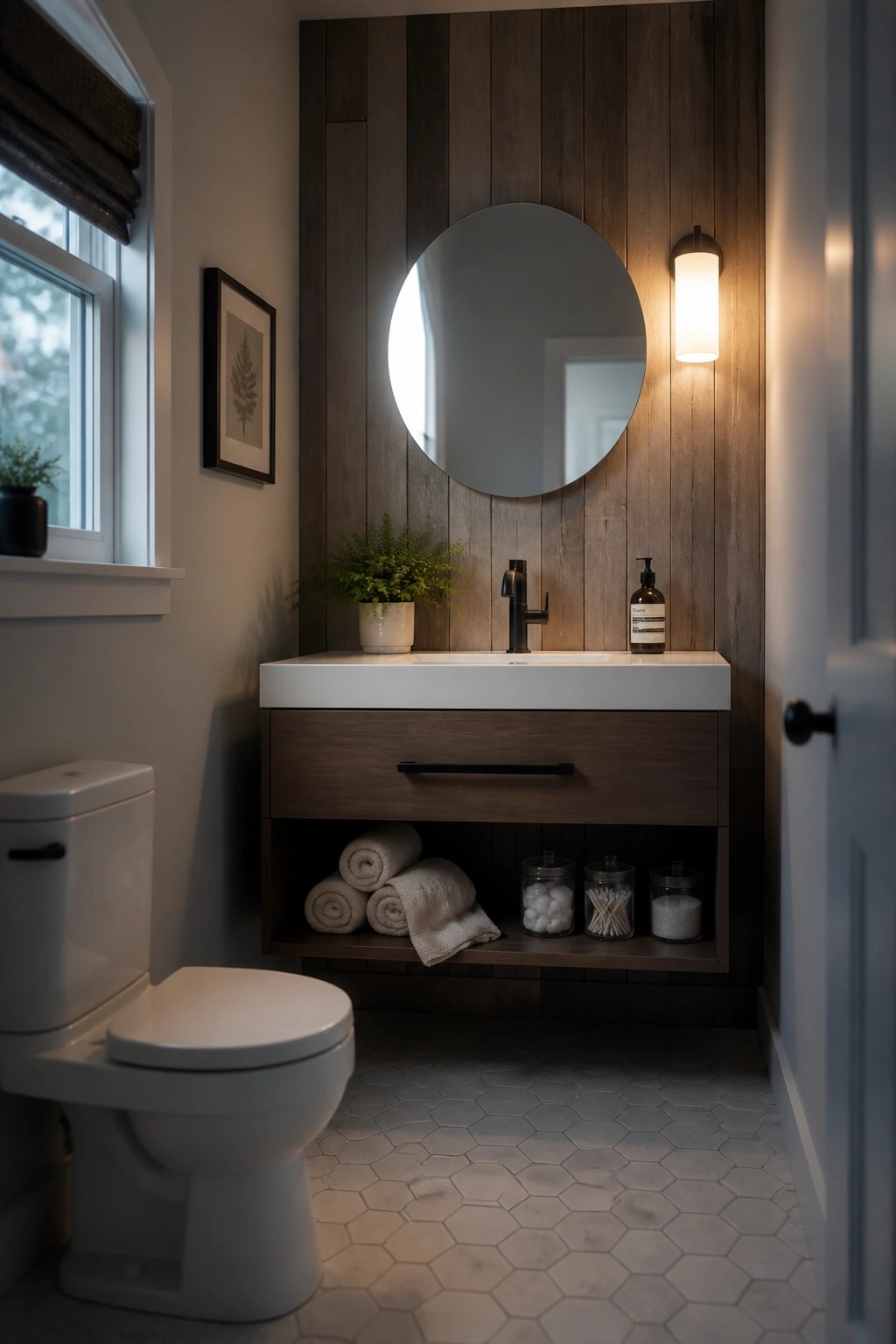
Vertical wood paneling gives a bathroom wall instant texture and warmth. It works especially well behind a sink because it frames the vanity without needing extra trim or fancy details.
This approach fits small baths and powder rooms best since the lines draw the eye upward and keep the space from feeling flat. Pallet wood or basic lumber can handle the job if you seal it well against moisture.
Pallet Wood Accent Walls In Dining Areas
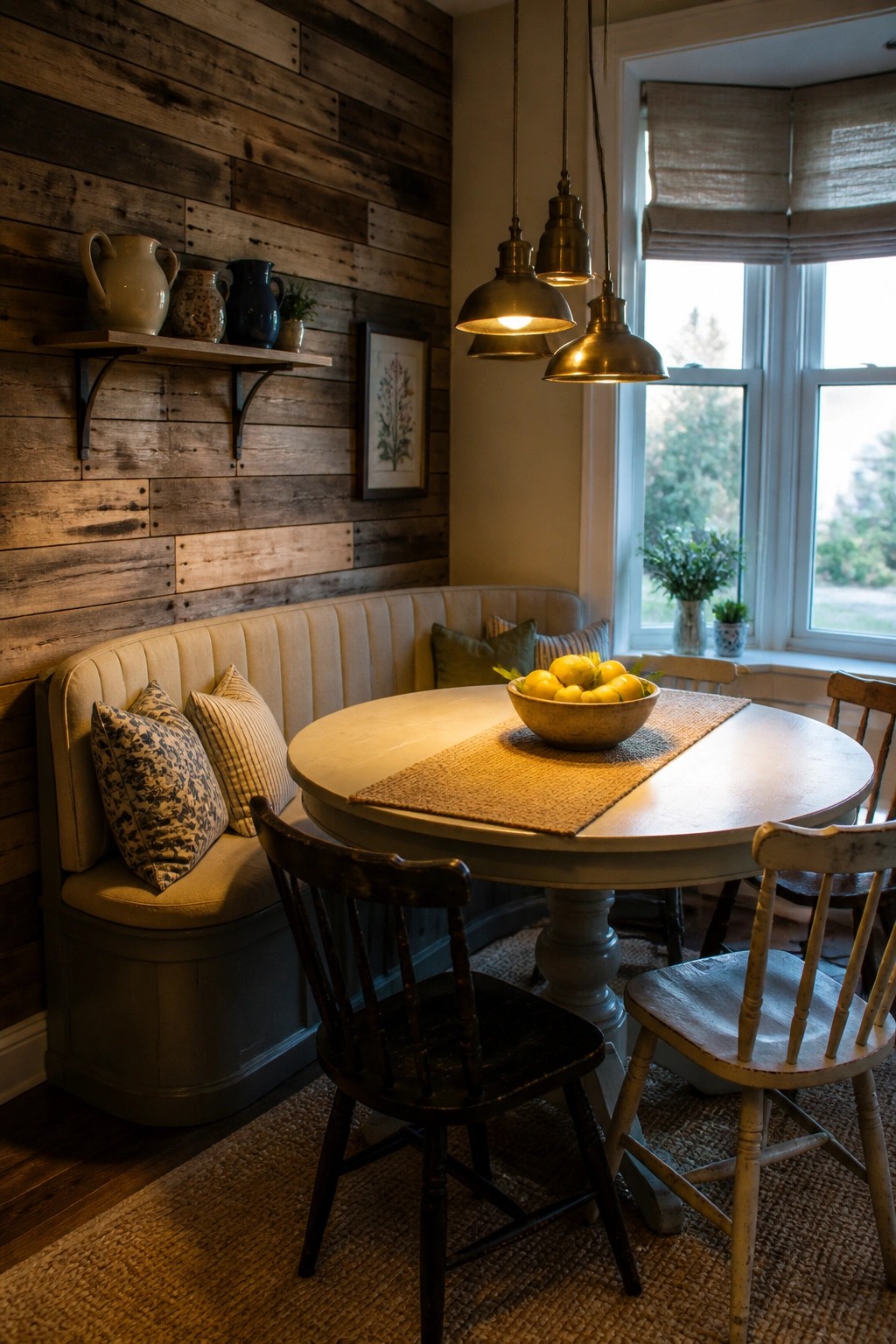
Pallet wood gives a dining space an instant layer of texture without needing new materials or fancy finishes. Many people like how it turns an ordinary wall into the main point of interest while keeping the rest of the room simple.
This works best in smaller homes or open layouts where the dining area needs a little separation from the kitchen. Sand the boards first and fix them horizontally so the surface stays flat enough for everyday use.
Pallet Wood Walls For A Home Bar
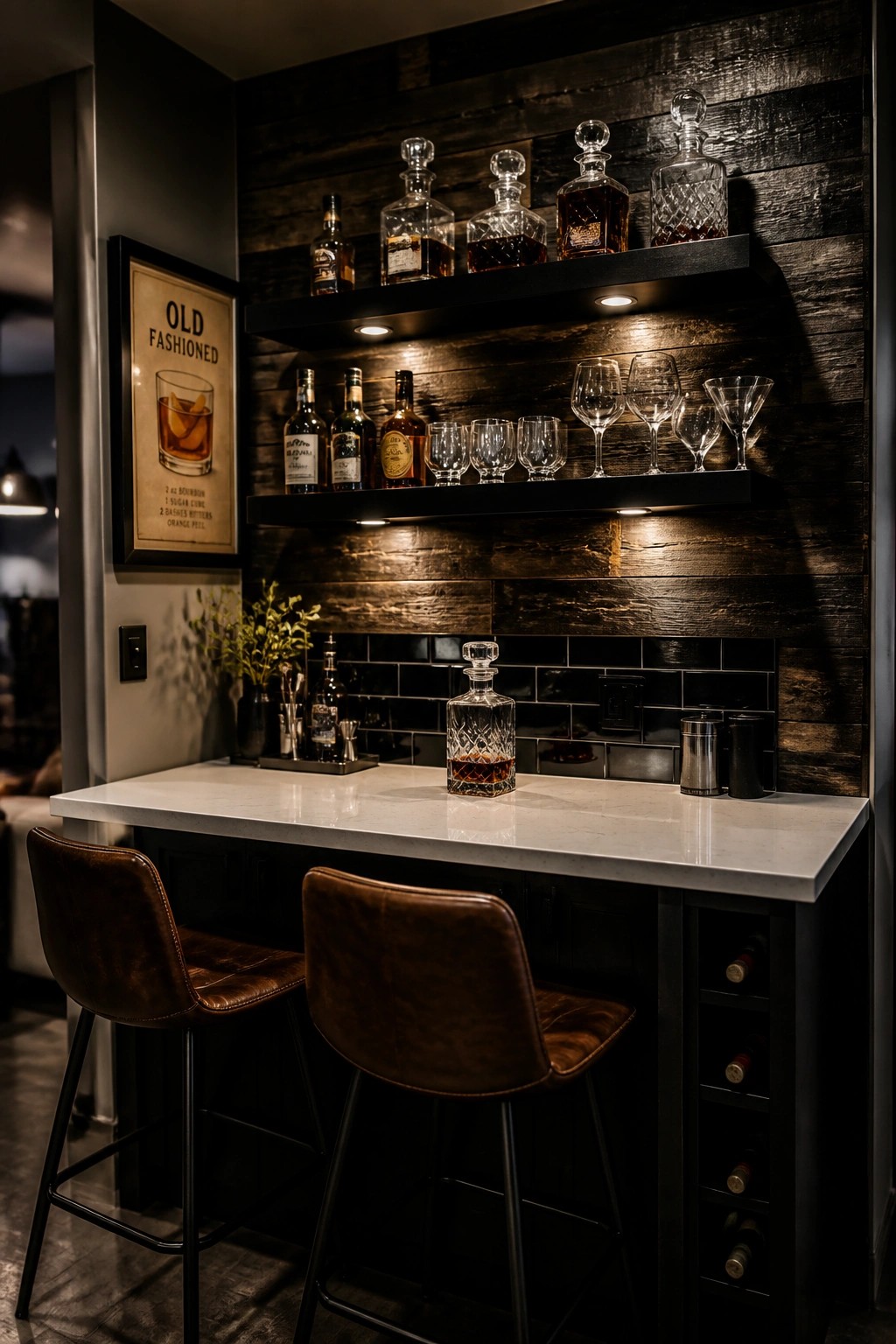
Pallet wood makes a strong choice for a small bar area because it adds texture and warmth without costing much. The planks create a dark, layered background that makes bottles and glassware stand out while keeping the whole setup feeling casual.
This approach works best in a corner or along one wall where you already plan to place a counter and a couple of stools. Source the wood yourself and seal it well so it holds up near drinks and spills.
Painted Horizontal Planks For Stairwells
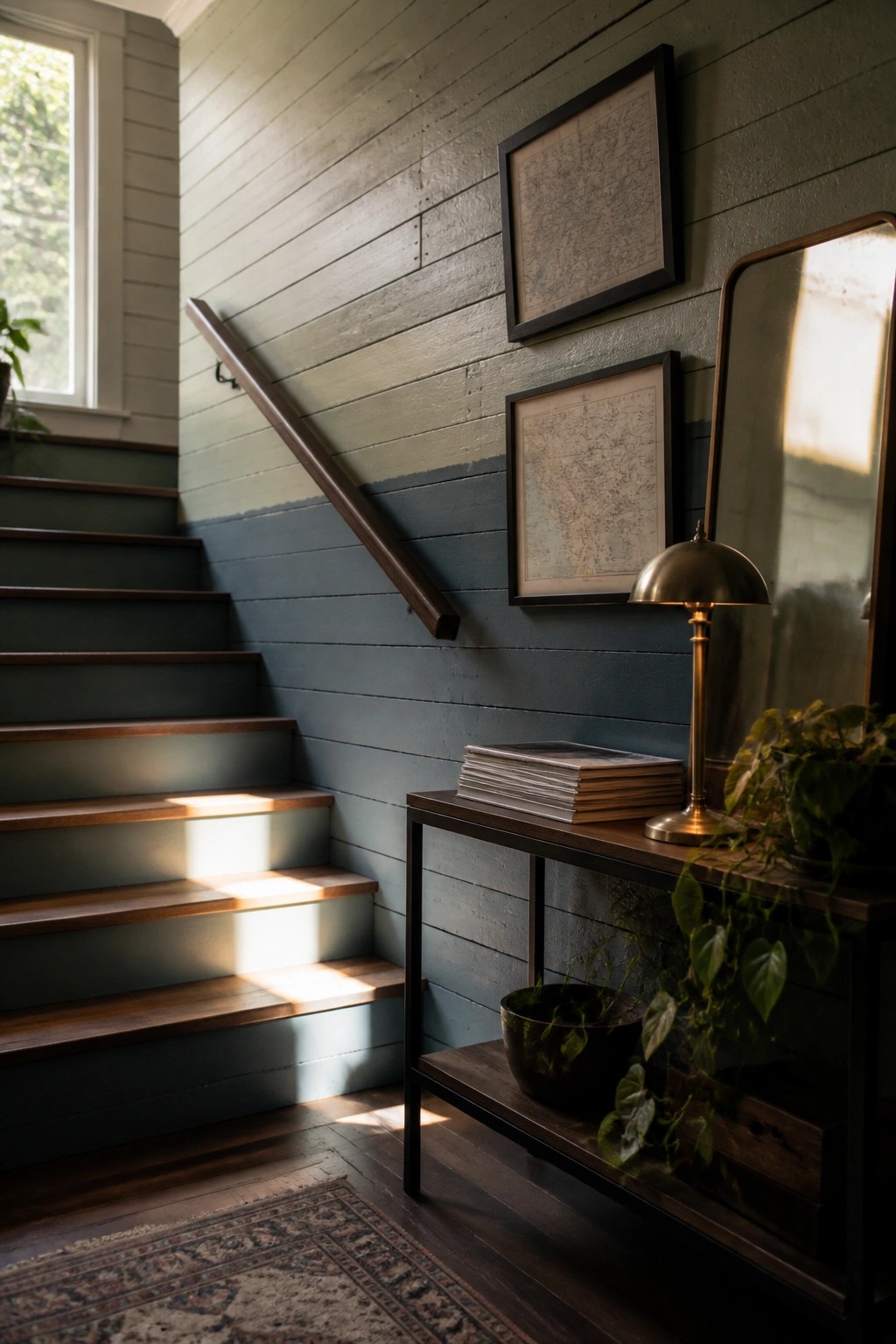
Horizontal wood planks work well in stairwells because they add texture without taking up floor space. The look comes from simple boards run in one direction and painted to match the room, which keeps the area from feeling plain while still letting light move through.
This approach suits older homes or any space with plain drywall that needs more character on a budget. Keep the boards narrow and the paint in soft layers so the grain still shows through. Avoid overcrowding the wall with too many frames or shelves right on top of the planks.
Pallet Wood Walls Inside Closets
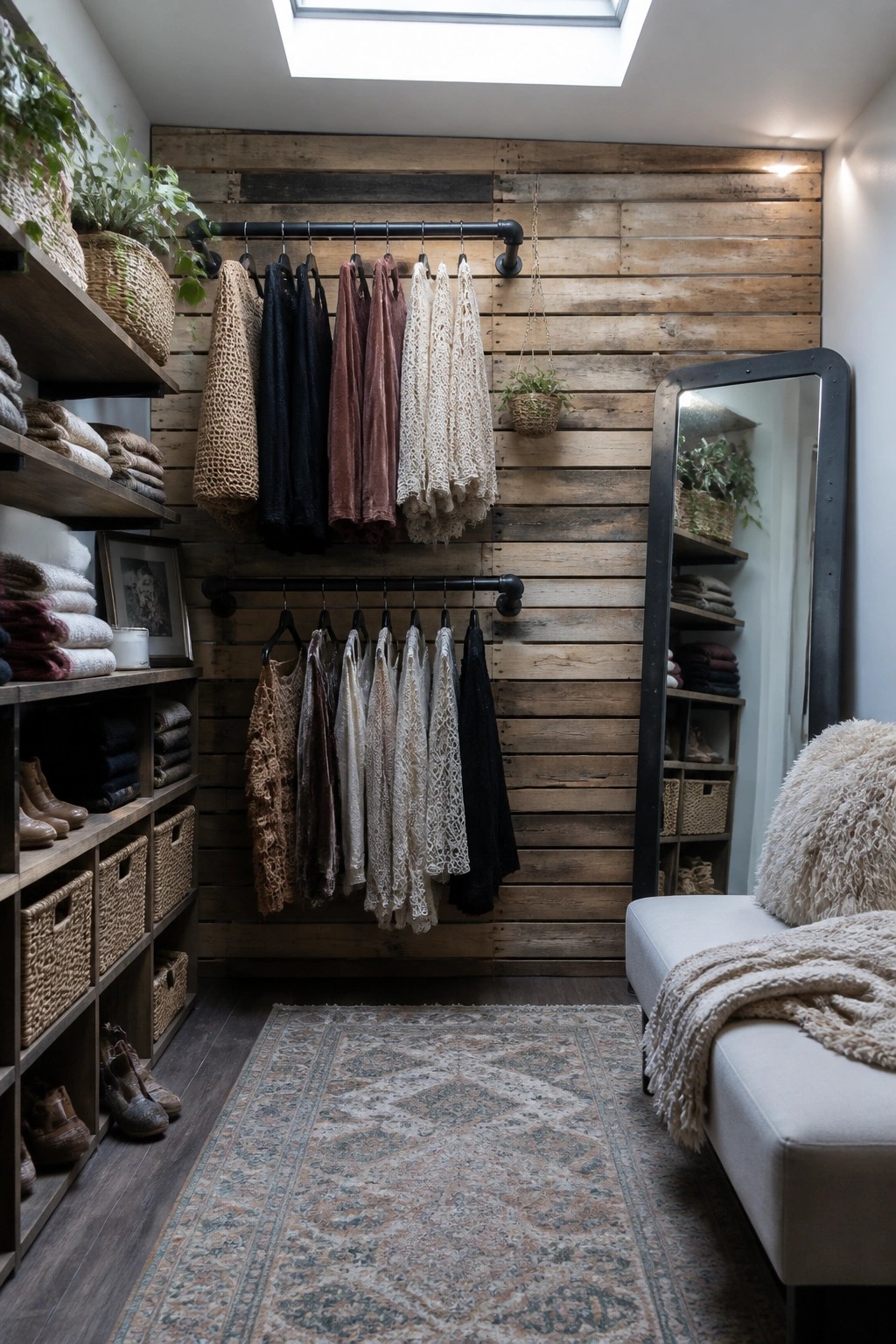
Many people use pallet wood on closet walls because it adds texture and warmth without a big expense. The horizontal boards give the space a simple, finished look that feels more personal than plain drywall.
This works best in small rooms that already have open storage and hanging rods. It suits homes that want a bit of rustic character on a budget, and it holds up fine as long as the wood is cleaned and sealed before installation.
Pallet Wood Accent Walls Add Warmth
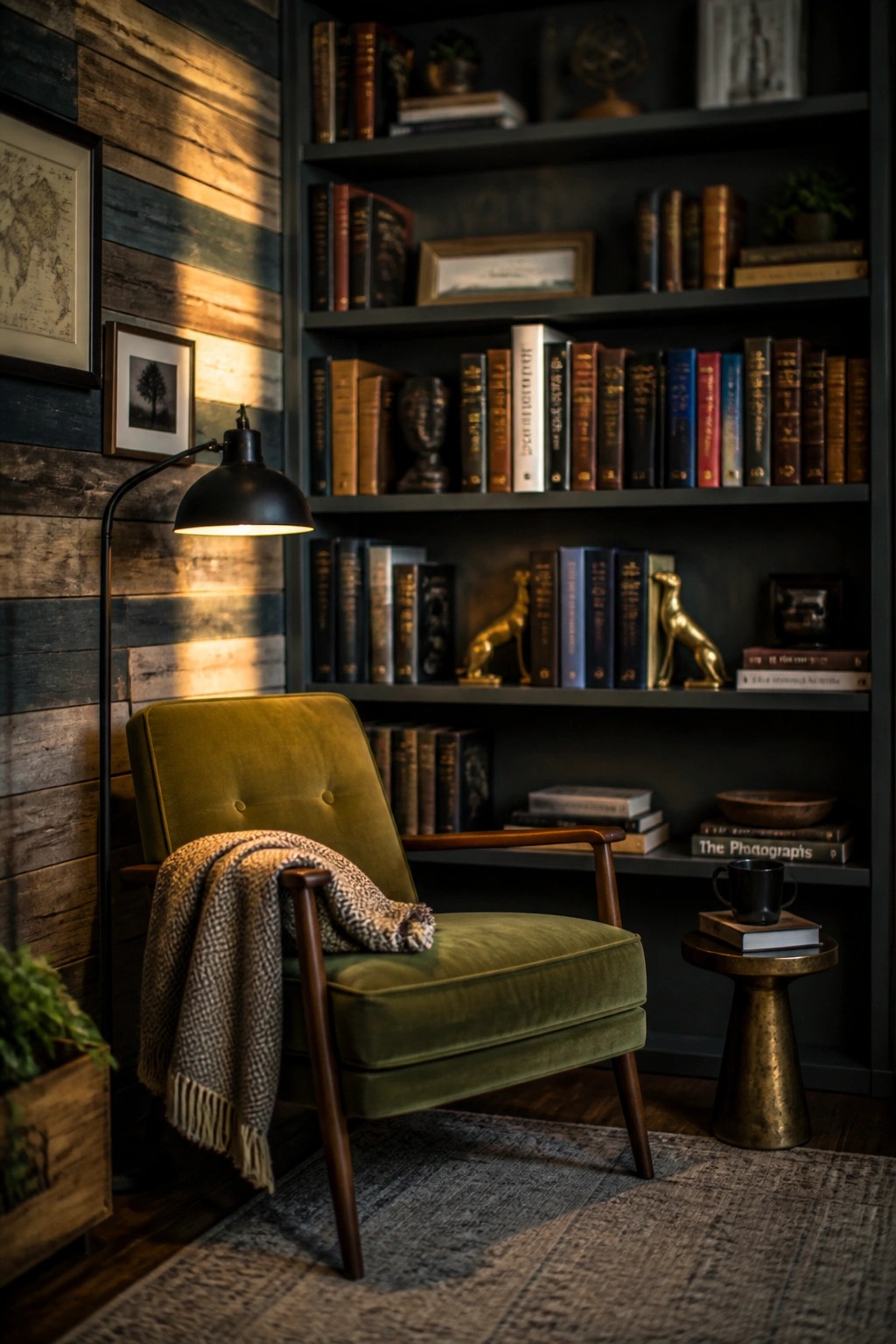
Pallet wood works well when you want texture without spending much. The planks bring in natural grain and slight color shifts that make a plain wall feel more finished and lived in.
This approach suits smaller spaces like a reading corner or the side of a living room. Clean and seal the wood first, then hang the planks horizontally so the wall stays flat and the pattern stays simple.
Wood Plank Walls For Bathroom Character
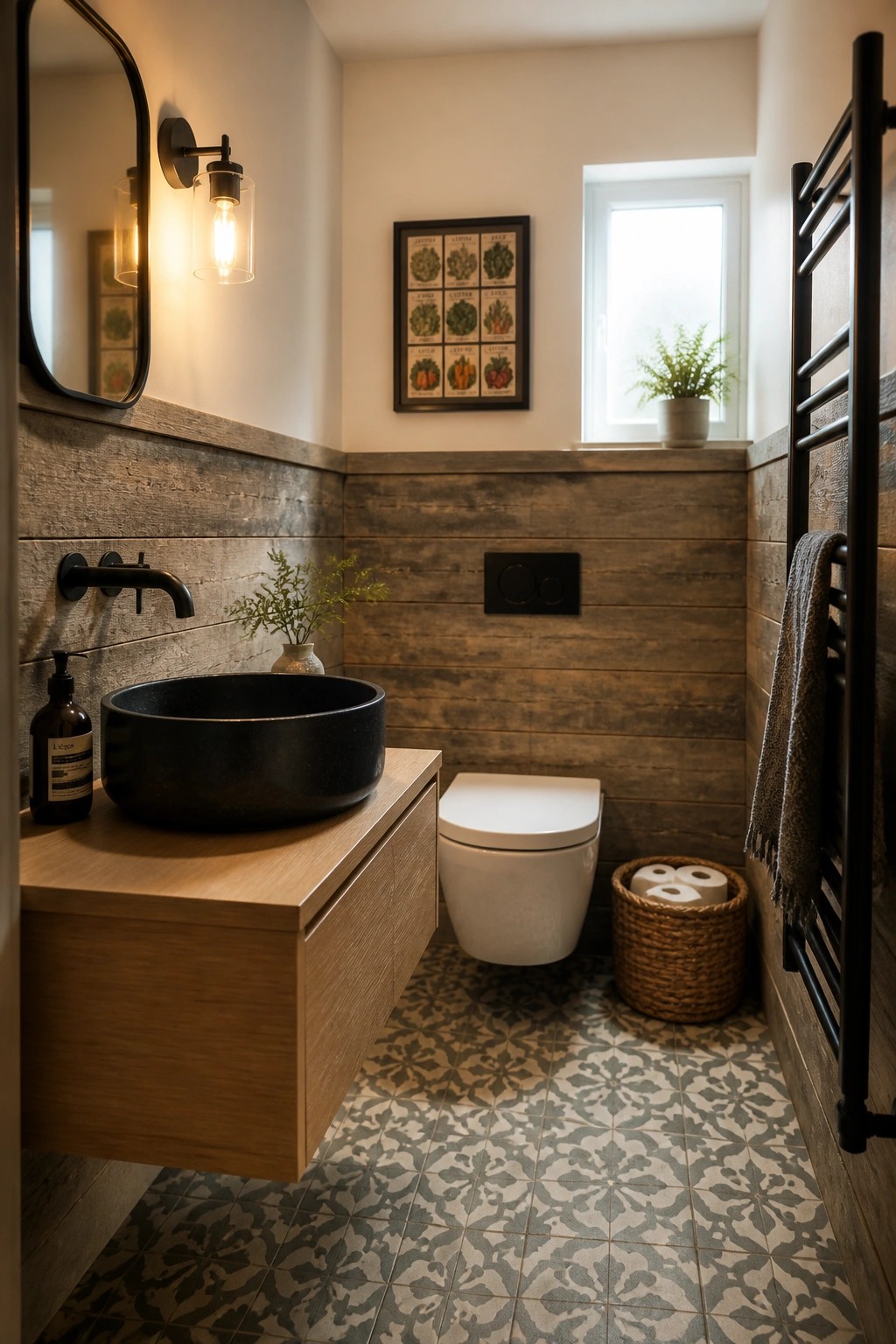
Horizontal wood planks bring a simple, budget way to add texture and warmth to a bathroom. They work especially well on the lower half of the walls, where they protect the surface and give the room a grounded feel without needing a full renovation.
This approach suits small bathrooms or any space that needs a bit more character on a tight budget. Keep the planks in a natural finish and pair them with light paint above to avoid darkening the room too much.
Frequently Asked Questions
Q: Where do I even start looking for free pallets without driving all over town?
A: Ask at grocery stores or garden centers first since they often have stacks they want gone. Call ahead so you do not waste time on empty lots. Grab ones that feel dry and solid to cut down on extra work later.
Q: How do I keep the wood from looking too rough once it is on the wall?
A: Give each plank a quick sanding on the front side before you cut anything. Wipe away the dust and the surface feels much smoother under your hand. That step alone makes the whole project look more finished.
Q: What holds pallet wood to drywall without it sagging over time?
A: Find the studs and drive screws through the planks straight into them. Space the screws every twelve inches or so along each board. The wall stays tight and you avoid having to redo it later.
Q: Should I worry about bugs or mold hiding in the wood?
A: Let the pallets sit in the sun for a few days so any moisture dries out. Check for small holes or webbing and skip any boards that show them. This keeps your project from bringing problems inside.
