

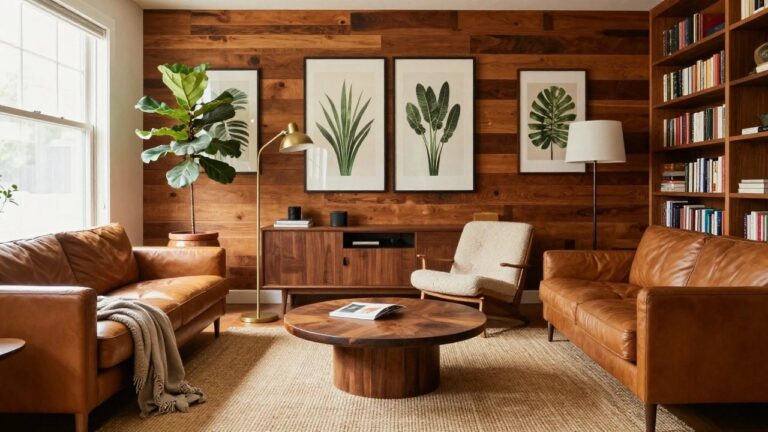
I have walked into living rooms where one wood accent wall changes how the space feels once the furniture is in place and the lamps are on.
The grain and warmth seem to anchor the room so the seating area and daily traffic flow start to make more sense together.
Some walls work better when they sit beside windows instead of behind the TV.
I usually hold a few wood samples against my sofa and rug first because the tone shifts once the afternoon light hits it.
Ideas that keep the texture simple tend to adapt more easily when the rest of the room changes over the years.
Wood Accent Walls That Bring Warm Texture
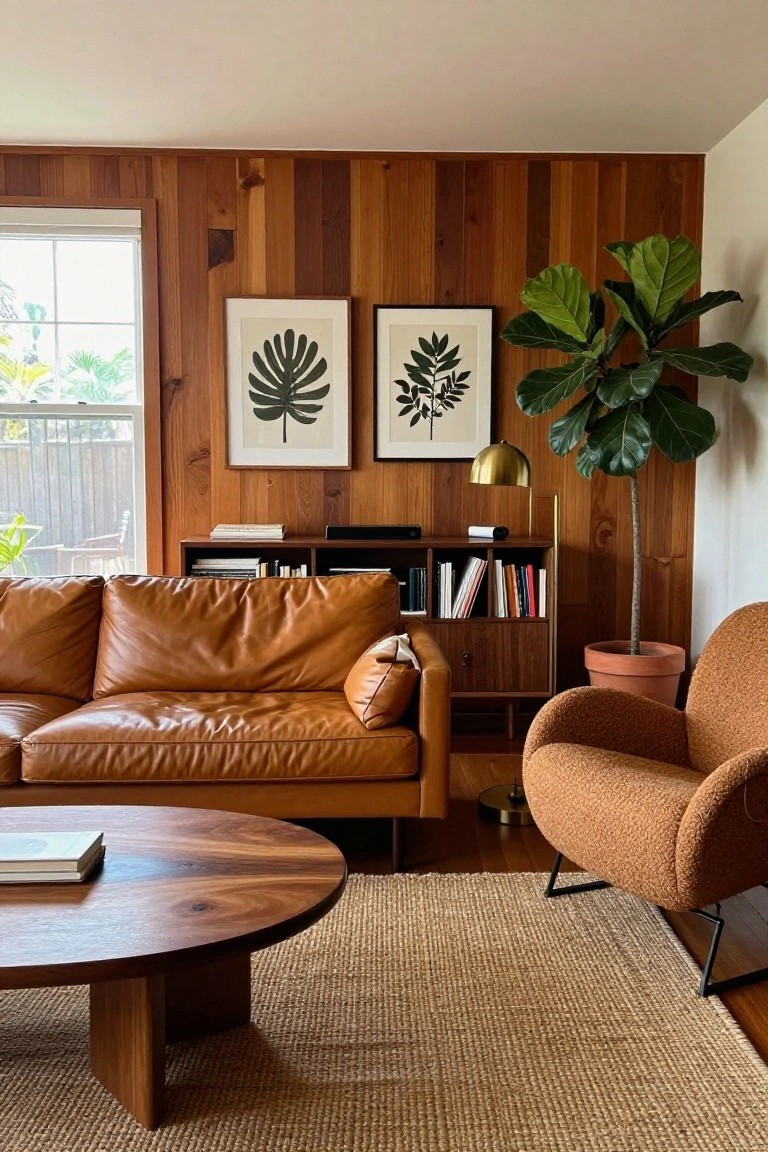
A wood accent wall gives a living room an easy sense of warmth that paint alone rarely matches. The vertical grain adds texture and depth while keeping the space grounded, especially when paired with leather seating and simple wood furniture.
This works best in rooms that already lean natural, where the wood tone can tie into the floor and other pieces without clashing. Stick to one main wall so it stays focused rather than overwhelming the whole room.
Light Wood Paneling For Everyday Warmth
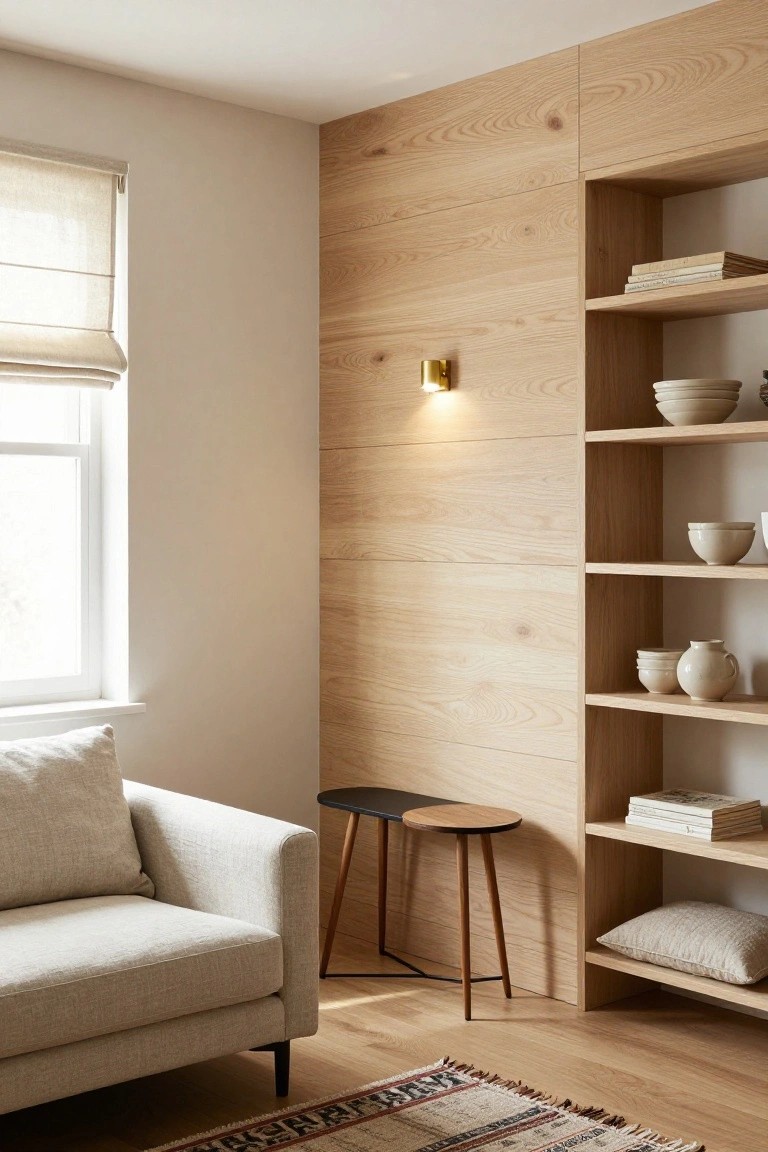
A wood accent wall made from light planks gives a room texture and a bit of natural color without turning it heavy. It works well in spaces that already have soft neutrals and simple furniture, since the wood adds interest while keeping the overall feel calm.
This kind of wall suits living rooms with decent natural light and moderate height. Pair it with open shelving on one side if you want extra storage that still feels built in rather than added later.
Wood Ceiling Beams For Natural Warmth
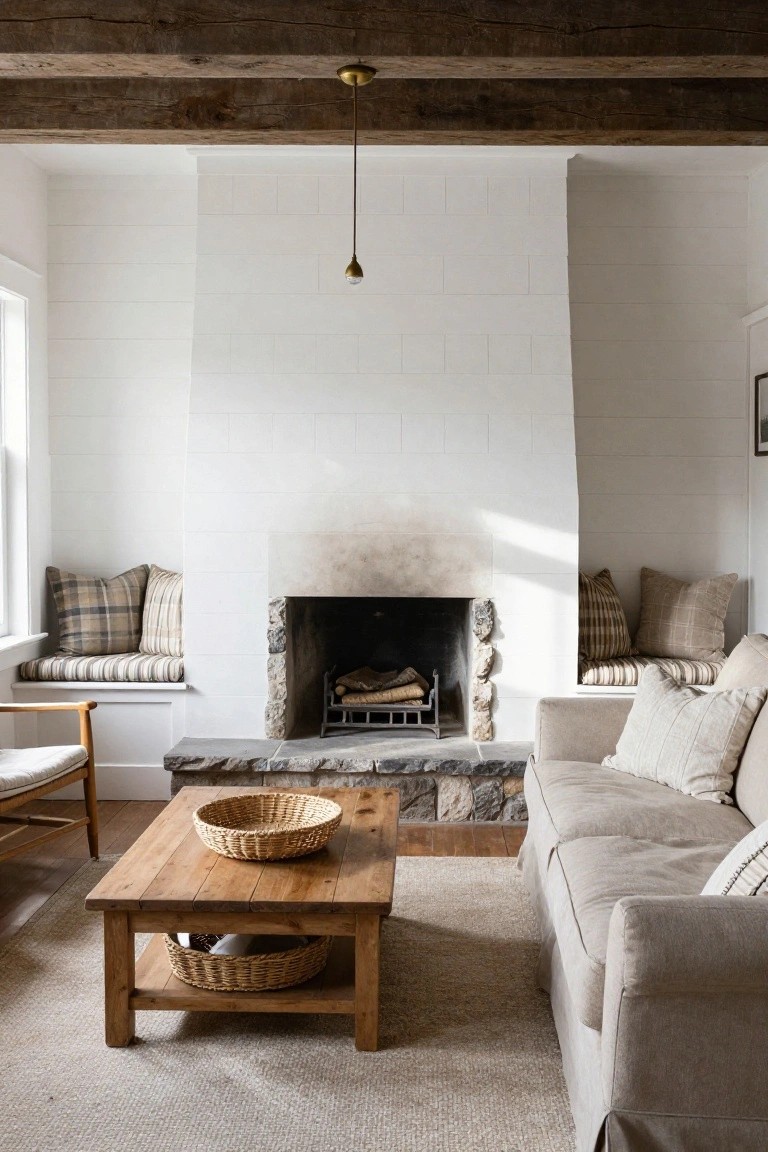
Wood ceiling beams give a room just enough natural texture without needing a full accent wall. They stand out against white walls and help tie in other wood pieces like tables or floors so the space feels balanced and lived in.
They suit homes with higher ceilings or simple white interiors that need a bit of depth. Keep the beams in a medium to dark tone and match them loosely to your furniture so the look stays cohesive rather than busy.
Dark Wood Accent Walls For Cozy Living Rooms
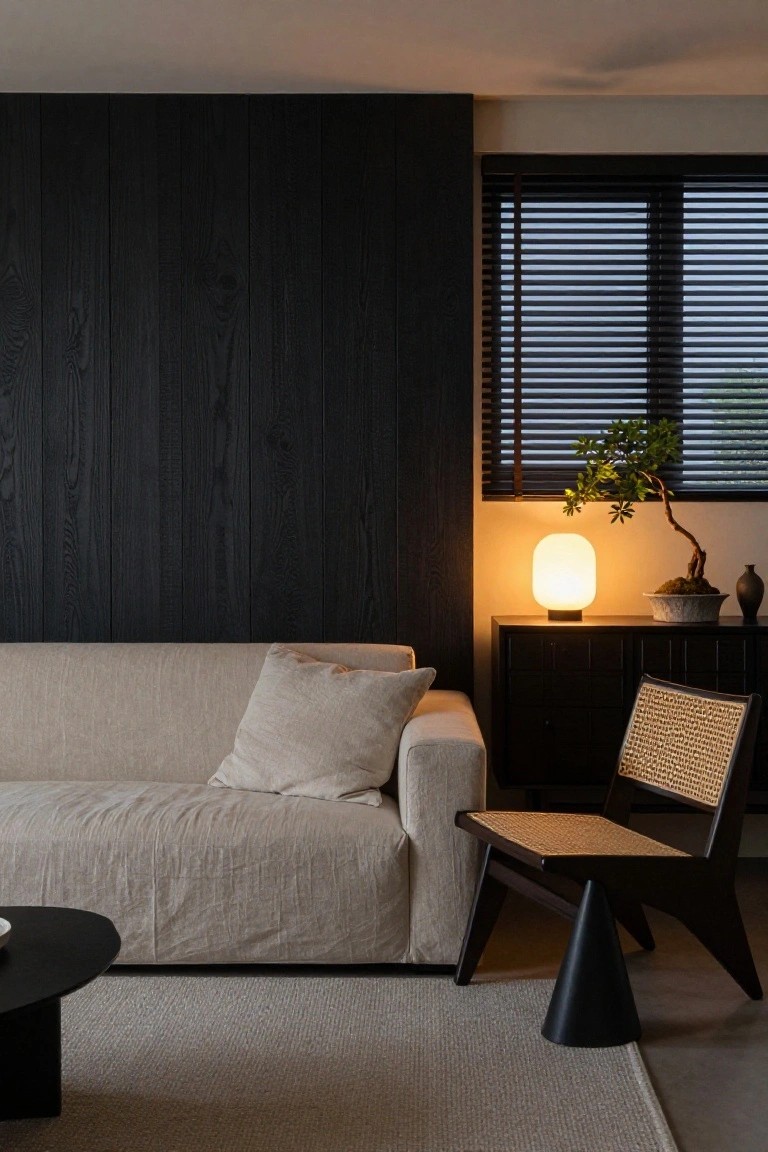
A dark wood accent wall gives a living room real weight and warmth without much extra effort. The vertical grain adds texture that feels natural and steady, and it works especially well when you keep the rest of the room simple with lighter fabrics and soft seating.
This approach suits homes that already lean toward calm, low-key styles. It works best in spaces where you want the seating area to feel pulled together, but avoid it in very small rooms unless you balance it with plenty of light from windows or lamps.
Wood Mantels Over Stone Fireplaces
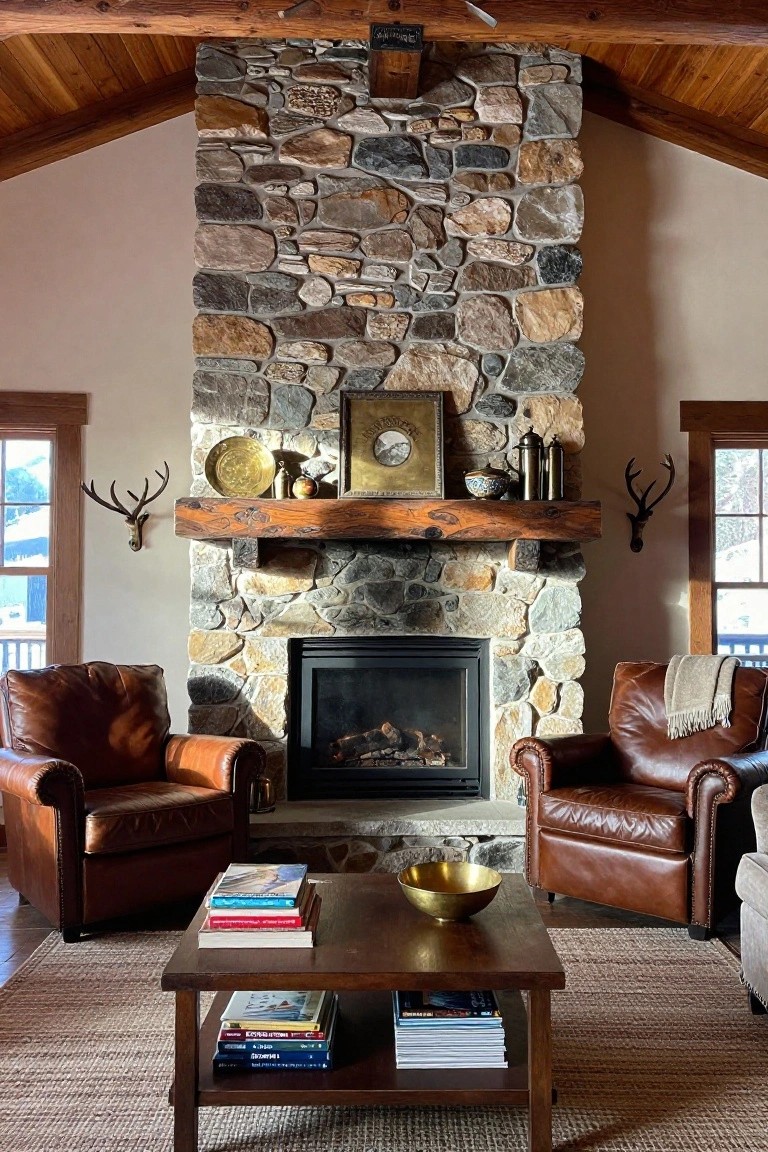
A thick wooden mantel gives a stone fireplace some needed warmth and texture. It breaks up the hard surface without covering it up and helps the whole wall feel more connected to the rest of the room.
This works best in spaces that already have wood ceilings or beams. Keep the mantel simple and solid so the grain shows, and make sure it is deep enough to hold a few small items without crowding the stone.
Exposed Ceiling Beams Add Simple Warmth
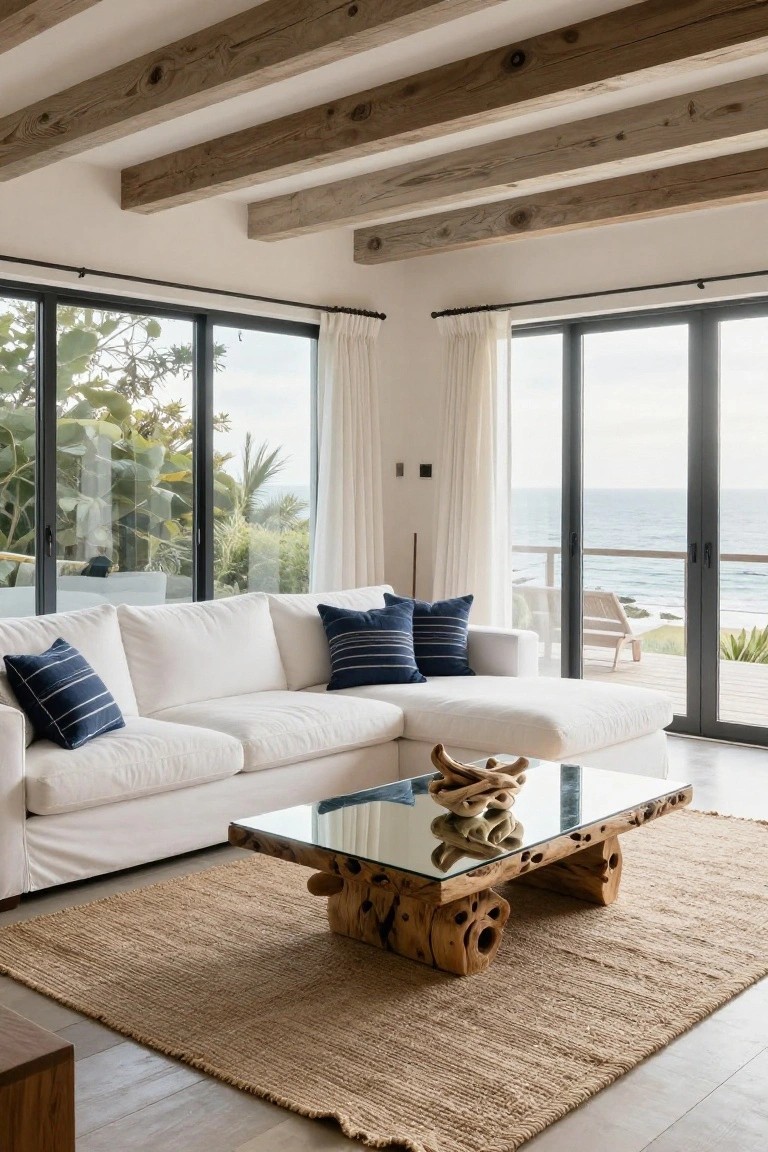
Exposed wood beams work well when the rest of the room stays light and simple. They bring in natural texture without needing extra wall treatments or heavy colors, and they help a bright space feel a bit more grounded.
This approach suits homes with high ceilings or open layouts where the beams can be seen from several angles. Keep the beams in their natural finish and let them contrast with white walls and light upholstery so the wood stays the main source of warmth.
Herringbone Wood Accent Walls
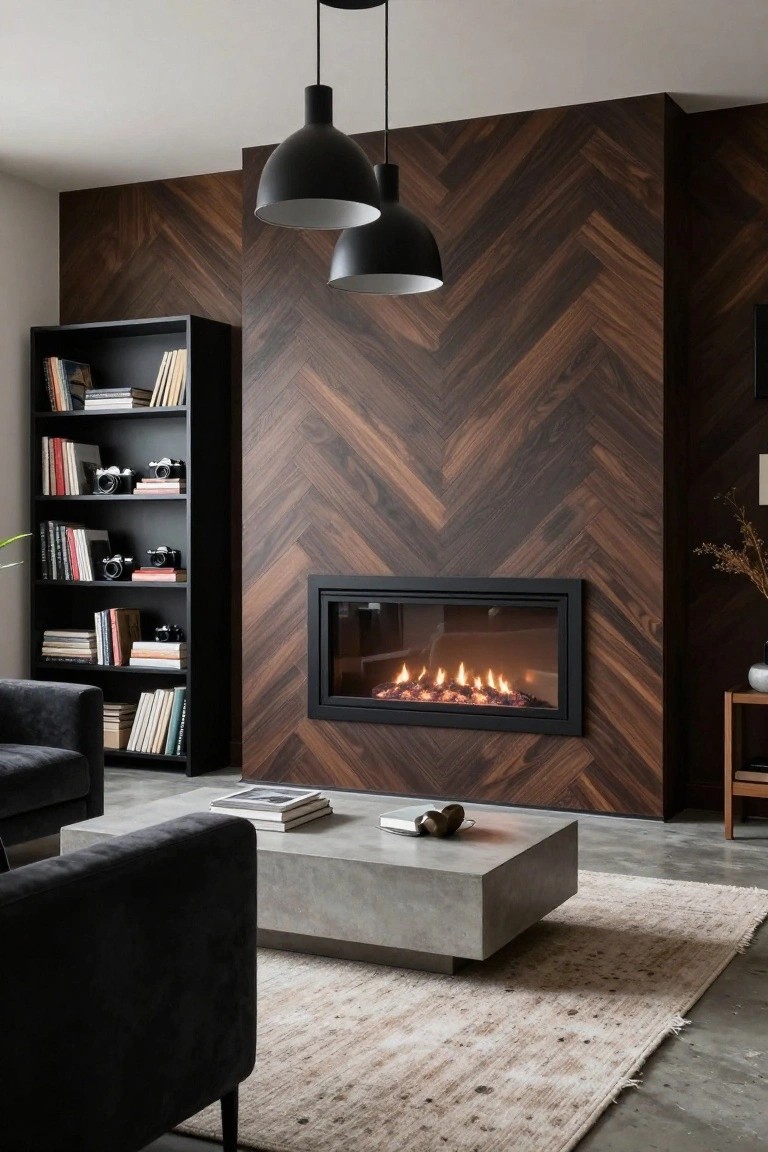
A herringbone wood accent wall gives a living room a strong natural focal point without extra layers of decor. The pattern adds movement and texture while the wood grain keeps the space feeling warm and grounded.
This approach works best when the wall frames a fireplace and pairs with simple furnishings in darker tones. It suits rooms that already have a modern or minimalist base, though the wood color needs to stay consistent with any nearby shelving or trim.
Herringbone Wood Accent Walls
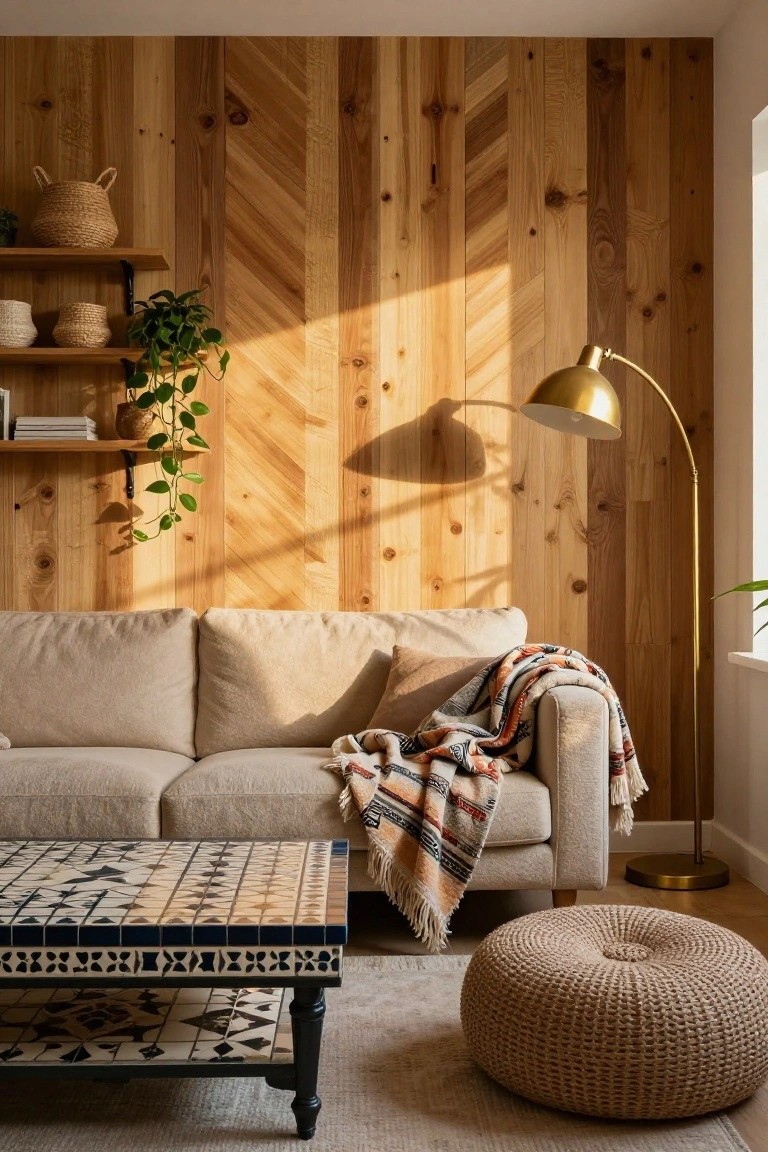
A herringbone wood accent wall gives a living room real warmth through its natural texture and pattern. The angled layout draws the eye upward and adds quiet movement without any extra color or clutter.
This approach works best in rooms with neutral seating and simple furnishings so the wood stays the main feature. It suits homes that already use wood tones elsewhere and can handle a strong vertical surface behind the sofa.
Light Wood Paneling Warms Up A Simple Living Room
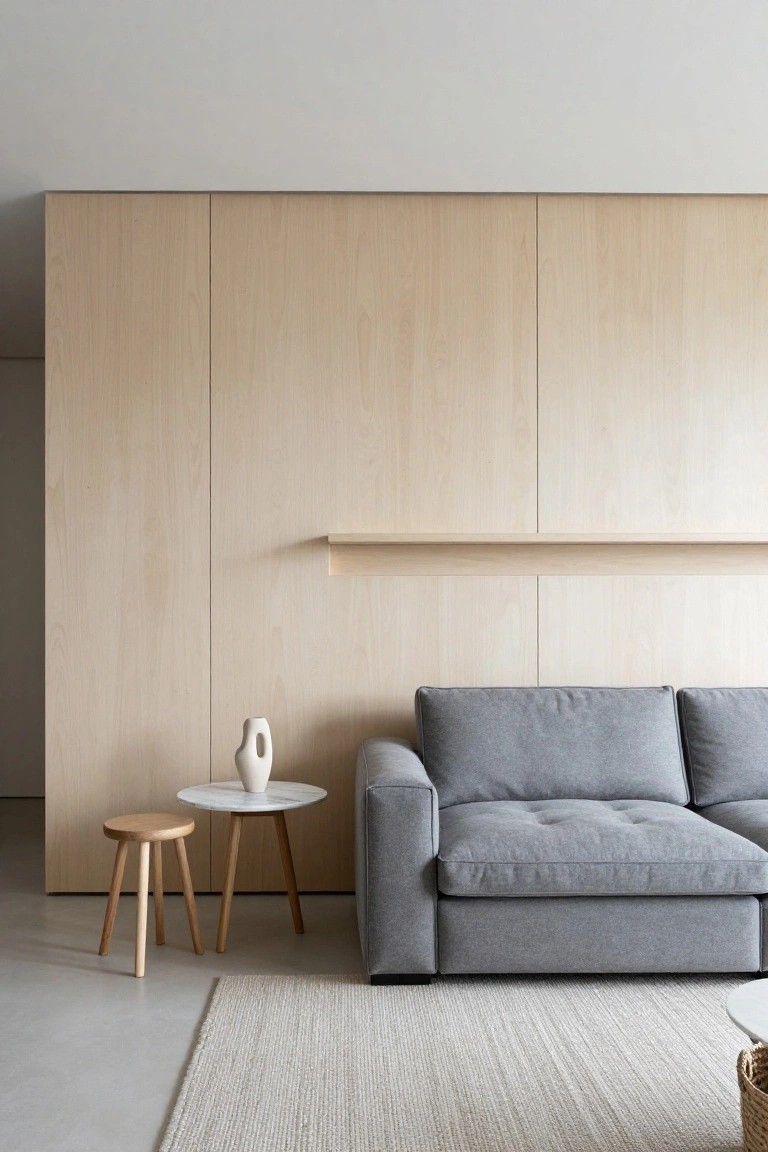
A full wall of light wood paneling gives a living room an easy sense of warmth that paint alone rarely matches. The natural grain adds texture without clutter, and it pairs well with plain seating in soft grays or neutrals.
This works best in rooms that already feel a bit stark or where you want one strong material to carry the look. Keep other surfaces light and limit extra decor so the wood stays the focus.
Wood Paneling Behind the Fireplace
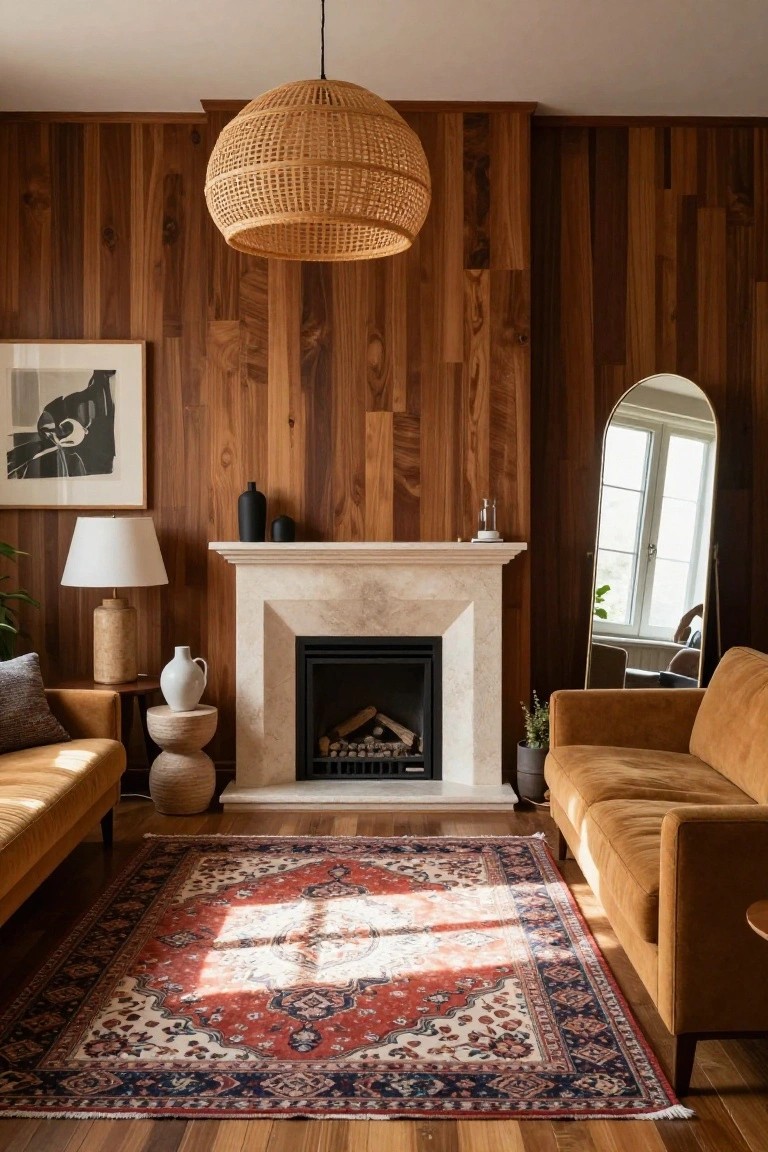
A wood accent wall around the fireplace adds natural texture that makes the whole room feel warmer and more settled. The vertical grain and slight color shifts in the wood keep things from looking flat while still letting the fireplace stay the center point.
This approach works best in living rooms that already have some wood tones elsewhere, like floors or simple furniture. It suits homes that lean modern or mid-century and pairs well with neutral seating so the wall does not compete with too many other patterns.
Vertical Wood Walls For Natural Warmth
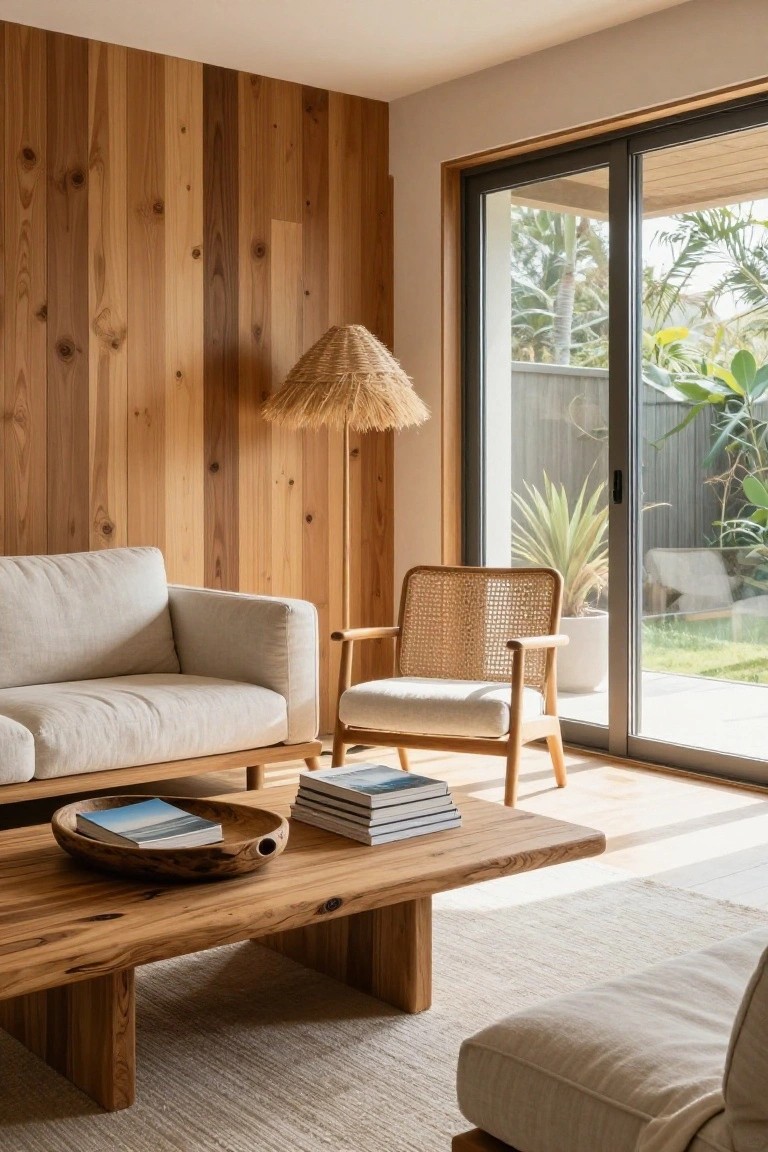
A vertical wood accent wall gives a living room an easy sense of warmth and texture that paint alone cannot match. The planks add depth while still letting the rest of the room stay light and simple.
This approach works well in spaces that already have good natural light and a mix of soft furnishings. It suits most homes that lean toward a relaxed, unfussy style, and it pairs best with neutral seating and wood tones that echo the wall itself.
Wood Plank Walls Over The Fireplace
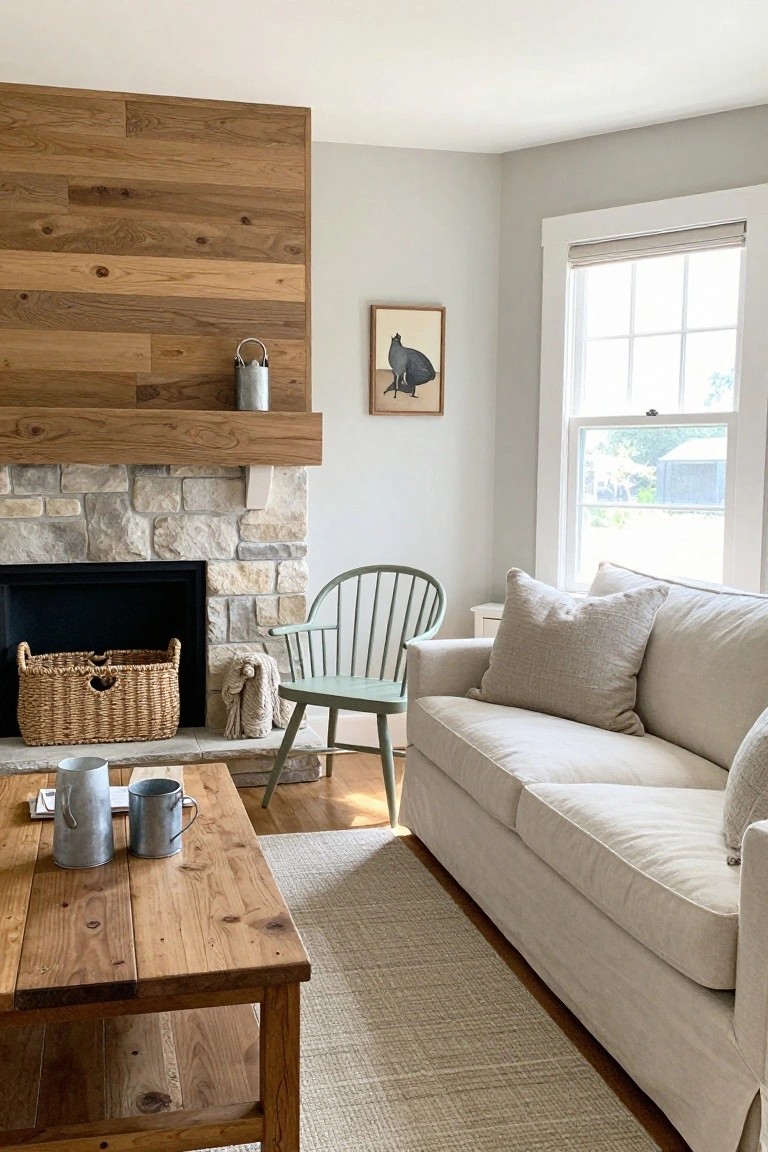
A wood accent wall made of horizontal planks adds steady warmth to a living room. It gives the space texture that feels natural and helps the fireplace area stand out without extra decoration.
This idea works well in rooms that already have some stone or wood elements nearby. It suits homes that want a simple way to bring in more natural material without making the space feel busy.
Vertical Texture On A Dark Wood Accent Wall
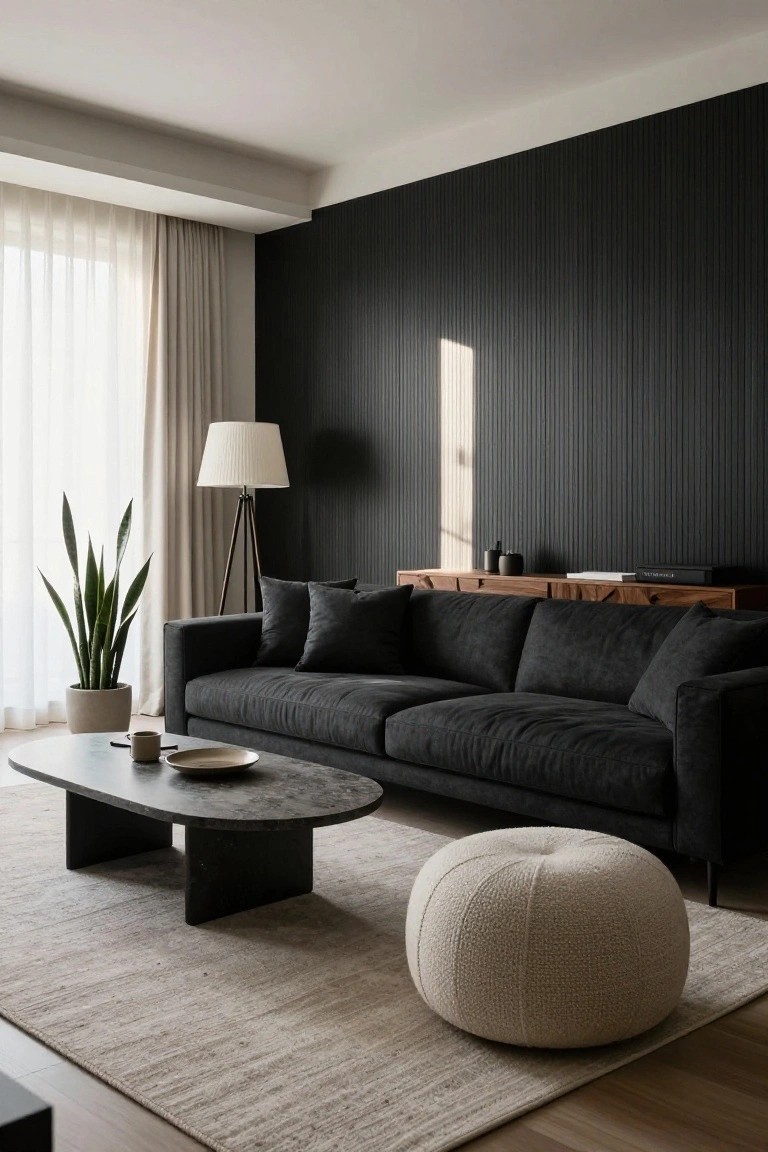
A wood accent wall with vertical lines brings quiet depth to a living room without needing bold colors or patterns. It gives the space structure and a bit of warmth, especially when the rest of the room stays simple and neutral.
This works best in rooms that get decent daylight, where the texture can catch the light and show its grain. Keep other woods light and the furnishings low so the wall stays the main focal point instead of competing with too many pieces.
Built-In Shelving With Warm Wood Texture
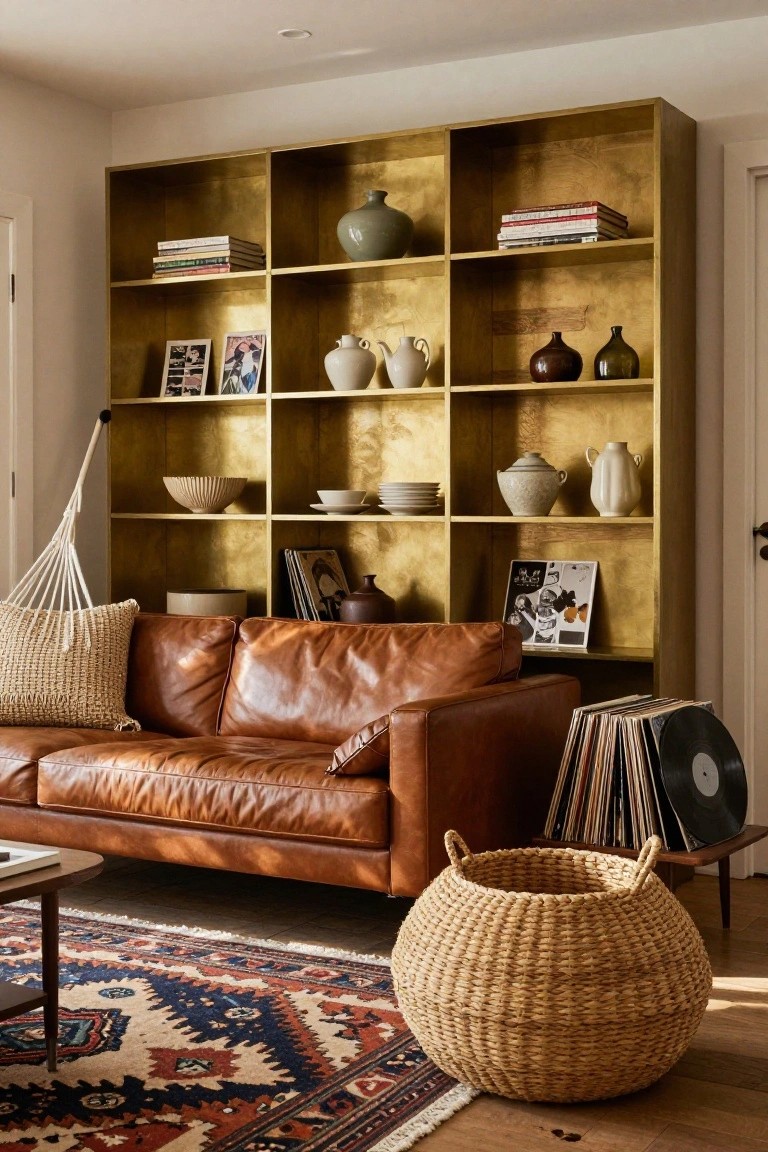
Built-in shelving can turn a plain wall into the main source of texture in a living room. The wood finish adds warmth that works with leather seating and soft textiles without needing many extra layers.
This approach suits smaller rooms that need both storage and visual interest. Keep the shelves open and mix books with a few simple objects so the wood stays visible rather than getting covered up.
Floating Wood Shelves Add Simple Texture
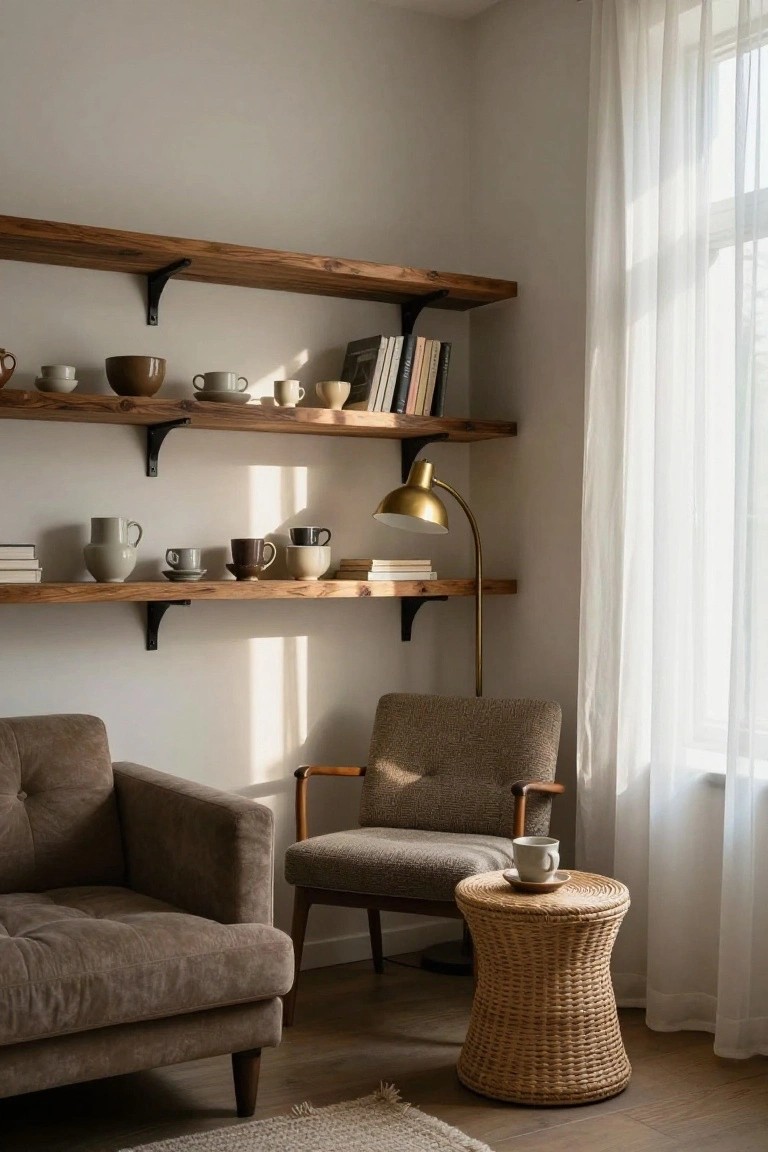
Floating wood shelves give a room that natural wood feel without needing a full accent wall. They let the grain show through while holding just enough everyday items to feel lived in.
They suit smaller living rooms or open corners where you want warmth but still need the walls to stay light. Keep the arrangement loose so the shelves themselves read as the main texture rather than getting lost behind too many objects.
Dark Wood Accent Walls for a Strong Backdrop
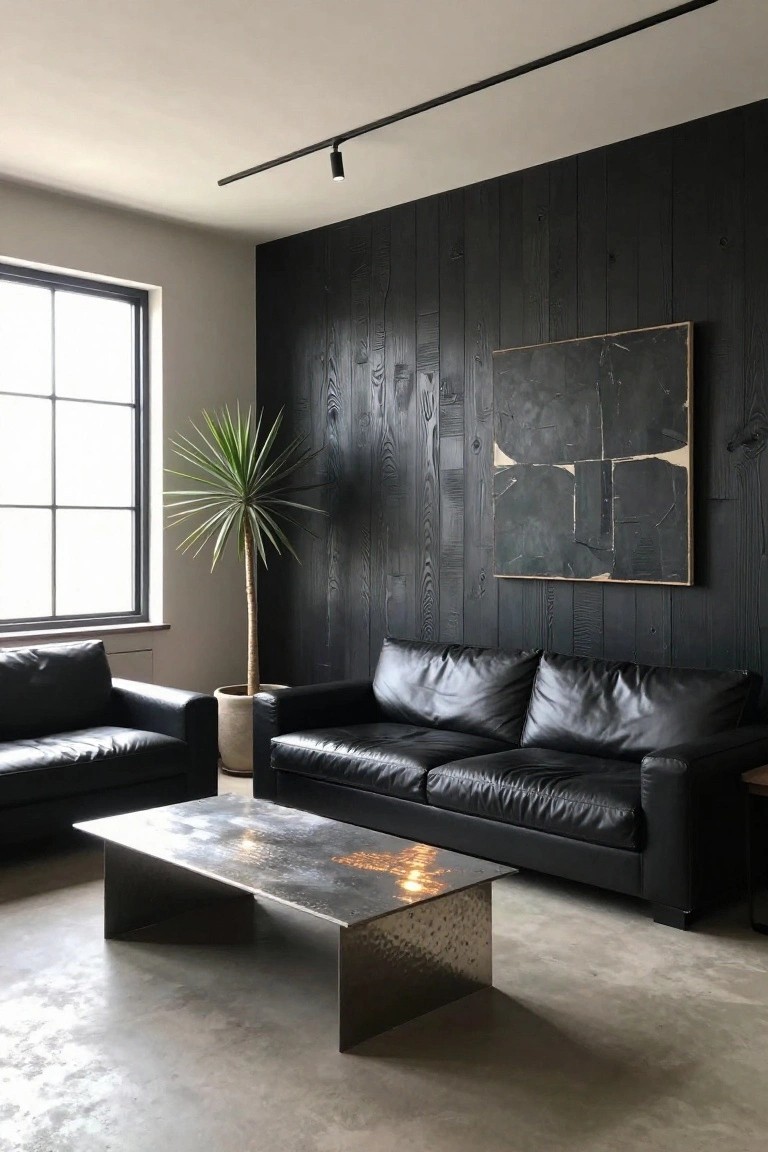
A dark wood accent wall can give a living room real presence without needing lots of extra pieces. The vertical planks add texture and keep the space from feeling flat, especially when the rest of the room stays simple with concrete floors and darker furniture.
This approach works best in modern homes that already lean toward cooler tones or industrial details. Keep the other walls light so the wood does not close the room in too much, and pair it with sturdy seating that can hold its own against the bold wall.
Extend Wood Paneling Into Connected Rooms
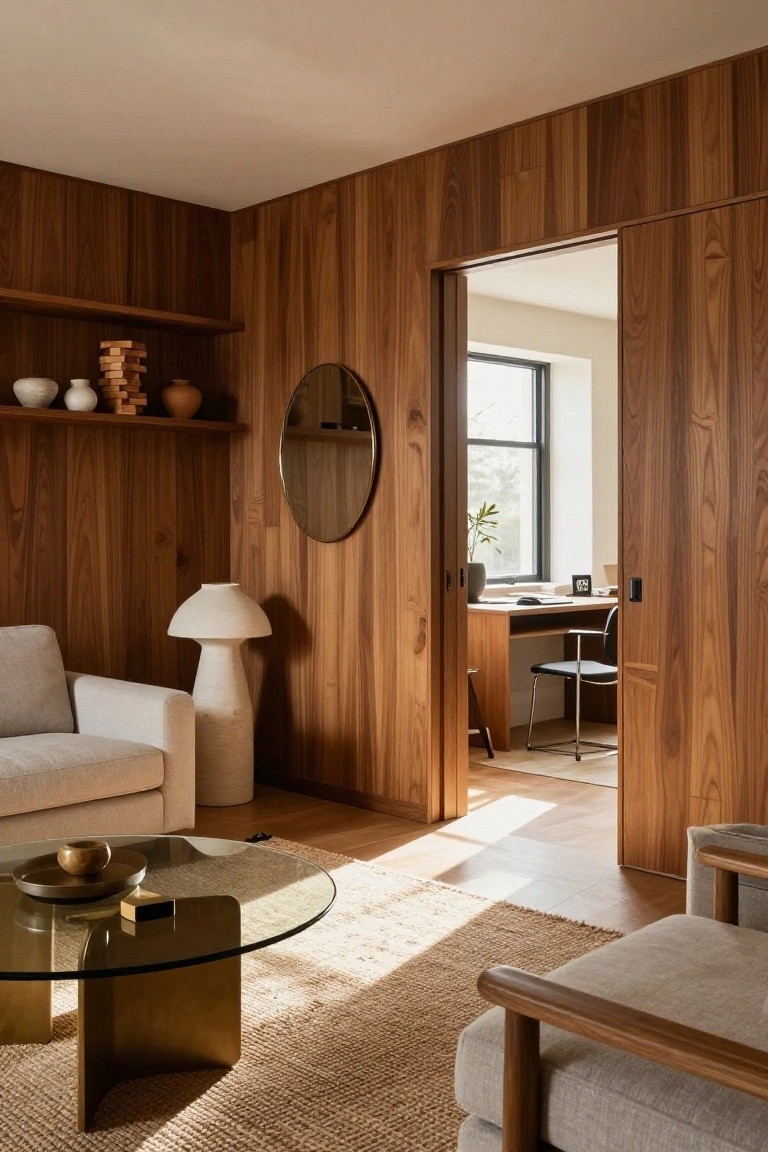
Running the same wood wall treatment from the living room straight into an adjoining space creates a quiet sense of flow. The material carries warmth through both rooms without needing extra color or pattern to tie things together.
This works best in homes where a living area sits next to a study or dining space. Keep the wood finish consistent and let a simple doorway or sliding panel mark the transition instead of changing materials.
Wood Accent Wall Ideas With Natural Texture
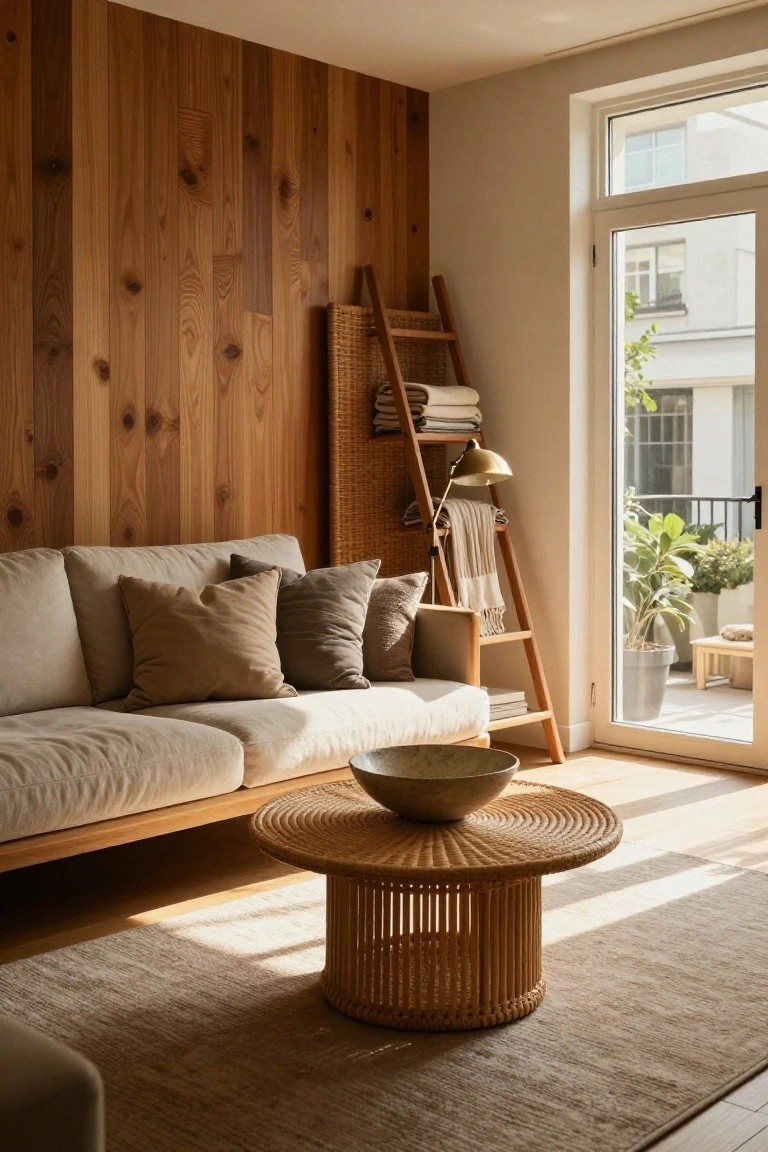
A wood accent wall made from vertical planks brings a steady sense of warmth that works well in living rooms that feel a little flat. The grain and color add texture without needing lots of extra layers or bold colors.
This choice suits homes that already lean toward natural materials and simple furniture. Keep other surfaces light so the wood stays the main focus and does not compete with too many patterns.
Frequently Asked Questions
Q: How do I pick wood that feels warm without making the room too dark? A: Start with lighter oak or pine if your space gets limited sunlight. These tones bring out the natural grain while keeping things bright. Test samples on the wall during different times of day.
Q: What if I want to add an accent wall but worry about dust and cleaning? A: Wood with a smooth finish wipes down easily with a damp cloth. Avoid rough reclaimed pieces in high-traffic areas since they trap more particles. A quick weekly dust usually keeps it looking fresh.
Q: Can this work in a small living room without overwhelming it? A: Yes. Focus on one narrow wall behind the sofa. Keep the rest of the room light and minimal to balance the texture.
