

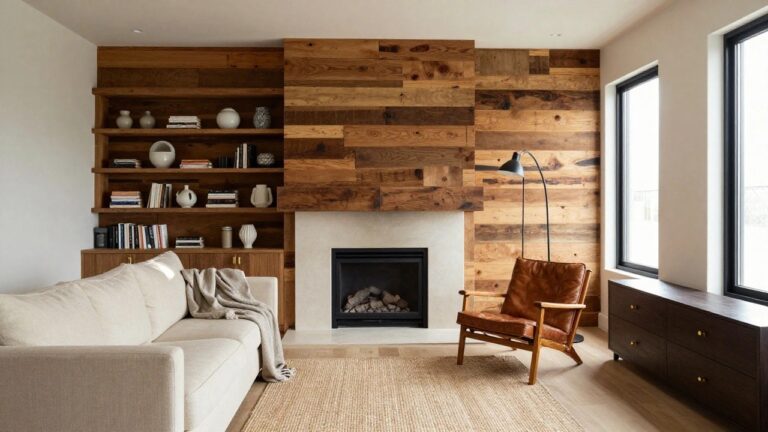
I have found that the walls in a living room often shape how the whole space feels once the furniture is in place and daily life takes over.
Reclaimed wood adds layers of texture that change with the light throughout the day and can tie older pieces together without much extra effort.
Some pieces just feel right when you stand back and see how the grain catches the light.
It helps to test a few boards against the existing trim and flooring before cutting into anything permanent.
Over time I have noticed that the wood tones need to sit comfortably with the rest of the room or the rustic effect starts to feel forced.
Reclaimed Wood For Fireplace Walls
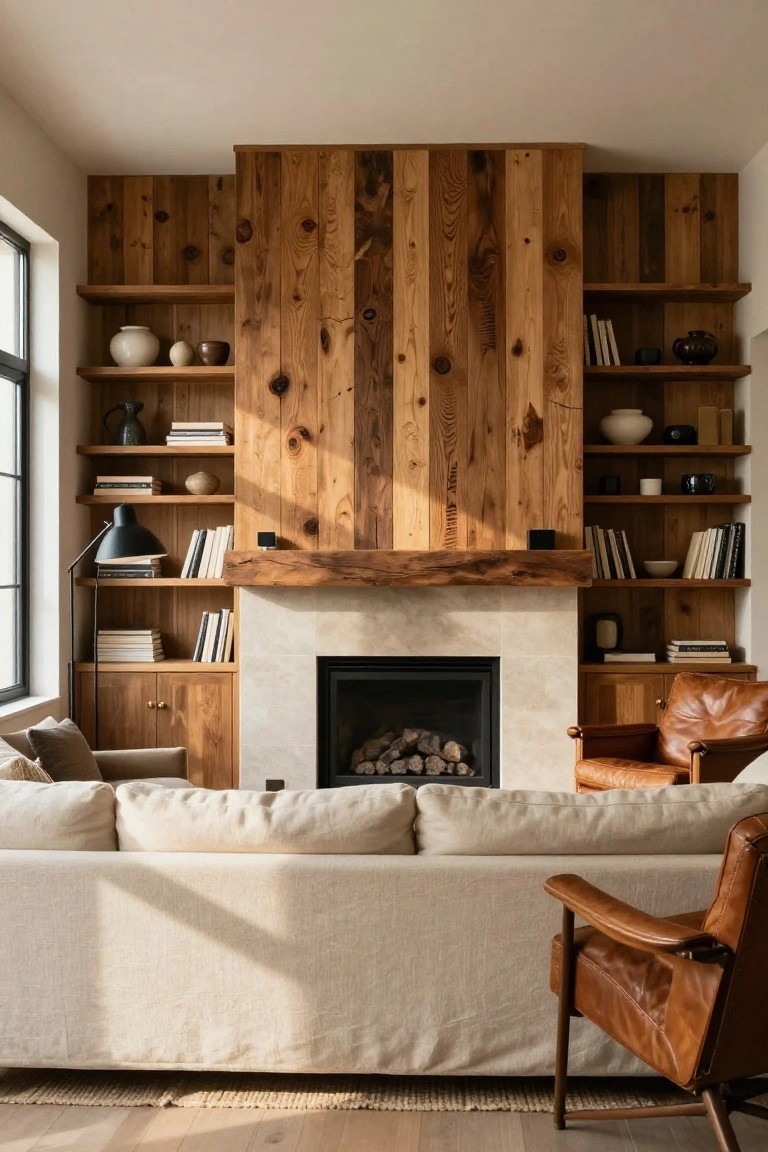
Reclaimed wood works especially well when it covers the full wall section around a fireplace. The varied grain and color give the room a solid focal point without extra layers of decoration or paint.
This approach fits living rooms that already lean toward natural materials. Extend the wood out to the sides with simple shelving so the wall feels built in rather than added on later. Keep the rest of the room fairly light so the wood does not overpower the space.
Reclaimed Wood as a Bedroom Accent Wall
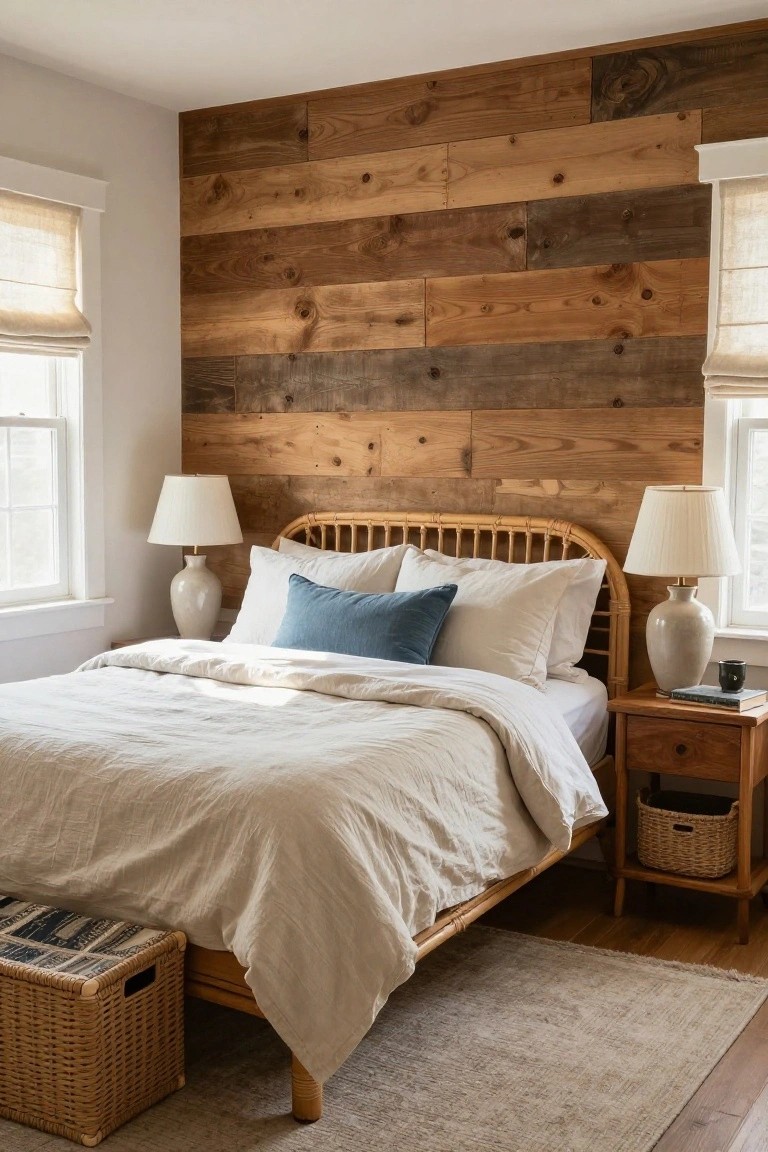
Reclaimed wood brings real texture and age to a bedroom without much effort. Putting it behind the bed turns that wall into the main feature while everything else stays calm and simple.
This works best in homes that already have some wood tones or a relaxed style. Keep the bedding and furniture light so the wall stands out on its own instead of feeling heavy.
Reclaimed Wood Accent Walls In Kitchens
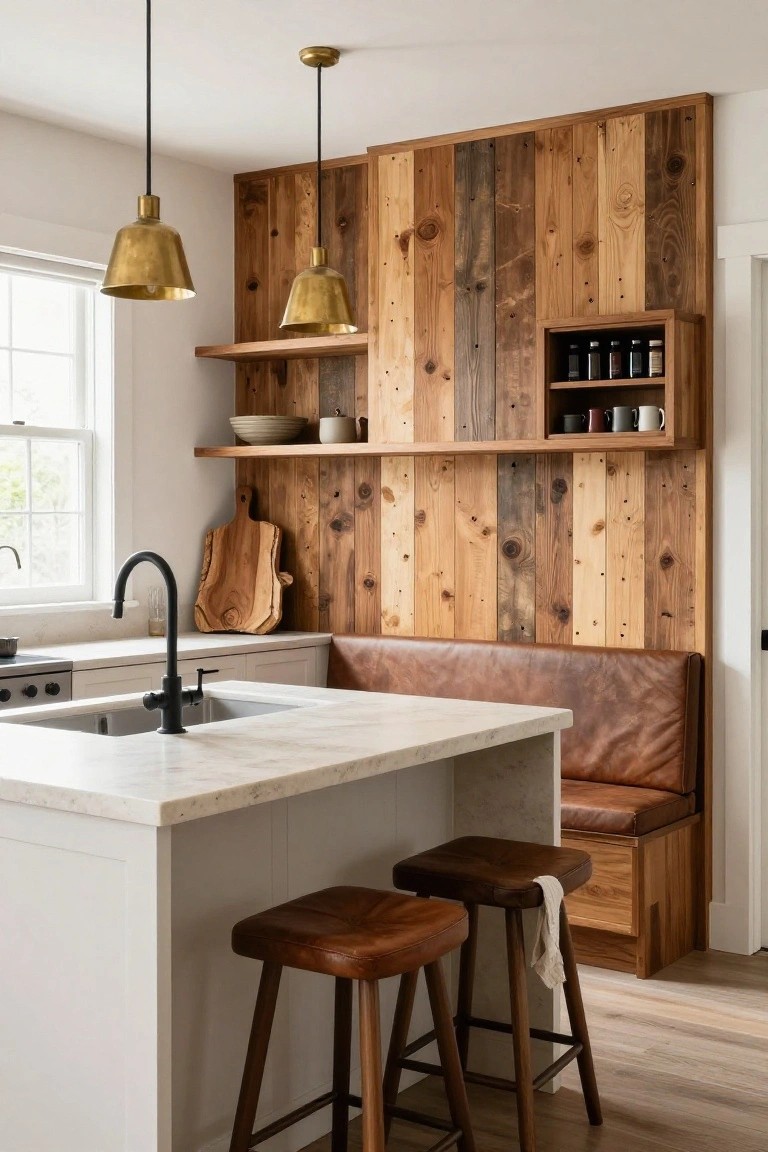
Reclaimed wood works well as an accent wall in a kitchen because it brings texture and a sense of age without taking over the whole room. Many people like the way it pairs with simpler surfaces like white cabinets or stone counters, creating a balance that feels both practical and lived in.
This approach suits homes that want a bit of rustic character while keeping the space usable for daily cooking and gathering. It works best when the wood is kept to one wall and paired with open shelving or built in seating so the area stays functional rather than just decorative.
Reclaimed Wood Accent Walls In Dining Rooms
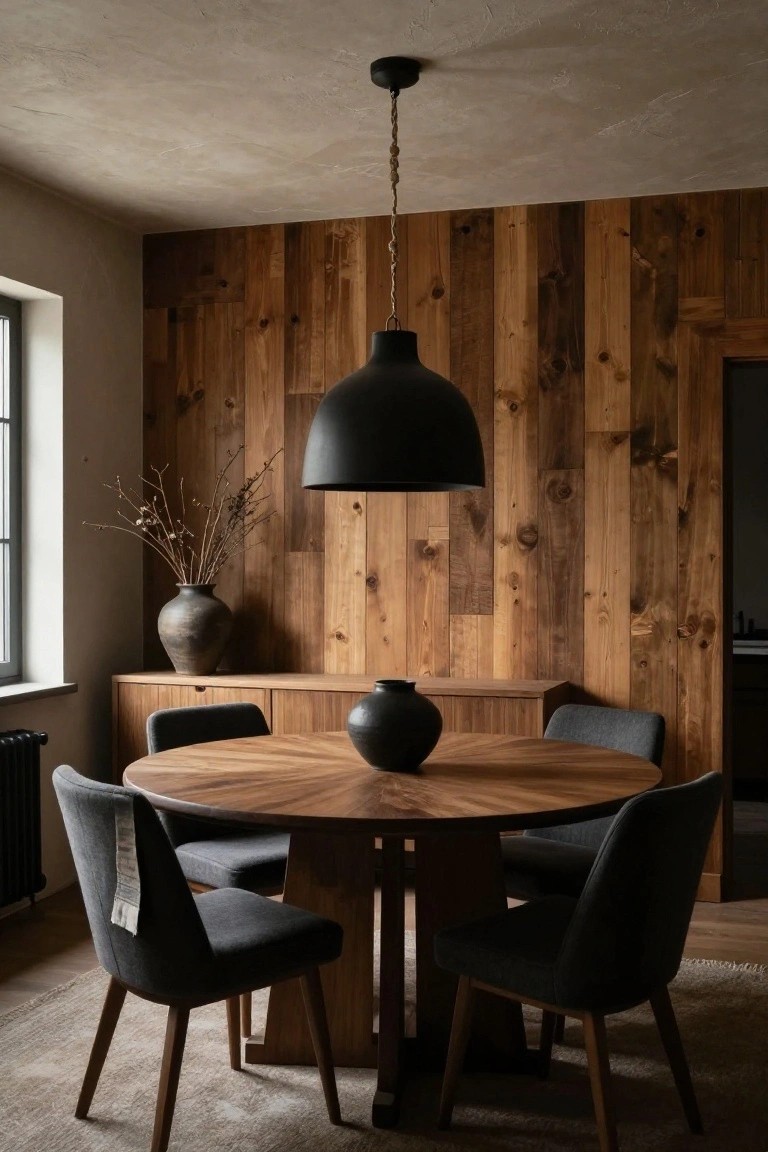
Reclaimed wood works especially well as an accent wall behind a dining table. The natural grain and varied tones add texture that feels grounded and lived-in, helping the room feel more inviting without extra decoration.
This idea suits homes that already have wood floors or simple furniture. Keep other surfaces light so the wall can stand out, and avoid crowding the space with too many patterns or dark colors that compete with the wood.
Reclaimed Wood Walls In Entryways
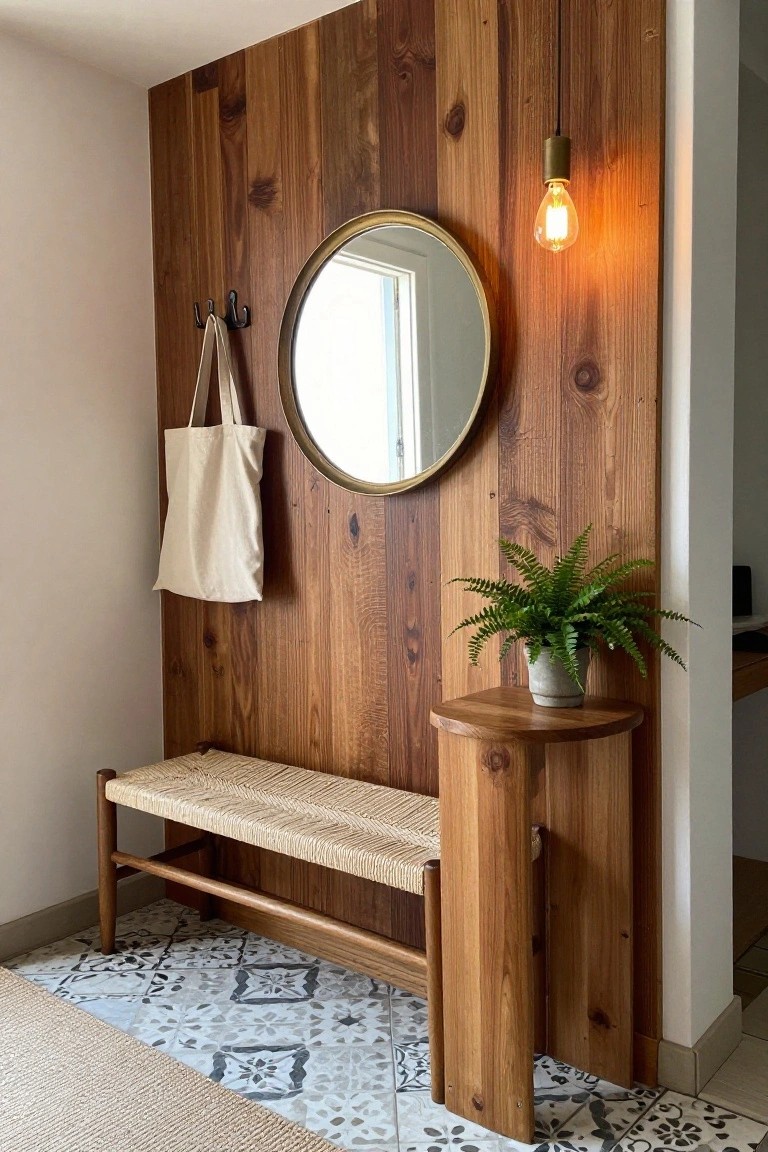
Reclaimed wood works well on an entry wall because it adds texture right where people need it most. The vertical planks give the space a solid, grounded feel that holds up to daily use without looking worn down too fast.
This approach fits homes that already lean rustic or simple. Keep the rest of the entry light so the wood can do the main work, and add hooks or a bench directly against it for bags and shoes.
Stacking Reclaimed Crates for Storage
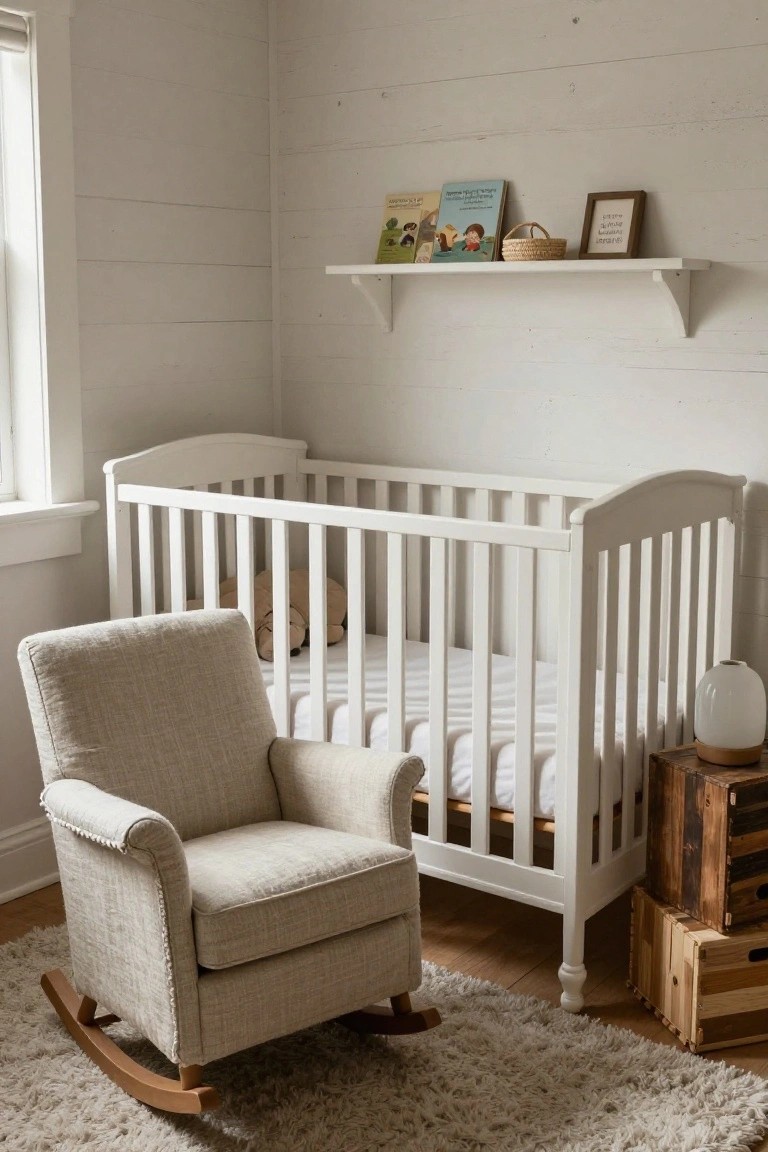
Reclaimed wood crates offer an easy way to bring texture and function into a room without committing to a full accent wall. They work especially well in smaller spaces where you need a side table or extra shelf but still want that rustic feel. The crates in this nursery sit right beside the crib and hold a lamp while adding some natural wood tones against the white walls.
They suit homes that already lean simple or farmhouse in style. Look for crates that are sturdy enough to stack safely and finish them lightly if needed so they do not overpower the rest of the room. Just make sure the stack stays balanced and does not tip when used daily.
Reclaimed Wood Walls With Integrated Shelves
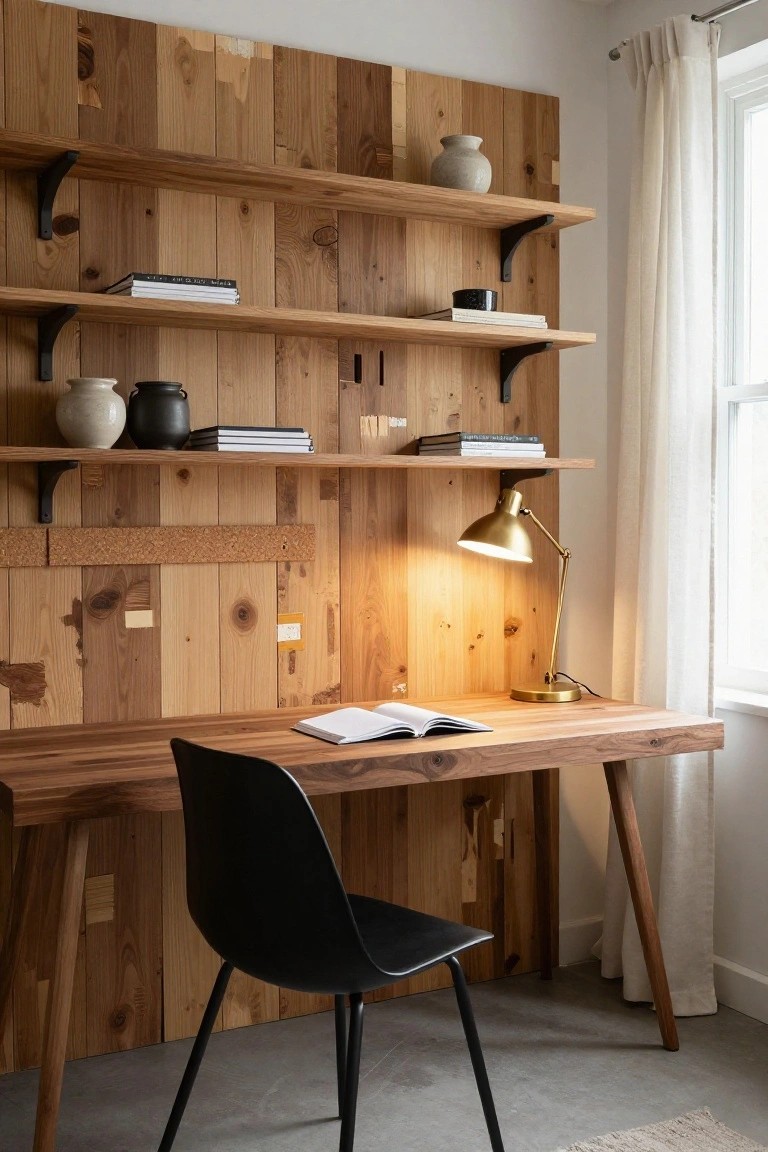
Reclaimed wood makes a strong accent wall when you mount shelves directly on it. The mix of rough planks and simple brackets turns the surface into both texture and storage, so the wall does more than just sit there as a backdrop.
This works best in a home office or study where you need a place for books and small items without crowding the floor. Keep the desk and seating simple so the wood stays the main feature.
Reclaimed Wood Accent Walls In Bathrooms
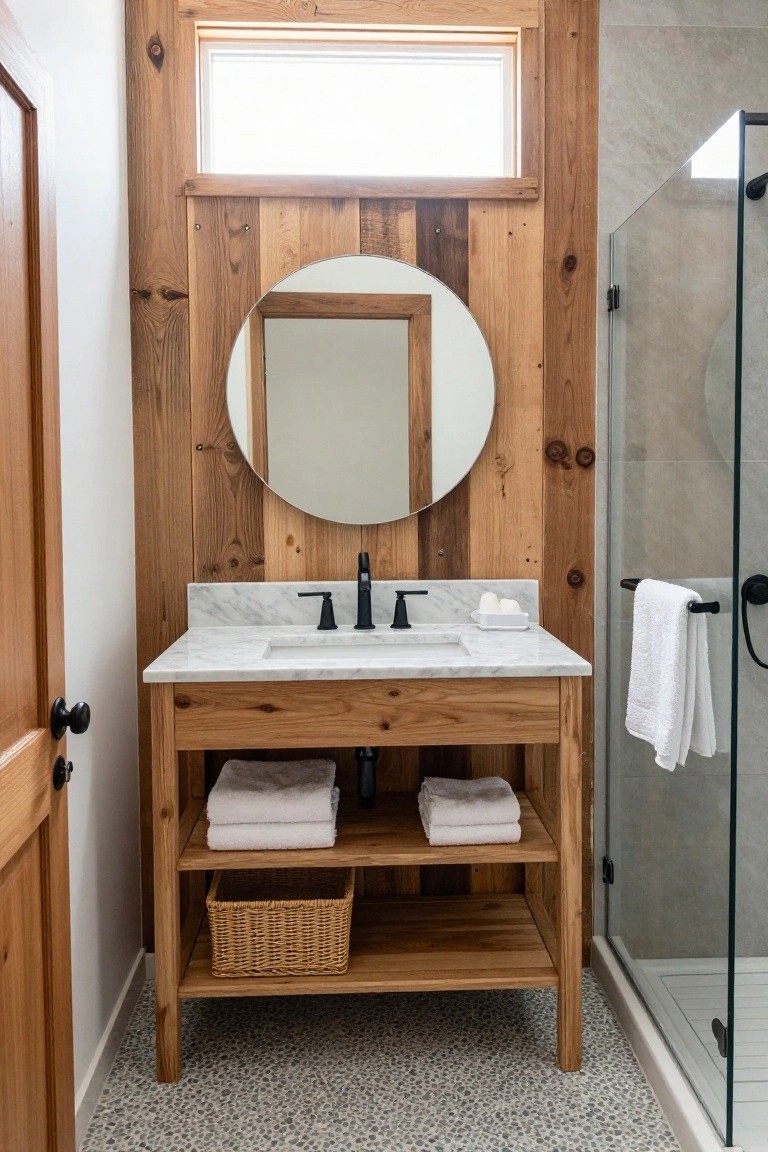
Reclaimed wood makes a strong accent wall in bathrooms because the varied tones and grain add texture that feels natural and grounded. It works especially well behind a vanity where the wall can frame the sink area without taking over the whole room.
This look suits homes that already have wood tones elsewhere or want a bit of contrast against stone counters and simple fixtures. Keep the rest of the finishes fairly plain so the wood does not compete with too many other materials.
Reclaimed Wood Built-Ins For Entry Storage
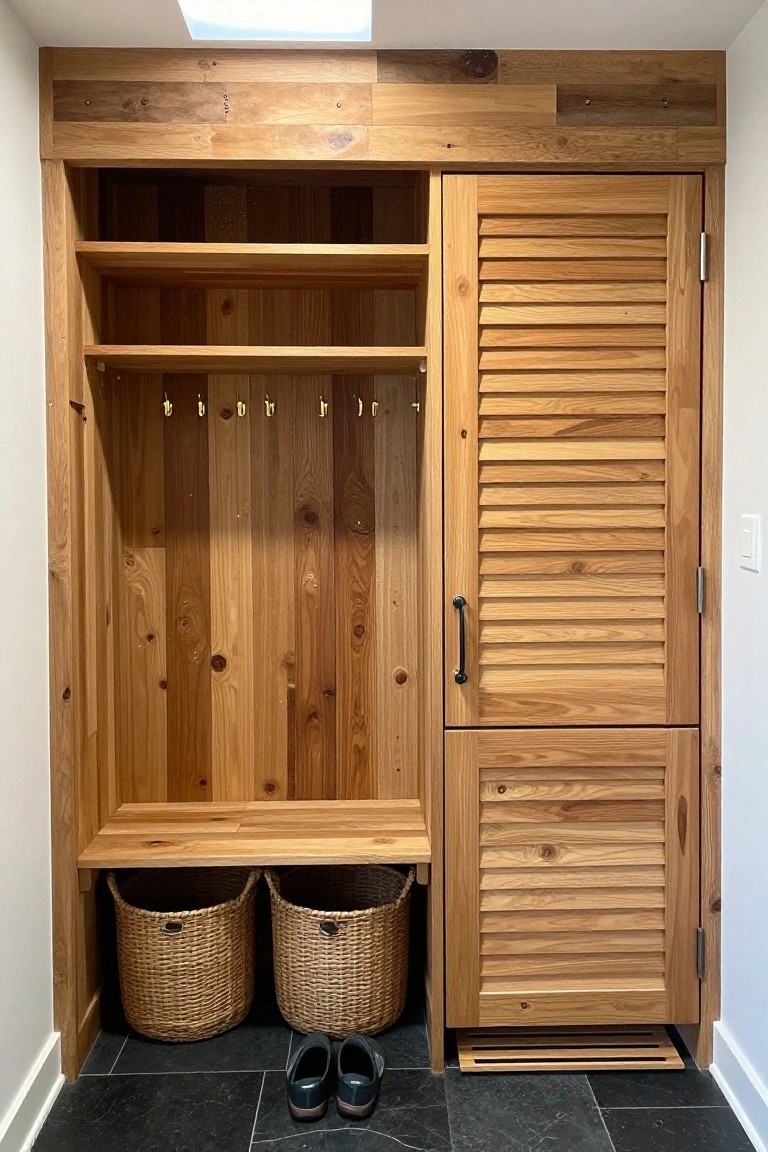
Reclaimed wood works well for built-in storage because it adds texture without needing extra decoration. A simple bench section underneath hooks gives people a spot to sit while they put on shoes or take them off.
This kind of setup fits best in entryways or mudrooms in homes that see regular use. Keep the lower area open for baskets or bins so the space stays practical and easy to clean.
Reclaimed Wood Accent Walls in the Bedroom
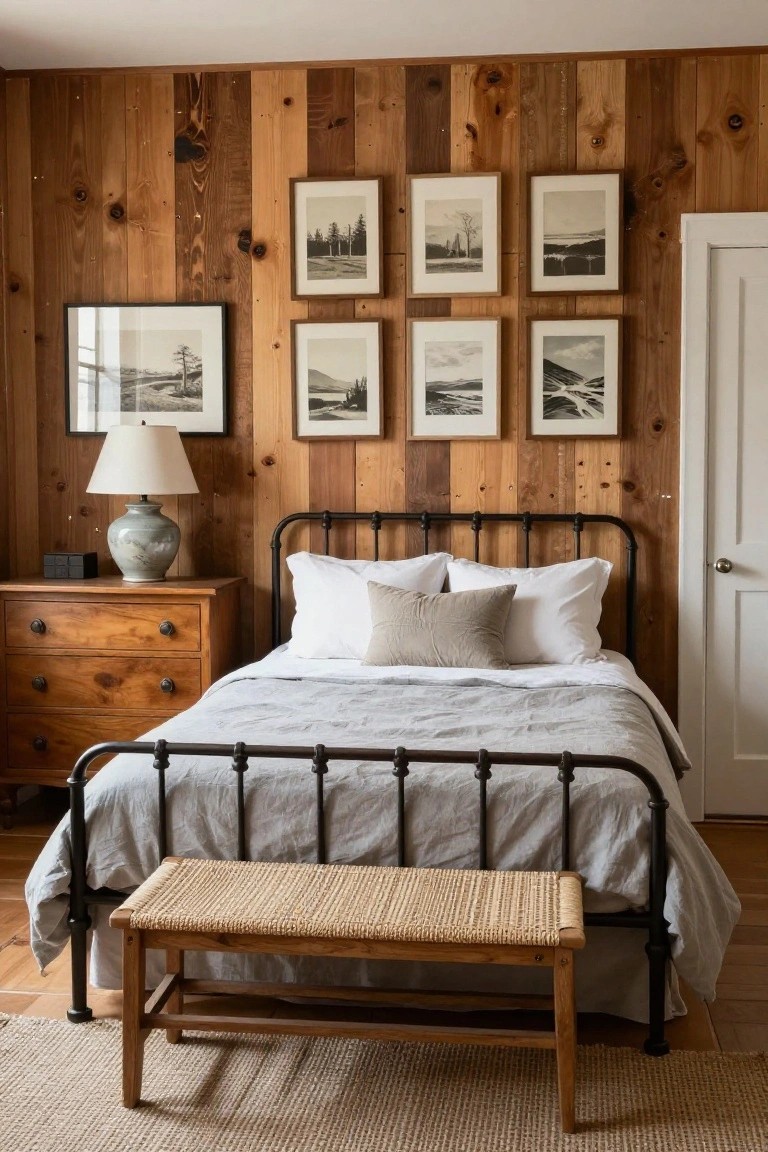
Many people turn to reclaimed wood for an accent wall behind the bed because it adds texture and warmth in a simple way. The natural grain and mixed tones give the room character without needing lots of extra decoration.
This approach works best in spaces with plain walls and neutral bedding, where the wood can stand out on its own. It suits older homes or any bedroom that already uses wood furniture, but it is easy to overdo if the rest of the room has too many competing patterns.
Reclaimed Wood Accent Walls in the Bathroom
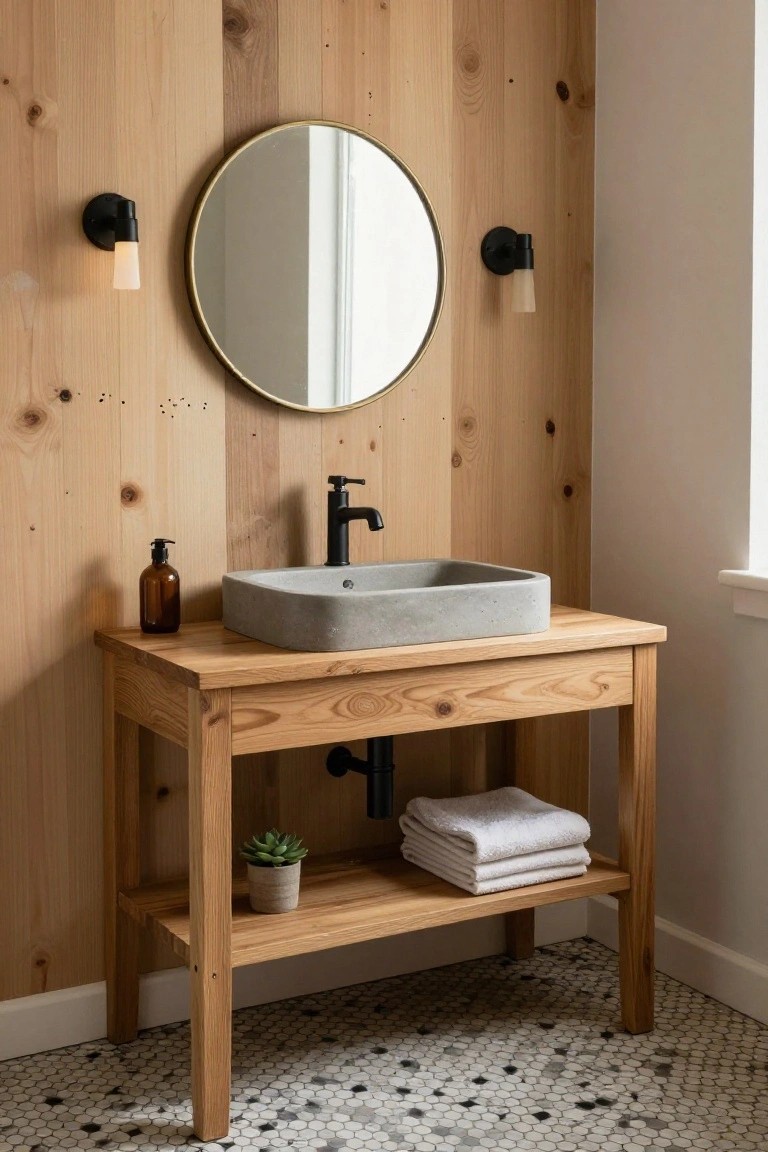
A wood accent wall works well in bathrooms because it adds texture and warmth without taking over the whole space. Vertical planks give the room a simple, natural look that pairs easily with stone sinks and basic fixtures.
This idea fits smaller bathrooms or powder rooms best. Use it on one wall only and keep other surfaces light so the wood remains the main feature rather than feeling heavy.
Reclaimed Wood Accent Walls In Bedrooms
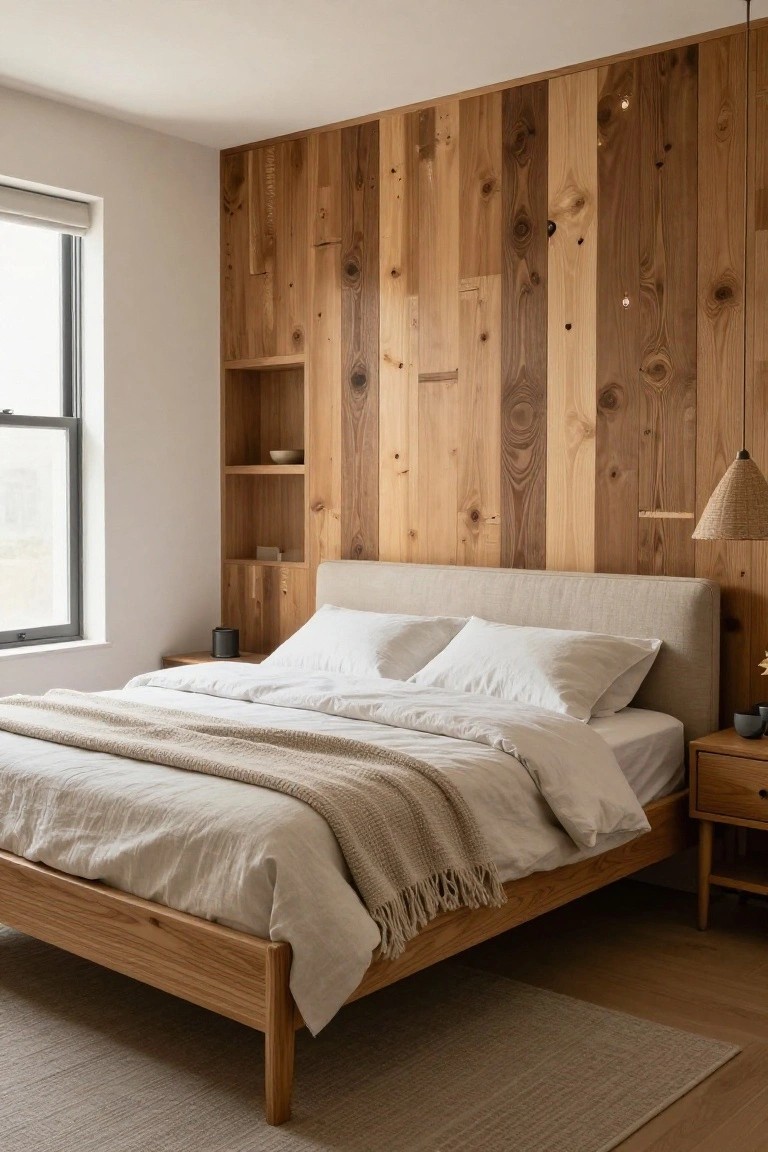
Reclaimed wood works especially well as an accent wall in a bedroom because it adds texture and a grounded feel without much effort. The vertical boards bring natural variation in color and grain that helps the room feel warmer and more lived in. It pairs easily with simple bedding and light walls so the wood becomes the main feature.
This idea suits homes that already lean rustic or want a touch of that character. Keep other surfaces simple and let the wood handle the visual weight. Adding a few built-in shelves on one side gives storage without breaking up the look too much.
Reclaimed Wood Behind The Kitchen Sink
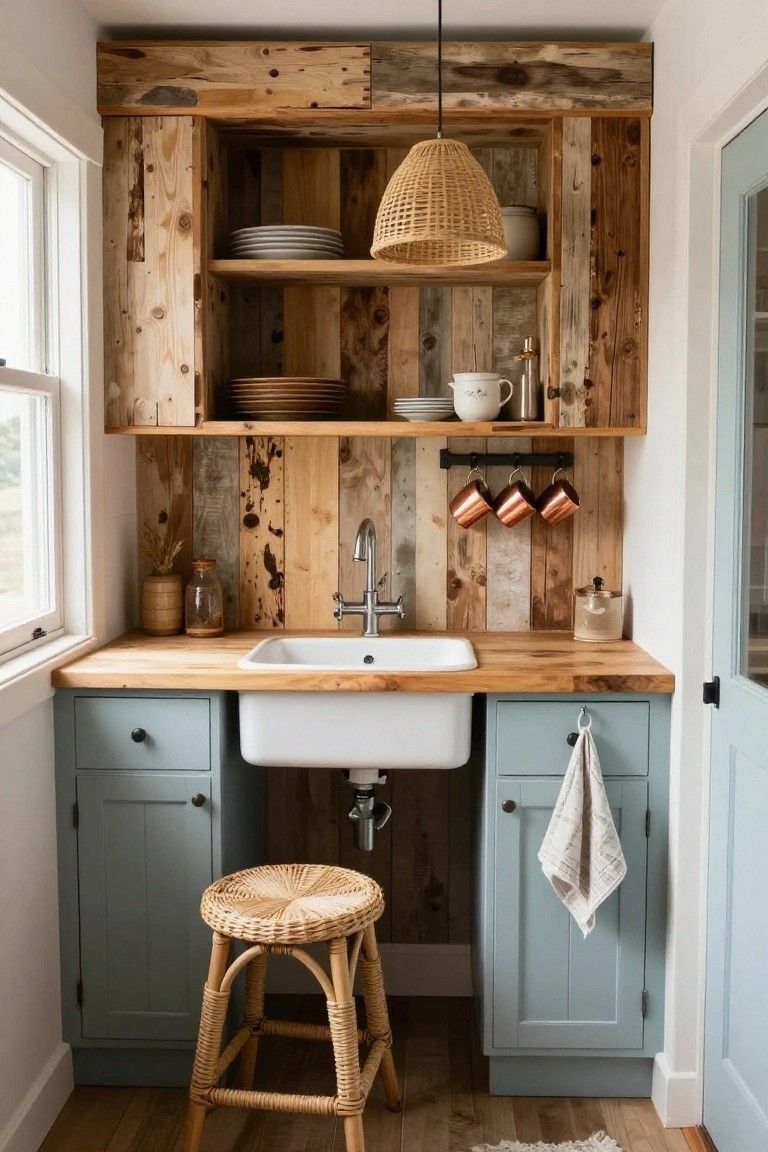
Reclaimed wood makes a strong accent wall right behind a sink because it adds texture and age that a plain wall cannot. The mix of rough boards with a simple white sink and painted cabinets keeps the space from feeling too new or flat.
This idea works best in small kitchens or utility areas where you want some rustic character without committing to a full wood room. Keep the cabinets a solid color and limit the wood to one wall so the look stays balanced rather than heavy.
Reclaimed Wood Walls In The Bathroom
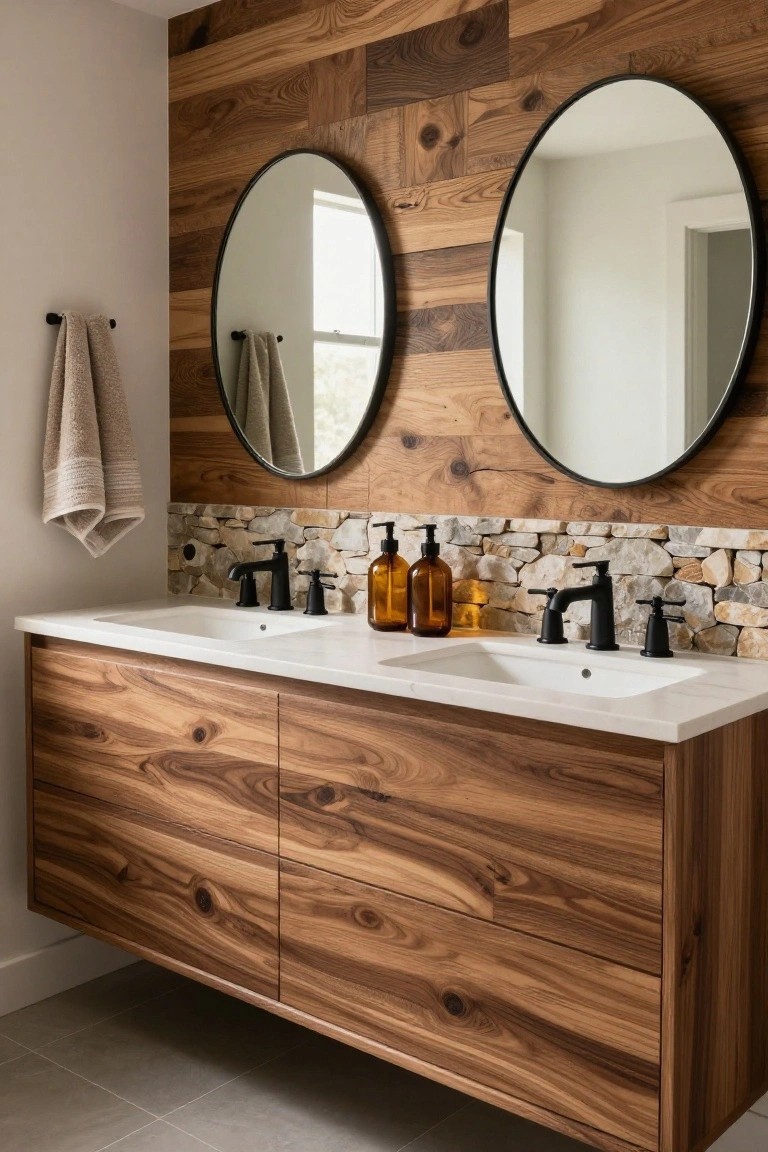
Reclaimed wood makes a strong accent wall in a bathroom because it adds texture and warmth where most surfaces stay hard and cool. The natural grain and color variation keep the room from feeling flat even when the rest of the finishes stay simple.
This look works best in homes that already mix modern fixtures with natural materials. Limit the wood to one wall so it does not compete with the vanity or tile, and let the planks run horizontally to keep the space feeling balanced.
Reclaimed Wood Ceiling Beams
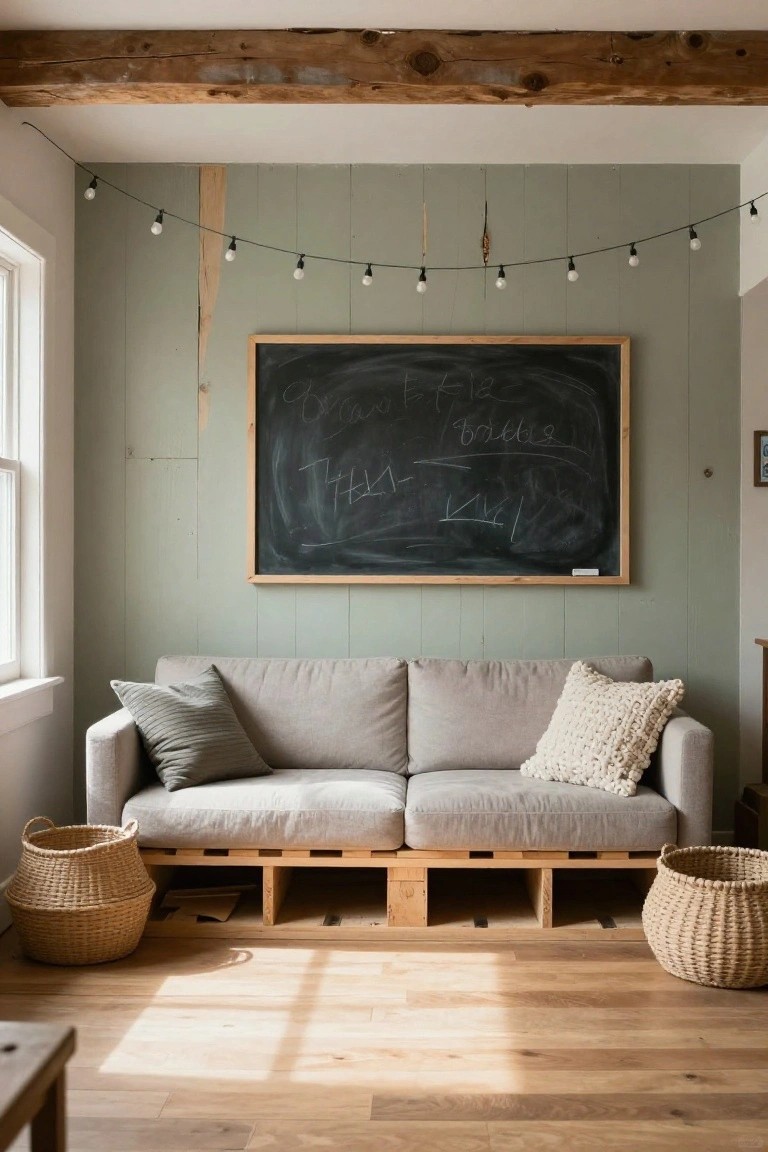
A single reclaimed wood beam running across the ceiling can bring real character to a room without much else needed. It adds texture and warmth that a plain ceiling lacks, and it works especially well in spaces where the walls stay simple and light.
This approach suits older homes or any room where you want a bit of rustic feel without covering every surface. Keep the beam natural or lightly finished so the grain shows, and let it stand out against painted walls or white ceilings. Just make sure it is properly secured if it is mainly for looks.
Reclaimed Wood Accent Walls In Home Offices
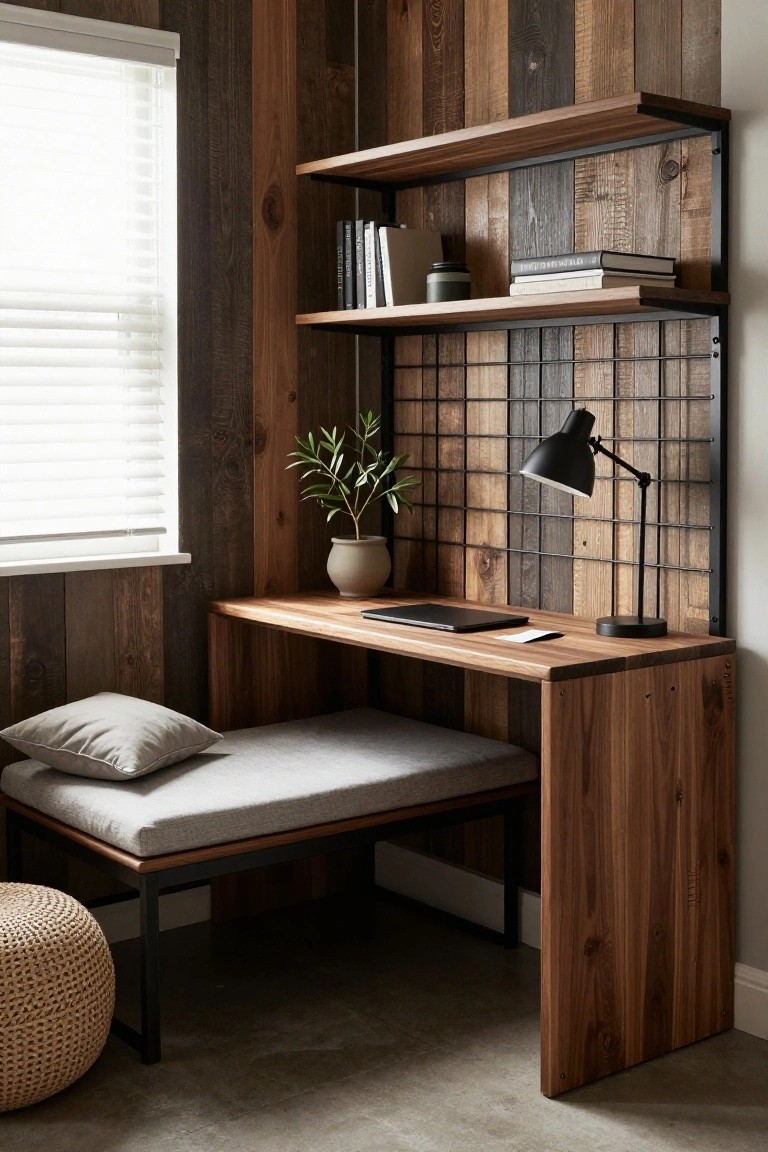
Reclaimed wood on one wall gives a workspace a grounded feel that makes the whole area more inviting to use every day. The varied tones and grain add quiet interest that holds up over time without competing with the furniture or daily clutter.
This works especially well in smaller rooms or corner setups where you need one strong surface to anchor the space. Pair it with simple built-in desks and keep other walls light so the wood does the main job without feeling heavy.
Herringbone Reclaimed Wood Accent Walls
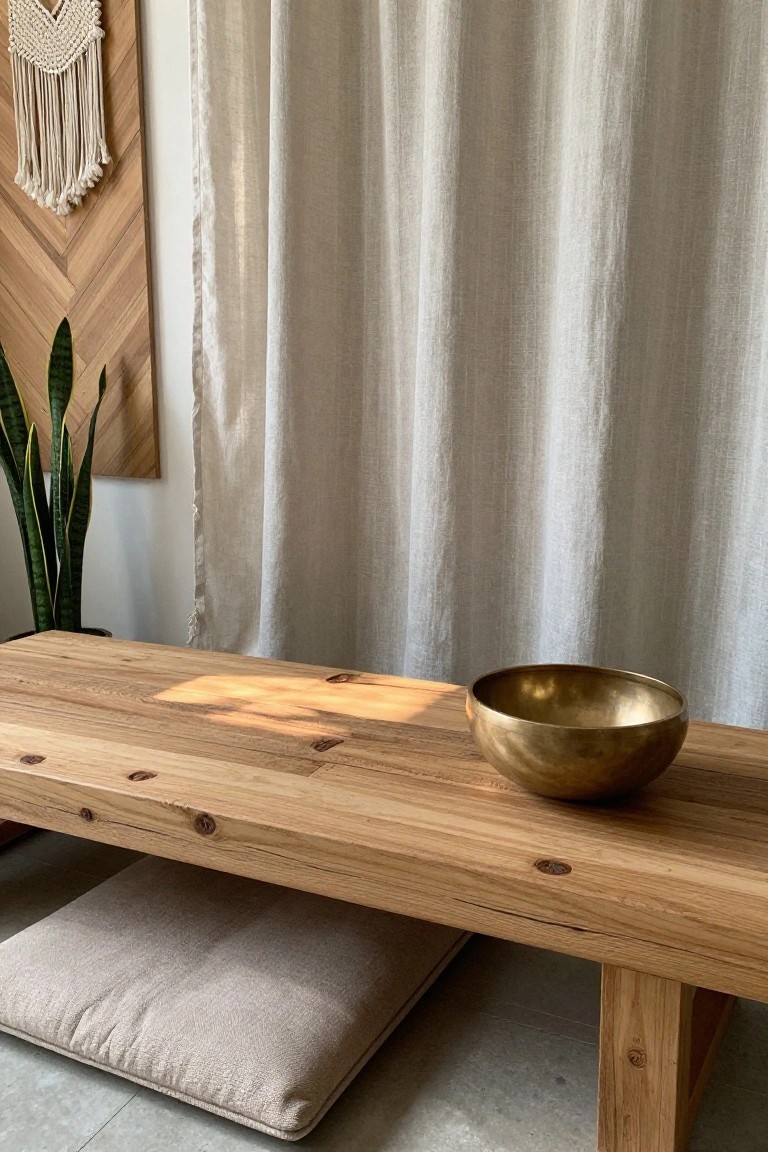
Reclaimed wood arranged in a herringbone pattern brings texture and a bit of history to a plain wall. The angled layout catches light nicely and gives the surface more interest than straight boards would.
This approach works well behind a bench or seating area in a living room or hallway. Keep the rest of the space simple so the wood stays the main feature, and choose pieces with visible grain and small imperfections for the most natural look.
Reclaimed Wood Built-Ins For Everyday Storage
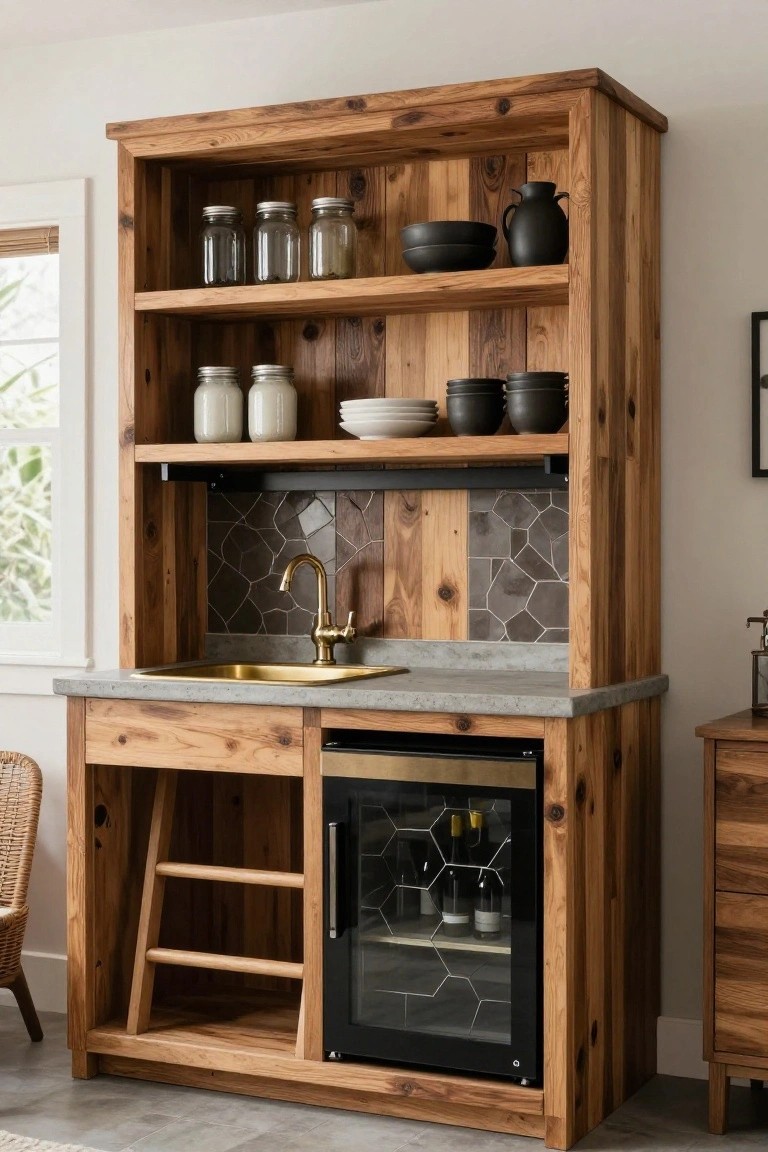
Reclaimed wood works especially well when it is turned into a full wall of open shelves and cabinet space. The material adds texture and age without making the room feel dark or heavy, and it gives you a place to keep dishes, glassware, and small appliances close at hand.
This kind of built-in suits kitchens or small dining areas where you need both display space and a work surface. Seal the wood well if it sits near a sink, and keep the finish simple so the grain stays the main feature.
Reclaimed Wood Pegboards For Workspace Storage
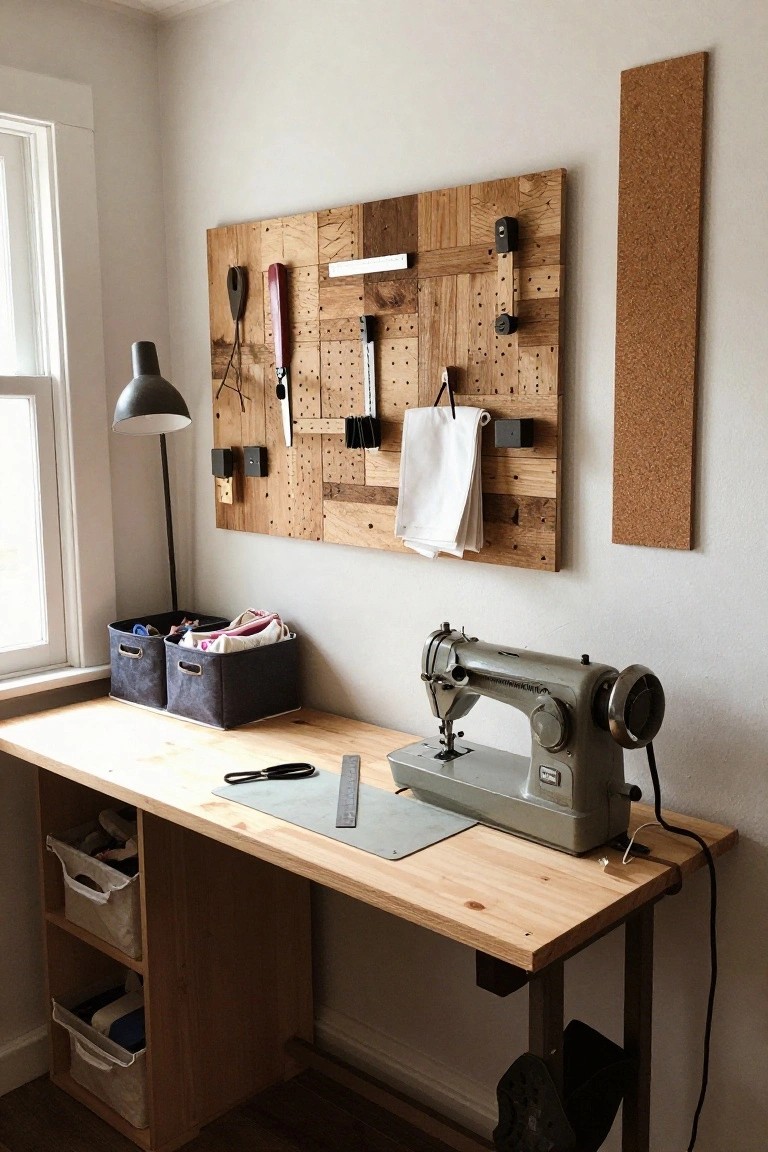
Reclaimed wood makes a strong choice for a pegboard because the uneven grain and mixed tones give the wall character on their own. In a sewing or craft room this setup keeps tools visible and easy to grab while the wood itself becomes the main surface instead of plain drywall.
It works best in smaller work areas where open storage helps keep the space tidy without adding cabinets. Mount the boards on a wall near a work table and add simple hooks or pegs so rulers, scissors, and fabric stay within reach.
Reclaimed Wood Accent Walls In Living Rooms
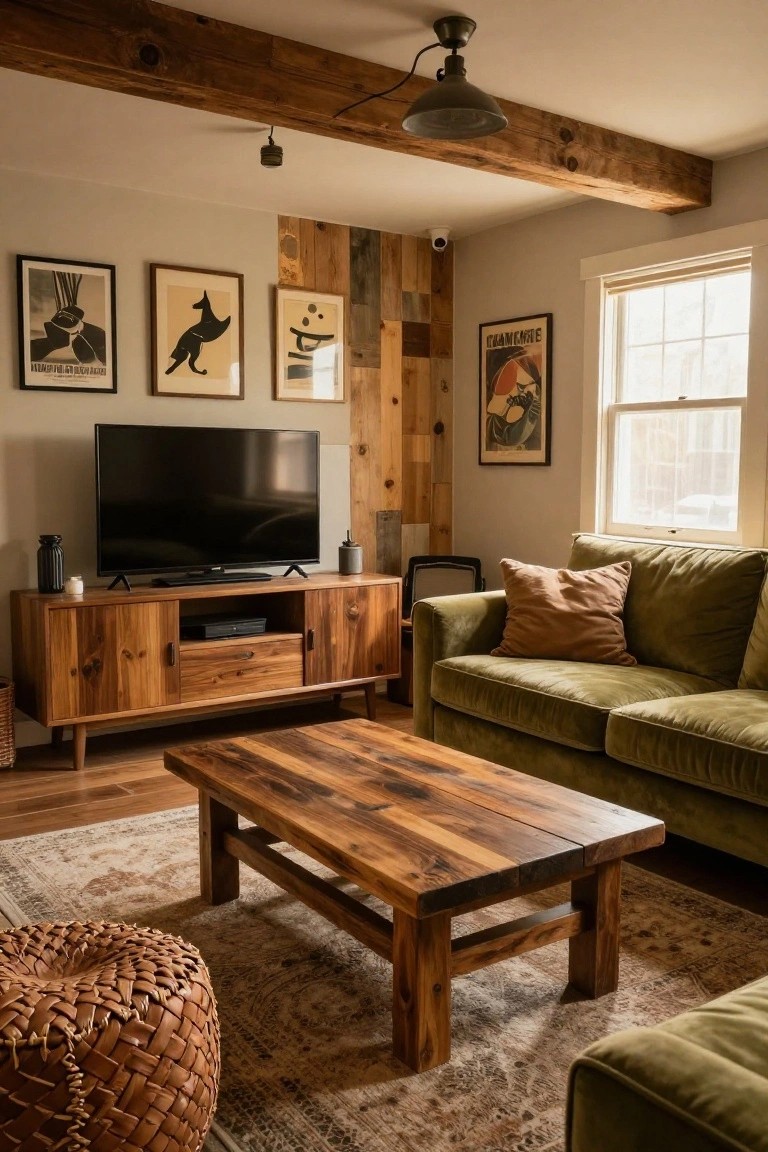
Reclaimed wood works well on one wall in a living room because it adds texture and warmth without taking over the whole space. The mix of tones and the way the boards are pieced together give the room character that feels lived in rather than new.
This approach suits homes with wood floors or other wood furniture. Keep the rest of the room simple, and try to match the wood tones on the wall with nearby pieces like a console or table so everything feels connected.
Reclaimed Wood In Closet Interiors
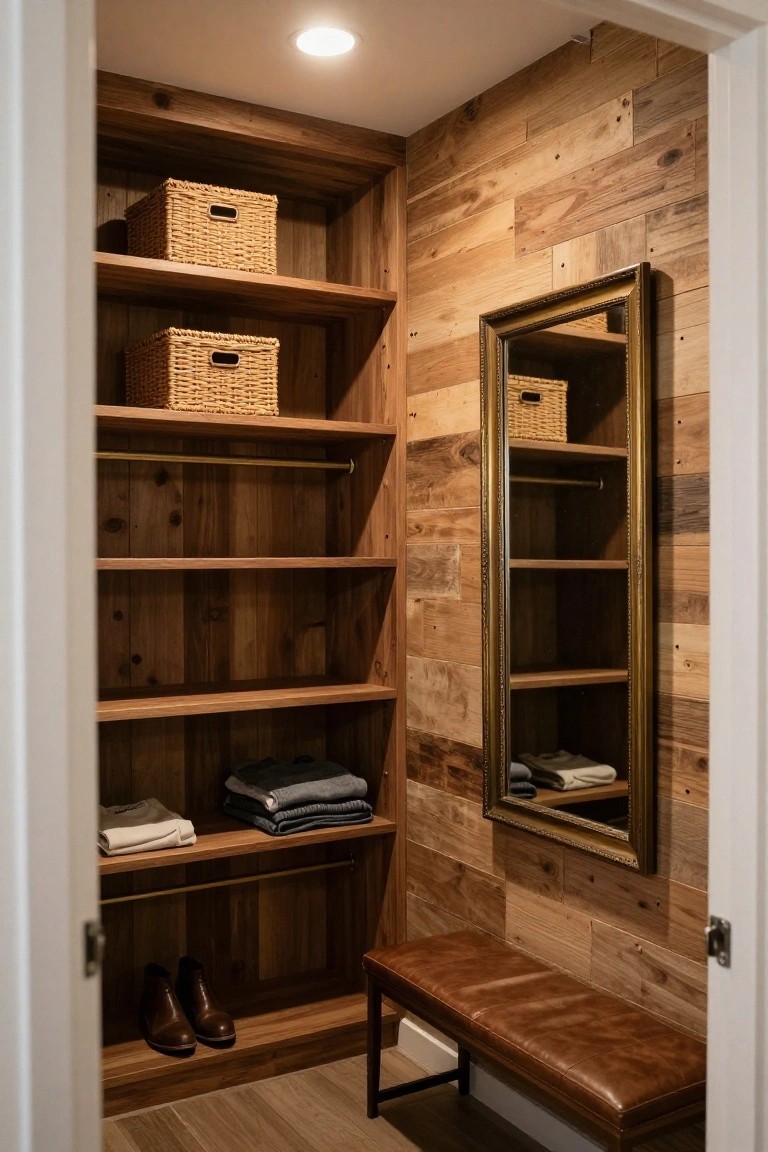
Reclaimed wood can turn a plain closet into something with more character. The vertical planks add texture and warmth without taking up any extra floor space, which makes the whole area feel more finished and less like basic storage.
This works best in homes that already lean rustic or farmhouse. Keep the rest of the closet simple with open shelves and a bench so the wood stays the main feature. Just seal the planks well if the space gets regular use.
Reclaimed Wood Behind a Window Seat
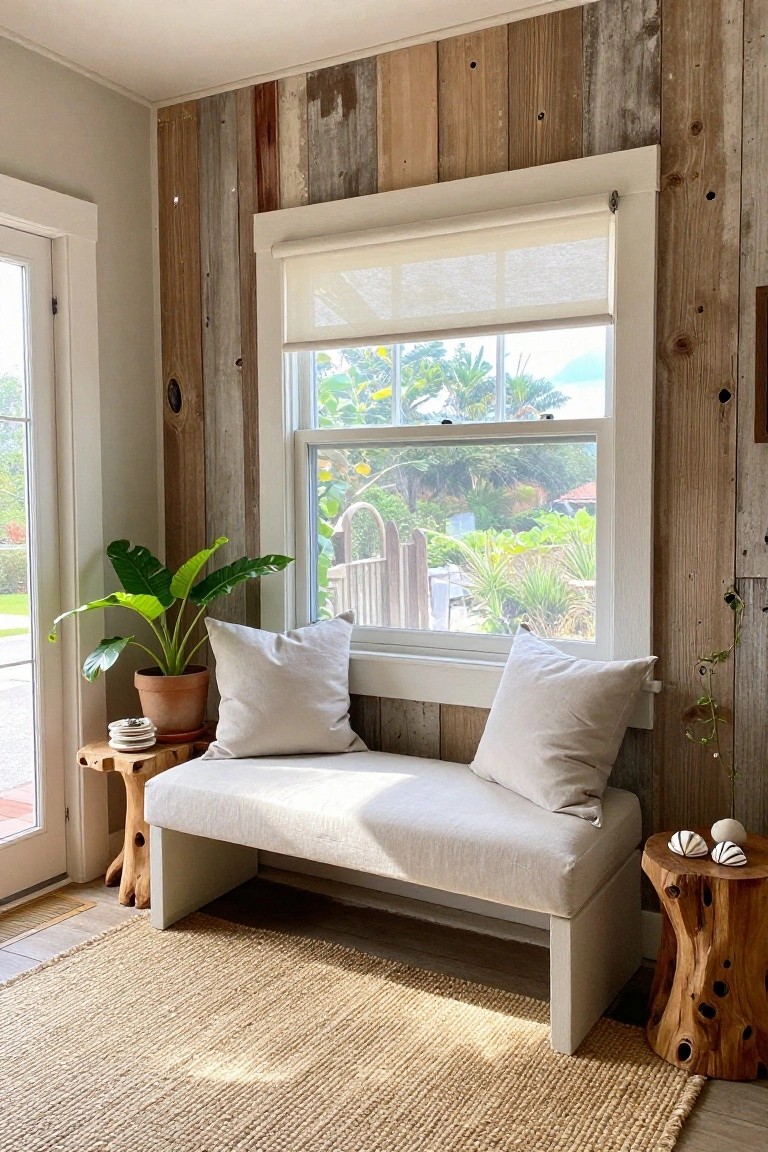
Reclaimed wood makes a strong accent wall when it sits right behind a window seat. The mix of old boards adds texture and a bit of age that a plain wall would miss, and it turns the spot into a place people actually want to sit.
This works best in rooms that already have some wood or natural tones nearby. Keep the bench and cushions light so the wall does the work without feeling heavy.
Wood Accent Walls Behind The Bed
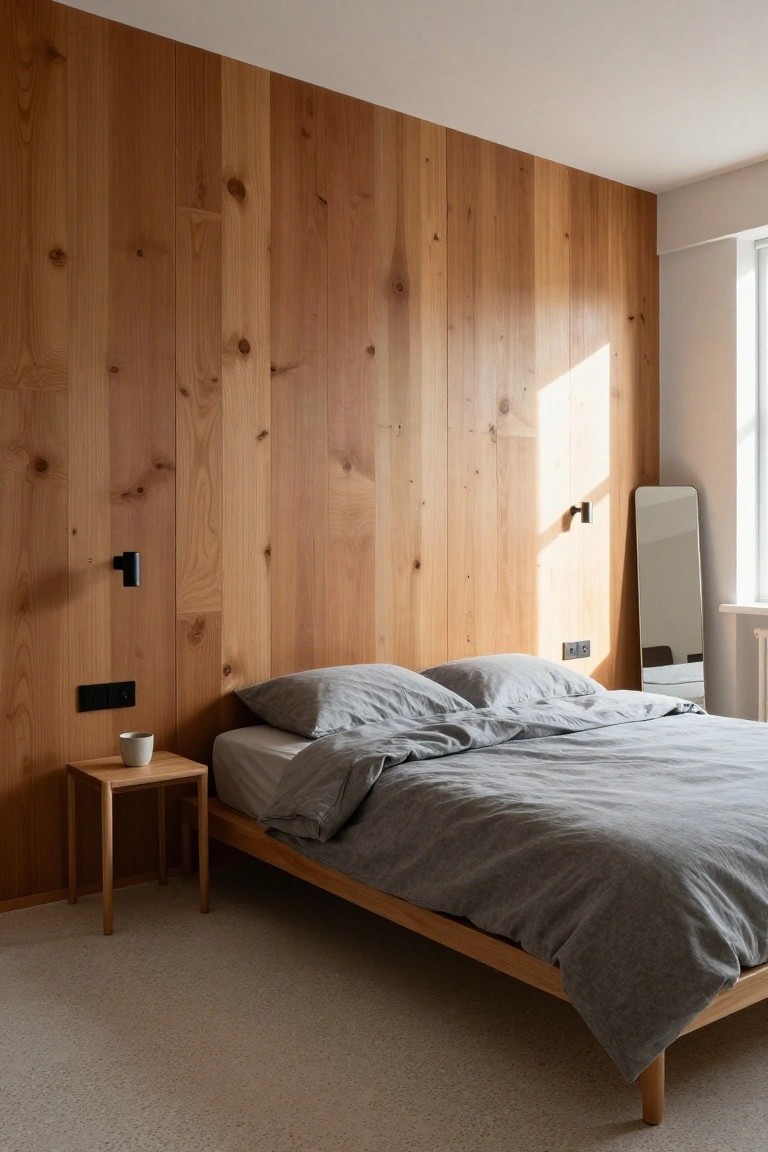
A wood accent wall gives a bedroom instant warmth and texture. Placing it right behind the bed turns the wall into a quiet focal point without needing extra decoration or bold colors.
This works best in rooms where the rest of the finishes stay simple. Keep the bedding and furniture understated so the wood does the work, and make sure the planks run vertically if the ceiling height needs a lift.
Reclaimed Wood Accent Walls For The Bathroom
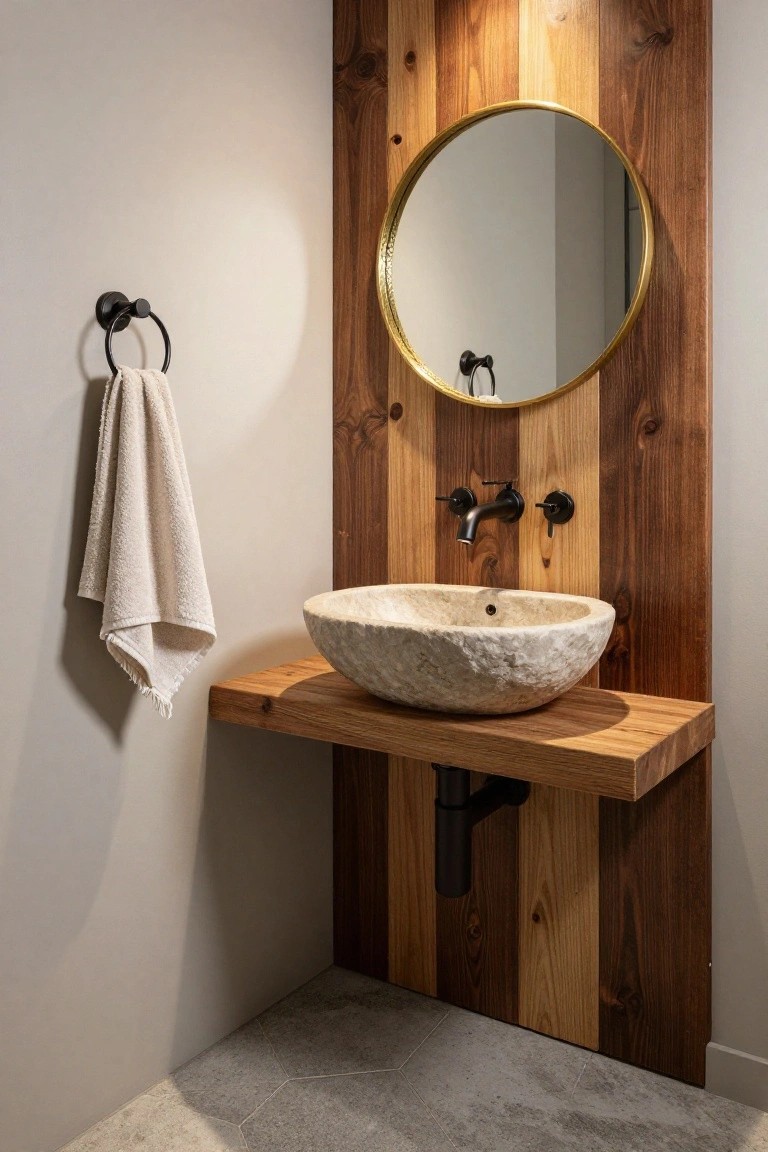
Reclaimed wood works nicely on a bathroom accent wall because it adds texture and a bit of warmth without overwhelming the space. The vertical layout keeps the look clean while giving the wall some depth that painted surfaces just do not have.
This idea suits smaller baths or powder rooms where you want rustic character but still need the room to feel open. A simple floating shelf in a matching wood tone helps tie things together, and sealing the planks well makes the wall hold up to moisture over time.
Frequently Asked Questions
Q: Where can I find good reclaimed wood without it falling apart on me?
A: Check local salvage yards or old barns first. Ask for wood that’s already been dried and treated. This keeps the character while making sure it holds up on your wall.
Q: Do I need to seal the wood after putting it up?
A: A light coat of matte sealant helps protect against dust and moisture. Skip the glossy stuff so it keeps that natural rustic feel. Apply it after the wall is fully installed and dust has settled.
Q: Will this work in a small bathroom?
A: Yes, but pick thinner planks to avoid crowding the space. Mount them on a moisture-resistant backing so steam does not warp the boards over time.
Q: Should I stain the reclaimed wood or leave it as is?
A: Leave most of it natural to show off the original marks and colors. If anything, add a very light stain on just a few boards for subtle contrast. Too much color hides what makes reclaimed wood special.
