

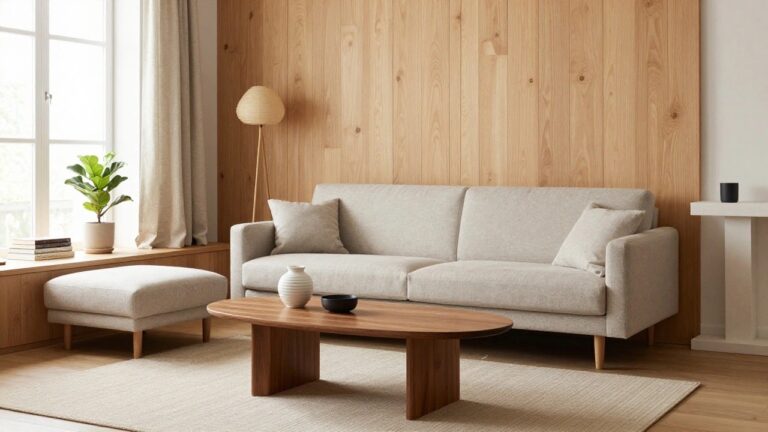
I often notice that a wood accent wall changes how a room feels once the furniture and daily light patterns settle into place.
Light and medium tones tend to keep the space from closing in while still giving the walls enough texture to anchor the rest of the layout.
The grain direction can shift the whole mood.
I usually hold a few samples against the wall at different hours before committing because some tones only show their warmth once the curtains are drawn and the lamps are on.
That small check helps the finished room feel balanced instead of like an afterthought added to an already working space.
Built-In Shelves Along A Wood Accent Wall
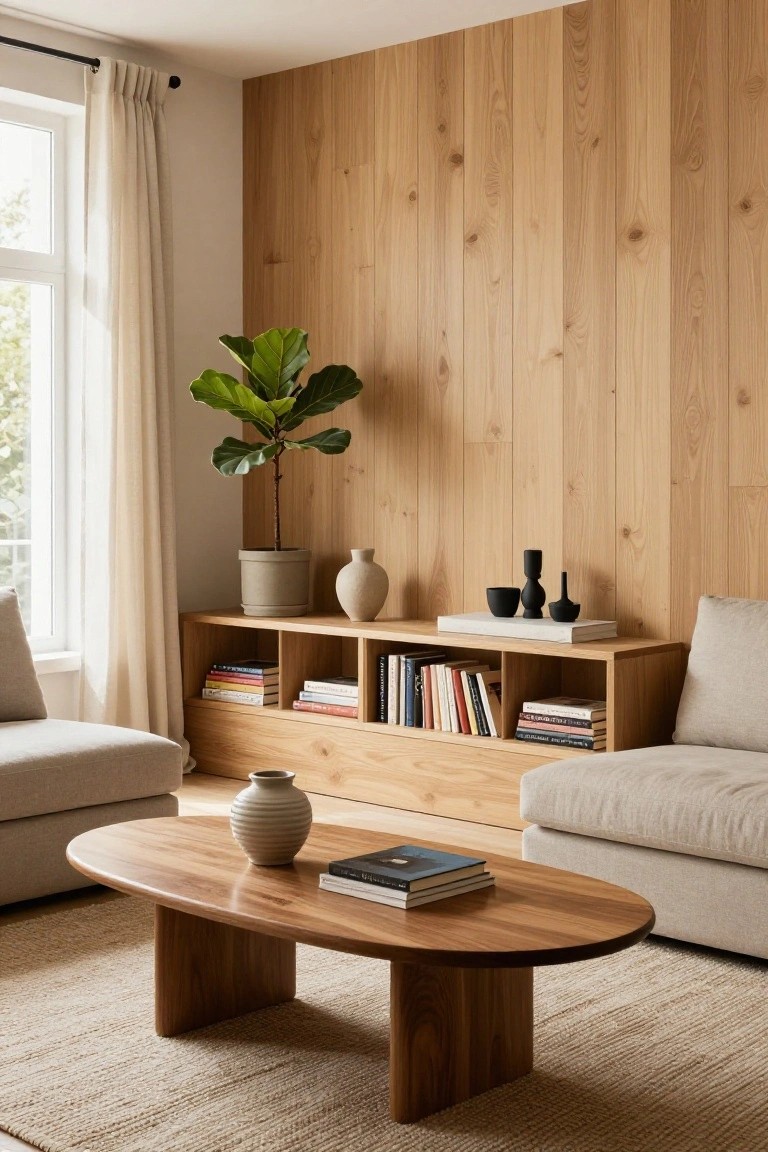
A low row of built-in shelves along the bottom of a wood accent wall gives you storage without breaking up the surface. It keeps books and small items in one place while letting the wood grain stay the main feature in the room.
This works best in living rooms that need extra space for everyday things but still want a calm, simple look. Keep the shelves fairly shallow and low so the wall above stays open and the wood tone can do the work.
Wood Accent Walls in the Bedroom
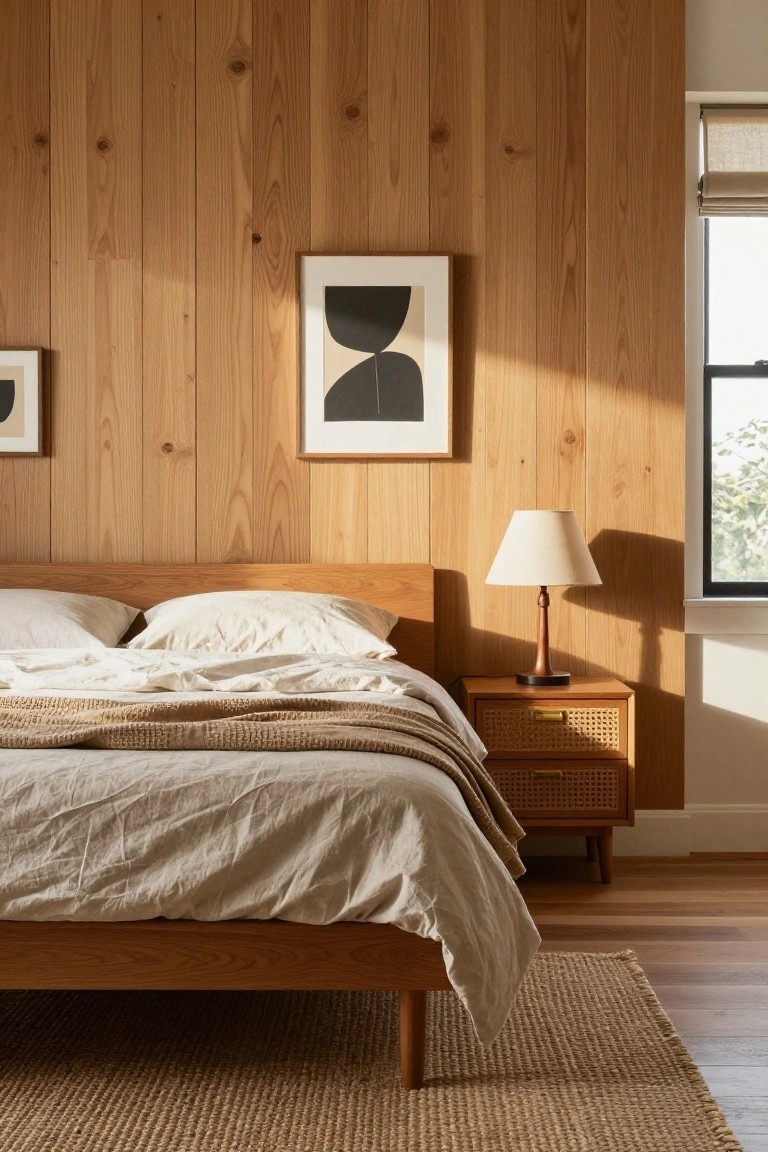
A wood accent wall works well in bedrooms because it adds warmth and texture without needing extra color or pattern. The vertical planks create a steady backdrop that makes the rest of the room feel calmer and more put together.
This approach suits spaces with simple furniture and light bedding. It works best in homes that already lean toward natural materials, and it pairs easily with plain nightstands or basic window treatments.
Medium Wood Tones on Kitchen Cabinetry
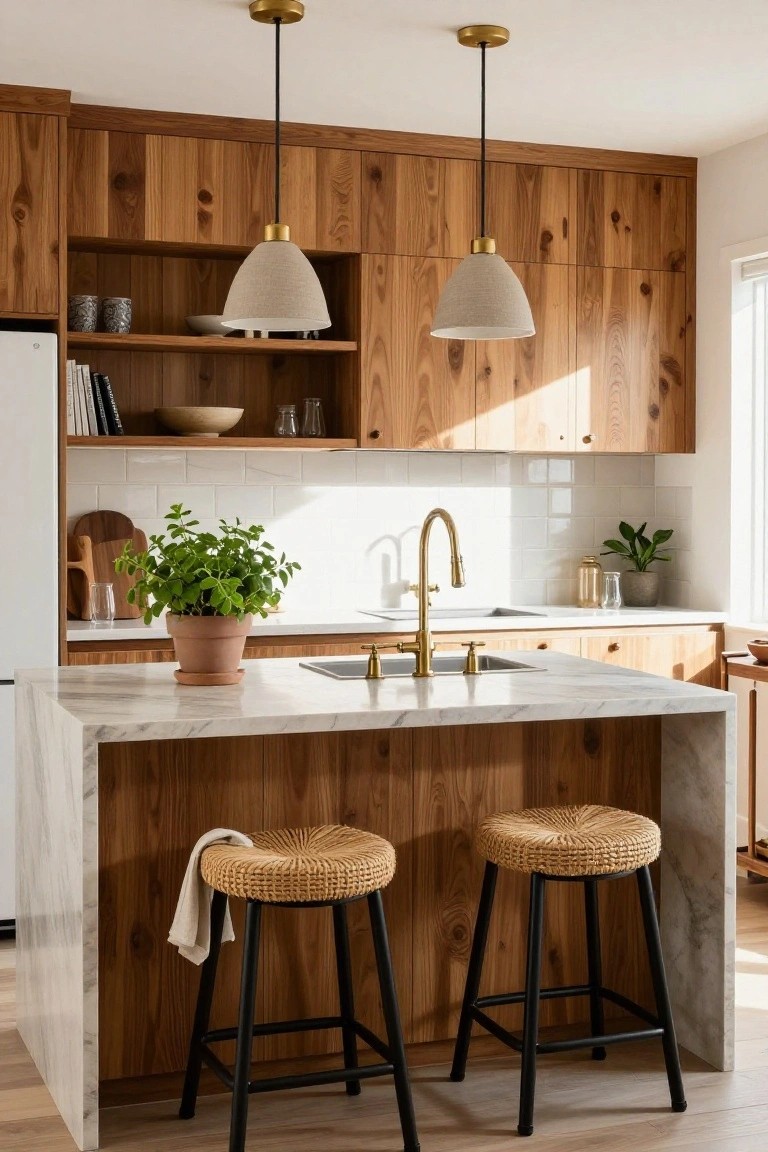
Medium wood tones give kitchens a steady, natural feel that still reads as light and current. They add texture without darkening the room when paired with white tile and marble surfaces.
This works best in homes that already have some wood elsewhere, like floors or open shelves. Keep the wood consistent across upper cabinets and the island base so the tones feel connected rather than busy.
Natural Wood Walls In Bathrooms
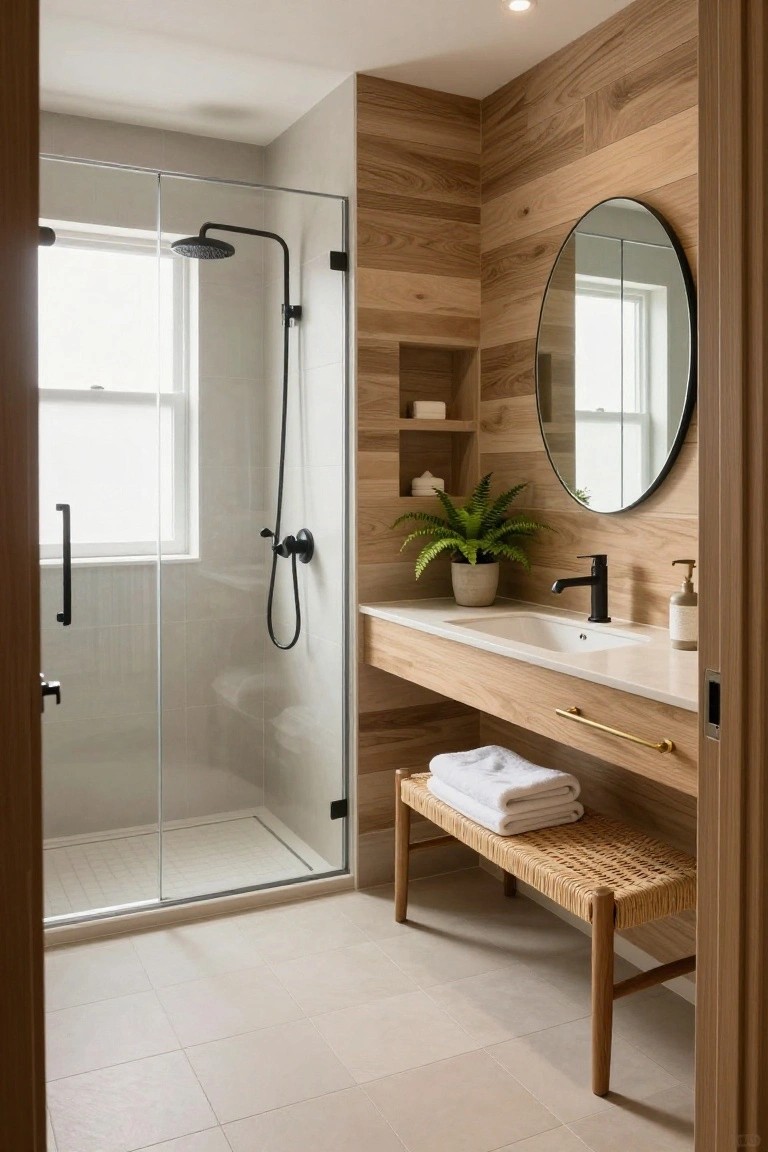
Natural wood walls give a bathroom a warmer feel that plain tile often lacks. The medium tone panels here run vertically across the vanity side and include built-in niches, which breaks up the hard surfaces without making the space feel dark or heavy.
This works best in smaller baths or guest rooms where you want one strong material choice rather than a full wood room. Seal the wood well against moisture and pair it with lighter floors and simple fixtures so the wall stays the main focus.
A Medium Wood Dining Table In A Light Room
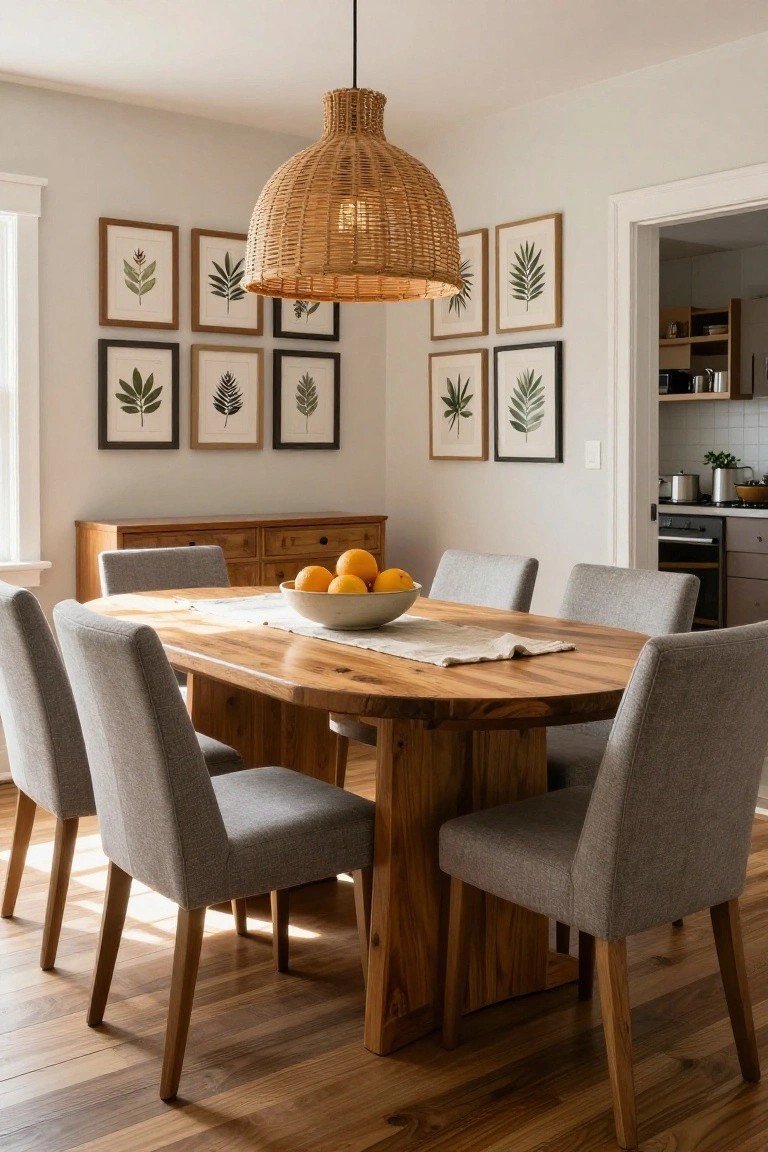
A solid wood dining table in a medium tone brings some real presence to a room with light walls. It adds warmth without making the space feel heavy, and it works especially well when the rest of the room stays fairly simple.
This approach suits homes with open dining areas or neutral paint colors. Keep the chairs and other pieces light so the table remains the main feature, and add just a few framed pieces on the wall if you want a bit more interest without competing with the wood.
Low Wood Storage Benches Along Walls
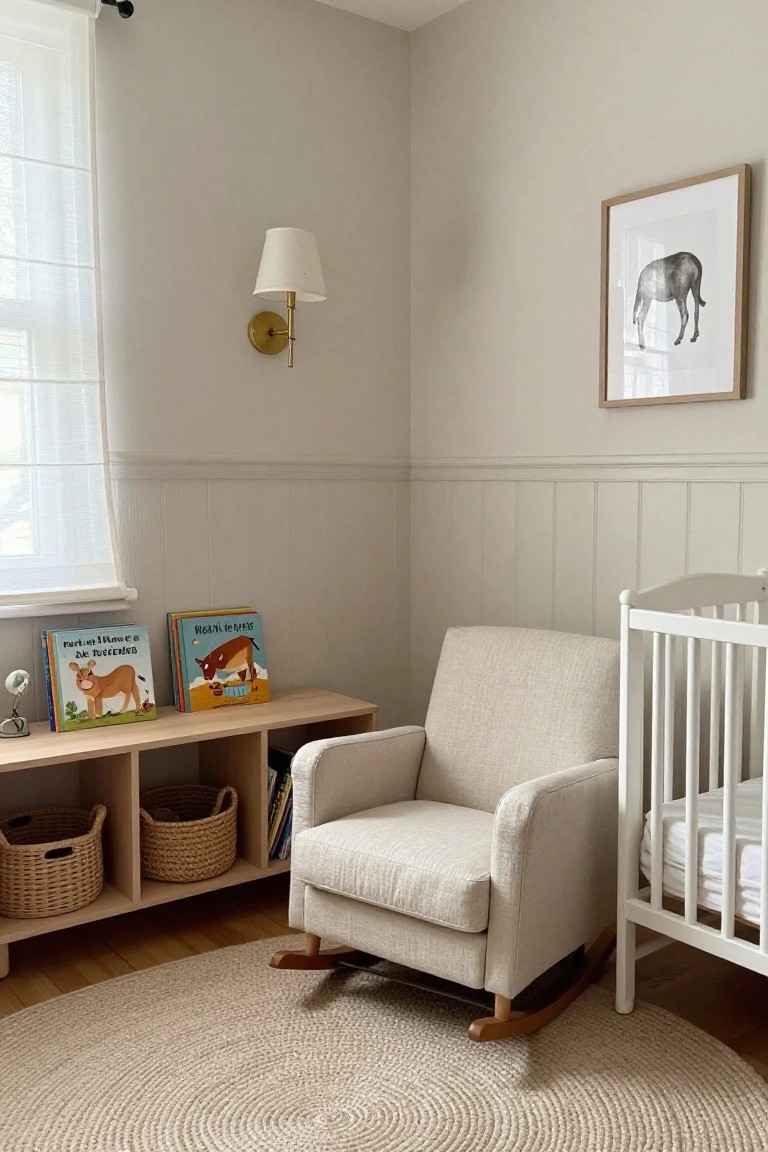
A low natural wood storage bench gives the wall a soft layer of warmth without needing much height or detail. It sits neatly under windows or along baseboards and keeps everyday items within reach while the wood tone stands out gently against lighter paint.
This works best in smaller rooms where you want function and a bit of texture but nothing heavy. Keep the finish light or medium so it blends with the floor and does not fight the wall color. Avoid overcrowding the surface if you want the wood itself to stay the main accent.
Built-In Desks in Light Wood
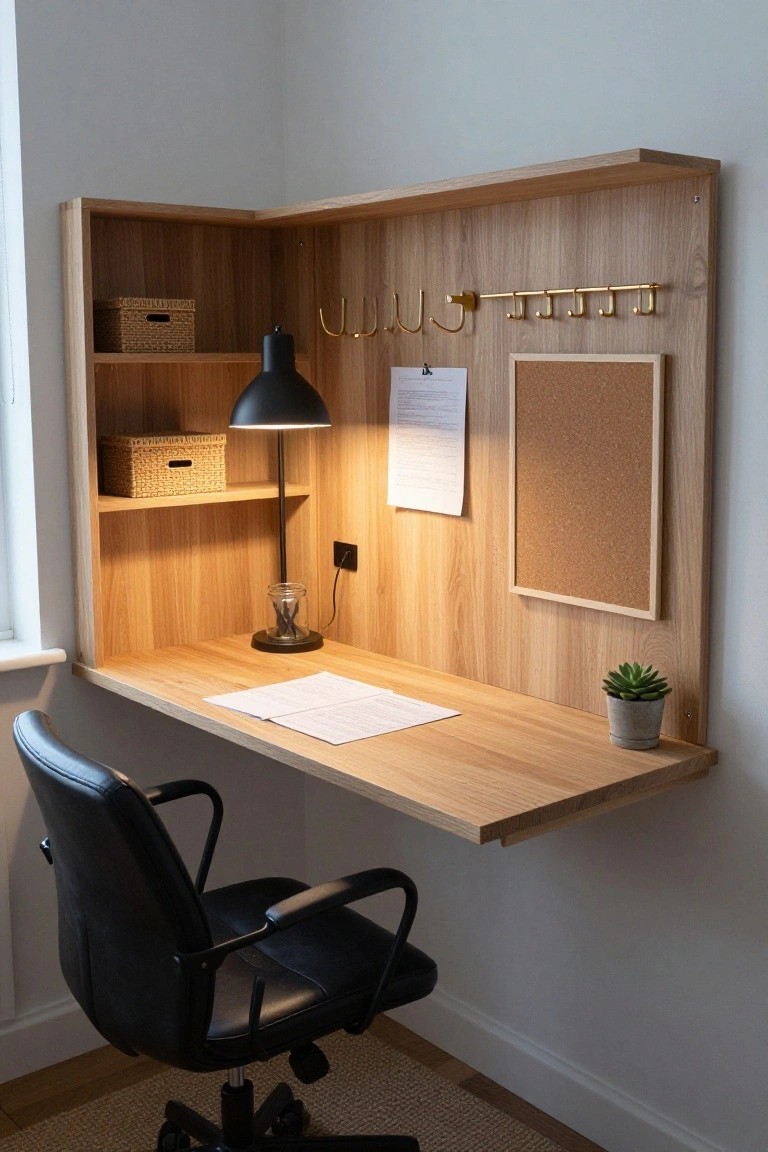
A built-in desk that sits against a light wood wall can turn a small corner into a useful workspace without crowding the room. The wood ties the desk to the wall so the whole thing feels like one piece rather than added furniture.
This kind of setup works well in bedrooms or narrow rooms where floor space is limited. Shelves above the desk hold everyday items while hooks and a board keep papers visible and organized.
Vertical Wood Paneling For Living Room Walls
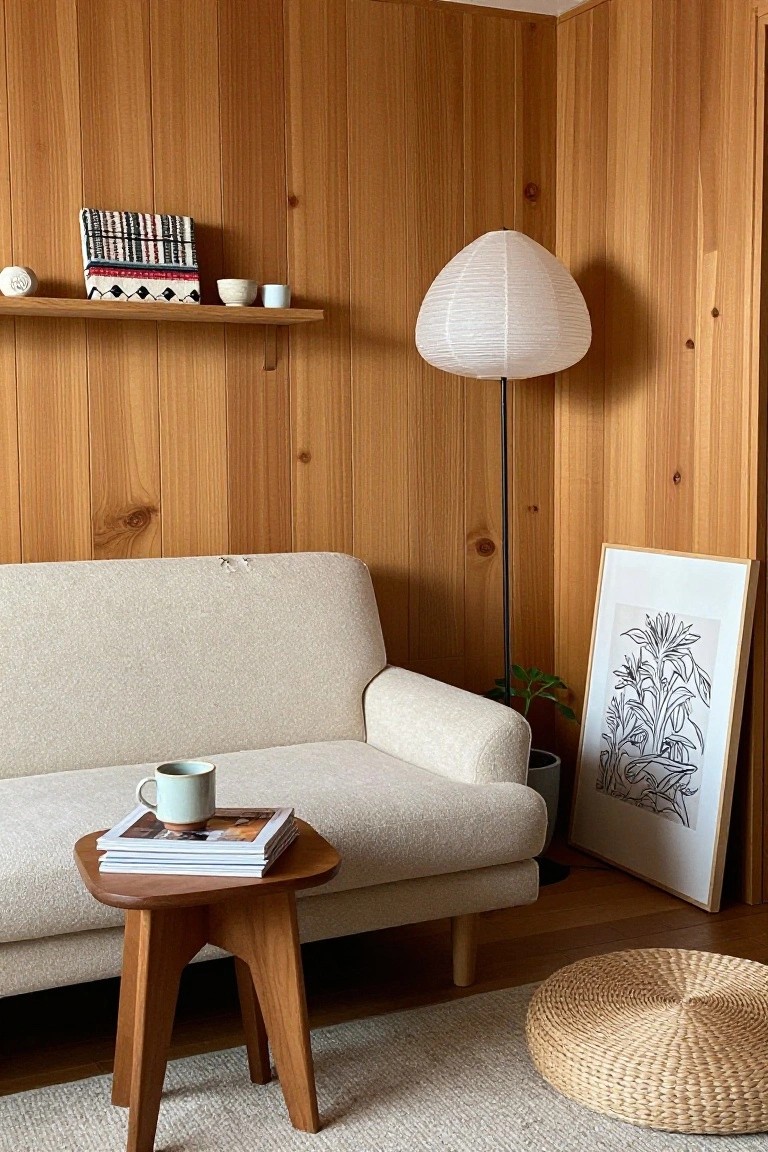
Vertical wood paneling gives a room a quiet sense of warmth without needing much else on the walls. It adds texture that feels natural and steady, especially when the wood stays in a light or medium tone that does not overpower the space.
This works best in living areas where the furniture stays simple and neutral. Keep the rest of the room light so the paneling can stand out on its own without competing with bold colors or heavy patterns.
Natural Wood Walls In Laundry Rooms
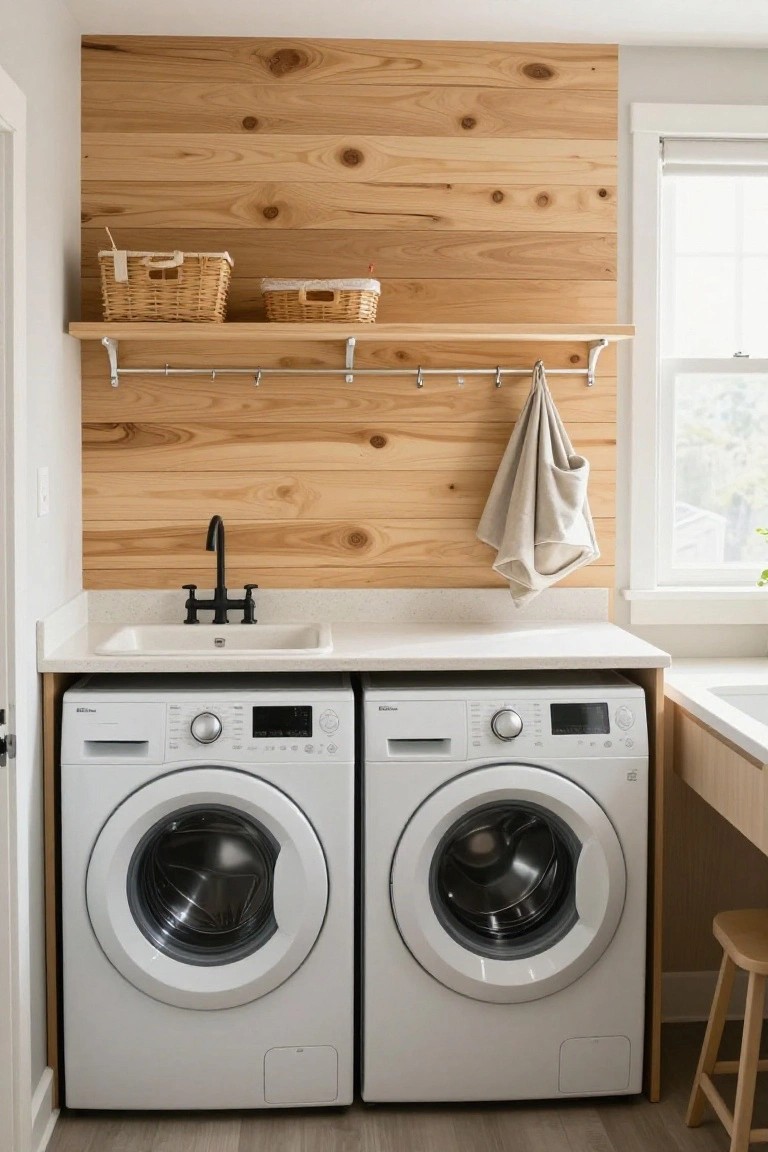
A wood accent wall brings a bit of warmth into a laundry room without adding clutter. The light tone of the planks keeps the space from feeling too stark next to the machines and counters.
Run the boards horizontally on the main wall and add a narrow shelf with hooks below it. This works best in homes that already use similar wood tones in other rooms so the laundry area feels connected rather than separate.
Wood Accent Walls For Entry Spaces
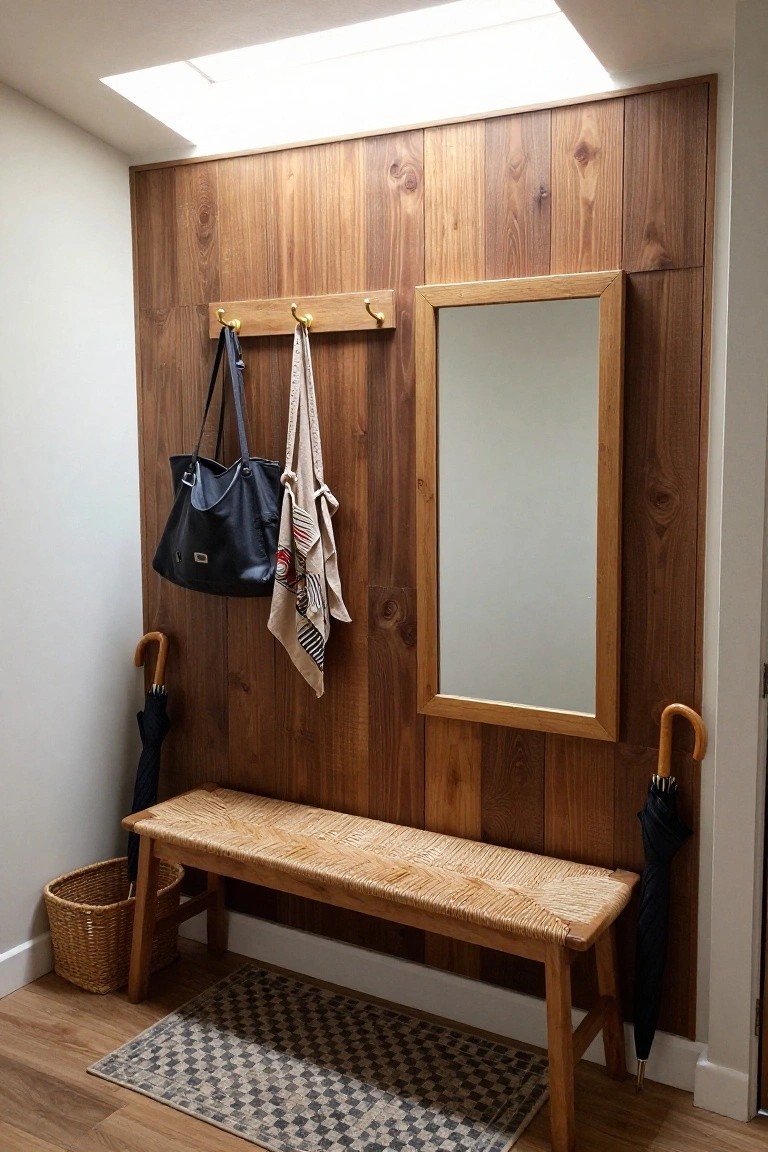
A medium tone wood accent wall gives an entry a warm, grounded look while handling daily use. The vertical panels create a simple backdrop that works with hooks, a bench, and a mirror without feeling busy.
This idea fits homes that need a drop zone near the door. Use it on one wall only and keep other surfaces lighter so the wood does not close the space in.
Wood Accent Walls In The Bathroom
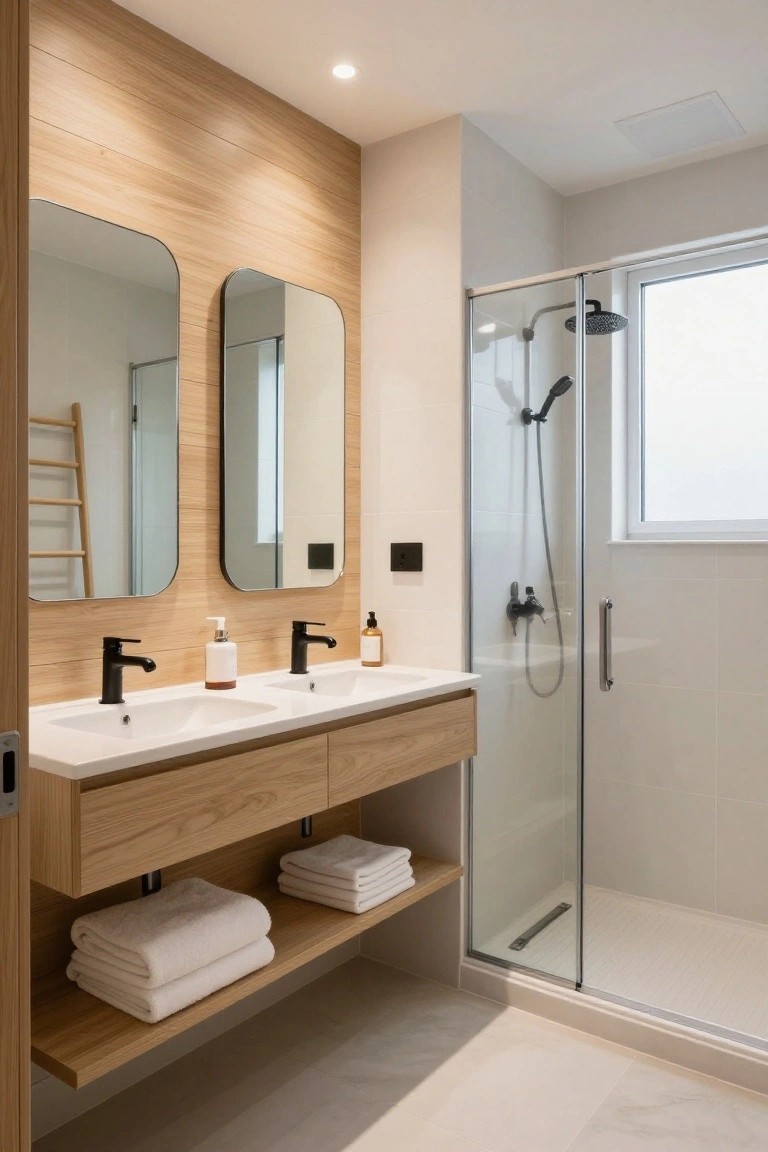
Many bathrooms feel cold because of all the tile and stone. Adding a wood accent wall behind the vanity brings in some warmth and makes the space feel more finished.
This idea works best in rooms that already have plenty of white or light surfaces. Keep the wood tone fairly light so it does not darken the room, and let it run from floor to ceiling for the cleanest look.
Medium Wood Consoles in Light Rooms
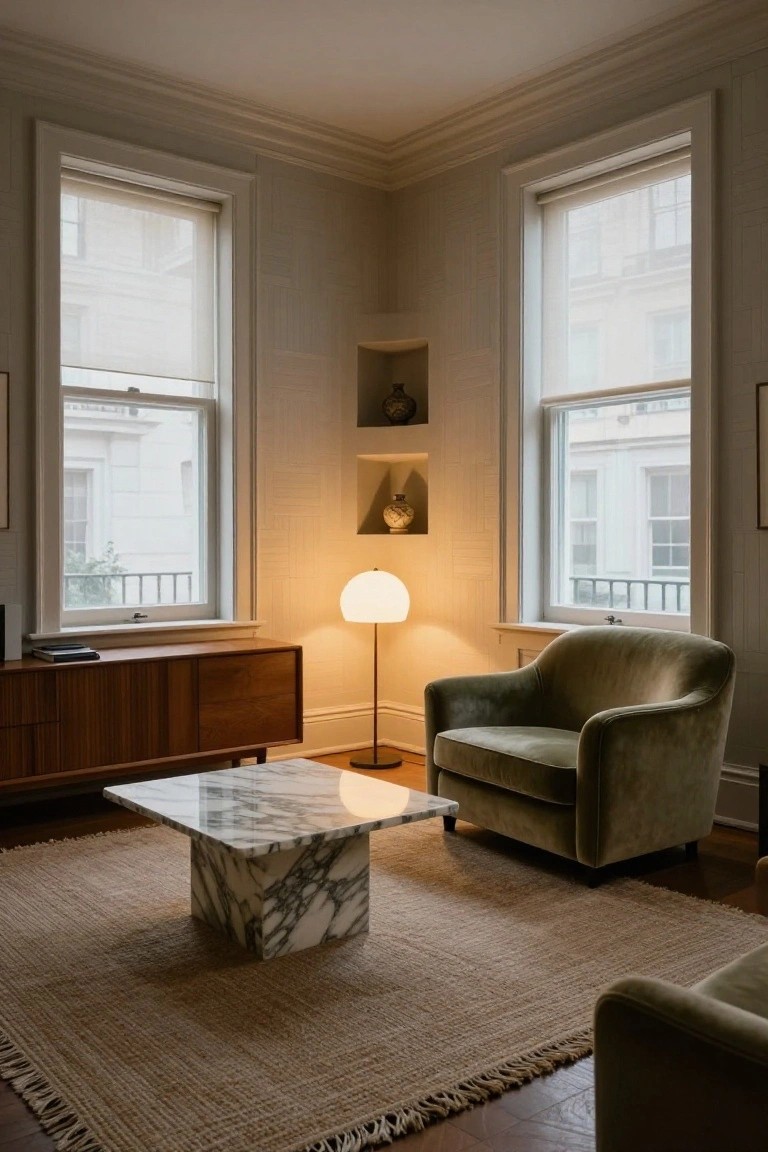
A medium wood console adds just enough warmth to a pale room without taking over. It sits nicely against light walls and helps break up the brightness that can sometimes feel flat.
This works best in living rooms or sitting areas that get good natural light. Keep the wood tone simple and let the piece serve as storage rather than trying to match every other finish in the space.
Light Wood Accent Walls Behind Beds
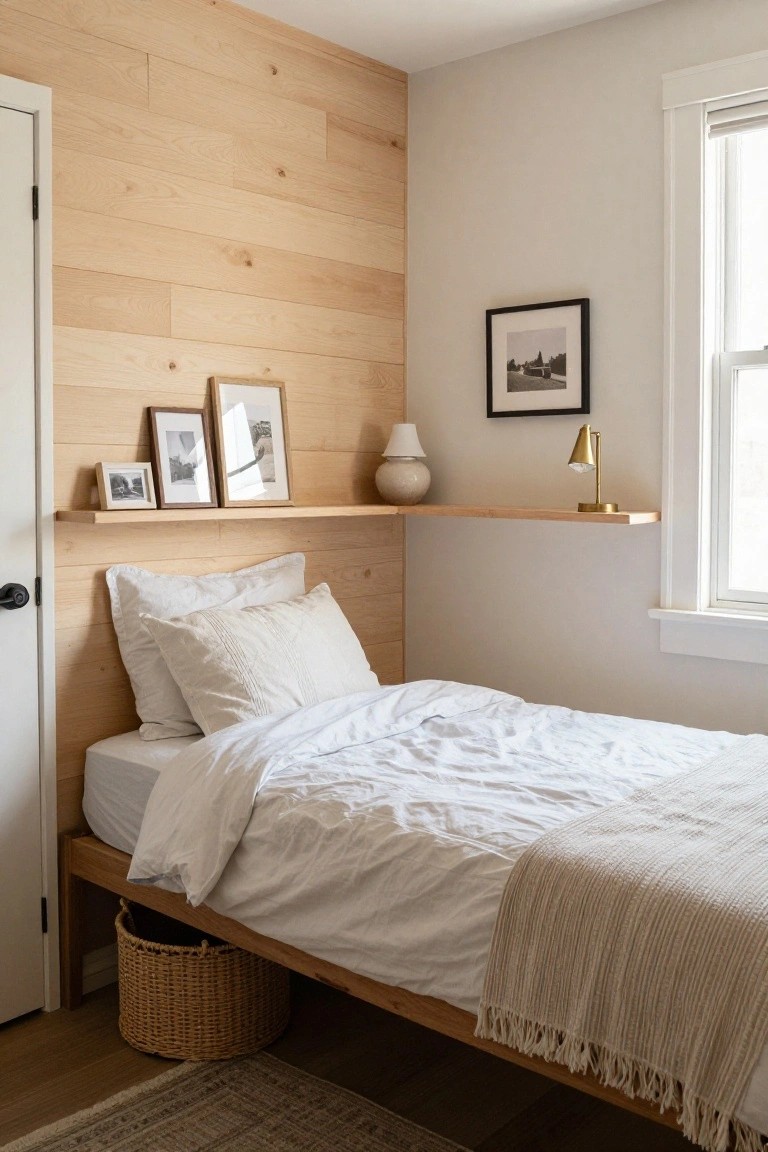
A light wood accent wall works especially well behind a bed because it adds warmth and texture while keeping the room feeling open and calm. The horizontal planks give the space a quiet structure that pairs easily with plain bedding and simple furnishings.
This idea fits best in smaller bedrooms or guest rooms where you want some natural material without closing the space in. A narrow floating shelf across the middle of the wall lets you add a few personal items without needing extra furniture or clutter.
Using Medium Wood For A Bathroom Accent Wall
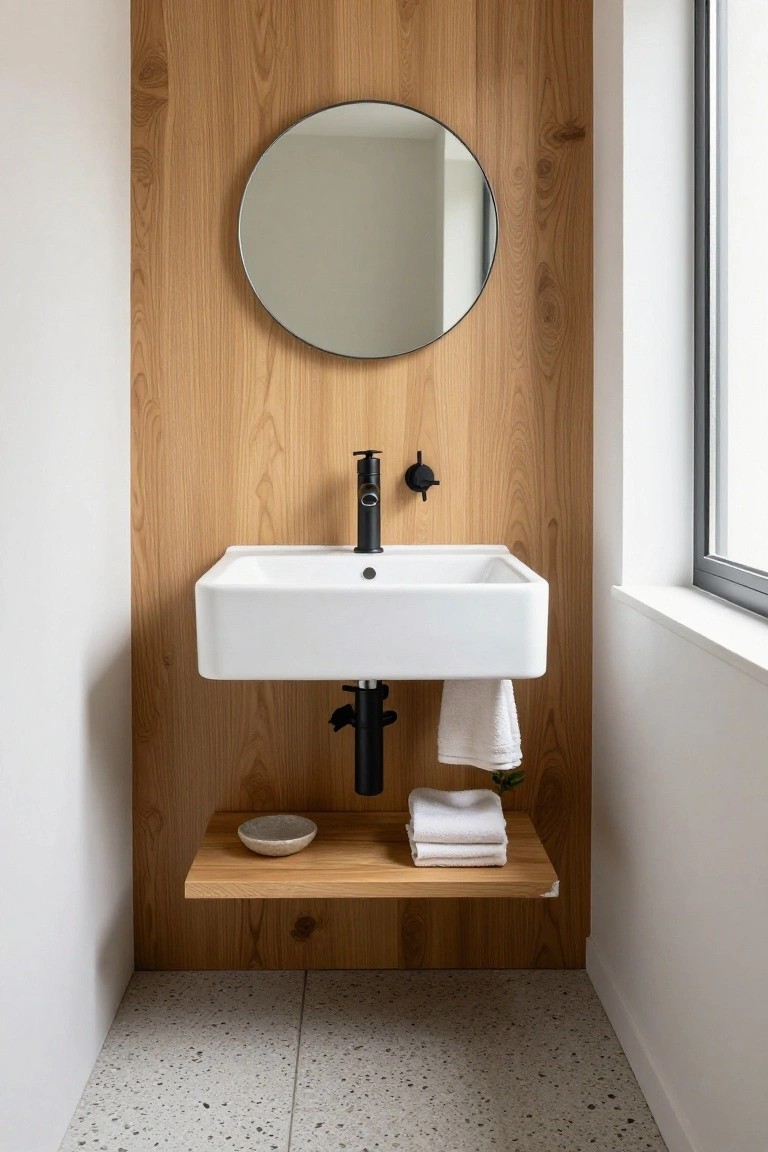
Medium wood tones work well on a single wall in a small bathroom because they add warmth without taking over the space. The vertical grain keeps things simple and helps the room feel taller.
This idea suits homes that already use white or light fixtures since the wood provides enough contrast on its own. Stick to one wall and keep other surfaces plain so the tone stays balanced.
Vertical Wood Paneling In Light Tones
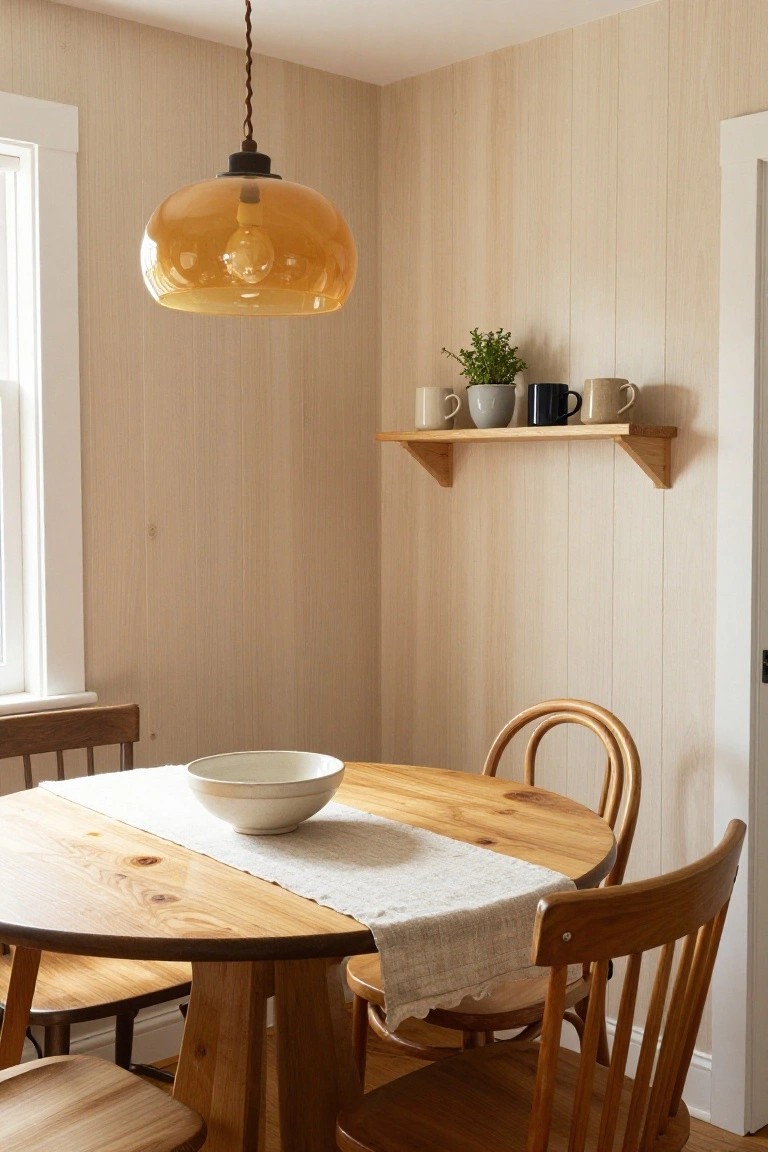
Light vertical wood paneling brings a quiet warmth to a dining space without making it feel heavy. The even tone keeps the room open while adding texture that plain drywall lacks.
This works best in rooms that already have wood furniture, since the wall color ties everything together. It suits smaller homes or older houses where you want some character on the walls but still need the space to feel bright during the day.
Built-In Bookshelves In Medium Wood Tones
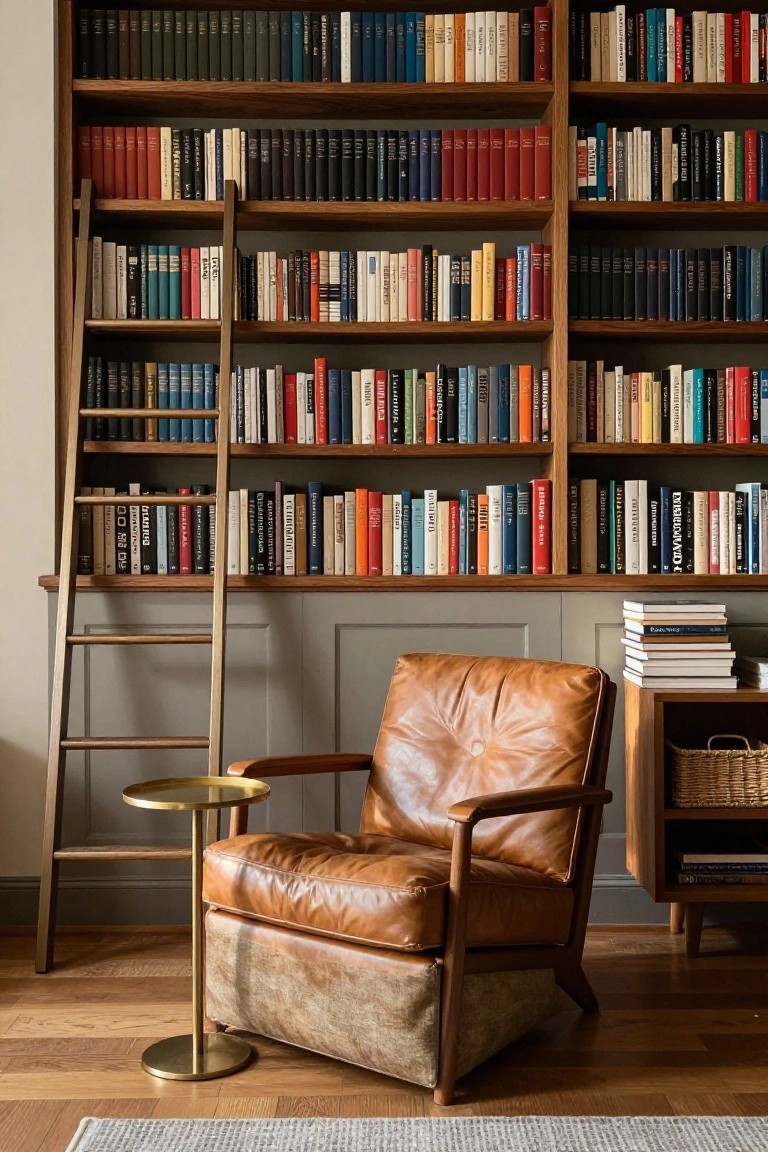
Built-in bookshelves in a medium wood tone make a strong accent wall because the wood itself carries the warmth and texture. The finish sits nicely between light and dark, so it works with most room colors without feeling heavy.
This approach suits living rooms or studies where you want both storage and a clear focal point. Match the wood tone across the whole wall and keep the shelves fairly full to let the material show through.
Vertical Wood Paneling In Small Bathrooms
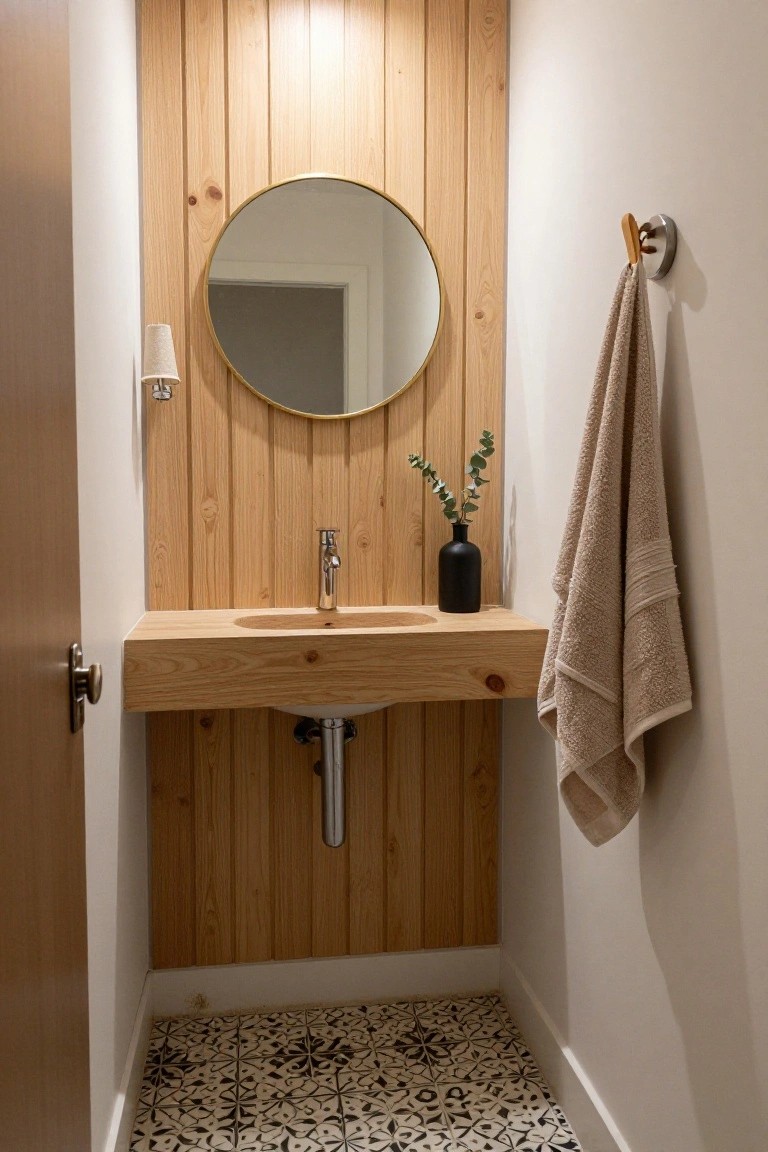
Vertical wood paneling gives a small bathroom instant warmth without taking up any floor space. The light tone keeps things bright while the vertical lines help the room feel a bit taller.
This works especially well on the wall behind a floating vanity. Keep the rest of the finishes simple so the wood stays the focus.
Herringbone Wood Accent Walls
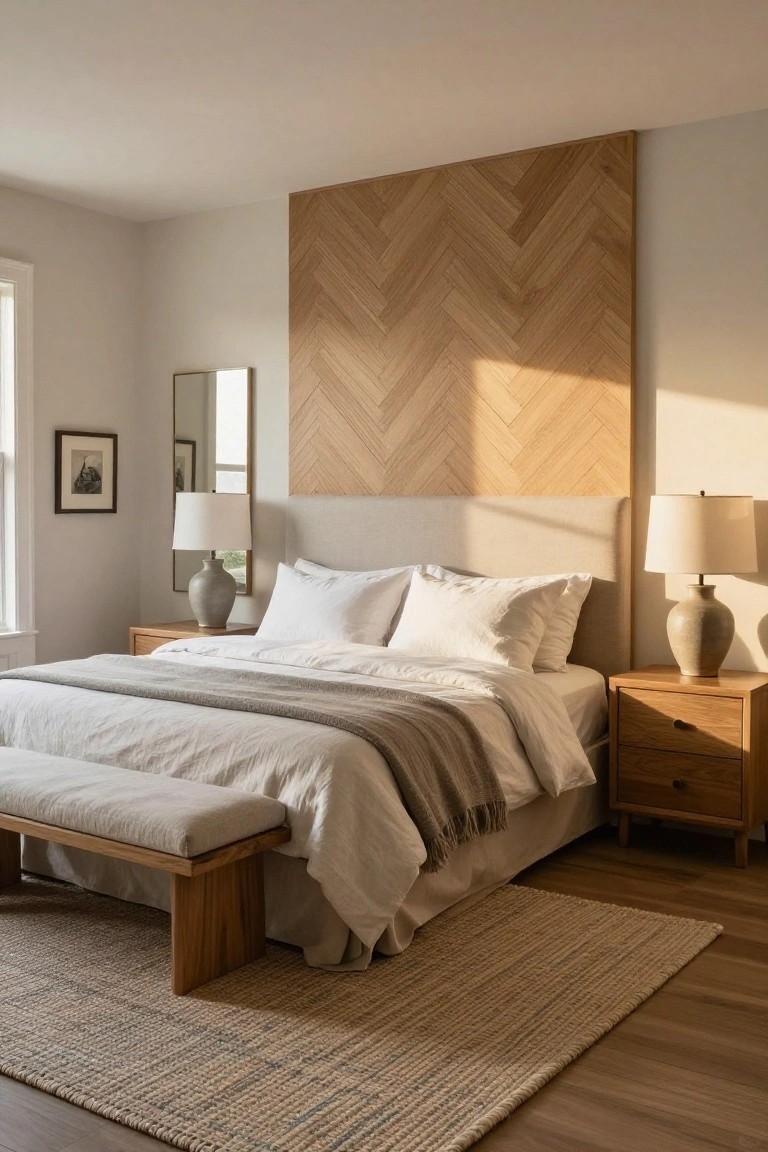
A herringbone pattern in light wood makes a strong but quiet focal point above the bed. The layout adds just enough texture to draw the eye while the tone stays soft enough to keep the room feeling open and restful.
This approach works best in bedrooms where the rest of the space stays simple. Pair it with plain linens and minimal furniture so the wall can stand out without competing. It suits homes that already use natural materials elsewhere and want one clear feature without adding color or pattern elsewhere.
Light Wood Shelves For A Simple Workspace
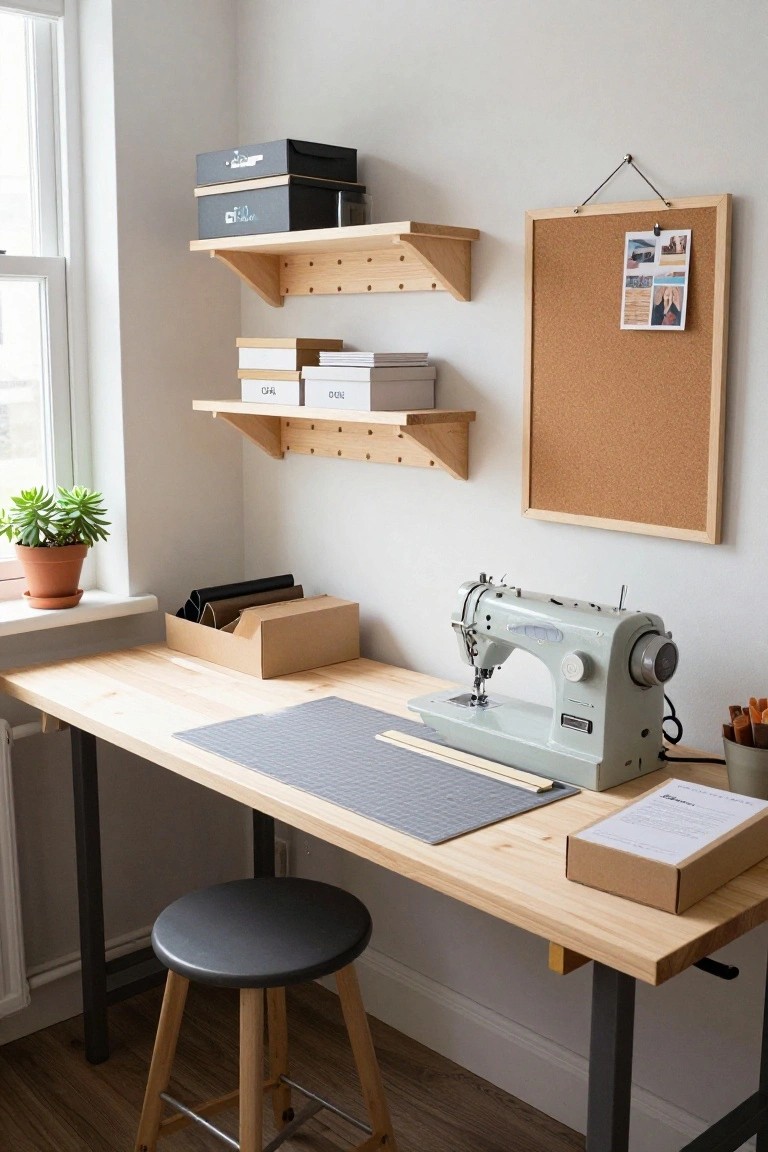
Light wood shelves paired with a matching desk give a workspace a clean and practical feel without taking up much visual space. The natural tone keeps things bright while still adding some warmth that plain white walls can lack. Many people like this approach because it works in smaller rooms where darker furniture might feel heavy.
This setup suits homes that need extra storage without built-ins. Place the shelves above the desk to hold supplies within reach, and keep the rest of the wall plain so the wood stands out on its own. It works especially well in craft rooms or offices that get good natural light.
Light Wood Doors Add Quiet Warmth
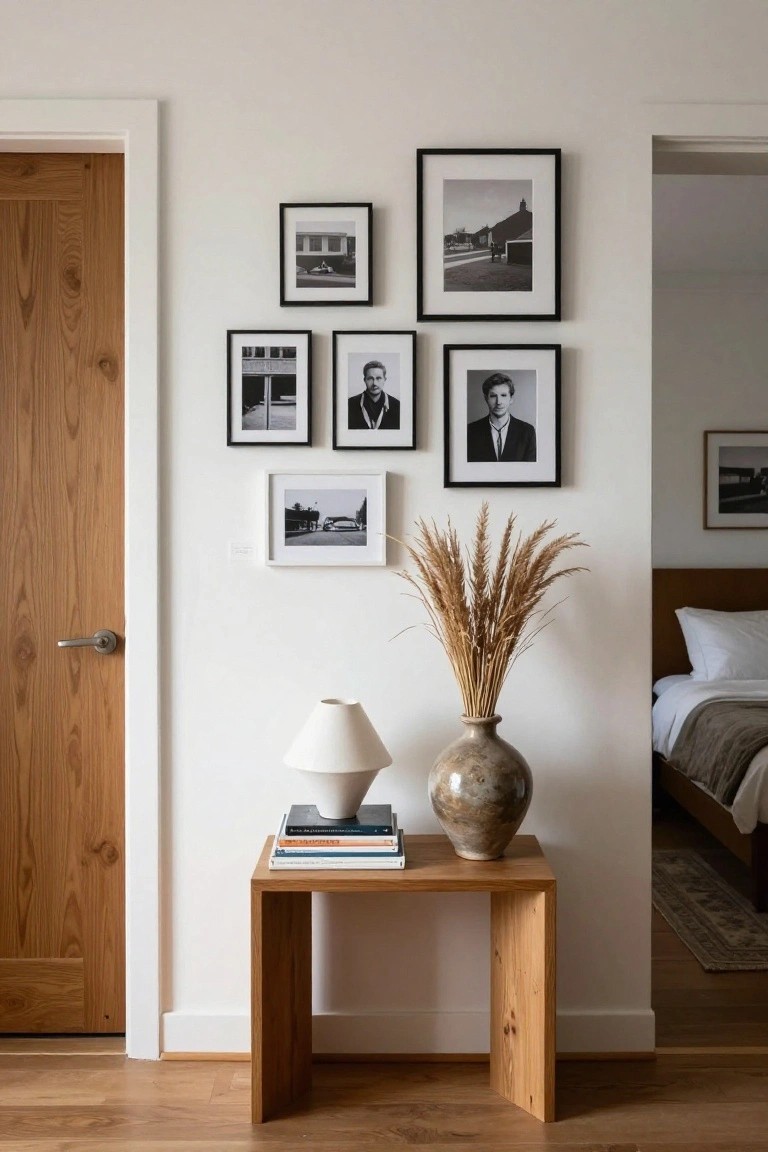
Light wood doors work well when you want natural material without turning the whole room into wood. They bring a bit of warmth and texture to white walls and simple floors, and they keep the space from feeling too stark.
This approach suits smaller homes or apartments where you need the door to do some of the visual work. Match the tone to other wood pieces like a side table or flooring so everything feels connected rather than scattered.
Light Wood Accent Walls In The Bathroom
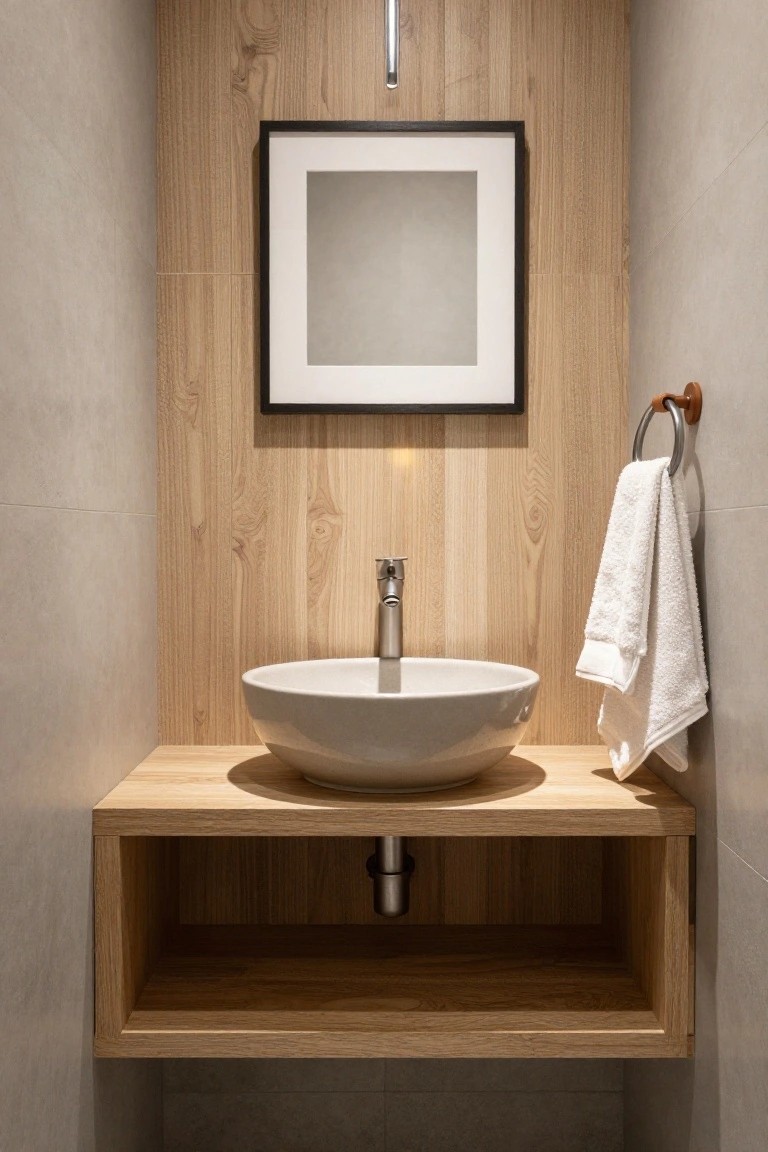
A light wood accent wall gives a bathroom just enough warmth without closing the space in. The vertical grain behind the sink creates a simple backdrop that feels calm next to white fixtures and open storage below.
This works best in smaller bathrooms or powder rooms where you want natural texture but still need the room to stay bright. Keep the wood tone consistent on a floating vanity so the area reads as one clean unit rather than a mix of separate pieces.
Built-In Shelving In Natural Wood Tones
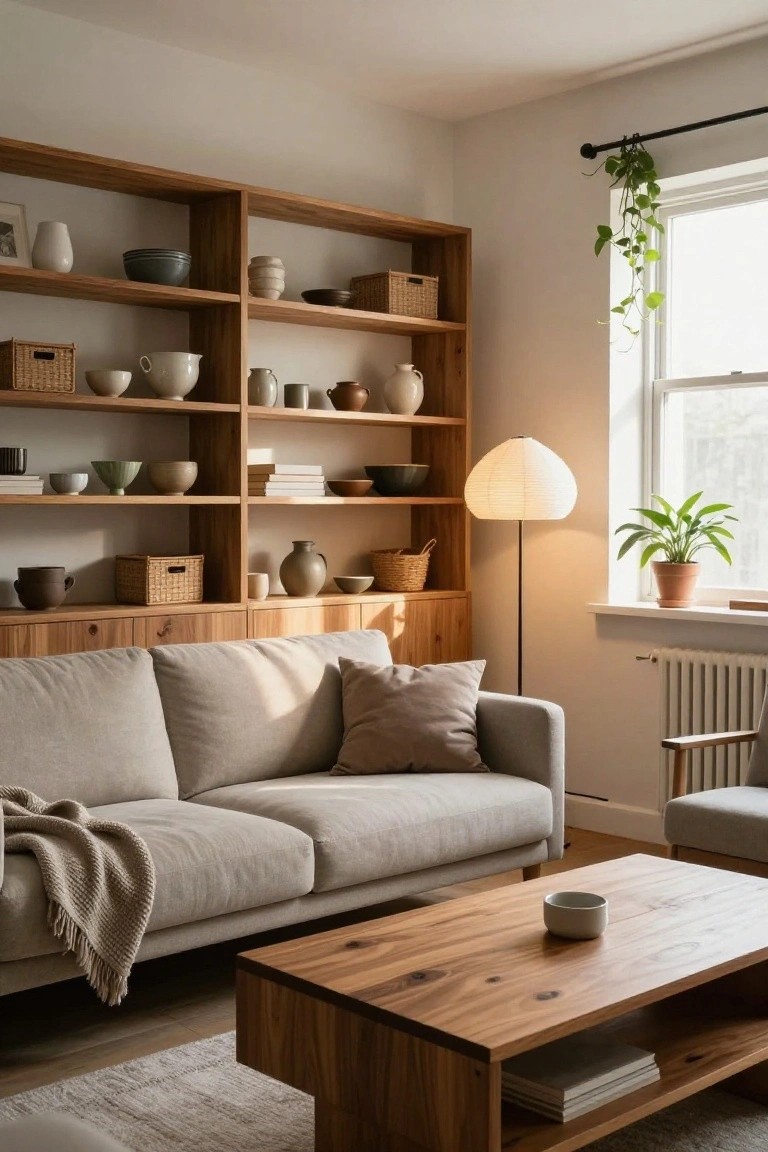
A wall of built-in shelves made from light or medium wood gives a room steady storage and a quiet wood accent at the same time. The look works because the wood covers a large area without feeling heavy, and the open shelves keep the wall from looking solid.
This setup fits best in living rooms that need both display space and hidden storage. Keep the lower section as cabinets and leave the upper shelves fairly open so the wood grain shows through. Use only a few items on each shelf so the whole wall stays calm rather than busy.
Frequently Asked Questions
Q: Which wood tone works better in a small space?
A: Light tones open up a small room and keep it from feeling closed in. Medium tones add some depth without darkening everything too much. Try samples on your wall before committing.
Q: How do I clean a wood accent wall without damaging it?
A: Dust it regularly with a soft cloth. Wipe spills right away with a damp rag and mild soap if needed. Avoid harsh cleaners that could strip the finish.
Q: Does adding a wood wall change how I should light the room?
A: Position lamps to highlight the grain and avoid shadows that hide the texture. Natural light from windows brings out the tones nicely too.
