

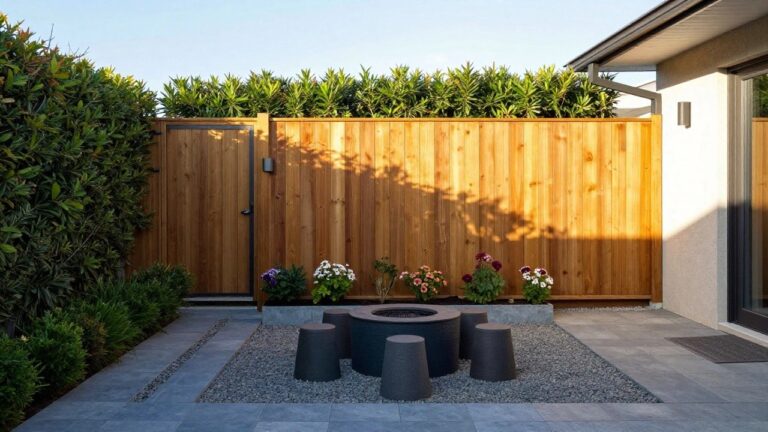
Fences shape how the whole front looks more than most people expect.
Cedar wood tends to settle into the surroundings over time without fighting the other materials on the house.
I once picked a style that felt too tall once it was up and ended up changing it the next season.
Thinking through the height and the spacing ahead of time avoids those kinds of surprises later on.
It also helps to consider how the fence will look from inside the yard as well as from the street.
Plant a Border Along the Fence
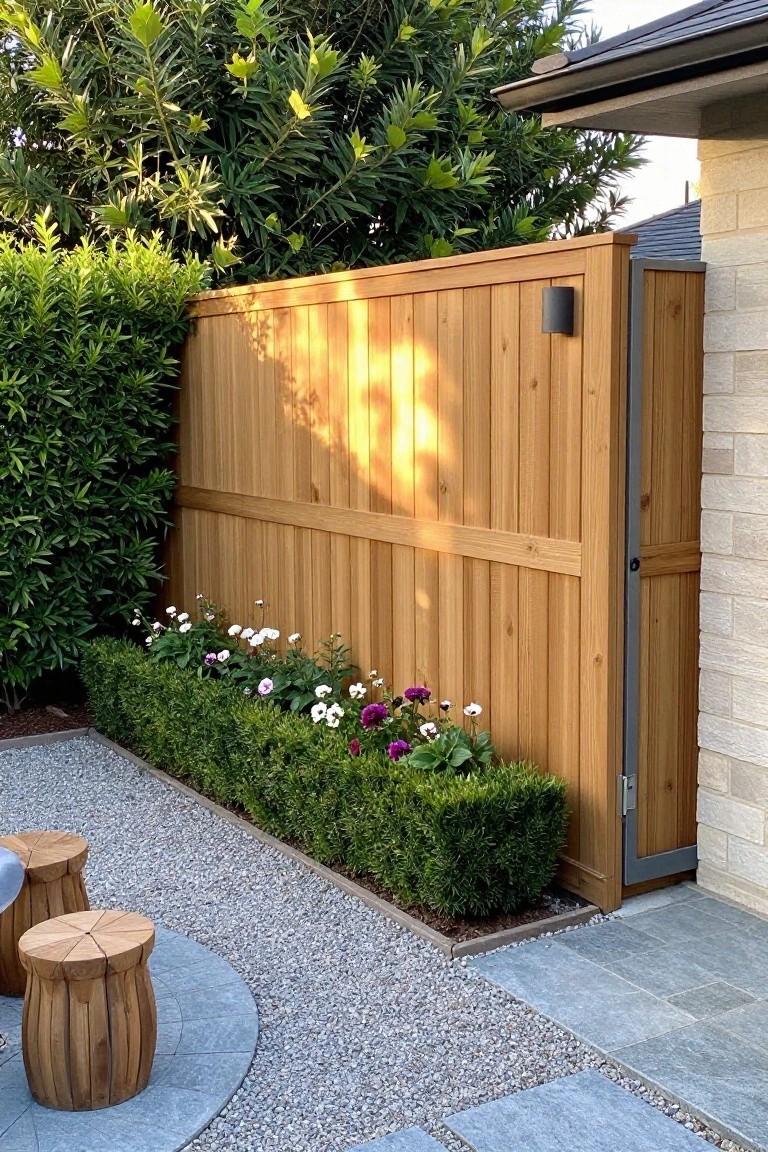
A simple border of shrubs and flowers at the base of a cedar fence softens the wood and ties the fence into the rest of the garden. The low planting breaks up the vertical lines and keeps the fence from looking like a solid wall.
This approach works best along side yards or back property lines where you still want some height for privacy. Use compact evergreens for year-round structure and tuck in a few seasonal flowers for color. Just make sure the bed is wide enough to water and weed without crowding the fence itself.
Growing Climbing Roses on Cedar Fences
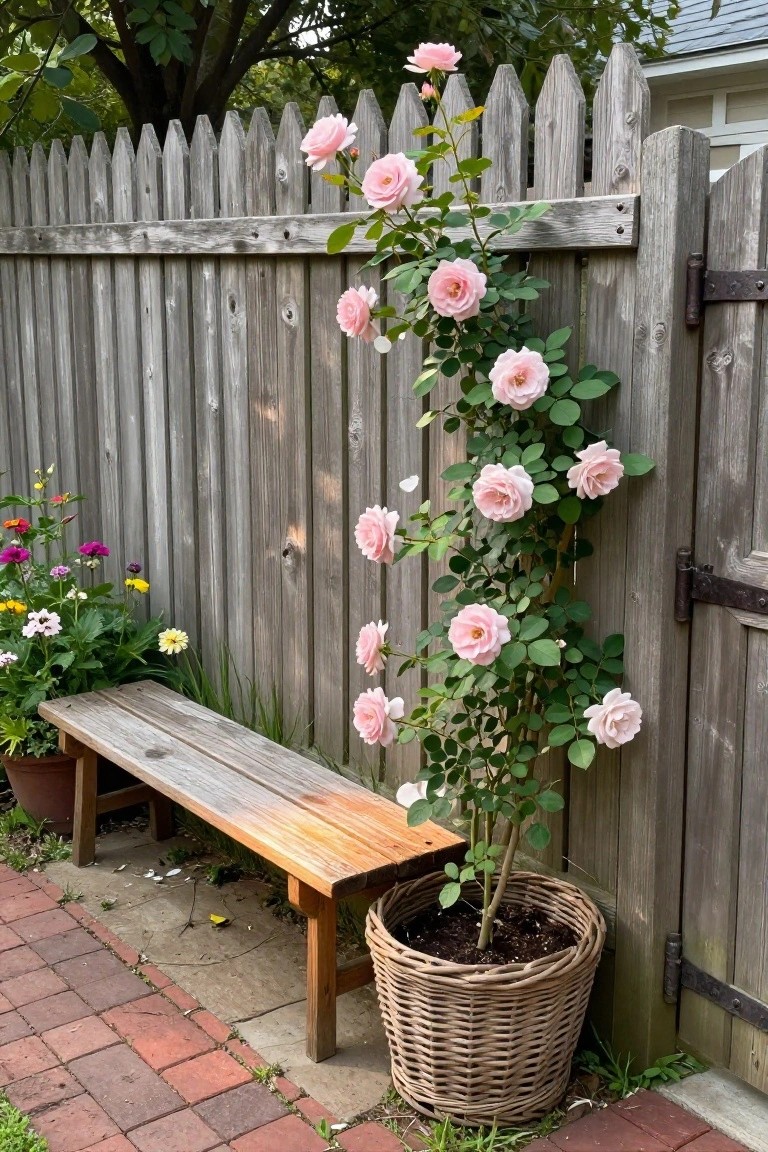
Cedar fences already bring warmth and texture to a yard, but they become even better when you let climbing roses grow up them. The wood holds up well to the weight and moisture from the plants, and the roses soften the vertical lines without hiding the fence completely. It turns a basic boundary into something that feels more like part of the garden.
This approach works especially well along side yards or back property lines where you want some privacy but not a solid wall of green. Plant the roses a foot or two away from the fence so air can still move around the base, and choose varieties that are vigorous enough to reach the top. The bench and potted plants in the photo show how the same fence can anchor a simple seating spot without needing extra structures.
Cedar Fences Create Private Backdrops for Outdoor Dining
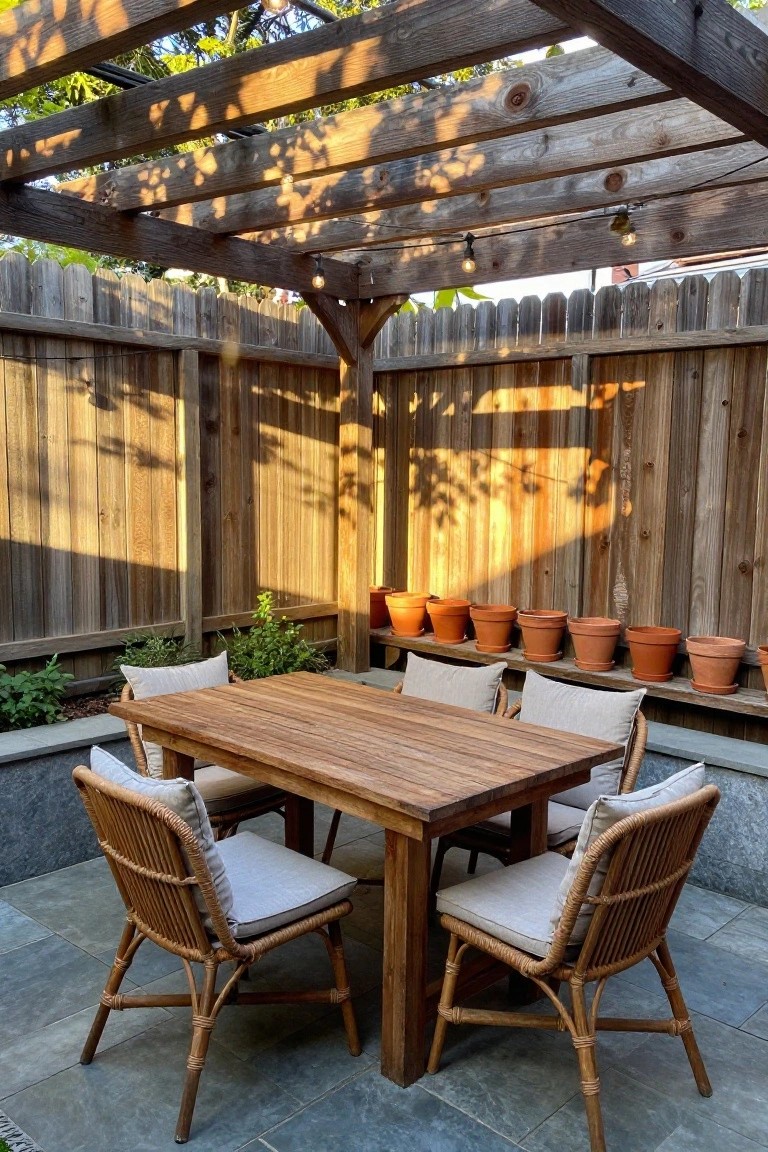
A cedar fence gives an outdoor dining area a sense of enclosure without blocking all the light. The warm wood tones help the space feel grounded and connected to the garden rather than just sitting open on a patio slab.
This setup works especially well on smaller lots where you want clear boundaries and a bit of privacy. Keep the fence height around six feet, and consider adding a simple ledge if you like room for a few pots along the base.
Cedar Fencing With Built-In Raised Beds
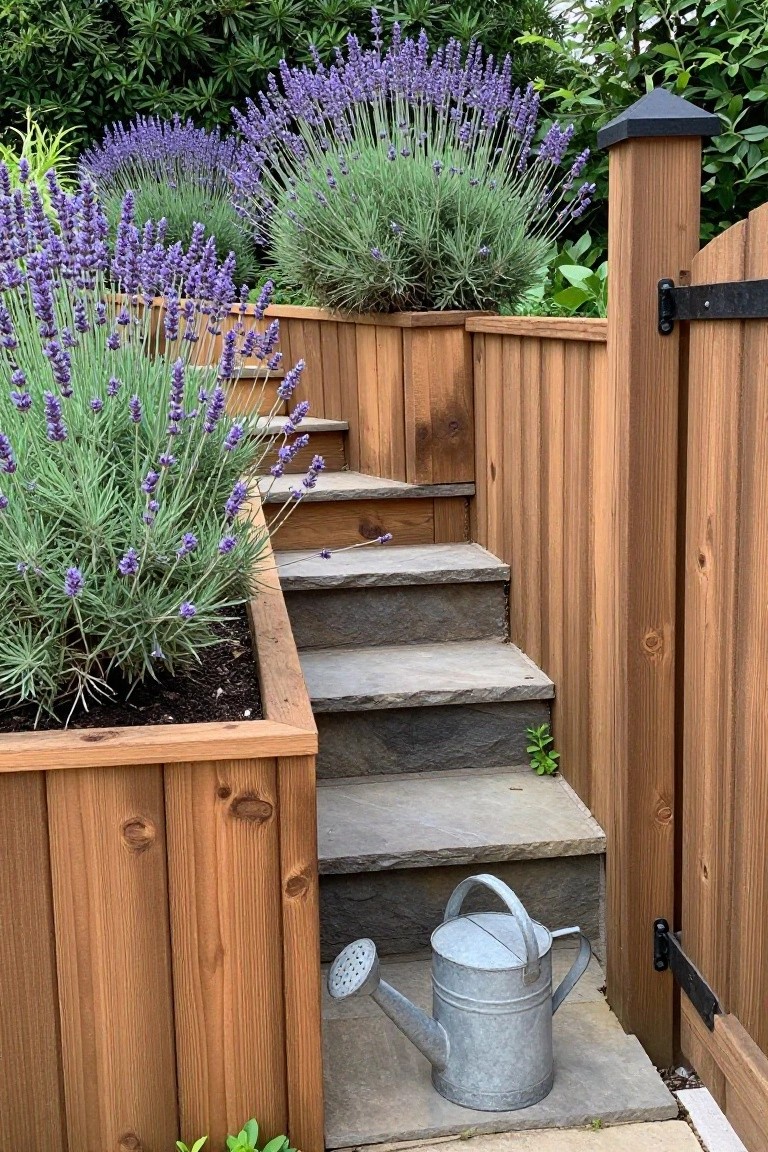
Many homeowners like adding a raised planter directly to their cedar fence. It turns the fence into more than a boundary and gives plants a solid home with good soil depth and drainage.
This approach works best along paths or steps where you want structure without crowding the yard. Keep the wood sealed on the inside and choose plants that match the scale of the bed so everything stays balanced over time.
Cedar Wood Structures for Poolside Privacy
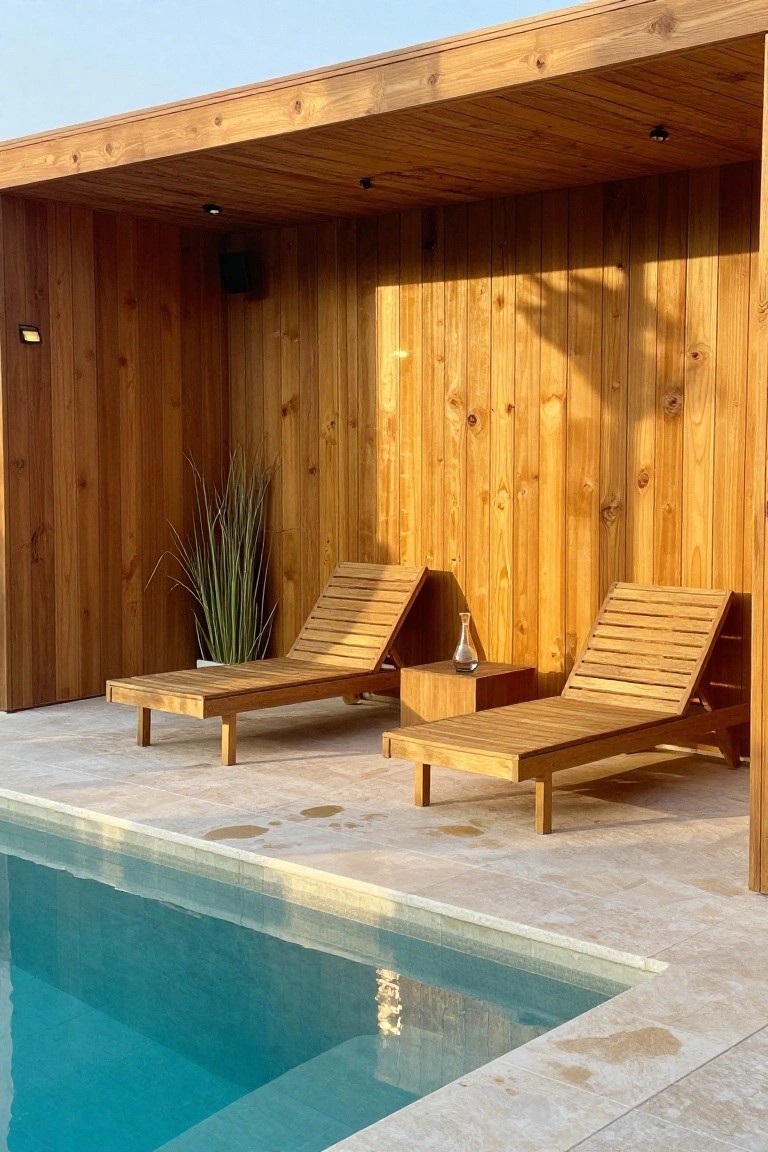
Cedar works well when you extend it upward into a full roofed frame instead of stopping at a standard fence line. The vertical boards create solid side walls that block wind and give a sense of enclosure while still letting in light from above.
This setup suits homes with existing pools that need a defined lounging spot without adding a separate building. Keep the wood natural so it weathers evenly with the deck, and limit the footprint so the structure does not crowd the water edge.
Cedar Raised Beds With Fencing
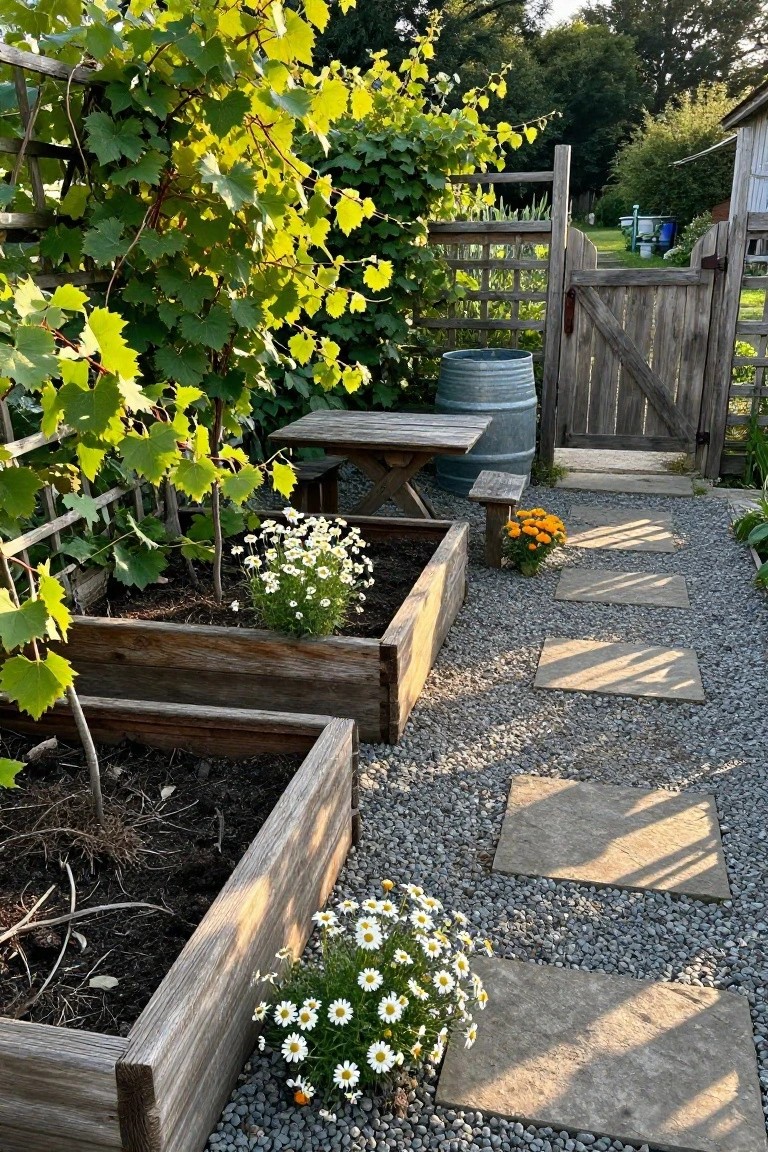
Cedar works well for raised beds because it holds up outdoors without much fuss and gives the garden a simple, natural frame. Pairing those beds with a cedar fence or gate keeps everything consistent and adds a bit of warmth to the whole space without making it feel too formal.
This setup suits smaller yards or side gardens where you want clear paths and easy access to the beds. Gravel between the beds helps with drainage and keeps things low maintenance, though you will want to edge the gravel if the soil tends to shift.
Cedar Fences Behind Outdoor Seating
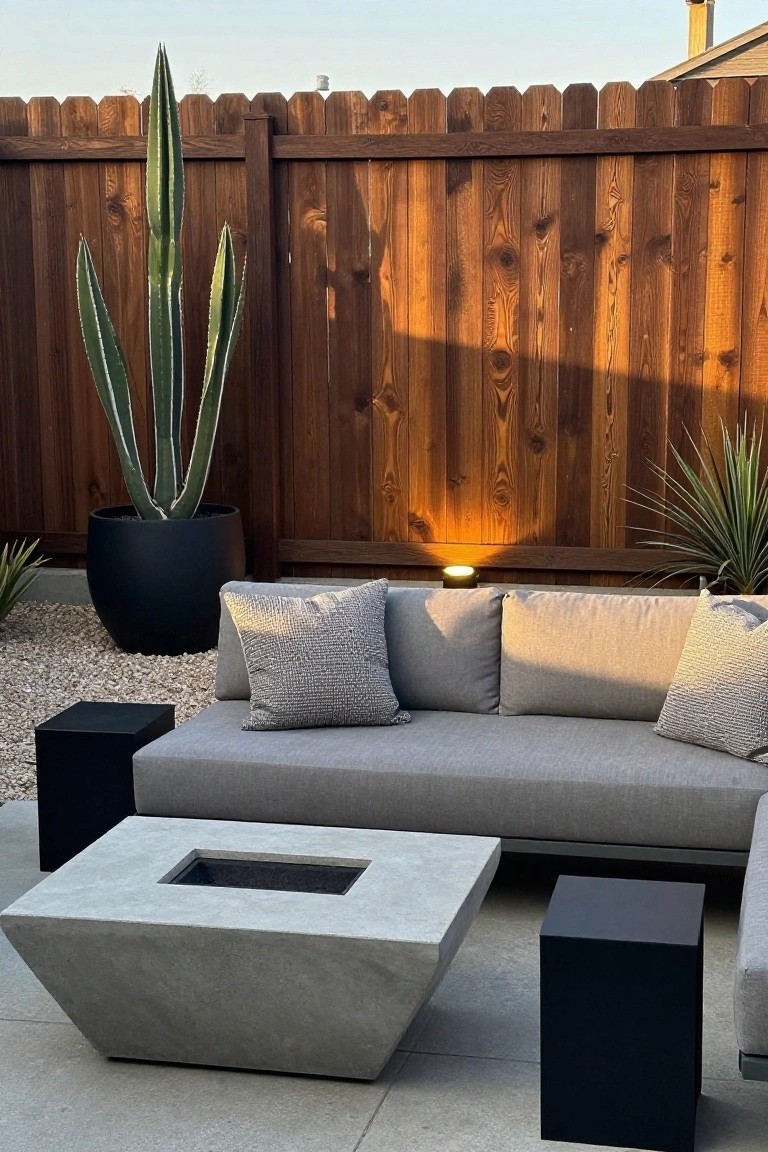
A cedar fence adds natural warmth right where you need it most, right behind a seating area. The wood tones soften the look of concrete furniture and hard surfaces while giving the space a settled, enclosed feel.
This works best on patios that sit close to the property line. Keep the fence height even with the back of the sofa so the seating feels tucked in rather than exposed.
A Simple Path in Front of the Fence
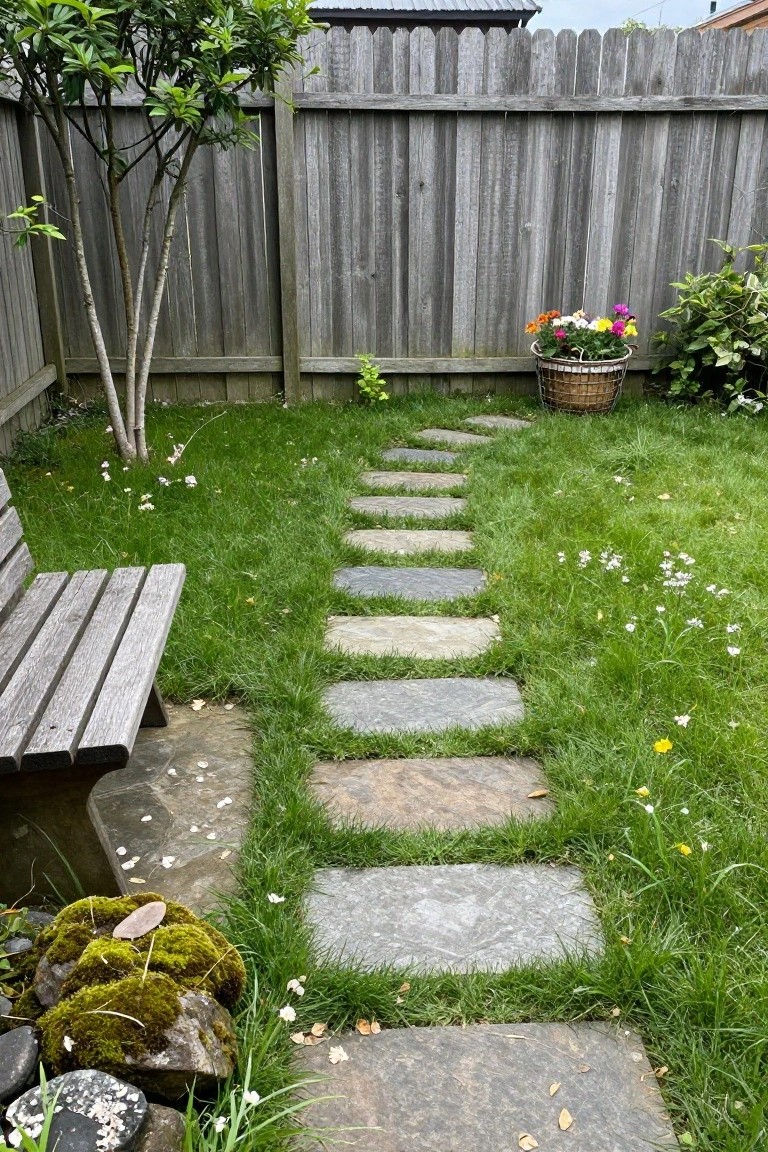
A straight stone path through the grass gives a cedar fence something to relate to. It breaks up the lawn and turns the fence from a plain boundary into part of the whole garden layout.
This works best in smaller yards where you want the fence to feel connected to the rest of the space. Keep the path narrow and the planting light so the wood stays the main feature instead of getting lost behind too much greenery.
Add a Cedar Bench Along the Wall
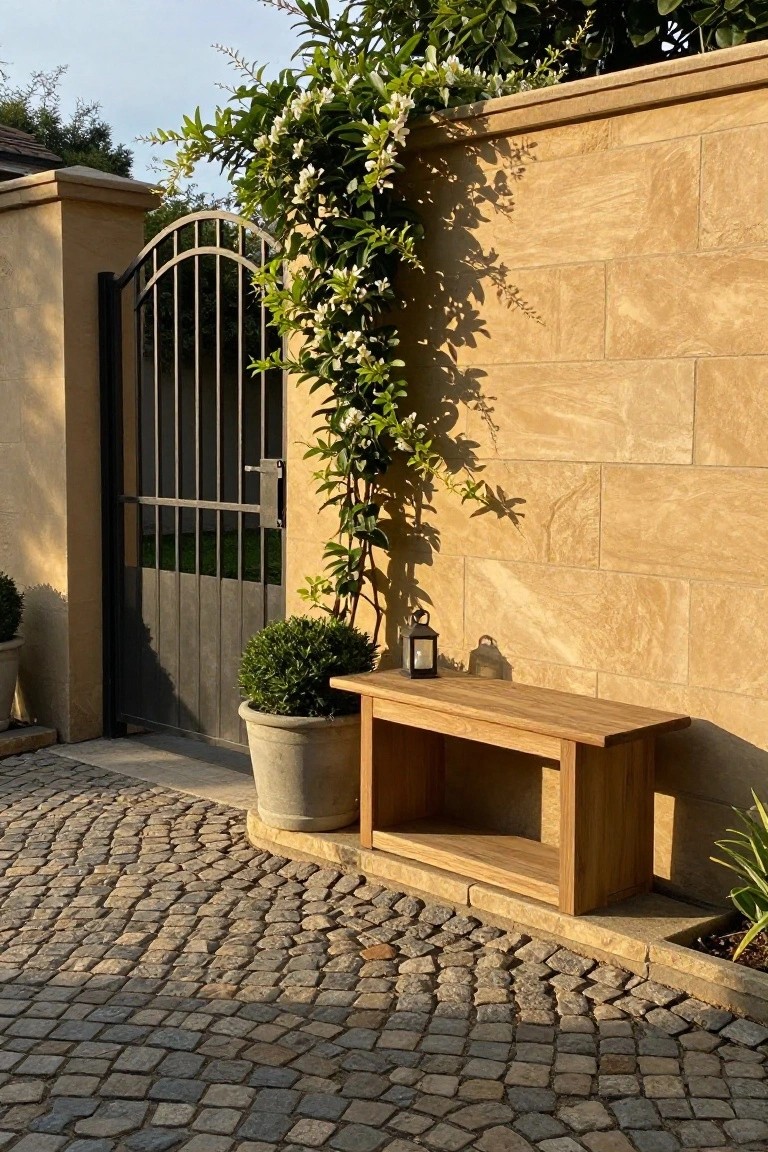
A simple cedar bench set against a stone wall gives you an easy spot to sit without crowding the space. The wood adds warmth next to the hard surface and pairs naturally with nearby plants and paths.
This works well in side yards, near gates, or along property lines where you need seating that stays out of the way. Keep the bench low and choose one with an open lower shelf if you want extra storage for pots or tools.
Built-In Bench Seating Along Cedar Fences
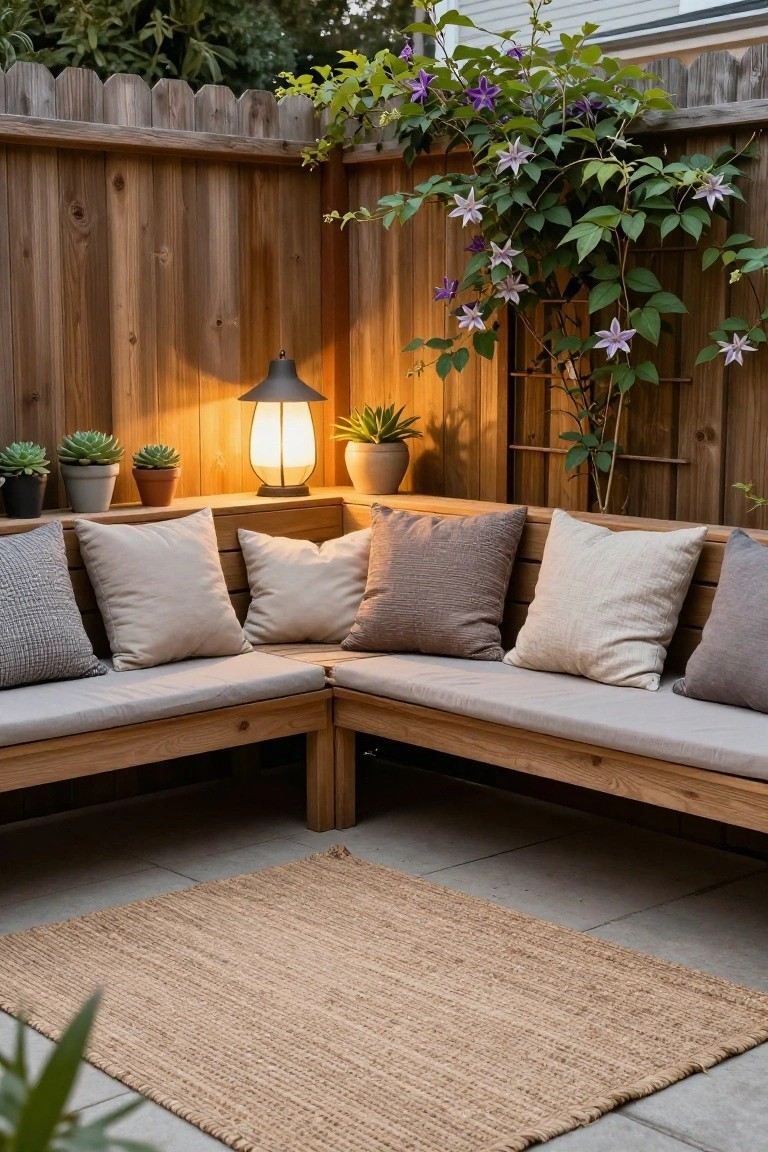
Placing a built-in bench right against a cedar fence turns the fence into a practical part of the seating area. It saves space and creates a settled, comfortable spot that feels like it belongs there instead of looking added on later.
This approach works best on patios or small yards where you want steady seating without crowding the area with loose chairs. Keep the bench height comfortable for sitting and add cushions so it stays inviting through different seasons.
Cedar Raised Beds Inside Matching Fencing
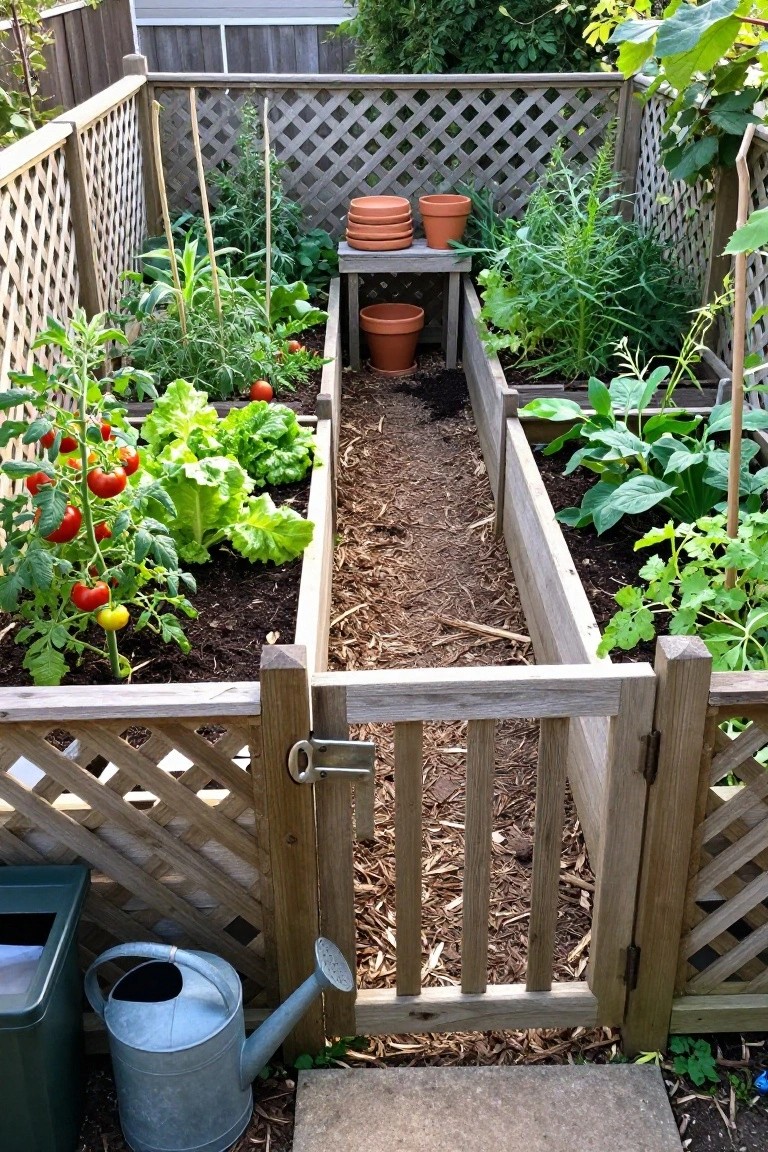
Cedar holds up well in garden settings because it resists rot and insects without needing heavy chemical treatments. Building raised beds from the same wood as the surrounding fence creates a clean, unified look that keeps the planting area defined and easy to manage.
This approach works best in smaller yards where you want to contain vegetables or herbs while still leaving room for paths. The gate makes access simple, and the wood will weather to a softer tone that fits most backyard settings.
Cedar Fencing to Enclose an Outdoor Kitchen
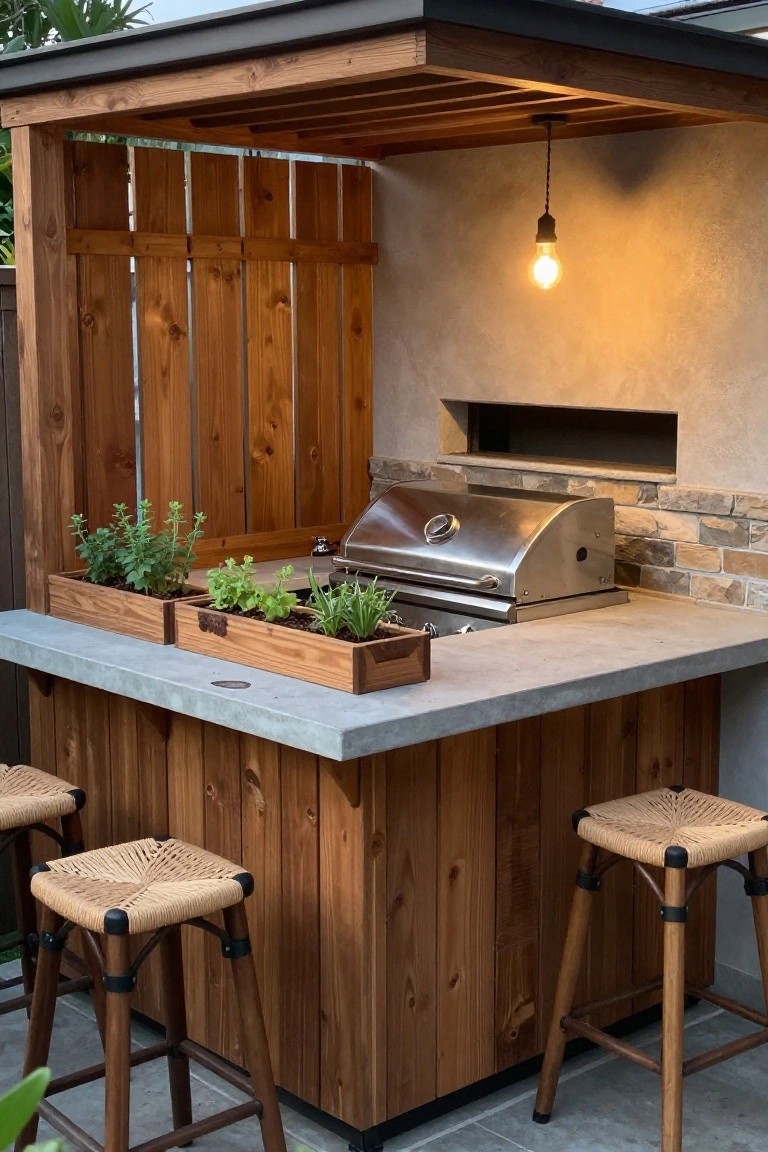
Cedar wood panels make a practical choice for framing an outdoor kitchen because they add warmth and a sense of enclosure without blocking airflow or light. The vertical boards create a simple backdrop that ties the cooking area to the rest of the yard while keeping the focus on the grill and counter space.
This setup works best on patios or decks where you want a bit of separation from the lawn or neighboring views. It pairs well with concrete counters and simple seating, and the wood holds up over time if sealed every few years.
Cedar Fences For Warm Courtyard Settings
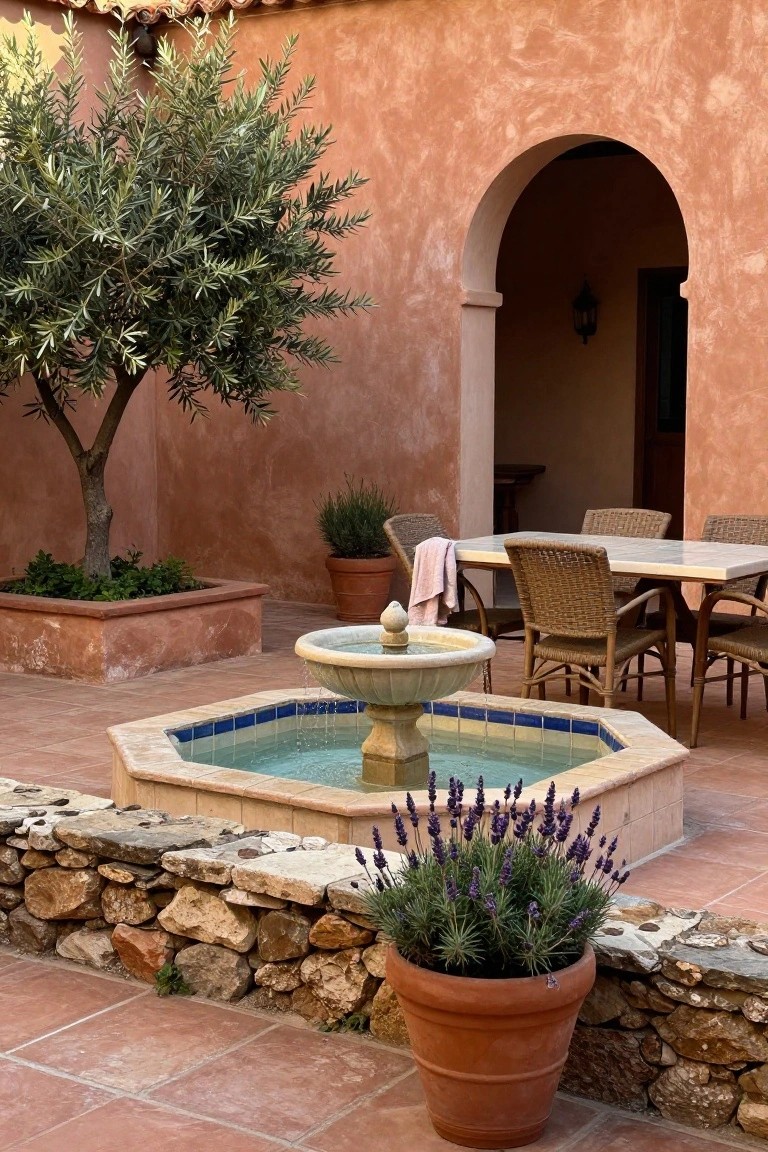
A low boundary helps shape an outdoor space without closing it in. In a courtyard like this one, a cedar fence can do the same job while bringing a softer, warmer tone than stone or stucco alone. The wood ages to a gentle gray that sits well next to terracotta and tile.
Place the fence along one or two sides where you need a bit more privacy or wind protection. Keep the height modest so the planting in front can still spill over and soften the line. This works best on homes with earthy colors and simple architecture, where the fence feels like a natural extension rather than an add-on.
Dense Evergreen Hedges as Living Fences
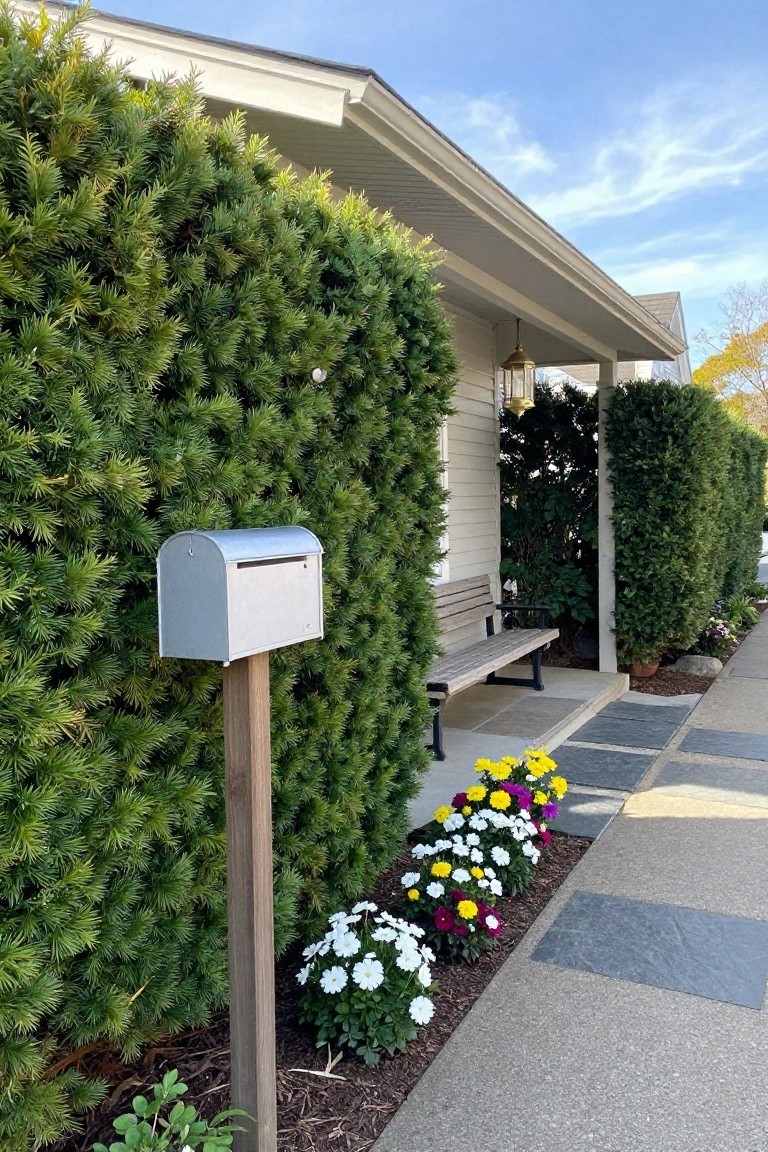
A tall hedge like this one gives solid privacy while keeping a softer, greener look than most wood fences. It blocks the view from the sidewalk without making the side yard feel boxed in.
These work best along narrow side yards or near a porch where you want screening that still lets in light and air. They pair easily with simple wood accents like a mailbox post and need regular trimming to stay thick and neat.
Dark Stained Cedar Fences as Simple Backdrops
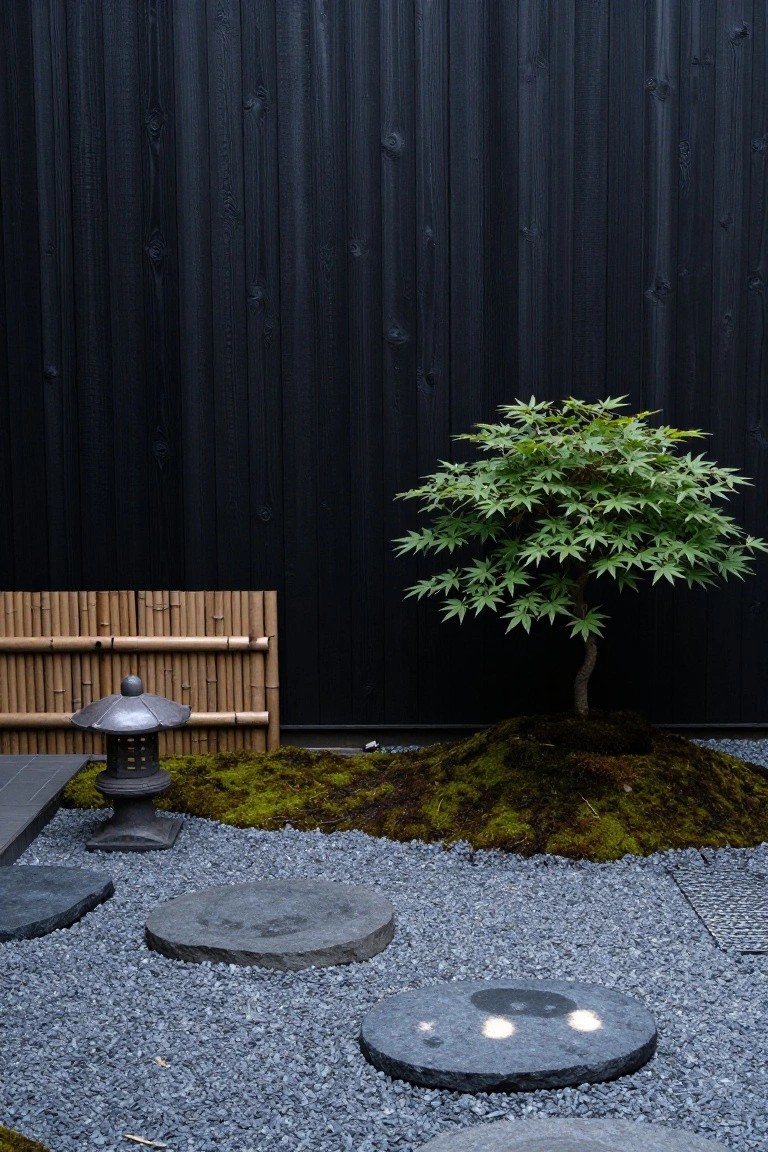
A dark finish on cedar can turn a fence into a quiet wall that lets the rest of the garden stand out. The vertical boards give a solid edge without any extra trim or detail, so the eye moves straight to the gravel, stones, and plants in front.
This works well in small yards or side gardens where you want a clean line instead of a busy pattern. Keep the planting light and the hardscape low so the fence stays in the background rather than competing for attention.
Cedar Fencing with Low Evergreen Beds
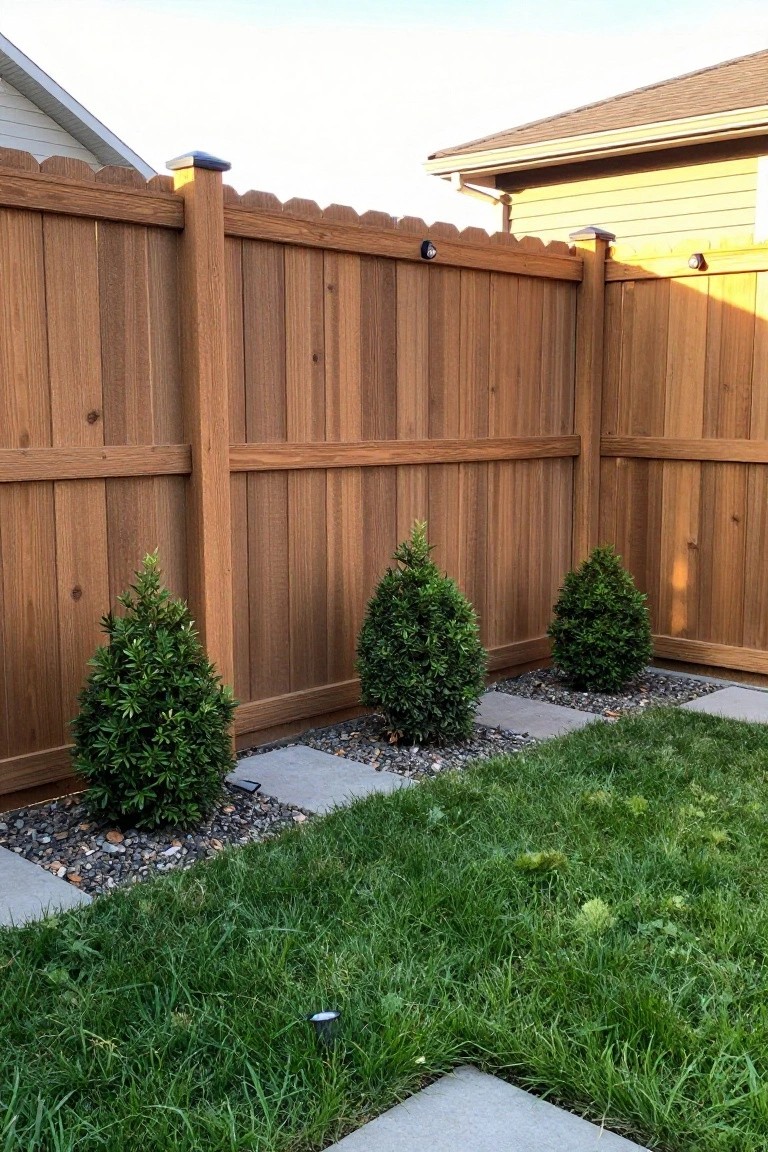
Running a simple row of compact evergreens along the base of a cedar fence gives the boundary a finished look without much extra work. The gravel keeps the area neat and helps control weeds while the shrubs add a bit of green that stays consistent year round.
This works best on homes with straight fence lines where you want privacy and structure but do not want high maintenance planting. It pairs well with most house styles and holds up in different weather once the beds are set.
Cedar Fences With Matching Gates
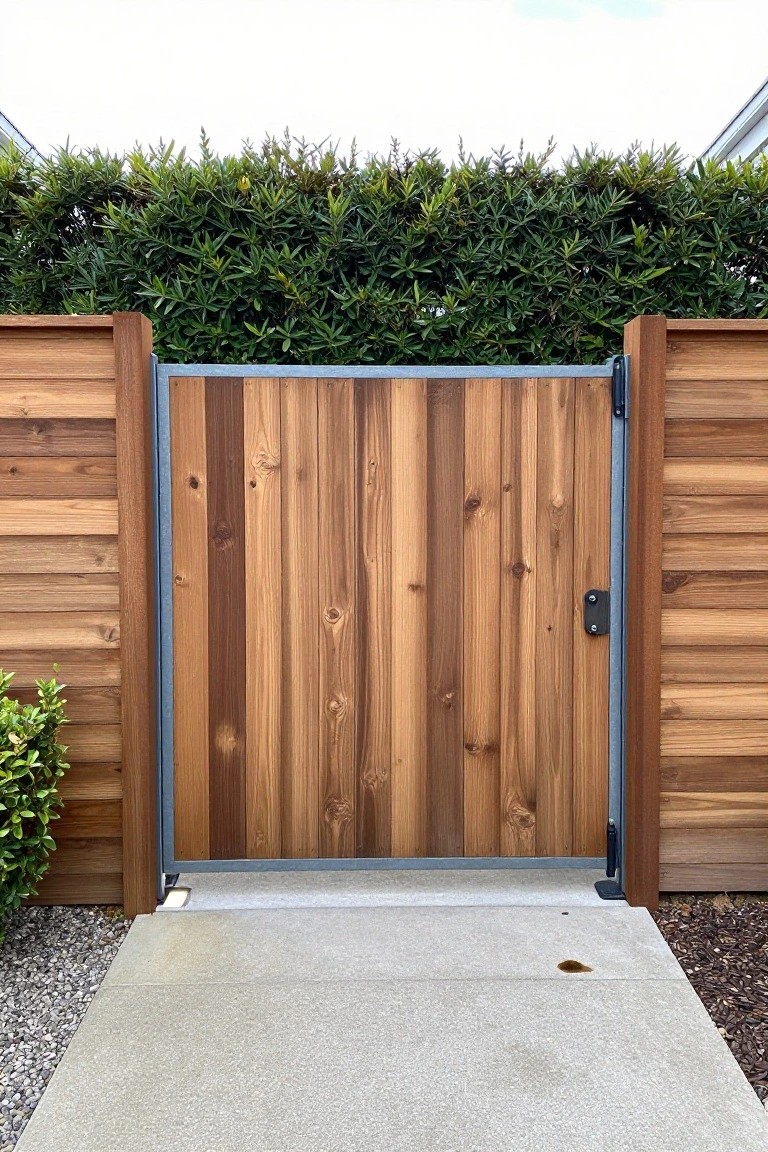
Cedar works well for gates because the wood brings a warm tone that blends easily with the rest of a fence. It also holds up to weather without needing heavy treatments, which keeps the look consistent over time.
Add a dense hedge right behind the fence line to increase privacy while softening the straight edges of the wood. This setup suits homes with side or back yards where you want a boundary that feels natural rather than closed off.
Add a Bench Along the Fence
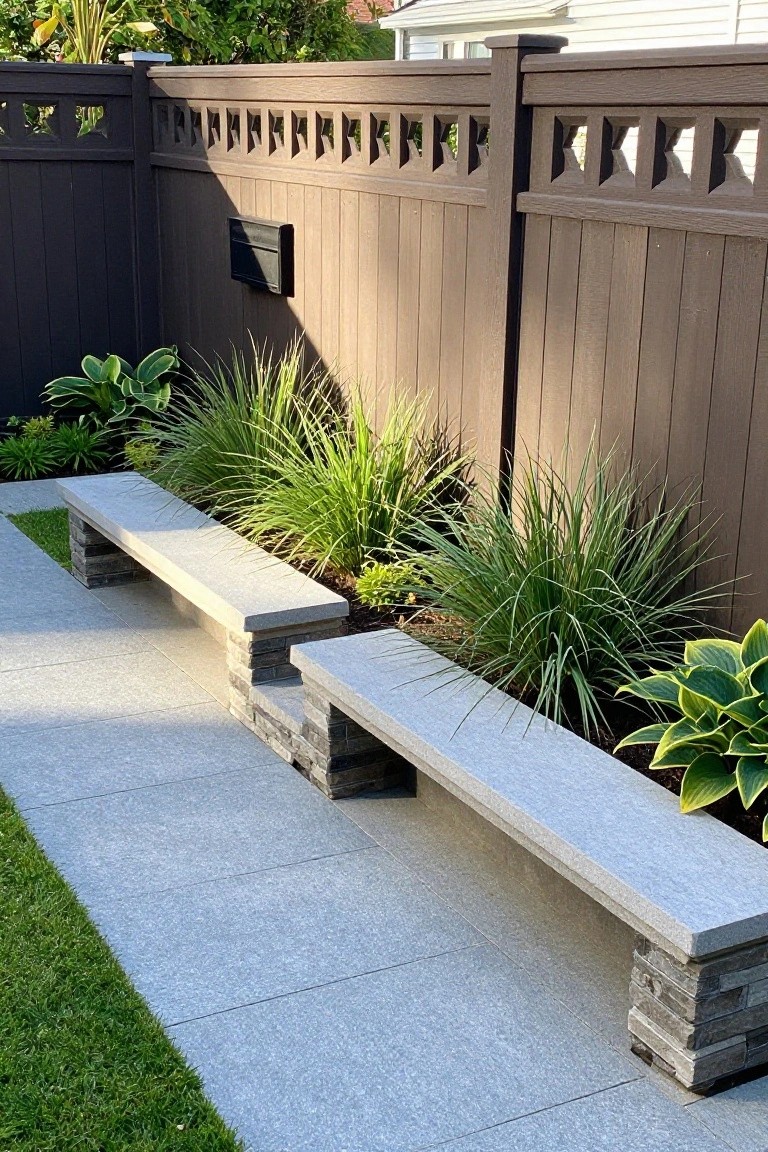
A bench set right against the fence turns the area into usable seating without crowding the yard. It works especially well when you keep some planting space behind it so the fence still feels like part of the garden rather than just a wall.
This setup suits smaller yards or side yards where you want a place to sit but do not have room for a full patio set. Use simple materials that match the fence color and keep the bench low so it does not block the view of the plants.
Cedar Structures For Outdoor Privacy
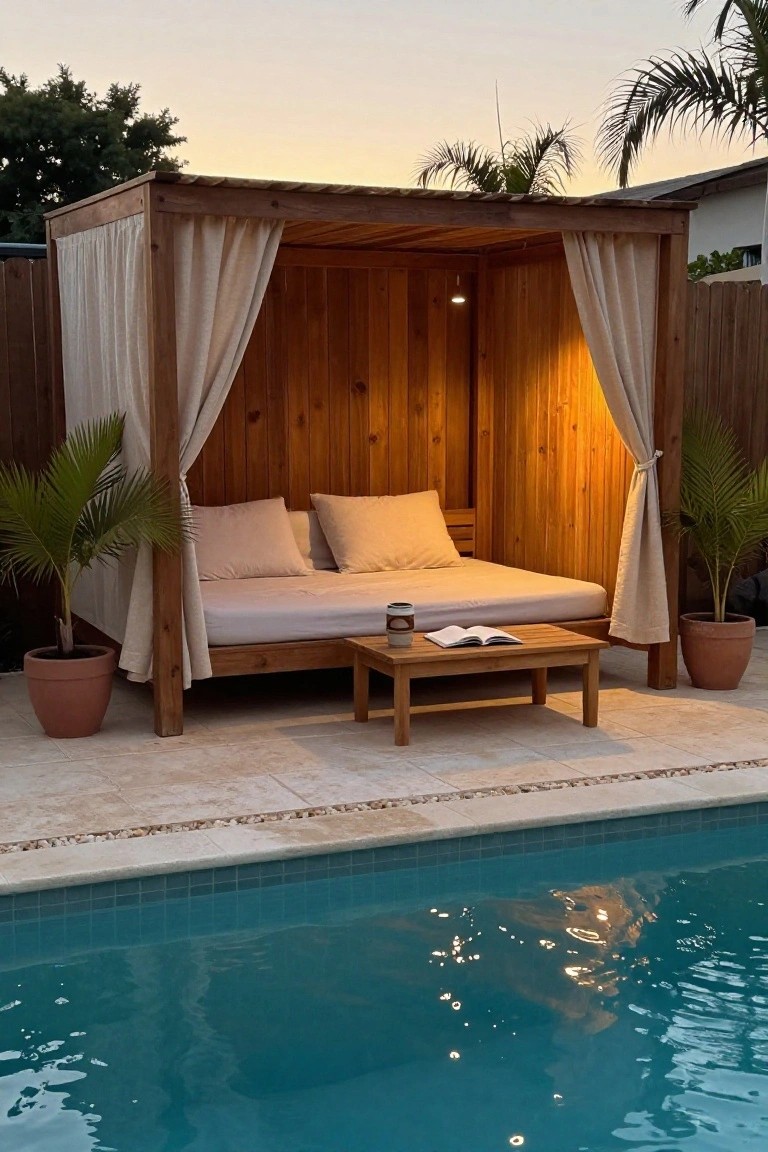
Cedar works well when you want to set off a quiet spot right by the pool. The vertical boards create a simple wall that feels warm and solid while still letting in air and light from the sides.
This kind of setup suits homes with open yards where you can add a basic frame and hang curtains for shade when needed. Seal the wood once a year and it should hold up fine in most climates.
Cedar Fence Privacy Screens for Balconies
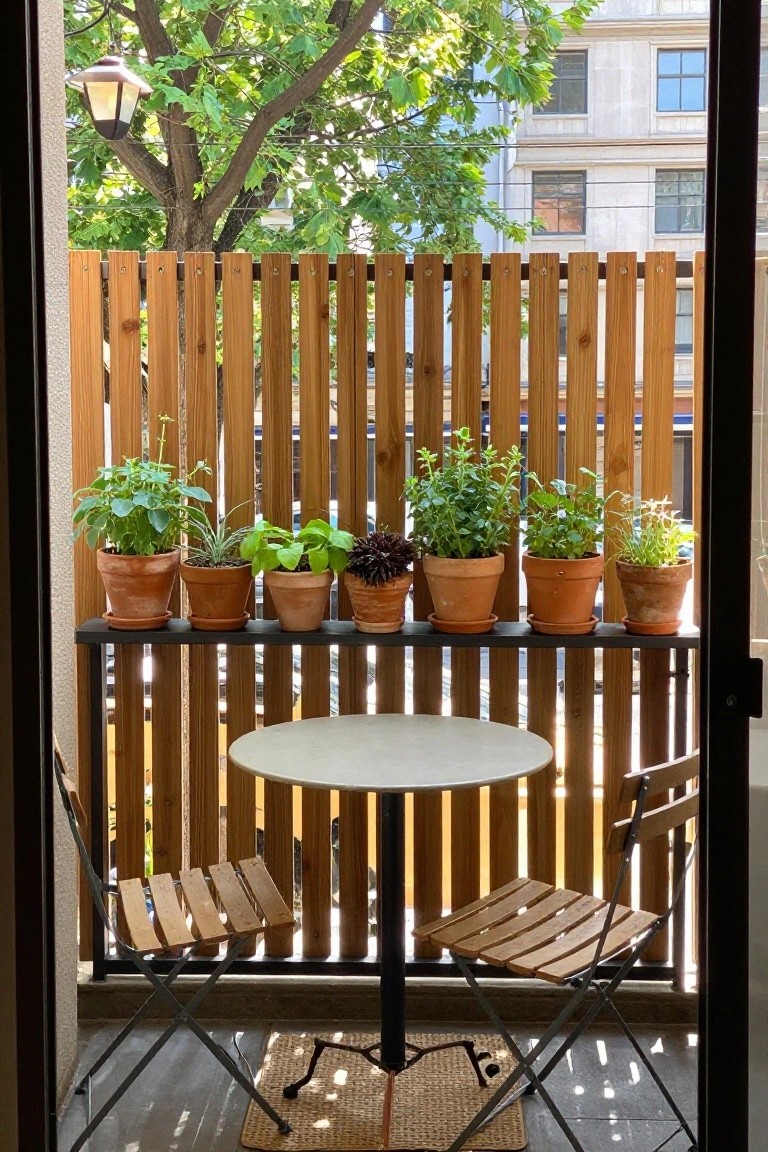
A cedar fence with vertical slats makes a small balcony feel more private without closing it in. The wood adds warmth and helps block views from nearby buildings, which is useful in denser neighborhoods.
This works best on urban balconies or small patios where space is limited. Place a simple shelf or ledge along the fence base for plants so the area feels greener and more sheltered.
Cedar Fencing Around a Gravel Courtyard
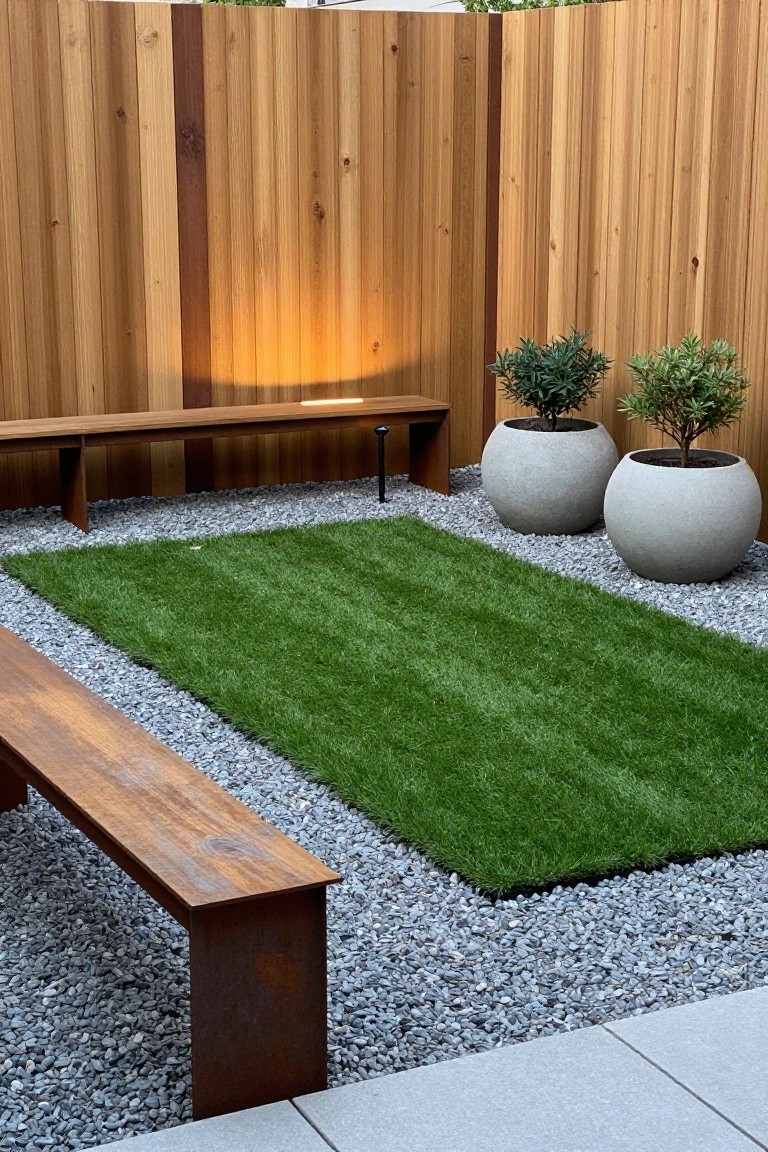
A cedar fence like this one turns a basic backyard into a private space without much fuss. The vertical boards add height and a natural tone that feels warmer than vinyl or metal options.
This approach works well in smaller yards where you want to block views while keeping the ground easy to maintain. Gravel handles foot traffic and drainage, so you can add simple seating and a couple of planters without creating extra work.
Lavender Beds Beside Cedar Fences
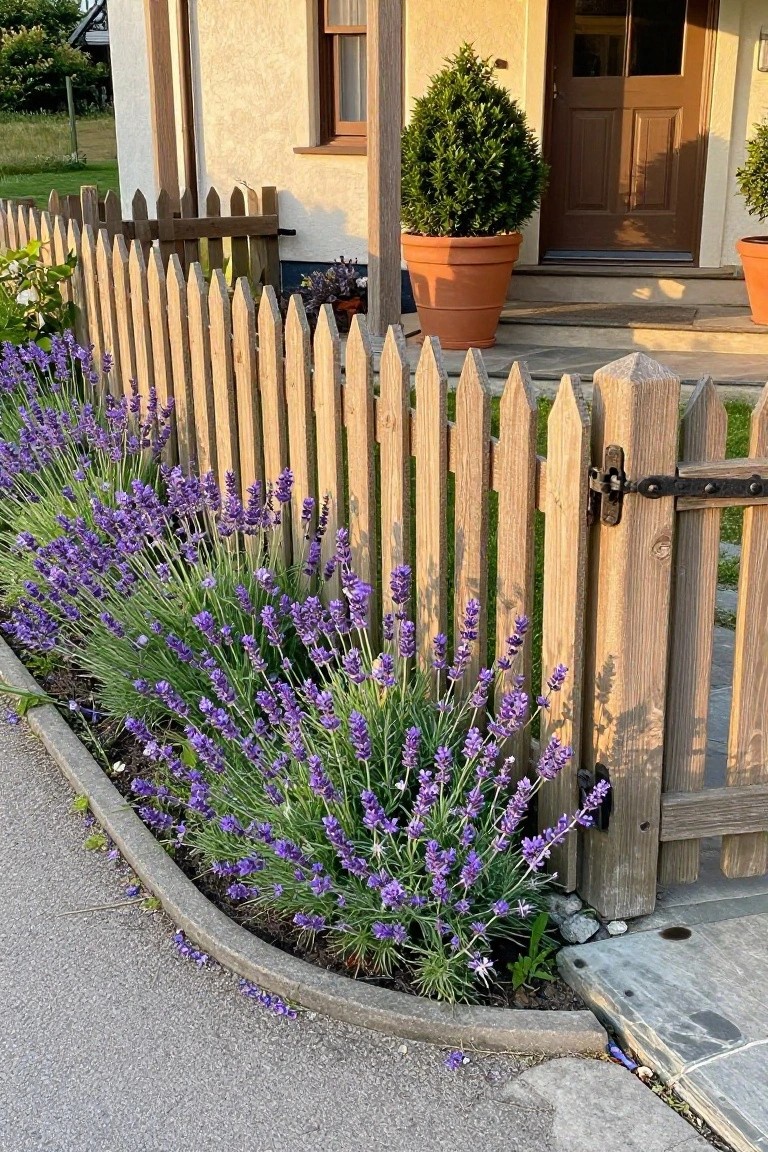
Lavender makes a good match with cedar fencing because the low mounds of purple flowers soften the vertical lines without covering the wood. The plants add color and a light scent right where people walk past the fence.
This works best in narrow beds along the front or side of a house. Keep the outer edge curved so the planting feels relaxed, and choose a compact lavender variety that stays under two feet tall.
Frequently Asked Questions
Q: How often should I reseal my cedar fence? A: You apply a fresh coat every two or three years. Use a breathable oil finish that sinks in without forming a thick film. This keeps the wood from drying out or turning gray too fast.
Q: Does cedar hold up if my yard stays damp most of the year? A: Cedar resists rot better than pine or spruce thanks to its natural oils. Set the posts on gravel bases so water drains away from the wood. Skip any design that traps leaves or soil against the boards.
Q: Which style blocks the most views from the street? A: Board on board gives solid coverage without looking bulky. The slight overlap stops sight lines while still letting air move through.
Q: Can I put one of these up myself if I have never built a fence? A: Start with straight vertical boards on a flat yard. Dig post holes with a rented auger and double check every post is plumb before you add rails.
