

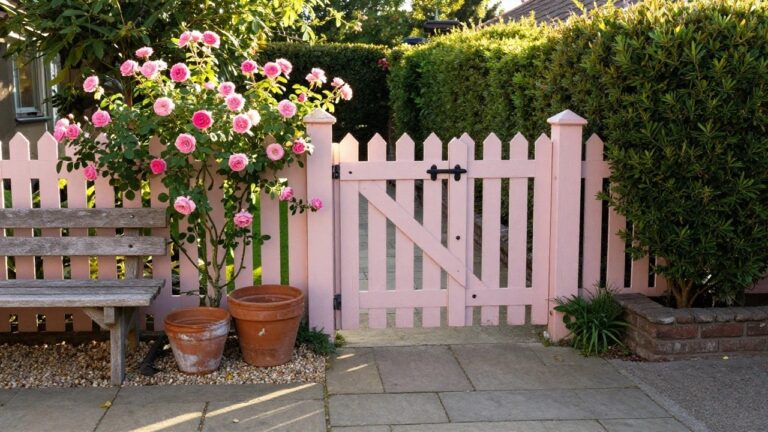
I have noticed that garden edges tend to fall apart when fences ignore how plants actually spread and need room to grow over seasons.
When I look at my own yard the spots that always get damaged are the ones without any clear boundary between the beds and open grass.
Wood fences often solve this without making the whole space feel closed off.
I tested a basic rail style last year and it kept the rabbits out while letting light reach the lower leaves in a way solid panels never did.
That kind of practical fit is what makes certain designs worth trying in different layouts.
An Arched Gate in a Wooden Fence
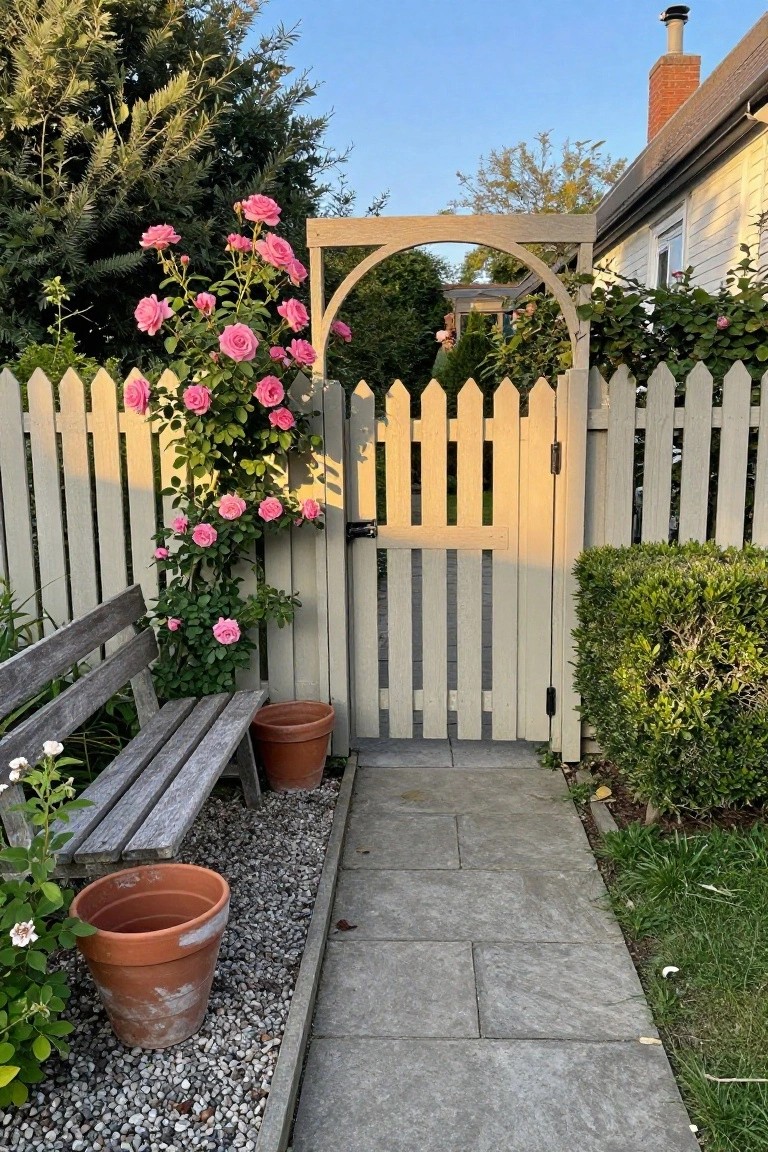
An arched top over a gate gives a plain picket fence a bit more presence without making it feel heavy. It marks the entrance clearly and gives climbing plants a place to grow upward instead of spreading sideways.
This setup suits a side yard or a small front garden where you want some structure but still need an open feel. Keep the fence height modest and let one or two climbers cover part of the arch over a season or two.
Raised Planters Along A Fence
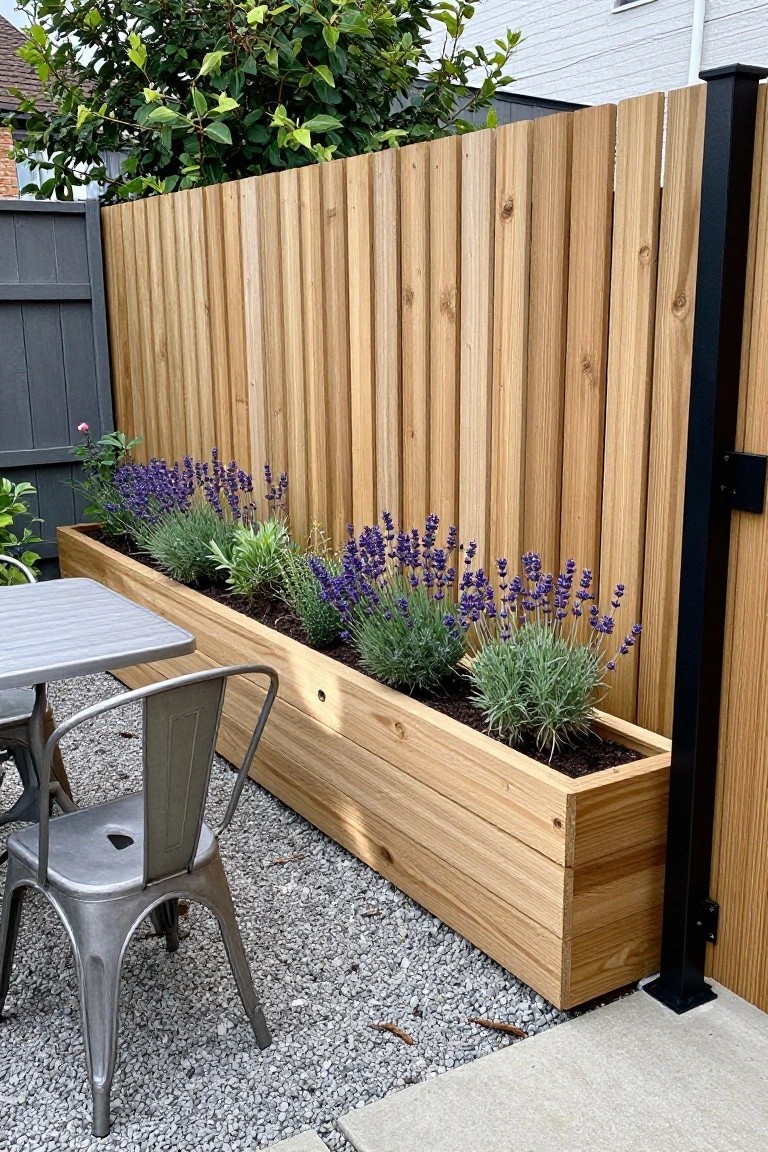
One easy way to get more planting space without crowding the ground is to run a long raised planter right along the base of a wood fence. It lifts the plants up a little so they stand out more and keeps them safer from being stepped on or crowded by grass.
This setup works well along side yards or back property lines where you want some color but do not have wide beds to work with. Match the wood tone of the planter to the fence and keep the depth around twelve inches so the roots have room.
Horizontal Wood Fencing With Planting Beds
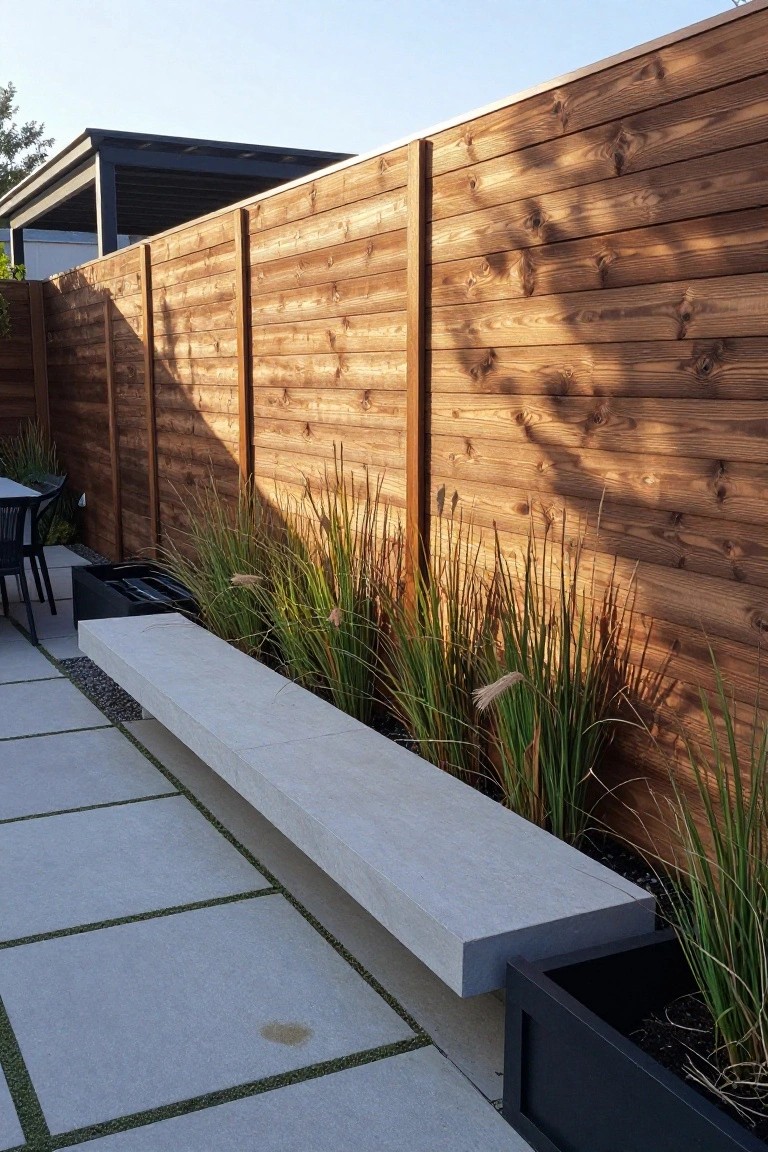
A horizontal wood fence gives a garden bed a clean edge and a solid backdrop at the same time. The straight lines of the boards make the plants in front look more organized, and the fence itself blocks wind without feeling too closed in.
This setup works best along patios or side yards where you want privacy but still need room for taller grasses and perennials. Keep the bed at least a foot wide so the plants have space to grow, and use a dark stain on the wood if you want the green tones to stand out more.
White Picket Fencing Around Raised Beds
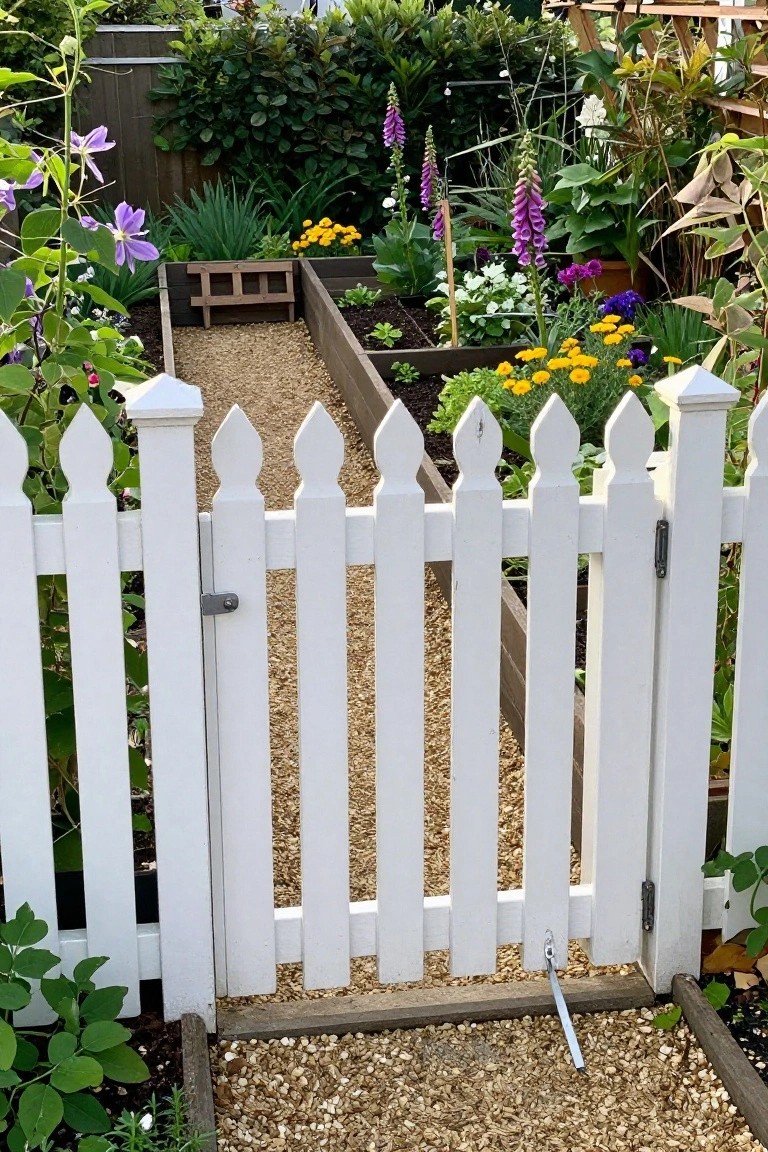
A white picket fence brings a clear boundary to garden beds without making the space feel closed in. The simple vertical boards and pointed tops give just enough structure to keep plants protected while still letting the garden feel open.
This approach works best in smaller yards or cottage-style layouts where you want a defined edge that does not overwhelm the plants. Treated wood holds up better over time, and a small gate makes it easy to reach the beds for watering and weeding.
Woven Wood Edging On Raised Beds
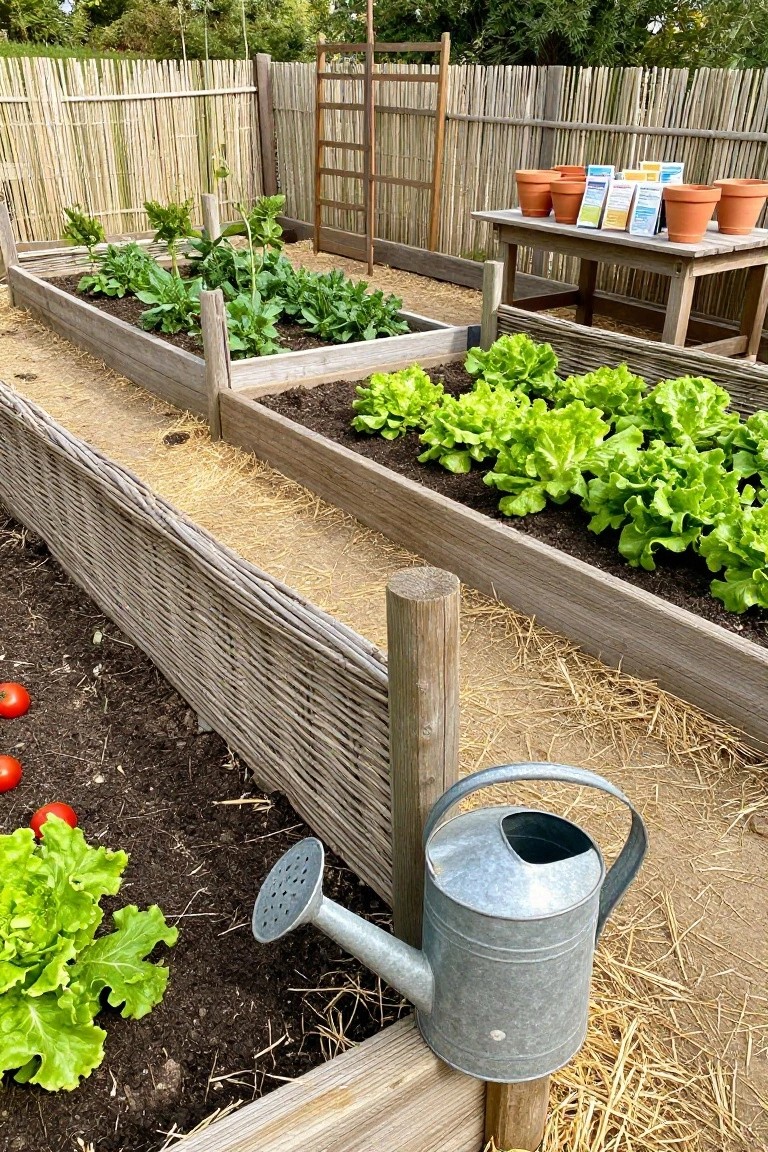
Raised beds edged with woven wood give a garden clear structure without looking too formal. The natural material blends into the landscape and creates a soft barrier that still keeps soil in place and plants protected from foot traffic.
This approach works well in vegetable gardens or small backyard plots where you want defined rows but still need easy access for watering and harvesting. It suits homes with a casual outdoor style and holds up better than loose borders once the wood settles in over a season or two.
Use a Planter Against a Wood Fence
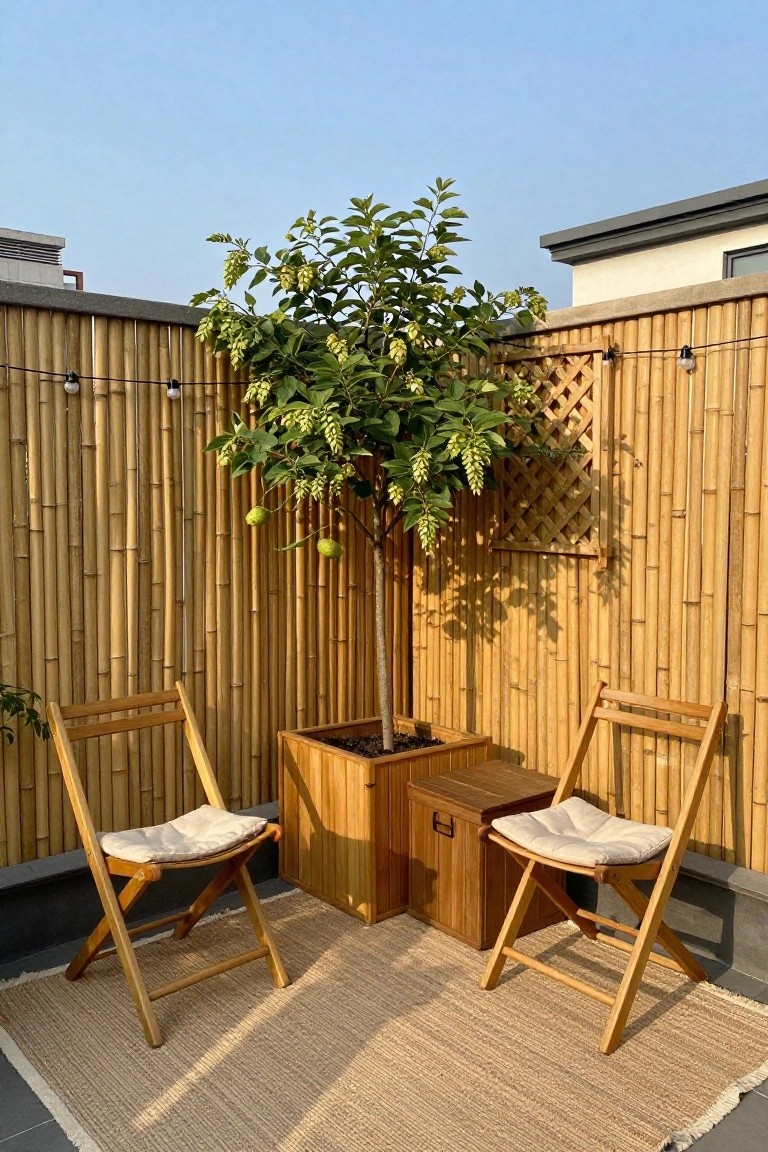
Placing a large planter right up against a wood fence gives the fence a practical job while adding height and greenery in one move. The planter protects the base of the fence and lets you grow something taller without taking up much floor space. It turns a plain boundary into a living screen that feels more finished.
This works best on small patios or balconies where you need both privacy and room for seating. Choose a sturdy box that matches the fence material so the two read as one simple structure rather than separate pieces.
Stone Edging Along Wood Fences
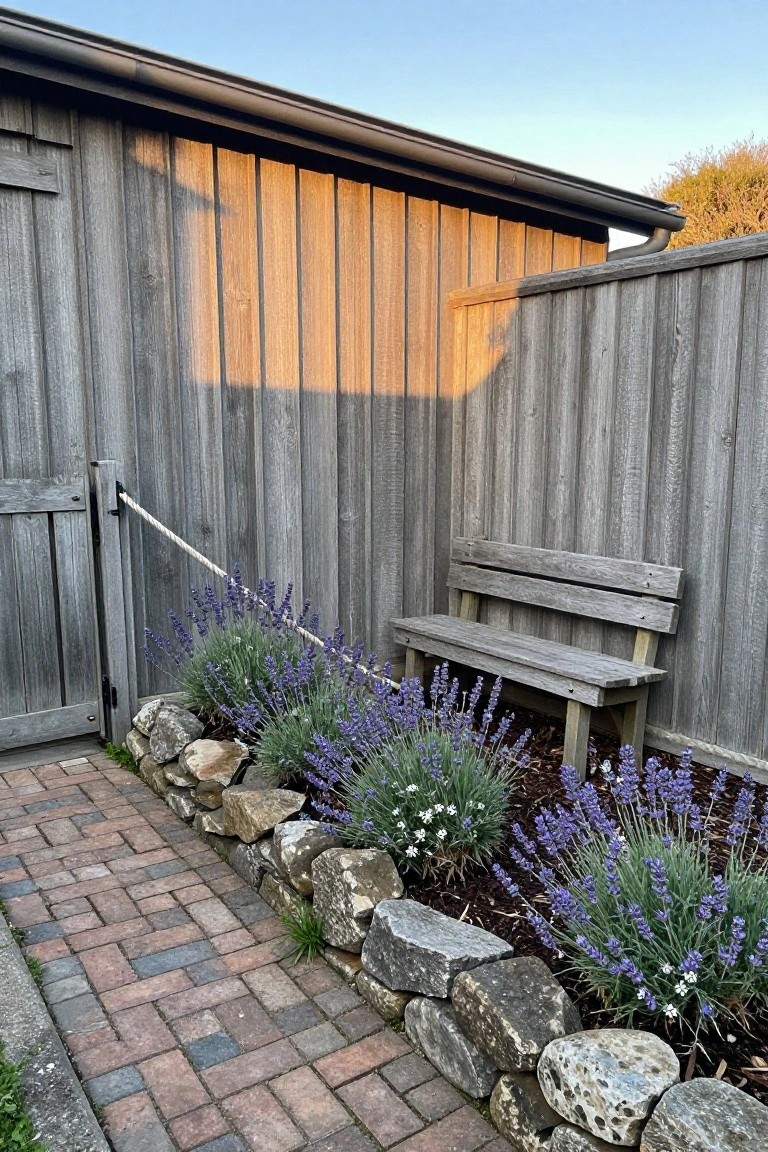
Stone edging gives a wood fence a finished edge that keeps soil and mulch from spilling onto paths or lawns. It also creates a simple barrier that helps protect young plants from being stepped on or crowded by foot traffic.
This works well in narrow beds or along sheds where space is tight. Use local stones if you can, keep the line low and uneven, and let the plants fill in behind it over time.
Line Up Pots Along the Fence
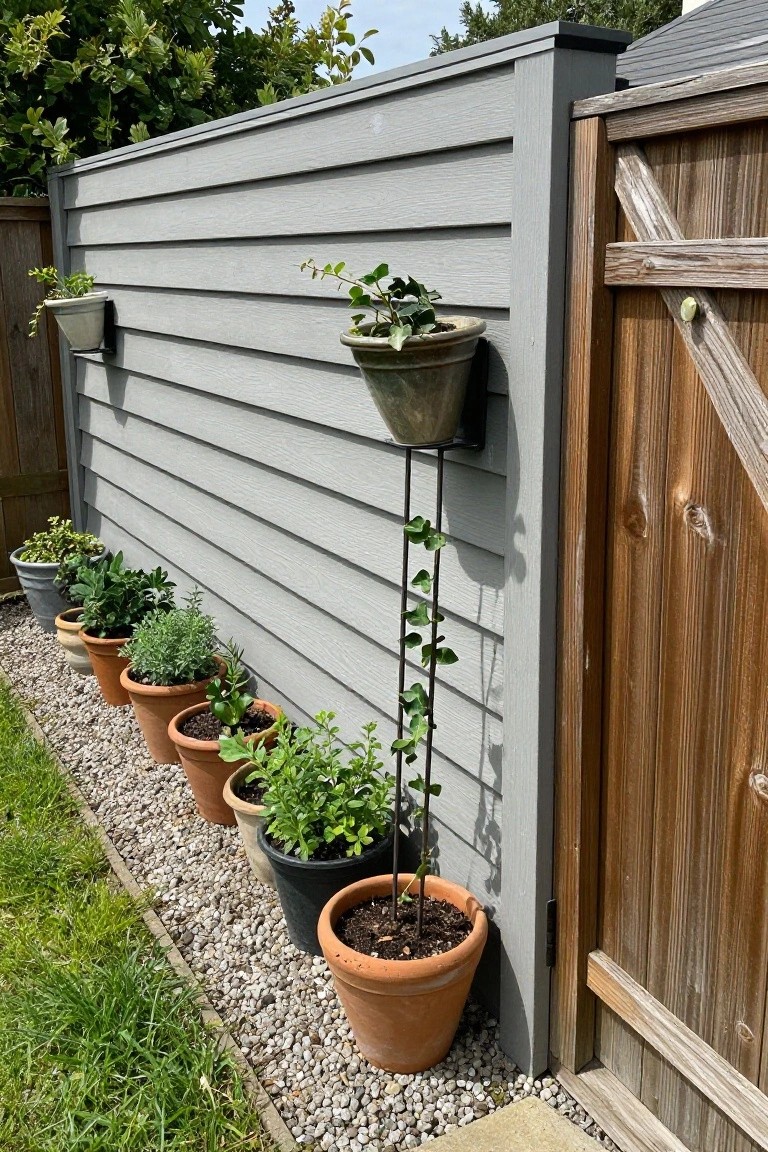
A simple row of pots at the base of a fence gives you planting space without digging beds or changing the structure. It works especially well when you mix different sizes and add one or two plants that can climb, since the vertical growth breaks up the flat surface and makes the whole line feel more full.
This setup suits smaller gardens or side yards where you want flexibility. You can move the pots if needed, change plants with the seasons, and keep everything neat along the fence without permanent changes. Just watch that the pots do not sit in standing water after rain.
Wood Fences Behind Raised Beds
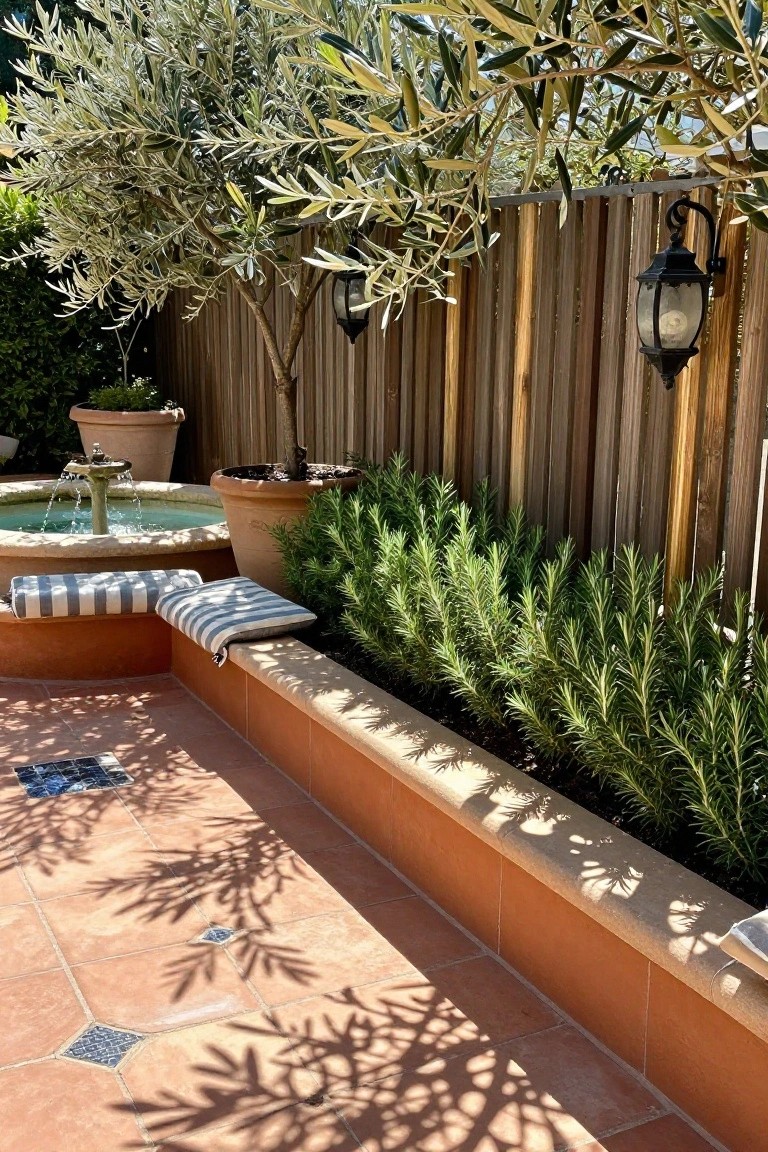
A wood fence gives a garden bed a solid back edge and a bit of shelter from wind. The vertical lines also make the plants in front stand out more than they would against a plain wall.
This setup works best in smaller yards where you need the fence to mark the boundary and still leave room for planting. Keep the bed width narrow enough for easy reach, and choose plants that can handle a bit of reflected heat from the wood.
Wood Fences Behind Raised Beds
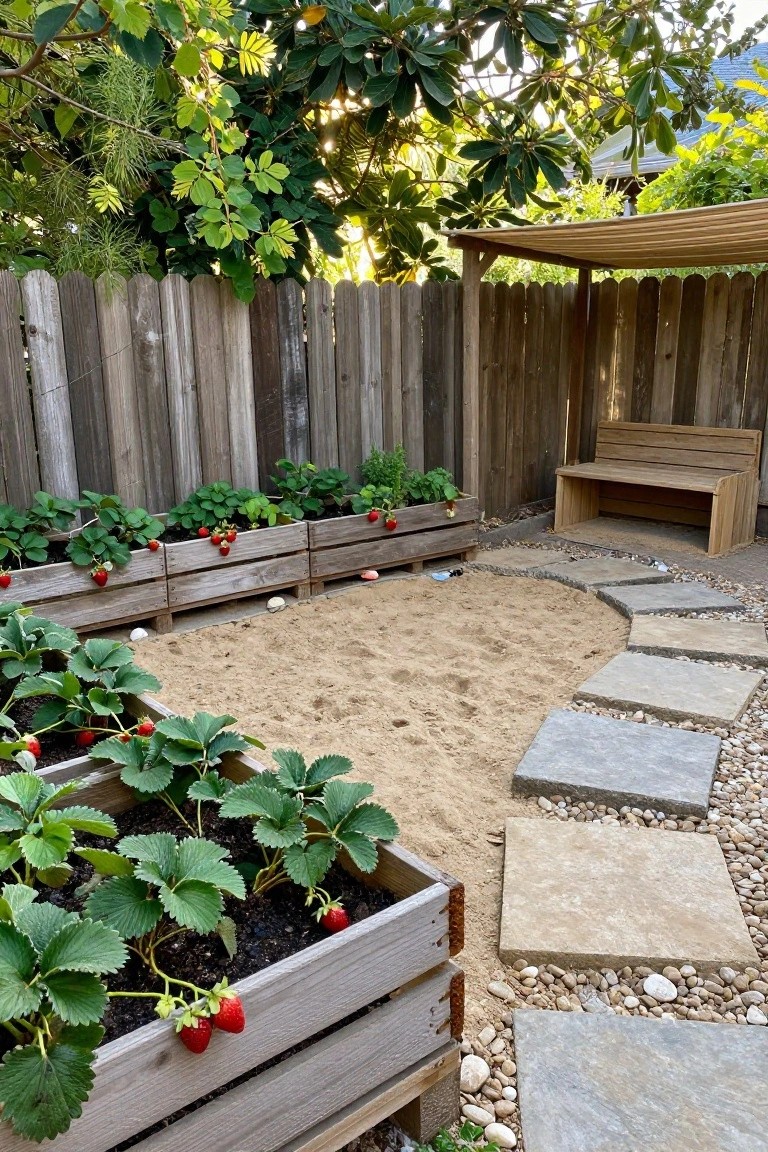
Placing raised beds right against a wood fence gives plants a sheltered spot while keeping the whole area looking tidy. The fence acts as a simple windbreak and creates a clear boundary that feels intentional rather than accidental.
This setup works best in smaller yards where space needs to stay organized. Just leave enough room in front of the beds for easy access and choose a fence height that matches the scale of the plants you want to grow.
Picket Fences Around Garden Beds
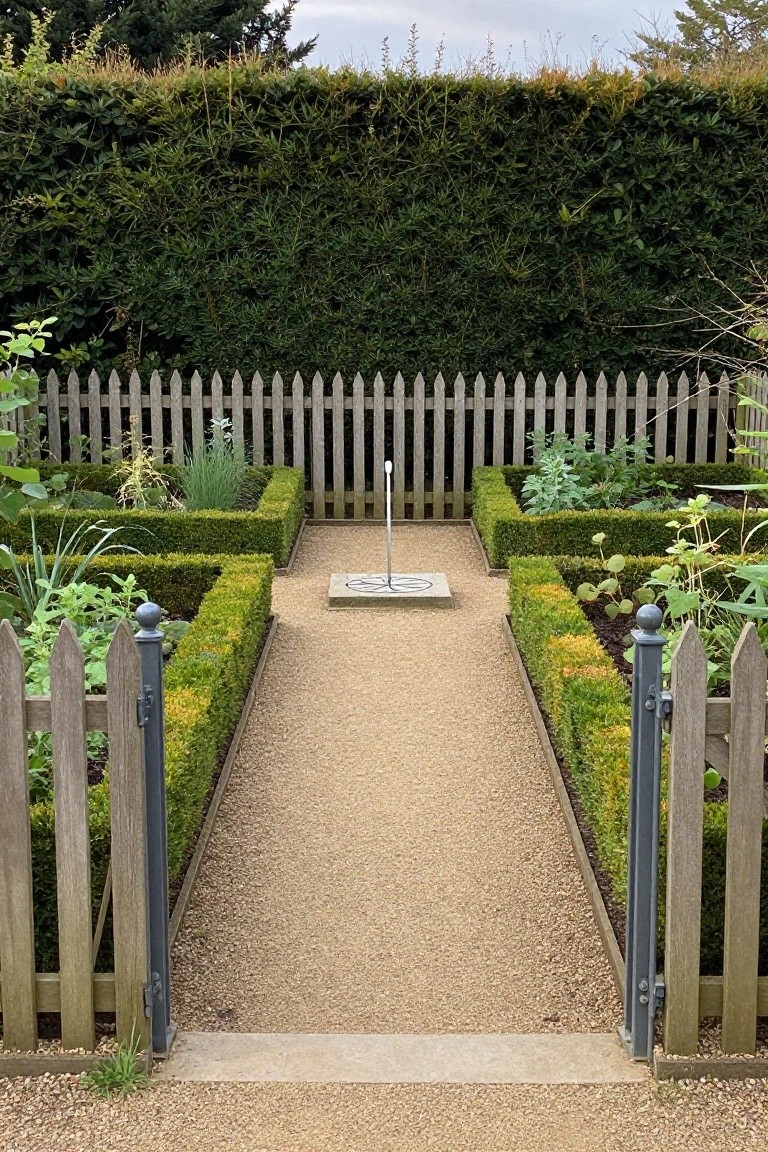
Many gardeners add low wooden picket fences around individual beds because the style keeps plants protected without blocking the view. The fences create neat divisions that help organize the space and make it easier to work in one section at a time.
This approach works best in larger yards where you have room for paths between beds. It suits traditional or cottage style homes and gives you the option to add small gates for easy access when you need to tend the plants.
Using Wood Fences To Protect Garden Beds
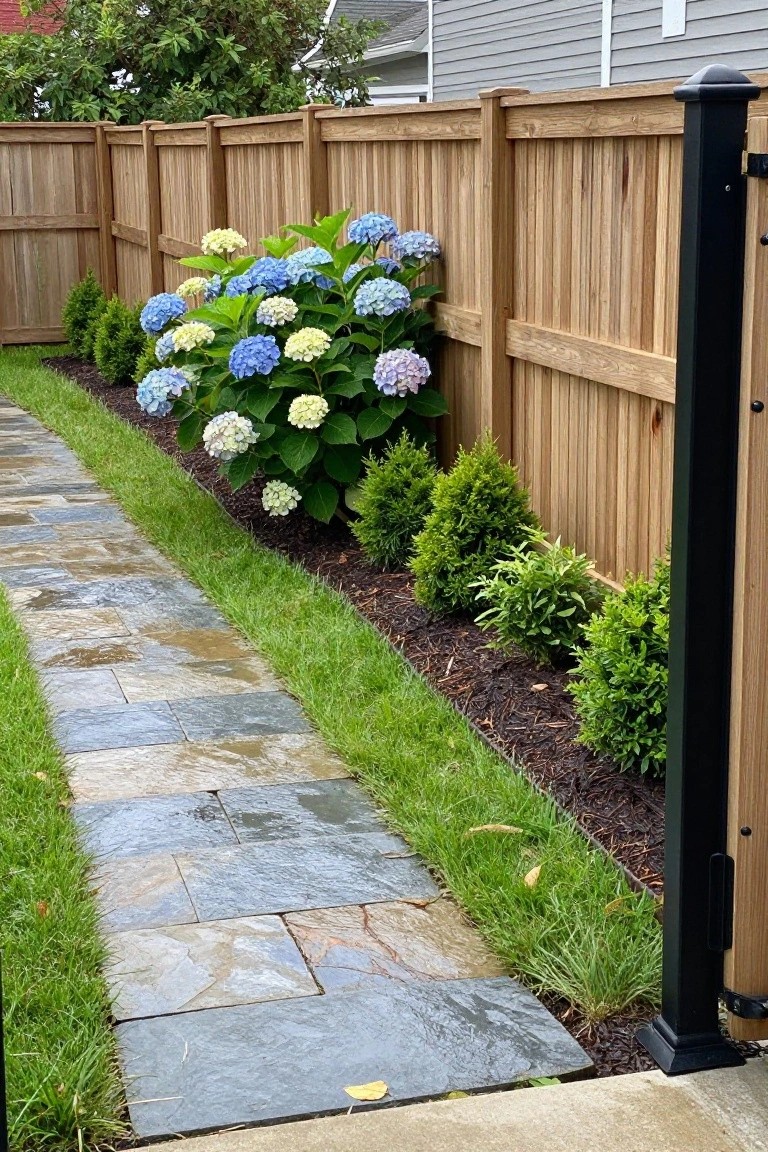
A wood fence gives a garden bed both shelter and clear boundaries. It blocks wind and creates a solid backdrop that helps taller plants stay upright and look fuller.
This approach suits narrow side yards or paths where space is tight. Place the tallest plants toward the fence and step down to smaller shrubs in front so everything gets light and stays easy to maintain.
An Arbor Over the Gate Supports Climbing Roses
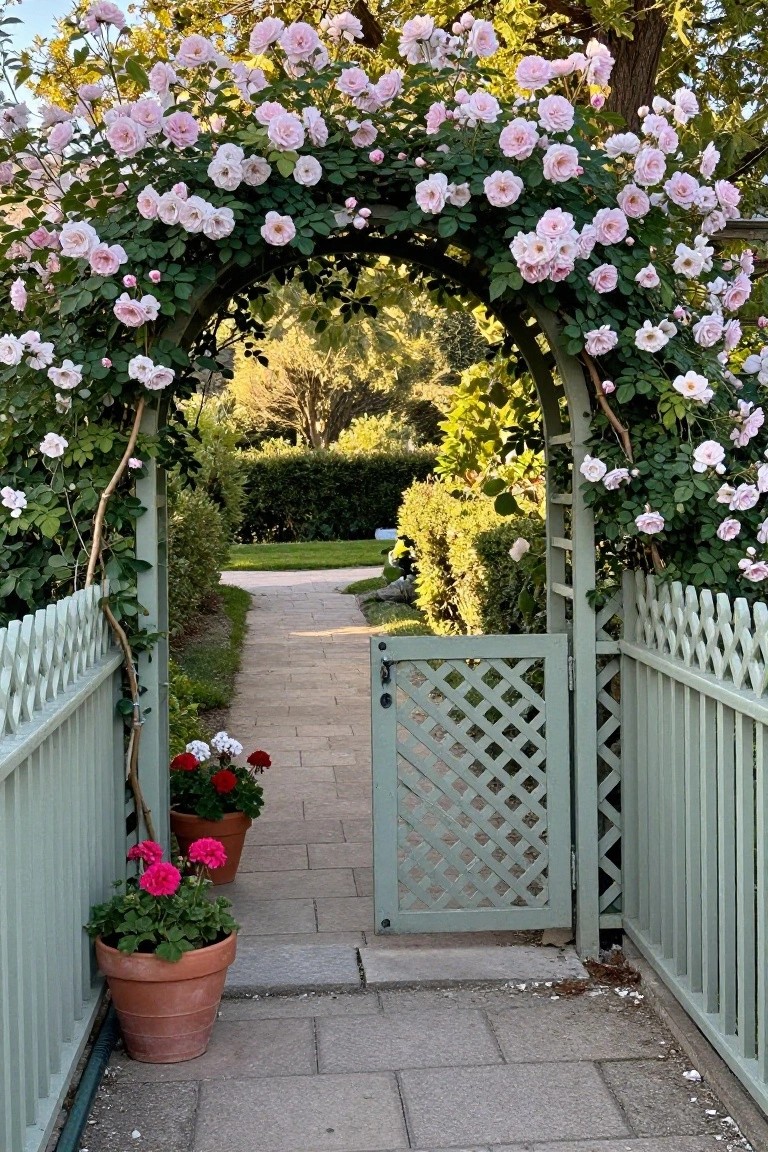
An arbor built right over a garden gate gives climbing roses a solid frame to grow on. It adds height and structure without crowding the path, and the wood ties in nicely with the fence on either side.
This setup works best in smaller gardens or along a walkway where you want a clear entry point. Choose a sturdy wood that holds up outdoors and pick roses that match your growing conditions so the plants stay healthy year after year.
Wood Fences That Shield Garden Beds
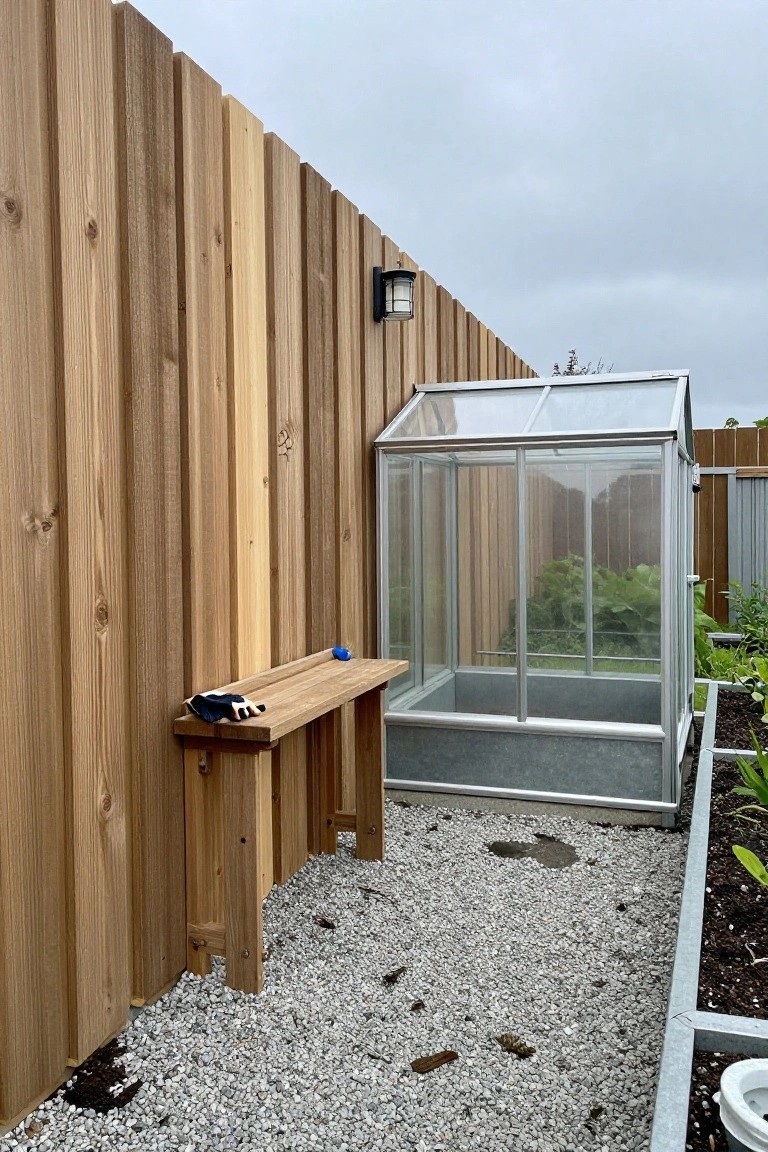
A tall vertical wood fence gives plants real protection from wind while keeping the whole garden area looking neat and contained. Many people like this setup because it creates a quiet corner that feels separate from the rest of the yard without needing extra structures.
This works especially well along property lines or the back of a smaller garden where you want to block strong gusts and still have room for raised beds or a greenhouse. Just make sure the fence is set a bit back from the soil so moisture does not collect at the base over time.
Low Picket Fences To Edge Flower Beds
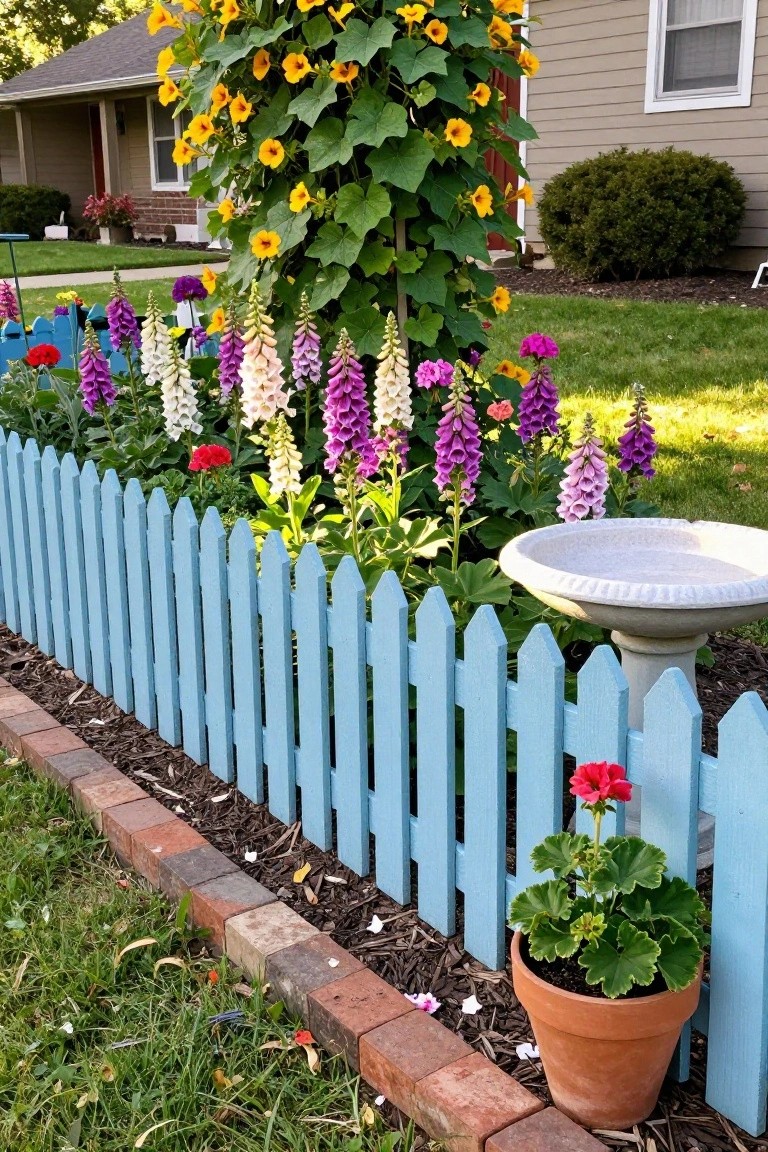
A low wooden picket fence gives flower beds a clear edge without making them feel closed off. It protects the plants from foot traffic while adding a simple line that draws the eye through the garden.
This style works best in smaller front yards or along a walkway where you want the flowers to stay visible. Paint the fence a soft color so it adds interest without competing with the blooms, and keep the height low enough that taller plants can still show above it.
Edge Garden Beds with Stones Along Wood Fences
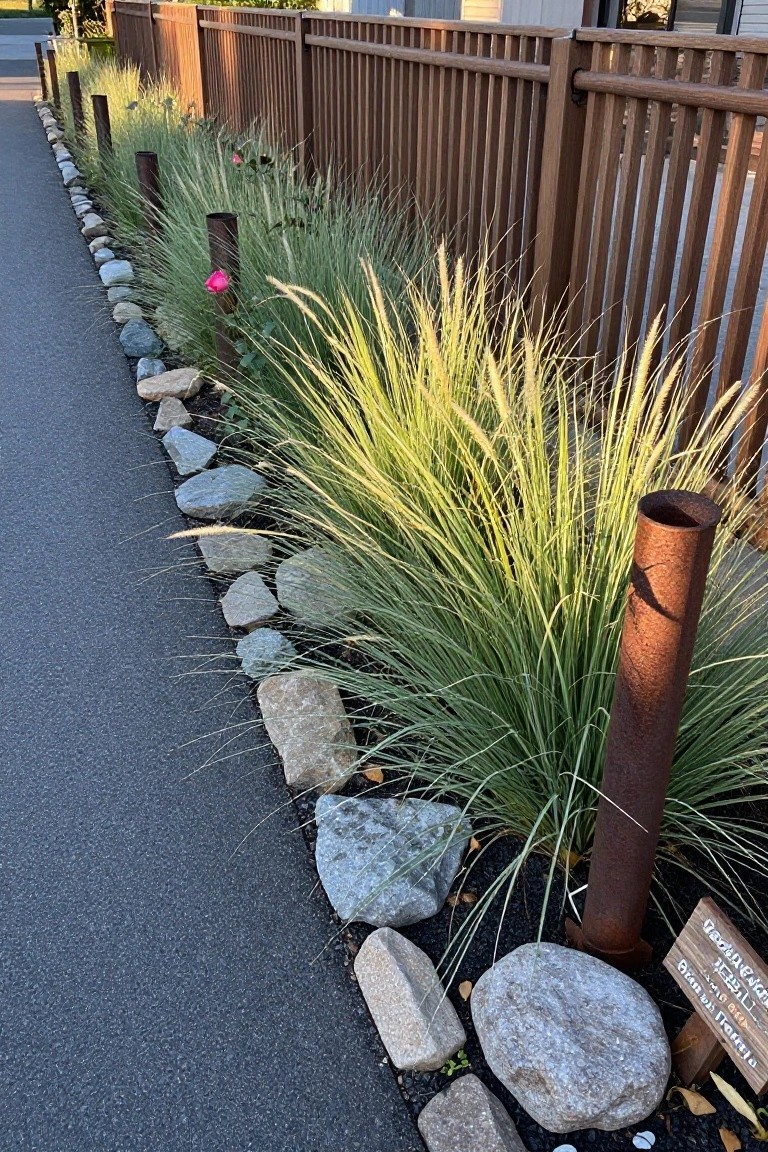
A line of stones keeps soil and mulch from spilling onto a path while giving tall grasses room to grow right up against the fence. The stones also protect the base of the wood from constant moisture.
This setup works best in long narrow strips where you need a simple border that does not block the fence view. Flat or rounded stones sit low enough for the planting to look soft rather than boxed in.
Tall Wood Fences That Create Enclosed Garden Spots
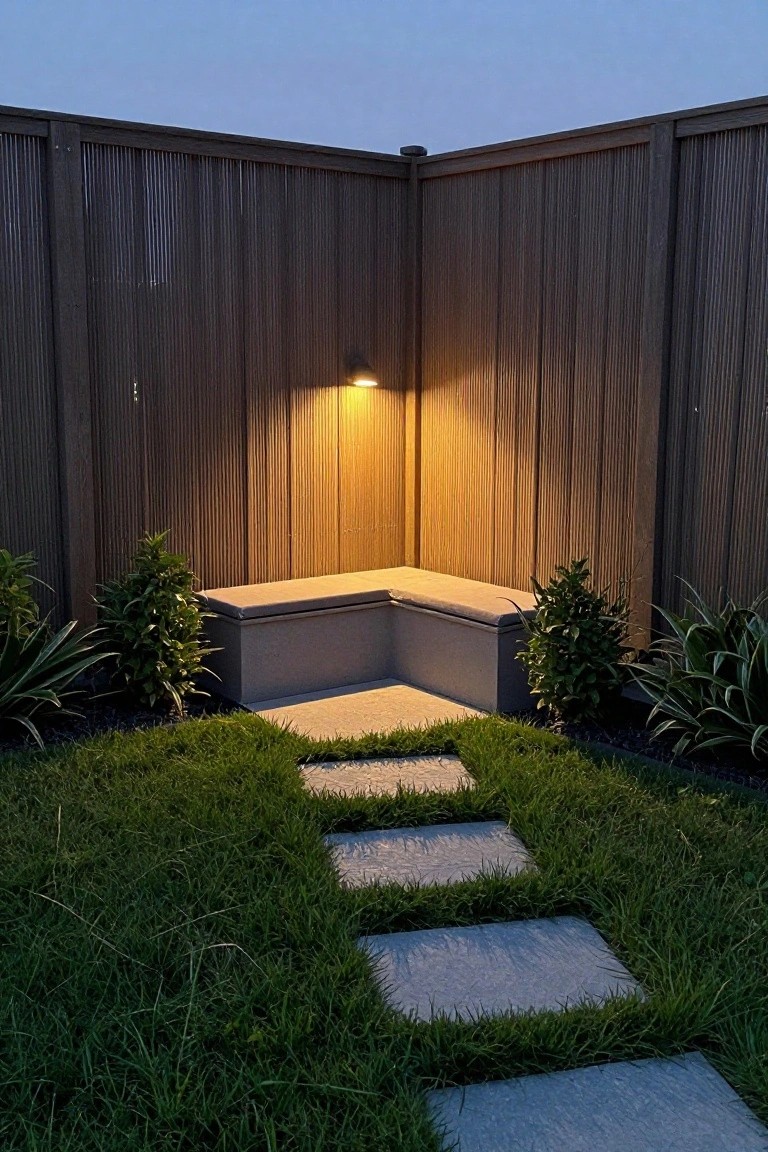
A tall wood fence with vertical slats can turn an open patch of yard into a quiet, private corner. It gives structure without feeling closed off, and the natural grain keeps the look simple and garden friendly. Many people like this setup because it blocks wind and noise while still letting plants grow right up against the base.
This works best in smaller backyards where you want one defined seating area. Place the fence in a corner, add a low bench along the inside, and run a path of stepping stones through the grass to reach it. Just watch the height so it does not shade your plants too much.
Raised Wooden Beds Along a Fence
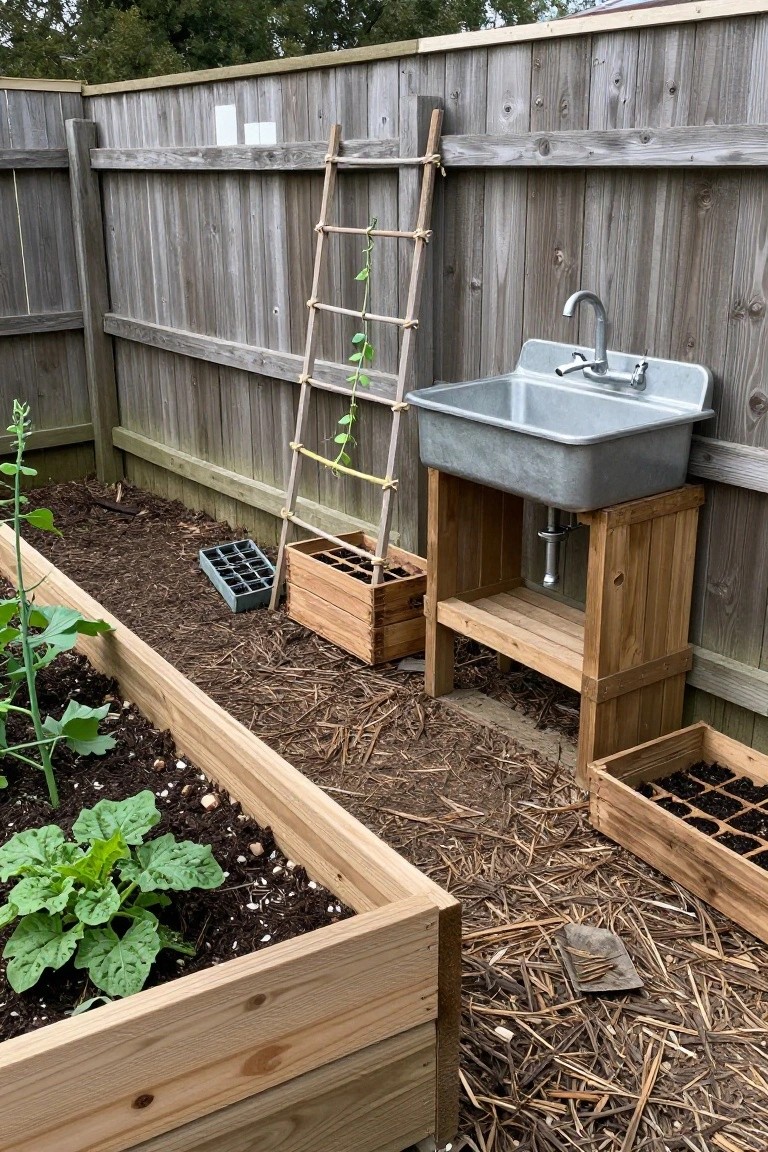
Many gardeners add raised wooden beds right against a wooden fence to keep plants organized and protected. It turns the fence into more than just a boundary and gives the beds a solid backdrop that feels intentional.
This works best in smaller yards where space is limited and you want easy access for watering and weeding. Use the same type of wood for both the beds and any fence repairs so everything stays simple and holds up over time.
Add an Arch for Climbing Roses
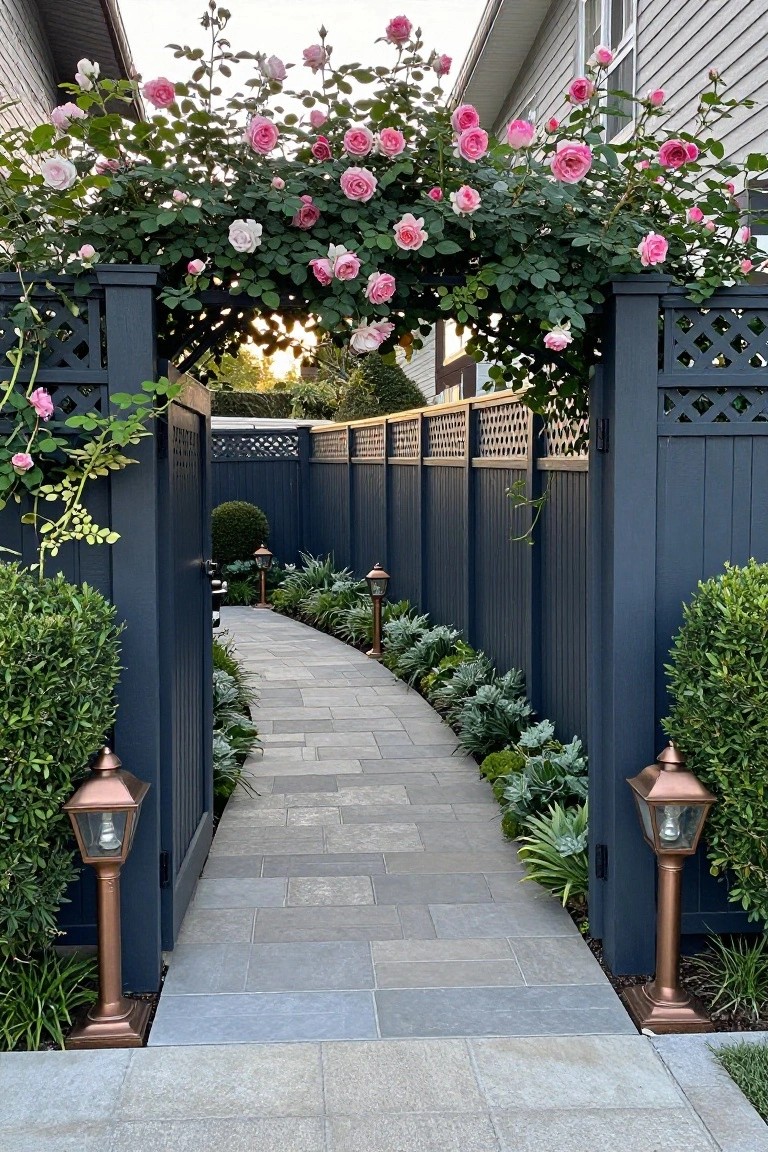
An arch built right into a wood fence gives climbing roses a place to grow while turning a simple gate into something more welcoming. The structure protects the garden behind it and creates a clear entry point that feels intentional without much extra work.
This works best on a side or back fence where you want both privacy and a bit of softness. Keep the wood painted or stained dark so the flowers stand out, and choose roses that bloom over a long season so the arch stays interesting most of the year.
Built-In Planters Along A Wood Fence
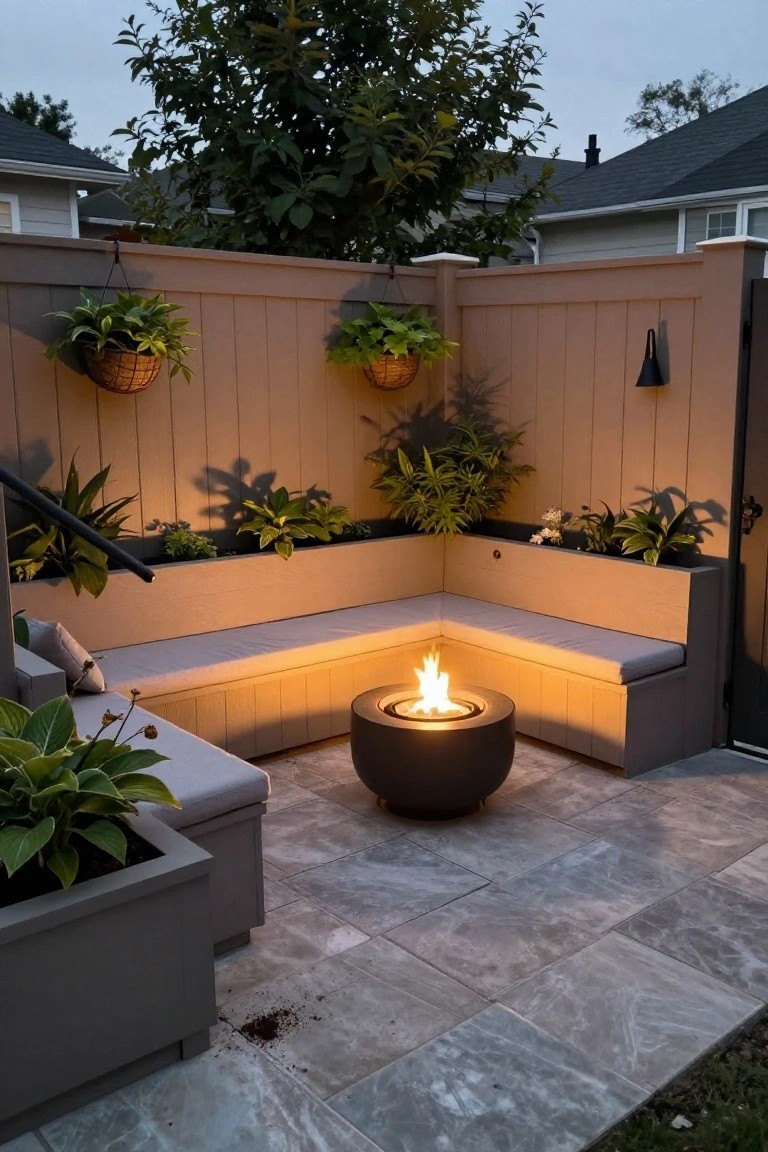
Running a low planter box right along the base of a wood fence gives the whole structure a finished look while keeping plants safe from being stepped on. It also adds height without needing extra pots or stands that take up floor space.
This works best in smaller yards or corner patios where you want privacy but still need room to move around. Just check that the fence boards can handle any extra moisture from the soil before you build it in.
Wood Fences With a Shaped Top Edge
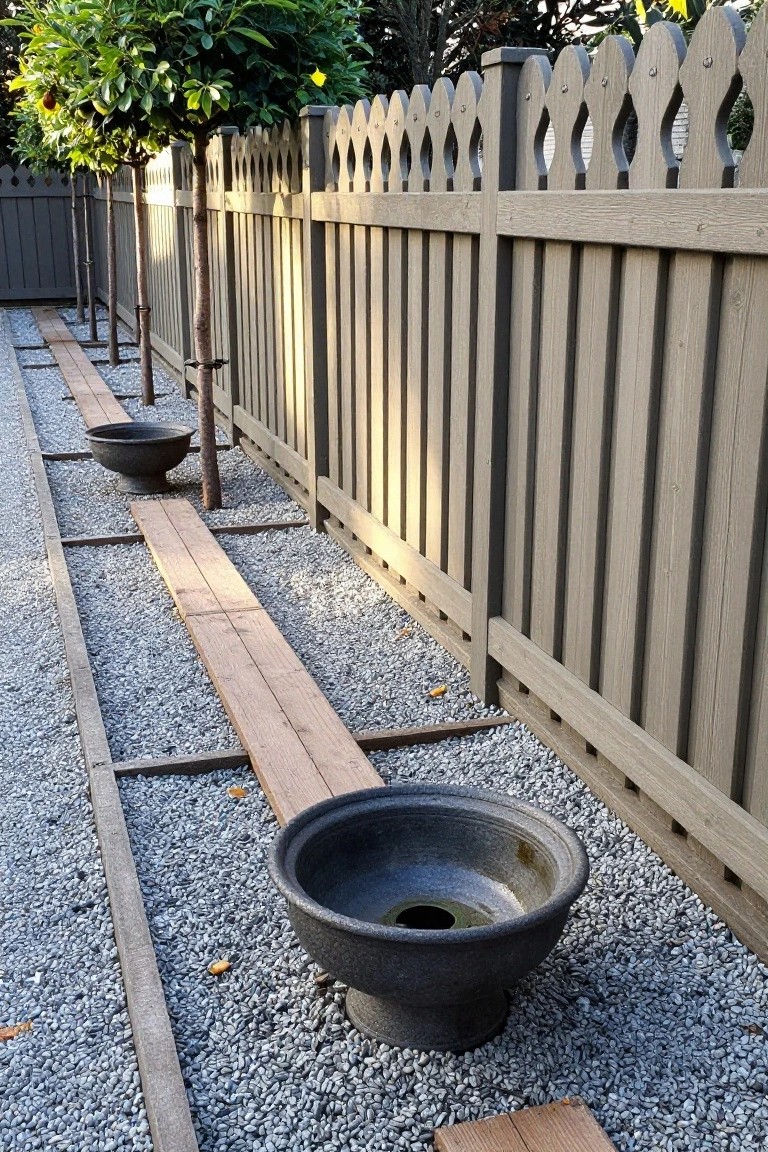
A wood fence built with vertical boards and a cutout top rail adds privacy without making the garden feel boxed in. The open upper section lets in light and air while the solid lower part keeps plants protected from wind and animals.
This style works best along narrow garden beds or side yards where a heavy solid fence would overpower the space. Keep the wood natural or lightly stained so it blends with gravel paths and nearby trees.
Wood Fences With Plant Borders Along Paths
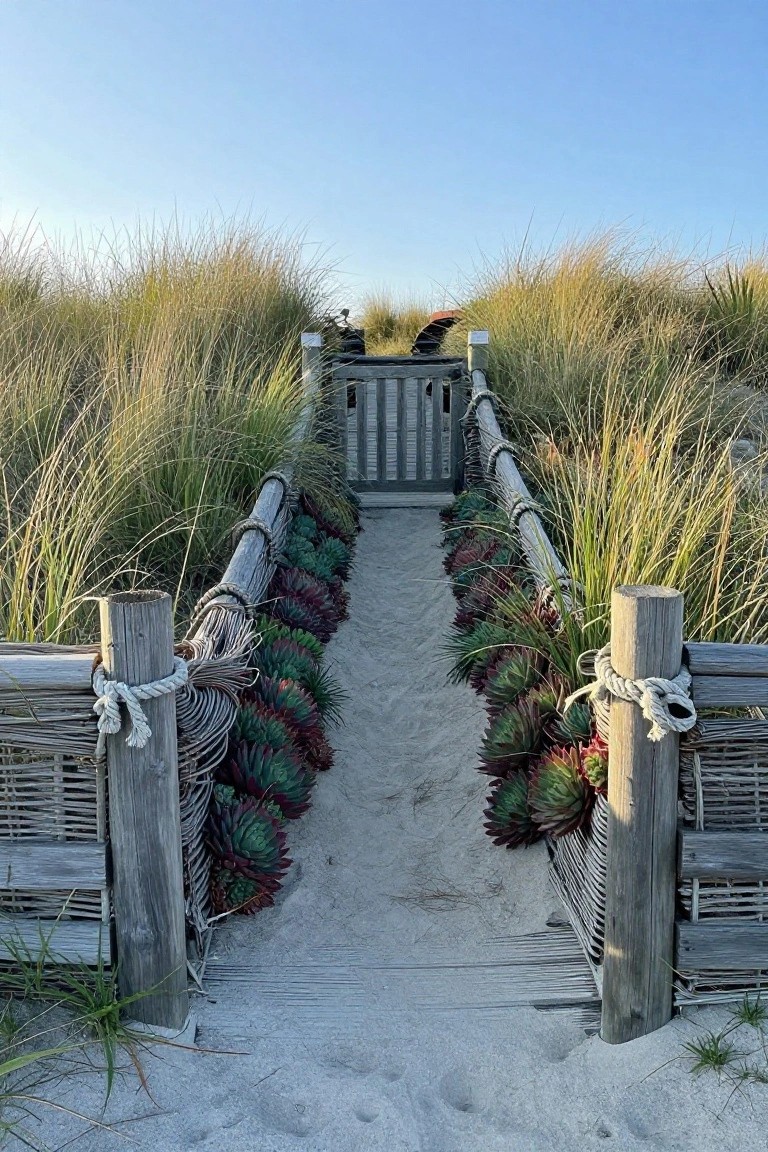
A low wood fence can do more than mark a boundary. When you leave a narrow strip of soil right beside it, plants have a protected place to grow without getting stepped on or blown away. The woven panels and sturdy posts help hold the edge steady while still letting the garden feel open.
This setup works especially well in sandy or loose soil areas where paths tend to shift. Succulents or tough grasses planted along the fence stay safer from wind and foot traffic. It suits homes near the coast or any garden where you want simple edging that also supports planting.
Integrate Seating Into the Planter Edge
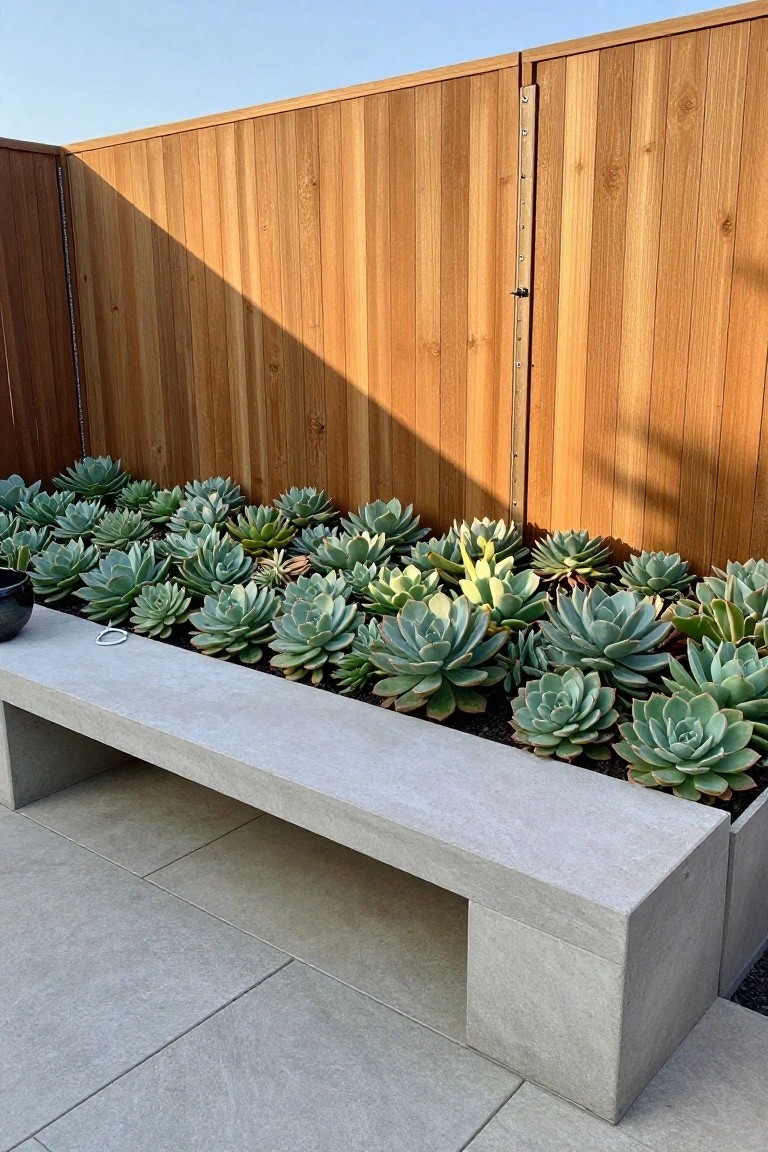
A raised planter gains a lot when its front wall doubles as a bench. The solid edge gives you a place to sit without taking up extra floor space, while the plants stay safely behind it. This works well along a fence because the wood already provides the back and some shelter.
It suits compact patios or side yards where every inch counts. Keep the bench height around 16 to 18 inches so it feels natural to use, and choose a material that handles weather without much upkeep. Succulents stay tidy in this setup and do not spill over the seating area.
Wooden Gates For Garden Path Entries
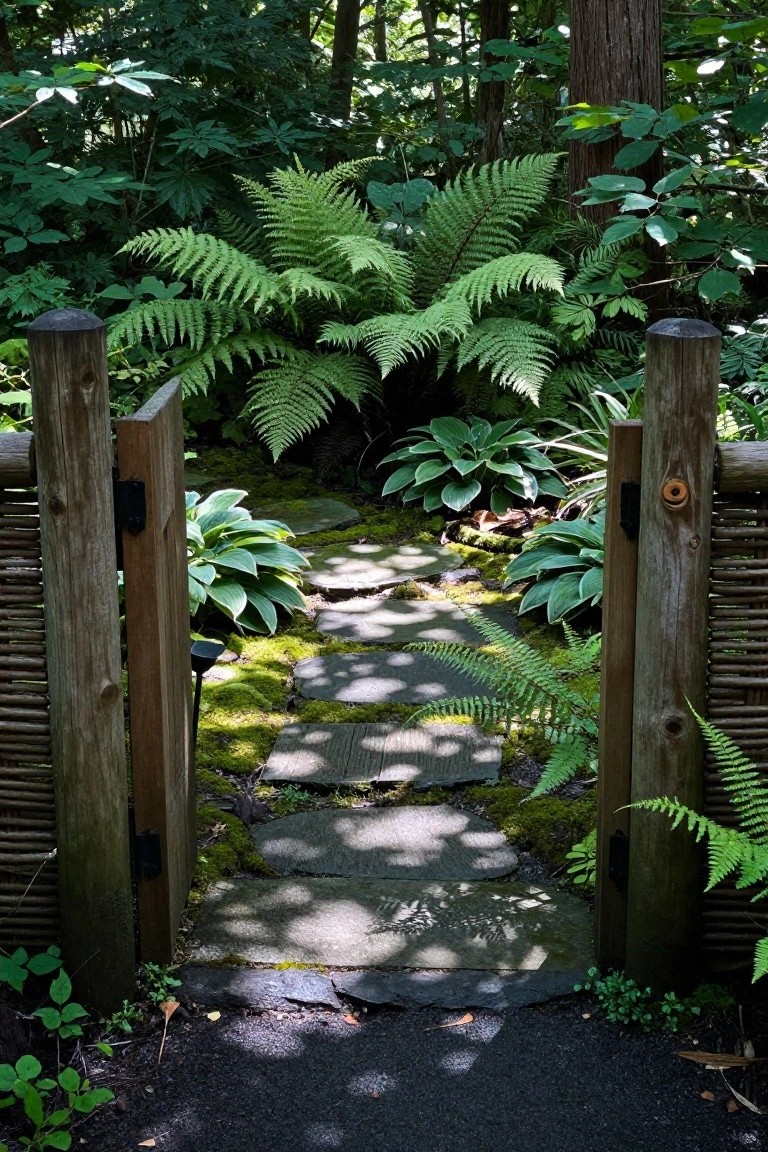
A wooden gate gives a garden path a clear starting point without closing off the space. It marks the boundary in a simple way while letting the plants on either side stay visible and protected from foot traffic.
This approach works best in shady or wooded yards where you already have a natural path layout. Keep the gate narrow and pair it with stone or gravel steps so the whole entry stays low-key and easy to maintain over time.
Lattice Fencing With Potted Plants
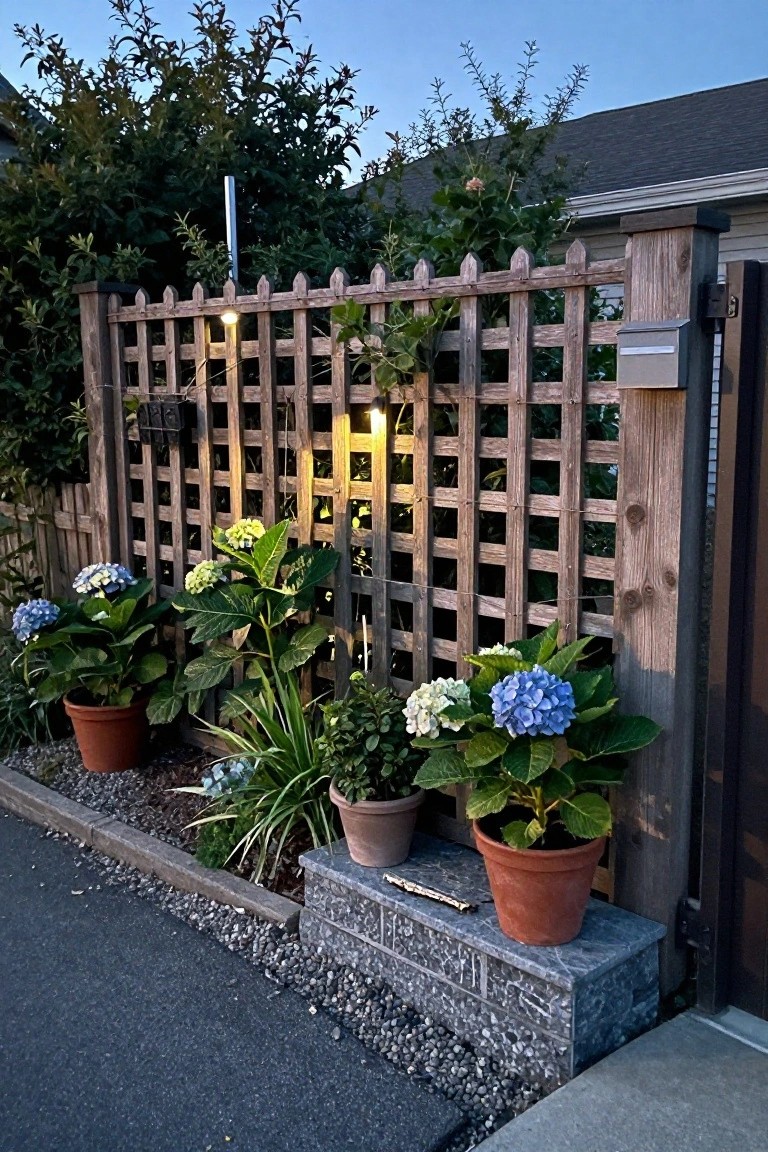
Many people like adding a lattice section to a garden fence because it creates a simple backdrop that lets plants stand out. Setting pots along the base adds height without needing to dig new beds, and it keeps the flowers easy to move or swap out.
This setup works best along a side path or driveway edge where you want a bit of separation from the street. Choose sturdy pots that match the wood tone and leave enough space between them so the fence pattern stays visible.
Frequently Asked Questions
Q: How do I stop the wood from rotting at the bottom where it touches the ground?
A: Set the posts in gravel instead of soil so water drains away fast. Then coat the base with a clear sealer every couple of years. This keeps the fence sturdy without changing its natural look.
Q: Will a tall fence block sunlight from my shorter flowers?
A: Place the fence on the north side of the garden if you can. That way it shields plants from wind but still lets in plenty of light from above. You can also choose a design with gaps or lattice on top.
Q: How can I make sure the fence protects young plants from rabbits?
A: Bury a strip of wire mesh along the base about six inches deep. Rabbits won’t dig under it. Check the bottom edges each spring and fix any gaps right away.
