

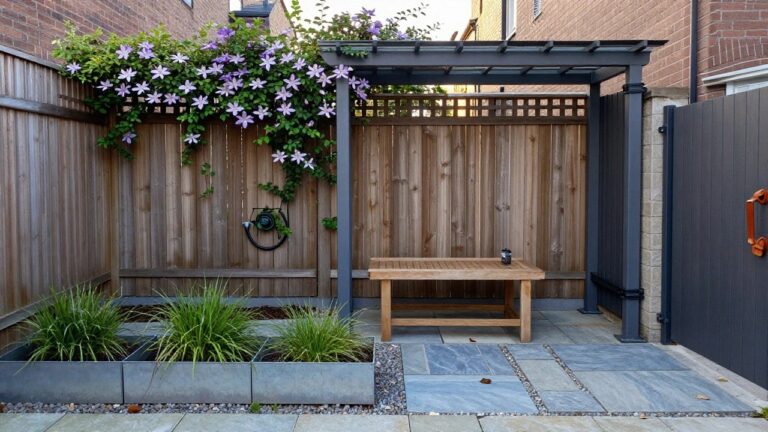
I have always thought that the fence around a property sets the tone for the whole exterior before you even reach the front door.
When a basic fence falls short on height it leaves things feeling exposed in ways that affect daily comfort outside.
One thing I keep coming back to is how small changes in the upper section can shift the balance without needing a full replacement.
In my own place I would start by checking how the wood grain and finish match what is already there before adding height.
Privacy matters more than people realize until the neighbors can see right in.
Add Height With a Pergola Extension on Your Fence
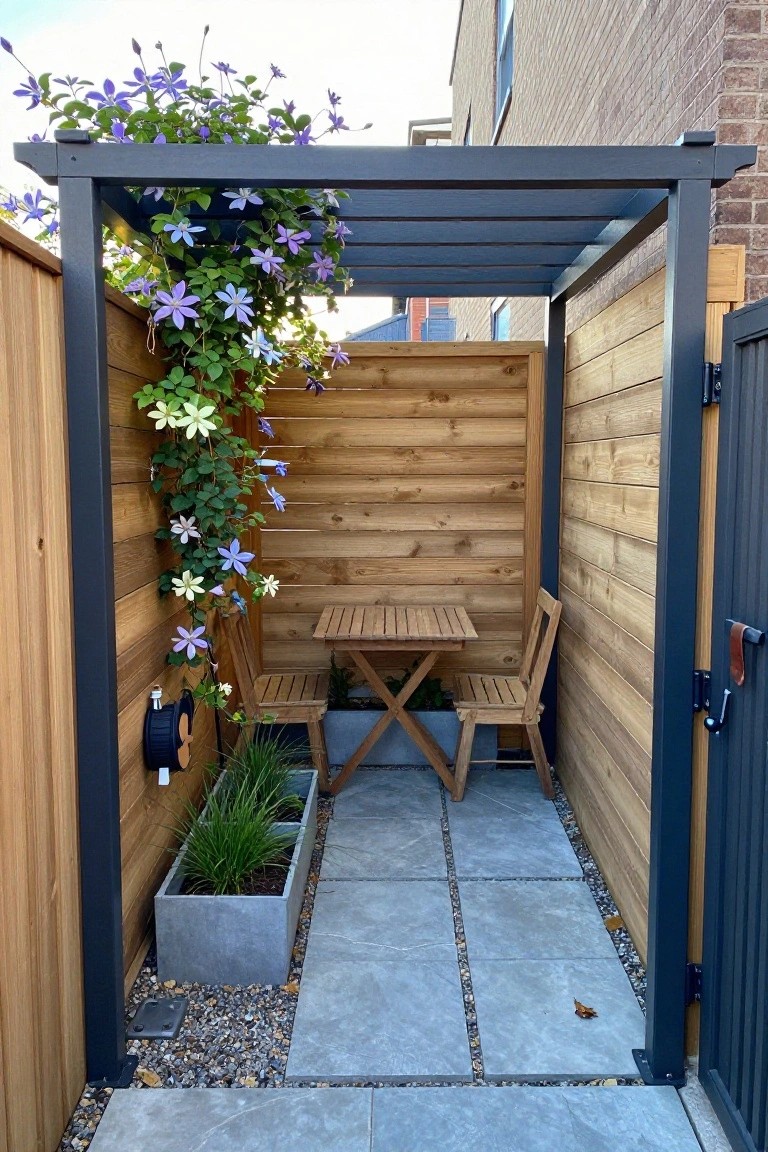
One useful way to improve privacy with a wood fence is to add an overhead structure like a pergola frame on top. It raises the visual boundary without making the fence itself look too tall or heavy, and it gives climbing plants a place to grow. The result feels more like a defined room than just a barrier along the side of the house.
This approach works well in narrow side yards or small back areas where you want screening but still need some light. Use a simple wood or metal frame that matches your fence, then train vines across it. Just keep the structure sturdy so it holds up in wind and the plants do not pull it down over time.
Grow Climbing Roses Over Your Fence
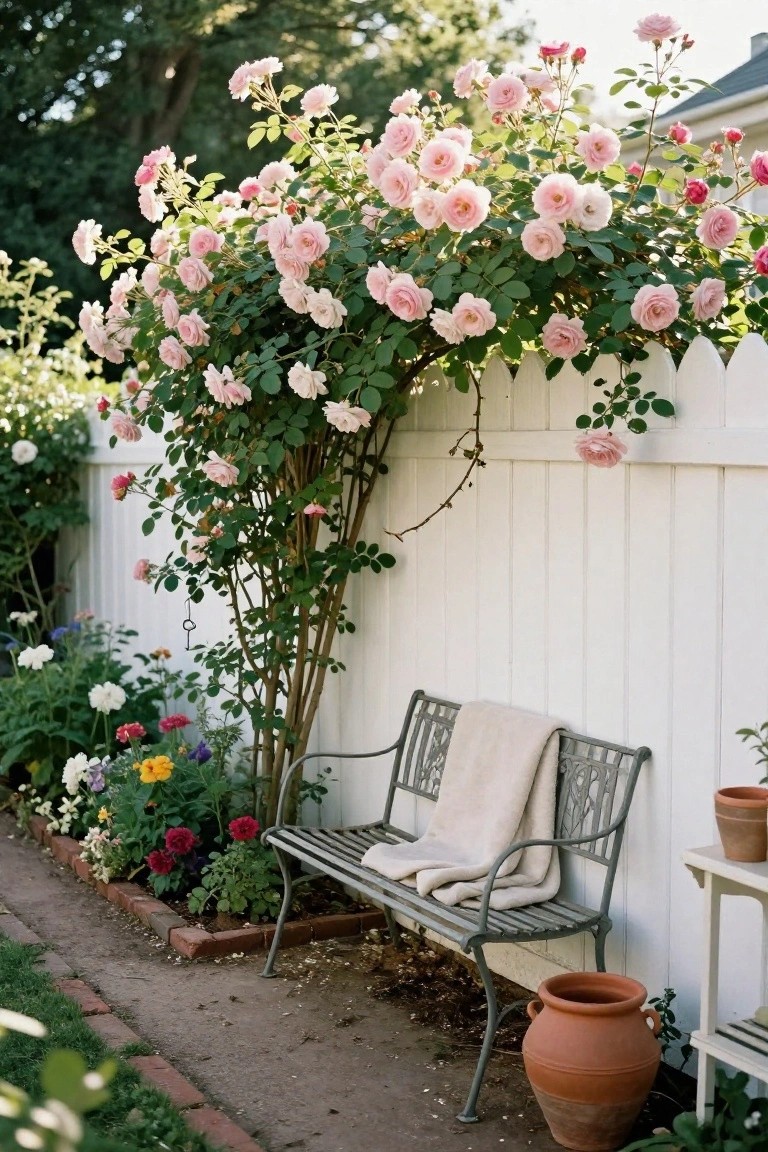
Many people use climbing roses to add height and screening above a regular fence without any extra construction. The plants fill in the space above the top rail and create a softer, living layer that blocks views from the side.
This approach works best on wood fences in sunny spots where the roses can get good airflow. Give the canes something to grab onto along the top and keep the lower growth trimmed so the fence itself stays easy to maintain.
Add Built-In Seating Along the Fence
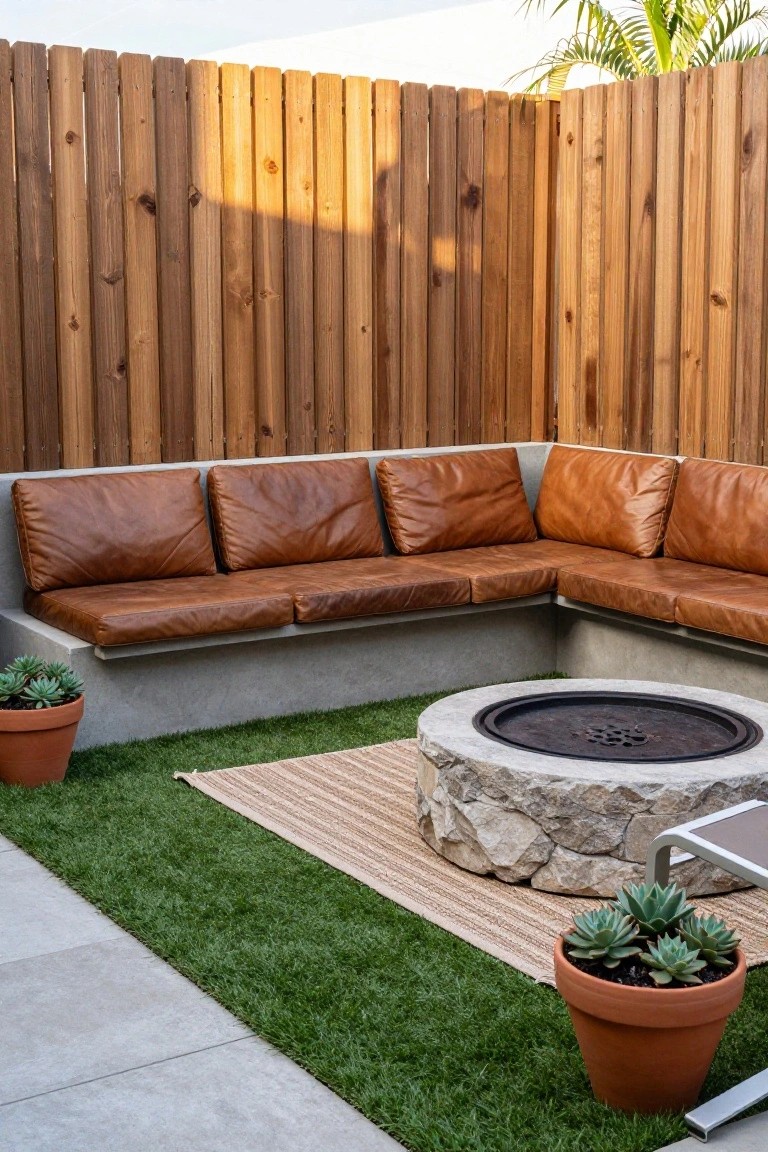
Placing a bench right against the fence turns the structure into more than just a screen. It creates a solid backrest that feels private and settled, especially in a smaller yard where every wall helps define the space. The concrete base here keeps things low and permanent without eating up floor area.
This works best on straight fence runs that already block the view from neighbors. Keep the bench height comfortable for lounging and use simple cushions so the fence stays the main feature. Just watch how much sun the spot gets in the afternoon before you commit to the layout.
Extend Wood Fences With Lattice Panels
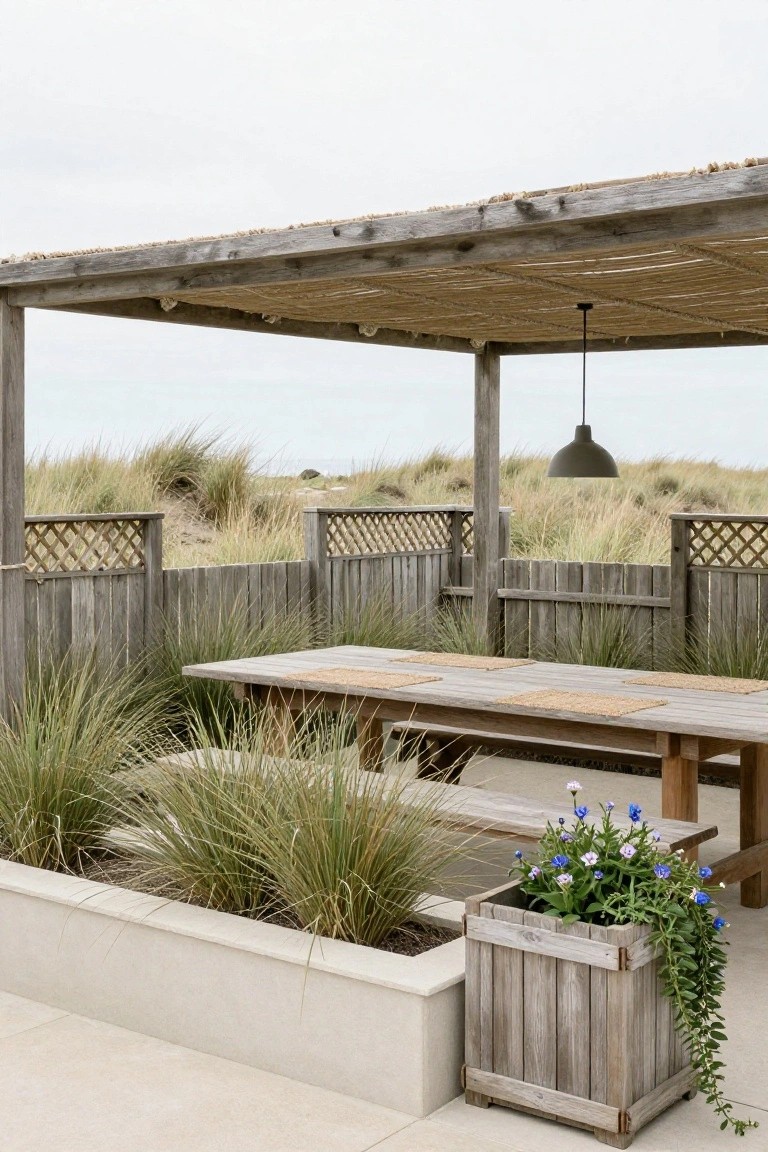
Adding lattice on top of a solid wood fence is a simple way to gain height without making the whole thing feel heavy. The open pattern lets some air and light through while still blocking the direct line of sight that most people want around an outdoor table or seating area.
This approach works best on properties where the fence already exists and you just need a bit more screening. Keep the lattice the same width as the fence boards below so the whole run looks intentional rather than tacked on.
Horizontal Slats Extend Fence Privacy
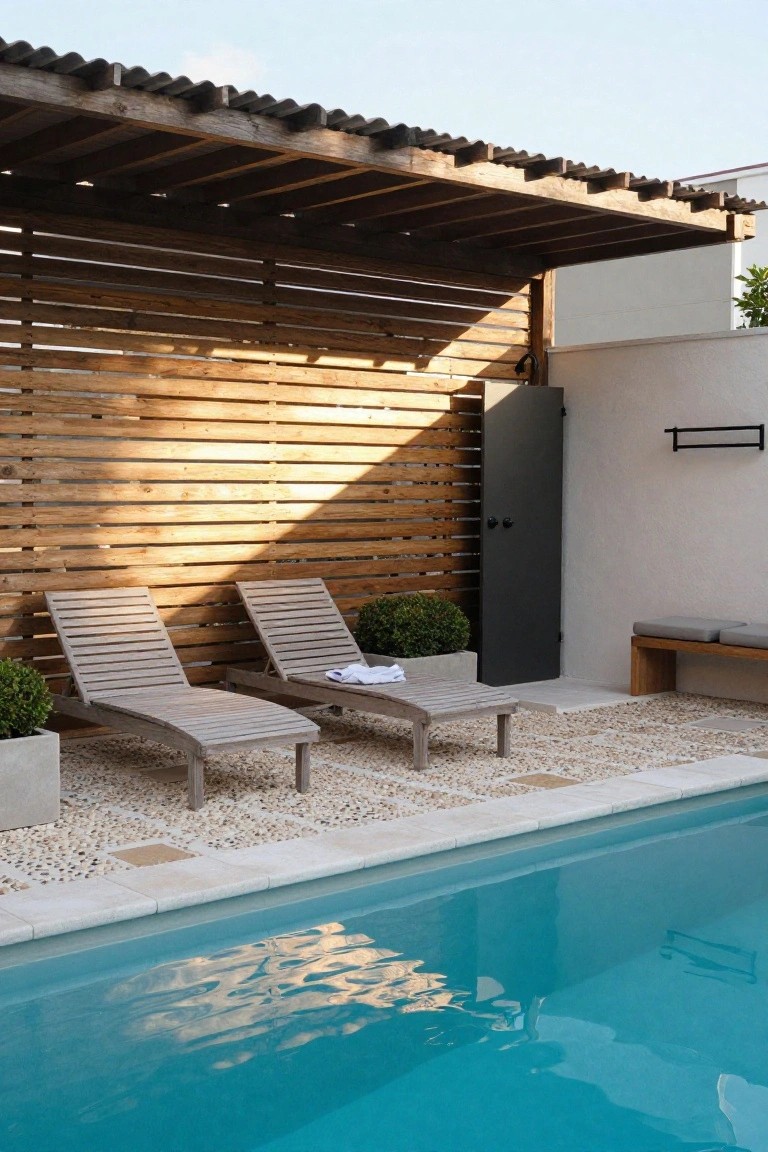
Many backyard pools sit right up against property lines, so adding height with horizontal wood slats gives quick privacy without building a solid wall. The slats let air move through while cutting off direct sightlines from neighbors or the street.
This works best on homes where the existing fence is already wood, since the new boards can match the material and color. Keep the spacing even and stop the slats at a height that feels comfortable rather than fortress-like.
Vertical Wood Fencing For Small Private Gardens
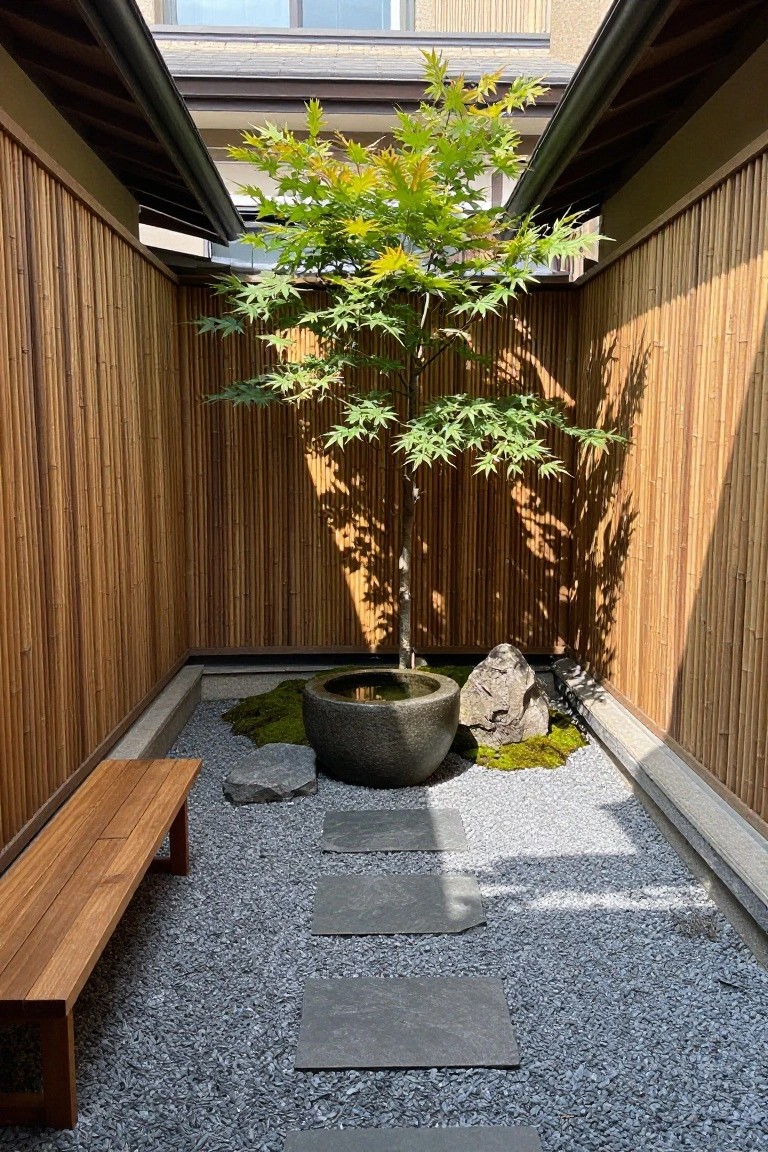
Tall vertical wood fencing works well when you want to turn a narrow side yard or small courtyard into a private space without adding a lot of plants. The straight lines and consistent material keep the area feeling open while blocking views from outside. In this setup the fence sits right against the gravel and stepping stones, which makes the whole space feel more contained.
This approach suits homes with limited outdoor room where a full hedge would take too long to grow or need too much care. Keep the fence height consistent and use a simple stain so it ages evenly with the rest of the yard. Avoid overcrowding the ground plane with too many objects if you want the screening effect to stay the main feature.
Add Height With an Arbor Over the Gate
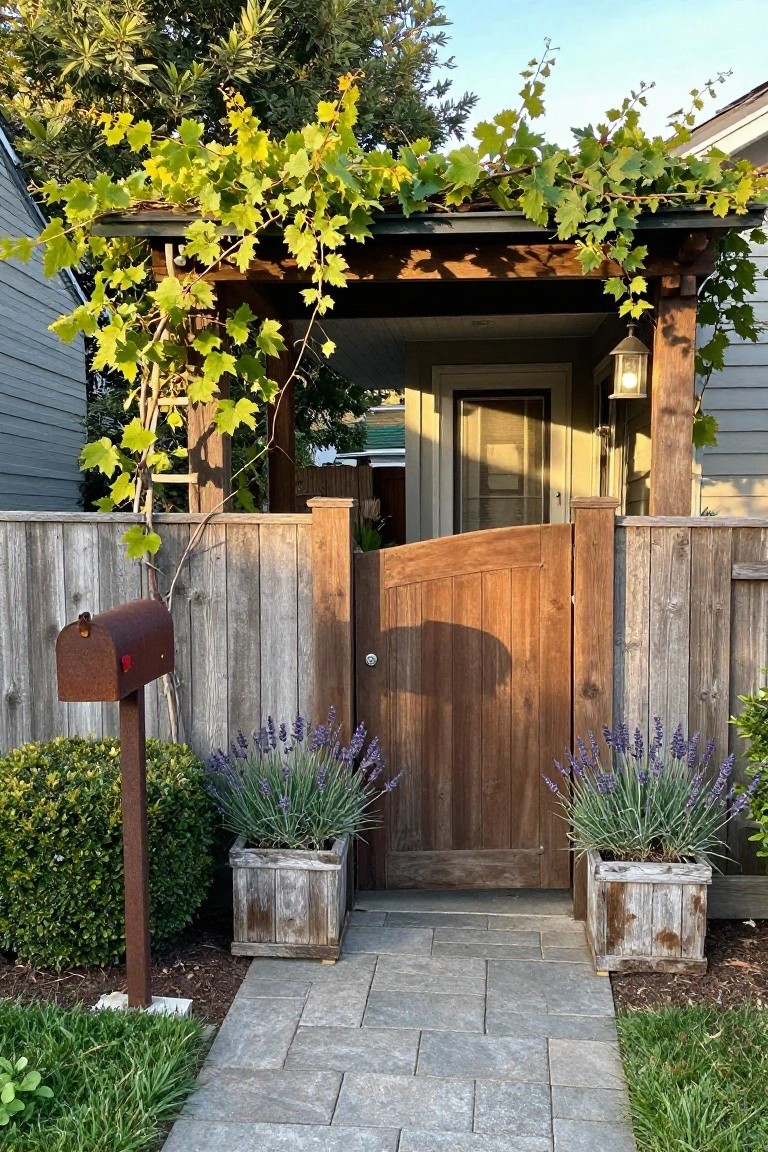
One simple way to improve screening at a front entry is to add an arbor right over the gate. It raises the line of sight without needing a full taller fence, and vines can grow across the top to block views from the street.
This approach suits homes that already have a solid wood fence. Keep the arbor fairly narrow so it matches the gate width, and choose a vine that fills in quickly but stays easy to trim.
Build a Tall Wood Fence Extension for Patio Privacy
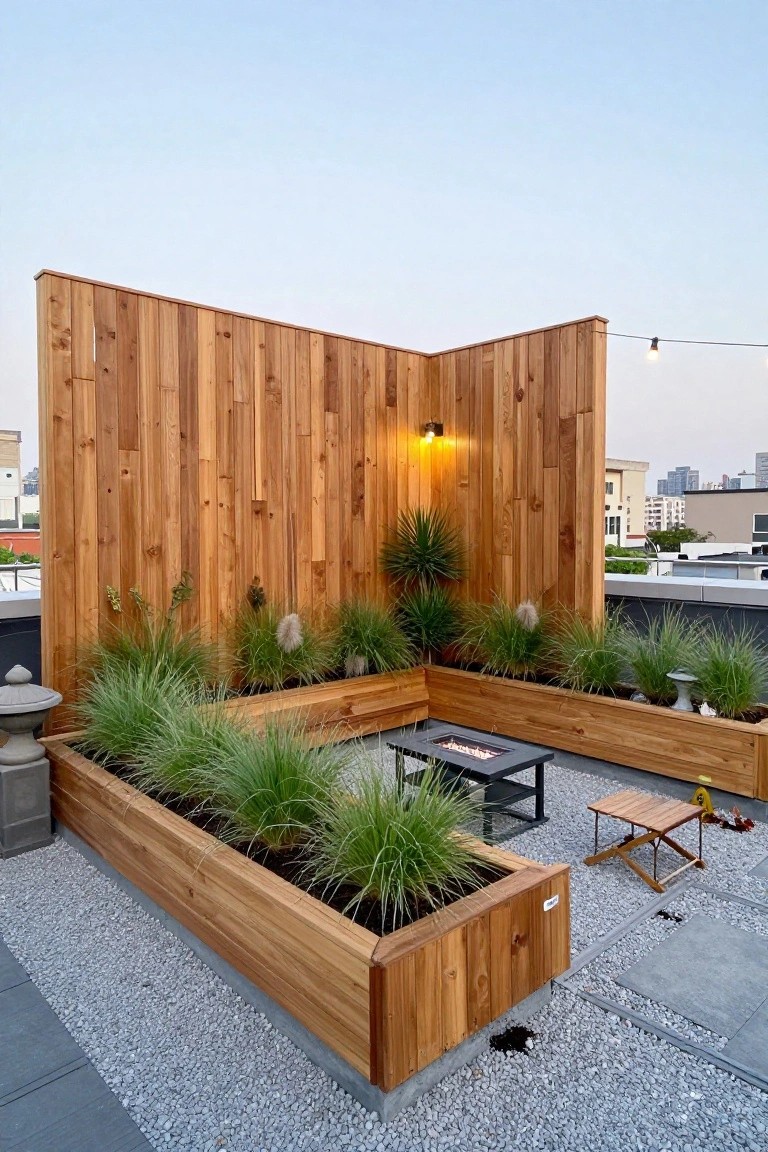
A tall wood fence extension works well when you want to turn an open terrace into a more private spot. It blocks sightlines from nearby buildings while still letting in light and air, which makes the space feel enclosed without closing it off completely.
This approach suits rooftops and upper-level decks where standard fencing falls short. Set the panels at a good height, add a raised planter along the base for planting, and keep the wood tone natural so it blends with the surroundings.
Lattice Extensions Above Gates for Added Height
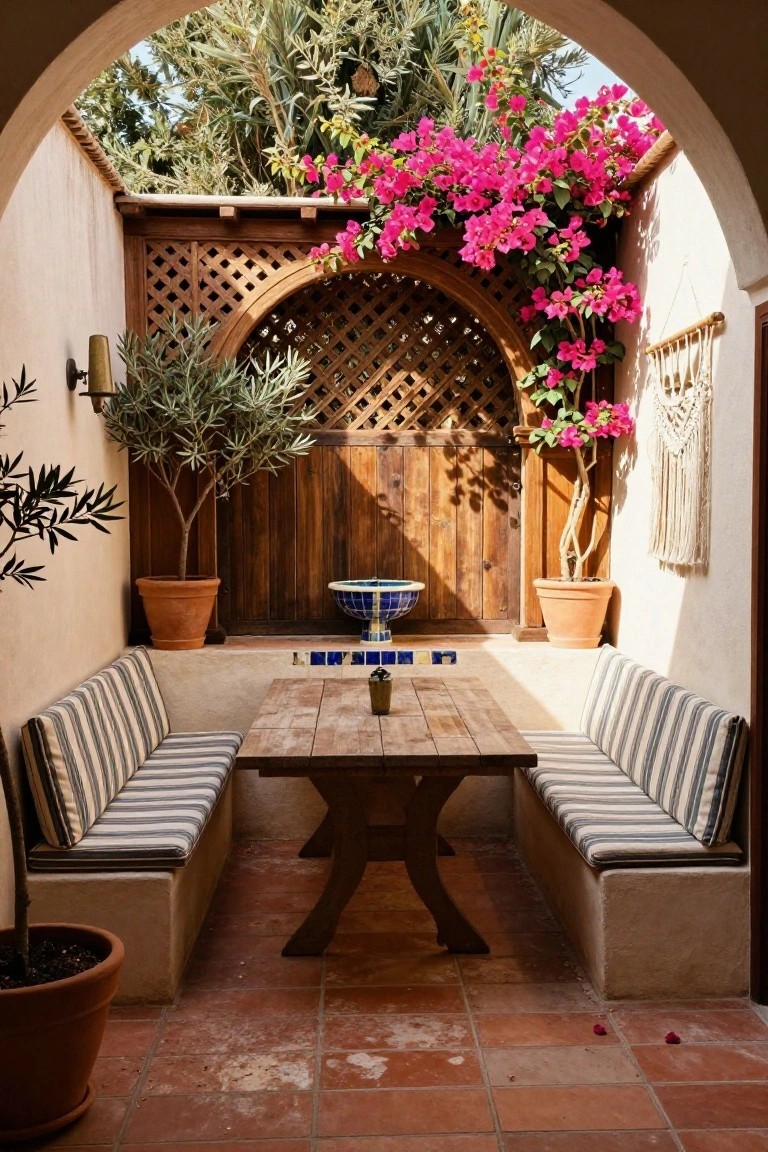
Adding a lattice section on top of a wood gate or fence gives you extra screening without needing a full taller structure. It keeps the lower part solid for privacy while letting light and air move through the upper area. Many people like this because it feels less heavy than a solid extension yet still blocks views from outside.
This works especially well in courtyard patios or side yard seating spots where you want some enclosure but not a complete wall. Try it on an existing gate like the one shown here, then add a climbing plant if you want more coverage over time. Just make sure the lattice is securely attached so it holds up in wind.
Natural Reed Fencing For Outdoor Privacy
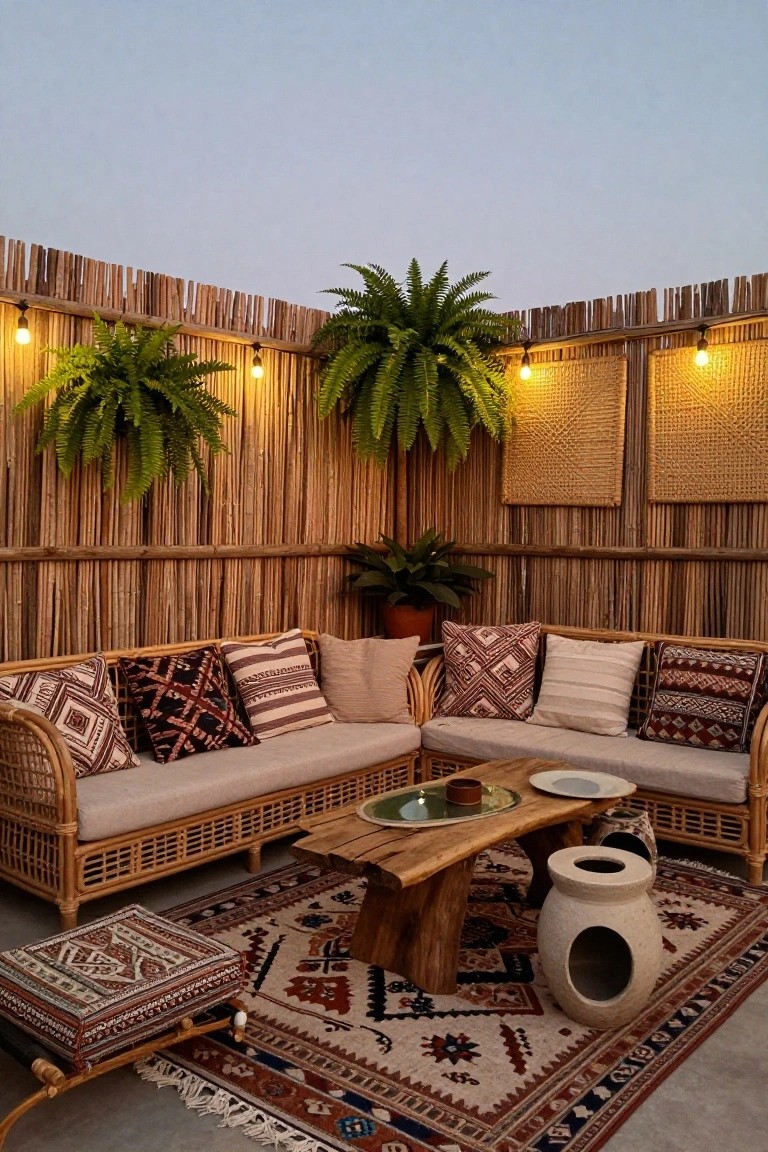
Reed fencing makes a simple way to extend an existing wall and create a private outdoor spot. The vertical reeds block views from outside while still letting some air move through, so the space does not feel closed in.
This approach works best on patios or small yards where you need screening without building a full new wall. Add a few woven accents and hang plants along the top to soften the look and make the area feel more finished.
Extend a Wood Fence Upward for More Privacy
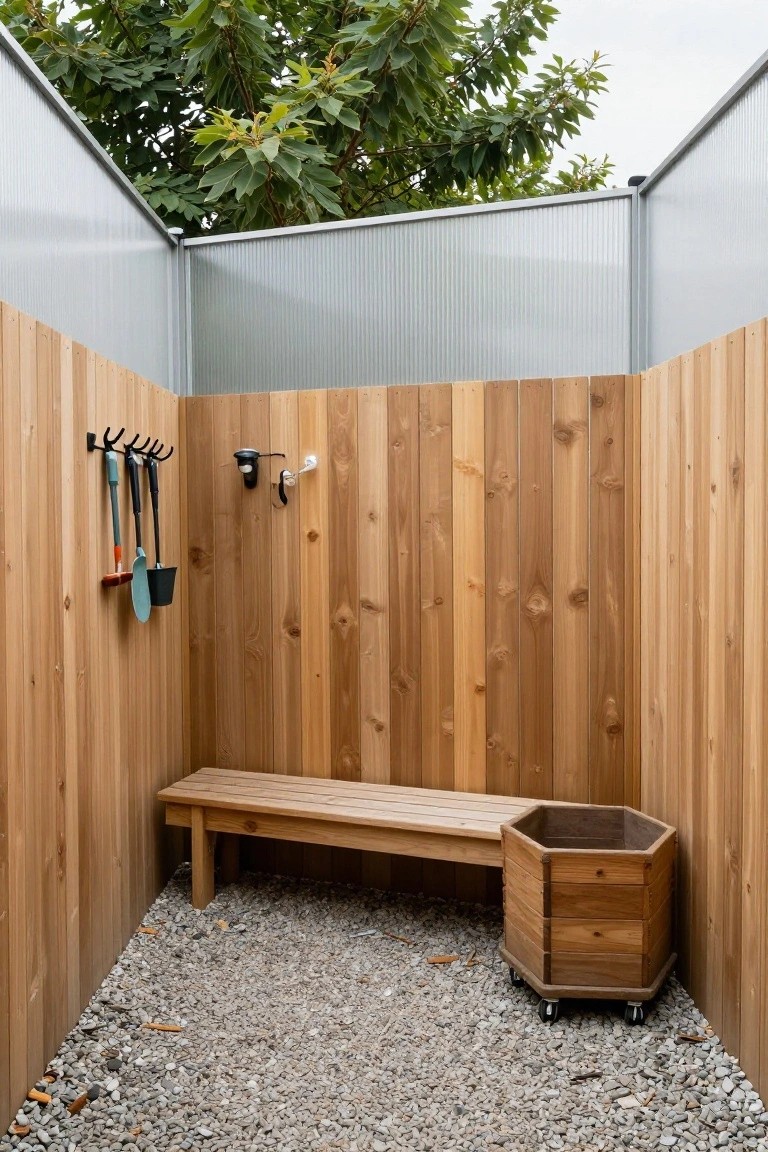
Adding height to an existing wood fence is one of the easiest ways to gain real privacy without rebuilding the whole thing. The vertical boards already give a solid base, and the added upper panel blocks sight lines from taller neighboring structures or second-story windows.
This approach works best in tight side yards, corner lots, or utility spaces where full fencing would feel too heavy. Keep the extension material simple and slightly different from the lower fence so it does not overwhelm the space, and make sure the posts can handle the extra load.
Add Height With Raised Planters Along the Fence
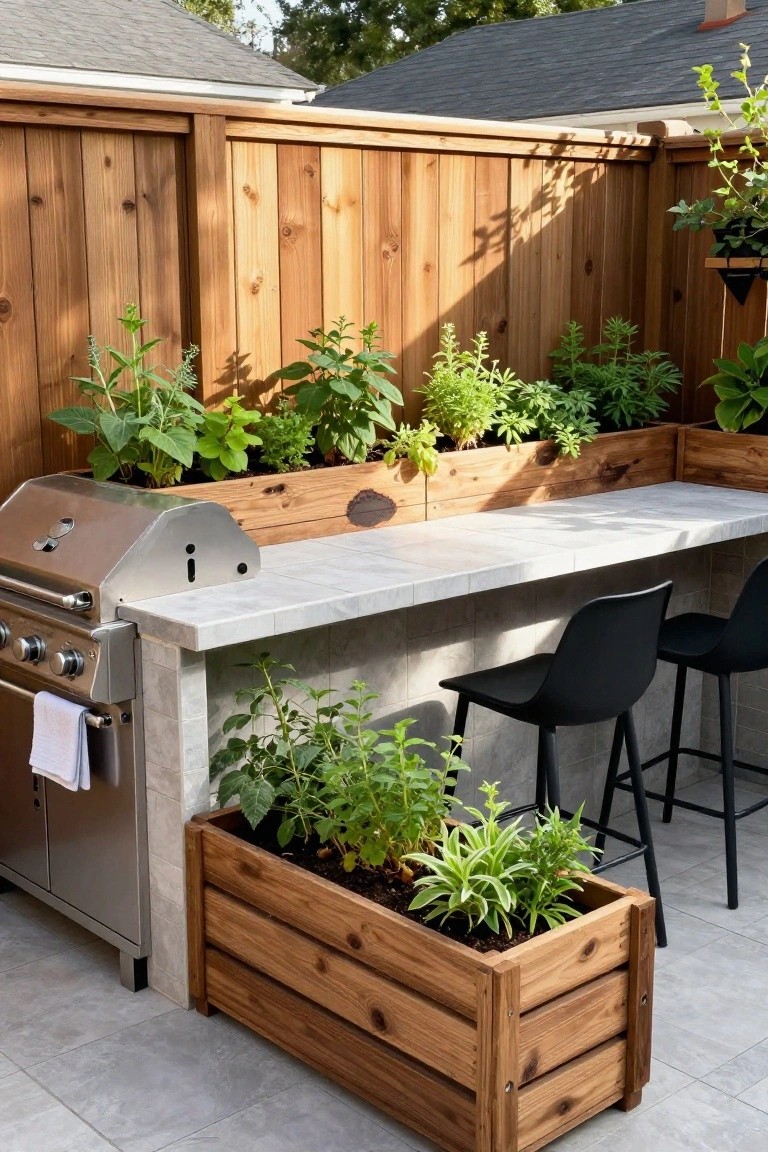
Raised planters built right along a fence line give you extra privacy without needing a full new structure. The wood matches the fence, and the plants add a living screen that softens the whole area while still keeping things practical for cooking and sitting outside.
This works especially well in smaller yards where you want both growing space and a place to gather. Keep the planters deep enough for decent root growth, and place them where they can shield a bar or seating spot from the neighbors.
Extend Your Wood Fence Around a Fire Pit
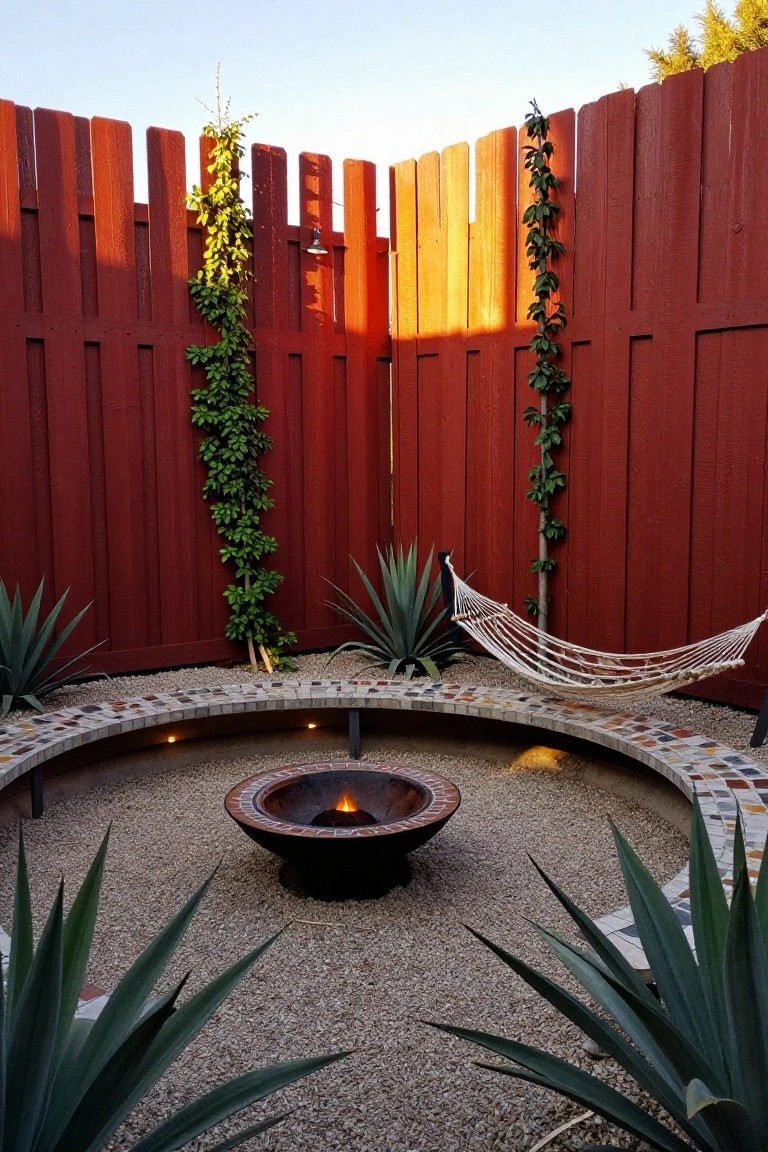
A tall wood fence does a good job of turning an open backyard into a private spot for a fire pit. It blocks the view from neighbors and makes the space feel more enclosed and usable in the evenings.
This approach works best in smaller yards where you want to sit outside without feeling watched. Keep the fence solid and at least six feet high, and add a few vines along the top if you want a bit of softness without losing the screening effect.
Add Wood Extensions to Fences for Pool Privacy
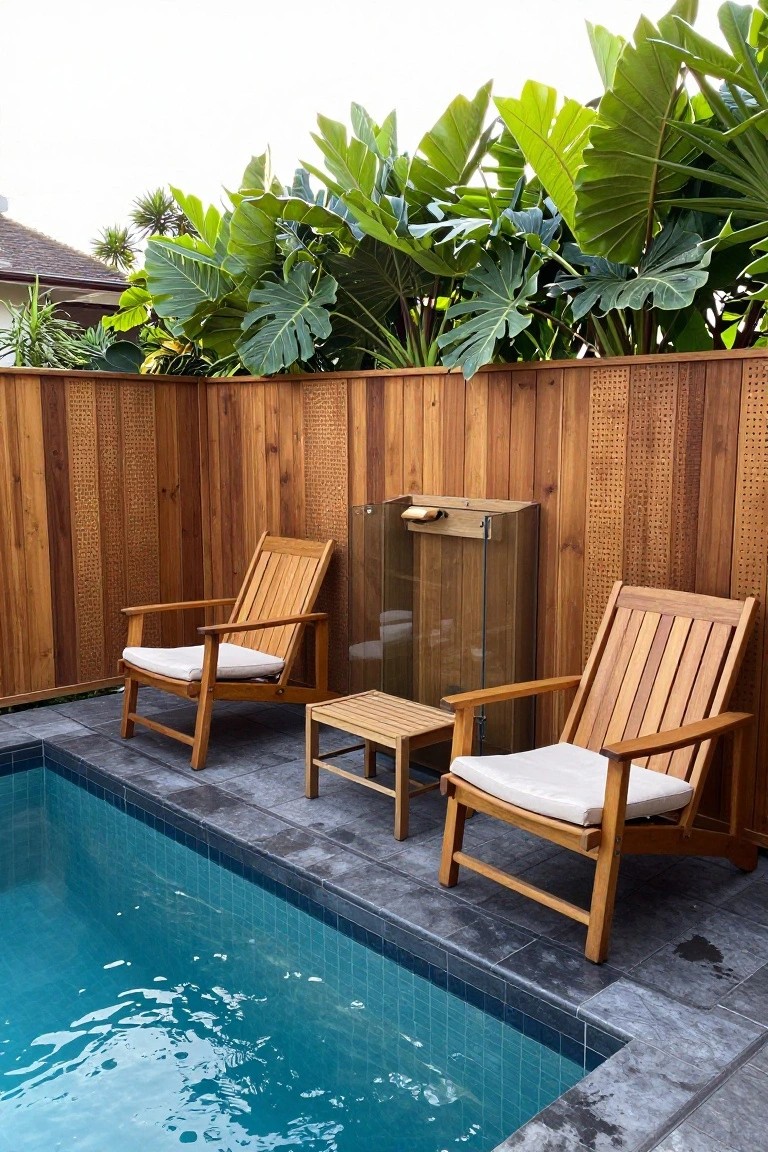
Many people add wood extensions to an existing fence when the pool area feels too exposed. It gives a solid screen without having to replace the whole fence, and the wood keeps the look simple and tied to the deck.
This approach works best on smaller yards or homes where the pool sits near the property line. Match the extension wood to any decking or outdoor furniture so it blends in, and keep the top edge fairly straight to avoid a busy look.
Add Reed Screening To Wood Fences
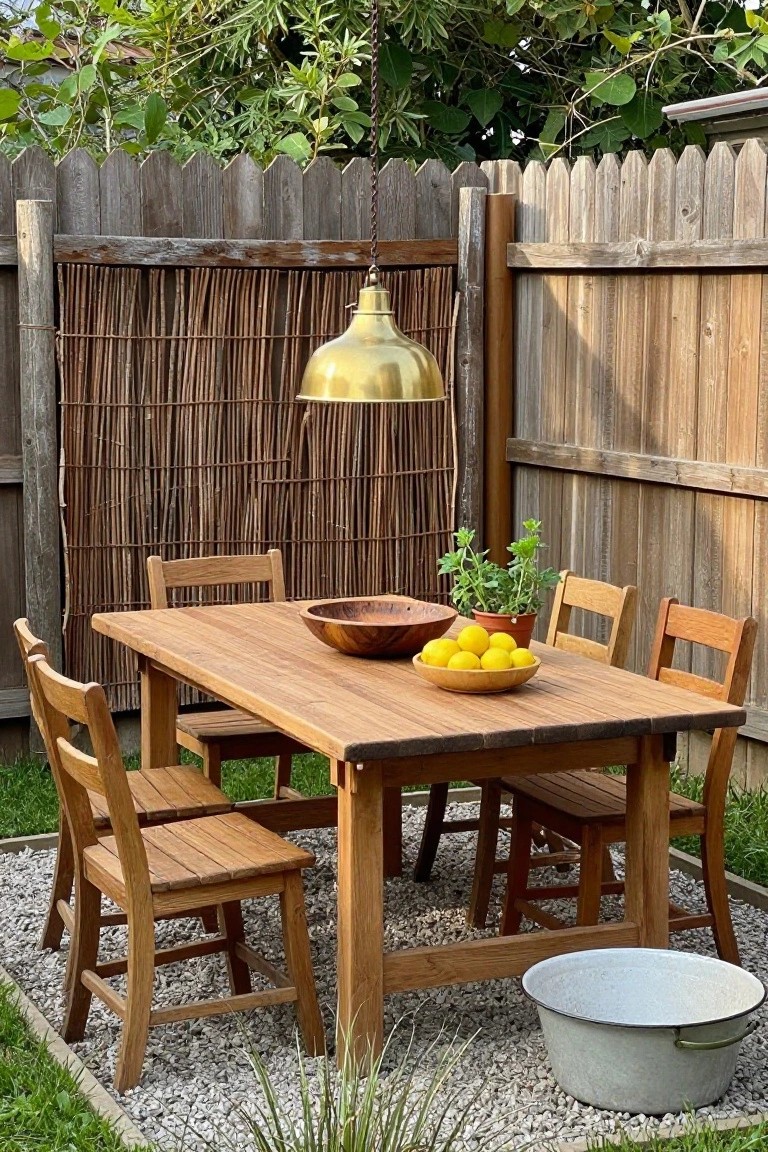
Many people attach reed or bamboo panels to their wood fence when they need more privacy than the fence alone provides. The woven material blocks the view without creating a solid wall, and it works well in smaller yards where a full height extension might feel too heavy.
This approach suits backyard dining spots or seating areas right against the fence line. It pairs best with simple wood fencing and lets some light and air through, though the panels will weather over time and may need replacing every few years.
Mount Planters Along the Top of a Fence Extension
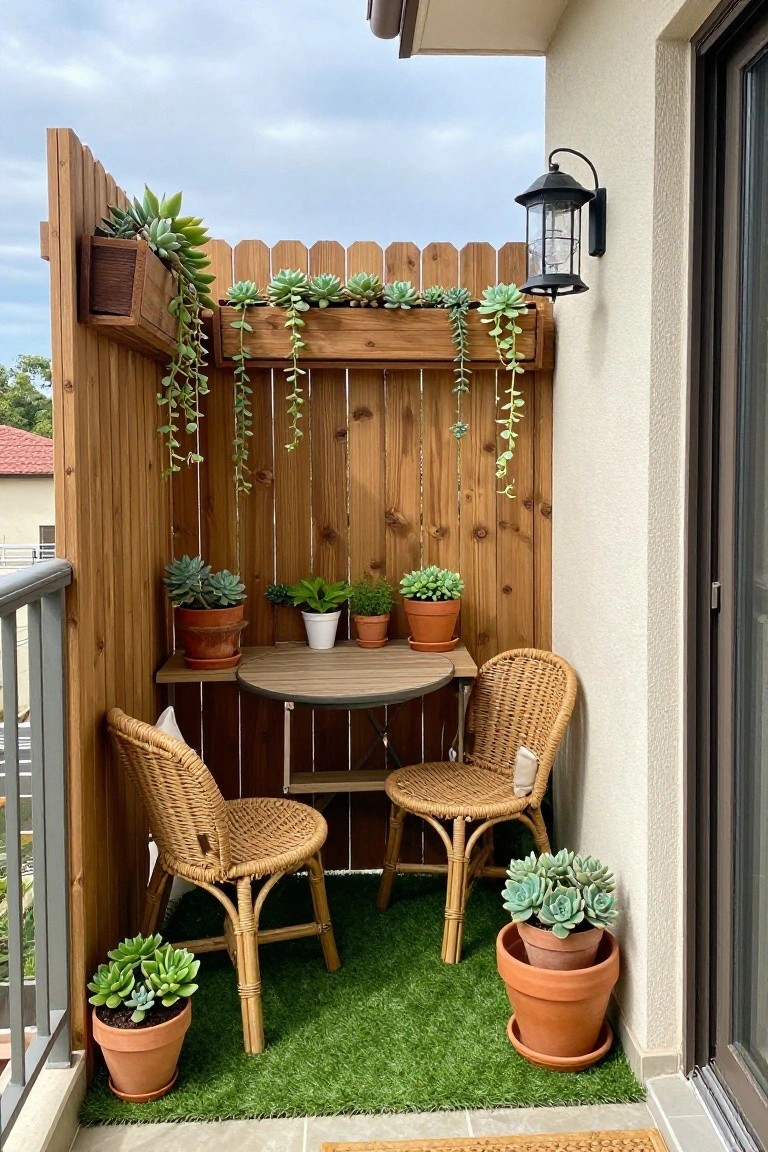
Putting planters right on top of a fence extension gives you extra height without making the whole structure feel heavy. The plants trail down naturally and fill in the open space above the fence line, which blocks views from above while still letting in some light.
This works especially well on balconies or small patios where you cannot add a full taller fence. Use lightweight boxes and trailing plants that handle wind and limited soil. Keep the lower section of the fence solid and let the greenery do the rest of the screening work.
Add Shelves To Your Fence For Extra Screening
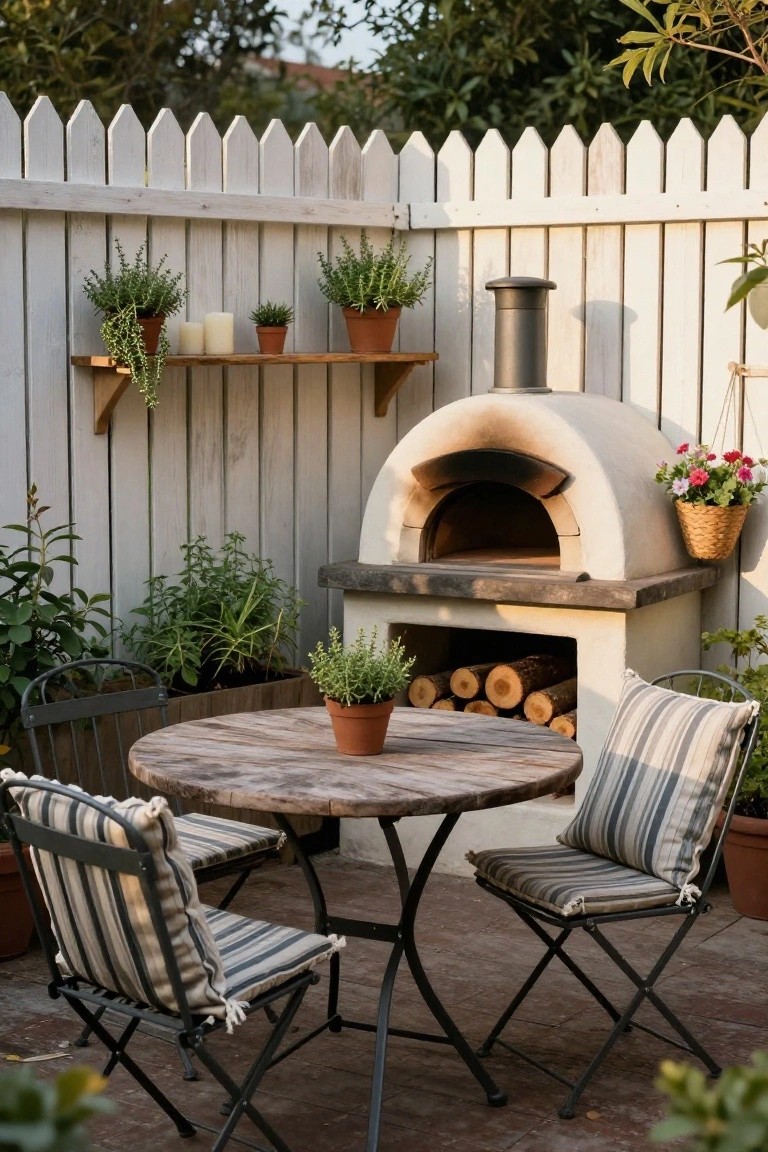
A wood fence already gives you a solid privacy wall. Adding a simple shelf along it lets you stack more greenery right at eye level without needing to raise the whole structure. The plants break up the flat surface and fill gaps so neighbors see less of your patio area.
This works especially well on shorter fences or in tight yards where you cannot add height. Place the shelf at a comfortable working height and use sturdy brackets so it can hold several pots. Stick to plants that stay fairly full through the season and you get both screening and a place to keep herbs or flowers handy.
Vertical Wood Slats for Side Privacy
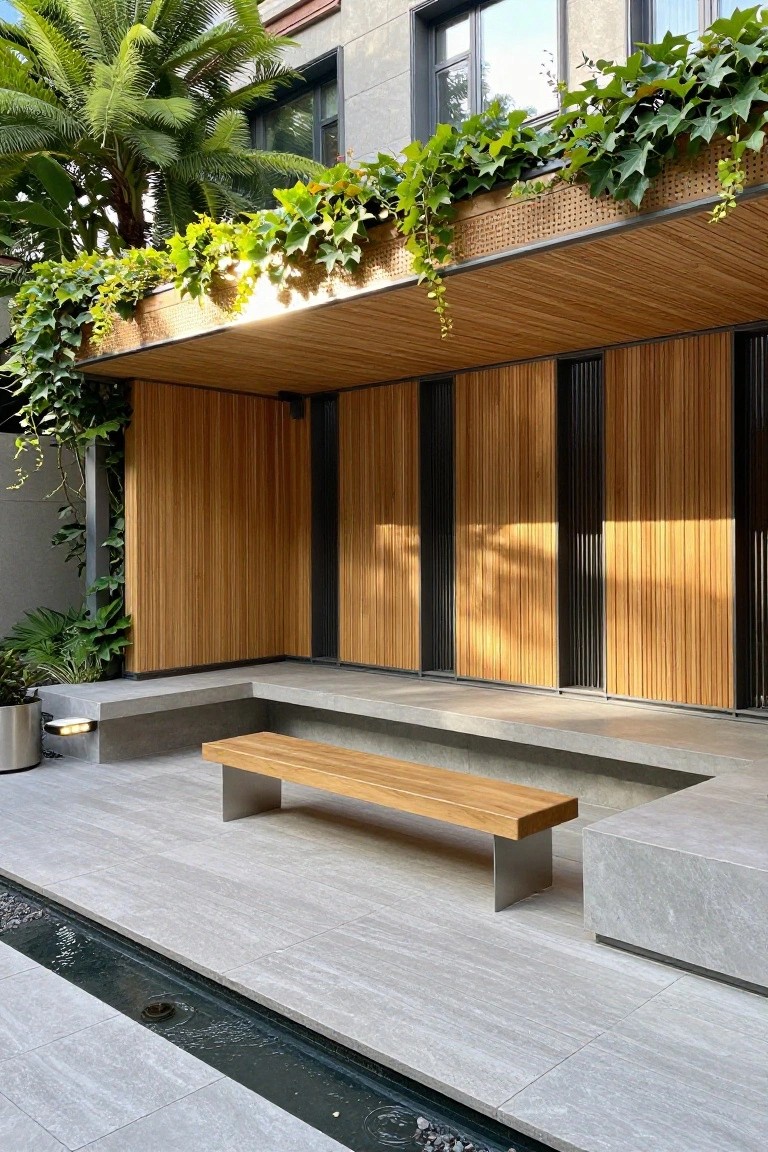
Vertical wood slats work well when you need to screen an outdoor seating area without making it feel closed in. They block the main sight lines from neighboring windows or paths while still letting air and some light pass through the gaps.
This approach suits compact patios or corner courtyards where a full solid fence would feel too heavy. Keep the slats the same tone as any nearby decking or furniture so the whole space stays simple.
Layer Planting Along the Fence Base
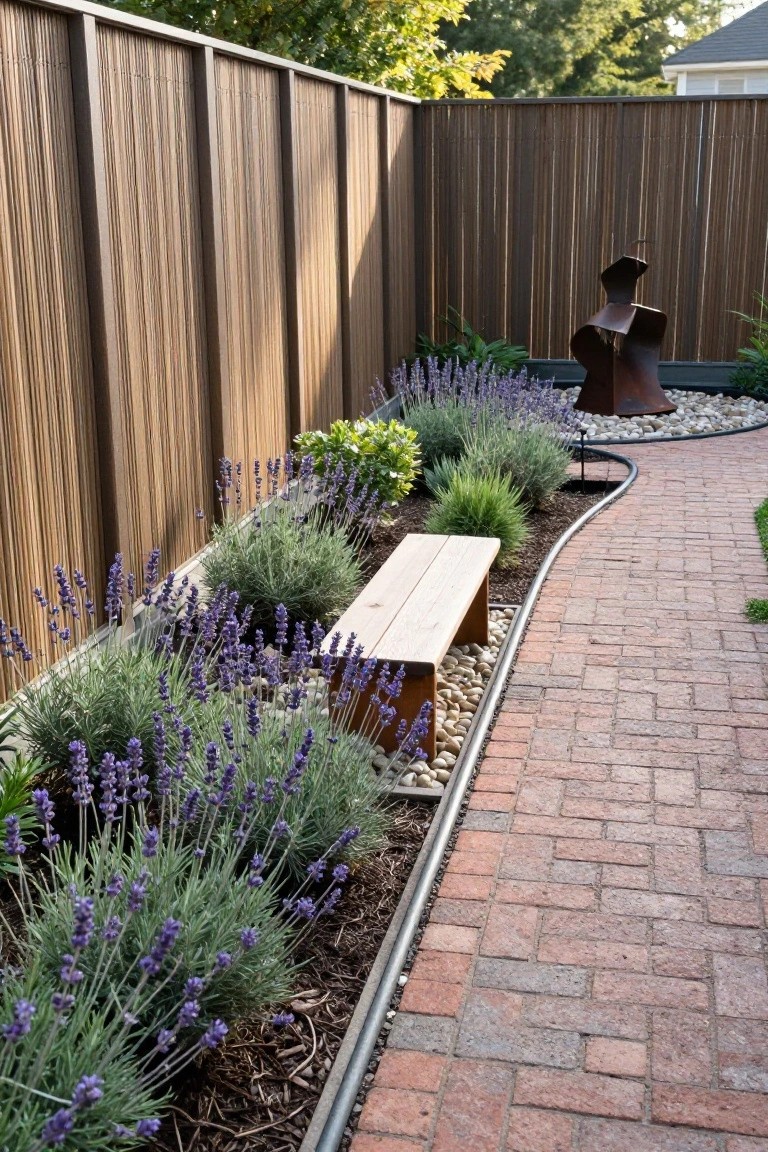
A tall wood fence already blocks a lot of sight lines, but adding a planted border in front makes the screening even stronger. The plants fill gaps at the bottom and soften the look of the fence without needing to raise it higher.
This setup works best in long narrow side yards or back property lines where you want privacy but still need to keep things low maintenance. Use a gravel edge to hold the soil in place and choose a mix of evergreen shrubs with some taller perennials behind shorter ones so the bed stays full year round.
Extend A Fence To Enclose Outdoor Seating
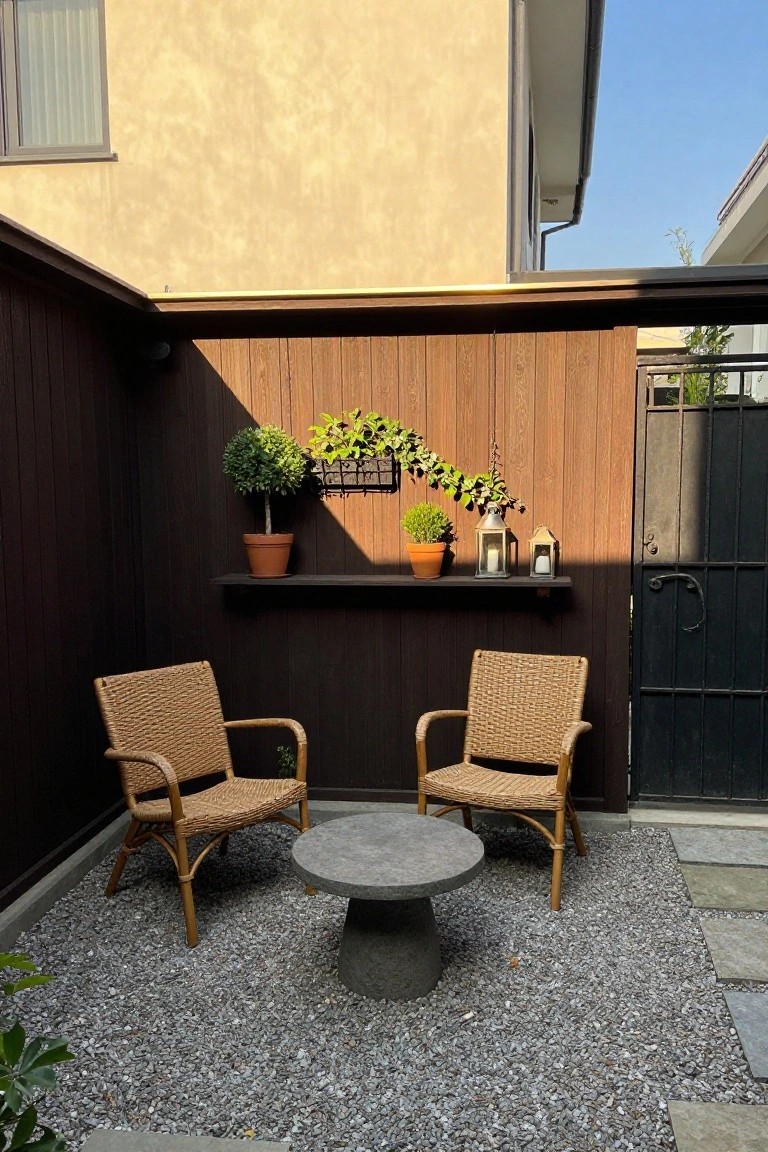
One easy way to gain privacy outdoors is to run a wood fence extension along the back and sides of a seating area. It creates a solid screen that blocks views from neighbors while keeping the space feeling open above.
This approach suits small yards or corner patios where you want a defined spot to sit without adding a full new structure. Match the wood tone to what is already there and keep any added shelf or detail low so the extension stays simple and functional.
Vertical Wood Fence With Low Path Lighting
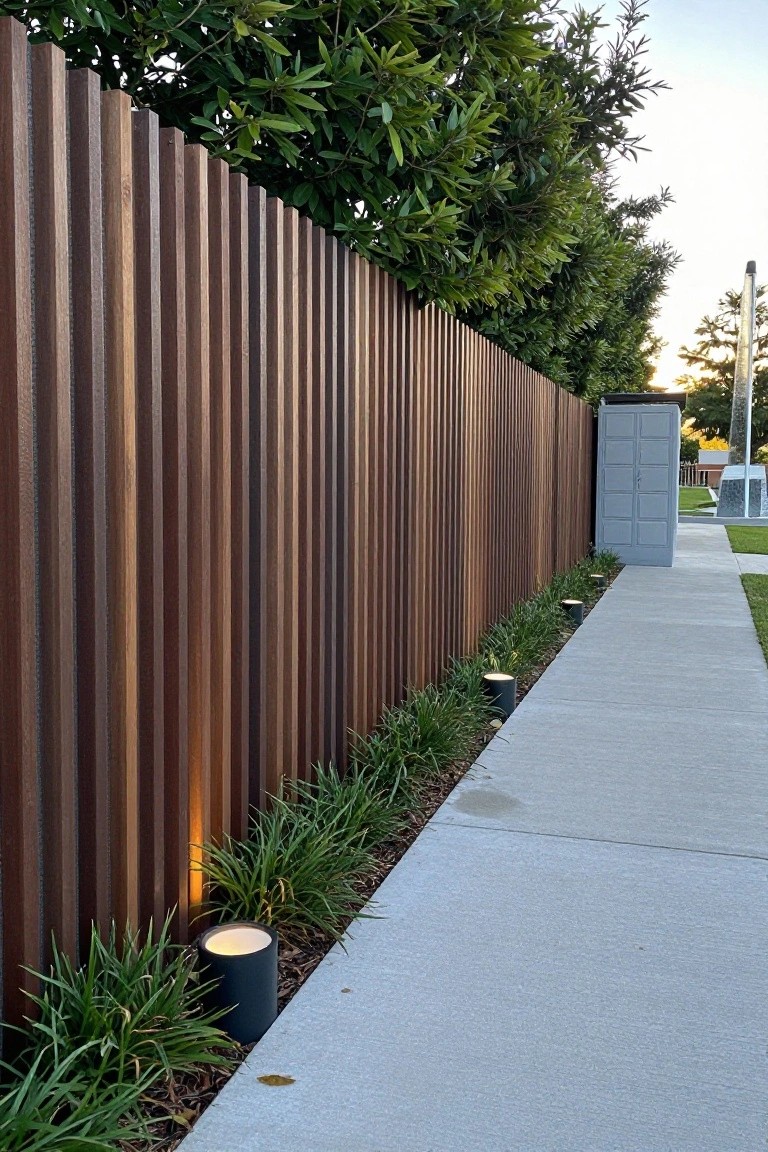
A tall vertical wood fence gives solid privacy along a side path without needing extra structures or tall plants. The upright slats block sight lines cleanly and keep the look simple even when the fence runs for a long stretch.
Set small ground lights in the planting strip at the base every few feet so the path stays usable after dark. This works best on narrow lots or along driveways where you want screening but still need to keep the walkway open and easy to maintain.
Adding Lattice To The Top Of A Wood Fence
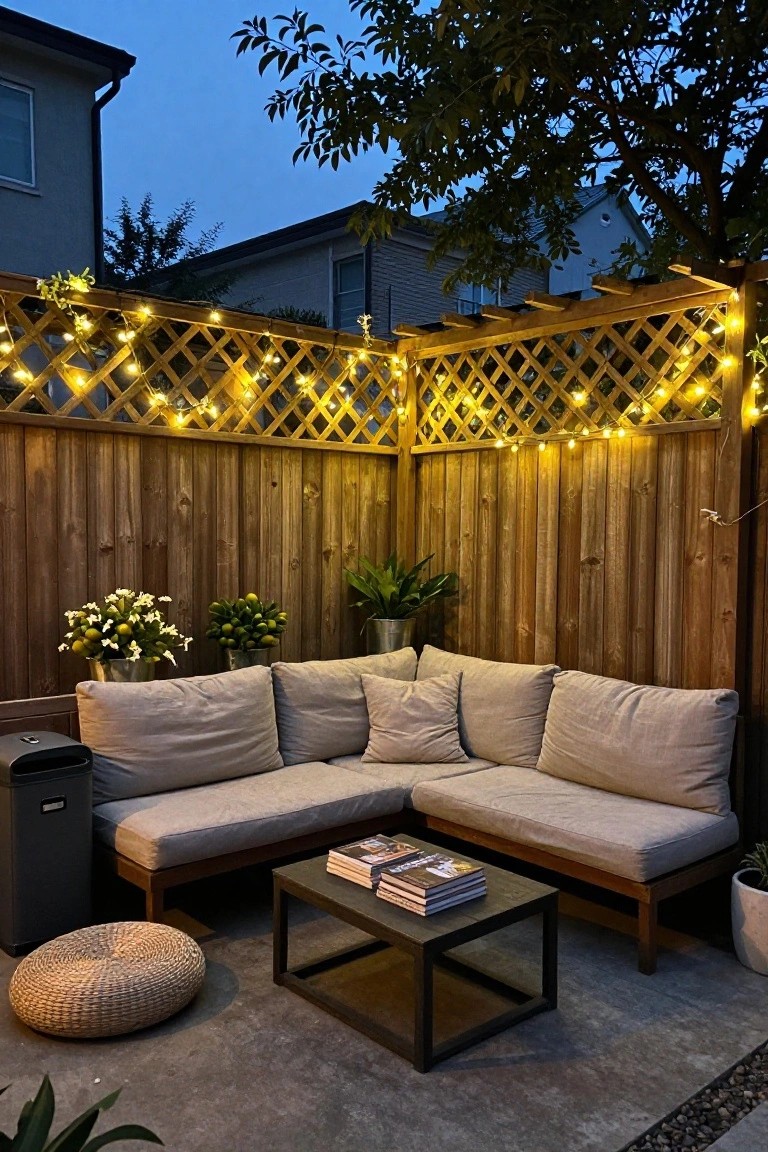
Many homeowners add lattice along the top of an existing wood fence when they need more height without making the yard feel boxed in. The open pattern gives extra screening while still letting light and air move through, which keeps the space usable instead of closed off.
This approach works well around patios or seating areas where you want to block views from nearby houses. You can run string lights along the lattice to make the fence useful after dark without adding separate poles or fixtures.
Frequently Asked Questions
Q: How do I attach an extension if my posts already sit at the top of the fence? A: You bolt a new horizontal rail across the posts first. Then screw the extension boards into that rail so the weight stays even. This avoids wobbles without digging new holes.
Q: What is a quick way to add height without buying fancy brackets? A: Cut simple 2×4 cleats and nail them to the inside of each post. Slide the extension panels into those cleats and secure the tops with a single cross piece. The whole job takes one afternoon and basic tools.
Q: Will the wood extension look out of place next to my old fence? A: Match the board width and stain everything the same color on the same day. The new wood blends in fast once it weathers a bit.
