

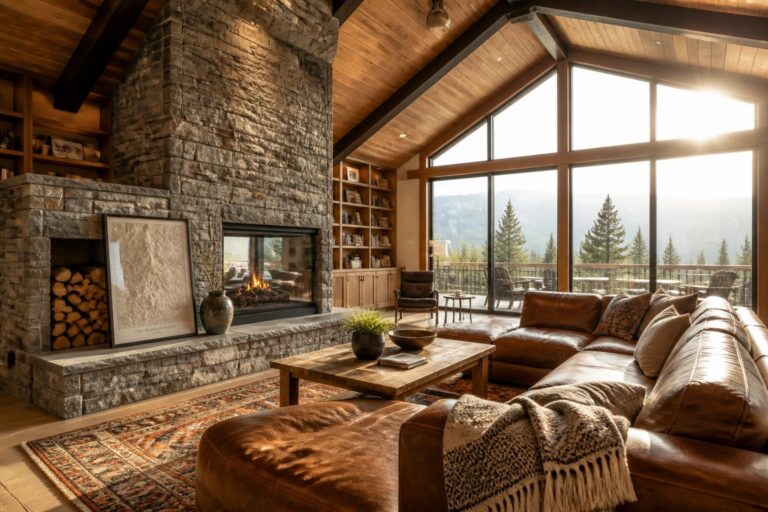
I have always noticed that tall ceilings shift how a room feels once furniture and daily use come into play.
Wood tones and grain direction can either ground those heights or leave them feeling empty depending on the rest of the finishes.
Vaulted shapes work best when they match the room’s actual footprint.
I tend to test how light moves across the wood surface at different times of day before settling on a design.
That step often reveals whether the openness will truly add comfort or just create extra echo in the space.
Exposed Beams In A Vaulted Wood Ceiling
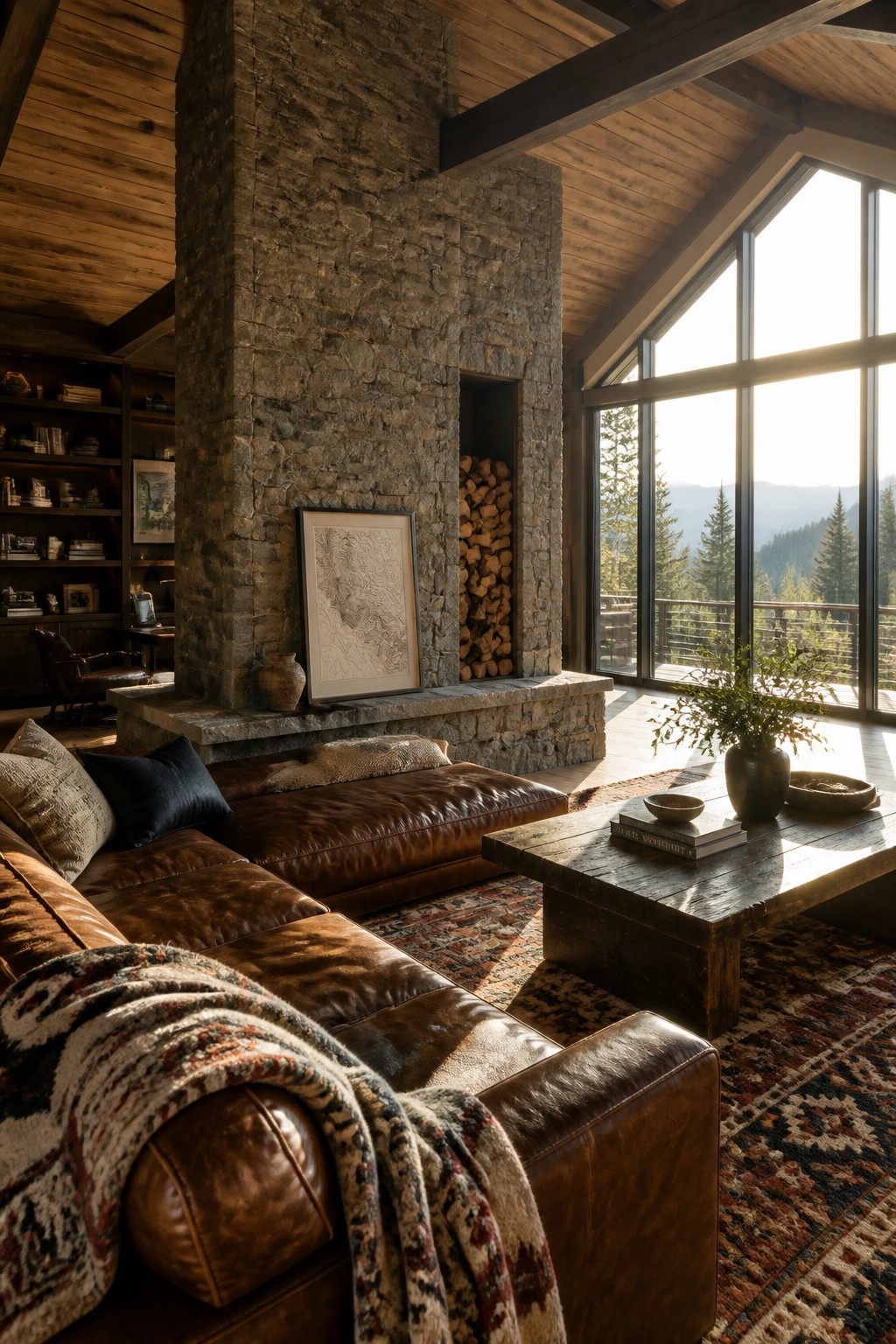
A vaulted wood ceiling with exposed beams adds height and a sense of openness that changes how the whole room feels. The wood brings warmth while the beams keep the structure visible, so the space stays grounded instead of floating.
This idea works best in homes with existing height, like cabins or open layouts where the ceiling can be the main feature. Keep the furnishings low and simple so the height stays the focus.
Let Dark Beams Stand Out On A White Ceiling
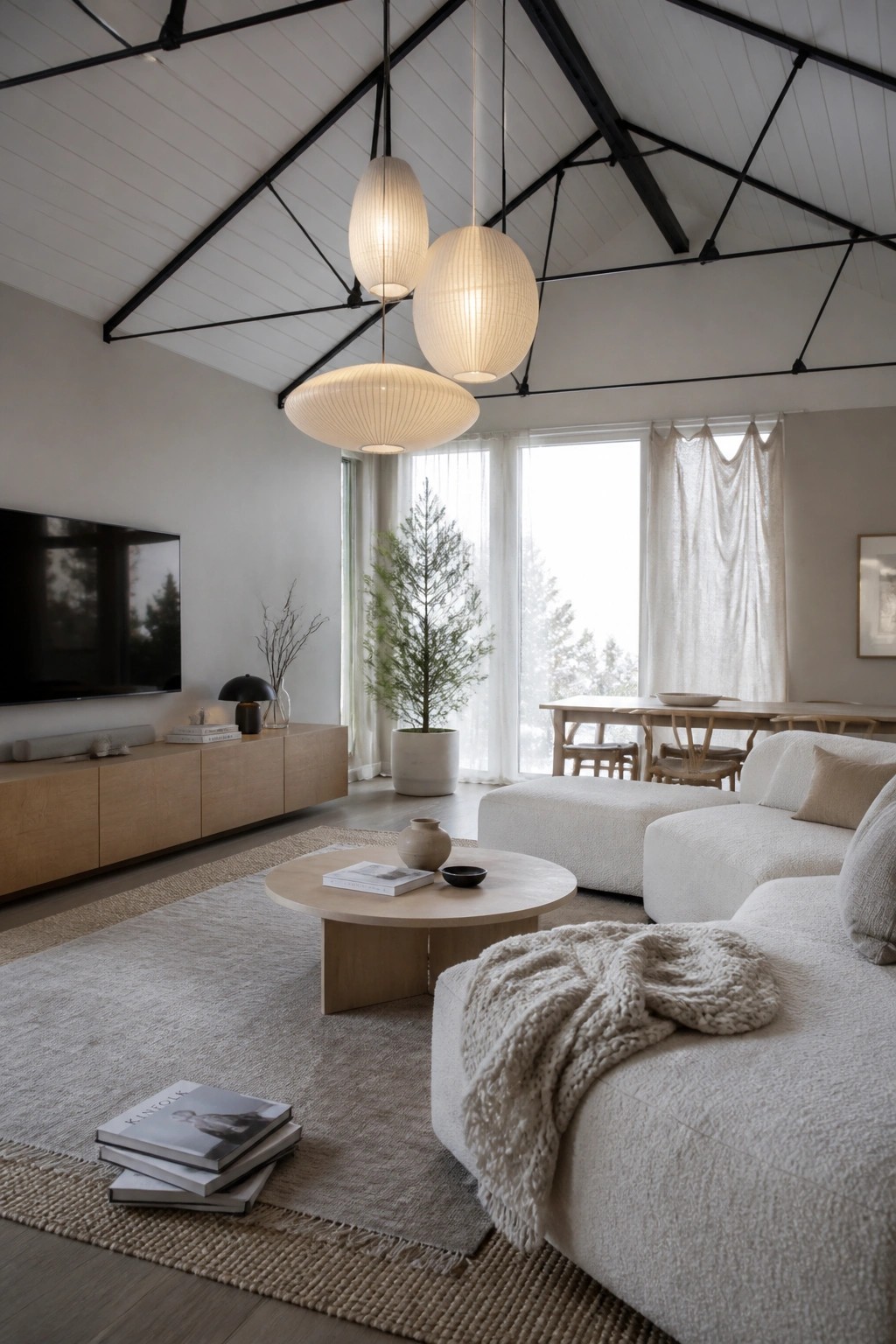
Many homes with vaulted ceilings keep the wood light and then paint the beams a dark color. The contrast makes the height feel more intentional and keeps the space from looking too soft or flat.
This approach works best in rooms that already have good natural light. It suits living areas where you want the ceiling to do the main work while the rest of the furnishings stay simple and low.
Dark Wood Vaulted Ceilings In Kitchens
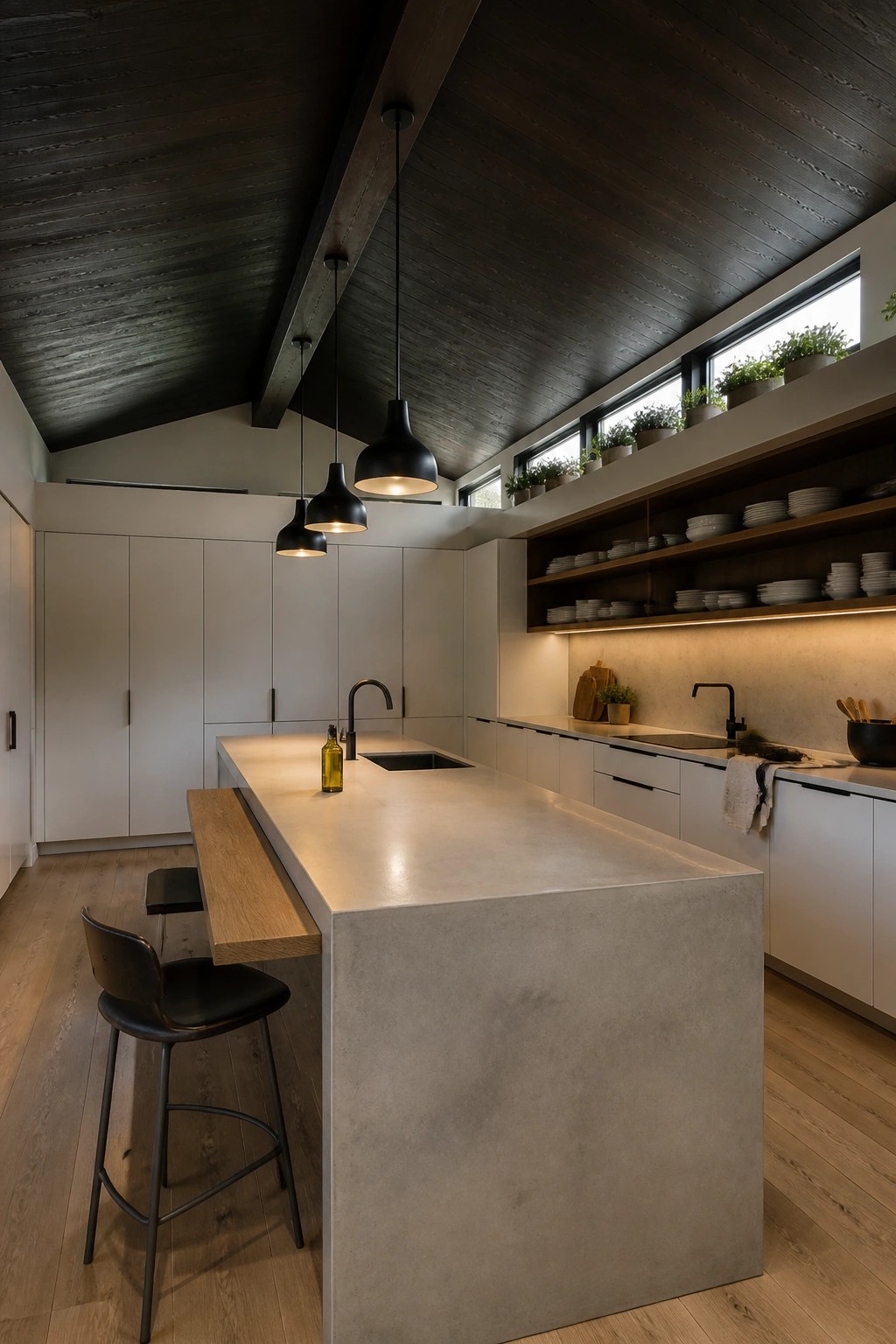
A dark wood vaulted ceiling can make a kitchen feel taller without adding extra square footage. The contrast between the deep tone overhead and the lighter walls and cabinets below draws the eye upward and keeps the space from feeling boxed in.
This approach works best in homes with open floor plans where the kitchen connects to living areas. Keep the wood finish consistent across the ceiling and any exposed beams so the height reads as one clean feature rather than a collection of separate elements.
Dark Exposed Beams In Vaulted Bedroom
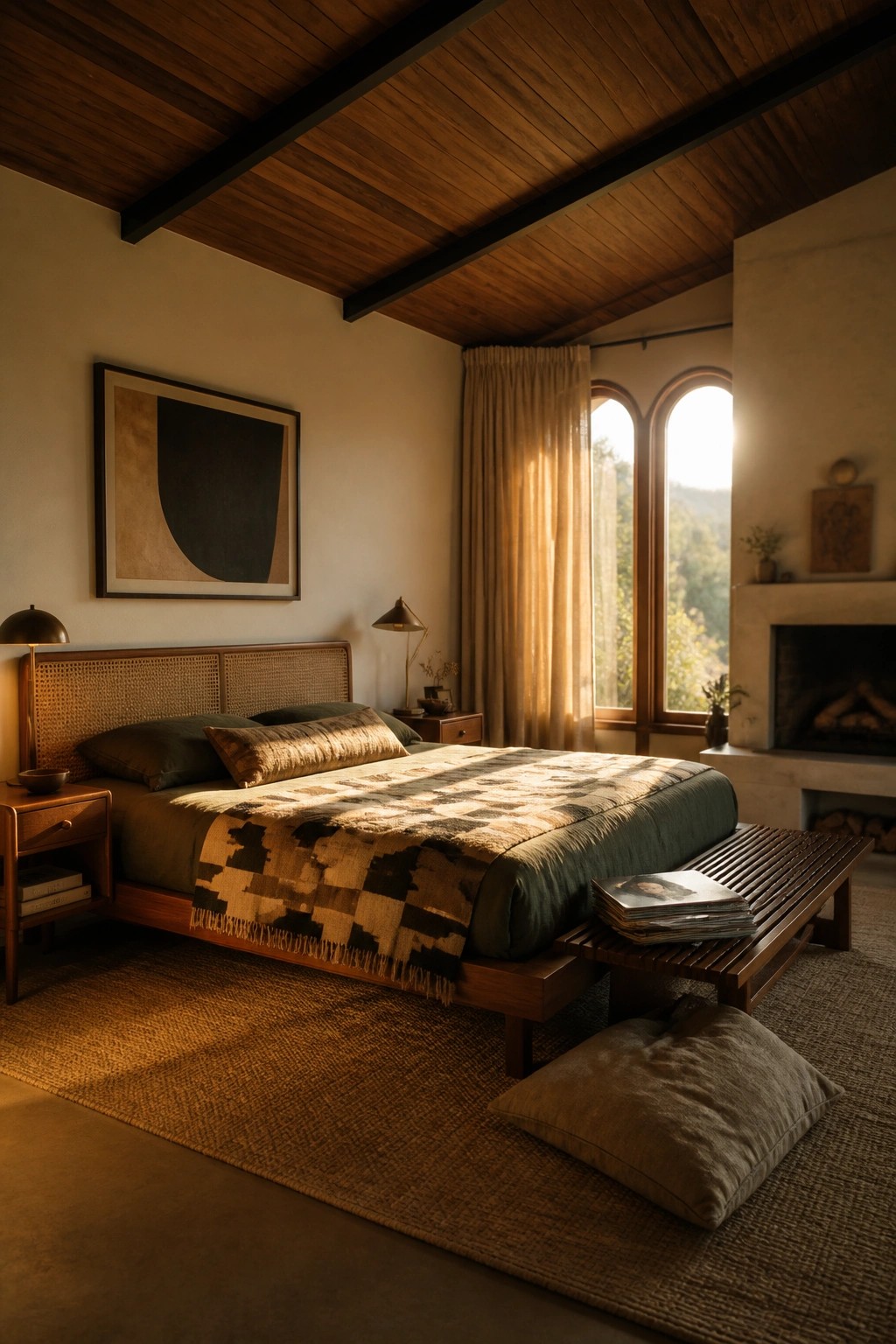
A vaulted wood ceiling with dark exposed beams can make a bedroom feel much taller and more open. The contrast between the light walls and the rich wood overhead draws the eye upward and gives the space a sense of airiness that flat ceilings just cannot match.
This approach works especially well in rooms with high rooflines where you want to highlight natural materials. Keep the rest of the furnishings simple so the ceiling stays the main feature, and make sure the wood tone fits the overall warmth of the room.
Exposed Wooden Beams In Vaulted Ceilings
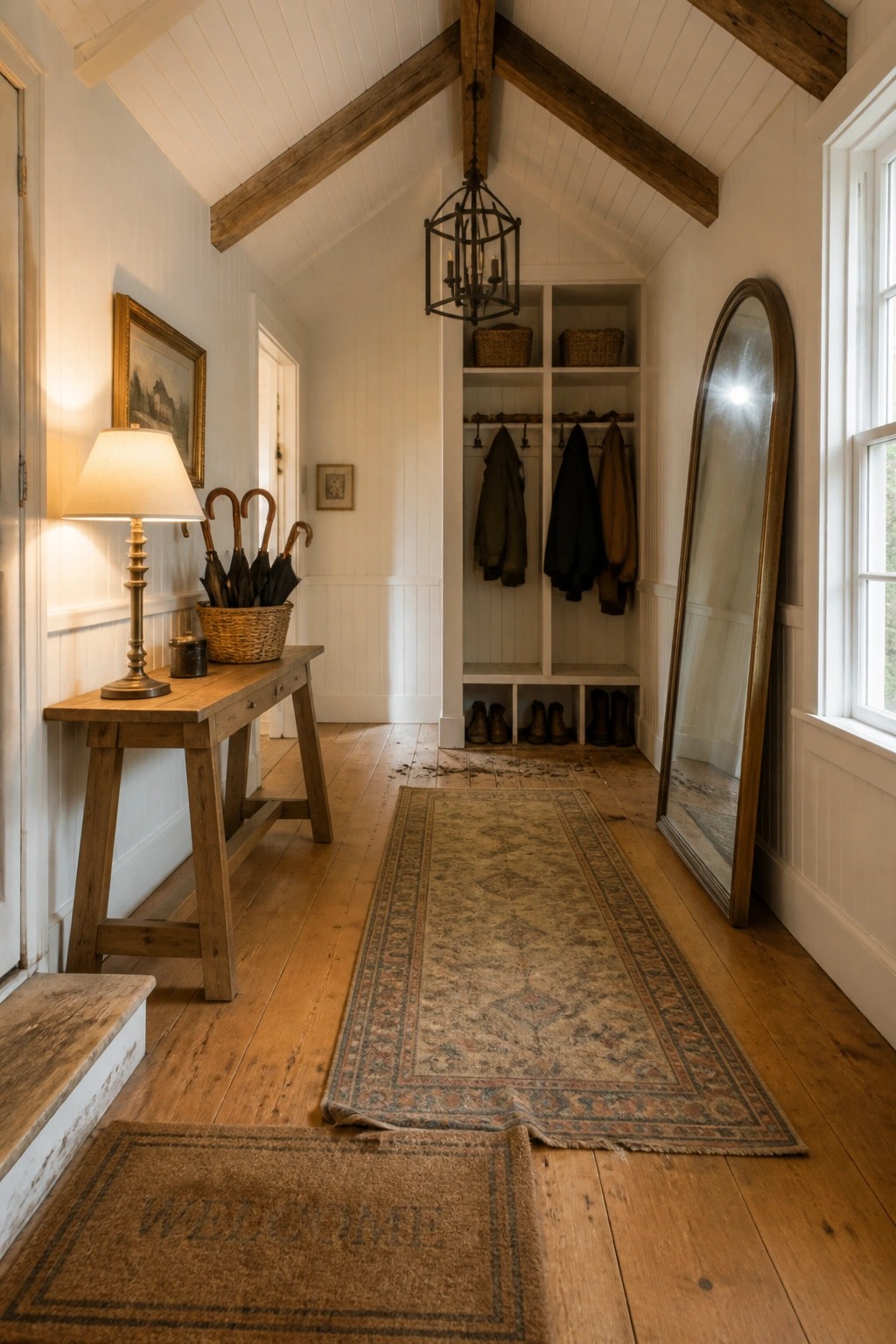
Exposed wooden beams work especially well in vaulted spaces because they break up the height without making the room feel closed in. In this hallway the dark beams stand out against the white ceiling and walls, which keeps the eye moving upward and gives the narrow space more presence.
This detail suits older homes or new builds that lean toward a simple, traditional look. Use it in entries, hallways, or living areas where you want the ceiling to do the work. Keep the rest of the room light and uncluttered so the beams remain the focus.
Vaulted Ceilings With Dark Wood Beams
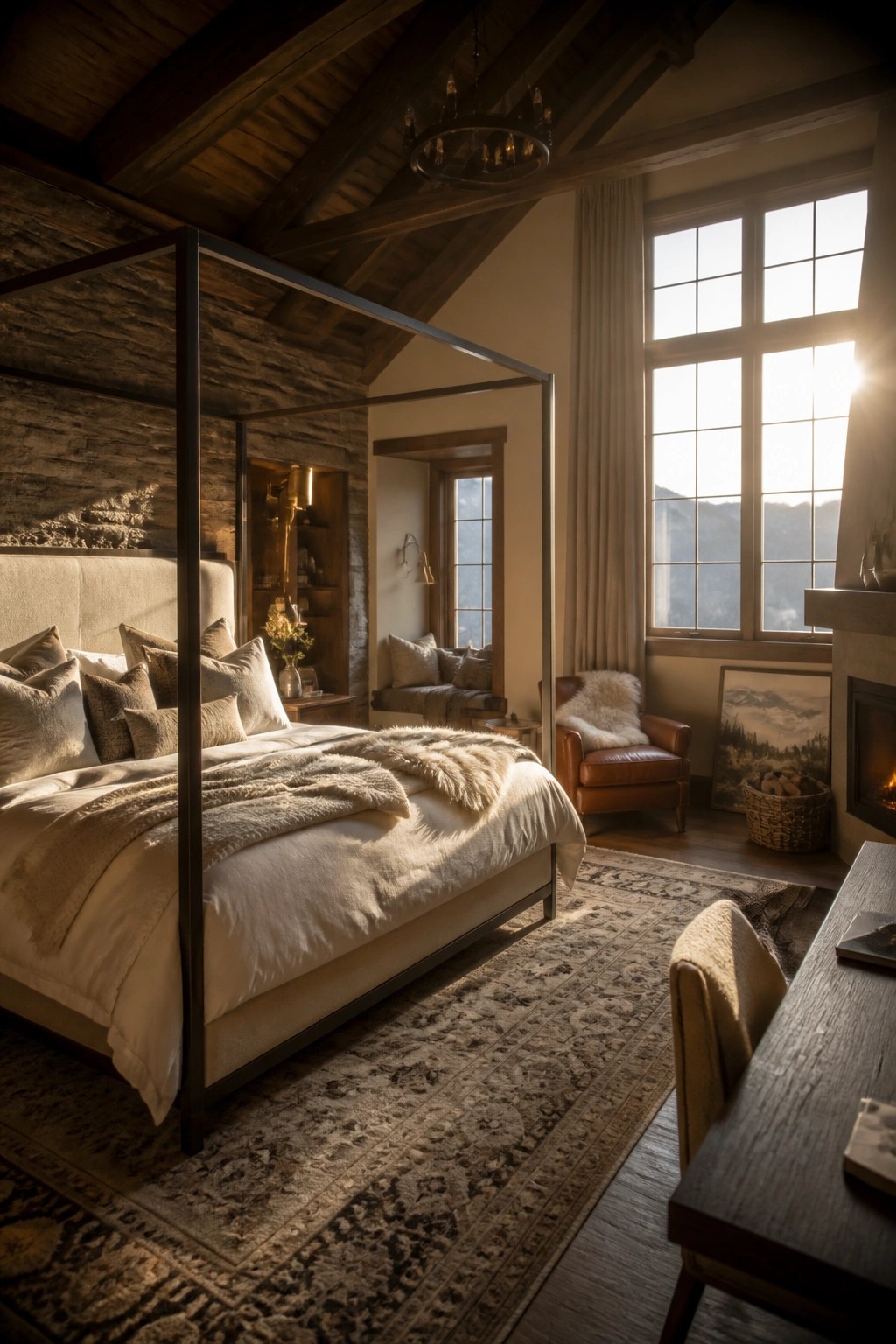
A vaulted ceiling built with dark exposed beams can make even a furnished bedroom feel taller and more open. The structure draws the eye upward and keeps the room from feeling closed in, especially when the wood has some age and texture to it.
This works best in homes where the roofline already allows for extra height. Keep the furnishings low and simple so the ceiling stays the main feature, and avoid filling the upper walls with too much decoration.
Vaulted Wood Ceilings In Bathrooms
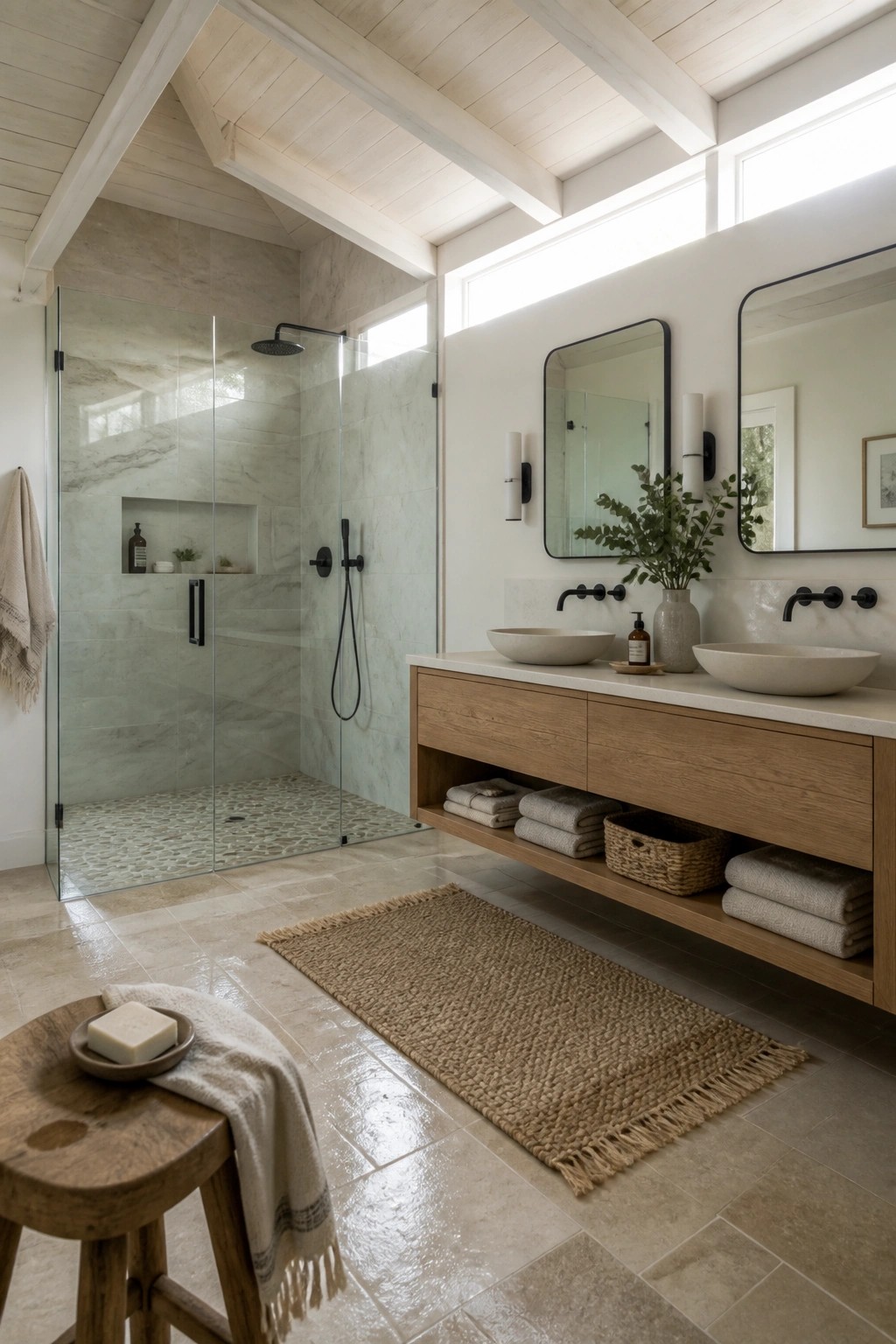
A vaulted ceiling with light wood beams lifts the whole room without any extra tricks. The height makes the space feel bigger and airier, even when the floor plan stays compact.
This approach works best in homes that already have some roof pitch to work with. Keep the wood tone soft and the rest of the finishes simple so the ceiling stays the main feature.
Vaulted Wood Ceilings For Small Rooms
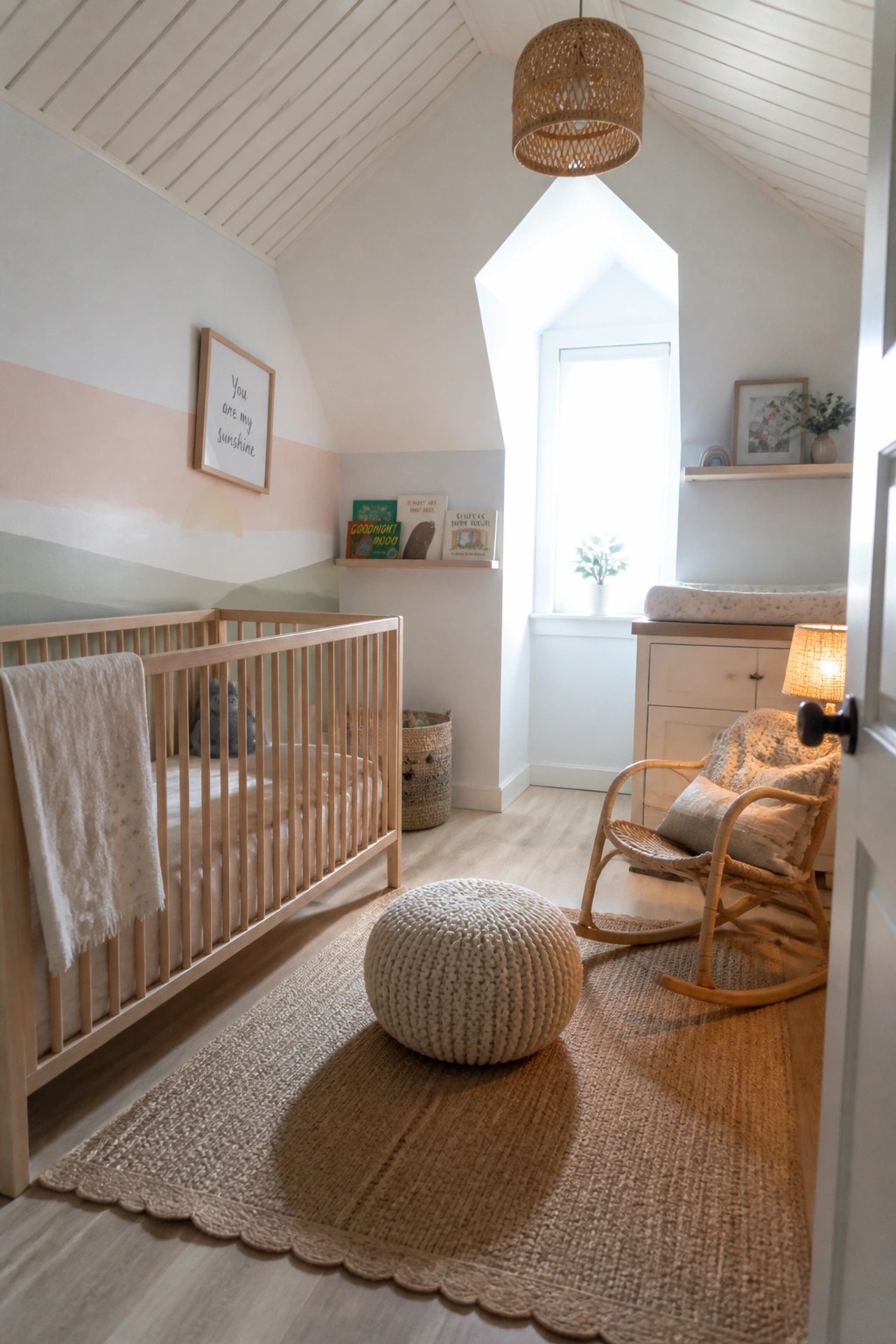
A vaulted wood ceiling can make a compact room feel much taller. The angled lines draw the eye upward and give the space more breathing room even when floor space is limited.
This approach works best in attic conversions or homes with sloped roofs. A light finish on the planks helps bounce light around and keeps the room from closing in.
Vaulted Wood Ceilings With Exposed Beams
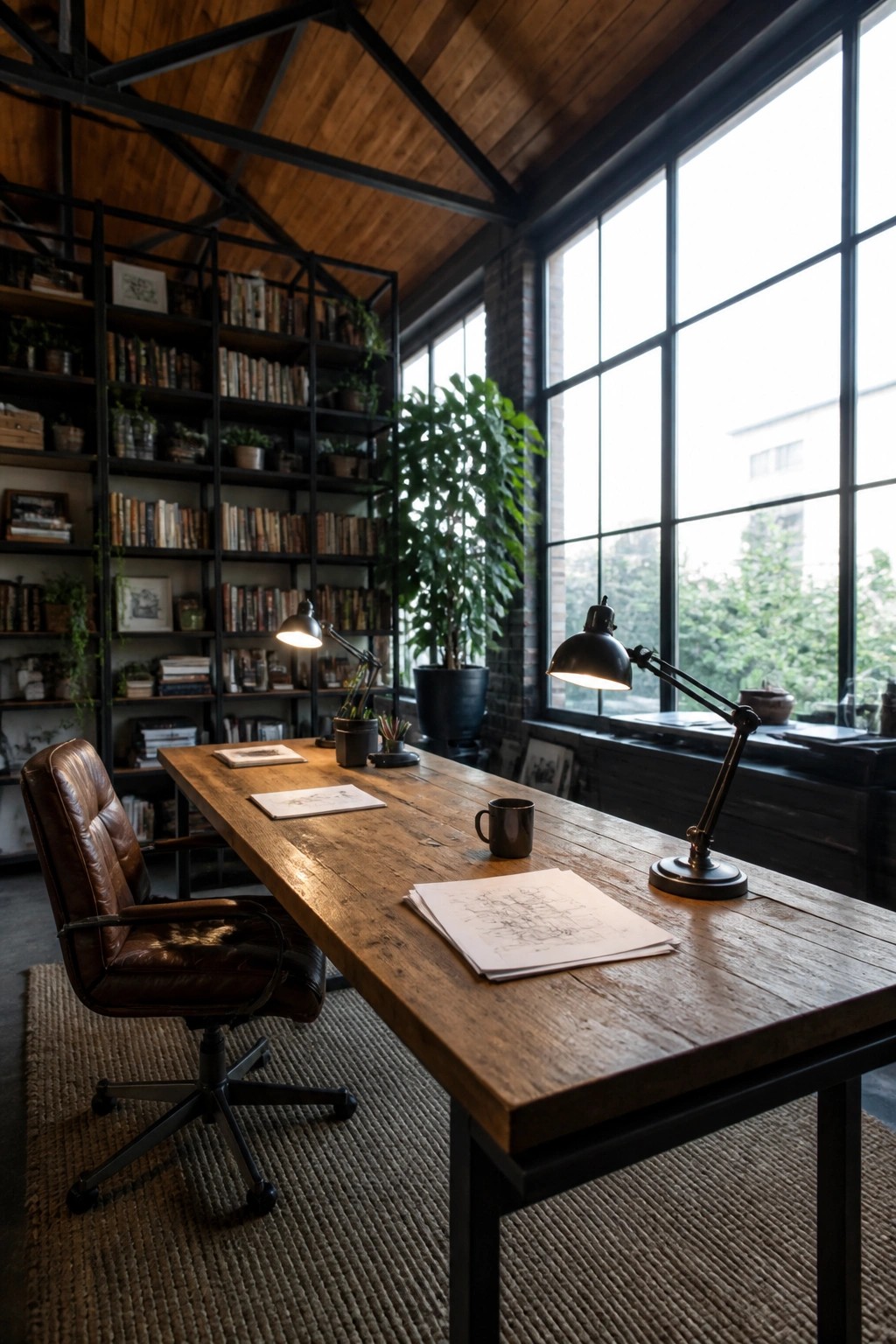
A vaulted wood ceiling paired with dark metal trusses can make even a fairly ordinary room feel much taller and more open. The wood brings warmth while the beams keep the structure visible, so the height reads as part of the architecture rather than just empty space overhead.
This approach works especially well in home offices or studies where you want the room to feel generous without adding square footage. Keep the walls and furniture grounded so the ceiling stays the main feature, and make sure the beams are properly finished to avoid a raw industrial look that can feel cold in smaller homes.
Exposed Wood Beams In Vaulted Ceilings
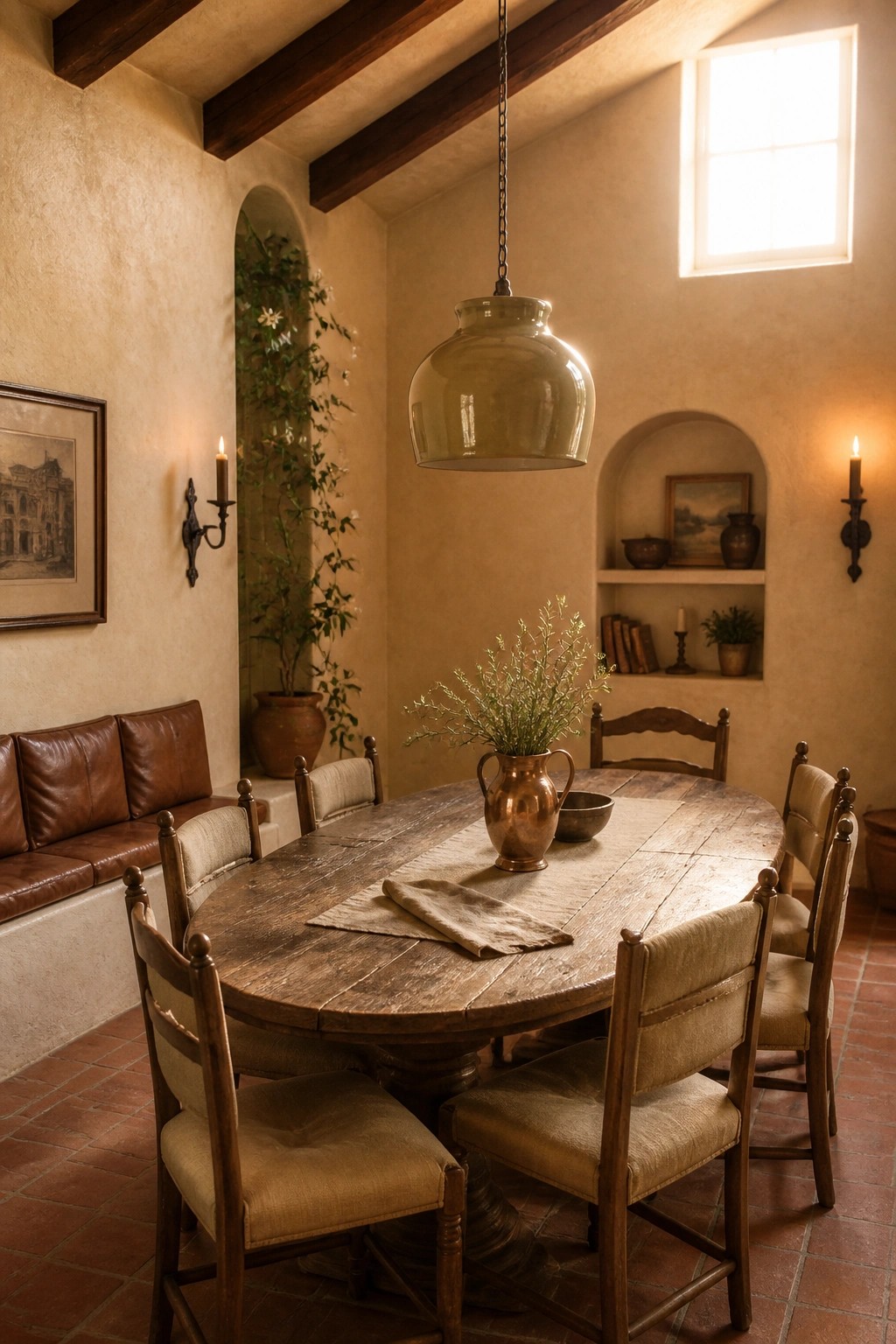
Exposed wood beams work well when you want a room to feel taller without adding much else. They break up the height in a simple way that still lets the space feel open and connected.
This approach suits older homes or new builds with high ceilings, especially in dining areas where people gather. Keep the beams in a darker tone than the ceiling so they stand out without overpowering the room.
Vaulted Wood Ceilings In Small Bathrooms
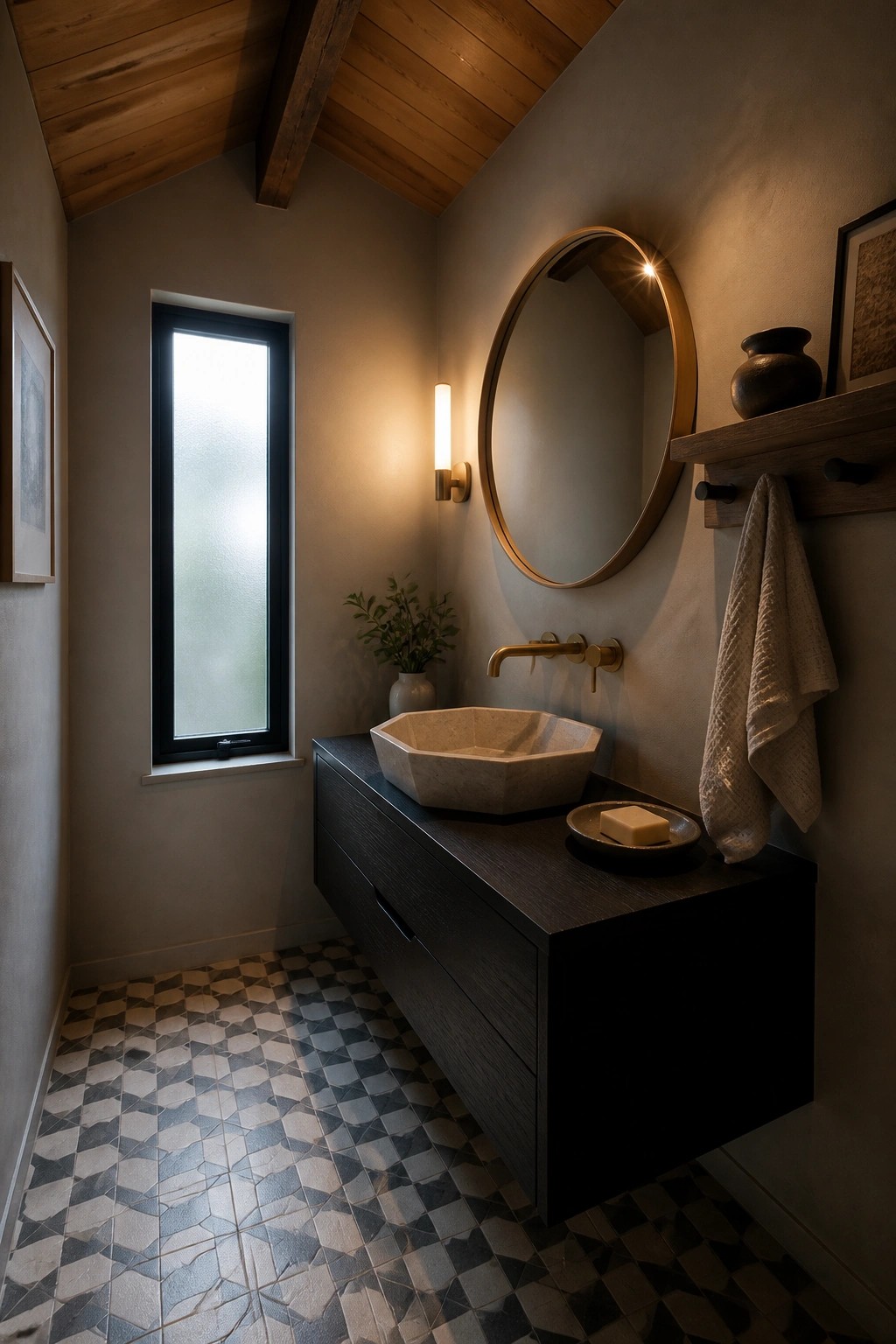
A vaulted wood ceiling works well when a bathroom feels too tight or low. The upward lines and warm wood tone give the space more height without changing the floor plan or adding windows.
This approach fits older homes or simple new builds where the roof pitch already allows it. Keep the rest of the room quiet so the ceiling stays the main feature, and make sure the wood finish matches any exposed beams or trim already in the house.
Vaulted Wood Ceilings In Small Utility Rooms
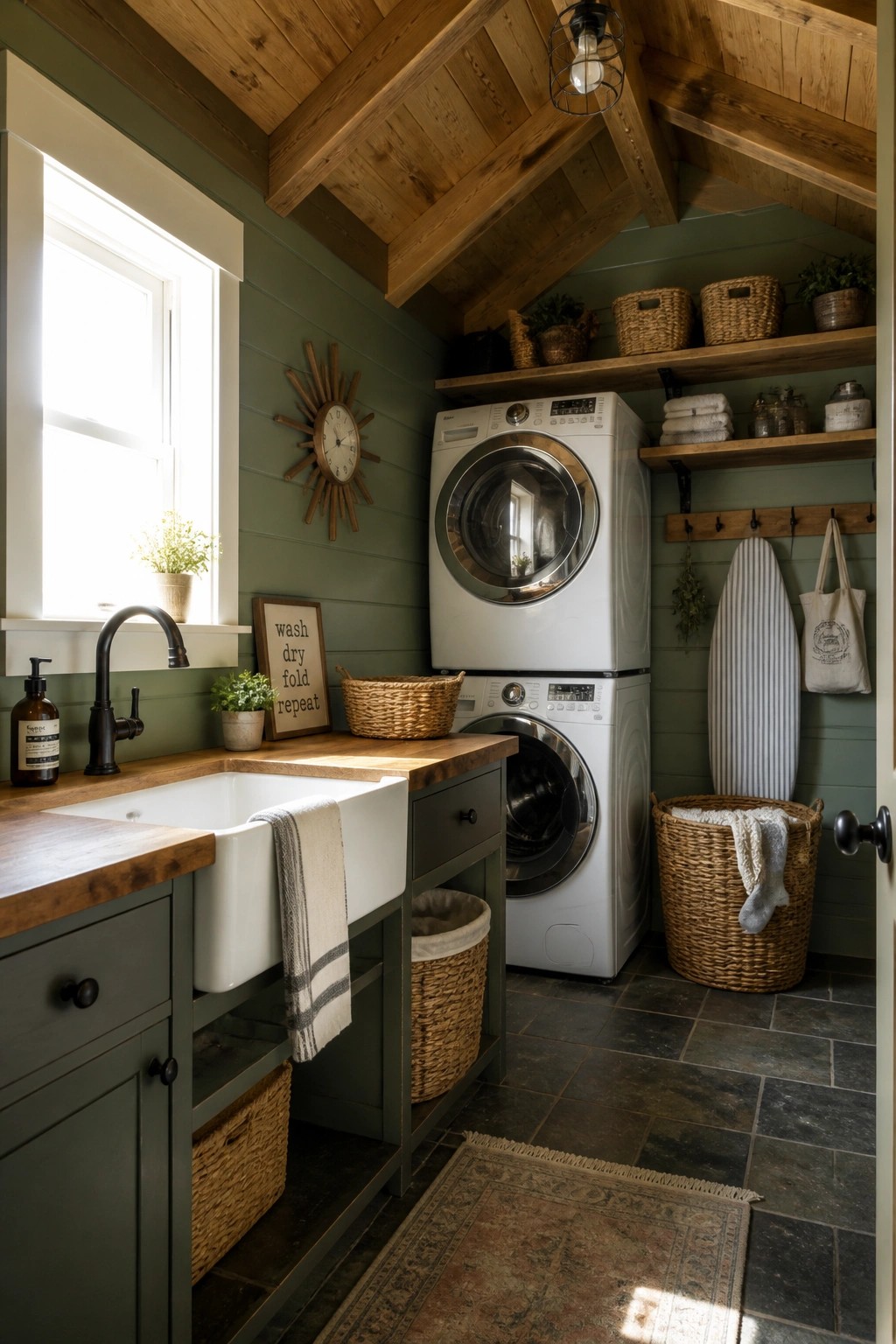
A vaulted wood ceiling can change how a tight laundry room feels. The extra height and exposed beams stop the space from closing in, even when the floor plan stays small. Wood brings some warmth that painted drywall often lacks in these back-of-house spots.
This approach works best in homes where the roof pitch allows it. Keep the walls and cabinetry simple so the ceiling does the main job of opening things up. Darker wood tones hold up well against the everyday clutter that tends to collect in laundry areas.
Exposed Wood Beams In Vaulted Bedrooms
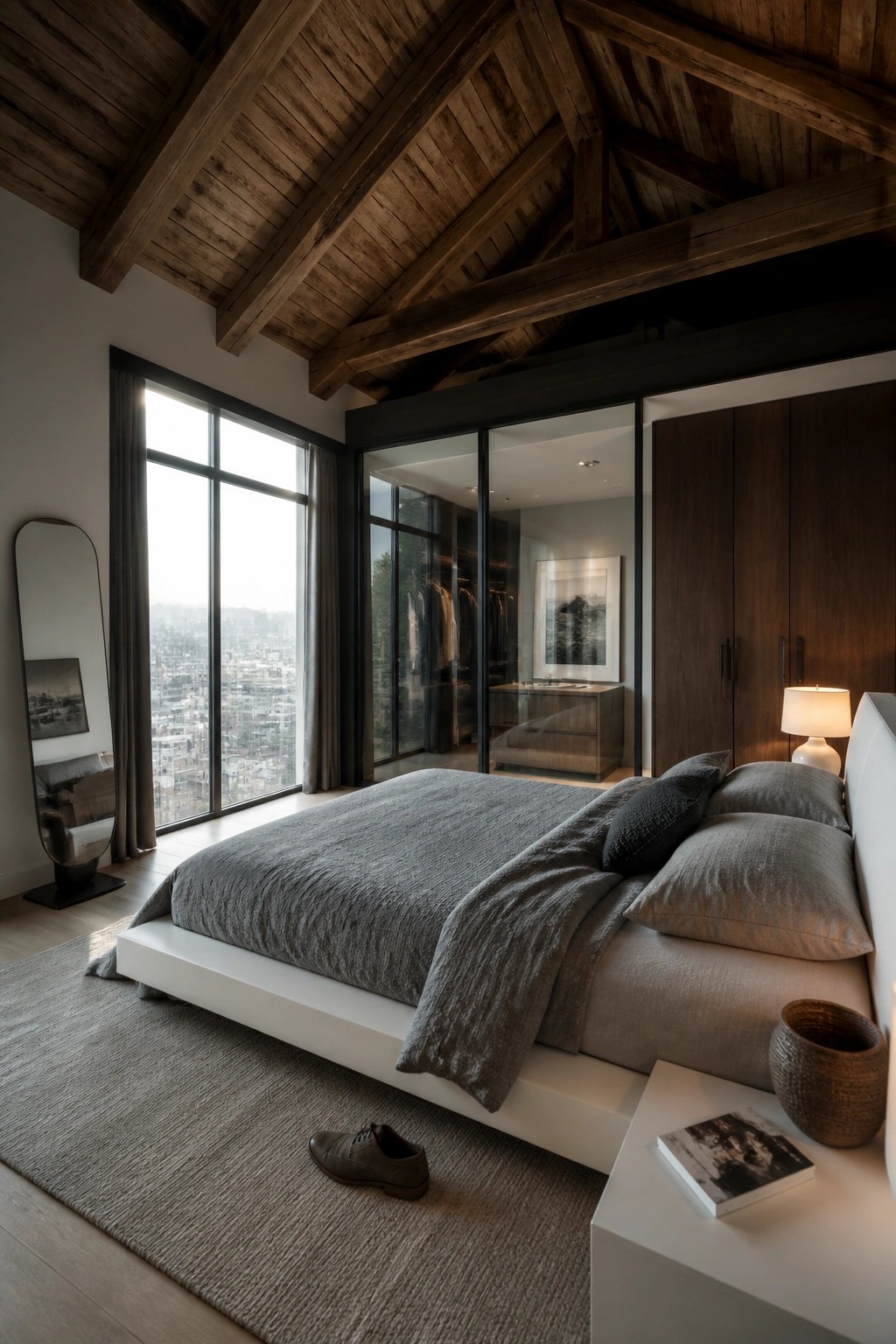
Exposed wood beams give a vaulted ceiling more presence without making the room feel cold. The beams add texture and a sense of structure that helps the height read as intentional rather than empty.
This works especially well in bedrooms where you want the space to feel open but still grounded. It suits homes that already lean modern or have simple finishes, since the wood does most of the visual work. Just keep the rest of the room fairly quiet so the ceiling stays the main feature.
Exposed Beams In Vaulted Ceilings

Exposed wood beams in a vaulted ceiling can make a room feel taller and more open without any extra effort. The structure itself does the work by pulling the eye upward and keeping the space from feeling boxed in.
This approach works well in living rooms or main gathering areas in homes that already have some height to work with. It pairs best with simple furnishings so the ceiling stays the main feature rather than competing with too much else in the room.
Wood Beams In A Vaulted Ceiling
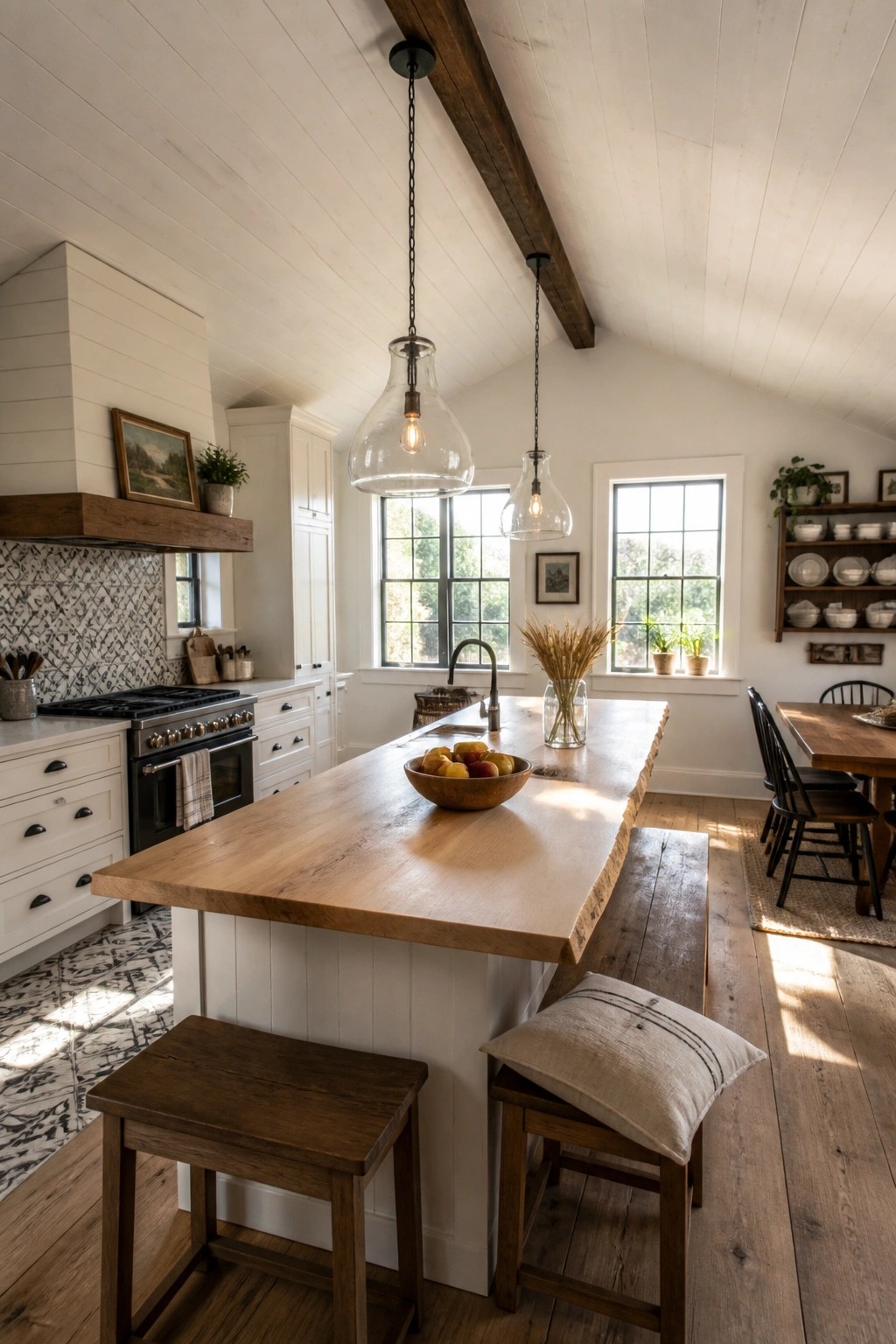
Exposed wood beams can make a vaulted ceiling feel more grounded while still keeping the height. They add a bit of weight and texture that stops the space from feeling too bare or empty overhead.
This approach works best in kitchens or living areas with white or light walls and wood floors. Keep the beams simple and dark so they stand out against the ceiling without needing much else to draw attention upward.
Dark Exposed Beams For Vaulted Living Spaces
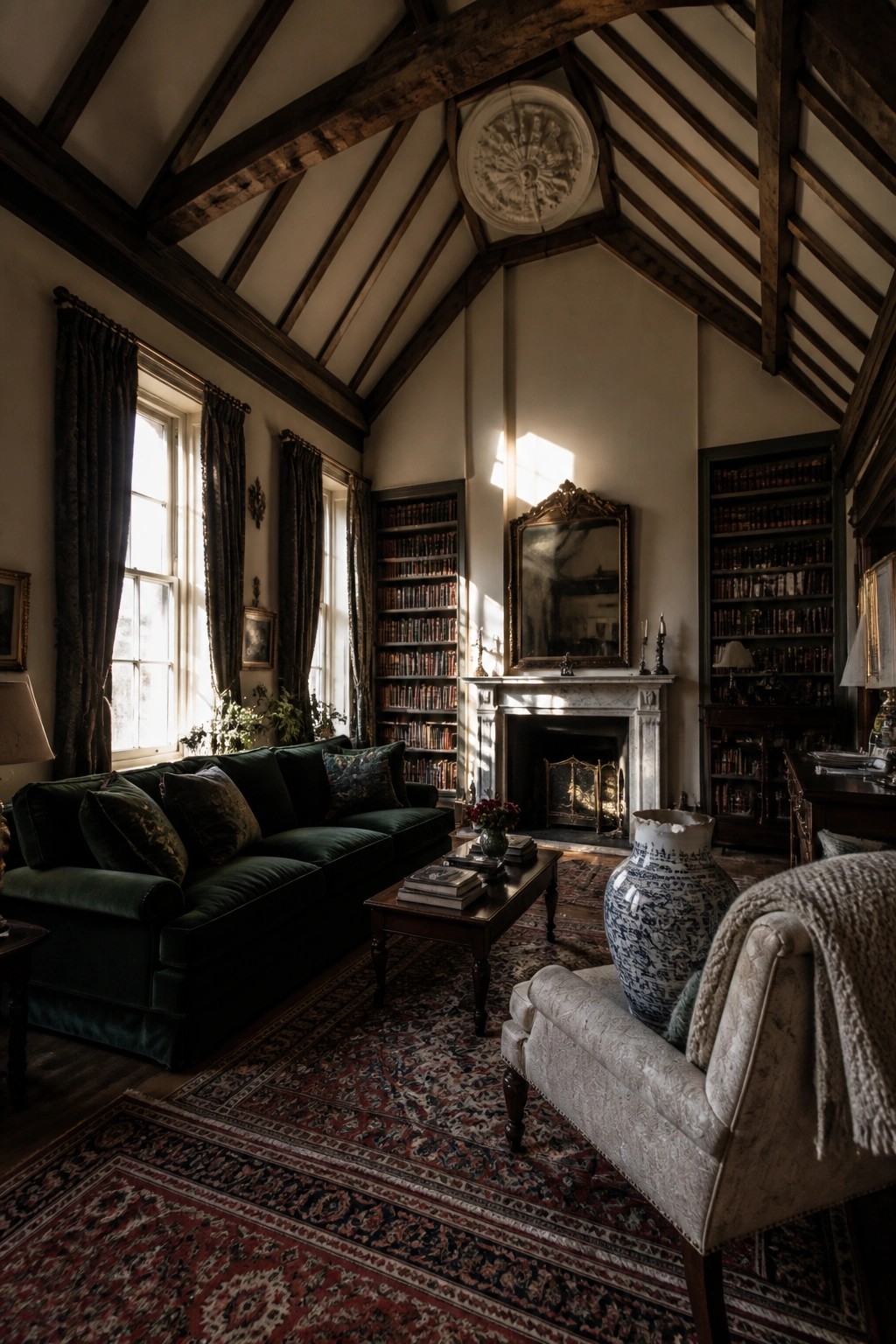
Exposed wood beams on a vaulted ceiling can make even a modest room feel much larger. The structure draws the eye up and keeps the space from feeling boxed in, especially when the wood is left dark against lighter walls.
This works best in homes with existing rooflines that allow for height. Keep the rest of the room simple so the ceiling remains the main feature rather than competing with heavy furniture or busy patterns.
Vaulted Ceilings With Exposed Wood Beams
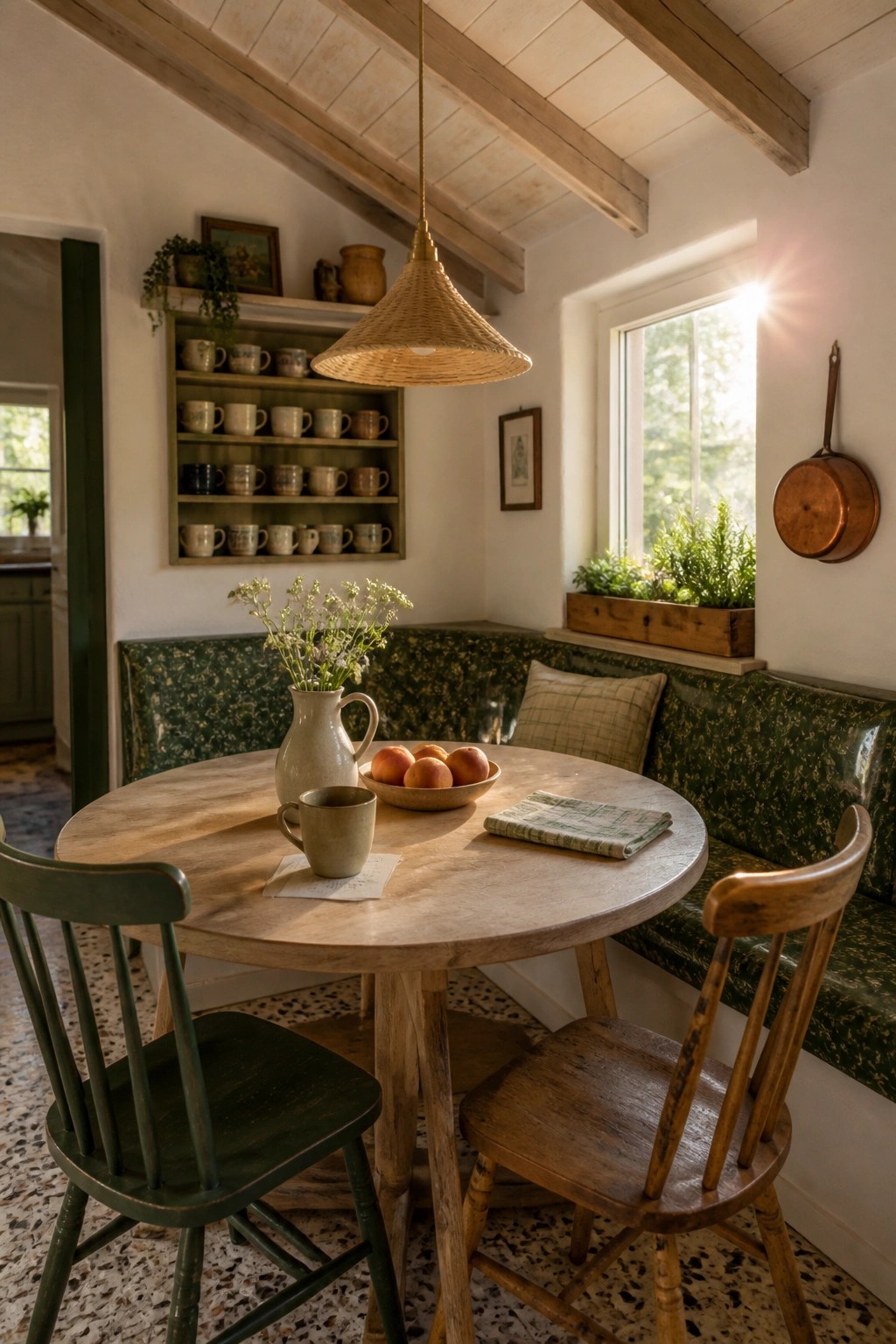
Vaulted ceilings with exposed wood beams can make a room feel taller and more open even when the floor space stays small. The beams add structure and warmth while the extra height keeps the space from closing in.
This approach works best in dining areas or kitchens where people gather. It suits older homes or cottages with lower original ceilings, though the beams need to stay in proportion so the room still feels balanced.
Vaulted Wood Ceilings Over Low Furniture
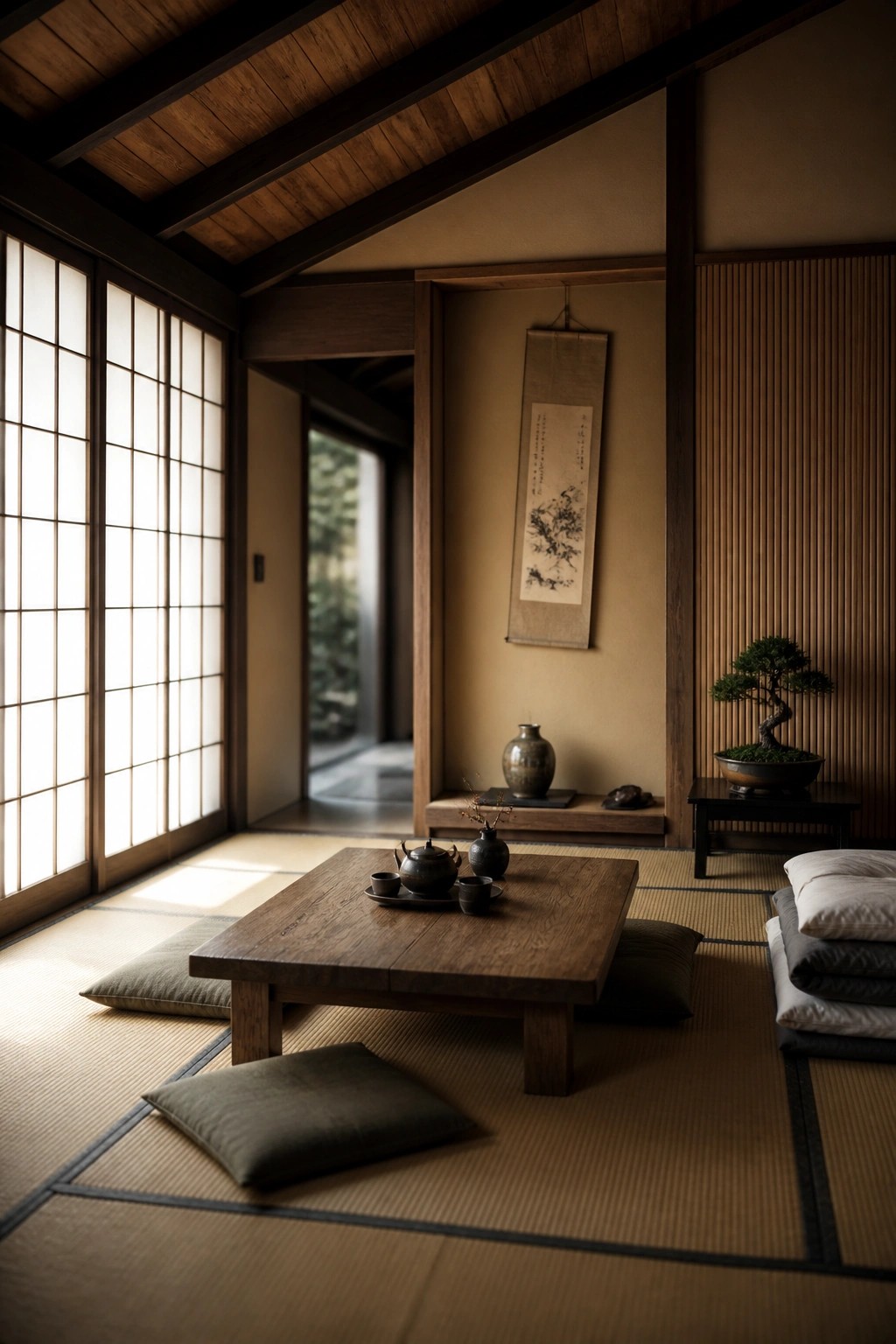
A high wood ceiling with exposed beams can make a room feel much larger even when everything else stays low to the floor. In spaces with tatami mats and simple seating, the ceiling becomes the main feature that lifts the whole room without adding clutter.
This approach works best in homes that already favor clean lines and minimal furniture. Keep the ceiling treatment simple and let the height do the work, but make sure the beams match the rest of the wood tones so the space still feels connected.
Vaulted Wood Ceilings In Entry Areas
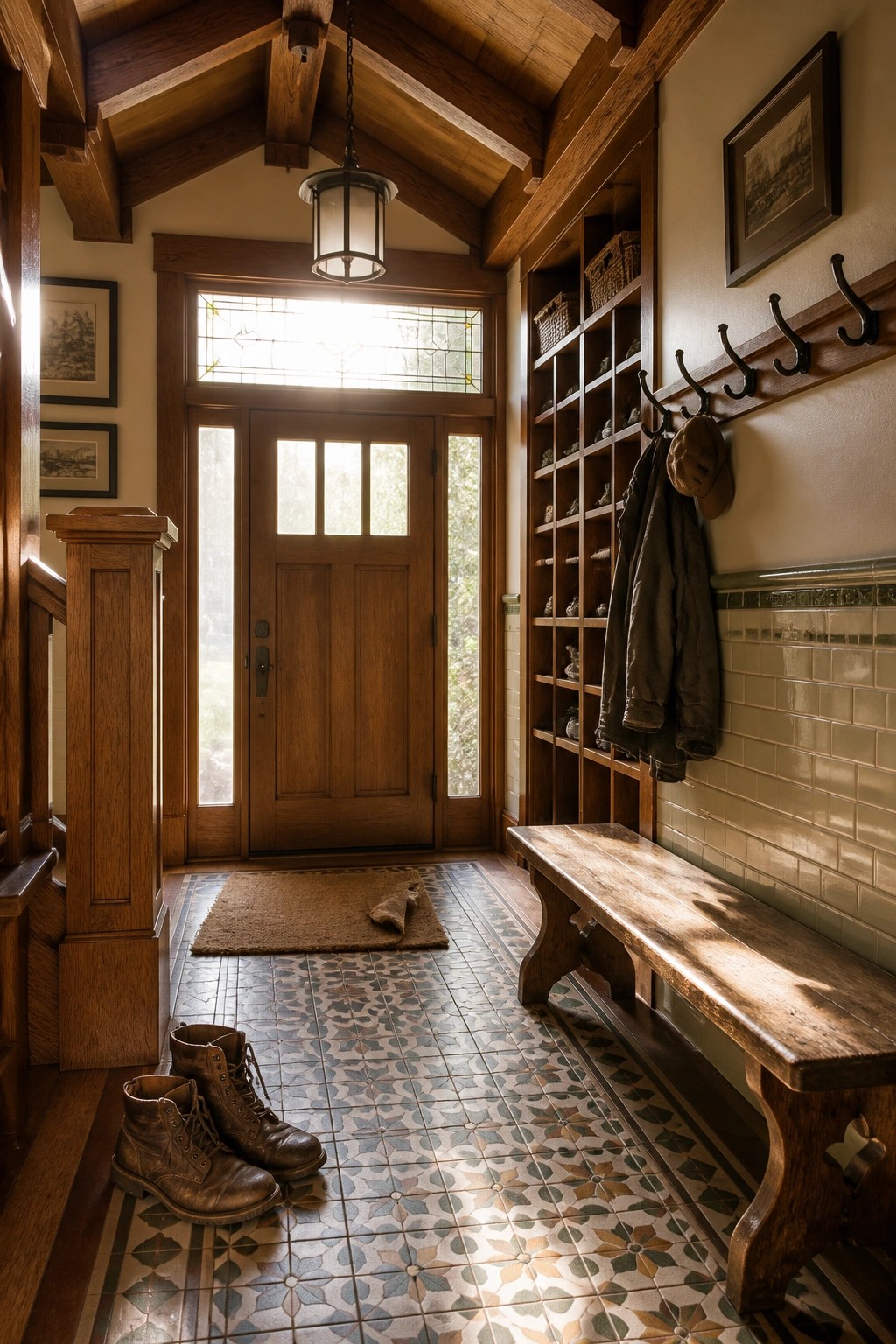
A vaulted wood ceiling works especially well in entryways because it pulls the eye upward right at the door. The height makes the space feel bigger even when the floor plan stays modest.
This idea suits homes with existing wood trim or similar details. Keep the rest of the room simple so the ceiling remains the main feature.
Vaulted Wood Ceilings Painted White
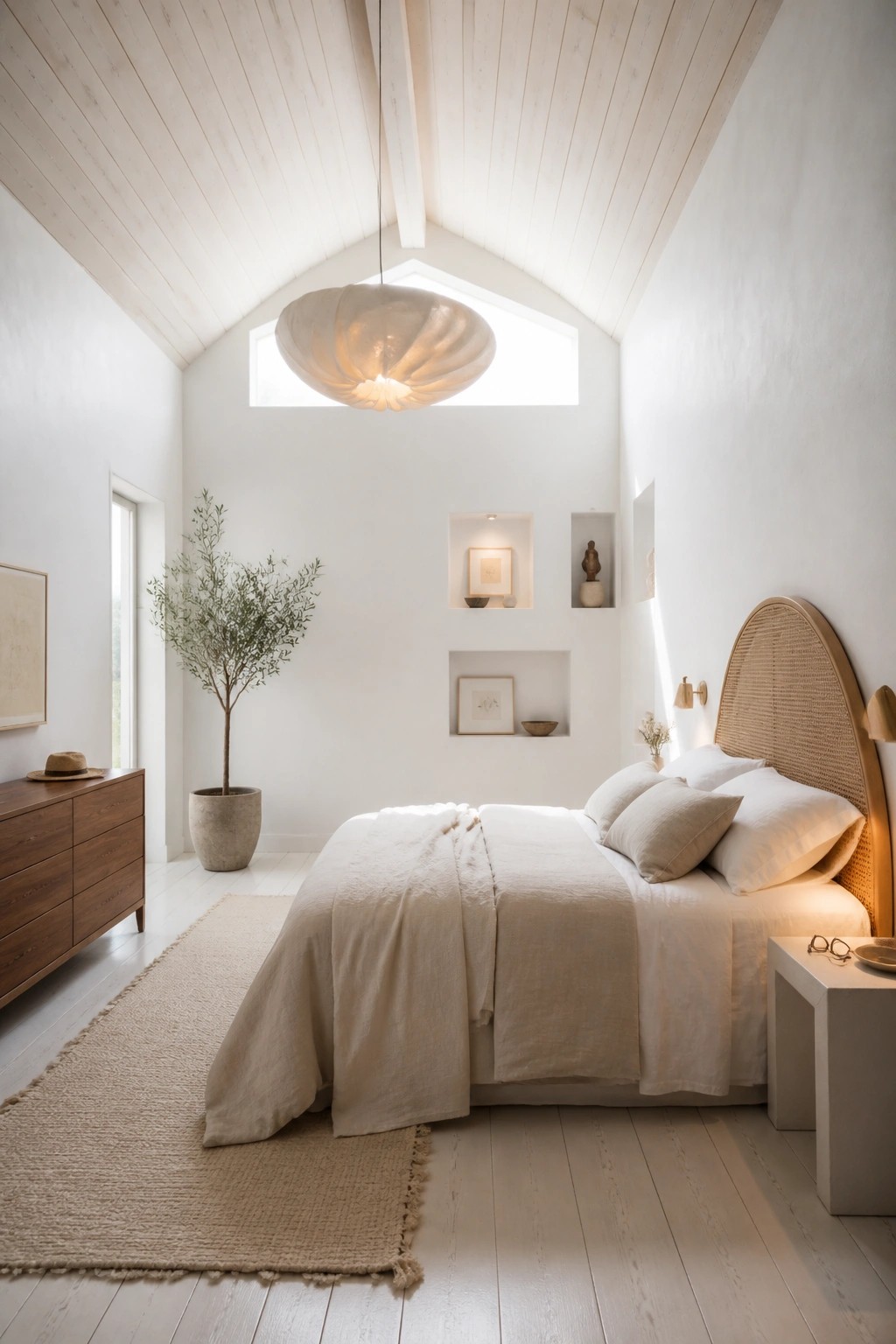
A vaulted ceiling finished in white wood can make a bedroom feel noticeably taller and more open without any extra square footage. The light color keeps the height from feeling dark or heavy while still showing the wood grain and structure.
This works best in homes with a steep roof pitch where the extra volume is already there. Keep the walls plain and the furnishings low so the ceiling stays the main focus.
Frequently Asked Questions
Q: How do I stop my vaulted wood ceiling from collecting dust in those hard-to-reach spots?
A: Run a long-handled microfiber duster across the surface every few months. Skip harsh cleaners since they can strip the finish over time. A quick wipe with a dry cloth keeps the wood looking sharp without much effort.
Q: Will lighter wood tones still make the height feel dramatic in a smaller room?
A: Lighter tones reflect more light and keep the space from closing in. Pair them with simple beams that draw the eye upward instead of adding bulk. This approach works well even when square footage feels tight.
Q: What happens if I add recessed lights to a wood vaulted ceiling?
A: Place them between beams to avoid cutting into the wood itself. The light bounces off the surface and spreads evenly without creating dark pockets. Test the placement on the floor first so you see how shadows fall once installed.
