

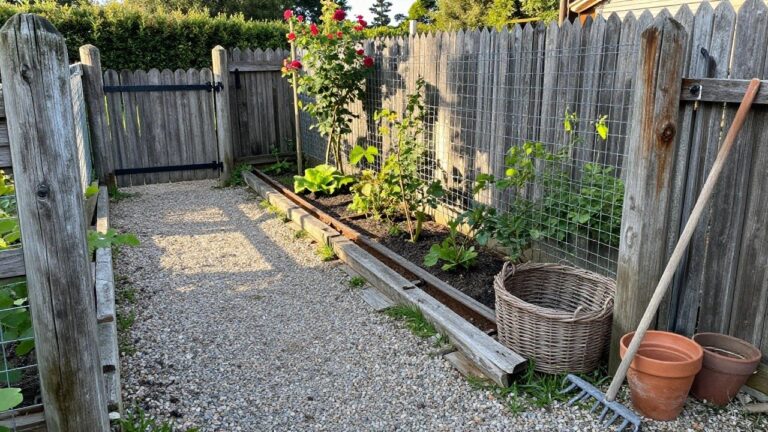
Fences tend to define how a garden actually grows and functions once they are in place, especially when they need to handle both pets and clear property boundaries at the same time.
I notice right away whether a fence feels like part of the overall layout or just cuts across it and leaves the planting beds looking disconnected.
Wood and wire versions often strike a balance because they give enough height for security without blocking light or airflow to the plants on either side.
In my yard the styles that use lighter posts and simple wire panels are the ones I would test first since they seem easier to adjust as the garden fills in over time.
Small changes in height or spacing make a bigger difference than most people expect.
Wood And Wire Fencing For Garden Beds
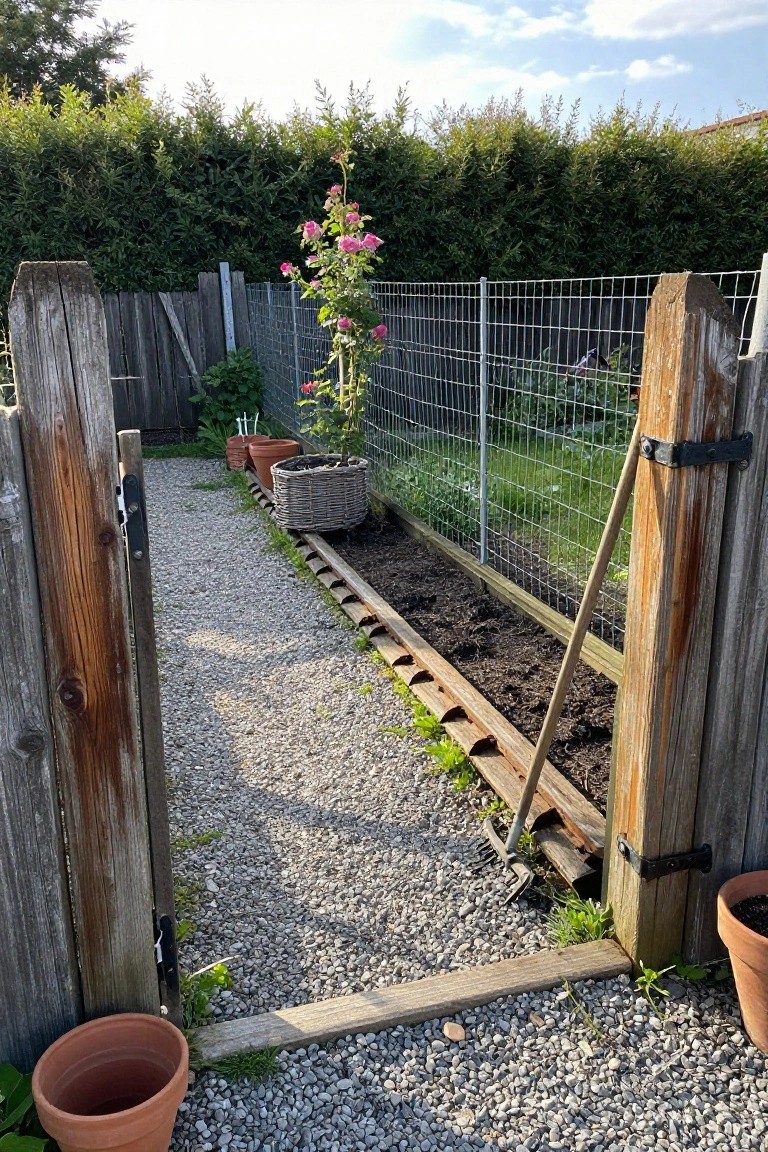
Many people turn to wood posts with wire mesh when they want a fence that holds up over time but still feels light. The wood gives structure while the wire keeps the whole thing open so plants get plenty of air and light.
This setup works best along paths or around raised beds where you need a simple border that can handle weather and still look tidy. It suits homes with vegetable gardens or small yards where a solid fence would feel too heavy.
Horizontal Wood Fencing Along Property Lines
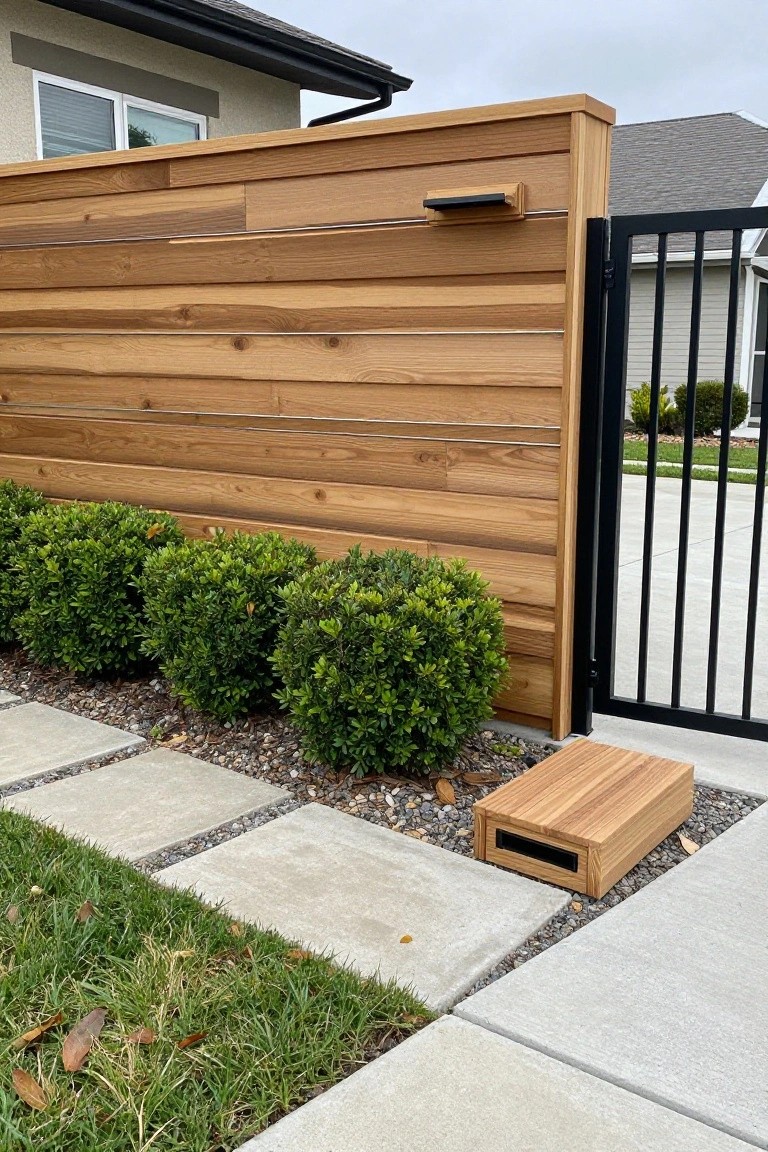
Horizontal wood fencing gives a clean look that works especially well along the edge of a yard. The straight lines keep the fence from feeling bulky, and it pairs easily with shrubs or gravel beds right in front of it.
This approach suits homes that already have simple hardscaping and planting. It creates a clear boundary while still letting the garden feel open, and it holds up better than vertical boards in many cases because the grain runs with the length.
Wood And Wire Picket Fences
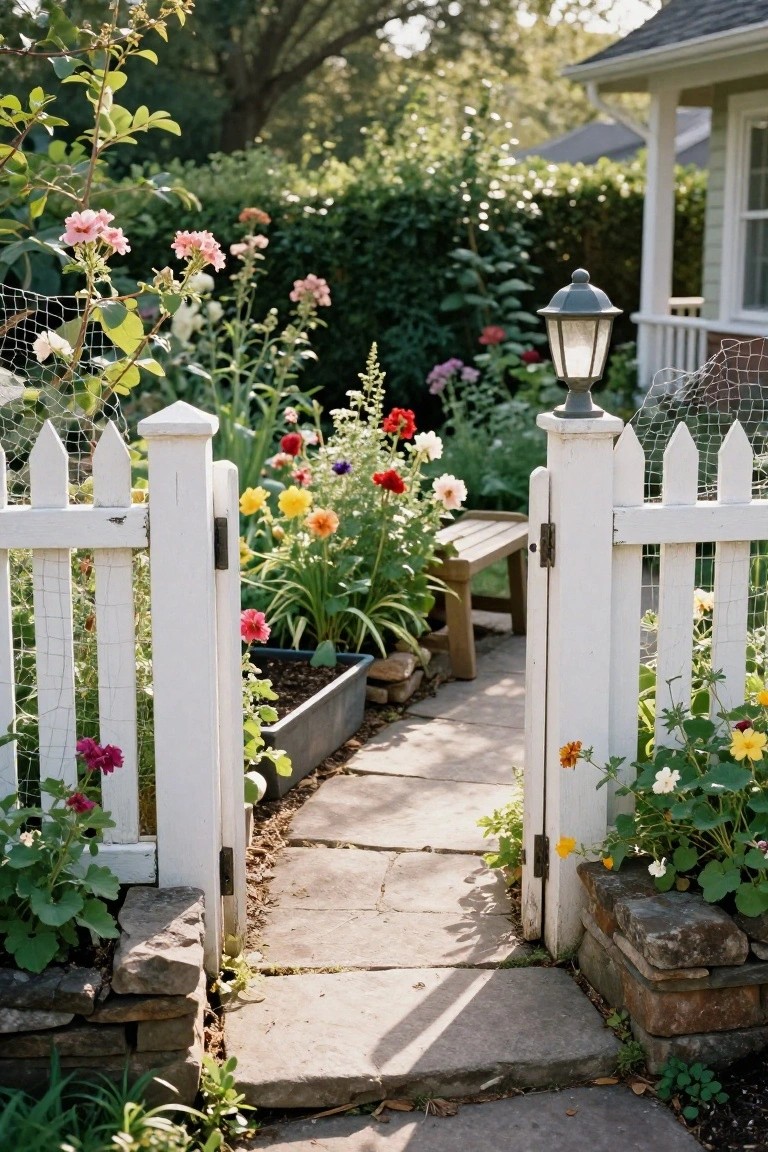
A simple wood picket fence with wire mesh added between the boards gives gardens a clear boundary without blocking the view. It keeps plants contained while still letting light and air move through, which helps flowers and vegetables grow right up to the edge.
This style works best along paths or between garden beds on smaller properties. Use pressure-treated wood for the posts and frame, then staple the wire on the inside so it stays hidden from the street side. It suits older homes and cottage gardens especially well.
Wood And Wire Fences With Raised Planters
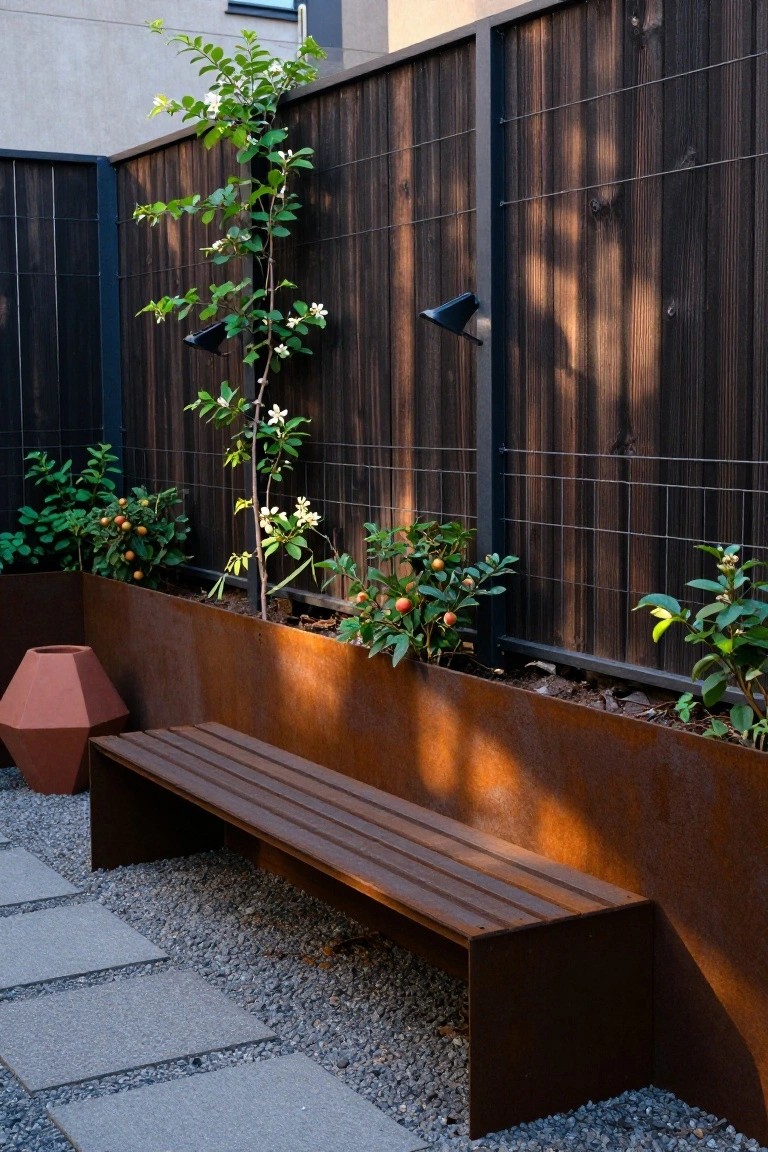
A wood and wire fence works well when you add a long raised bed right in front of it. The wire sections let light through while the wood gives solid backing, and the planter turns the whole line into a planted border instead of just a barrier. This setup keeps the fence from feeling too tall or blank and gives you room for shrubs or small trees without eating into the rest of the yard.
It suits smaller gardens or side yards where you want some privacy but still like seeing greenery at eye level. Make sure the bed is deep enough for the plants you choose and leave a little space between the fence and the metal so air can move. The bench in front shows how the area can stay usable too.
Wood and Wire Fencing to Define Garden Paths
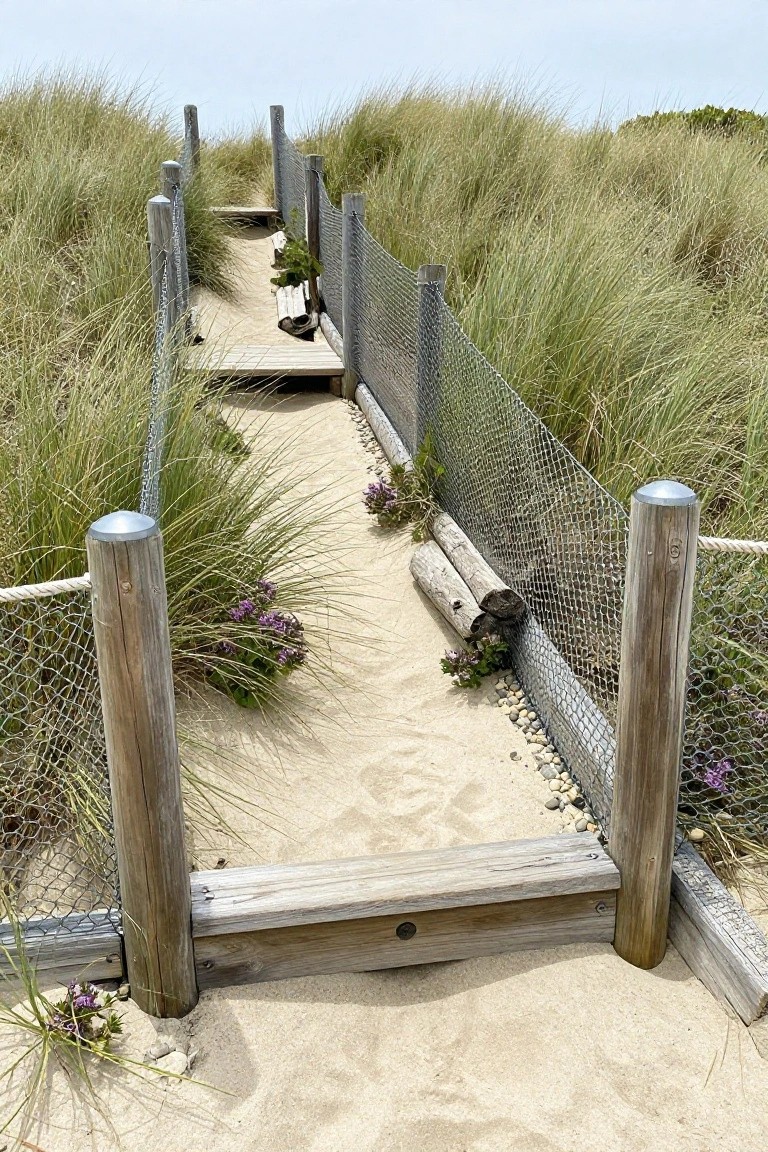
A wood and wire fence works well when you need to guide people along a path without making the space feel closed in. The posts give structure while the mesh stays light enough to blend with surrounding plants and grasses. It keeps foot traffic contained, which helps protect delicate areas on either side.
This style fits homes near dunes, meadows, or informal gardens where a solid fence would feel too heavy. Set the posts at even intervals and stretch the wire between them so the fence follows the natural curve of the path. Check local rules on height and materials before installing, since some areas have restrictions on dune or coastal plantings.
Wood And Wire Fences For Open Boundaries
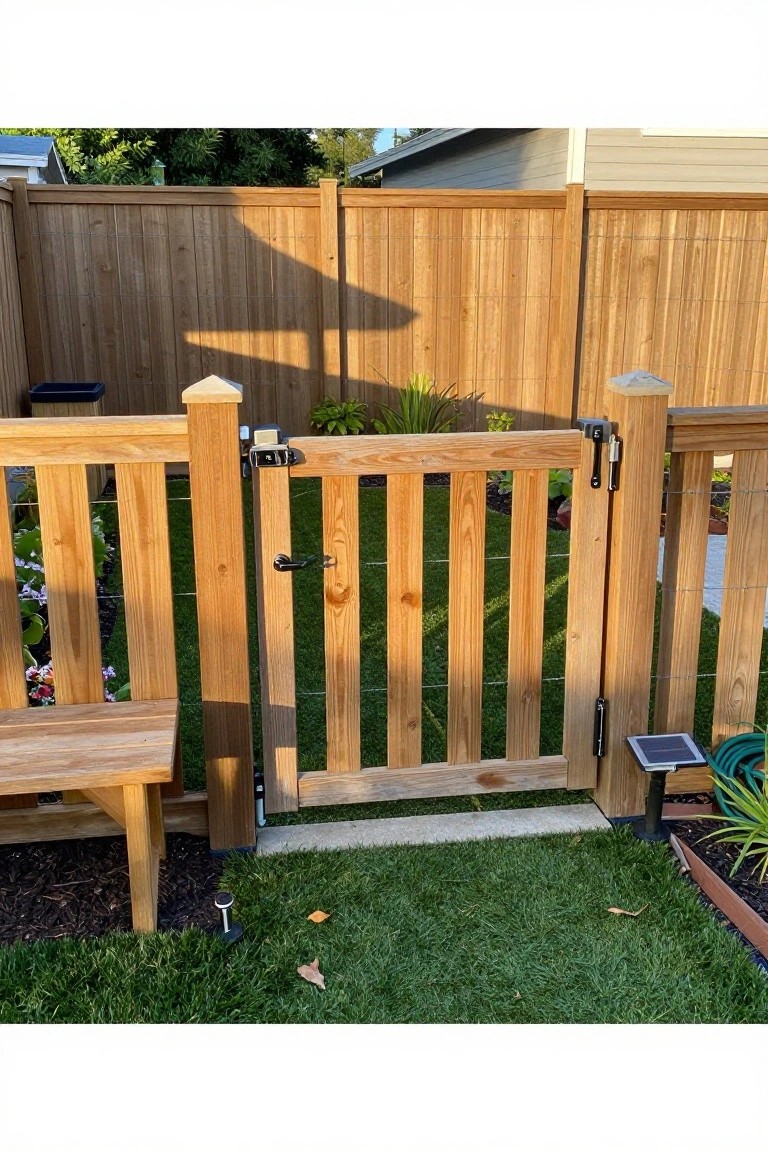
A wood and wire fence works well when you want clear property lines without blocking the view of the garden. The posts and gate give solid structure while the wire sections let light and sightlines pass through, which keeps the space from feeling closed in.
This setup suits homes with pets or small yards where you still want to see the plants on the other side. It holds up better than all-wire options and stays simpler than full wood panels. Just make sure the wire is tight and the posts are set deep so the fence stays straight over time.
Wood and Wire Enclosures for Small Animals
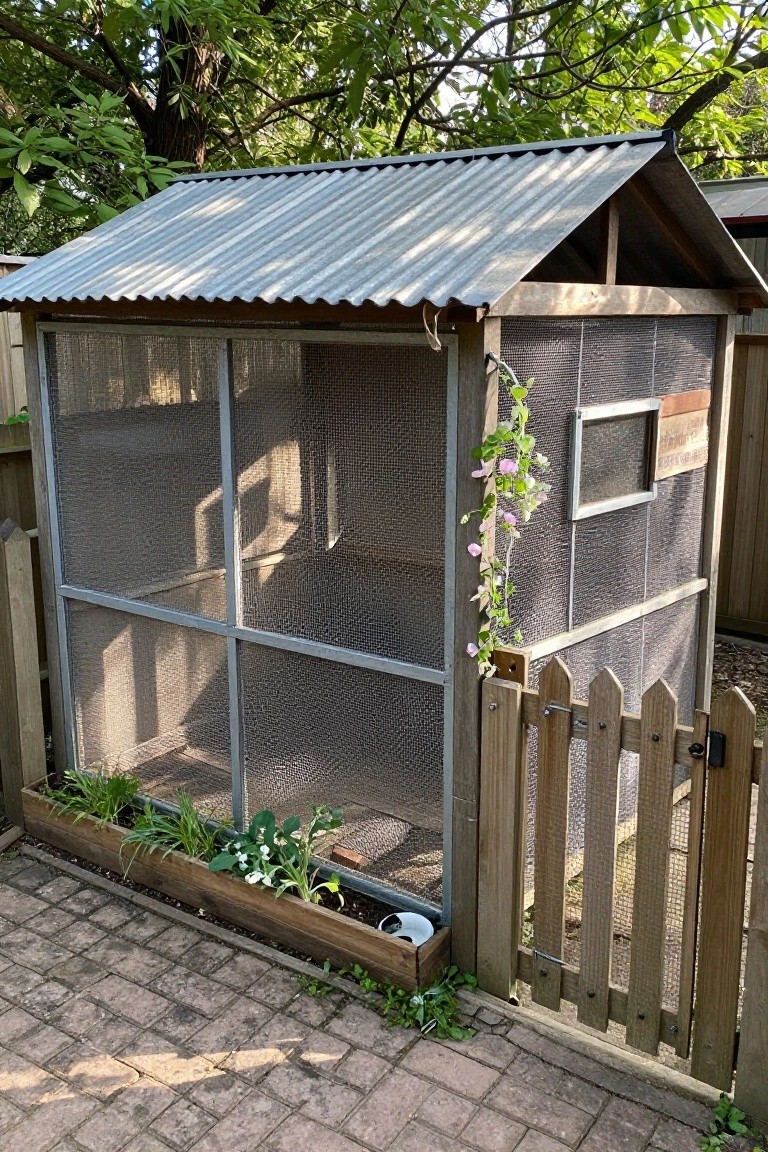
Wood and wire structures give you a sturdy way to contain pets or chickens without blocking the garden view. The wood frame holds everything steady while the mesh lets air and light pass through, so the area does not feel closed off.
This setup works best in backyards where space is limited but you still want something that looks like it belongs with the plants. Add a simple gate and a low planter box along the base to tie it into the rest of the yard.
Mix Wood and Wire for a Simple Garden Border
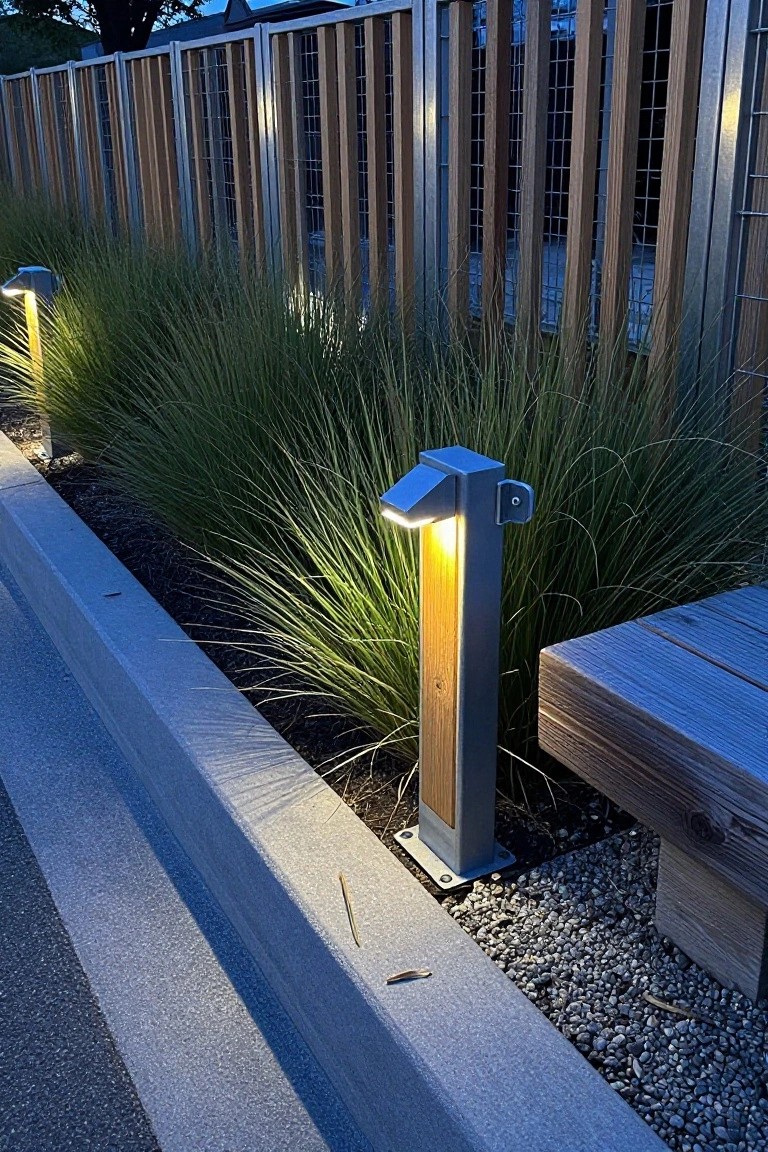
A wood and wire fence gives you a clear edge without blocking everything off. The wood adds weight and structure while the wire sections keep the whole thing from feeling heavy or closed in. Low lights along the base make the planting in front stand out after dark.
This combination works best along the side or back of a yard where you want a bit of separation but still like an open feel. It suits homes with gravel beds or tall grasses because the fence lets the plants show through rather than competing with them.
Wood Posts And Wire For Garden Borders
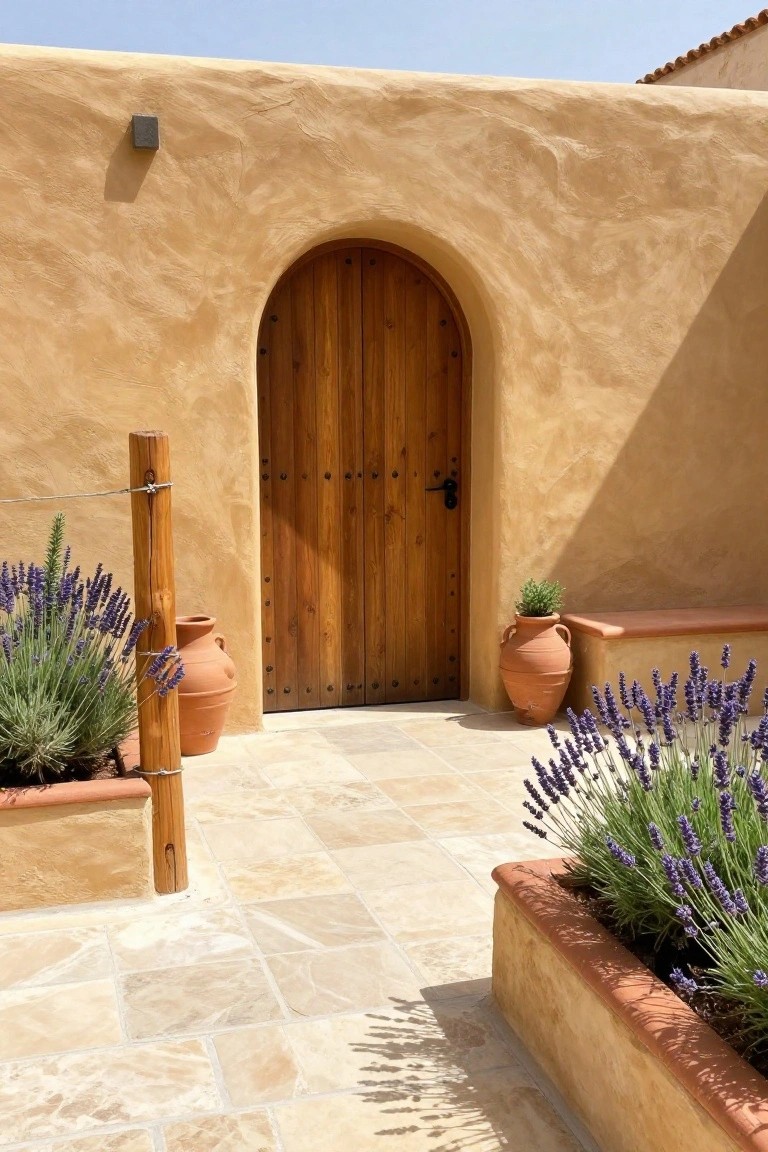
A basic wood post and wire fence keeps things simple while still marking off garden beds or property edges. It stays low enough that the plants remain the main focus instead of the fence itself.
This style works best in sunny yards where you want a light boundary without blocking views or airflow. Set the posts at the corners of raised beds, run the wire tight between them, and let vines or flowers grow up around the line if you want a softer look over time.
Woven Wood And Wire Fences For Garden Boundaries
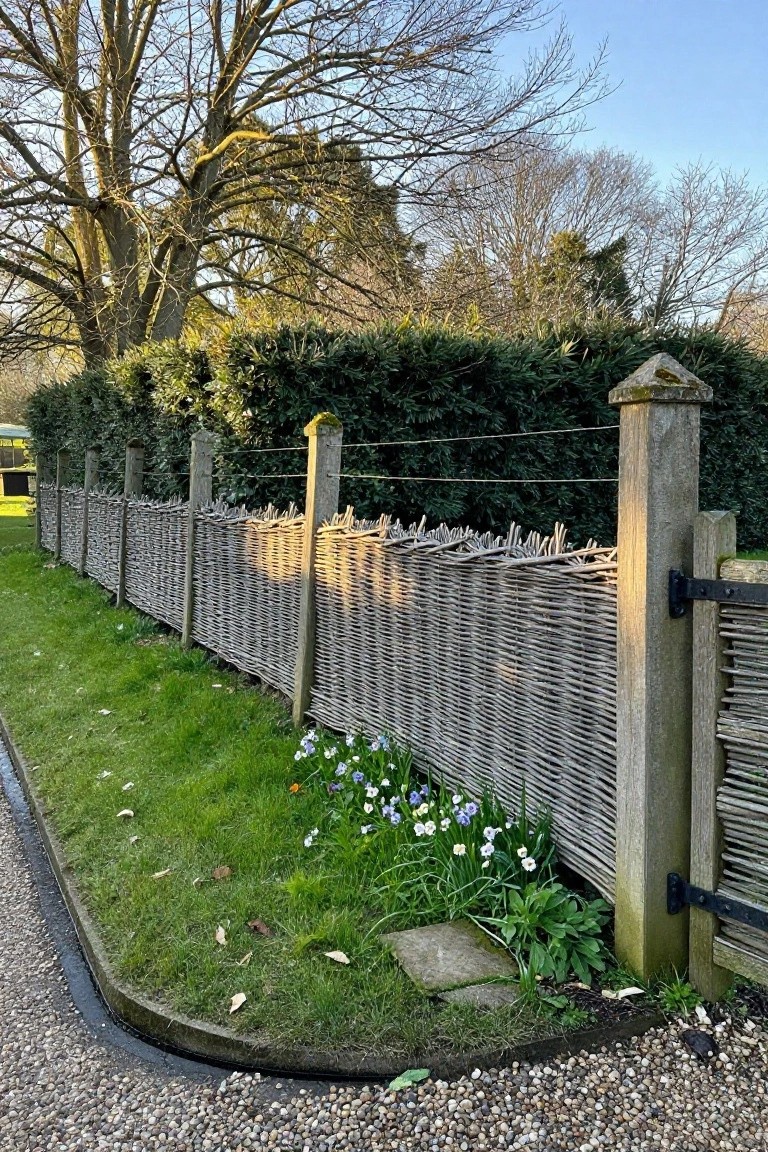
This mix of woven wood panels and simple wire strands gives a fence that feels more like part of the garden than a hard divider. The lower woven section adds texture and some privacy while the wire keeps the top light and open so the space does not feel boxed in.
It works best along property lines or bed edges where you want a natural look without blocking views entirely. The base sits low enough that flowers and low plants can grow right against it, which helps the fence blend into the planting rather than stand apart from it.
Wood And Wire Borders For Raised Garden Beds
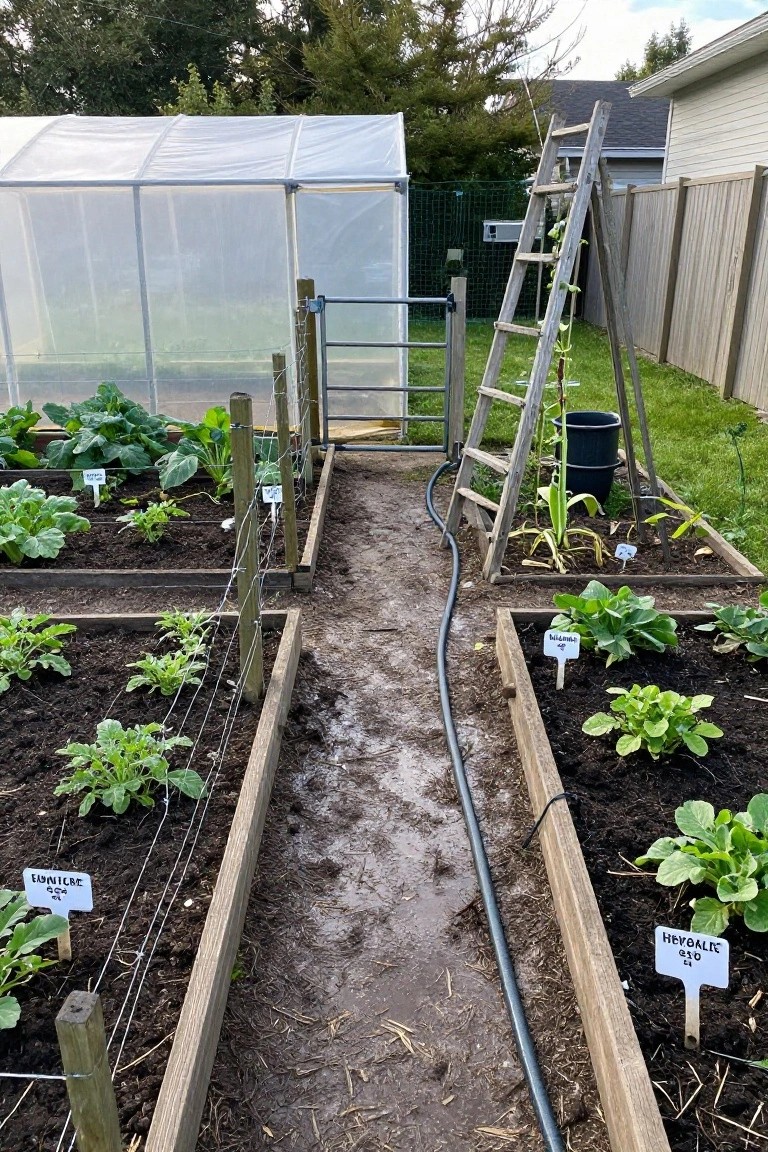
Raised beds framed with wood and wire keep things simple and tidy in a garden. The wood gives solid edges while the wire adds support without blocking light or air, and it works well for keeping plants contained and easy to reach.
This approach suits smaller yards or vegetable plots where you want clear separation between crops. Set the posts deep so the wire stays tight, and it holds up fine through most seasons with little extra work.
Wood And Wire Fences With A Planter Bed
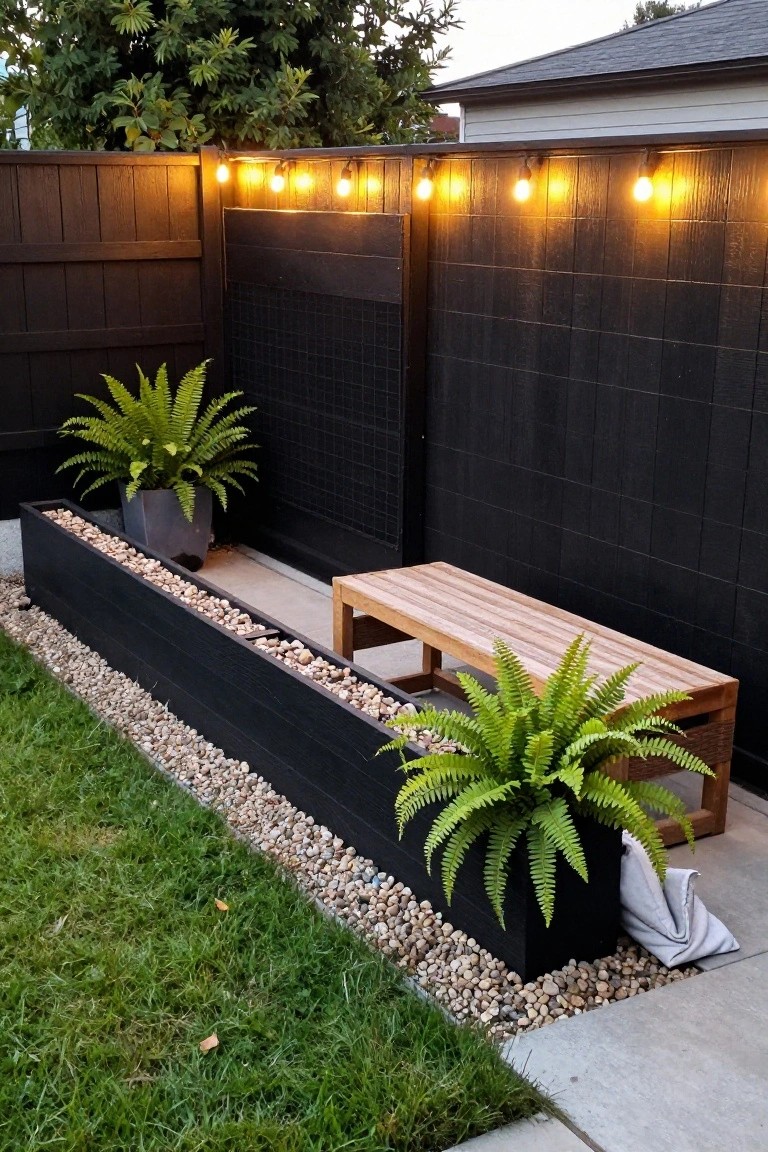
A fence that mixes solid wood panels with a wire mesh section gives you privacy without blocking everything. The wire lets some light and air through while the wood handles the rest, and adding a long raised planter along the base turns the fence line into usable garden space instead of just a boundary.
This setup works especially well in narrower yards where you want greenery right up against the property line. Keep the planter narrow, use gravel or mulch to cut down on weeds, and choose shade tolerant plants that will fill in without much fuss.
Wood and Wire Fences for Open Property Lines
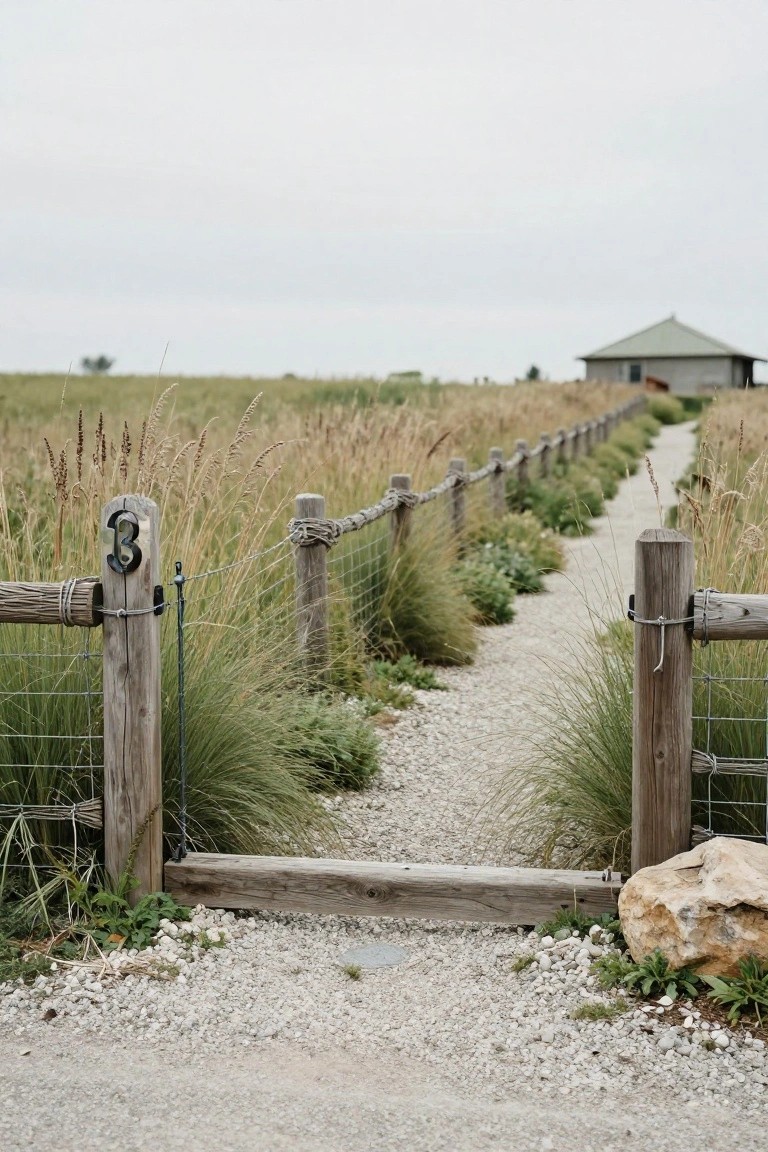
Wood posts paired with wire mesh give a clear boundary without blocking the view of the surrounding land. This setup works especially well on larger plots where you need to mark lines but still want the landscape to feel open and connected.
It suits rural homes or big gardens with gravel paths and natural grasses. Keep the posts spaced evenly and use a simple gate for access points so the fence stays practical while blending into the setting.
Add Bench Seating Along a Wood Fence
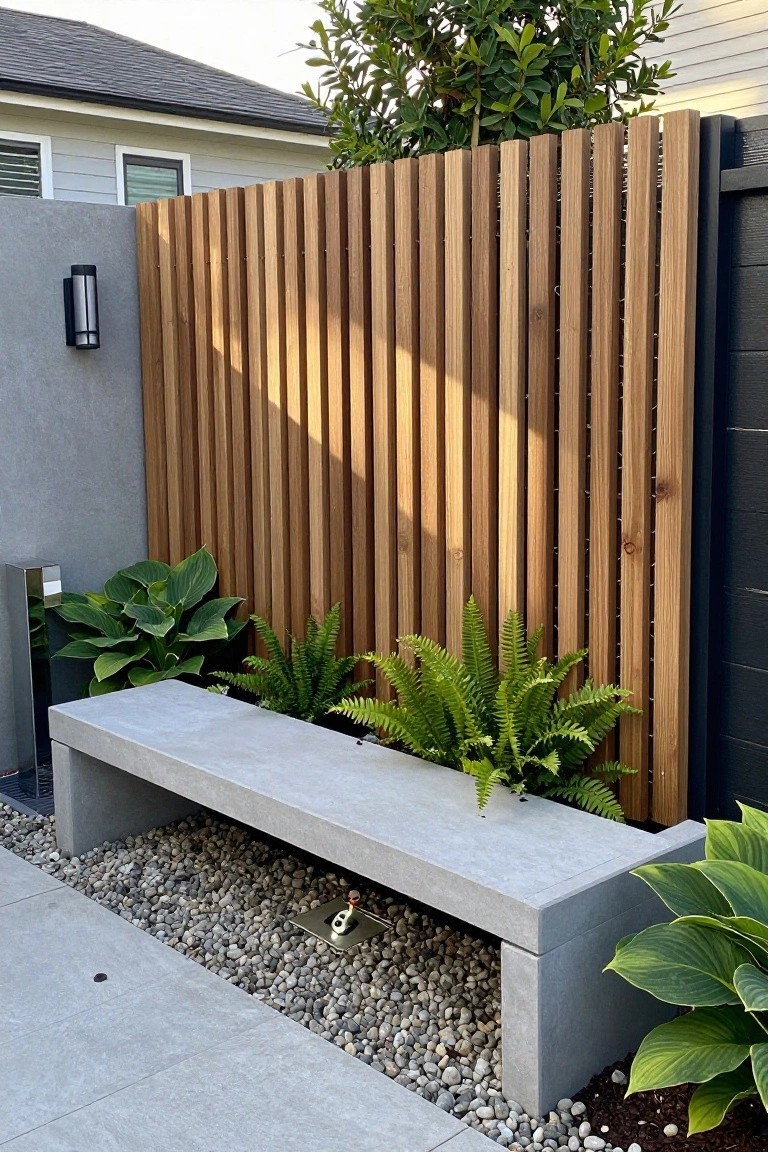
Many people run a low bench right along the base of a tall wood fence. It turns the fence into a useful spot for sitting instead of just a barrier, and it keeps the area feeling open without adding separate furniture.
This setup works best along side yards or back property lines where space is tight. Keep the bench height comfortable and use low plants behind it so nothing blocks the seating or makes the fence feel crowded.
Wood and Wire Posts Along a Path
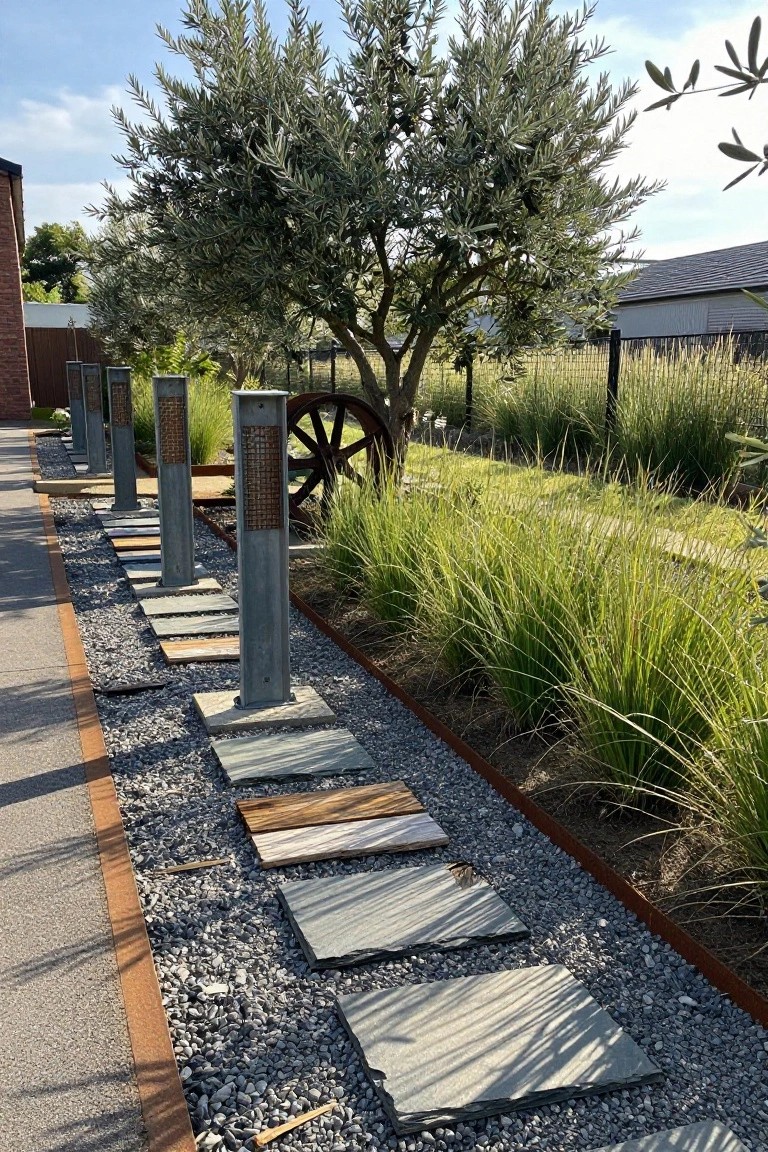
One way to mark a garden path without a full fence is to set metal posts with wood and wire panels at regular intervals. The open panels let light and air through while still giving a clear line between the walkway and the planting beds.
This works best in larger yards where you want to guide foot traffic and separate zones without closing off the space. Space the posts evenly, keep the gravel base wide enough for easy walking, and choose a wood tone that matches other garden elements like raised beds or decking.
Wood And Wire Fences For Coastal Paths
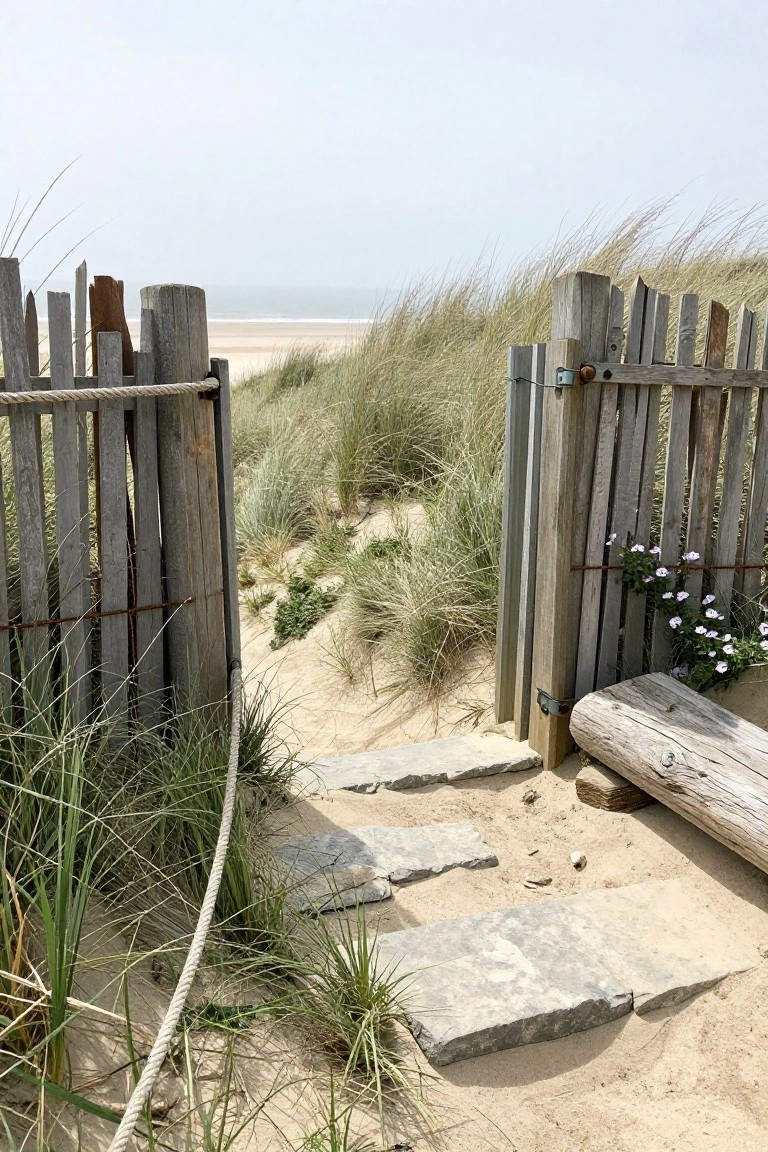
Weathered wood combined with simple wire or rope creates a fence that blends into sandy or grassy landscapes without feeling heavy. It marks the edge of a path while still letting the view stay open.
This approach works best on properties near beaches or dunes where you need something that holds up to wind and salt. Keep the wood unfinished so it ages naturally, and use basic wire connections to hold the panels in place.
Wood and Wire Raised Planters
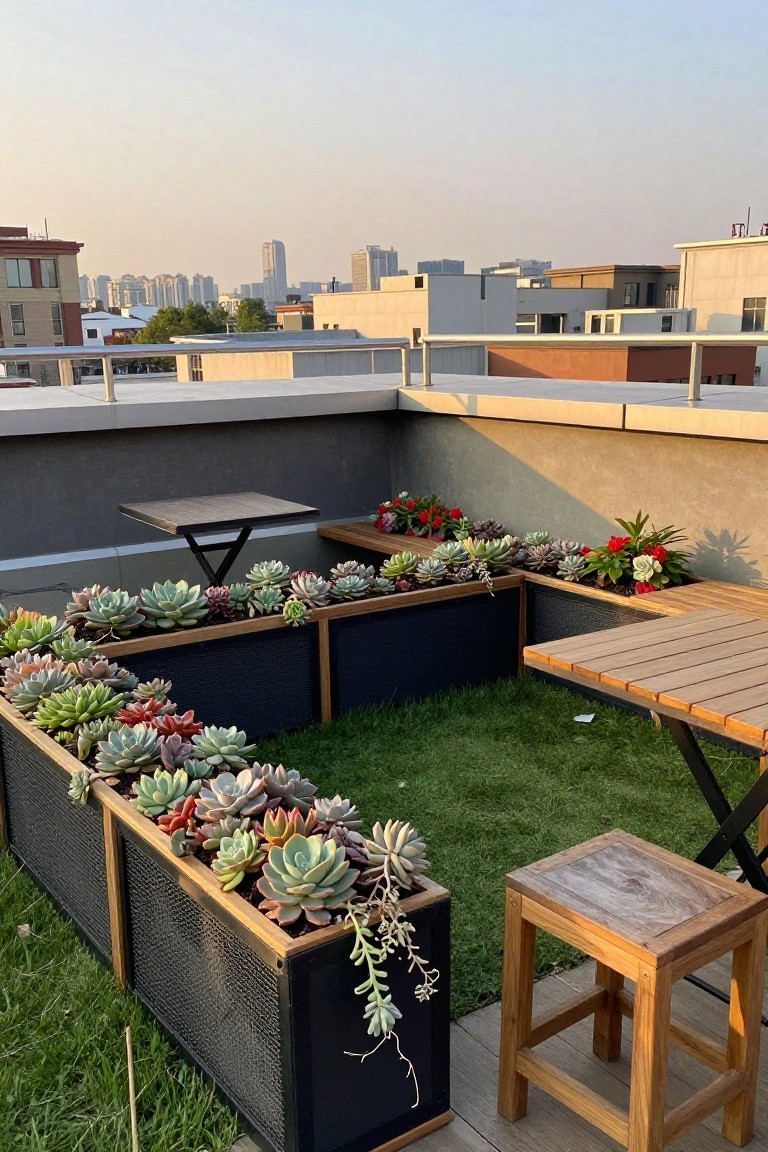
Wood and wire makes a practical choice for raised planters that double as low garden borders. The frame gives solid support while the mesh keeps everything contained without blocking light or air.
This setup works best in small yards or rooftop spaces where full fencing feels too much. Use pressure treated wood for the edges and a tight wire mesh on the sides so the beds stay stable over time.
Plant Along the Base of a Wood and Wire Fence
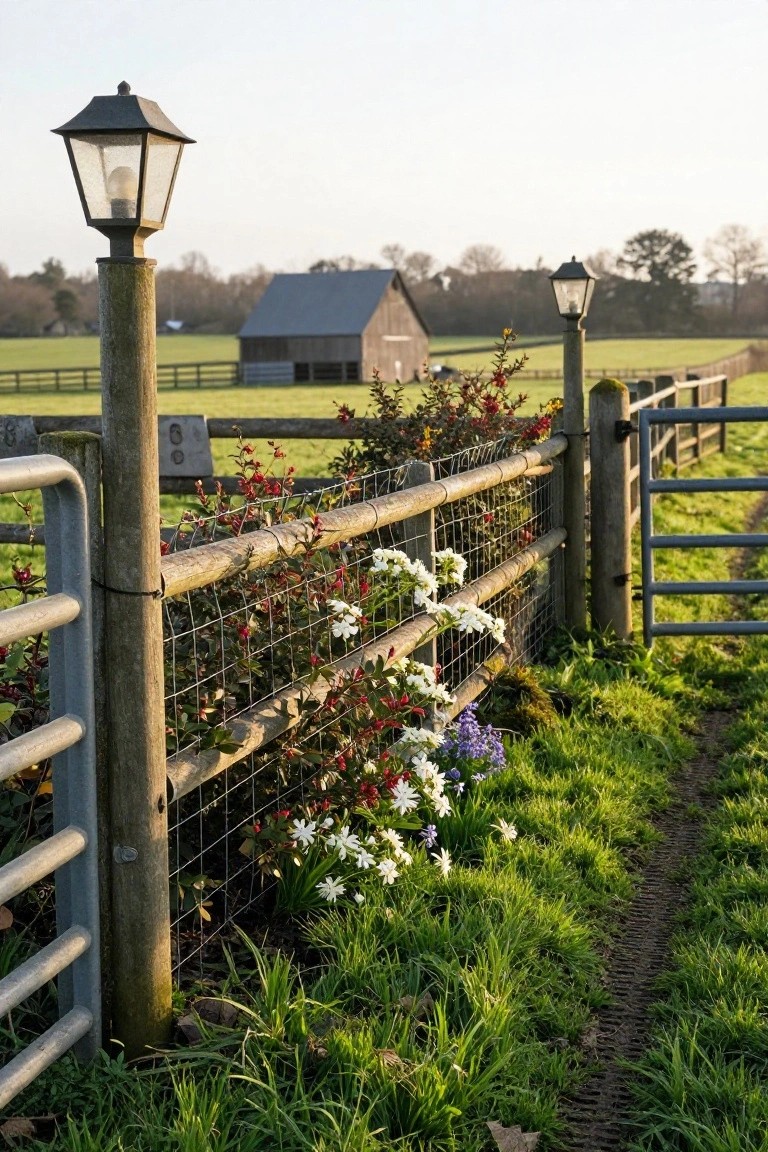
A wood and wire fence works nicely when you give it a planting bed right at the bottom. The mesh lets stems and foliage come through without crowding the structure, while the wood posts keep everything grounded and easy to maintain.
This setup fits properties with open yards or garden borders where you want clear lines but still like some softness. Stick with lower growing flowers and shrubs so they stay in scale with the fence height over the years.
Wood Fences With Raised Planters
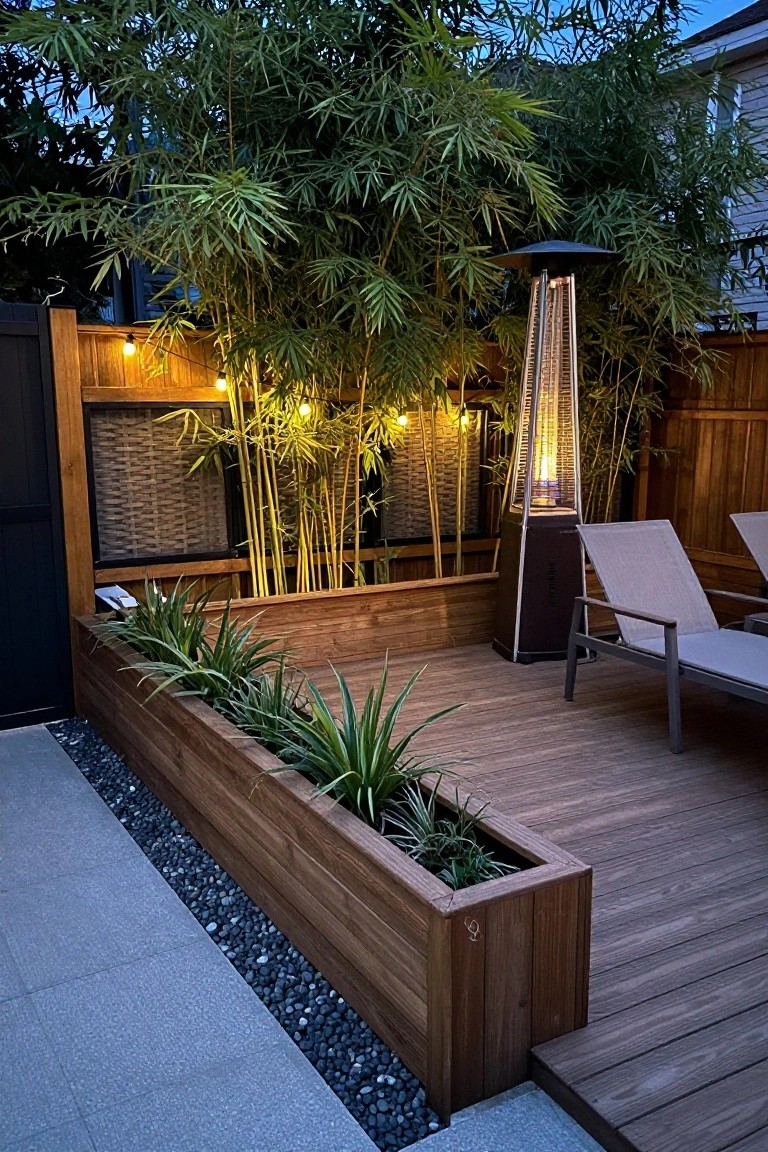
A raised planter built along a wood fence gives you both structure and a place to grow taller plants without taking up extra yard space. It turns the fence line into something more useful, especially when you want a bit of screening but still like the look of wood.
This setup works well on decks or patios where you need a clean edge between the seating area and the rest of the yard. Just make sure the planter is deep enough for the plants you want and that the fence behind it can handle the weight if anything leans against it.
Edge A Wire Fence With A Planting Bed
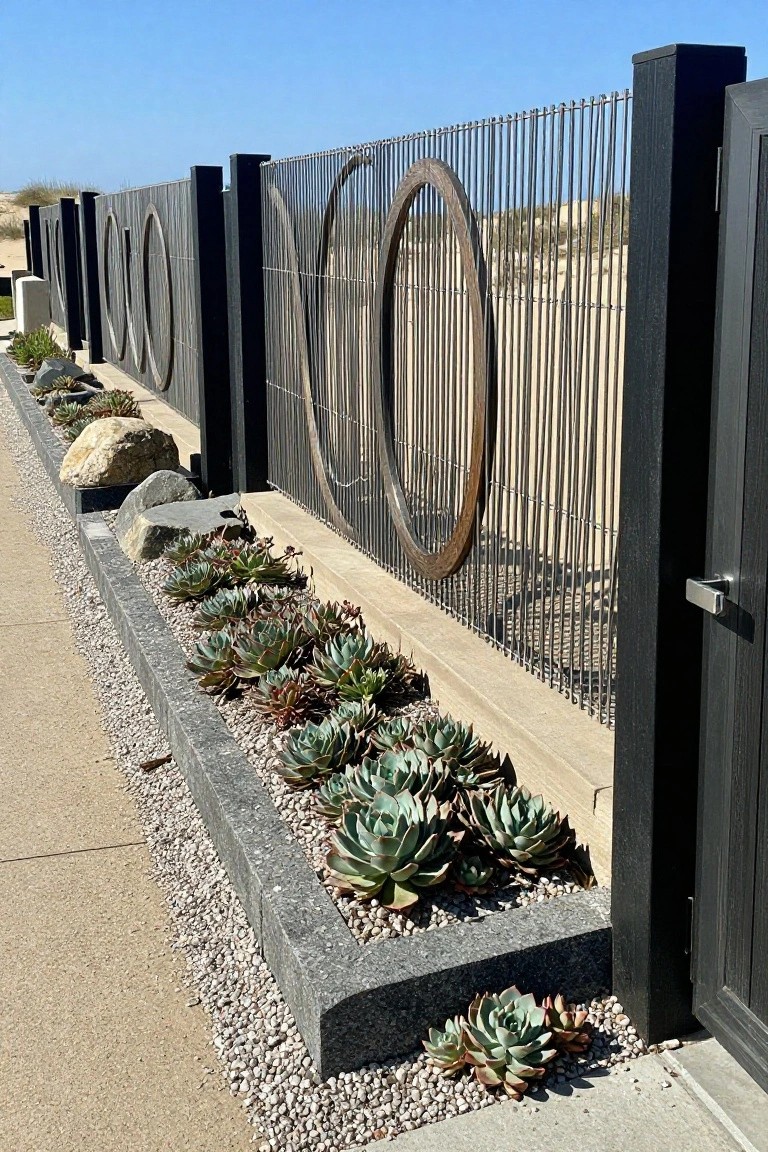
A simple planting bed along the base can make a wire fence feel more intentional. Low growing plants like succulents add color and texture without hiding the fence or creating extra maintenance.
This approach works best on property lines where you want a clean look with minimal watering. Stick to compact plants and a gravel or stone edge so the bed stays tidy and does not spill onto walkways.
Frequently Asked Questions
Q: How do I stop my dog from digging under the wire sections? A: Bury a strip of extra wire or mesh along the bottom edge about six inches into the ground. Dogs usually stop once they hit that hidden layer. Check the fence line every month or so and pack down any loose spots they find.
Q: Will the wood hold up if I live in a wet climate? A: Choose cedar or treated posts for the main supports since they resist rot better than pine. Seal the wood once a year with a simple outdoor finish. Replace any single board that starts to soften instead of letting it spread.
Q: Can I add plants along the fence without it looking messy? A: Train climbing vines on the wire panels so they fill in the gaps naturally. Keep the wood parts clear by trimming back growth every few weeks. This setup gives the garden some height without extra trellises.
