


I’ve noticed over the years that the overhead surface influences how comfortable a room feels long before the furniture settles in.
Tongue and groove work adds that steady rhythm without overpowering the rest of the space.
Details like board width and finish start to matter once the light shifts through the day.
I always check how the pattern lines up with windows before deciding.
Small adjustments there tend to make the difference between a room that feels complete and one that still looks unfinished.
White Tongue And Groove Ceilings
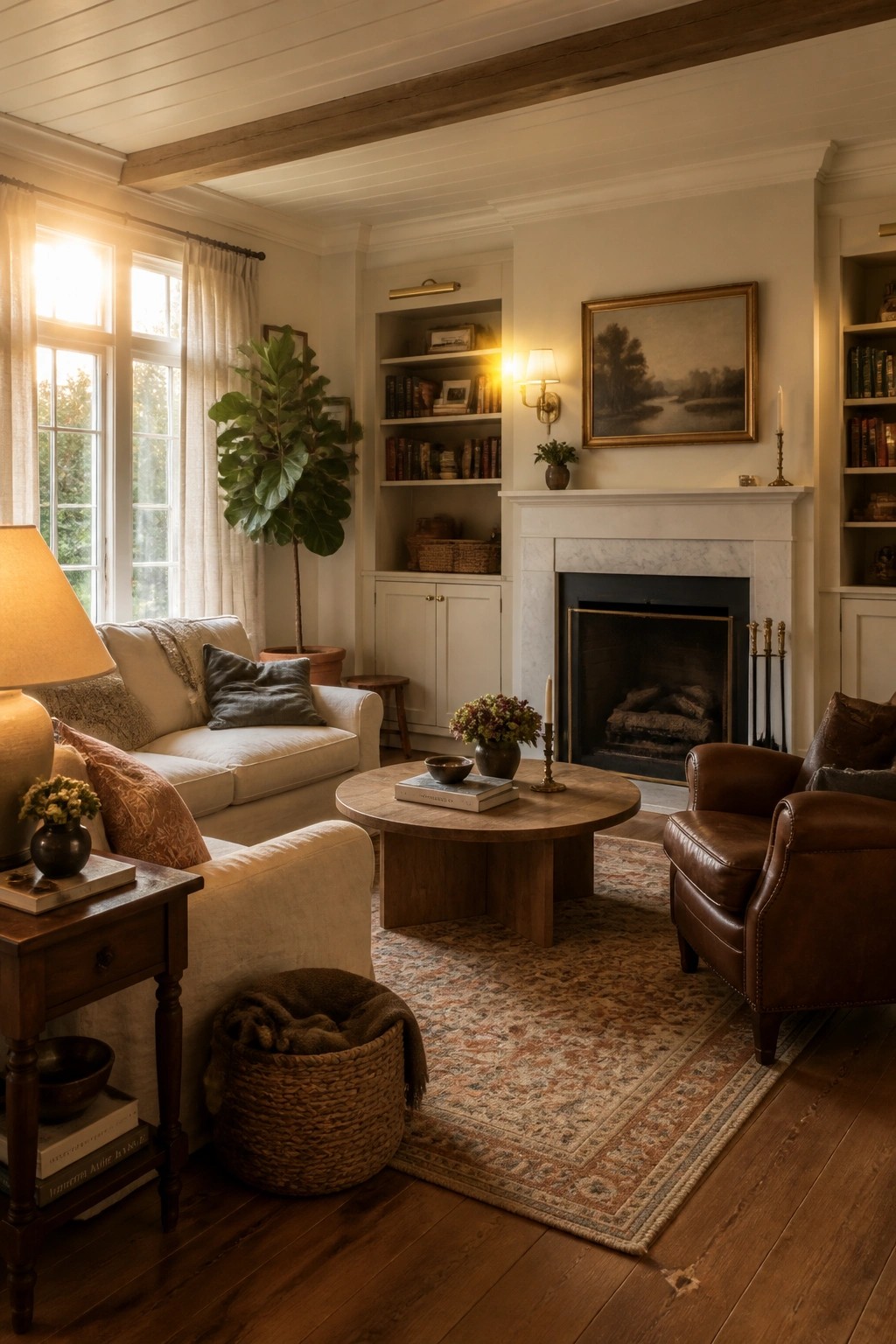
A white tongue and groove ceiling brings a clean, classic feel to a room without making it feel stark. The lines add subtle texture overhead, and the bright finish helps the space feel taller and more open. It works especially well in living rooms that already have some wood tones and traditional details.
This ceiling style suits homes with a mix of old and new elements. Keep the rest of the room fairly simple so the ceiling can stand out on its own. Darker wood beams can add contrast if you want a bit more warmth.
Tongue And Groove Ceilings In The Kitchen
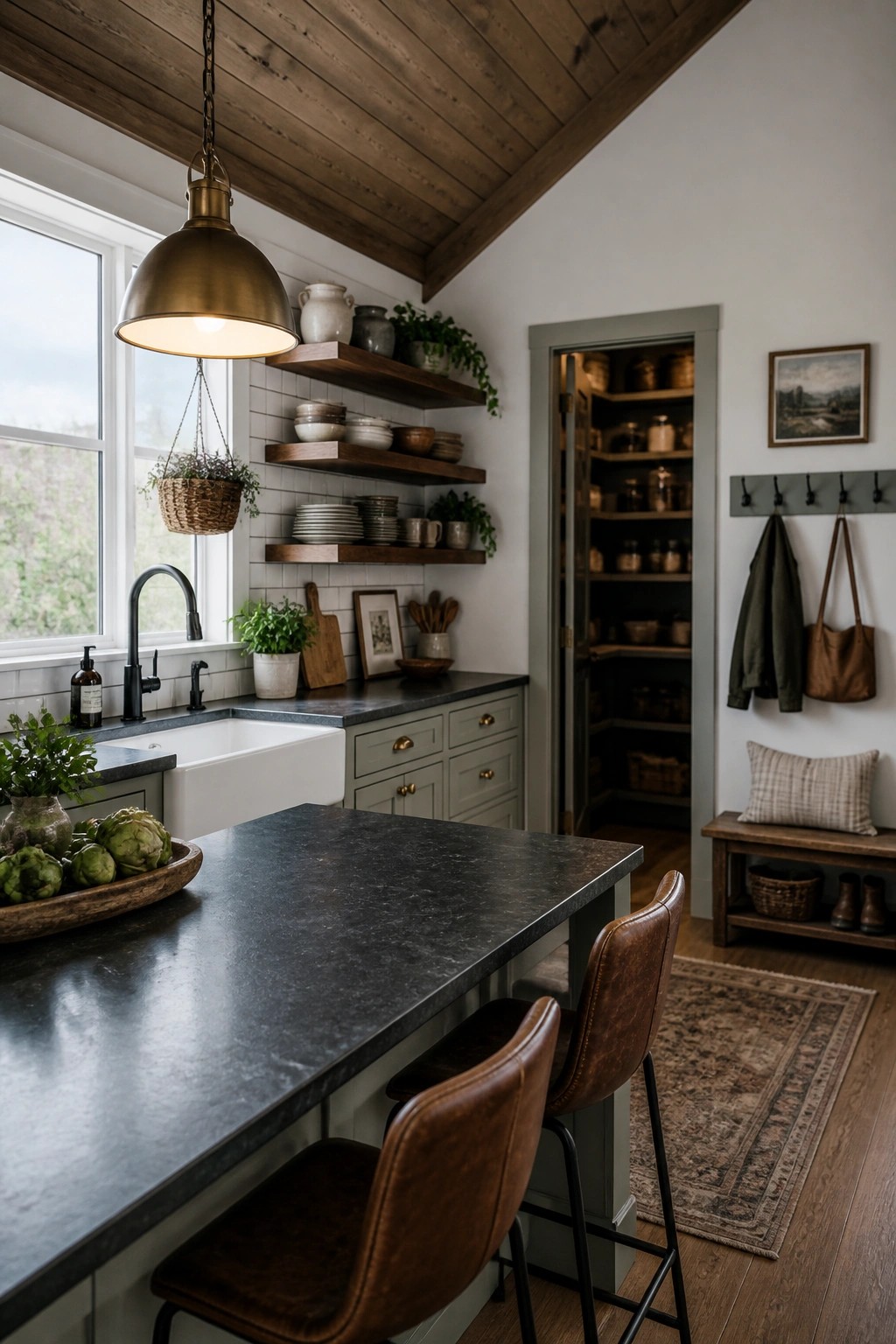
Tongue and groove ceilings add a simple layer of texture that makes a kitchen feel more finished. The wood softens the look of cabinets and countertops while keeping the space from feeling too plain or modern.
This works best in homes that already lean traditional or farmhouse. Keep the boards running straight across the room and choose a finish that shows the grain rather than hiding it behind heavy stain or paint.
White Tongue And Groove Ceilings In Bedrooms

A white tongue and groove ceiling with exposed beams can make a bedroom feel taller and more open without any extra effort. The clean lines add just enough texture to keep the space from looking flat while the light color bounces daylight around the room.
This approach works especially well in homes with sloped or vaulted ceilings where you want to highlight the architecture. Keep the rest of the room simple with soft bedding and natural textures so the ceiling stays the main feature. It suits both older homes and new builds that need a bit more character overhead.
Tongue And Groove Ceilings In Narrow Rooms
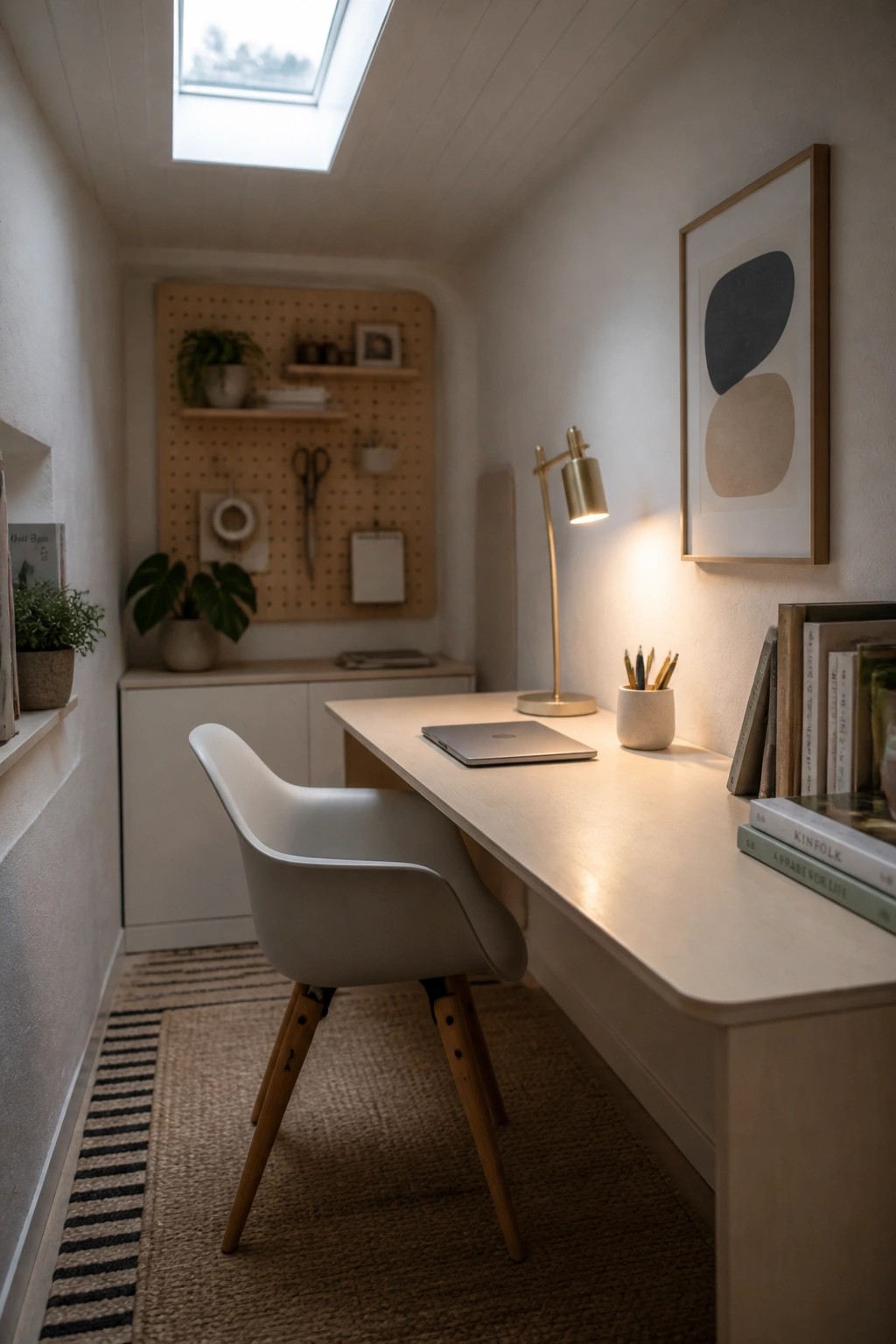
Tongue and groove ceilings give a small workspace a finished look without crowding the floor. The clean lines add quiet texture overhead and make the room feel more thought out, especially when the space is tight or long.
This works best in home offices, reading nooks, or narrow bedrooms where you want a custom detail but still need the room to feel open. Paint the boards the same color as the walls if you want the ceiling to recede and the space to feel taller.
Tongue And Groove Ceilings In Nurseries

A painted tongue and groove ceiling gives a nursery that finished look without adding much visual weight. The lines run clean overhead and help the room feel a little taller and more put together, especially when the rest of the space stays soft and simple.
This choice works best in smaller rooms where you want some texture but still need the space to feel calm. Keep the walls and trim in the same light tone so the ceiling blends in rather than stands out.
Tongue And Groove Ceilings In Dining Rooms
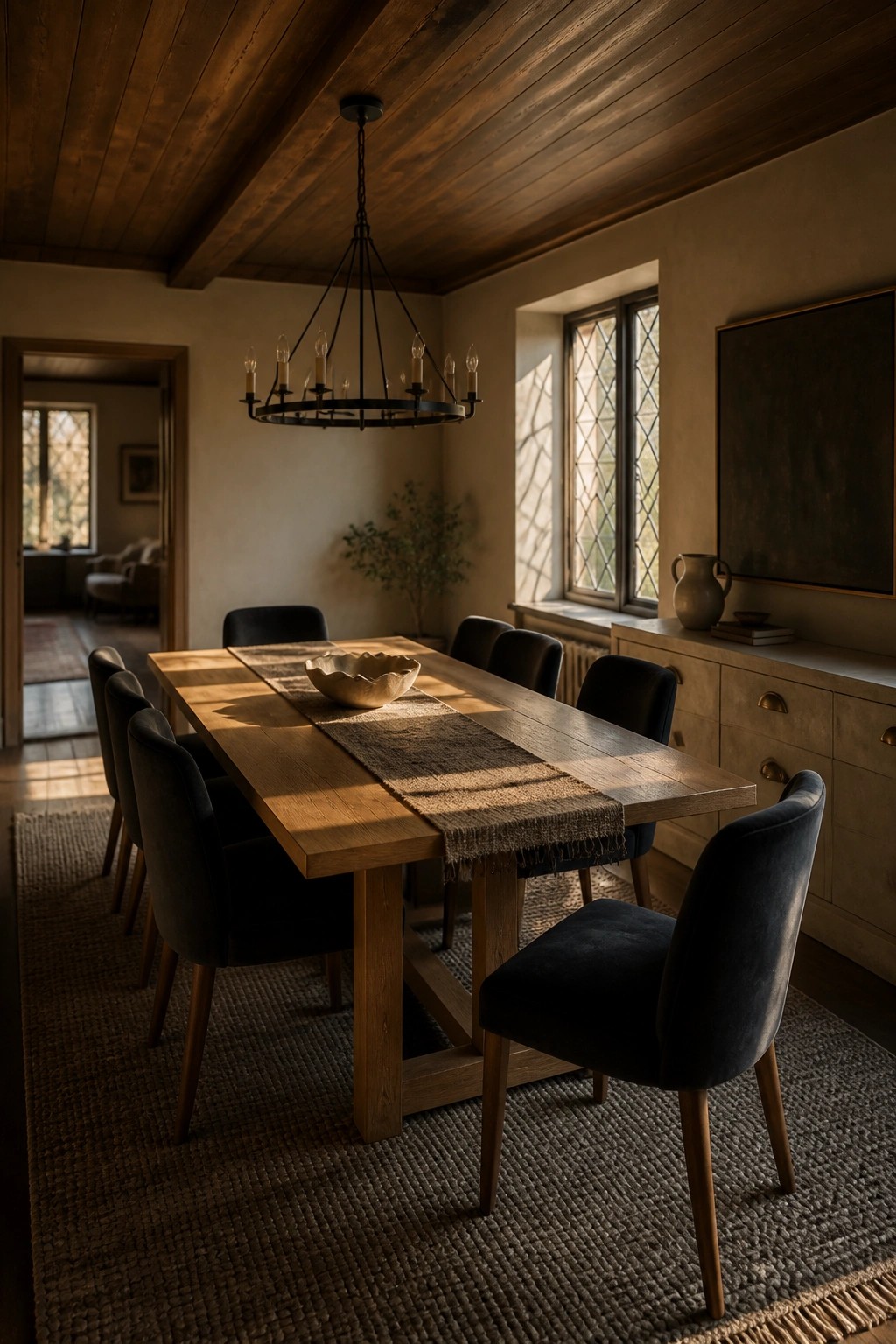
Tongue and groove ceilings work well in dining rooms because they add texture and a sense of age without much extra effort. The wood planks give the space a finished look that pairs easily with simple furniture and natural light from nearby windows.
This approach suits homes that already have wood floors or trim, since it keeps the materials consistent. A darker stain helps the ceiling feel grounded, while a lighter one keeps the room from feeling too heavy. Just make sure the planks run in the direction that follows the longest sight line.
Tongue And Groove Ceilings In Bathrooms
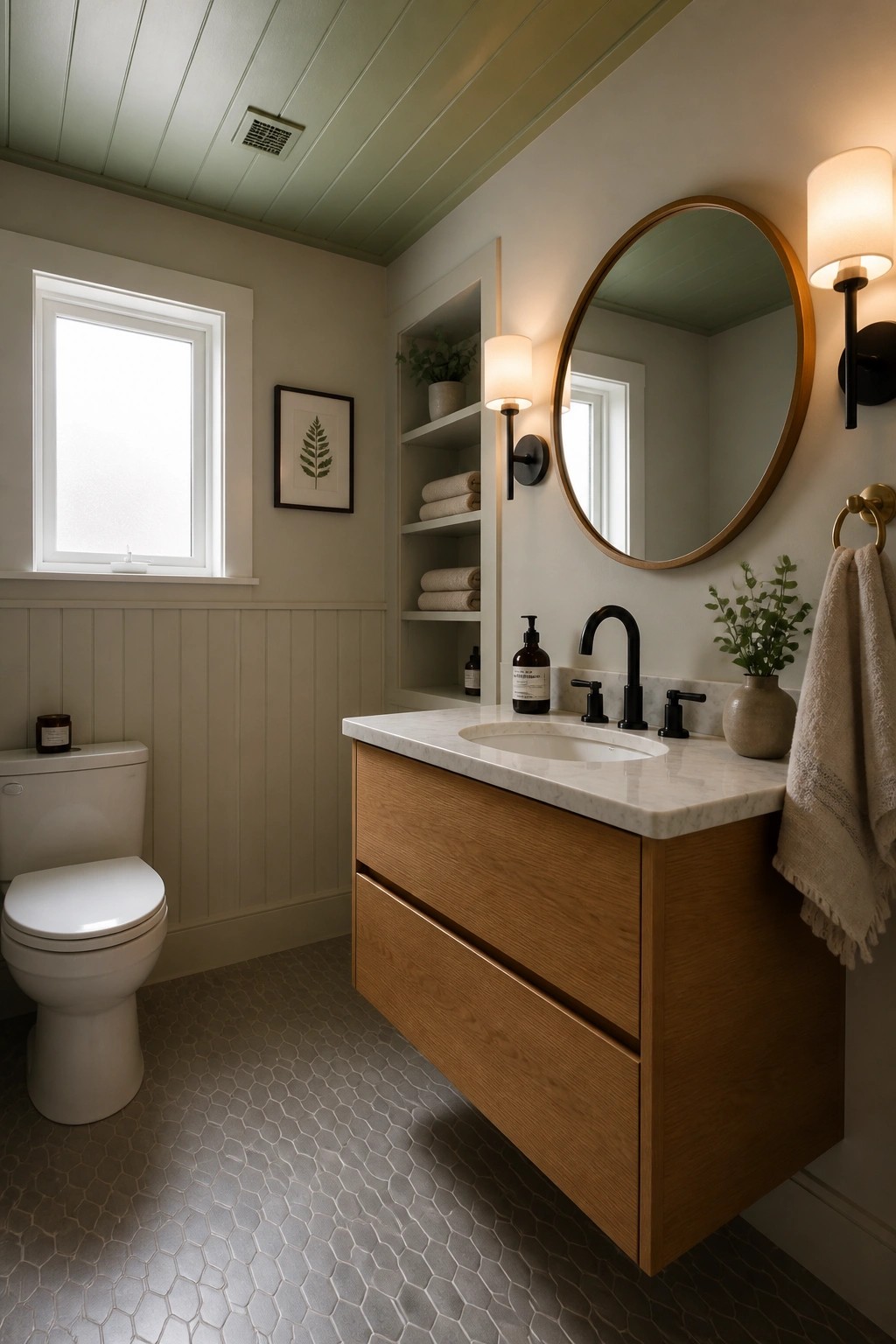
Tongue and groove ceilings add a quiet layer of texture that feels custom without trying too hard. In a bathroom the effect stays calm when the boards are painted a soft color that blends with the walls. The look holds up well even in smaller rooms where flat ceilings can feel plain.
This choice works best in homes that already lean traditional or cottage style. Use a moisture resistant paint and keep the trim simple so the ceiling detail stays the focus. It pairs easily with built in storage and basic fixtures.
Tongue and Groove on Sloped Ceilings
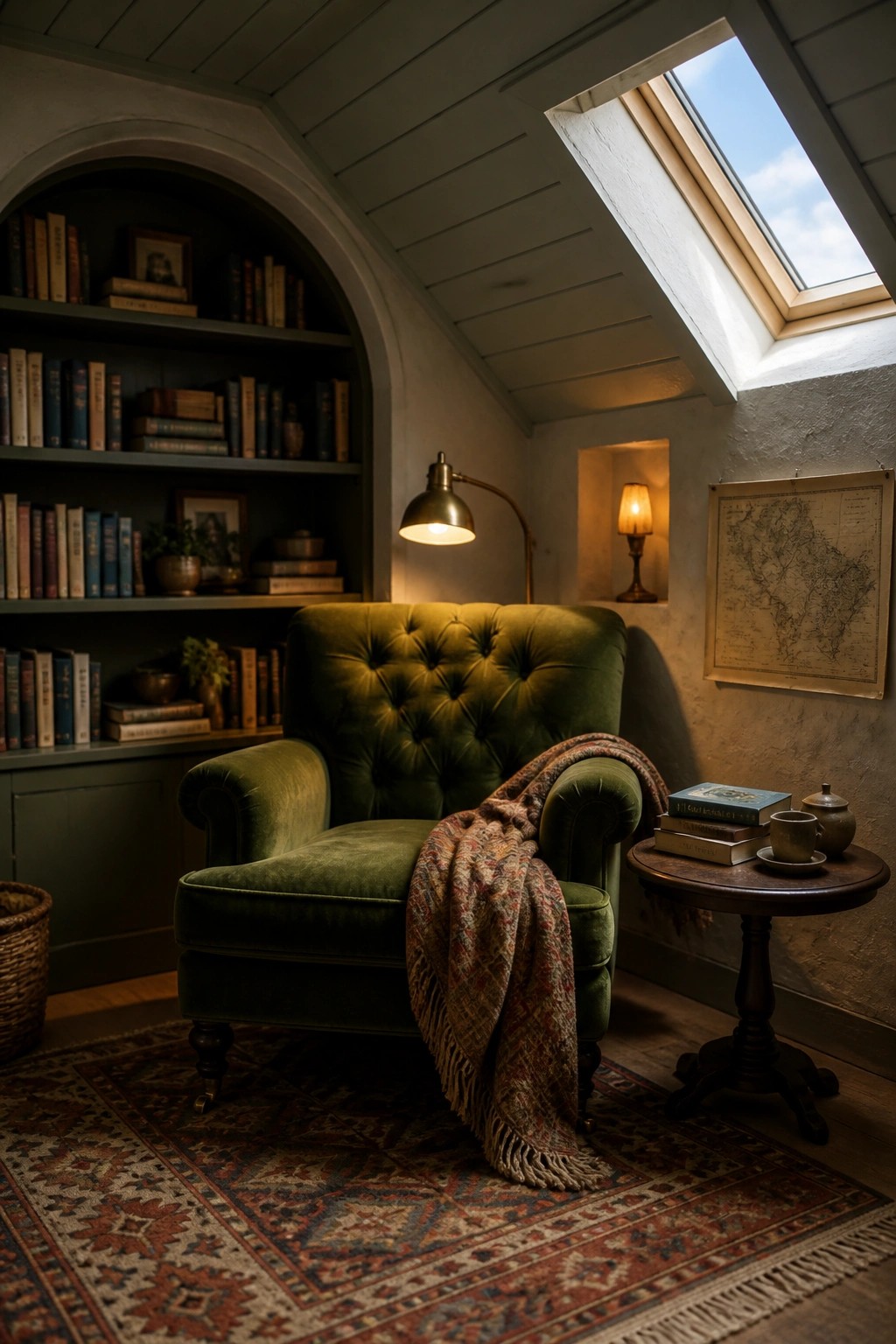
Tongue and groove works especially well on sloped ceilings because the lines follow the roof angle and keep the surface from feeling blank. A light paint color helps reflect light from a skylight and makes the room feel a bit taller than it is.
This approach suits attic rooms or any space with a low pitch where drywall can look too plain. Keep the boards narrow and the seams tight so the ceiling ages evenly without gaps showing later.
Dark Wood Tongue And Groove Ceilings
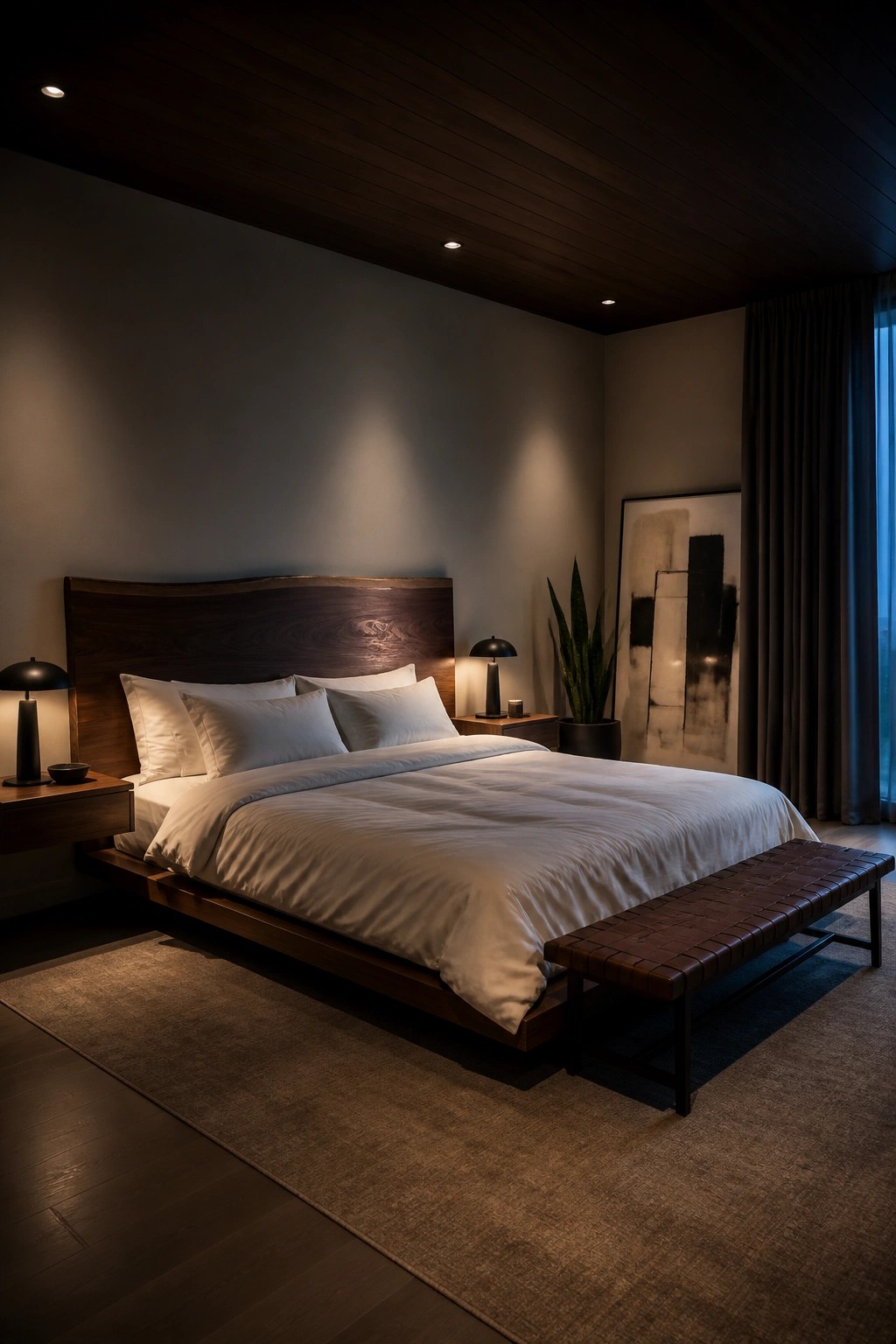
A dark wood tongue and groove ceiling gives a bedroom extra depth and a finished look that painted drywall never quite matches. The grain and joints add quiet texture overhead, which helps the room feel more custom without extra trim or wall details.
This works well in spaces with light walls and simple bedding so the ceiling stands out on its own. It suits homes that already use wood elsewhere, but keep other surfaces calm or the room can start to feel closed in.
Tongue And Groove Ceilings In Bathrooms
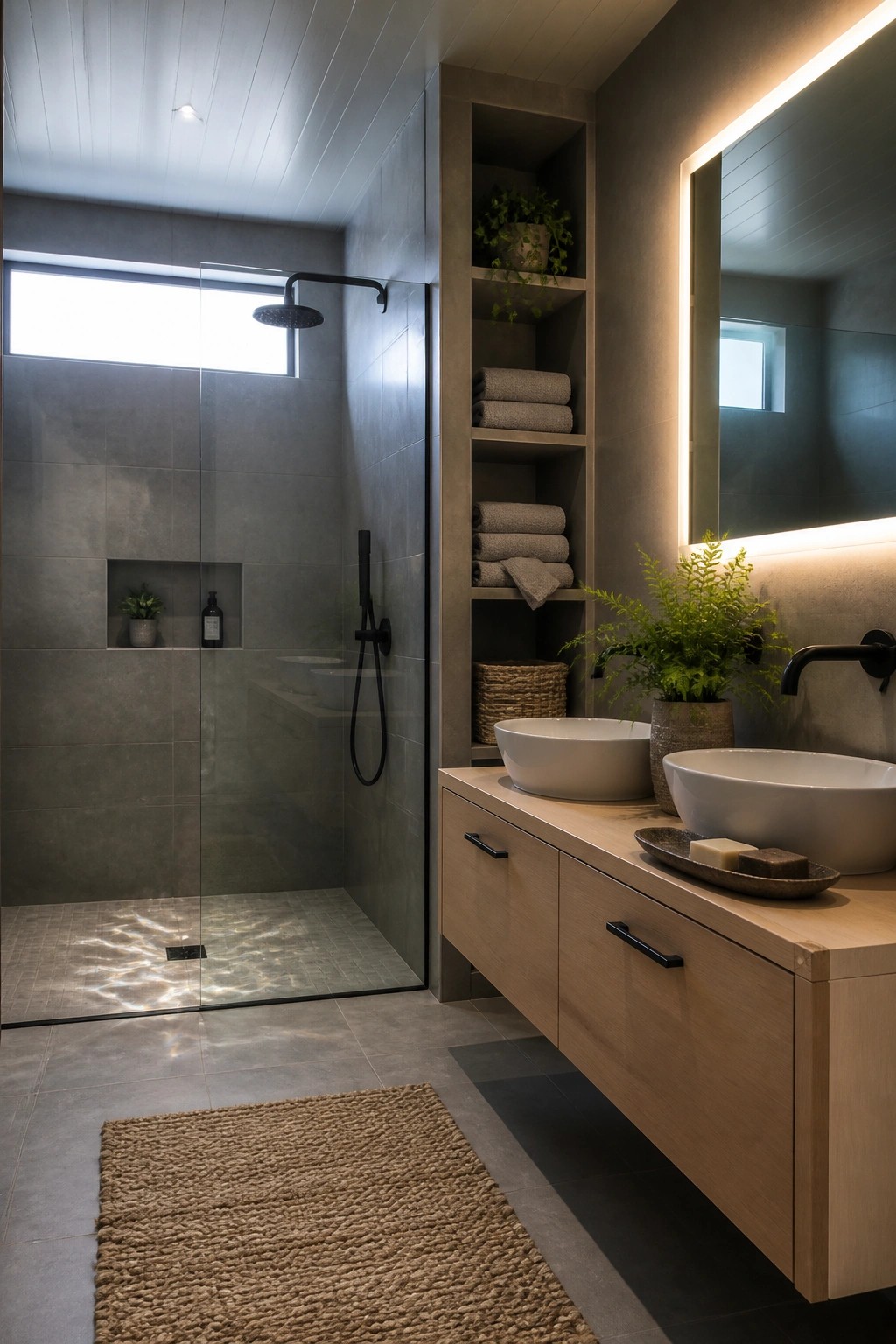
Tongue and groove ceilings give a bathroom a finished look that still feels simple. The lines add just enough texture to keep the space from feeling flat, especially when the rest of the room uses plain tile and straightforward fixtures.
This ceiling works best in smaller bathrooms or any room that gets regular moisture. Use a good primer and paint rated for humidity, and make sure the ventilation is solid so the wood stays in good shape over time.
Tongue And Groove Ceilings In Laundry Rooms
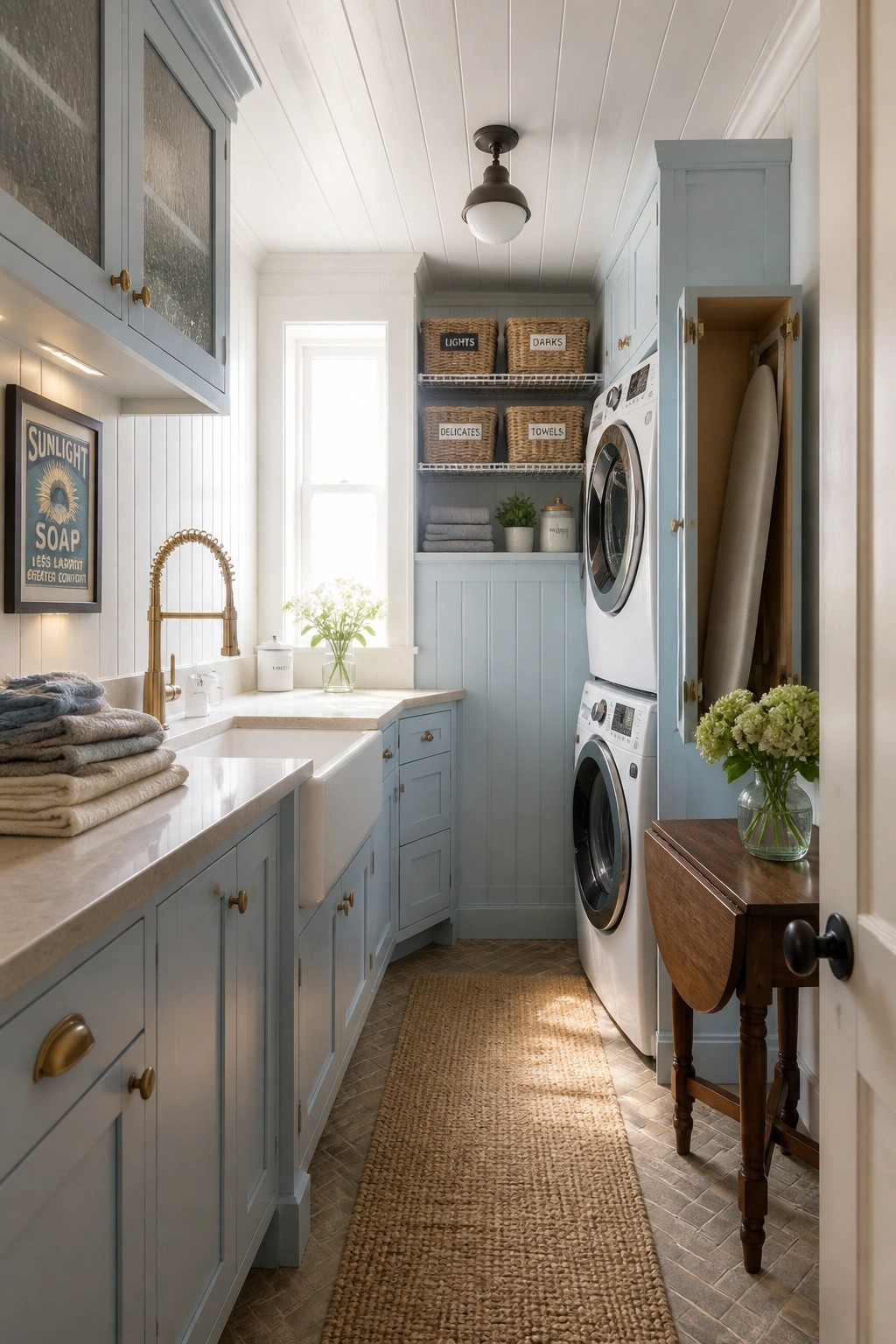
Many homes add tongue and groove ceilings to laundry rooms because the material gives a small space a finished look without extra trim or molding. The planks run the length of the room and keep the ceiling from feeling flat above the cabinets and appliances.
This works best in homes where the laundry area sits near living spaces or hallways. Keep the ceiling white so the room stays bright, and the simple lines will pair with most painted cabinet styles without competing for attention.
Tongue And Groove Ceilings In Hallways
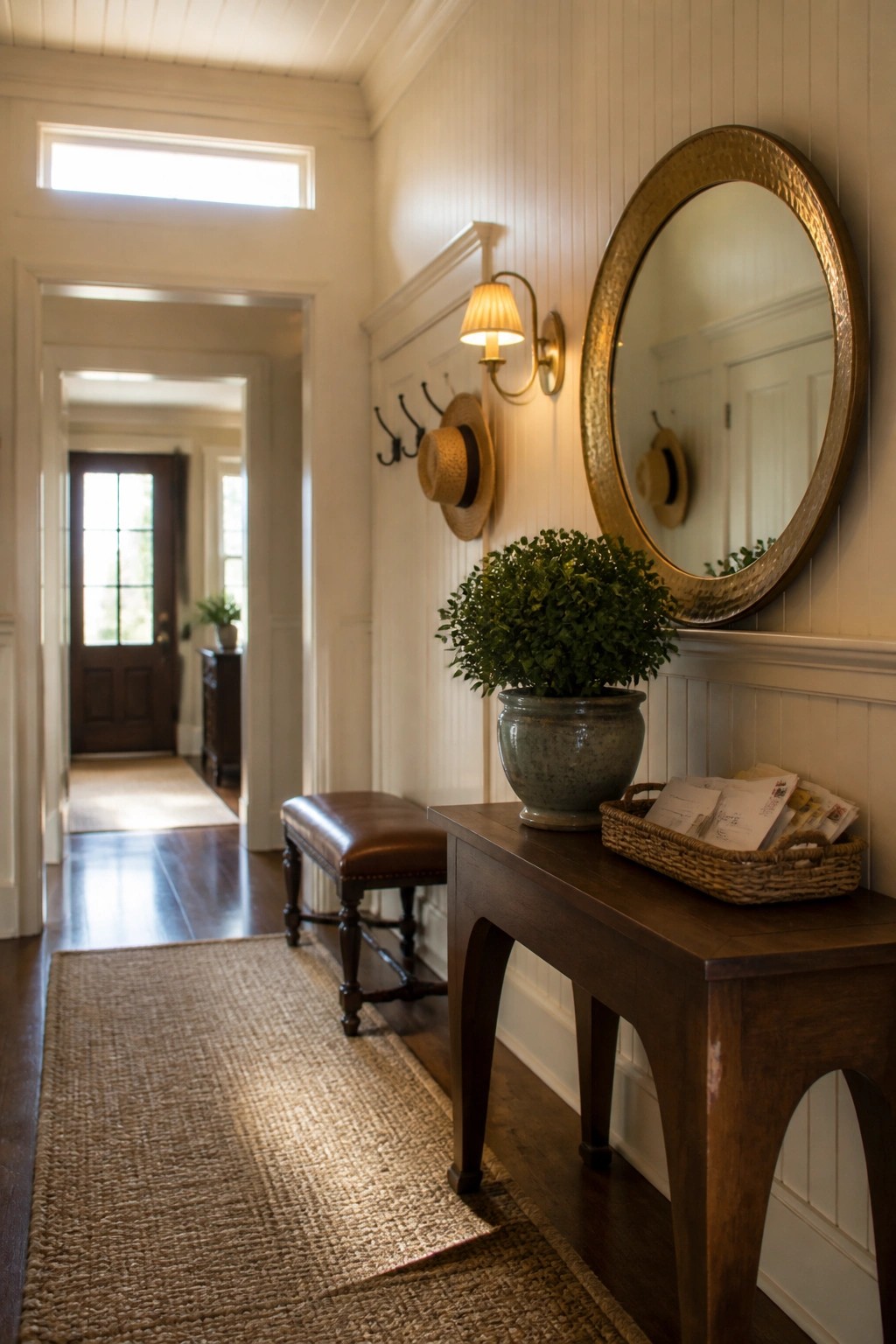
Tongue and groove ceilings work especially well in hallways because they add quiet texture without taking over the space. The lines draw the eye forward and give the area a more finished feel than a flat surface would.
This approach suits homes that already lean traditional or transitional. Keep the boards painted the same color as the walls for a calm look, or use a soft contrast if you want the ceiling detail to stand out more.
Tongue And Groove Ceilings For Warmth
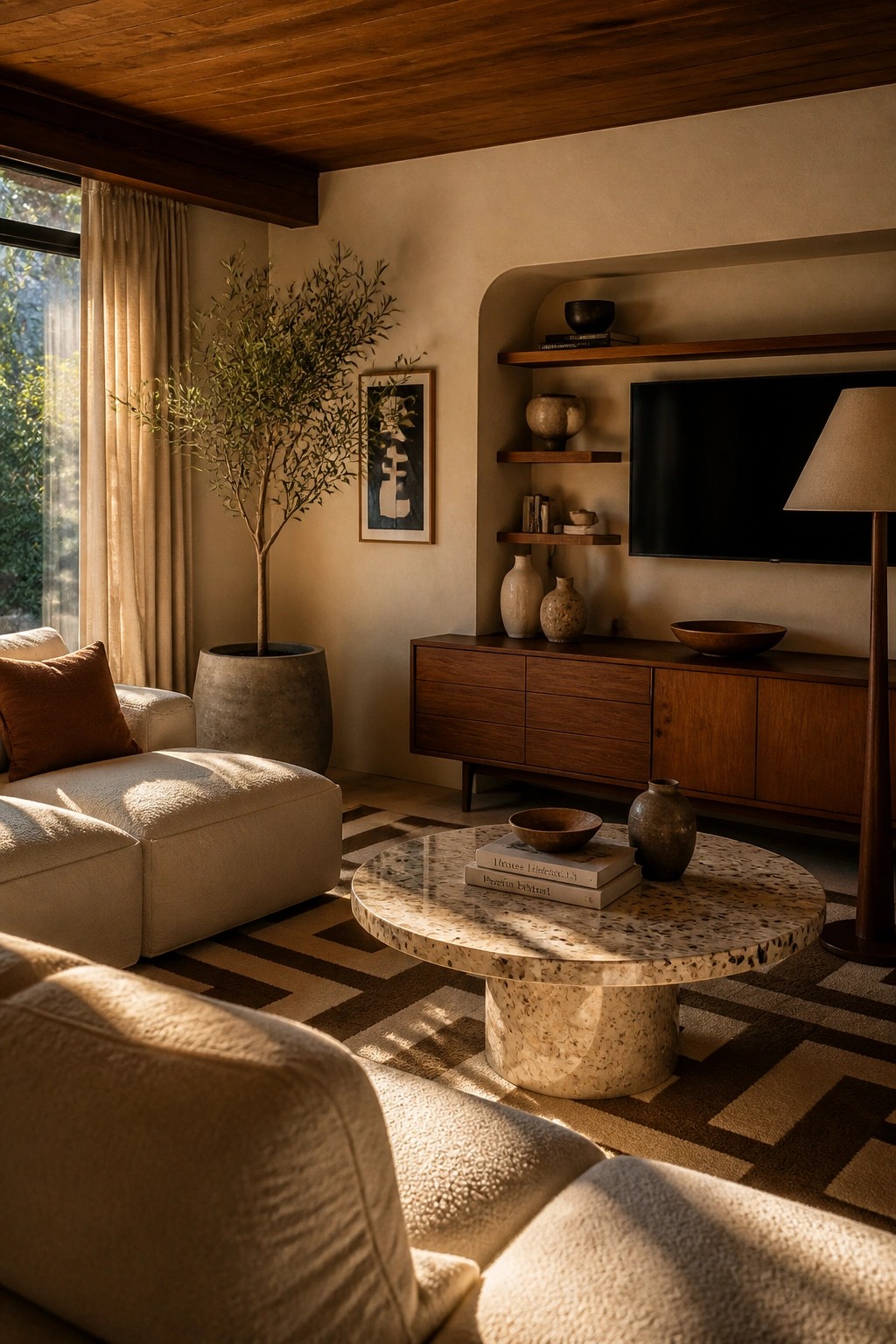
A tongue and groove ceiling brings a finished look that many rooms lack. The wood planks add texture and a sense of structure that painted drywall never quite matches. In this living room the ceiling becomes the main feature while the rest of the space stays simple.
This choice works best in rooms with decent height and neutral walls. It pairs well with wood furniture and stone surfaces since the ceiling already supplies the warmth. Keep the finish consistent so the planks read as one clean surface rather than a busy pattern.
Tongue And Groove Ceilings In Bedrooms
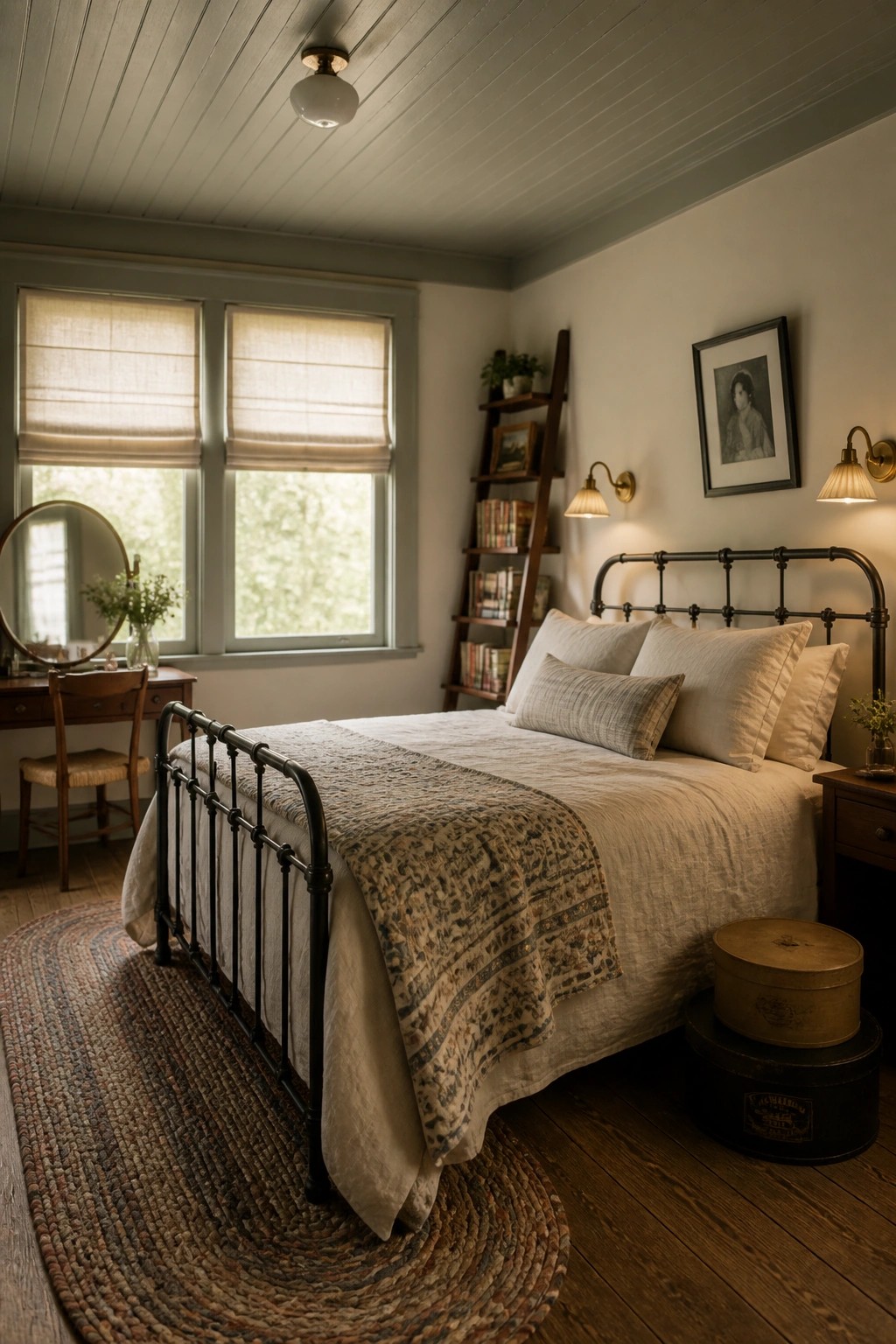
Tongue and groove ceilings add quiet texture that feels right at home in a bedroom. The lines give the room a bit of structure without making it feel busy, especially when the color stays soft and close to the walls.
This works best in homes that already lean traditional or cottage style. Keep the rest of the room simple so the ceiling stands out on its own, and avoid dark paint if the space is on the smaller side.
Tongue And Groove Ceilings In Workspaces
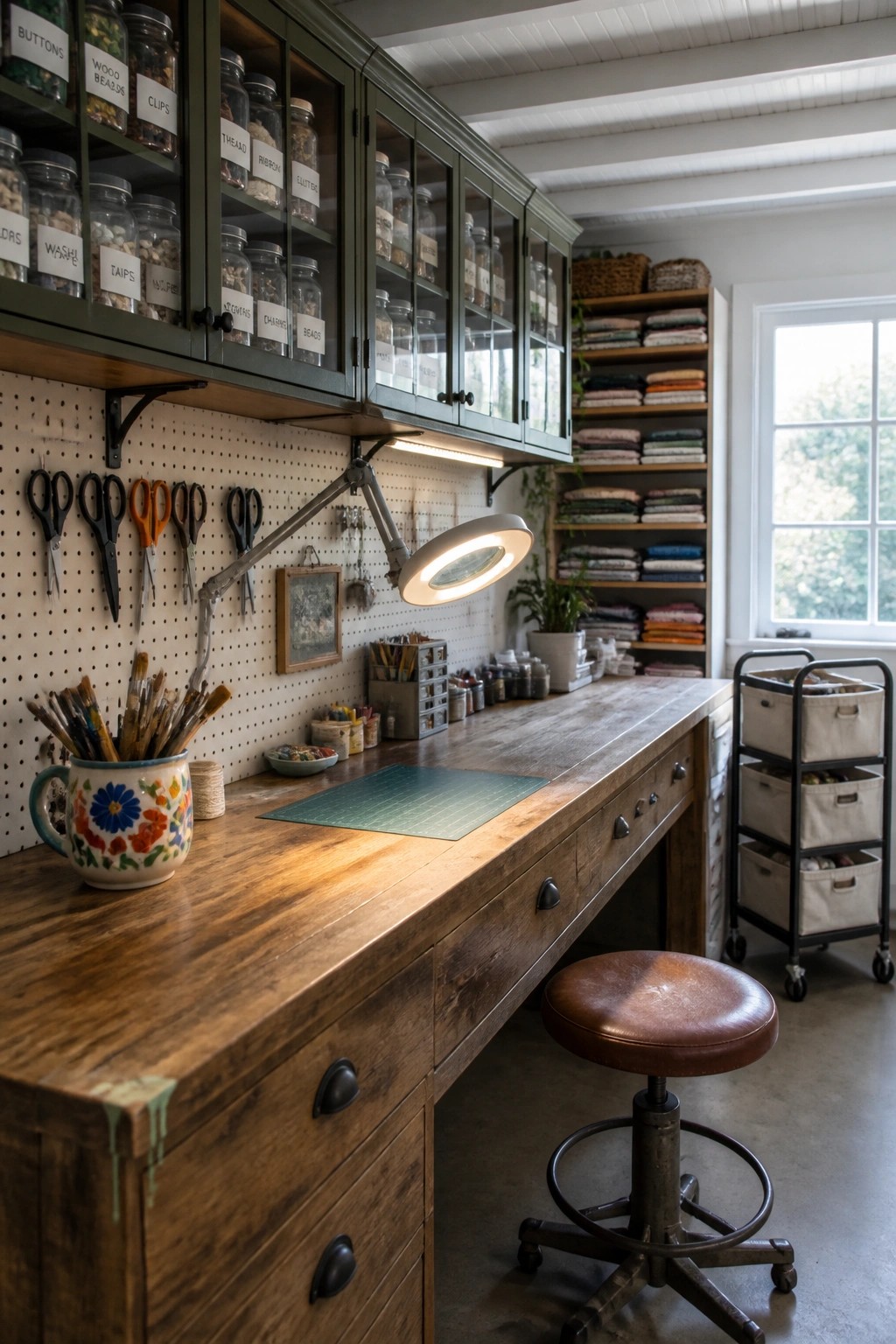
A white tongue and groove ceiling works well in rooms that stay busy and full of supplies. It keeps the space from feeling dark or closed in, even when the walls and counters hold a lot of tools and materials. The clean lines overhead give the whole room a finished look without adding more visual noise.
This ceiling style suits craft rooms, home offices, or any workspace where you want light to bounce around. It pairs easily with wood counters and open storage, and it holds up fine in older homes that need a simple update. Just keep the color light so the room stays bright during the day.
Tongue and Groove Ceilings in Walk-In Closets

Many people skip the ceiling when planning a closet, but tongue and groove adds a simple layer of detail that makes the space feel more finished. The clean lines give it a custom touch without needing extra trim or molding.
This works best in smaller or narrow rooms where walls are already busy with storage. A light finish on the ceiling helps the space feel taller and brighter, especially when paired with a skylight or good overhead lighting.
Tongue And Groove Ceilings With Cove Lighting
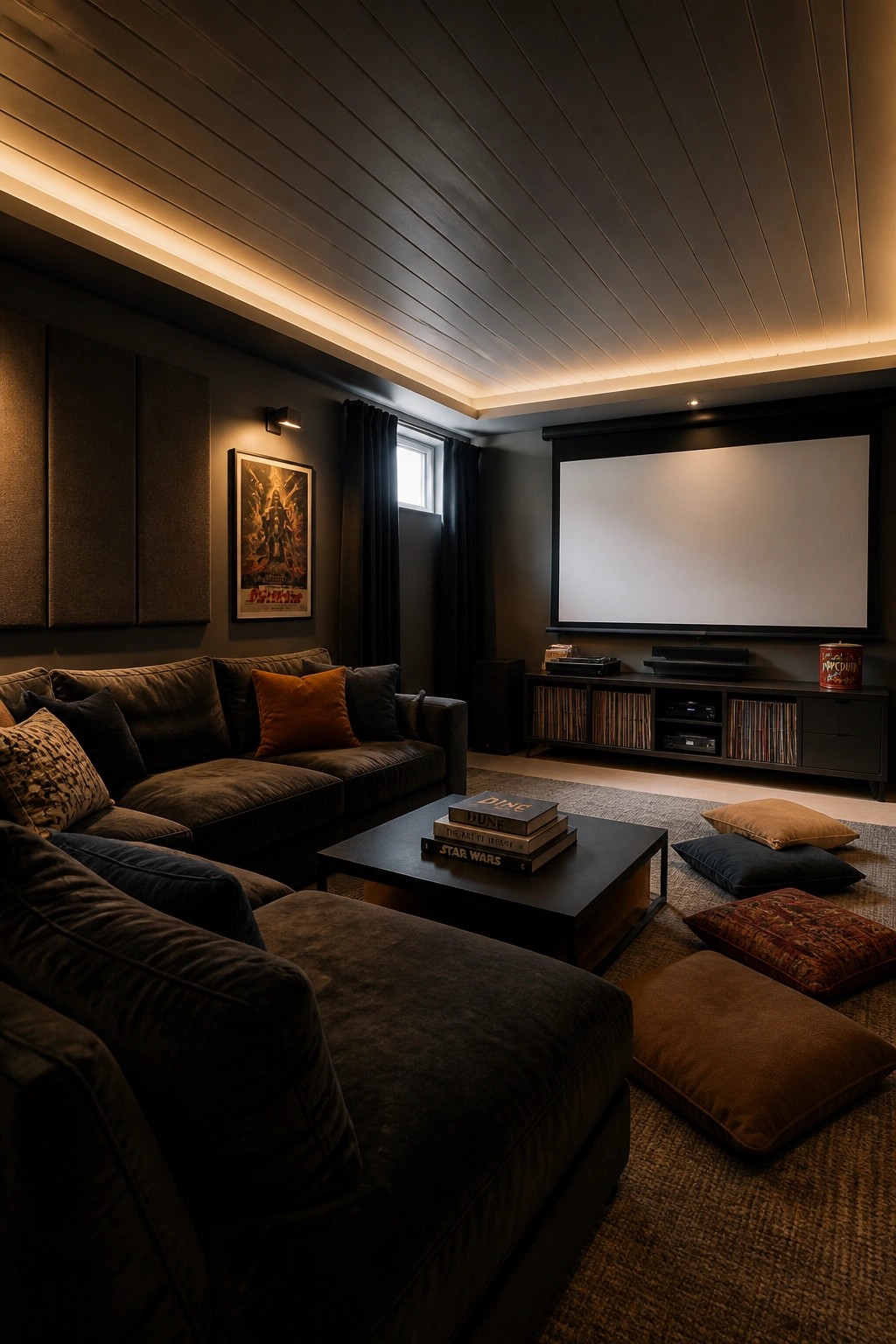
Tongue and groove ceilings work especially well when you add a simple lighting detail along the edges. The lines give the surface some quiet texture while the light softens the whole room without needing extra fixtures on the ceiling itself.
This setup fits media rooms and other spaces used mostly in the evening. It keeps the ceiling from feeling flat and works with darker walls, though it helps to keep the rest of the room from getting too heavy.
Dark Stained Tongue And Groove Ceilings

A dark stained tongue and groove ceiling works well in a room full of wood because it pulls everything together without adding extra trim or detail. The planks run straight across and pick up the same tone as the built in shelves, which keeps the space from feeling chopped up or busy.
This approach suits older homes or new rooms meant to feel traditional. Use it where the ceiling height is at least nine feet so the dark color does not close the room in too much. Keep the walls and trim in the same wood family rather than switching to paint.
White Tongue And Groove Ceilings
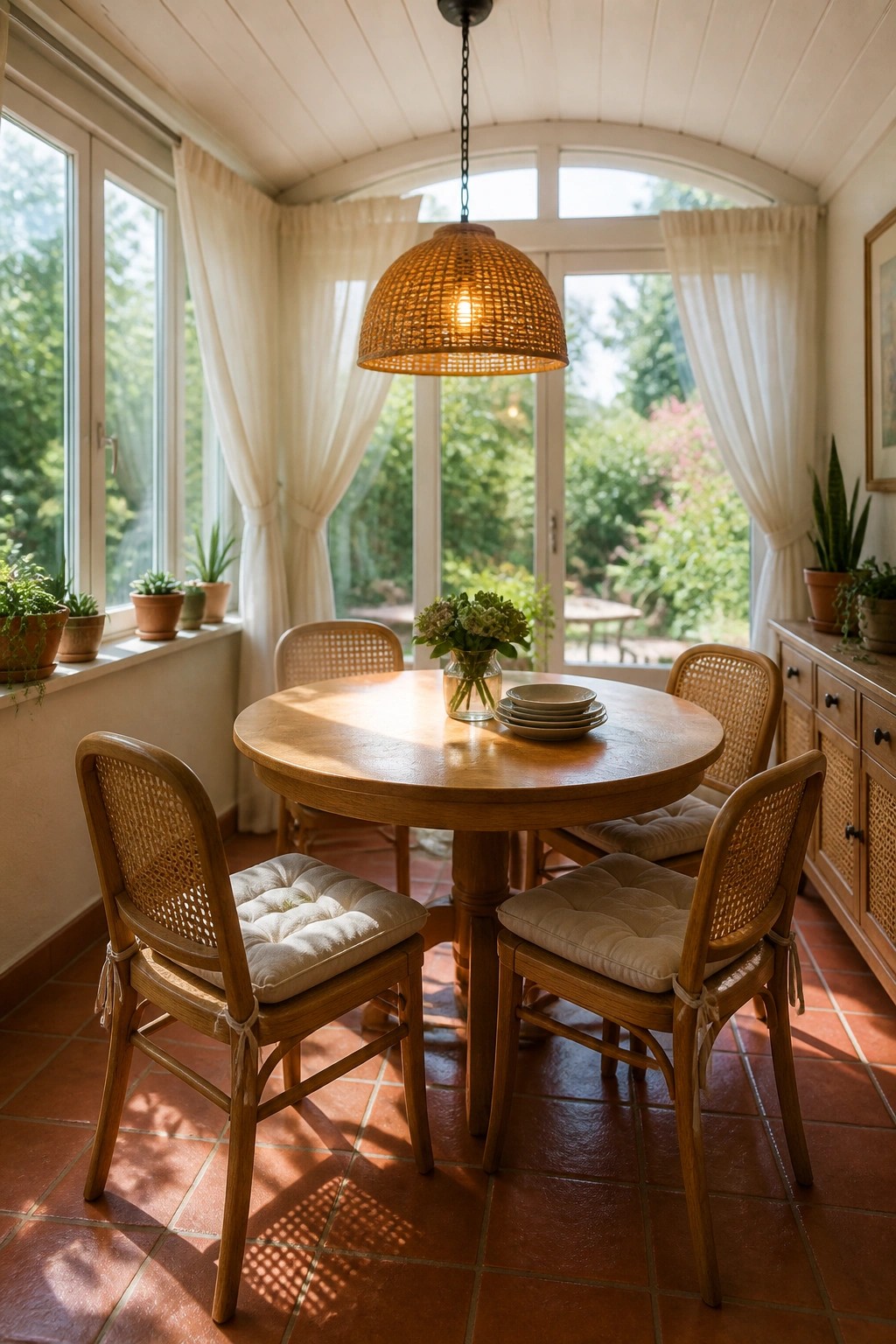
Tongue and groove ceilings give a room a quiet bit of structure that still feels light. When painted white they reflect sunlight well and keep the space from feeling heavy even with wood furniture and warm flooring below.
This approach suits older homes or sunrooms where you want some traditional detail without adding trim or beams. Keep the planks narrow and the finish matte so the ceiling reads as part of the architecture rather than a focal point.
Frequently Asked Questions
Q: Will tongue and groove work over popcorn ceilings?
A: You can cover popcorn texture with tongue and groove but first scrape away loose bits and add furring strips for a flat base. This keeps the new ceiling level without major demo.
Q: How often do these ceilings need cleaning?
A: Dust them every few months with a microfiber cloth on a pole. Avoid heavy water or harsh cleaners that could warp the wood.
Q: Should I paint the boards or leave them natural?
A: Painting hides imperfections and brightens small rooms. Natural finish shows off the grain if your wood looks good to begin with. But test a small area first.
