

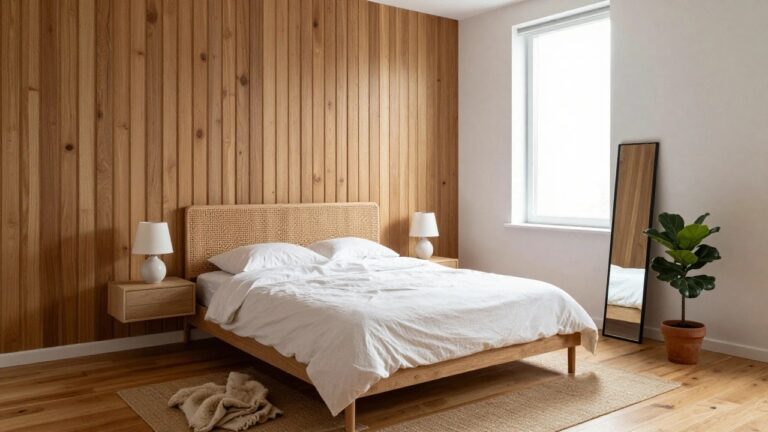
I have always noticed that adding wood to a wall changes how the whole room feels once you live in it.
The grain and color can either warm up a space or make it feel heavier depending on the light that comes through the windows.
In my own home I tested a few small samples first because the wrong tone can throw off the balance with the furniture already there.
Some rooms end up needing the wood to run only partway up the wall so the ceiling does not feel lower.
It depends on how the room gets used every day.
Wood Accent Walls In The Bedroom
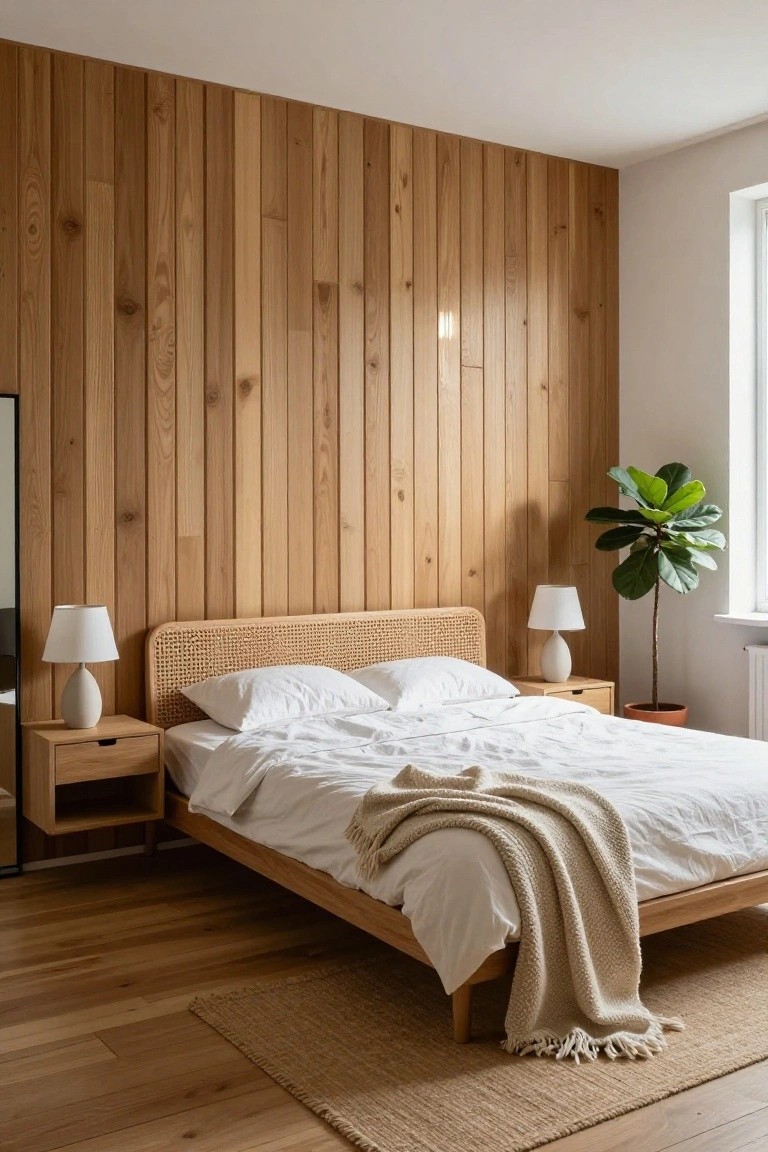
A wood accent wall behind the bed gives a bedroom a grounded, natural feel that paint alone rarely achieves. The vertical planks add subtle texture and warmth, which helps the room feel calmer and more finished even when the rest of the space stays simple.
This approach works best in rooms that already have some wood tones in the floor or furniture. Keep other walls light and limit extra patterns so the wood reads as the main feature rather than one more layer.
Reclaimed Wood Behind the Fireplace
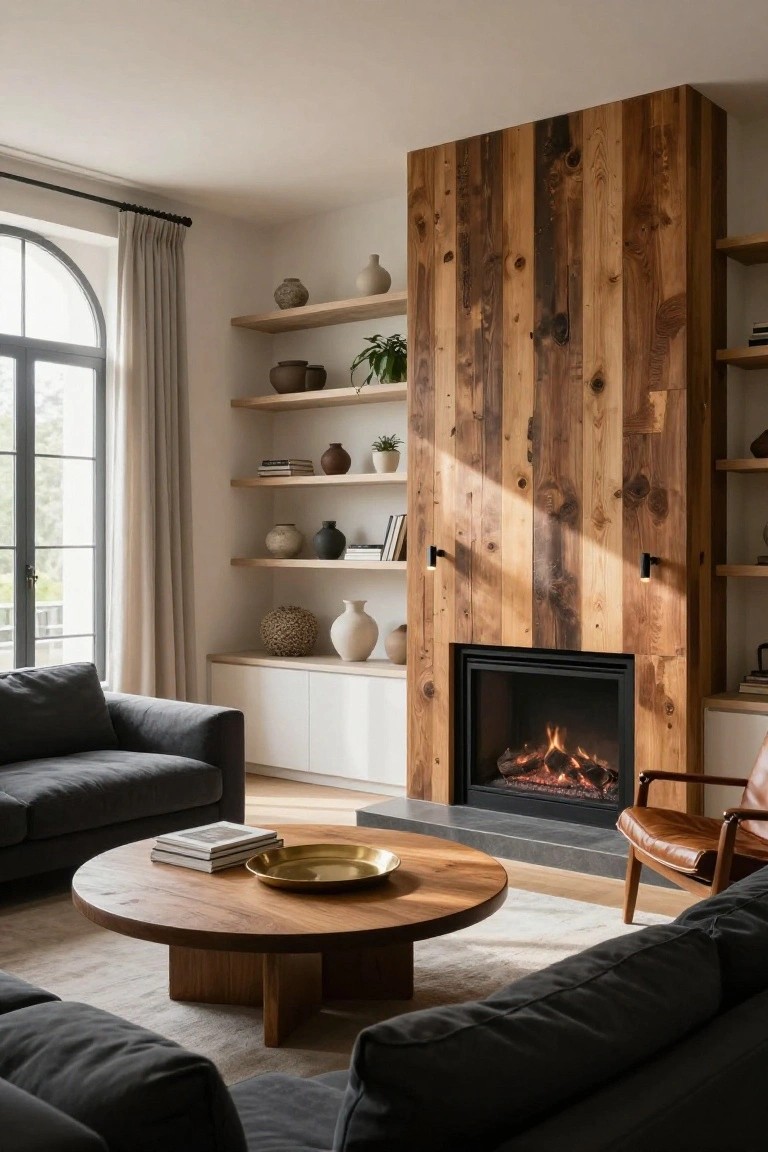
A wood accent wall made from vertical planks gives a living room a grounded, natural feel without much effort. It works especially well around a fireplace because the texture and tone contrast nicely with the dark metal surround and the lighter walls around it.
This approach suits homes that already lean toward natural materials and simple furniture. Keep the rest of the room fairly calm in color so the wood does the main job, and consider adding a few built-in shelves on one side for books and small objects.
White Shiplap Walls
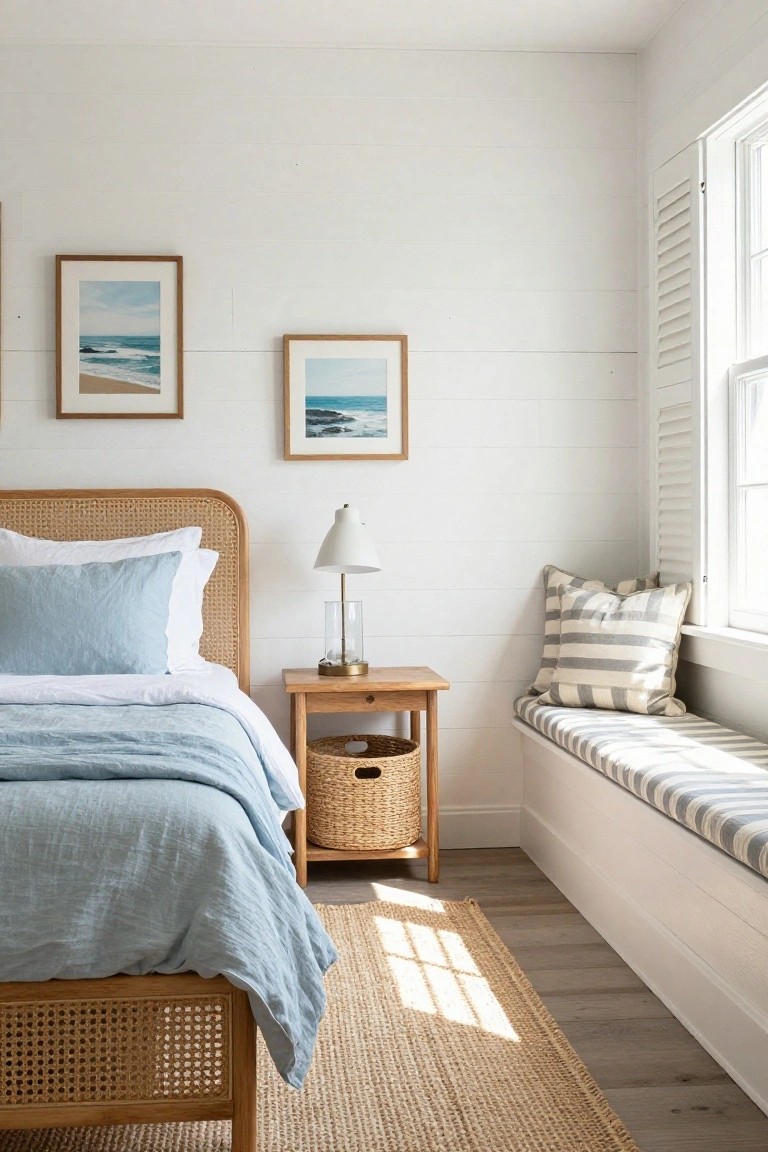
White shiplap walls bring a quiet texture to a bedroom without adding color or visual weight. They keep the space feeling bright and open while giving the room more character than a flat painted surface.
This works best in rooms with decent natural light and pairs easily with light wood furniture and soft bedding. Keep the rest of the palette simple so the wall texture stays the main detail.
Wood Paneling With Built-Ins
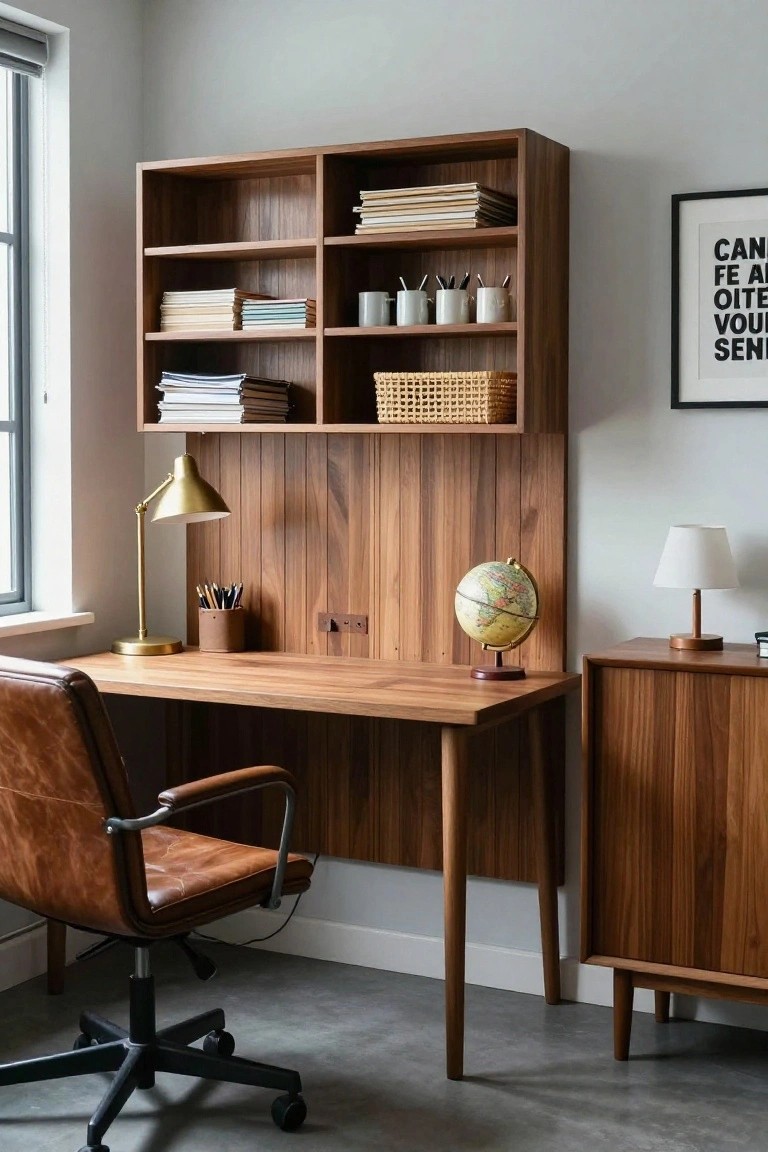
Wood paneling behind a desk creates a simple way to add warmth and structure to a workspace. The vertical grain keeps the wall from feeling flat, and when it matches the desk and shelves, the whole area feels more organized without extra effort.
This setup works best in smaller rooms or home offices where storage and style need to share the same wall. Keep the wood tone consistent and limit the paneling to one area so the room stays balanced.
Wood Accent Walls In Dining Rooms
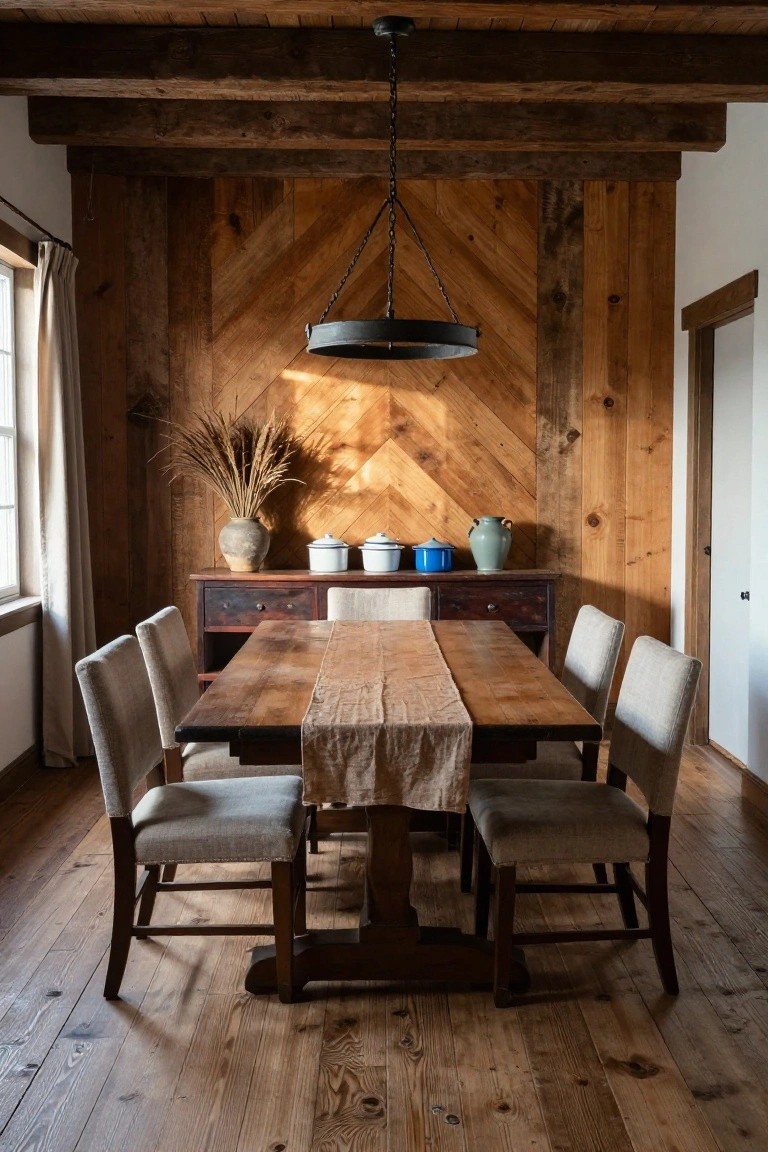
A wood accent wall gives a dining room instant warmth and texture that painted walls just cannot match. The chevron layout on this wall draws the eye naturally to the table area and makes the whole space feel more grounded.
This approach works best in homes that already lean rustic or traditional. Keep the rest of the room simple so the wood stays the main feature instead of competing with too many other materials.
Wood Accent Walls In The Bedroom
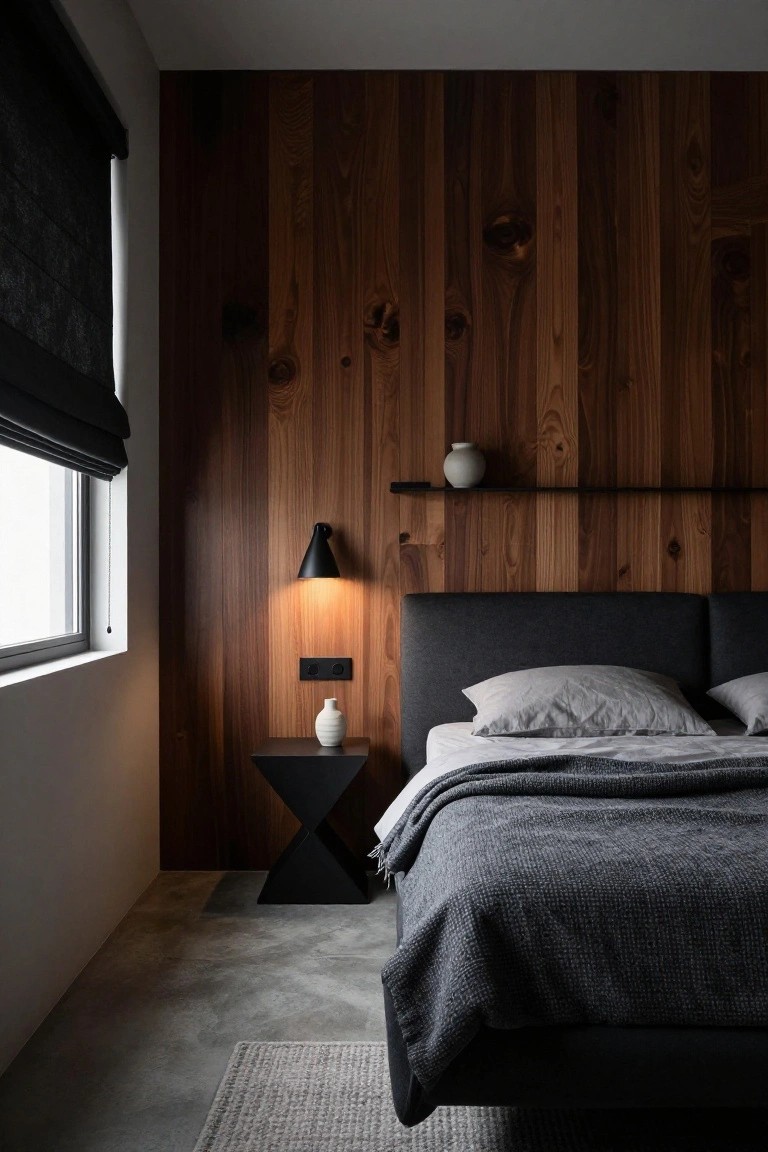
A full wall of vertical wood planks can give a bedroom a grounded feel without much extra effort. The natural grain adds texture and warmth that paint alone often misses, especially in rooms with simple furniture and darker tones.
This approach works well in smaller or medium bedrooms where you want one strong surface to carry the room. It suits homes with modern or minimalist styles, though it can soften colder spaces if you keep the rest of the palette neutral. Just make sure the wood tone matches the overall lighting so the wall does not feel too heavy at night.
Light Wood Accent Walls For Calm Bedrooms
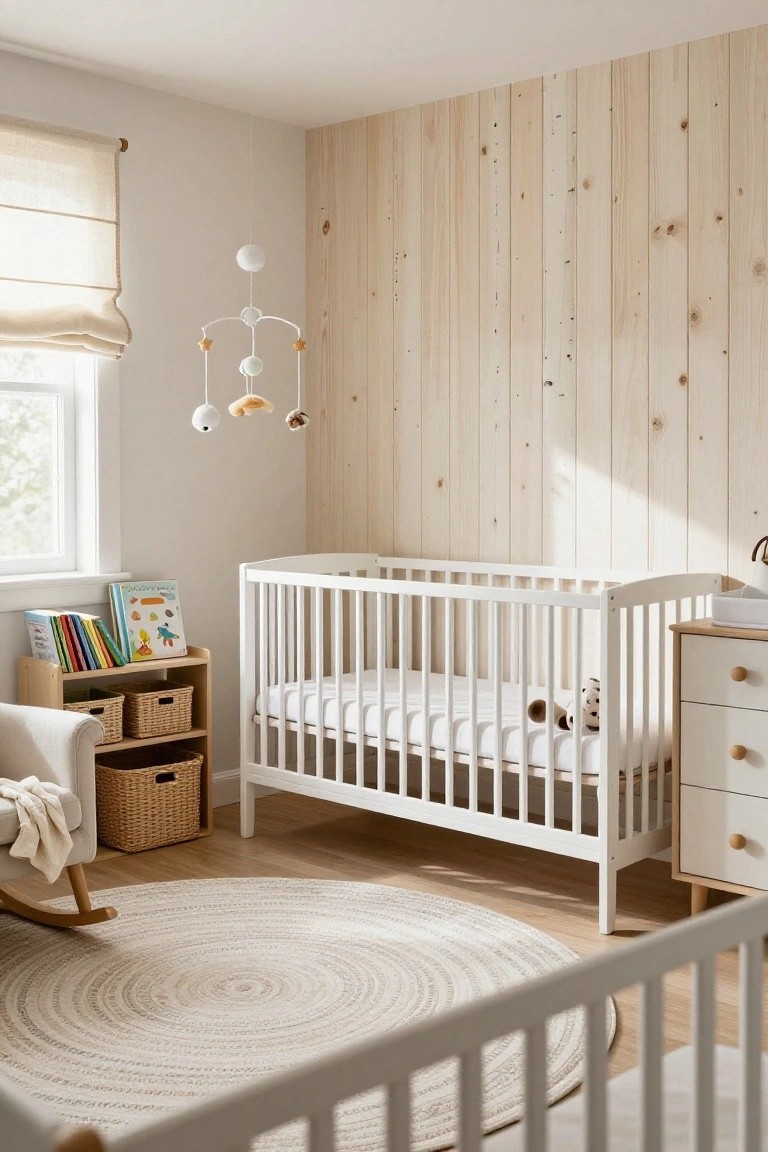
A light wood accent wall brings a quiet natural feel into a bedroom while keeping the space bright and open. The vertical planks add subtle texture that works well when the rest of the room stays simple and mostly white.
This choice suits nurseries or small bedrooms where you want warmth without making the room feel heavy. Pair the wood with pale furniture and soft textiles so the wall stays in the background rather than taking over.
Wood Accent Walls In Entryways
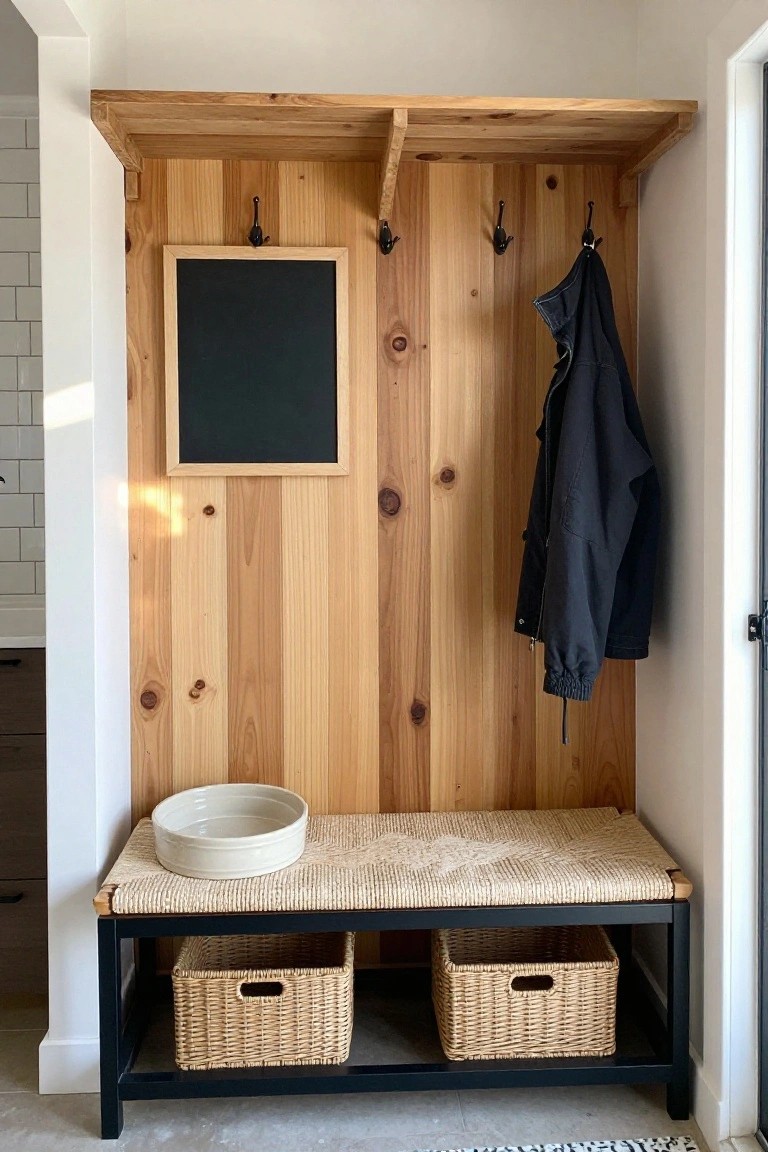
A wood accent wall works nicely in an entry because it adds warmth right where people come and go. The vertical boards give the space a simple, finished look while also providing a solid surface for hooks and other practical additions.
This approach suits homes that need a durable drop zone without feeling too plain. Keep the rest of the walls light so the wood stands out, and choose a finish that can handle bags, shoes, and everyday wear.
Wood Accent Walls in Bathrooms
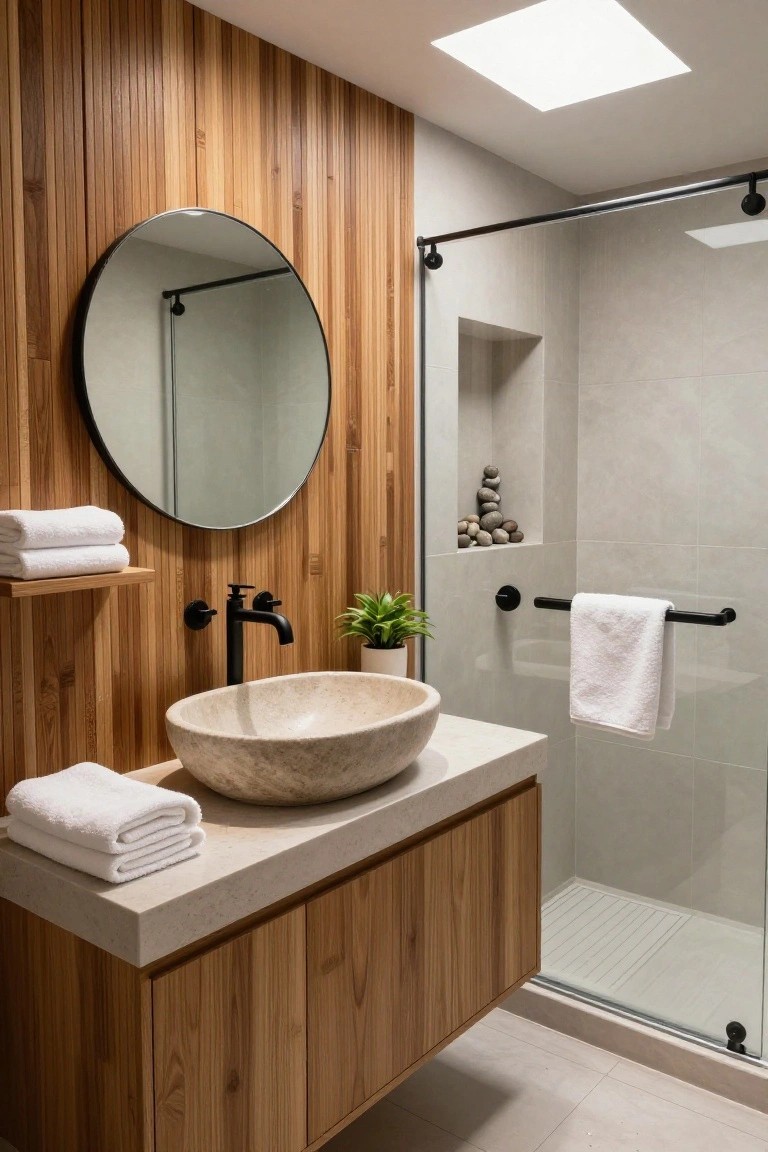
A wood accent wall can bring natural warmth into a bathroom that often gets overlooked. Vertical planks create texture and depth that balances the cooler look of stone sinks and tile.
This works well in smaller baths where you want a simple way to soften the space. Keep the wood finish durable against moisture and let it stand out by pairing it with clean fixtures and minimal hardware.
Dark Wood Plank Walls in Living Rooms
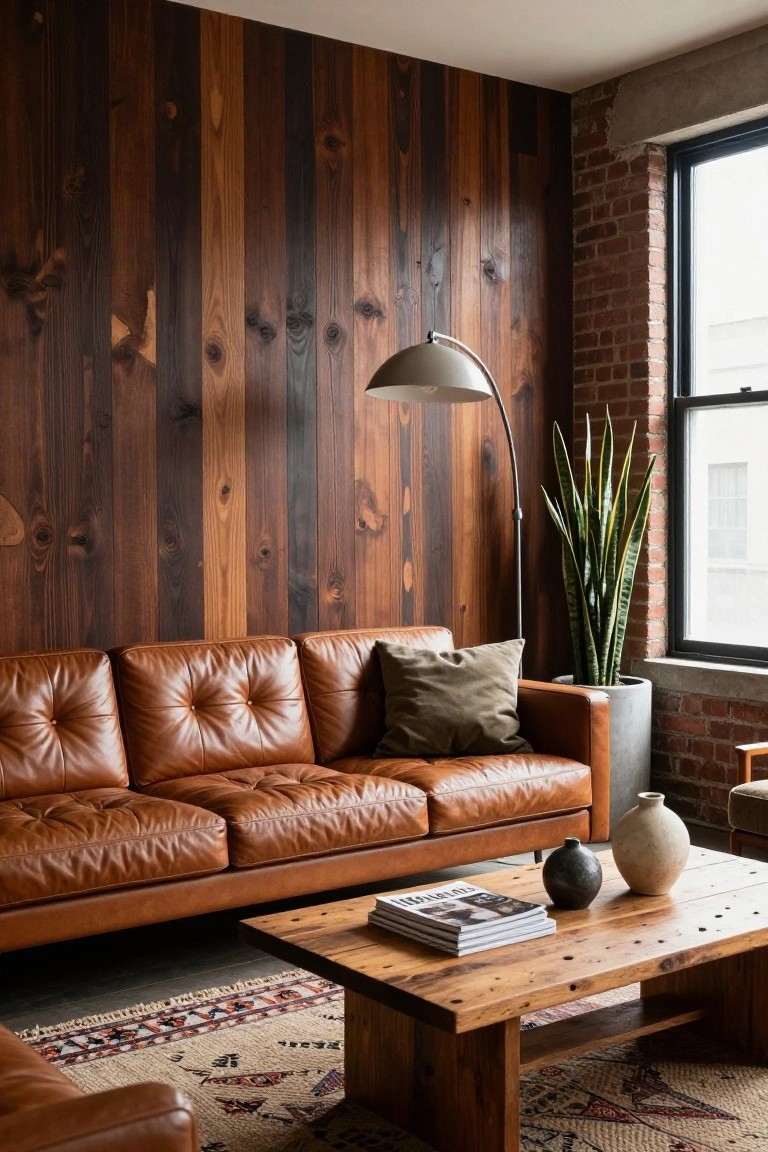
A wall of vertical dark wood planks brings real depth to a living room without needing much else. The rich grain and varied tones create a warm backdrop that pairs easily with leather seating and simple furniture.
This approach works best in spaces that already have some natural texture, like brick or concrete. It suits homes with open layouts where the wall can anchor the seating area without overwhelming the rest of the room.
Wood Slat Accent Walls With Bench Seating
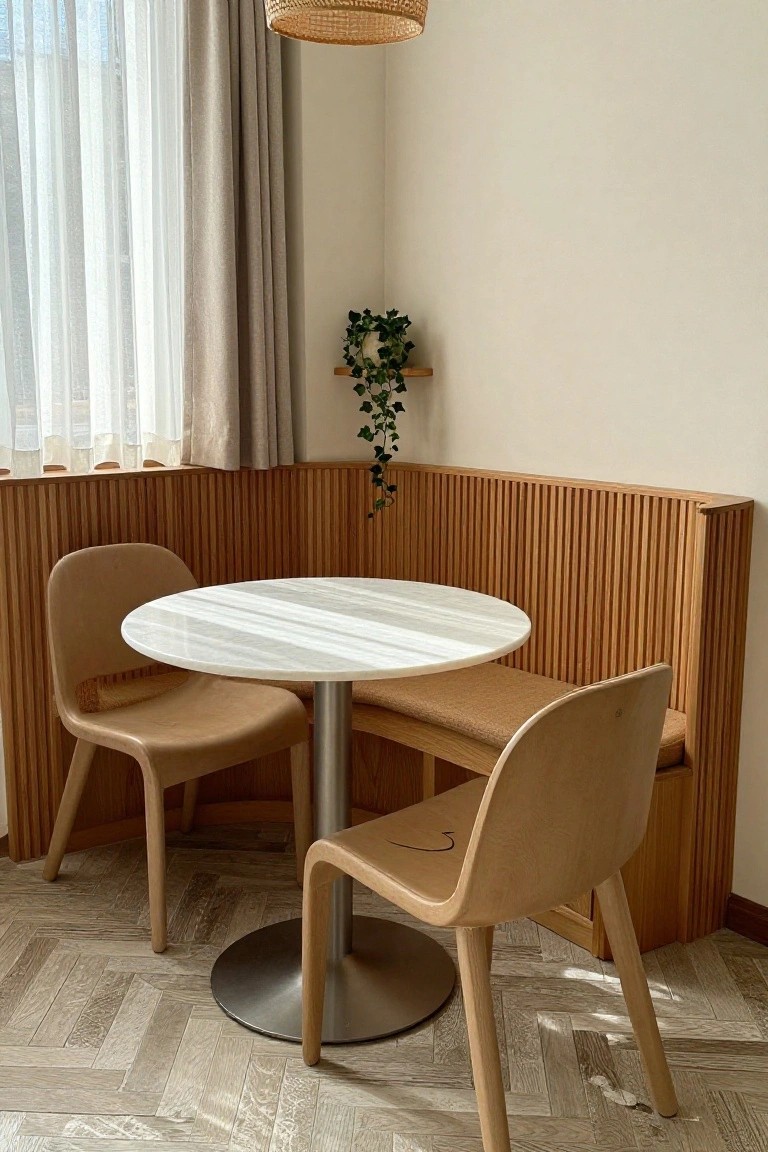
Vertical wood slats give a dining corner some structure and warmth without much fuss. They work especially well when you want to highlight a small seating zone and keep the rest of the room simple.
This setup fits best in apartments or smaller homes where you need to carve out a defined spot for meals. Keep the bench cushion neutral so the wood stays the main feature.
Wood Paneling With Built-In Shelves
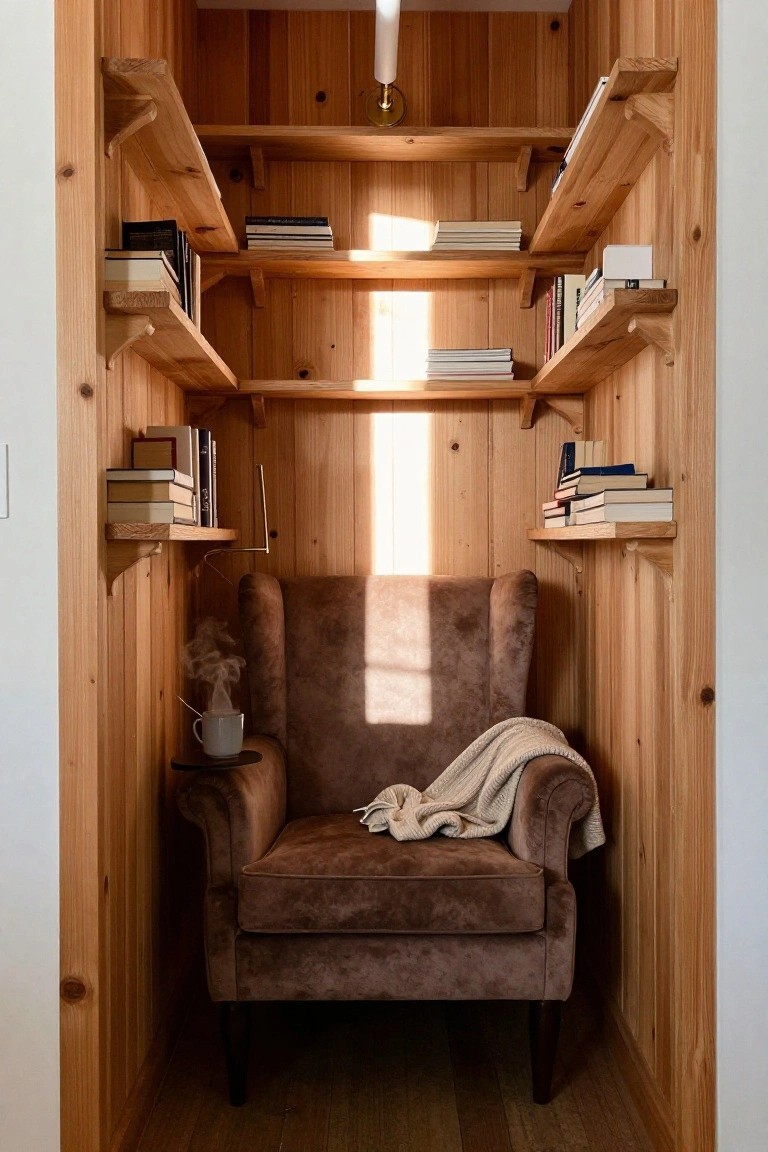
Wood walls gain a lot of function when shelves are set right into the paneling. It gives you storage without adding extra furniture, and the whole thing feels like it belongs to the room instead of sitting on top of it.
This setup works best in corners or narrow spots where you want a quiet place to sit. It suits bedrooms and small living areas that already have some wood tones, but keep the shelves from getting too crowded so the space stays open.
Wood Accent Walls in the Kitchen
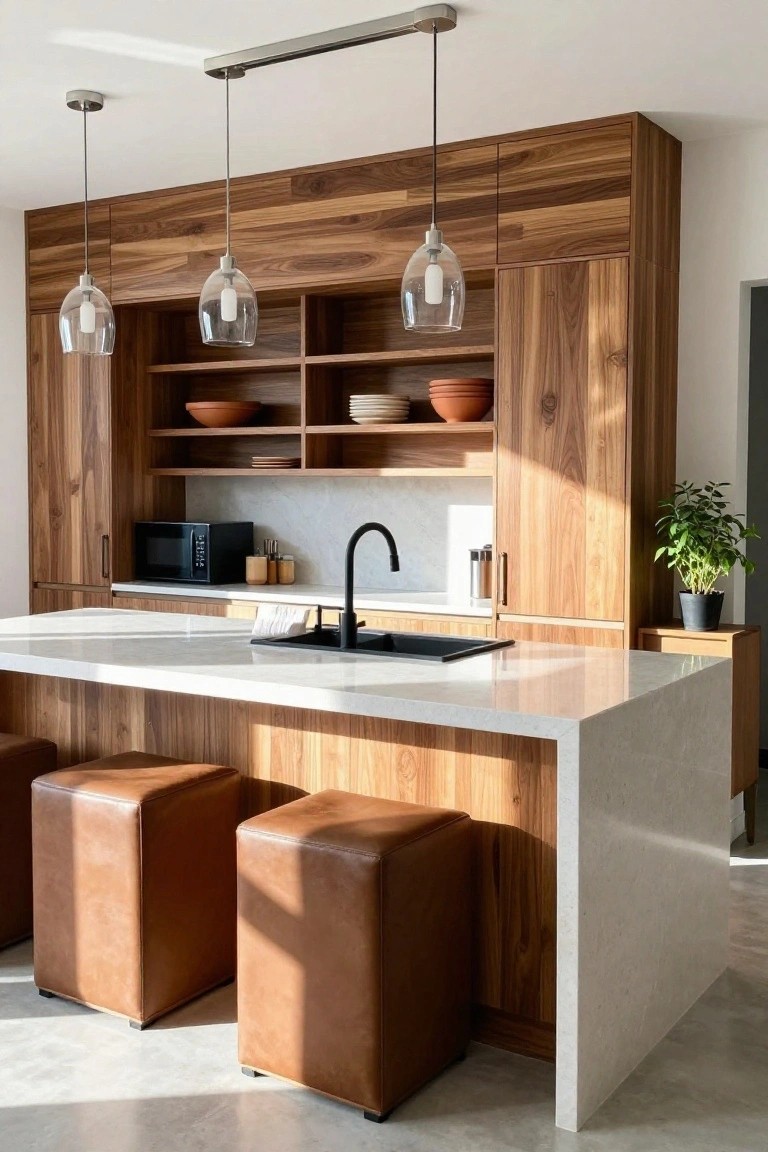
A full wood wall behind the counters gives the kitchen a grounded feel that painted drywall often lacks. The grain adds warmth and helps tie together the cabinets, open shelves, and island without needing extra color or pattern.
This works especially well in open plans where the kitchen shares space with living areas. Keep the wood tone consistent and limit other materials so the wall stays the main feature rather than competing with too many finishes.
Wood Paneling In Small Bathrooms
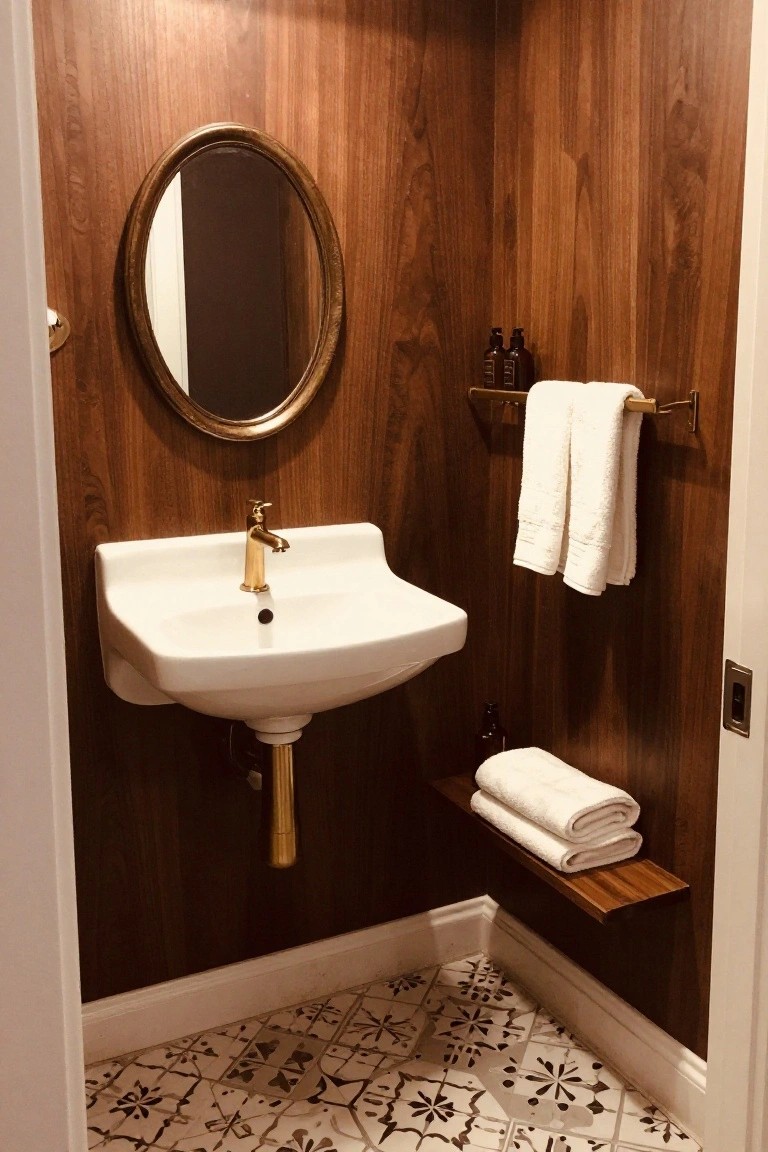
Wood paneling brings a steady warmth to bathrooms that often feel cold with all the tile and fixtures. The vertical grain keeps the look simple while making even a compact space feel more finished and inviting.
This works best in powder rooms or smaller baths where you want texture without adding clutter. Stick with a single wood tone and pair it with basic white fixtures so the walls stay the main feature.
Wood Accent Walls In Laundry Rooms
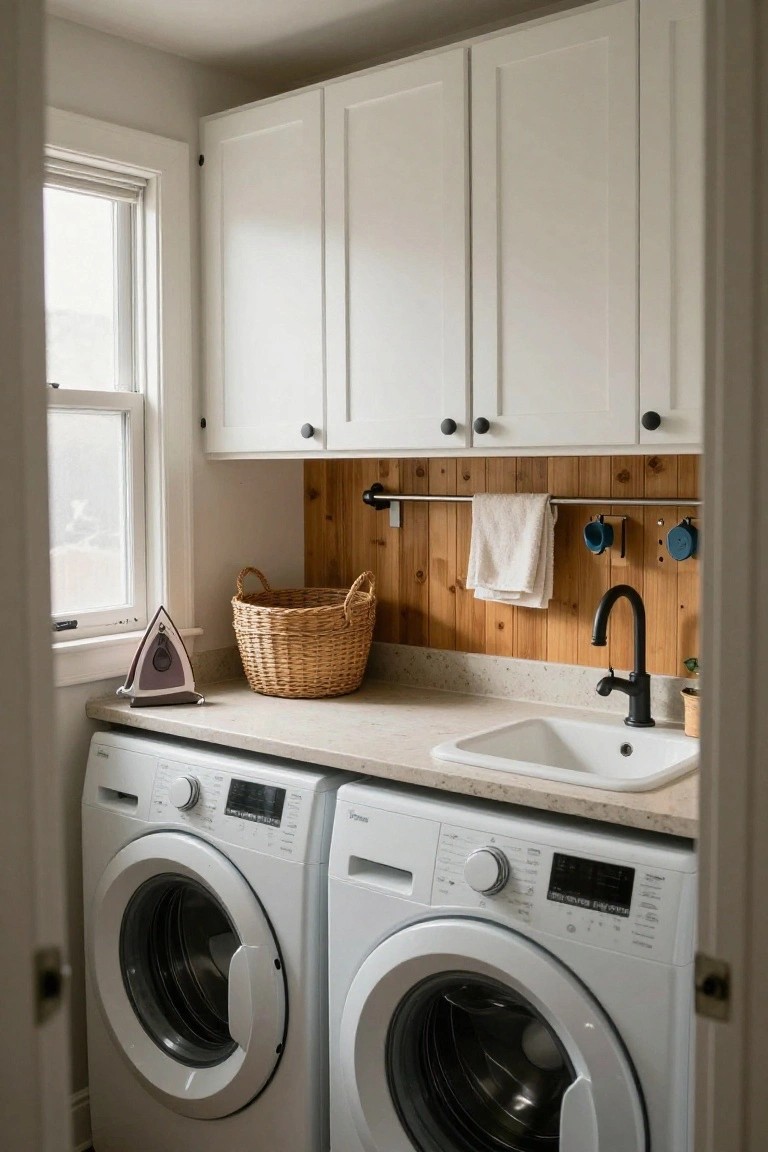
A wood accent wall can give a laundry room a bit more warmth without making the space feel busy. The natural grain stands out nicely against white cabinets and machines, turning a plain utility area into something that feels more finished.
This works best in smaller rooms where you want one focal point. Keep the wood simple and let it run behind the sink or work surface so it handles daily use without needing extra trim or details.
Wood Accent Walls In Bedrooms
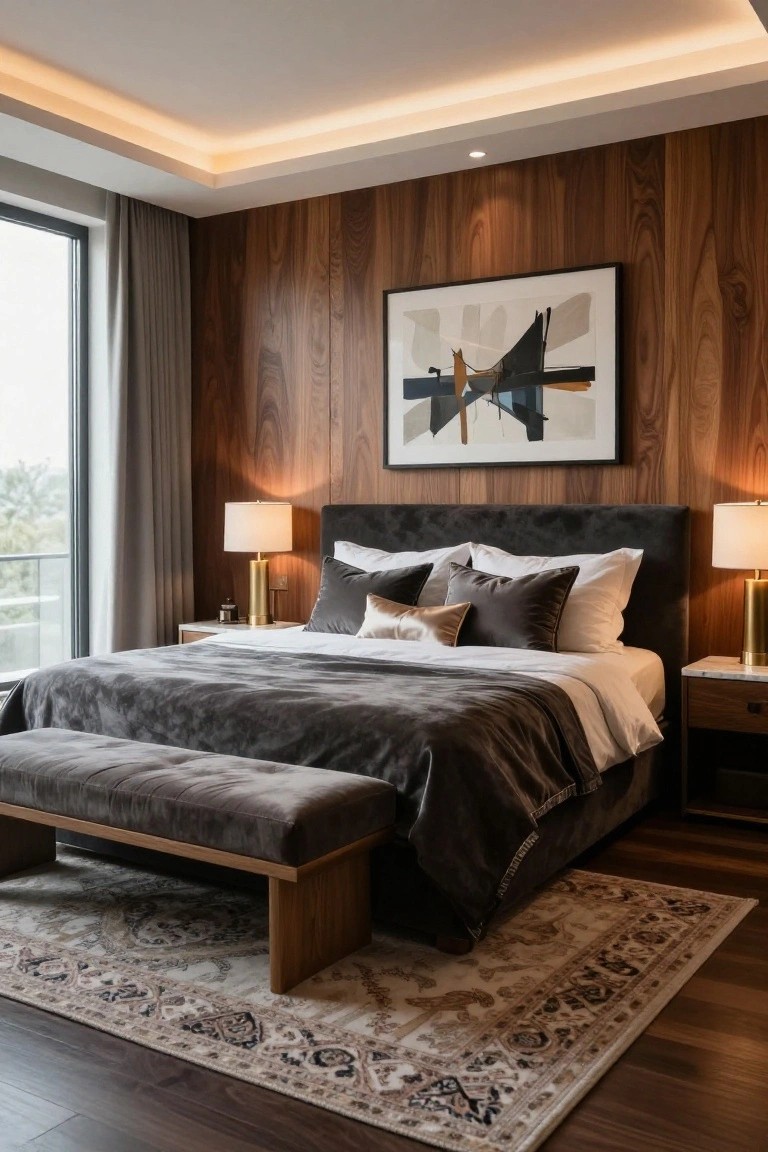
Wood paneling on one wall gives a bedroom a warmer, more grounded feel that paint alone often misses. It works well behind the bed because the vertical grain adds quiet texture without needing extra decoration.
This idea suits rooms with mostly neutral bedding and furniture so the wood can stand out on its own. It also helps if the space gets decent natural light, since darker woods can close a room in if the lighting stays low.
Wood Accent Walls In The Living Room
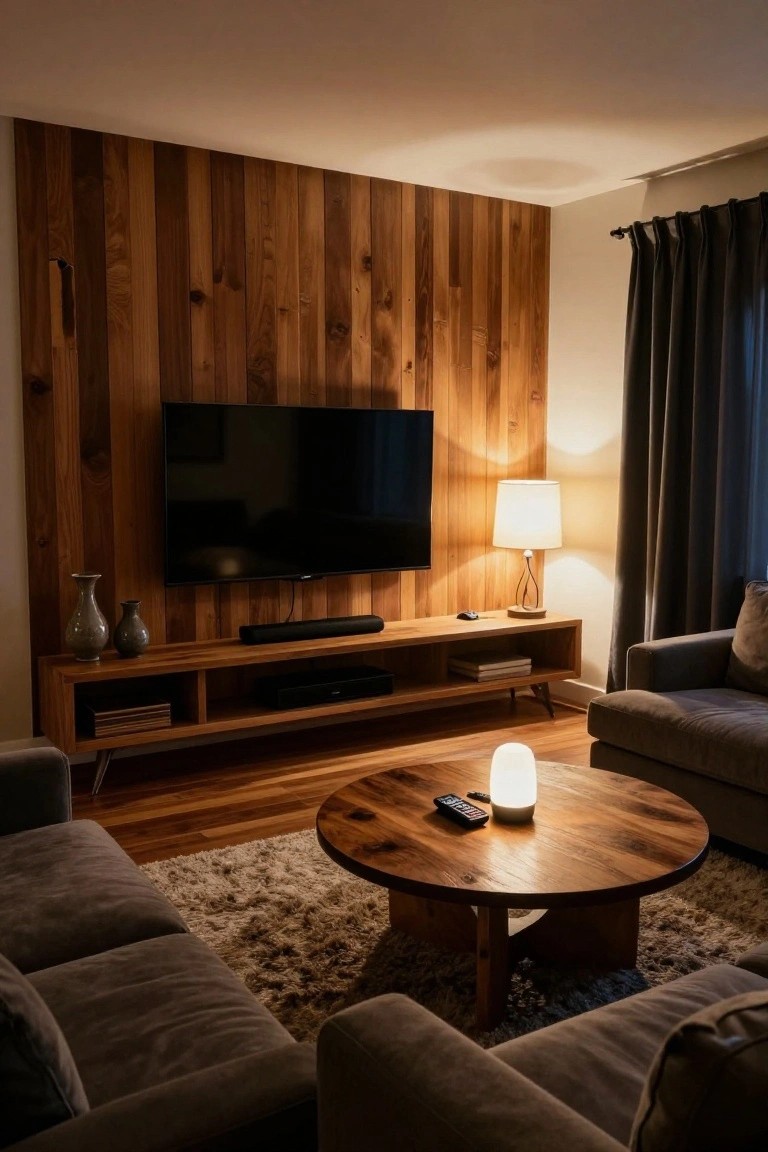
A wood accent wall behind the TV adds texture and warmth without overpowering the room. Vertical planks give the space a natural focal point that feels solid and grounded.
This approach works best in living rooms with wood floors and simple furniture. It suits homes that already lean toward neutral tones and need one strong material to tie the seating area together.
Painted Wood Walls For Small Bathrooms
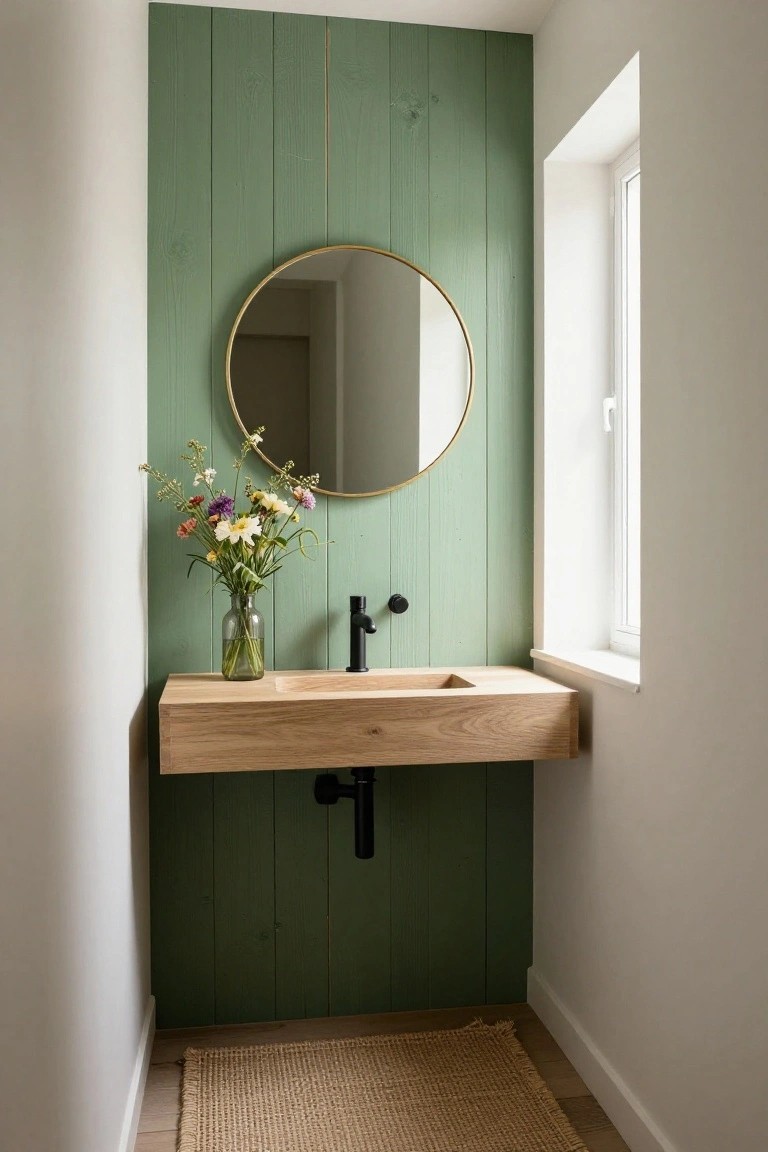
A painted wood accent wall brings texture and a soft natural feel into a bathroom without needing much space. Vertical planks catch the light differently than a flat wall and let the color read as something more than just paint on drywall.
This works especially well in powder rooms or small baths where you want a little warmth. Keep the other surfaces simple and let the wood carry the color so the room stays calm instead of busy.
Wood Accent Walls in Home Offices
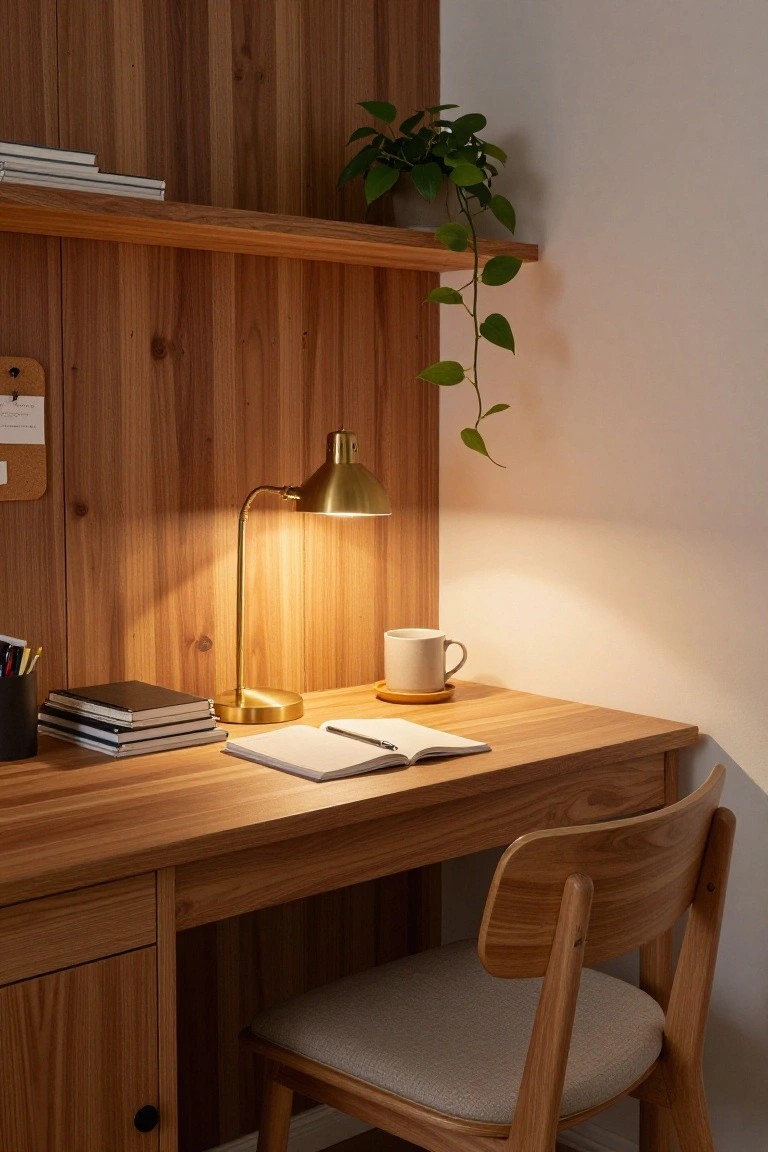
A wood accent wall works especially well behind a desk because it adds warmth without making the space feel heavy. The vertical grain keeps the eye moving upward, which helps a small work area feel a little taller and more open. It also creates a quiet, grounded backdrop that pairs easily with simple furniture.
This approach suits smaller rooms or corners where you want the workspace to feel intentional rather than temporary. Use the same wood tone on a floating shelf or desk surface if you want the materials to blend together. Avoid painting the wood if you like the natural texture, since that is usually what gives the wall its appeal.
White Painted Paneling For Casual Rooms
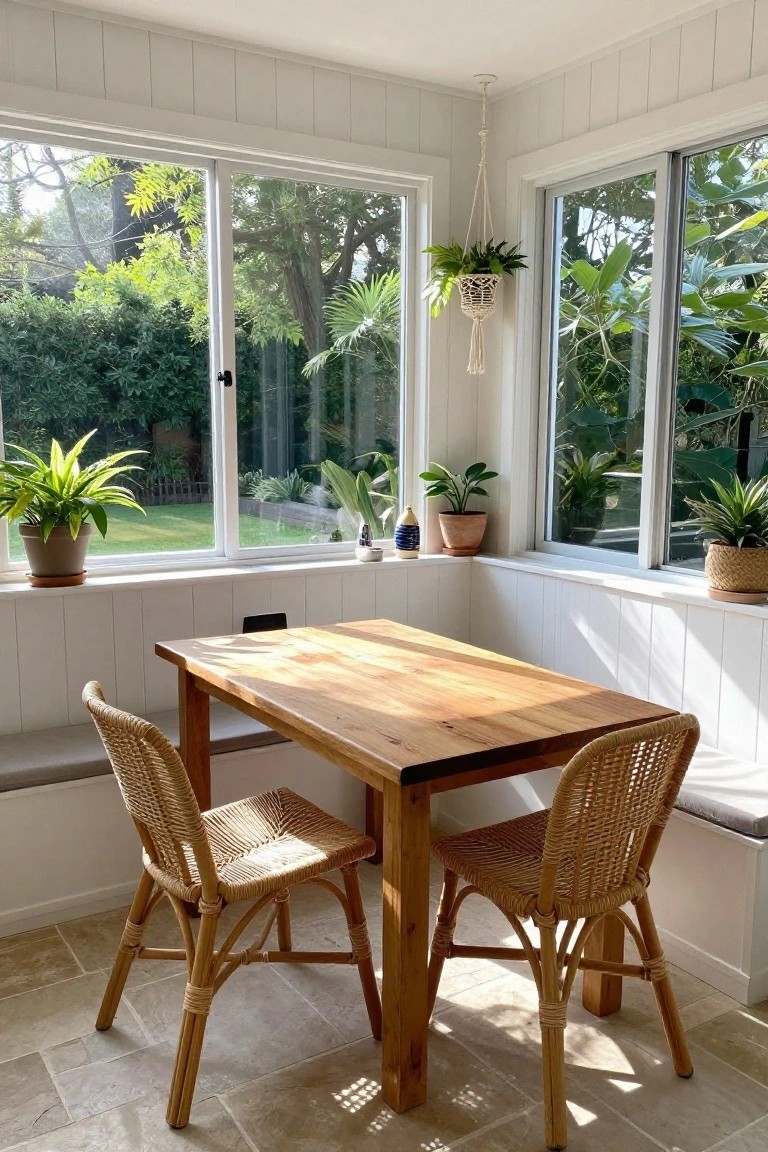
White painted wood paneling works well in spaces that get plenty of light. It adds a bit of texture without making the room feel dark or heavy, which is useful in dining areas or sunrooms where you want things to stay open and simple.
This approach suits homes that already have a relaxed feel. Keep the paneling clean and let the wood grain show through the paint just enough. Avoid adding too many dark pieces around it, since the point is to hold onto that brightness.
Wood Accent Walls in Entryways
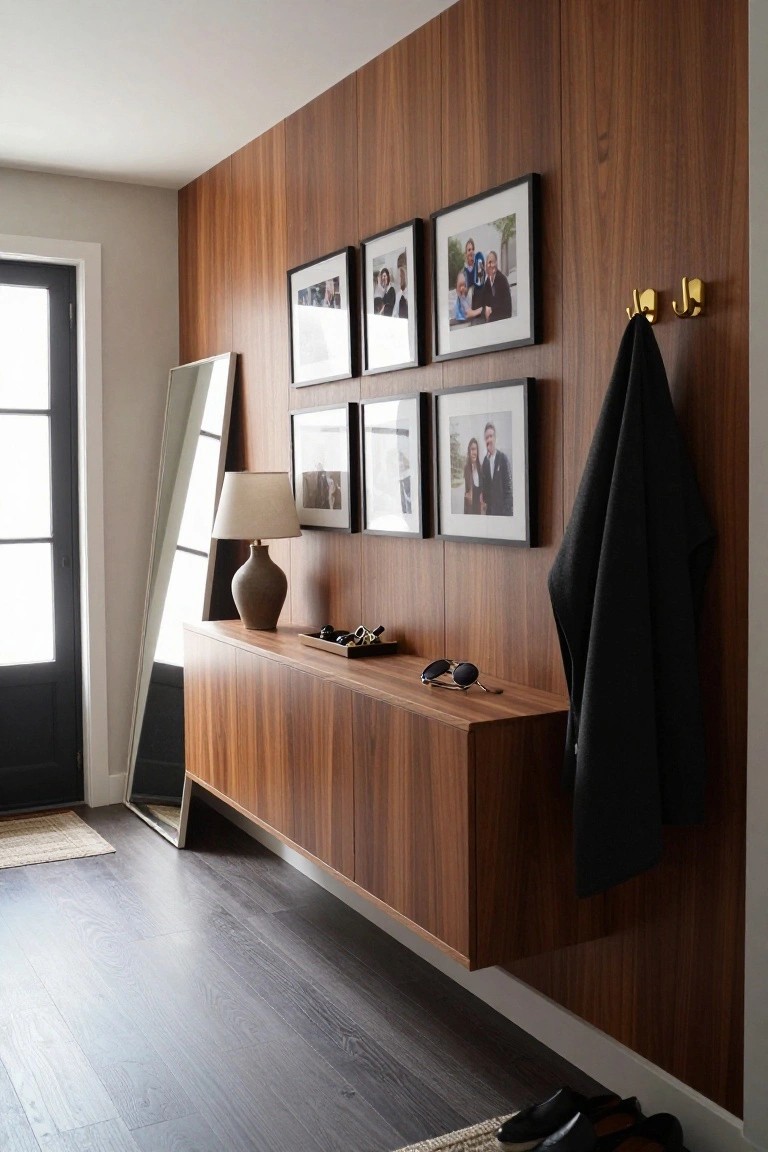
A wood accent wall brings warmth to an entry or hallway without crowding the floor space. The vertical grain gives the area structure while creating a natural spot for hooks and a floating console that handle daily items like coats and keys.
This setup works best in homes where the entry flows into other rooms. Keep the wood tone close to the flooring so the wall feels like part of the architecture rather than a separate feature.
Wood Accent Wall Behind The Bed
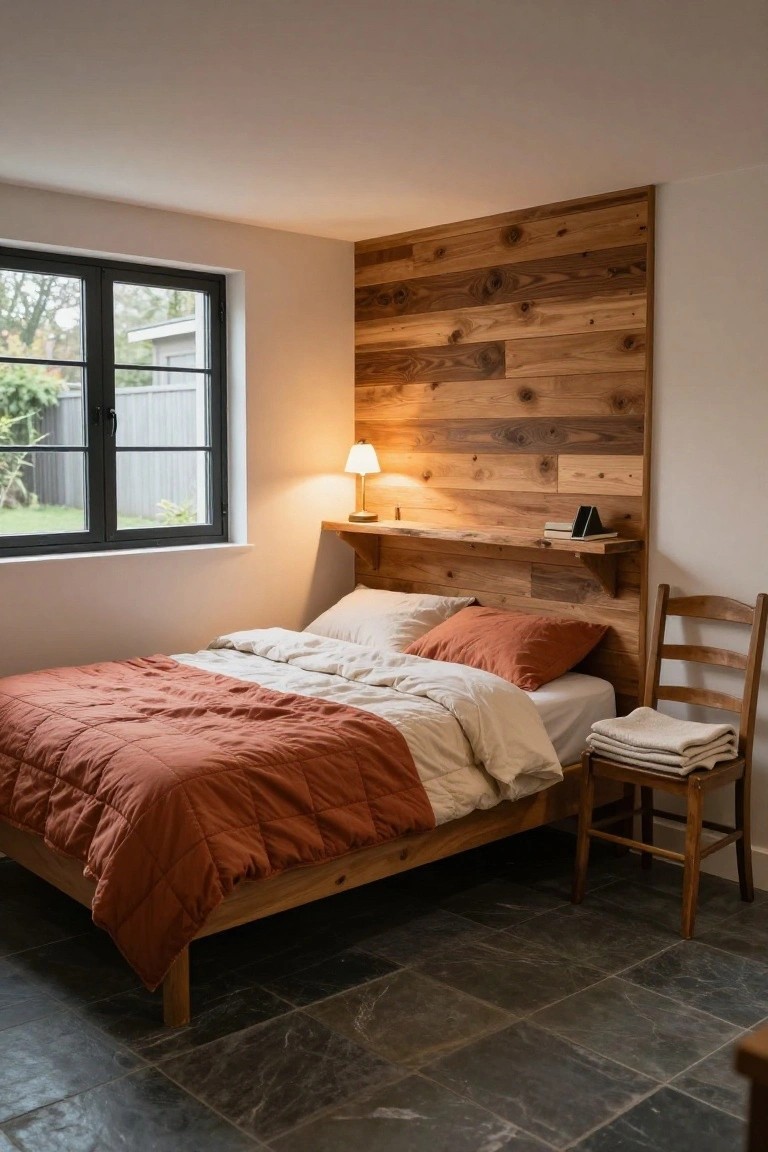
A wood accent wall works well behind the bed because it adds warmth and texture without needing much else in the room. The planks create a simple focal point that makes the space feel more finished and restful.
This idea fits best in bedrooms where you want a natural look without heavy furniture. A narrow shelf across the middle gives you room for a lamp and a couple of books, keeping the surface useful while the wood does the main work.
Frequently Asked Questions
Q: Can I install a wood accent wall if I’m not handy with tools?
A: Start with peel and stick panels if you want something easy. They go up fast and look like real wood once in place. Many people finish a wall in a weekend this way.
Q: How do I make sure the wood matches my existing furniture?
A: Bring a piece of your furniture to the store when picking boards. Or snap a photo and compare colors at home. This helps avoid clashing tones later.
Q: What if I want to try this but might move soon?
A: Removable options like wood planks with adhesive backing let you take it down later. They peel off clean without damage to the wall.
