

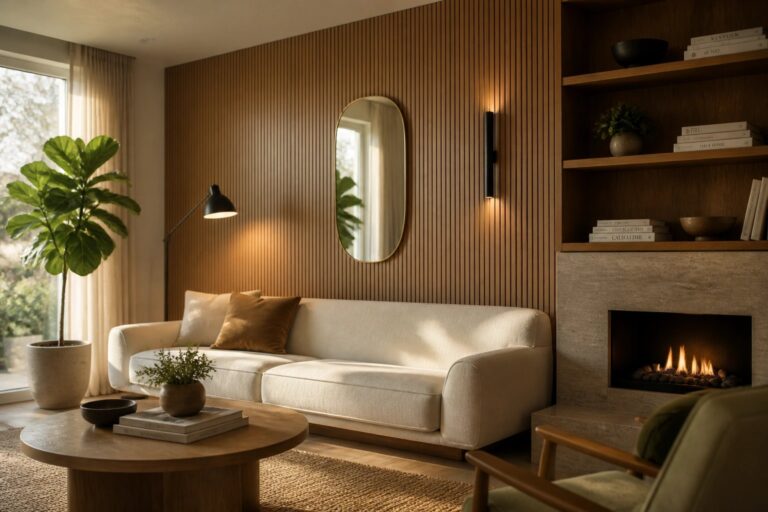
Wood cladding can shift the entire mood of a living area once you see how it interacts with daily light.
I have noticed in my own place that the grain and tone need to work with the furniture layout or the space starts to feel off balance.
Not every pattern translates well from photos to actual walls.
Trying a few samples against existing finishes usually shows what will last without clashing later on.
Rooms gain a quiet depth when the cladding lines up with how people move through them.
Vertical Wood Cladding in Living Rooms
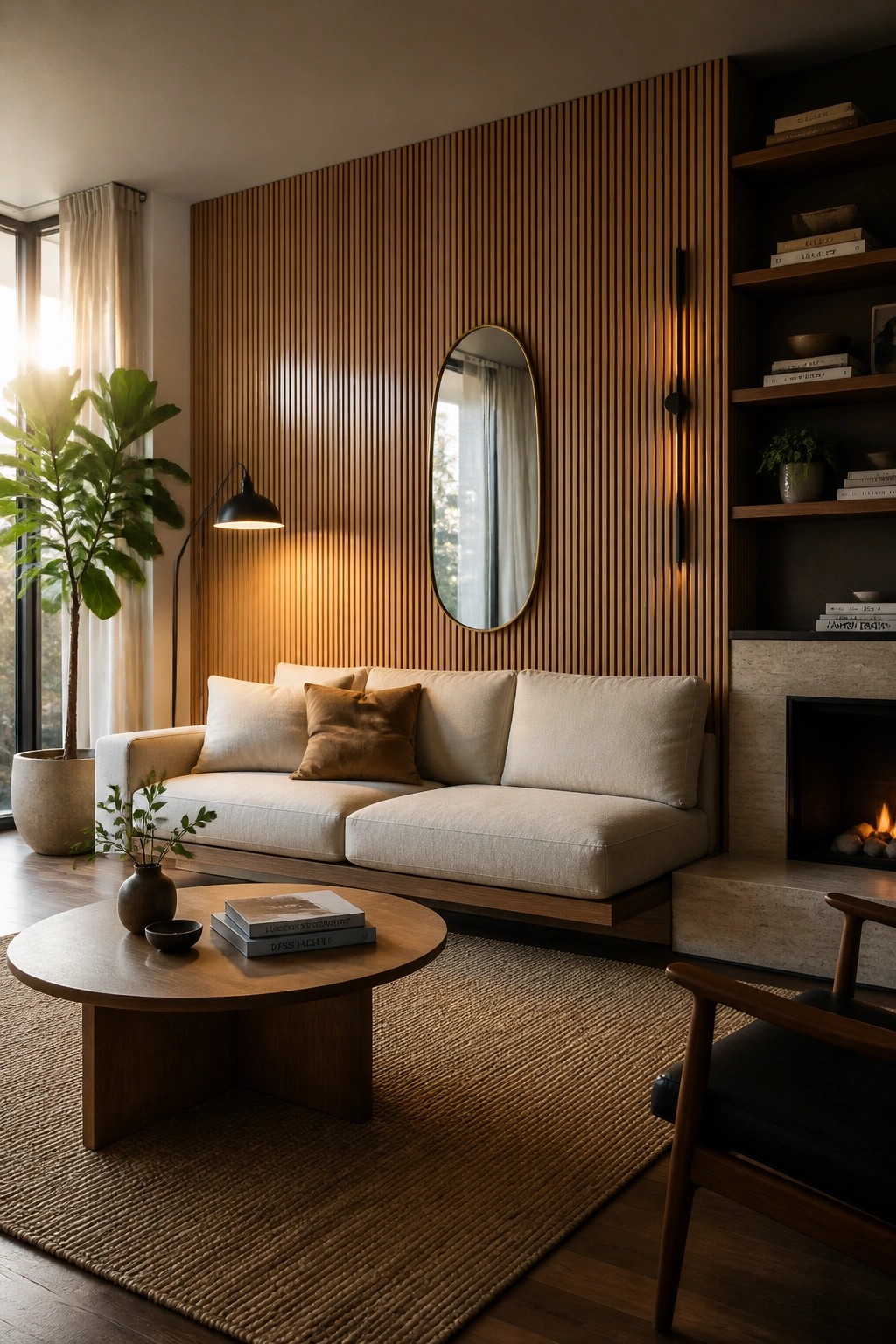
Vertical wood slats give a living room wall a clean texture that still feels warm. They work well as a single accent wall because the lines add interest without crowding the space, especially when paired with simple seating and a few neutral pieces.
This style suits contemporary homes that want natural material without looking too rustic. Use it on a wall that already has some height or light coming in, and keep other surfaces light so the wood does not overwhelm the room.
Herringbone Wood Cladding In The Bedroom
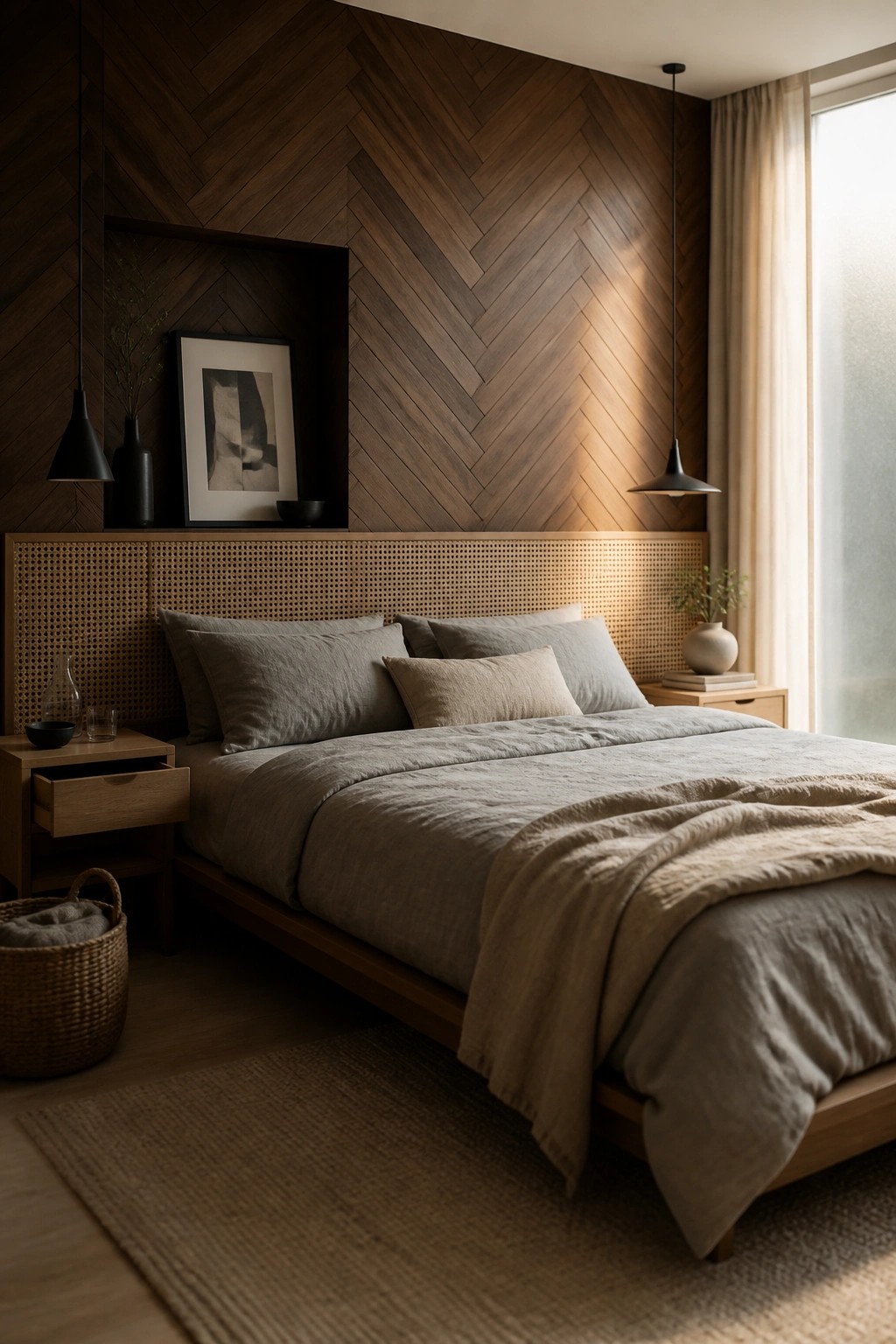
Herringbone wood cladding gives a bedroom wall some texture and depth while still feeling calm. The pattern breaks up the surface without needing lots of extra decoration, and the wood tone keeps things warm even in a fairly minimal space.
This works best in contemporary homes that already lean toward natural materials. Keep the rest of the room quiet with simple bedding and a few wood or woven accents so the wall stays the main feature. Avoid covering every wall in the same pattern or the room can start to feel closed in.
Dark Wood Cladding In Entry Halls
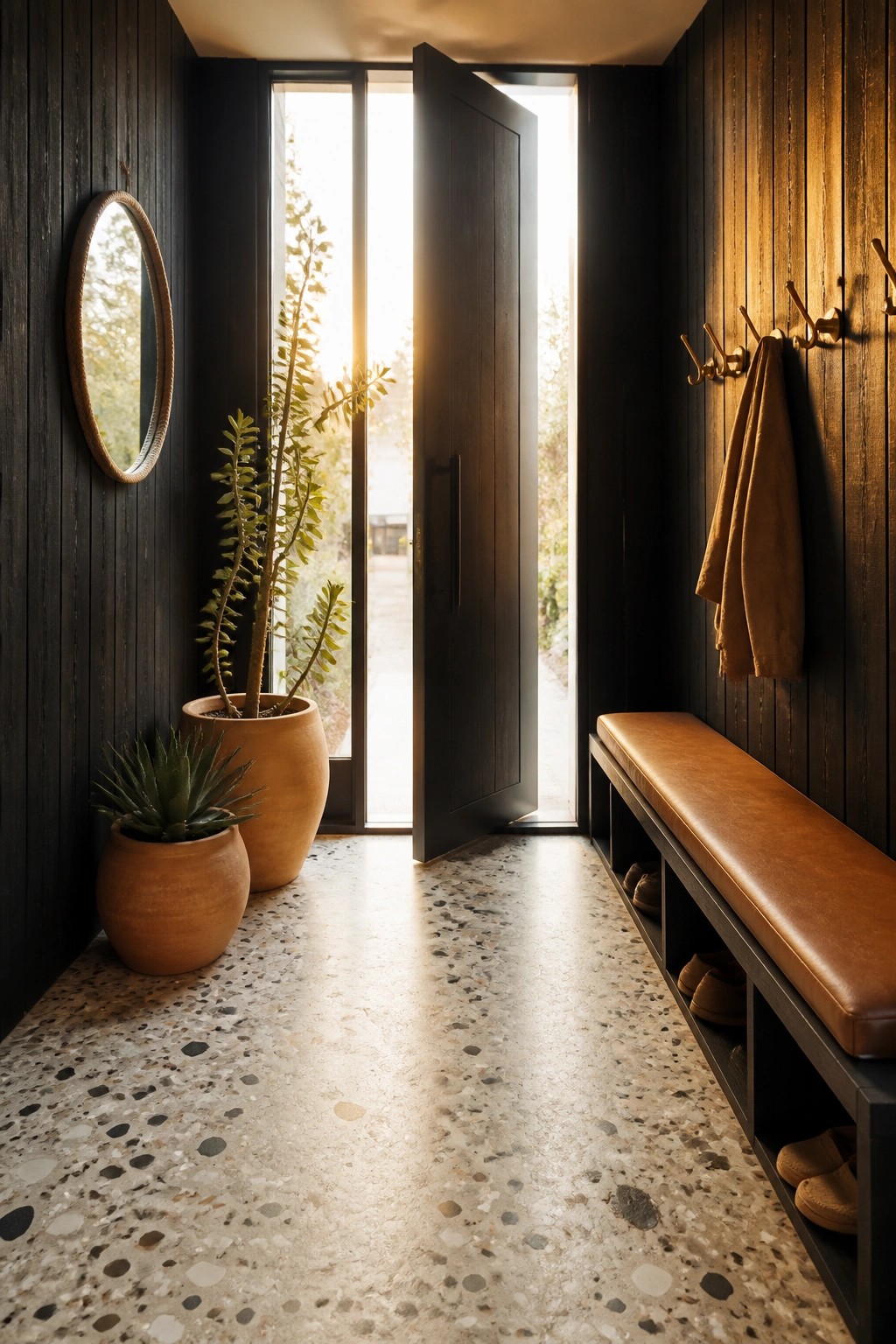
Dark wood cladding works especially well in entry spaces because it brings warmth without adding clutter. The vertical lines help the area feel taller and more structured while still keeping things simple.
This idea suits homes that want a practical but polished first impression. It pairs easily with built-in seating and a few plants, and it holds up better than lighter finishes in spots that see daily use.
Vertical Wood Cladding For Dining Rooms
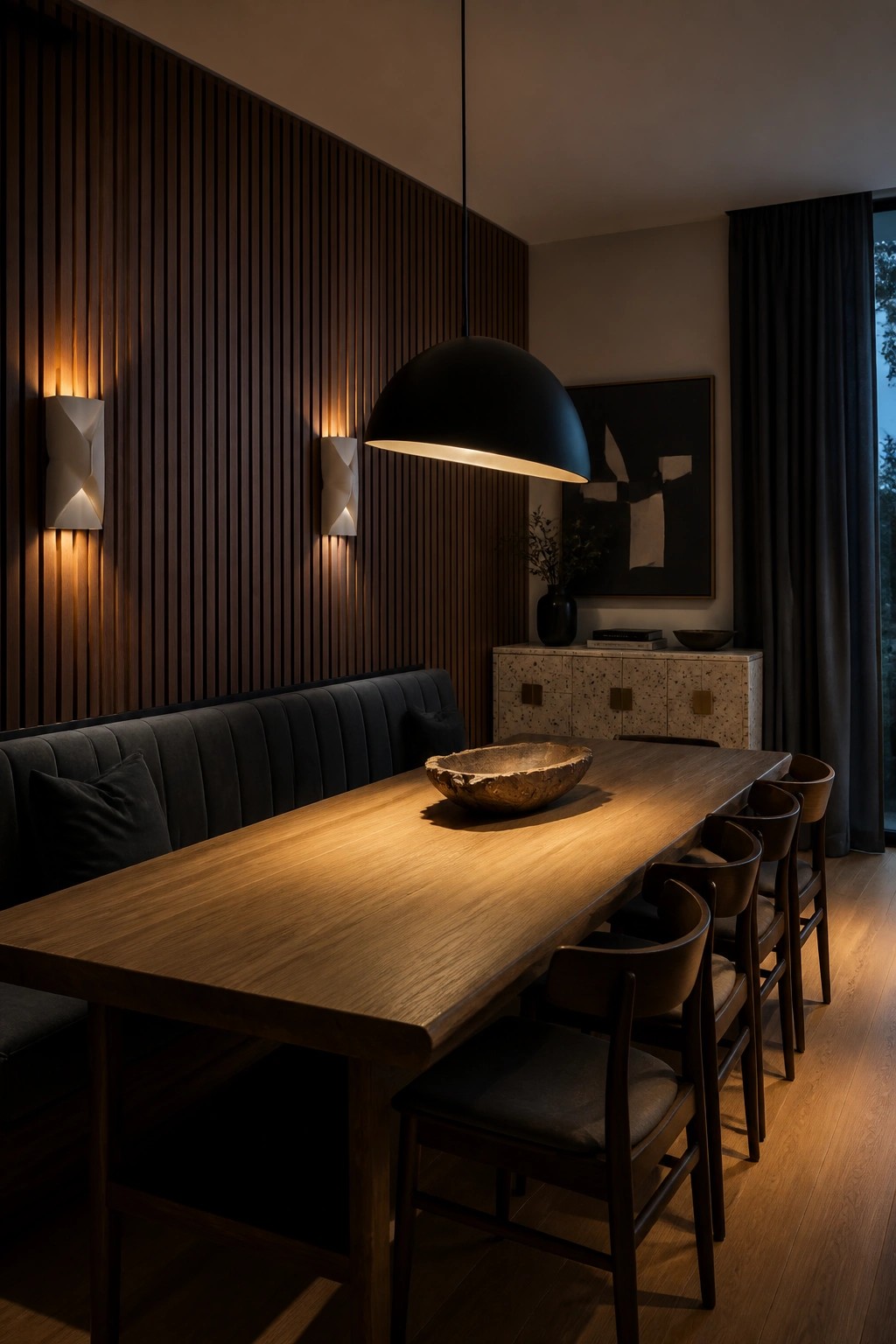
Vertical wood cladding brings a quiet warmth to dining spaces that often feel too open or cold. The lines add height and texture, so the room feels grounded even when the table is long and the seating is simple. It works especially well when the wood tone stays close to the floor and furniture so everything reads as one calm layer.
This idea suits contemporary homes that already lean toward natural materials but need one wall to carry more weight. Keep the cladding on a single accent wall and let the rest of the room stay light. It tends to look best with soft lighting that grazes the surface rather than flooding it.
Wood Wall Cladding In The Bathroom
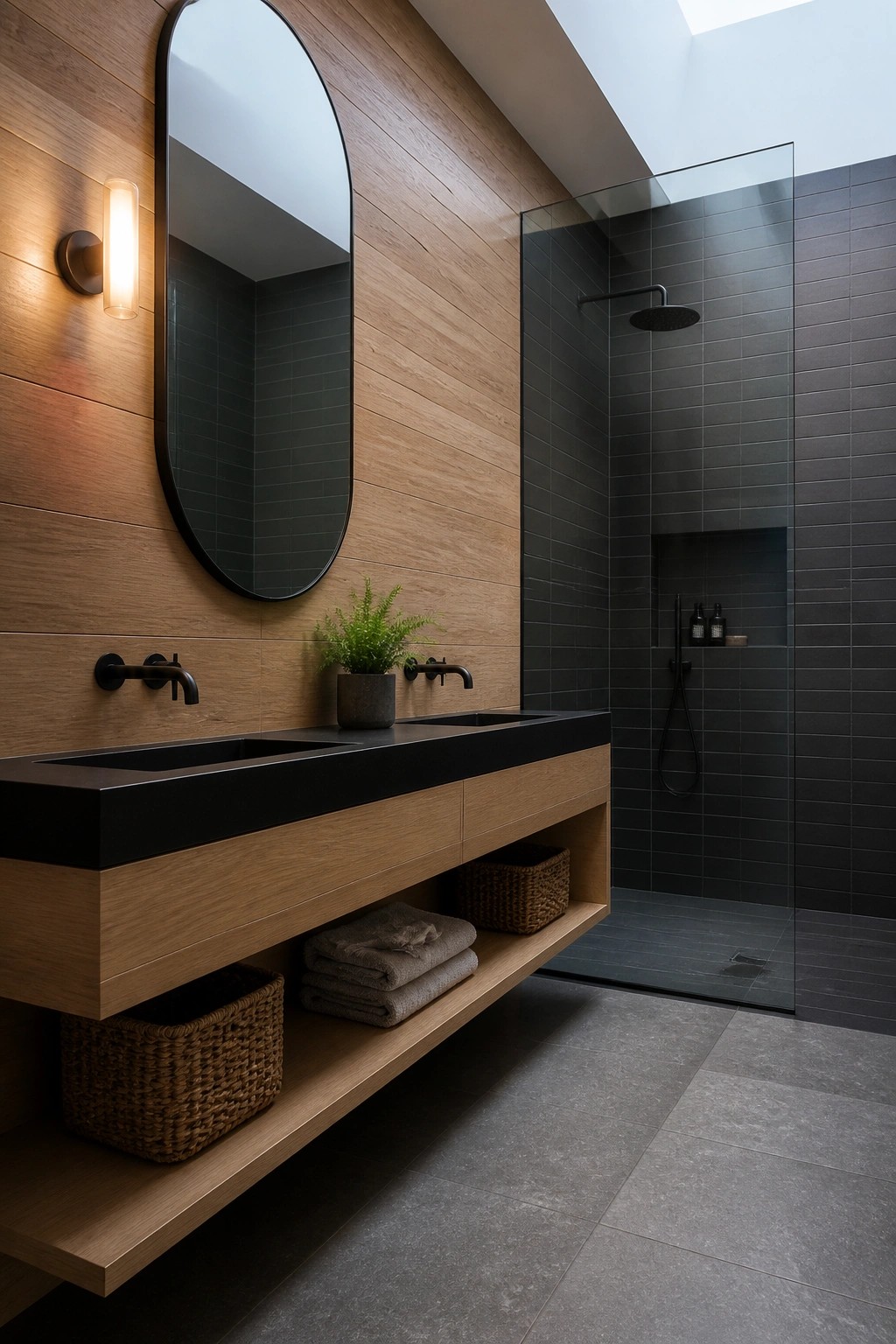
Wood cladding brings a layer of warmth to bathrooms that often feel too hard with tile and stone everywhere. The vertical planks here run across the main wall and help the vanity area feel more grounded without taking over the whole room.
This approach works best when the wood stays out of the direct splash zone and is paired with darker surfaces like black sinks and charcoal tiles. It suits contemporary homes that want natural texture while keeping the space clean and easy to maintain.
Vertical Wood Cladding For Calm Rooms
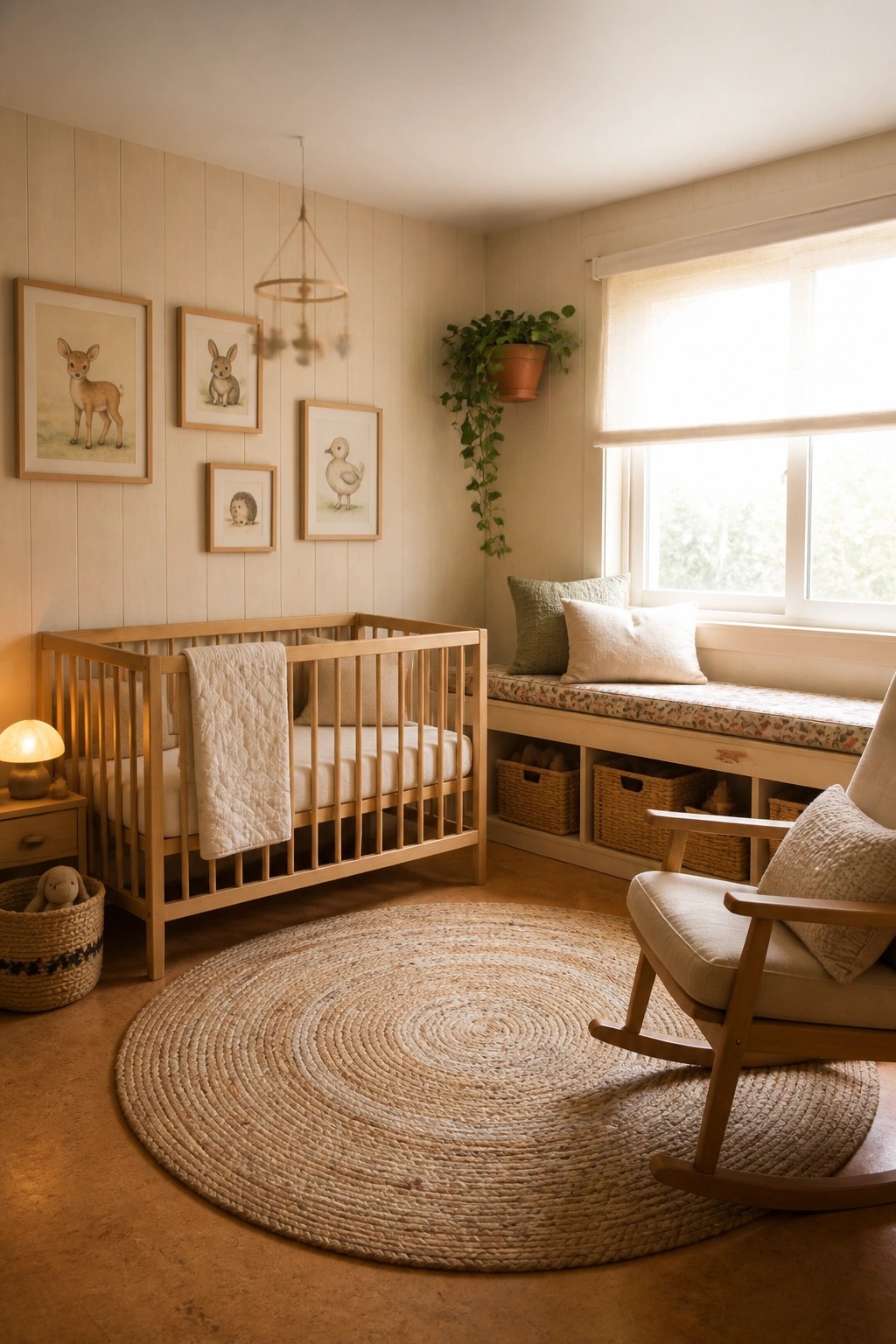
Vertical wood cladding works well when you want a room to feel warm but still simple. The light tone and clean lines keep the space from feeling heavy, which makes it easy to layer in soft furnishings without things getting busy.
This approach suits contemporary homes that need a bit of natural texture in smaller rooms like nurseries or bedrooms. Keep the finish matte and the boards narrow so the look stays quiet rather than rustic.
Vertical Wood Cladding For Office Walls
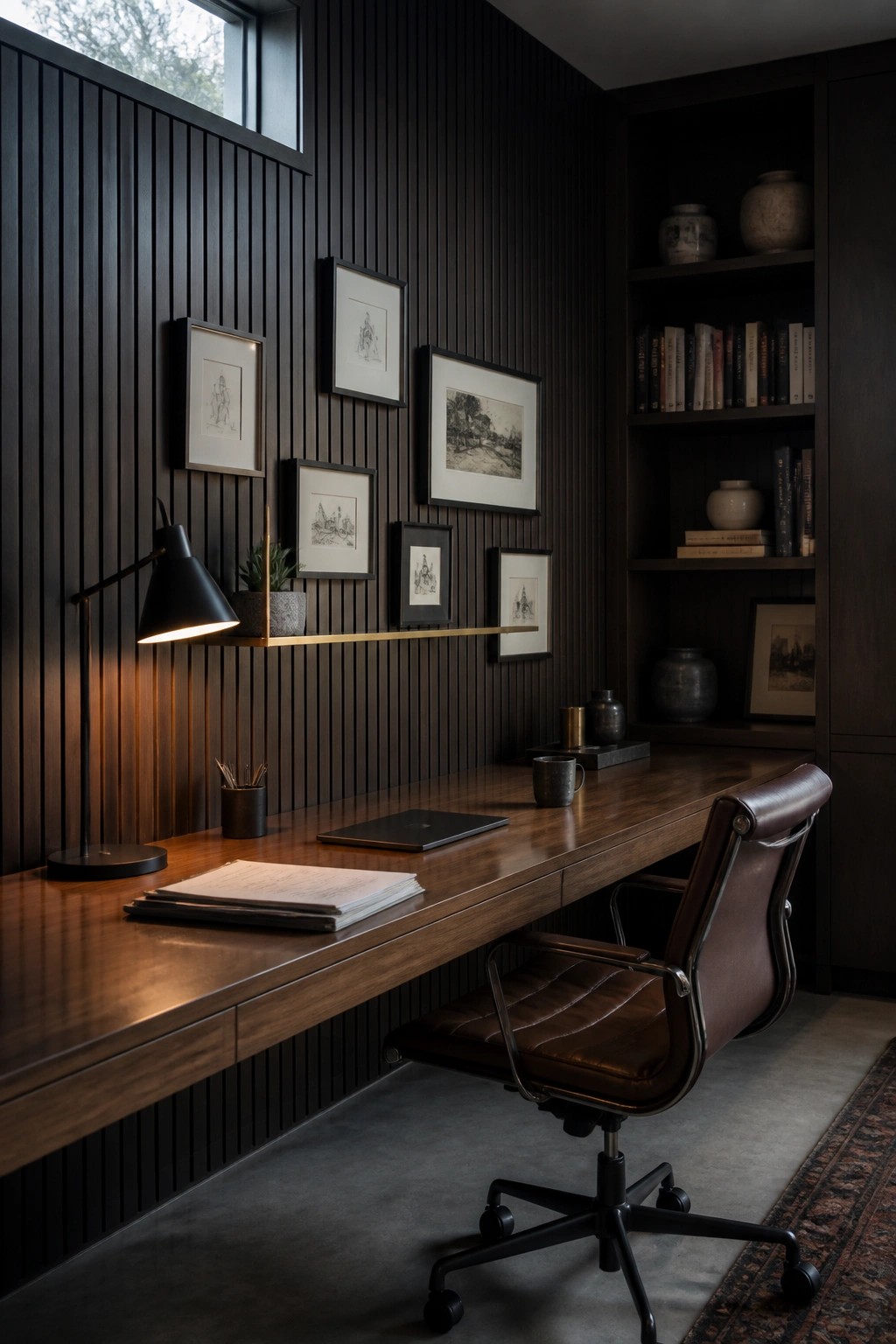
Vertical wood cladding gives an office wall a quiet sense of depth that paint alone rarely achieves. The narrow slats catch light in a way that adds texture without clutter, which helps the space feel both modern and grounded.
This treatment suits contemporary homes that already lean toward clean lines and darker tones. It works best when kept simple, with just a few framed pieces or a floating shelf to break up the pattern.
Herringbone Wood Cladding In The Bedroom
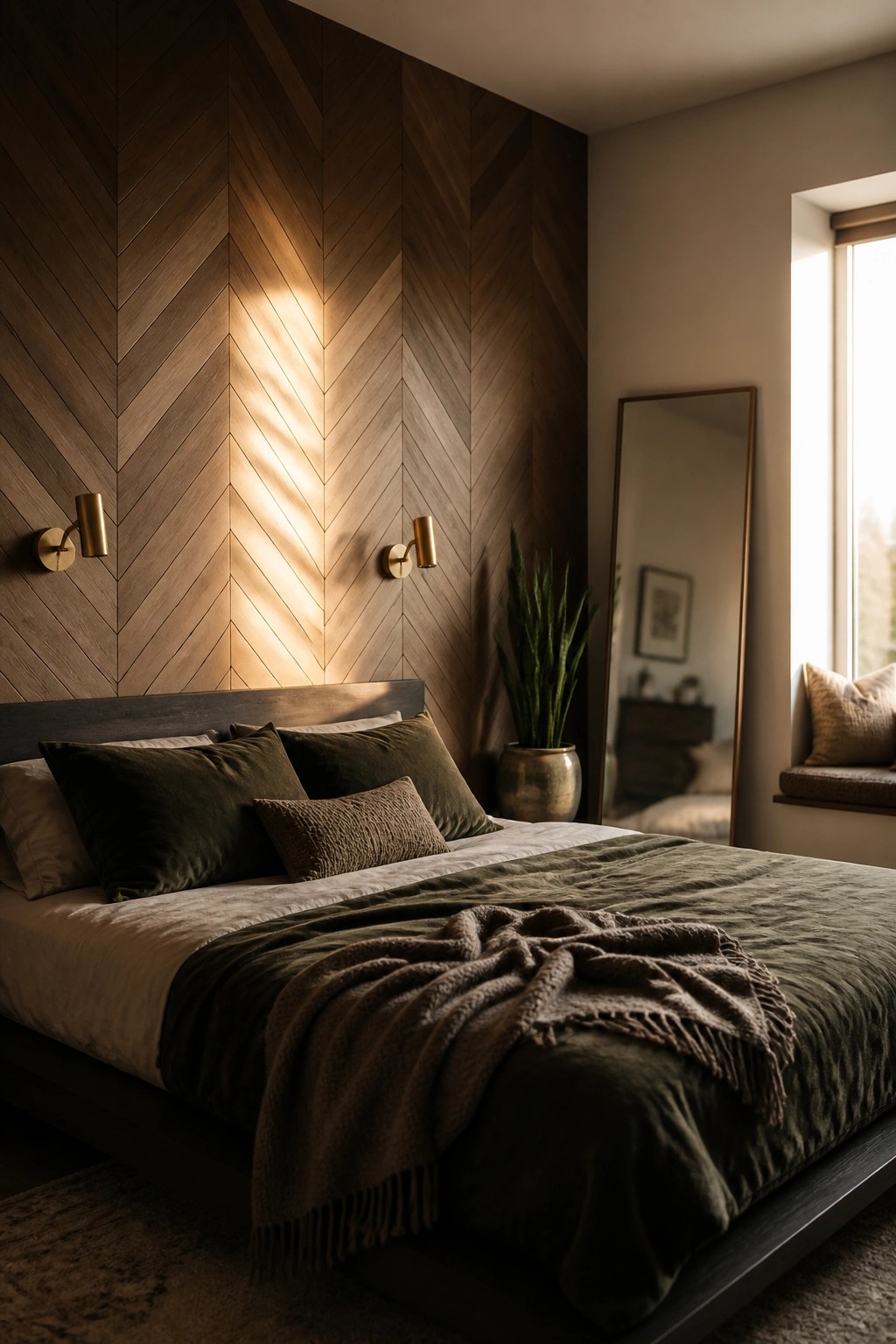
Herringbone wood walls give a bedroom that extra layer of texture without making the space feel busy. The pattern adds interest to what would otherwise be a plain wall, and it works especially well when the wood has some depth and variation in tone.
This approach suits contemporary homes that already lean toward natural materials. Keep the rest of the room simple with solid bedding and minimal hardware so the wall stays the main element. Darker woods pair nicely with muted greens or neutrals if you want a calm feel overall.
Vertical Wood Cladding Below Painted Walls
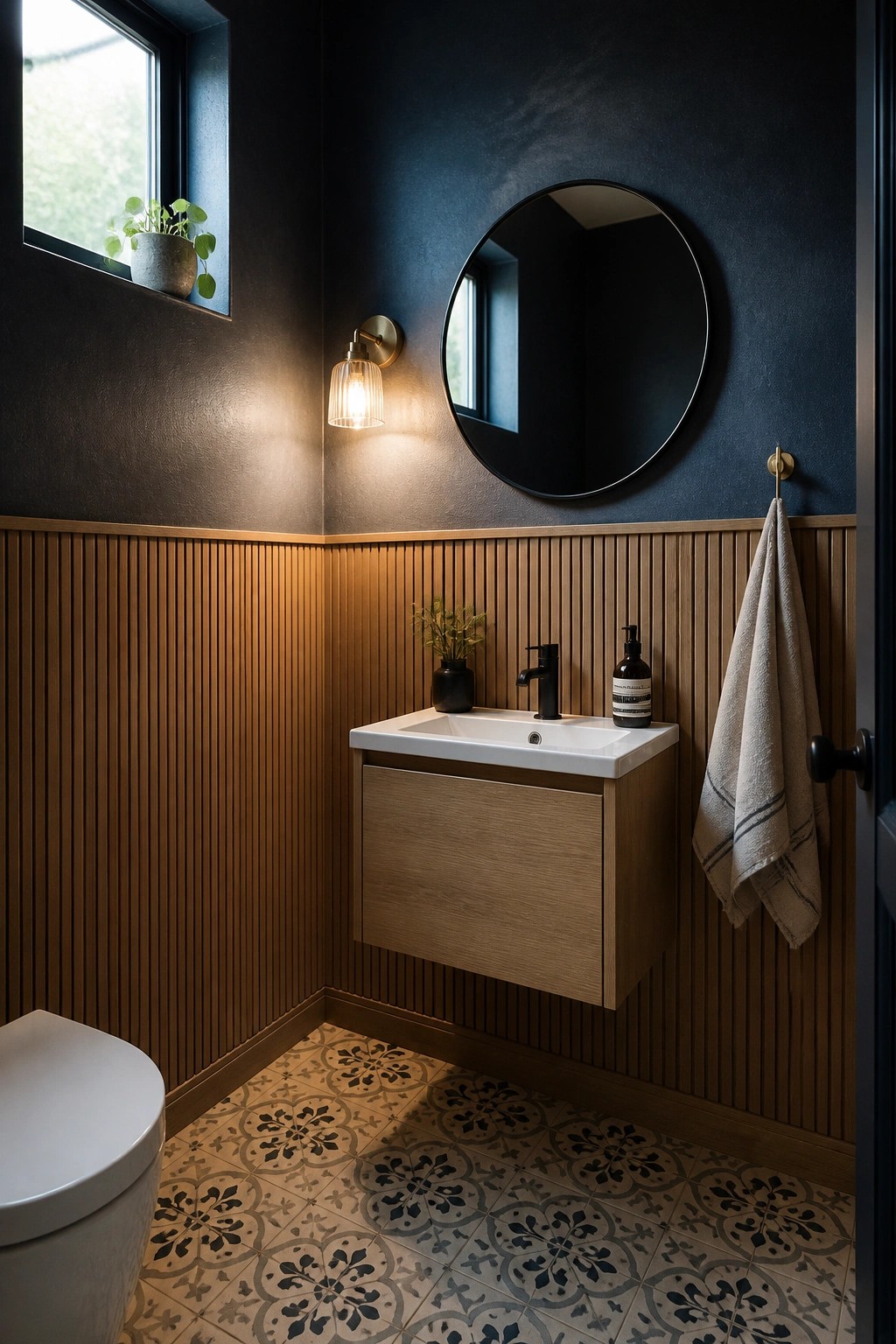
Vertical wood cladding on the lower walls gives a bathroom some texture and a bit of warmth while keeping the overall look clean. Many people like this setup because it adds interest without covering the entire wall or making the room feel too heavy.
This works best in smaller spaces where you want a natural material but still need the room to feel open. Keep the wood simple and let the upper wall stay a solid darker color so the two halves balance each other out.
Horizontal Wood Cladding for Contemporary Exteriors
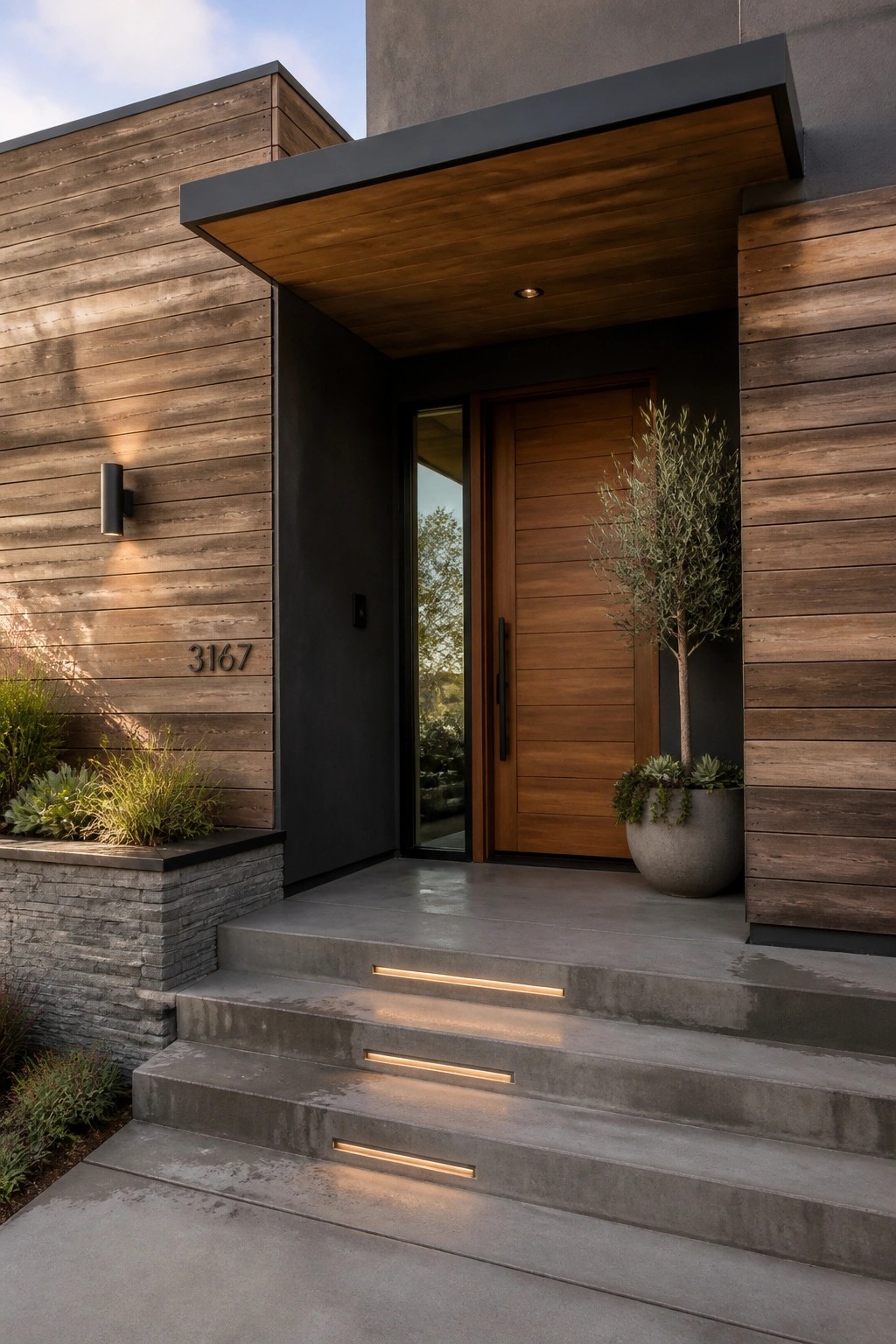
Horizontal wood cladding stands out because it adds natural texture and warmth to a modern house without making it feel heavy. The clean lines keep things simple while the wood grain softens the overall look, especially when placed right around the entry.
This approach works best on homes with strong geometric shapes and darker accents. Keep the wood tone consistent and let it run in long stretches so the pattern stays calm and easy to read from the street.
Wood Slat Walls In Outdoor Seating Areas
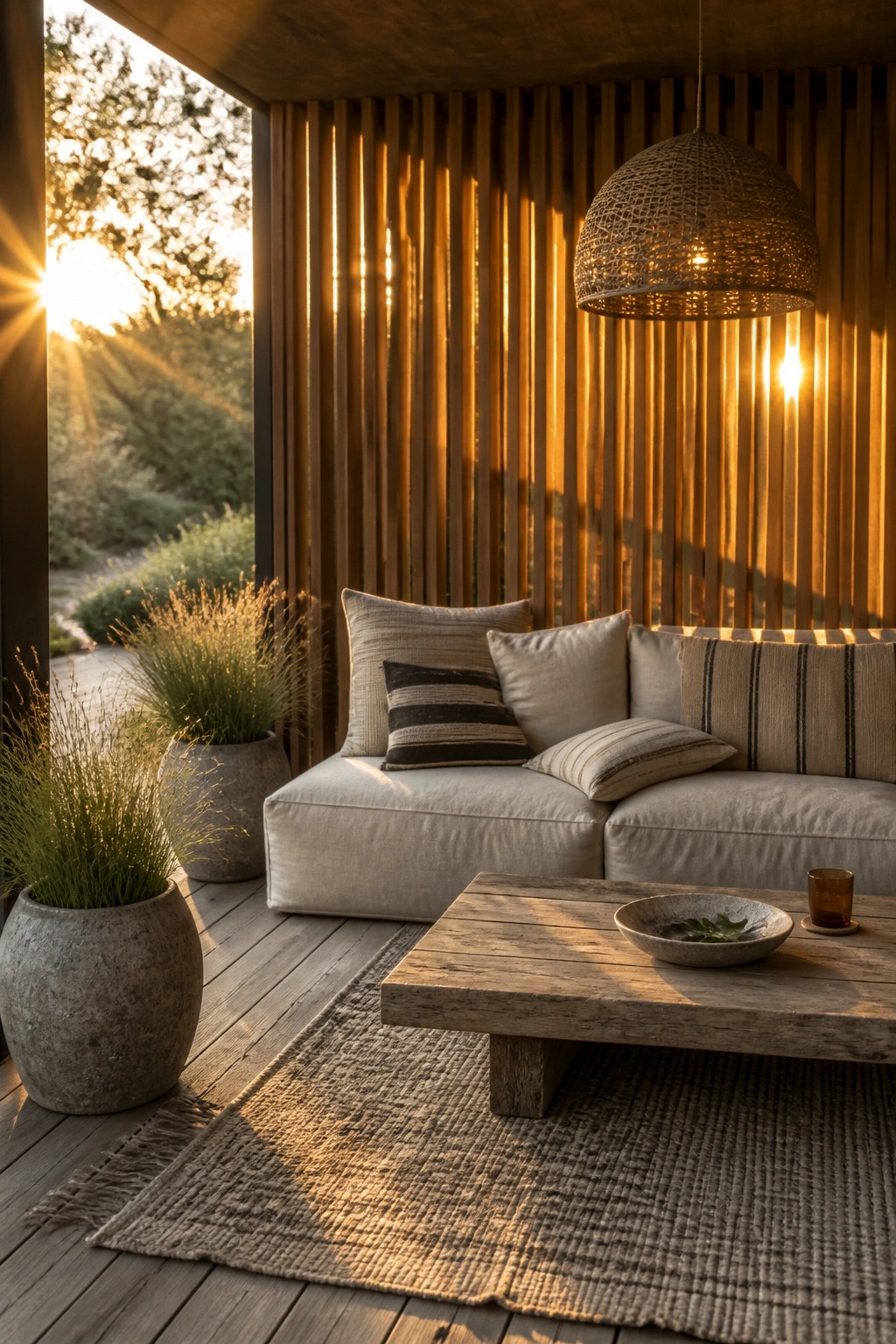
Vertical wood slats can turn an ordinary deck or patio into a more defined space. The lines add height and a steady rhythm that makes seating areas feel grounded and a little more private without closing things in.
This works best on covered outdoor spots where the wood stays protected. It pairs well with simple seating and neutral fabrics, and it suits homes that already use wood indoors so the materials carry through naturally.
Wood Cladding For Covered Outdoor Areas
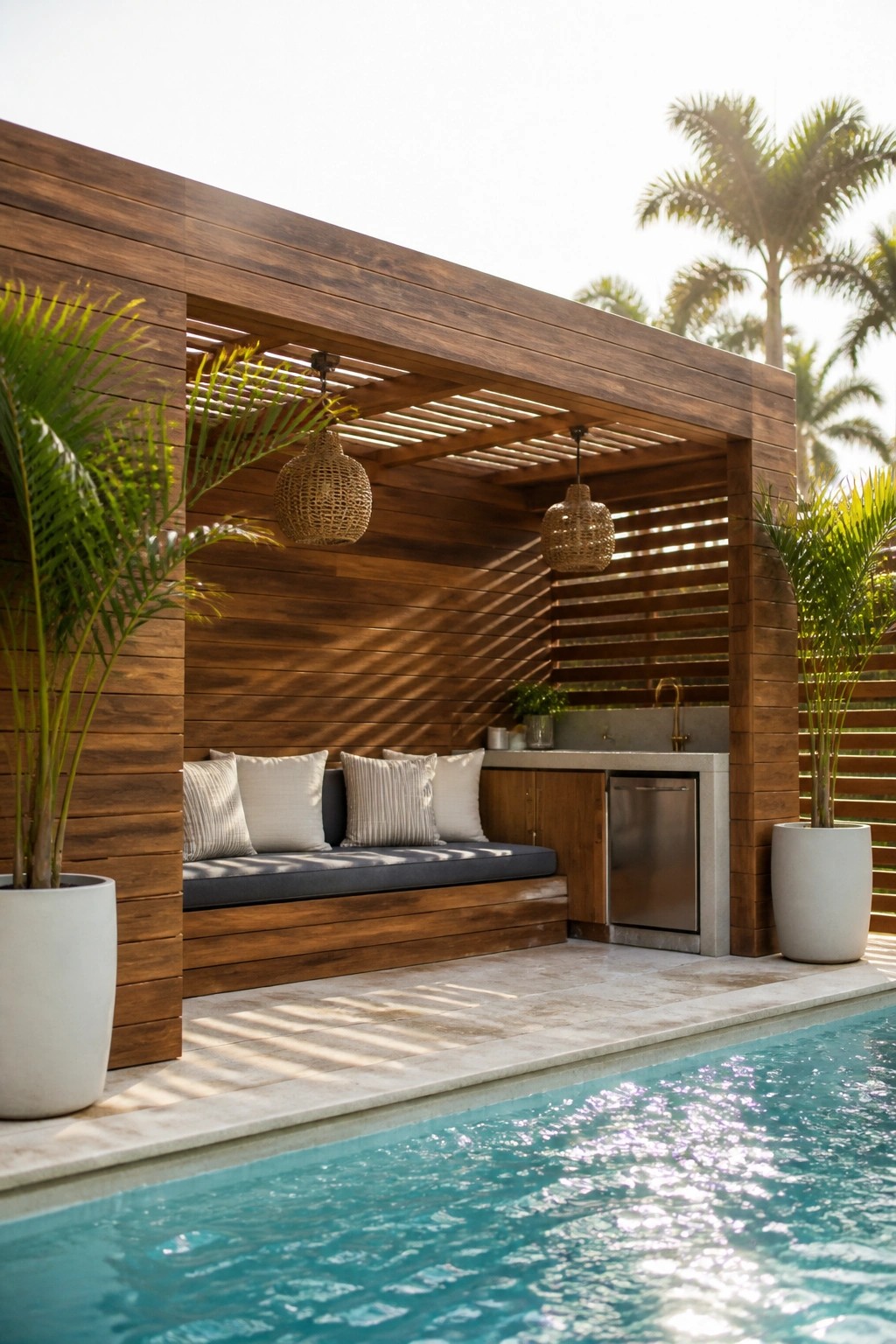
Wood cladding works well on the walls of a covered patio because it creates a clear boundary without closing the space off completely. The horizontal boards add texture and help the area feel more like a room than just an open deck.
This idea suits contemporary homes that already use wood indoors or want to tie the exterior to the main house. Keep the layout simple with built-in seating and avoid overcrowding the walls so the cladding stays the main feature.
Wood Cladding On Retaining Walls
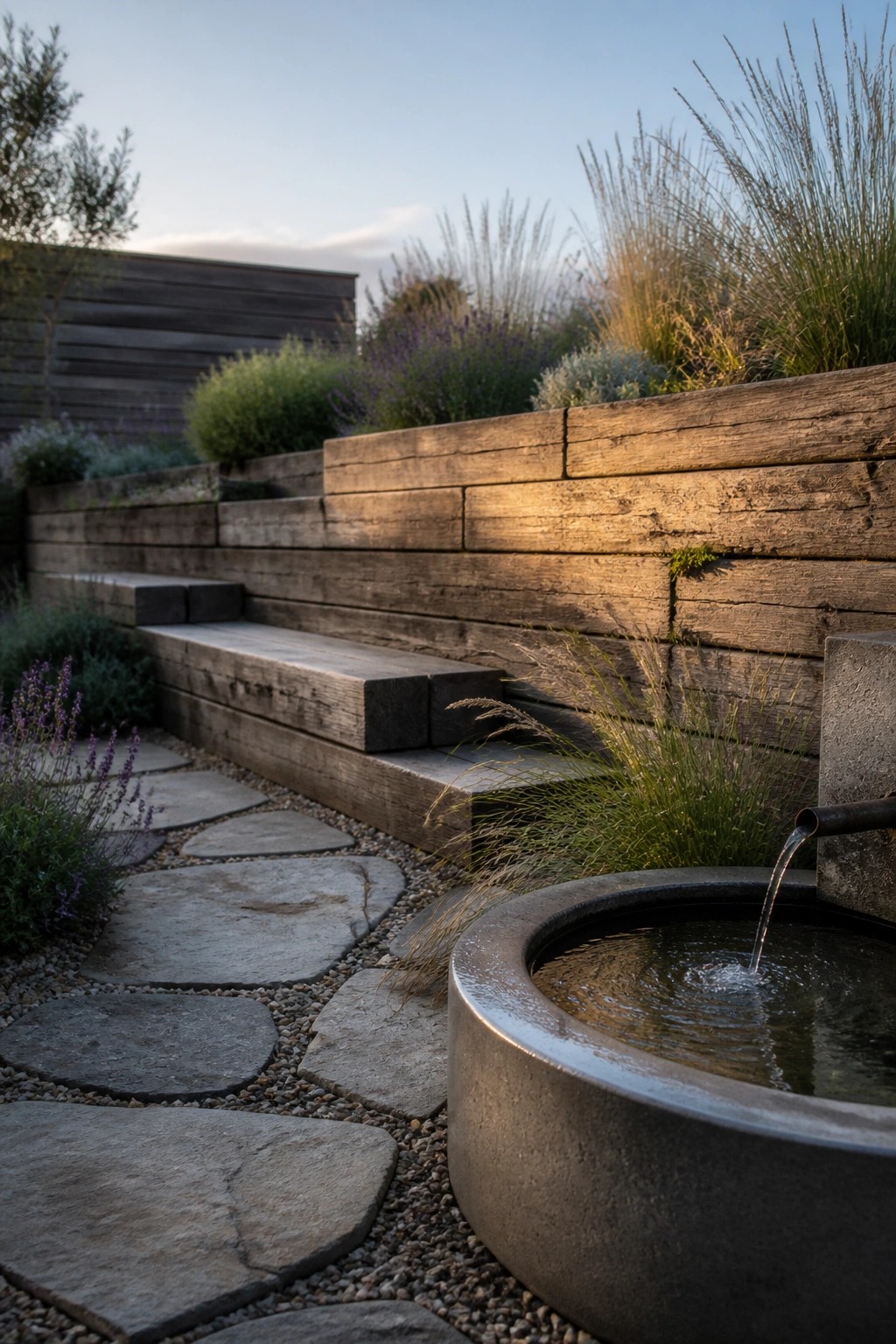
Wood cladding works well for garden retaining walls because it brings in a natural material that softens hard landscaping. The horizontal boards create clean lines that still feel grounded next to gravel paths and layered planting.
This idea suits homes with gentle slopes or tiered beds where you need structure without heavy stone or concrete. Treated wood holds up outdoors, and the look pairs nicely with contemporary houses that already use wood elsewhere on the property.
Mix Dark and Light Wood Cladding
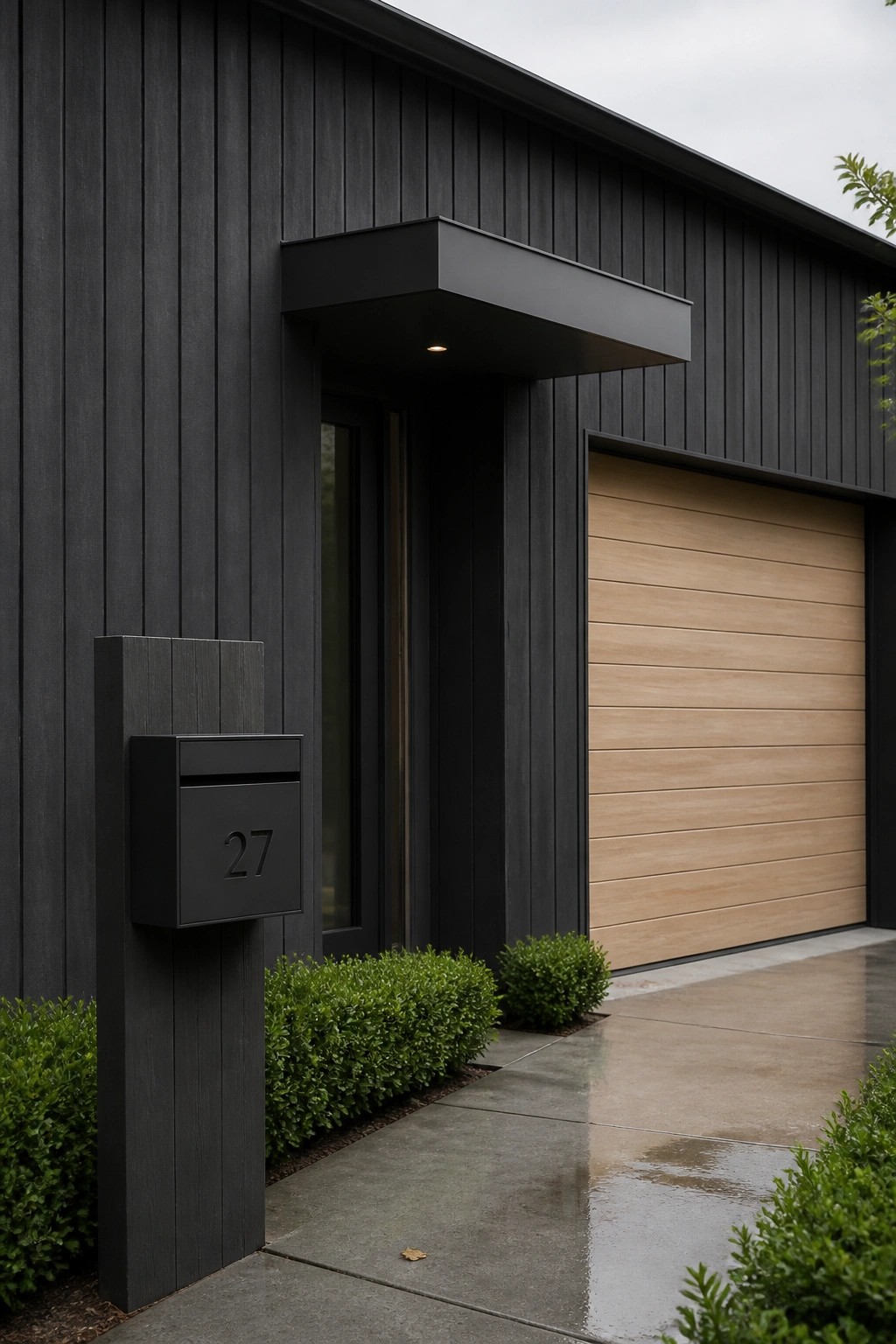
Many contemporary homes use wood cladding to add texture without extra ornament. Pairing a deep charcoal tone on the main walls with a lighter natural shade on the garage creates a simple contrast that keeps the facade from feeling flat. The vertical lines on the house also help it read taller and more structured.
This approach works best on homes with clean rooflines and few windows. It suits modern builds where you want the wood to do the talking rather than relying on trim or color changes. Keep the lighter sections to one or two focal areas so the contrast stays intentional.
Wood Cladding Behind Built In Dining Seating
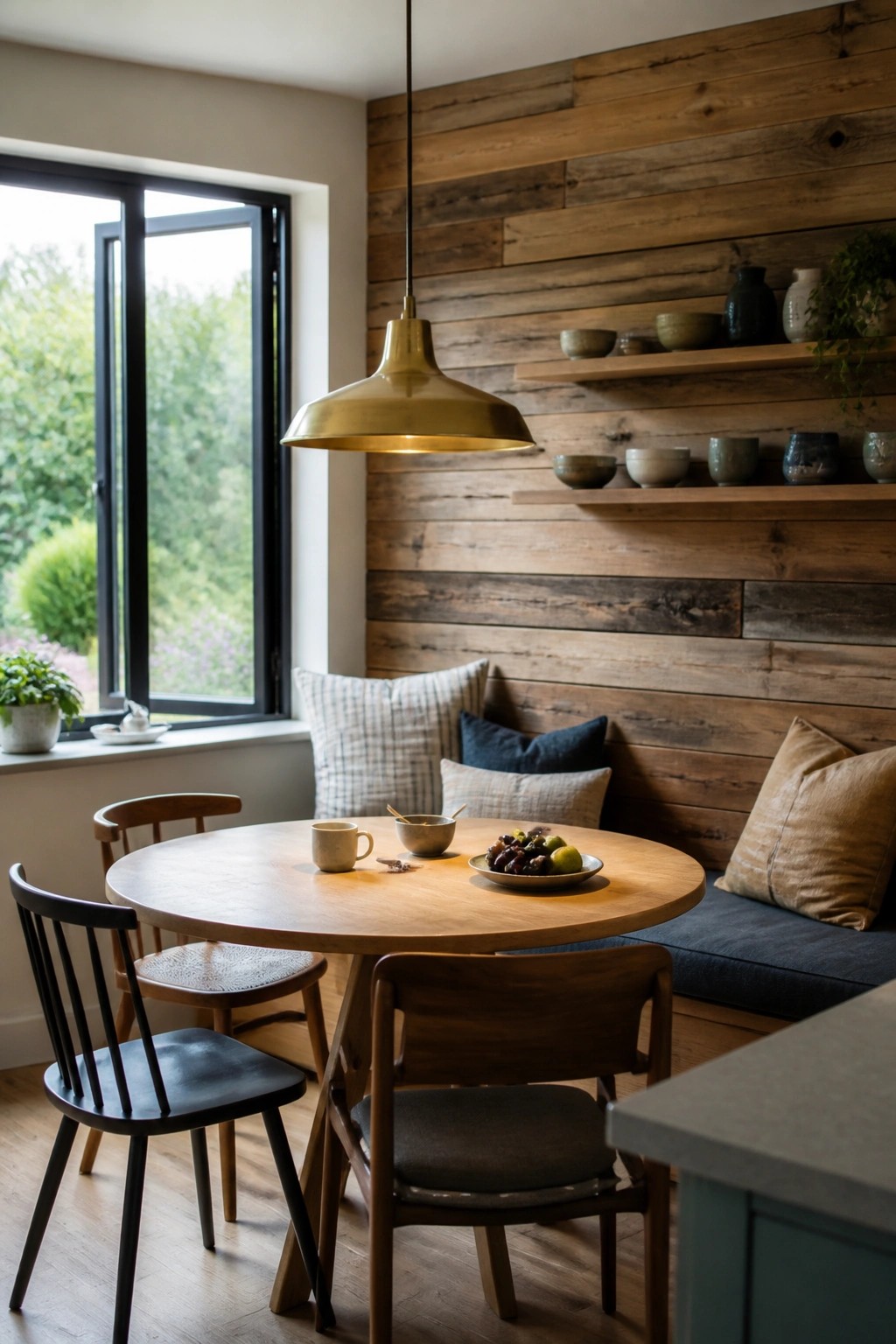
Wood cladding works well in dining spaces because it gives the room a grounded feel without needing lots of extra decoration. The horizontal planks create a simple backdrop that makes the seating area feel more enclosed and comfortable.
This approach suits homes that already have wood tones in the floor or furniture. Keep the cladding in a natural finish and limit other patterns so the wall stays the main feature. It works best in smaller eating areas where you want some warmth but still need the space to feel open.
Vertical Wood Cladding In Bathrooms
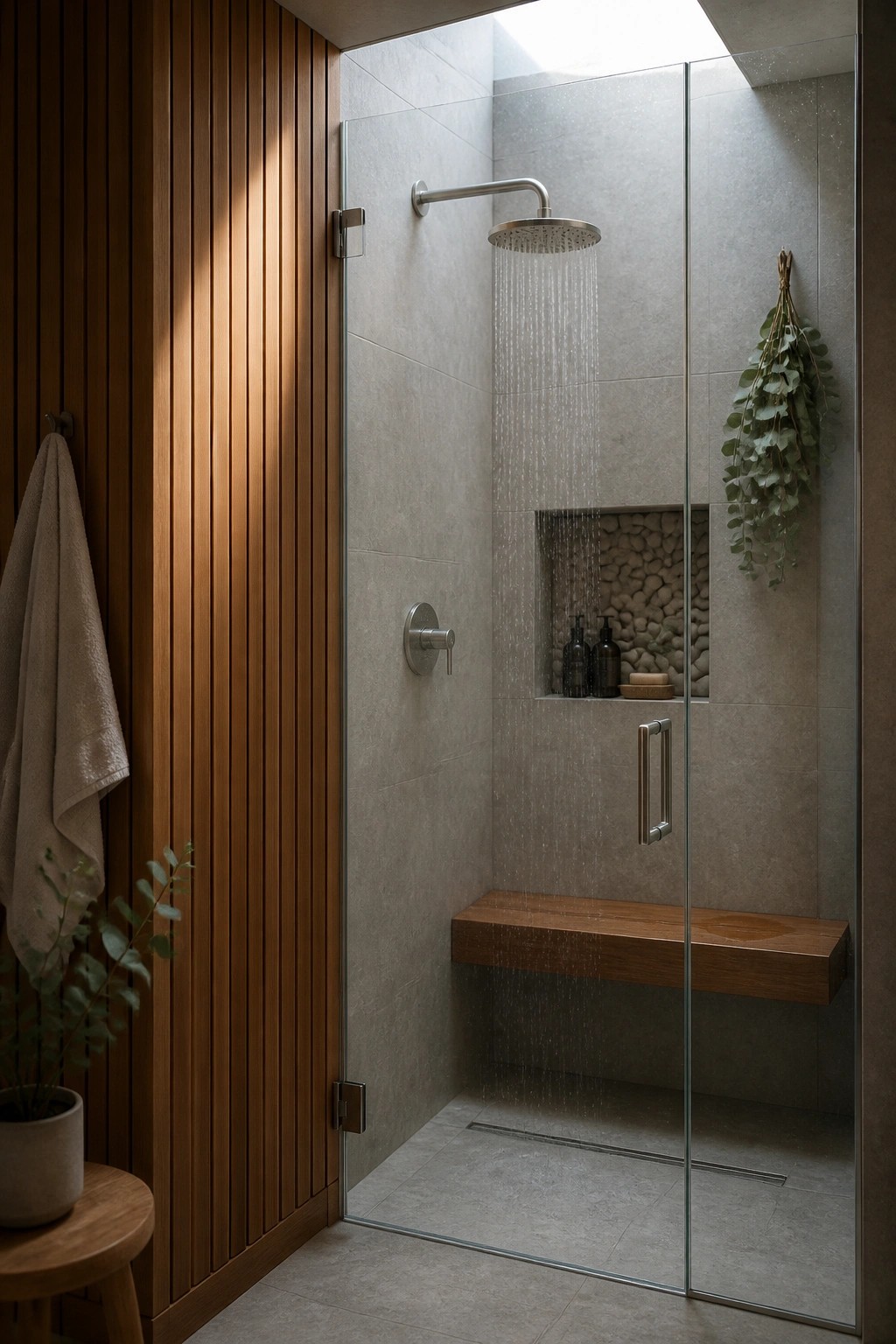
Vertical wood cladding brings a simple way to soften a bathroom that is otherwise full of hard surfaces. The planks add texture and warmth right next to the glass shower without competing with the tile or metal fixtures. Many people like how it keeps the space feeling calm instead of stark.
This approach works best in contemporary homes where the rest of the finishes stay simple and clean. Keep the wood sealed well if it sits close to the shower, and consider how the grain direction affects the overall height of the room.
Vertical Wood Cladding For Outdoor Walls
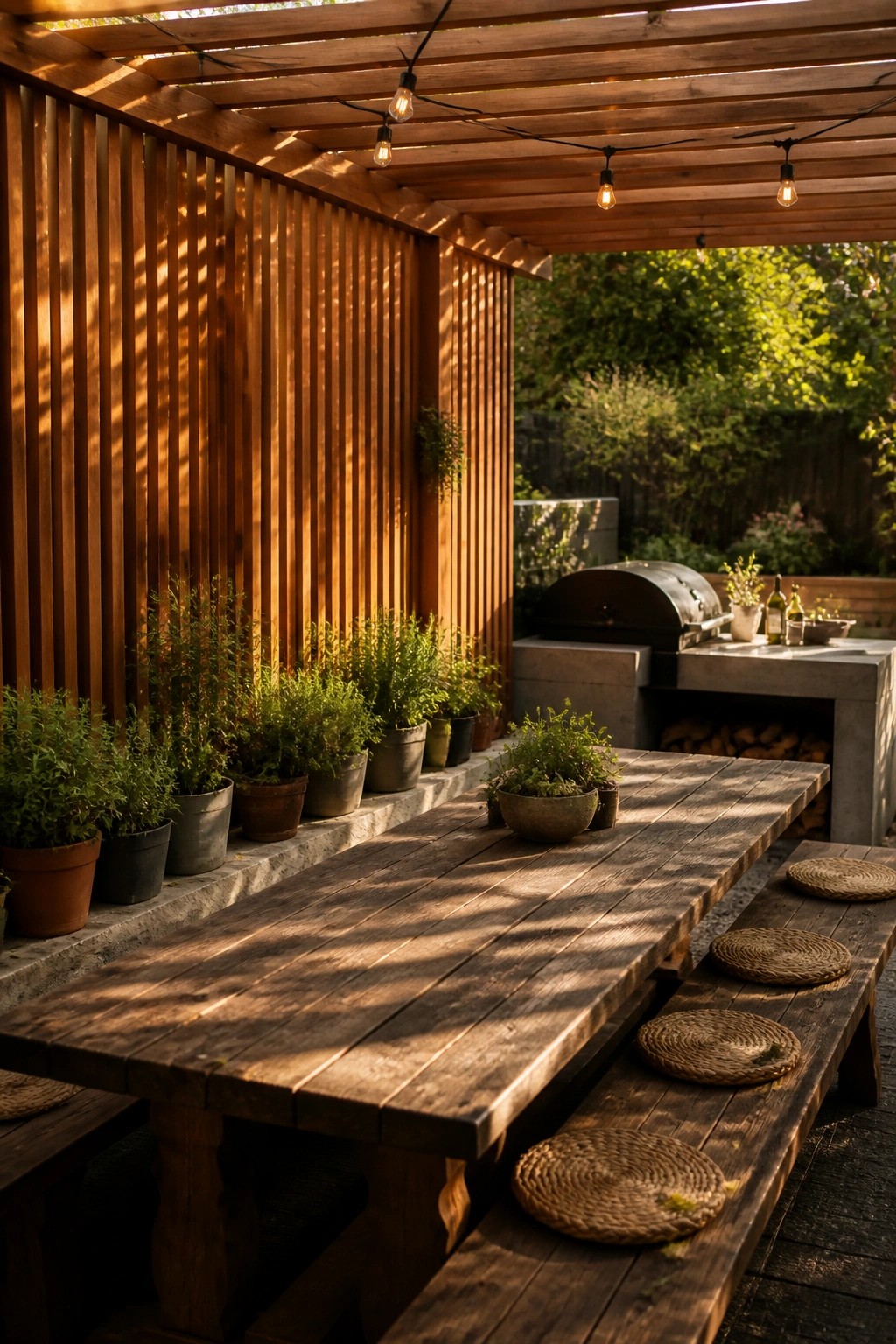
Vertical wood cladding works well on the back wall of an outdoor living space because it adds structure and warmth without closing the area in. The clean lines help the space feel intentional rather than leftover, especially when the rest of the setup stays simple.
This approach suits contemporary homes with patios or covered decks that need a bit more definition. Match the wood tone to any nearby decking or seating and keep plantings low so the cladding stays the main feature.
Dark Wood Cladding For Walk-In Closets
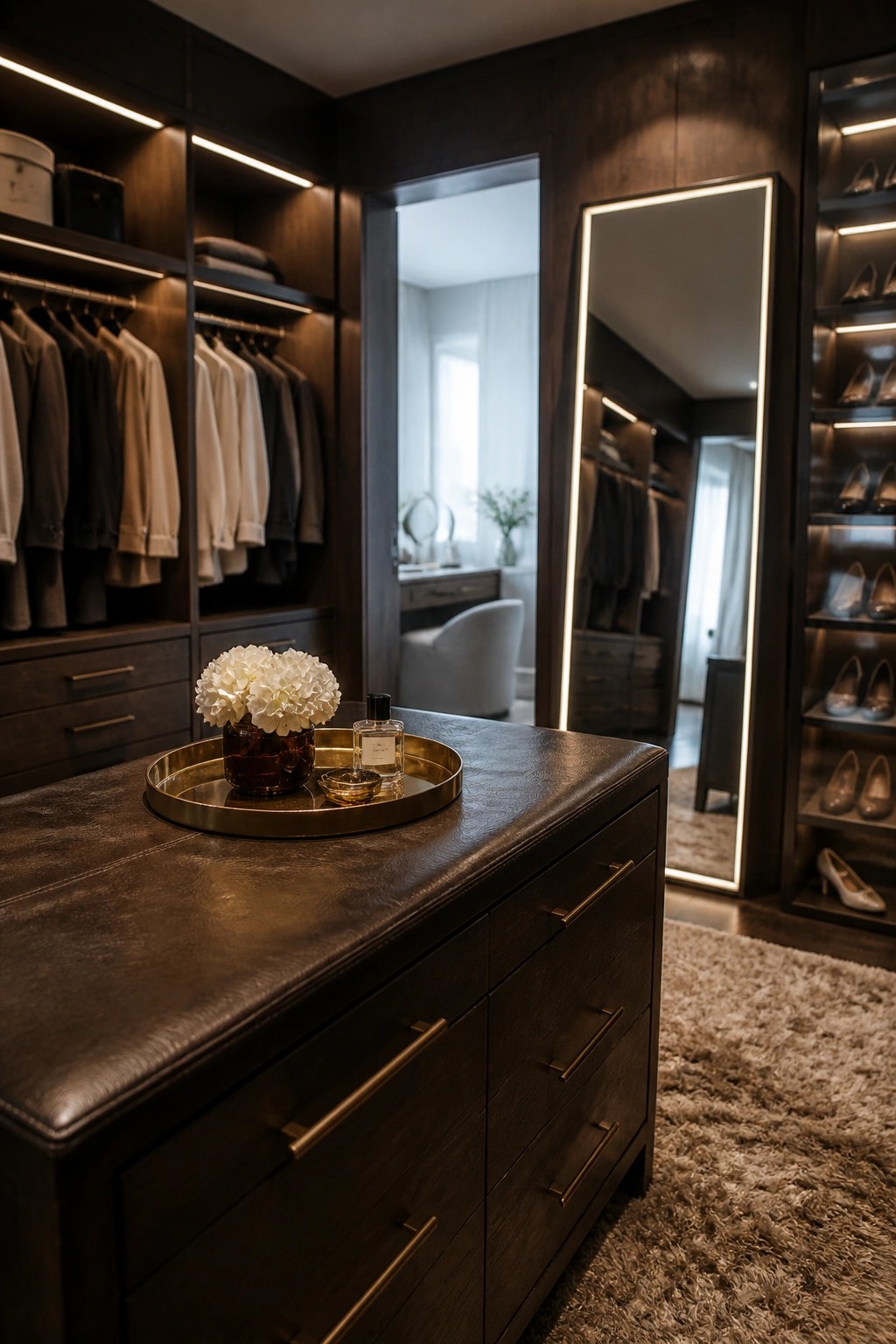
Wood wall cladding can turn a basic closet into something that feels more like a finished room. It covers the walls completely and lets the storage blend right into the surface instead of looking like separate pieces added later.
This approach works best in larger dressing areas where you want a calm, consistent material throughout. The dark tone keeps things grounded and hides everyday clutter well, though it does need decent lighting so the space does not feel closed in.
White Wood Cladding For Bright Living Rooms
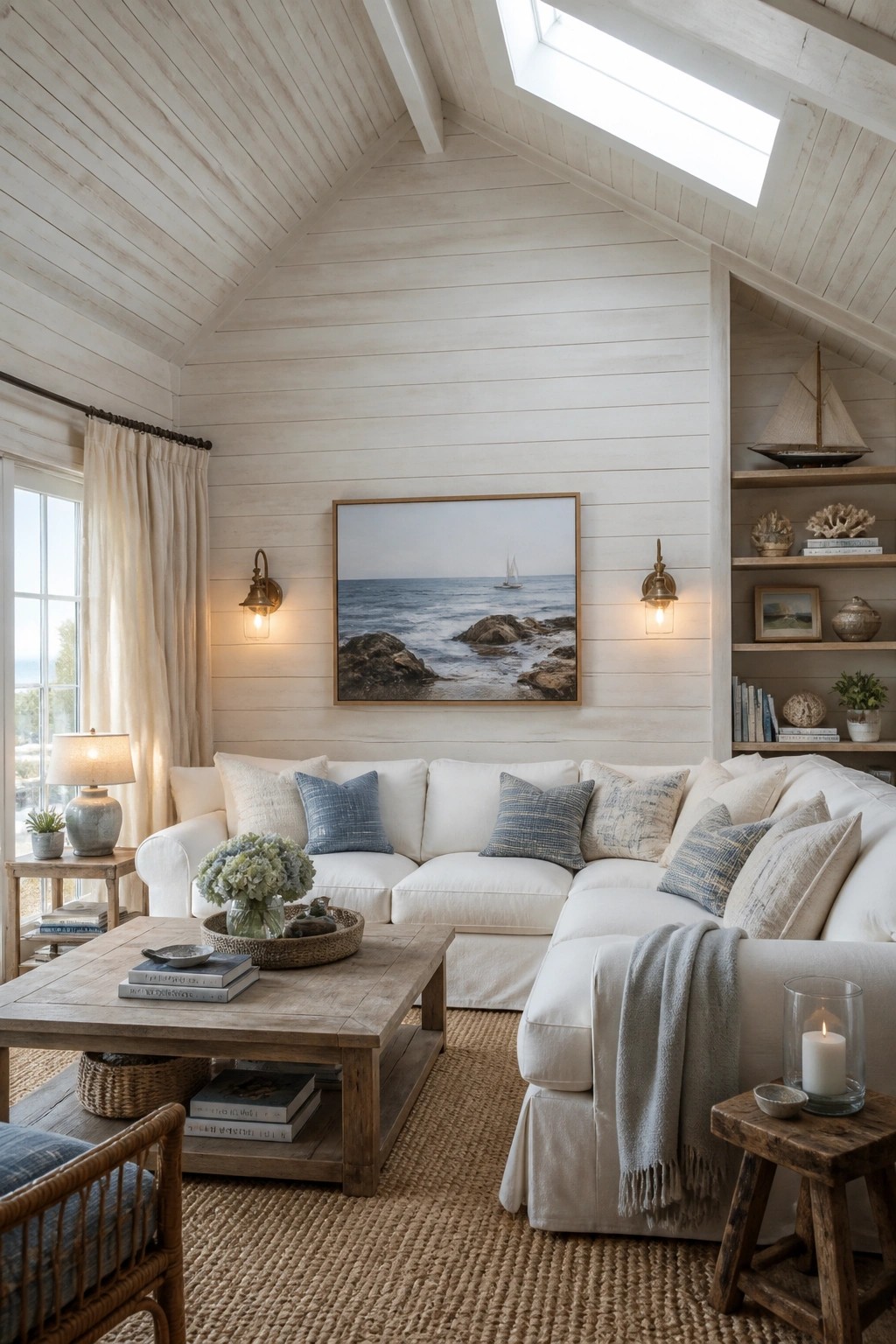
White wood cladding works well when you want a room to feel open without going all the way to plain drywall. The painted planks add subtle texture while keeping the space light, which helps smaller or low-light rooms feel larger. It also gives a soft coastal feel that pairs easily with simple furniture and natural textures.
This approach suits homes that already lean coastal or cottage in style. Keep the cladding consistent on the ceiling too if the room has height, and stick with the same paint color on trim so nothing competes. Avoid it in very modern spaces where you want sharper contrast.
Vertical Wood Cladding In Hallways
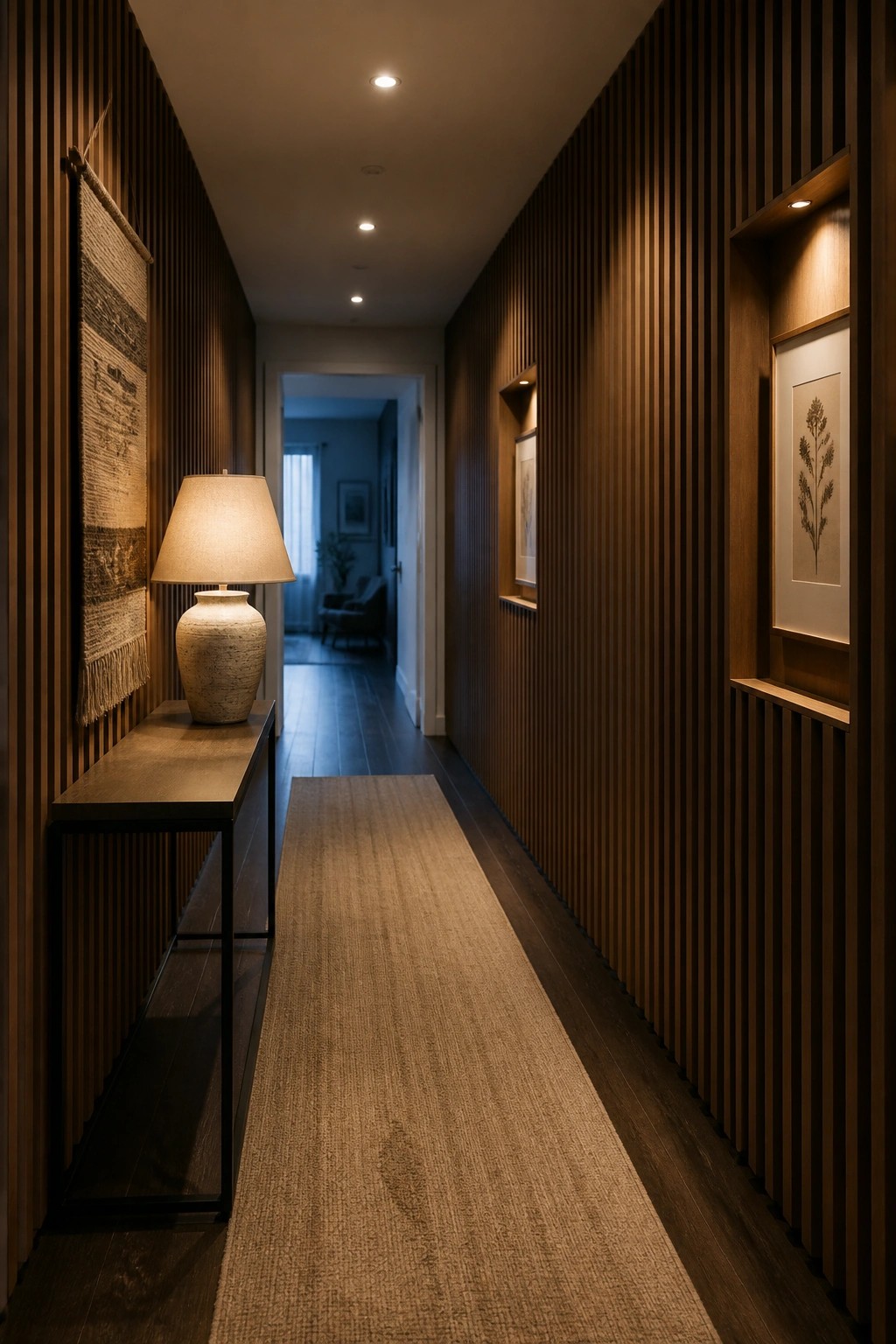
Vertical wood cladding gives a hallway more presence without needing a lot of extra pieces. The lines run the full height of the walls and create a steady rhythm that makes the space feel taller and more finished.
This approach works best in contemporary homes where the hallway already has clean lines and minimal trim. Keep other surfaces simple, like a narrow console and a single light source, so the wood remains the main feature.
Mixing Wood Cladding With Brick
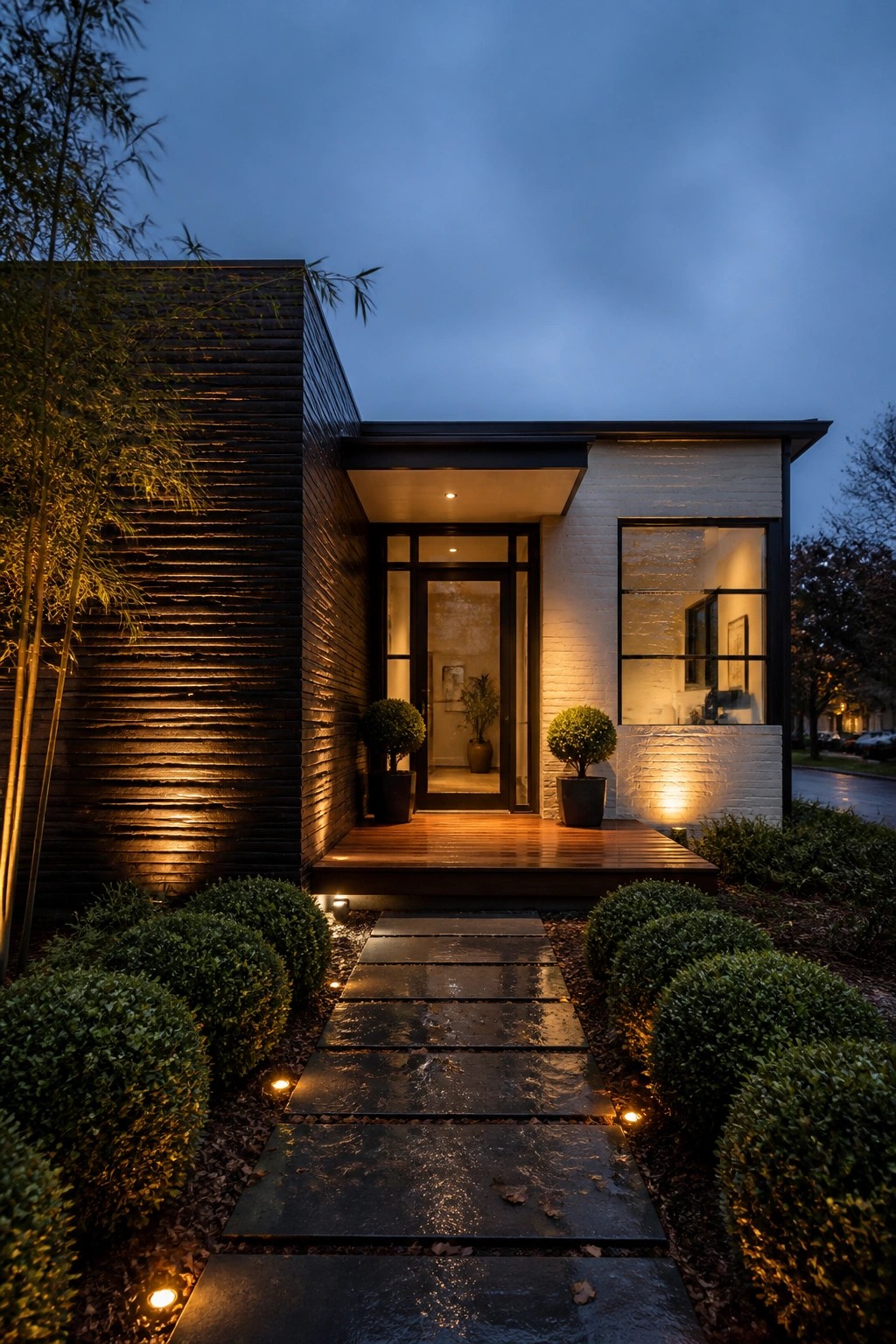
Wood cladding works well when it covers only part of an exterior and leaves room for another material. The dark horizontal boards next to light brick give the house more depth without making the whole facade feel heavy.
This mix suits contemporary homes that want some warmth but still keep a clean look. Use it on the front wall near the entry or on one side of the house. The wood should stay in a darker tone if the brick or siding is light so the two materials read as a deliberate contrast rather than a mismatch.
Wood Cladding For Laundry Room Walls
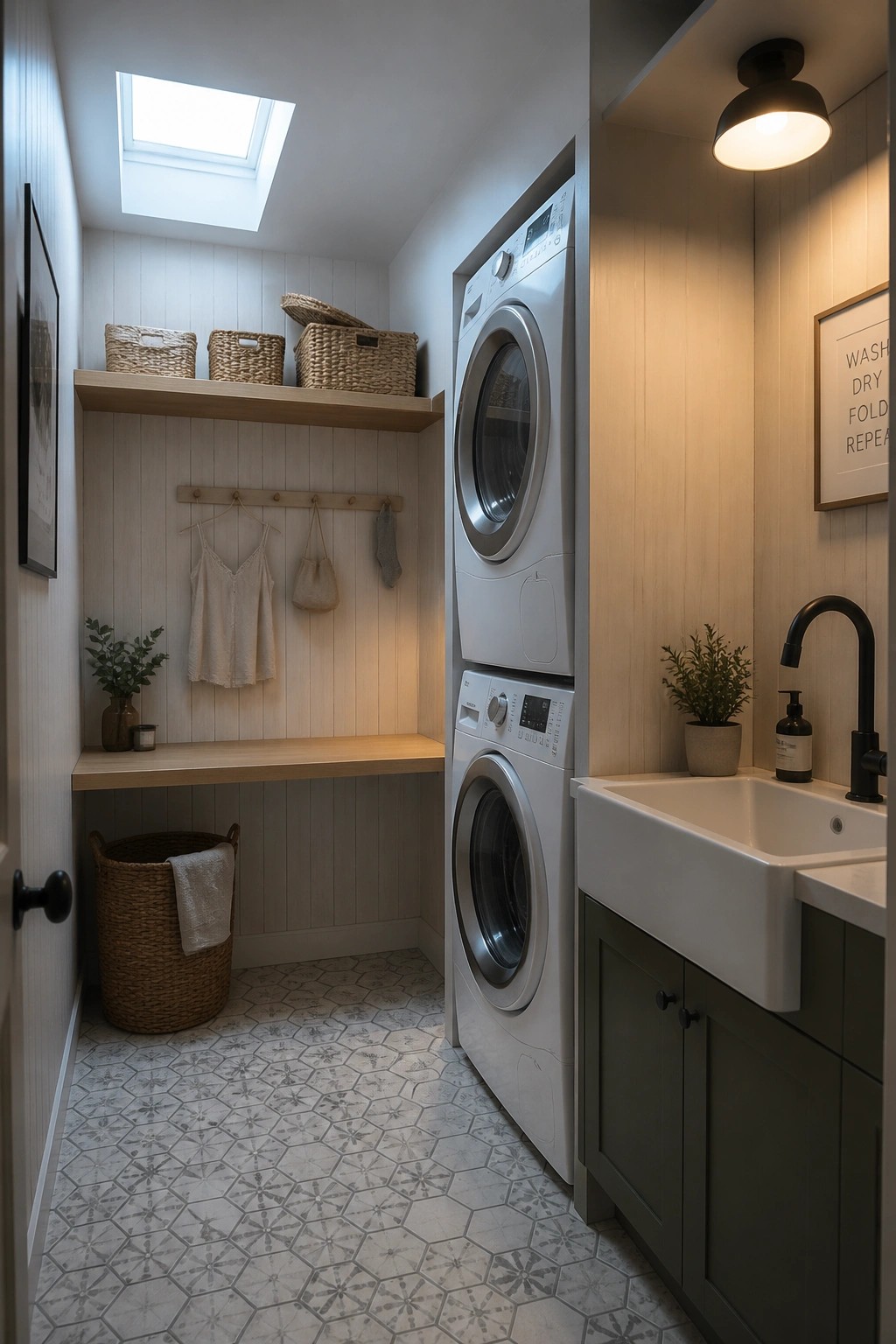
Wood cladding brings a simple warmth to laundry rooms that often feel cold and purely functional. Vertical planks in a light tone help the space feel more finished and connected to the rest of the home without adding much visual noise.
This approach works best in smaller or open laundry areas where you want the room to feel calm rather than purely practical. It pairs well with built-in shelves and simple storage so the focus stays on the material itself rather than clutter.
Horizontal Wood Slats as Outdoor Screens
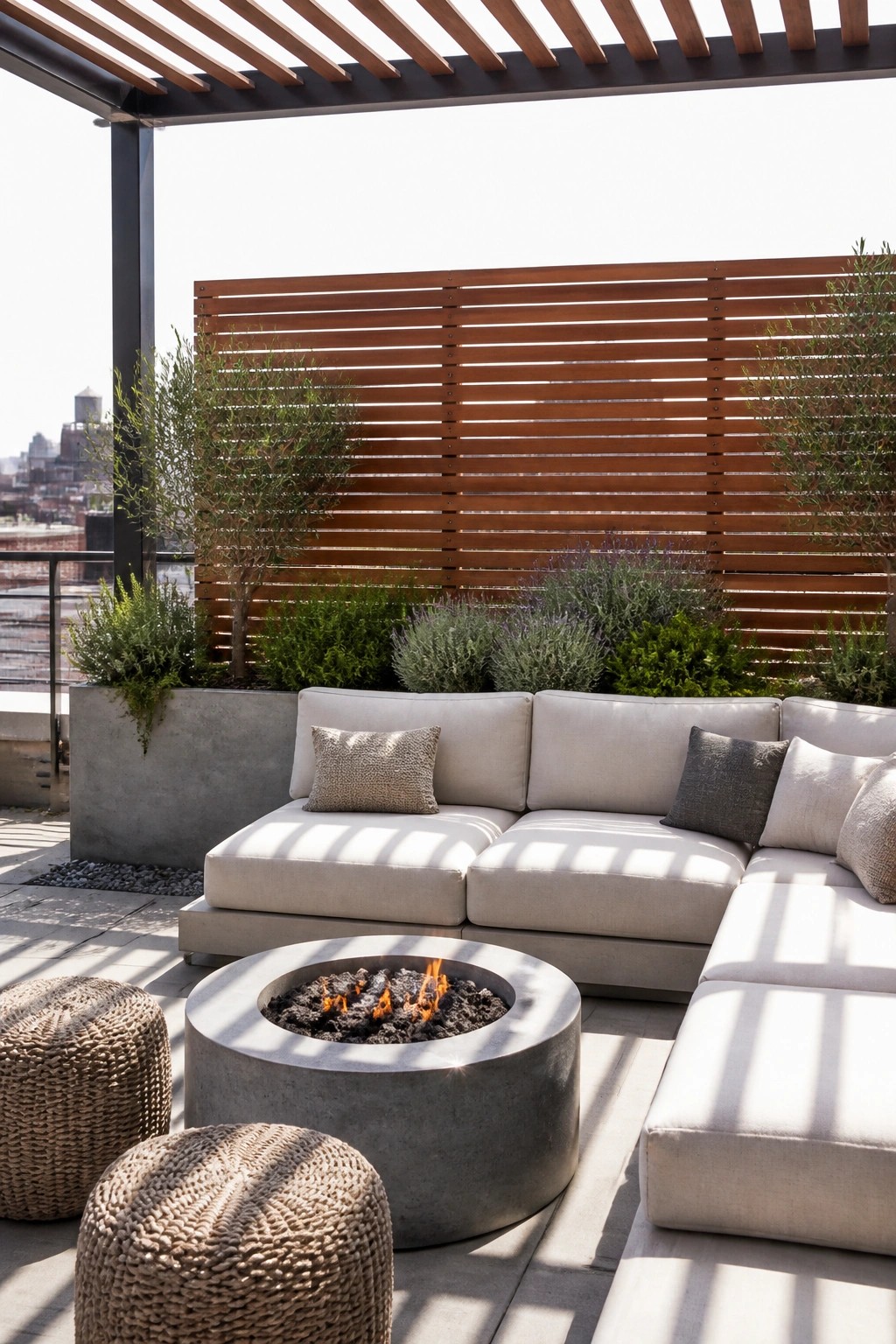
Horizontal wood slats make a simple and effective screen for outdoor seating areas. They create a clean backdrop that feels modern without closing the space off completely, and they help block views from neighboring buildings while still letting air and light move through.
This approach works best on rooftops or patios where you want some privacy but do not want a solid wall. Keep the slats evenly spaced and pair them with low planting in front so the wood does not feel too stark on its own.
Vertical Wood Cladding In Dining Areas
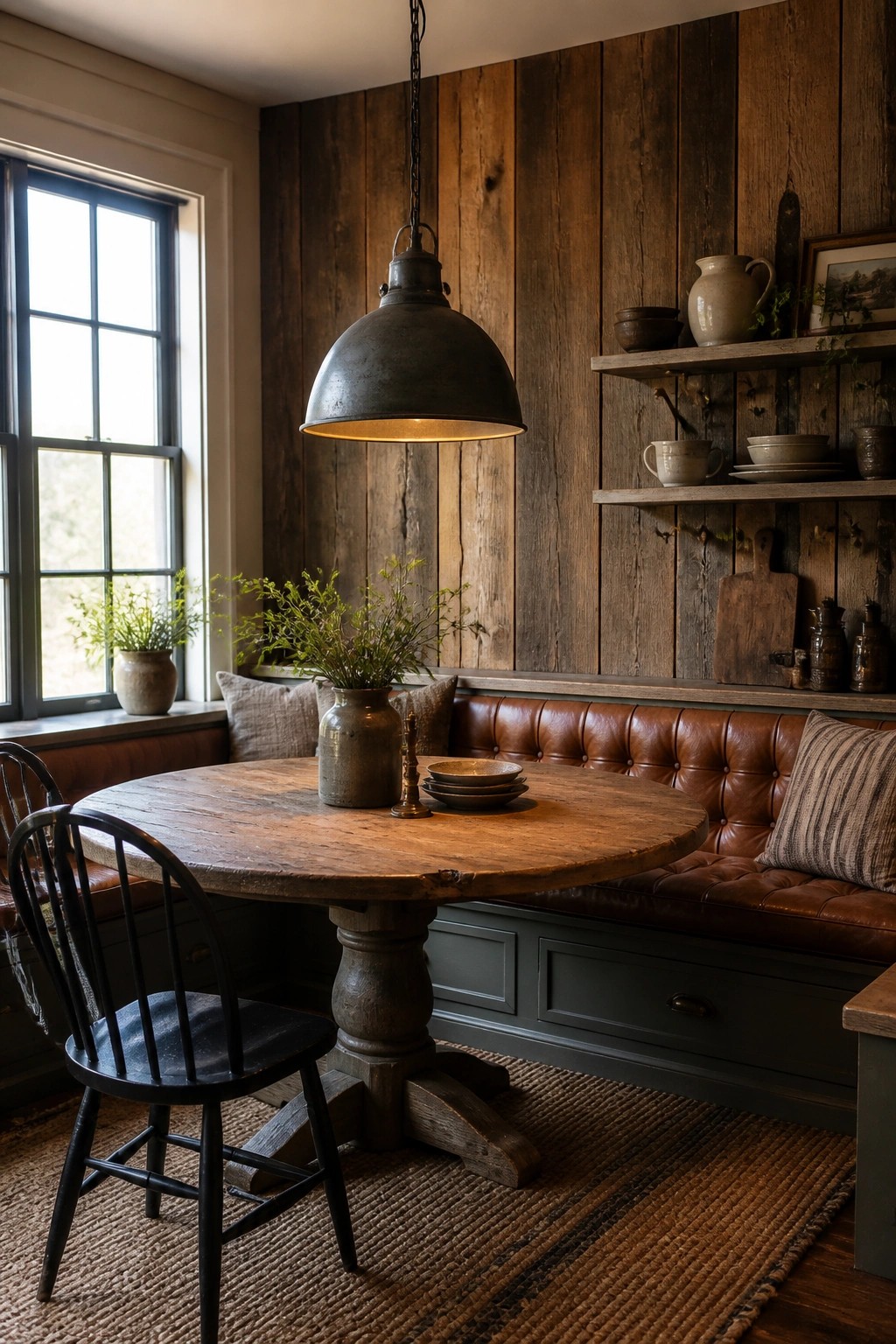
Vertical wood cladding works well in dining spaces because it adds texture without making the room feel heavy. The planks run floor to ceiling and give the wall a simple, structured look that pairs easily with both wood furniture and softer seating.
This approach suits homes that already have some wood tones and want to keep the warmth going. It works best on one main wall so the rest of the room stays light. Keep the finish matte and let the natural grain show through rather than trying to match every piece of furniture exactly.
Frequently Asked Questions
Q: How do I keep wood cladding from looking dull after a few years? A: Dust the surface weekly with a dry microfiber cloth. Rub in a light coat of linseed oil once a year to bring the grain back to life. Skip harsh cleaners that strip the natural finish.
Q: Will cladding make a small room feel even tighter? A: Choose lighter wood tones and run the boards horizontally to stretch the space visually. Leave one wall bare so the eye has room to breathe. The effect stays airy rather than boxed in.
Q: Can I install cladding over old drywall myself? A: Nail thin furring strips to the wall first for a flat base. Then attach the cladding panels with finish nails and wood glue. Work in small sections so you can check level as you go.
