

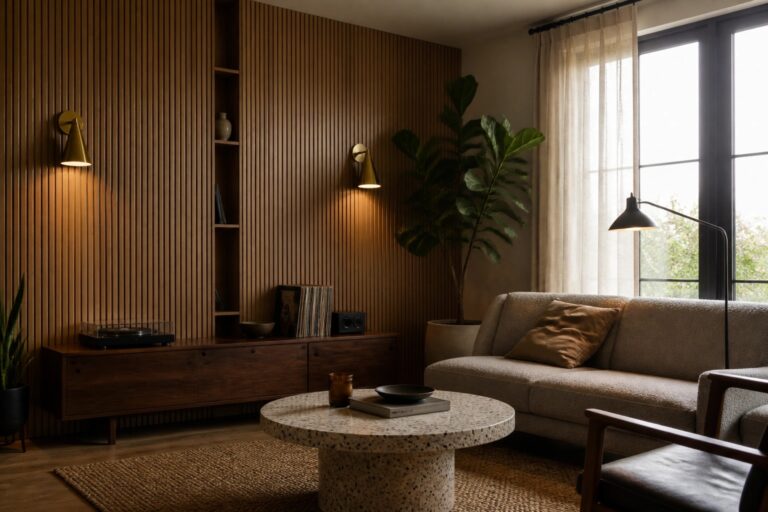
Over time I have come to appreciate how wood wall treatments shape the daily experience of a living room in ways that go beyond initial appearance.
They influence the temperature of the room both literally and in terms of visual warmth, which matters when you spend evenings there with others.
Scale is everything.
Matching the wood tone to existing floors or trim prevents the design from feeling like an afterthought added later.
I usually sketch out a few options on paper first to see how they might interact with the furniture I already have.
Vertical Wood Slats On A Feature Wall
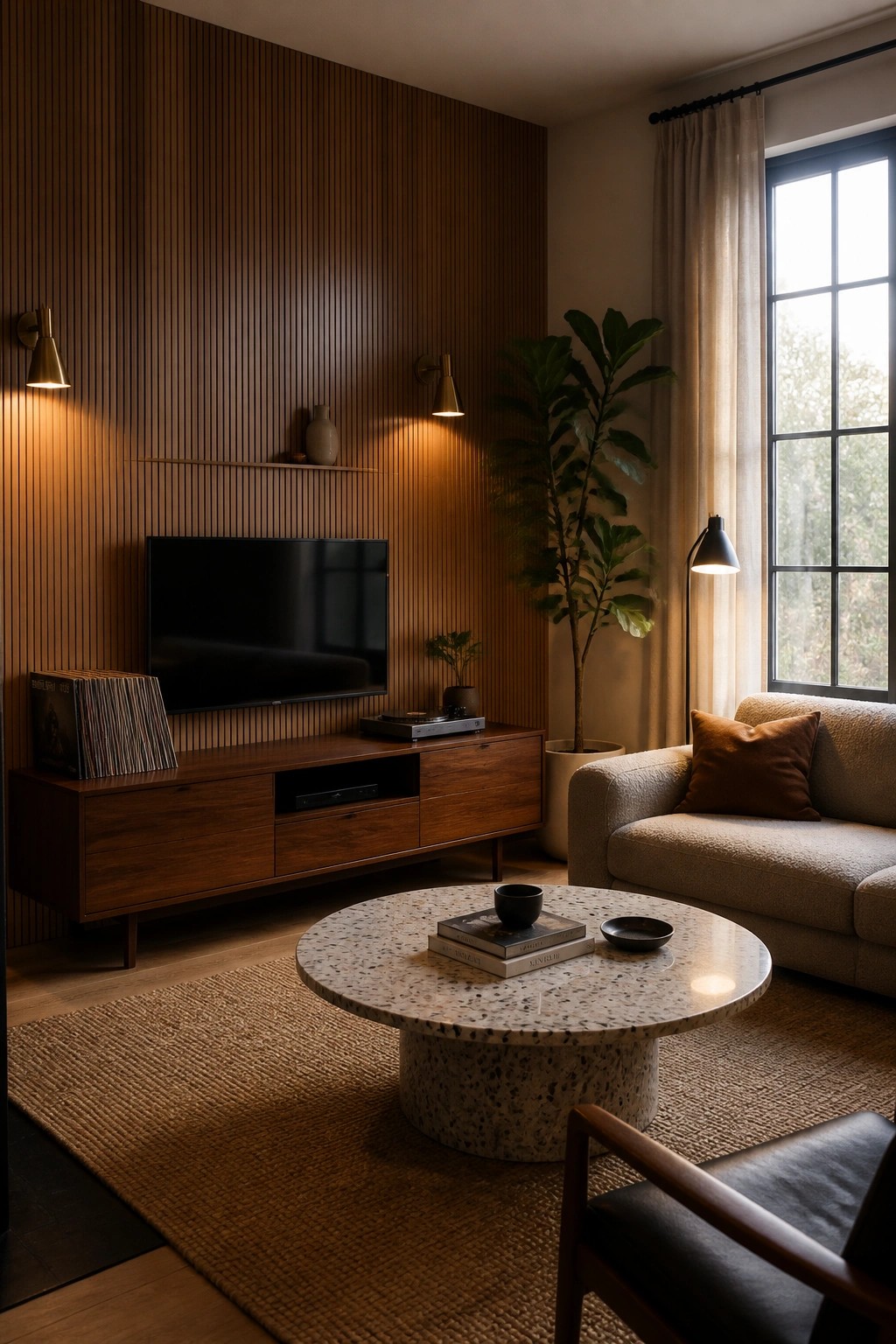
Vertical wood slats give a living room wall a clean, textured look that feels warmer than flat paint or drywall. Many people use this approach behind a TV or media console because it adds interest without needing extra decor.
This works best in rooms with simple furniture and light-colored floors or rugs. Keep the wood tone consistent with other wood pieces in the space so it feels like part of the room rather than a separate accent.
Herringbone Wood Walls
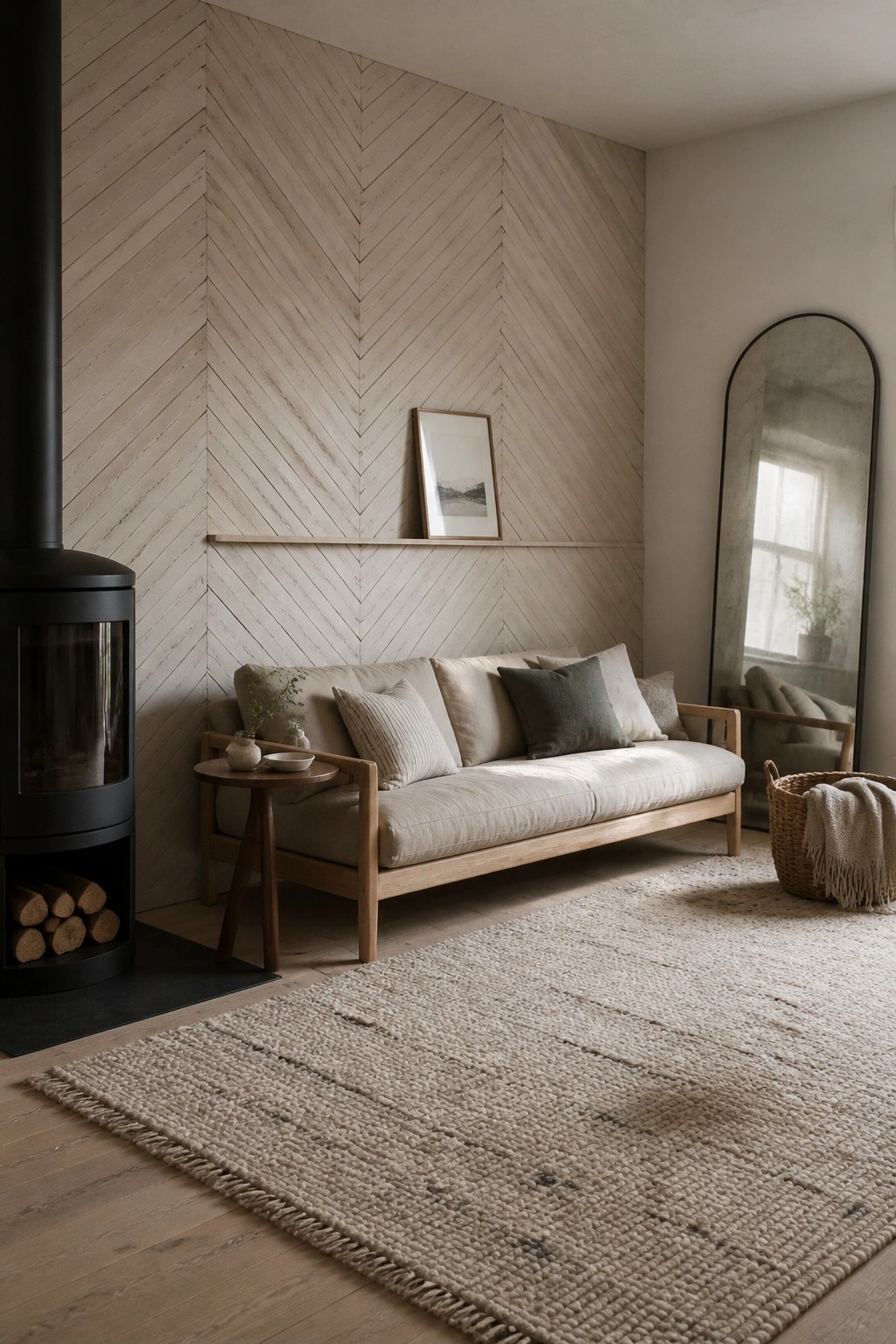
A herringbone wood wall gives a living room texture that feels calm rather than busy. The pattern adds interest behind a sofa without needing extra color or decoration.
It works best in simpler rooms where the wood can stand out on its own. Pair it with plain furniture and neutral floors so the wall stays the main feature.
Reclaimed Wood Accent Walls
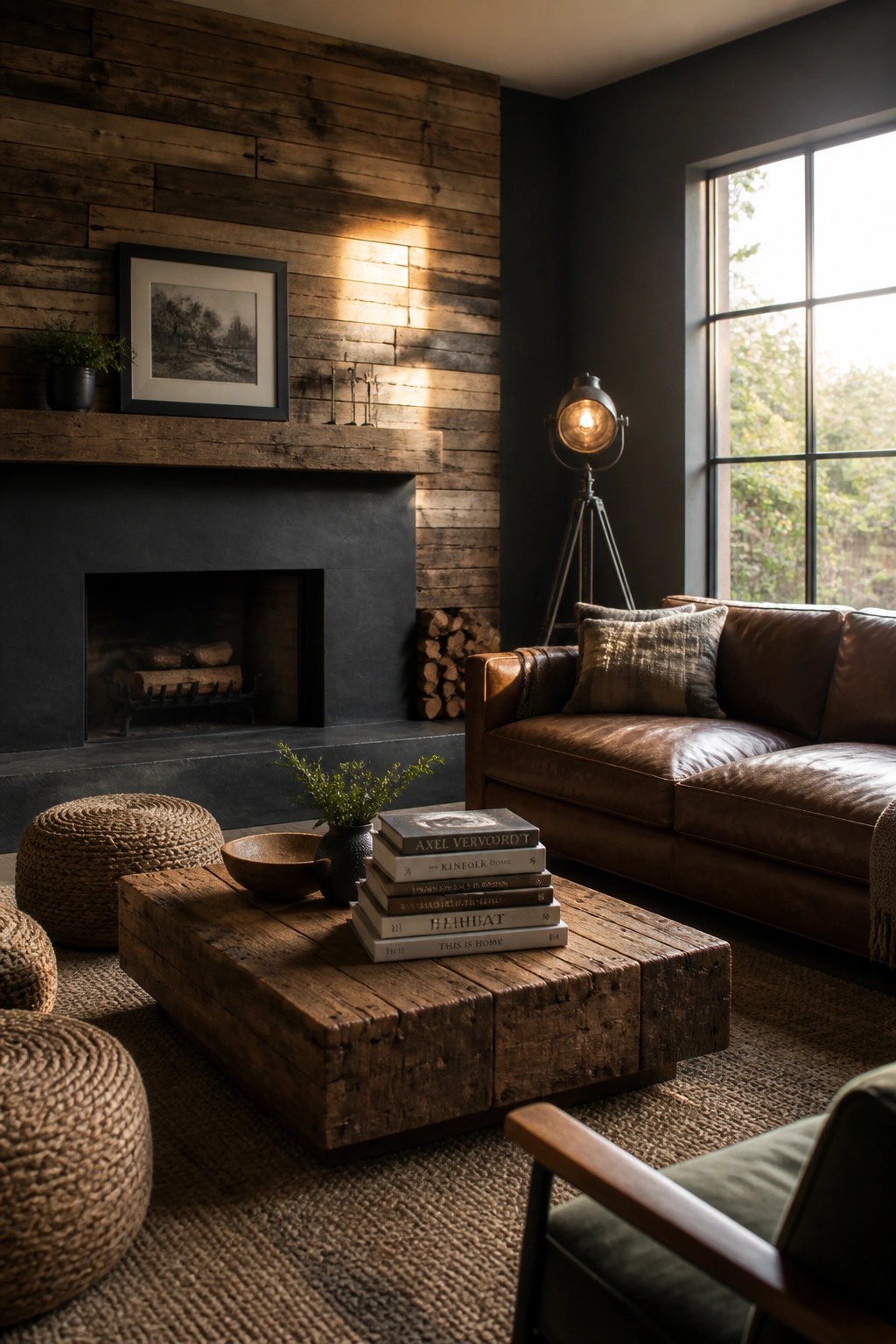
Reclaimed wood works well on an accent wall because the varied grain and tones add texture without much effort. It pairs naturally with a dark fireplace surround and helps the room feel warmer overall.
This approach suits living rooms that already have some wood furniture or leather seating. Keep other walls painted a solid dark color so the planks remain the main point of interest.
Wood Paneling as a Feature Wall
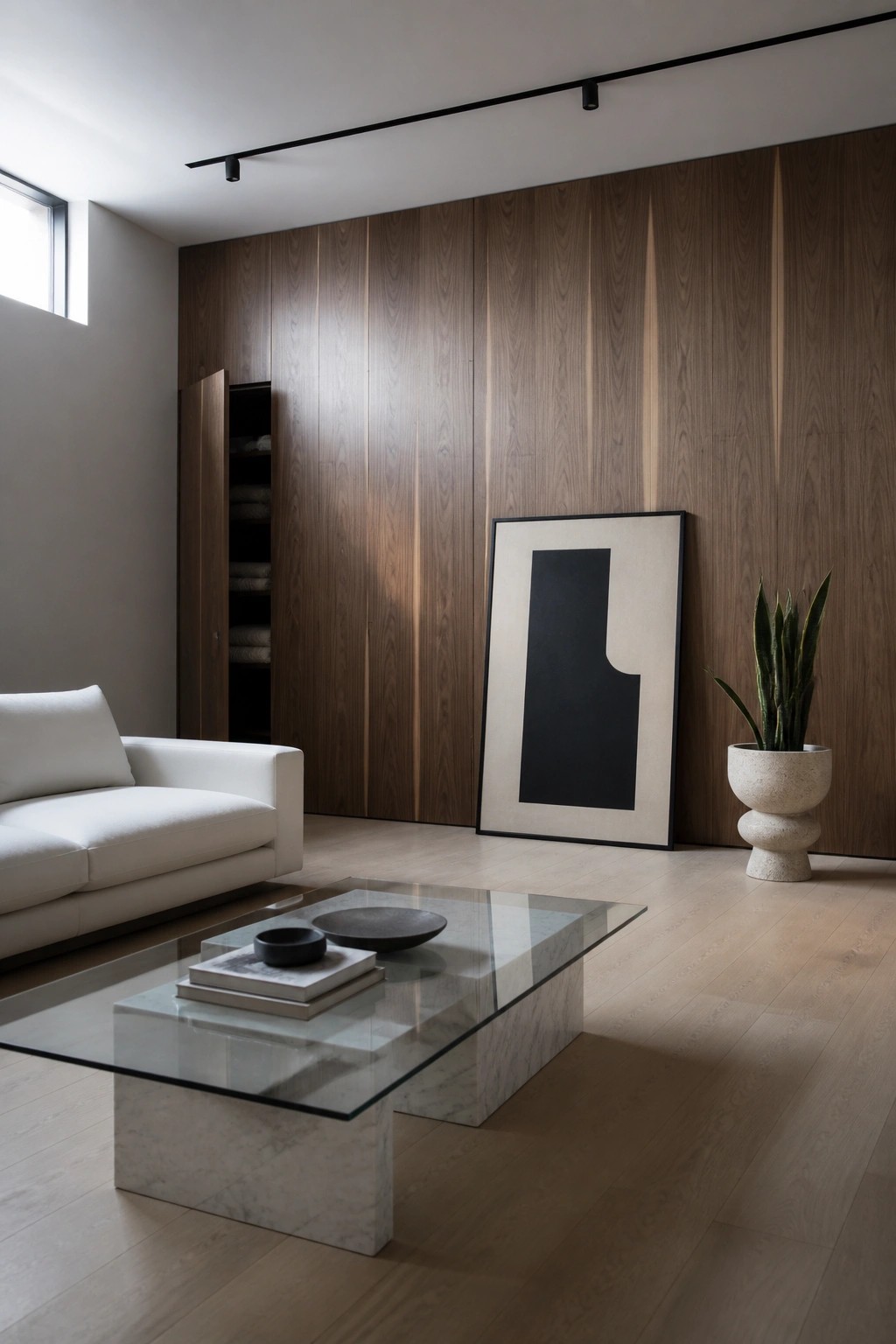
Vertical wood paneling gives a living room a solid, grounded feel that painted walls often lack. It adds natural texture and subtle movement through the grain without needing lots of extra decoration or color.
This approach works best in spaces that already have simple furniture and light floors. Keep the paneling on one main wall and consider adding hidden storage within it so the room stays uncluttered.
Mixing Wood Tones On Living Room Walls
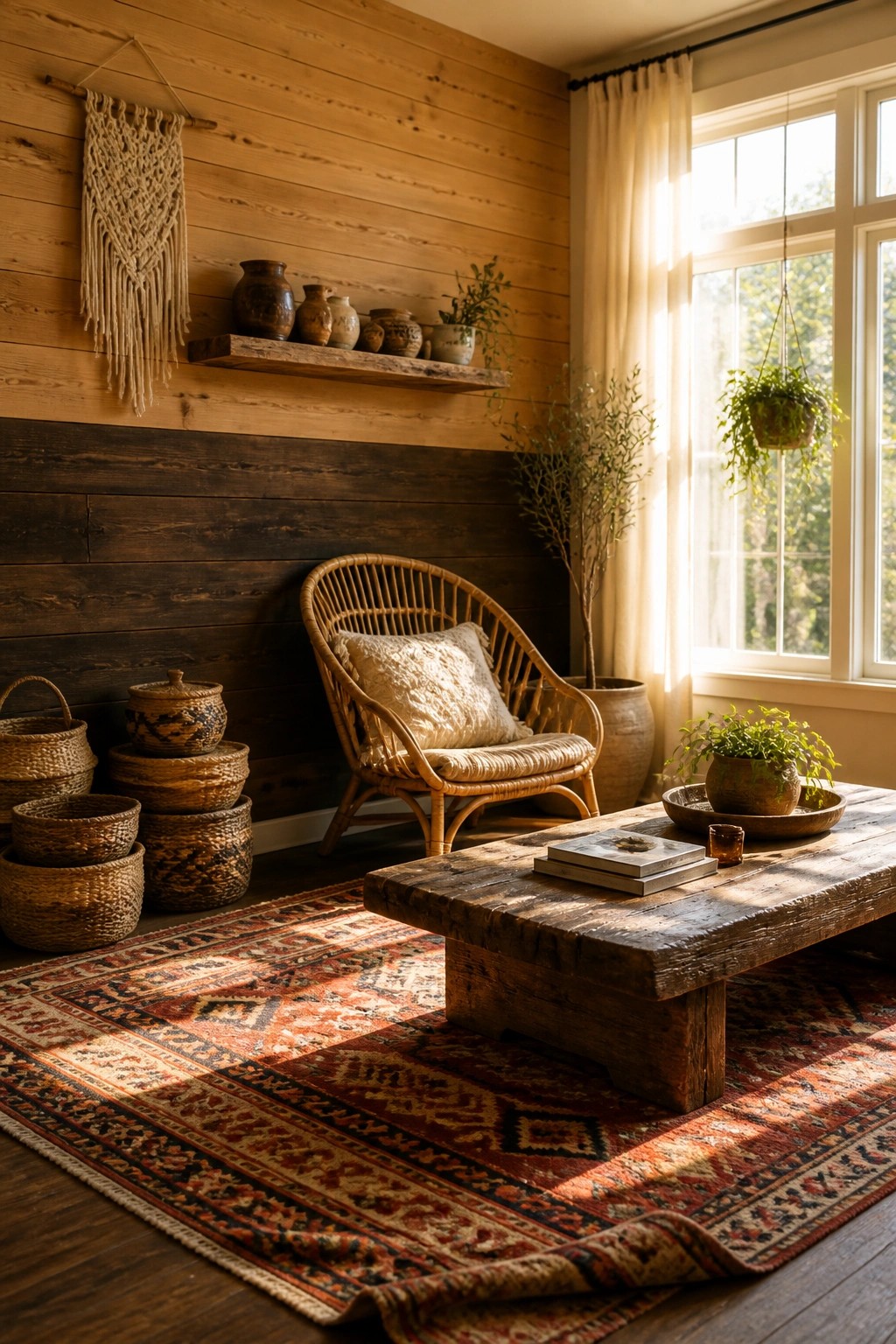
Using two wood tones on one wall gives a room warmth without much extra work. The lighter planks on top keep things bright while the darker lower section adds depth and a sense of grounding. A simple shelf at the break helps the change feel intentional rather than abrupt.
This look works best in living rooms that already have wood floors or furniture. It suits homes that get good natural light and do not need heavy color elsewhere. Avoid overcrowding the wall with too many small items so the wood itself stays the main feature.
Horizontal Wood Planks Add Texture to Living Rooms
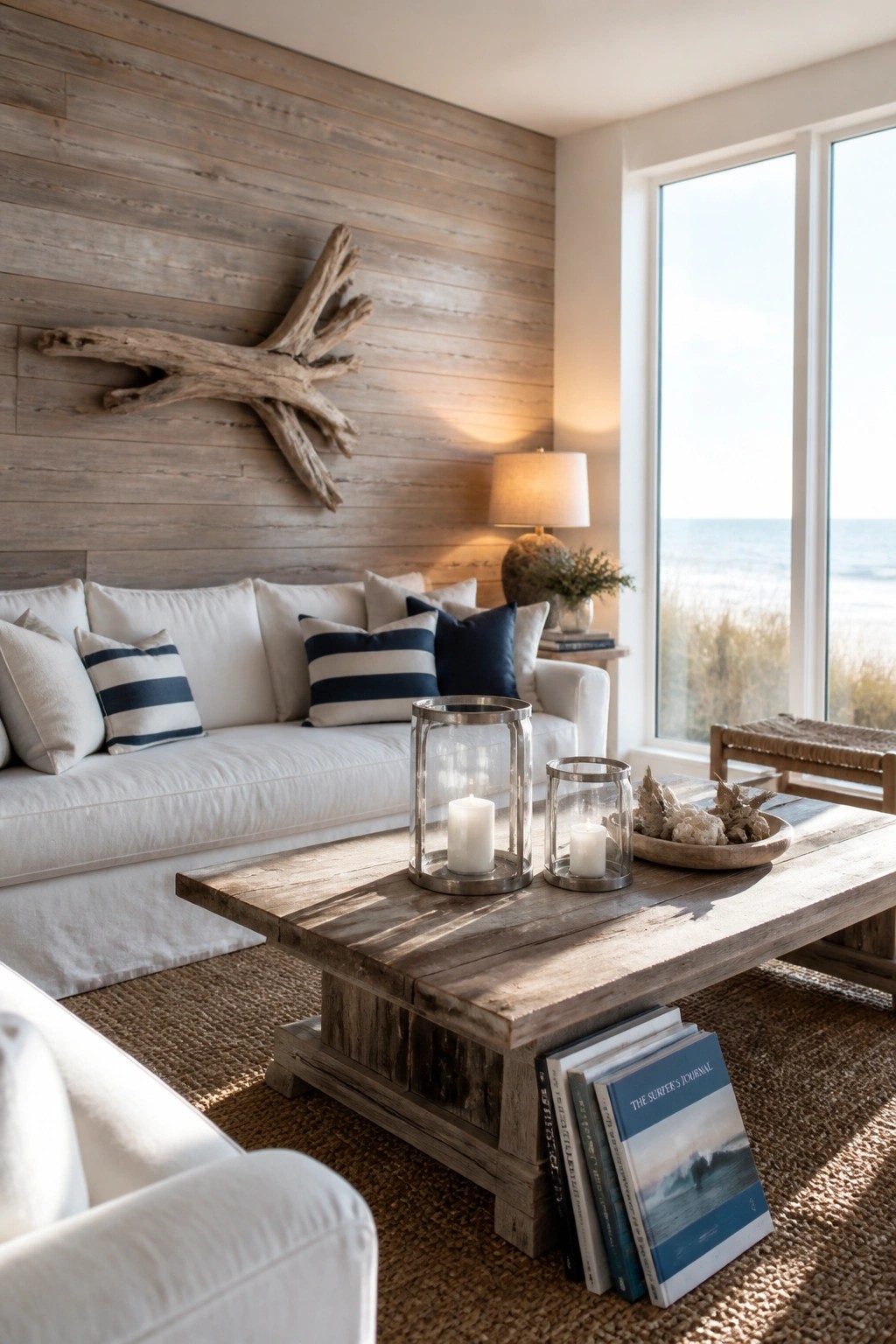
Many living rooms feel a bit flat when every wall is painted the same. A single wall of horizontal wood planks gives the space warmth and a bit of movement without crowding it with extra pieces.
This works best in rooms that already have simple furniture and good natural light. Keep the rest of the walls light and let the wood do the work, especially if the room opens to a view or gets plenty of sun.
Vertical Wood Slats Add Texture to Walls
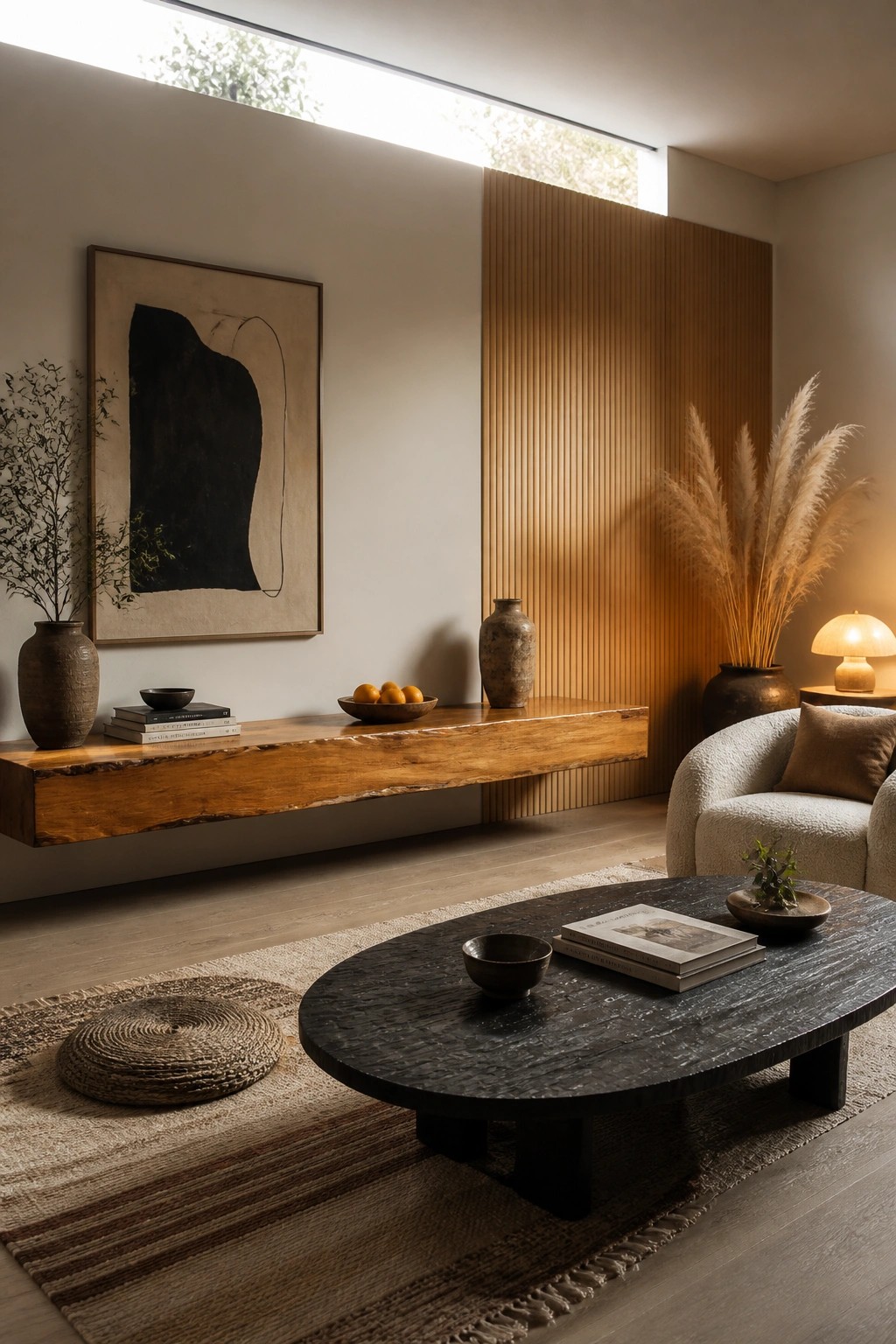
Vertical wood slats work well when you want a wall to feel more interesting without adding color or pattern. They bring a quiet rhythm to the surface and help the room feel warmer while still keeping a clean look.
Place them on one wall only, usually the one behind a sofa or console. They pair best with simple furniture and natural materials like wood or stone, and they suit spaces that already lean modern but need a bit more depth.
Vertical Wood Slats as a Feature Wall
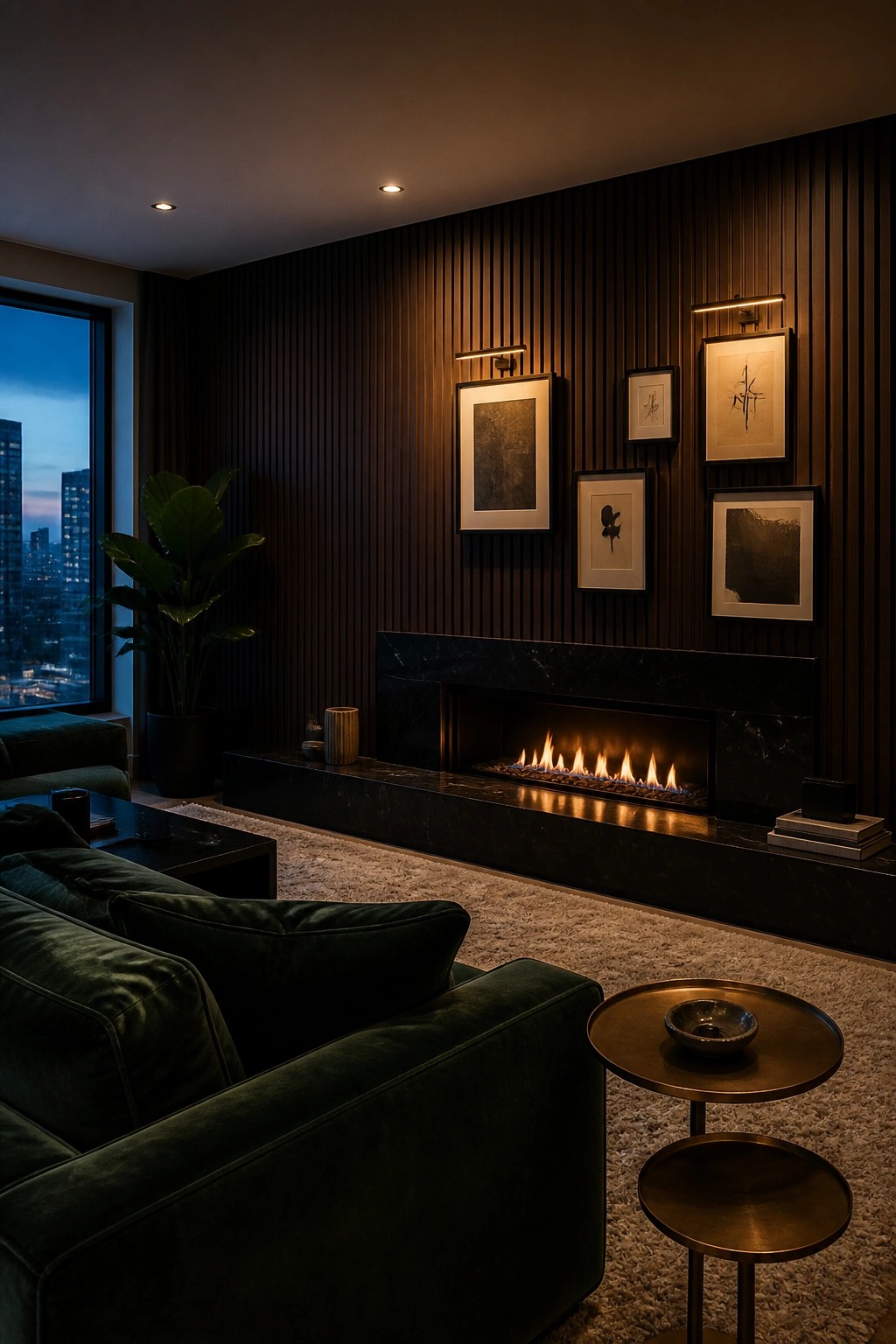
Vertical wood slats give a living room wall real presence without needing much else. They work especially well when placed behind a fireplace, where the lines add structure and the wood tone brings warmth to the whole space.
This treatment suits rooms that already have simple furniture and soft textiles. Keep the rest of the palette calm so the slats stay the main detail, and consider how the wood color will look with your lighting throughout the day.
Geometric Wood Accent Walls
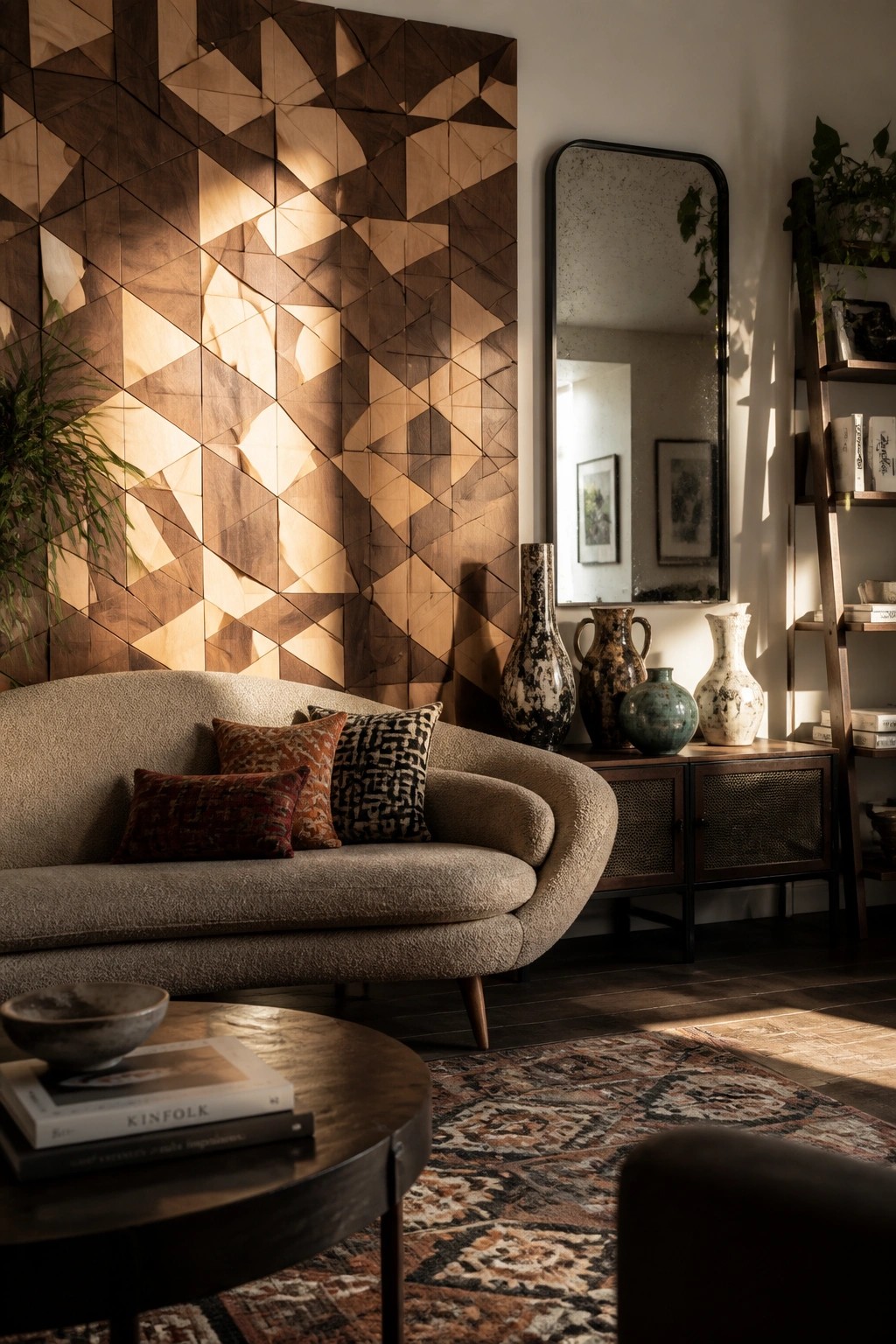
A geometric wood accent wall brings real texture and depth to a living room without needing lots of extra pieces. The angled panels catch light in interesting ways and give the space a structured look that still feels warm and natural. It works especially well when the rest of the room stays simple.
This idea suits modern homes that already have clean lines and neutral colors. Keep furniture low and understated so the wall stays the focus, and avoid overcrowding the surface with too many shelves or art. It also helps if the wood tone matches other wood elements in the room.
White Shiplap For Living Room Walls
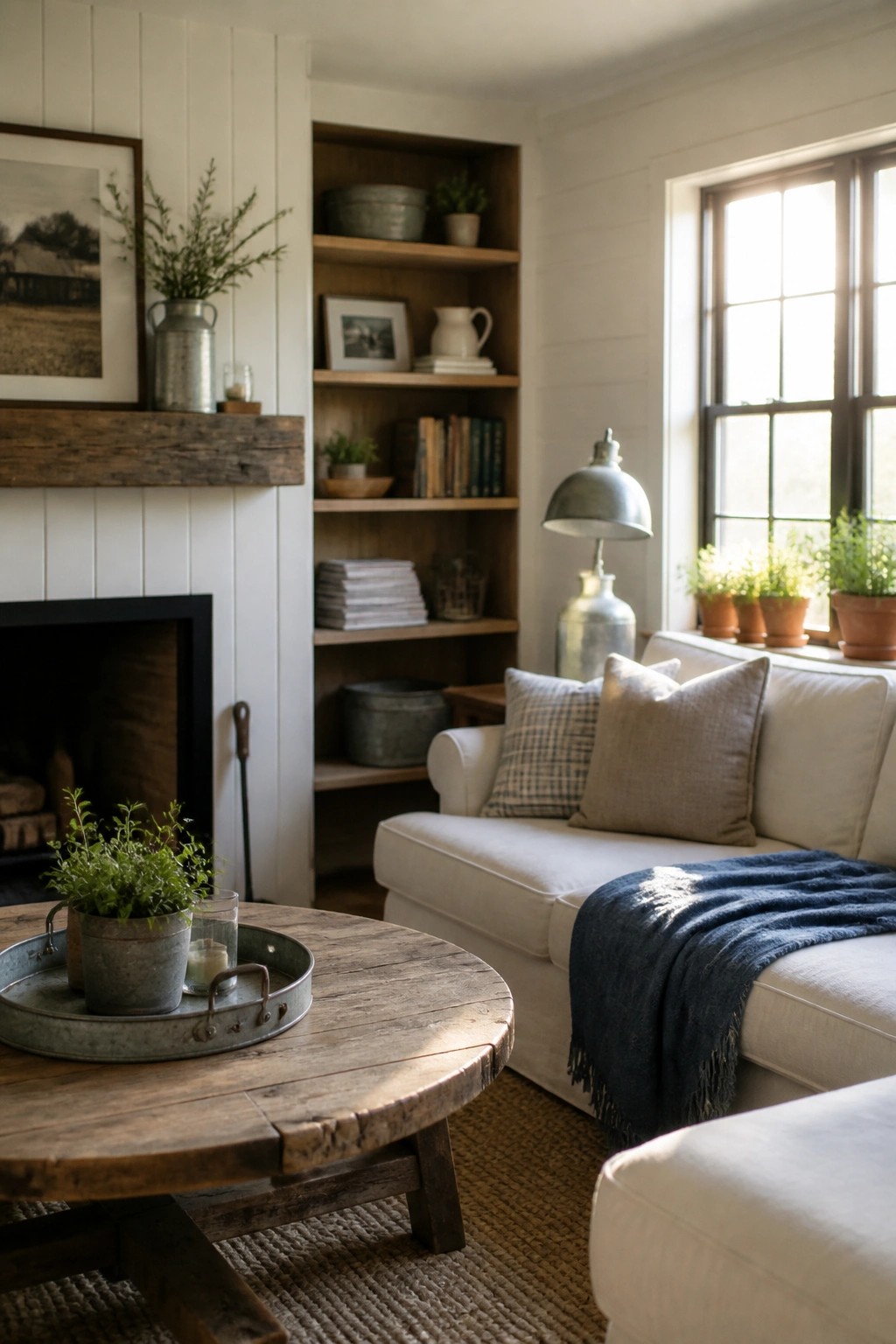
White shiplap gives a room texture without making it feel dark or heavy. It works especially well in spaces that already have wood elements like mantels or built-ins, since the paint keeps everything light and connected.
This approach suits homes that want a bit of farmhouse character without going full rustic. Keep the boards vertical if the ceilings are standard height, and make sure the wood has enough depth so the lines show up once painted.
Charred Wood Walls in Living Rooms
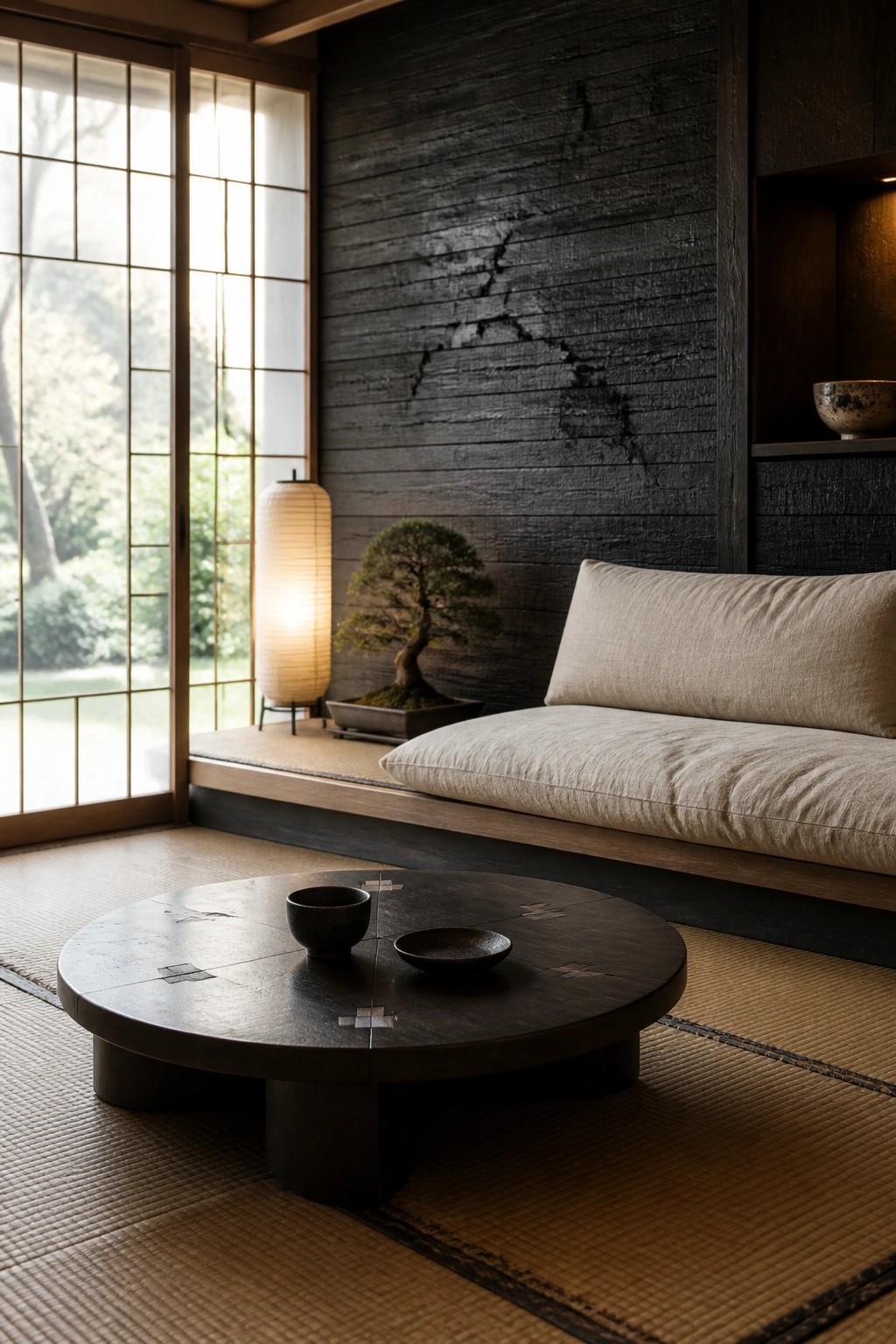
A dark textured wood wall gives a living room instant depth and a quiet focal point. The finish feels natural but still modern, and it works best when everything else in the room stays light and simple.
This approach suits homes that already lean toward clean lines and minimal furniture. Pair it with pale seating and low tables so the wall does the main work without needing extra decoration.
Dark Wood Paneling in Living Rooms
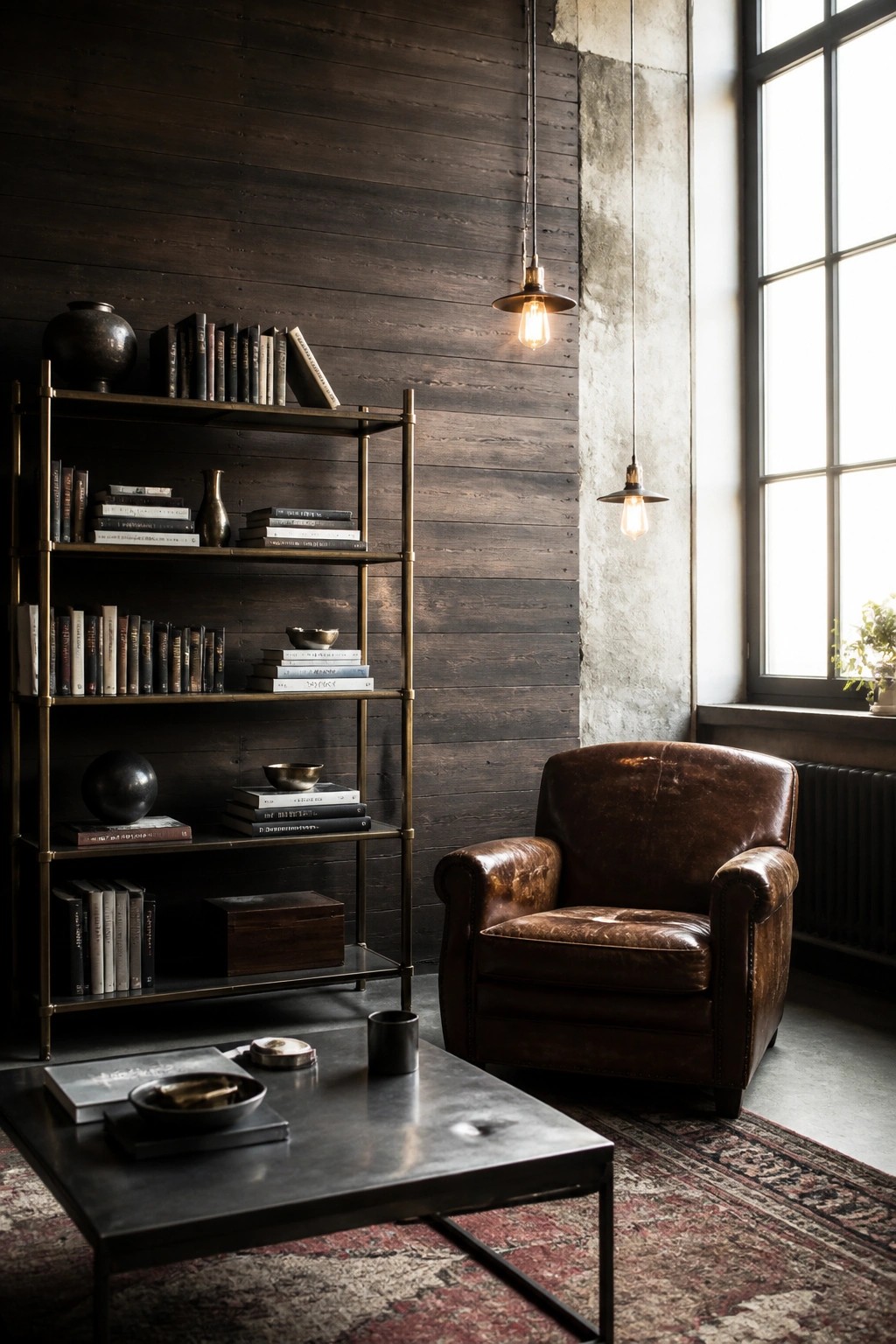
Dark wood walls work well when you want a living room that feels grounded and a little more enclosed without turning it into a cave. The vertical planks add texture and depth that pairs nicely with metal, leather, and concrete.
This look suits rooms that already have good natural light and higher ceilings. Keep the wood on one wall only and balance it with lighter floors or furnishings so the space does not feel heavy.
Pegboard Walls For Flexible Displays
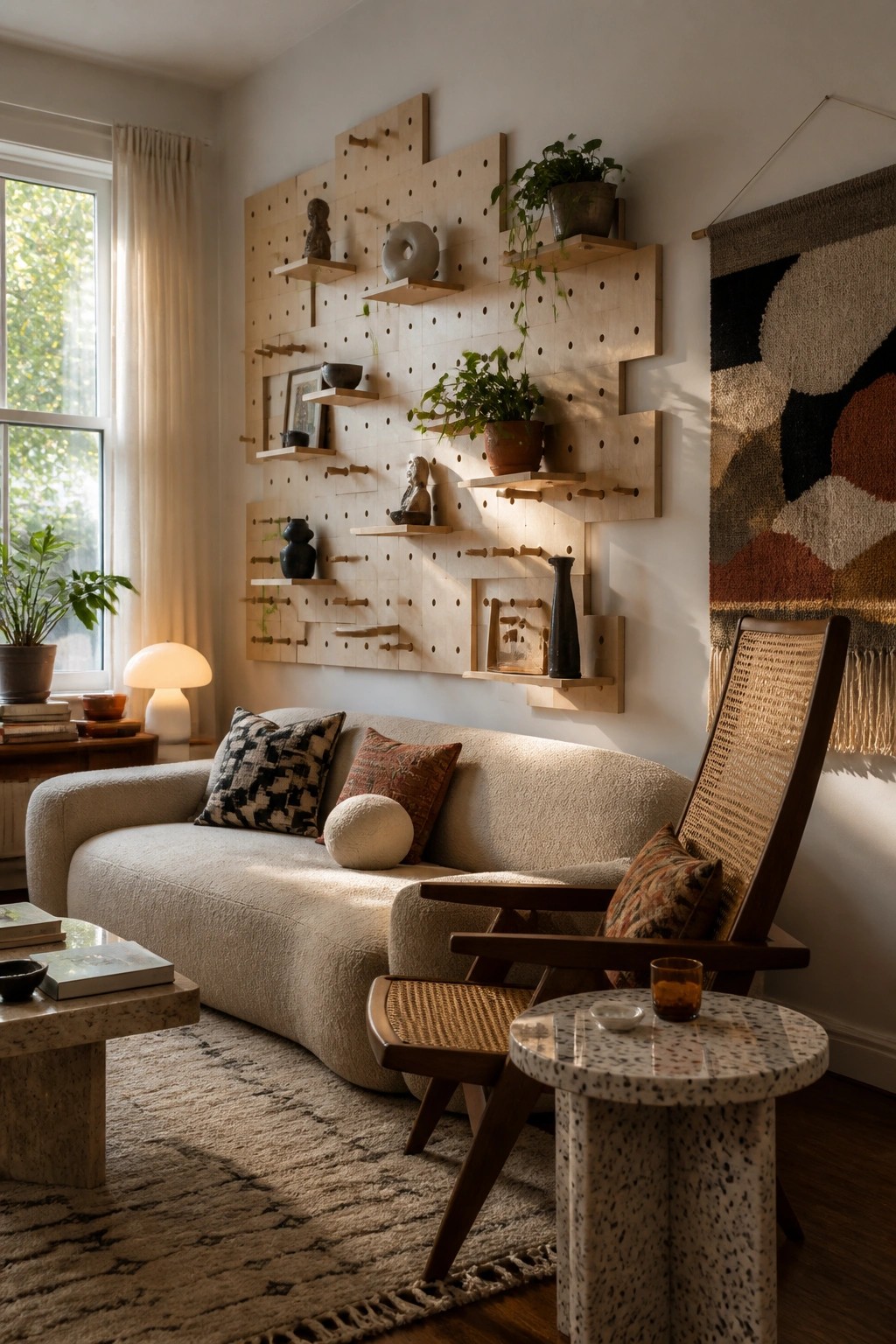
A pegboard wall made from wood gives you a simple way to change up what you show without putting new holes in the wall. The pegs and small shelves can be moved around whenever you want, which makes the whole thing feel less permanent than built-in shelving. It works especially well in living rooms where you like to swap plants, books, or small objects with the seasons.
This kind of wall suits homes that already have some wood tones and need a bit more storage without adding bulky furniture. Keep the layout fairly open so it does not feel crowded, and use it on a main wall rather than trying to squeeze it into a small corner.
Wood Paneling As A Feature Wall
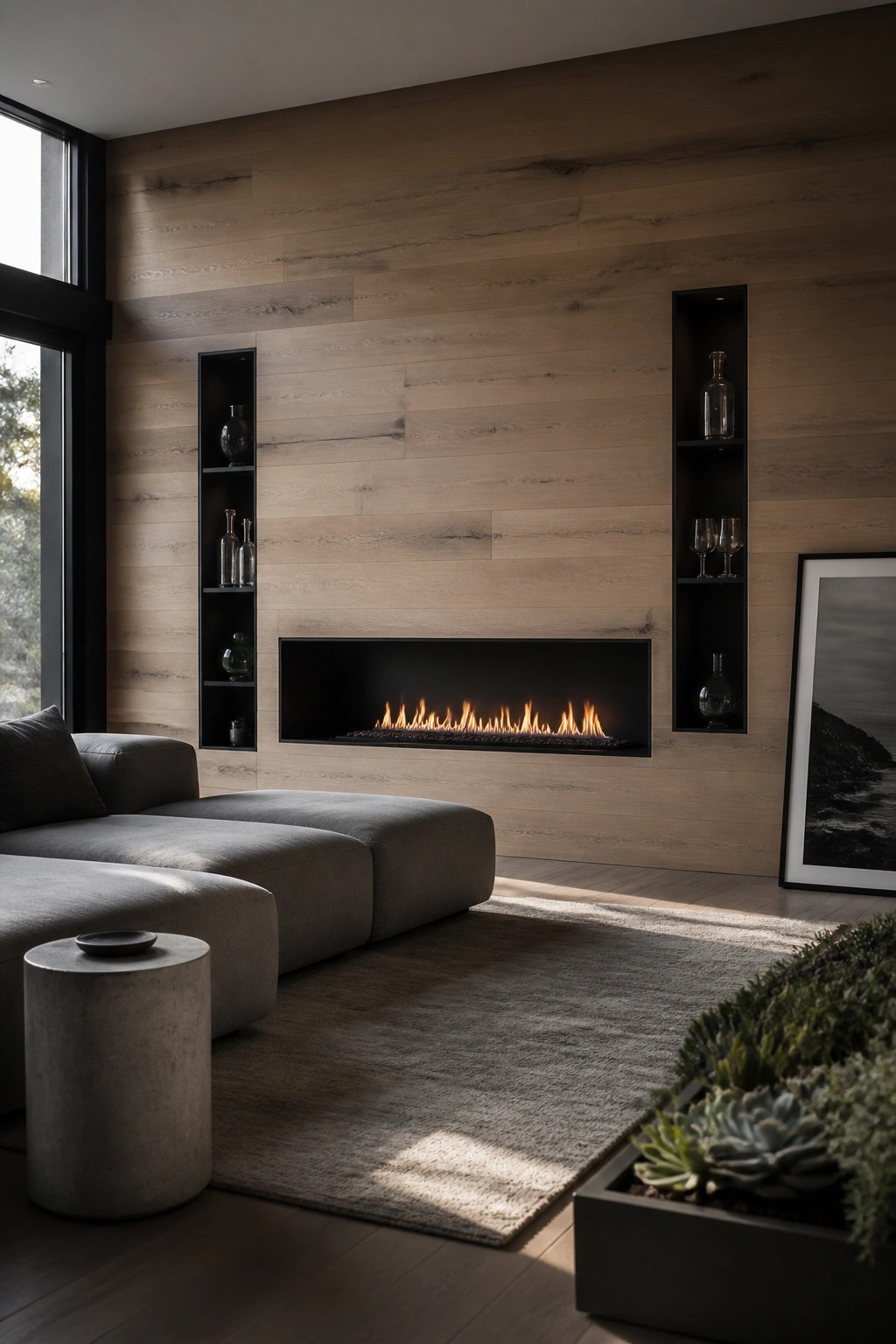
Wood paneling works well when it covers just one wall in a living room. The natural grain adds texture and a bit of warmth that plain drywall often lacks, especially in spaces with clean modern lines.
This idea fits best in rooms where you want the seating area to feel grounded without adding much clutter. Keep the planks horizontal and let them run wall to wall, then add a few recessed niches for balance. It suits homes with plenty of natural light and simple furniture so the wood stays the main material choice.
Wood Accent Walls with Recessed Niches
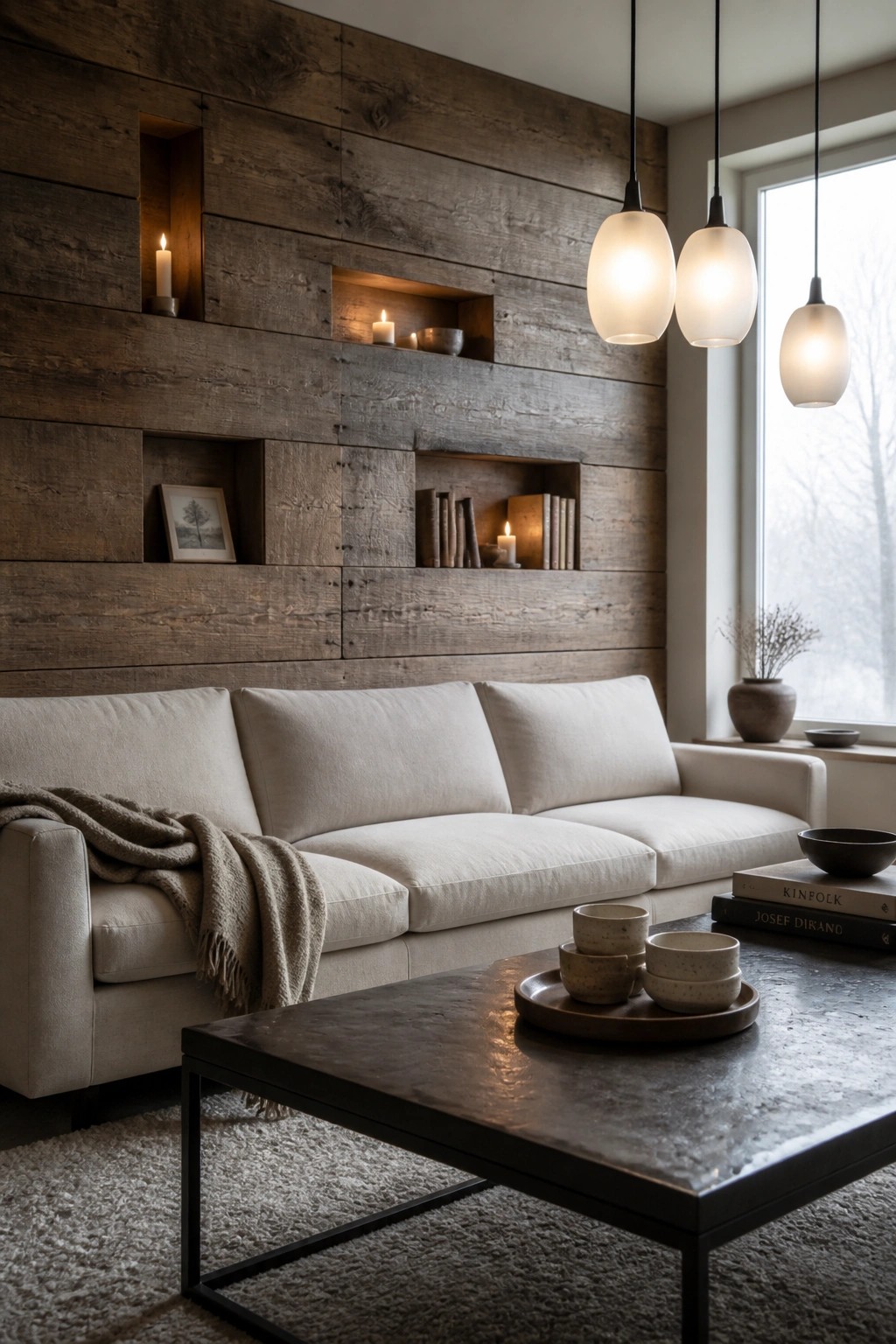
A wood accent wall gains more character when you add recessed niches. These built-in spots break up the flat surface and create natural places for a few small items without adding extra furniture or clutter.
This works best in living rooms that already lean modern or slightly rustic. Keep the niches shallow and limit what goes in them so the wood remains the main feature rather than a busy display.
Painted Wood Paneling for Accent Walls
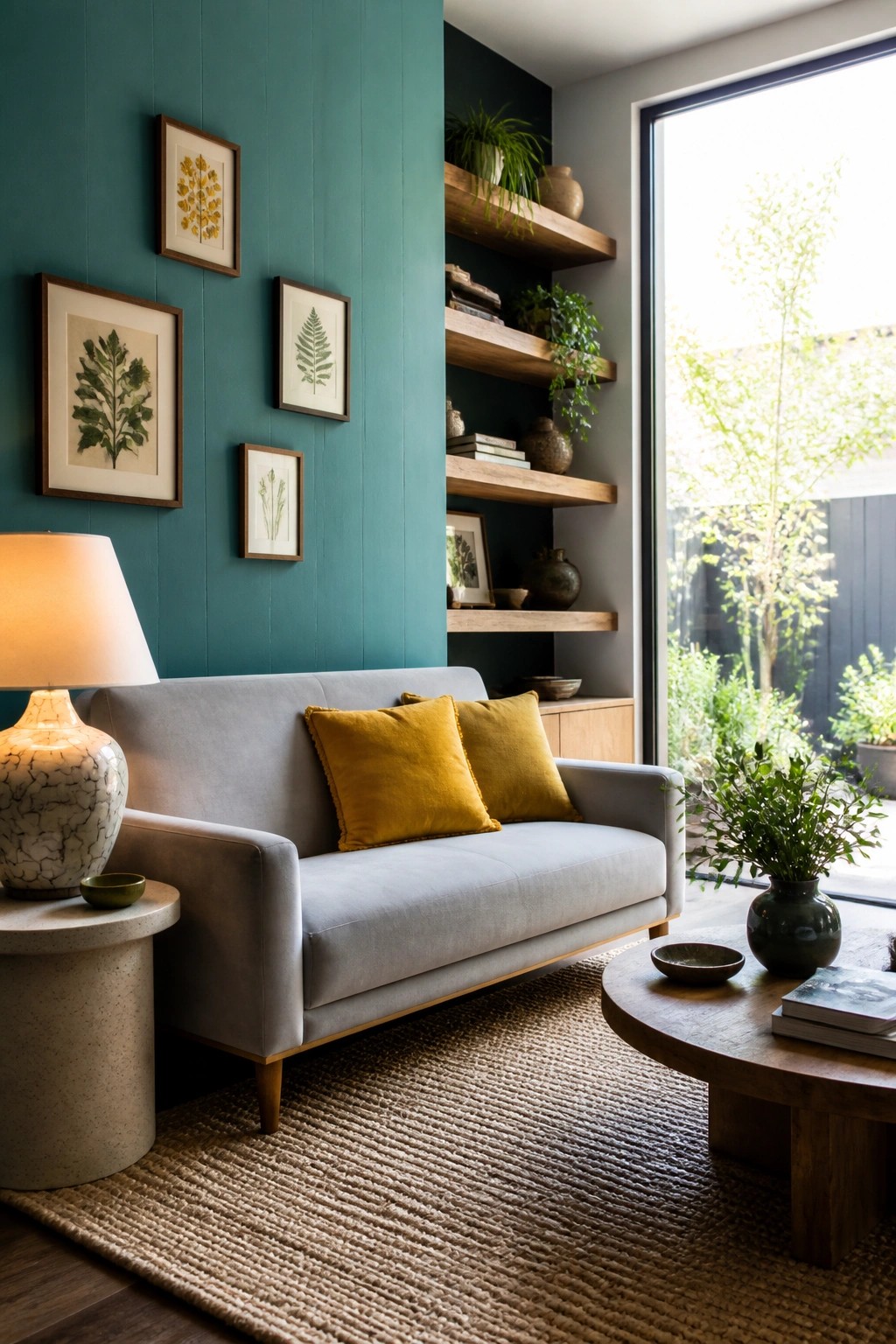
Vertical wood paneling painted in a deep color gives an accent wall real presence without making the room feel heavy. The texture from the wood shows through just enough to add interest while the paint keeps things modern and simple.
This approach works best in living rooms that need a focal point but still want a calm overall feel. Keep the rest of the walls light and let the paneling carry the color.
Vertical Wood Slats For Texture
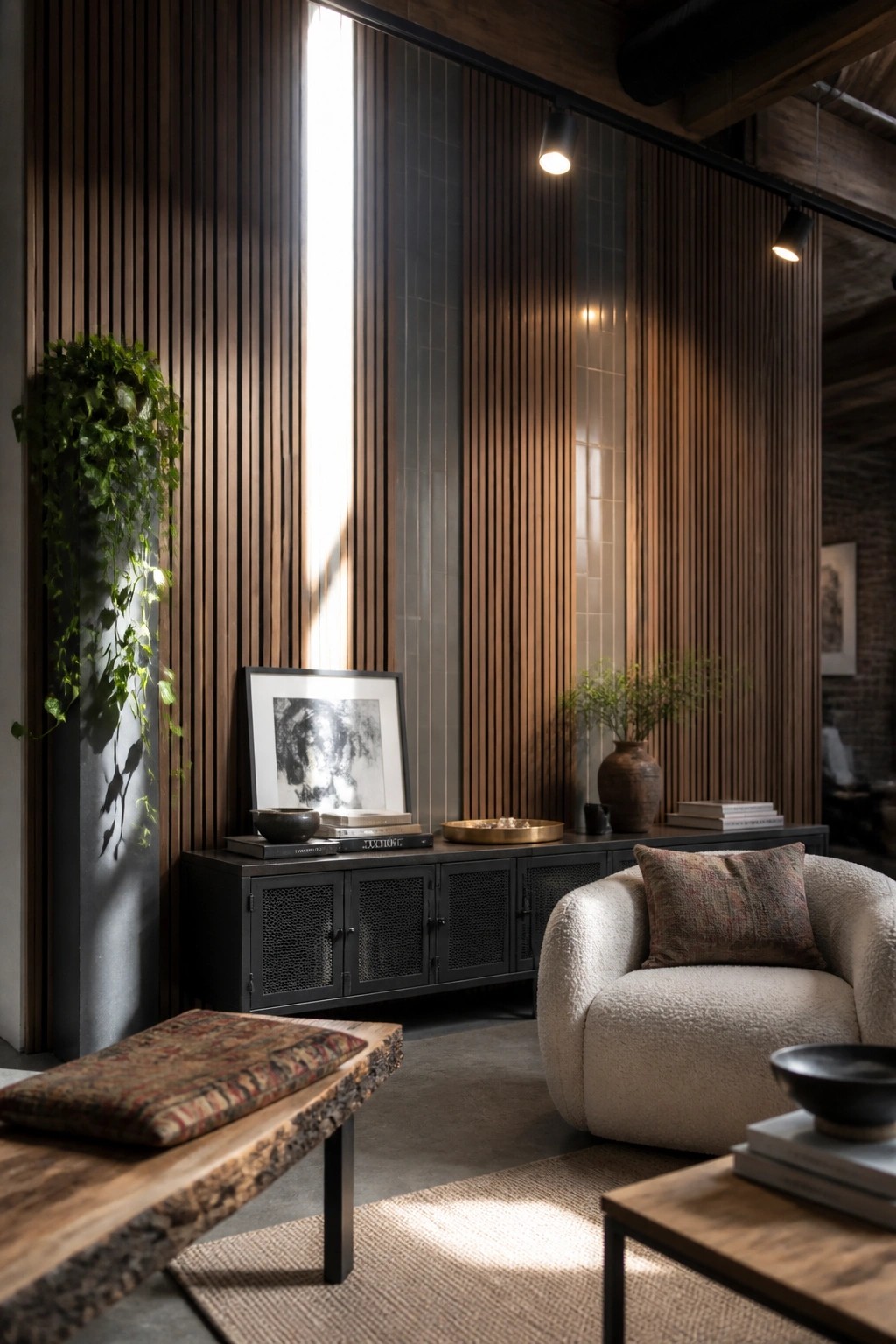
Vertical wood slats give a living room wall depth without making the space feel busy. The lines add height and a natural material that works with most color schemes.
This treatment suits rooms that already have clean lines and neutral furniture. Keep the rest of the finishes simple so the slats stay the main feature.
Wood Walls With Built-In Niches
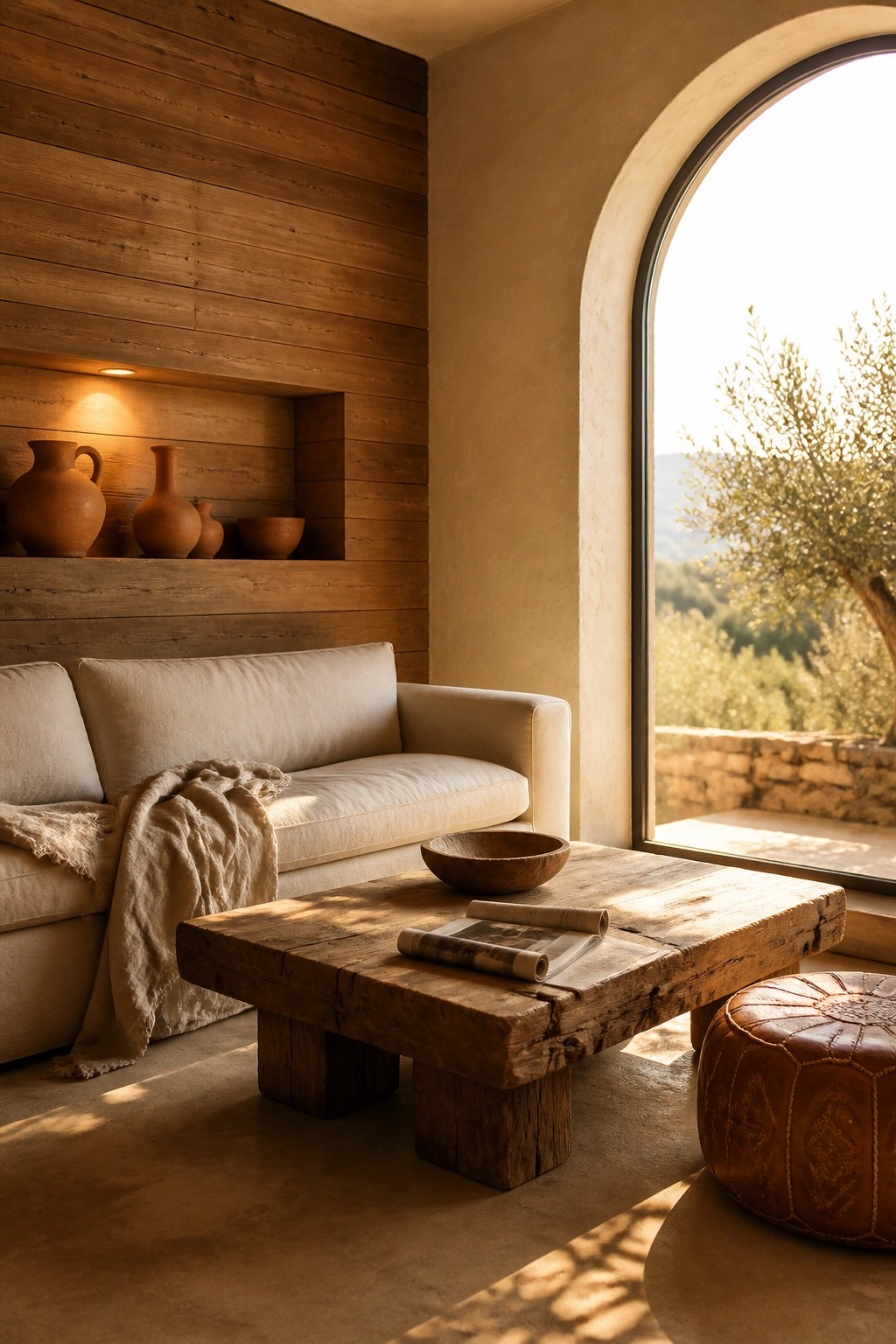
Vertical wood planks work well as an accent wall because they add texture without making the room feel busy. The natural grain brings warmth that pairs easily with neutral furniture and soft fabrics.
A recessed niche cut into the wood gives you a simple way to display pottery or small objects. This approach suits living rooms that already lean on natural materials, and it works best when the niche lighting stays low so it does not compete with the wood itself.
Horizontal Shiplap For Everyday Texture
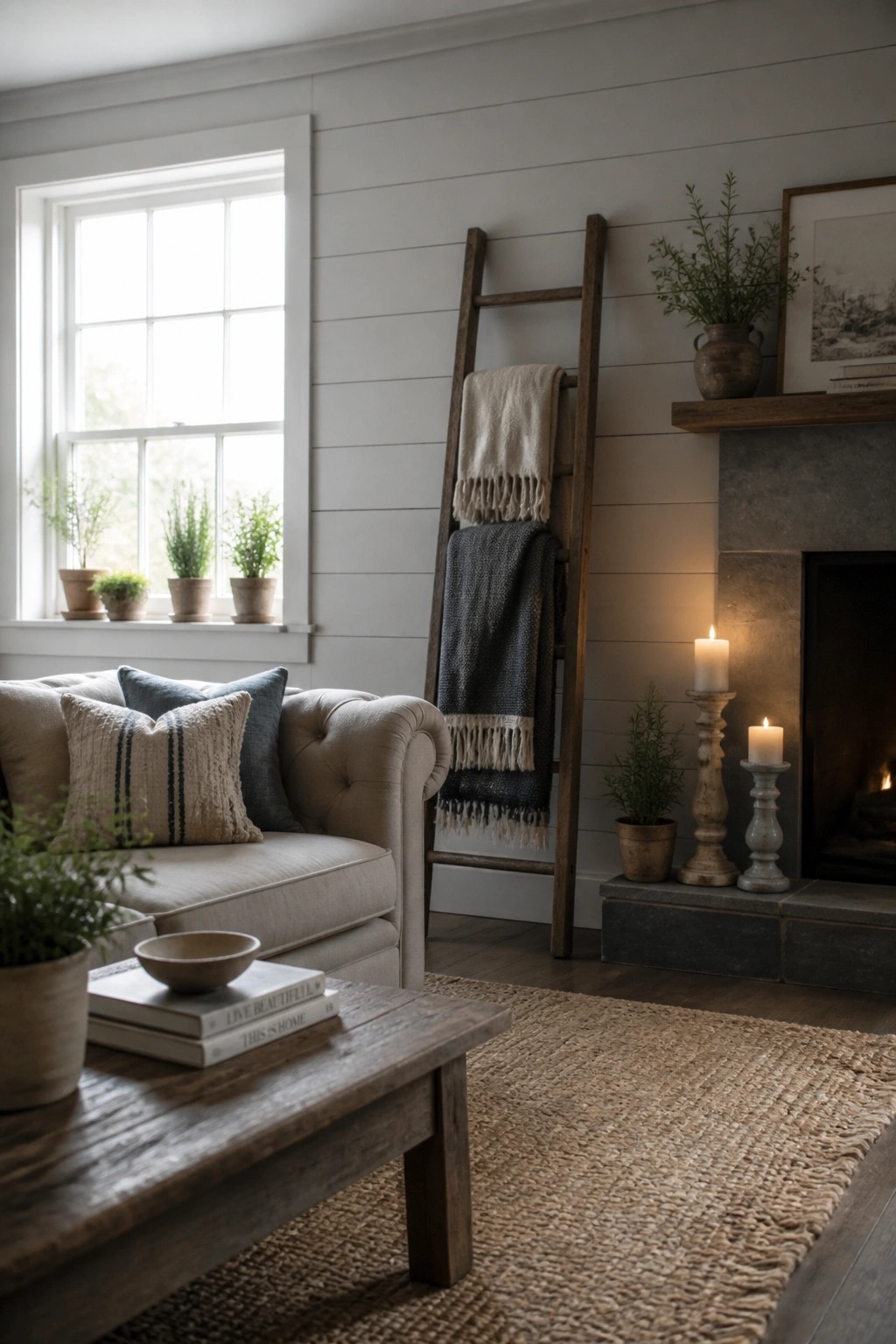
Horizontal shiplap gives a living room wall just enough pattern to feel finished without taking over the space. It works especially well in rooms that already have soft colors and simple furniture, since the lines add a quiet layer of interest that paint alone cannot provide.
Many people like it because it feels familiar and current at the same time. This approach suits homes that want a bit of farmhouse character without going full rustic.
Keep the boards painted in a light neutral so the texture stays in the background, and let one or two wood pieces, like a ladder or mantel, bring in warmth. It also helps the room feel a little cozier in winter when the light is low.
Herringbone Wood Walls
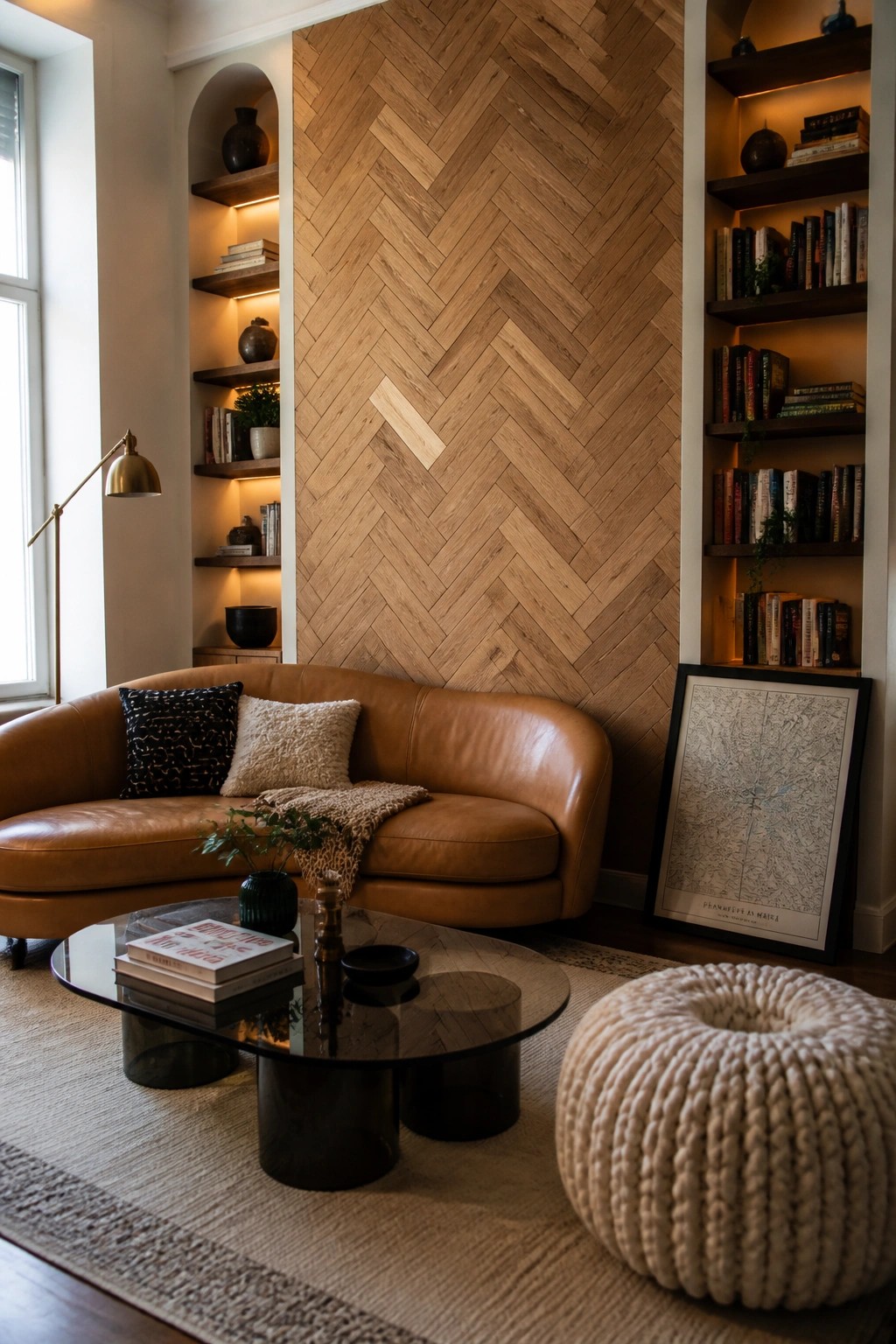
Herringbone wood walls give a living room texture and warmth without needing lots of extra decoration. The pattern draws the eye naturally and works especially well when the wood tone matches other natural elements in the space.
This approach suits modern rooms that still want some traditional character. It works best on one main wall rather than all around the room, and it pairs nicely with simple furniture so the wall stays the focus.
Vertical Wood Paneling in Living Rooms
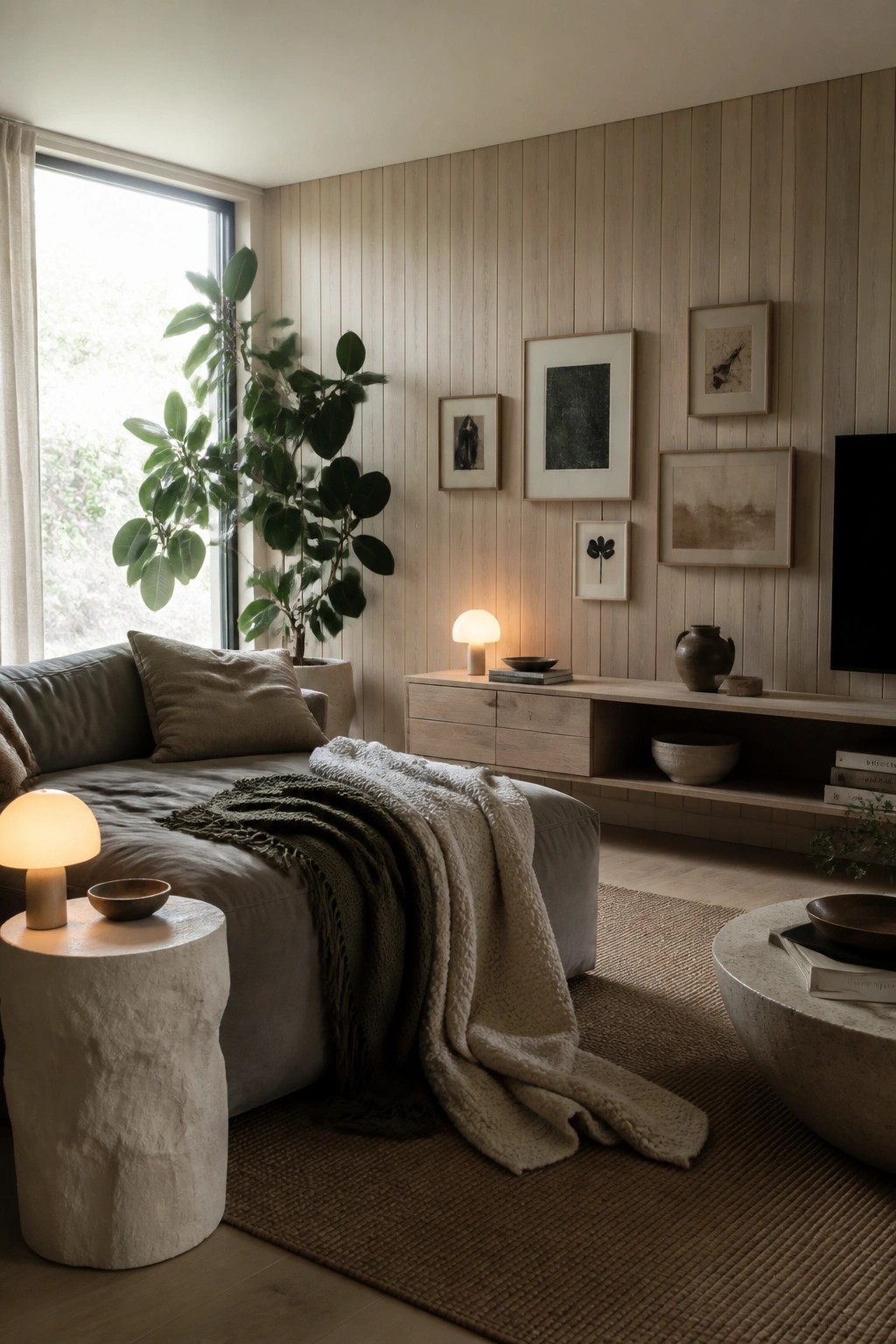
Vertical wood paneling gives a living room a steady, grounded look that feels natural without trying too hard. The upright lines draw the eye upward and the wood tone adds just enough warmth to balance out modern furniture and plain textiles.
This approach works best in rooms with decent natural light and a few soft layers like throws or cushions. Stick to a light or mid-tone wood if you want the space to stay bright, and keep the rest of the wall fairly simple so the paneling remains the quiet focus.
Frequently Asked Questions
Q: Should I try installing the wood wall on my own? A: Start with a small test section in an easy spot. This lets you check how the material behaves before committing to the whole wall. Most people finish faster when they grab a friend for the bigger pieces.
Q: What kind of upkeep do these wood walls need? A: Wipe them down with a dry cloth every couple weeks. Avoid soaking them with water or harsh cleaners. That keeps the finish intact without much effort.
Q: How do I pick the right wood style for my space? A: Match the wood tone to your sofa and floors. This creates a balanced feel without extra work.
