

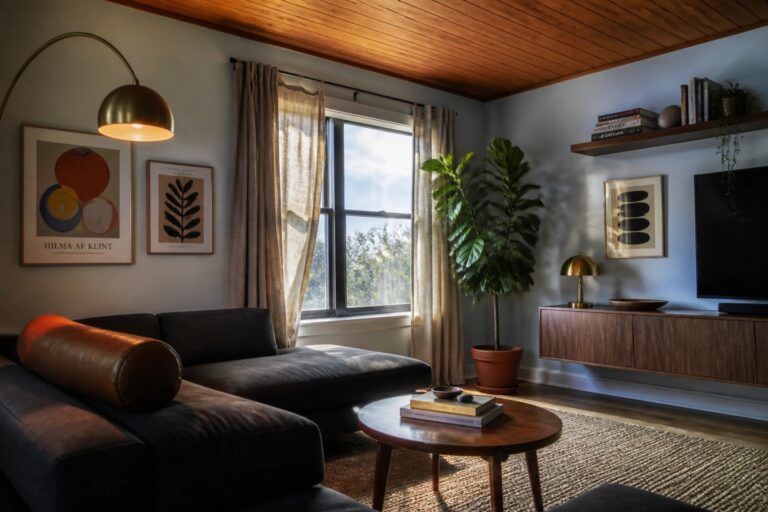
Many rooms feel incomplete until the ceiling receives some thought, since it influences how light moves and how tall or cozy the space reads throughout the day.
I noticed in my own house that a simple wood treatment overhead helped tie together older trim and newer floors without touching anything else.
It changed the daily feel more than I expected.
When money is limited it makes sense to start with a surface that covers so much area yet still allows weekend work with basic tools.
Trying one pattern on a small section first usually reveals whether the wood will hold up to the room’s actual traffic and humidity.
Wood Plank Ceilings Add Warmth Without Much Cost
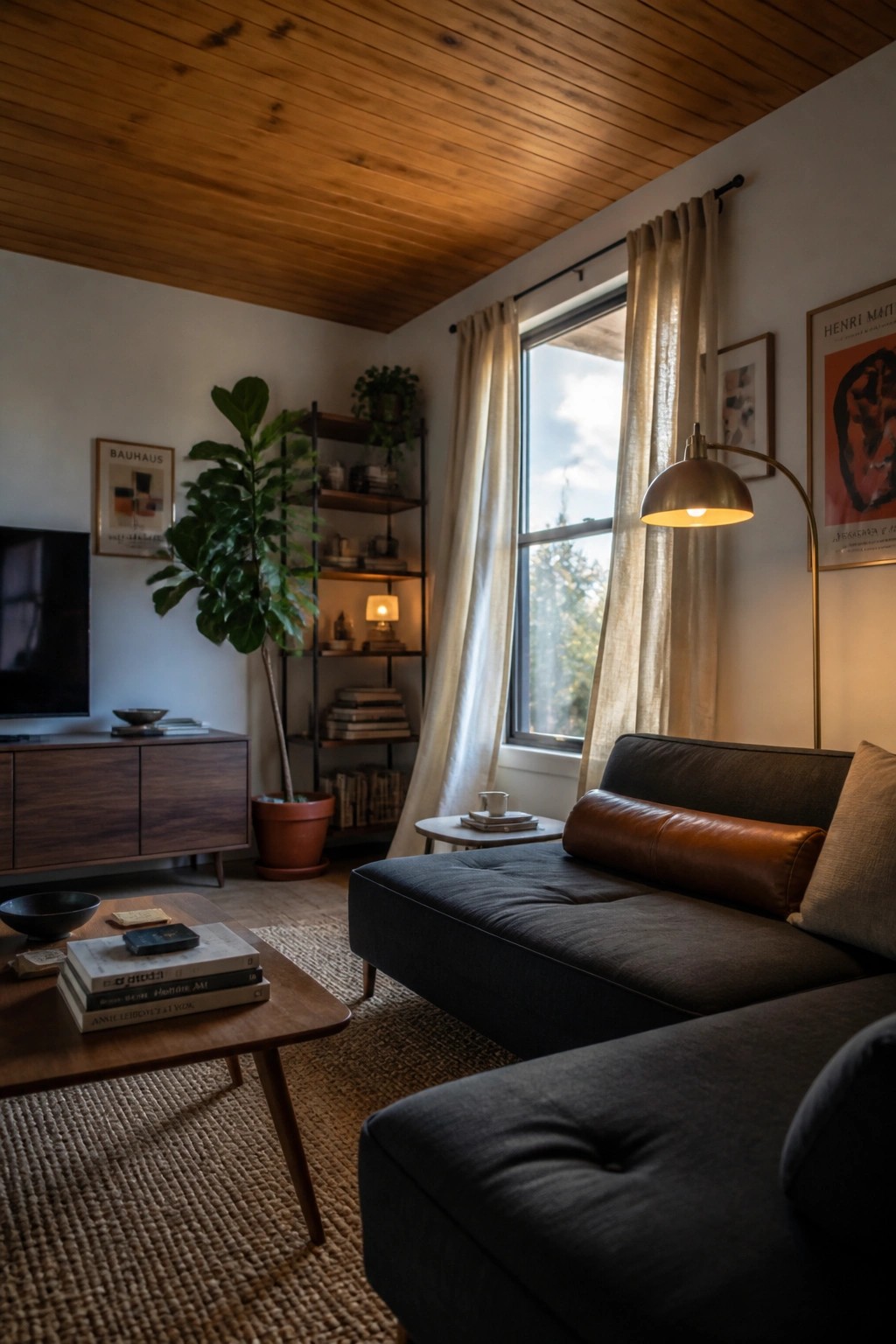
A wood ceiling gives a room an immediate sense of warmth and texture that painted drywall just does not match. It works especially well in spaces that feel a little flat or cold, since the natural grain and tone pull everything together without needing lots of extra decoration.
This approach suits living rooms and bedrooms in homes where you want a simple upgrade that still feels livable. Stick with affordable pine or similar softwood, keep the layout straightforward, and focus on good lighting so the ceiling does not feel too heavy.
Whitewashed Wood Plank Ceilings
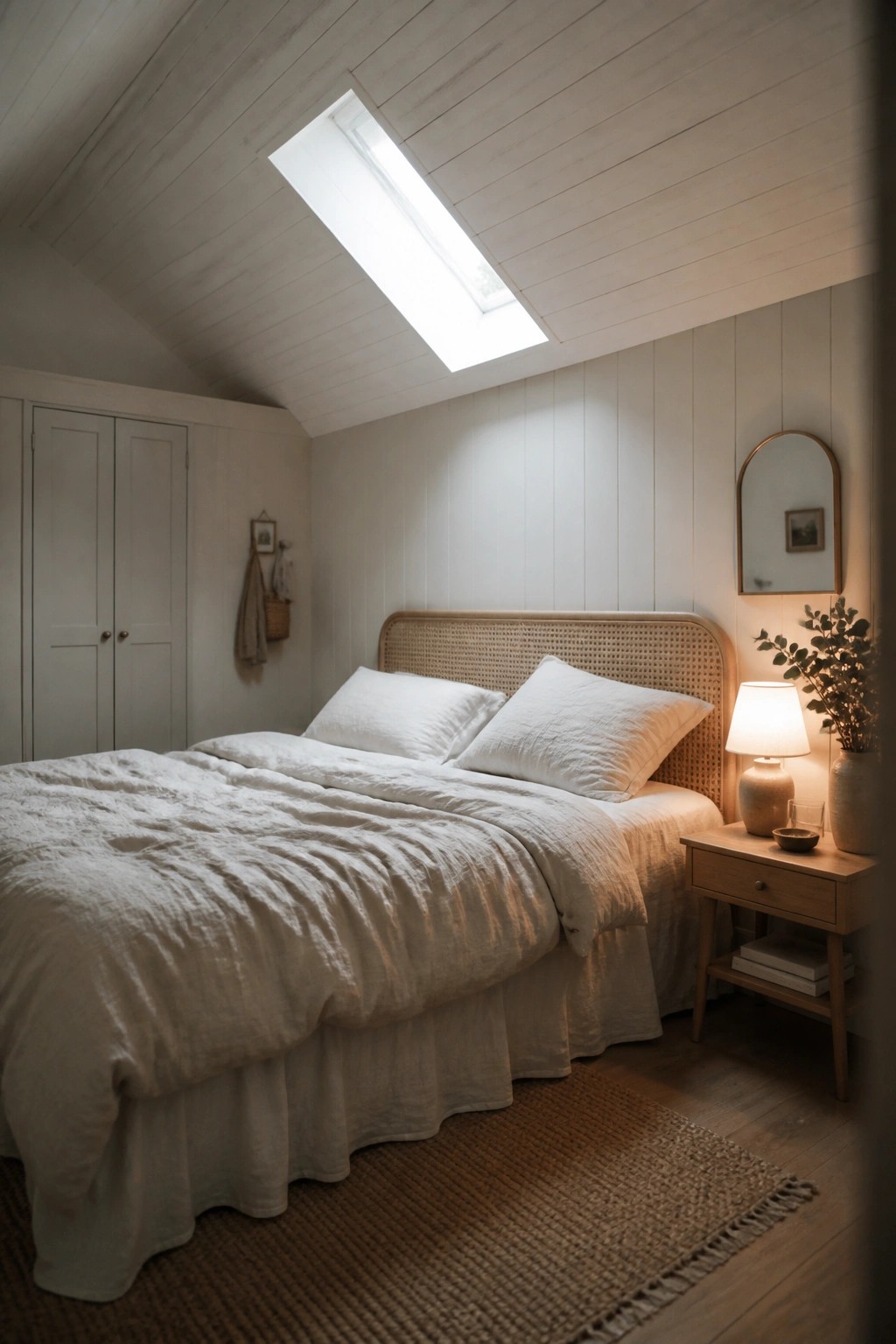
Painting wood planks white can make a small or low room feel much brighter without any major construction. The light color bounces daylight around and keeps the space from feeling closed in, which works especially well on sloped ceilings where dark wood might make things feel heavy.
This approach suits attic bedrooms or any room with angled ceilings and limited windows. Use a good primer first so the grain shows through softly, then keep the rest of the room simple with light walls and basic furnishings so the ceiling stays the main feature.
Exposed Wood Beams On A White Ceiling
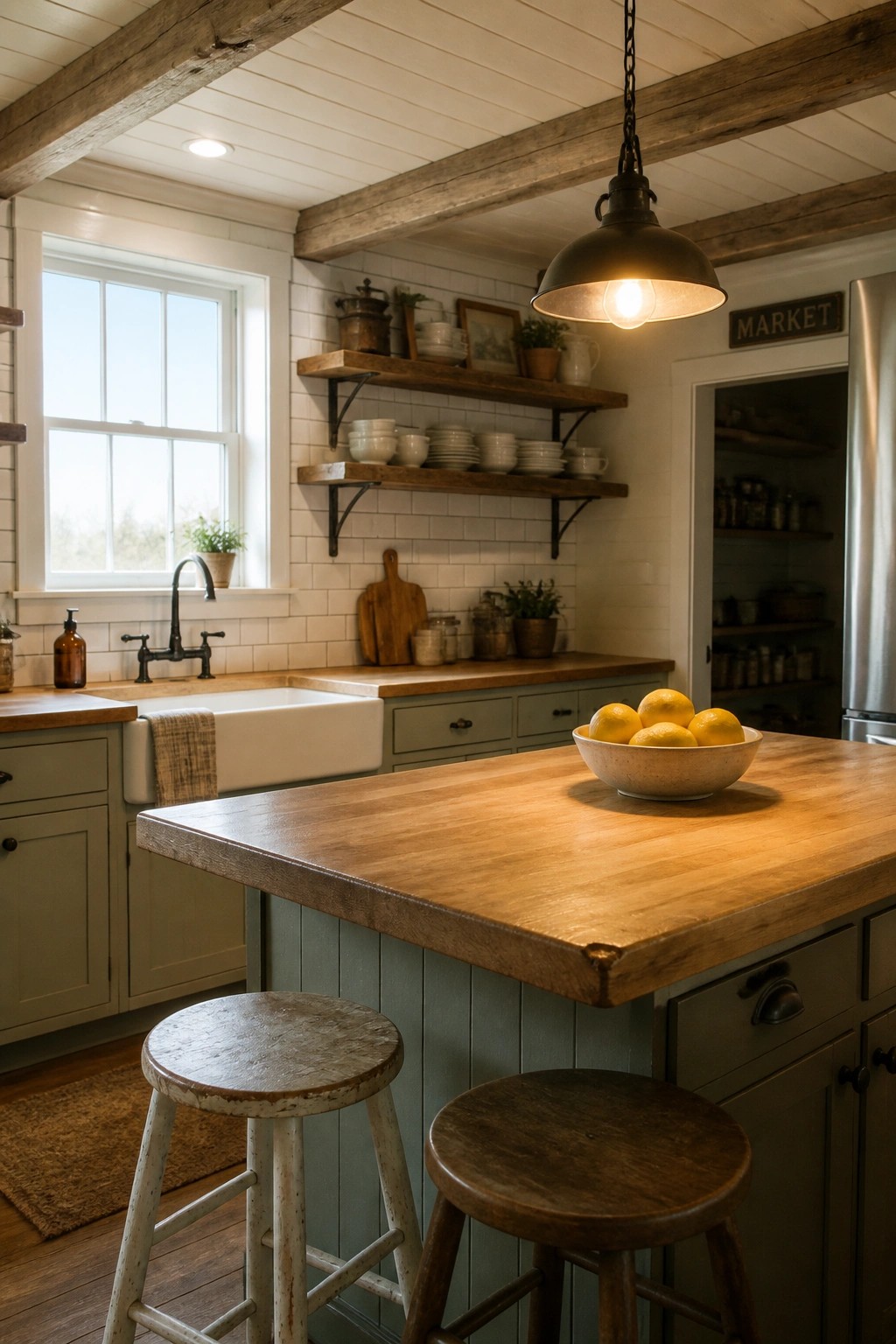
Exposed wood beams add instant structure to a plain ceiling and keep the look from feeling flat. They pair especially well with white shiplap, which helps the beams stand out while still letting the room feel bright and open.
This works best in kitchens or living areas where you want a bit of warmth without a full wood ceiling. Start with simple reclaimed beams or basic lumber, space them evenly, and secure them directly to the joists for a quick weekend project.
Wood Planks Across The Ceiling
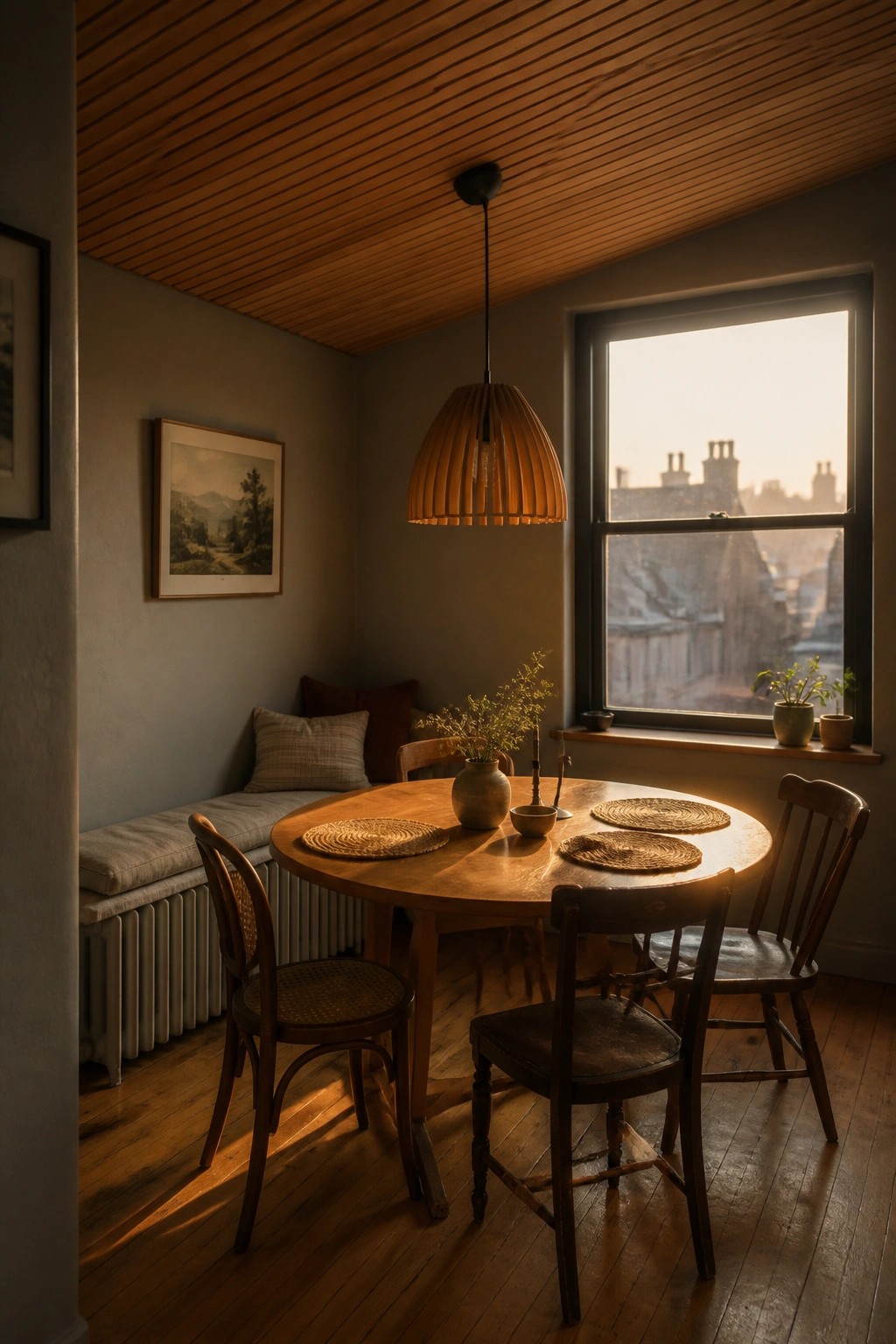
Wood planks on the ceiling can change how a room feels without much expense. The look adds warmth and texture that painted drywall often lacks, and it works well in smaller spaces where the overhead surface gets noticed more.
This approach suits older homes or any room that needs a bit of character on a budget. Basic lumber or simple boards work fine, and the style holds up best when kept straightforward rather than overly finished.
Wood Ceiling Planks for a Quick Room Update
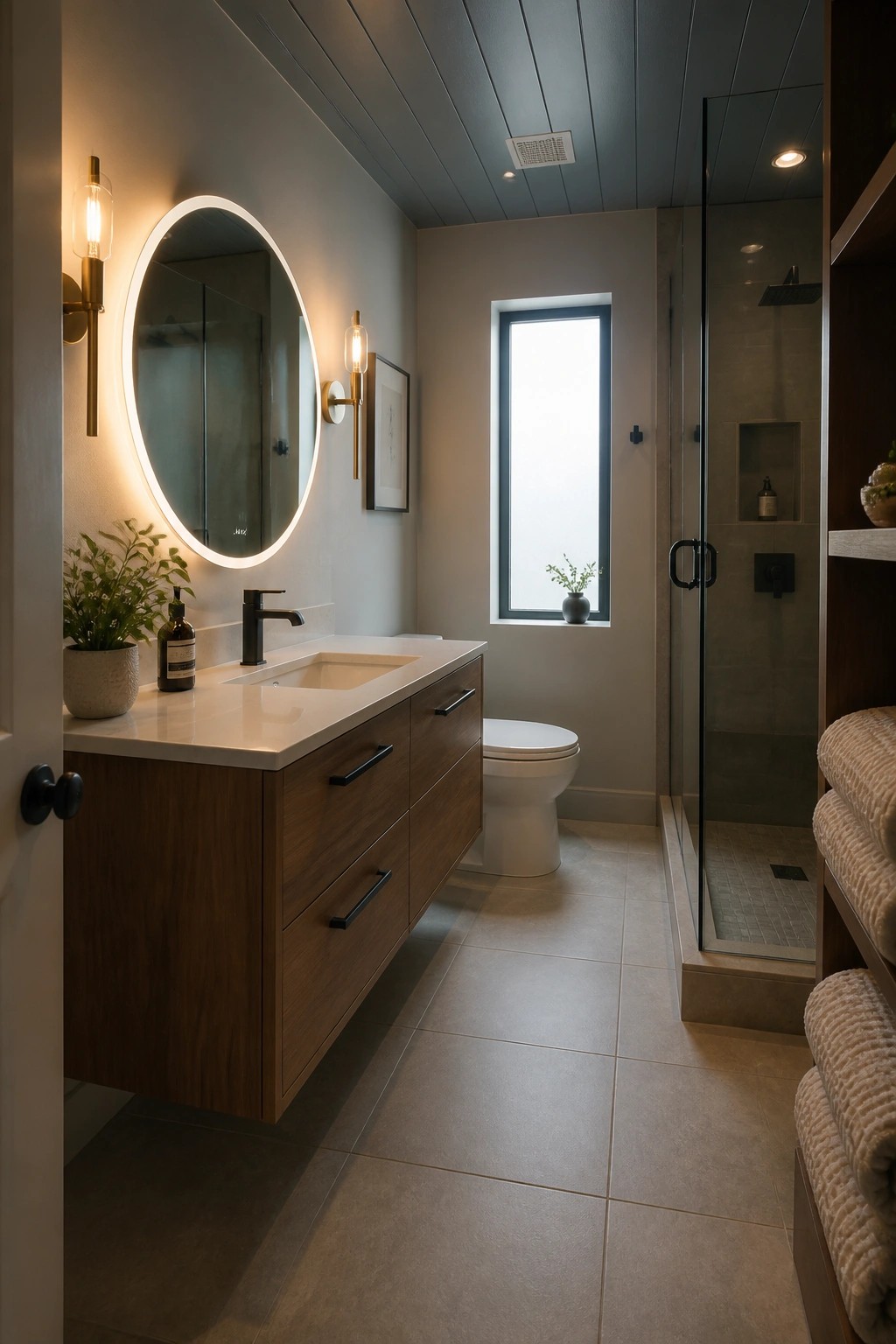
Many people want to change a room without spending much or tearing into walls. Wood planks on the ceiling add texture and a bit of warmth that walls alone cannot give.
This approach works best in smaller spaces like bathrooms where you can keep the rest of the room light. Use basic planks, stain them a soft dark tone, and install them yourself to control the cost.
Light Wood Ceiling Planks
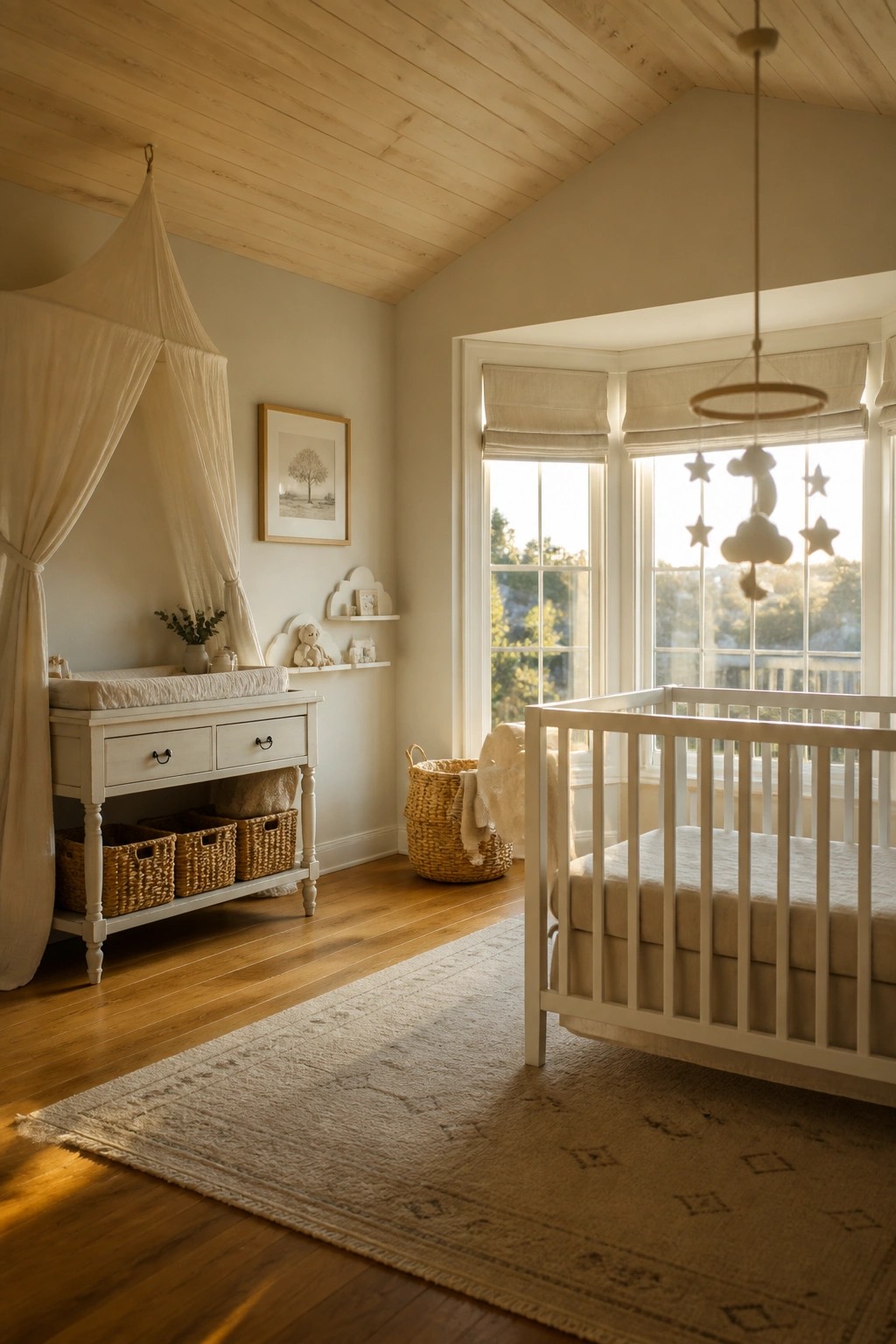
Light wood planks on the ceiling bring a soft, natural tone into a room without making it feel heavy. They work especially well in smaller spaces like nurseries where you want warmth but still need the room to feel open and bright.
This approach suits homes that already have wood floors since it ties the materials together without extra cost. Stick with simple, unfinished or lightly sealed planks if you want an easy weekend project that still looks clean.
Wood Planks On A Sloped Ceiling
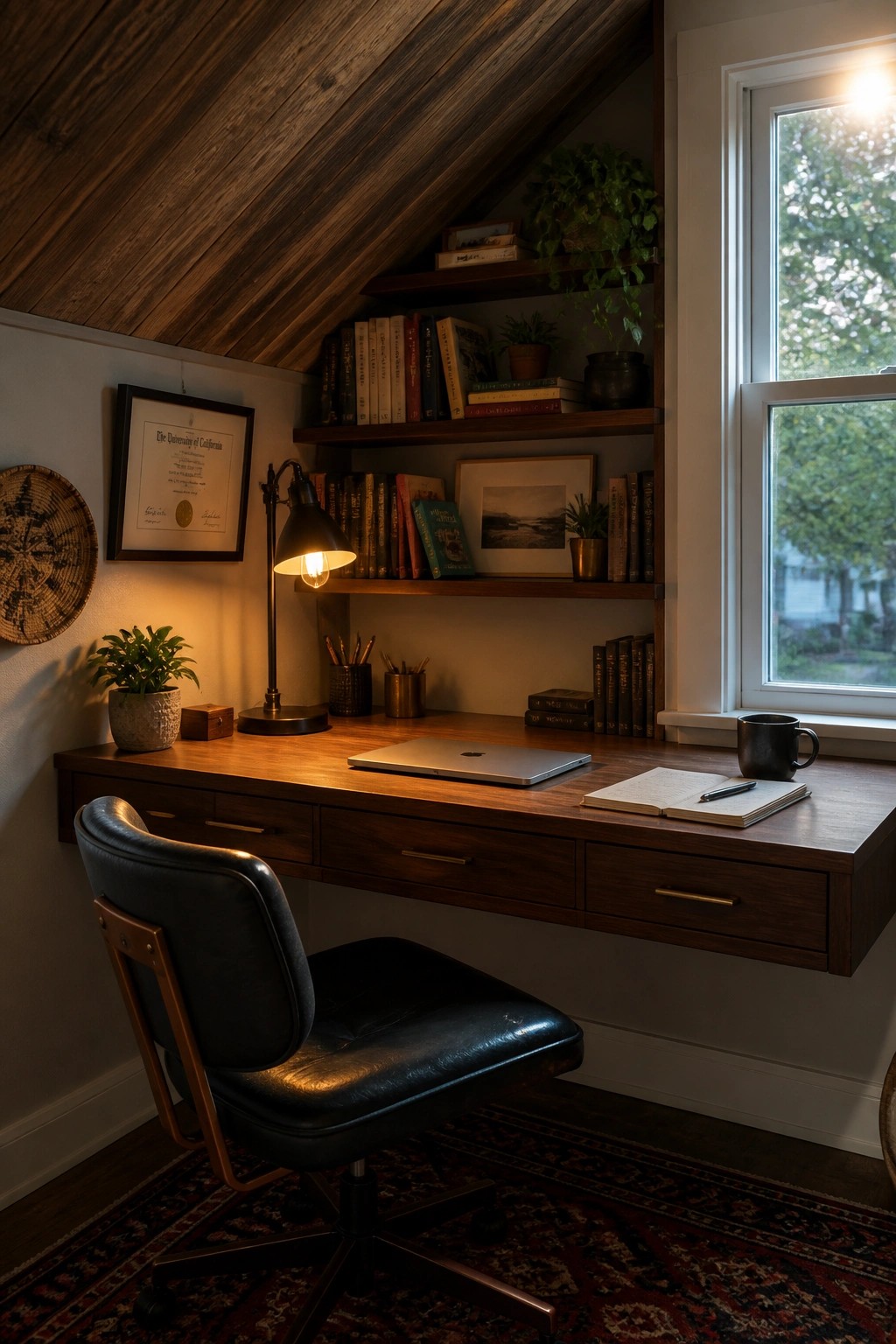
A sloped ceiling can make a small room feel closed in, but covering it with wood planks changes that fast. The planks add texture and warmth without needing a lot of extra decor, and they work especially well in attic offices or low-ceiling bedrooms where paint alone feels flat.
This approach suits older homes or any space with angled ceilings that already have some character. Keep the wood tone simple and match it to the floor or trim so the room stays balanced. Just watch the weight if you are working on drywall, and start with thinner planks if you want to keep costs down.
Dark Wood Ceilings
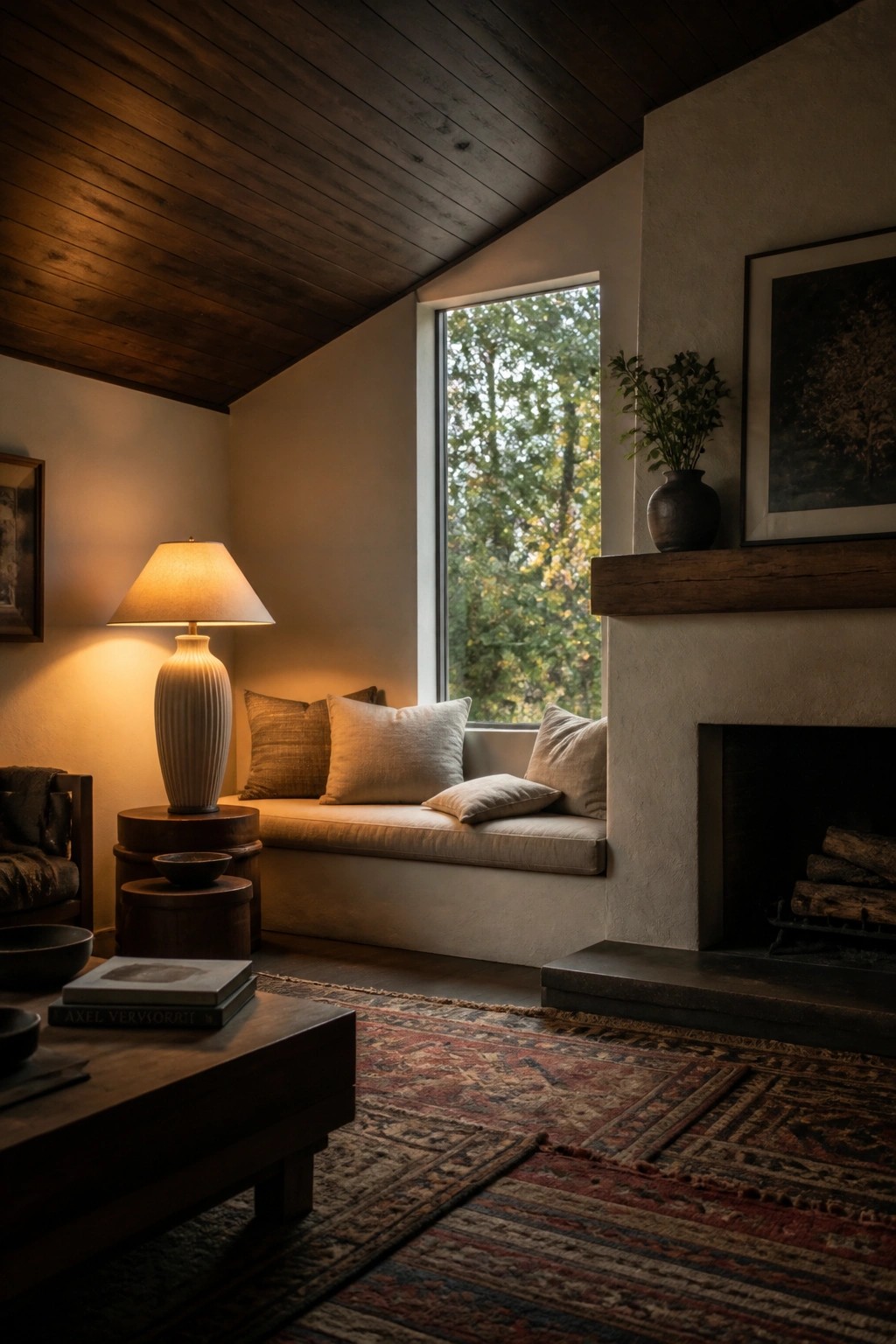
A dark wood ceiling can make a room feel more grounded without adding much else. The planks pull the eye upward and give the space a settled look that lighter ceilings often lack.
This approach works best in smaller rooms or those with plenty of natural light. Use affordable pine boards or plywood, apply a dark stain, and install them directly over the existing ceiling. Keep the rest of the room simple so the ceiling stays the main feature.
Wood Beams For Laundry Room Ceilings
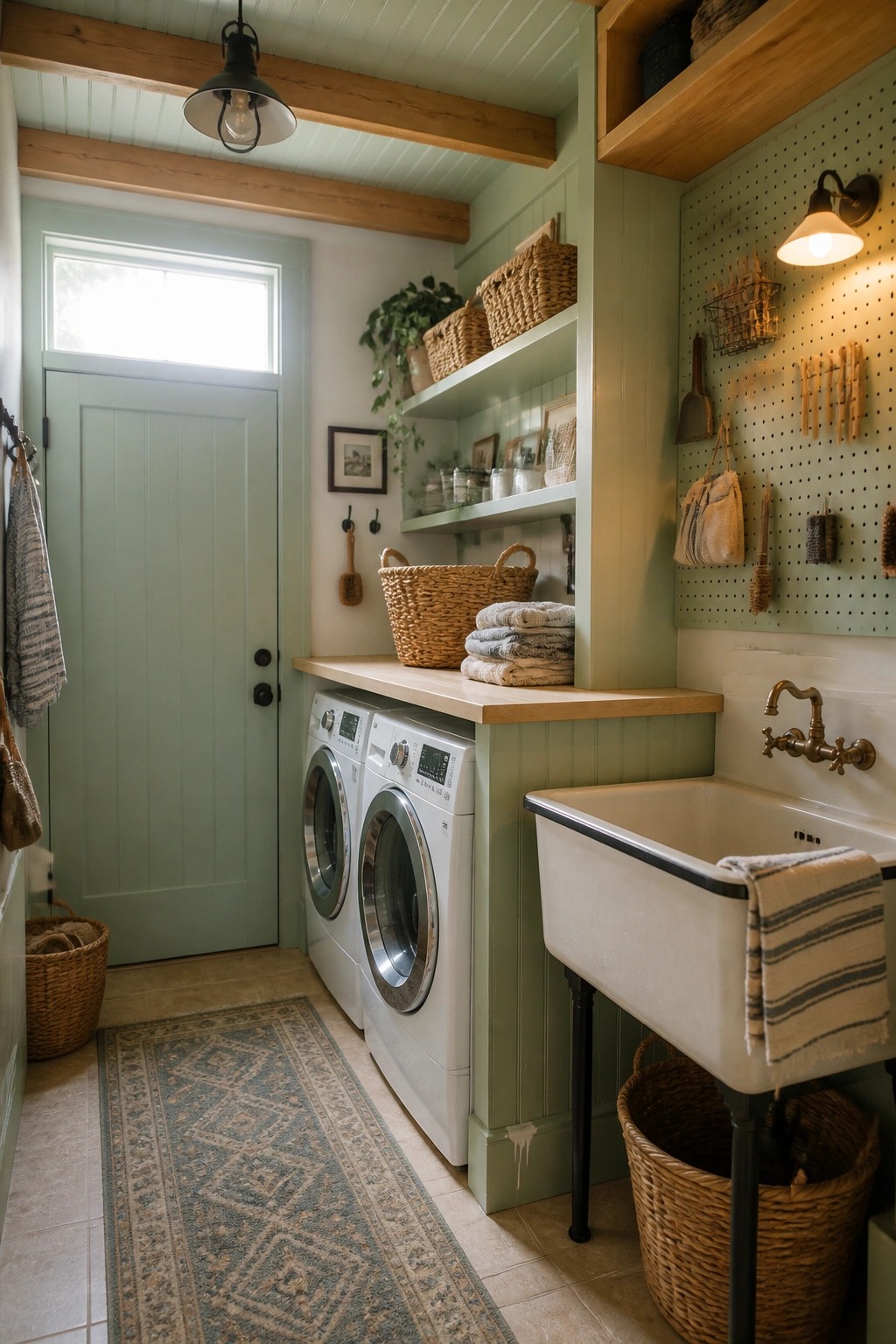
Wood beams can give a laundry room ceiling a bit more character without a big budget. They add warmth to a space that often feels plain and functional, and they work especially well when the rest of the room stays light and simple.
This approach suits small utility rooms where you want some texture overhead but still need the area to feel bright. Keep the beams natural or lightly stained, and paint the ceiling between them a soft color so the room does not feel closed in. It is an easy project if you already have access to the joists or can add lightweight boards.
Whitewashed Wood Planks On The Ceiling
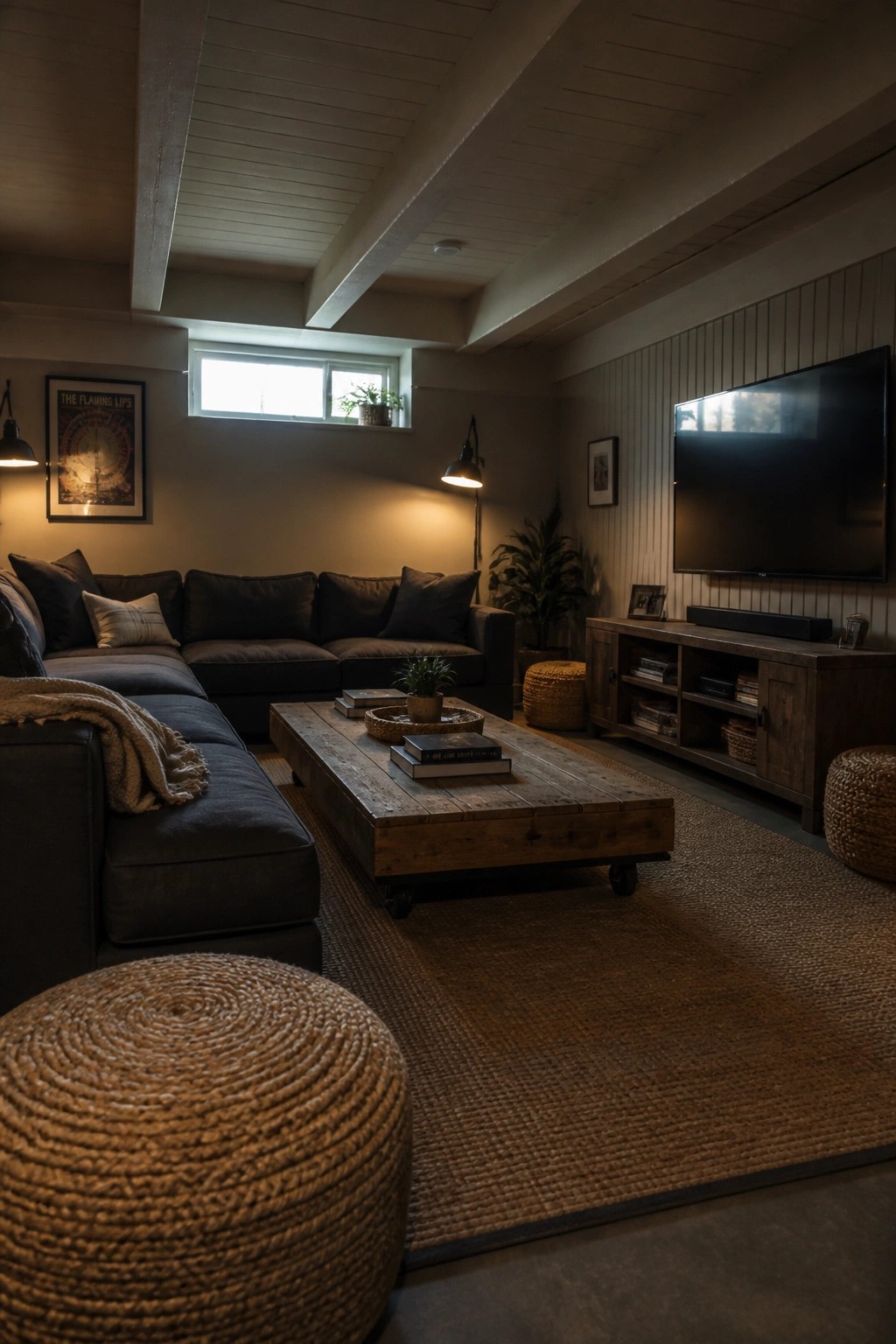
Whitewashed wood planks give a ceiling a lighter look without needing to replace the whole structure. The horizontal boards run across the room and catch light from windows, which helps the space feel more open even when the walls stay darker.
This works best in living rooms or family rooms where you want some texture overhead but still need the room to feel bright. Install the planks directly over the existing ceiling, then apply a thin whitewash so the wood grain still shows through. Keep the beams exposed if they are already there, since that adds character without extra work.
Wood Planks On A Sloped Ceiling
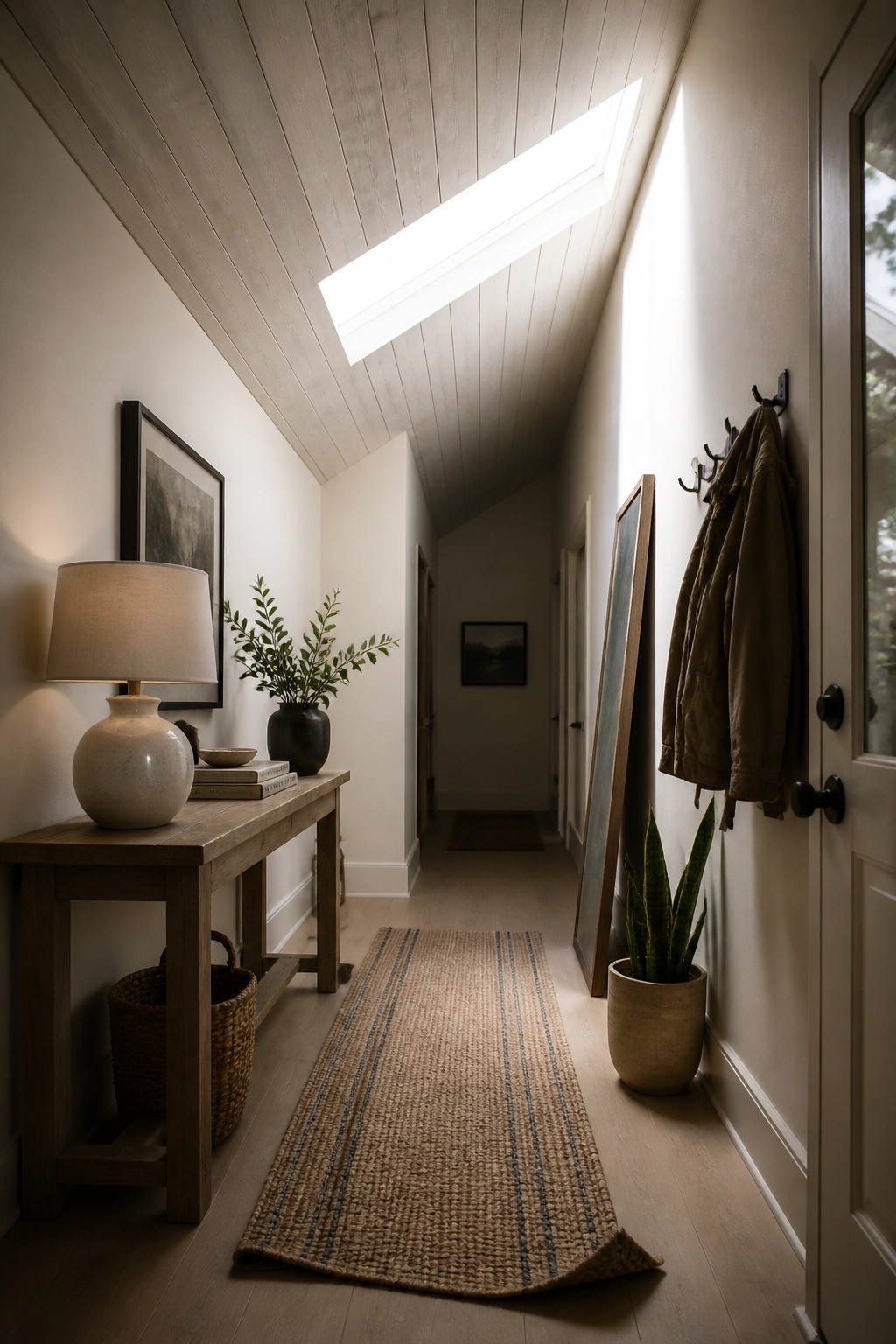
Wood planks give a narrow hallway more character without taking up any floor space. The light finish and simple layout help the ceiling feel higher and keep the whole area from looking closed in.
This works best in homes with angled rooflines or attic rooms where drywall feels too flat. Keep the planks narrow and light in color if the space already gets some natural light from above.
Install A Wood Beam To Update A Plain Ceiling
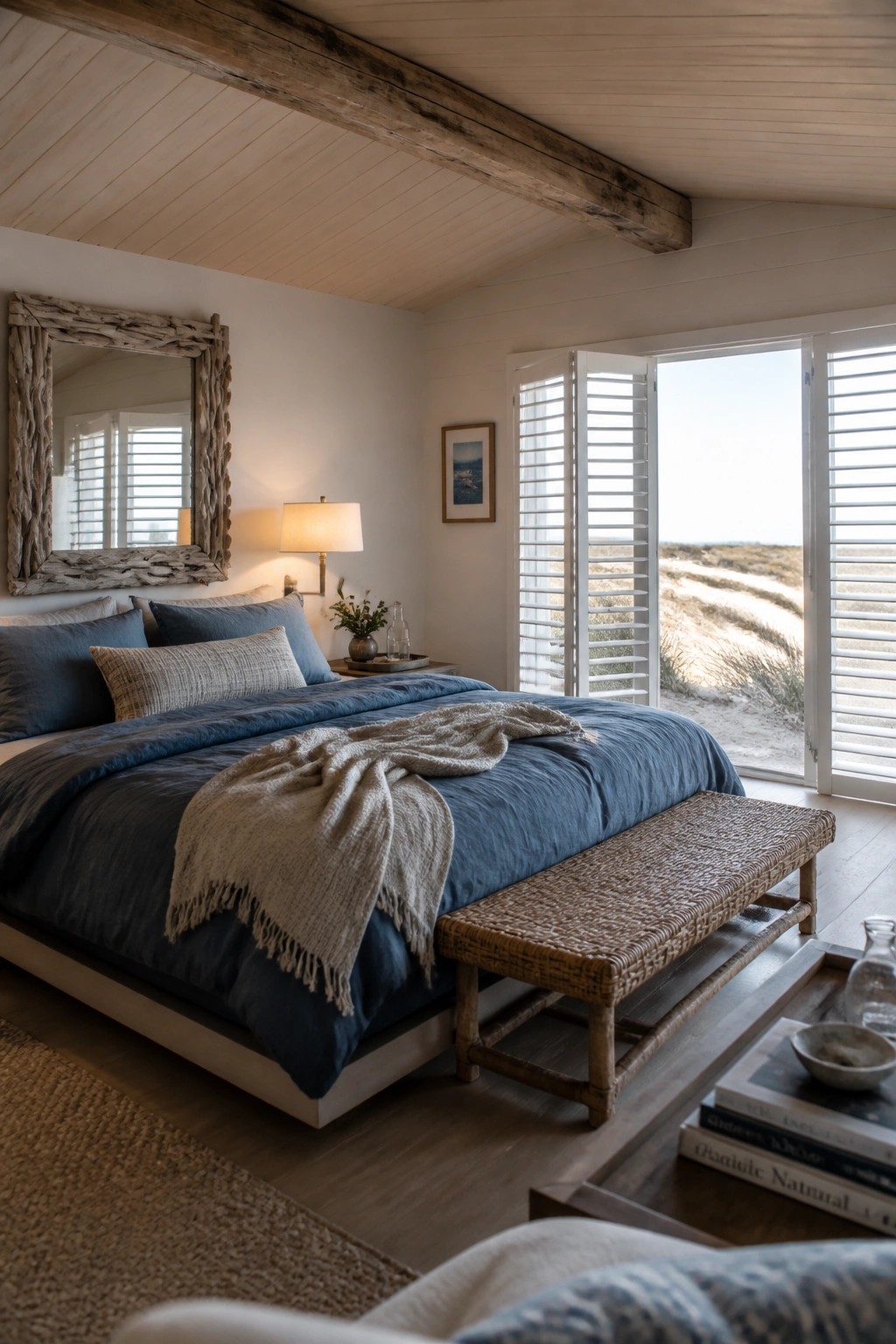
A wood beam can change how a ceiling feels without requiring a full overhaul. It adds texture and a bit of weight overhead, which helps a room feel more finished even when the rest of the space stays simple.
This idea works best in rooms with decent ceiling height where the beam can sit a little below the surface. Many people use reclaimed lumber or basic construction wood they stain themselves, which keeps the cost low and the project doable in a weekend. Just check that the beam is light enough to hang safely on your own.
Wood Slats On The Ceiling
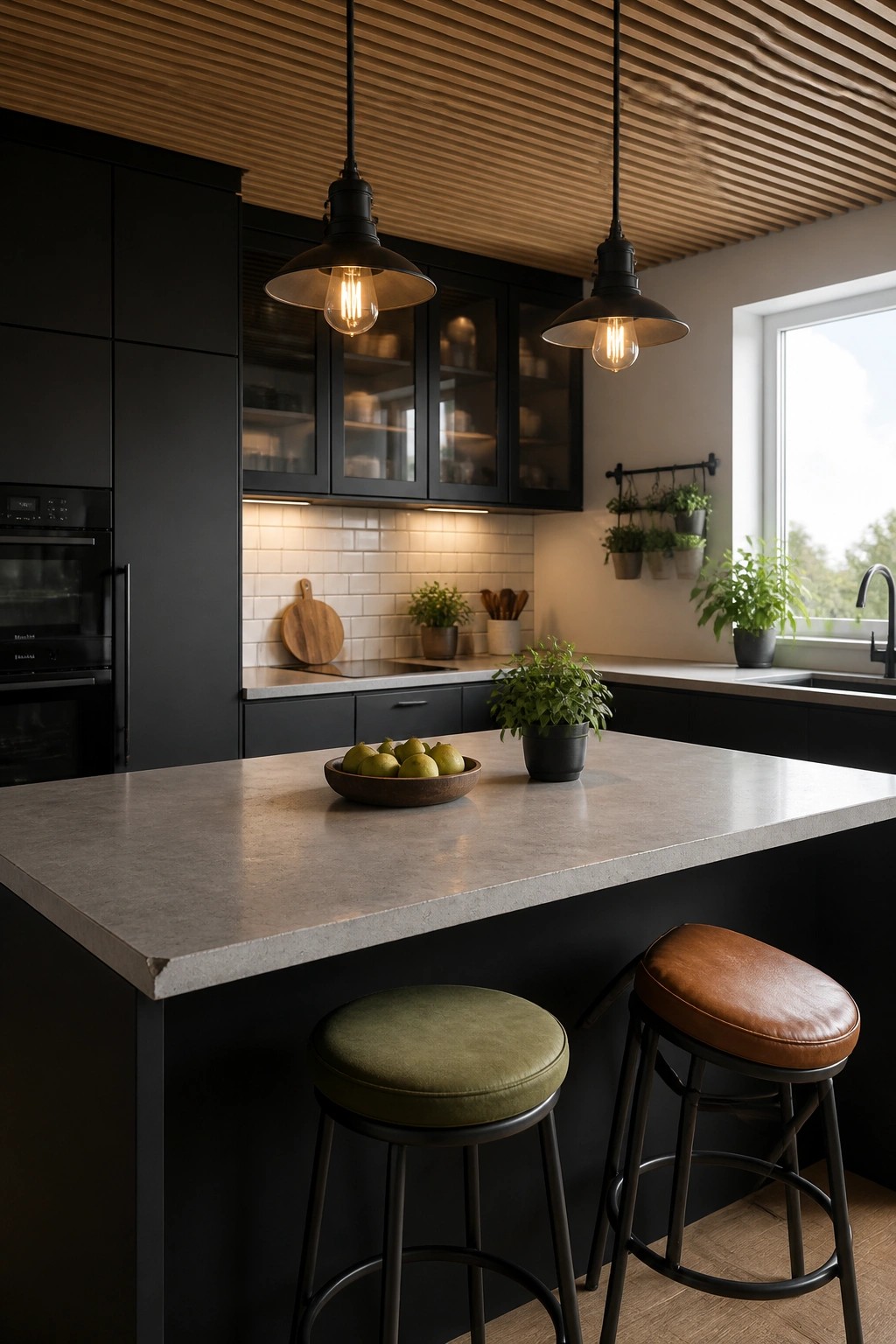
Wood slats give a ceiling a finished look without needing a full remodel. They add texture and warmth that paint alone cannot provide, and the effect works especially well in kitchens and living areas where you want a bit more character overhead.
This approach suits most homes because the slats can be cut to fit standard joist spacing and finished in any tone. Keep the rest of the room simple so the ceiling stands out, and make sure the wood is sealed well if the space sees steam or cooking moisture.
Install a Simple Wood Coffered Ceiling
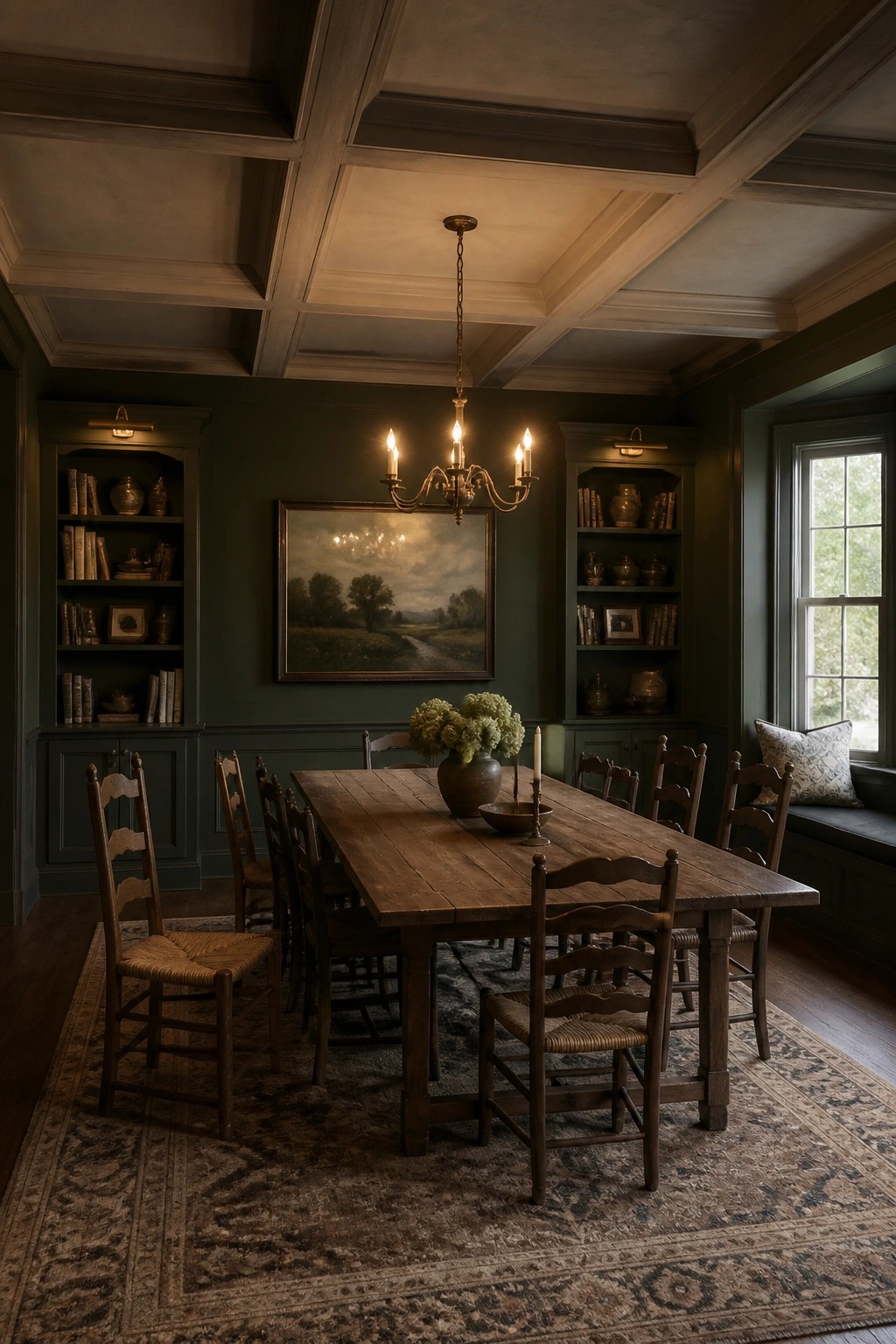
A wood coffered ceiling brings structure and warmth to a room without needing a full remodel. The grid pattern adds depth overhead and makes the space feel more finished, even when the rest of the room stays simple.
This approach works well in dining rooms or living areas where you want something a little more traditional. You can build it with basic lumber or plywood panels, then paint or stain to match your style. Keep the pattern straightforward so it stays affordable and easy to install on your own.
Wood Planks On Sloped Ceilings

Wood planks work well on sloped ceilings because they add warmth and hide uneven surfaces without needing a lot of extra framing. The light tone keeps the space from feeling closed in, especially when a skylight is already bringing in daylight.
This approach suits small attic rooms or closets where you want a finished look on a budget. Stick with simple pine or cedar planks and install them directly over the existing surface. Keep the rest of the room light so the ceiling stays the main feature.
Paint the Wood Ceiling
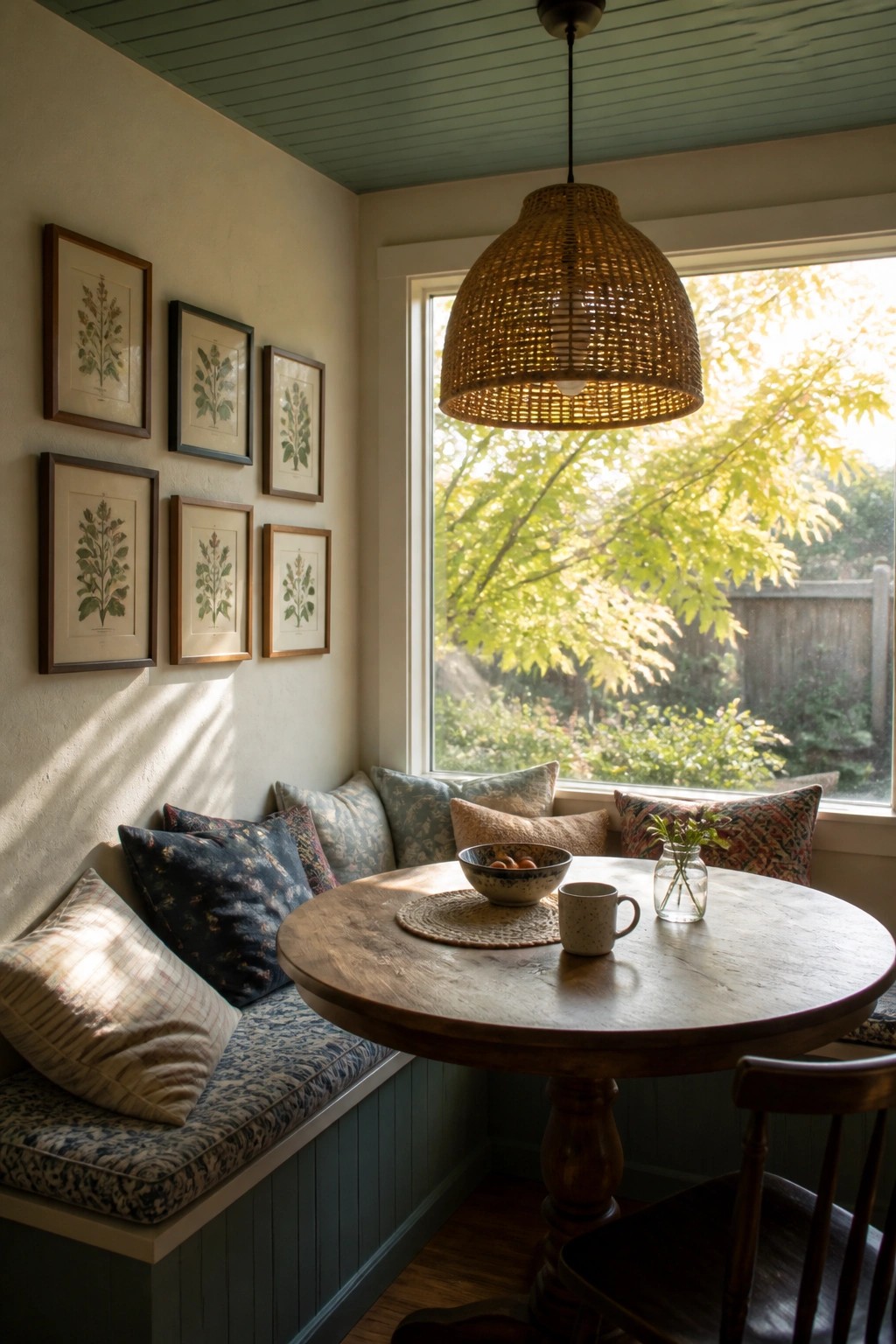
Painting an existing wood ceiling is one of the easiest ways to refresh a room on a budget. A soft color like the muted green shown here can make the space feel lighter and calmer while still keeping the texture of the planks visible.
This approach works especially well in small dining areas or nooks where you want a cozy but updated look. Clean the wood well and use a quality primer so the new color lasts without peeling.
Wood Plank Ceilings In Small Bathrooms
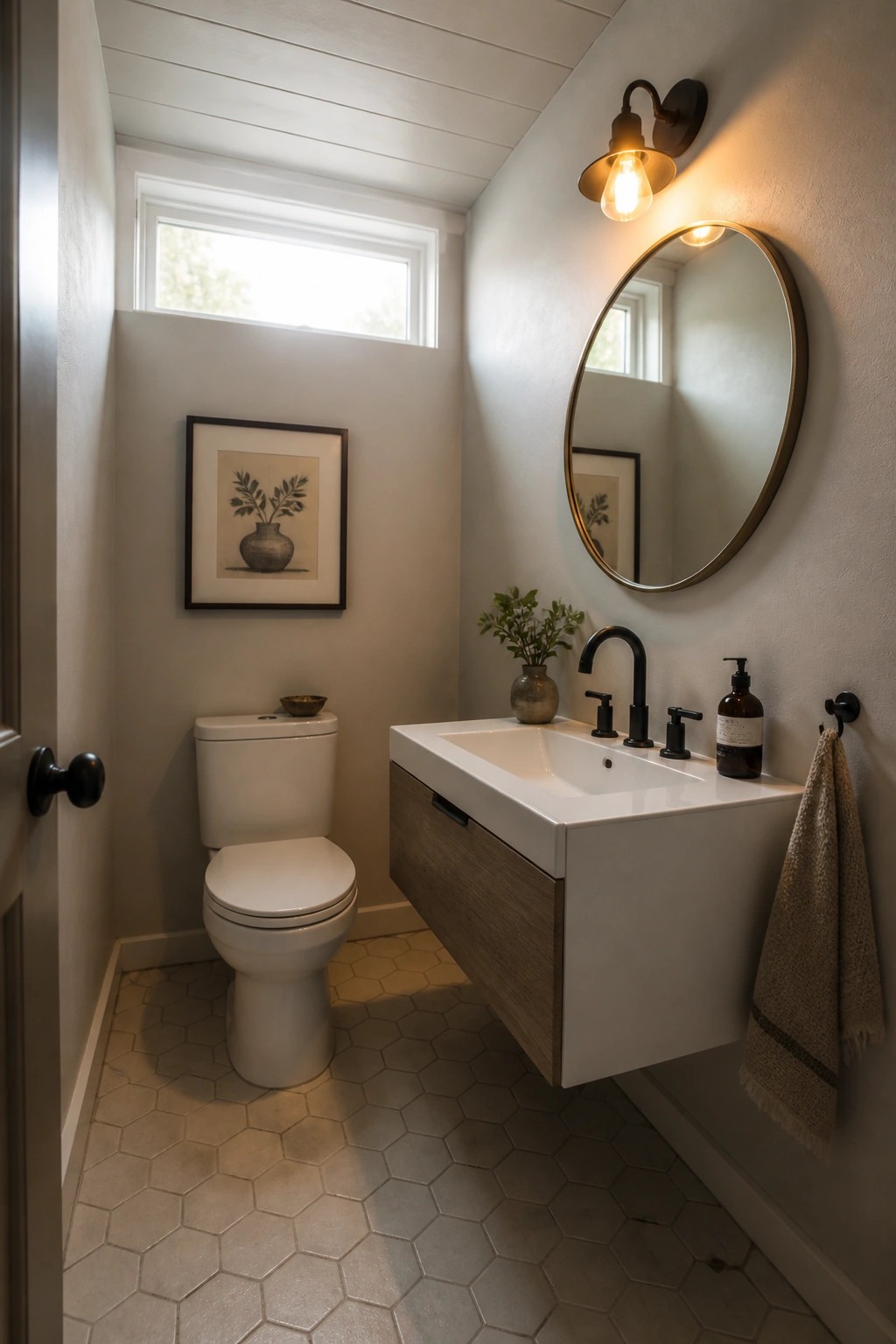
A wood plank ceiling can give a small bathroom more warmth and texture without crowding the space. The horizontal boards add subtle lines that draw the eye up and make the room feel a little taller than it really is.
This approach works best in compact rooms like powder rooms or guest baths where you want an easy update. Use moisture-resistant wood or seal it well, and keep the finish light so the room stays bright.
Wood Plank Ceilings For Everyday Warmth
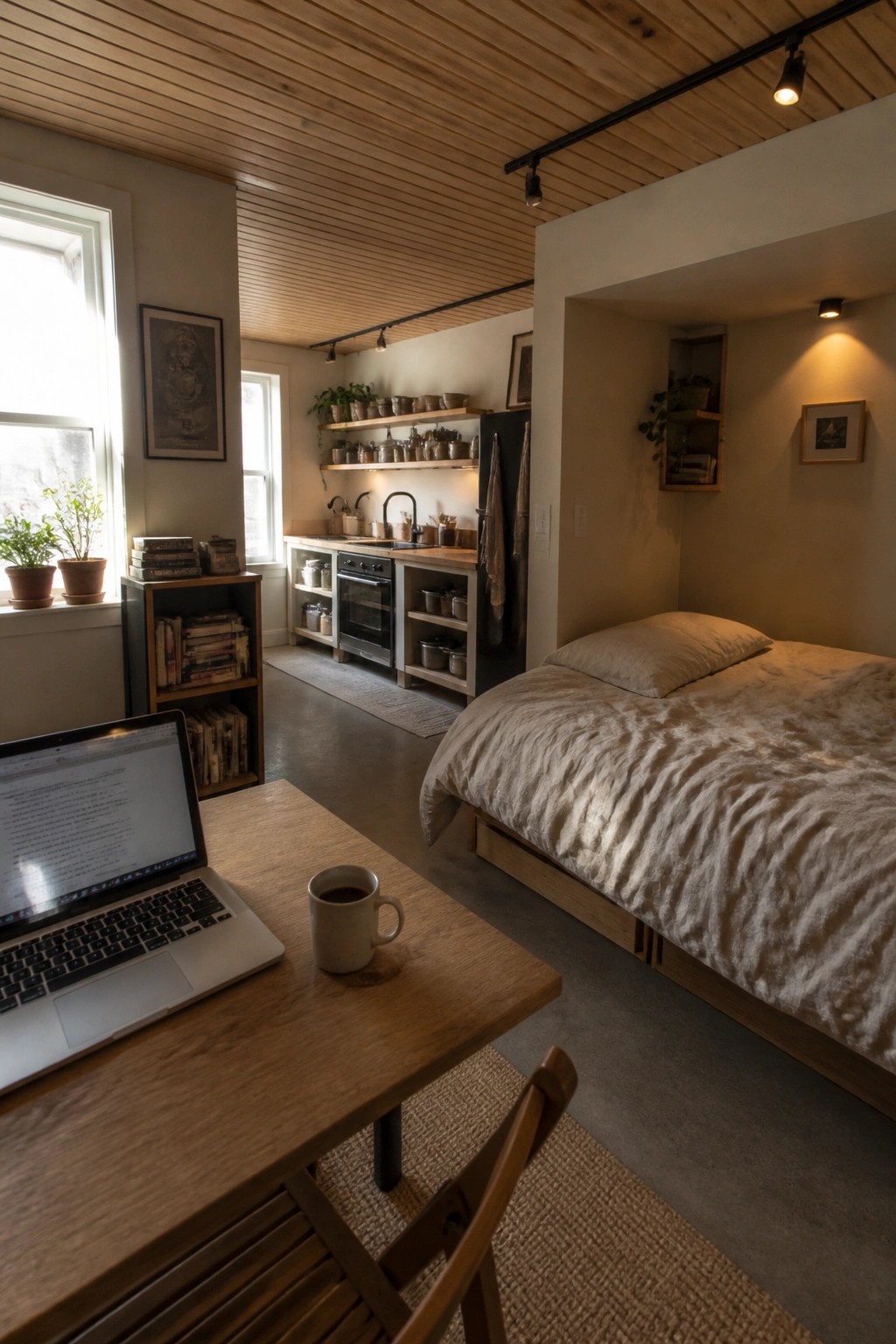
Wood plank ceilings give a room a finished look without needing a full renovation. The horizontal boards add texture overhead and help the space feel more grounded, especially in smaller homes or apartments where walls stay plain.
This approach works best in rooms that already have simple finishes. You can install basic lumber or furring strips yourself, and it pairs well with minimal furniture and practical lighting like track fixtures.
Frequently Asked Questions
Q: How do I keep the planks from sagging in the middle? A: Nail or screw them directly into the ceiling joists every 12 inches or so. If you can’t locate the joists easily, run furring strips across first to give solid backing. That extra step stops the wood from bowing over time.
Q: What if my ceiling has that old popcorn texture? A: Scrape off the loose bits and slap on a coat of primer to help everything grip. You can also glue thin plywood panels up first as a base layer. Either way, the wood planks will sit flatter and look cleaner.
Q: How do I hide the screw heads without it looking obvious? A: Sink the screws slightly and fill the holes with wood putty that matches your finish. Sand it flush once dry, then add a quick stain or paint. It blends right in and keeps the ceiling looking simple.
