

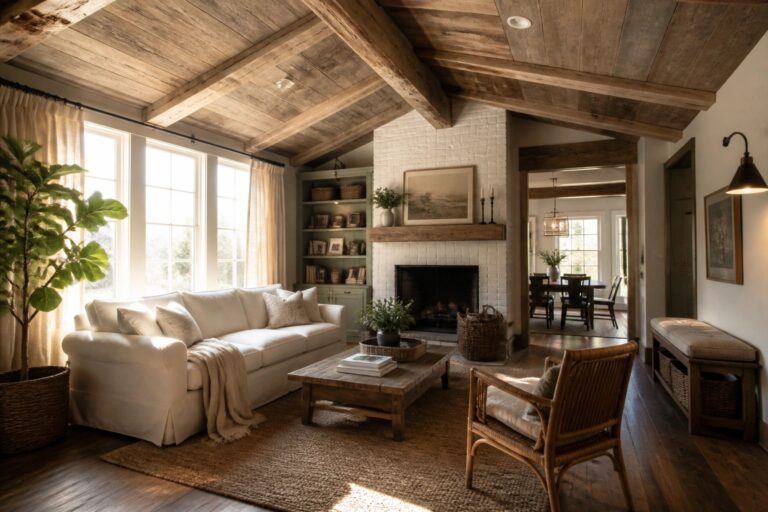
Ceilings shape how a room feels once you live in it day after day, and wood details can either support that or fight against the rest of the design.
In farmhouse interiors the beams often become the quiet anchor that lets other elements fall into place without extra effort.
I tried adding simple wood accents in one room and noticed the space felt more settled right away.
Scale matters more than most people expect.
Some of the simpler beam layouts adapt easily if you want to try them without committing to a full overhaul.
Exposed Wood Beams On The Ceiling
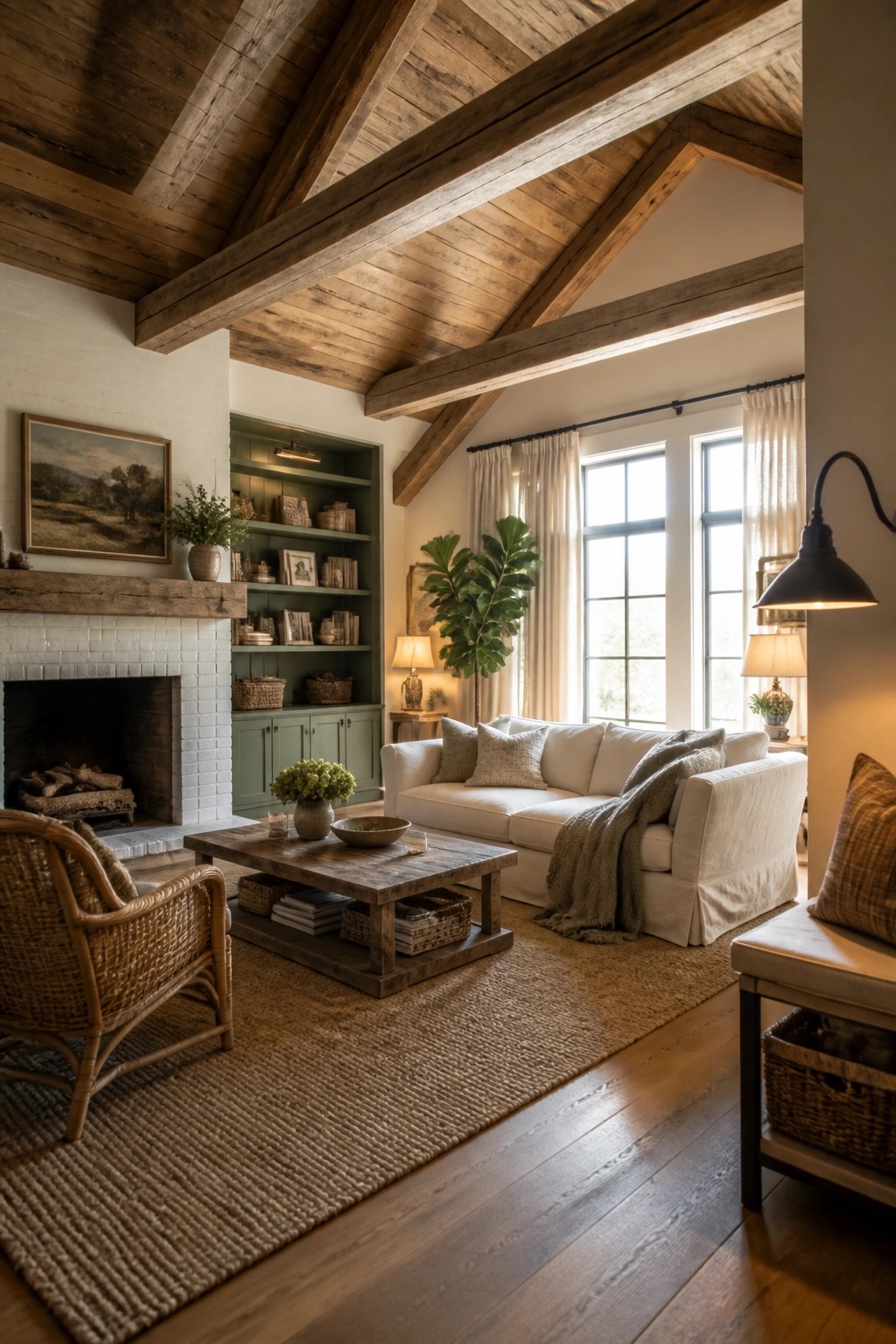
Exposed wood beams give a living room that solid farmhouse structure many people want. They stand out most when the walls stay light and the rest of the finish stays simple, so the natural grain does the main work.
This look works best in rooms with some height and an open layout. Keep the beams in scale with the space and pair them with plain trim and light paint so the wood feels like part of the house rather than an add-on.
Natural Finish Wood Ceiling Beams
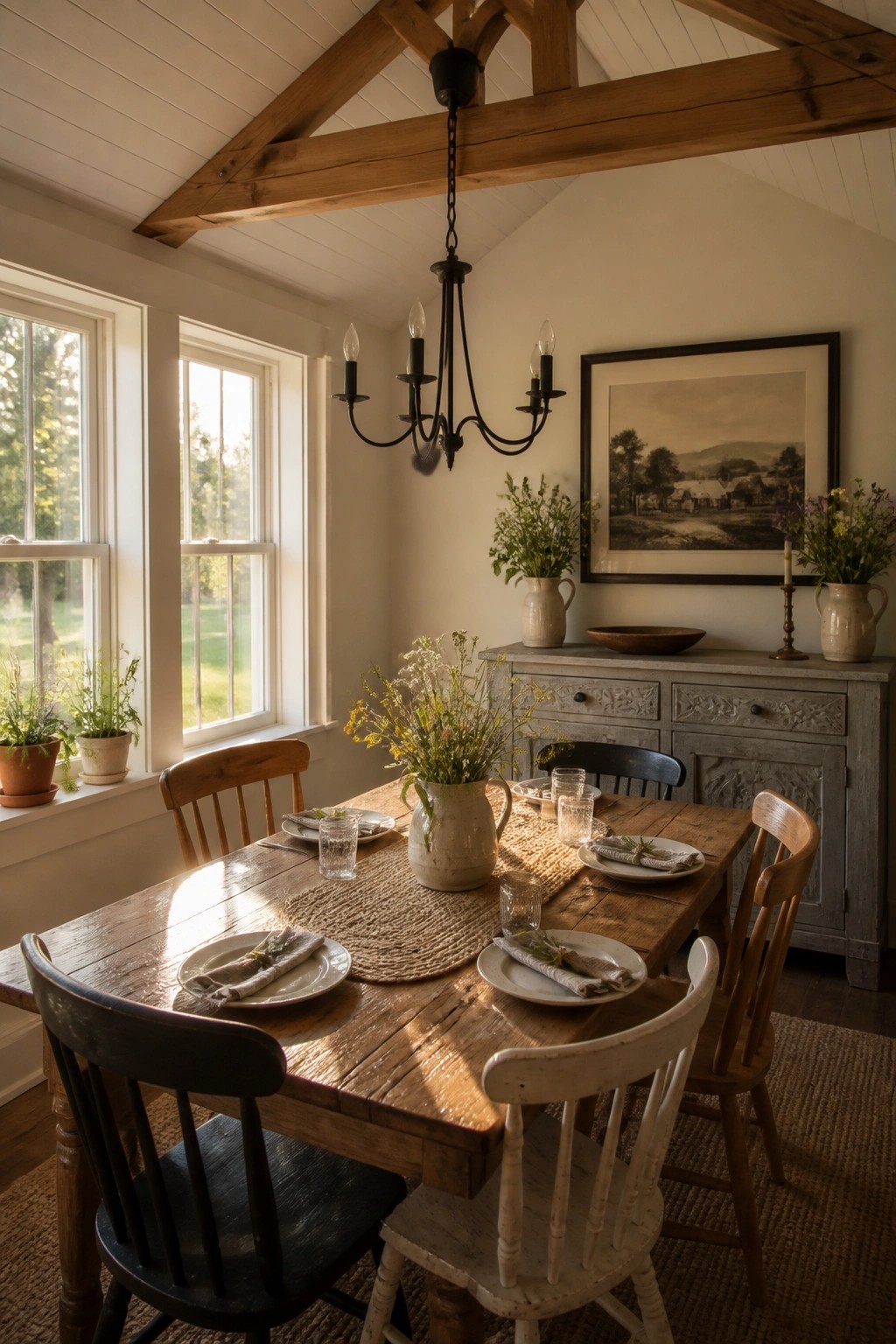
Exposed wood beams bring a simple structure to a room that feels both practical and lasting. They add height and texture without needing much else, especially when the wood is left in a natural finish that shows the grain.
This approach suits older homes or new builds that want a farmhouse feel. Keep the beams in proportion to the space and let them contrast with a light ceiling so the look stays balanced rather than heavy.
Exposed Beams On A Vaulted Ceiling
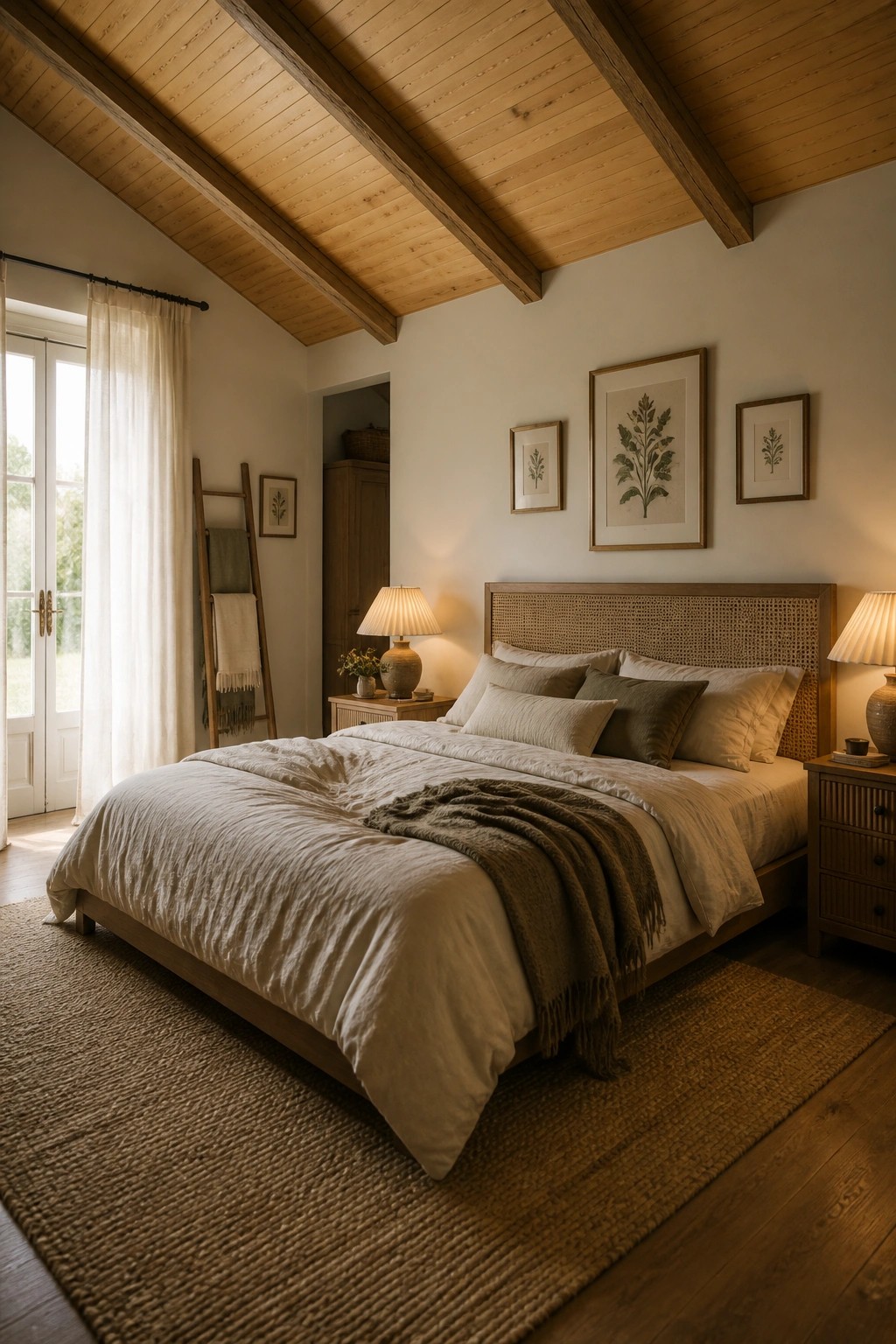
Exposed beams work well on a vaulted ceiling because they add structure and warmth without making the room feel heavy. The natural wood finish keeps things simple and lets the height of the space stand out.
This approach fits bedrooms best, especially in homes where you want a calm, lived-in look. Pair the beams with light walls and minimal furniture so the ceiling stays the main feature.
Exposed Beams On Light Plank Ceilings
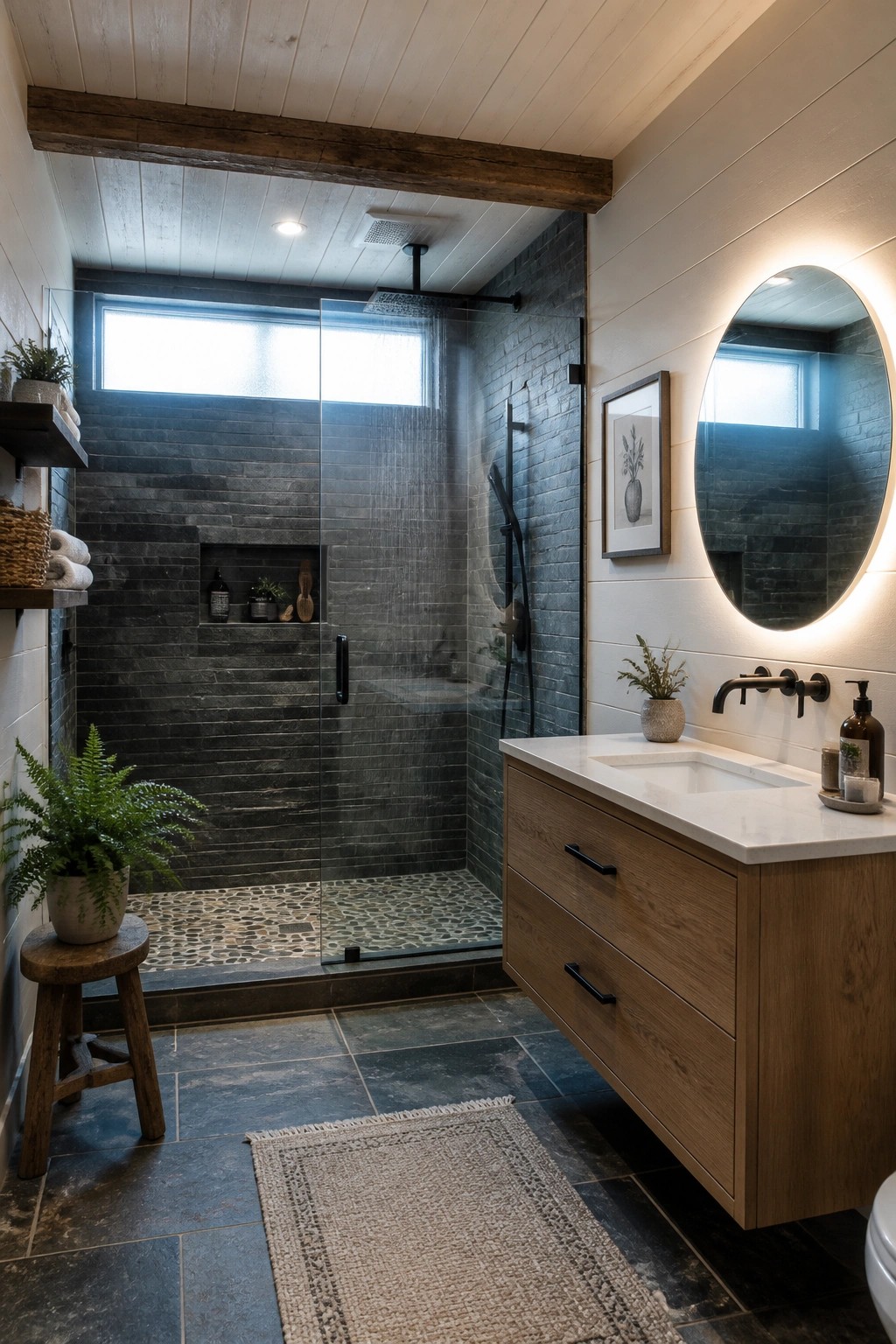
A single dark beam across a whitewashed wood ceiling gives a room instant structure. It keeps the ceiling from feeling flat while still letting the lighter planks do most of the work. The contrast is simple but effective, especially in smaller spaces where you want some warmth without adding much else.
This approach suits bathrooms and other compact rooms that already have natural materials on the walls or floor. Keep the beam finish slightly rough so it reads as structural rather than decorative, and make sure the ceiling planks stay light so the whole thing does not feel heavy.
Exposed Beams On Sloped Ceilings
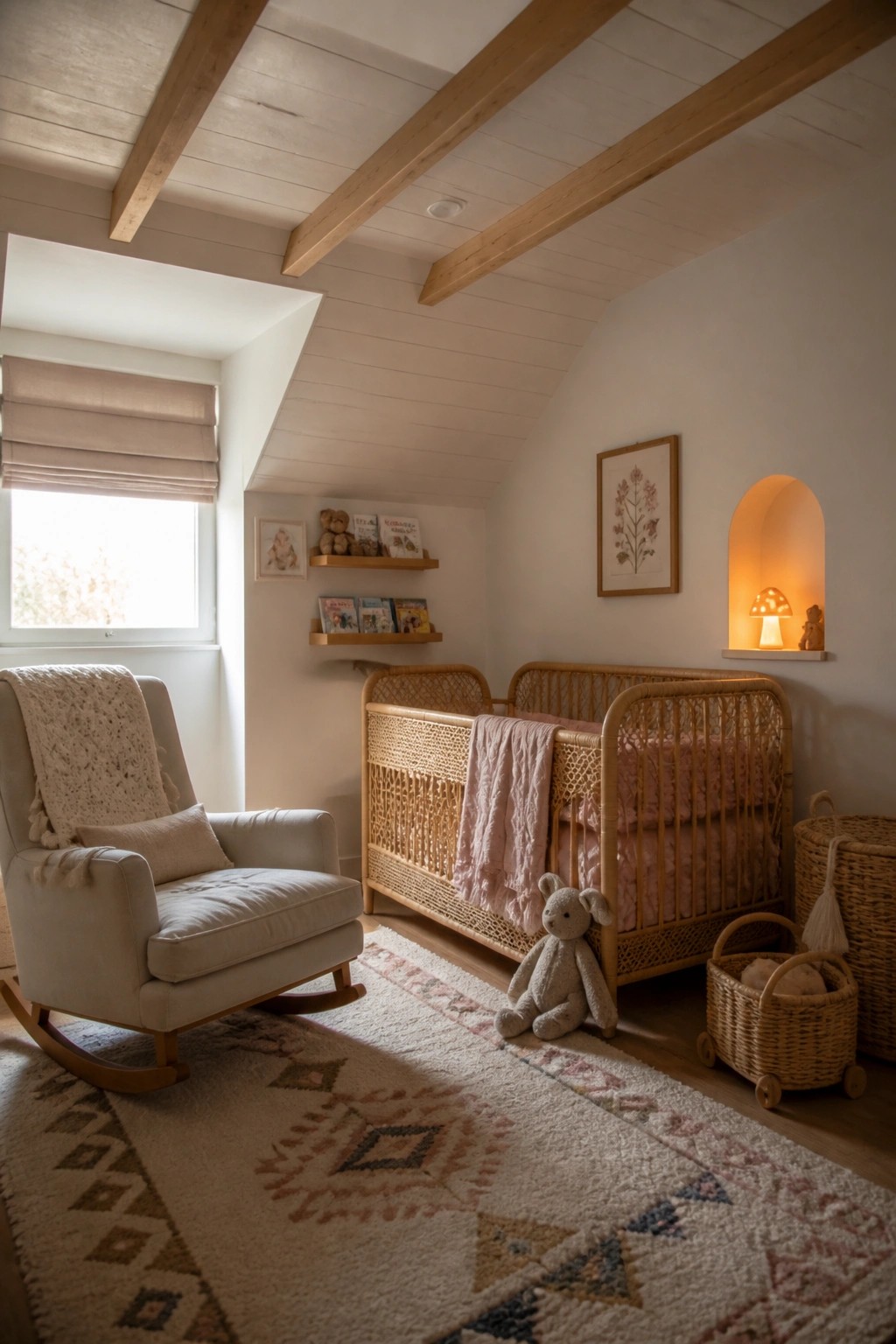
Wood beams can give a room with a sloped ceiling a bit more structure without making the space feel heavy. In rooms like this one, the natural wood stands out against the white ceiling and walls, which keeps the look light while still adding warmth and character.
This approach works especially well in smaller upstairs rooms or converted attic spaces where the ceiling angle already draws attention upward. Stick with simple, unfinished or lightly stained beams so they blend with other wood pieces in the room rather than competing with them.
Natural Wood Beams Across White Ceilings
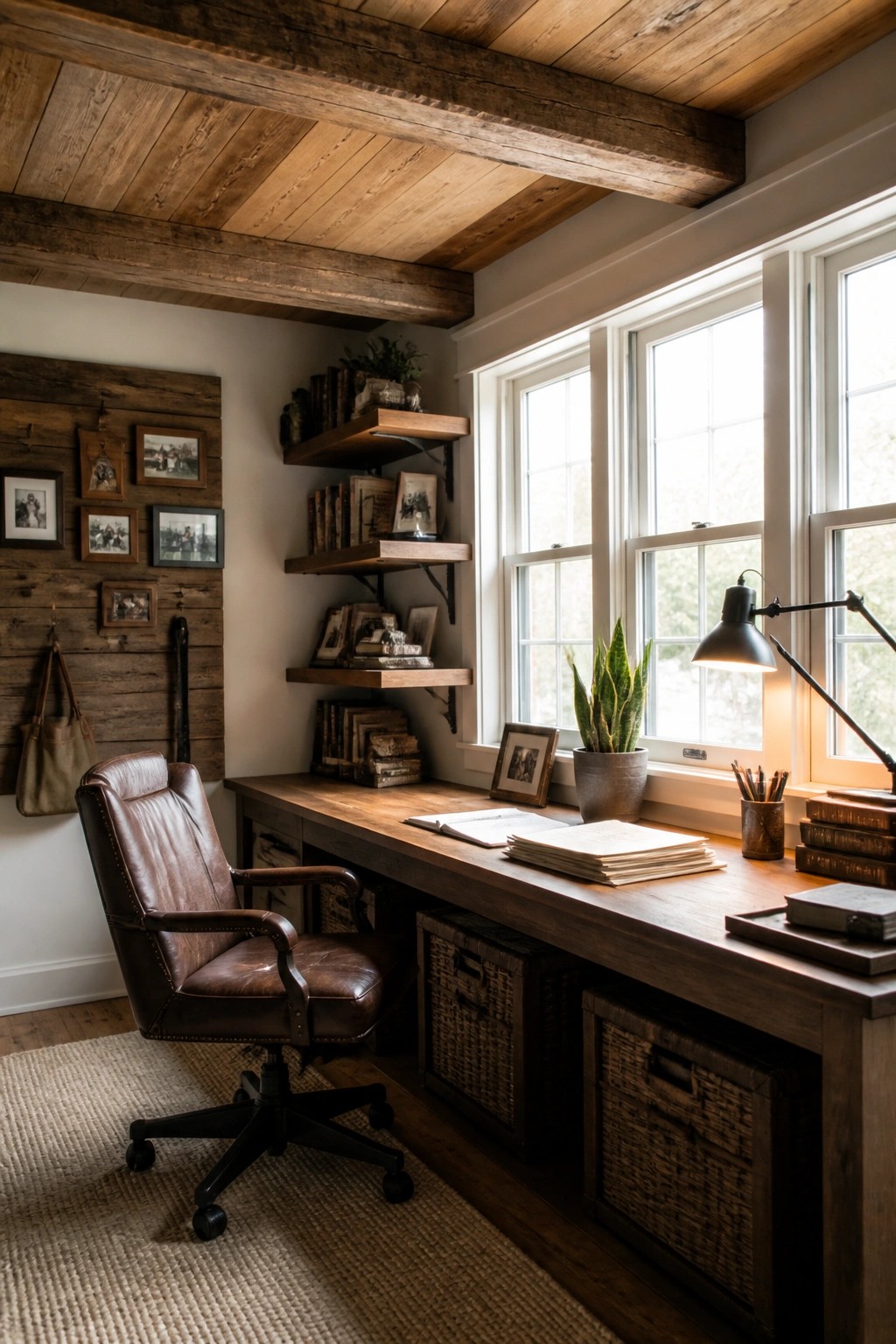
Exposed wood beams add structure and warmth to a room in a way that feels steady rather than styled. In this setup the beams run across the space in a natural finish that keeps the ceiling from feeling flat or empty.
This works best in rooms with decent height where the wood can be seen clearly. Keep the rest of the finishes simple so the beams remain the main feature instead of competing with too many colors or patterns.
Exposed Beams on a White Plank Ceiling
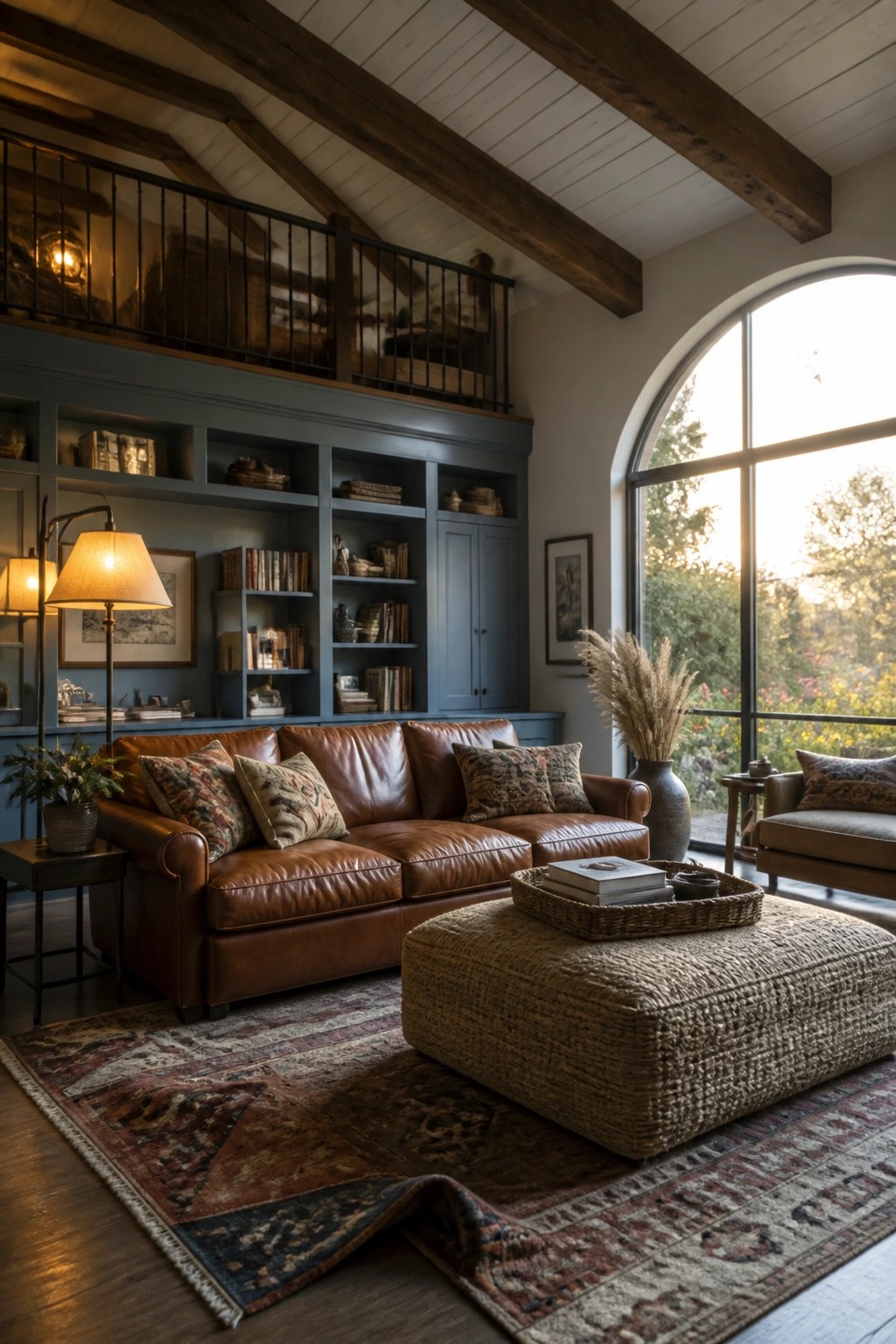
Many farmhouses kept their ceiling beams visible because the wood was already doing the work of holding everything up. When the planks between them are painted white, the beams stand out more and the room feels taller without any extra effort.
This works best in spaces that already have some height. The dark wood brings warmth while the white keeps things from feeling closed in, and it pairs easily with both painted built-ins and simple furniture.
Exposed Wood Beams on White Ceilings
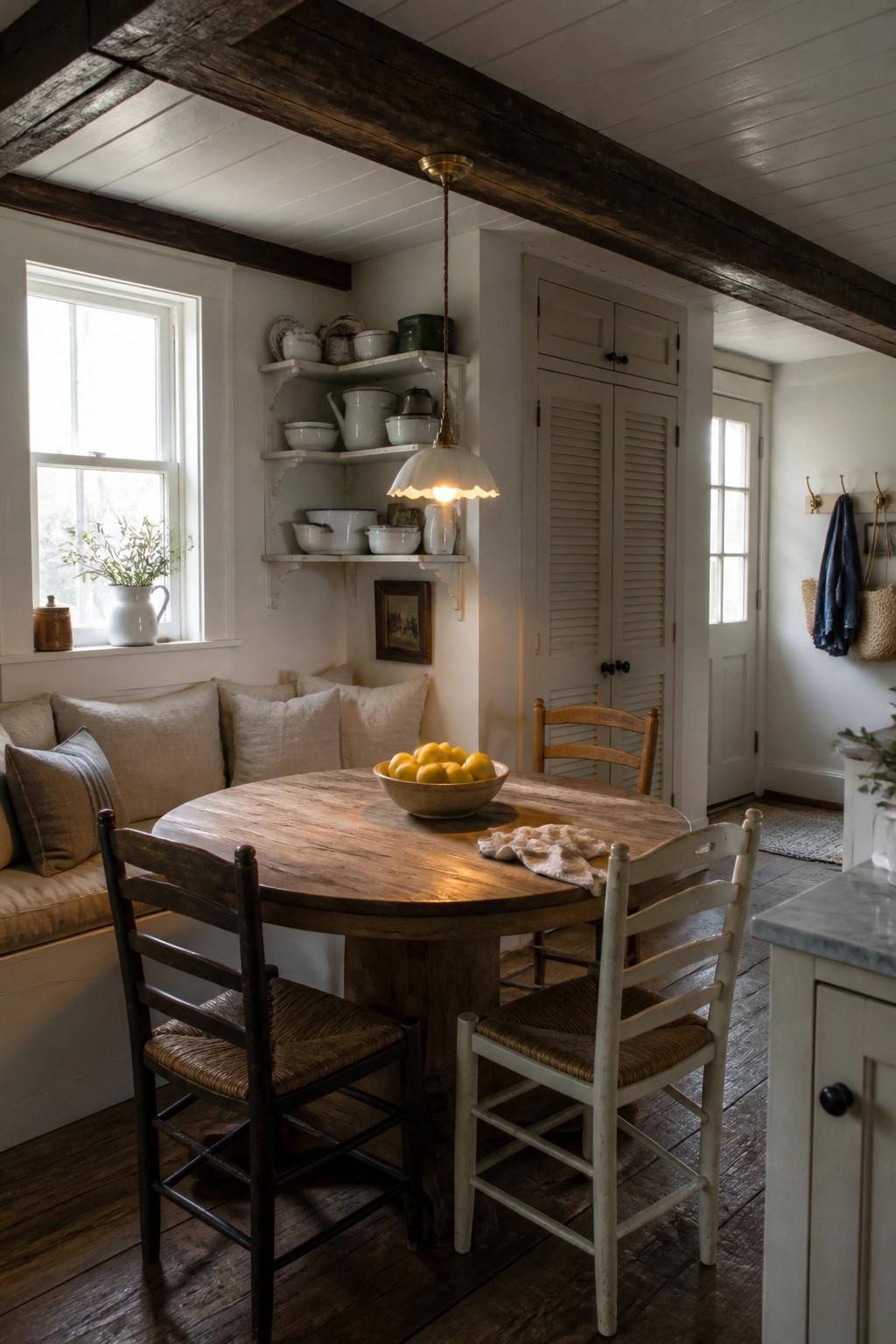
Many farmhouses keep the ceiling simple with white paint and let the beams carry the weight. The dark wood adds structure without closing the room in, and the contrast makes the space feel both open and grounded.
This approach works best in kitchens or dining areas where you already have wood floors or furniture. Choose beams with visible grain and slight variation in tone so they feel like part of the original build rather than an added layer.
Natural Wood Ceilings With Painted Beams
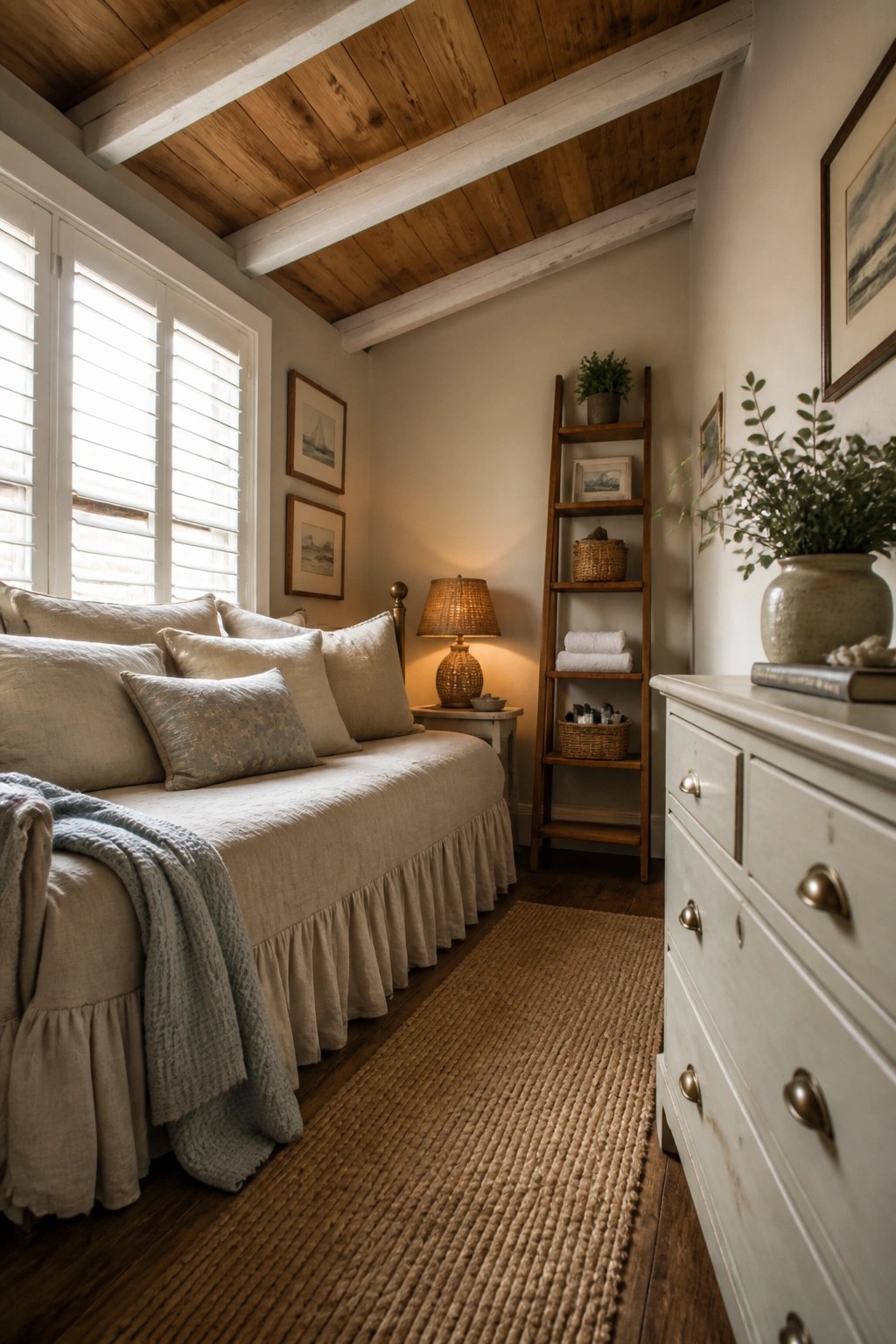
Many farmhouse rooms feel more settled when the ceiling shows real wood rather than drywall. The natural planks bring warmth while the white beams keep the whole space from closing in.
This approach works especially well in bedrooms or small sitting areas where you want texture overhead without a heavy look. It suits older homes or new builds trying to capture that same simple character.
Natural Wood Ceilings With Exposed Beams
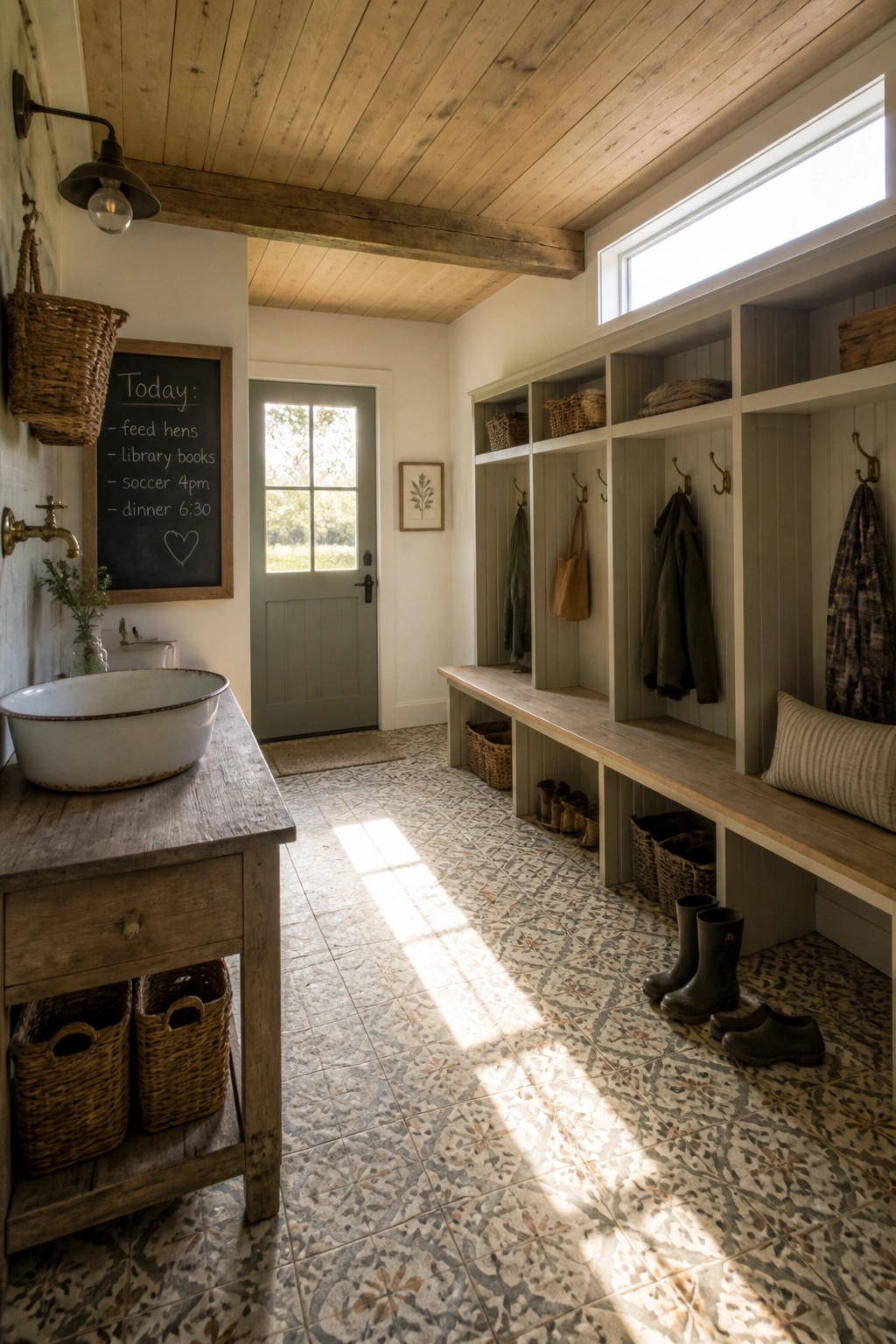
A wood ceiling with exposed beams adds warmth to a space that gets heavy daily use. The natural finish keeps things simple and lets the beams stand out without competing with the rest of the room.
This works especially well in mudrooms or back entries where you already have tile floors and built-in storage. Keep the beams in a light natural tone so they age well and tie in with other wood elements like benches or tables.
White Plank Ceilings For Laundry Rooms
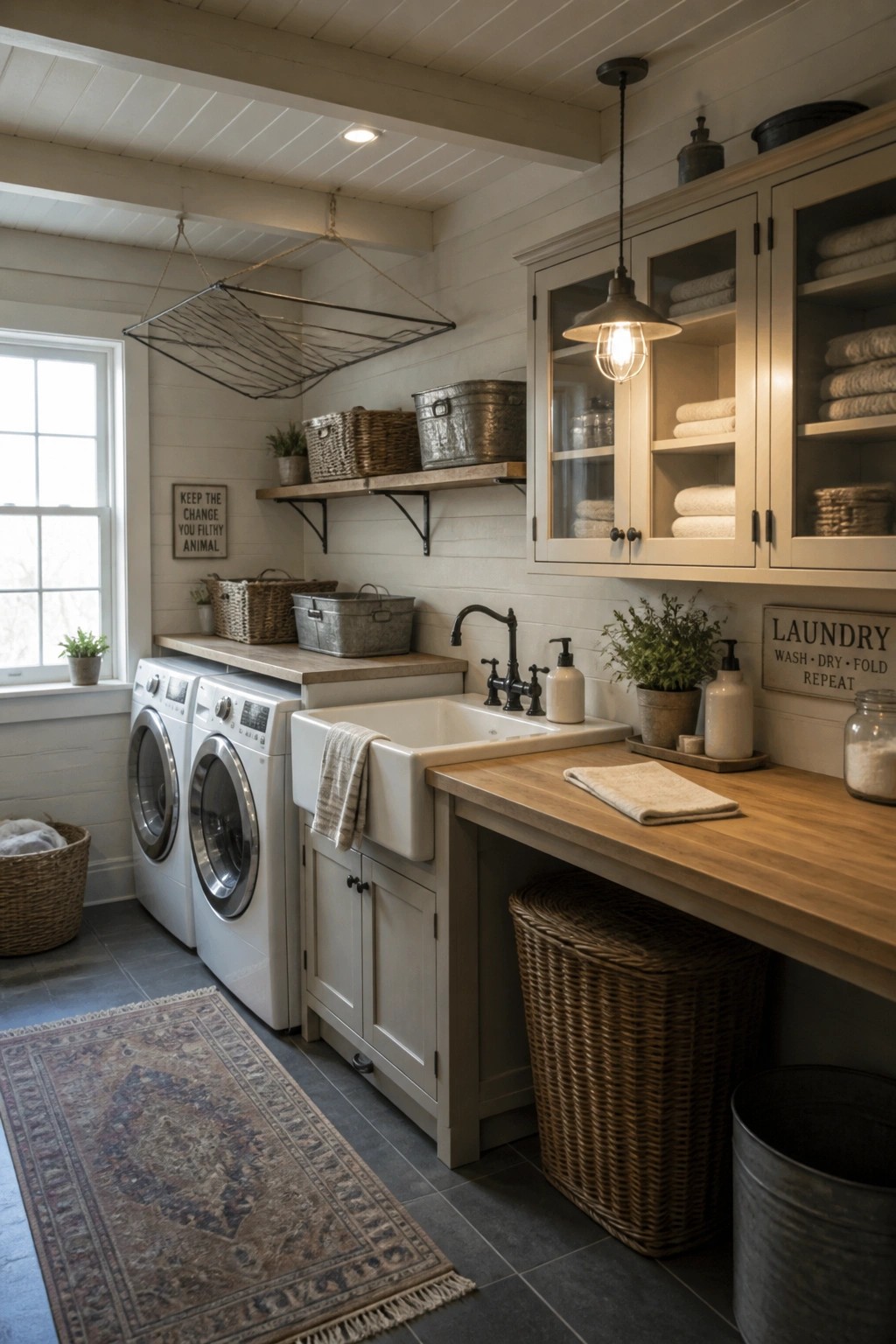
A white wood plank ceiling brings a quiet farmhouse touch to a laundry room without making the space feel heavy. It keeps things bright and helps the room feel a bit more finished than a plain drywall ceiling would.
This works best in smaller utility areas where you want warmth but still need plenty of light. Stick with light walls and simple wood counters so the ceiling adds texture without competing for attention.
Rustic Ceiling Beams With Natural Wood Finish
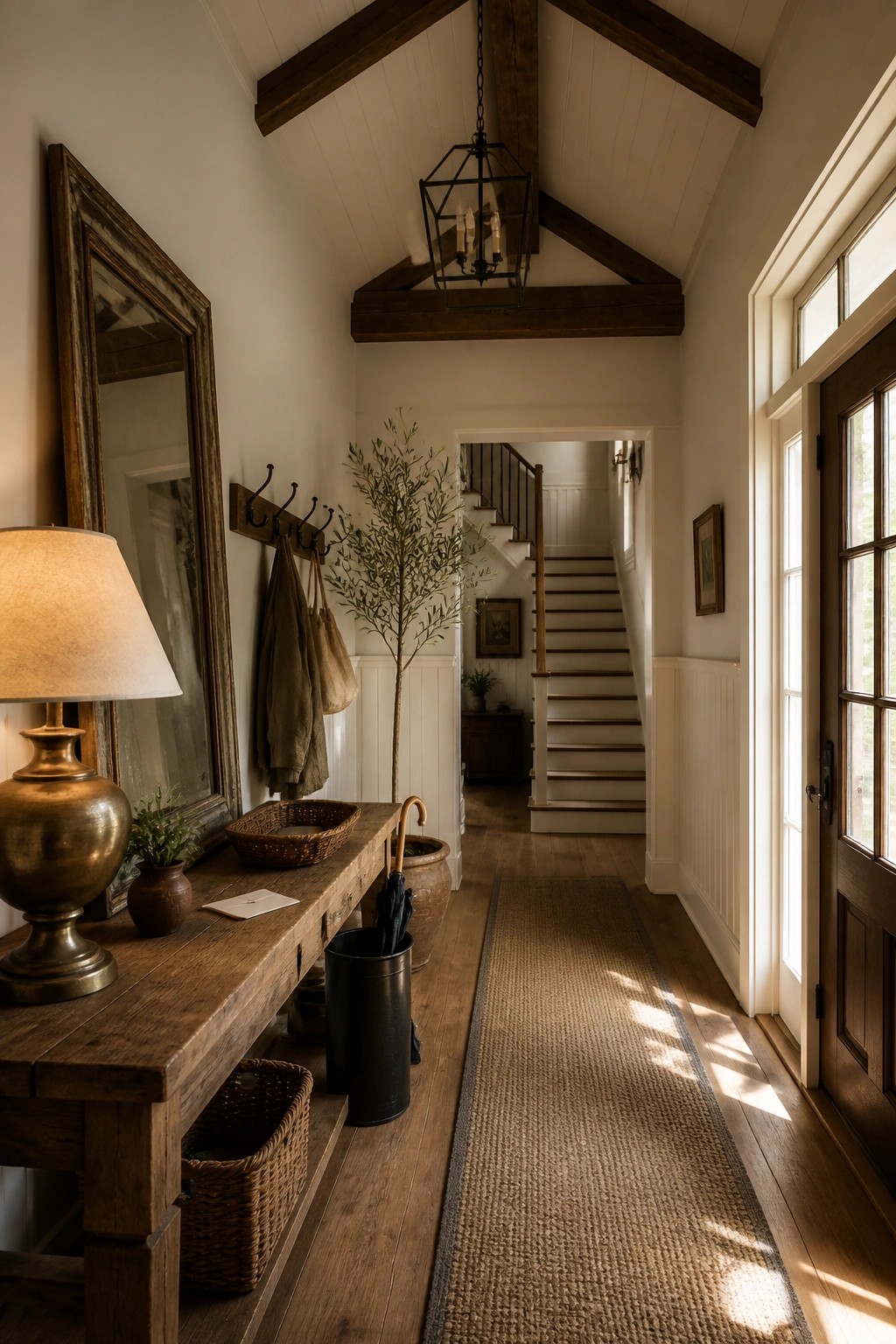
Exposed wood beams work well when you want the ceiling to feel like part of the room instead of just an empty surface. In spaces with height, dark beams against white walls create a simple structure that keeps the look grounded and warm without much extra effort.
This approach suits older homes or new builds that lean farmhouse. Keep the beams in their natural tone and let the rest of the room stay light so the wood stands out without closing the space in.
Exposed Beams Over Whitewashed Planks
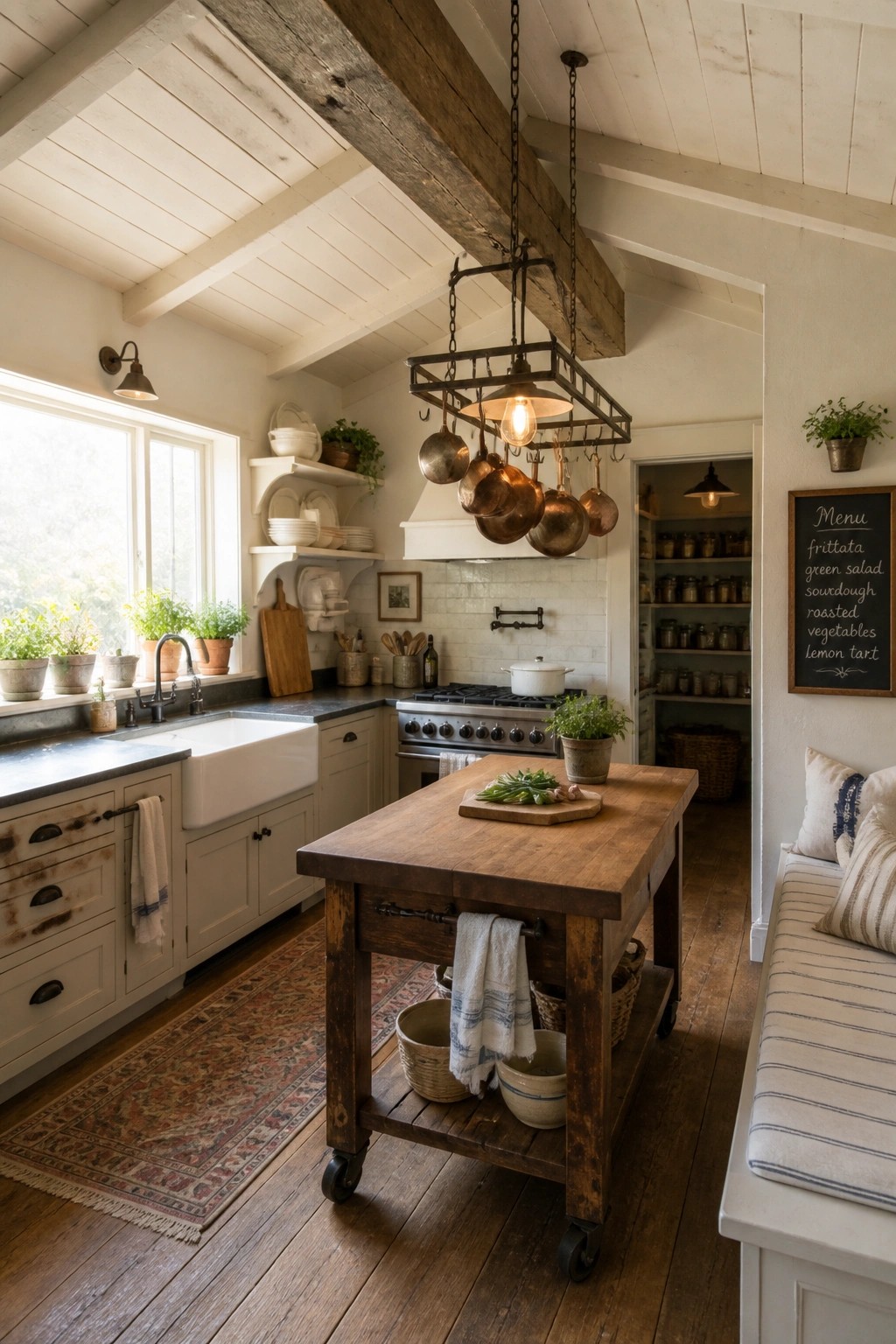
Exposed wood beams stand out against a whitewashed plank ceiling because they add structure and a bit of age without making the room feel dark. The contrast keeps the ceiling light while still showing off the natural grain and texture of the beams.
This approach works well in kitchens and living spaces where you want some farmhouse character but still need the room to feel open. It pairs best with simple cabinetry and light walls so the ceiling becomes the main feature rather than competing with everything else.
Farmhouse Ceiling Beams In Natural Wood
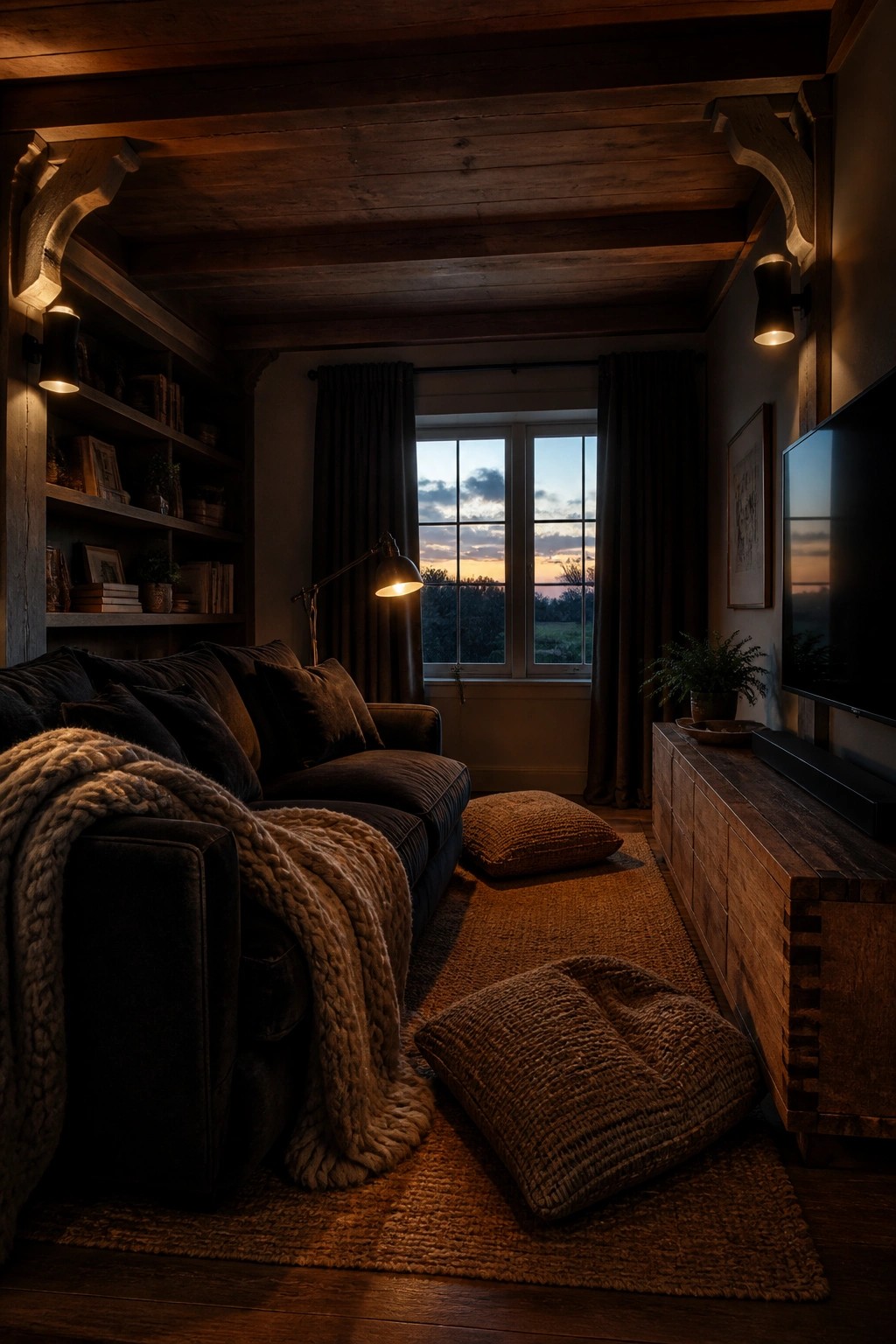
Exposed wood beams give a room instant structure and warmth. They work especially well when the finish stays close to natural, letting the grain and tone do the heavy lifting instead of paint or ornament.
This choice suits farmhouse homes and any space that feels a little plain overhead. Keep the beams a shade or two darker than the walls so they read as part of the architecture rather than an added layer.
Whitewashed Beams Brighten Sloped Ceilings
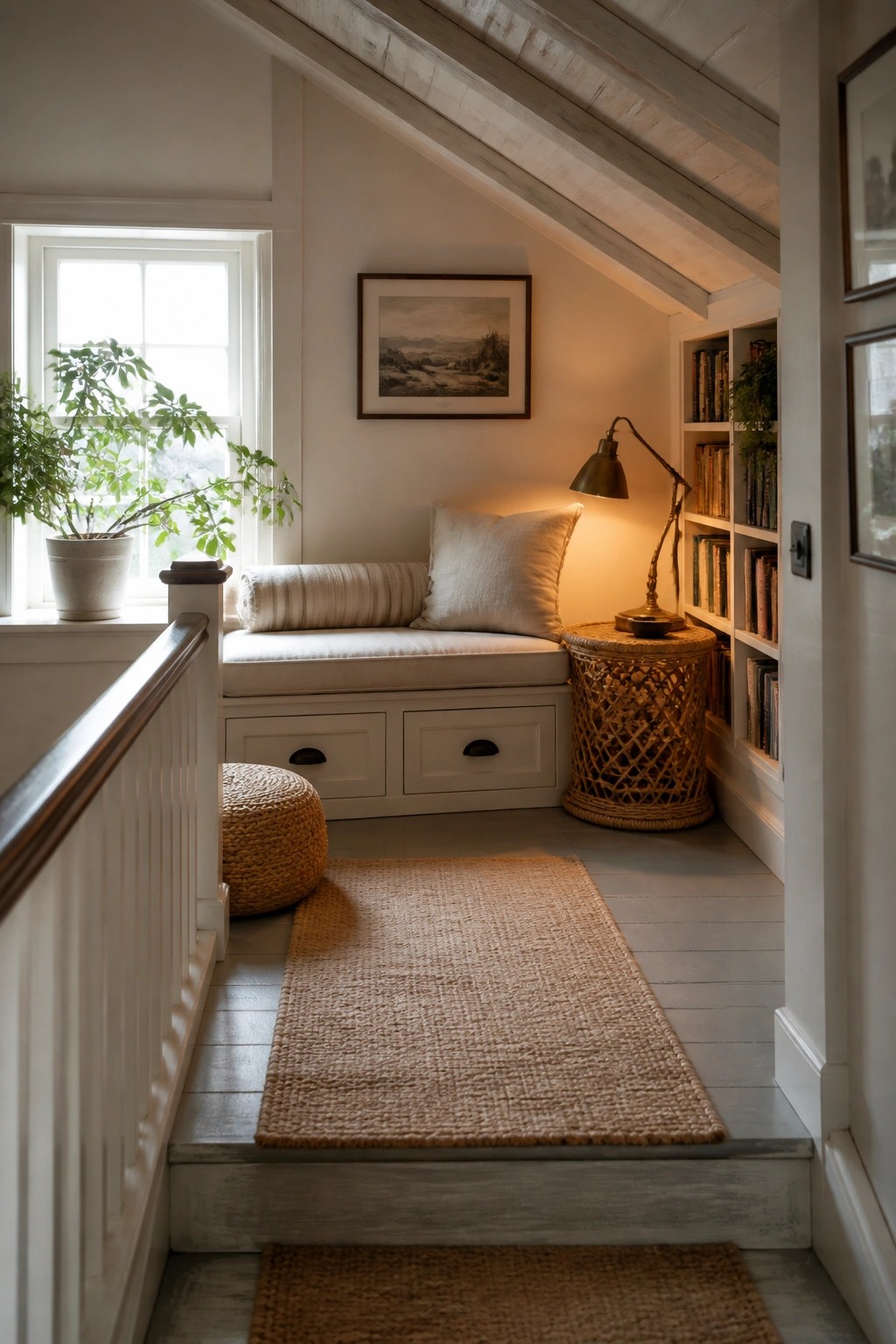
Whitewashed beams give a sloped ceiling more light without losing the wood texture. Many older homes already have this kind of ceiling structure, and painting the beams white keeps the space from feeling too heavy while still showing the grain and knots.
This approach works especially well in small alcoves or landings where natural light is limited. Keep the rest of the finishes simple so the ceiling stays the main feature.
Dark Wood Beams Over Light Ceilings
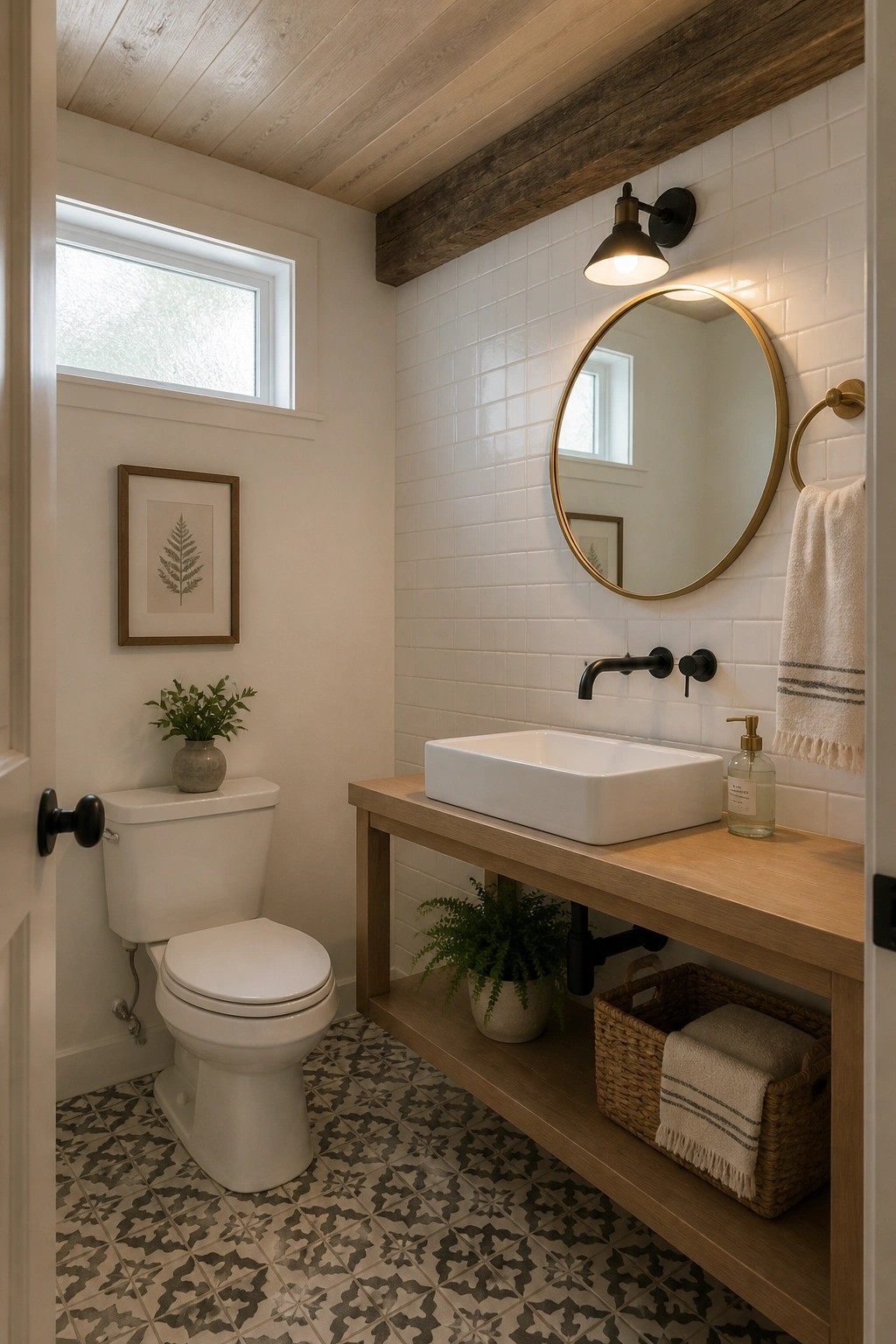
A single dark beam on a light wood ceiling gives the room a quiet sense of structure. It adds contrast without crowding the space or requiring much extra detail.
This works well in smaller bathrooms where you want the ceiling to feel finished but not busy. Keep the rest of the wood light and let the darker beam do the work.
Exposed Wood Beams On Vaulted Ceilings
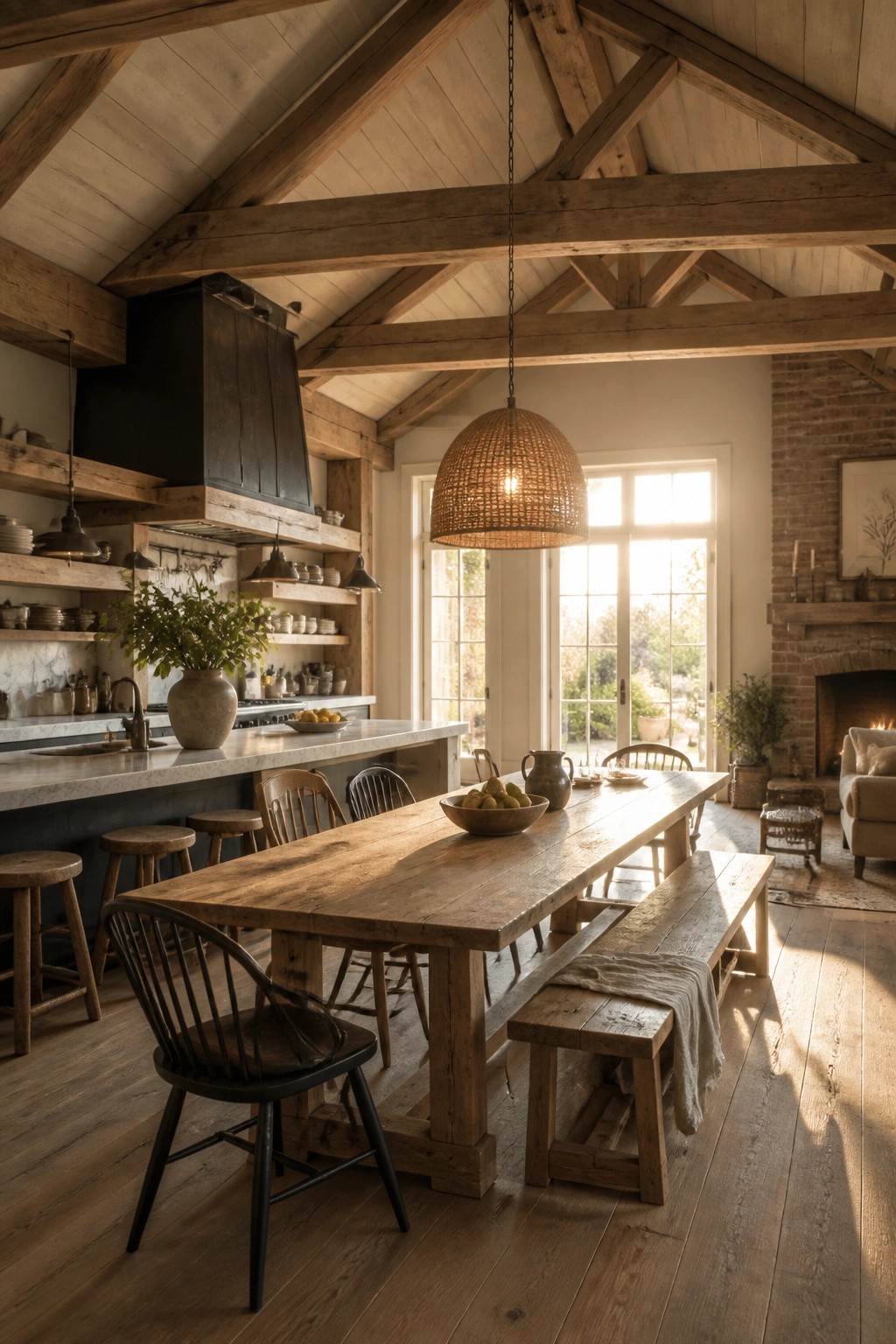
Exposed wood beams give a room height and structure without adding anything extra. In this kitchen and dining space the beams run across a tall ceiling and keep the whole area feeling open and grounded at the same time.
Use them when you already have some ceiling height to work with. Keep the wood tone simple and let the beams match the floor or table so the look stays calm rather than busy.
Exposed Beams Along Stairway Ceilings
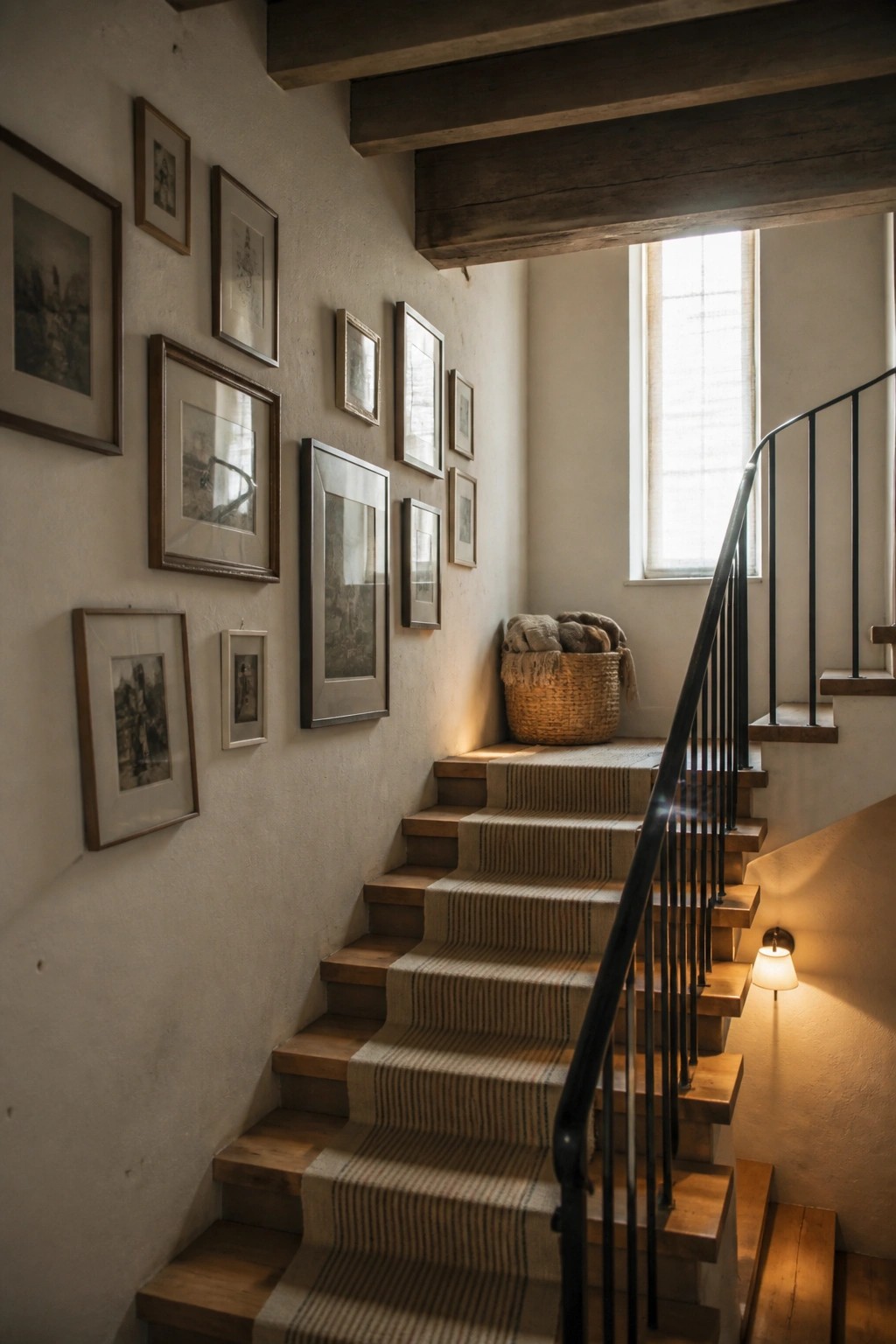
Many older homes and new farmhouse builds leave ceiling beams exposed rather than covering them up. The wood adds texture overhead and keeps the space from feeling too finished or flat.
This approach works best when the beams have a natural or lightly stained finish that contrasts with light walls. It suits stairwells and hallways where the ceiling stays visible from different levels, and it pairs well with simple wood trim elsewhere in the house.
Wood Ceilings With Beams In Bathrooms
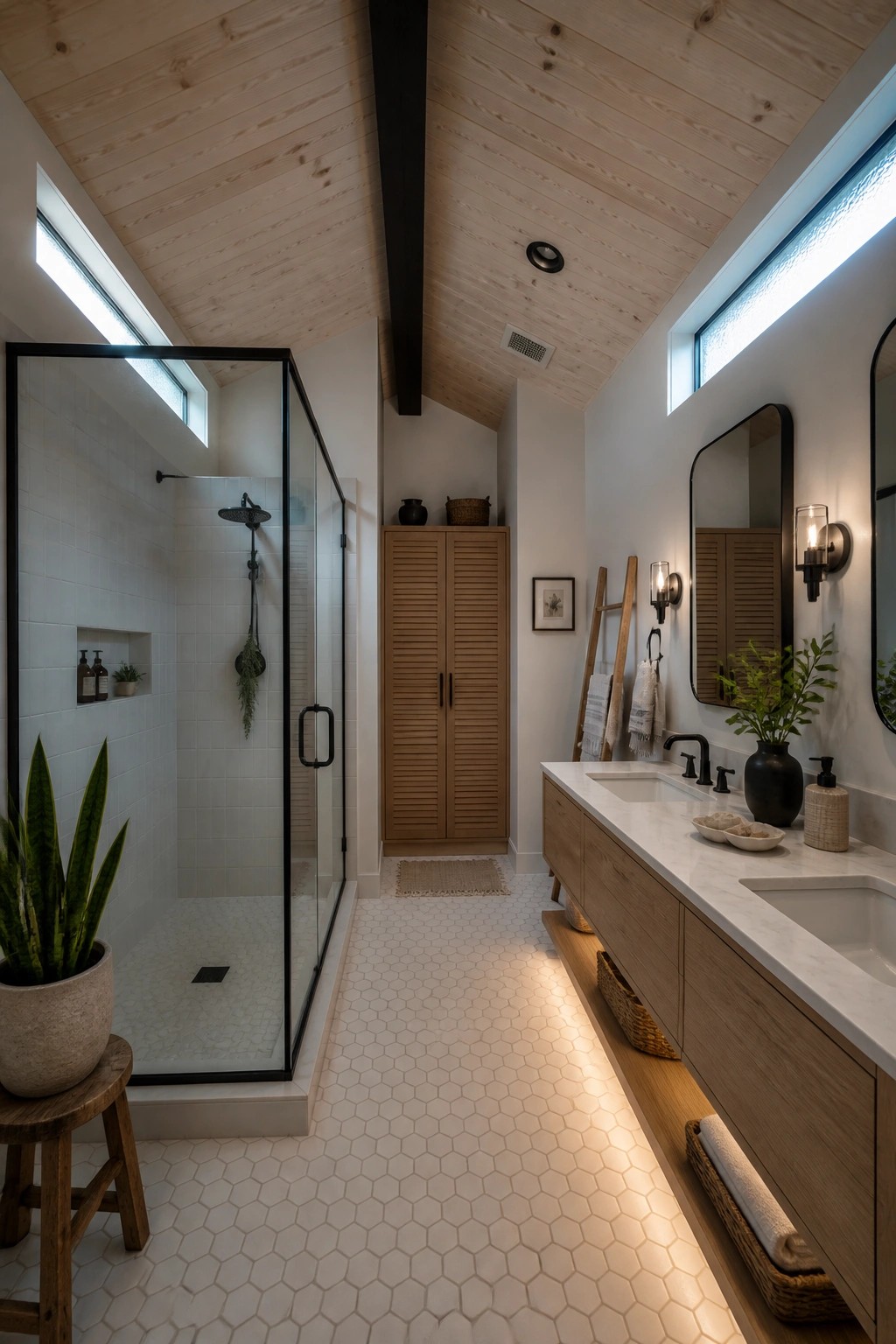
A wood ceiling with a dark beam can make a bathroom feel warmer and more finished. The natural tone softens all the tile and stone while still keeping things bright and open.
This approach works best in rooms with some height, where the ceiling can be seen clearly. Seal the wood well in humid spaces and keep the rest of the finishes simple so the ceiling stays the main feature.
Natural Wood Beams Over a Corner Table
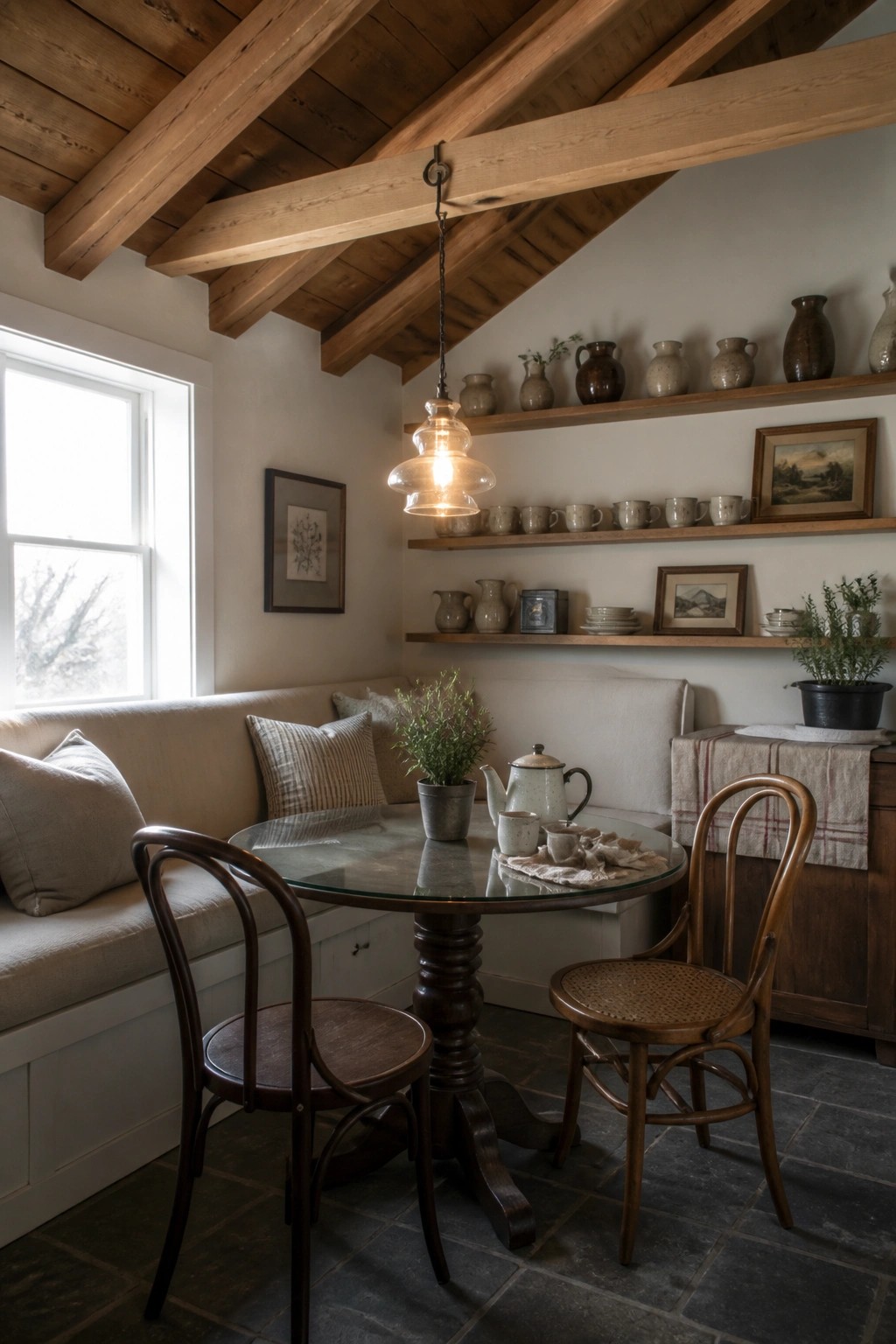
Exposed ceiling beams in their natural finish bring a steady, grounded look to a room. The wood adds warmth without needing much else, and it works especially well when the rest of the space stays light and simple.
This approach suits small dining spots or breakfast nooks where you already have built-in seating. Keep the beams clean and let the tone stand on its own rather than painting or staining them to match other finishes.
Exposed Wood Beams For A Simple Ceiling
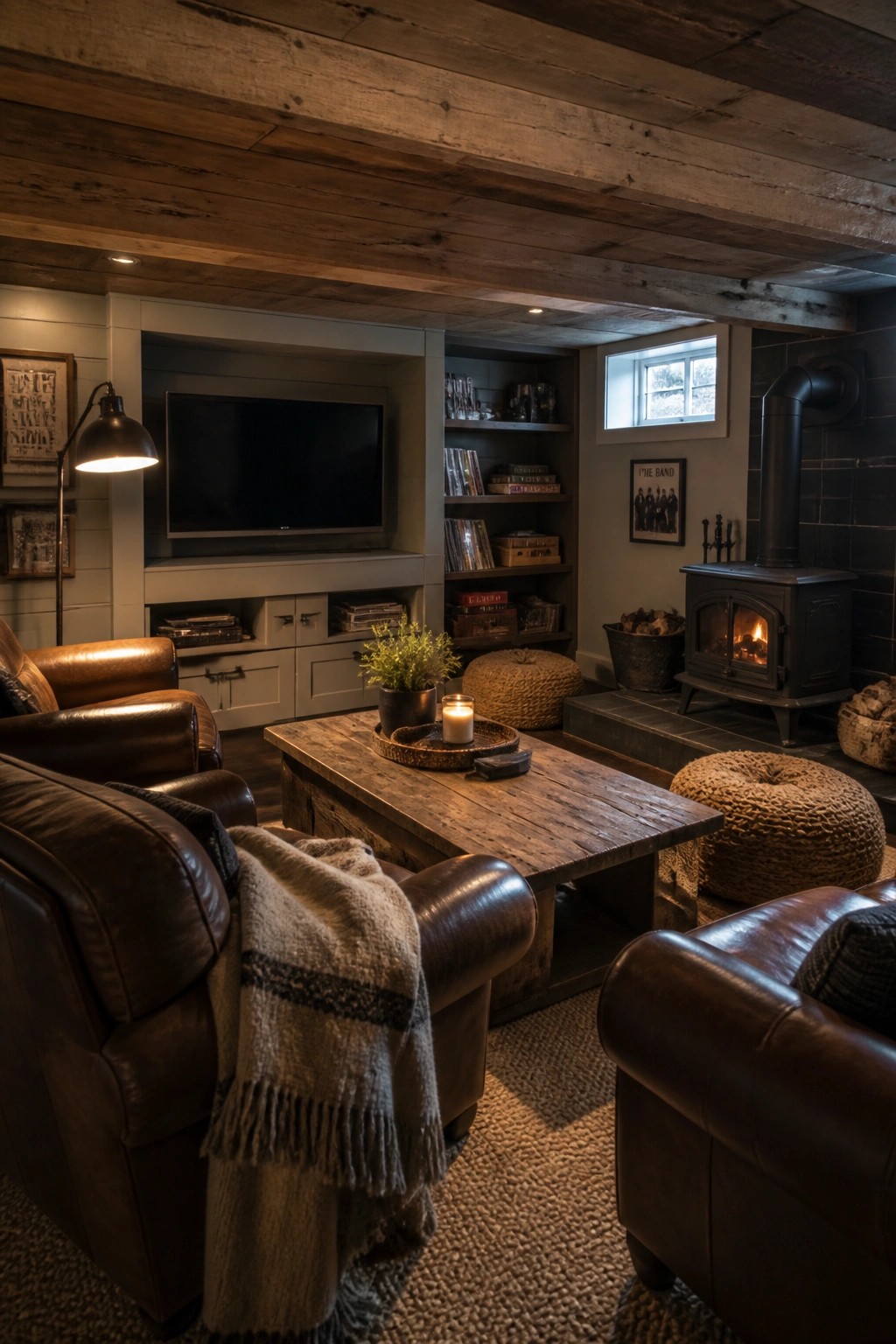
Many farmhouses kept the ceiling structure visible because it was practical and it gave the room a solid base. The same idea still works today when the beams are left in a natural or lightly darkened finish instead of being painted or hidden.
This approach suits rooms that already have some height and a mix of wood and darker tones elsewhere. It looks best when the rest of the space stays fairly plain so the ceiling does not compete with too many other textures or colors.
Frequently Asked Questions
Q: Can I add beams to a ceiling that already has drywall up? A: Yes. Attach them directly into the joists above with the right hardware and they stay secure. This approach keeps the project straightforward without major demo work.
Q: How do I keep wood beams from looking too dark in a kitchen? A: Choose lighter natural finishes like whitewashed pine and space the beams farther apart. The room stays bright while the beams still add that farmhouse feel.
Q: What if I want to change the finish on the beams after a few years? A: Sand lightly and apply a new stain or oil. Most natural woods take updates well without needing a full replacement.
Q: Do beams need extra support in an older house? A: Check the joists first and add blocking where needed. This step prevents sagging over time.
