

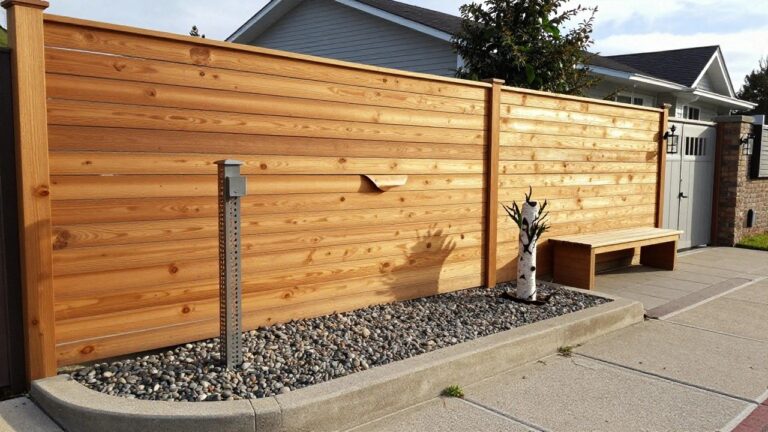
When I look at a house the fence is one of the first things that shapes how the whole place feels from the road.
Wood brings a natural texture that can soften hard lines on the exterior or add structure depending on the design.
I have noticed that fences built too high sometimes make a home feel closed off while lower ones keep things open but sacrifice privacy.
Details matter here.
Testing a few patterns against your own front view can show which ones actually improve the look without overdoing it.
Horizontal Wood Fencing
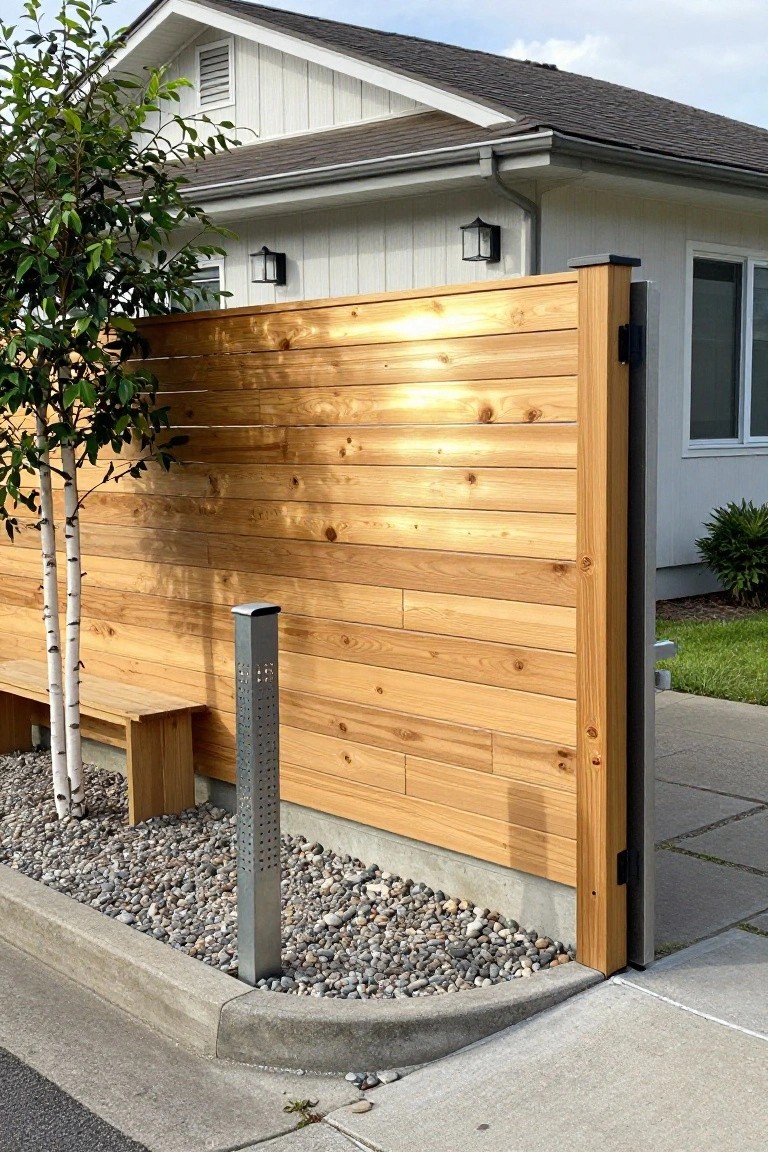
Many homeowners choose horizontal boards when they want a fence that feels updated but still delivers solid privacy. The even lines keep the look simple and let the natural wood color stand out without extra trim or detail.
This approach works best along the side of a house or on a narrow lot where you need height without making the space feel closed in. Use pressure-treated wood and set the posts in concrete so the fence stays straight for years.
Tall Wood Fences for Private Patios
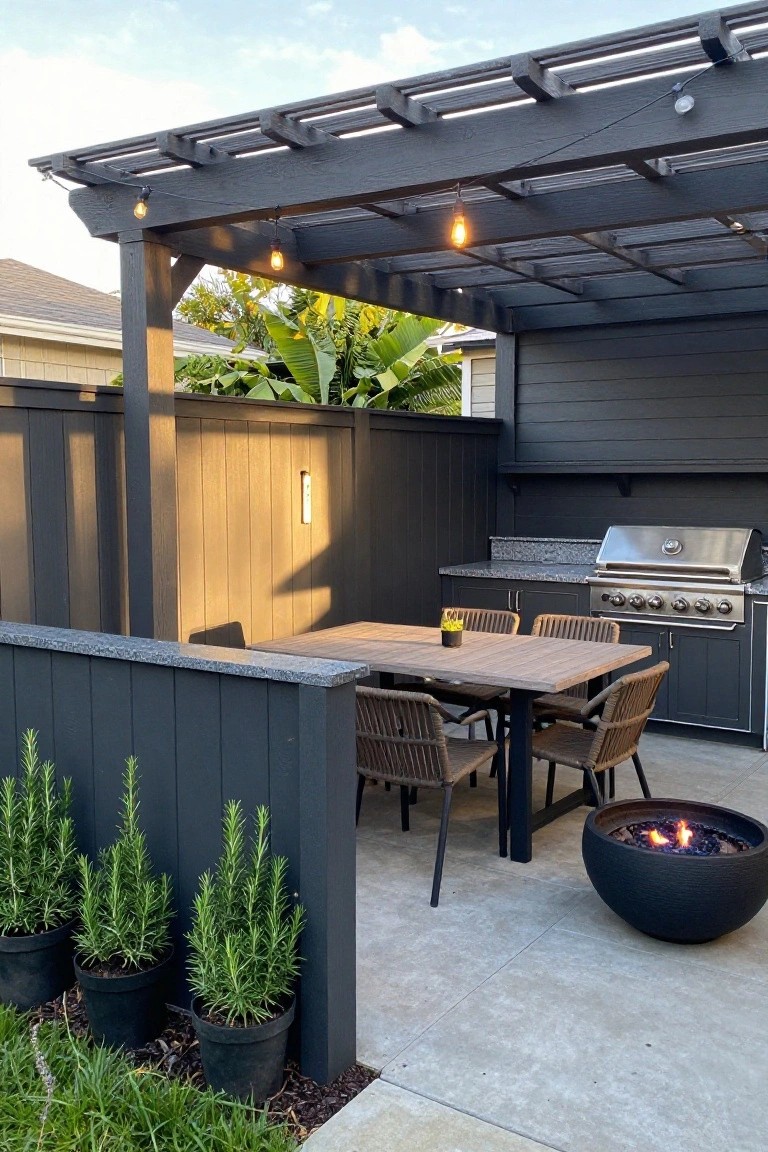
A solid wood fence around a patio turns an open yard into a more usable space by cutting off sightlines from neighbors. It creates a clear boundary that makes the area feel like part of the house rather than just open ground.
This approach works best on smaller lots where you want a defined outdoor room without adding structures. A dark stain keeps the look simple and helps the fence blend with other outdoor elements like seating and cooking areas.
Wood Privacy Fences With Arched Gates
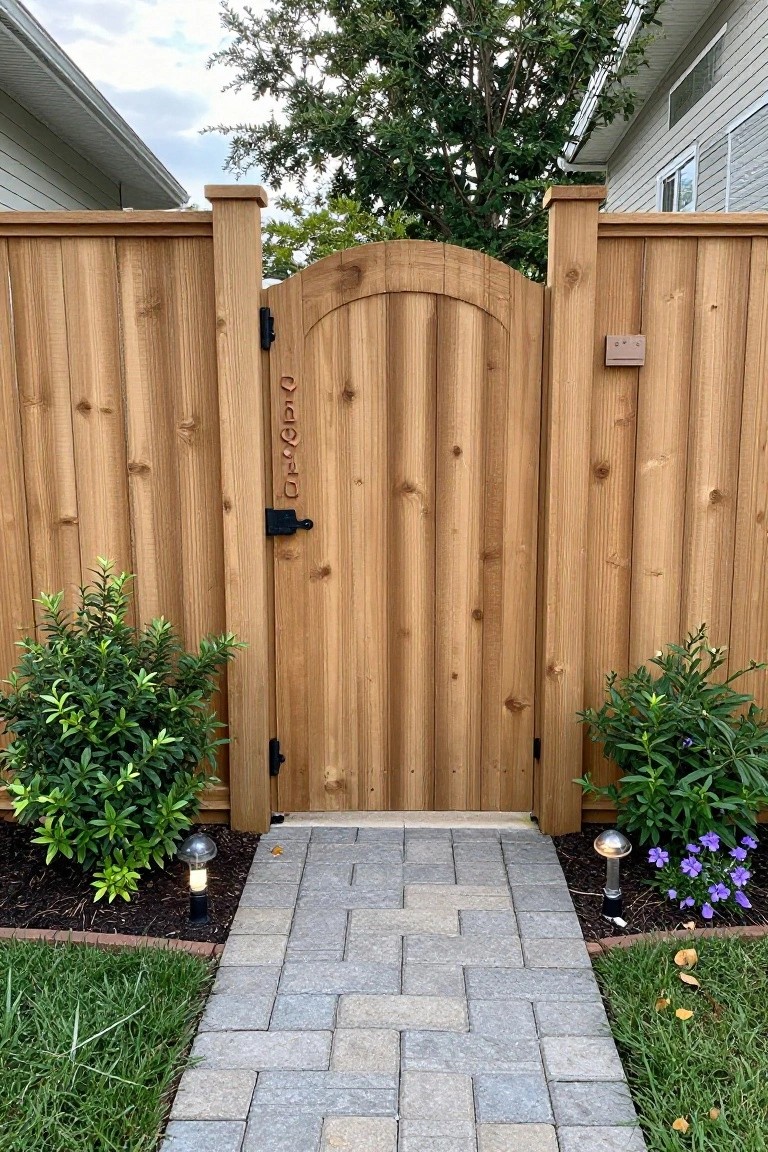
A tall wood fence like this one gives solid privacy while the curved gate keeps the entry from feeling too closed in. The vertical boards run straight up and create a clean screen without extra layers.
This setup works best along a side yard or back line where you want separation but still need easy access. Keep plantings low along the base so the fence stays the main feature and does not crowd the path.
Adding Lattice to the Top of a Wood Fence
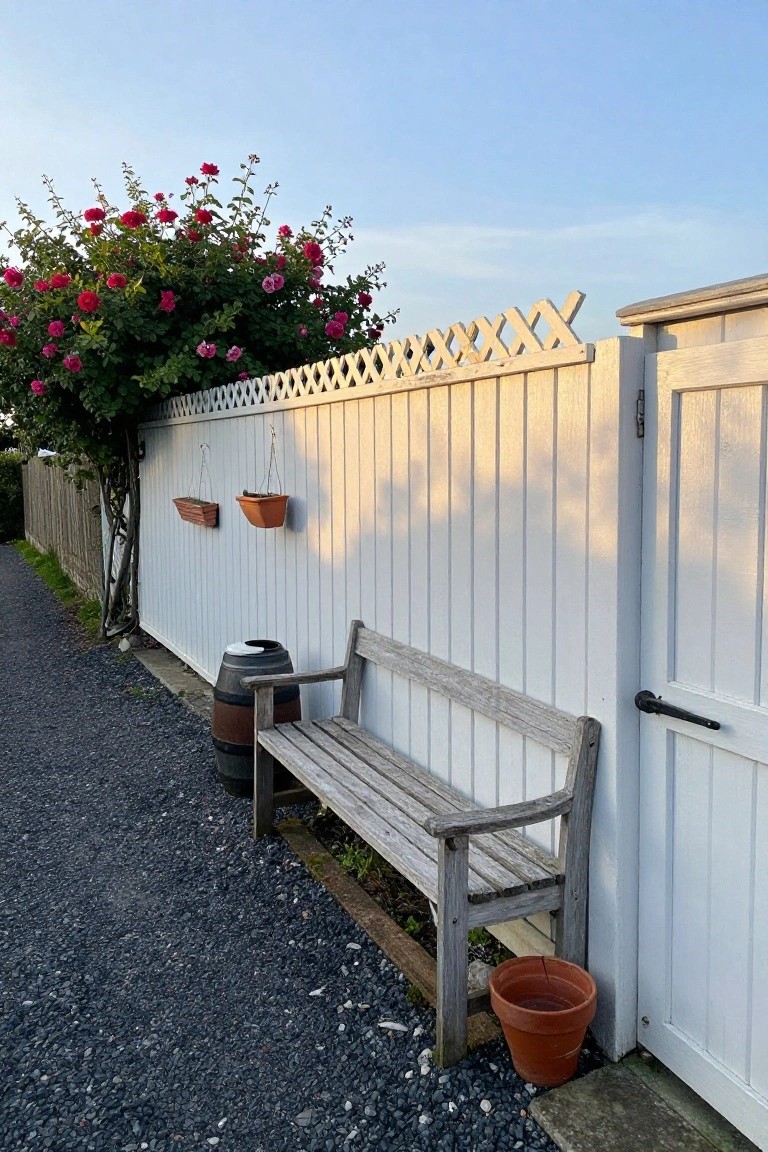
A lattice section on top of a solid wood fence gives you extra height for privacy while still letting some light and air through. It also creates a natural spot for climbing plants to take hold, which helps the fence feel less like a barrier and more like part of the garden.
This approach works well along side yards or paths where you need separation from the street or neighbors. Keep the lattice simple and make sure it is built strong enough to support vines over time.
Vertical Wood Screens for Poolside Privacy
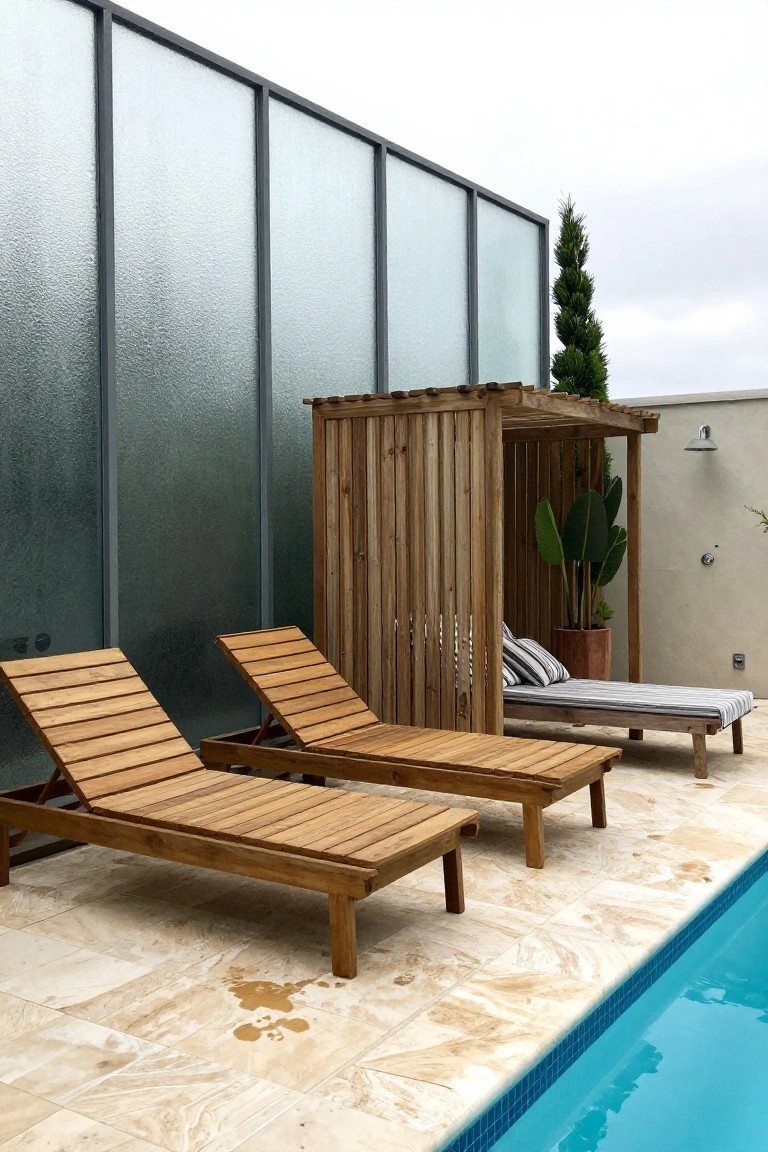
A tall screen made from vertical wood slats gives an outdoor seating area real privacy without making it feel closed in. It works especially well next to a pool where you want some separation from the rest of the yard or neighboring homes.
This approach fits homes with modest outdoor space. Place the screen to block direct views while keeping the area open to air and light. Just make sure the wood is sealed well since it will sit near water.
Horizontal Slat Fencing For Outdoor Privacy
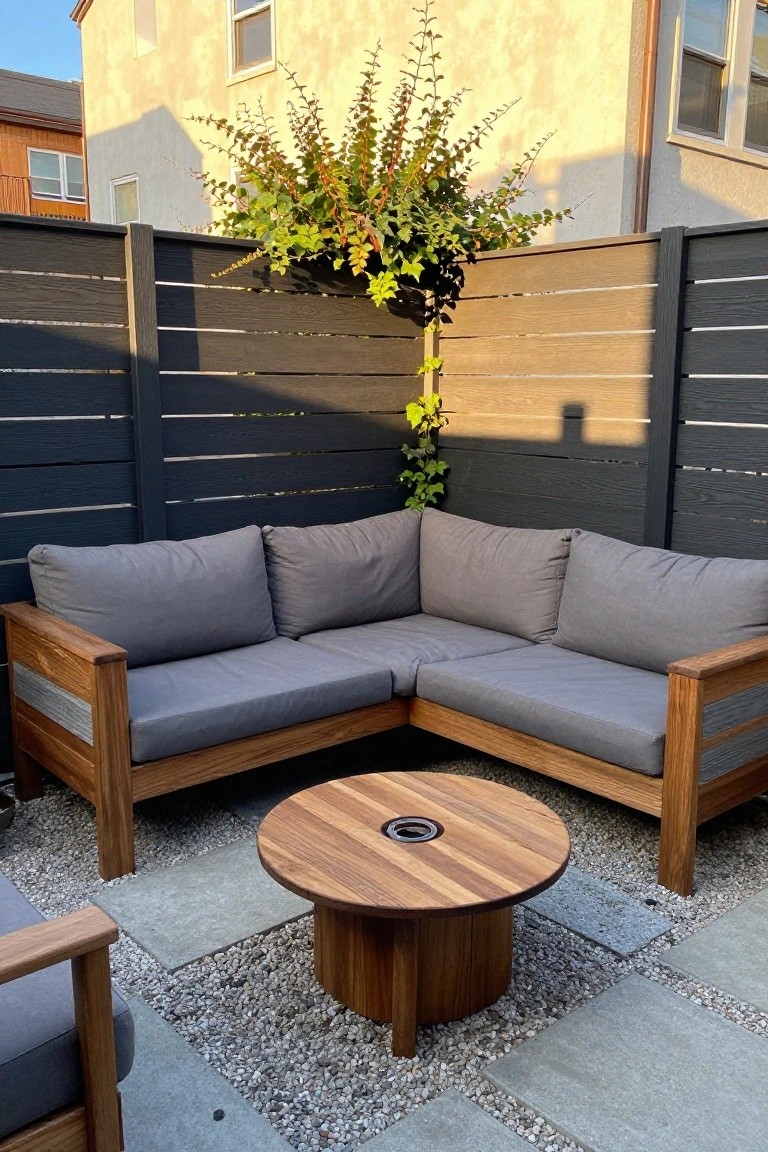
Horizontal wood slats give a fence a cleaner look while still blocking the view from neighboring yards. The staggered tones in this setup keep the wall from feeling too heavy or solid, and the gaps let in a bit of light without opening everything up.
This approach works best on smaller patios or corner spots where you need to create a defined seating area. It pairs well with simple built-in or modular seating and holds up better than vertical boards in many climates since the lines run with the natural drainage.
Horizontal Boards on Wood Gates
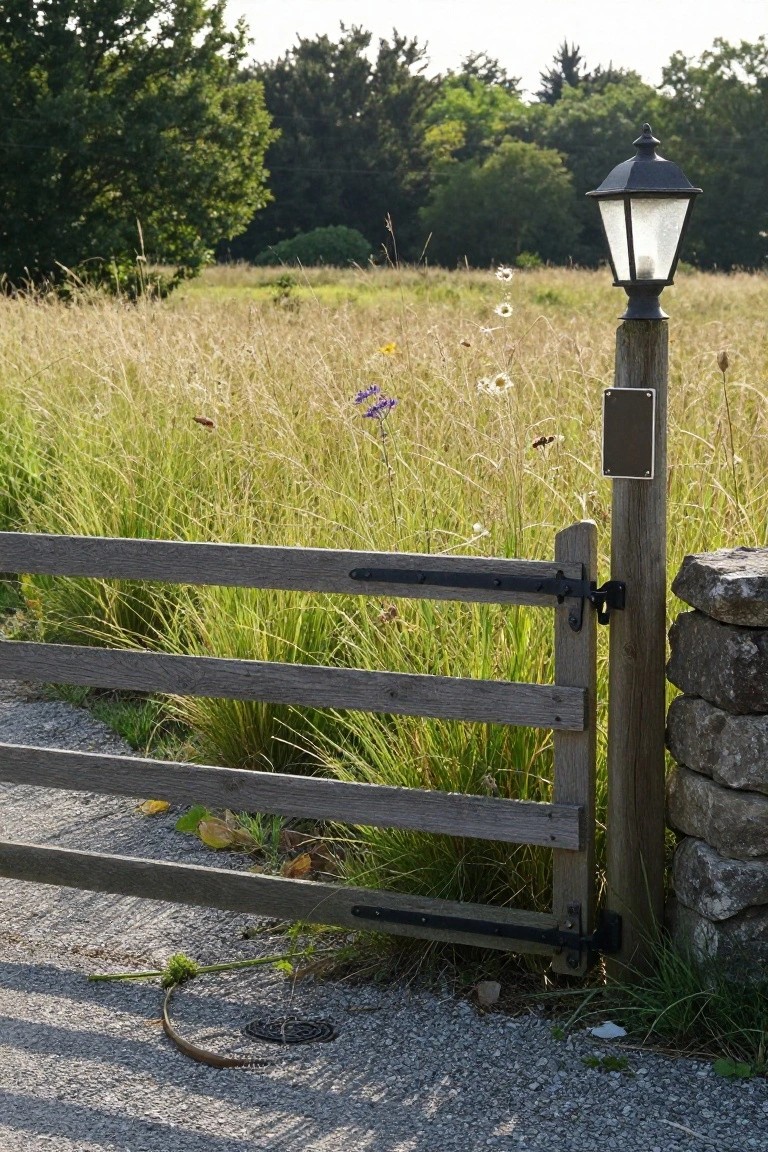
A gate built with simple horizontal boards gives a relaxed boundary that fits right into a natural setting. The style feels less formal than vertical pickets and still marks the entry clearly without cutting off the view of the field beyond.
This approach works best on homes with open yards or gravel paths leading out to grass. Keep the wood weathered or lightly stained so it blends with the surroundings, and add a post light if you want the gate easy to find after dark.
Built-In Seating Along A Wood Fence
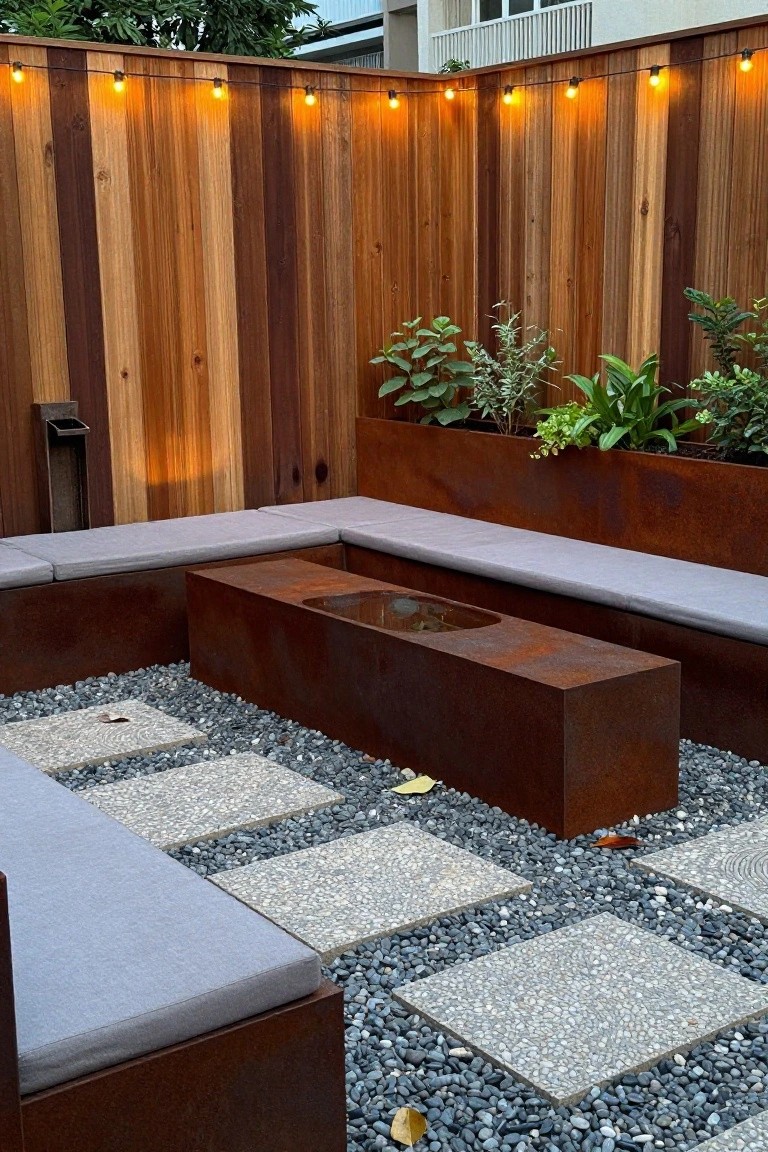
Many people like adding bench seating right up against a wood fence. It turns the fence into more than just a boundary and creates a comfortable spot to relax without needing extra furniture.
This setup works well in smaller yards where space is tight. Make sure the fence is solid enough to support the bench structure and pick cushions that hold up in wet weather.
Mixing Wood and Metal in a Horizontal Fence
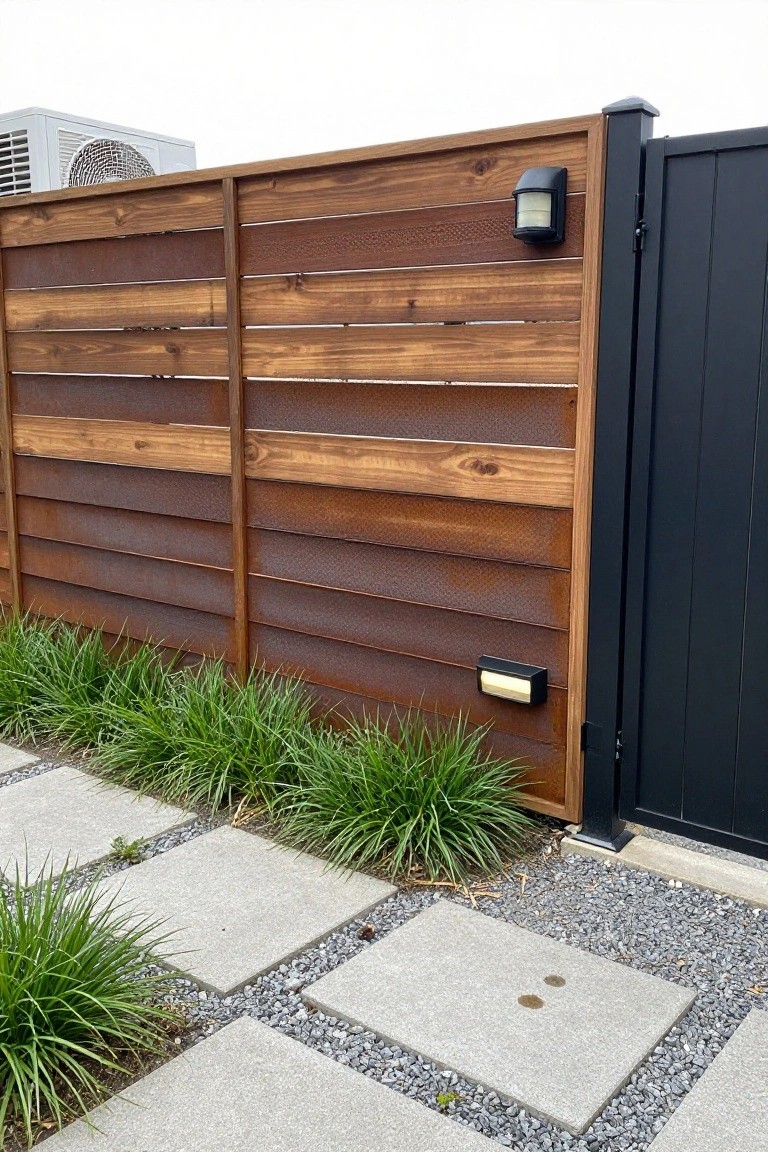
Many homeowners turn to this style when they want privacy without a plain wall of wood. The mix of warm timber and darker metal panels breaks up the surface and gives the fence a cleaner, more current look while still blocking the view from the street or neighbors.
It works best on side yards or front boundaries where the fence is highly visible. Keep the rest of the area simple with low plants and basic paving so the fence itself stays the main feature.
Frame a Gate With Matching Planters
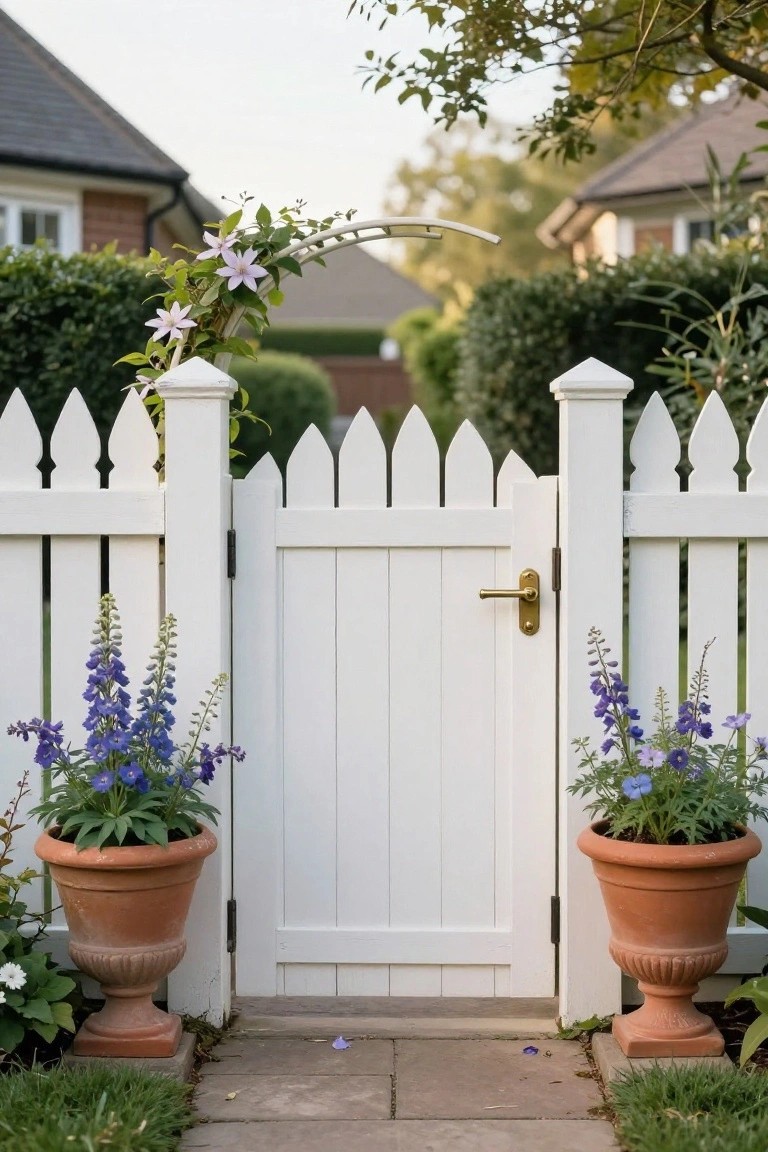
Placing a pair of large pots on either side of a fence gate gives the entry a finished look without much effort. The containers help guide the eye to the opening and add height and color right where people notice first.
This works especially well with a simple picket fence on a small front yard or along a side path. Use pots in a similar material or color to the fence so they feel like part of the same structure, and choose plants that bloom at different times to keep the spot interesting through the seasons.
Wood Fencing for Pool Privacy
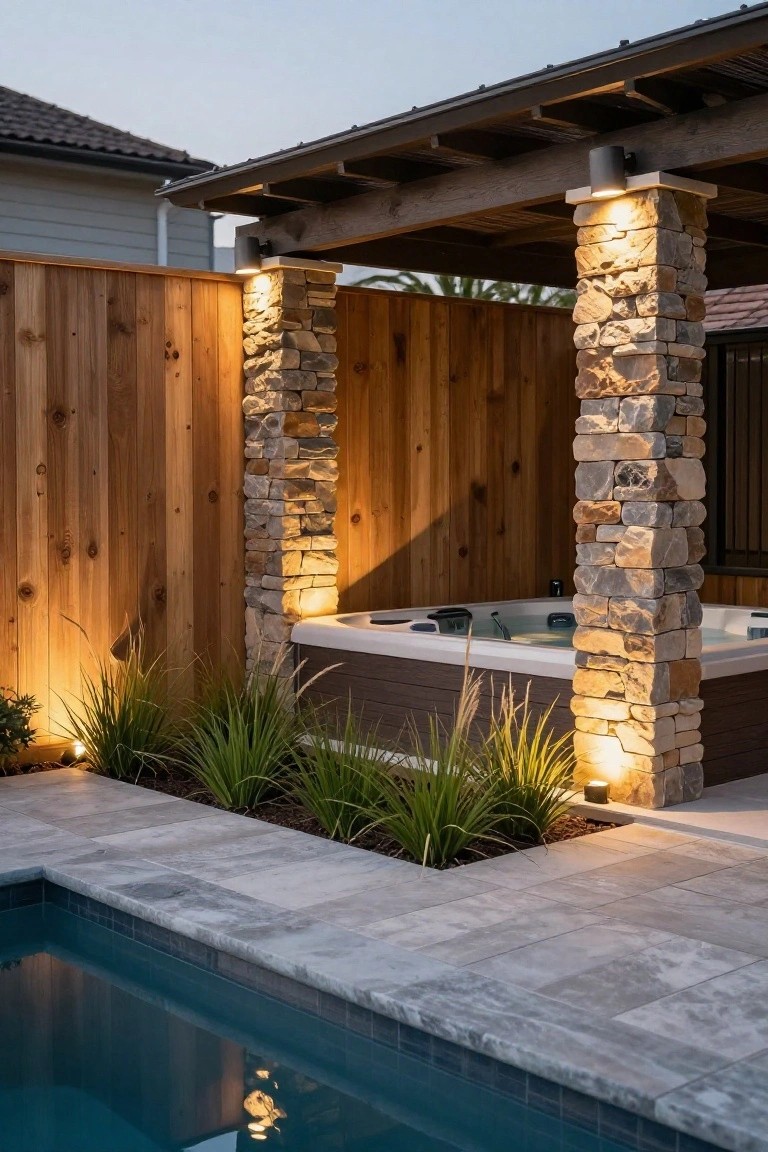
A tall wood fence does a good job of shutting out the view from nearby homes when you have a pool and hot tub outside. It keeps the space feeling more private while still letting in air and some light from above.
Run the fence straight along the patio edge and add a narrow planting bed in front if you want to break up the look. This works best on smaller lots where the backyard sits close to the property line.
Mount Vertical Planters on Your Wood Fence
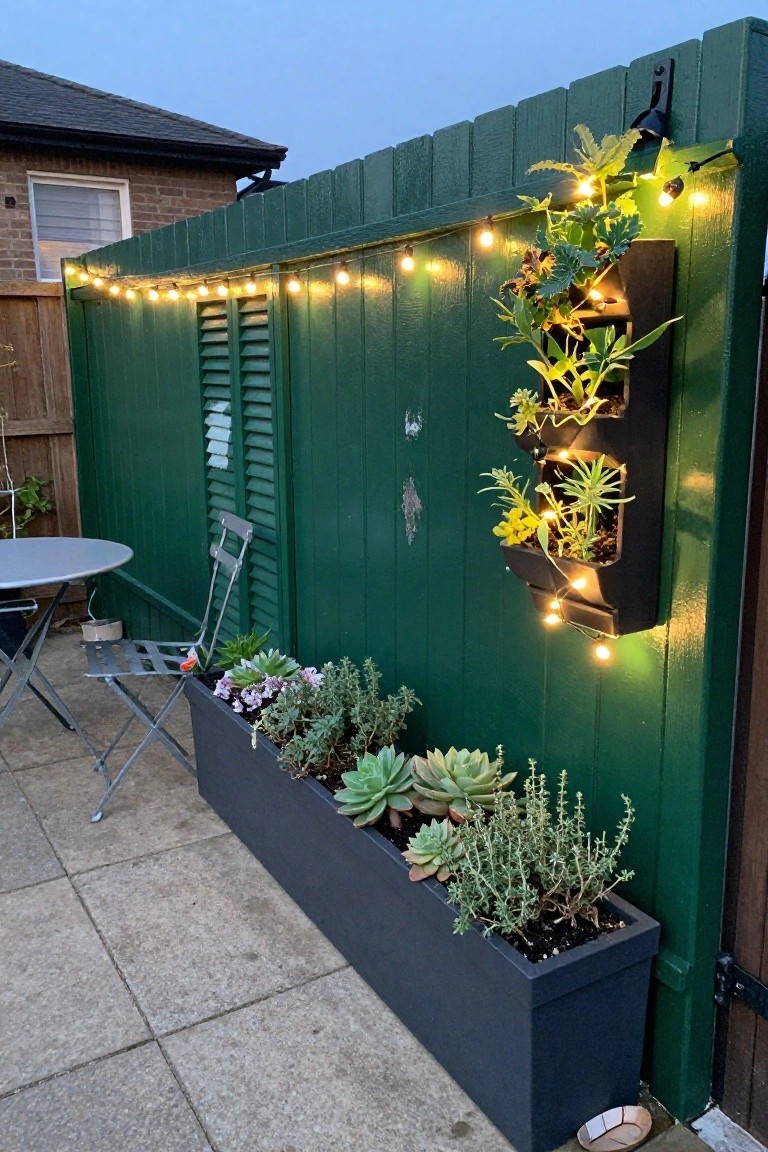
Adding vertical planters directly to a wood fence gives you more growing space without crowding the ground. It also breaks up the flat surface of the fence and adds some softness while keeping the privacy you already have.
This works best on a fence that gets decent light and in yards where floor space is limited. Keep the plants fairly low maintenance so the whole setup stays simple to care for over time.
Enclose Your Patio With a Tall Wood Fence
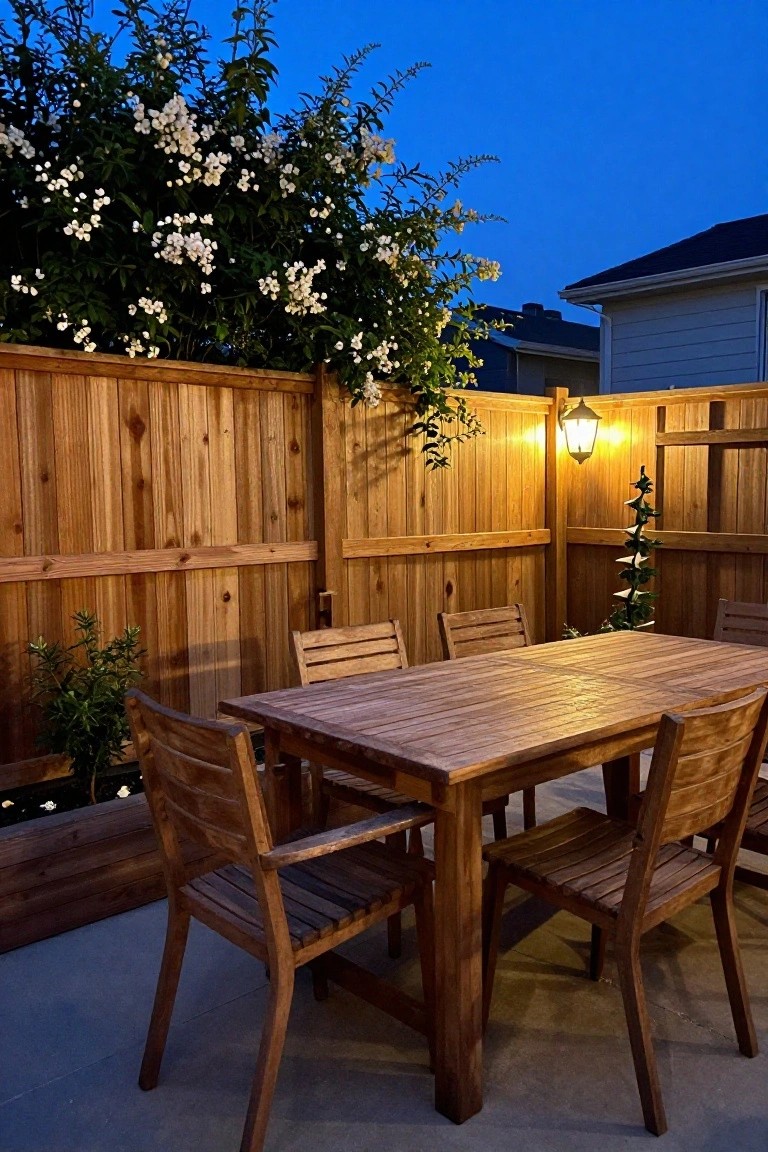
A tall wood fence turns a basic patio into a more private place to sit. It blocks sight lines from nearby houses and gives the space a settled, enclosed feel without needing extra structures.
This approach works well on smaller lots where open yards feel exposed. Match the fence height to your seating area and keep the style simple so the focus stays on the table and chairs rather than the boundary itself.
Tall Fences For Private Outdoor Seating
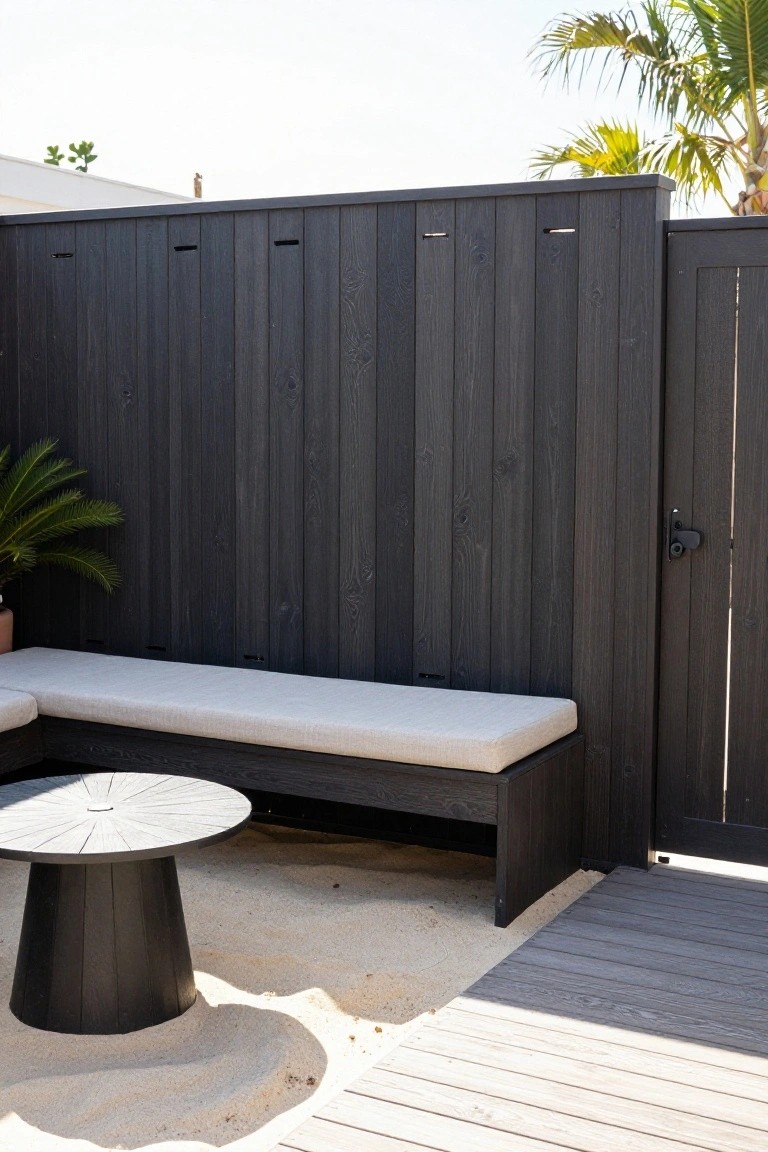
A tall wood fence can turn an open patio into a spot where you actually feel alone. The solid vertical boards block sight lines from the sides and back, which makes the seating area feel much more sheltered without needing extra screens or plants right away.
This approach works best on smaller yards or properties that sit close to neighbors. Keep the fence height consistent and let it serve as the back for a built-in bench so the space stays simple and functional.
Plant Layers in Front of the Fence
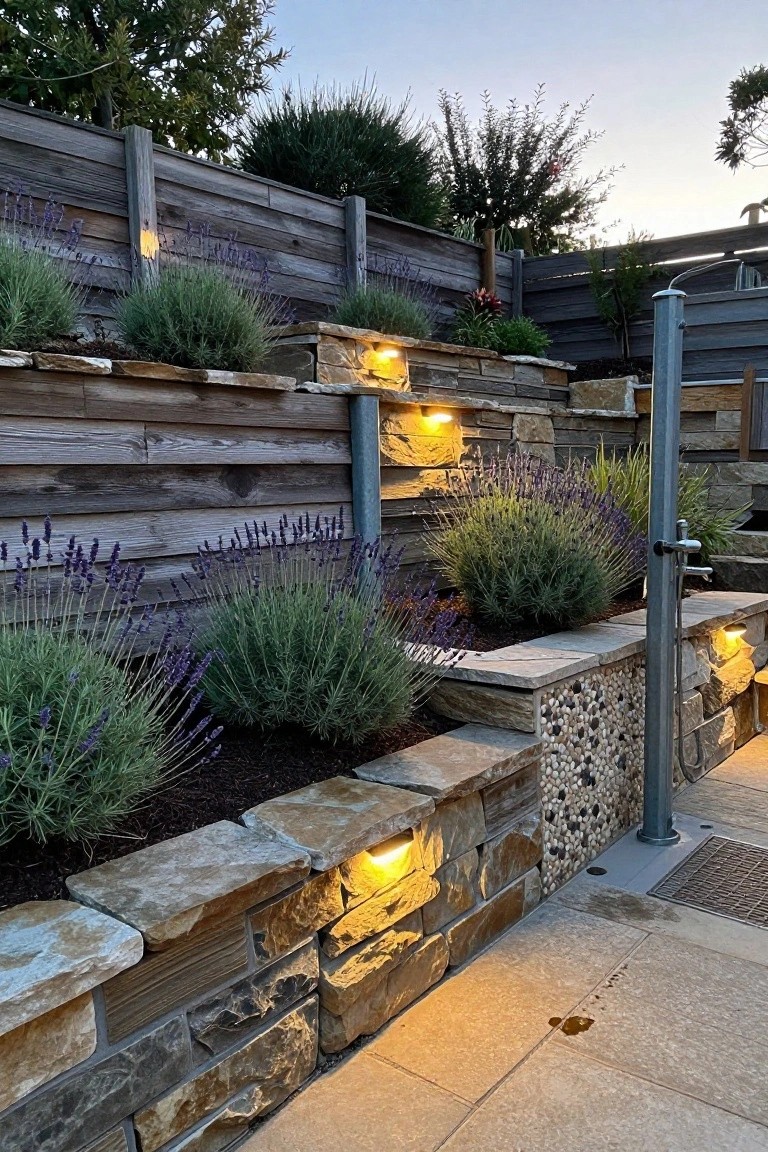
Many people add planting beds right along their wood fence to make the boundary feel less abrupt. The plants soften the look of the fence while adding another layer of privacy without needing a taller structure.
This approach works best in backyards where the fence already provides the main screen. Keep the plants lower in front so the wood grain still shows, and choose varieties that need little water once established.
Add Trellis Panels to a Wood Fence
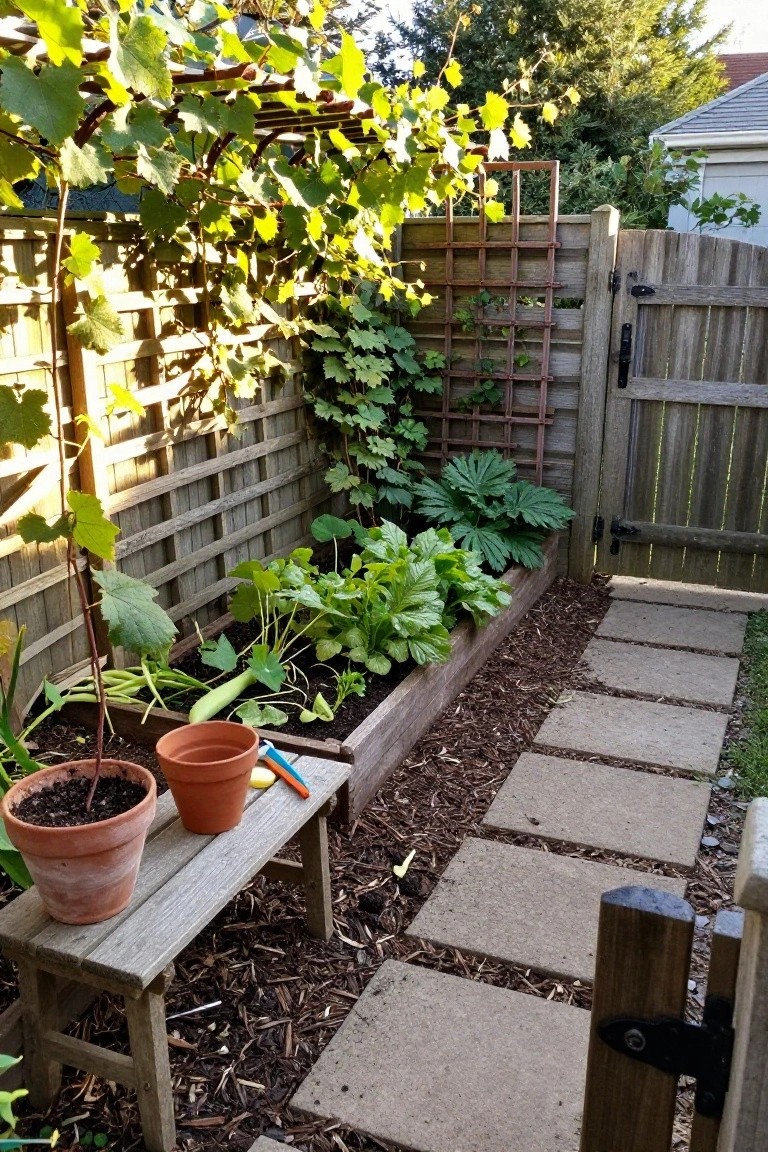
A wood fence feels more useful when you add trellis sections in a few places. The grid gives climbing plants something to grab, and the vines fill in to create a living screen that adds privacy without blocking all the light.
This setup works best along a narrow side yard or garden edge where you already have beds or pots. Secure the panels well and choose vines that suit your climate so the fence stays both practical and attractive over time.
Reed Fencing For Patio Privacy
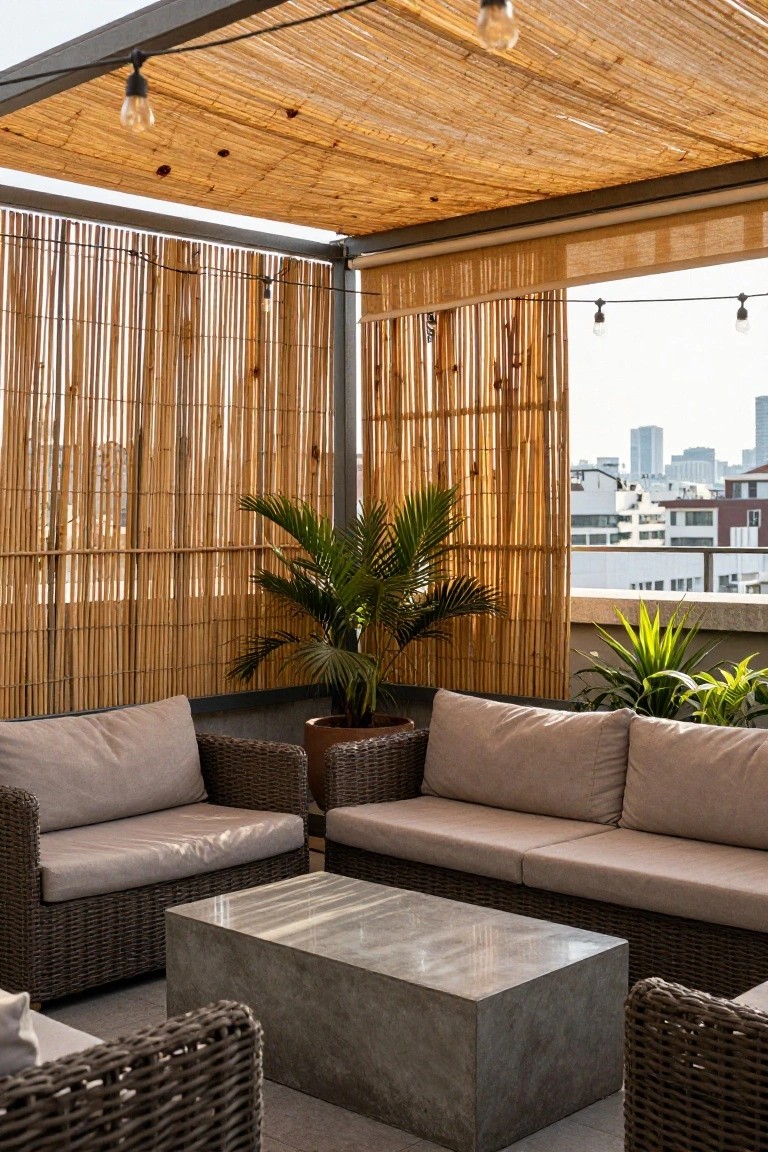
Reed fencing gives a terrace or rooftop space a quick way to block views from nearby buildings without making the area feel closed in. The vertical panels let some light through and pair easily with plants, so the space still feels open while giving you more privacy during the day.
This works best on balconies or upper level patios in the city where side walls are low. Keep the panels tall enough to cover sight lines from neighbors but stop them short of the ceiling so air can still move freely.
Bench Seating Along Your Wood Fence
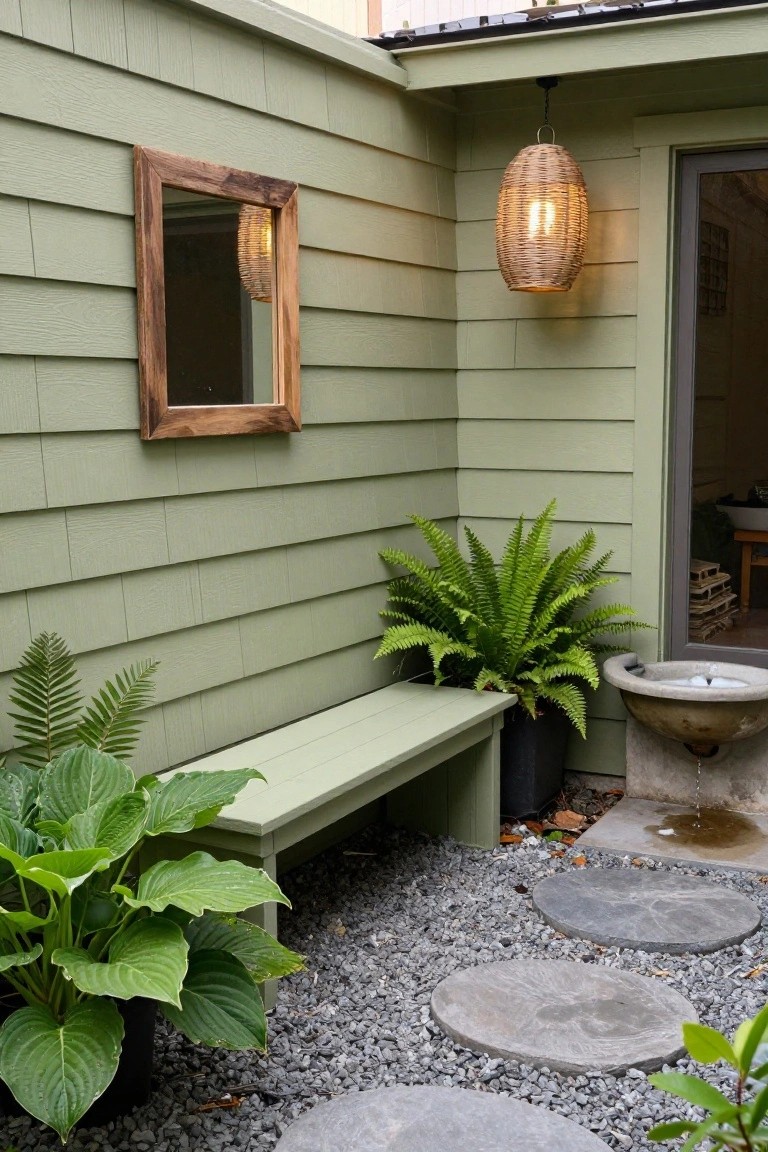
A bench set right against the fence gives you a simple place to sit without crowding the rest of the yard. It turns the fence into more than just a boundary and works especially well in smaller outdoor spaces where every bit of room counts.
This approach fits homes with narrow side yards or quiet back corners. Paint the bench the same color as the fence so the two read as one clean line. Keep an eye on door swings and foot traffic so the bench does not get in the way.
Horizontal Wood Siding for Simple Privacy
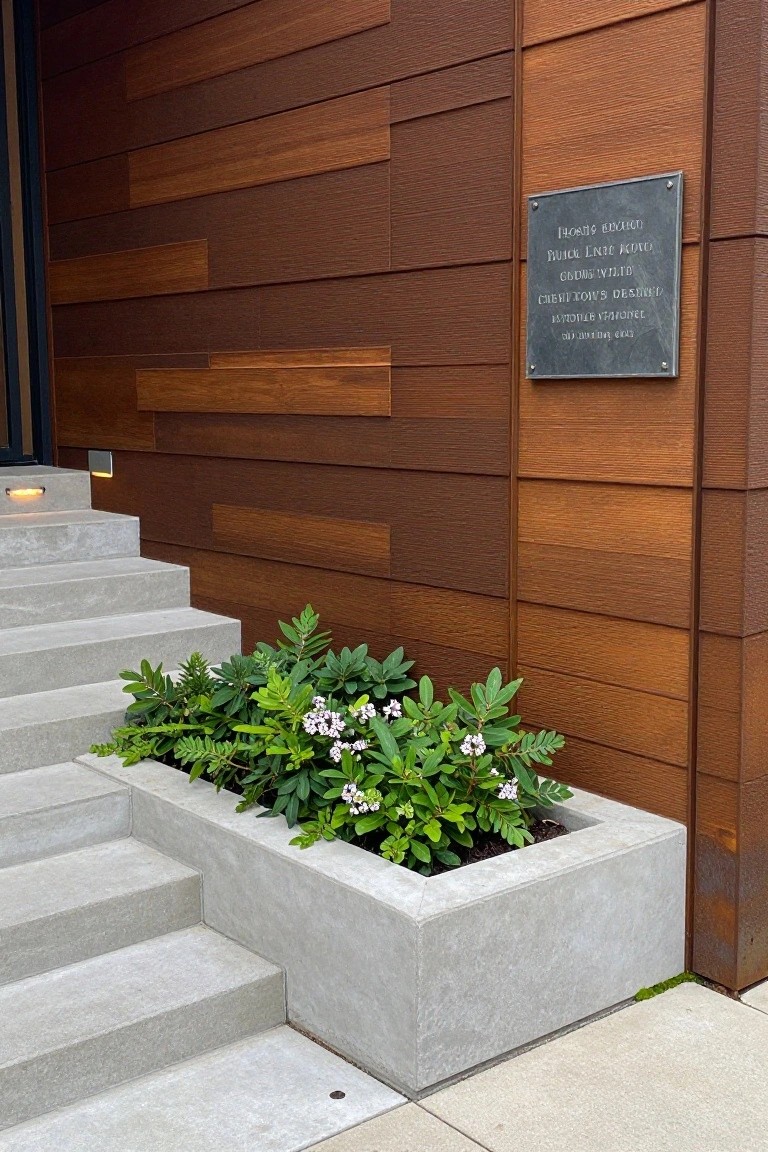
Many homes add horizontal wood siding on the exterior to create a bit of privacy around the entry without building a separate fence. The solid panels block views from the side while still letting the space feel open.
This works best on houses that already use concrete steps or planters, since the wood softens those harder surfaces. Keep the boards in a natural tone so they blend with any low plants placed in front.
Wood Posts With Cable Rails For Pool Areas
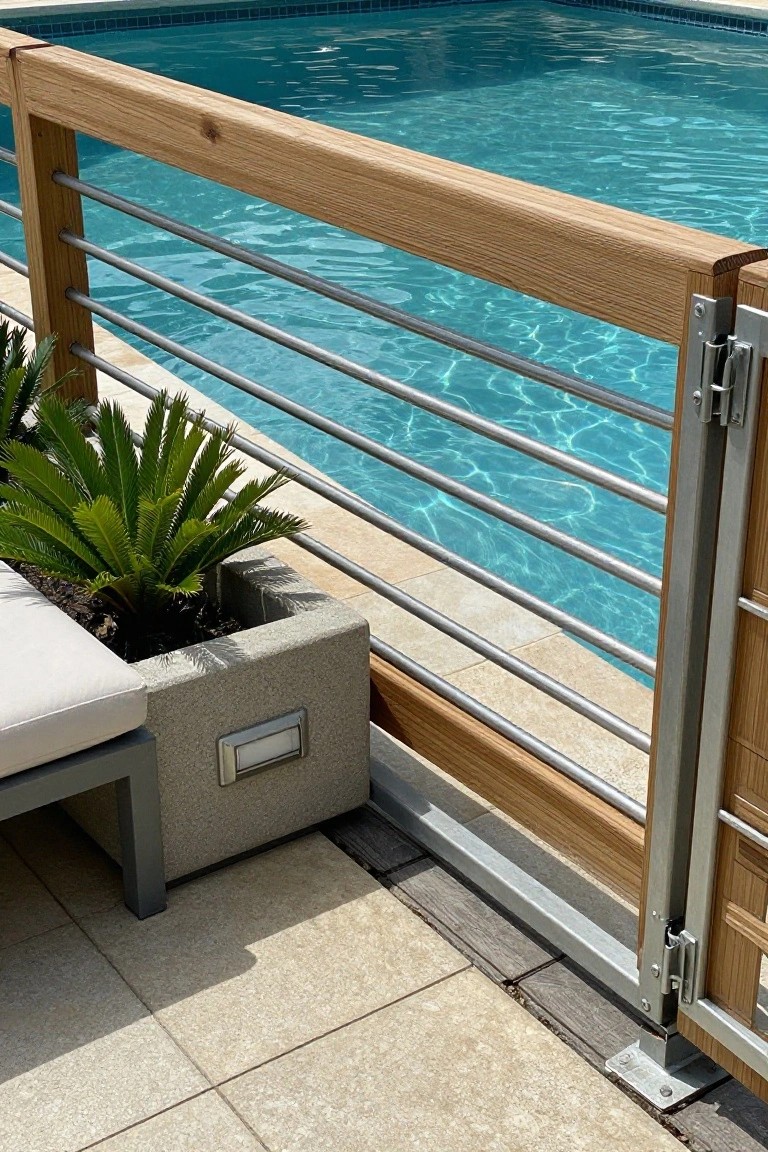
Many people like pairing a solid wood top rail and posts with thin horizontal cables because it creates a clean boundary without blocking the view of the water. The wood brings some warmth and a natural look while the cables keep the whole fence feeling light and open around the pool.
This approach works best on homes with a modern or simple outdoor layout where safety matters but a solid panel would feel too closed in. Use pressure-treated wood and stainless cables so the fence holds up to weather and pool chemicals over time.
Wood Fences with Lattice Tops
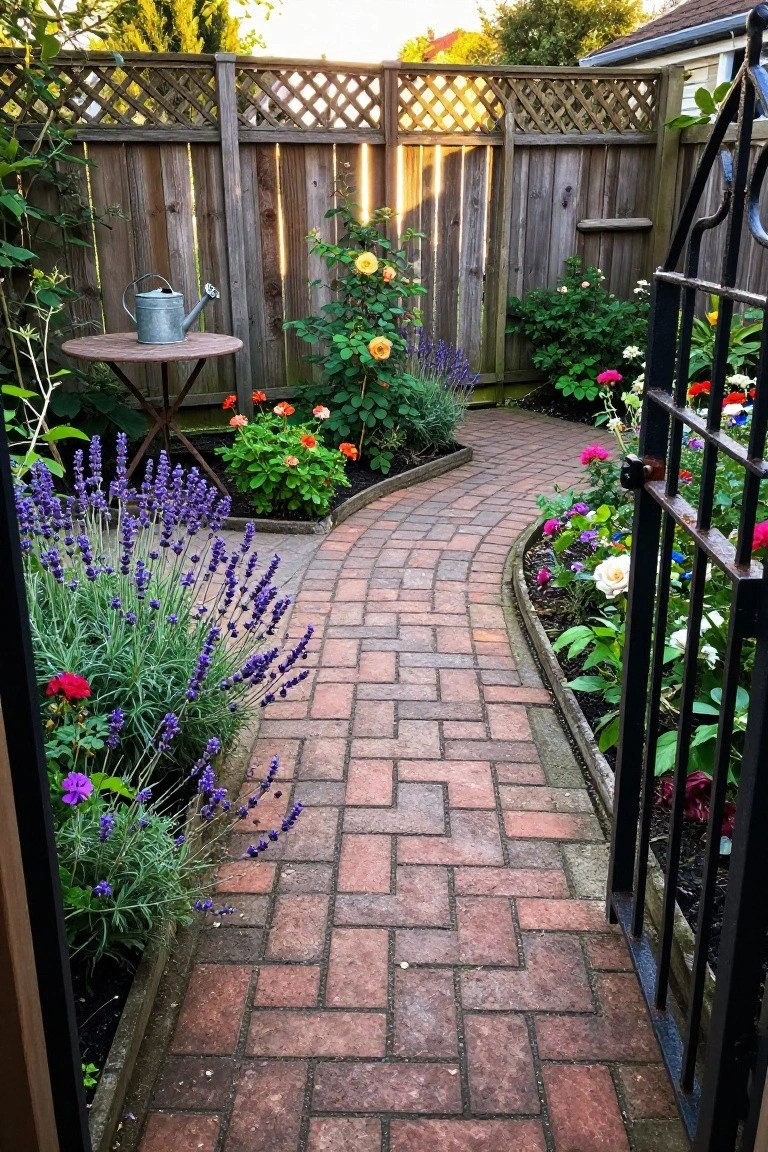
A wood fence with a lattice section along the top gives you solid privacy at eye level while still letting in some light and air. The pattern at the top keeps the fence from feeling too heavy or closed off, which works well when you want separation without making the yard feel boxed in.
This approach suits smaller backyards or side gardens where full solid fencing might block too much. Keep the planting in front fairly layered so the fence reads as part of the garden rather than the main feature.
Dark Wood Fences Keep the Focus on the Garden
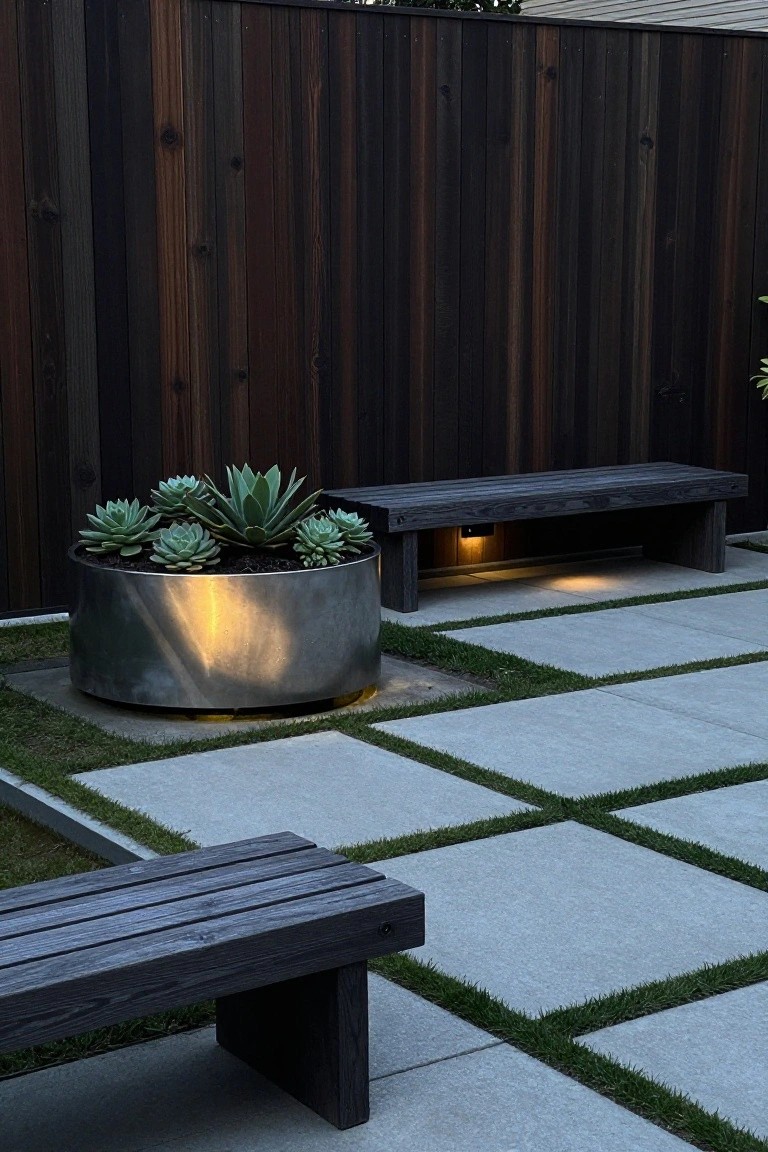
A dark wood fence gives you real privacy without pulling too much attention. The deep tone lets whatever sits in front of it, like simple plantings or a path, show up clearly instead of competing with the fence itself.
This works best in smaller yards or modern homes where you want separation from the neighbors but still like an open feeling. Keep the planting low and simple so the fence acts as a quiet wall rather than the main feature.
Mount Planters on Your Wood Fence
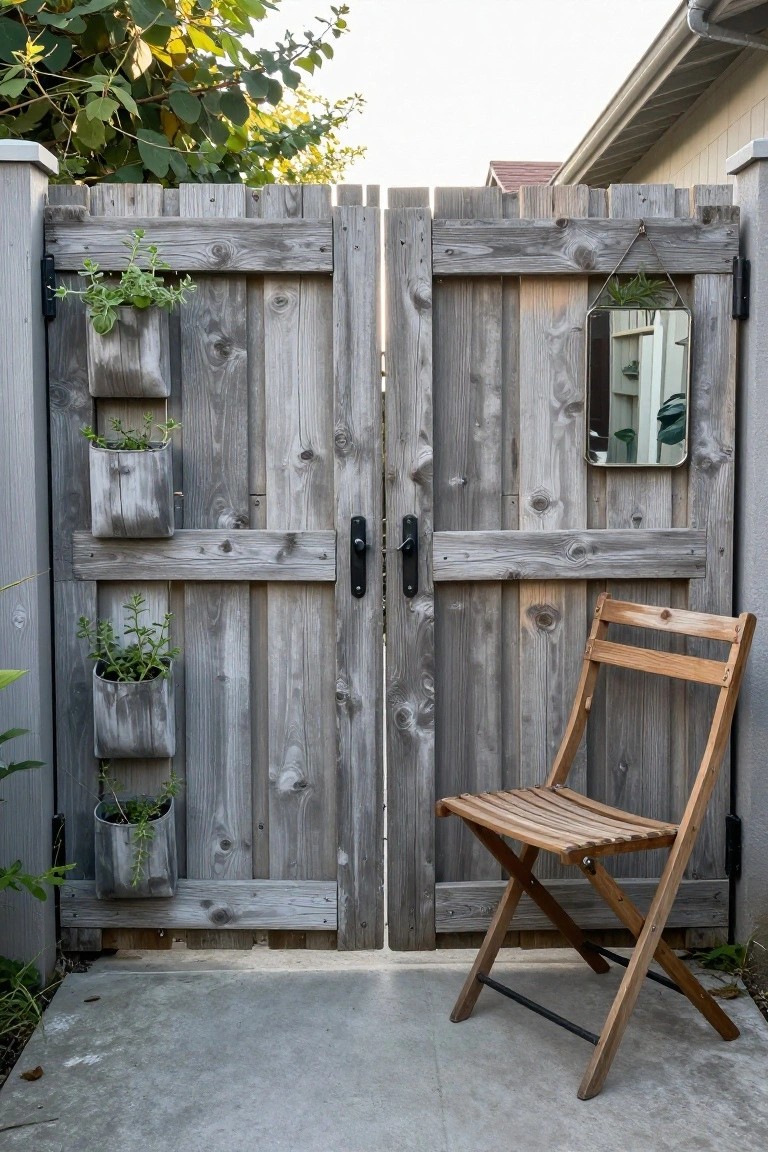
Attaching planters straight to a wood fence adds greenery without taking up ground space. It softens the look of the boards while keeping the privacy level high.
This approach suits side yards, gates, or fence sections near a seating area. Use lightweight containers and check the hardware every season so the wood stays in good shape.
Wood Fencing for Private Outdoor Kitchens
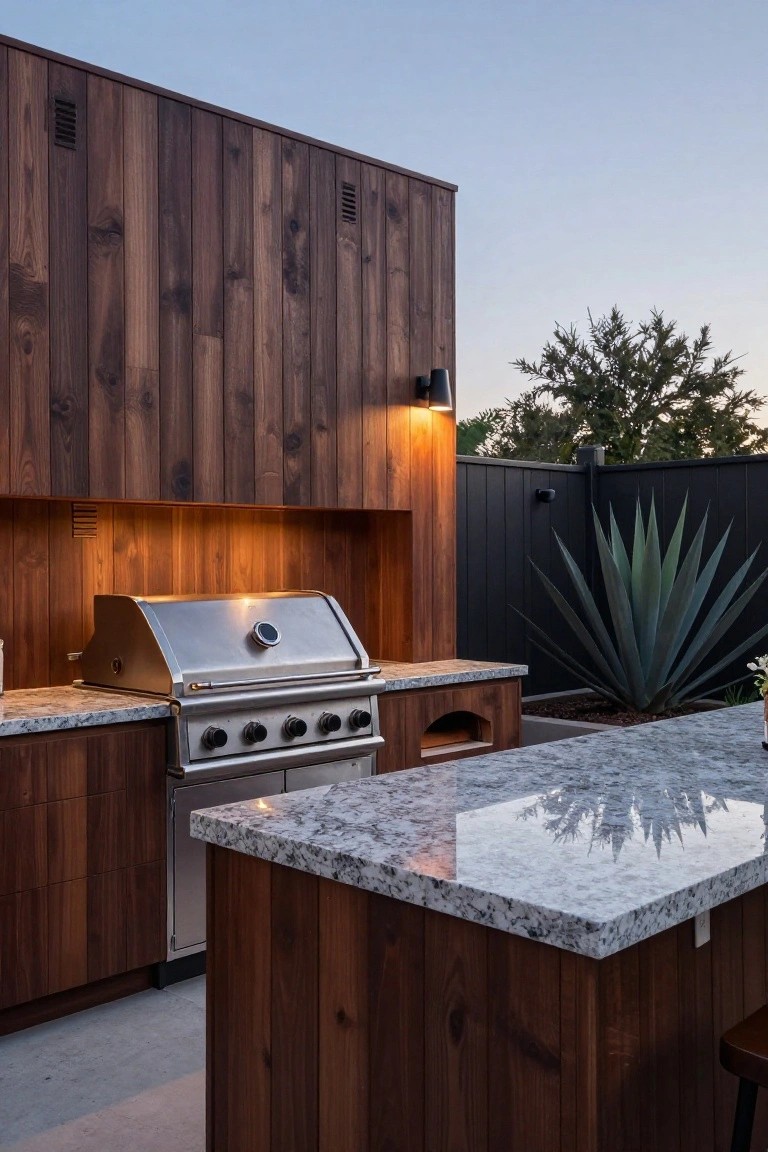
A dark wood fence works well behind an outdoor kitchen because it blocks the view from neighbors while still letting the space feel open. The fence adds a natural backdrop that matches the wood cabinetry and keeps the area feeling contained without closing it in completely.
This setup works best in backyards where you want to entertain without feeling exposed. It suits homes with patios or decks that back up to other properties. Just make sure the fence height gives enough coverage above the counter level.
Frequently Asked Questions
Q: How tall does the fence need to be for good privacy? A: Six feet works well for most yards. It blocks views from the street and neighbors without turning your space into a cave.
Q: Should I use pressure treated wood or something else? A: Cedar gives you natural resistance to bugs and weather. Treat it once a year to keep the color rich.
Q: What if the fence starts to lean after a few seasons? A: Check the posts first. Reset any that have shifted and add gravel at the base to improve drainage.
