

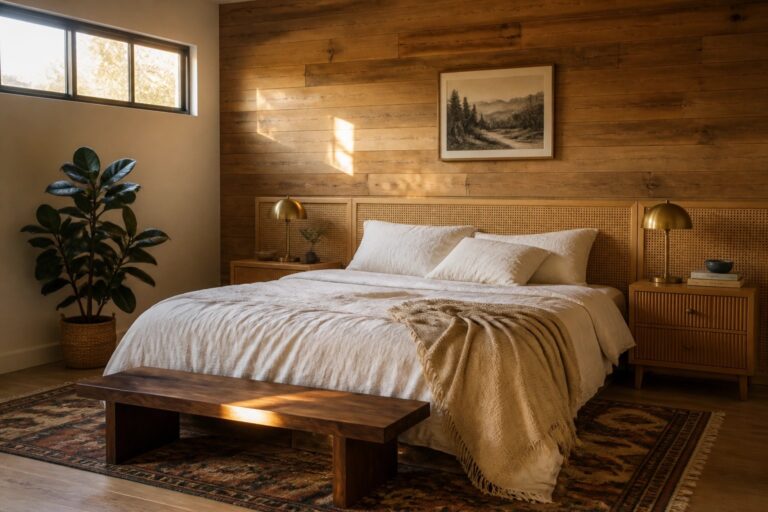
I have always noticed that wood on a wall changes how a room feels once you actually live in it day after day.
The grain and color either settle in with the furniture and light or they start to fight with everything else around them.
I usually start by taping up a few sample boards to see how the tone shifts from morning to evening.
Some layouts only make sense after you walk through the space a few times and notice where your eyes land first.
The ideas worth keeping are the ones that still feel right once the novelty wears off.
Wood Walls Behind The Bed
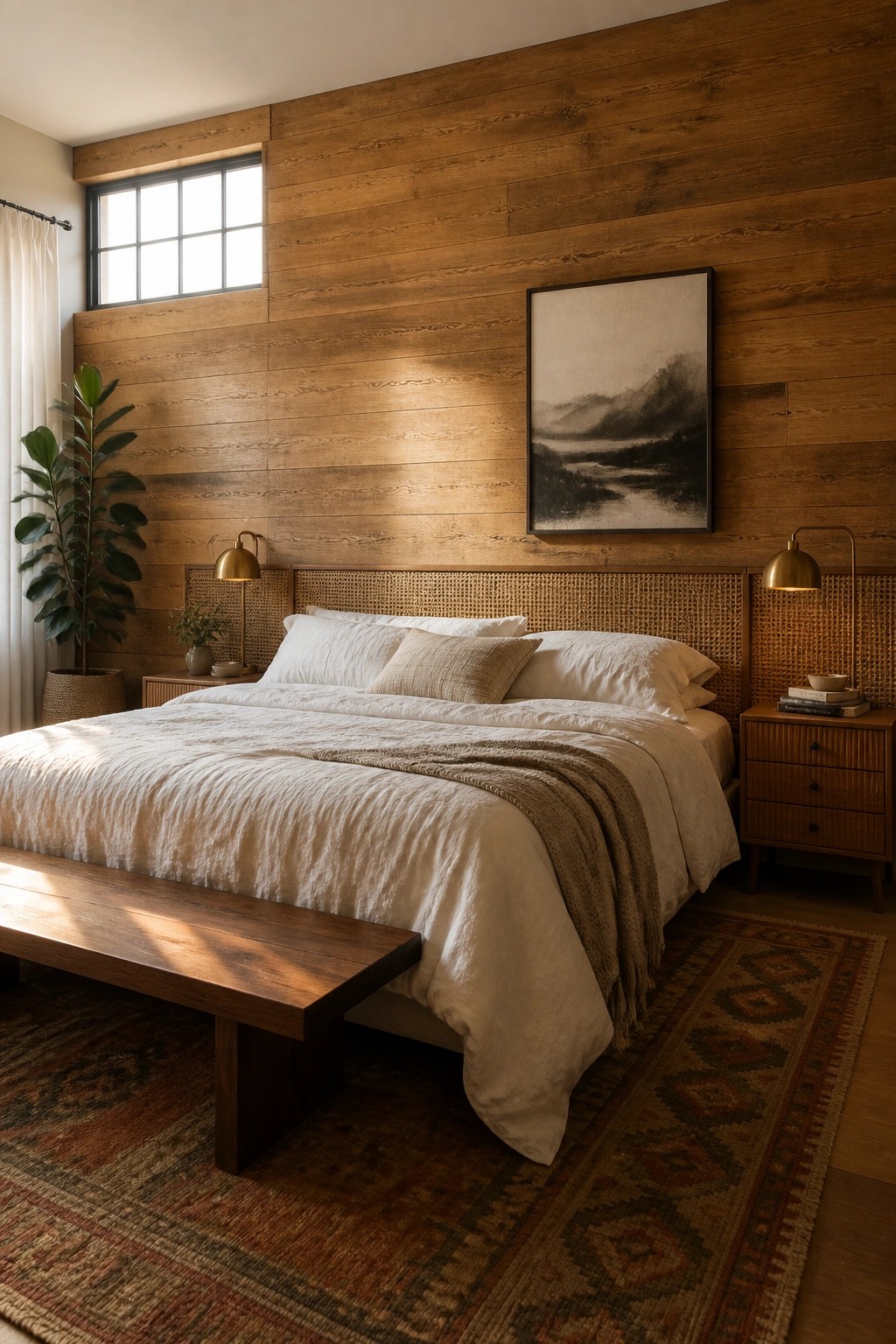
A wood accent wall works well in bedrooms because it adds texture and warmth without needing lots of extra pieces. The planks create a calm backdrop that pairs easily with simple bedding and furniture.
This idea fits homes that already lean toward natural materials. Keep the rest of the room light so the wood stays the focus instead of feeling heavy.
Whitewashed Wood Walls For A Calmer Space
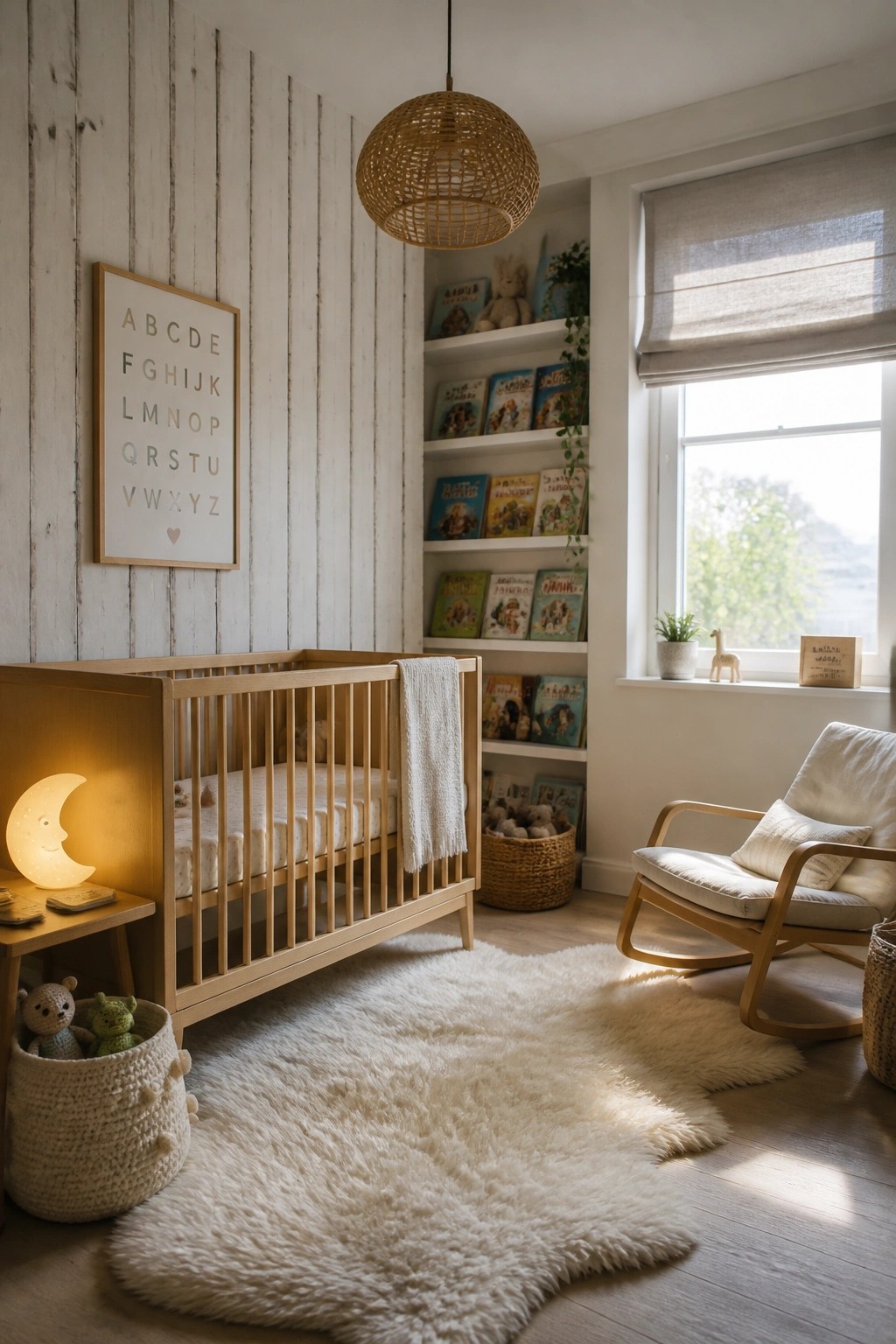
Whitewashed wood walls add texture without darkening a room. The light finish keeps the space feeling open and soft, which works especially well in rooms that need to feel gentle and easy to rest in.
This treatment suits smaller homes or any space where you want a bit of natural character but still need brightness. Pair it with simple wood furniture and light fabrics so the wall stays the main focus without competing with too many other elements.
Wood Slat Walls Create Instant Character
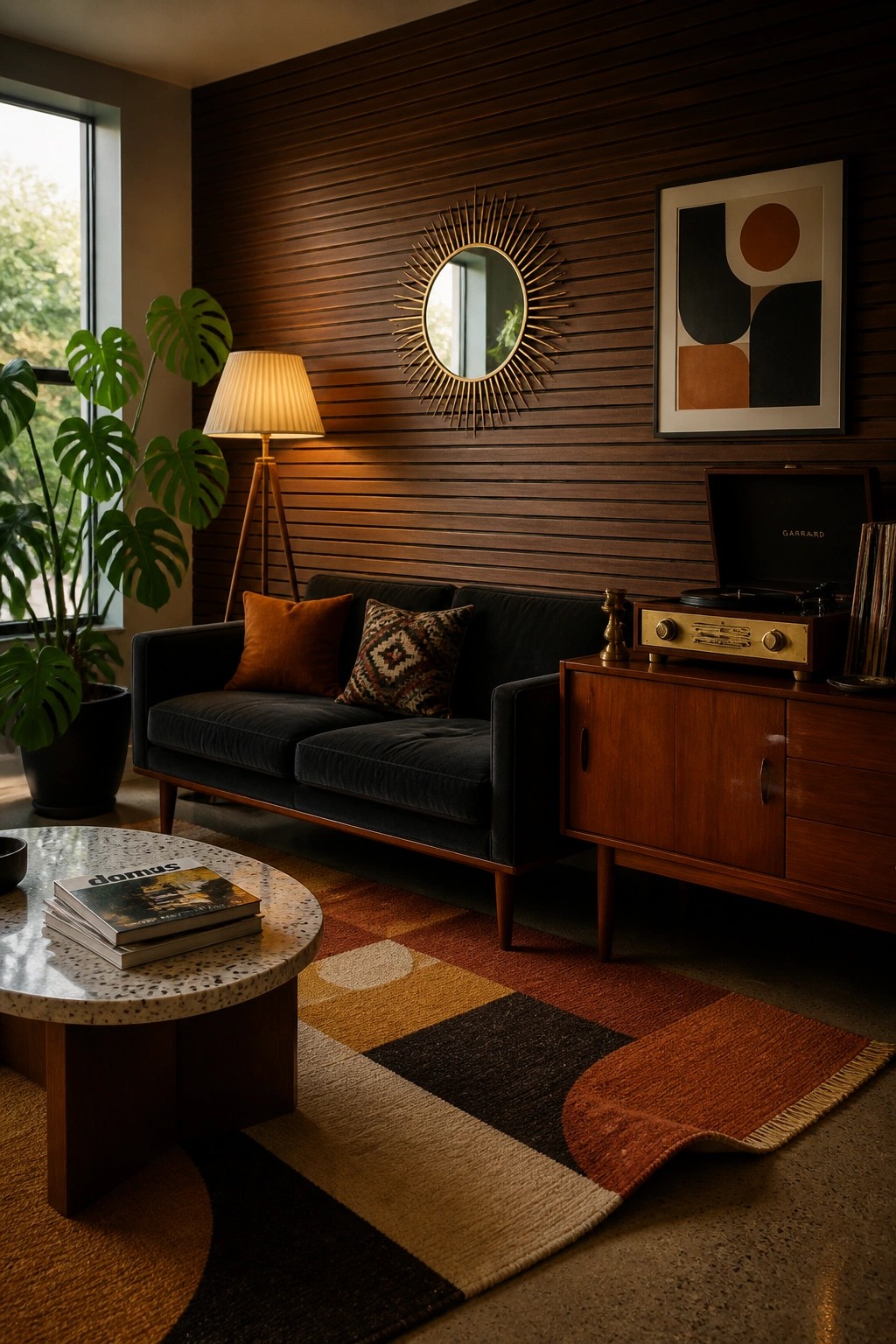
A dark wood slat wall can change the feel of a room without much effort. The horizontal lines add texture and depth that flat paint never quite manages, and the rich tone brings warmth that works well with both modern and traditional pieces.
This approach suits living rooms or family spaces where you want something a bit more grounded. Keep the rest of the room simple so the wall stays the focus, and consider the wood tone carefully since darker shades can make a space feel cozier but also smaller.
Dark Wood Walls Bring Instant Character
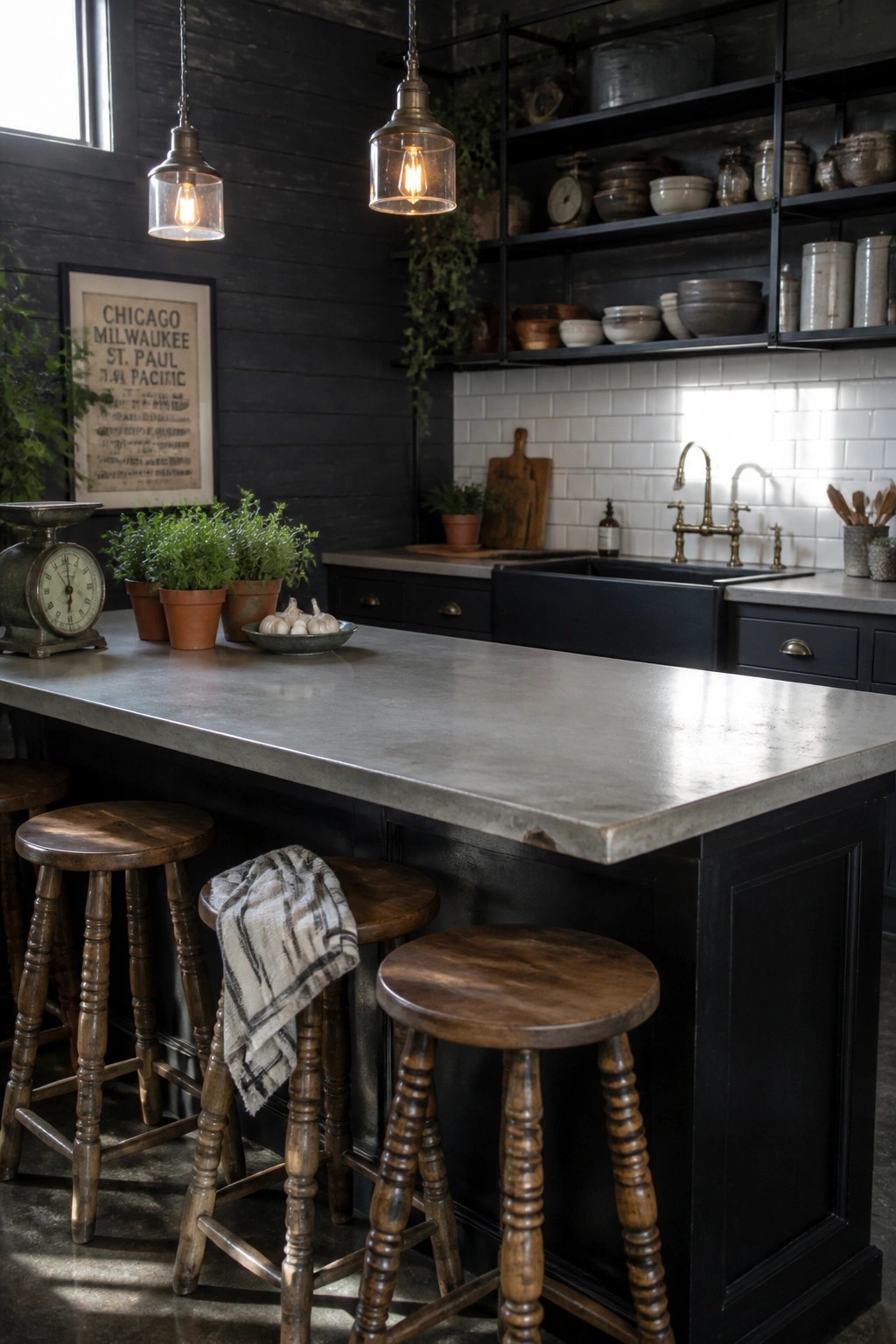
Dark wood walls give a kitchen an immediate sense of character that paint alone rarely achieves. The planks create depth and a slightly moody tone that anchors the whole room without needing extra decoration.
This look works best in spaces that can handle contrast, such as kitchens with concrete counters or open metal shelving. Keep the wood finish consistent and watch how much natural light the room gets so the walls do not make the space feel smaller than it is.
Light Wood Paneling in Dining Rooms
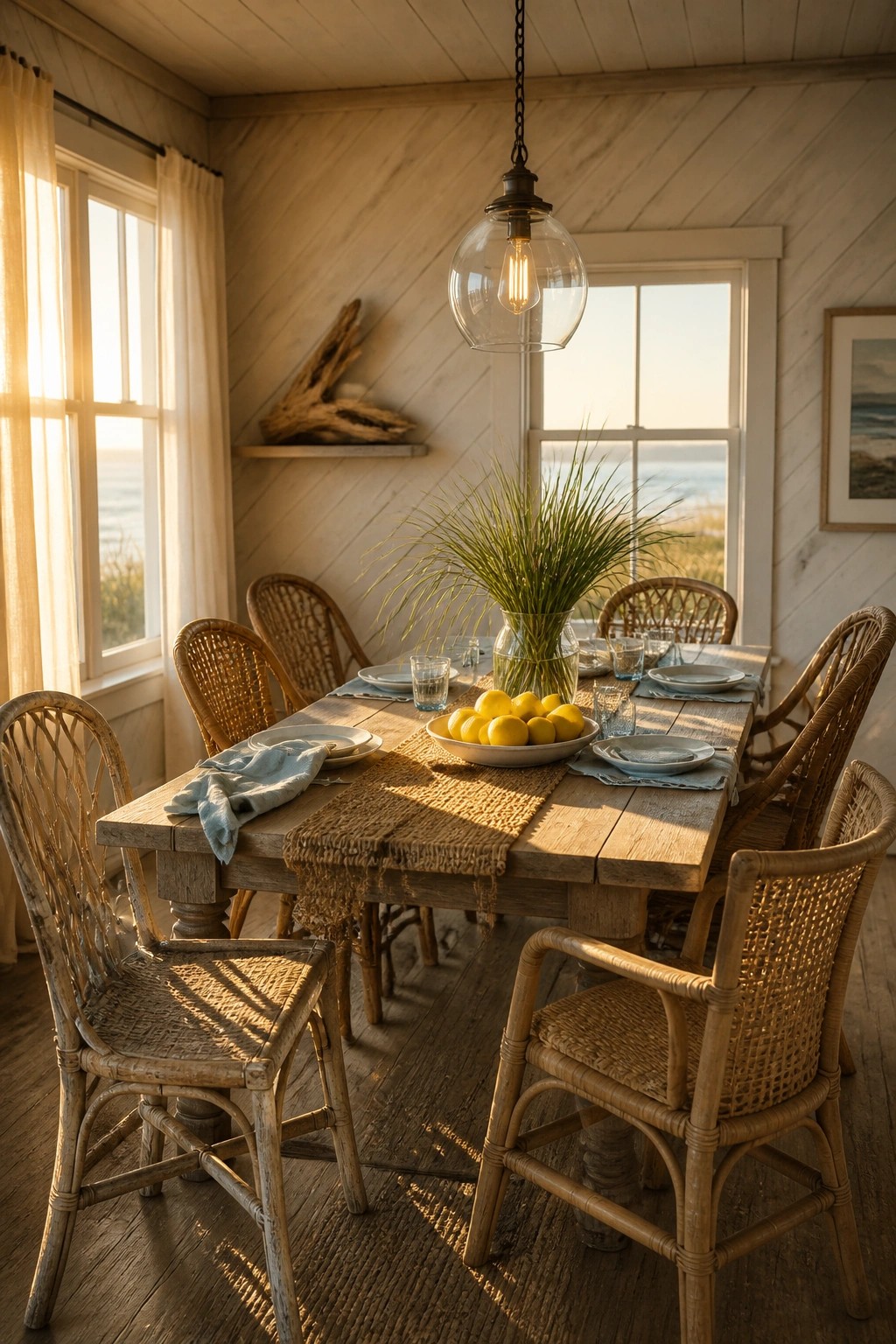
Light wood walls give a dining room a relaxed texture without making it feel heavy. The pale finish and simple horizontal boards keep the space bright while adding just enough character to hold interest on their own.
This works best in casual homes that get steady daylight. Pair the walls with natural materials like wood tables and woven seating so nothing fights for attention.
Vertical Wood Paneling In Entryways
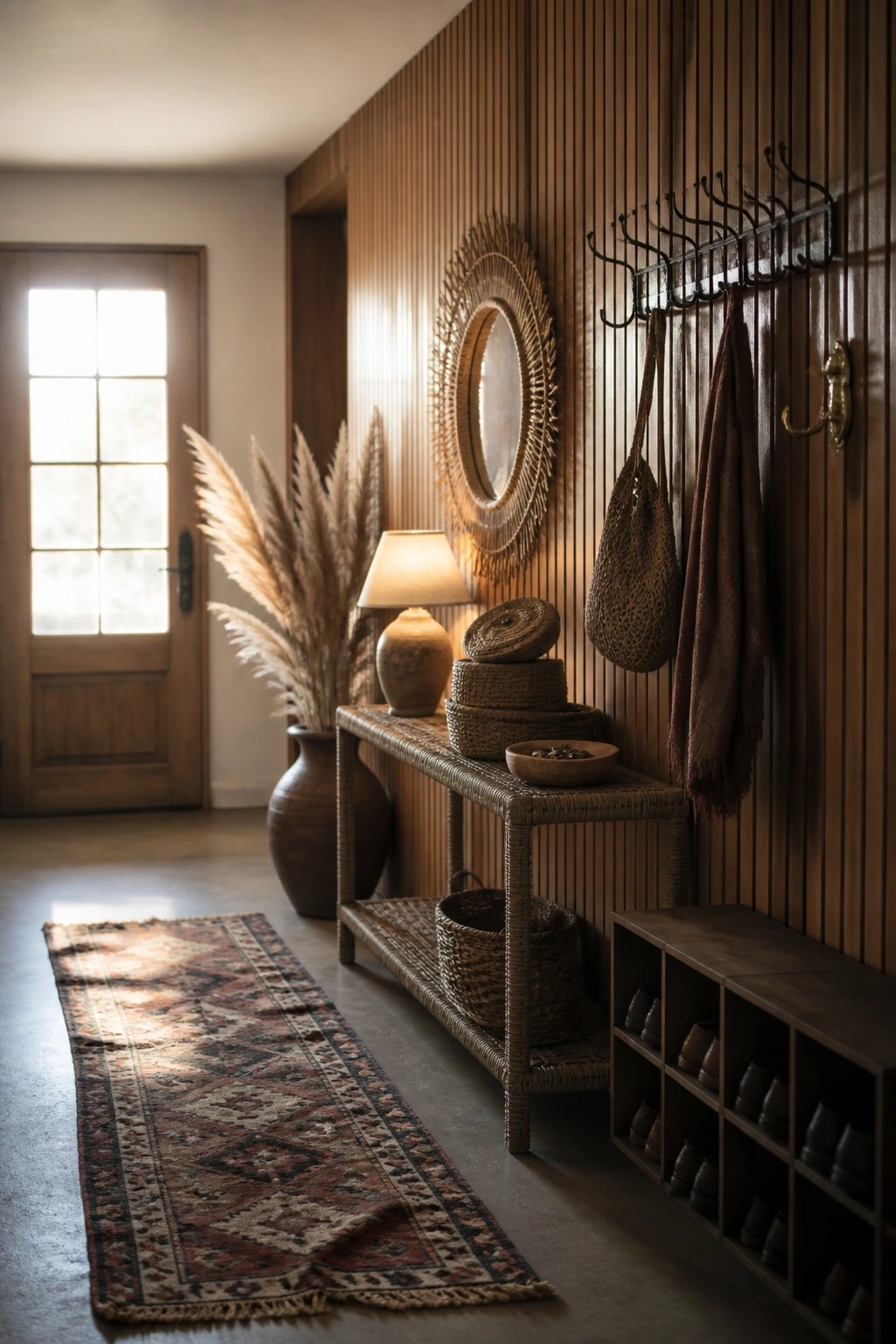
Vertical wood paneling works well in hallways and entry areas because it brings texture and warmth without needing a lot of extra decoration. The narrow boards create subtle lines that make the space feel taller and more finished. Many older homes already have similar trim details, so this treatment fits right in.
It suits homes that need a bit more structure in long or plain passages. Keep the rest of the room simple so the wood does the main work. Watch the scale though. Too many thin slats in a very small space can start to feel busy.
Wood Panel Walls for a Workspace
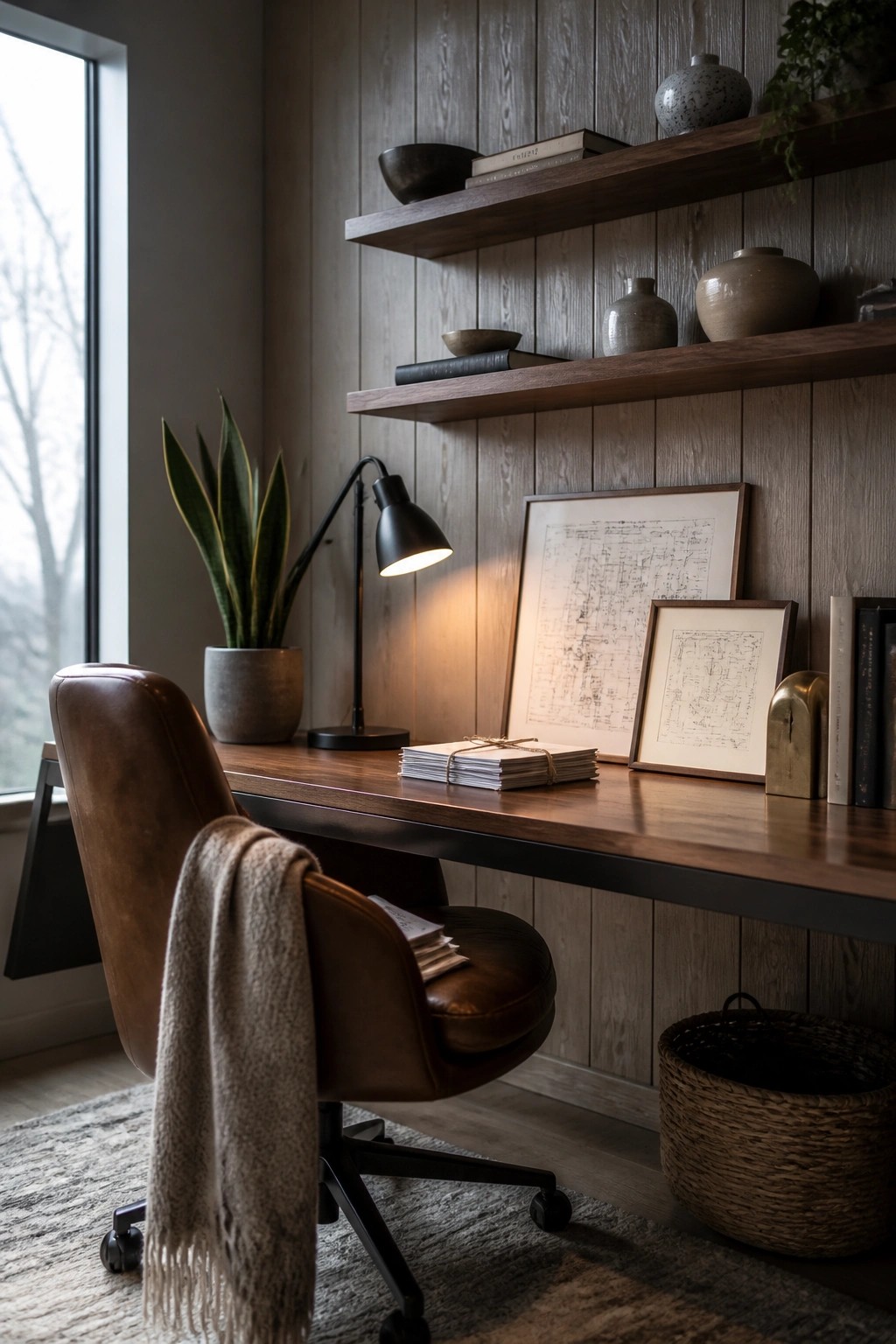
Wood paneling on the walls gives a room a settled look without needing a lot of extra pieces. The vertical lines add quiet structure and bring out the natural grain that makes the space feel more finished.
This works best in home offices or studies where you want a focused but comfortable setting. It suits homes that already lean on wood tones elsewhere, though lighter finishes help keep smaller rooms from feeling closed in.
Wood Paneling In Laundry Rooms
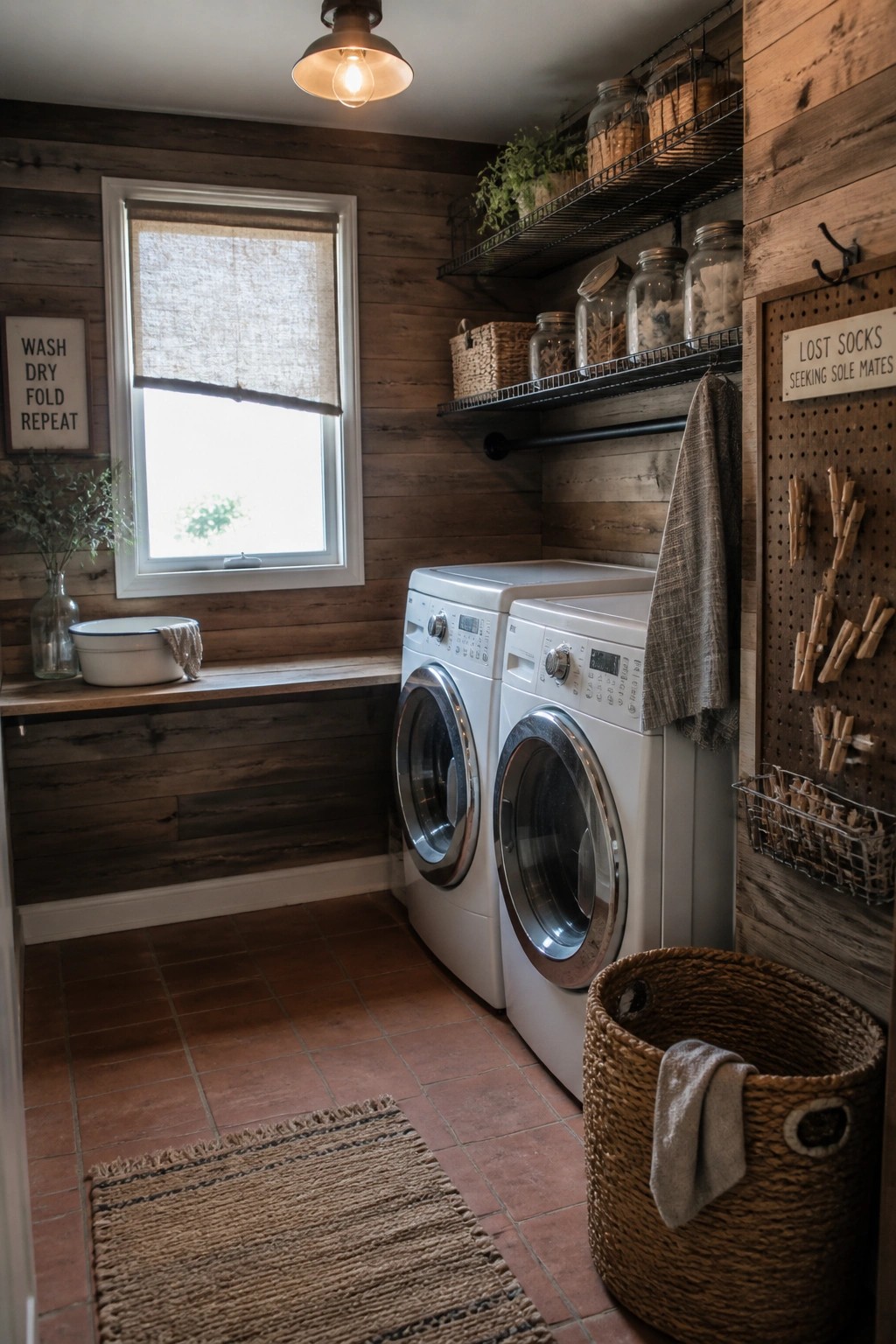
Wood paneling gives a laundry room a warmer, more finished look than plain drywall or tile. The planks add texture that makes the space feel more like part of the house instead of a purely functional corner.
This works best in homes that already use wood elsewhere, so the material feels consistent rather than added on. Keep the rest of the room simple with open shelving and basic flooring so the walls stay the main feature.
Wood Paneling In Bathrooms
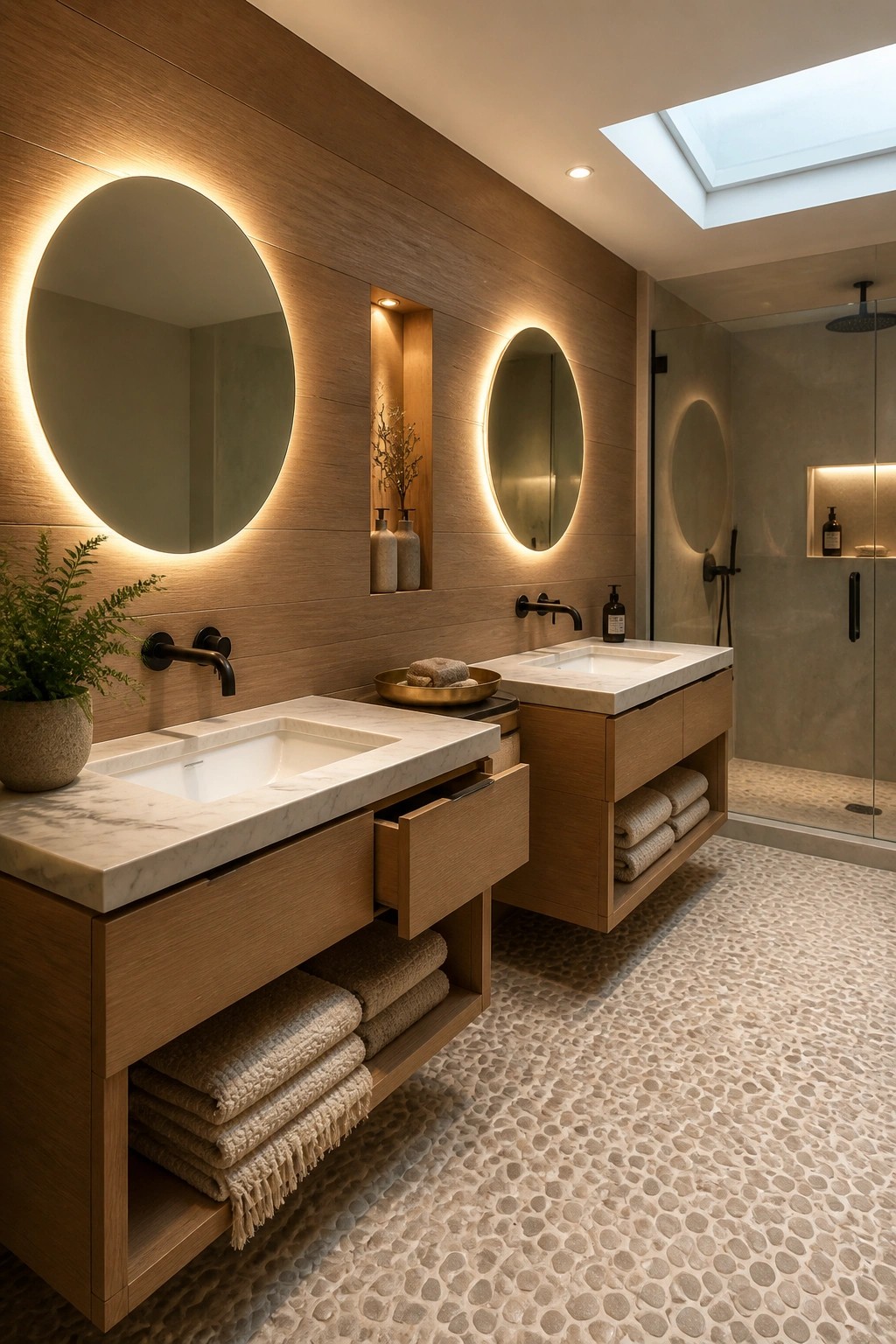
Wood walls bring a natural warmth to bathrooms that tile alone often misses. The vertical grain adds subtle texture and helps the room feel more finished without needing lots of extra decoration.
This works best in spaces where you want a calmer, spa-like feel. Pair it with open shelving for towels and simple fixtures so the wood remains the main feature, and choose a finish that handles humidity well.
White Wood Paneling For Subtle Texture
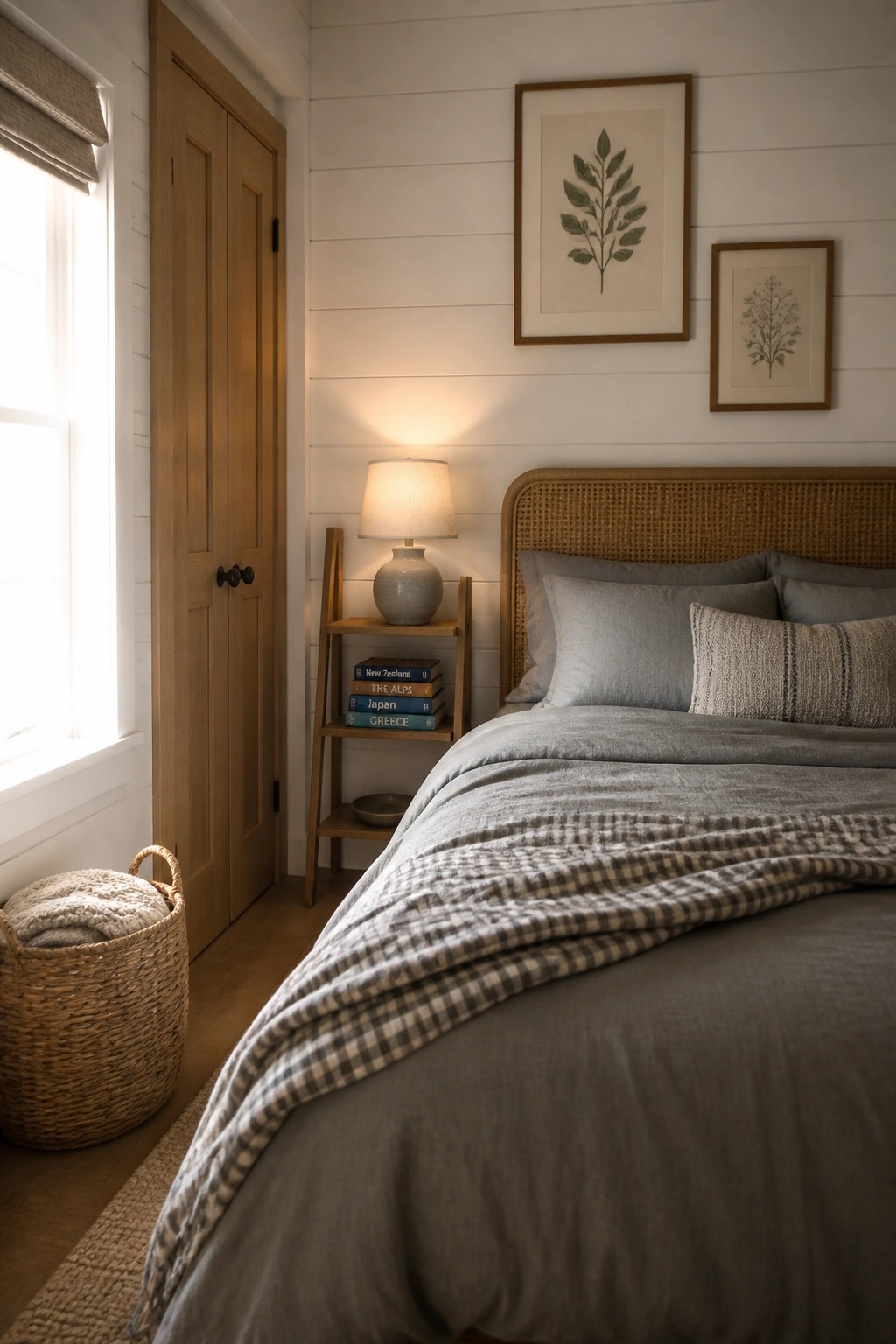
White wood paneling gives a room quiet character without making it feel busy or dark. The horizontal lines add some depth to the walls while keeping everything light and simple, which works especially well in smaller spaces or bedrooms where you want a calm background.
This approach suits homes with a relaxed or coastal feel and pairs easily with neutral fabrics and natural wood furniture. It is worth trying on just one wall first if you want to test the look without committing to the whole room.
Dark Wood Paneling For Instant Character
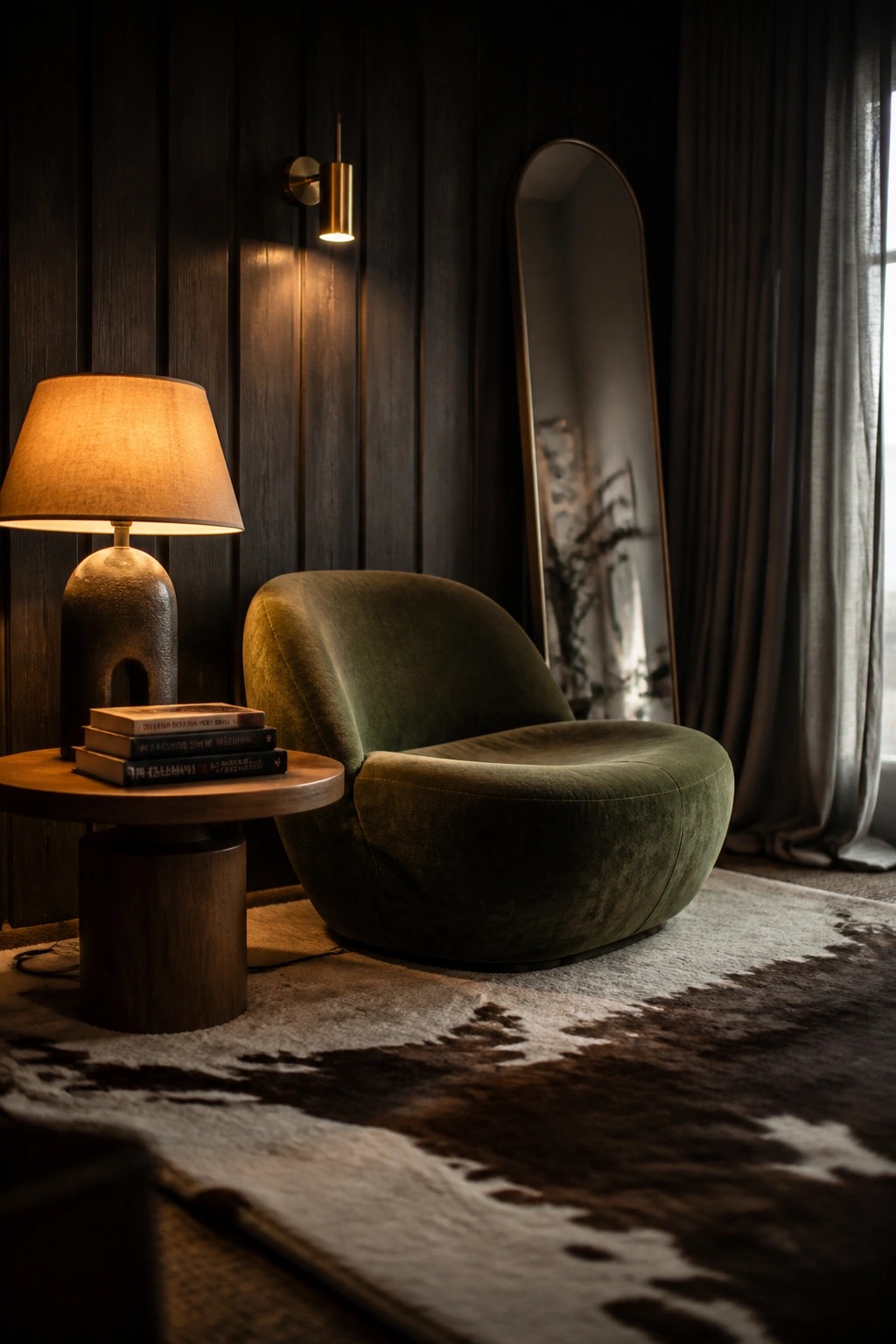
Dark wood paneling gives a room weight and presence without much extra effort. The vertical lines and deep color create a sense of enclosure that feels deliberate and finished, especially when the rest of the space stays fairly simple.
This works best in rooms that can handle a bit of mood, like a reading corner or a smaller living area. Pair the wood with lighter furniture and soft textiles so the walls stand out without making the space feel closed in.
Vertical Wood Slats On Bathroom Walls
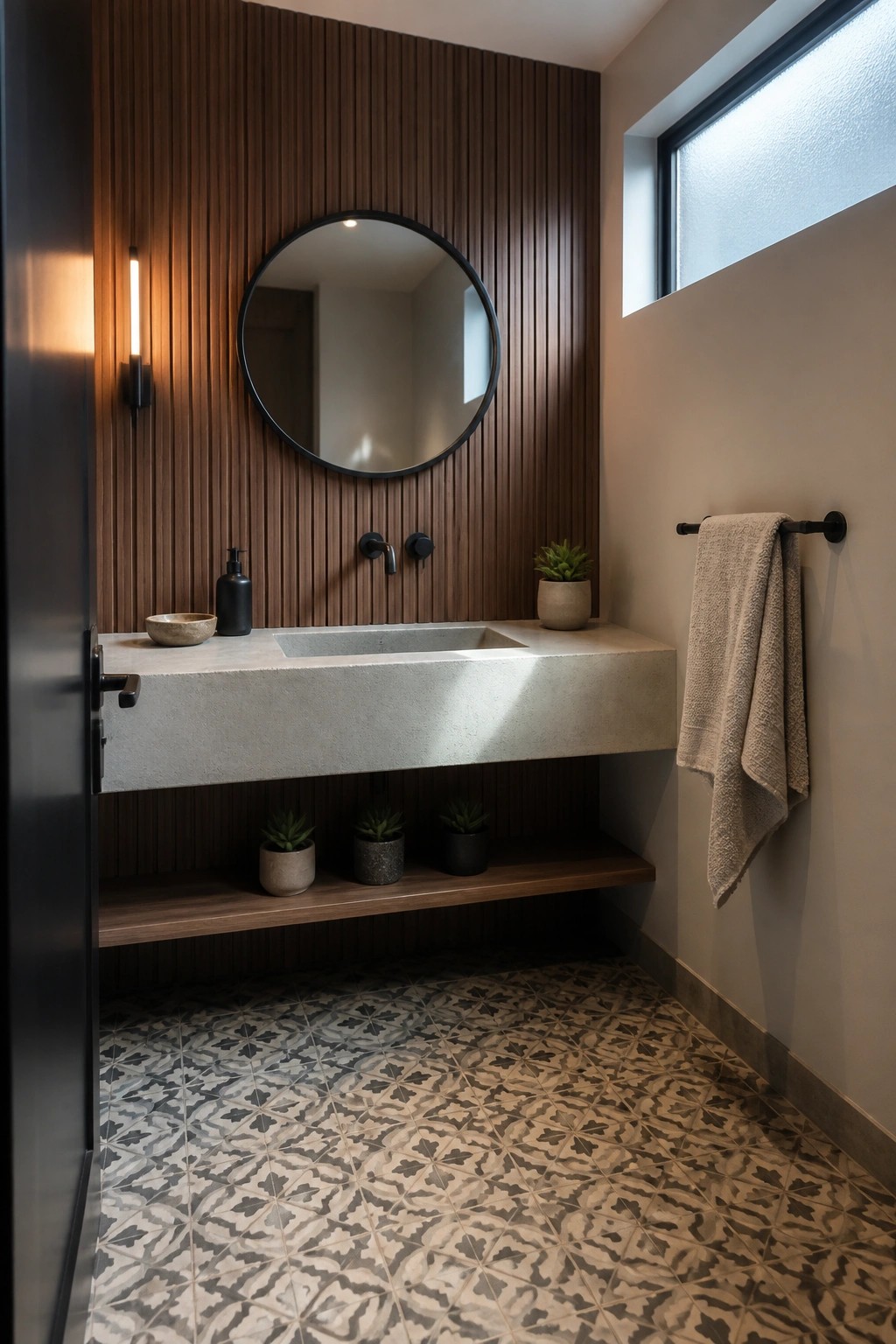
Vertical wood slats bring texture and warmth to a bathroom in a way that feels natural and straightforward. The look works because it adds depth without needing a lot of extra decoration or color changes.
This approach suits smaller bathrooms or powder rooms where you want one strong surface to stand out. It pairs well with simple fixtures like a floating vanity and keeps the space from feeling too plain or cold.
Wood Accent Walls In Bathrooms
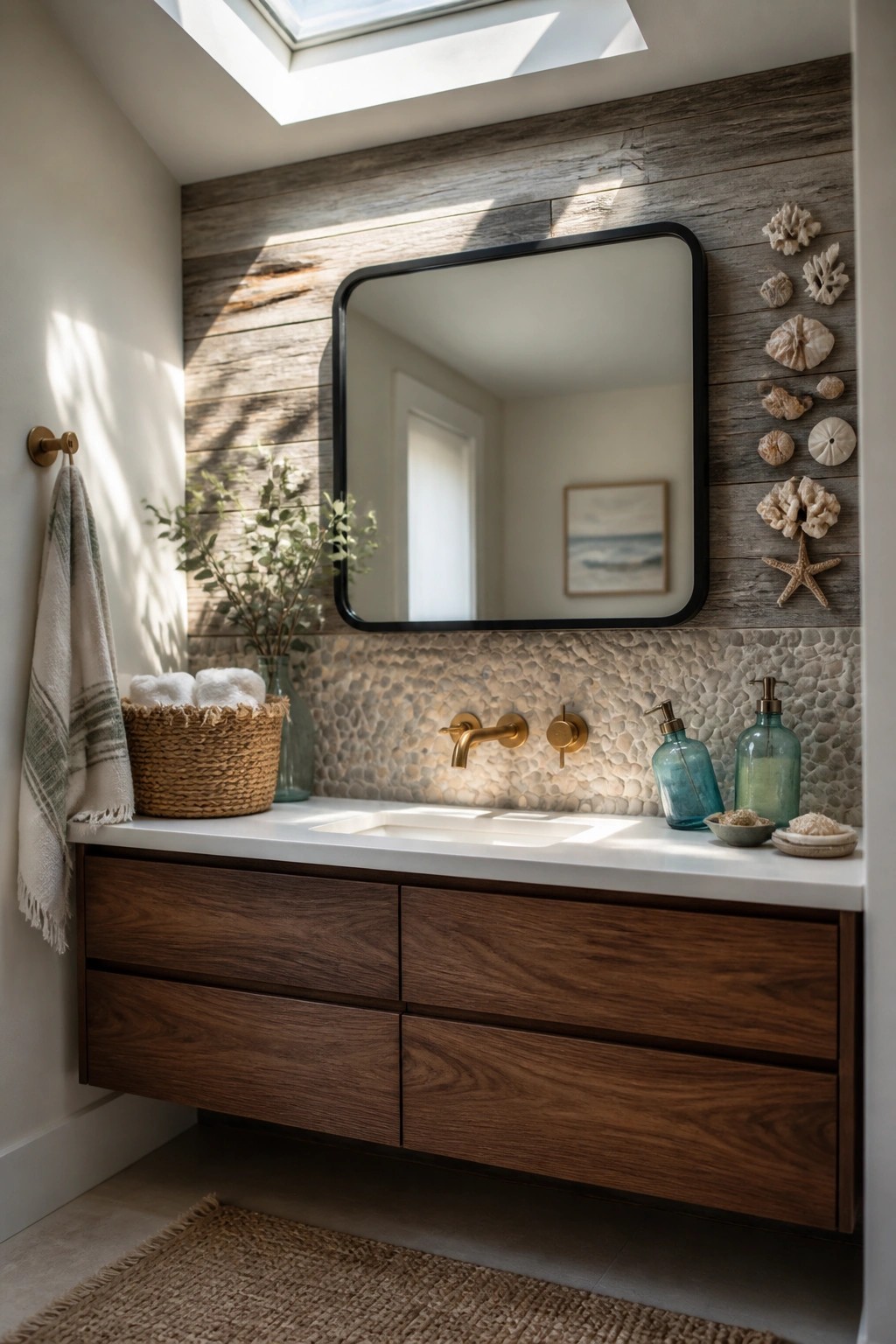
A wood accent wall gives a bathroom real character with very little effort. Horizontal planks add texture and a bit of warmth that plain drywall never quite manages on its own.
This works best on the wall behind the vanity, where the wood can frame the mirror without taking over the whole room. It suits smaller baths especially well, since the natural grain keeps the space from feeling cold or flat.
Light Vertical Paneling for Gentle Texture
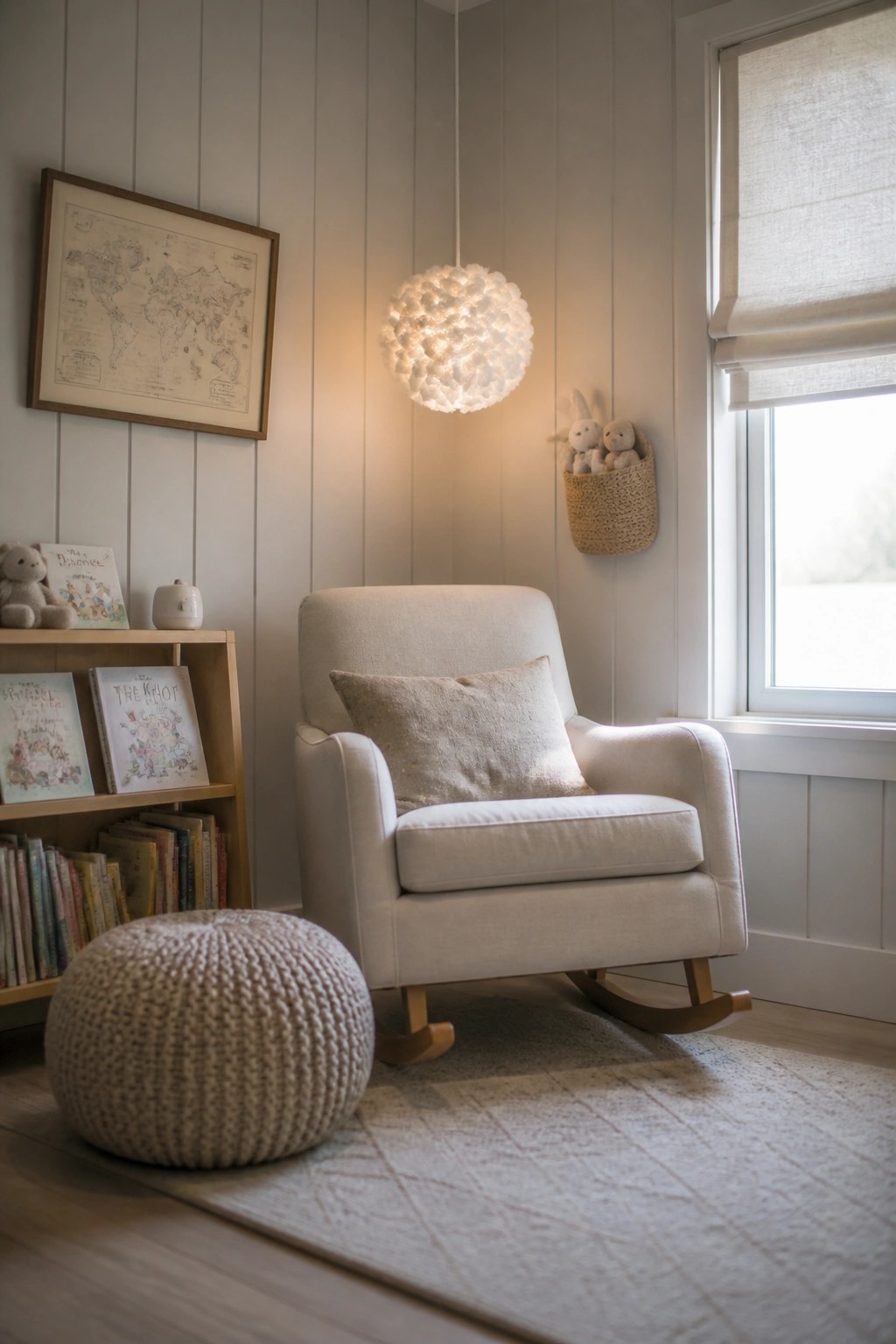
Vertical wood paneling takes on a softer look when painted a pale gray or off-white. The lines add just enough texture to keep a wall from feeling flat, while the light color keeps the room feeling open and calm. This works especially well in smaller spaces where you want some character without strong contrast.
It suits rooms like nurseries or quiet corners where the goal is comfort rather than drama. Run the paneling from floor to ceiling and pair it with simple furnishings so the texture stays in the background. Avoid busy patterns on the walls or floors if you want the paneling to remain the main quiet detail.
Wood Walls Around a Corner Bench
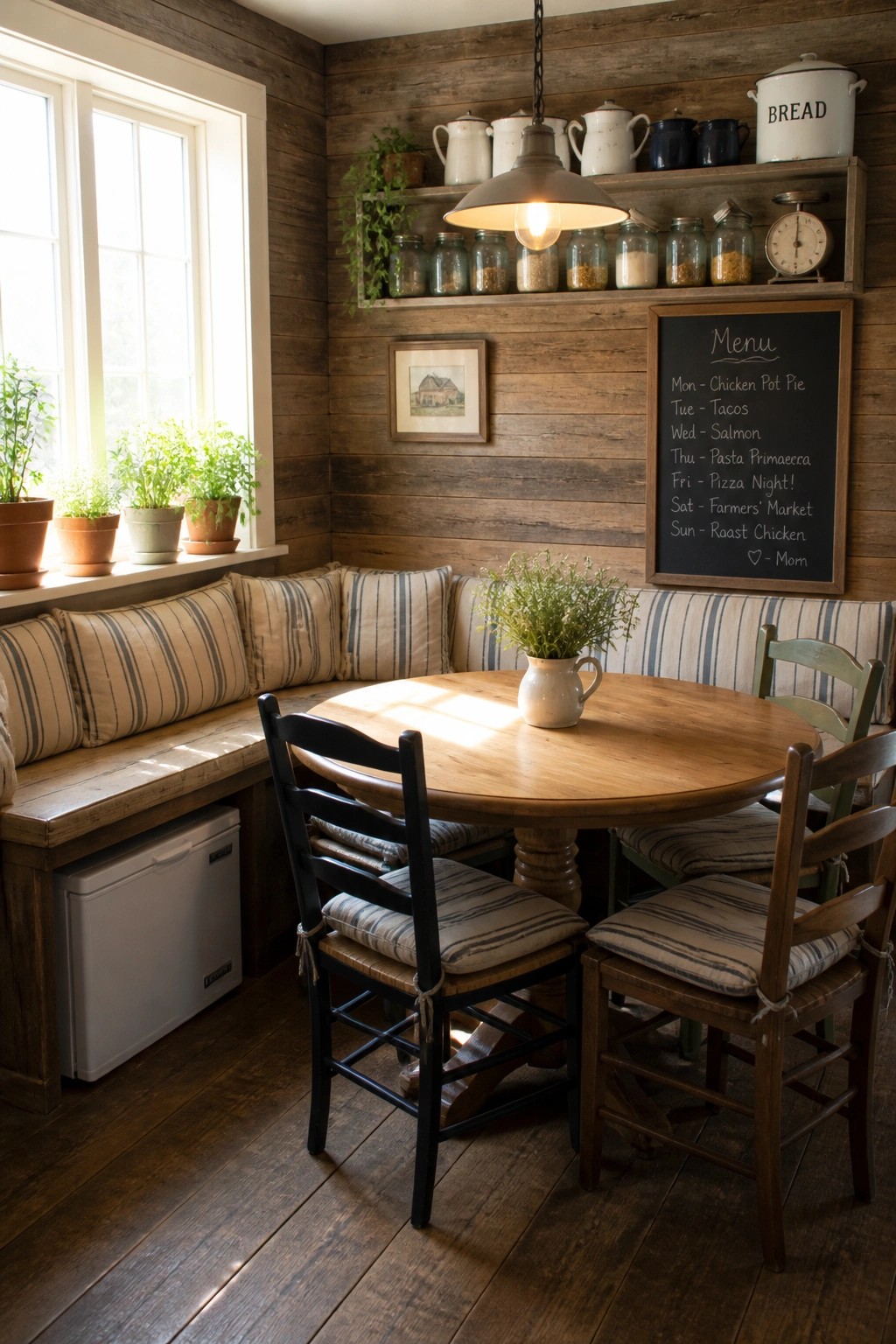
Wood walls can turn an ordinary corner into a place where people actually want to sit and eat. The planks give the space a settled look that feels like it has been there for years, and they pair easily with simple seating and a sturdy table.
This works best in homes that already lean toward casual or rustic styles. Keep the rest of the room light so the wood does not take over, and make sure the bench cushions stay simple so the wall texture stays the main feature.
Dark Wood Paneling In Entryways
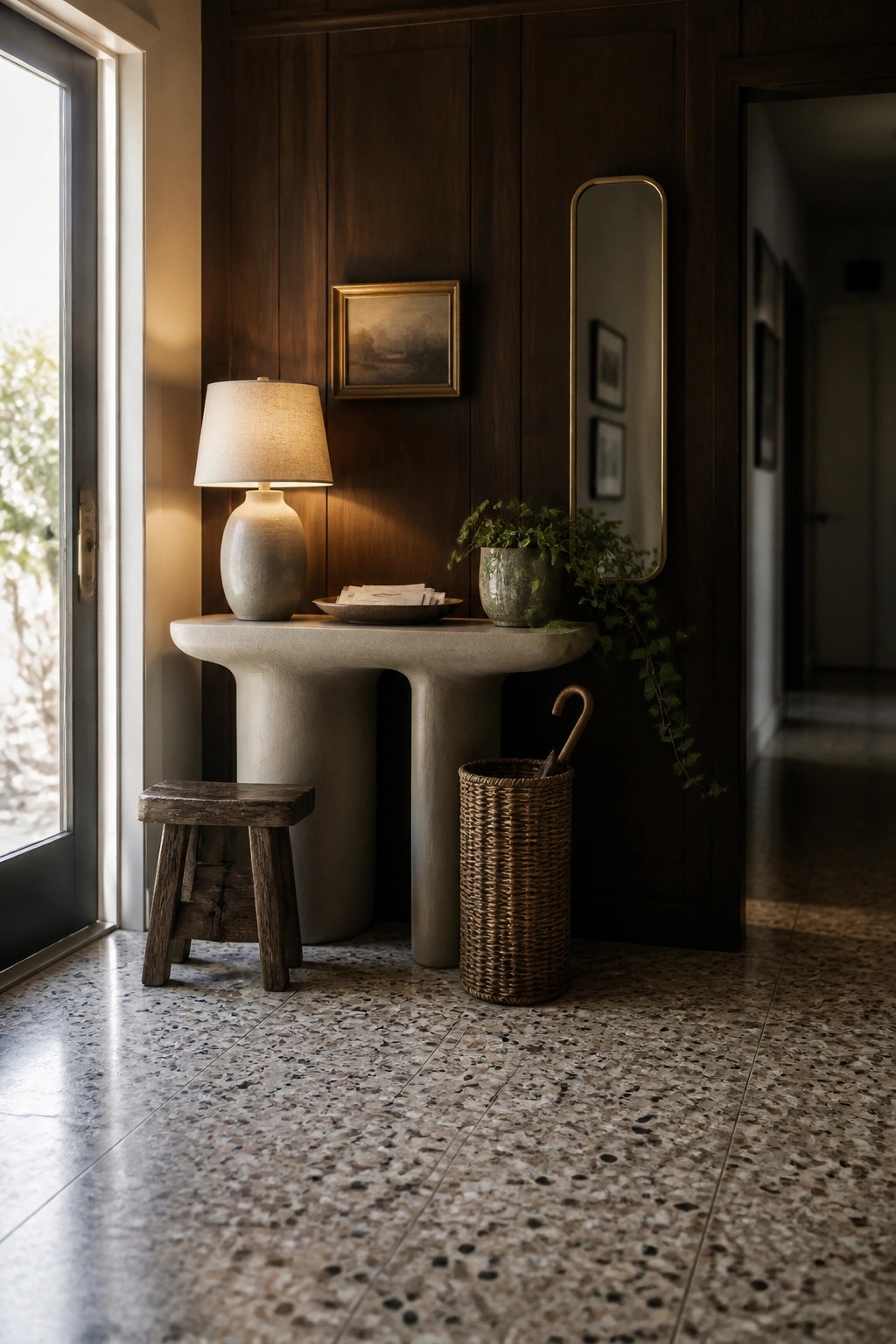
Many homes benefit from dark wood paneling when the goal is to give an entry or hallway more presence without extra furniture. The vertical boards create a simple structure that makes the space feel finished and intentional from the first step inside.
This treatment suits homes with wood floors or trim already in place. It works in both older houses needing an update and newer ones that feel too plain. Keep the rest of the area light so the panels stand out without overpowering the space.
Vertical Wood Slats For Wall Texture
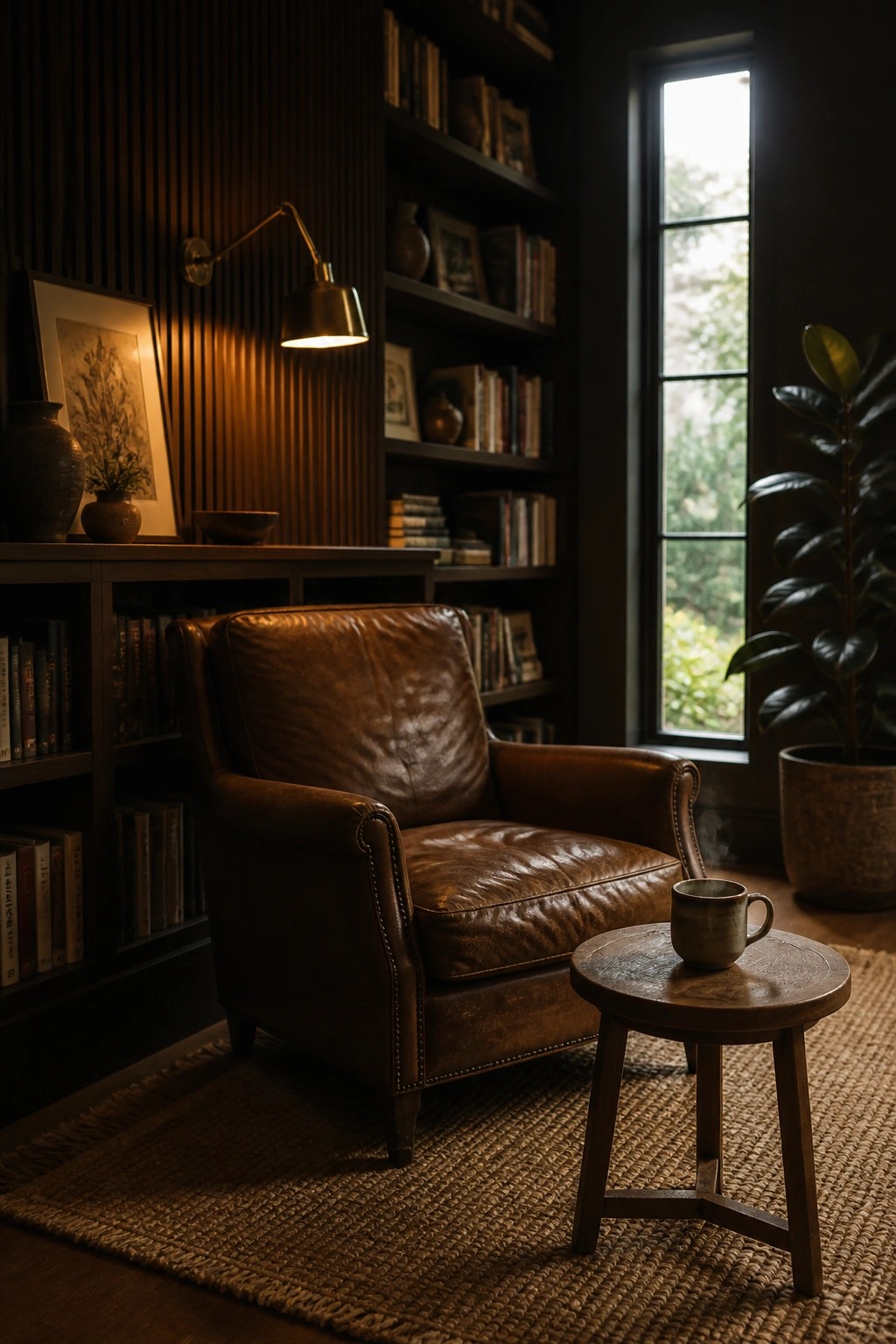
Vertical wood slats give a room quiet depth without needing much else. They work well behind built-ins because the lines add movement while the shelves keep the look grounded and useful.
This approach suits older homes or any space that already has books and seating. Keep the rest of the finishes simple so the wood stays the main feature.
Painted Wood Paneling For Everyday Texture
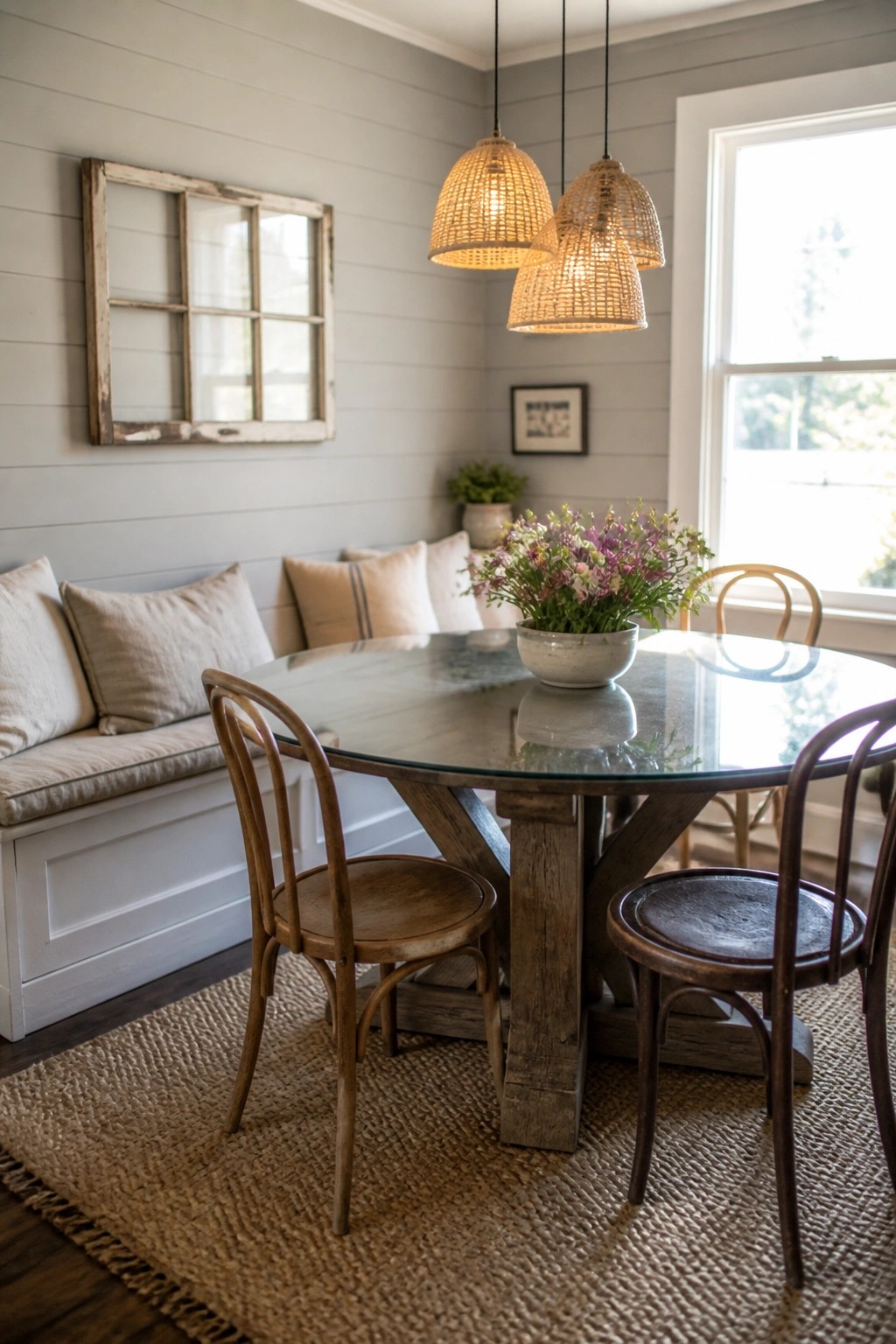
Painted wood paneling gives walls a quiet layer of texture that feels more interesting than flat drywall. In dining areas it adds character without making the space feel busy or dark, especially when kept in a soft light tone.
This works well in both older homes and newer builds that need a bit more warmth on the walls. Keep the furniture simple and let the panel lines do the work, and avoid overcrowding the room so the texture can show up clearly.
A Wood Accent Wall Behind The Bed
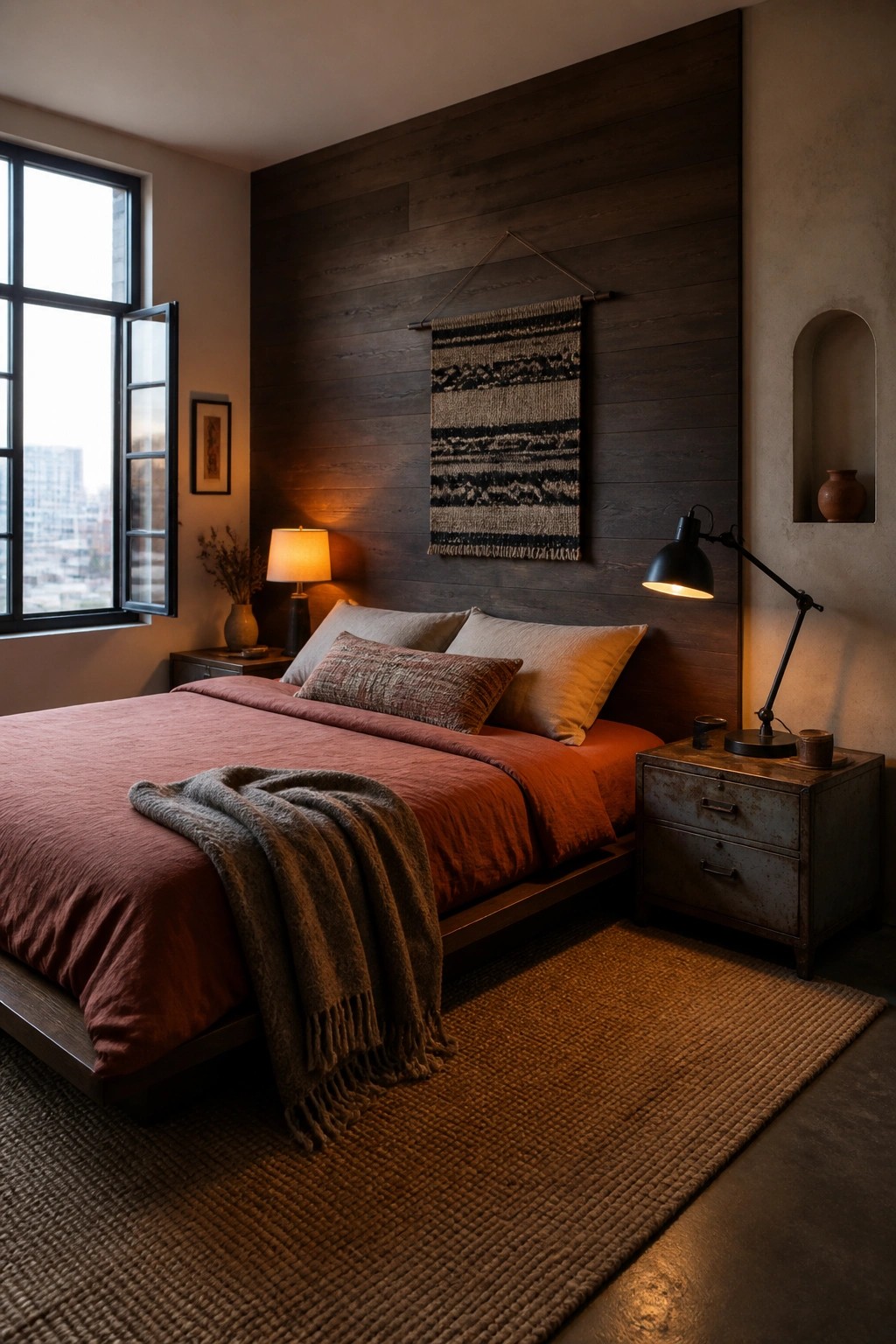
A wood accent wall can bring real warmth and texture to a bedroom without much extra effort. The natural grain and darker finish give the space depth that a painted wall rarely achieves on its own.
This works especially well in rooms where you want a grounded, restful feel. Keep the bedding and furnishings simple so the wood stays the main feature rather than competing with too many other elements.
Vertical Wood Paneling For Added Warmth
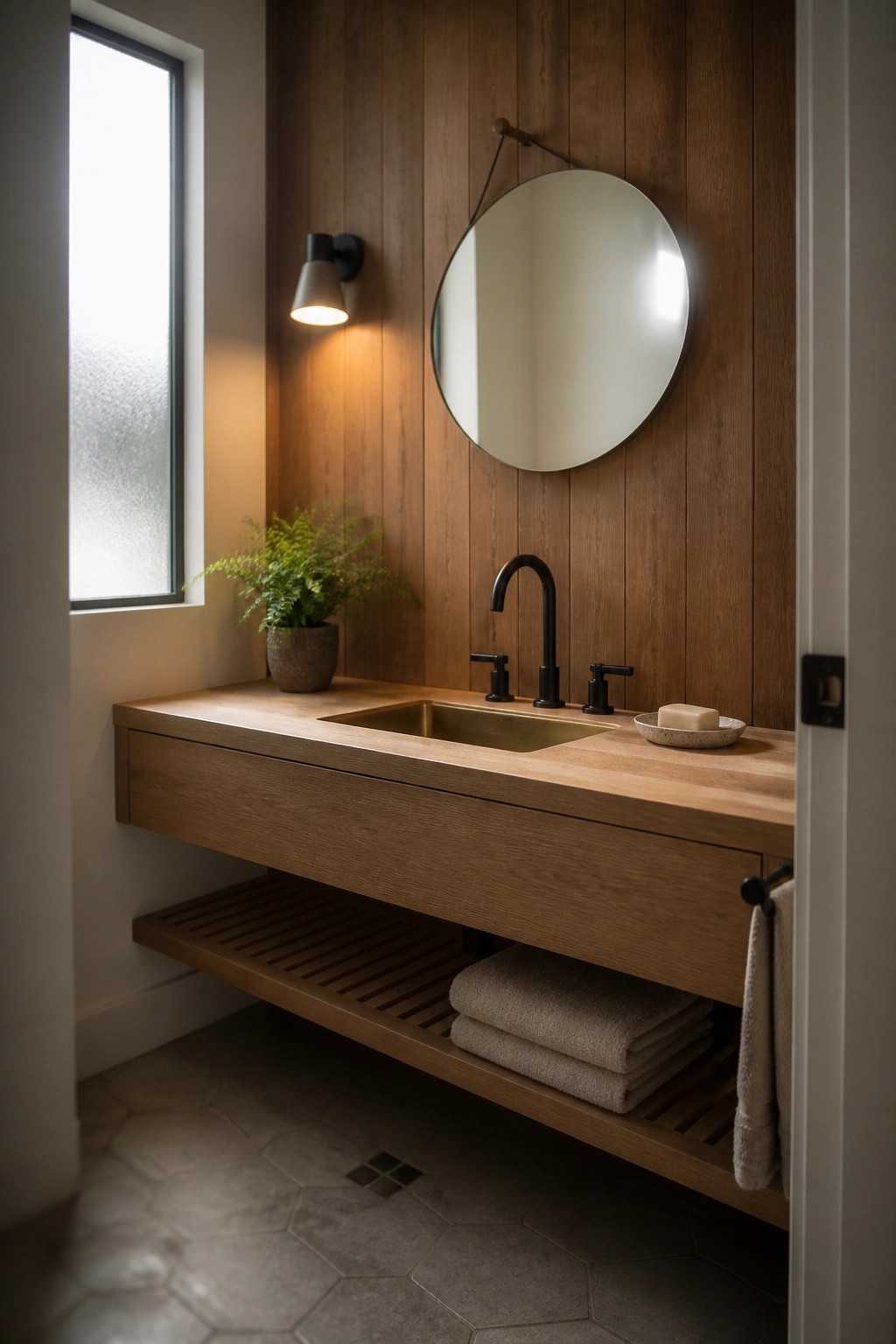
Vertical wood paneling works well in bathrooms because it brings natural texture without making the space feel closed in. The grain and tone help balance out cooler elements like tile floors and metal fixtures, and the effect feels more lived-in than a painted wall.
This approach suits smaller rooms where you want some depth without adding clutter. It works best on one main wall behind a vanity or sink, and it pairs nicely with simple wood counters or open shelving. Keep the rest of the finishes light so the wood stays the focus.
Frequently Asked Questions
Q: Can wood walls go in a kitchen near the stove? A: Heat and grease can build up fast there. Choose a sealed hardwood that wipes clean easily. Test a small spot first before committing to the whole wall.
Q: What if I rent and can’t make permanent changes? A: Removable wood panels clip right onto existing walls. They come off clean when you move out.
Q: Do dark wood walls make a room feel smaller? A: They add depth when paired with light pieces around it. Go for a lighter stain to keep the room feeling open.
