

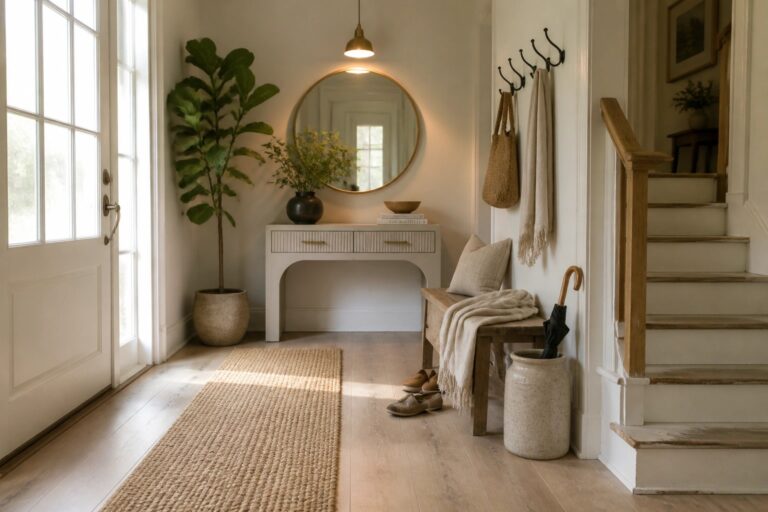
When I walk through older homes that have been updated over time, the flooring often decides whether the spaces feel connected or just patched together.
Neutral wood in softer tones tends to keep that flow steady because it picks up light the same way across different rooms without fighting the furniture or walls.
That kind of quiet consistency shows up more in daily living than I expected.
I have noticed how a slight shift in tone can make a hallway feel separate from the rooms it leads to, even when the layout itself is open.
A couple of these choices are ones I would try first if I were redoing floors in stages.
Keep the Same Wood Flooring in Entryways
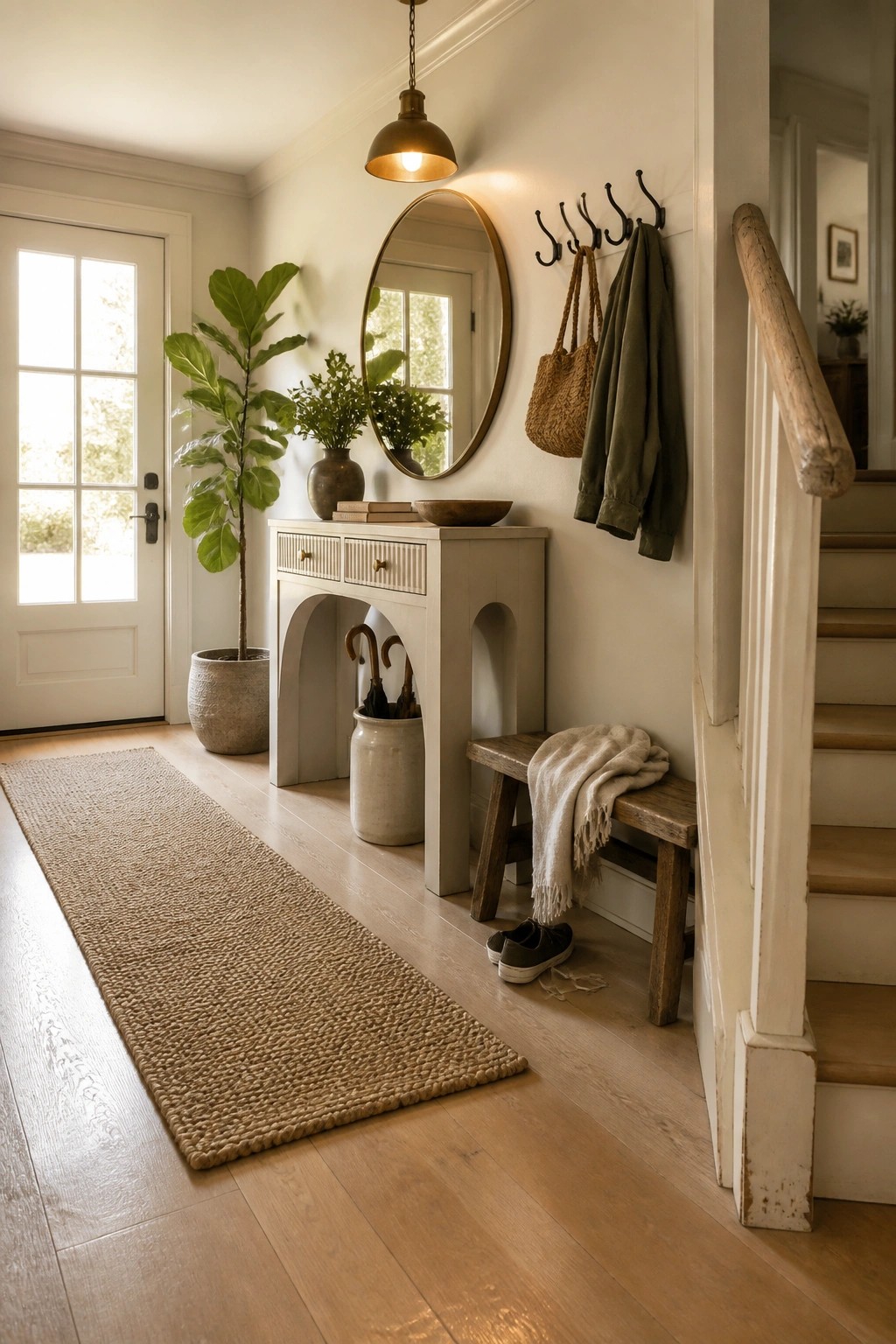
Running the same light wood flooring into the entry helps the whole house feel connected. It avoids a hard stop at the door and lets the soft tone carry through without extra transitions.
This works best in homes where the entry opens straight into main living areas or hallways. Stick with a matte finish that hides everyday wear and pairs easily with rugs or simple furnishings near the door.
Soft Wood Flooring For Whole Home Flow
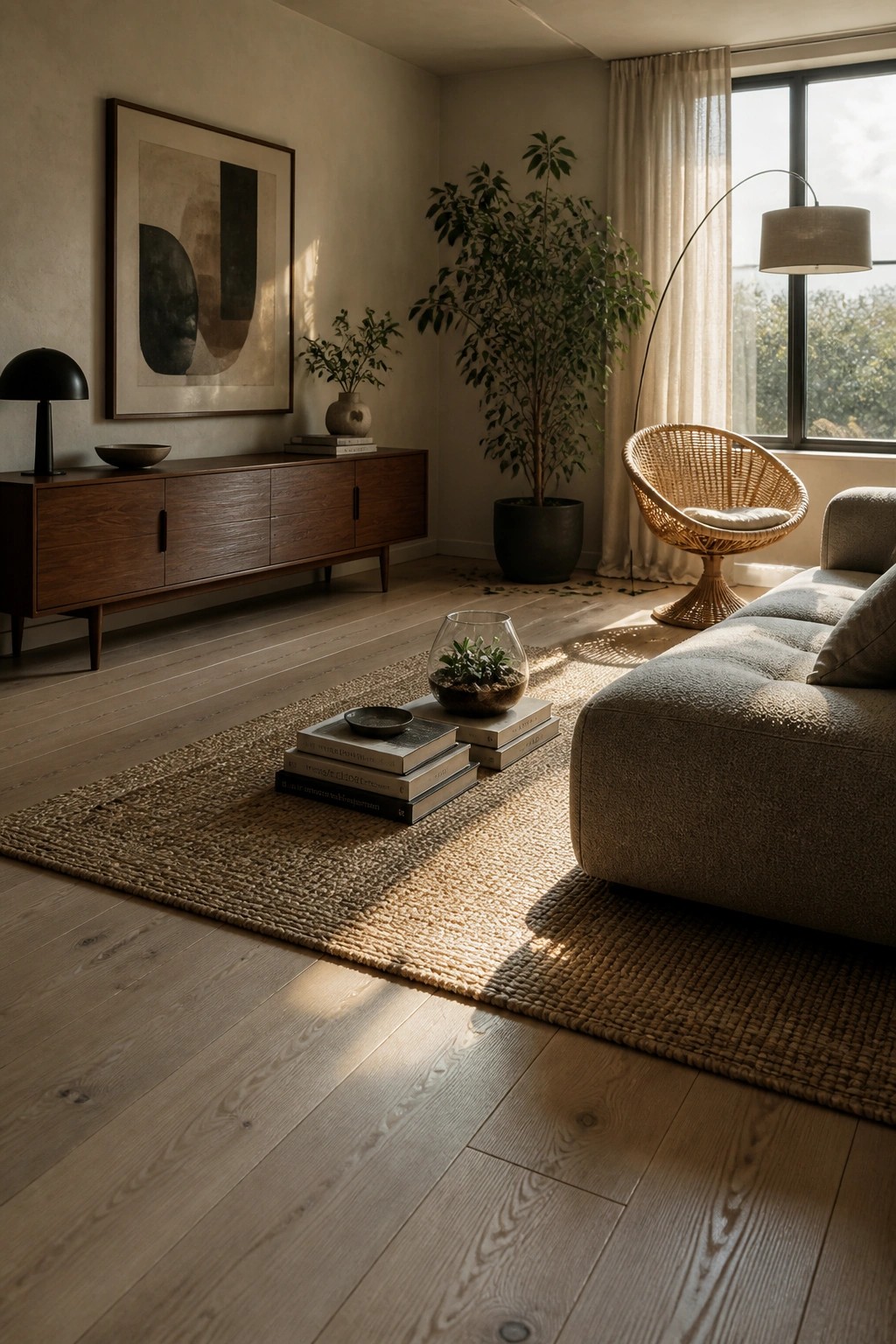
Light wood flooring in a soft neutral tone gives the room a calm base that feels consistent from one area to the next. The pale grain keeps things bright without turning stark, and it pairs easily with the natural textures in the space like the woven rug and wood console.
This works best in homes where you want the same floor to run through several rooms. Stick with a single soft tone and let simple rugs mark out seating areas so the overall look stays connected rather than chopped up.
Light Wood Floors That Connect Open Rooms
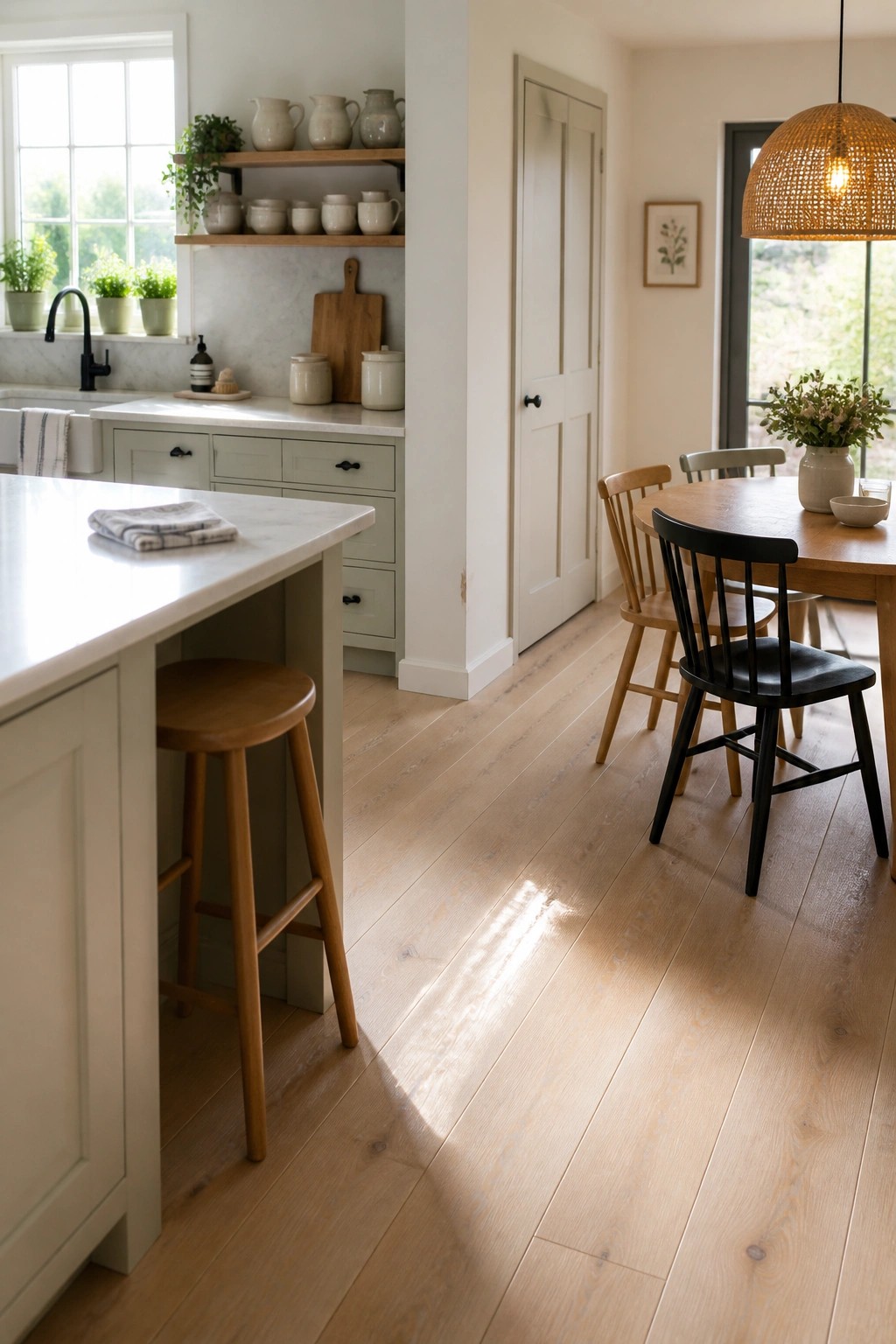
Light wood flooring works well when you want rooms to feel like they belong together without any hard breaks. In spaces where the kitchen opens right into the dining area, this kind of soft tone floor keeps the whole layout calm and easy to move through. It also makes smaller homes feel a little larger since the eye travels across one steady surface instead of stopping at different materials.
This approach suits homes with simple floor plans and not too many walls between living areas. Stick with the same width and finish throughout if you can, and avoid mixing in darker tones that would cut the flow. Just keep the color soft and let the wood do the work of tying things together.
Soft Tone Wood Floors In Calm Bedrooms
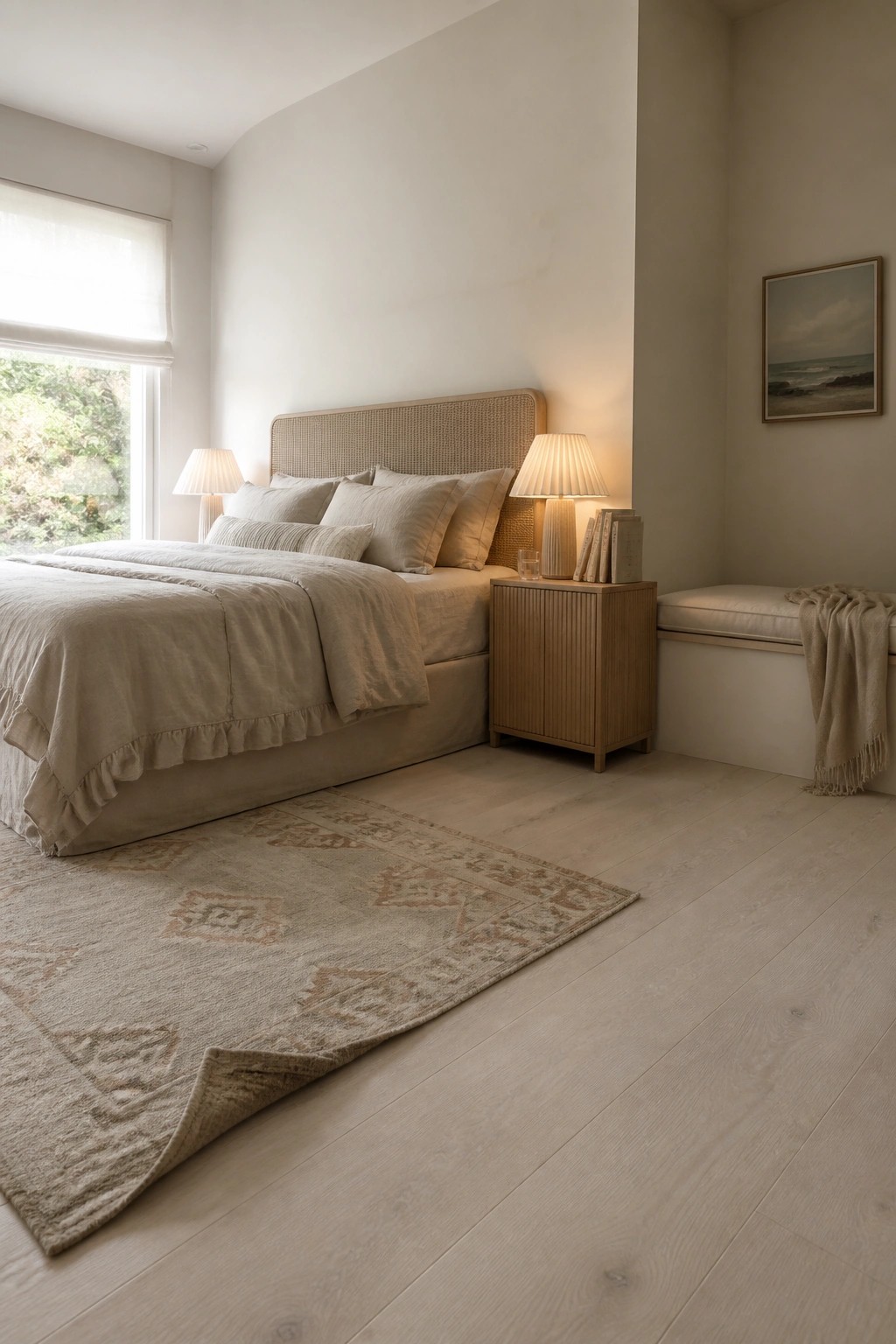
Light wood flooring in soft neutral tones works well in bedrooms because it keeps the space feeling open without adding visual weight. The pale finish blends easily with simple linens and natural textures, so the room stays restful even when other elements are added.
This flooring choice suits homes that want the same material running through multiple rooms. It works best when the wood tone stays close to the wall color and larger furniture pieces so the overall look stays consistent rather than busy.
Light Wood Flooring for Calm Neutral Rooms
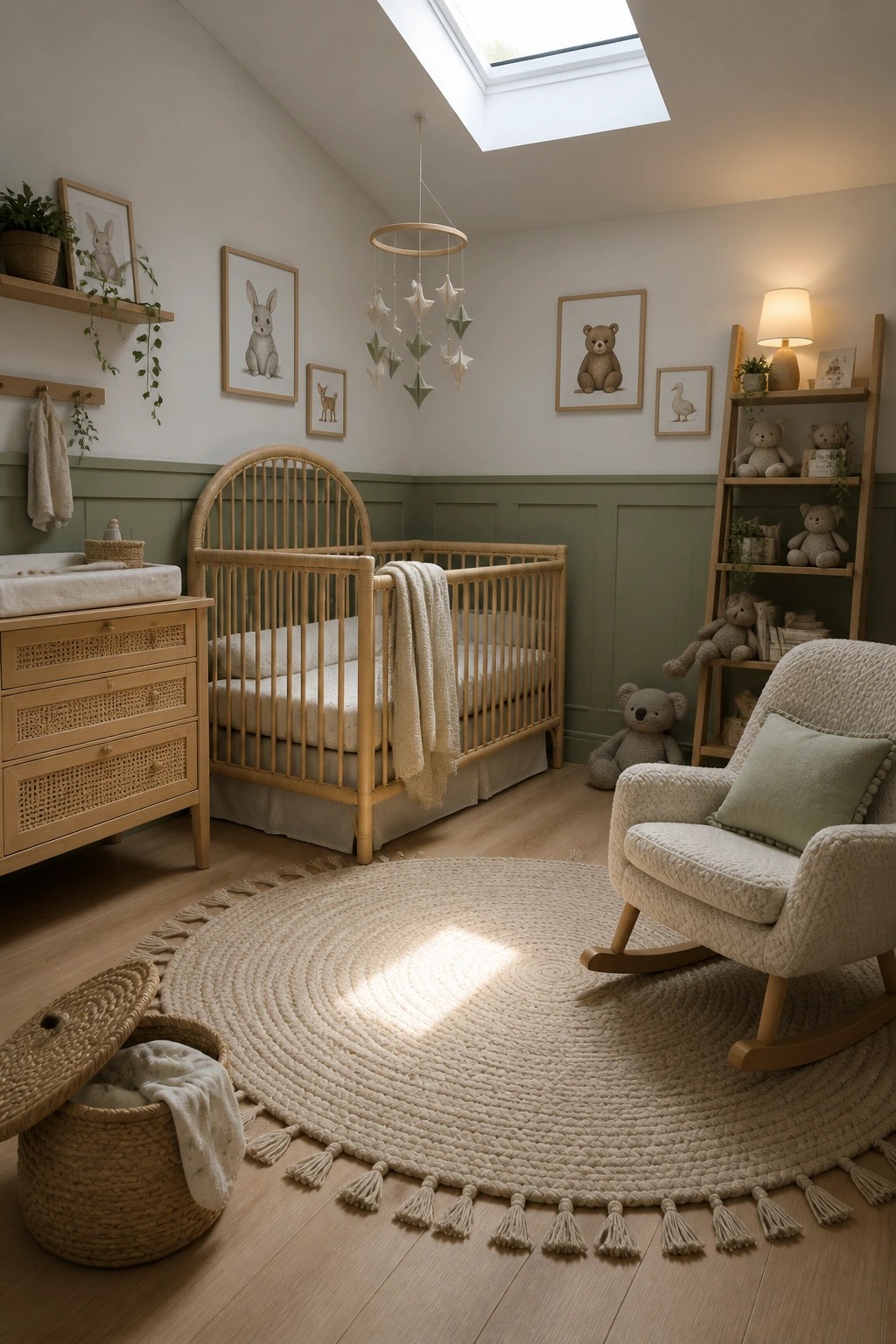
Light wood flooring helps keep soft-toned rooms feeling open and connected. The pale tone reflects light gently and avoids any heavy contrast, which makes the space feel quieter and more consistent with the rest of the house.
This choice works best in bedrooms or nurseries where you want the floor to support the overall softness rather than compete with it. It also makes it simple to run the same flooring through adjacent rooms without any jarring shifts in color or temperature.
Soft Wood Flooring for a Cohesive Look
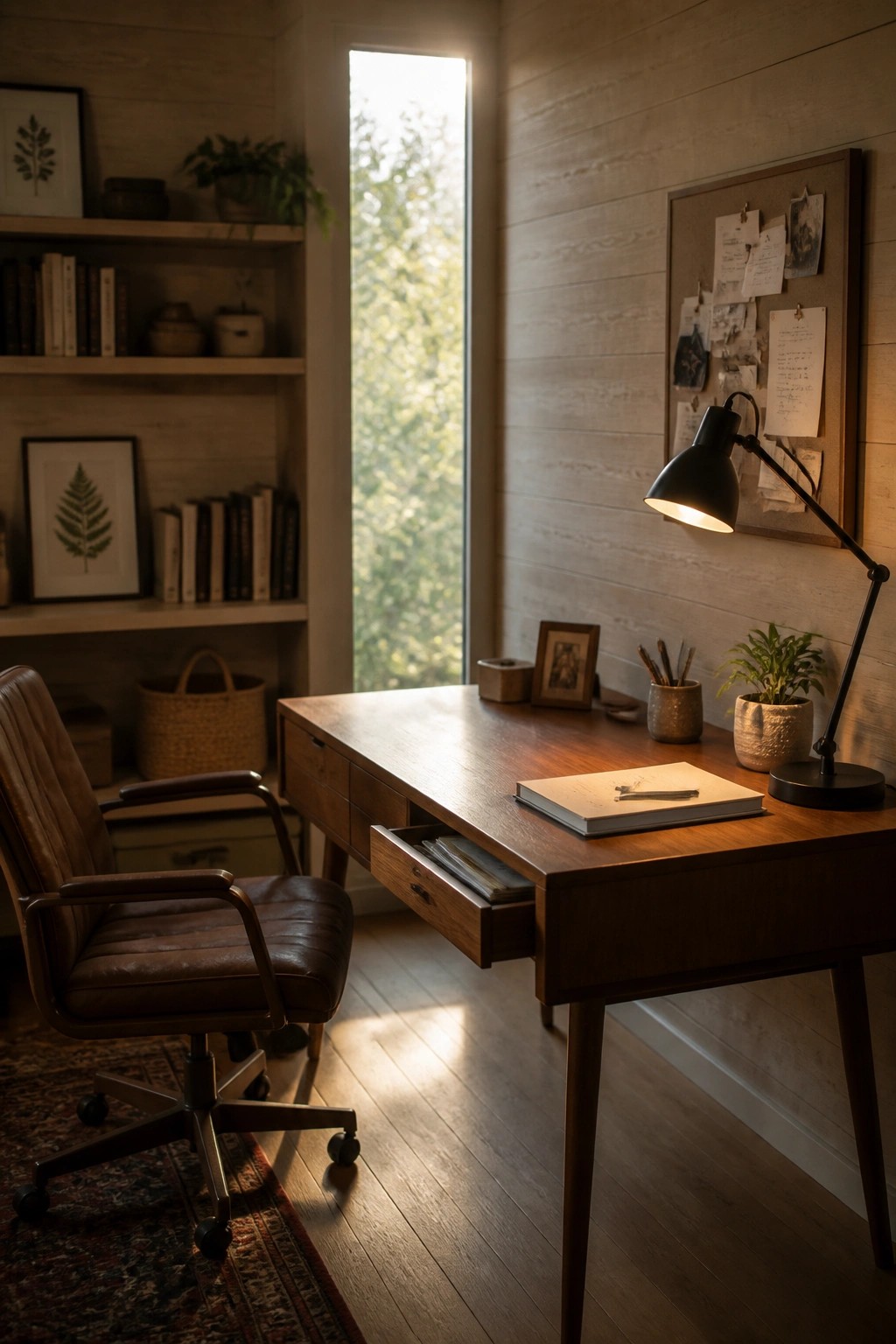
Light wood floors work well in a home office because they keep the space feeling open and connected. The same soft tone on the floor and desk here makes the room feel like one piece instead of a mix of separate items.
This approach suits smaller work areas or any room where you want things to feel calm and simple. It also helps when you plan to carry the same flooring into hallways or nearby rooms for better flow through the house.
Soft Tone Wood Floors In Utility Rooms
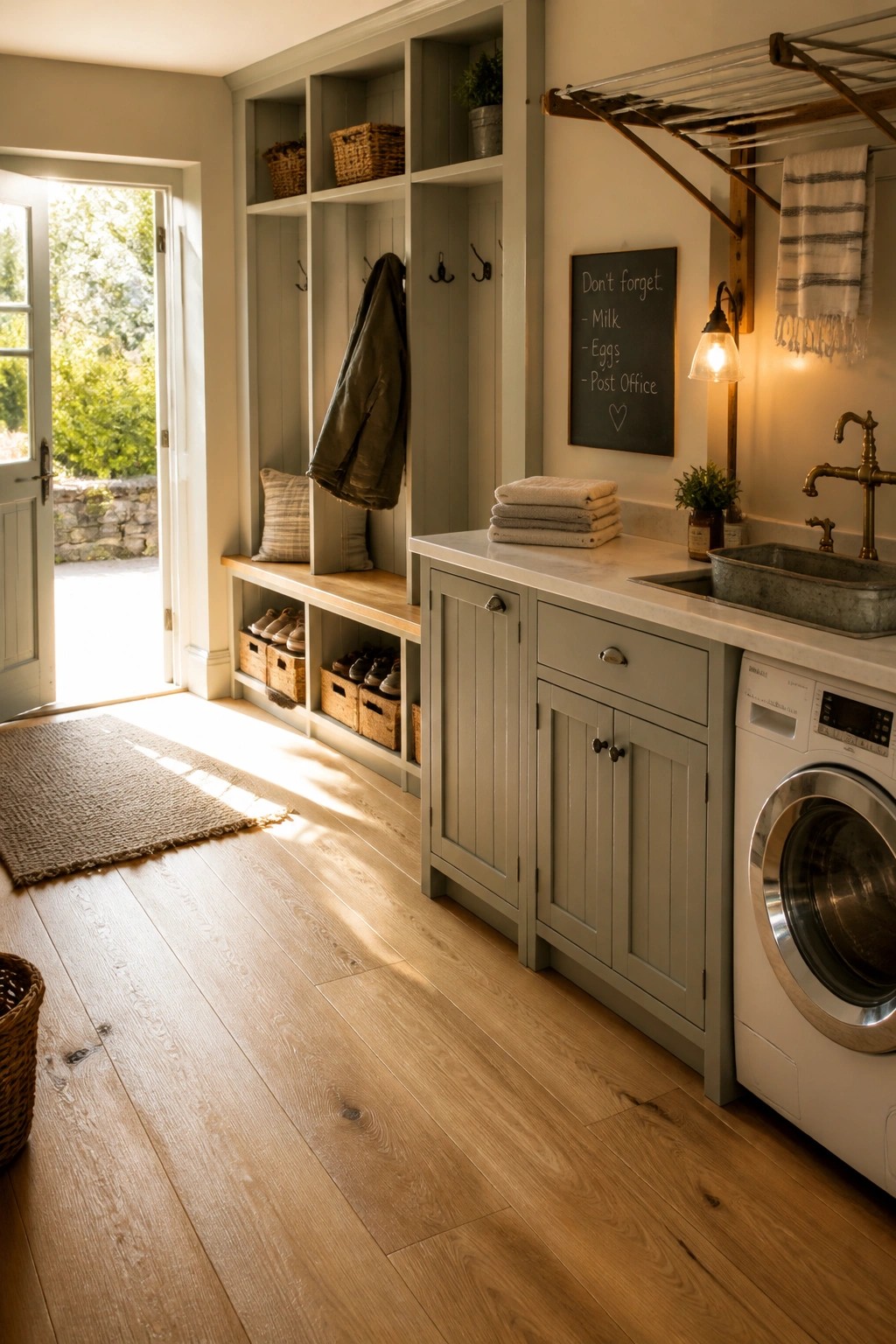
Many homes need flooring that can handle daily wear in rooms that serve more than one purpose. A light neutral wood floor keeps these spaces from feeling cut off from the rest of the house while still looking calm and simple.
The same floor can run from hallways into mudrooms or laundry areas without creating extra transitions. This works best in homes where people move in and out often, since the soft tone hides minor marks and keeps the overall look consistent.
Soft Wood Flooring in Bathrooms
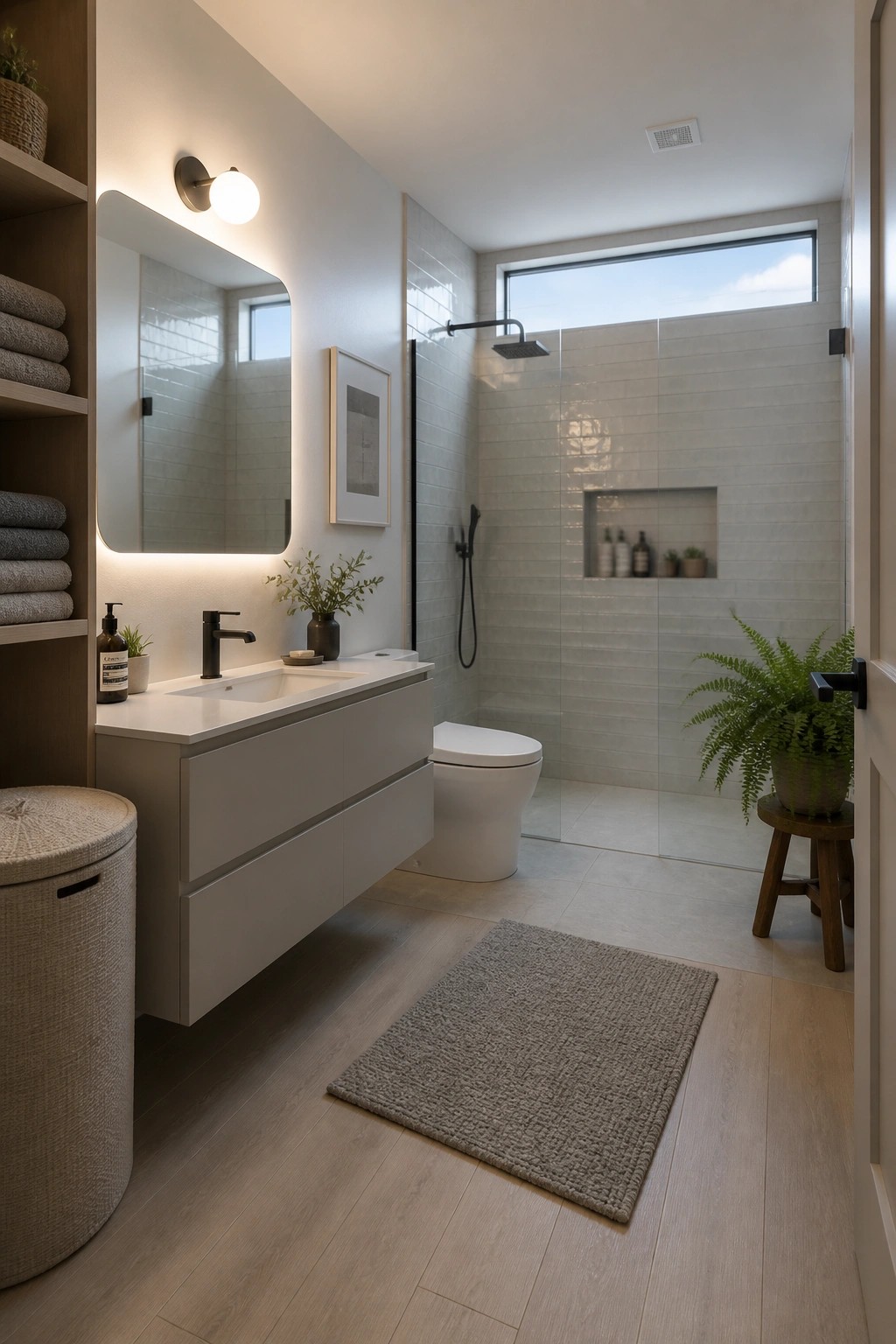
Light wood flooring in a soft neutral tone helps bathrooms feel like a natural part of the rest of the house instead of a separate zone. The pale oak shade here blends easily with the walls and cabinetry, so the room does not cut off the flow from hallway or bedroom.
This works well in homes that want one flooring material throughout. Choose a finish rated for moisture and keep the tone consistent with what is used in drier rooms so the transition stays smooth.
Light Wood Flooring for Better Room Flow
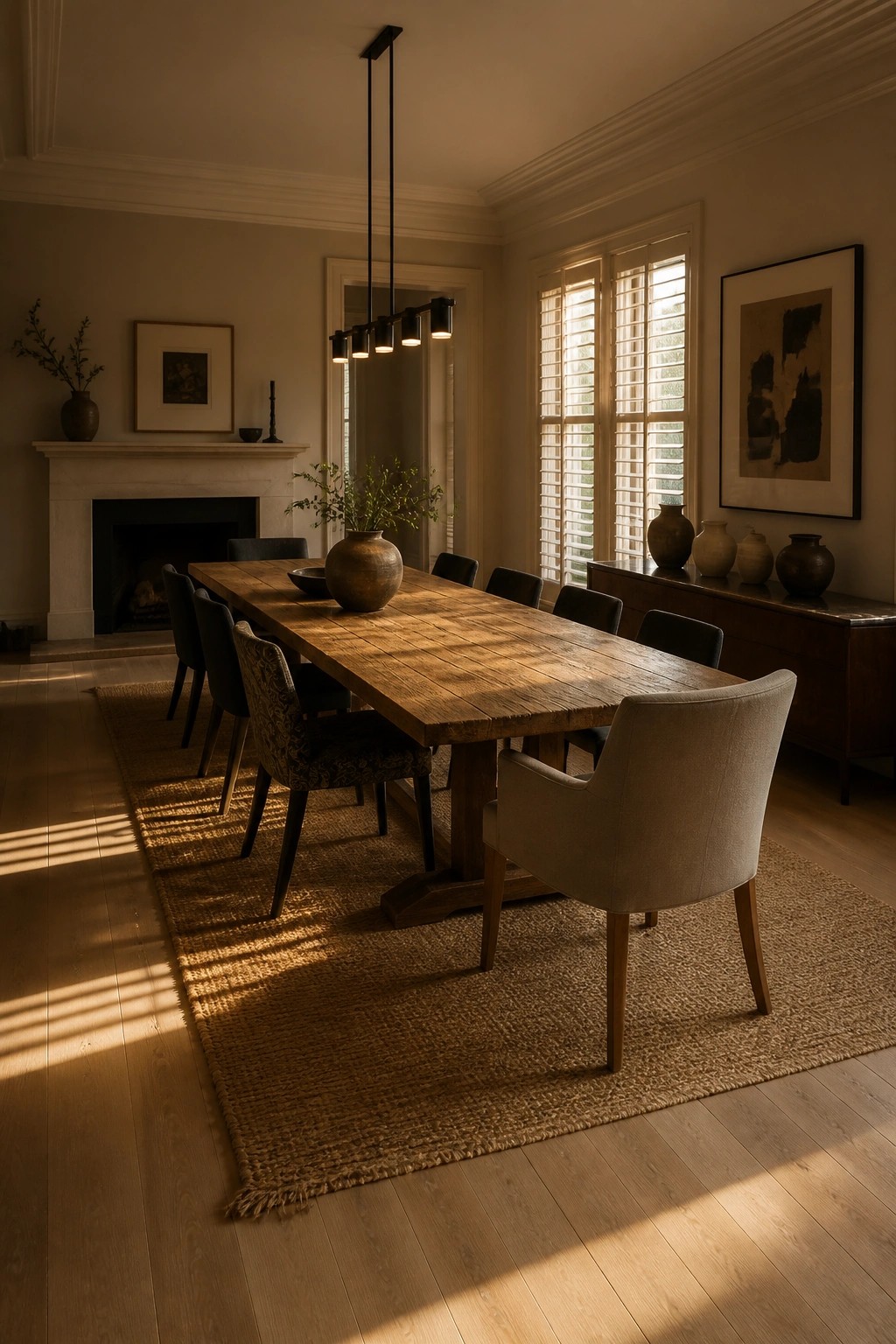
A soft tone wood floor can help a dining room feel like part of the larger house instead of a separate space. The pale planks keep the room bright and let other wood pieces, like the table, stand out without competing.
This works well in homes where the dining area opens to a kitchen or hallway. Keep the finish simple and avoid mixing too many wood tones so the floor can carry through without looking patchy.
Soft Tone Wood Flooring for Whole Home Flow
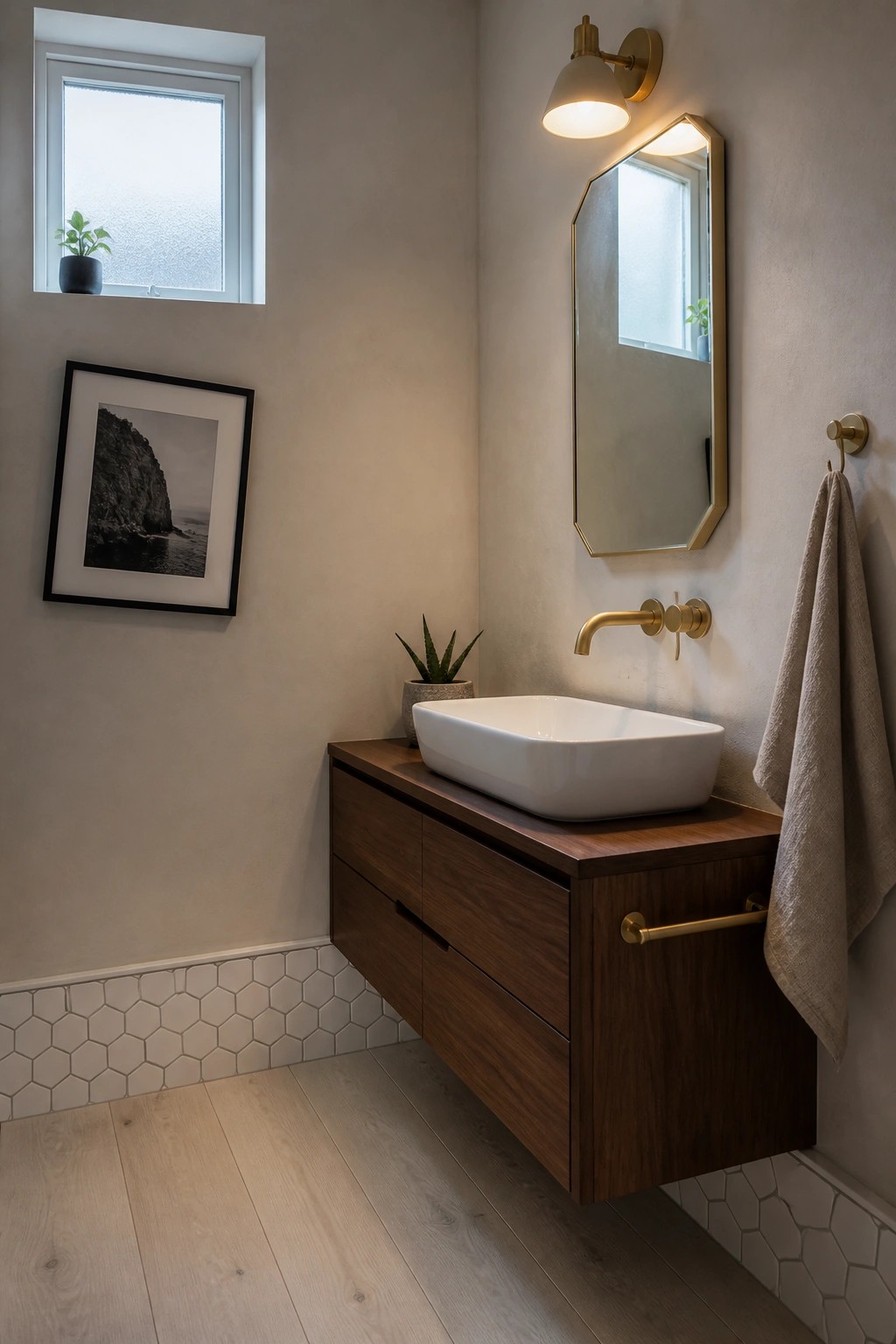
A light neutral wood floor in the bathroom helps the room feel like part of the rest of the house instead of a separate space. The pale tone keeps things calm and avoids breaking the visual line that runs from room to room.
This approach works best in homes where you want simple continuity without matching every surface exactly. Pick a soft oak or similar finish that sits close to your main living area floors, and let the walls and fixtures handle any needed contrast.
Light Wood Floors That Tie Rooms Together
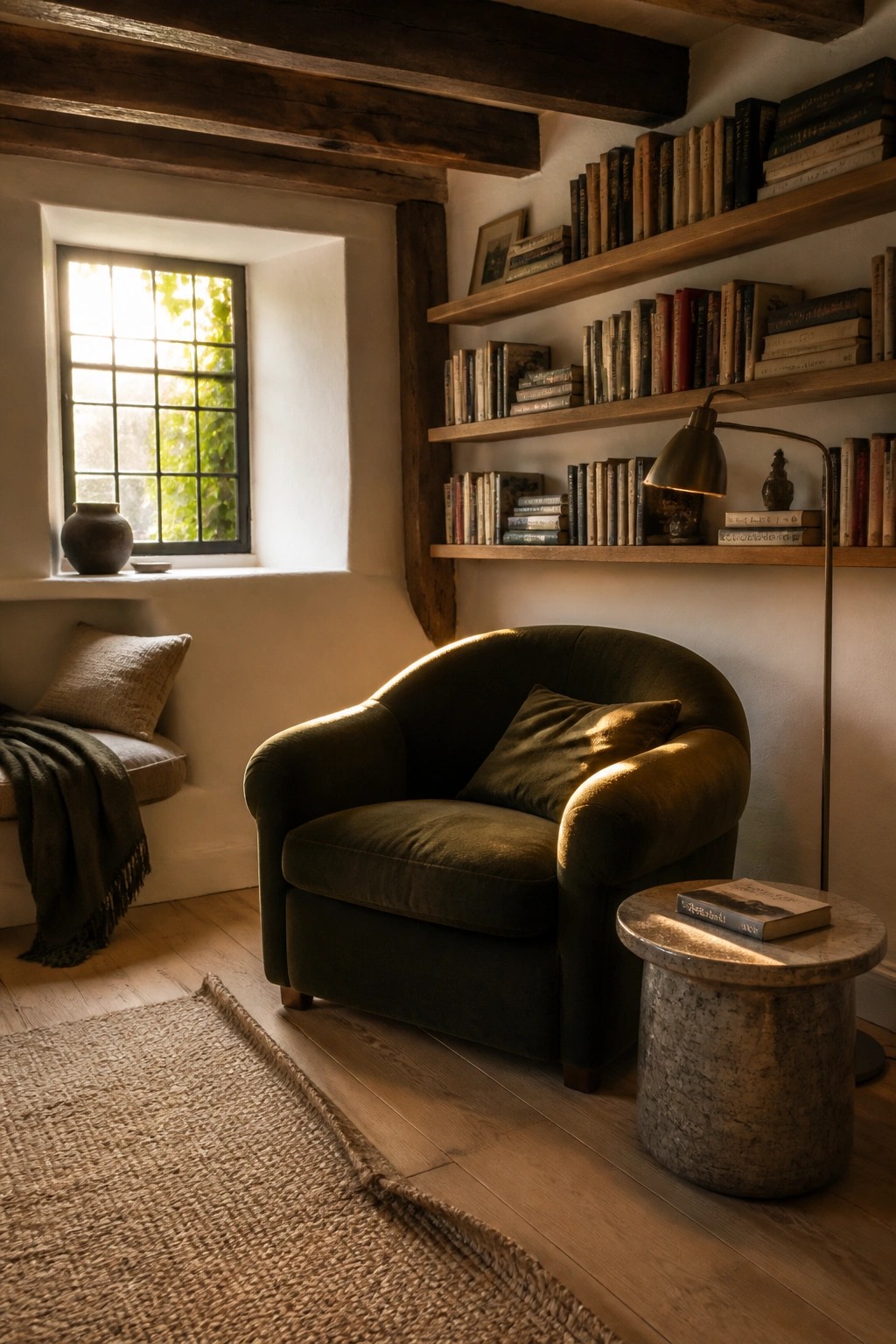
A soft neutral wood floor like this one gives the whole house a steady base. The light tone keeps the space calm and lets other pieces, like a deep chair or heavy shelves, stand out without competing for attention.
This approach works best in homes where rooms open into each other. Keep the same plank style and color running through doorways so the floor feels like one continuous surface rather than separate patches.
Extend Neutral Flooring Through Hallways
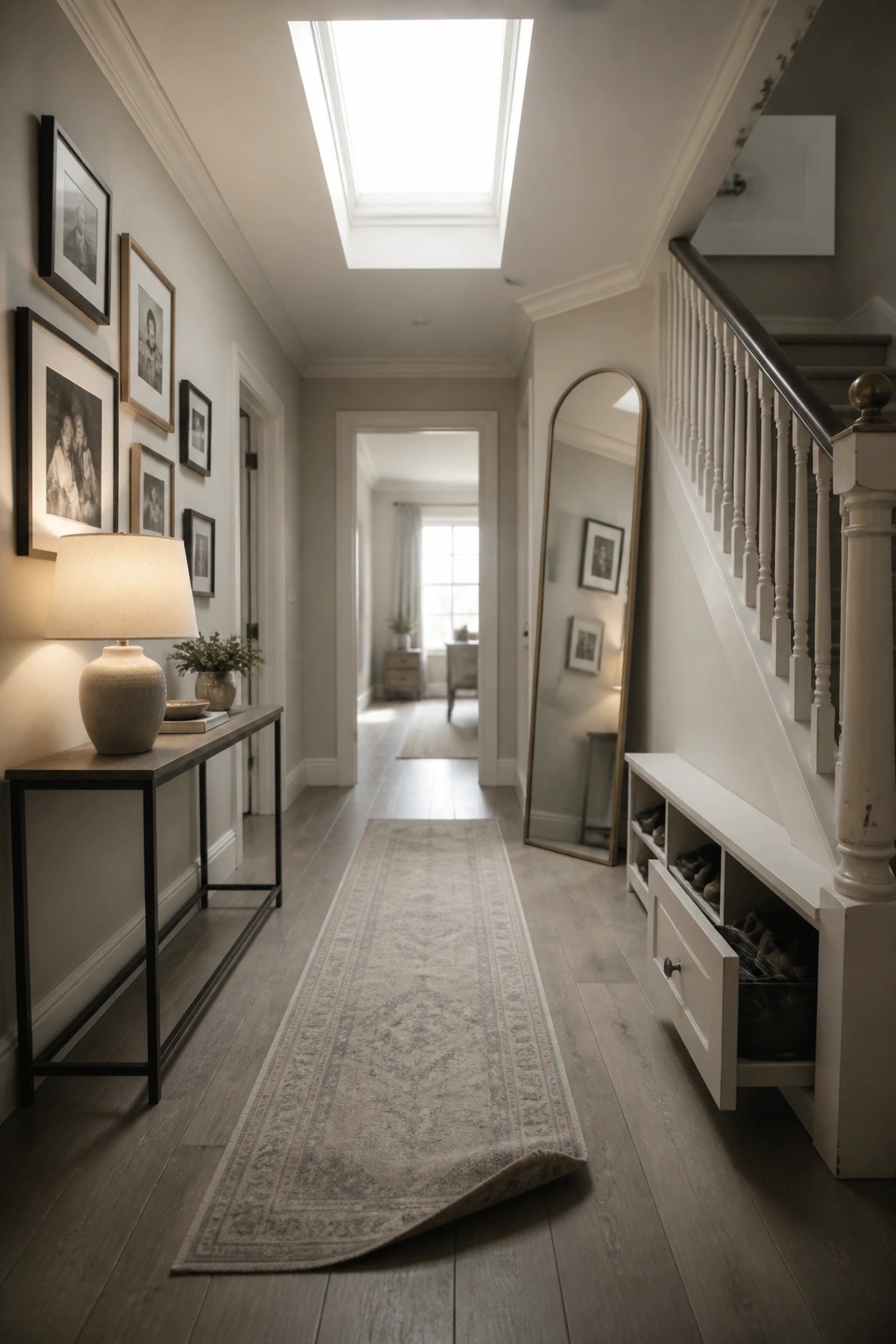
One simple way to keep the whole house feeling connected is to run the same soft wood flooring into hallways. It avoids any hard stops between rooms and lets the tone carry naturally from one space to the next.
This approach works best in homes where hallways link several rooms. Try to match the exact color and width of the planks at every doorway so the floor does not feel broken up.
Carry Soft Wood Flooring Into Bathrooms
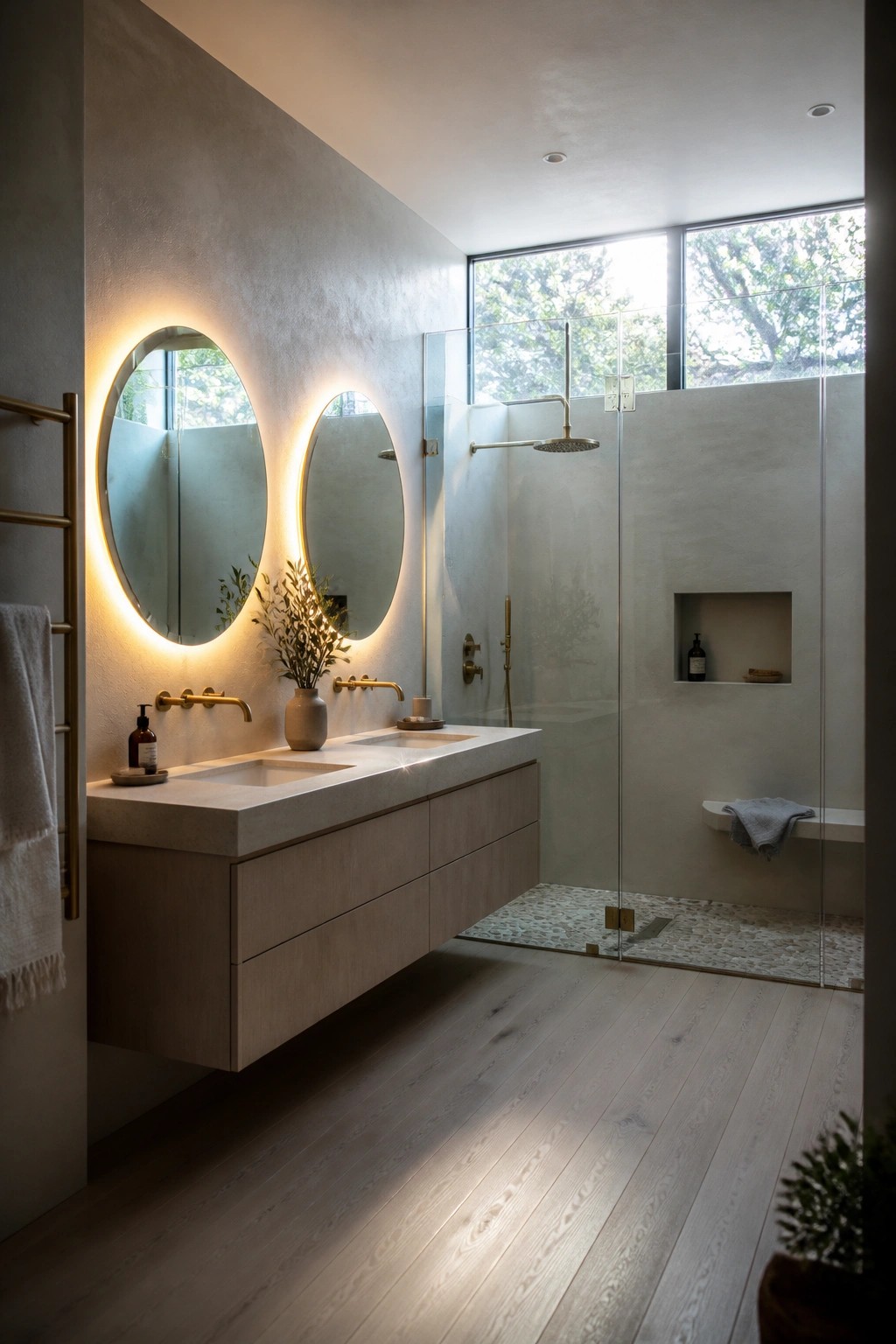
Many people switch to tile the moment they reach a bathroom. Keeping the same light neutral wood floor running through instead creates a quiet sense of continuity that makes the whole house feel more connected.
This approach works best when the floor stays mostly dry outside the shower area. Look for wood rated for light moisture or apply a solid protective finish. It pairs well with simple floating vanities and minimal fixtures that do not compete with the floor.
Light Wood Floors for Whole Home Continuity
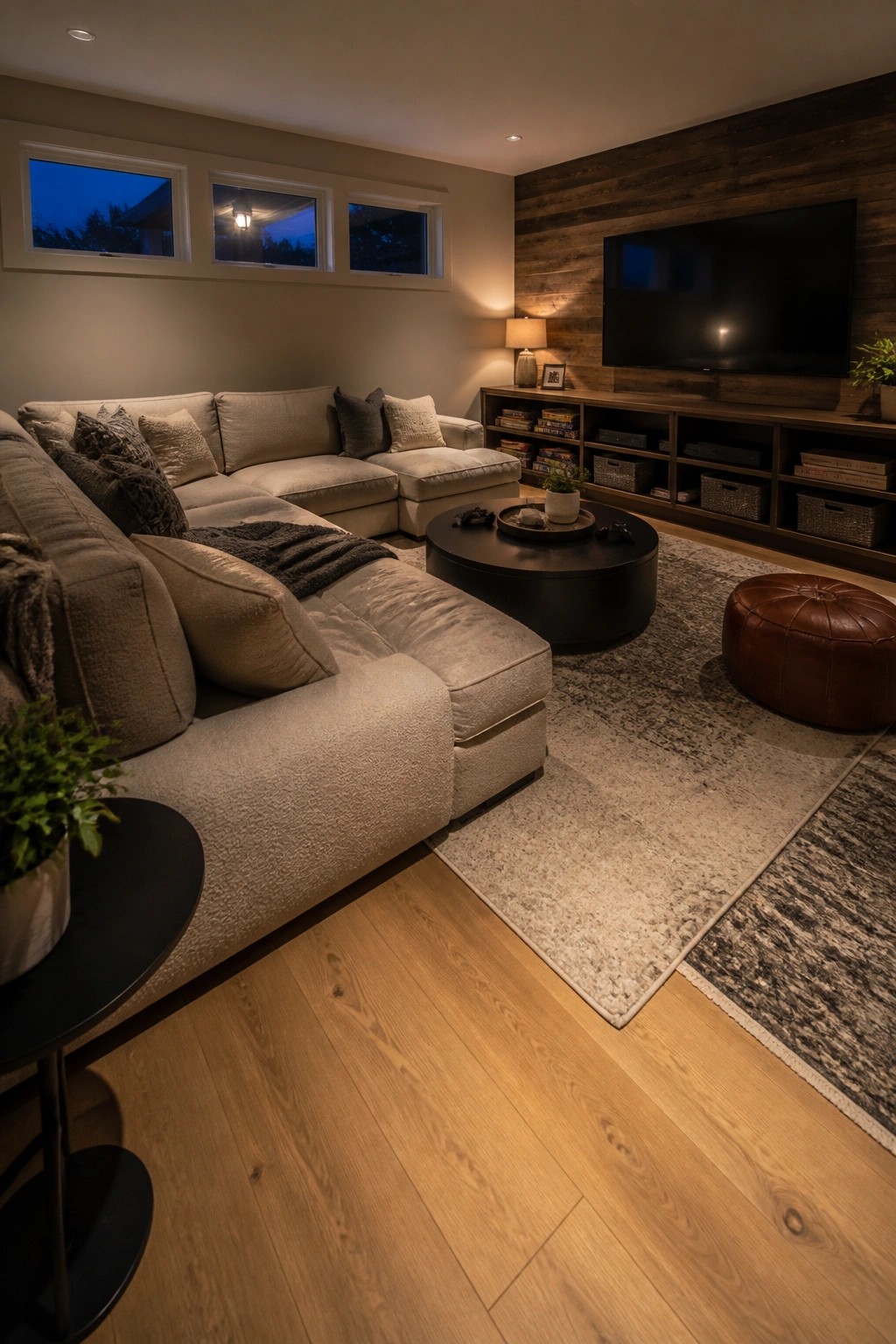
Light wood flooring in a soft neutral tone works well when you want rooms to feel connected instead of chopped up. The pale oak here blends right into the beige sectional and walls, so nothing stands out as a sudden change.
This choice suits open living spaces or homes where the main rooms share sight lines. Keep the same tone running through the main floor and avoid mixing in darker woods if you want that steady, low-key flow to last.
Light Wood Flooring For Open Layout Continuity
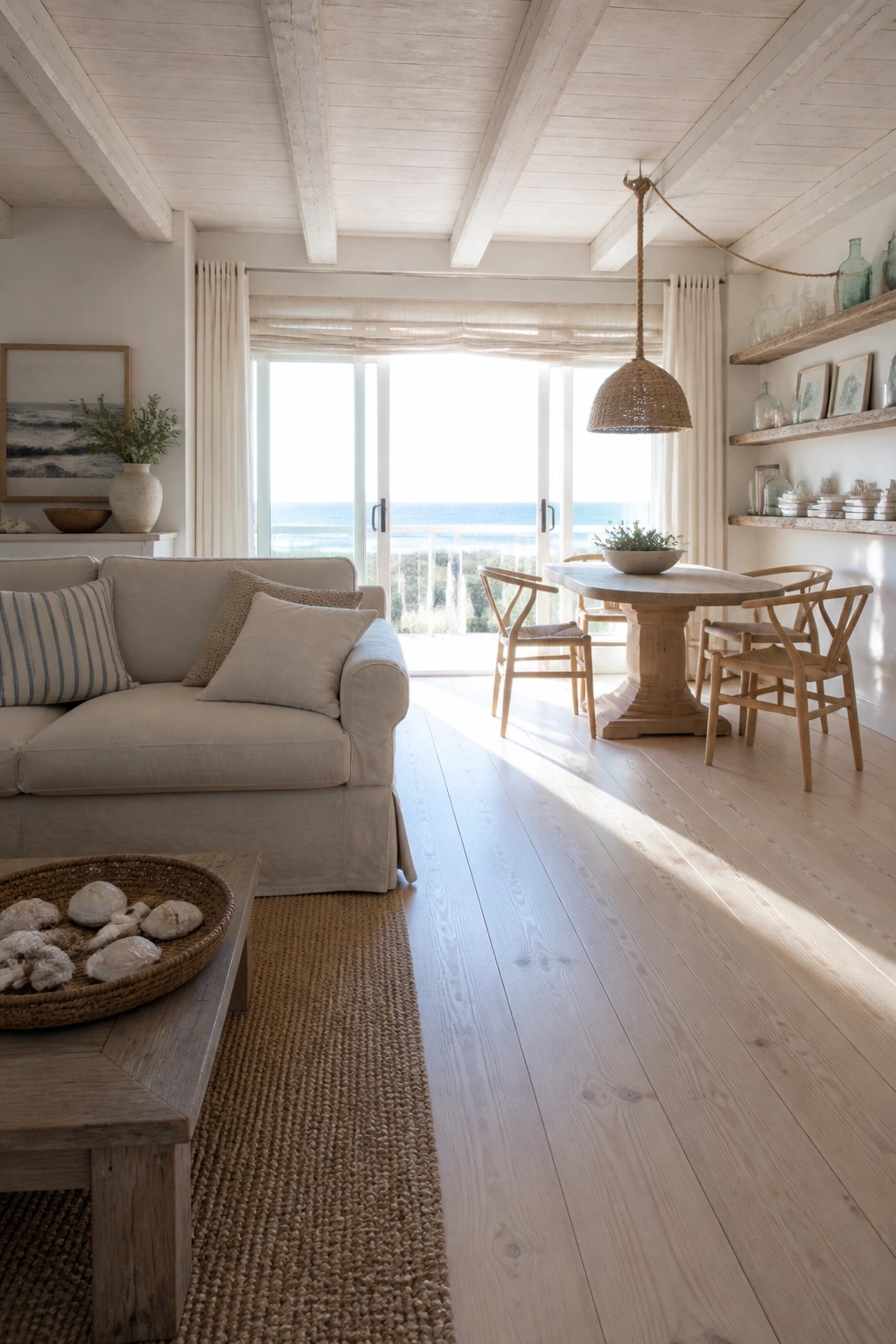
Light wood floors in soft tones help open living areas feel like one continuous space rather than separate rooms. The pale finish keeps the flow simple and lets furniture and textiles stand out without competing for attention.
This works best in homes where the living room leads straight into a dining area or kitchen. Keep the same flooring throughout and avoid strong color changes at thresholds so the eye moves easily from one zone to the next.
Soft Tone Wood Flooring in Narrow Kitchens
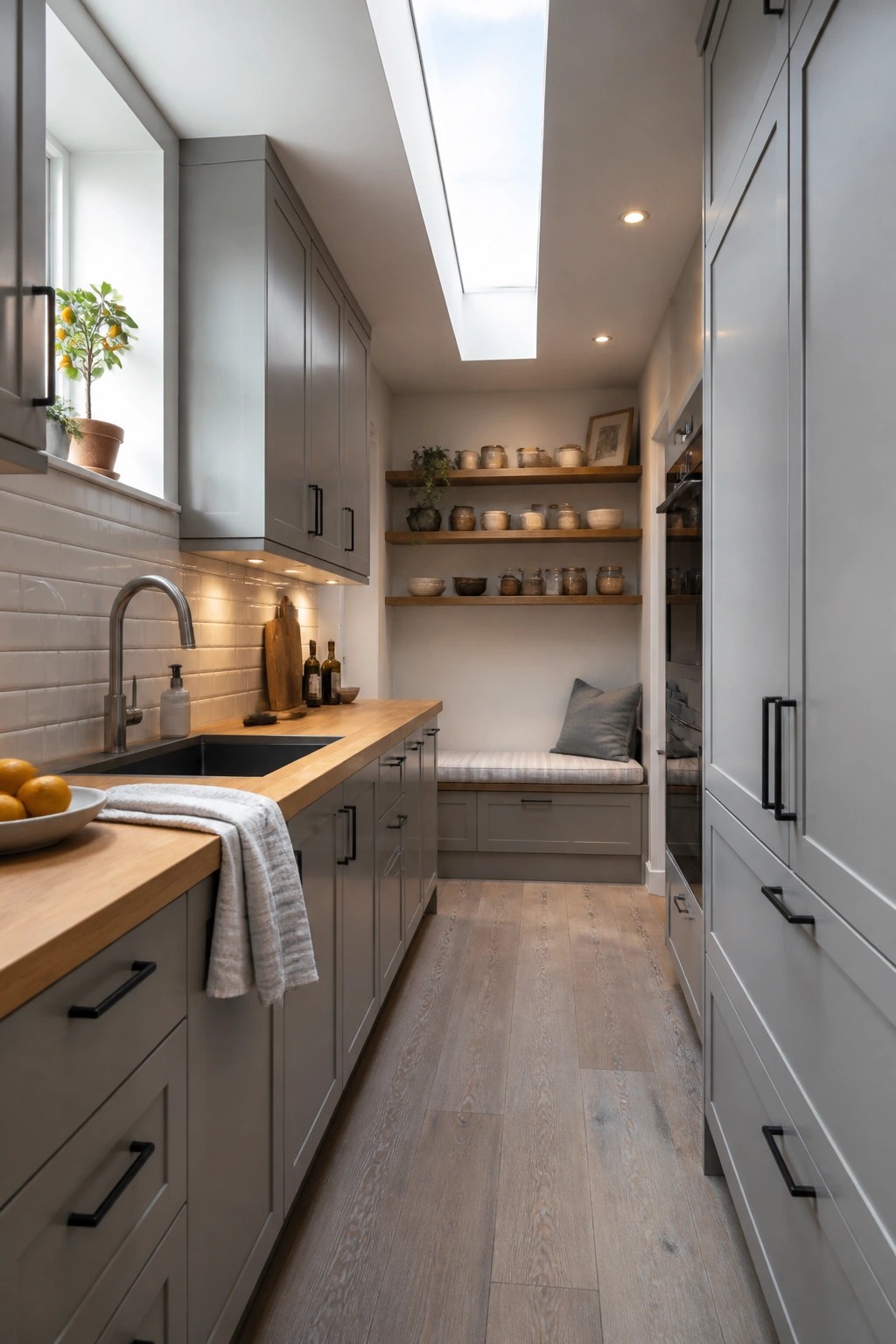
Light wood floors in soft tones help a narrow kitchen feel more open and connected. The pale planks run the full length of the room and keep the space from feeling boxed in even when cabinets line both walls.
This flooring choice works best in smaller homes or galley layouts where you want continuity from the kitchen into nearby rooms. It pairs well with simple cabinetry and wood countertops without adding visual weight.
Neutral Wood Flooring in Attic Rooms
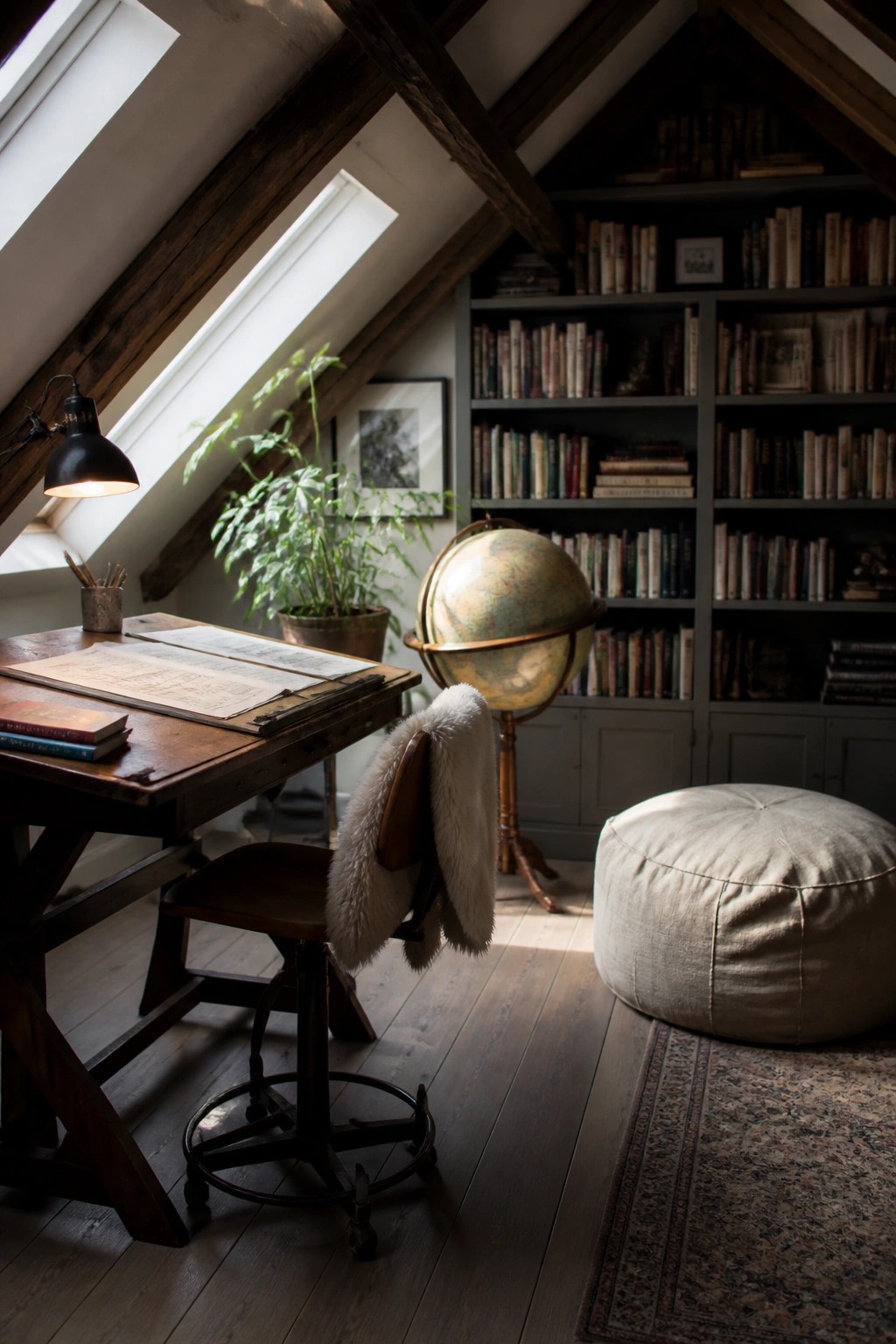
Soft neutral wood flooring gives an attic room a calm base that ties together the exposed beams and darker furniture. The light tone keeps the space from feeling heavy even with all the wood overhead and around the room.
This choice works best in homes where the same flooring runs from the main levels up into the attic. It creates a simple sense of continuity without needing extra trim or transitions.
Soft Tone Wood Floors in Active Rooms
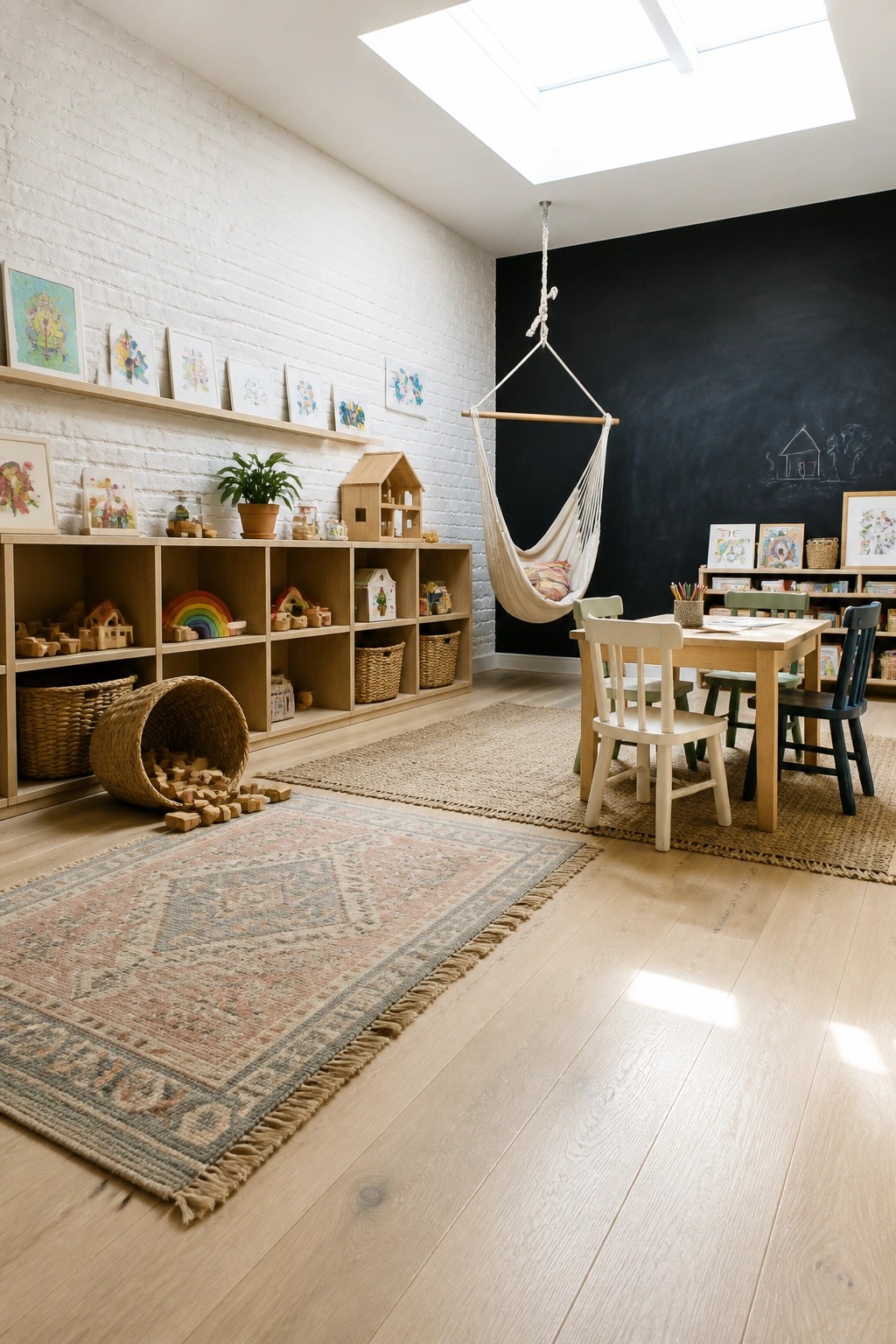
Light wood flooring in soft neutral tones keeps a busy room feeling calm and connected. The pale finish blends easily with whatever else is in the space, so toys, rugs, and furniture can come and go without making the room feel cluttered or chopped up.
This kind of flooring works best in homes where the same wood runs through several rooms. It creates a quiet background that holds up to daily use while still looking simple and clean.
Light Wood Floors for Room to Room Flow
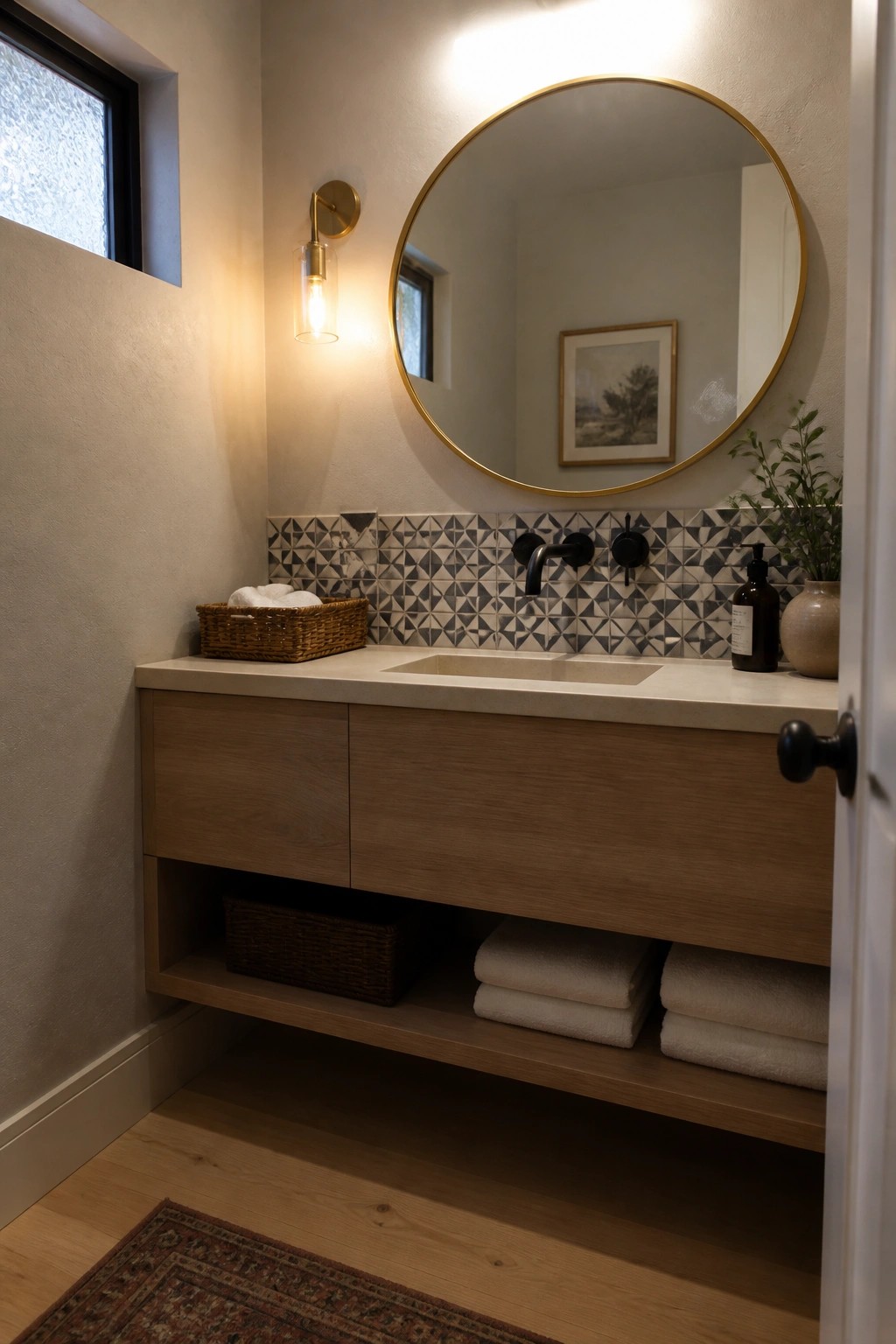
Light wood floors in a soft tone help rooms feel connected instead of separated by hard transitions. The warm, neutral shade keeps the space calm and avoids the choppy look that darker or mixed floors can create in smaller homes.
This approach works best in houses where the bathroom opens directly into hallways or bedrooms. Stick with the same tone and finish throughout so the eye moves easily from one space to the next without stopping at each doorway.
Neutral Flooring For Everyday Entry Spaces
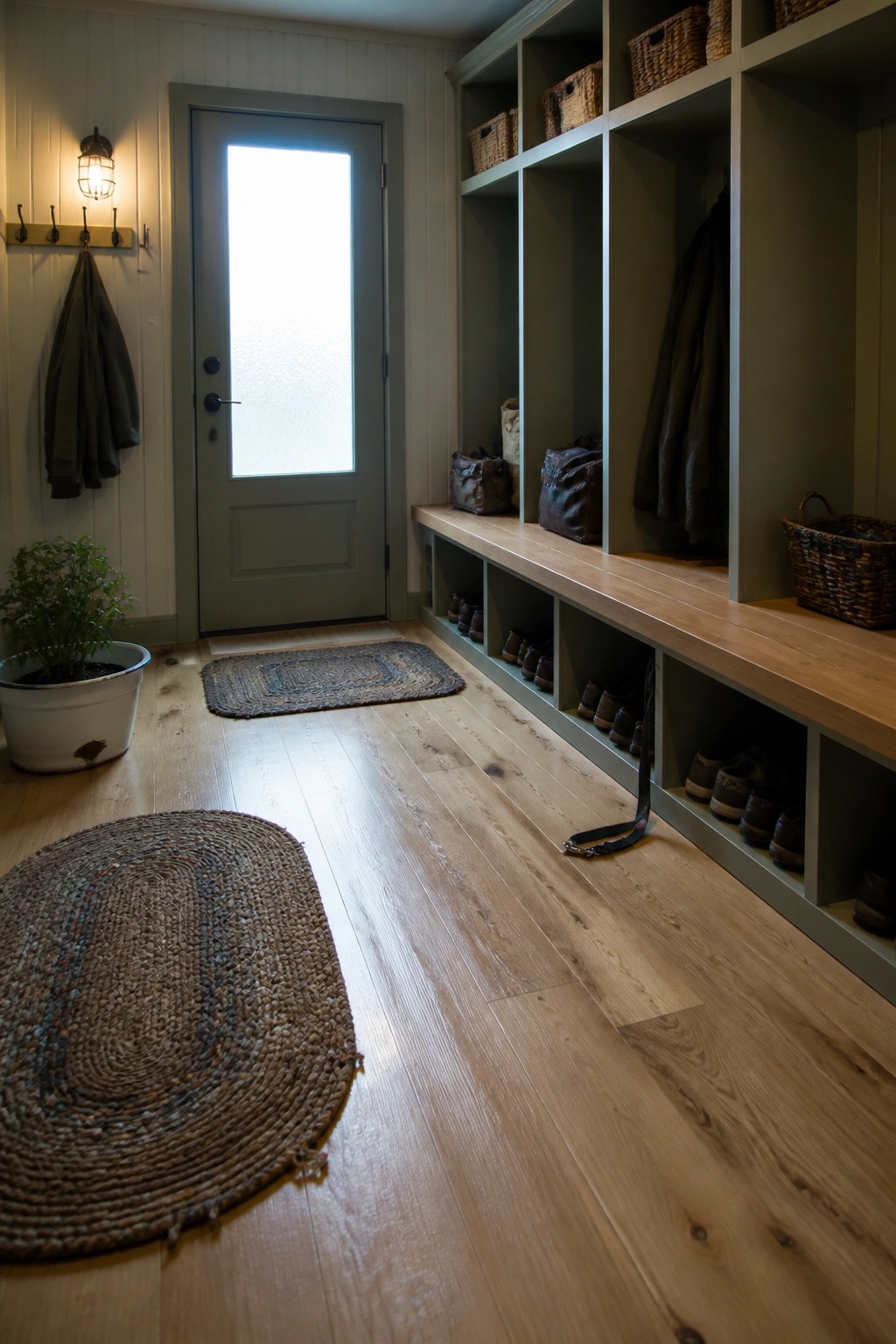
Soft neutral wood flooring makes sense in an entry or mudroom because it keeps the space connected to the rest of the house without standing out. The light tone handles the constant traffic while still feeling calm and simple.
This works best in homes that want the entry to flow into living areas without a hard break in color or material. Choose a durable finish and let the planks run straight through the doorway so the eye keeps moving forward.
Light Wood Flooring for Casual Dining Corners
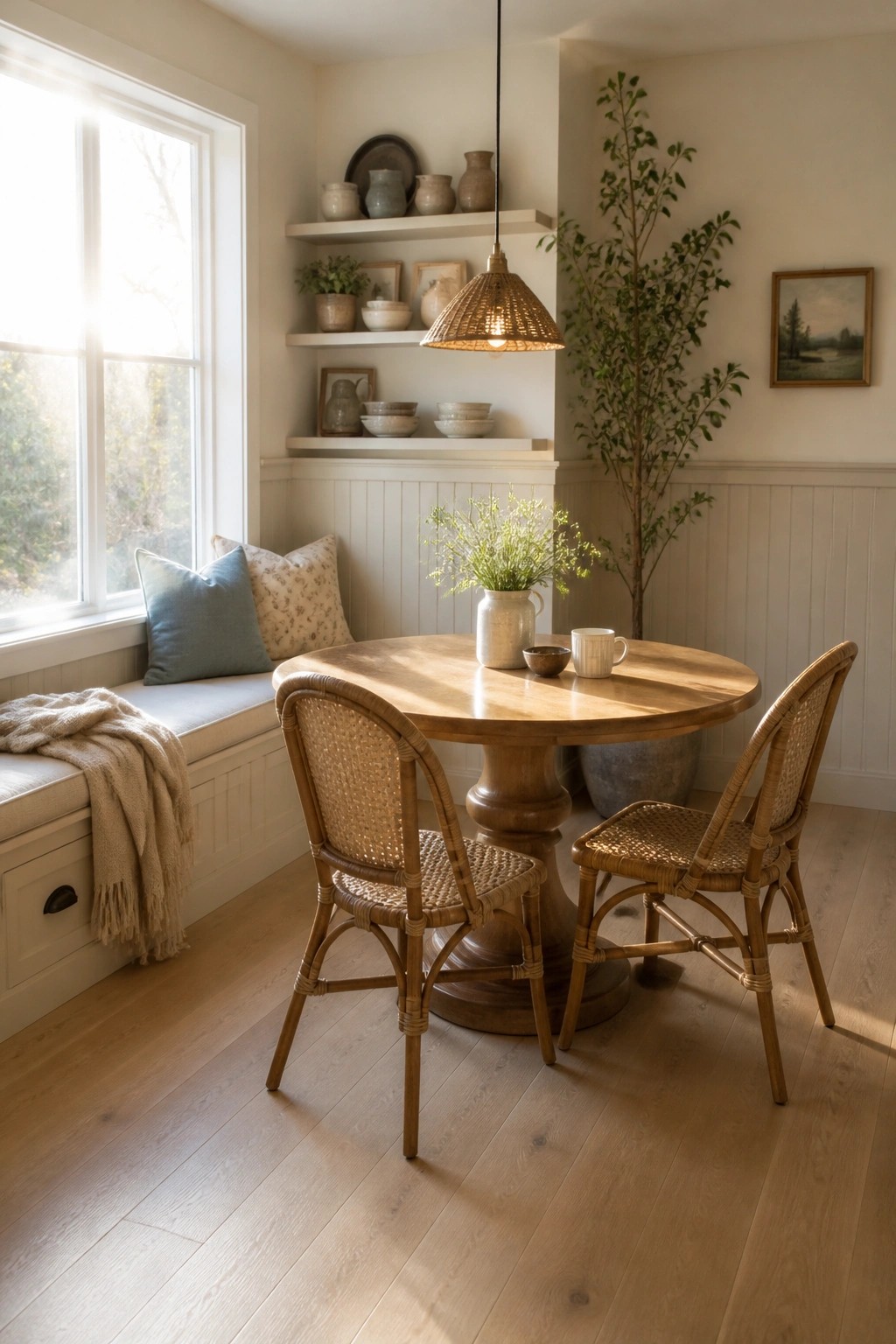
Light wood flooring in a soft tone gives casual dining areas a calm base that feels connected to the rest of the home. It pairs well with built-in seating and simple tables, letting the wood grain add warmth without making the space feel busy or dark.
This works best in smaller homes or open layouts where you want the dining spot to blend into nearby rooms. Keep the finish matte and the planks fairly wide so the floor stays easy to clean and does not compete with rugs or furniture later on.
Light Wood Floors for Neutral Room Flow
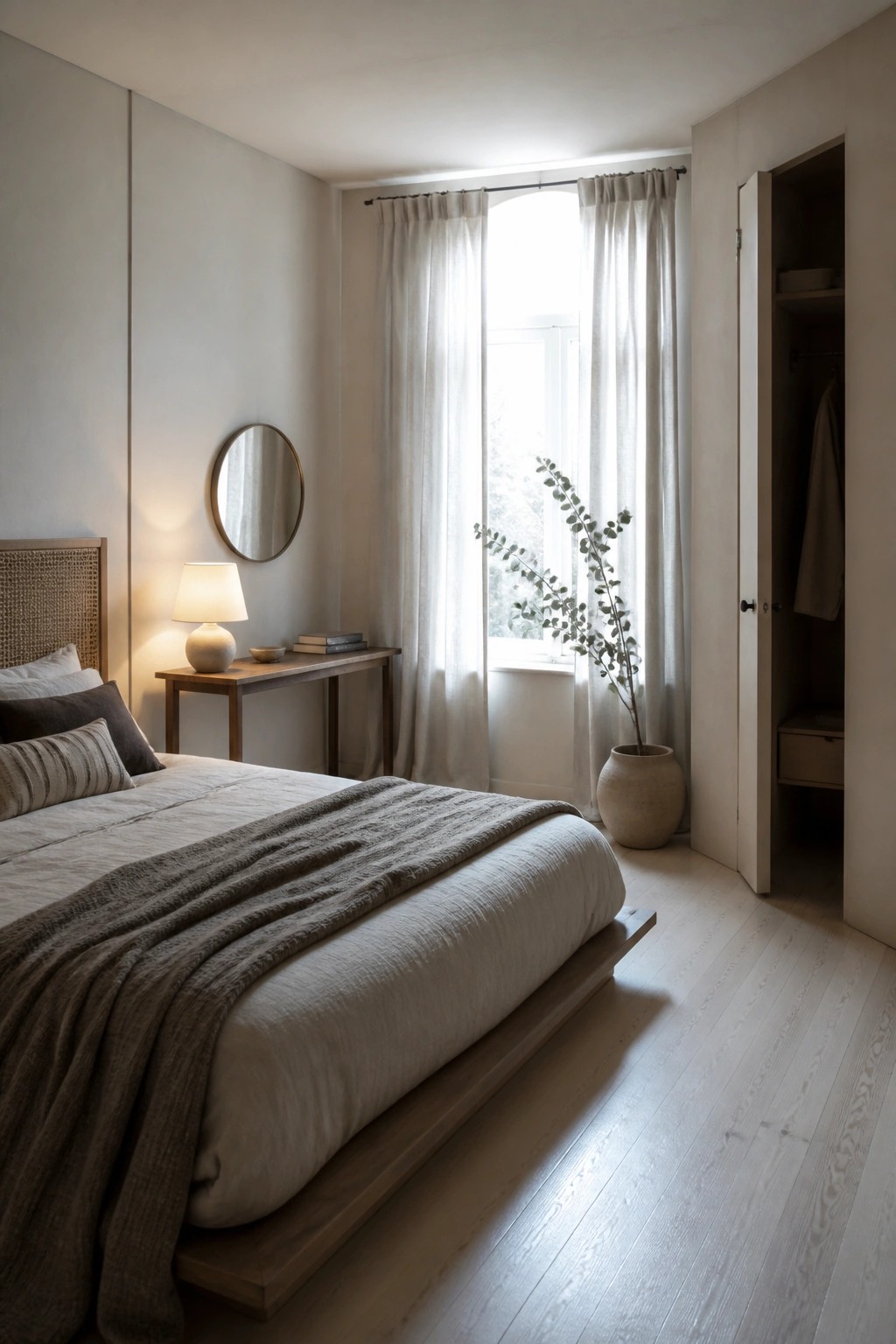
Light wood floors in soft tones help a bedroom stay calm and open. They reflect light well and keep the space from feeling closed in, especially when the walls and bedding stay in the same quiet range.
This kind of floor works best in homes that want the same wood running through several rooms. It pairs easily with simple furniture and soft textiles, and it avoids the need for rugs to break up darker tones.
Light Wood Flooring For Whole Home Flow
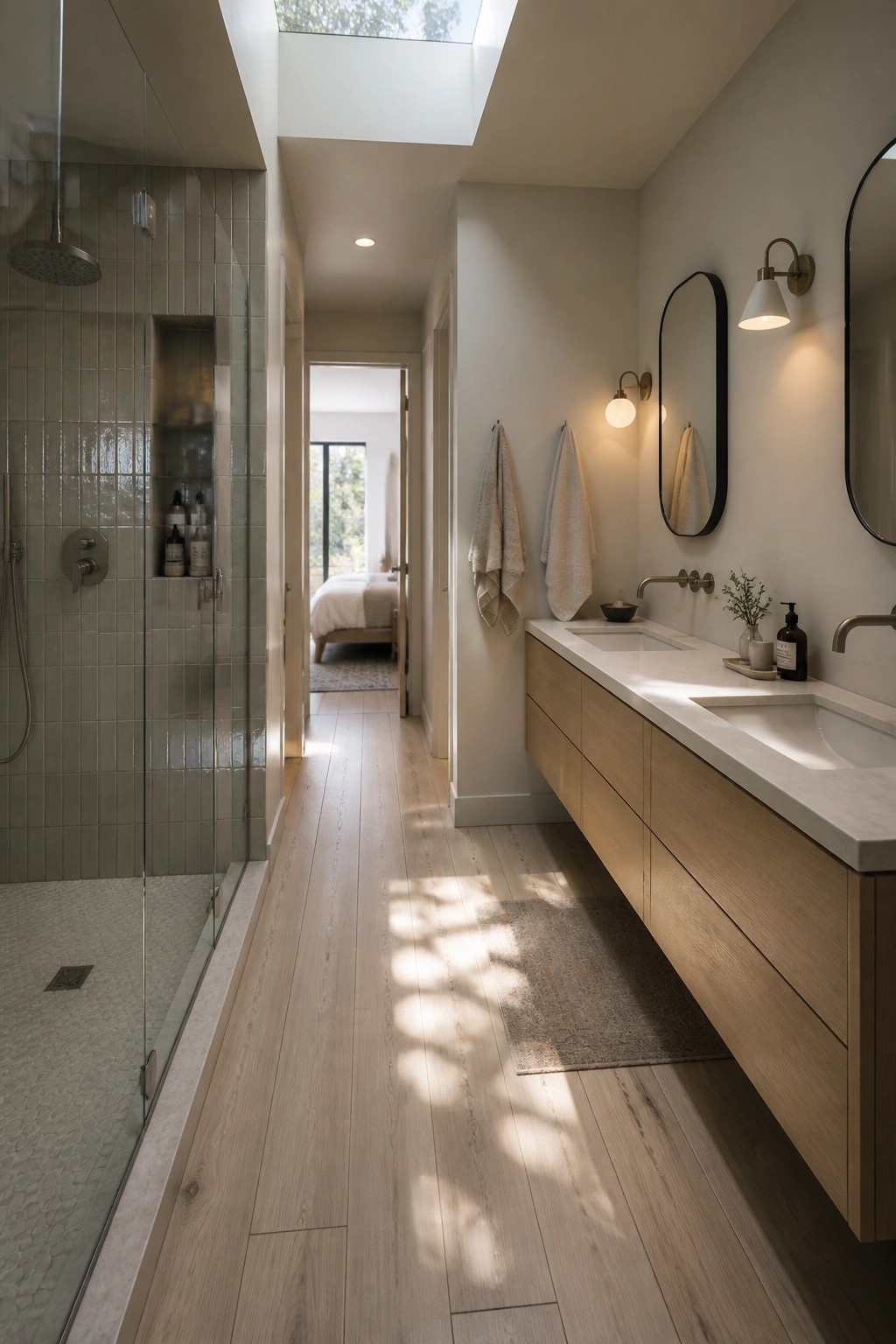
Light wood flooring in soft neutral tones works well when it runs from room to room without a break. In this setup the same pale planks move from the bathroom straight into the hallway and bedroom, which keeps the spaces feeling connected instead of chopped up.
This approach suits homes with open doorways and shared hallways. Keep the tone consistent and avoid mixing in darker or heavily grained woods that would interrupt the line.
Frequently Asked Questions
Q: How do I pick one soft tone that works across rooms with very different lighting?
A: Check your brightest and darkest spots at midday. A pale oak with slight gray undertones usually adapts without shifting too warm or cool. Lay a few samples on the floor and walk them from room to room before you decide.
Q: Will the flooring still look good once I add area rugs and furniture?
A: Keep the rugs light and textured so the wood stays visible at the edges. This lets the soft tone tie everything together instead of disappearing under heavy patterns.
Q: What if one room needs a tougher finish than the rest?
A: Choose the same soft tone in a commercial-grade wear layer for high-traffic zones. The color match keeps the flow intact even when the finish differs slightly.
