

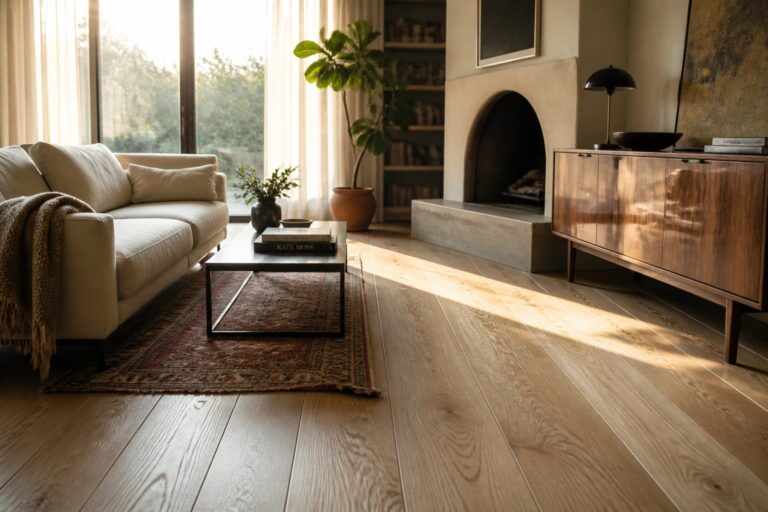
When I walk into a home the floor is usually the first surface that tells me whether the space will feel grounded or a bit off.
White oak and walnut each bring their own warmth and grain that changes how light moves through a room over the course of the day.
Patterns can tie different areas together but they also need to stand up to real use without looking busy after a few months.
Some ideas are worth trying in a hallway first.
I tend to start with how the wood will age in the spaces where my family spends the most time.
Light White Oak Flooring For Everyday Warmth
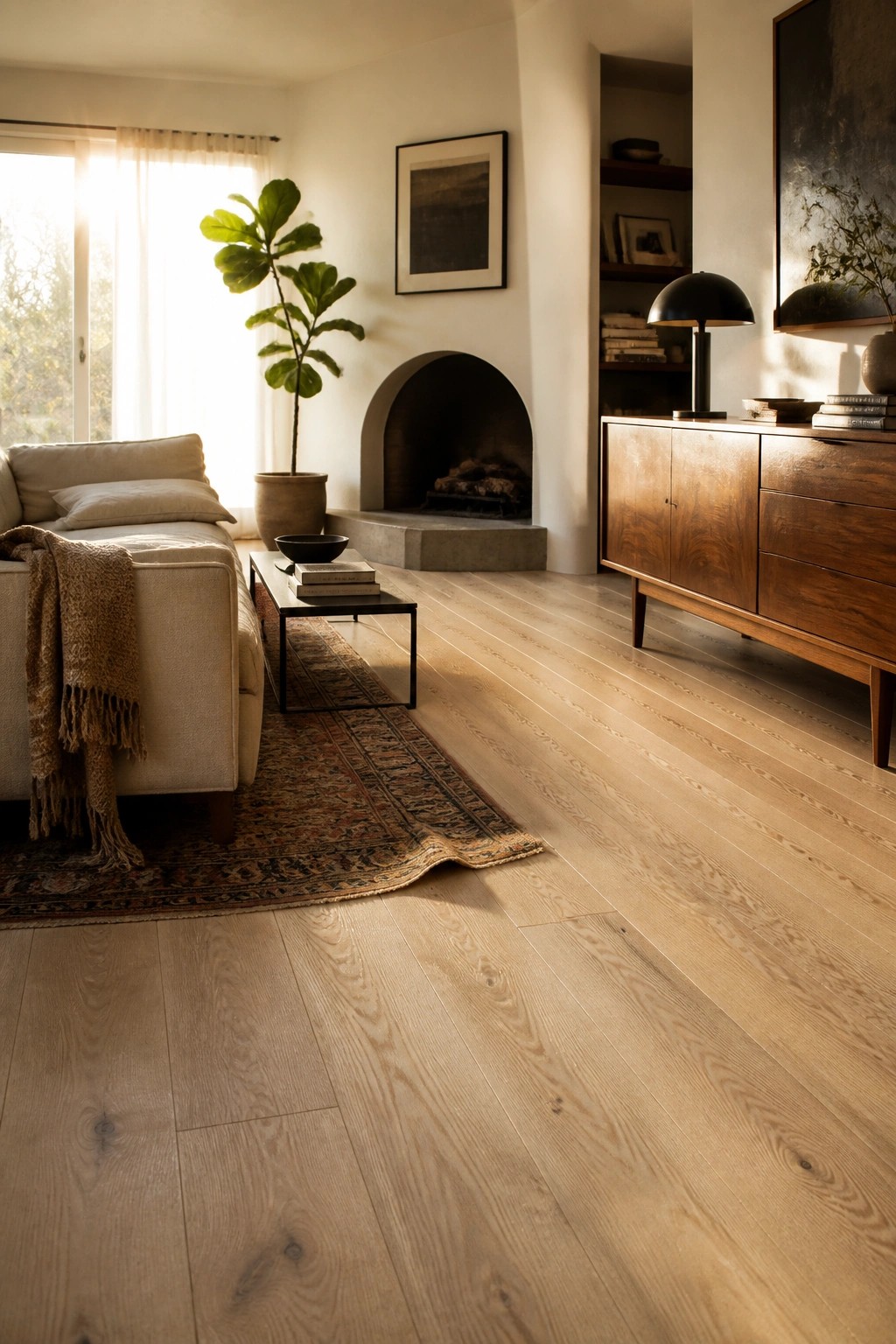
Light white oak flooring gives a room a soft, steady base that feels bright but still grounded. It works especially well in spaces that already lean neutral, since the pale grain keeps things from looking too stark or flat.
This approach fits homes that want a simple, livable floor that can handle daily use. It pairs easily with rugs and wood furniture without needing bold contrast, though it helps to keep the overall palette quiet so the floor stays the main material note.
Herringbone Walnut Flooring
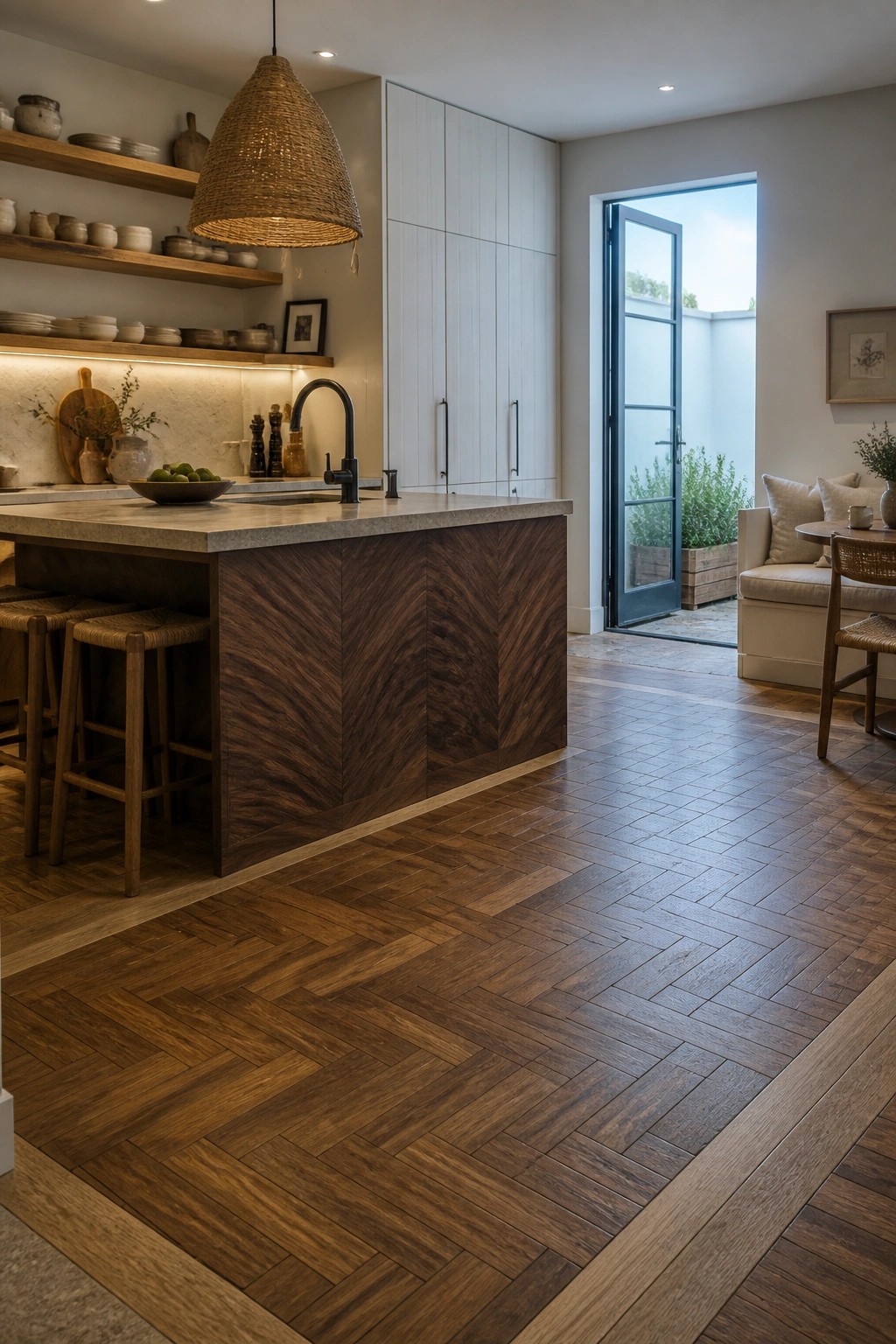
Herringbone walnut flooring brings a quiet sense of movement to a kitchen without adding extra color or clutter. The pattern keeps the space from feeling flat while the darker tone grounds the whole room and pairs easily with lighter cabinets or stone counters.
This style works best in open layouts where the floor can run from the kitchen into adjacent areas. It suits homes that already lean toward natural materials and gives a bit more character than straight planks without becoming too busy.
Custom Floor Inlays In Wood Flooring
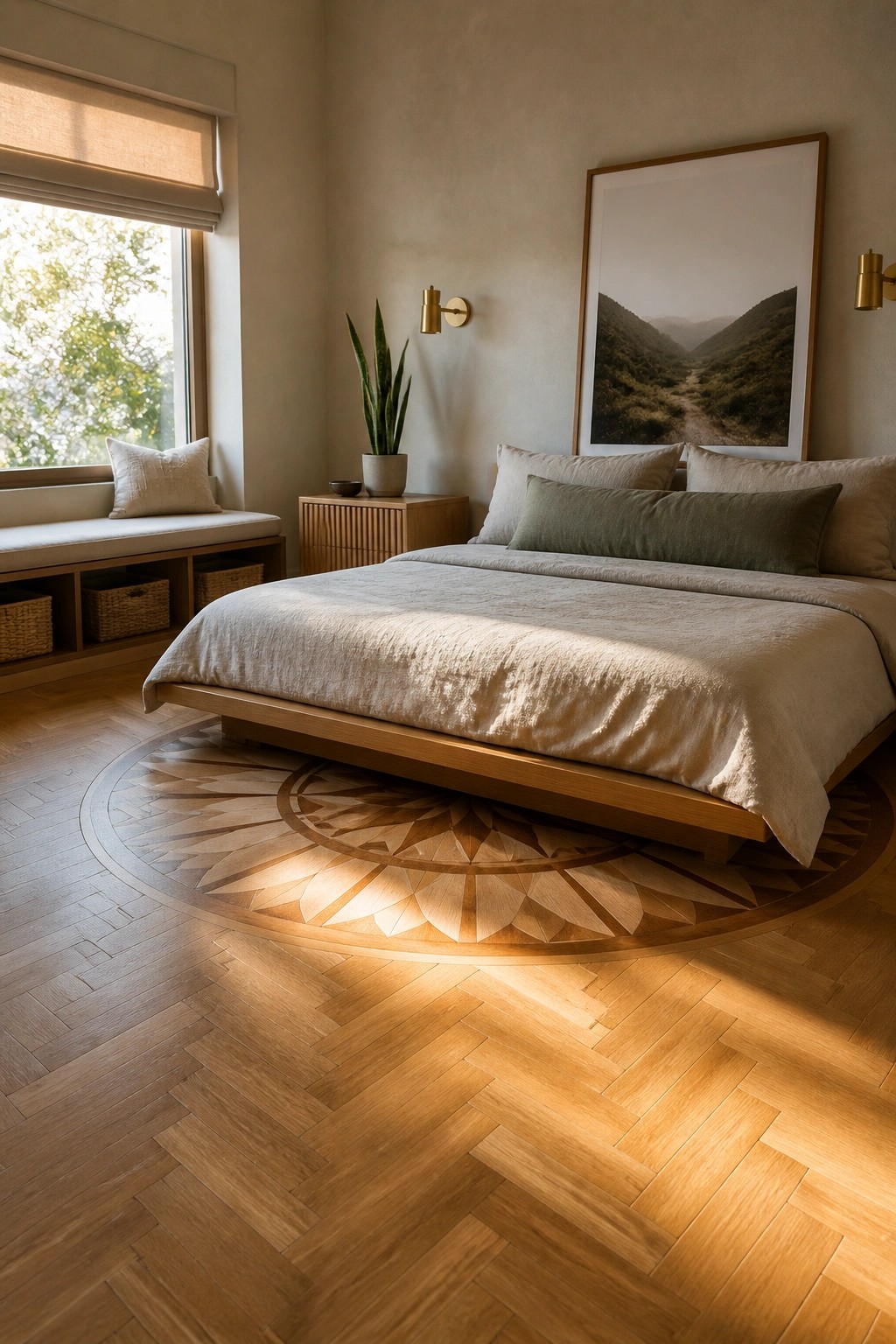
A custom inlay can turn a plain wood floor into something more personal without adding clutter. In this case the pattern sits right under the bed, so it becomes a quiet focal point that still leaves the rest of the room calm.
This approach works best in bedrooms where you already plan to keep the floor mostly open. Use a simple surrounding pattern like herringbone so the inlay does not compete with itself. It suits homes that already use white oak or similar woods and want one small area to feel more finished.
Walnut Flooring In Bathrooms
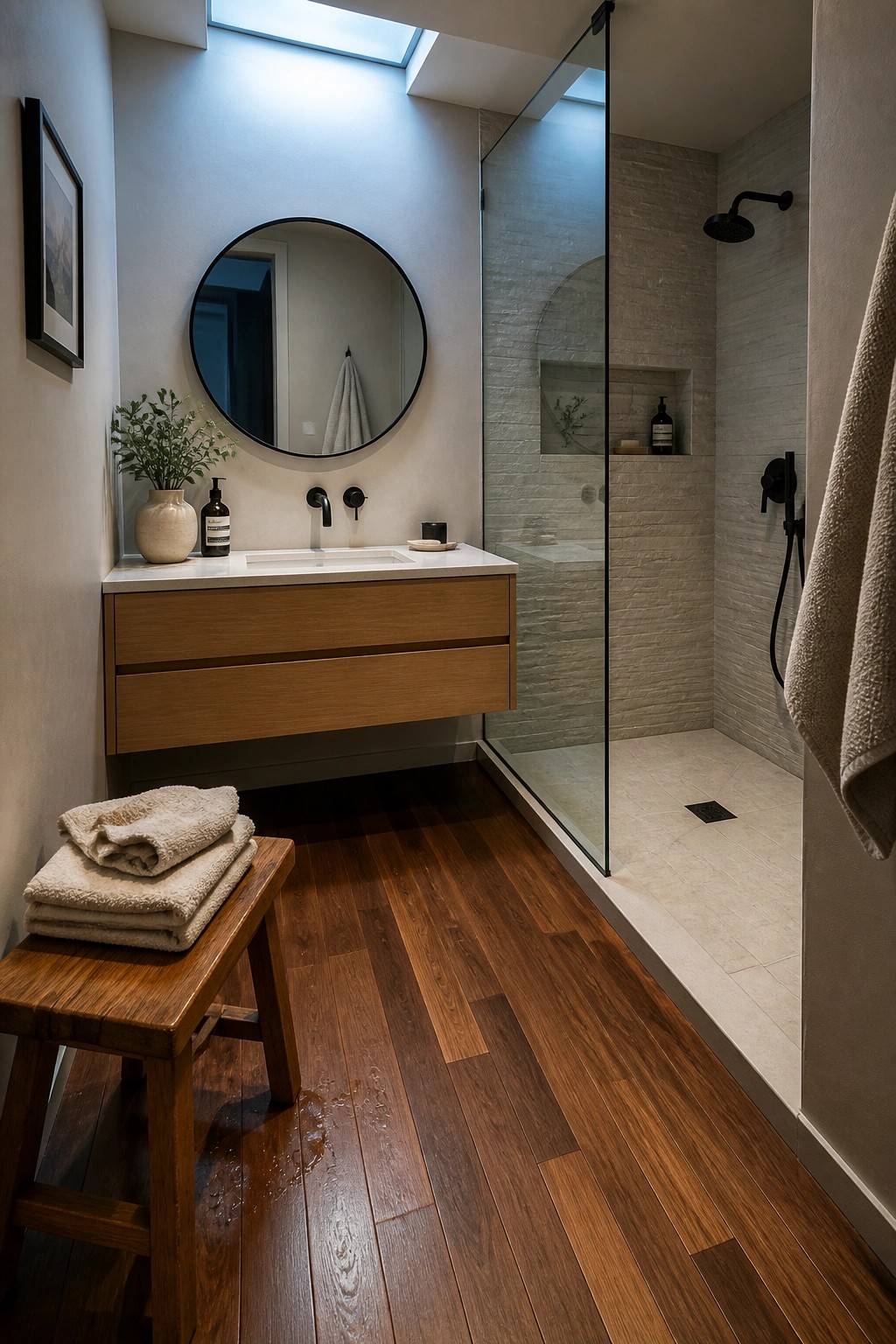
Walnut flooring brings a rich, warm tone that works especially well in bathrooms. The dark grain stands out nicely against lighter walls and vanities, giving the space a grounded feel without making it feel heavy.
This approach suits smaller bathrooms where you want some depth but still need the room to feel open. It pairs best with simple white or off-white finishes and matte black fixtures. Just make sure the wood has a good protective finish if the space sees a lot of moisture.
Walnut Flooring In Dining Rooms
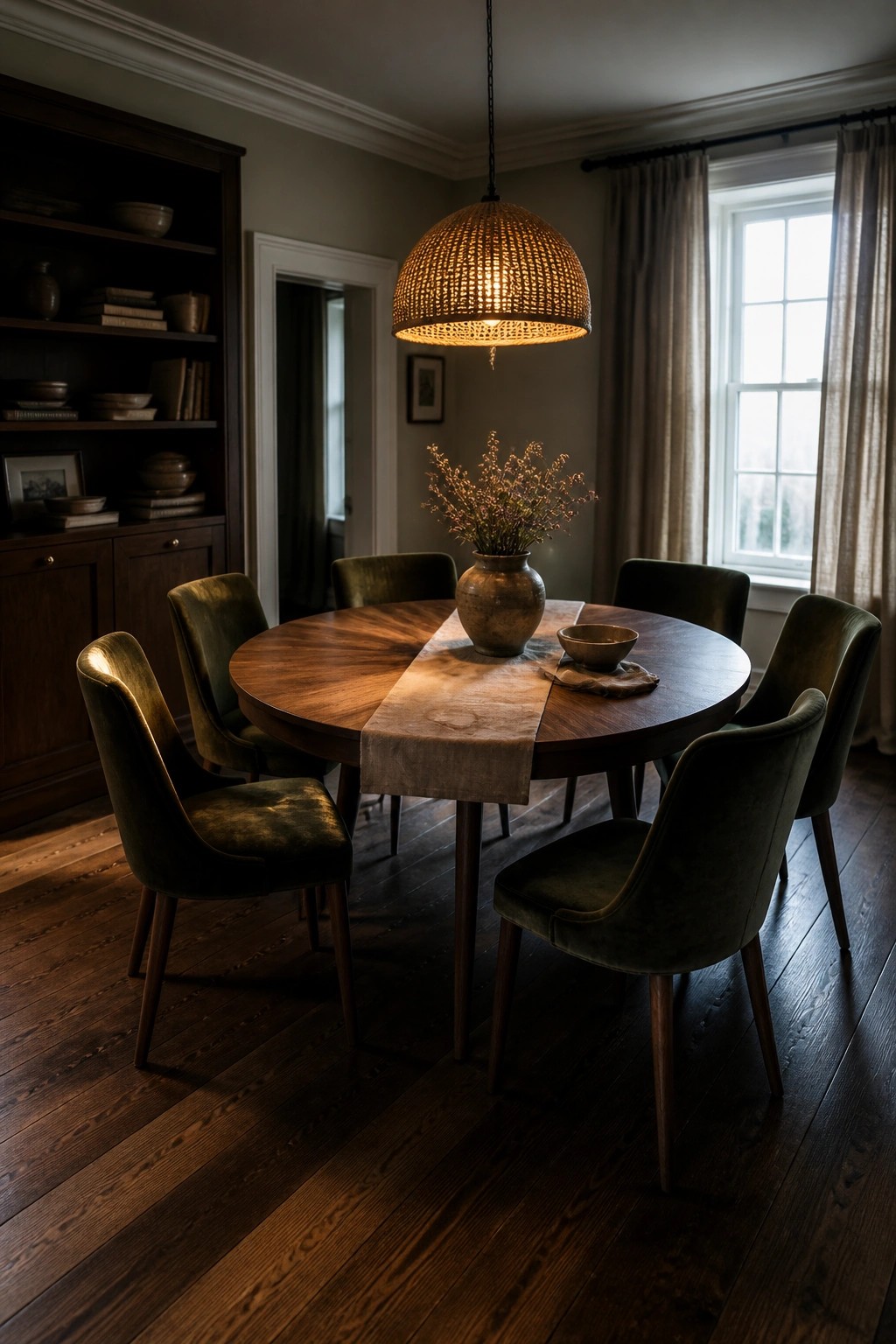
Walnut flooring gives a dining room a grounded feel that holds up well under daily use. The dark tone creates contrast with lighter furniture and walls, which helps the table area feel more defined without extra effort.
This works best in homes that already lean toward traditional or transitional styles. Pair it with simple rugs or minimal patterns so the wood stays the main feature rather than competing with other elements.
Custom Compass Inlays For Entry Floors
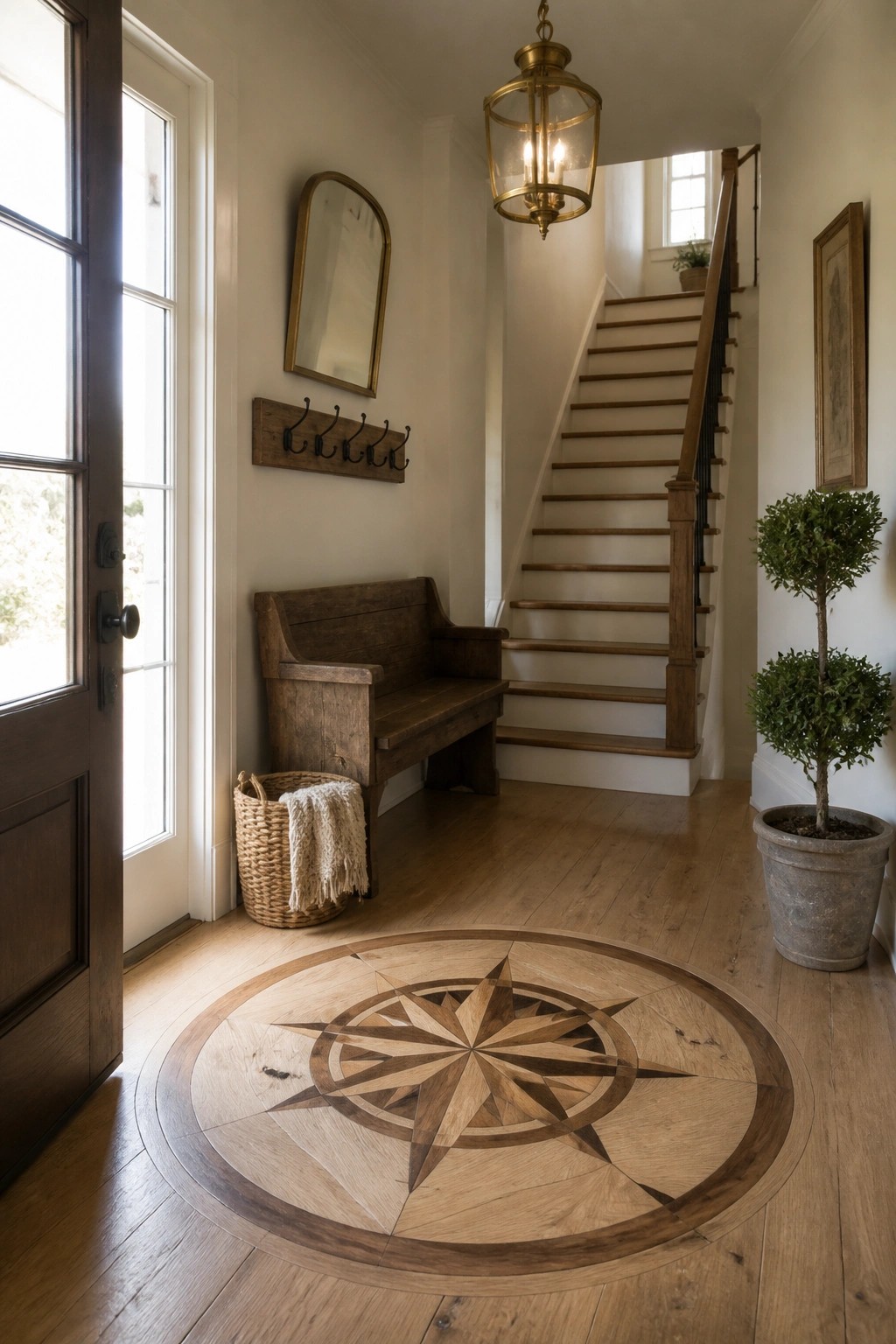
A compass rose inlay like this one brings a clear focal point to an entry floor without needing extra furniture or decor. The mix of wood tones creates contrast that stands out against the surrounding planks while still feeling like part of the floor itself.
This approach works best in larger entry areas where people can see the full pattern from the stairs or doorway. It suits homes with traditional or transitional styles and pairs well with simple wood tones elsewhere so the inlay stays the main feature.
Walnut Flooring In A Home Office
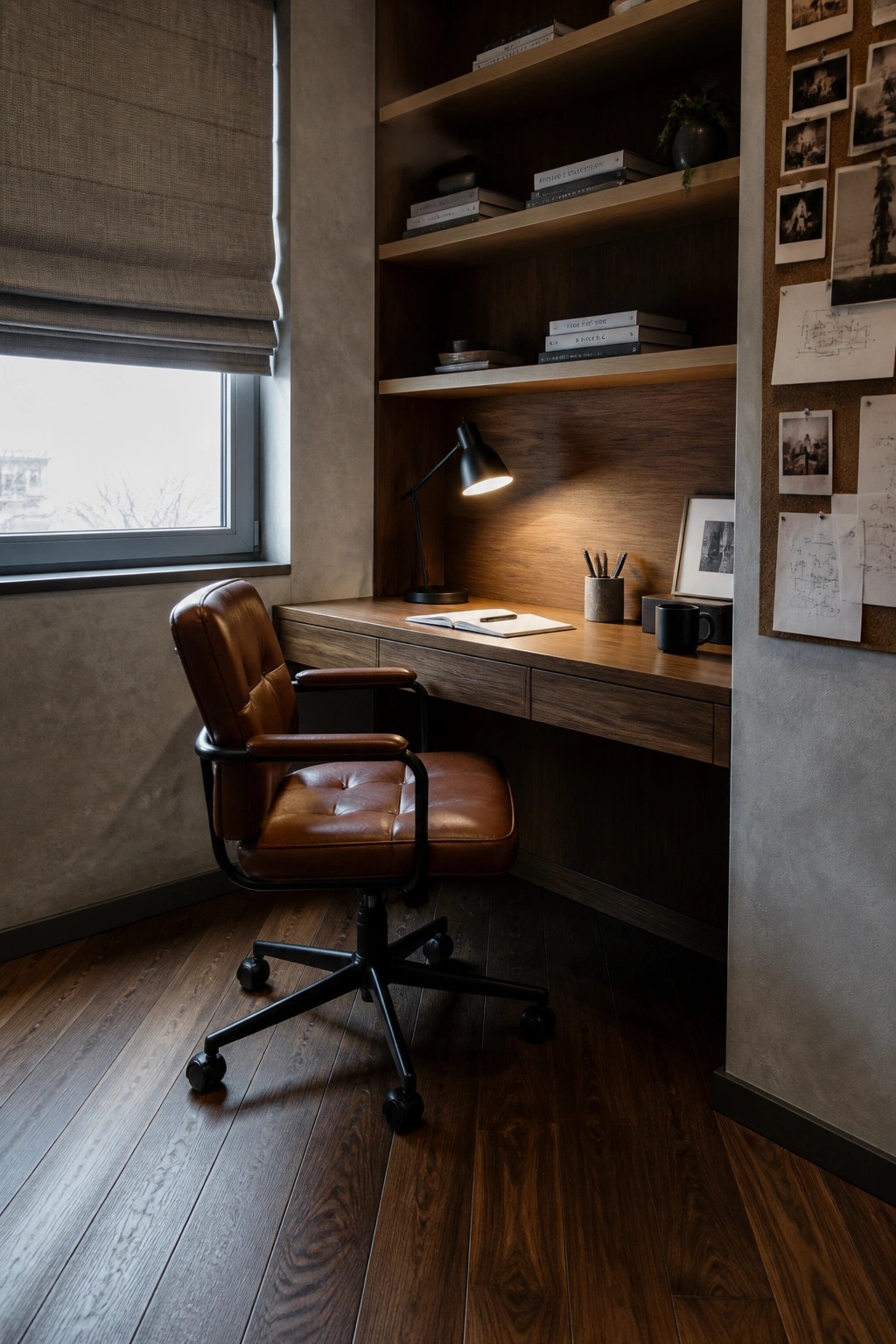
Walnut flooring gives a home office a steady, grounded feel. The dark tone holds up well against leather seating and built-in wood furniture, and it keeps the room from looking too light or scattered.
This choice suits spaces that see daily use. It works especially well in studies or libraries where you want the floor to feel solid but still let other pieces stand out.
White Oak With A Simple Border Inlay
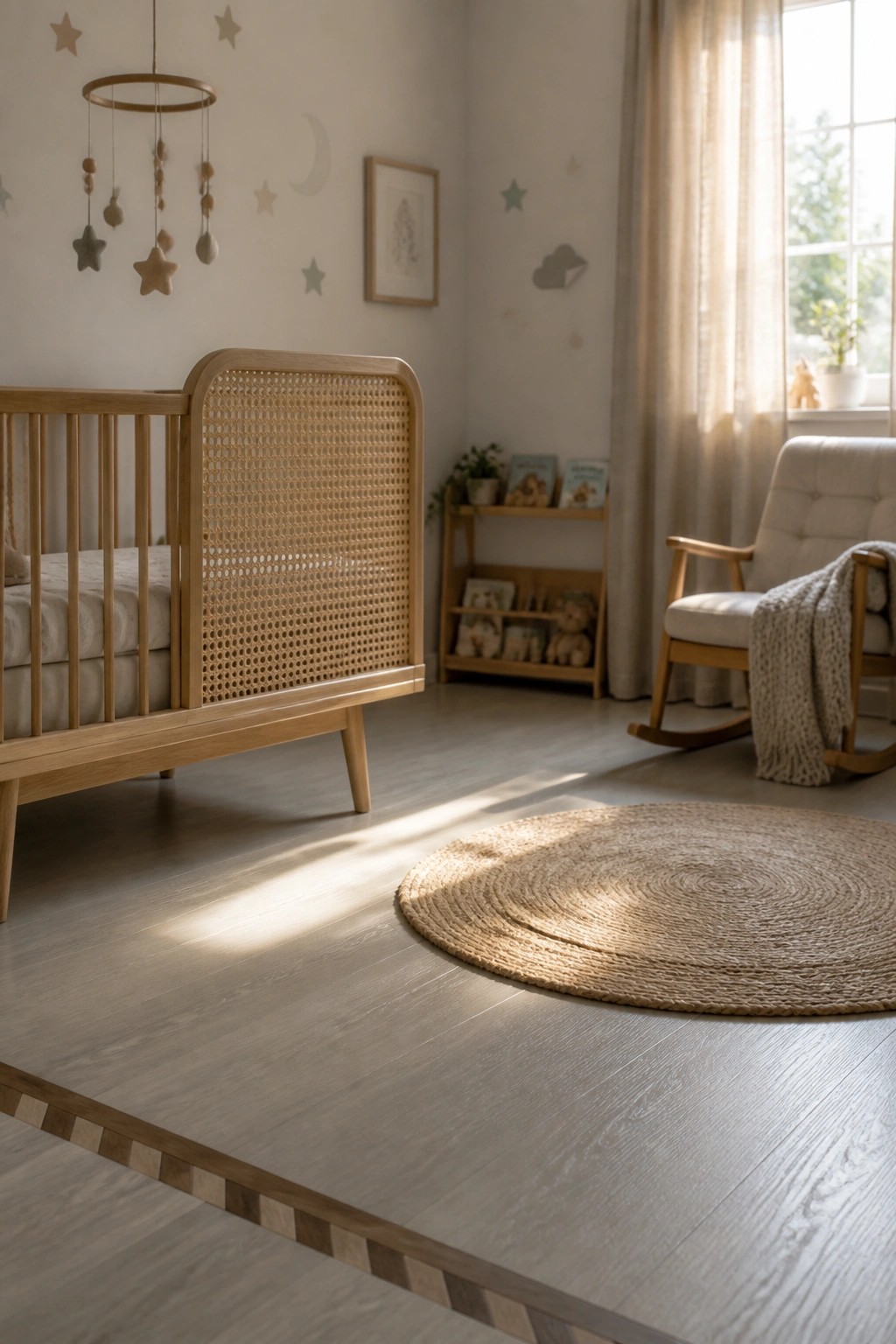
A narrow border pattern along the edge of white oak flooring can give a room a more finished look. It adds a bit of structure without making the floor feel busy or overdone.
This approach works well in bedrooms and other quiet spaces. Keep the border narrow and use tones that stay close to the main floor so the whole thing reads as one surface rather than a separate design element.
White Oak Flooring in Laundry Rooms
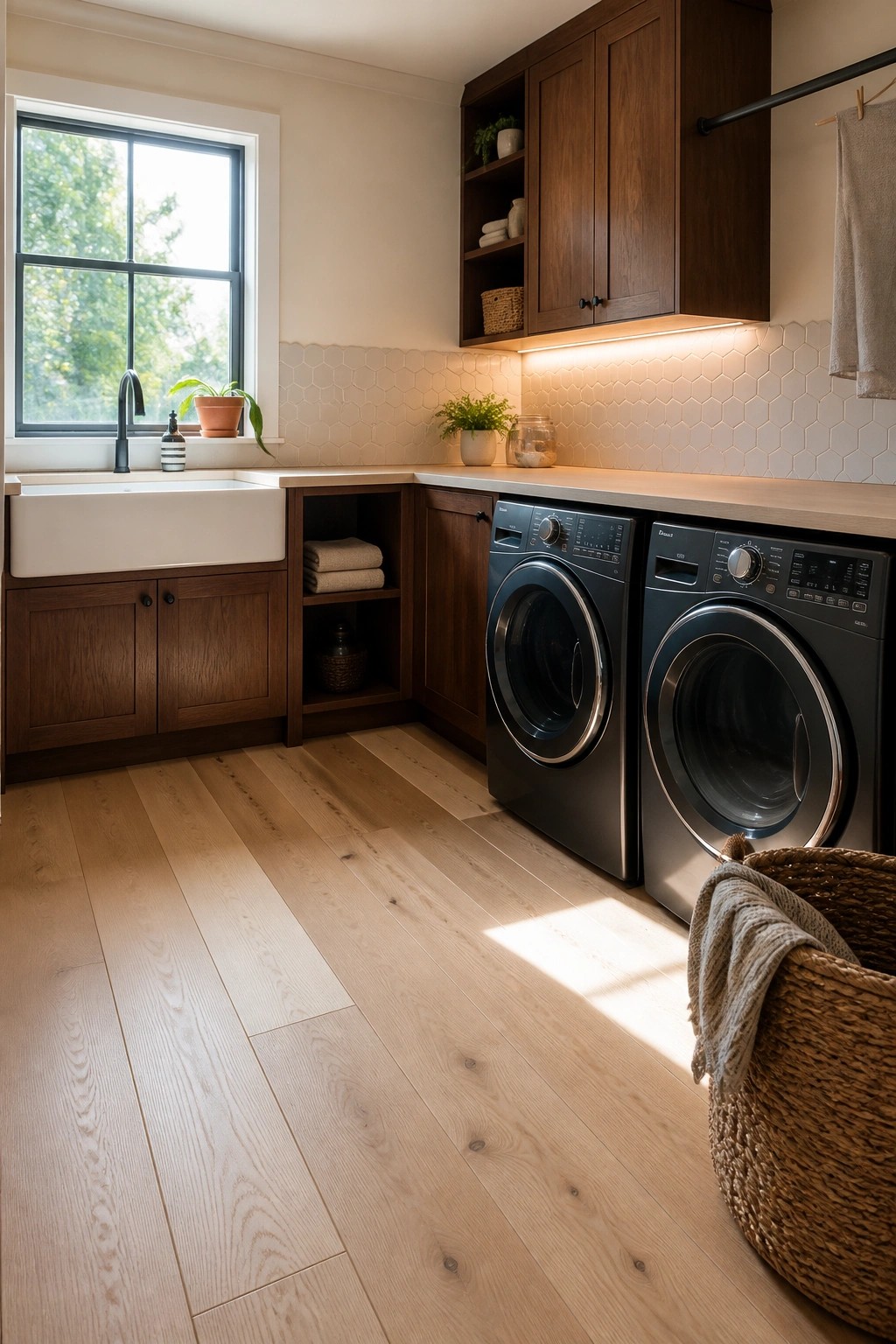
White oak flooring brings a calm, steady look to laundry rooms that often get overlooked. The light tone reflects what little daylight comes in and keeps the space from feeling like a purely functional corner.
It works especially well in homes that already use oak elsewhere, since the consistent material ties rooms together without extra effort. Choose a matte or low-sheen finish so the floor can handle the occasional splash without showing every mark.
Striped Flooring With White Oak And Walnut
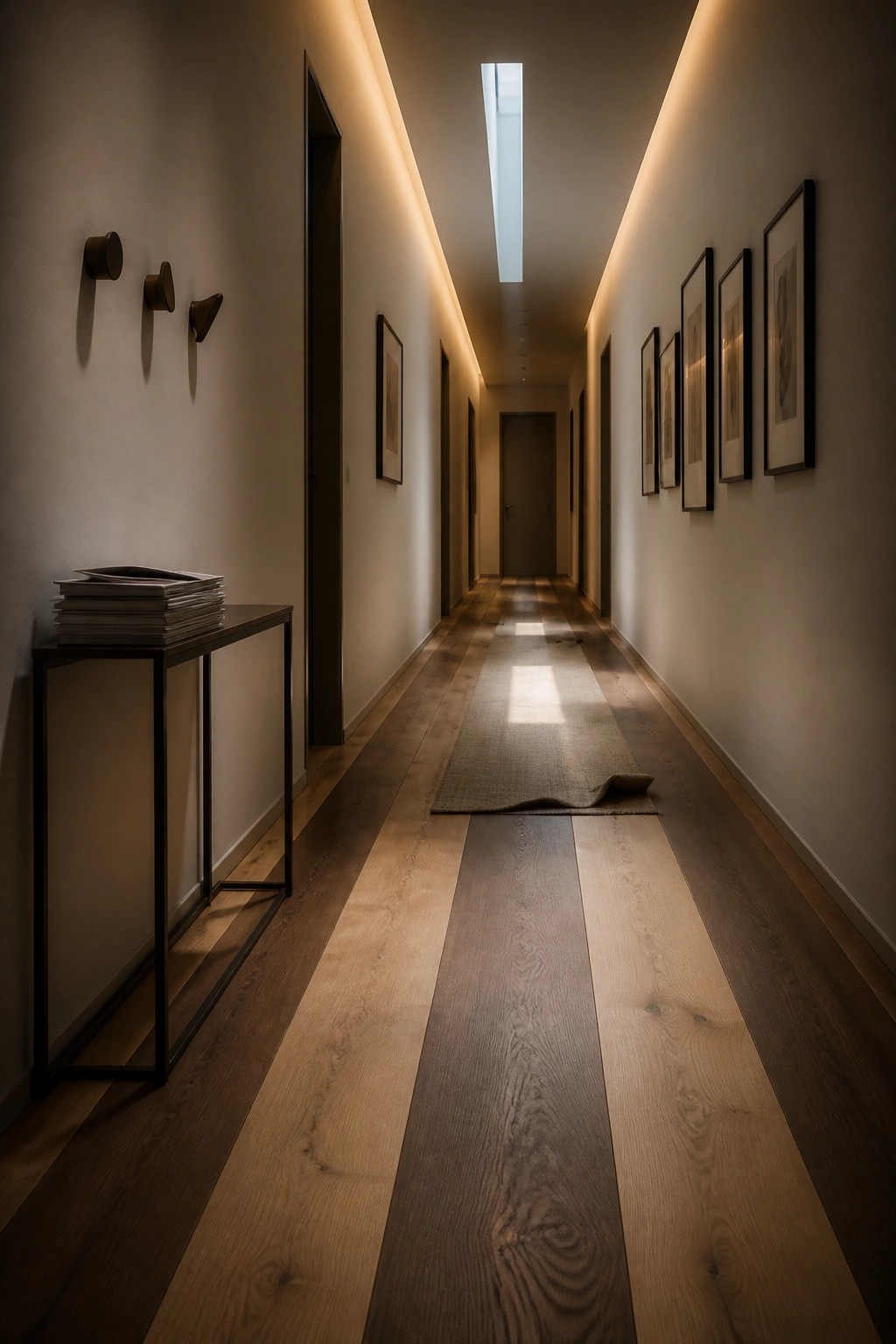
Alternating planks of white oak and walnut create a simple striped pattern that adds movement to a long floor without feeling busy. The contrast between the light and dark tones gives the wood more presence while keeping the overall look natural and grounded.
This approach works well in hallways and open runs where a single wood tone might feel flat. It suits homes that want a custom floor without turning to complex inlays or heavy patterns, though the stripes show best when the boards are kept fairly wide and the finish stays consistent.
Walnut Flooring In Industrial Rooms
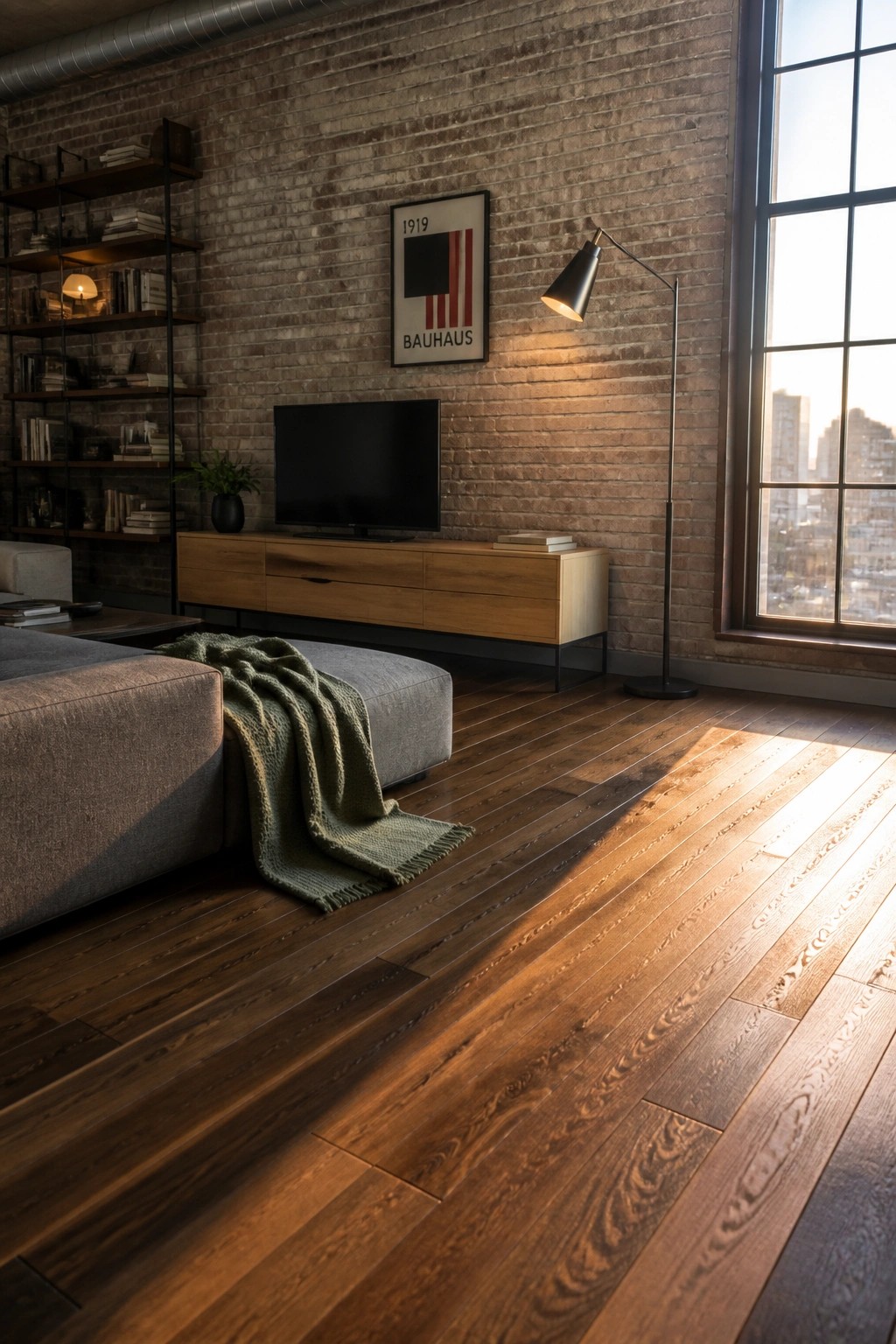
Walnut flooring brings a rich, warm tone that works well with exposed brick and metal details. The dark planks add depth without making the space feel heavy, and they help balance the cooler textures in the room.
This look suits loft apartments or homes with industrial elements. Keep the rest of the finishes simple so the wood can stand out, and consider how the grain direction affects the flow of the space.
Herringbone White Oak Flooring
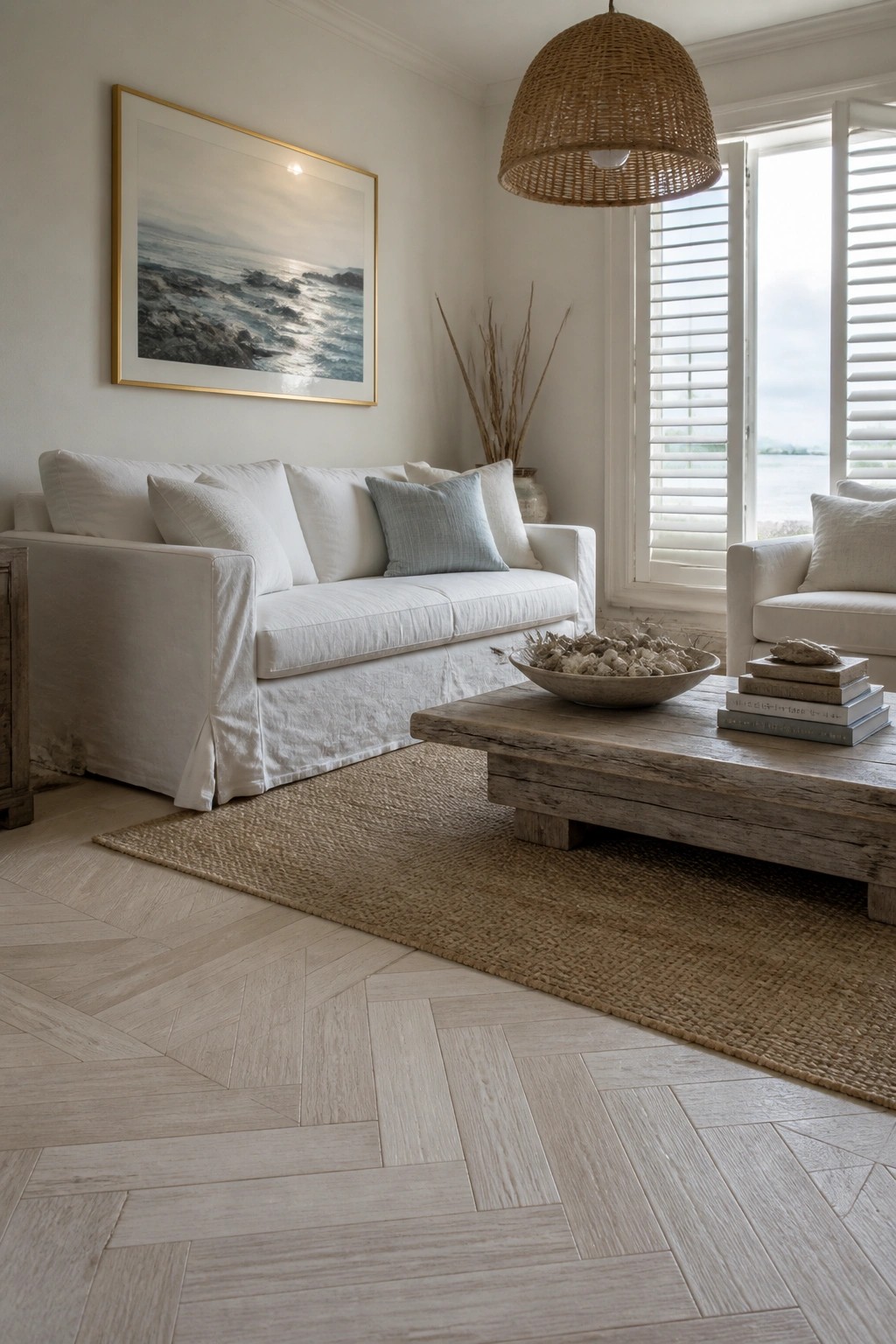
White oak laid in a herringbone pattern adds quiet movement to a floor without making the room feel busy. The light tone keeps everything bright and works well with soft furnishings and pale walls.
This style suits homes that want a bit of texture underfoot while staying simple overall. It looks best in open living areas where the pattern can run uninterrupted.
Inlaid Stripes Add Interest To Hardwood Floors
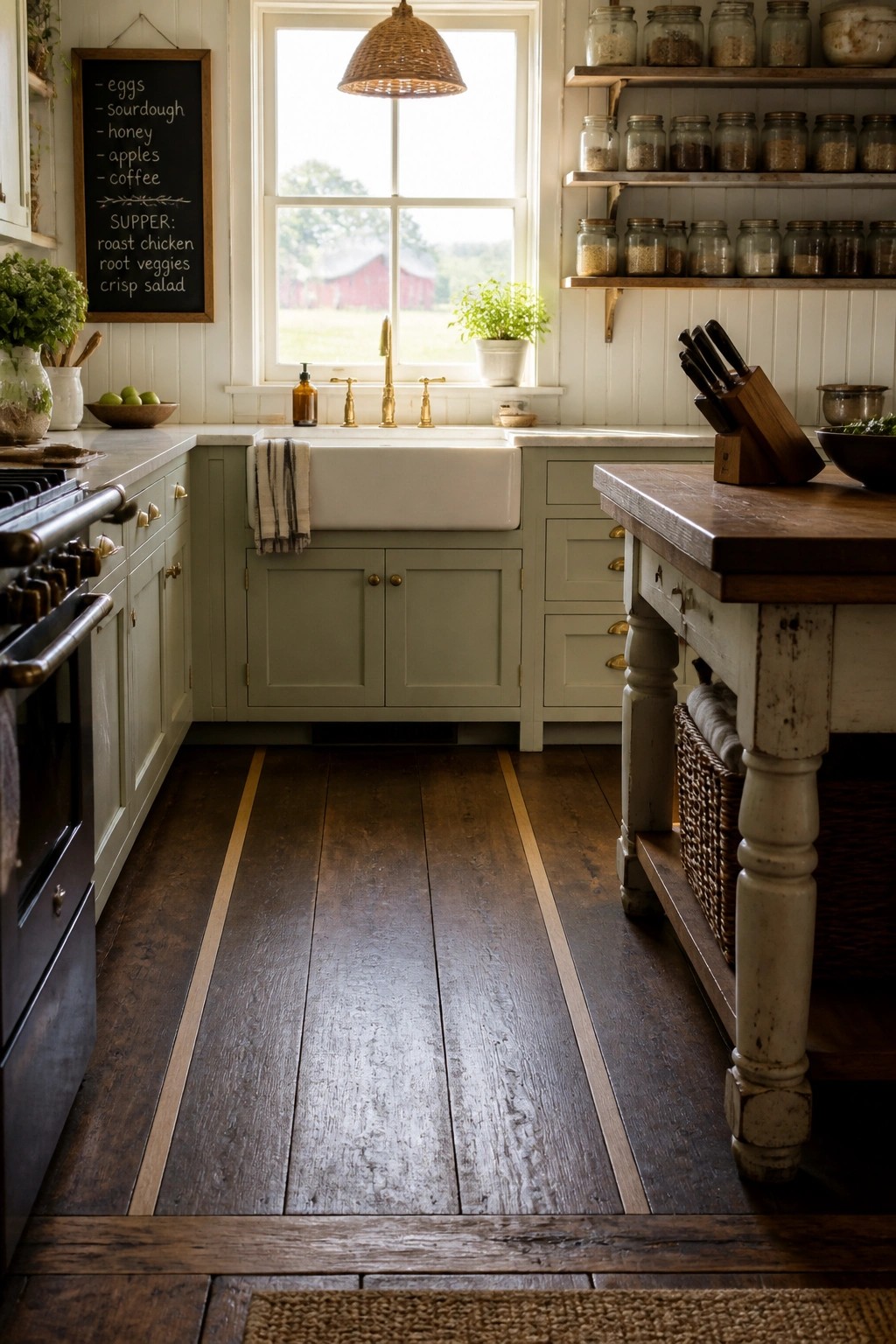
A simple stripe pattern set into the floor can give a kitchen floor more presence without turning it into a busy design. The light lines running down the length of the boards break up the darker wood and keep the whole room from feeling flat.
This kind of detail works best in spaces that already lean traditional or farmhouse. It pairs well with painted cabinets and a straightforward layout, and it holds up fine under normal kitchen traffic as long as the inlay is done properly during installation.
White Oak Flooring In Bathrooms
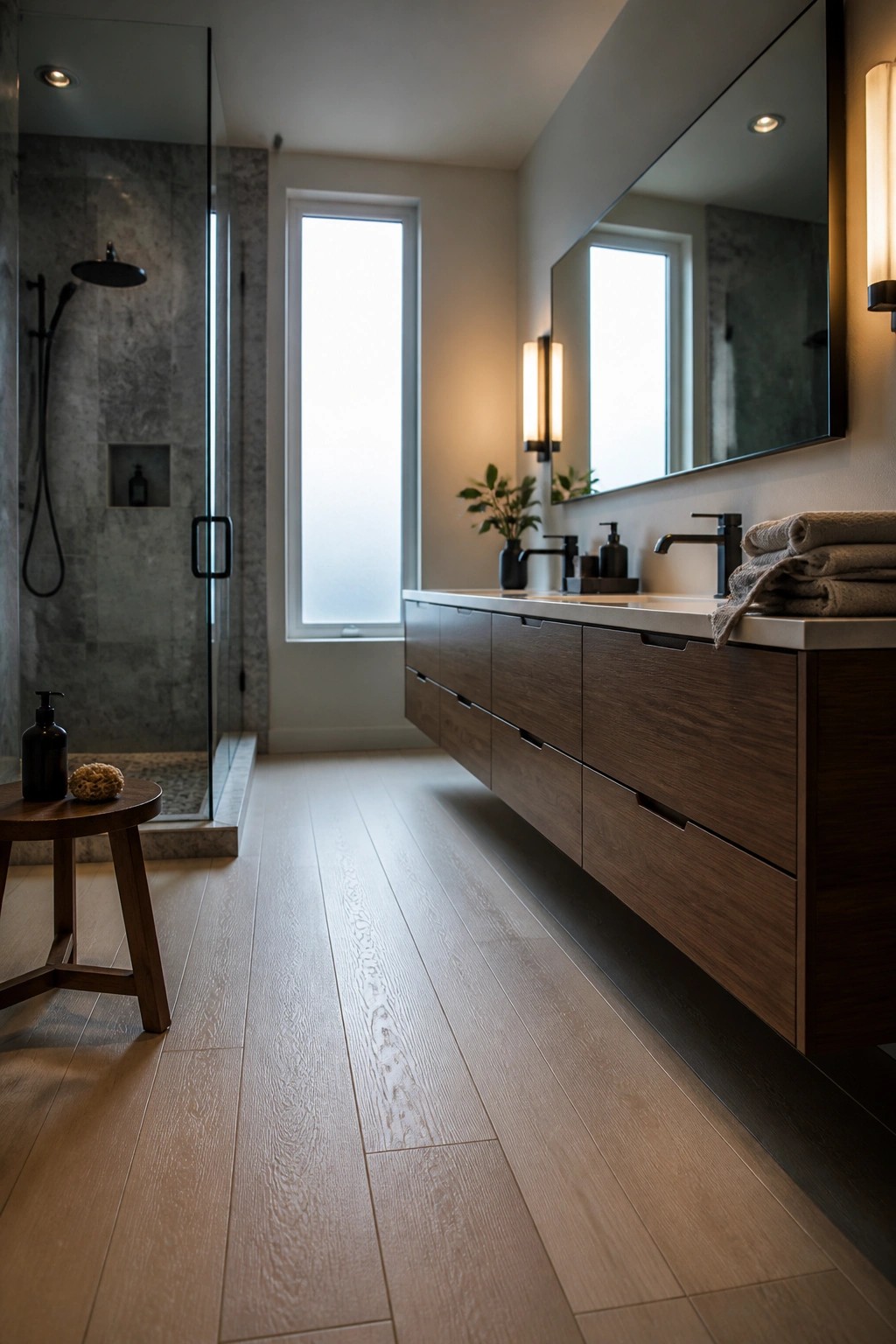
White oak flooring works well in bathrooms because it adds a warm, natural tone that balances the cooler surfaces like tile and stone. The light grain keeps the room feeling open even when the vanity and accents are darker.
It fits best in homes that already use wood tones elsewhere, so the bathroom feels connected rather than separate. A durable finish is worth the extra cost if the floor will see regular water and foot traffic.
Custom Geometric Patterns in Mixed Wood Flooring
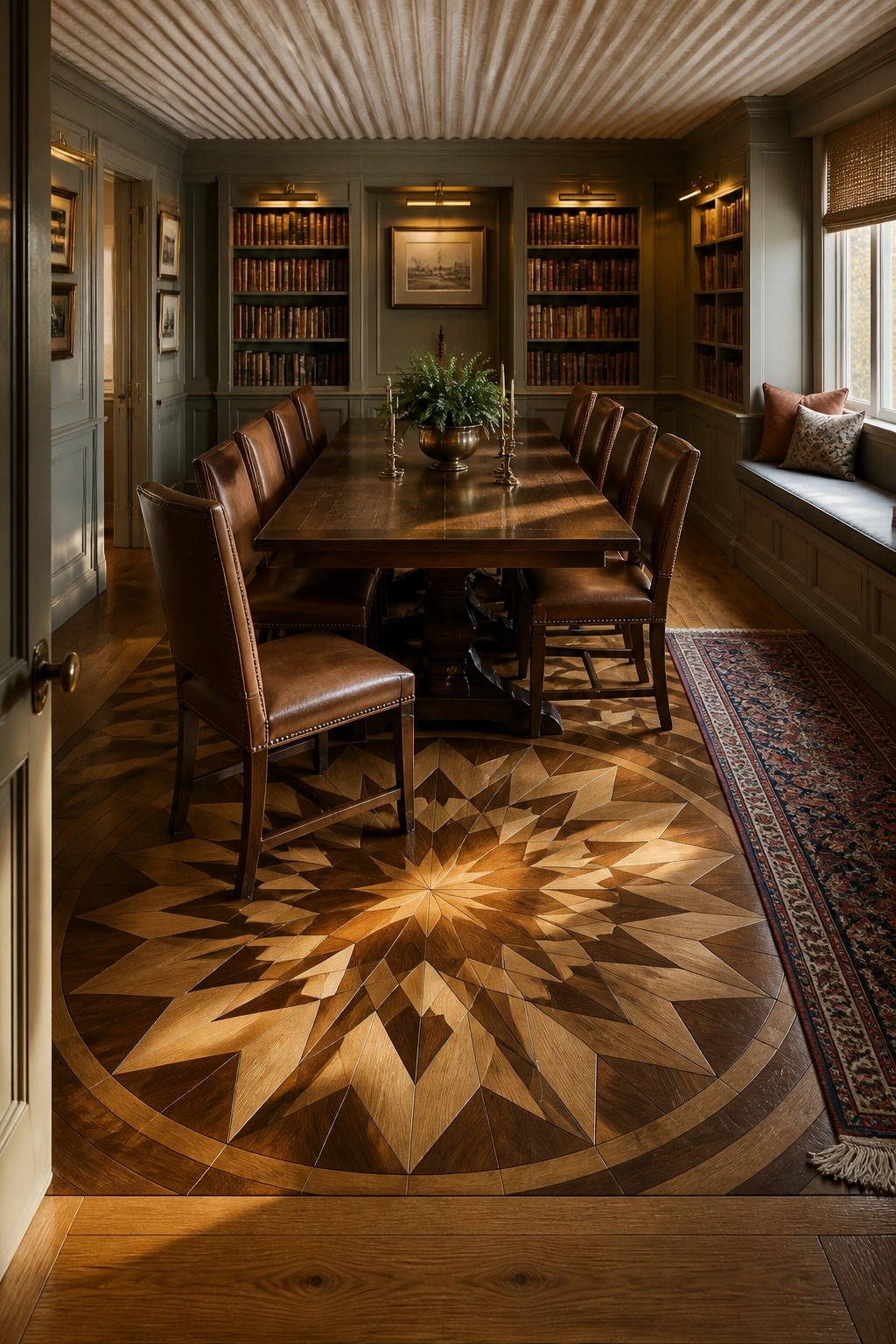
A large geometric pattern cut into the floor can turn an ordinary room into something more interesting without adding much else. The mix of light and dark woods creates contrast that draws the eye down and makes the space feel more layered. In a dining room this works especially well because the table sits right over the center of the design.
This approach suits homes with traditional or transitional style and works best in rooms that are not too small. Keep the rest of the furnishings simple so the floor stays the main feature. Avoid placing heavy rugs over the pattern or the effect gets lost.
Walnut Flooring In The Bedroom
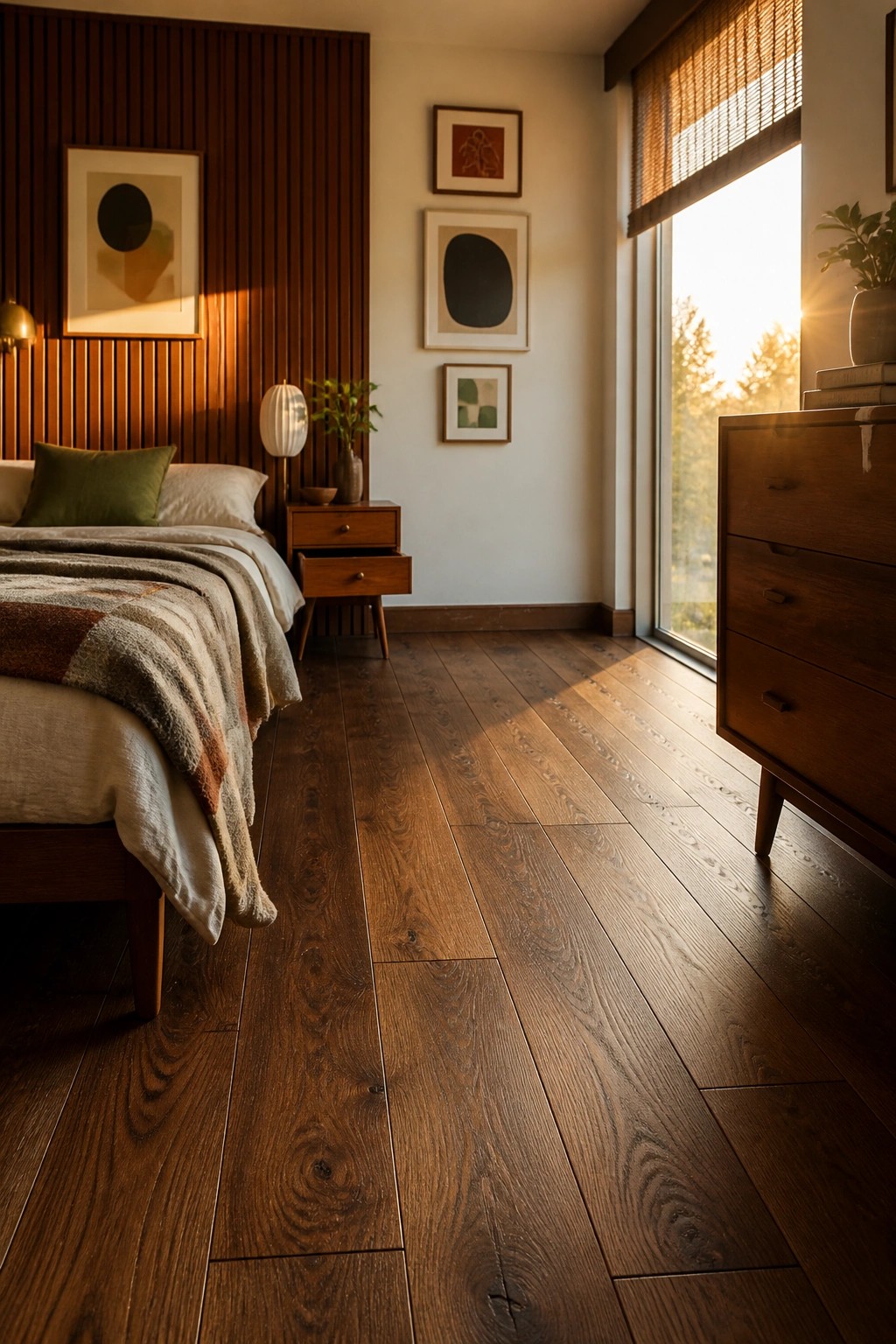
Walnut flooring brings a deep, steady warmth that suits bedrooms especially well. The rich grain shows up nicely against lighter walls and bedding, and it holds its own next to other wood pieces without needing much extra contrast.
It works best in rooms that get steady daylight, since the dark tone can feel heavy in very small or dim spaces. Keep the rest of the furnishings simple so the floor stays the main material story rather than competing with too many other textures.
Checkerboard Wood Floors In Mixed Tones
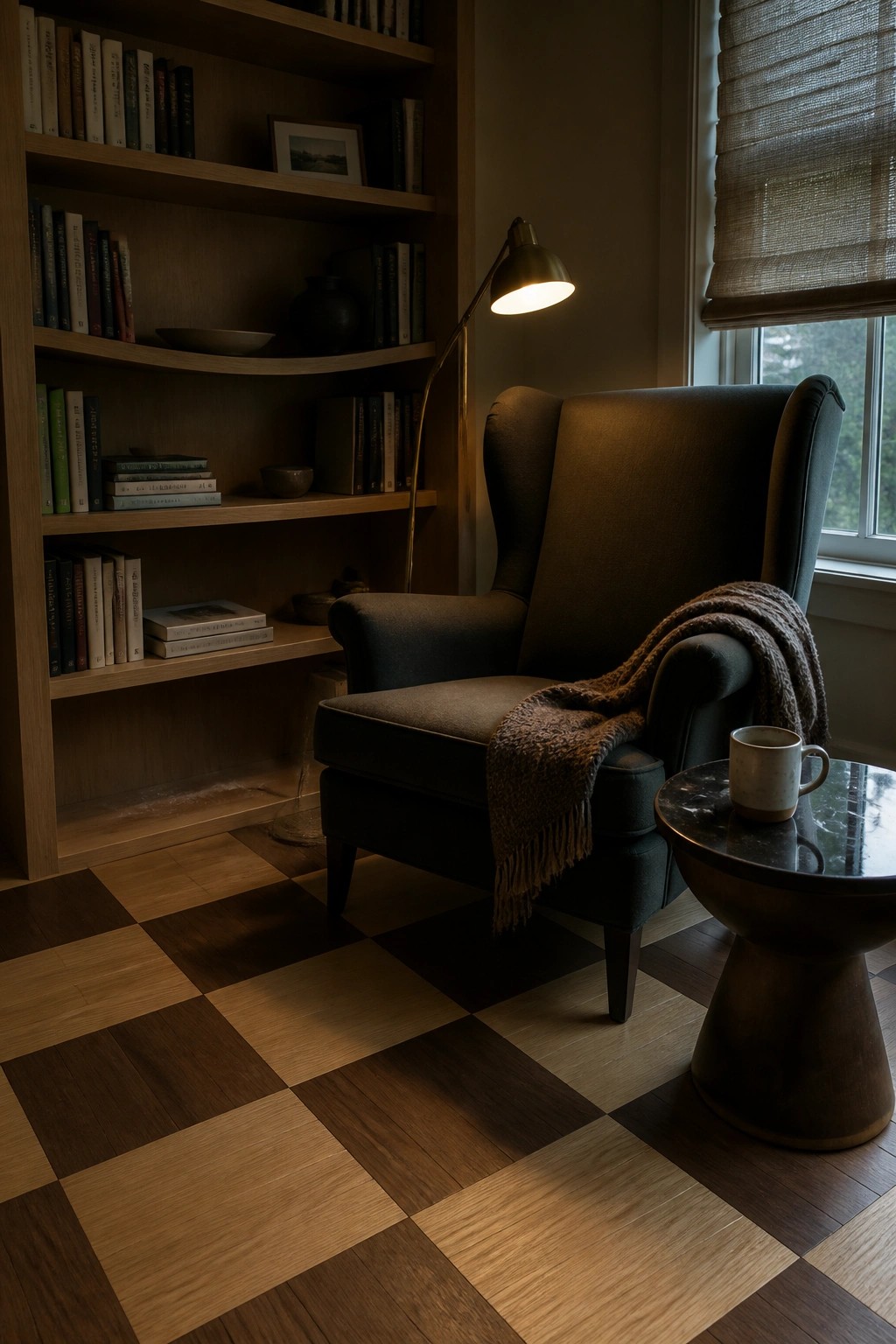
A checkerboard floor made from two different wood tones adds quiet movement to a room that already has a lot of built ins. The pattern keeps the space from feeling flat while still letting the furniture and shelves stay the main focus.
This works best in rooms that get steady use, like a reading corner or small library. Stick with woods that have similar undertones so the contrast stays balanced instead of jumping out.
Layering Rugs Over Light Wood Floors
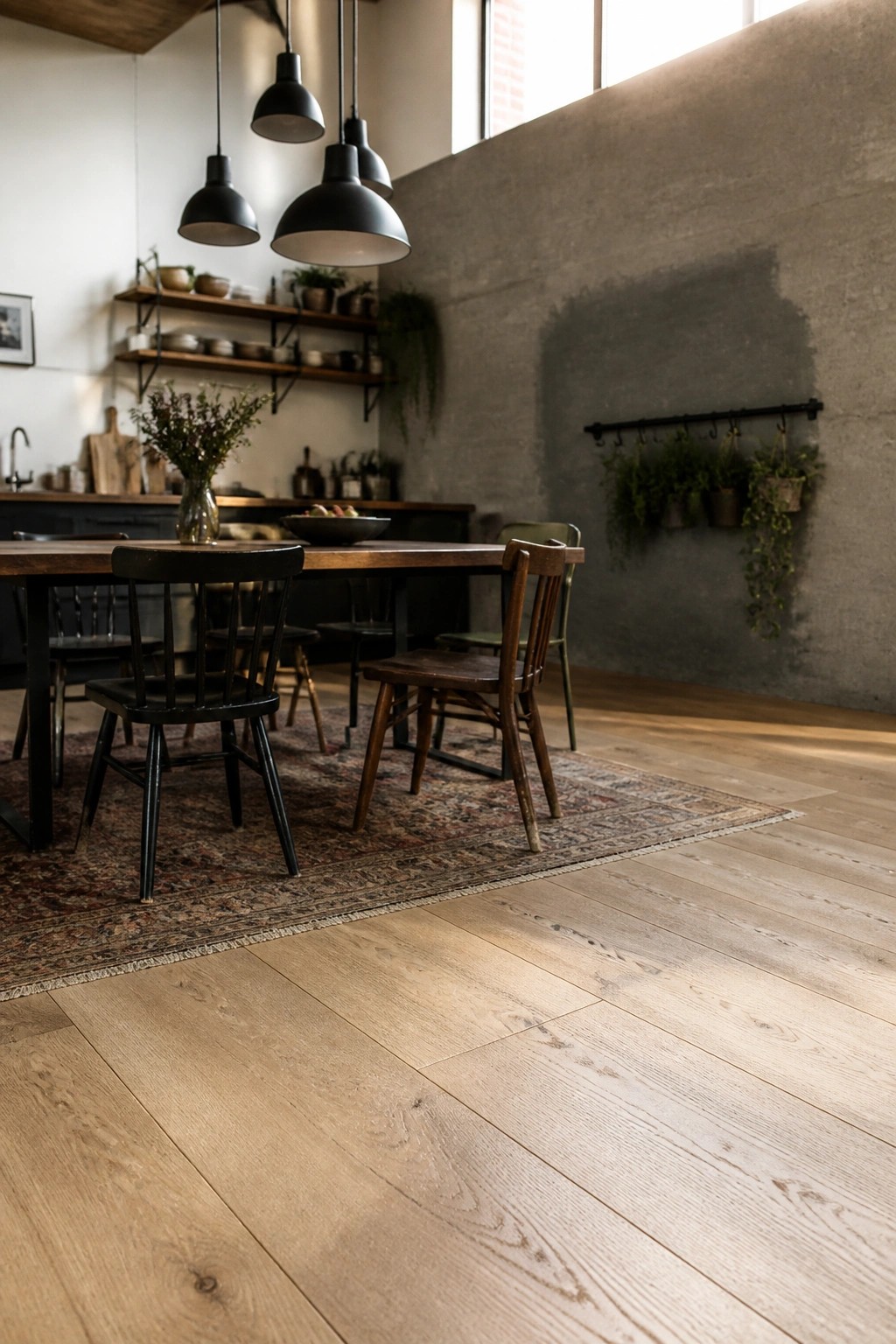
Light wood floors like white oak look clean on their own, but they can feel a little bare in a dining area. A large rug under the table adds warmth and breaks up the surface so the space feels more settled.
This approach works best in open kitchen and dining layouts where you want to mark the eating zone without adding extra furniture. Pick a rug big enough for the chairs to stay on it when pulled out, and keep the pattern simple enough that it does not fight with the wood grain.
White Oak Flooring In Bedrooms
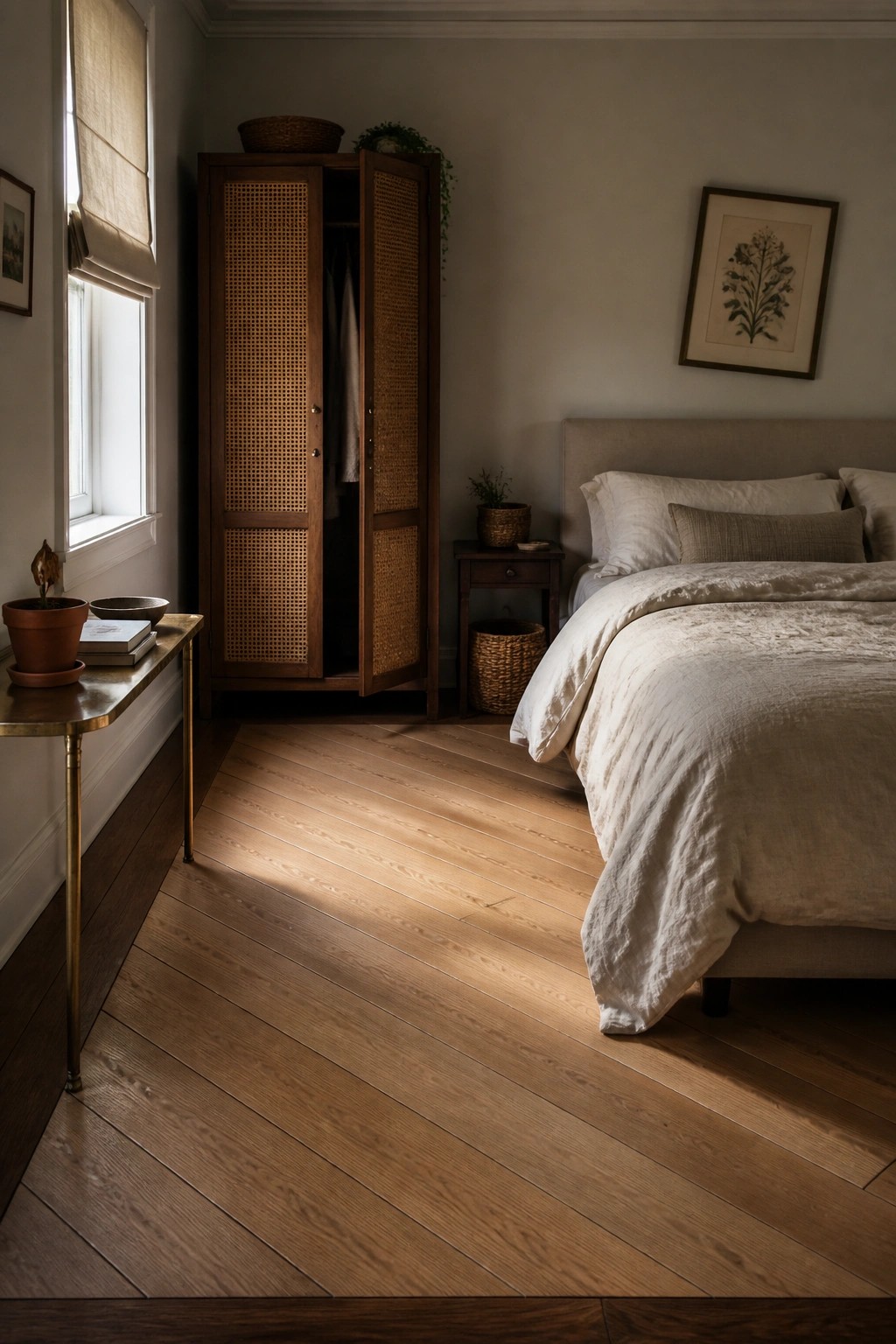
White oak gives bedrooms a soft natural base that feels calm without trying too hard. The light tone keeps the room bright while the grain adds just enough warmth underfoot.
It works best in spaces with simple furniture and neutral colors. Pair it with linen bedding and wood pieces if you want the floor to quietly tie everything together rather than stand out.
White Oak Flooring In Bright Sun Rooms
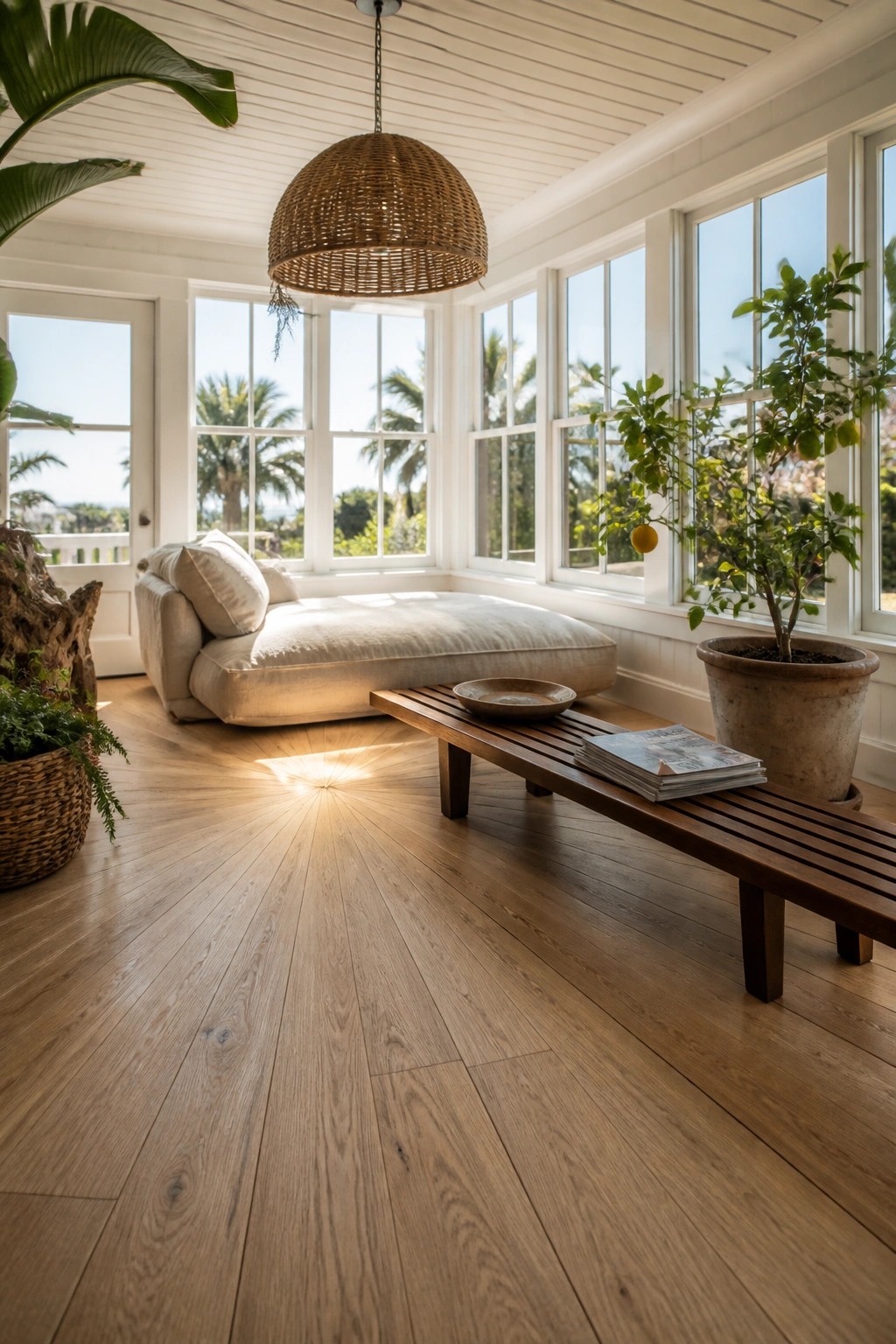
White oak works especially well in rooms that get lots of sun. The light tone reflects brightness back into the space and keeps the floor from feeling heavy even when light hits it directly all day.
This choice suits homes with big windows or open layouts where the floor needs to connect the inside to the view outside. A clear finish with UV protection helps the wood hold its color longer without turning too dark.
Herringbone Flooring With A Border
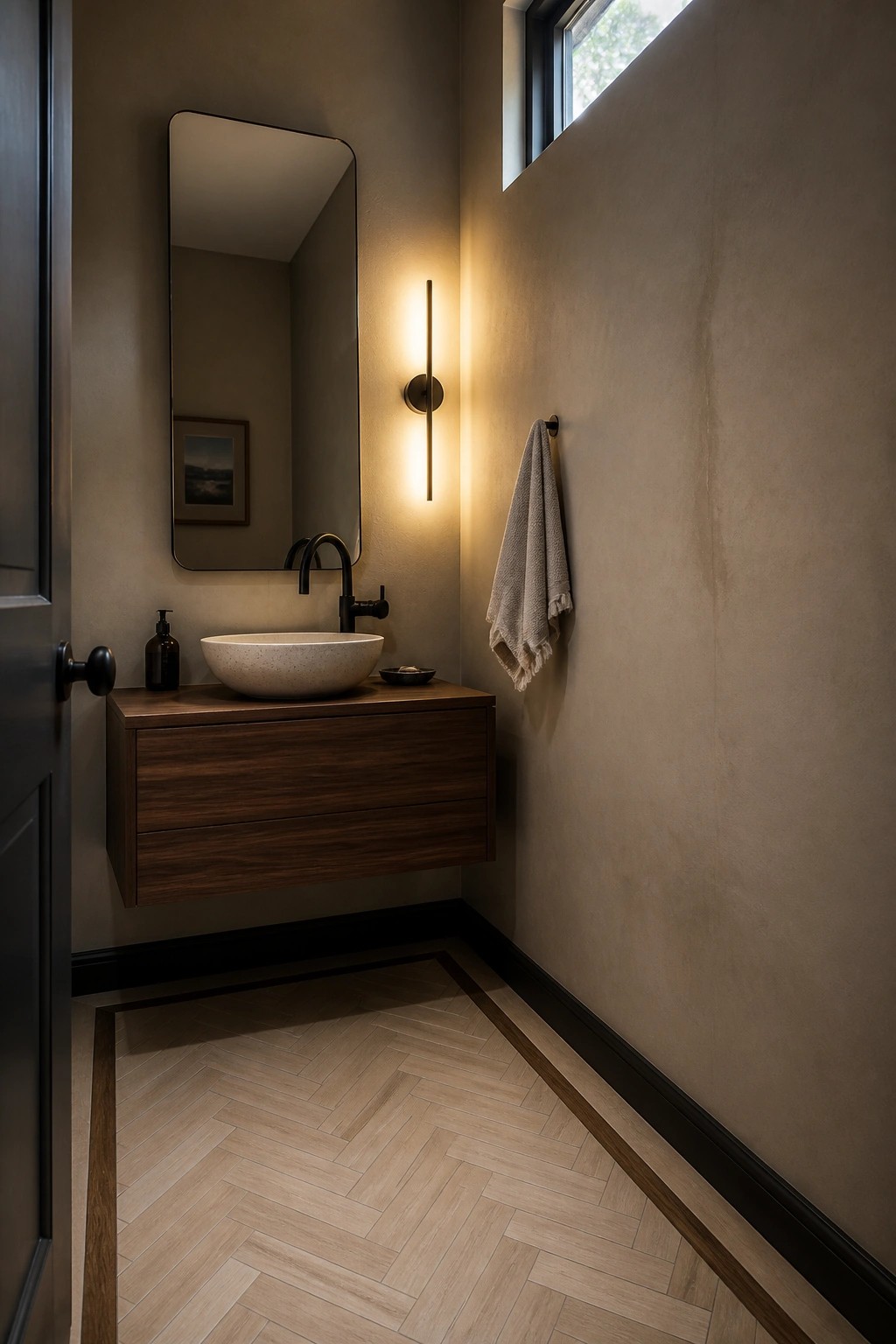
Herringbone wood floors add quiet movement to a room without needing bold colors or extra materials. The light oak here runs in a tight V pattern and gets framed by a narrow dark strip along the edges, which keeps the design from feeling too open or plain.
This approach suits small bathrooms or entryways where the floor needs to feel finished. Use it with simple walls and wood cabinetry so the pattern stays the focus. Keep the border thin and match it to your baseboards for a clean look that does not compete with other details.
Herringbone Flooring With A Walnut Border
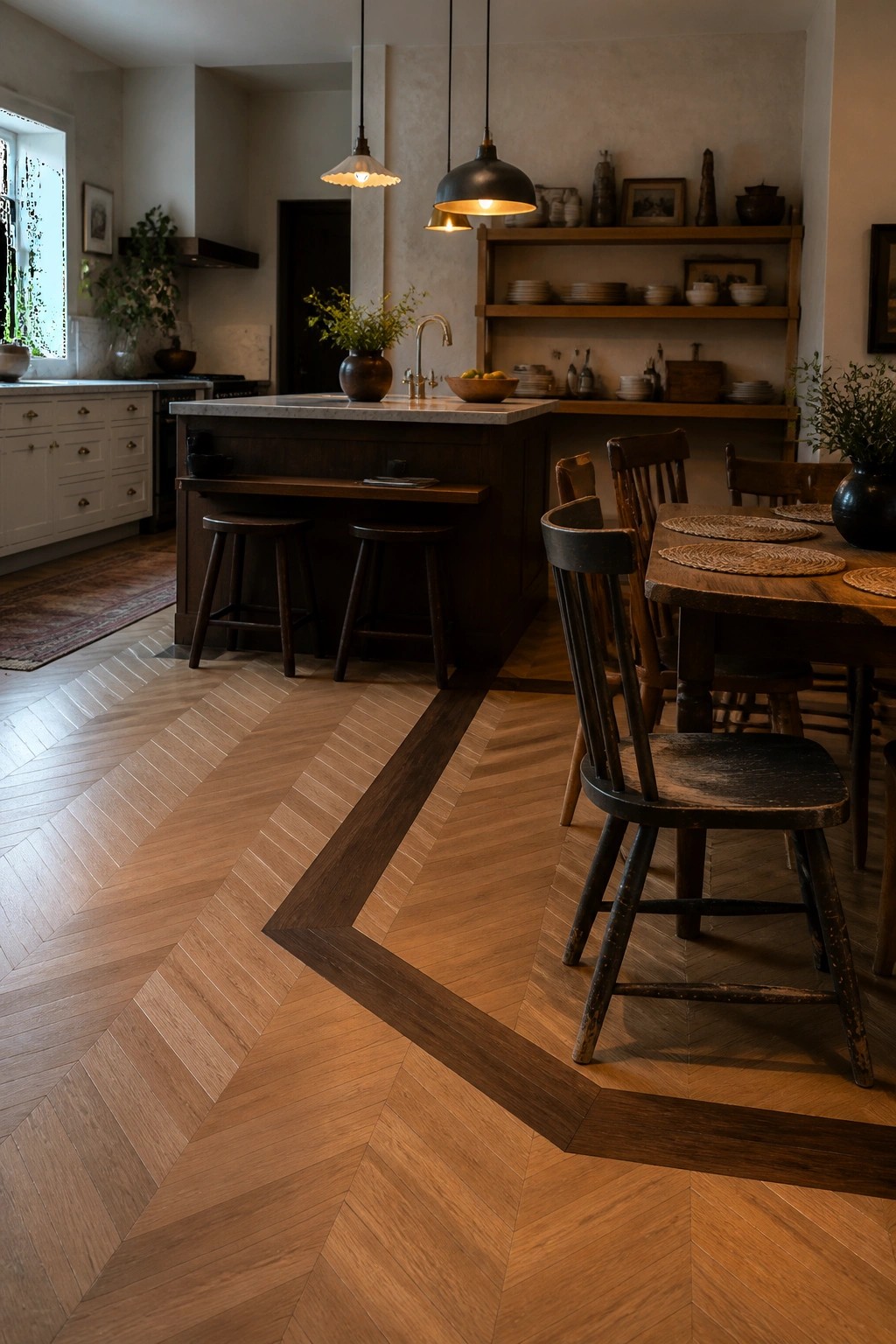
A simple border in a darker wood can turn a standard herringbone floor into something more defined. The contrast between the light oak and the walnut strip creates a clear edge that helps separate one area from another without adding walls or rugs.
This works best in open kitchens that flow into dining spaces. Keep the border fairly narrow so it frames the pattern without overpowering it, and make sure the two woods have enough contrast to show up under normal lighting.
Patterned Flooring Using Mixed Wood Tones
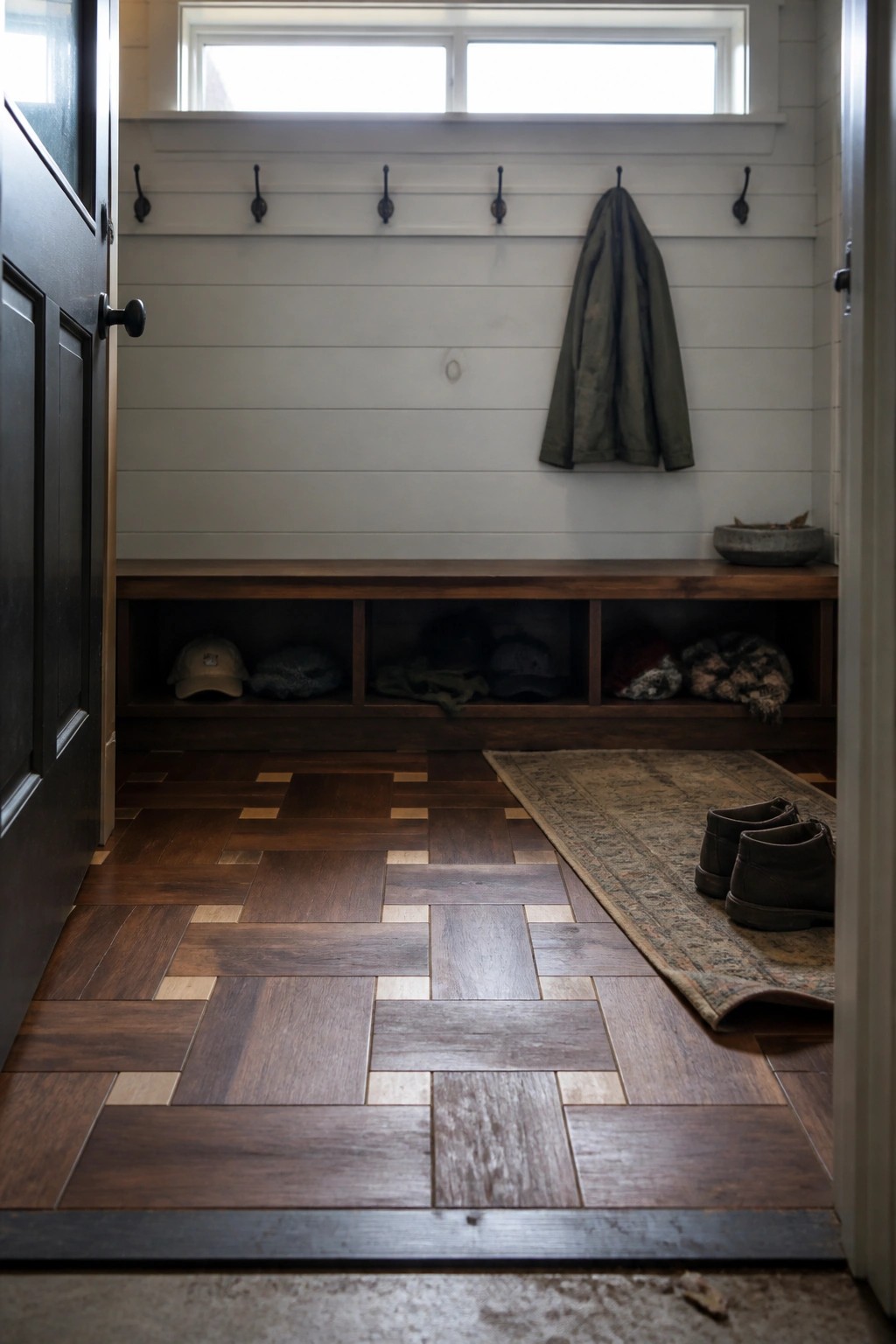
A patterned floor made from mixed wood tones gives an entry space more character without needing extra decoration. The varied grain and color shifts keep the surface from looking flat, and the layout helps hide everyday wear in a busy spot.
This approach works best in homes that need durable flooring near doors. It pairs well with simple built-in storage and hooks so the room stays practical while the floor adds the main visual interest. Stick to woods like walnut or oak in similar tones to keep the pattern from feeling too busy.
Frequently Asked Questions
Q: How do I pick between white oak and walnut for high traffic areas?
A: White oak stands up better to dents and scratches thanks to its hardness. Walnut shows wear faster but brings richer color that many people love in main living spaces.
Q: What if I want a custom pattern but worry about resale value?
A: Stick to simple geometric designs that feel timeless rather than trendy. Most buyers appreciate the upgrade as long as the pattern stays neutral and flows with the home’s style.
Q: Do these woods need special sealing for bathrooms?
A: Apply a moisture resistant finish before installation and keep the space well ventilated after. This prevents warping even with occasional humidity.
Q: Can I install the flooring myself to save money?
A: Custom patterns demand precise cuts and perfect alignment so hire a pro for those. Straight plank layouts in white oak or walnut work fine for skilled DIYers with the right tools.
