

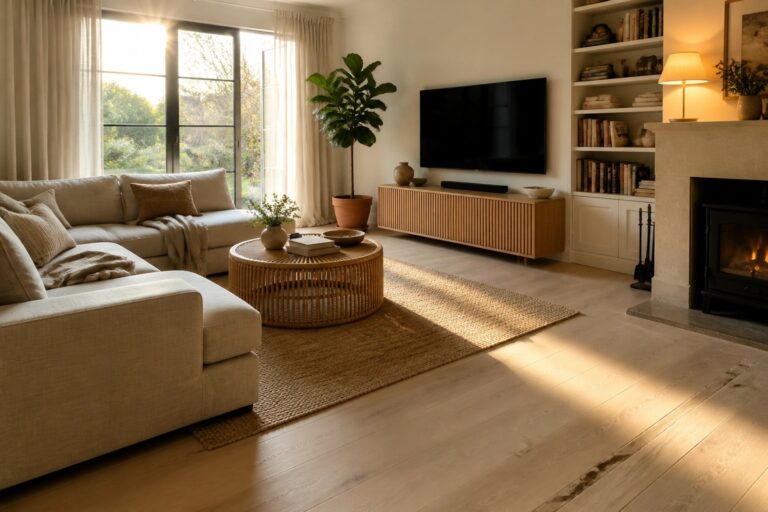
I have noticed that wood flooring tends to set the tone for how a whole room feels once the furniture is in place.
Choosing the right grain and finish often makes the difference between a space that feels lived in and one that stays a bit cold.
Some options work better than others once you live with them.
When I think about updating floors I always test samples in the actual light of the room first.
That step usually shows me which tones will hold up once the daily mess of life starts showing up on them.
Light Wood Flooring for Everyday Living Rooms
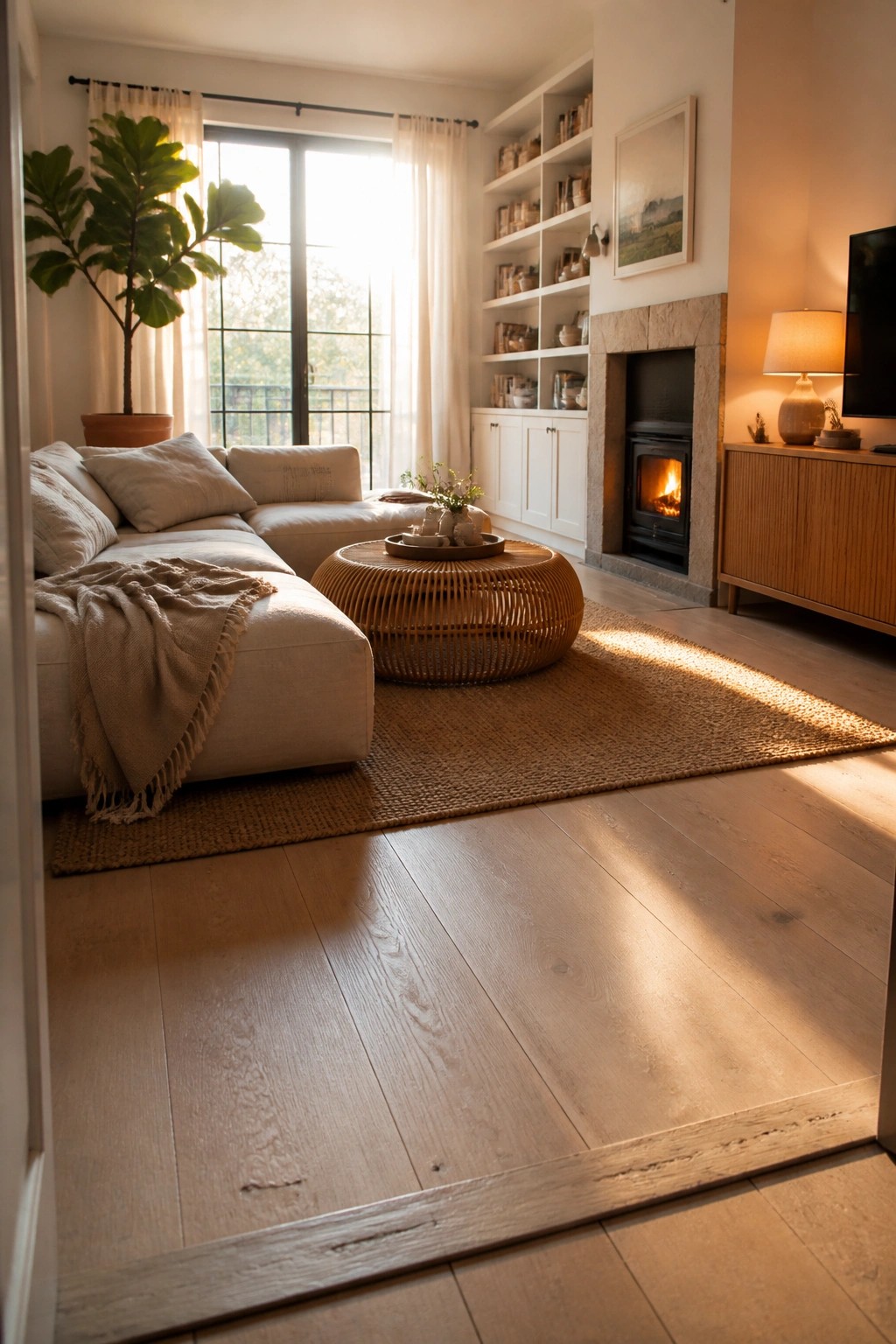
Light natural wood flooring stands out because it keeps a room feeling open without trying too hard. The pale tone reflects daylight and works with all kinds of furniture, so the space stays relaxed rather than formal.
This style suits homes that get steady natural light. Pair it with soft neutral textiles and simple pieces so the floor remains the quiet foundation instead of competing with darker colors or heavy patterns.
Wide Plank Flooring In The Dining Room
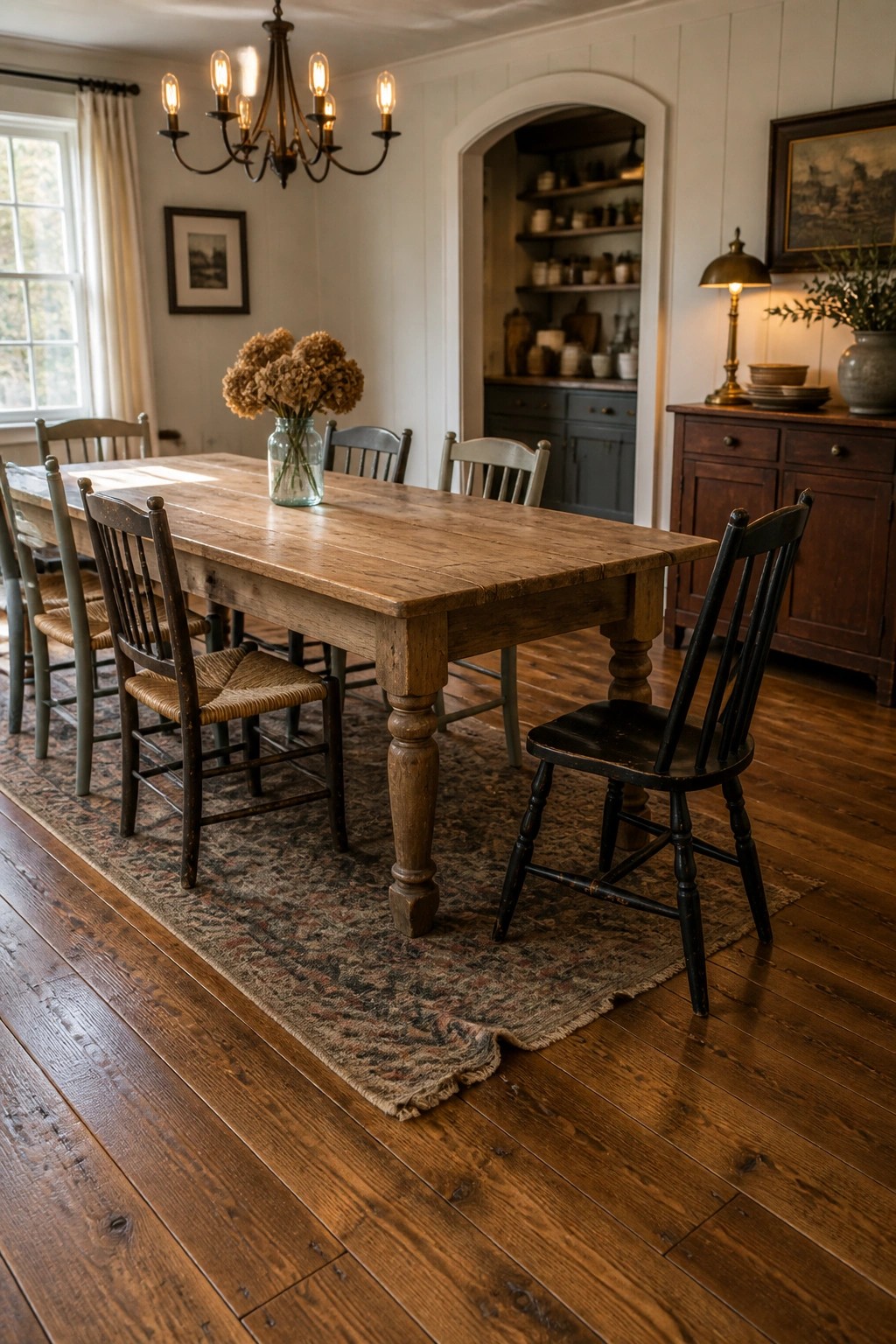
Wide plank wood floors give a dining room an easy, settled look that feels warmer than narrower boards. The grain shows up more, and the surface holds up well to daily use without looking too polished.
This style works best in homes that already lean rustic or traditional. Pair it with a simple table and avoid covering too much of the floor so the wood stays visible.
Dark Wood Floors Against Deep Wall Colors
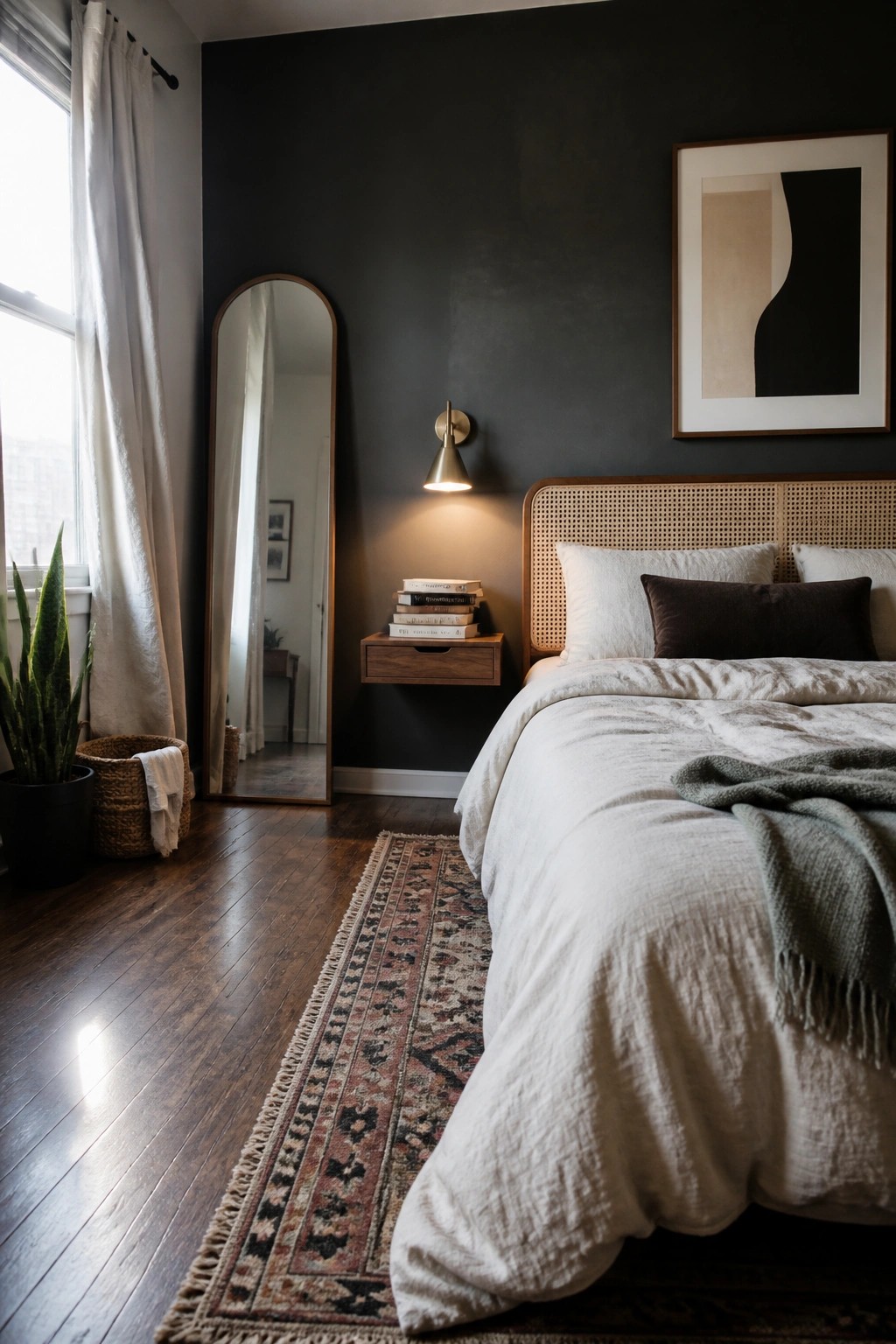
Natural wood flooring brings a steady warmth to bedrooms with dark walls. The grain and tone keep the space from feeling closed in, even when the walls are painted a deep charcoal.
This approach works best in rooms that already have good structure and simple furnishings. Let the floor show through with just a single rug, and avoid covering too much of it with heavy furniture.
Light Wood Floors For Everyday Living Rooms
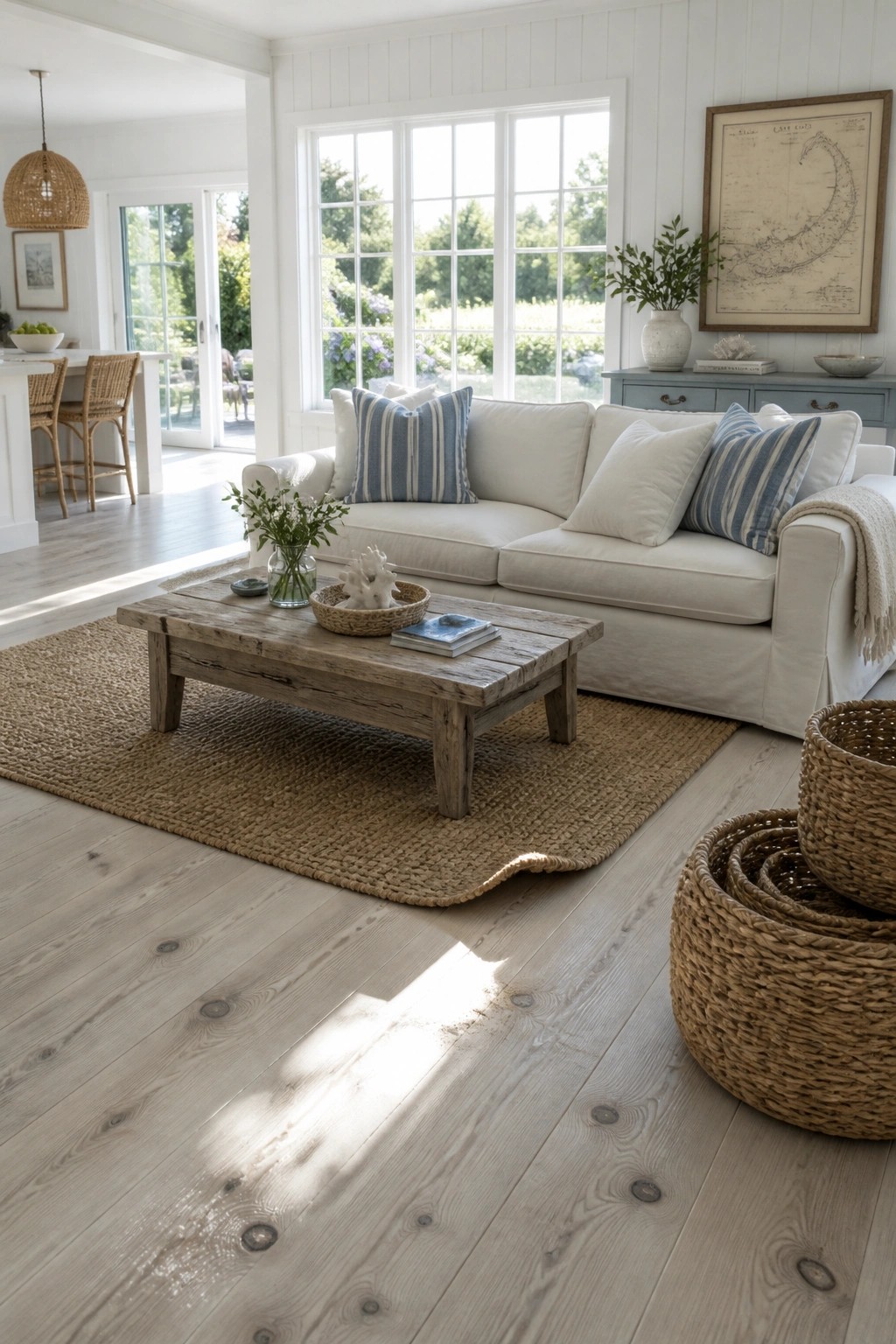
Light wood floors give a living room an open and easy feeling without much effort. They reflect light well and keep the space from feeling heavy, which works especially well in rooms that get steady daylight through large windows. The pale tone also lets other simple pieces like a jute rug or cotton sofa stand out without competing.
This flooring choice suits homes that want a relaxed, low-maintenance look. It pairs best with neutral walls and light furniture so the wood grain stays visible but not overwhelming. Darker rugs or too many patterns can make the floor feel busier than intended.
Herringbone Wood Flooring in a Study
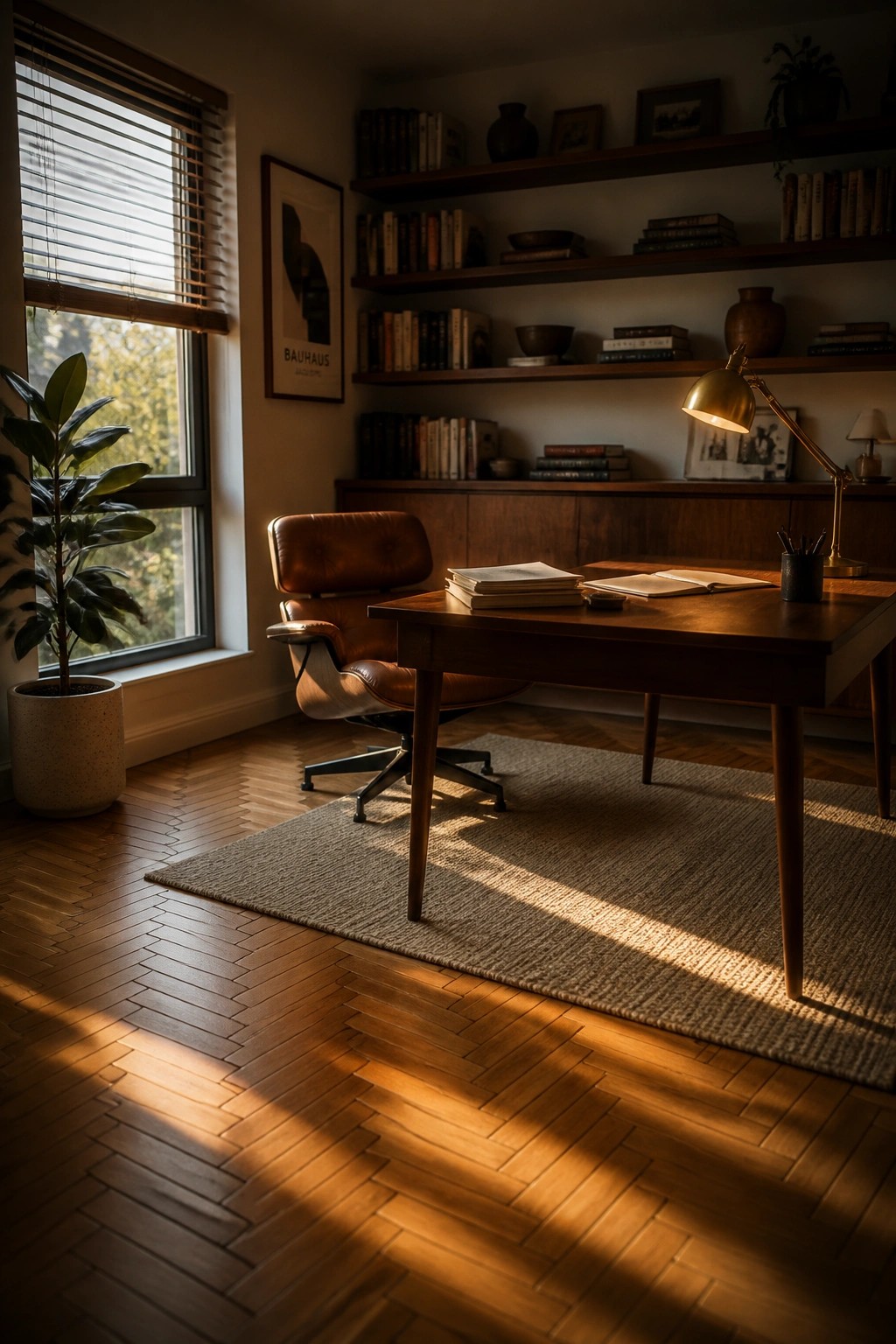
Herringbone wood flooring gives a room a quiet sense of warmth that straight planks rarely match. The pattern adds just enough texture underfoot and helps the space feel more settled, especially when light moves across it during the day.
This layout works best in smaller rooms where the floor can do some of the visual work. It suits home offices and studies that need to feel calm but not plain, and it looks right with simple wood furniture and a few layers of books or plants.
Wide Plank Wood Floors In The Kitchen
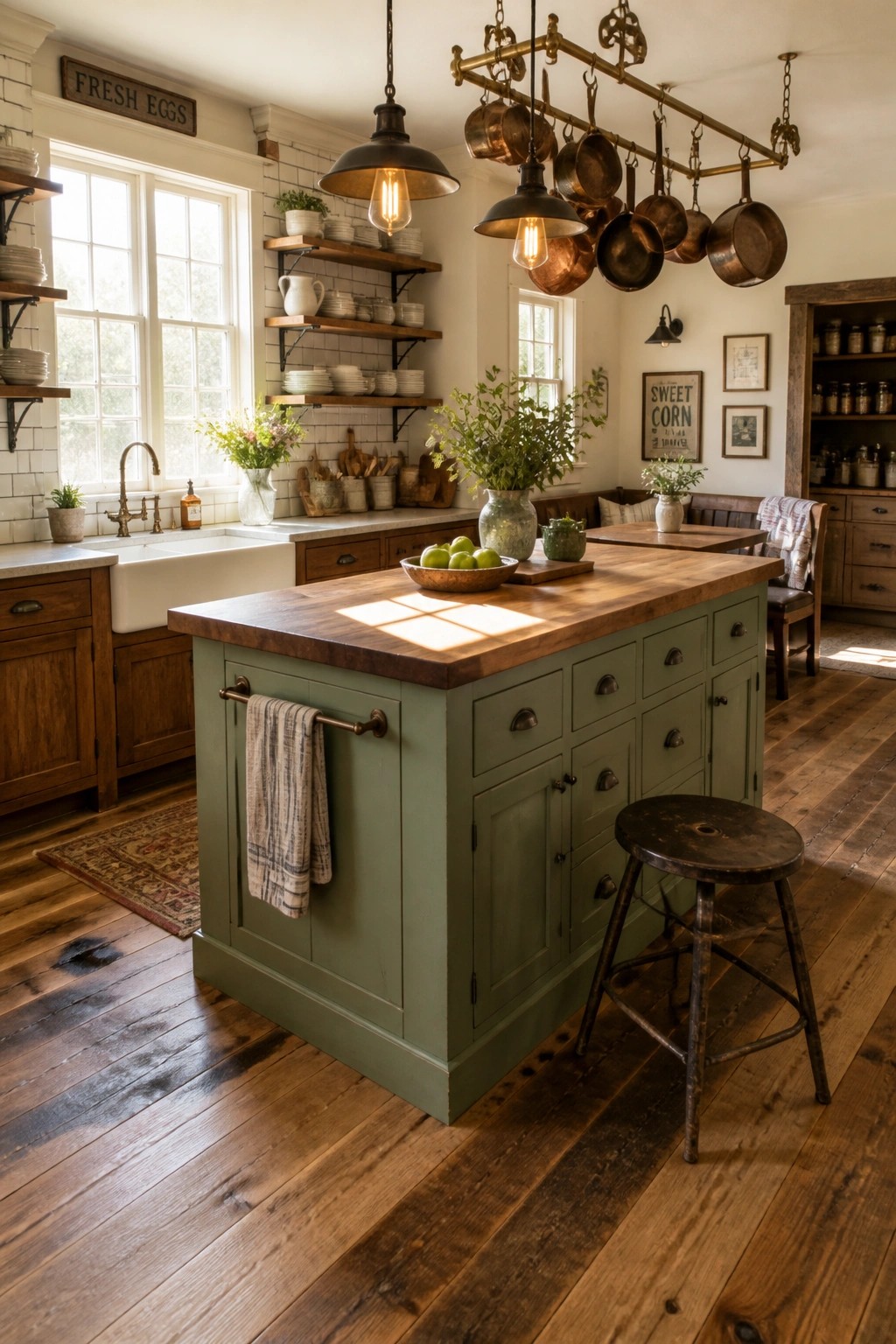
Natural wood floors bring real warmth to a kitchen without any extra effort. The planks add texture and color that make the whole room feel softer and more lived in, even when the rest of the space stays simple.
This works best in homes that already lean casual or a little rustic. Choose a durable finish that can handle spills and daily traffic so the floor keeps its relaxed look over time.
Light Wood Floors For Calm Rooms
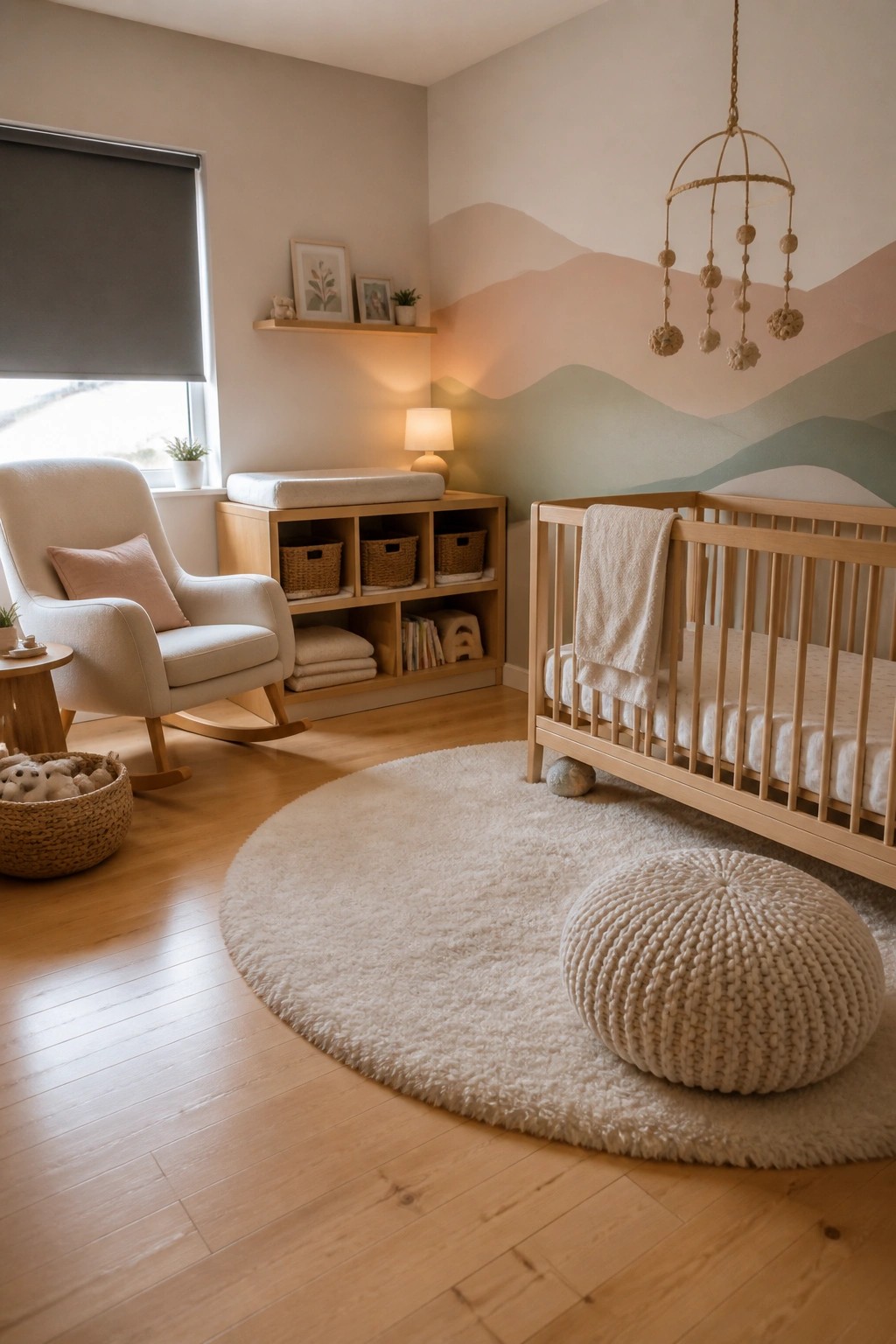
Light wood flooring helps a room stay relaxed even when it holds a lot of furniture. The pale tone keeps things bright and pairs easily with other wood pieces without feeling heavy or dark.
This works best in smaller rooms or spaces meant for rest. Stick to neutral walls and simple pieces so the floor can do its job of adding warmth without extra layers.
Natural Wood Flooring In Entryways
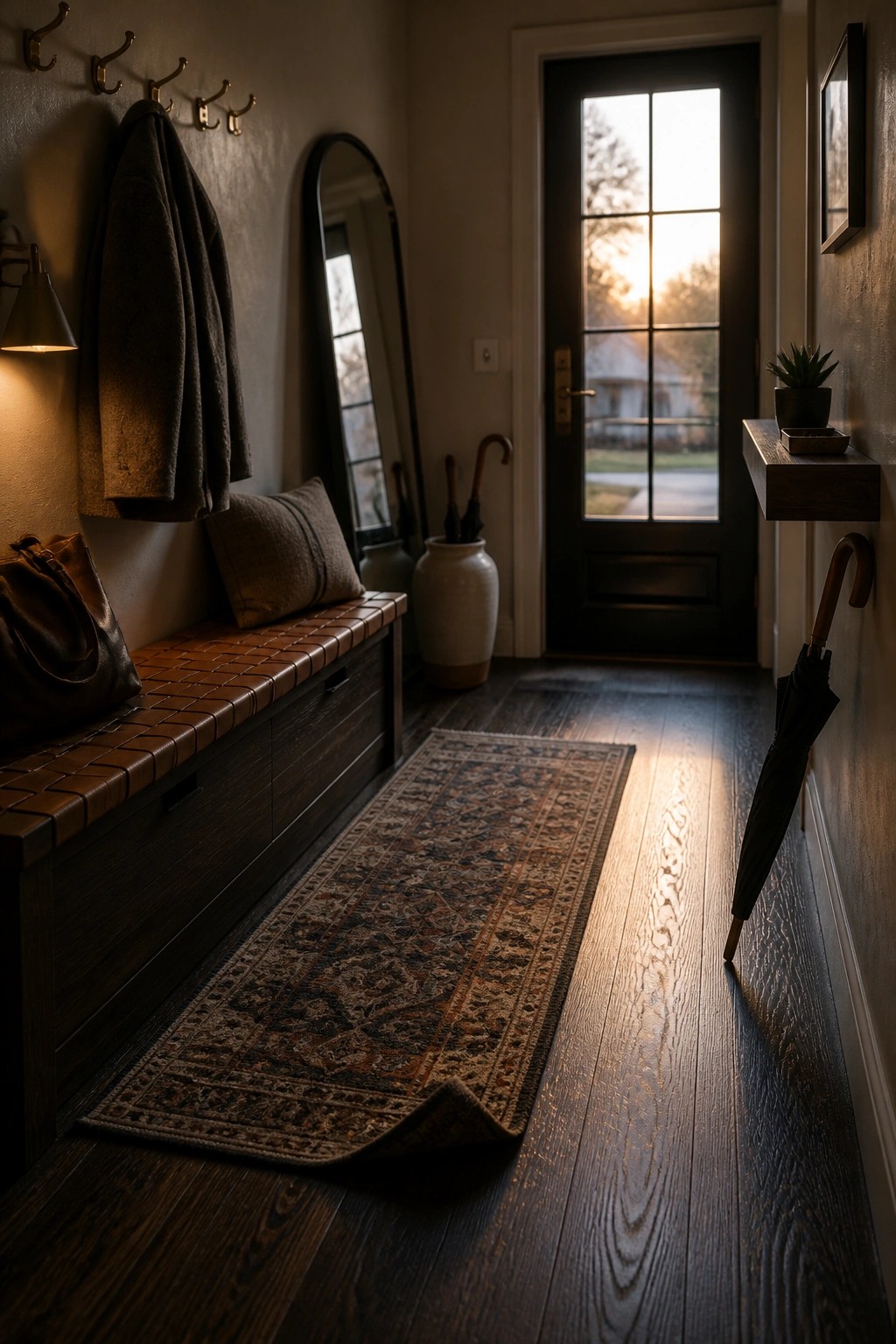
Natural wood flooring makes an entry feel warmer and more grounded from the first step inside. The planks add texture and color that softens the transition between outside and the rest of the house.
This works best in homes that see regular foot traffic. Keep the finish simple so scuffs blend in, and add a washable runner if you want extra protection without covering the wood completely.
Wood Flooring In The Bathroom
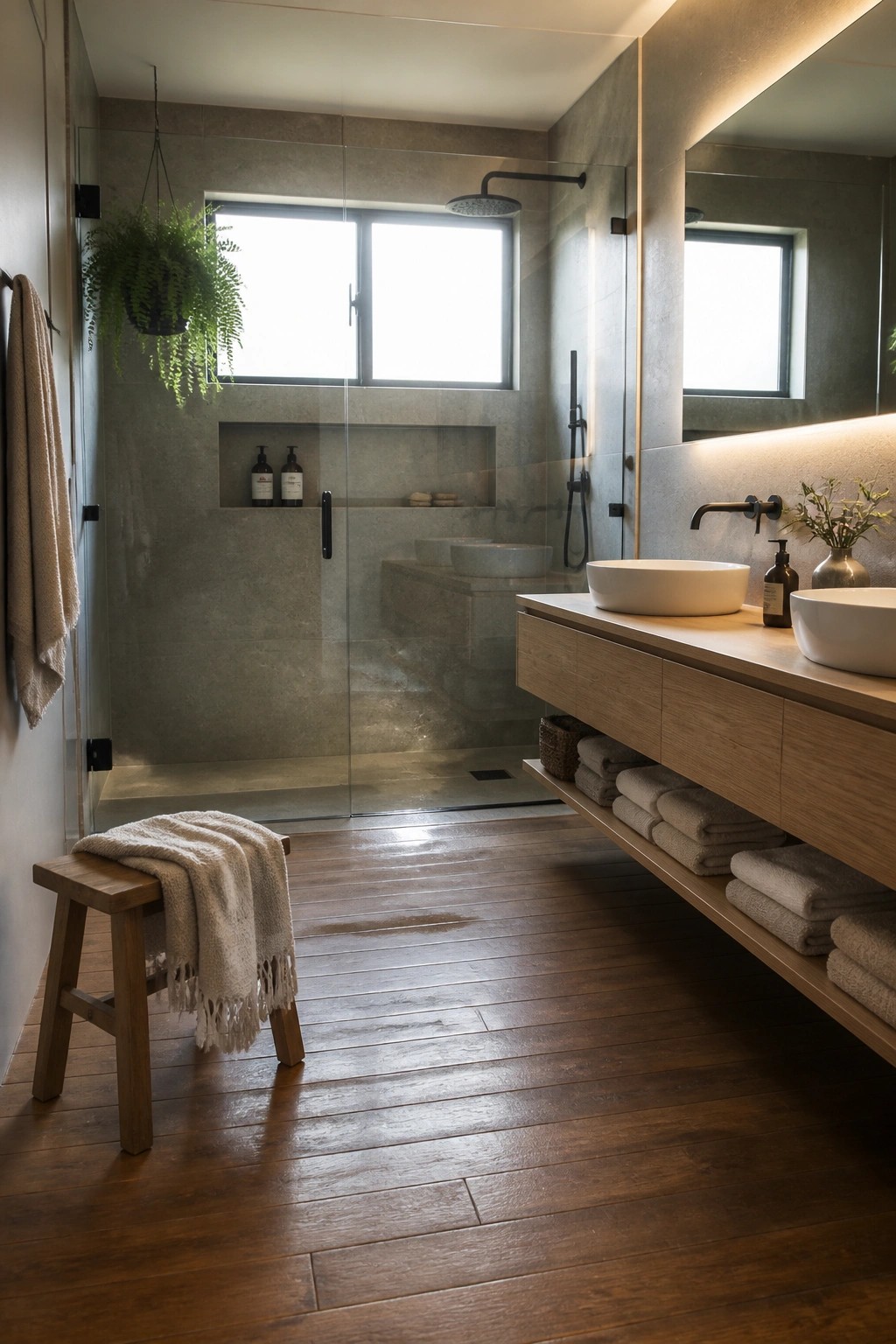
Natural wood flooring brings a surprising amount of warmth to bathrooms. It softens the cooler look of concrete and stone while still feeling practical in a space that gets daily use. Many people like how it ties the room to the rest of the house instead of creating a sharp break at the doorway.
This approach works well in bathrooms with decent airflow and regular maintenance. A durable species with a good finish holds up fine as long as water is not left standing for long periods. It suits homes that already lean toward natural materials rather than fully tiled wet rooms.
Herringbone Wood Flooring in Dining Rooms
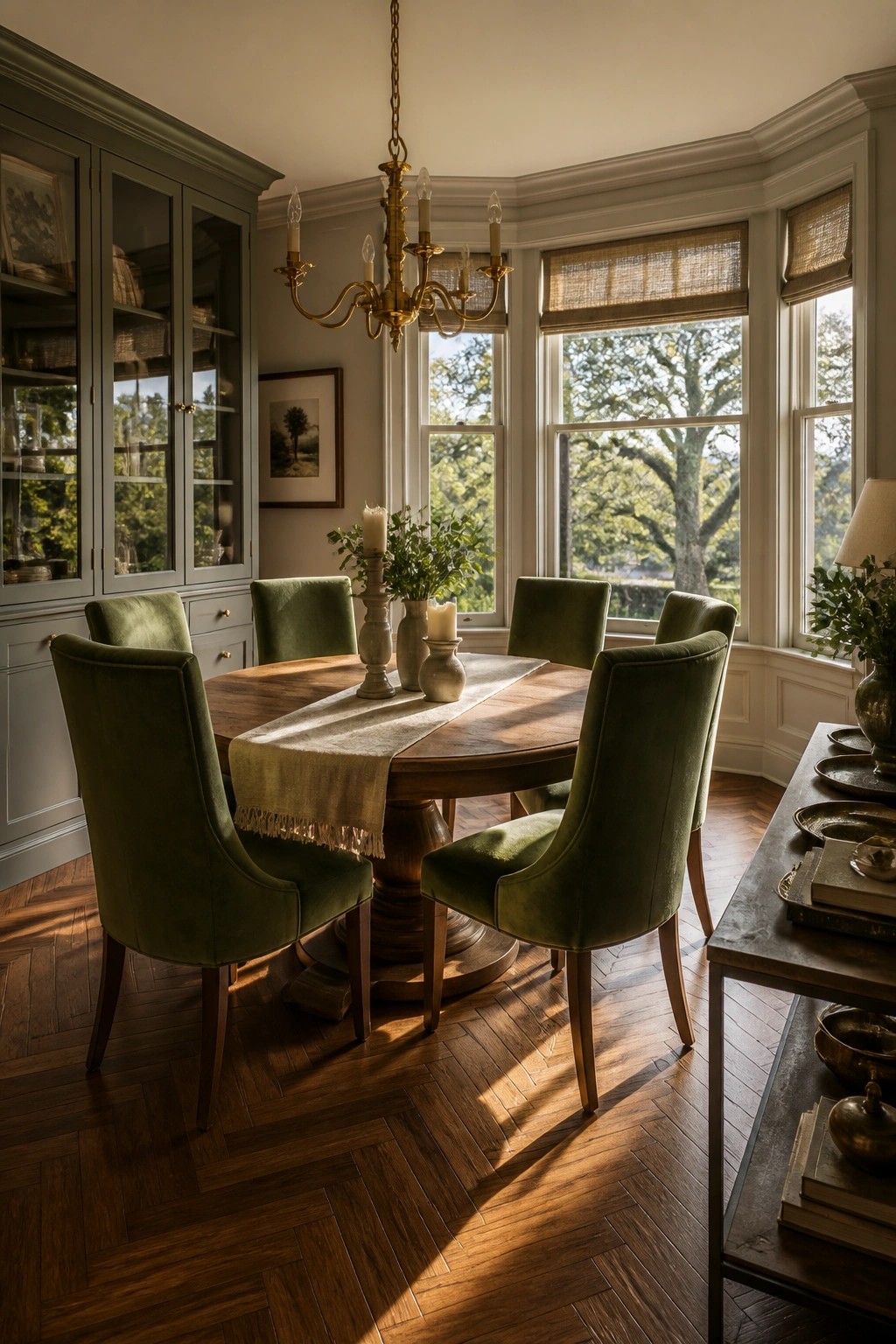
Herringbone wood flooring gives a dining room a settled, comfortable feel that works well with everyday use. The pattern adds subtle movement underfoot without drawing attention away from the table and chairs.
It suits homes with traditional or transitional styles and pairs best with medium to dark wood tones. Keep the rest of the room simple so the floor stays the main feature.
Light Natural Wood Flooring In Bedrooms
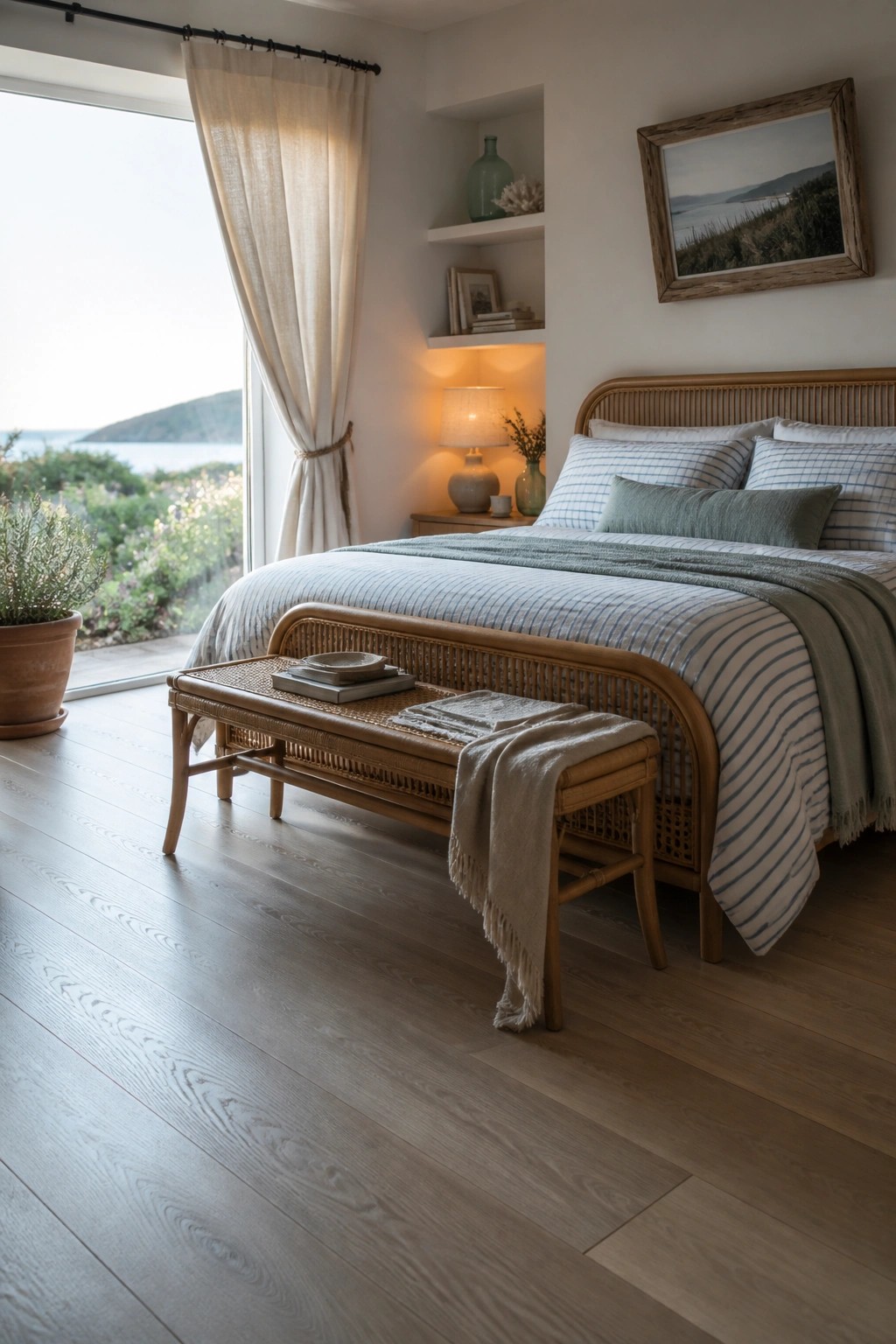
Light wood floors can make a bedroom feel more open without any extra effort. The pale tone keeps the space from feeling heavy and lets the rest of the room stay simple and easy.
This flooring works well in rooms that get steady daylight and pairs nicely with soft fabrics and natural materials. It suits homes that already lean toward a relaxed, unfussy style rather than anything too formal or dark.
Patterned Wood Floors That Add Quiet Detail
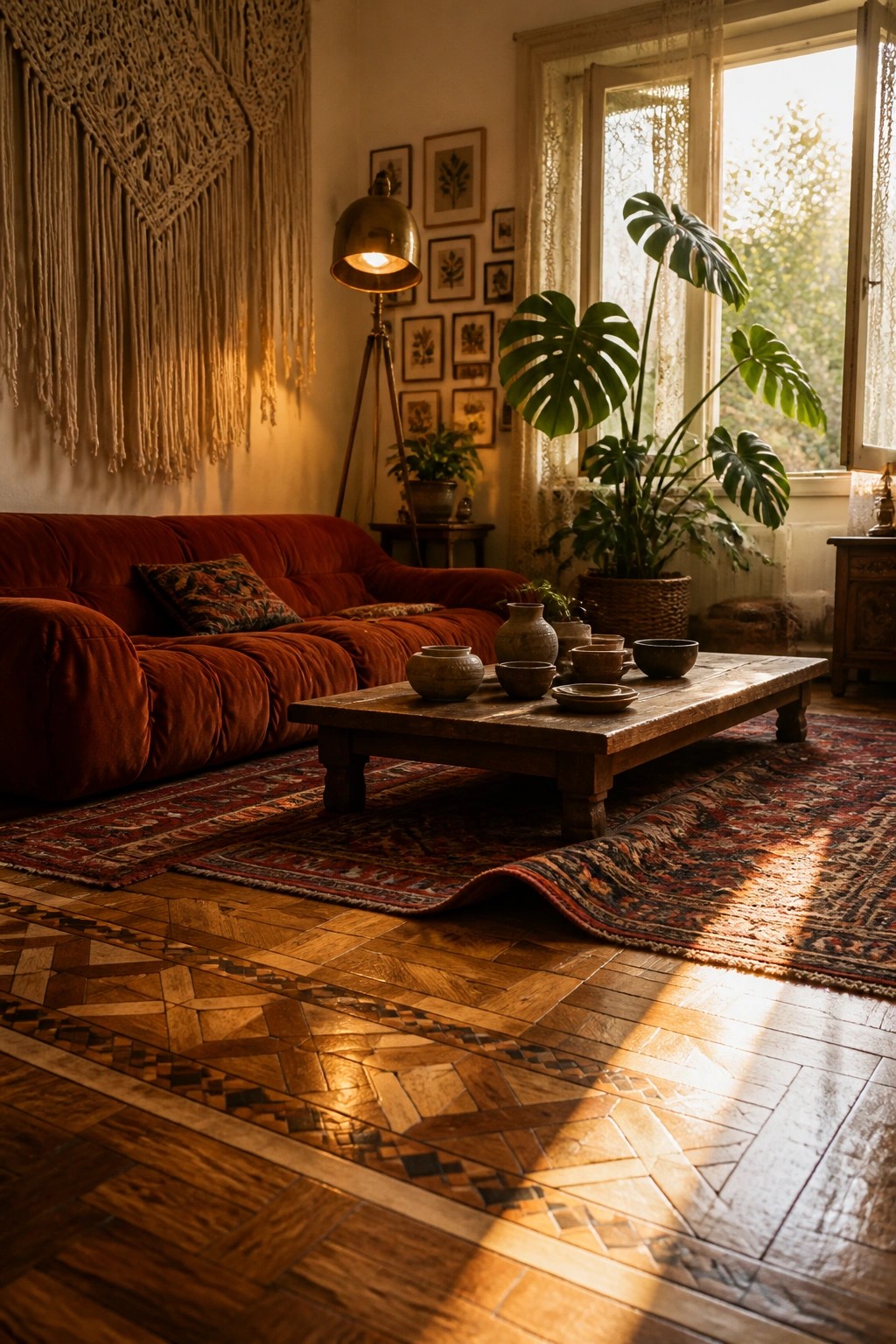
A patterned wood floor gives a room a settled feeling without much extra effort. The way the boards are arranged in sections and borders creates texture that shows up especially when light moves across it during the day.
This kind of floor works best in living rooms where the furniture stays fairly simple. It suits older homes or any space that already has some age to it, since the pattern feels like it belongs rather than trying too hard.
Light Wood Floors With Low Seating
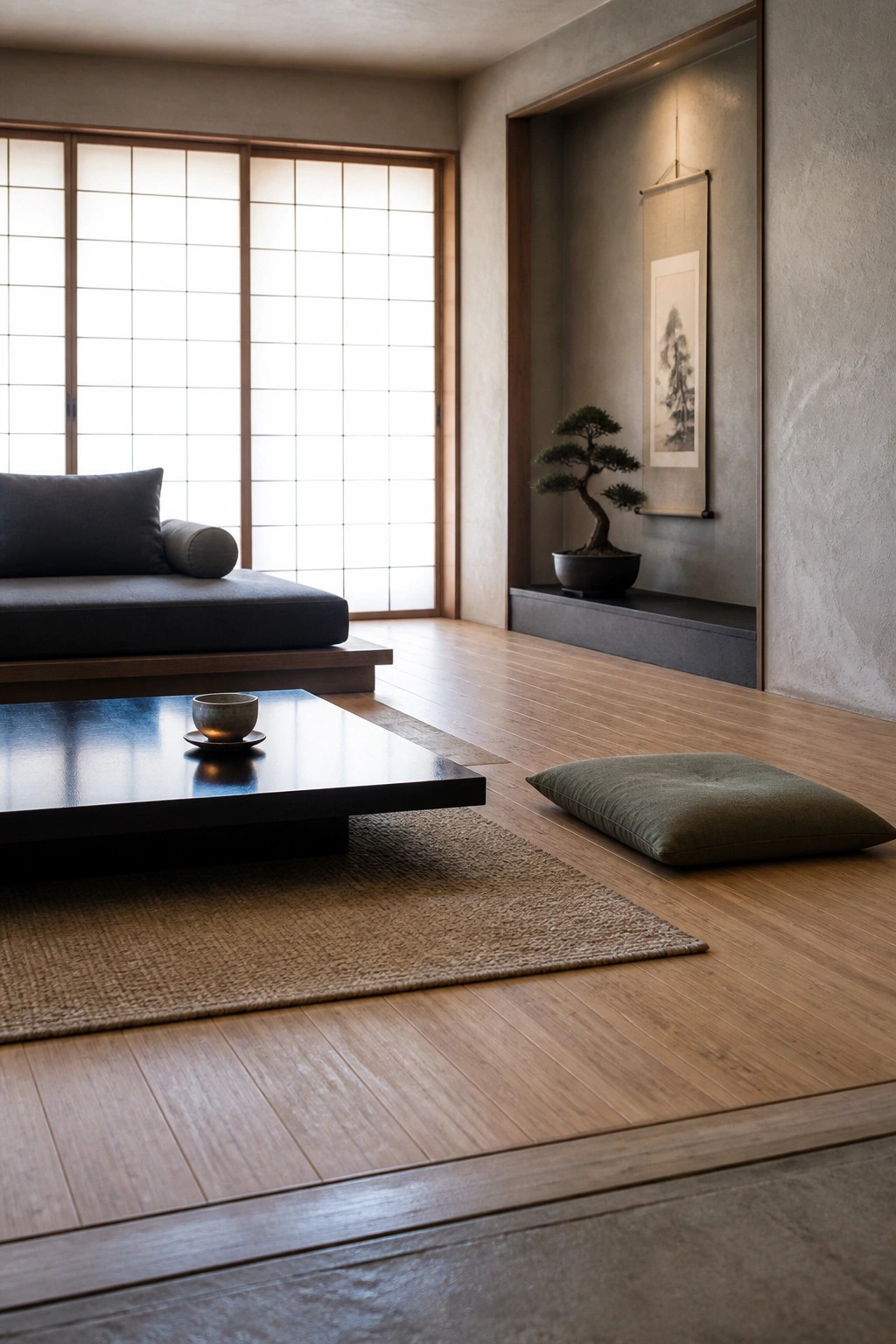
Natural wood flooring feels especially warm when the rest of the room stays low and simple. The light planks here set a calm base that makes the space feel open and easy to be in, without needing much else to soften it.
This approach works well in smaller living areas or homes that lean toward minimal styles. Keep furniture low and the floor mostly clear so the wood can show through and the room stays relaxed rather than busy.
Dark Wood Flooring In Bedrooms
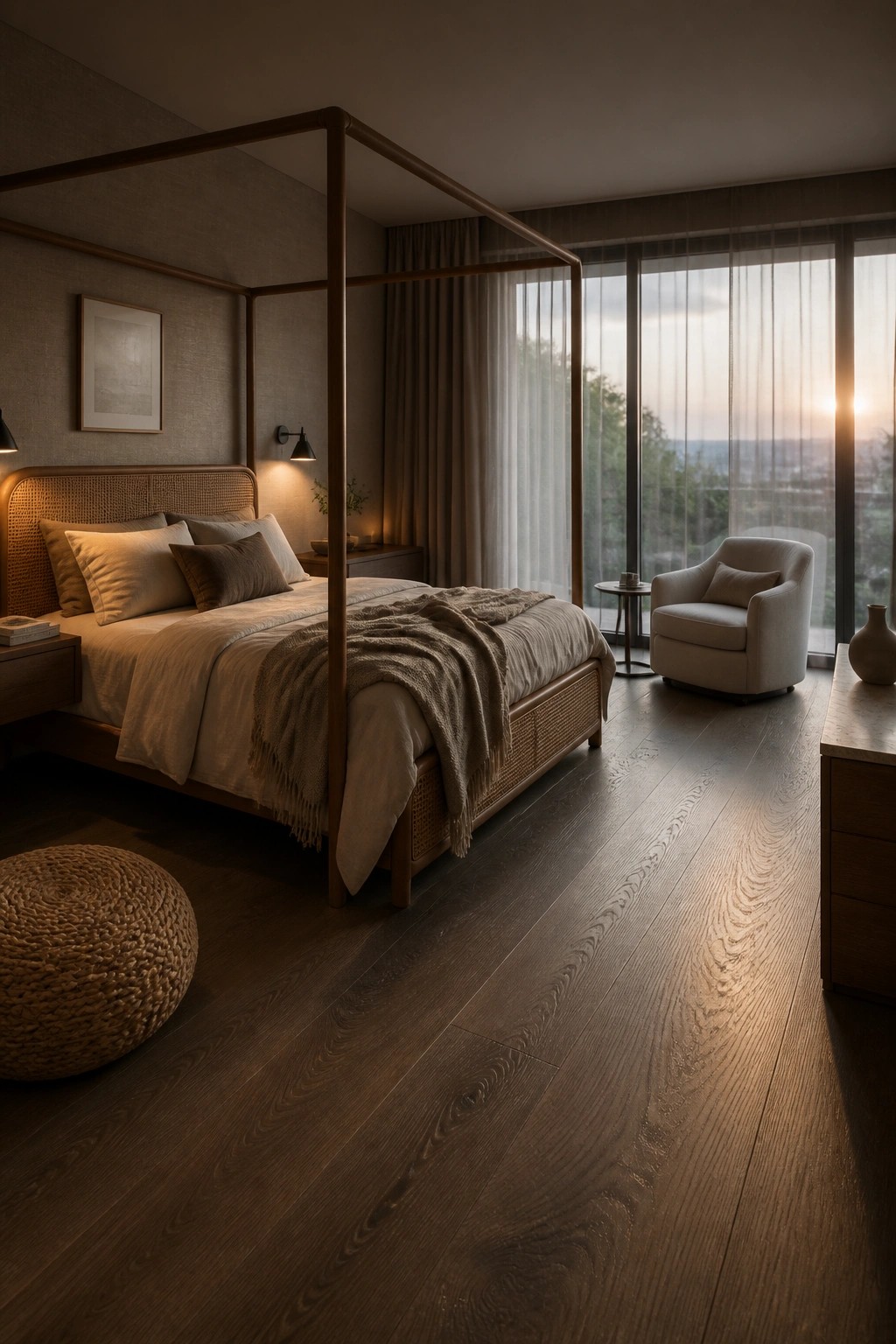
Dark wood floors bring a steady, grounded feel to a bedroom without much extra effort. The rich tone works well against lighter bedding and walls, and it helps the whole room feel warmer and more settled even when the light is soft.
This choice suits homes that already lean toward natural materials and simple layouts. Keep the rest of the room fairly light so the floor does not close things in too much, and let the wood grain show through rather than covering it with heavy rugs.
Natural Wood Flooring In Laundry Rooms
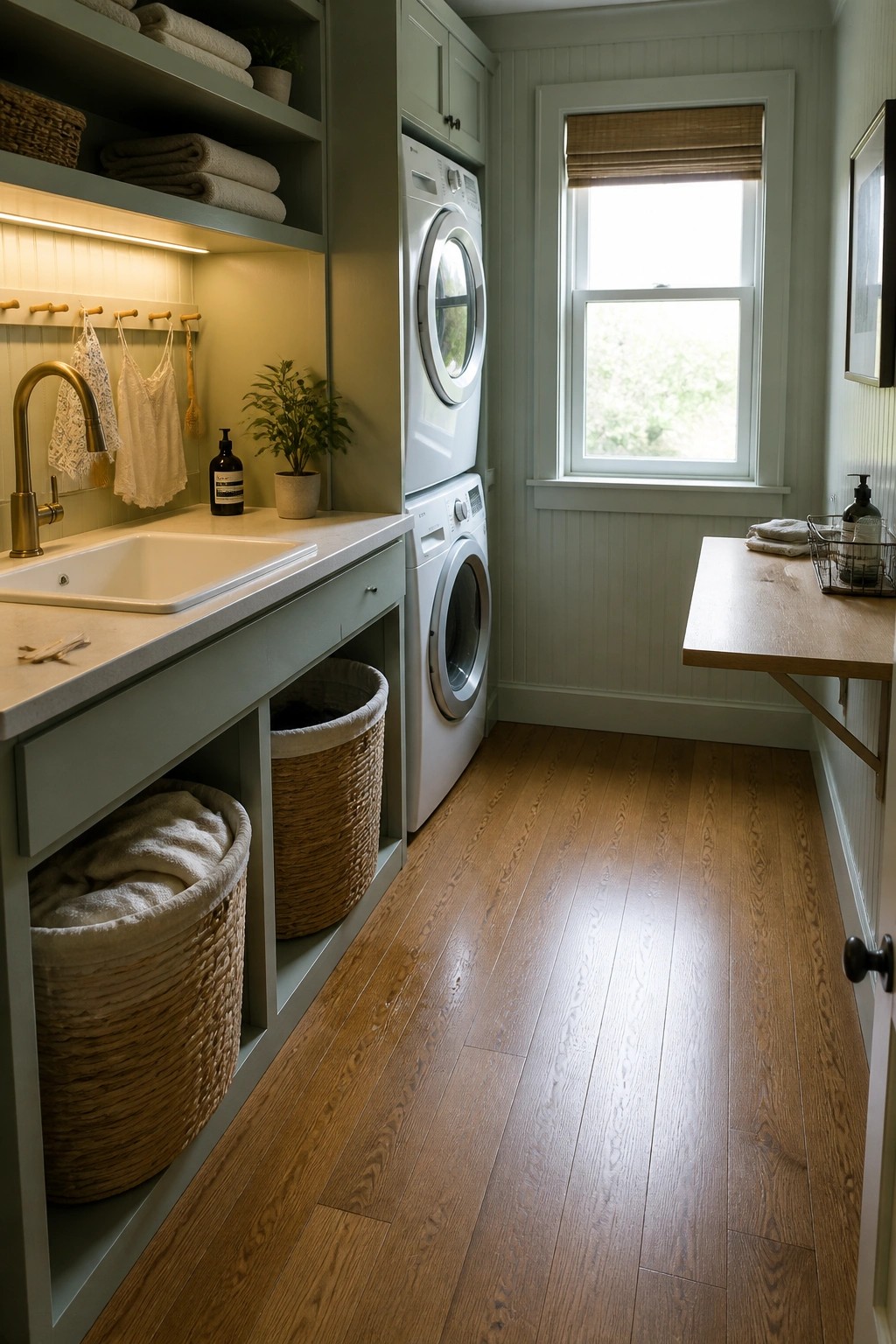
Many laundry rooms end up with tile or vinyl because they seem more practical. Natural wood flooring changes that by bringing the same warmth you see in living areas into a hardworking space. It softens the look of machines and cabinets without losing function.
This approach works best in homes where the laundry room sits off a main hallway or open area. A durable hardwood with a good protective finish handles everyday use while keeping the floor consistent from room to room.
Wood Flooring That Warms Up A Bathroom
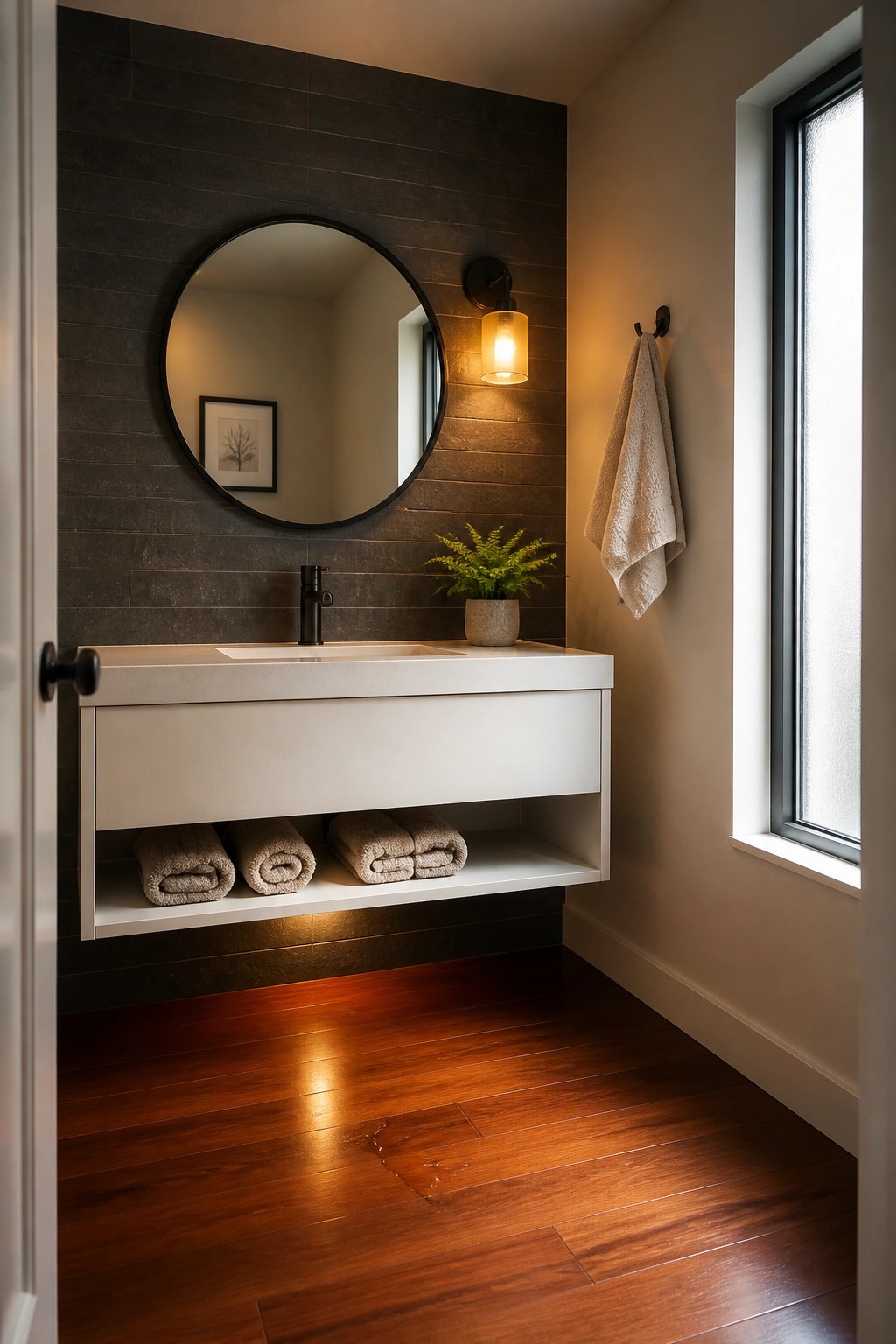
Natural wood flooring can make a bathroom feel more comfortable and lived-in. The warm tones balance cooler surfaces like tile and stone, and the material helps the room feel connected to the rest of the house instead of set apart.
This approach works best in baths that get regular use and already have some wood elsewhere in the home. Choose a finish that handles moisture well, and keep the rest of the palette simple so the floor stays the main source of warmth.
Herringbone Wood Flooring For Small Rooms
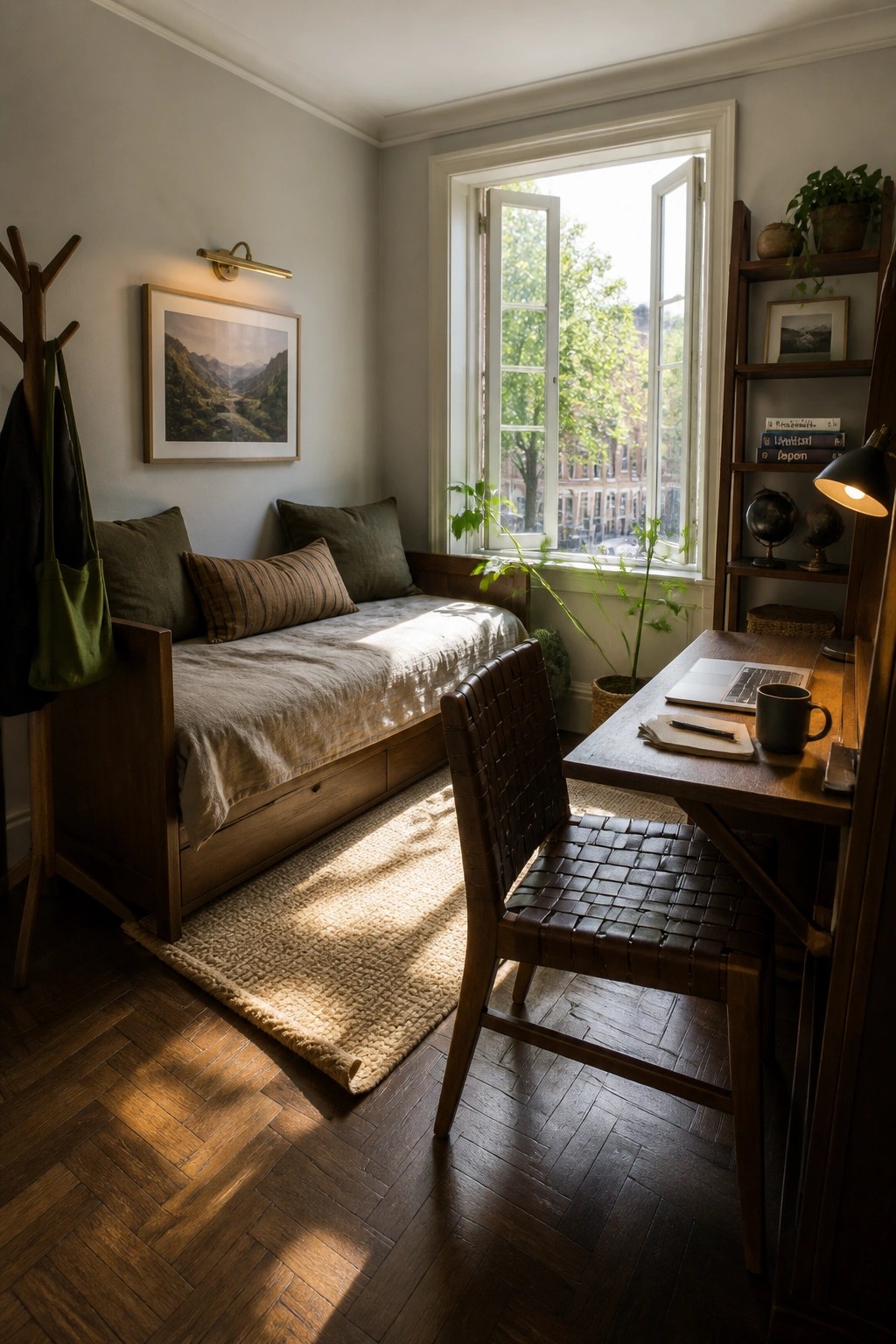
Herringbone wood flooring brings a quiet structure to a room without making it feel formal. The angled layout catches sunlight across the boards and adds a sense of movement that straight planks often lack.
This approach suits compact bedrooms or home offices where the floor needs to carry some visual interest. Keep the rest of the room simple so the pattern stays the main feature and does not compete with too many other textures.
Dark Wood Flooring for Everyday Warmth
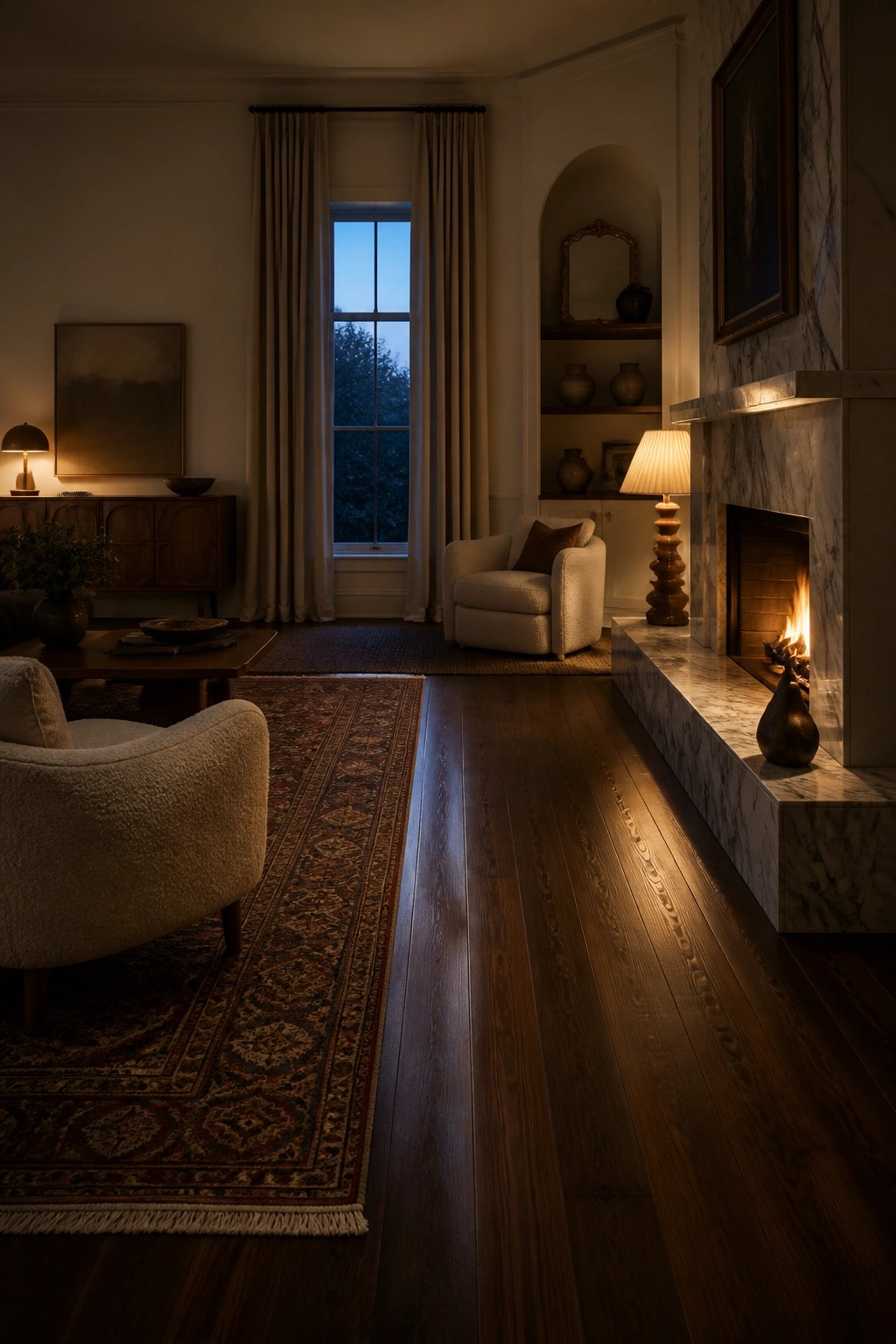
Dark wood floors give a living room an immediate sense of calm and substance. The deep tone anchors the space and works quietly with almost any furniture or wall color, which is why so many people reach for it when they want a relaxed feel without extra effort.
This choice suits rooms that get steady use, since the color hides everyday wear better than lighter woods. It pairs especially well with lighter rugs and simple furnishings, keeping the overall look balanced rather than heavy.
Herringbone Wood Flooring in Small Spaces
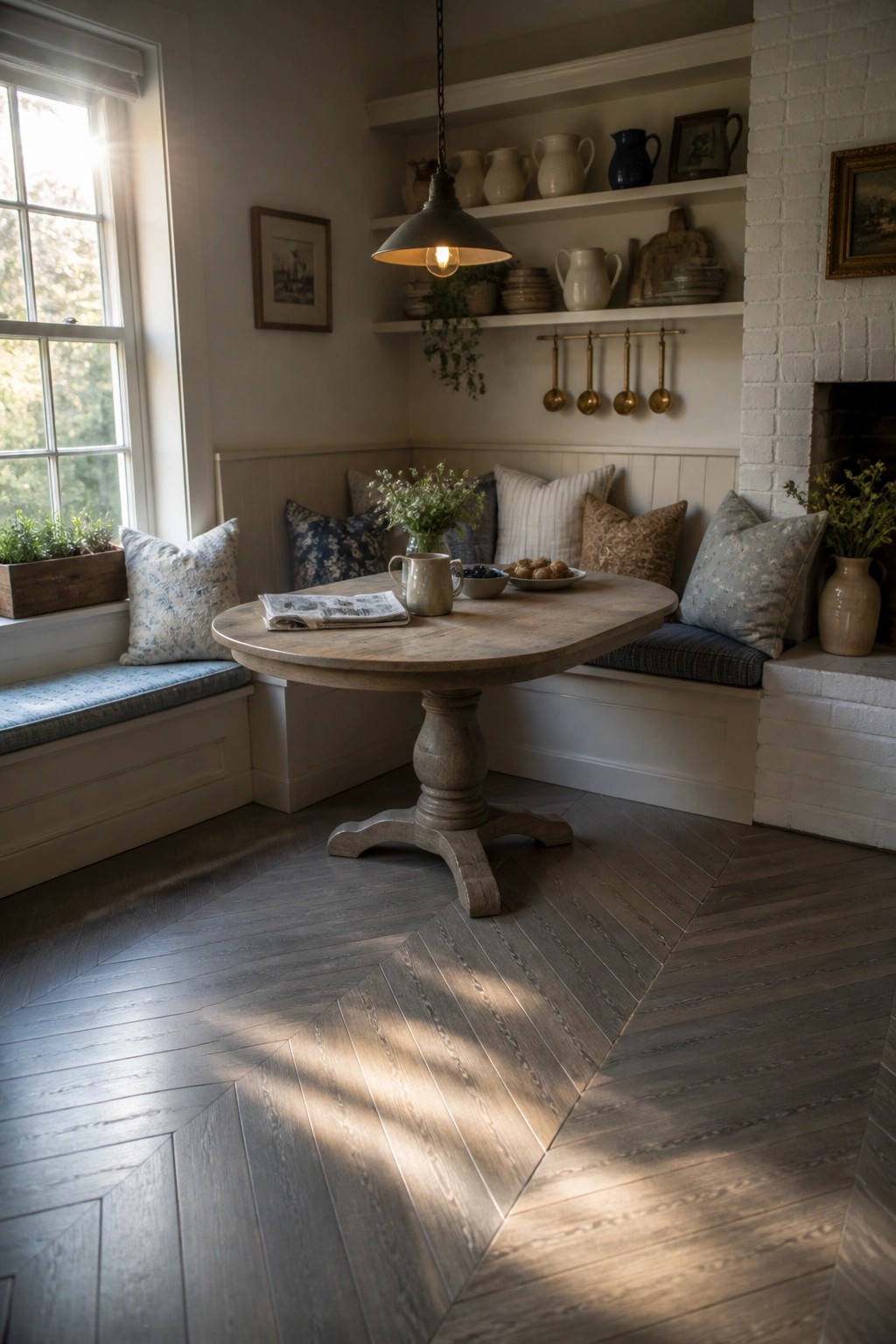
Herringbone wood floors add quiet movement to a room without making it feel busy. The angled pattern catches light across the boards and gives the floor more character than straight planks would, which helps the space feel warmer overall.
This layout works especially well in breakfast nooks or corner seating areas where the floor is highly visible. It suits older homes or any place where you want the wood to look a little more intentional. Just keep the scale of the pattern in proportion to the size of the room.
Natural Wood Floors in Walk-In Closets
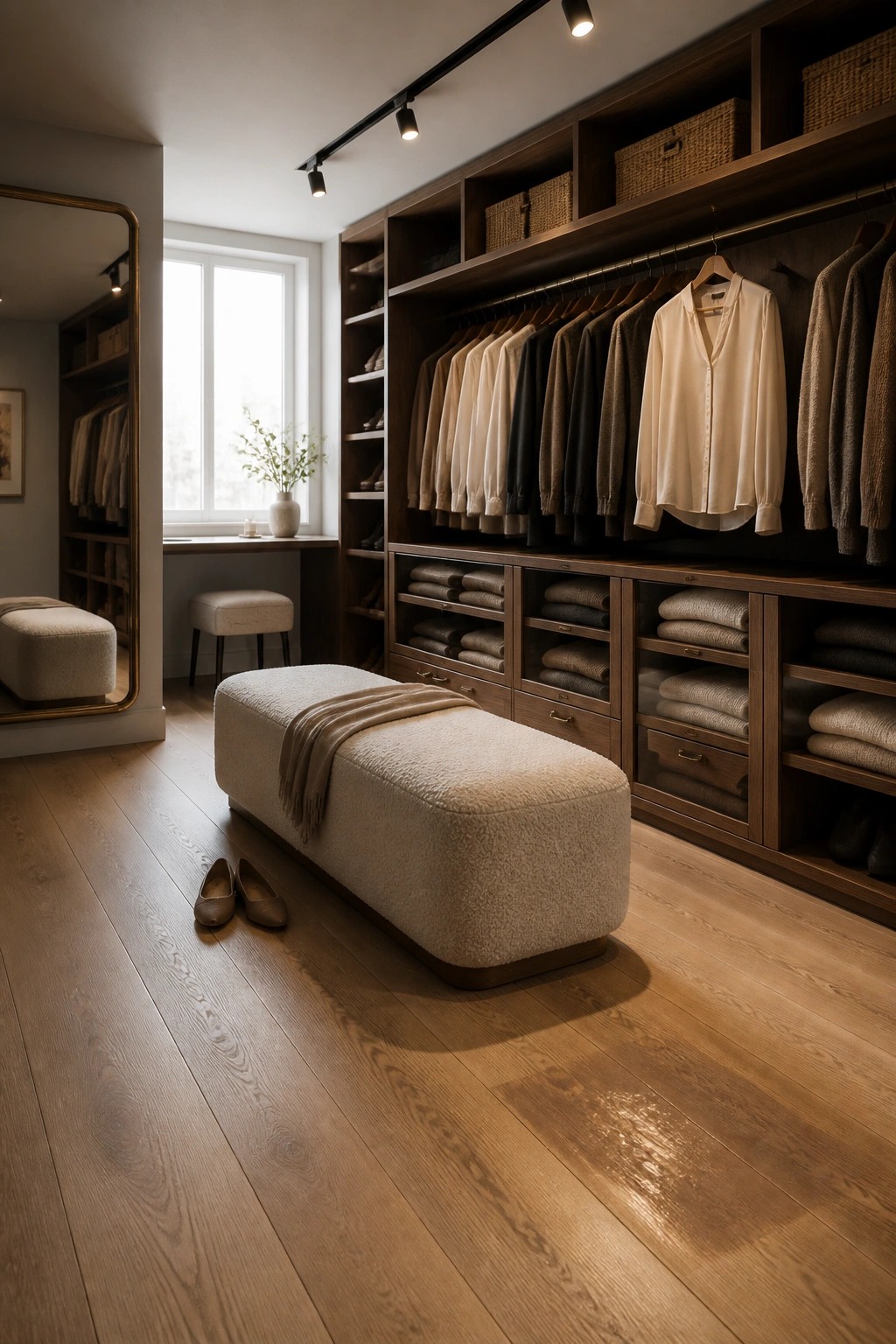
Carrying the same wood flooring into a closet keeps the warmth consistent from the bedroom. It avoids the cold break that often happens with tile or carpet at the doorway and makes the whole space feel more connected.
This works best in homes where the closet is fairly open or used as a dressing area. Pick a durable finish that can handle daily steps and make sure the planks run in the same direction as the main room for a smoother look.
Frequently Asked Questions
Q: How do I clean natural wood floors without wearing them down too fast? A: Sweep or vacuum often to clear away grit that can scratch the surface. Wipe up spills right away with a barely damp cloth and skip harsh cleaners. A gentle wood soap every few months keeps the warm tone intact.
Q: Will wood floors hold up if I have a dog that runs through the house? A: Harder woods like oak stand up better to claws and daily traffic. Trim your dog’s nails often and add area rugs in the spots where they play the most. Touch up small scratches as they show up so they do not spread.
Q: What happens to wood floors in a sunny room over time? A: Direct light can fade the color in a few years. Pick a finish that blocks UV rays and shift rugs around every season to keep the tone even. Sheer curtains help cut the glare without losing the relaxed feel.
