

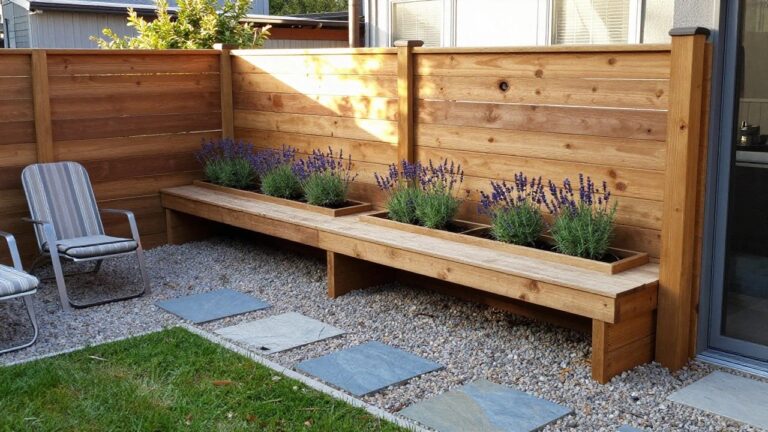
When planning changes around the outside of my house I always start by thinking about how a new fence will look against the siding and roofline.
The materials need to feel like they belong with the rest of the exterior or the whole place starts to look patched together.
Scale matters more than I first realized.
I have seen fences that block too much of the yard and make the space feel smaller right away.
A few straightforward wood options seem worth testing on a side yard before committing to the full length.
Raised Planters Along the Fence
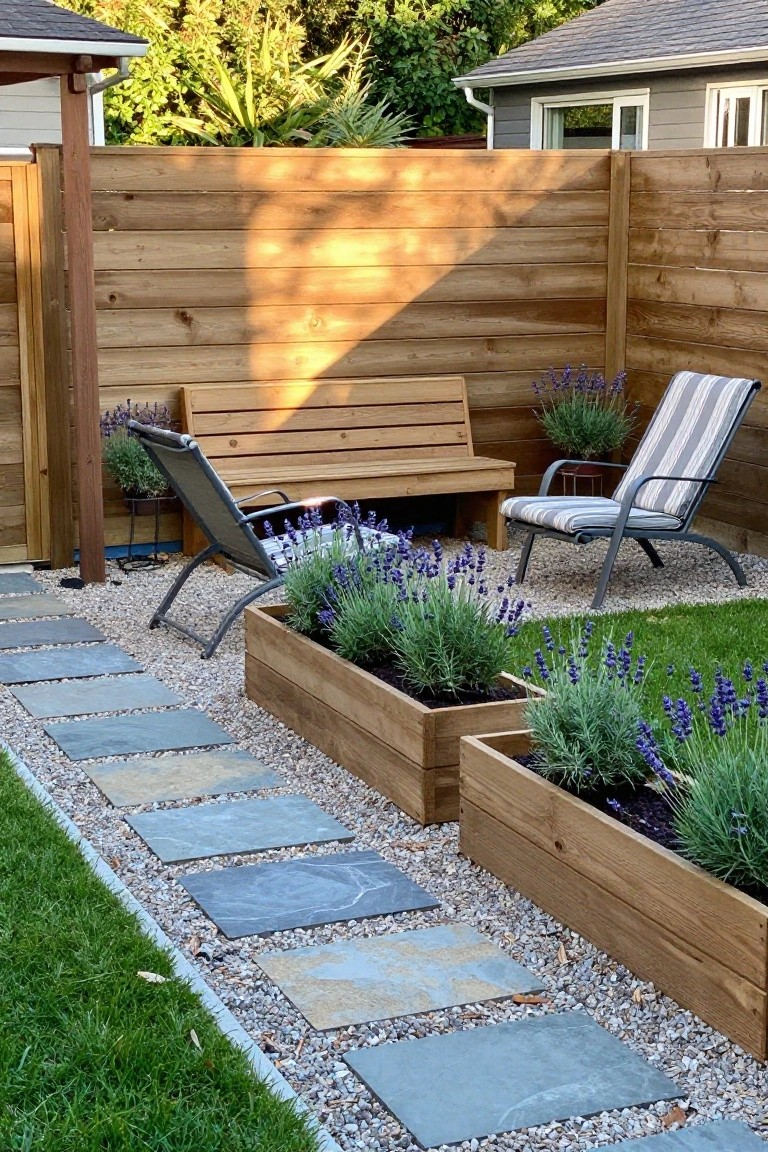
Raised planters give you a clean way to add planting right against a wood fence without tearing up the ground. They keep soil contained, improve drainage, and let you grow flowers or herbs at a height that is easier to tend.
Place them in a row to frame a gravel path or separate lawn from the fence line. This works well in smaller yards where you want structure without a lot of ongoing work.
A Simple Picket Gate
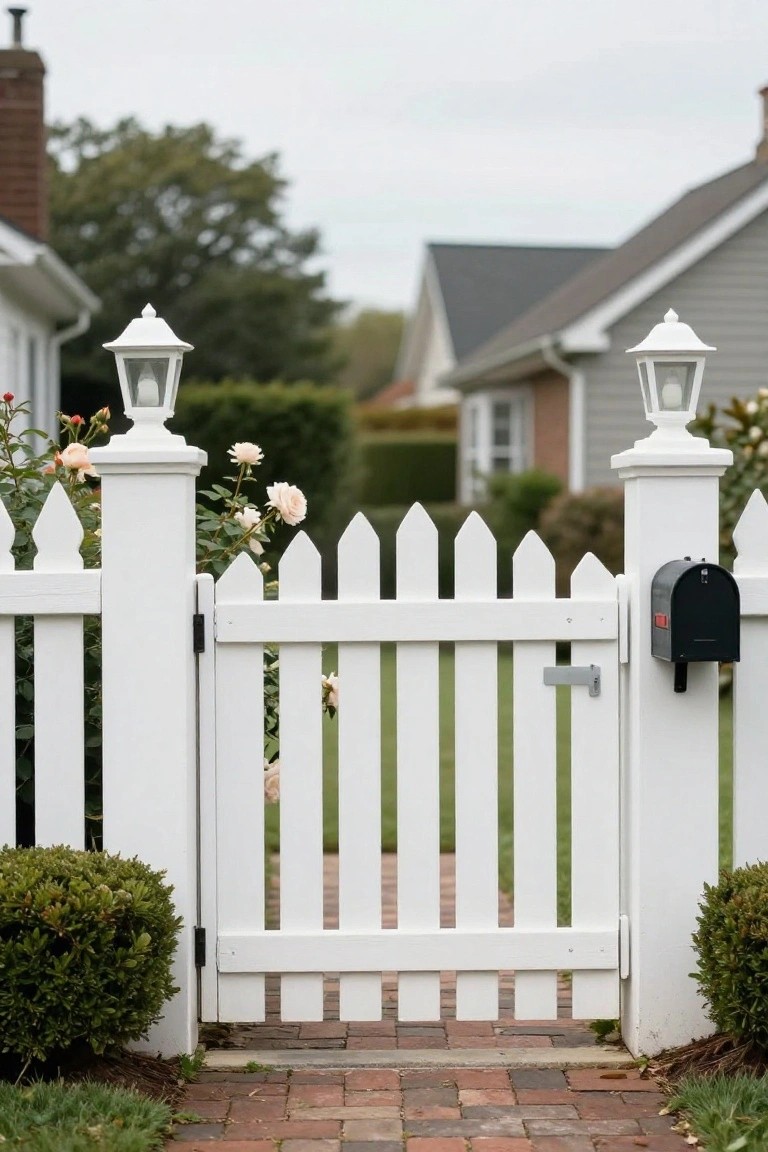
A picket gate is one of the easiest fence projects for beginners because it uses straight boards and a basic frame. The style stays light and open, so it works well along a front yard without making the space feel closed in.
It suits smaller lots or homes where you want a clear entry point but still need to keep things simple to build and maintain. Stick with standard lumber sizes and basic hinges so the gate stays easy to hang and adjust later on.
String Lights Along A Wood Fence
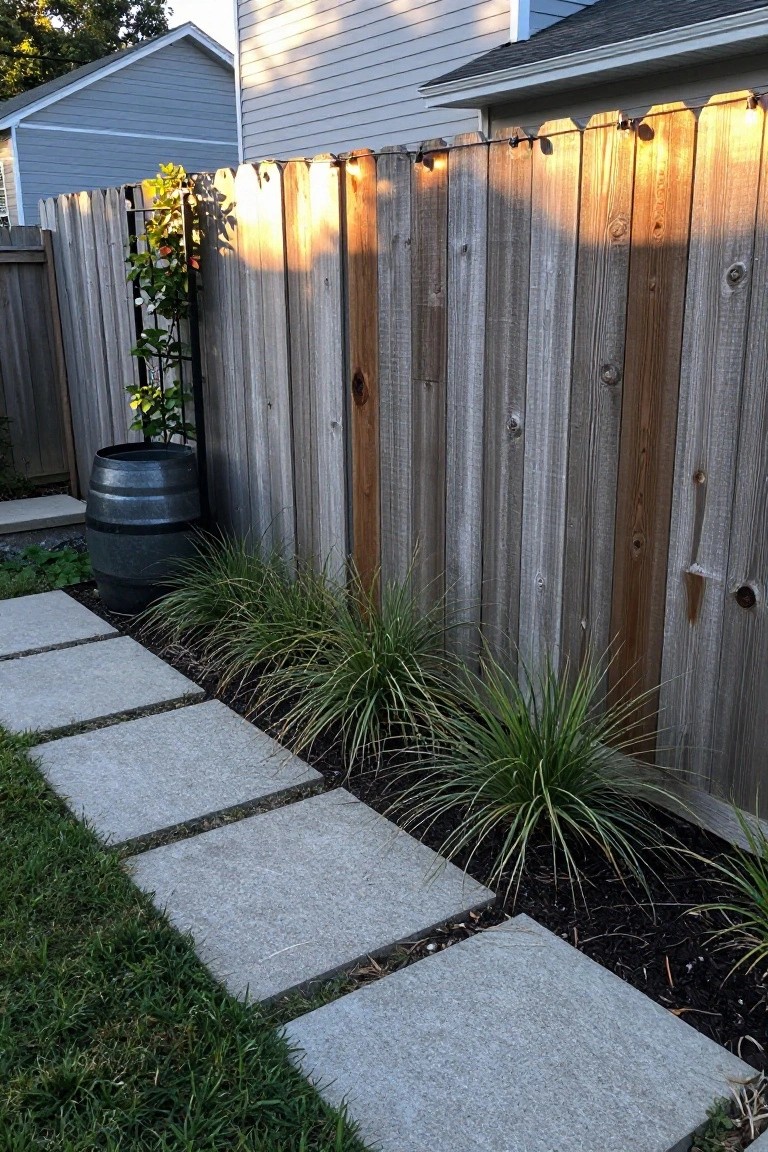
String lights are one of the easiest ways to add usable light to a backyard fence. They turn the fence into a simple light source without needing extra poles or fixtures, and they work well once the sun goes down.
Run the lights along the top edge and use clips or screws every few feet to keep the strand secure. This works best on a straight fence line in a small yard, and it is worth picking outdoor-rated bulbs so they hold up through rain and wind.
Add Planters Along a Wood Fence
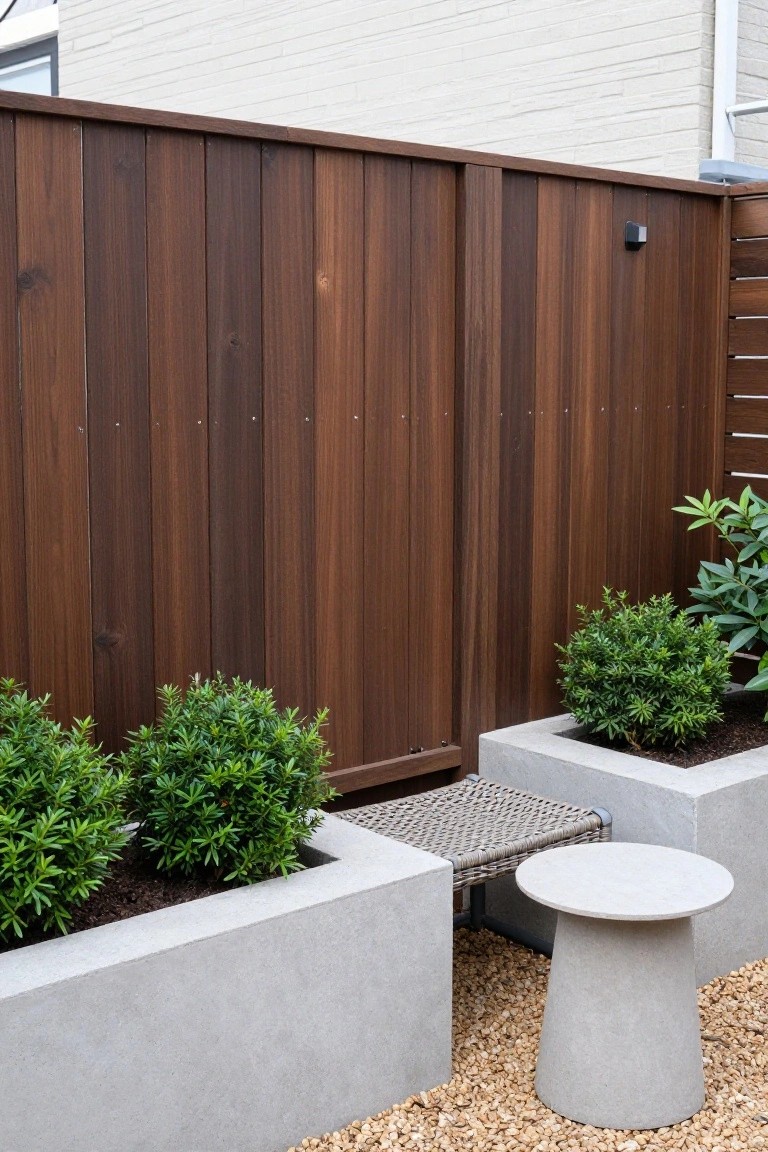
Placing raised planters right against a wood fence is a simple way to add greenery and soften the look of the fence. It turns a plain vertical surface into something more useful and inviting without a lot of extra work.
This setup works best in smaller yards where space is tight. Keep the planters a few inches away from the fence boards so air can move and the wood stays in good shape over time.
Add Lattice Sections to a Solid Wood Fence
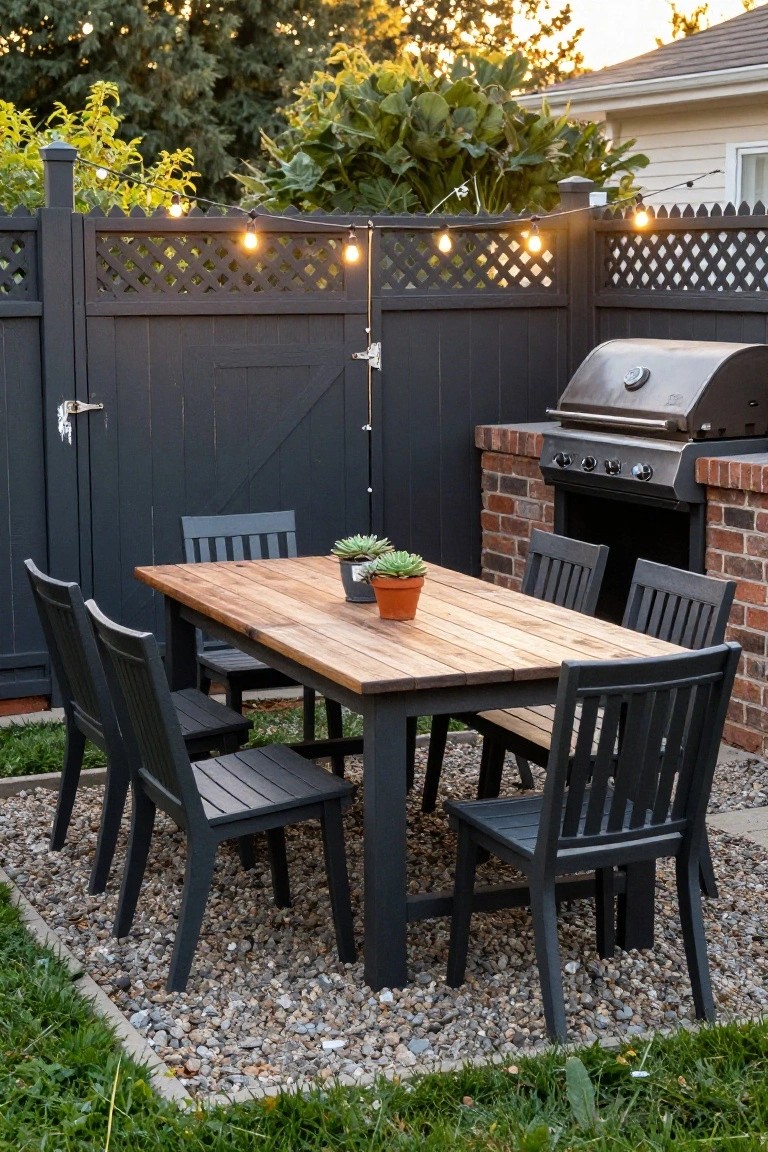
A fence built with solid lower panels and lattice across the top gives you real privacy at seating height while still letting some light and air through higher up. This mix keeps the yard from feeling boxed in but still blocks the view from neighbors or the street.
It works especially well along the back of a patio or dining area where you want a clean backdrop. You can also run string lights along the top edge without the whole fence looking heavy. Just keep the lattice pattern simple so it stays easy to build.
Mix Wood Tones on a Vertical Fence
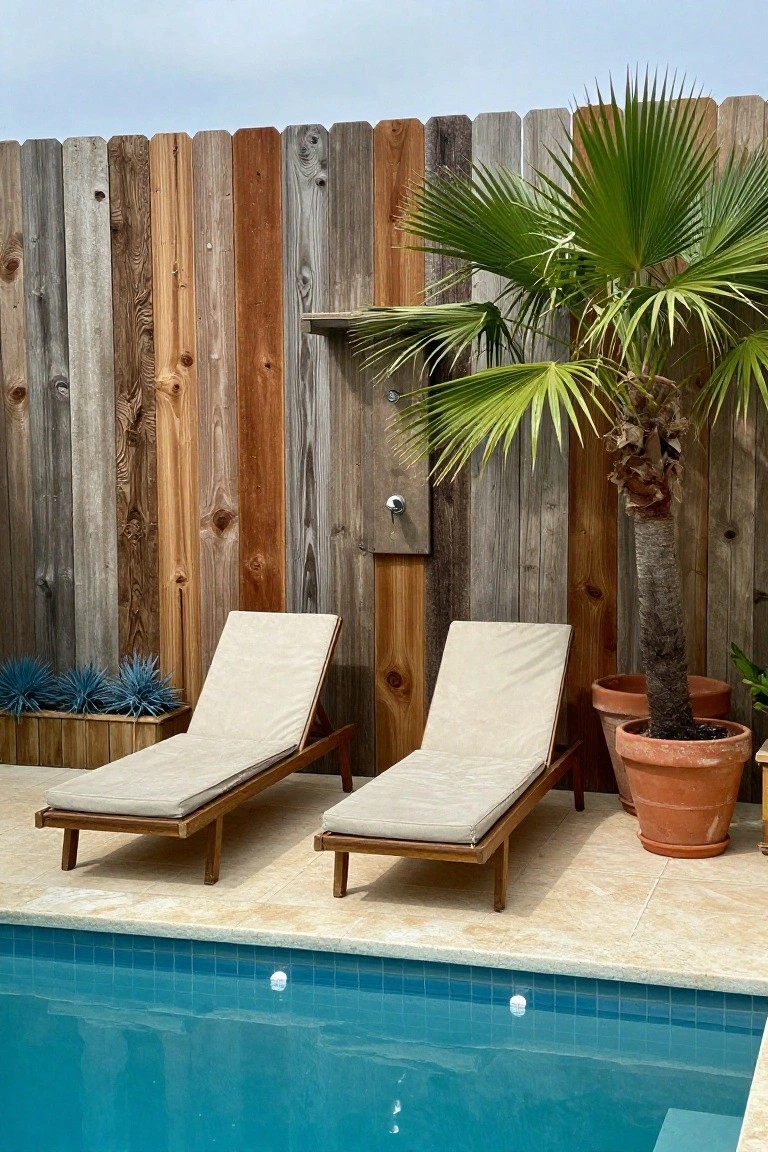
One simple way to give a basic fence more character is to use vertical planks in several different wood tones. The mix adds texture without needing extra trim or details, and it works especially well when the fence sits right behind a pool or seating area.
This approach suits beginner projects because you can use scraps or buy a few different stains to get the look. It works best in smaller yards where you want privacy but still need the space to feel open and bright.
Mount Planters on Your Wood Fence
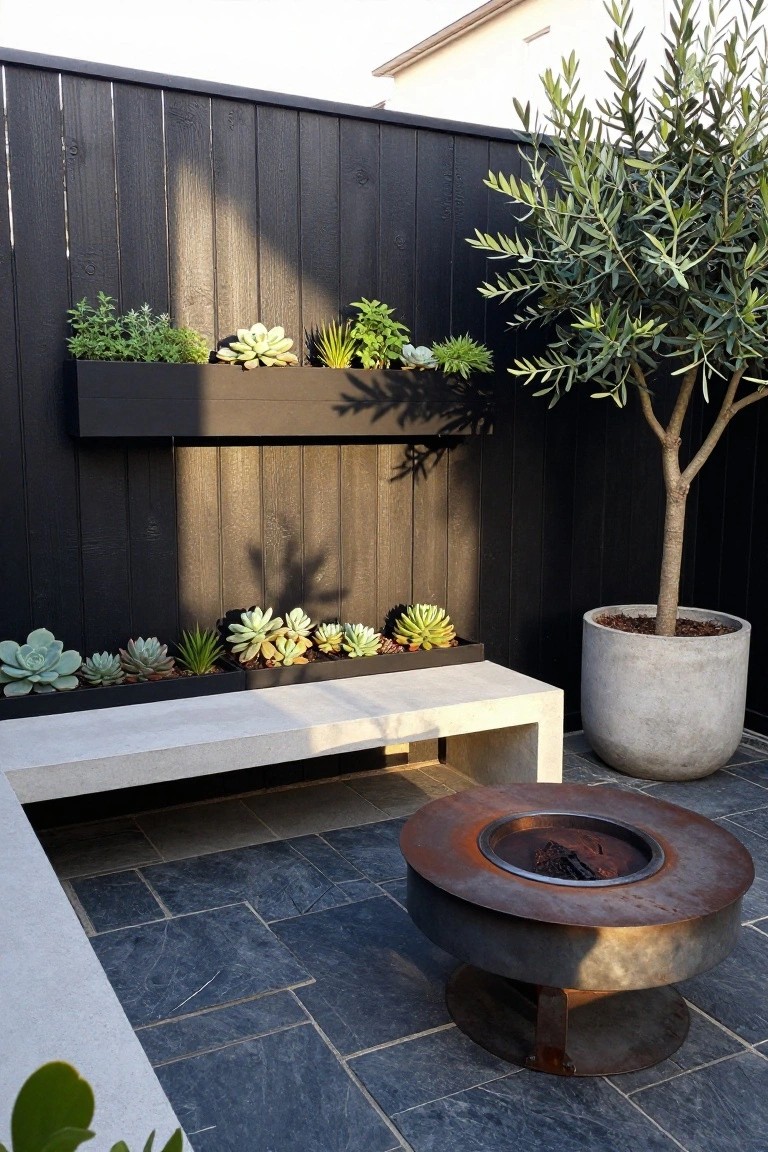
Mounting planters straight onto a wood fence gives you a simple way to add plants without losing floor space. The vertical boards make a clean backdrop, and the horizontal planters break up the look while keeping everything at a comfortable height for watering.
This works best on solid fences in smaller yards or patios. Use sturdy brackets, keep the planters fairly light, and choose plants that match your sun exposure so the setup stays low maintenance.
Paint a Picket Fence in Pastel Colors
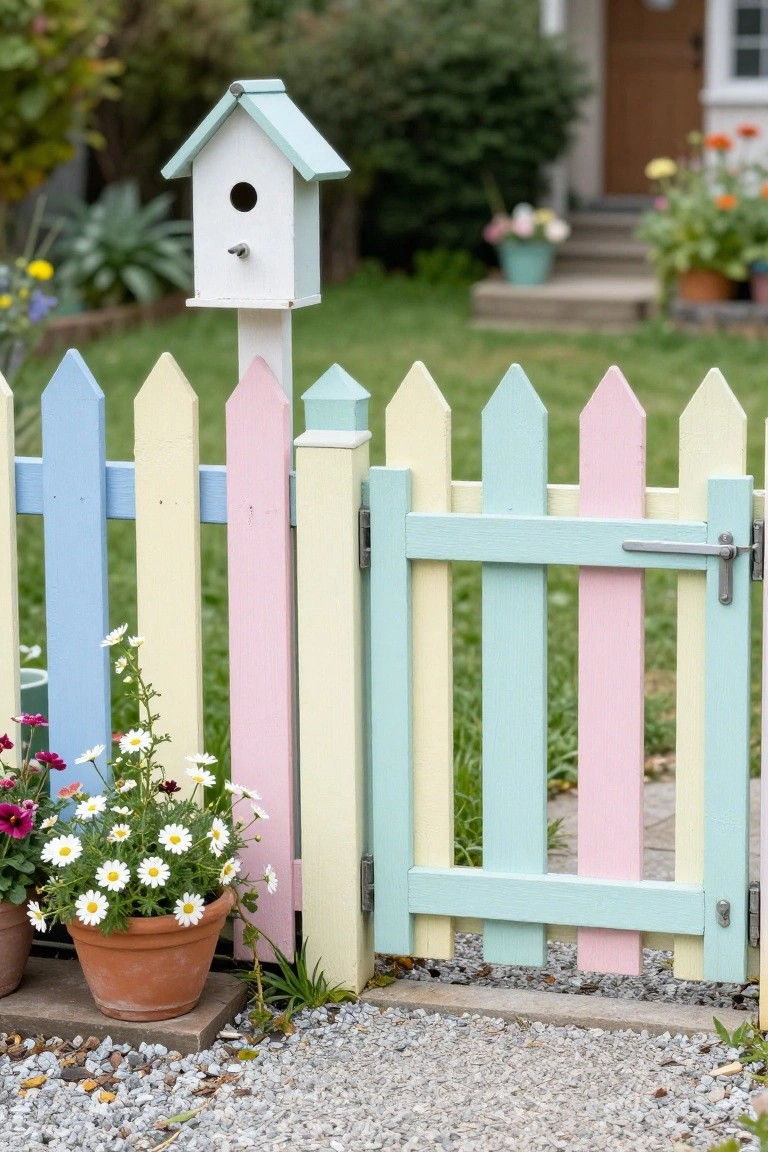
Painting each picket a different soft shade turns a basic fence into something more cheerful without adding much extra work. The look feels light and welcoming, especially when the fence sits near flowers or a garden path.
This idea works best on smaller yards or front borders where you want a bit of color but still need the fence to do its job. Stick to three or four shades that sit well together, and finish one section at a time so the project stays easy.
Bamboo Fencing for Quick Privacy
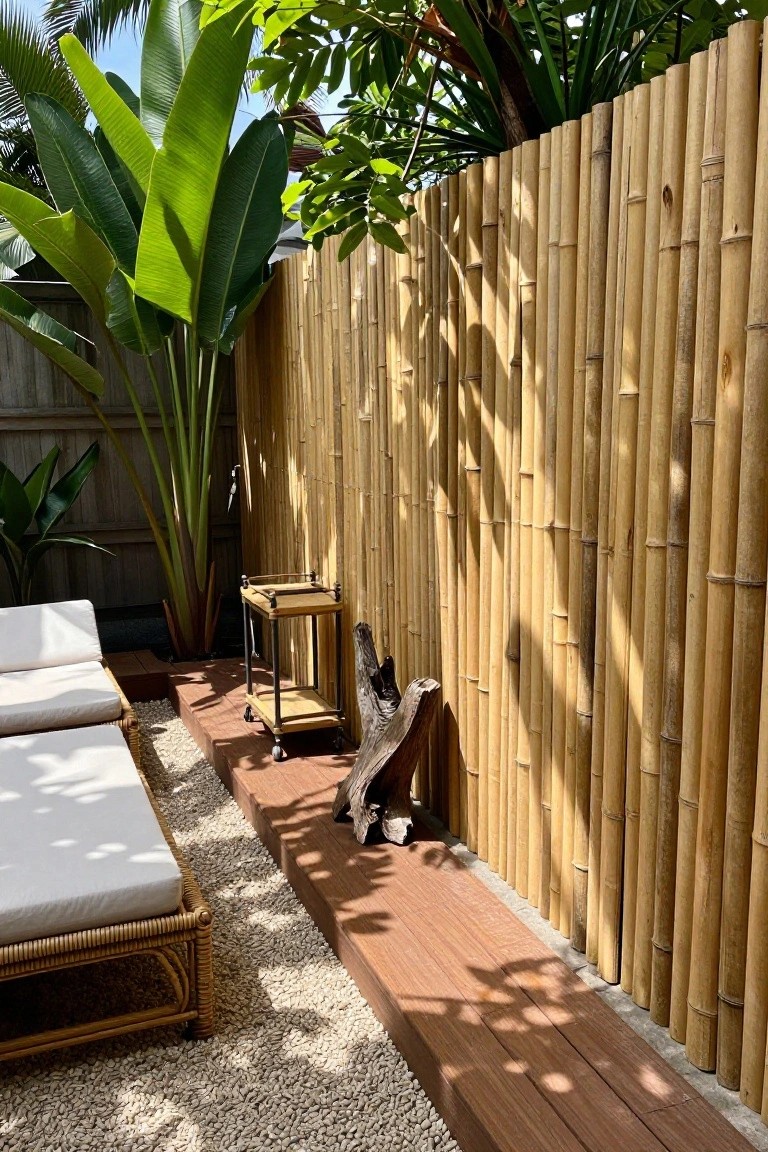
Bamboo fencing gives a solid screen that feels natural and still lets some light pass through. It works especially well when you want to block a view without building a heavy structure.
This approach suits a small deck or patio edge where you need privacy fast. Set the panels along the boundary and fasten them to posts so the whole thing stays steady in wind or rain.
Build a Planter Box Into Your Fence
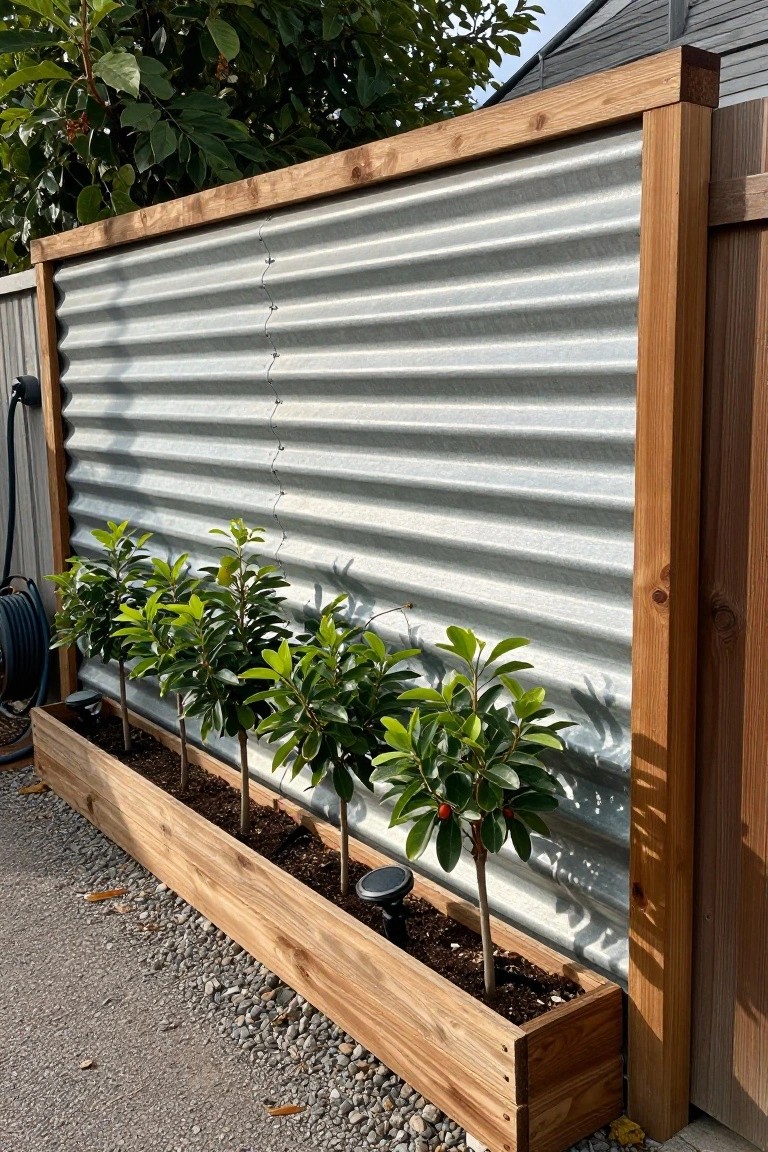
A planter box at the base of a fence gives you room to add plants without losing yard space. It also helps the fence feel less solid and more tied into the garden.
This idea works well along a side yard or back line where you want some greenery and a bit of privacy. Use sturdy wood for the box and make sure it has good drainage so the plants stay healthy over time.
Scalloped Tops on Wood Fences
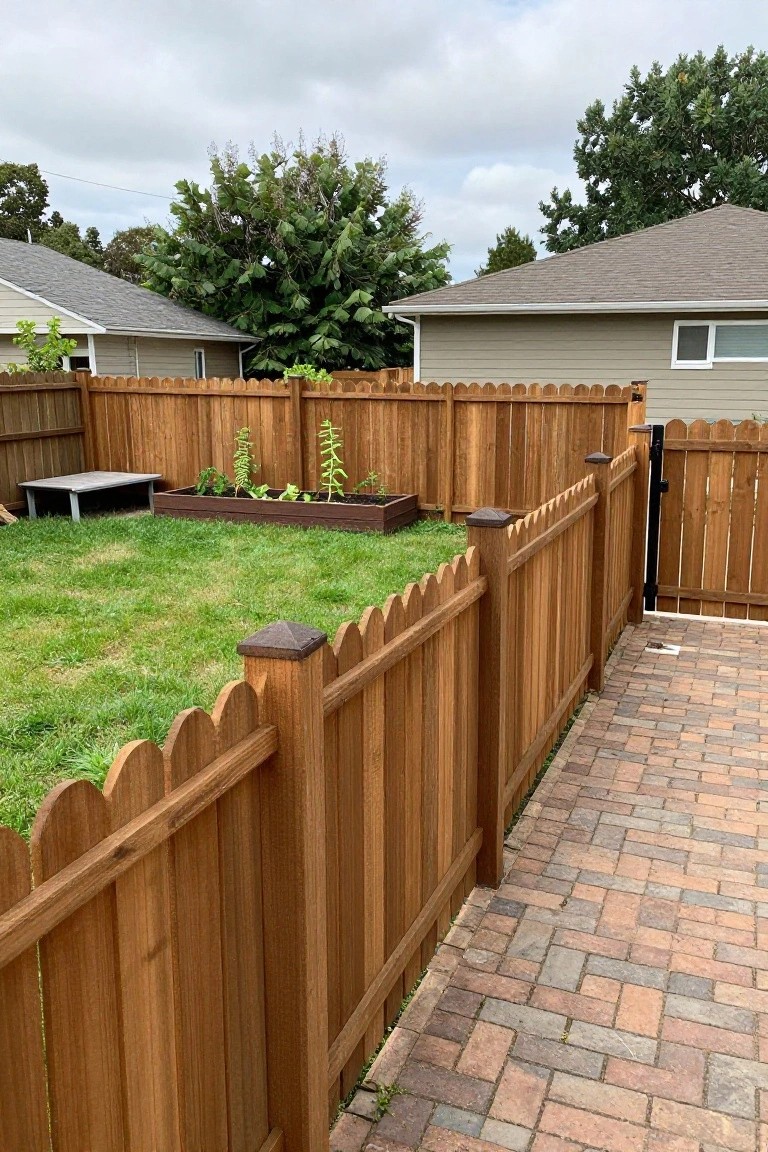
A scalloped top edge gives a standard wood fence a bit more shape without adding much extra work. It breaks up the straight line across the yard and still keeps the fence solid for privacy. Many people like it because the pattern is simple to mark and cut once you have the boards up.
This style works well on backyard fences that run along a garden or lawn edge. You can keep the rest of the fence basic with vertical boards and capped posts. Just watch your spacing so the scallops line up evenly from post to post.
Add Lattice to Your Fence for Hanging Plants
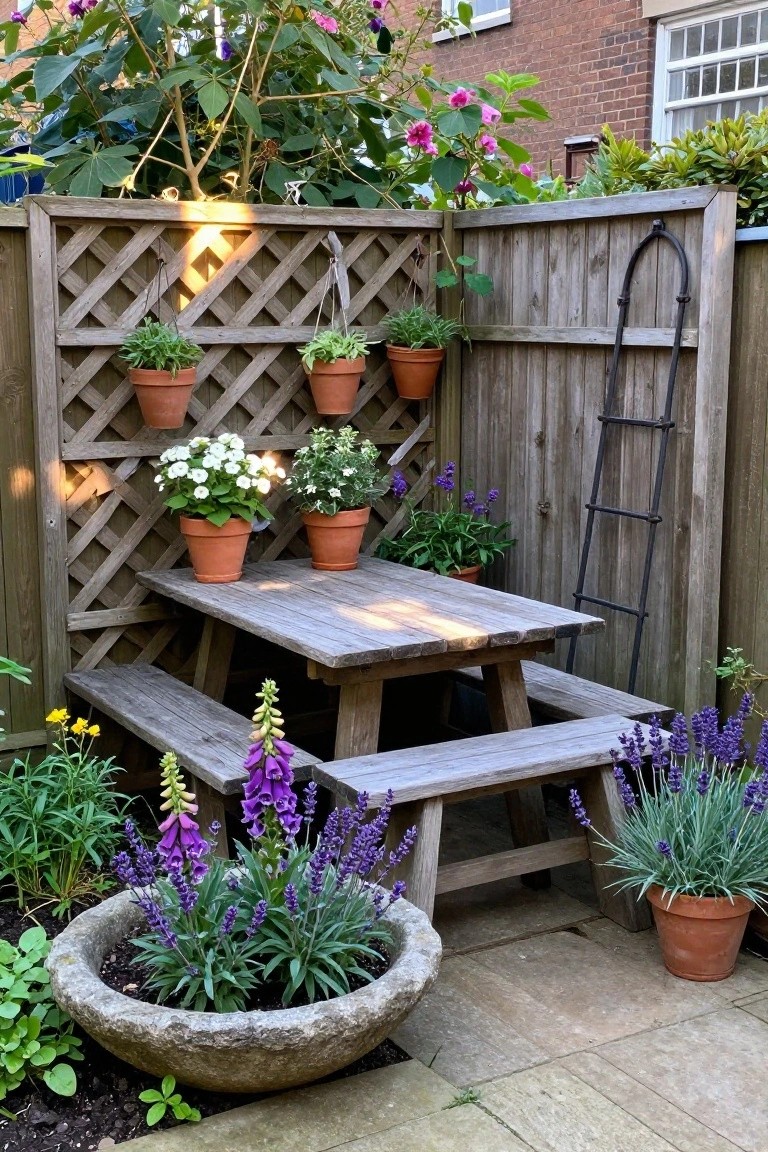
A simple way to make a basic wood fence more practical is to work in a few lattice panels. They create built-in spots for hanging pots, so you can add plants without extra trellises or brackets that might feel cluttered.
This setup works best along the edge of a patio or small seating area where you want some greenery at eye level. Just secure the lattice well to the posts and stick with lighter pots to keep the weight down over time.
Cross Bracing on a Simple Wood Gate
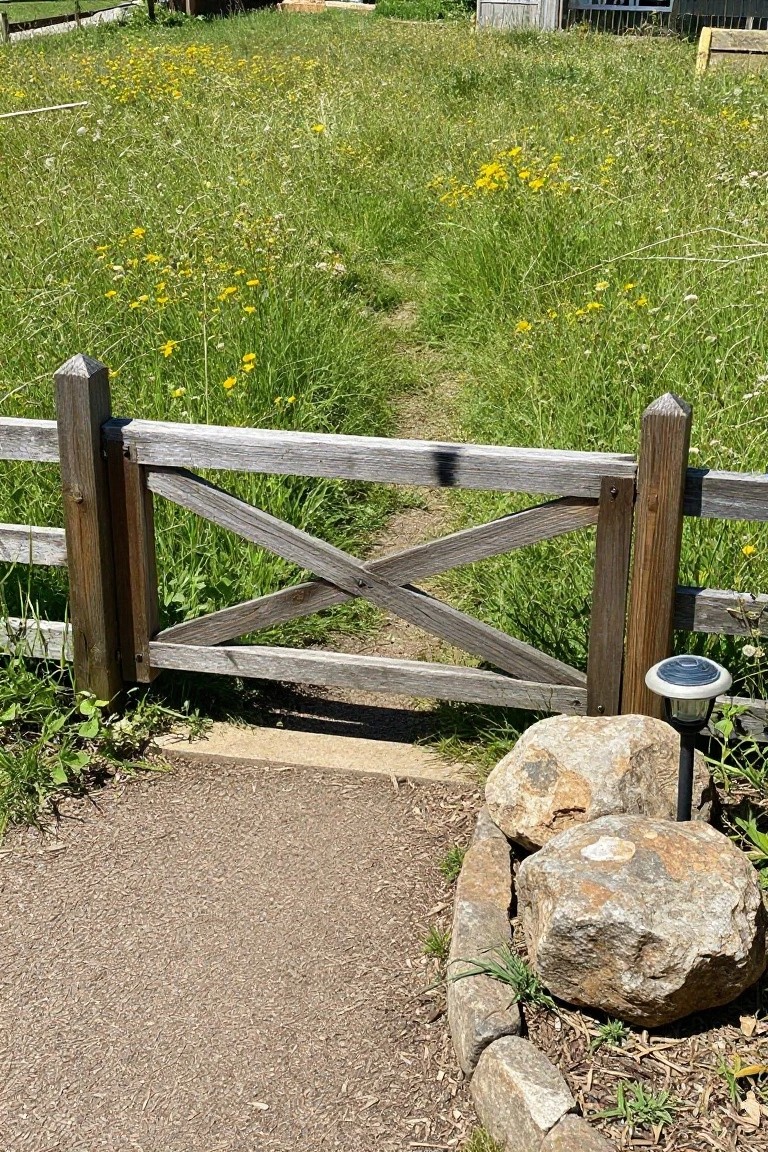
A crossed brace design on a wood gate adds strength without needing fancy hardware or extra supports. It keeps the gate from sagging over time, which matters when it sits at the start of a path that gets used often.
This approach works well in open yards or along garden edges where you want a clear boundary but nothing too polished. Use basic lumber, keep the boards rough, and let the wood weather naturally for a low-key look that fits most homes.
Vertical Wood Slats For Simple Patio Privacy
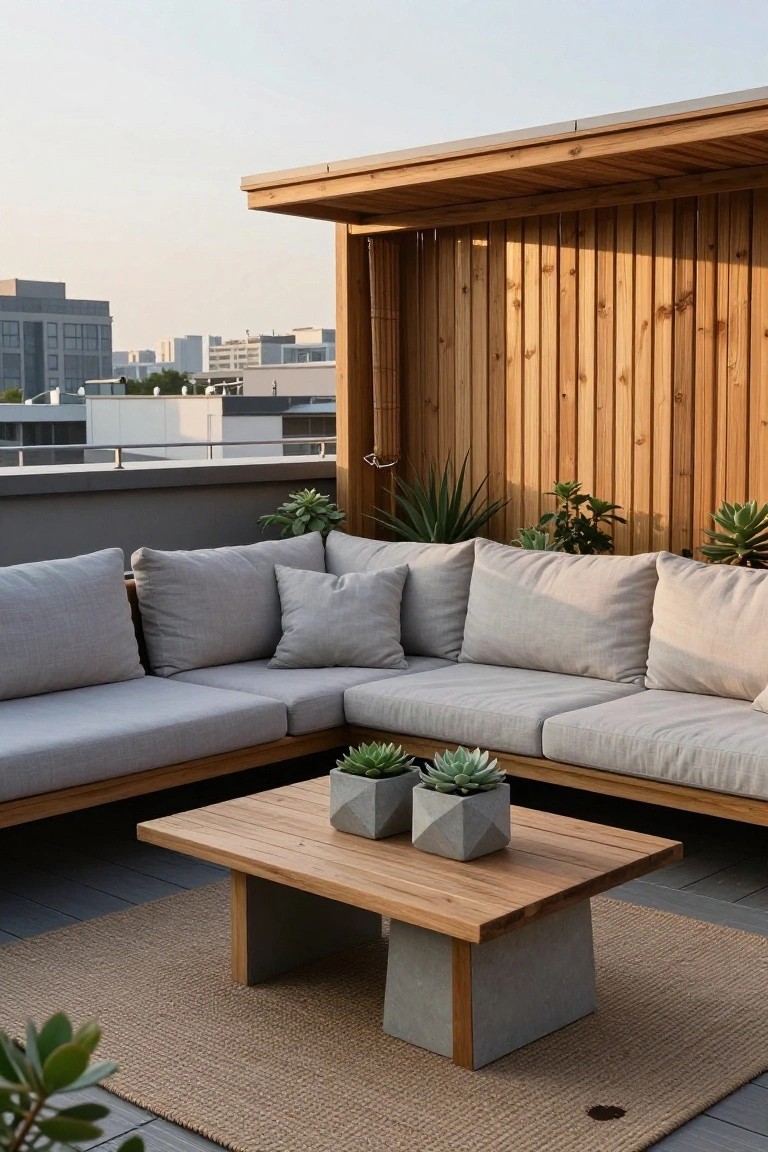
Vertical wood slats make a clean and practical way to add privacy to an outdoor seating area. They block the view from outside while still letting some air and light through, which keeps the space from feeling closed in. Many people like this look because it feels natural with wood furniture and works well on rooftops or decks where full walls would feel too heavy.
This approach suits beginner projects since the slats can be cut and attached one by one to a basic frame. It works best along the back or sides of a patio where you want to create a defined corner without losing the open feel of the rest of the space. Just make sure the wood is treated for outdoor use so it holds up over time.
Lattice on a Wood Fence for Climbing Plants
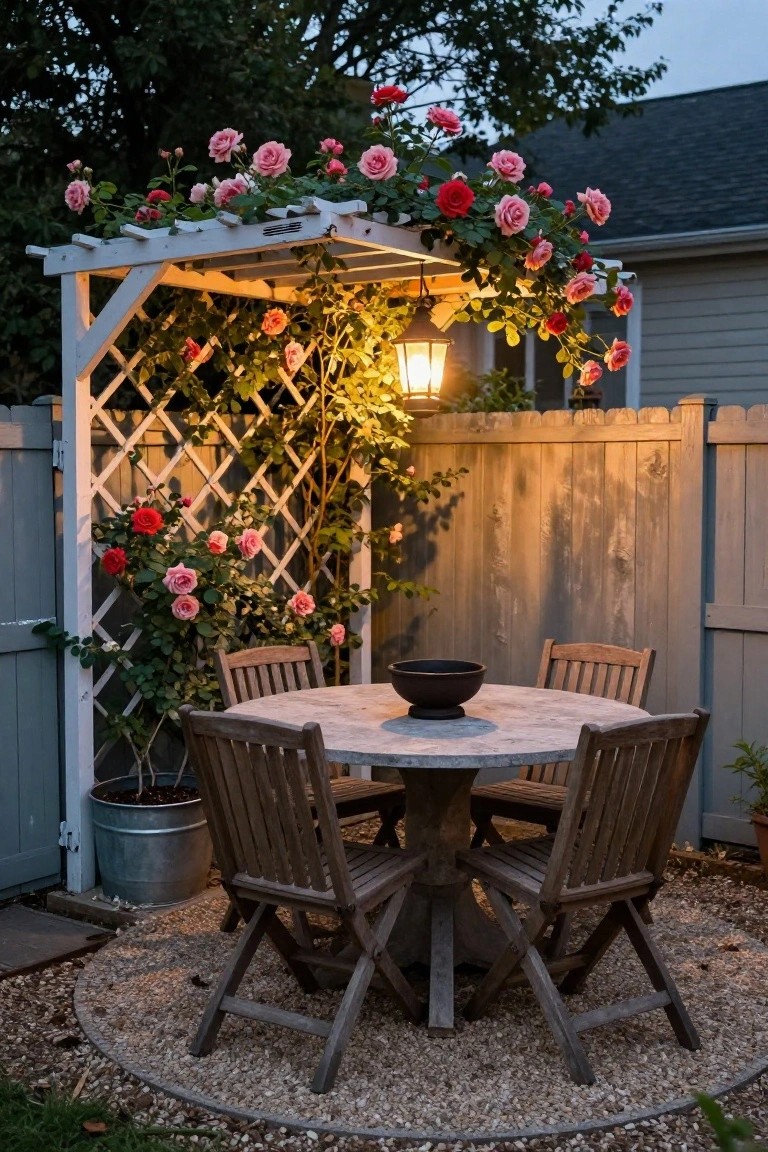
Many people add lattice sections to a plain wood fence because it gives vines a place to climb without needing extra structures. The plants fill in over a season or two and turn the fence into a living screen that feels softer and more private.
This idea works best along the back or side of a small yard where you want some cover but still need light and air. Use pressure-treated wood for the lattice so it lasts, and start with fast growers like roses or clematis if you want quick results.
A Simple Wood Fence Creates a Private Backyard Nook
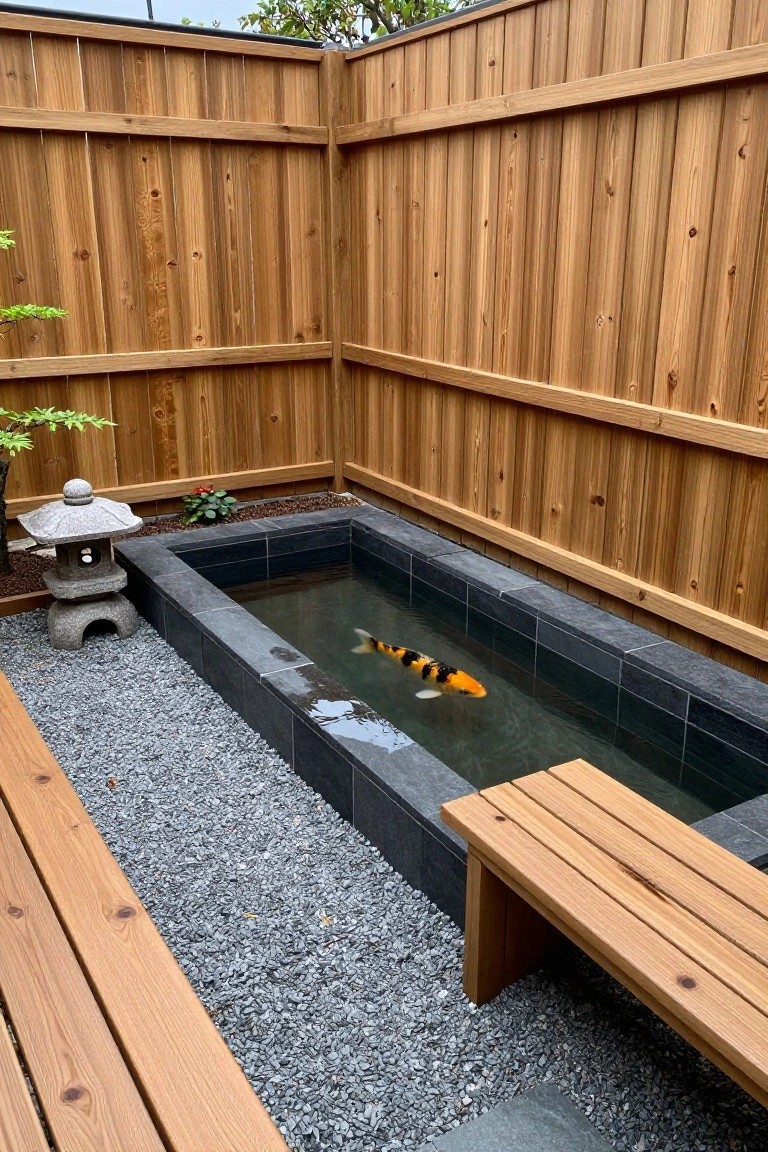
A tall wood fence like this one turns an ordinary corner into a quiet spot that feels separate from the rest of the yard. The vertical boards block the view from outside while still letting in some light and air. Many people like this setup because it gives a small space a sense of enclosure without needing a lot of extra structure.
This style works best in a compact yard where you want to add a pond or seating area. Keep the fence height consistent and use basic pressure-treated lumber if you are new to building. Just make sure the posts are set deep enough so the fence stays solid over time.
Add a Corkboard to Your Fence
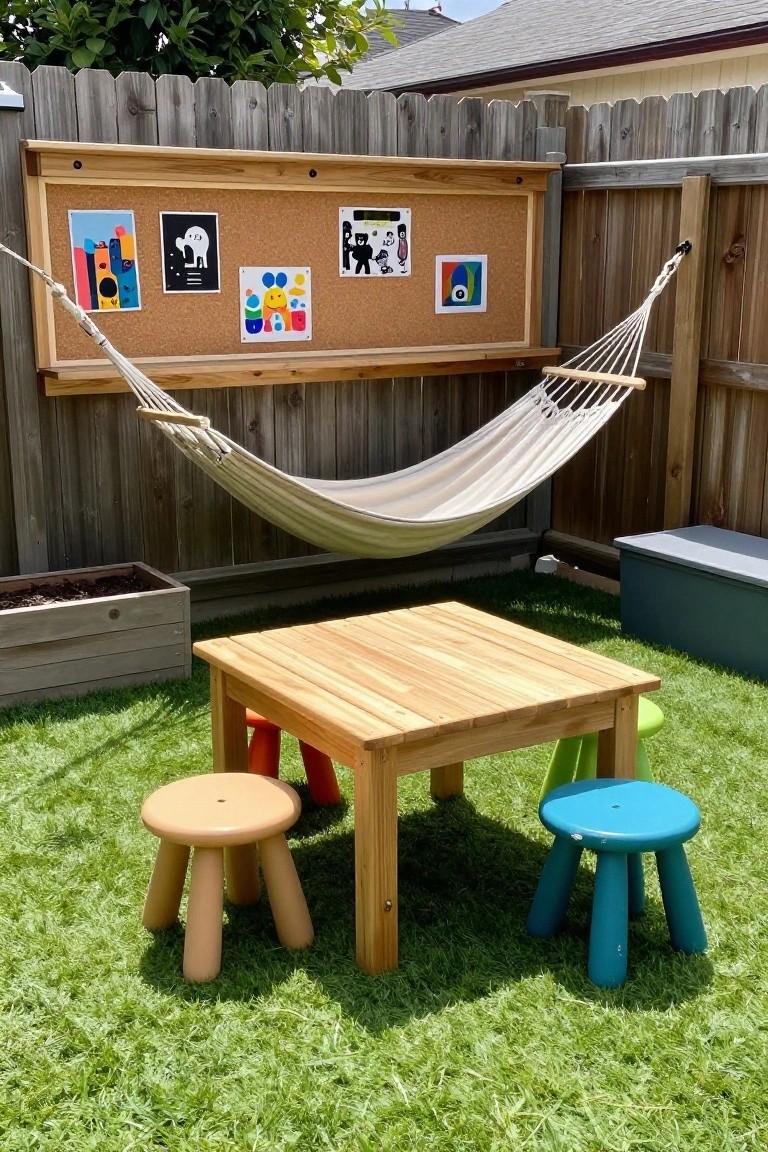
Mounting a large corkboard directly onto a wood fence gives you an easy way to create a display area without taking up extra yard space. The board turns the fence into a useful spot for pinning up kids’ art or notes, and it keeps everything at a good viewing height.
This setup works best along one side of a play area or patio where the fence already acts as a boundary. Use outdoor-rated materials and secure the frame well so it stays in place through weather changes.
Add a Gabion Base to Your Wood Fence
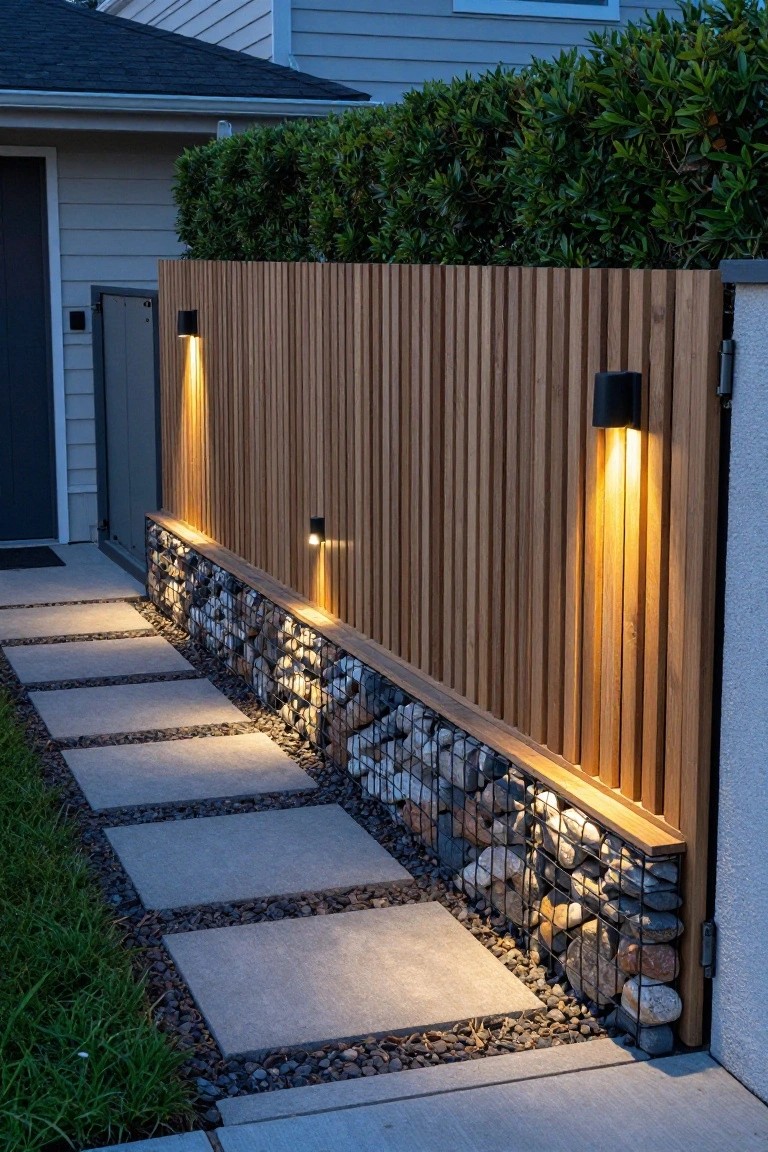
A gabion base under vertical wood slats gives the fence real weight and keeps it steady without needing deep footings. The wire cages hold stones in place and create a clean lower section that contrasts nicely with the wood above.
This works best along side yards or property lines where the ground stays fairly level. Fill the baskets with whatever local rock is easy to get, then screw the boards to a simple top frame once the base is set.
Build Corner Seating Into a Wood Fence
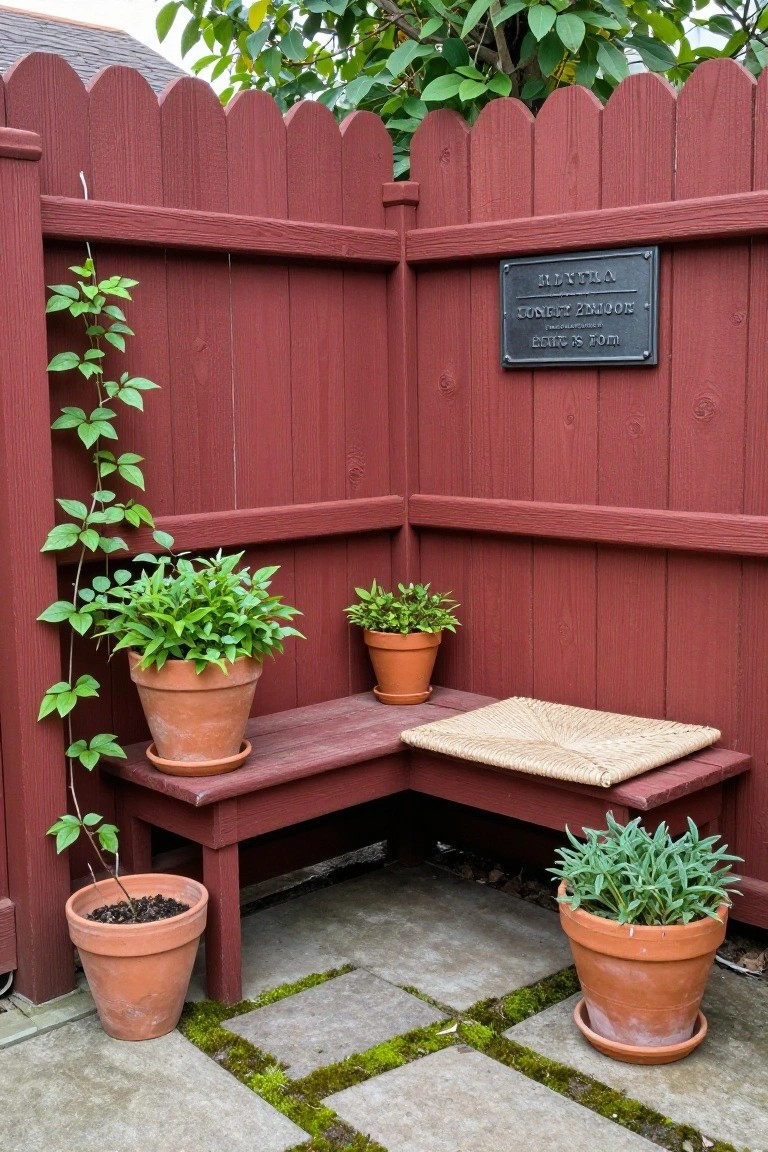
A simple bench tucked into the fence corner turns an empty spot into usable seating. It uses the fence itself as the back so you avoid adding extra furniture that takes up ground space.
This setup works best in smaller yards or along side paths where you want a place to sit without much construction. Frame the bench with the same lumber as the fence and keep the seat low enough to feel sturdy.
Hang Planters From Your Fence
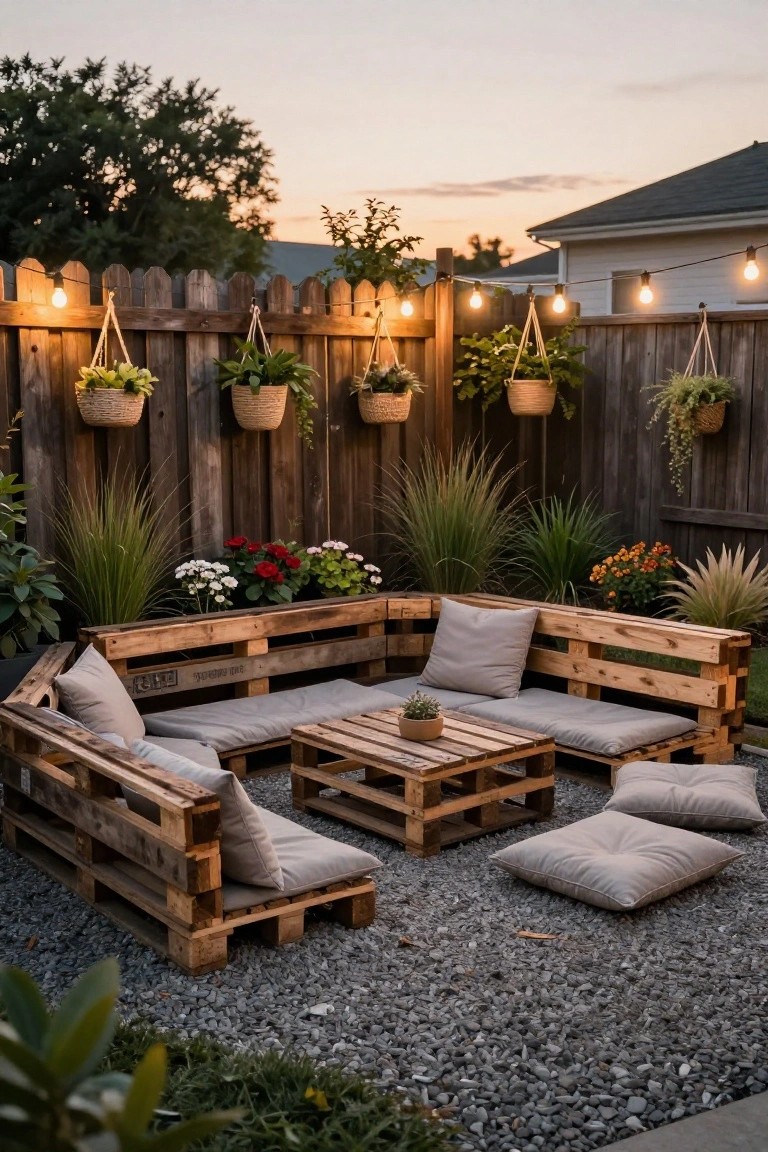
A wood fence works well as a place to hang planters because it already gives you a solid vertical surface. This setup adds greenery right where you need it most, right behind a seating area, without taking up extra ground space.
It works best on a fence that faces your main outdoor spot, like a patio or gravel lounge area. Use simple hooks or brackets so you can swap plants easily, and keep the weight in mind if your fence boards are older.
Mix Wood Fencing With Glass Blocks
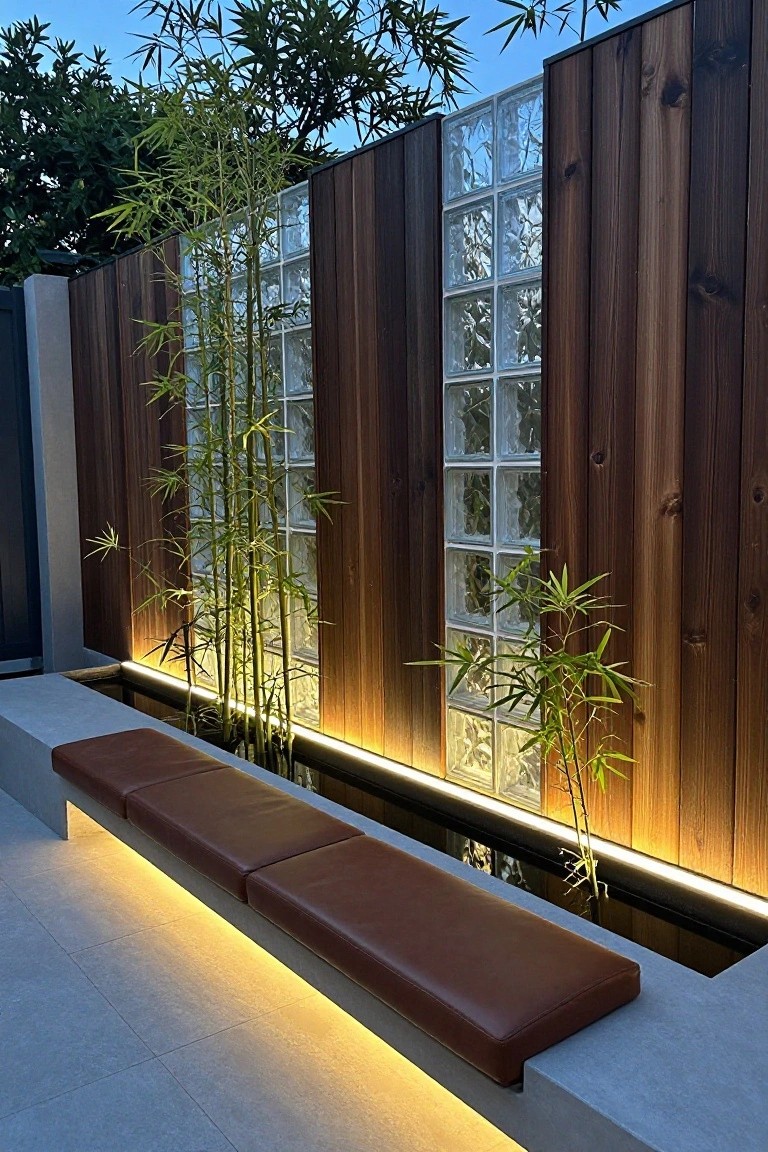
Many people add glass blocks into a wood fence because it breaks up the solid surface without losing much privacy. The blocks let light pass through and give the fence a lighter look, especially when lit from behind at night.
This works best along a patio or narrow side yard where you want separation but still some openness. Keep the wood simple and vertical so the blocks stand out without needing fancy cuts or extra trim.
Frequently Asked Questions
Q: What wood should I pick for a fence that gets lots of sun? A: Cedar holds up well without much fuss. Treat it with a good sealant every couple of years to keep it from cracking.
Q: Do these fence ideas need a concrete base for the posts? A: You can set posts in gravel for most simple designs. Dig deep enough and pack the dirt tight around them.
Q: How soon after building do I need to worry about maintenance? A: Check the fence after the first winter. Tighten any loose boards before they cause bigger problems.
