

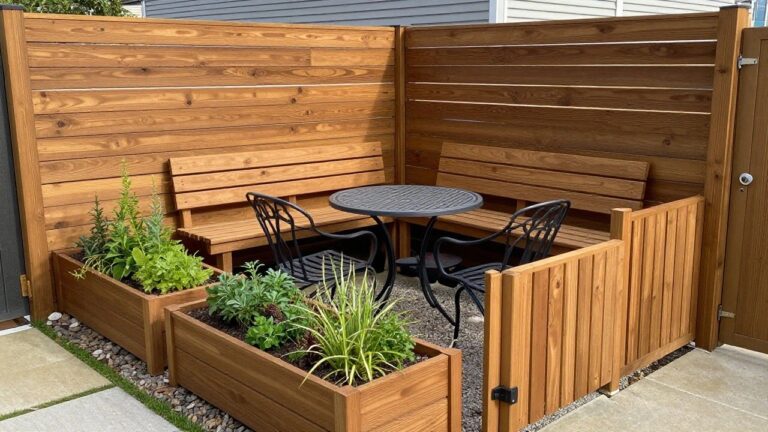
When I think about turning a backyard into a place where we actually spend time, the fence often sets the tone for how private and comfortable the whole area feels.
A wood fence can block wind or noise in ways that make sitting outside more appealing on regular days, not just special occasions.
Not every pretty fence works for daily life.
The key is finding options that balance looks with simple maintenance so the yard stays inviting over the years.
I usually start by testing ideas against how my own family moves through the space each afternoon.
Build A Bench Into Your Fence
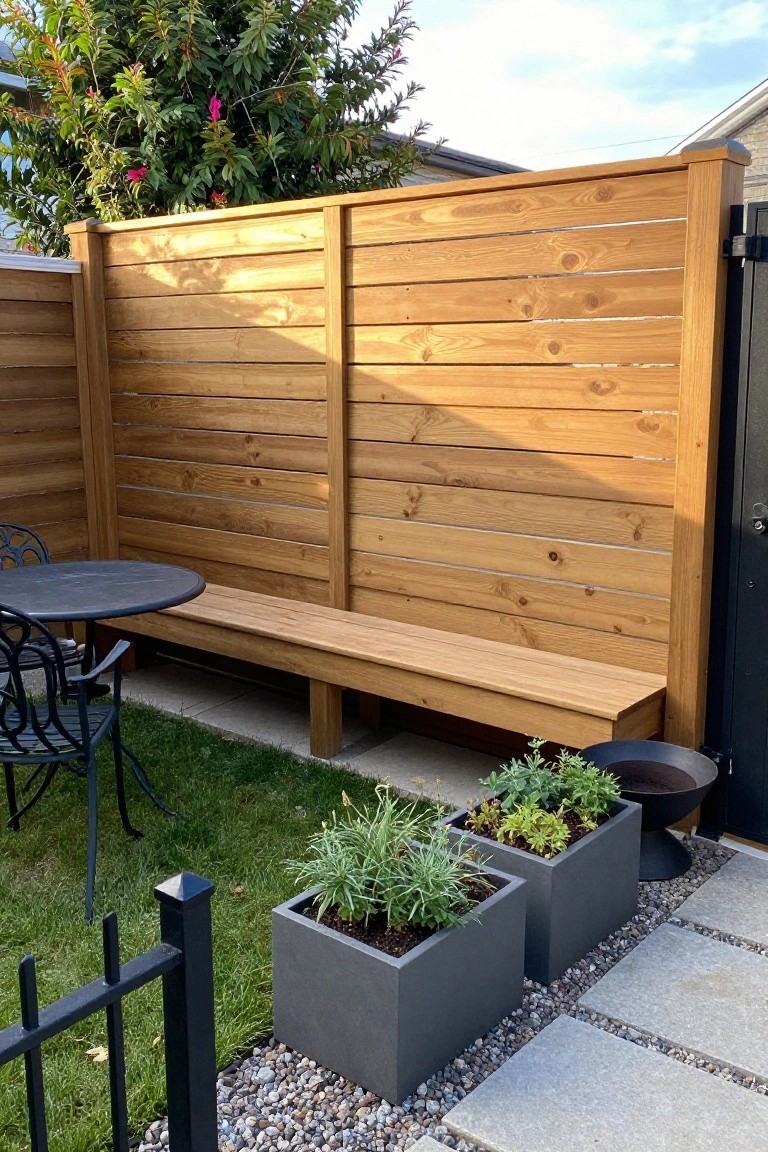
Running a bench along the base of a fence turns the structure into something you can actually use every day. It adds seating without crowding the yard or requiring extra furniture that needs to be moved around.
This setup works best along a straight fence line next to a patio or path. It suits smaller backyards where space is limited and you want a simple place to sit without adding clutter. Make sure the bench is well supported and sealed for weather if you plan to leave it out year round.
Supporting a Pergola with a Wood Fence
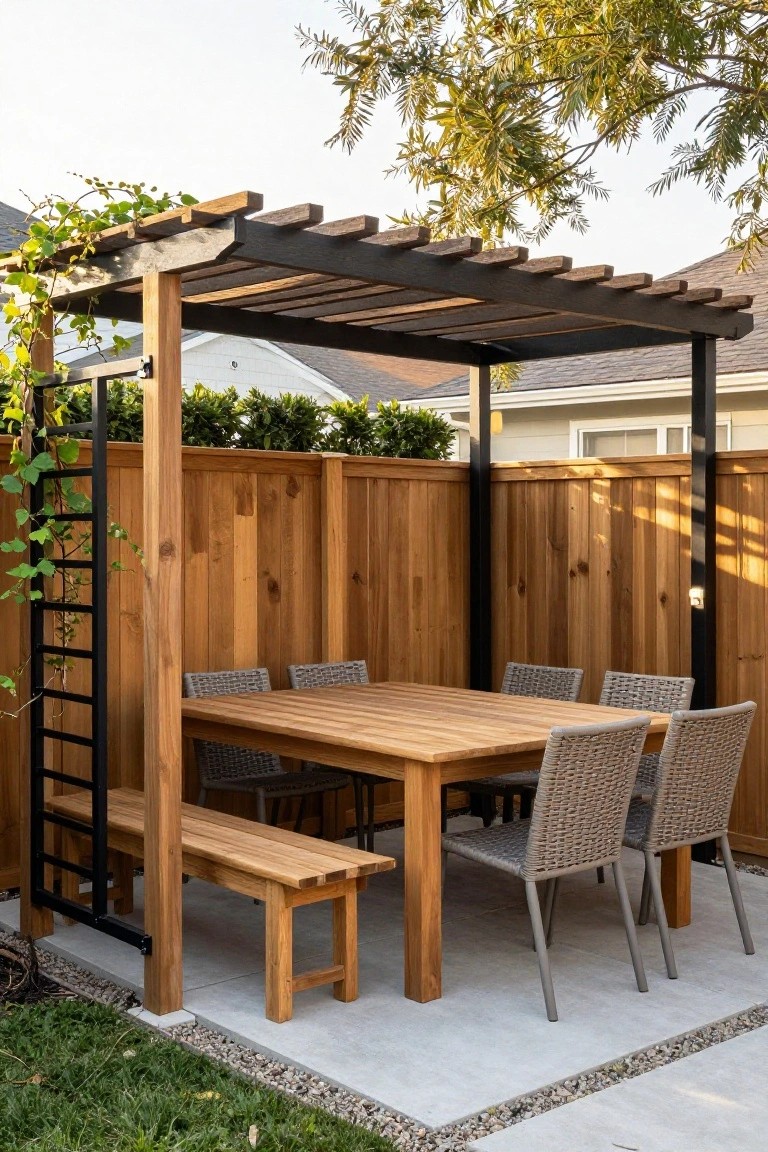
Many backyards already have a solid wood fence in place, so adding a pergola right against it makes good use of what is there. The fence gives the structure something to attach to, while the pergola creates a clear overhead frame for shade and a sense of enclosure.
This setup works best in average-sized yards where you want a simple outdoor dining area without building a separate frame from scratch. Just check that the fence posts can handle the added load, and keep the pergola depth modest so the space still feels open.
Use Gravel for an Easy Outdoor Dining Spot
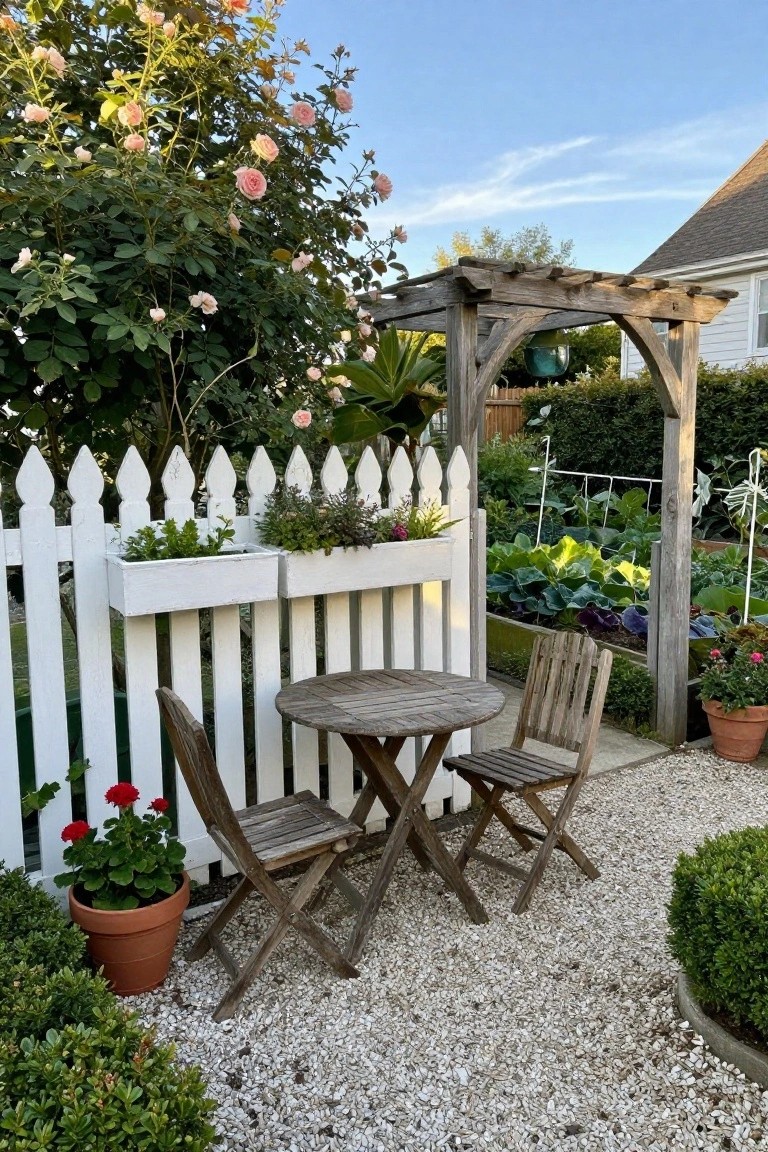
A gravel surface lets you set up a small table and chairs right beside the fence without pouring concrete or building a full deck. It drains well, stays fairly level, and gives the area a relaxed feel that suits everyday meals or morning coffee.
This layout works best in modest backyards where space is limited. Keep the furniture simple and movable so you can rearrange it when needed, and make sure the gravel layer is thick enough to stay comfortable underfoot.
Add a Counter Along Your Fence
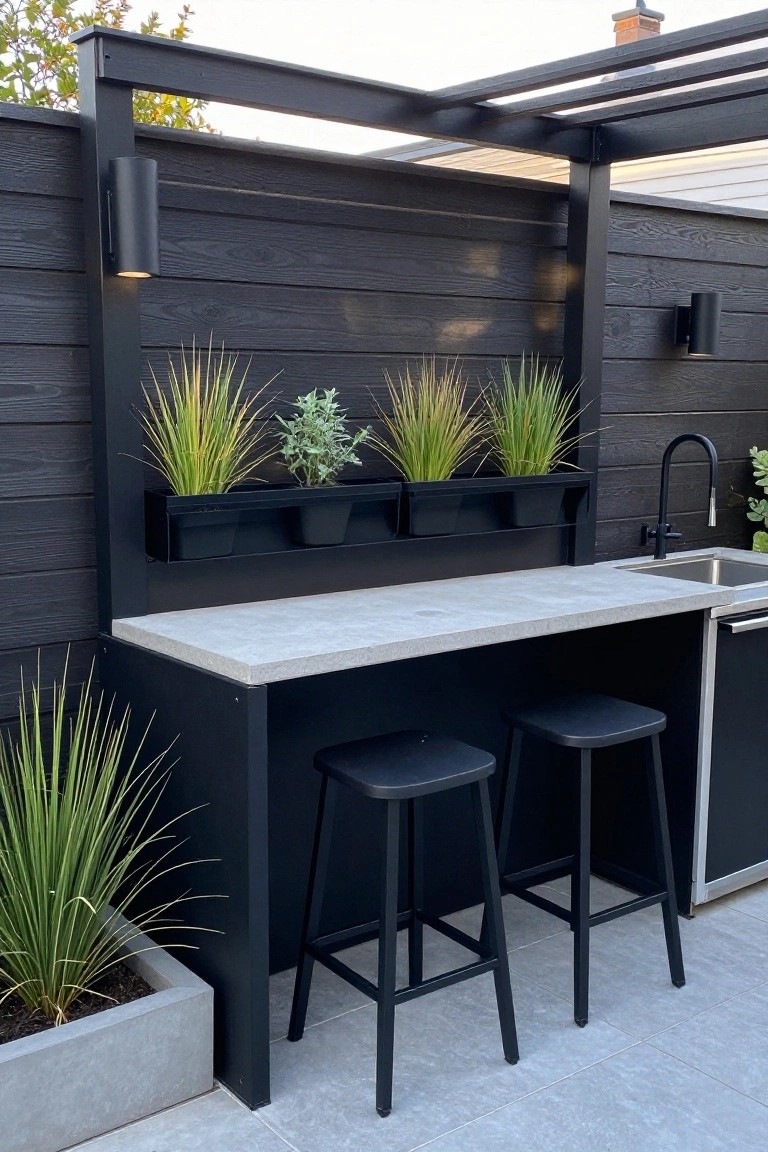
Many backyard fences already sit at a useful height for seating, so adding a simple counter turns that space into a spot for drinks or quick meals. It keeps everything in one place instead of spreading furniture across the yard.
This setup works best on straight fence sections where you can mount the counter securely and add a couple of stools. Just check that the surface material holds up to weather and that the stools tuck in neatly when not in use.
Adding Curtains To A Wooden Structure For Privacy
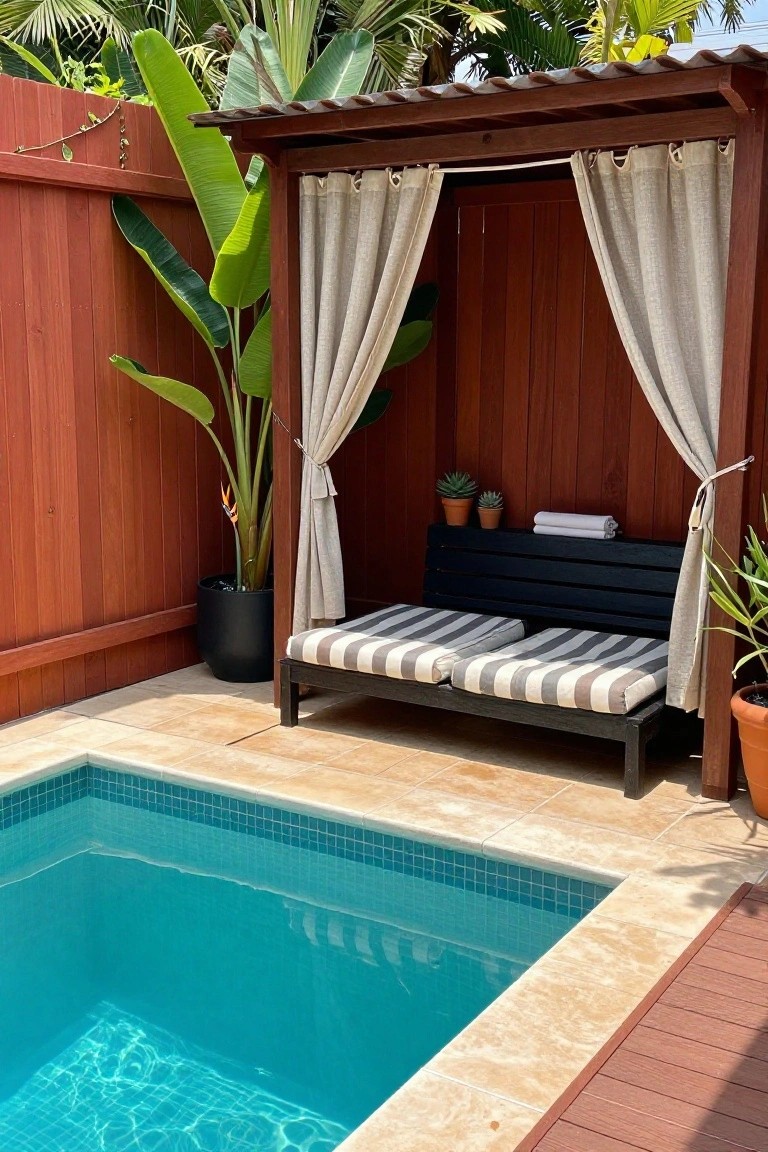
Many backyards feel more usable when you add a simple way to create a sheltered spot. Curtains on a wood frame give you shade and a bit of separation from the rest of the yard without building full walls.
This setup works best next to a pool or on a patio where you want one area to feel a little more private. Use outdoor fabric and make sure the wood frame is anchored well so it holds up in wind.
Place an Outdoor Kitchen Along a Wood Fence
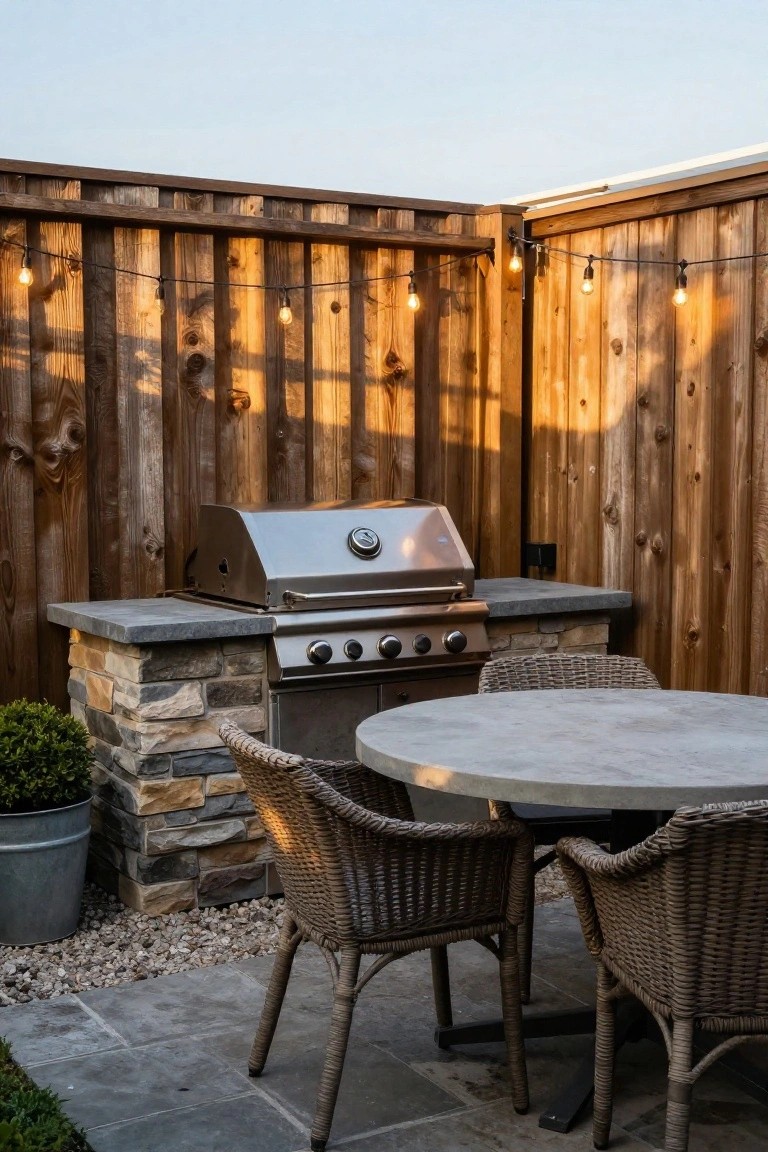
A wood fence gives you a ready-made back wall for an outdoor kitchen. It turns the edge of the yard into a useful spot instead of leaving it empty. The fence also adds a bit of privacy so the cooking area feels more like part of the house.
This setup works best in smaller yards where you want to keep the main lawn open. Keep the counter height low so the fence still shows above it, and add simple string lights along the top if you want the space to feel finished after dark.
Wood Fencing That Creates a Private Outdoor Lounge
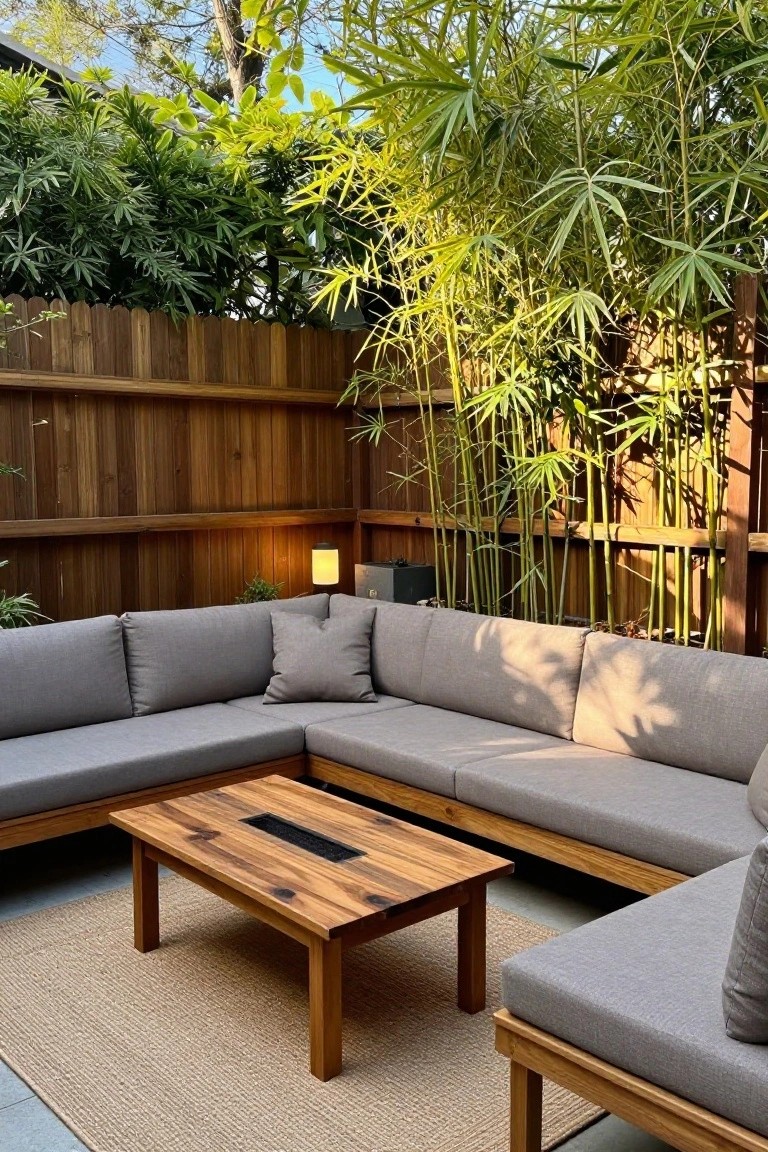
A tall wood fence around a seating area gives the space a clear sense of privacy without feeling closed in. It blocks views from neighbors and turns an open patio into a spot that feels more like a separate room outside.
This approach works best in smaller backyards where you want one defined zone for daily use. Pair the fence with a few taller plants along the base to soften the look and keep the enclosure from feeling too stark.
Define a Play Area with Low Wood Borders
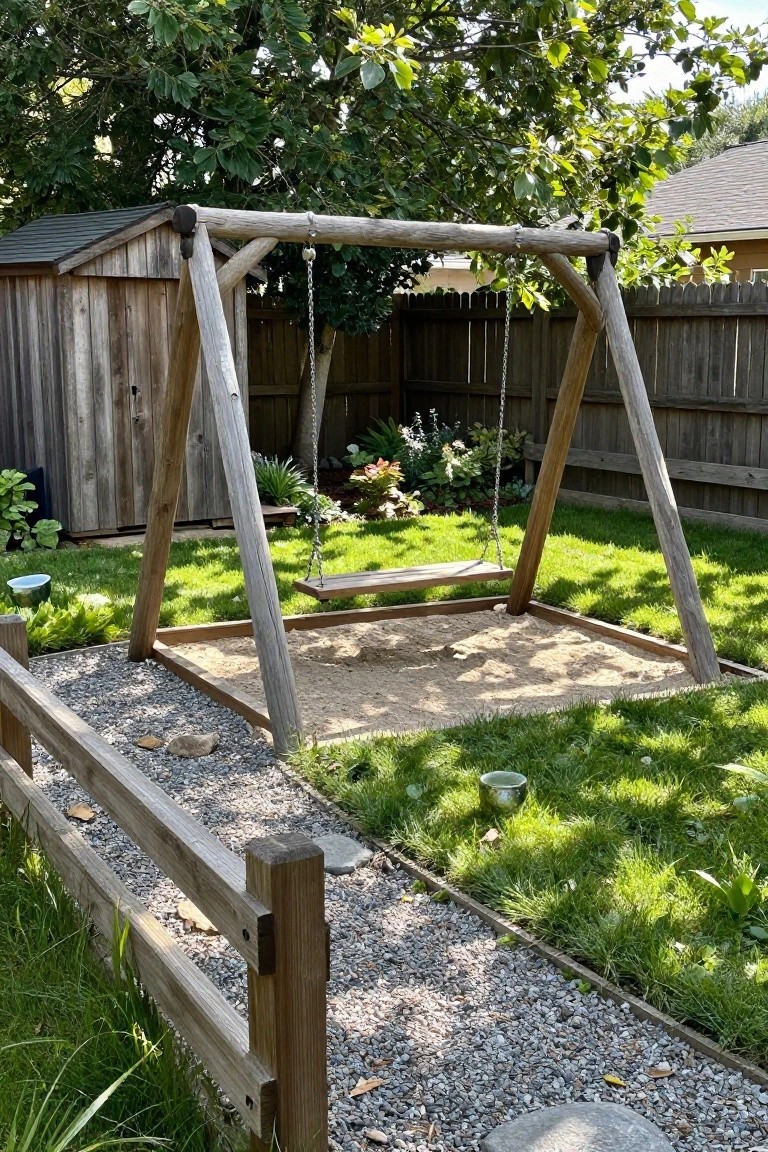
A low wood border around a sandbox or swing set keeps everything contained and makes the space feel intentional. It stops sand from spilling onto the grass and gives kids a clear spot to play without the whole yard turning into a mess.
This works especially well in average-sized yards where you want the play zone to blend with the fence rather than stand out. Match the border wood to your fence for a simple, cohesive look that stays low maintenance over time.
Run a Planter Box Along the Base of Your Fence
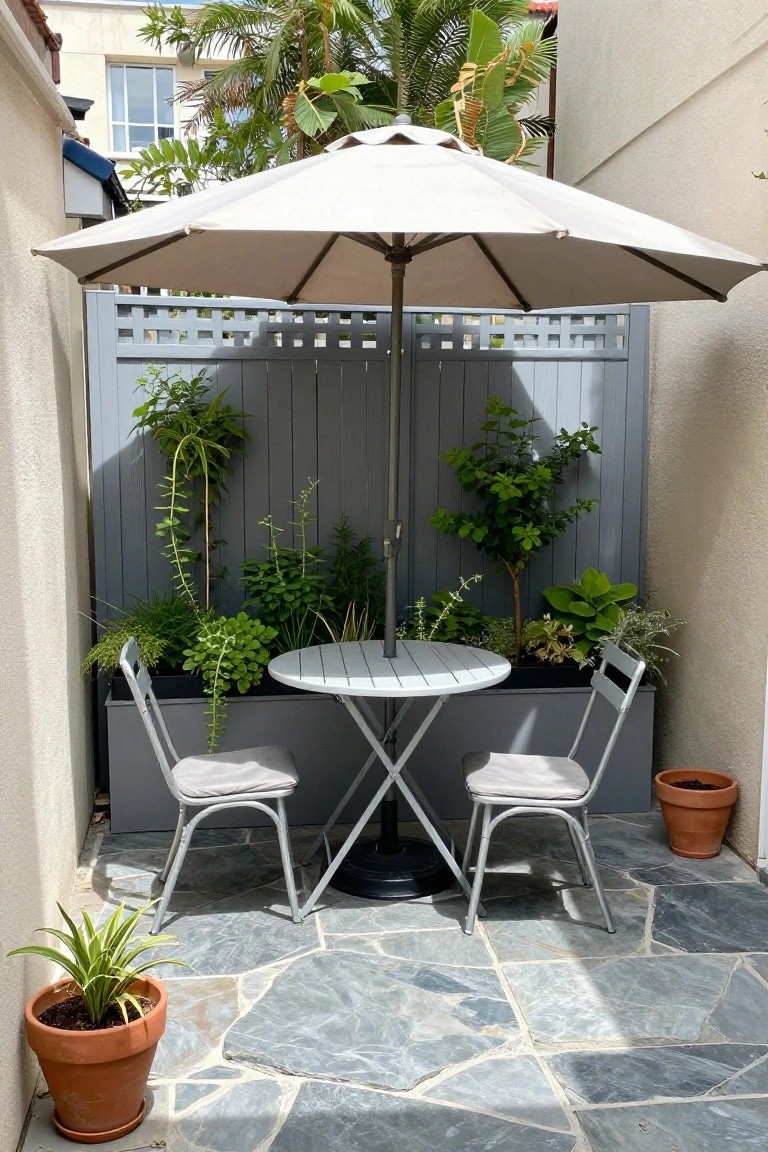
A long planter tucked right against the fence gives you privacy without needing a tall solid wall. It softens the wood and turns the fence into a green backdrop that makes a small patio feel more like its own room.
This setup works best in narrow yards or side spaces where you still want room to move around the table and chairs. Keep the plants simple and mix a few taller ones with trailing varieties so the fence does not feel bare once things fill in.
Create Privacy with a Tall Wood Fence
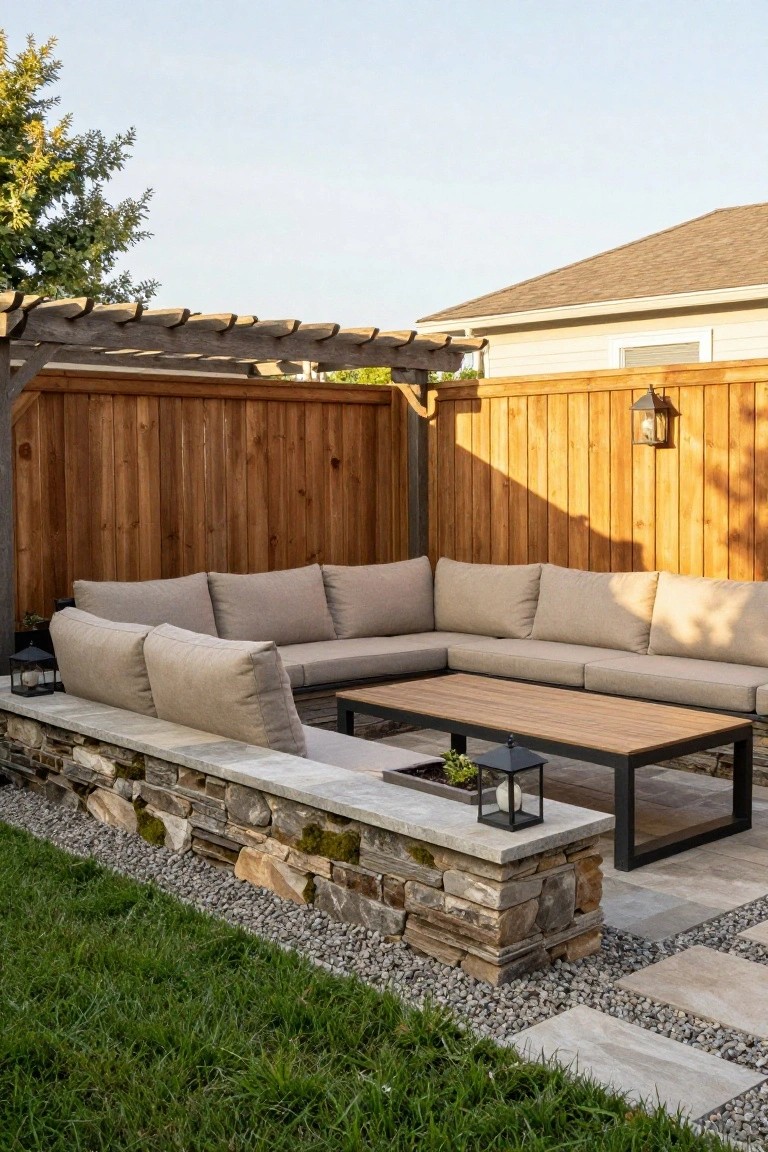
A tall wood fence turns an open patio into a space that feels more like an outdoor room. It blocks views from the sides and gives the seating area a sheltered feel that makes it easier to spend time outside without distractions.
This approach works well in regular suburban yards where neighbors are close. Set the fence at about six feet and run simple seating along the base so the whole area stays practical and low maintenance.
Wood Fencing to Create Private Outdoor Rooms
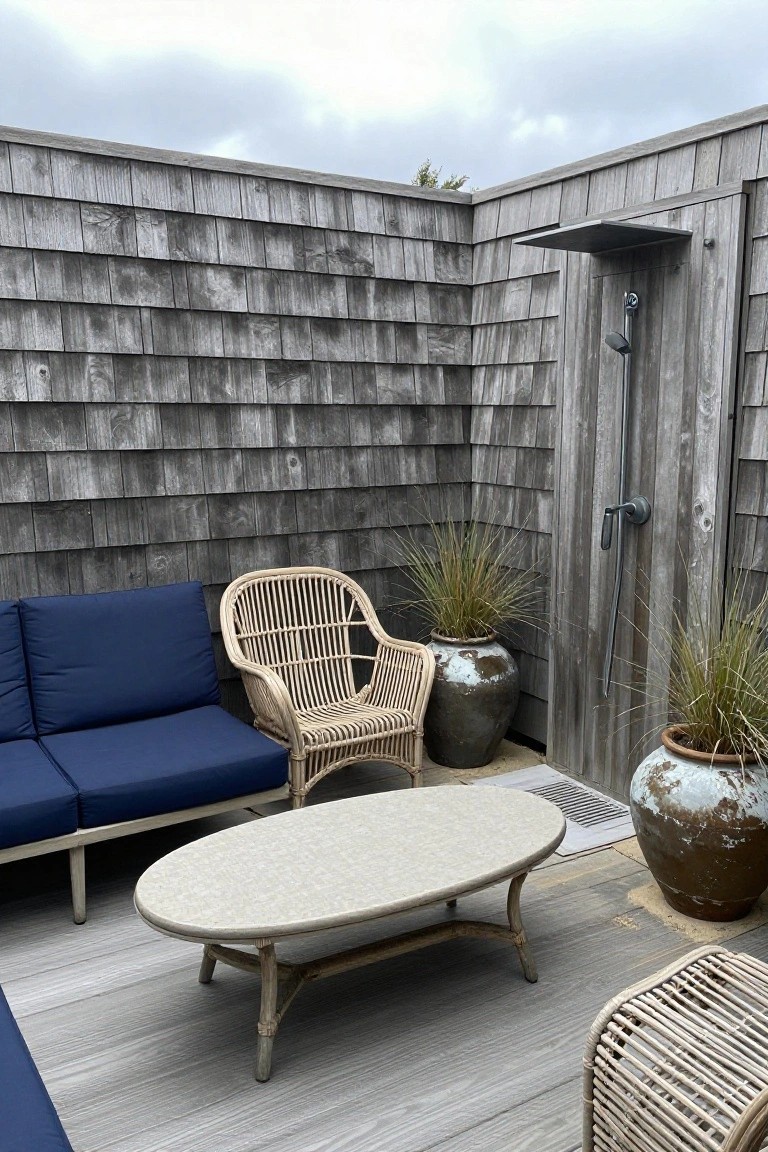
Tall wood fencing can turn a simple deck corner into a more private spot for daily use. It blocks views from outside while still letting the space feel open to the sky, which makes it easier to add seating or even a shower without feeling exposed.
This works best in smaller yards or along the side of a house where you want a defined area for relaxing. Use the same weathered wood on the fence and deck to keep things simple, and leave room for drainage so the space stays practical through different seasons.
Enclose a Corner for Fire Pit Seating
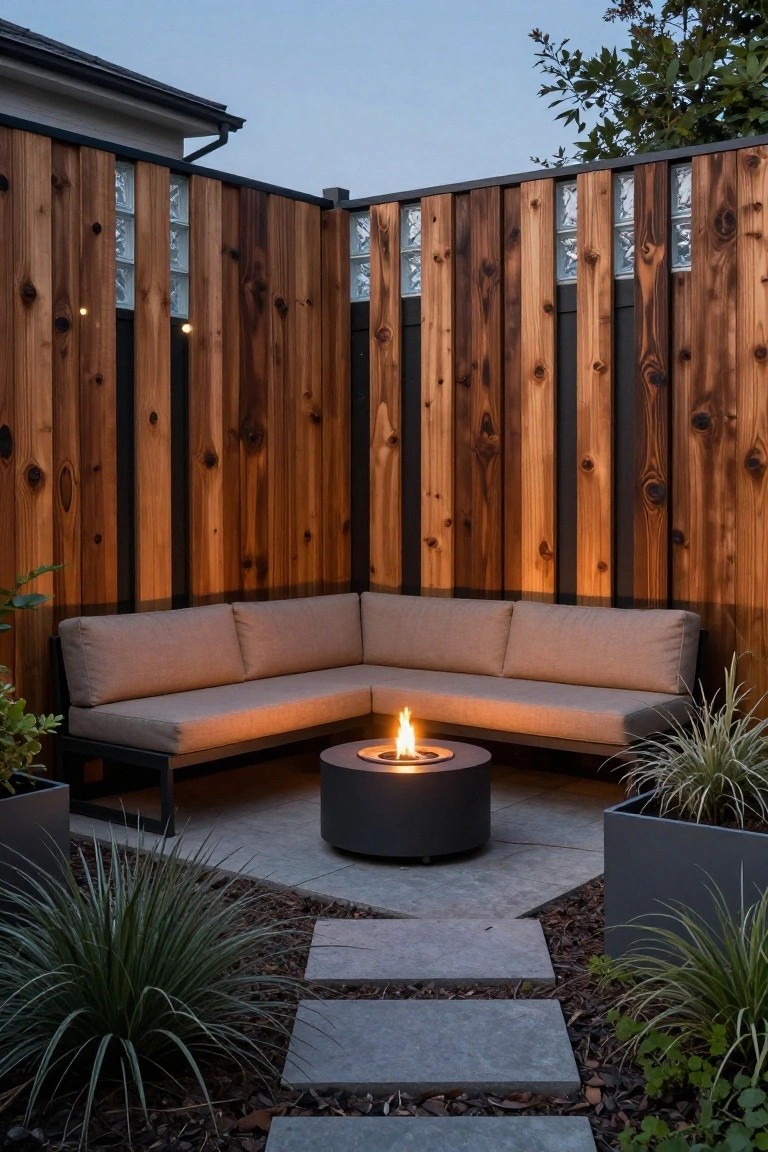
A tall wood fence makes a natural boundary that turns an open patch of yard into a sheltered spot. Placing an L-shaped sectional right against the fence keeps the seating contained and gives the fire pit a clear center point without needing extra walls or screens.
This setup works best in smaller backyards or side yards where you want a little privacy without closing off the whole space. Keep the fence height consistent with your lot lines and choose a dark frame for the sectional so it blends with the fence posts instead of fighting them.
Built-In Bench Seating Along a Wood Fence
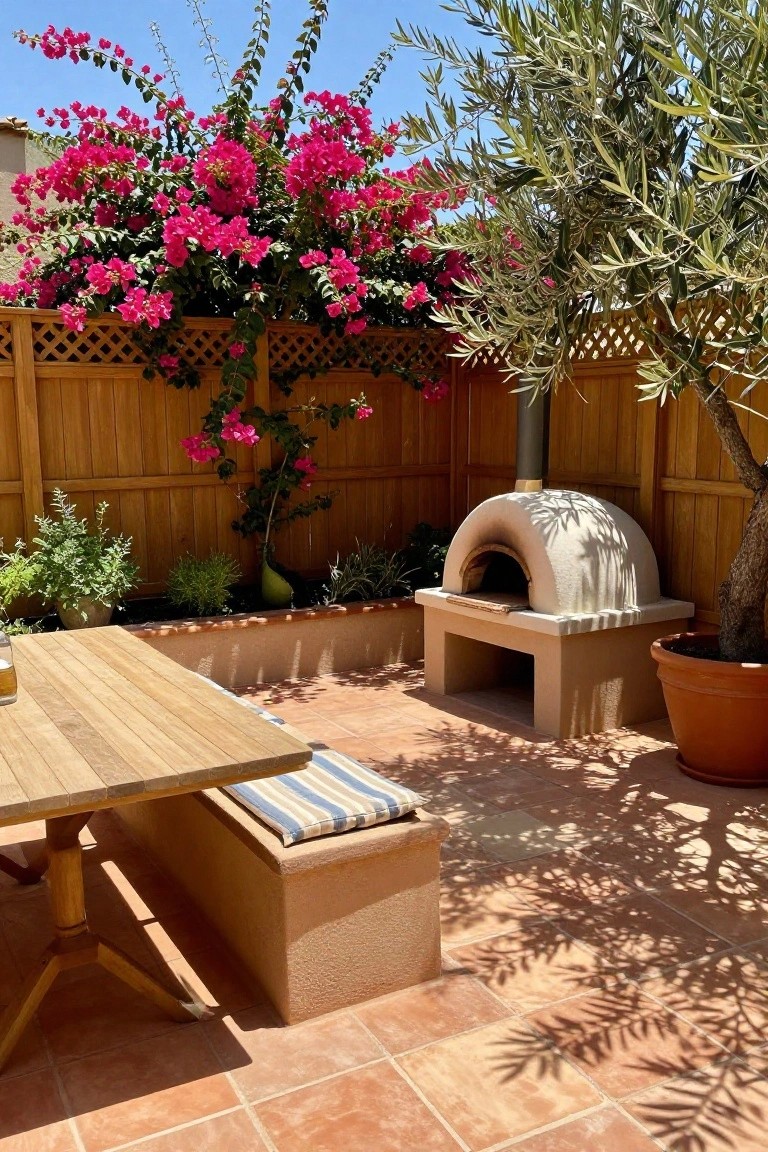
A wood fence works well as the backrest for a simple built-in bench. It turns the fence line into usable seating without adding extra furniture that can crowd a small patio. The bench stays put through all seasons and gives the space a settled look.
This setup suits yards where you want steady seating for meals or casual use. It works best with a fence that already has some height and structure. Keep the cushion simple so it can stay outside most of the time.
Chalkboard Panels On A Wood Fence
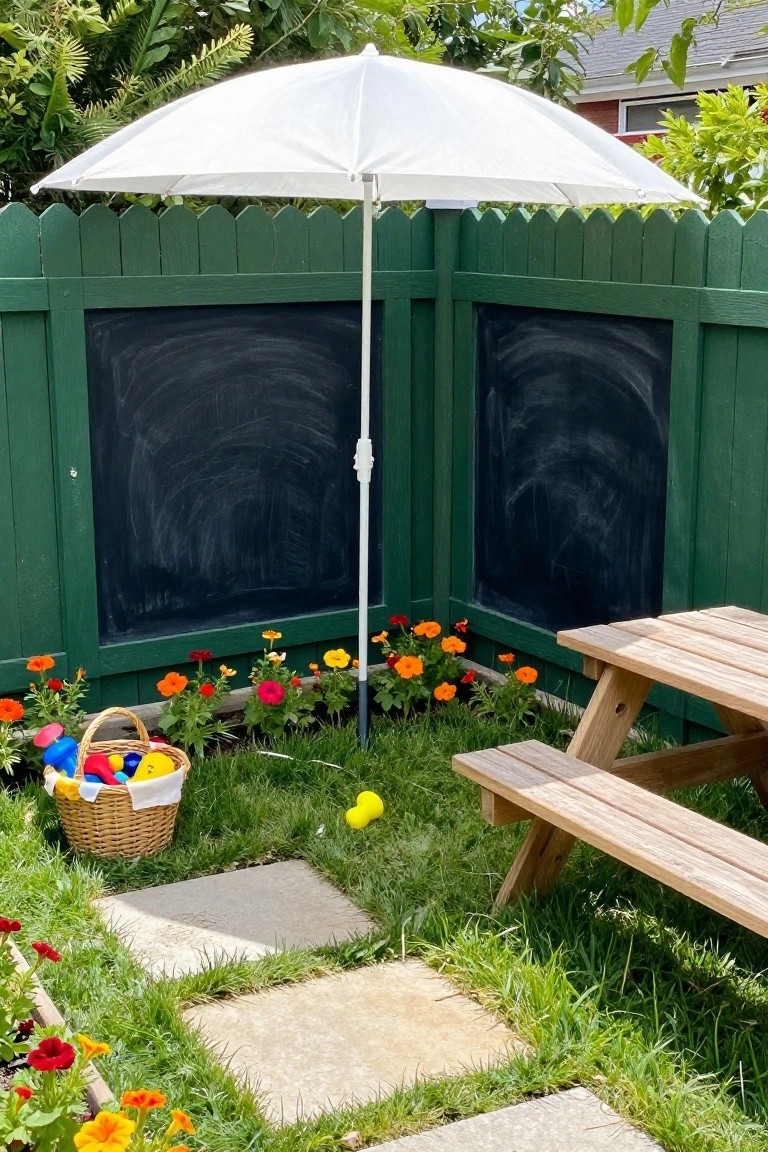
Many backyards feel more useful when the fence does more than just provide privacy. Adding large chalkboard sections turns the fence into a spot where kids can draw and play without needing extra structures or toys scattered around.
This idea works best in family yards where space is limited and you want the fence to support daily use. Keep the panels low enough for children and use a fence material that can handle frequent repainting over time.
Wood Fences That Work Well With Evening Lighting
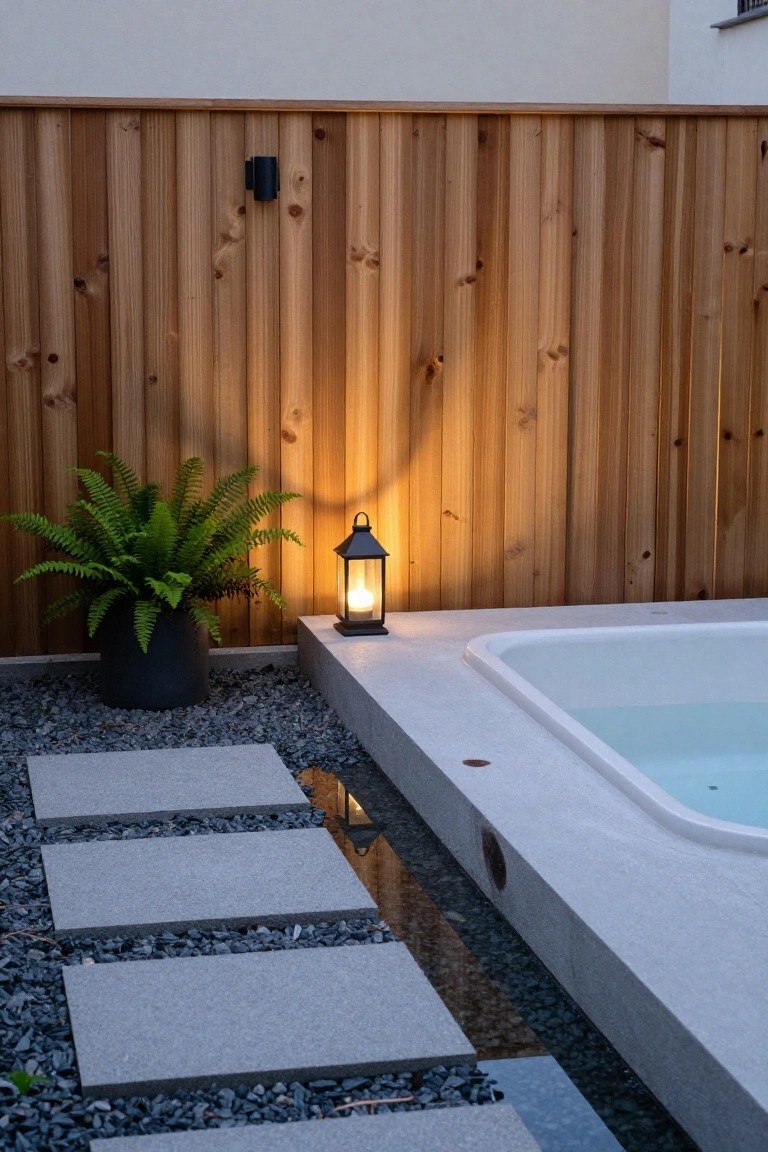
A wood fence can feel flat during the day but comes alive once you add a bit of light along the base. The vertical boards catch the glow and give the whole backyard a warmer look without much effort.
This setup works best in smaller yards where the fence sits close to a pool or patio. Keep the light soft and low, like a single lantern, so the wood stays the focus instead of competing with brighter fixtures.
Build A Simple Outdoor Bar Against The Fence
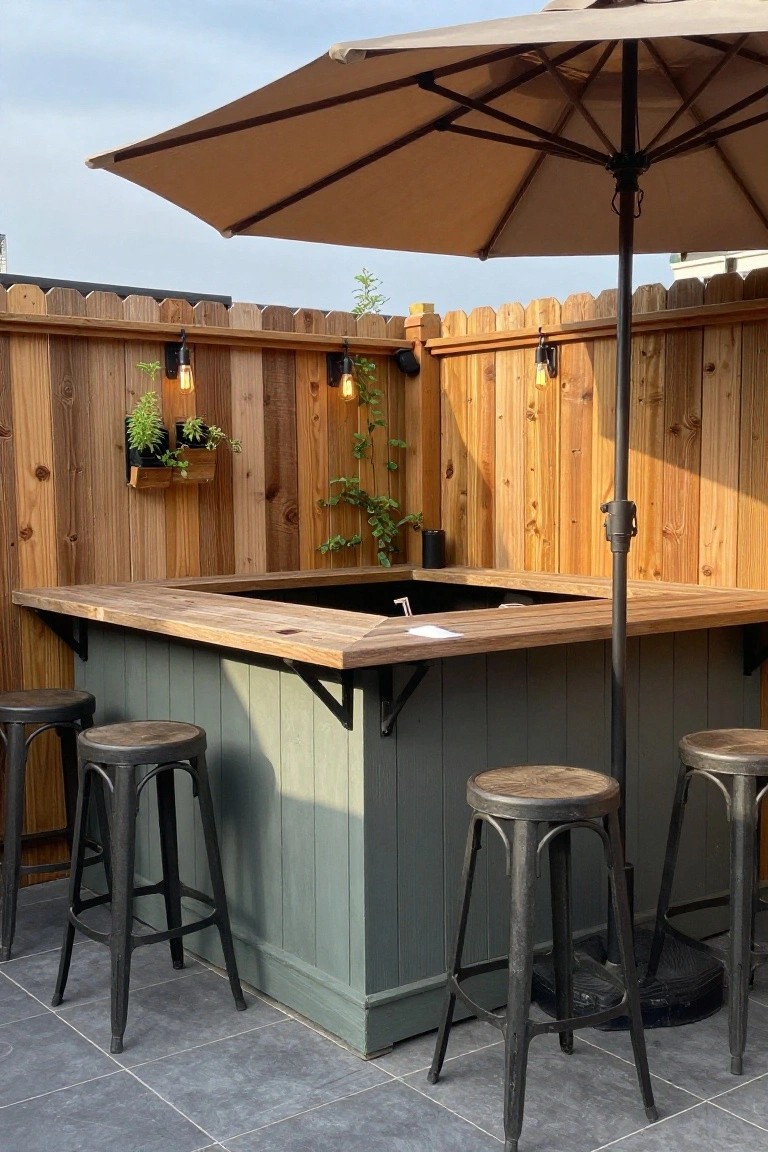
One easy way to make better use of a wood fence is to run a counter right along it. This setup turns the fence into a solid back for a bar area where you can serve drinks or snacks without needing extra walls or structures.
It works best in smaller yards or corner spots where you want seating that stays out of the way. Add a couple of stools and basic shade, and the space becomes a regular spot for everyday use instead of just sitting empty.
Add Lighting Along a Wood Fence
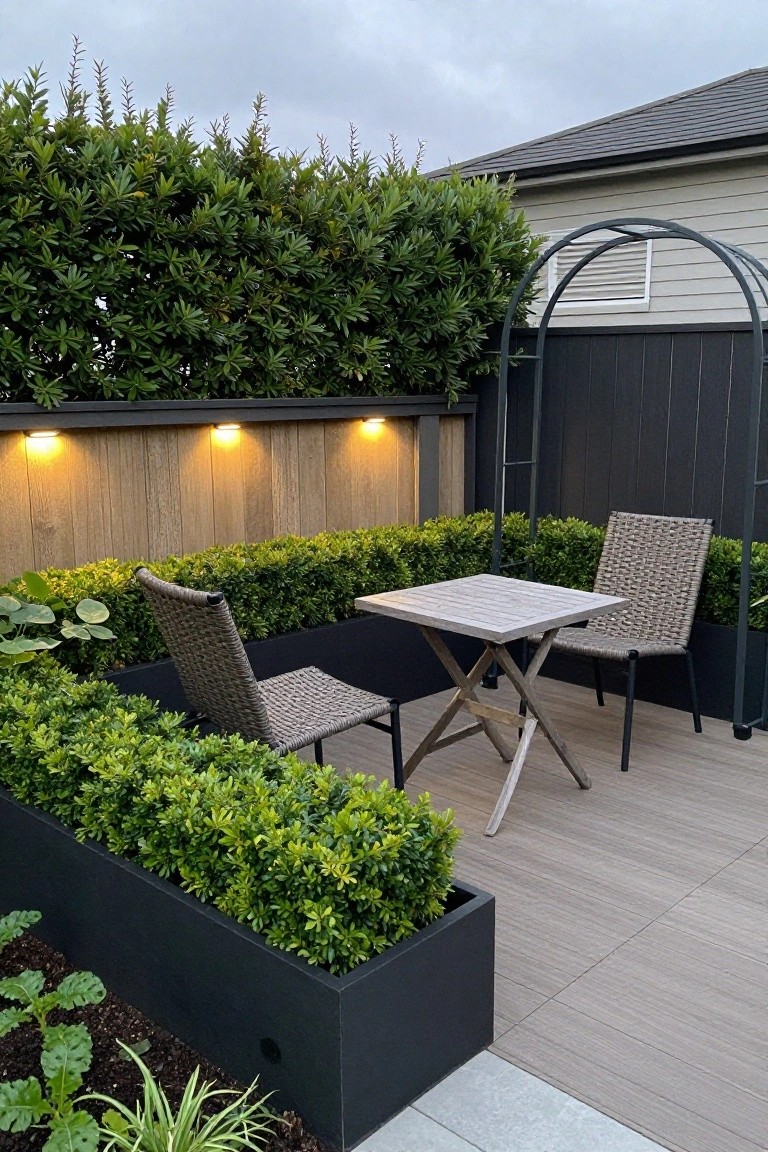
Lighting along the top of a wood fence gives a backyard patio a simple way to stay usable after sunset. The warm glow helps mark the edges of the space and makes the area feel more settled without needing tall lamps or overhead strings.
This approach works best on smaller decks or patios where you want even light without clutter. Space the fixtures evenly, keep the color temperature soft, and combine it with raised planters to soften the look while still keeping the fence as the main boundary.
Pair a Wood Fence With Gravel for Easy Outdoor Seating
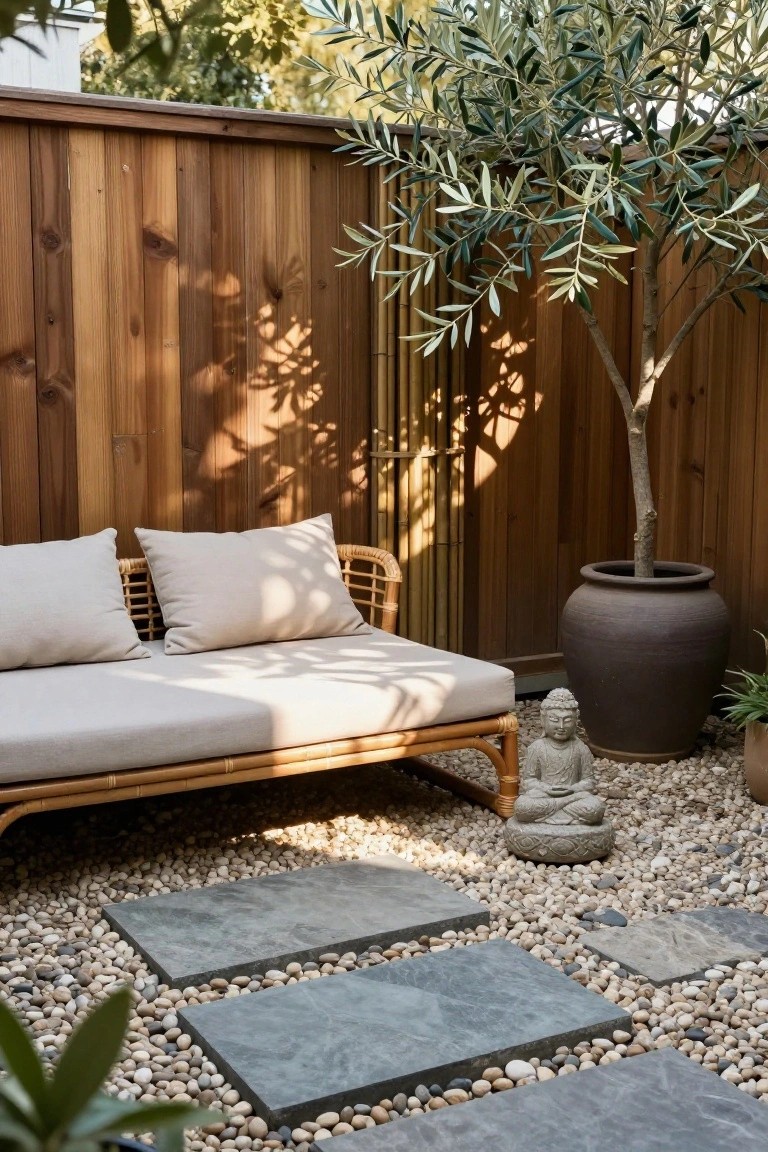
A wood fence gives a backyard seating spot the privacy it needs without closing things in too much. Gravel keeps the ground simple and drains well, while a line of stepping stones makes it easy to reach the daybed without sinking into soft soil or tracking in mess.
This works best in smaller yards or along one side of the house where you want a quiet place to sit without adding a full deck. Just seal the fence every couple of years and keep the gravel raked so it stays level around the stones.
Wood Fencing for Pool Privacy
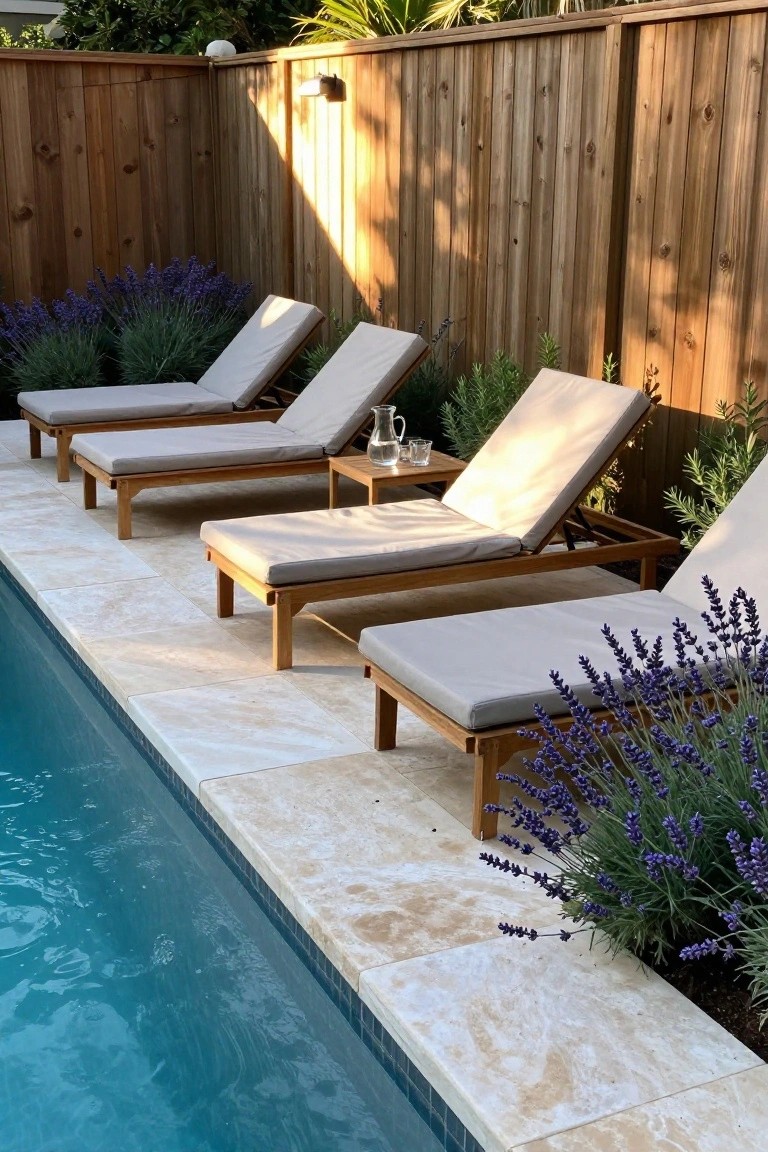
A wood fence gives a pool area that enclosed feeling without making it feel boxed in. It blocks the view from neighbors and turns the space into a quieter spot for lounging during the day.
This works best on smaller lots where the pool sits close to the property line. Keep the fence height around six feet and pair it with simple plantings so the area stays easy to keep up.
Wood Fences That Create Private Workout Space
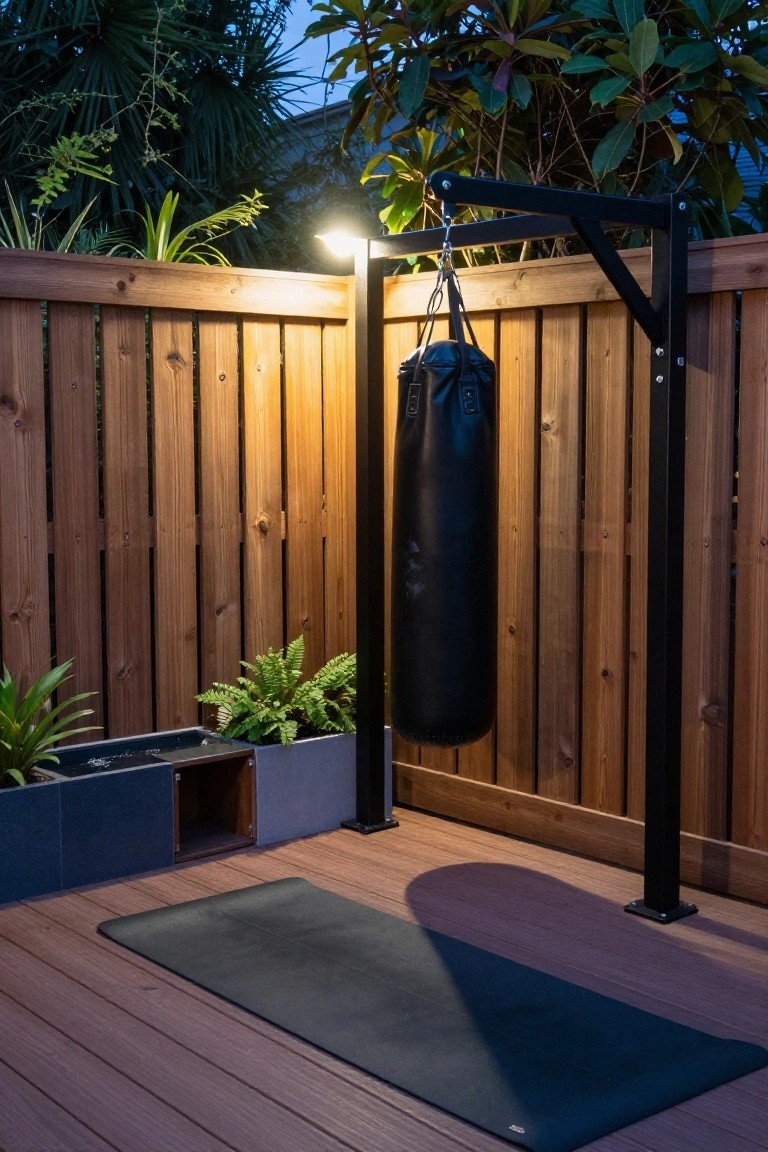
A tall wood fence can turn a simple deck into a spot where you can exercise without neighbors watching. It gives enough enclosure to hang equipment and roll out a mat while still feeling like part of the yard.
This setup works best on a deck that already has good footing and some overhead structure for hanging a bag. It suits homes that want one corner of the backyard to stay active rather than purely decorative, and it keeps the rest of the yard open for other uses.
Frequently Asked Questions
Q: How do I pick the right wood for my fence if it gets a lot of sun? A: Cedar works great here because it resists warping from heat. Pick boards with straight grain for fewer cracks later on.
Q: My fence needs a gate. Any tips to make it blend in? A: Match the gate style to the fence panels exactly. Hang it on heavy hinges so it swings smooth even after a few seasons.
Q: How often do these wood fences need work? A: Check for loose nails once a year. But a quick coat of sealant every two years keeps most issues away.
