

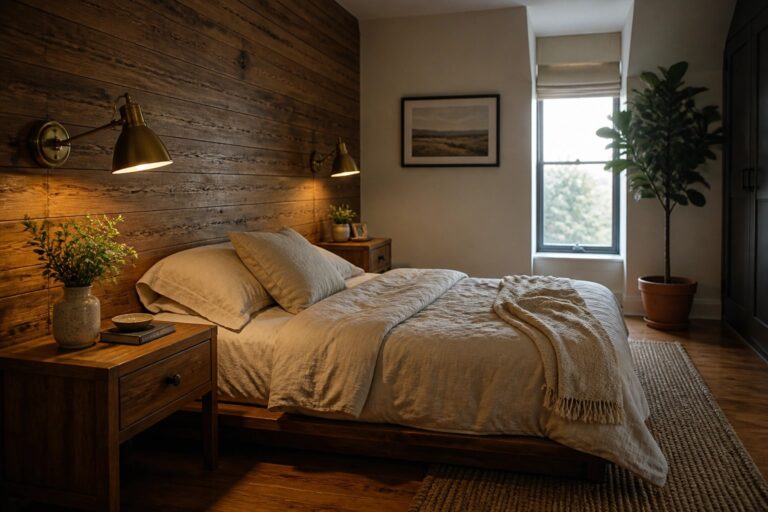
I’ve noticed that bedrooms often feel unfinished until the walls add some depth and texture that actually matches how the space gets used every day.
Wood accents tend to bring that grounded quality without overpowering the room, especially when the grain and tone work with the existing light and furniture layout.
A few choices stand out once you test them in person.
The ones that work best usually balance the scale of the wall with the size of the bed and windows so the room still feels open rather than boxed in.
I would probably try a simple vertical layout first in my own space because it tends to make the ceiling feel higher without adding much visual weight.
Wood Plank Accent Walls for Bedroom Warmth
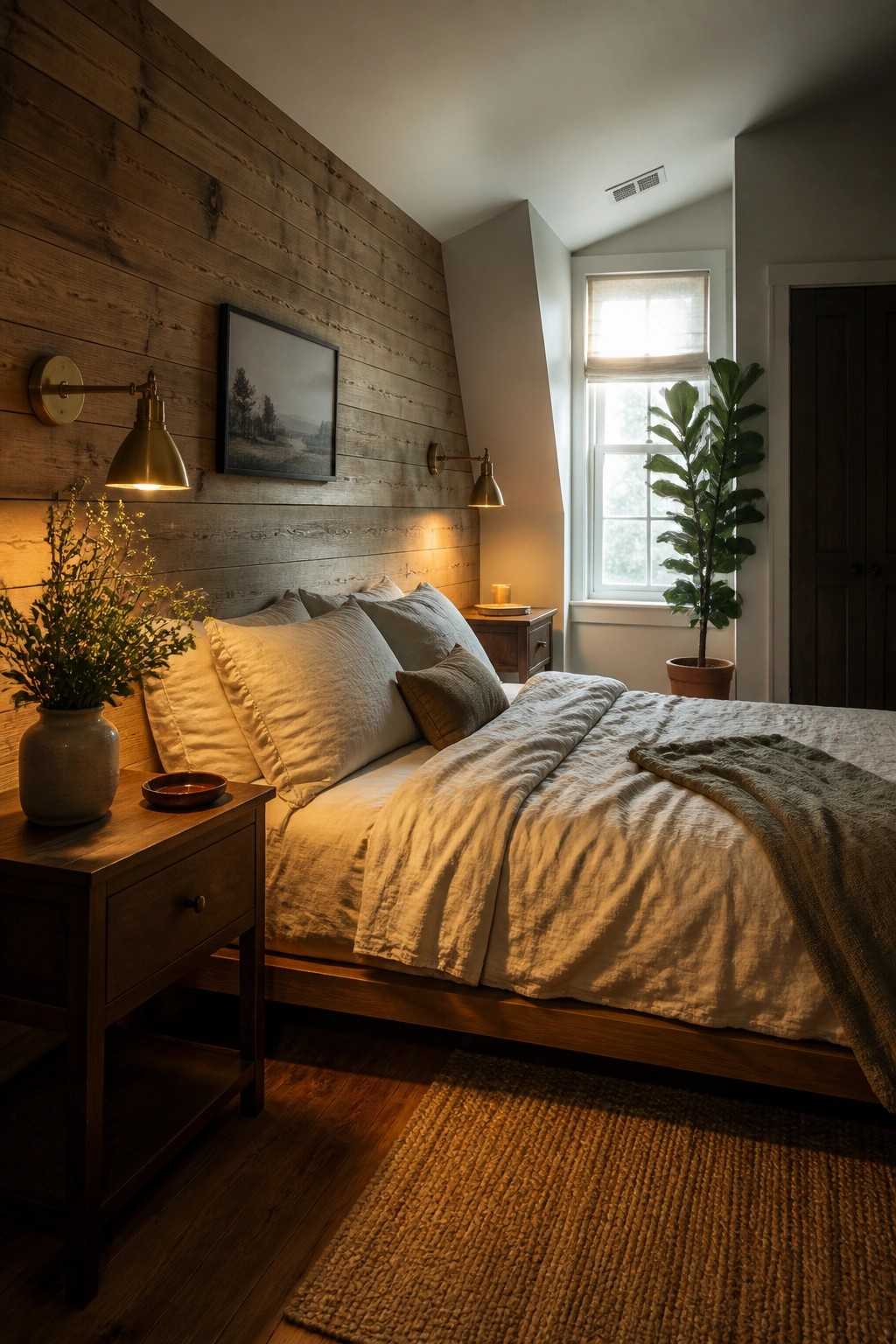
A wood accent wall behind the bed gives a bedroom that steady natural warmth without needing a lot of extra pieces. It works because the planks bring texture and a soft color that feels grounded next to lighter bedding and walls.
Keep the rest of the room simple so the wood does the work. It suits smaller spaces or rooms with low light, and it pairs well with basic nightstands and wall scones rather than busy patterns.
Pale Wood Plank Walls for a Calm Bedroom
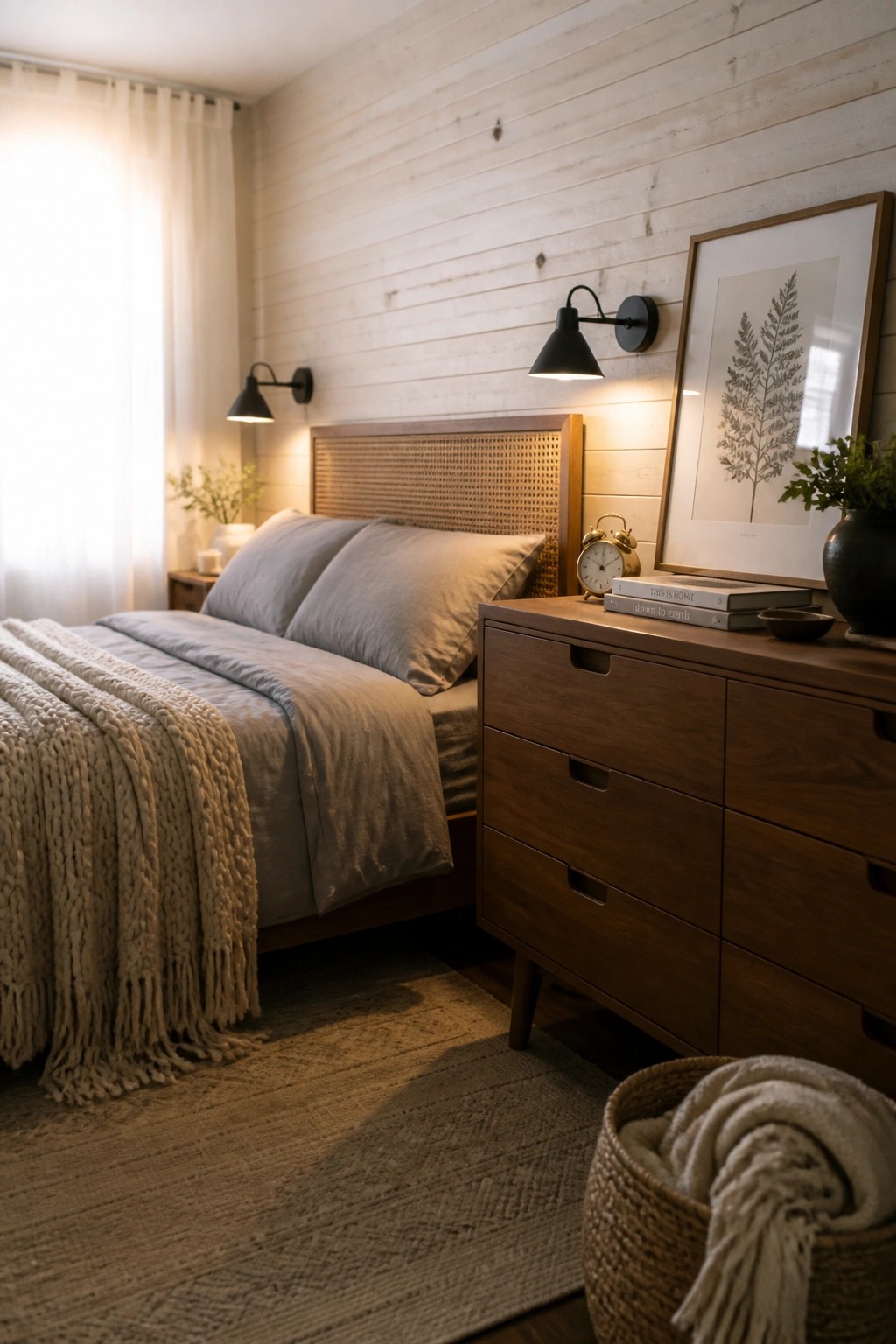
A light wood accent wall can bring warmth into a bedroom without making it feel heavy or dark. Horizontal planks in a pale tone keep the space feeling open while adding a natural texture that works well with soft bedding and simple furniture.
This idea works best in rooms with decent natural light. Run the wood just behind the bed so it frames the headboard without covering every wall, and pair it with light curtains and neutral textiles to keep the overall look balanced.
Dark Herringbone Wood Accent Walls for Added Texture
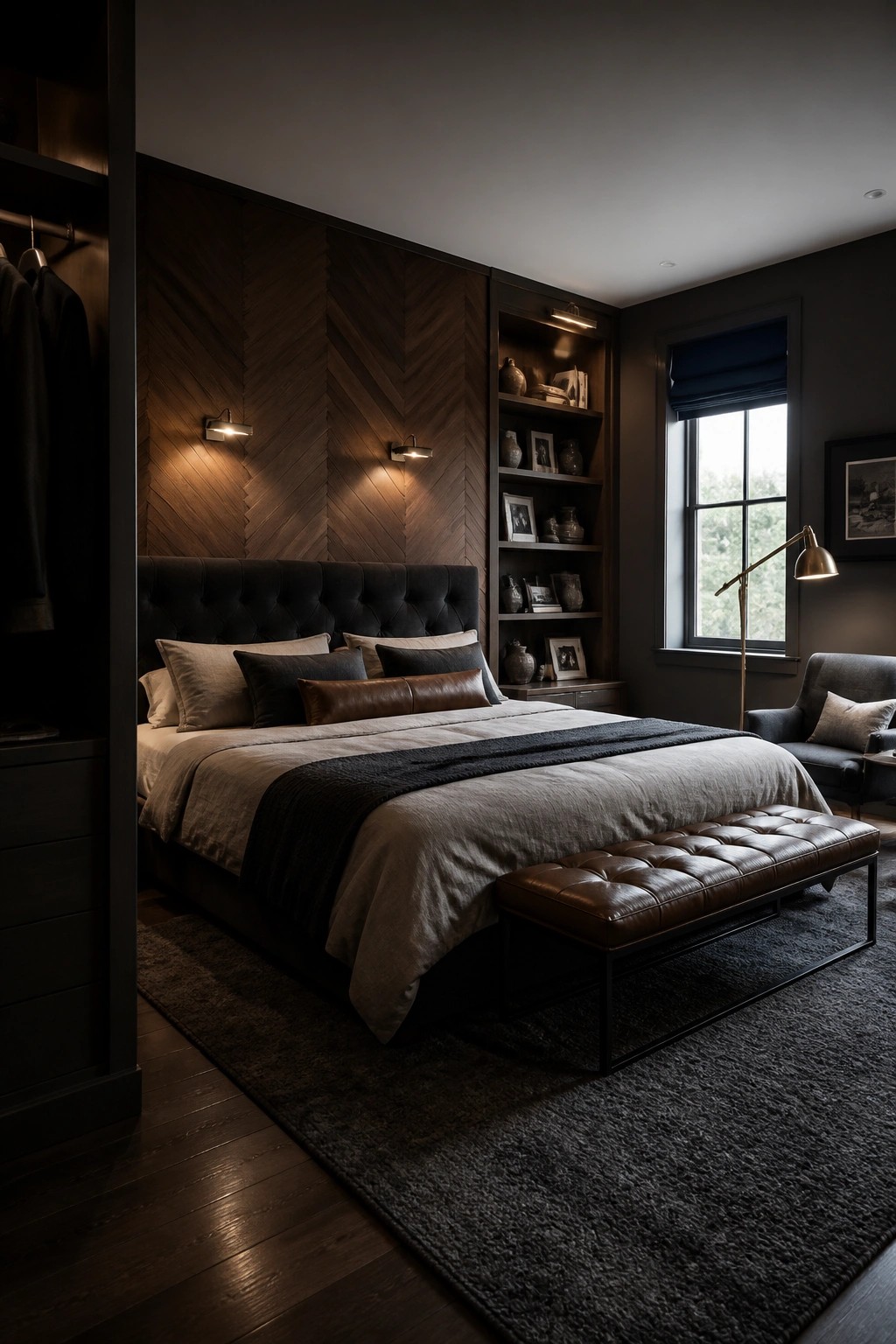
A dark wood accent wall works well in bedrooms because it adds depth and a sense of enclosure without making the room feel smaller. The herringbone layout gives the wood extra texture, which helps the surface catch light from bedside sconces and feel warmer overall.
This approach suits spaces with simple bedding and minimal color elsewhere. Keep the rest of the room in soft neutrals and add a few open shelves if you want a place for small items without crowding the wall.
Vertical Wood Slat Walls In Bedrooms
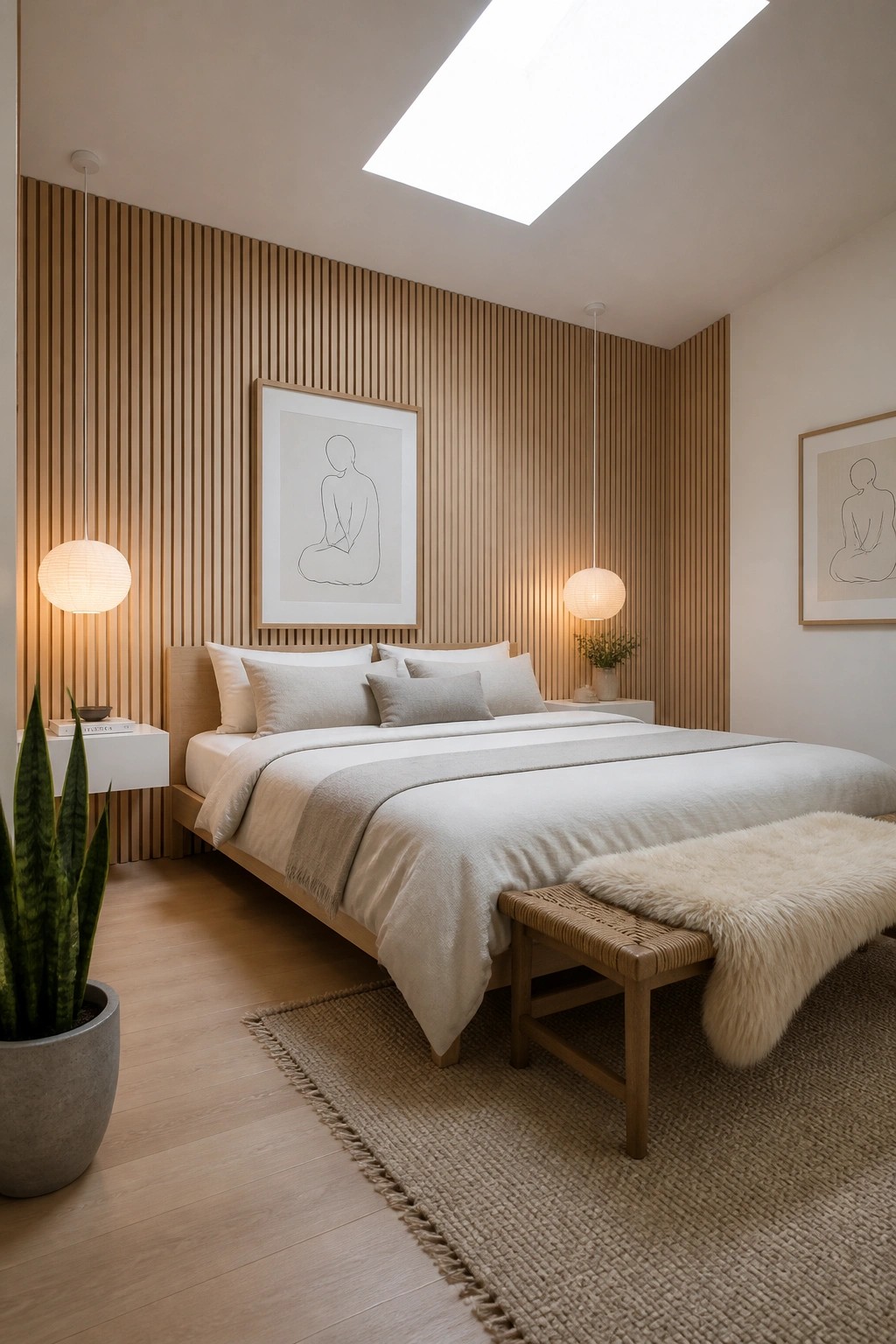
A vertical wood slat wall behind the bed gives a bedroom that steady natural warmth many people want without making the room feel dark. The lines add texture and keep the space from looking flat while still letting the rest of the room stay simple.
This idea works best in rooms with light flooring and soft neutral bedding so the wood becomes the main focus. Keep the rest of the walls light and use simple lighting to let the slats show their grain without extra decoration.
Weathered Wood Accent Walls
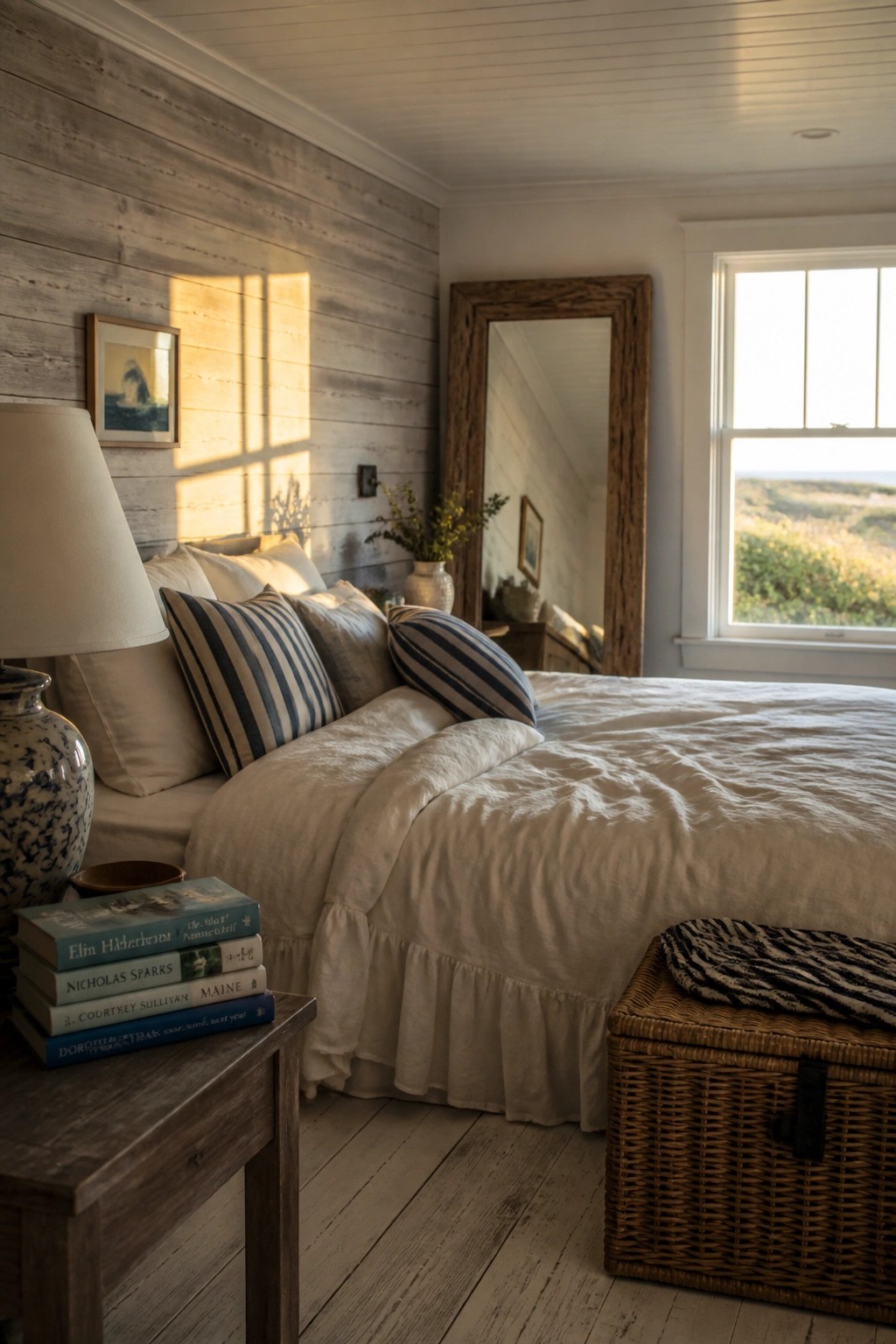
A wood accent wall works well when you want a bedroom to feel warmer without adding much color or pattern. The planks bring in natural texture that softens the space and pairs easily with simple linens and light furniture.
This idea suits smaller bedrooms or rooms that need a touch of age and character. Use horizontal planks in a gray or light tone, and keep the rest of the walls painted so the wood stays as a quiet focal point rather than taking over the room.
Reclaimed Wood Accent Walls
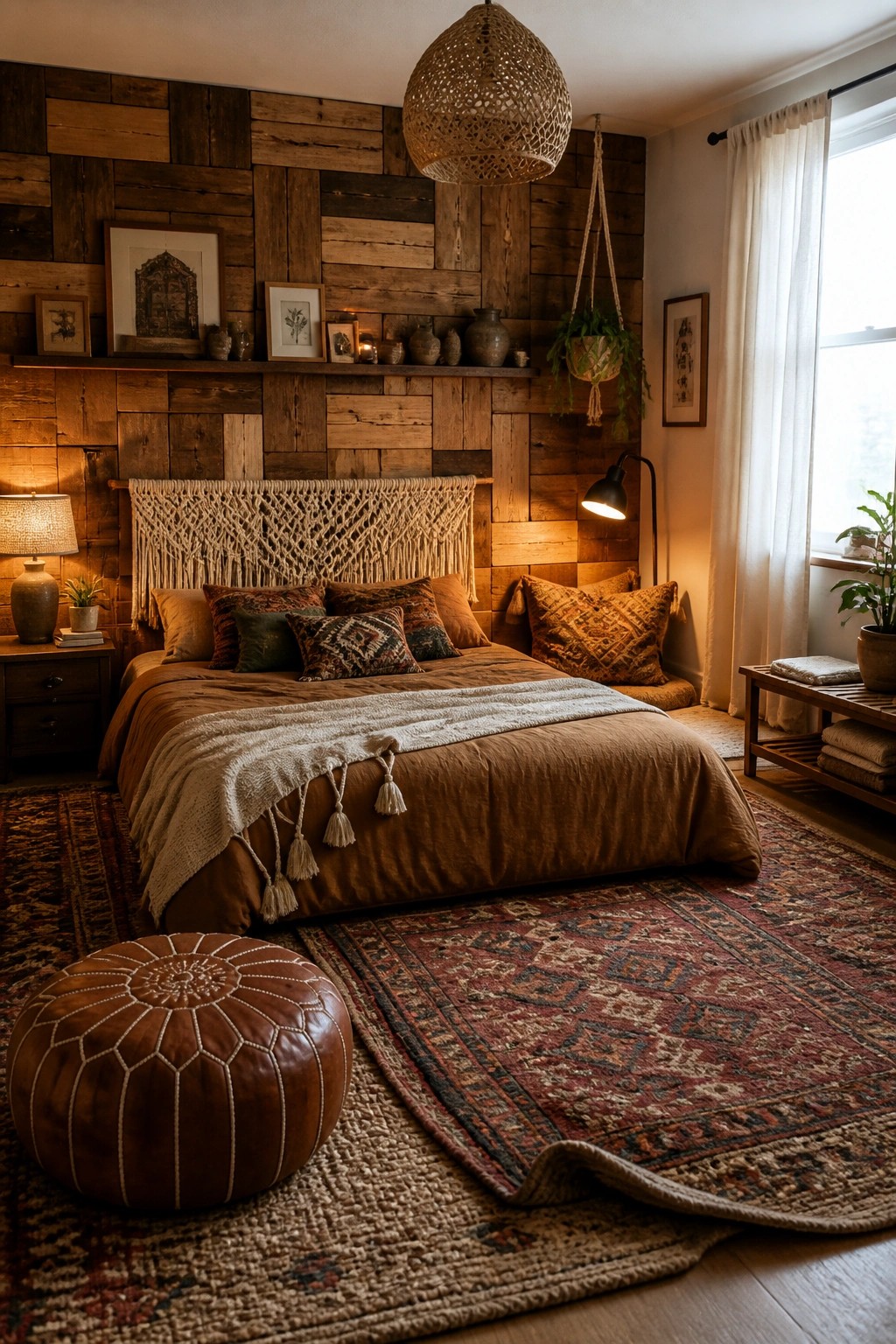
A wall built from mixed wood planks gives a bedroom that steady natural warmth many people want. The varied tones and textures do most of the work, so the rest of the room can stay simple.
This approach suits older homes or any space that already leans toward earthy colors. Keep other surfaces light and let the wood take the main role behind the bed.
Vertical Wood Slats Behind The Bed
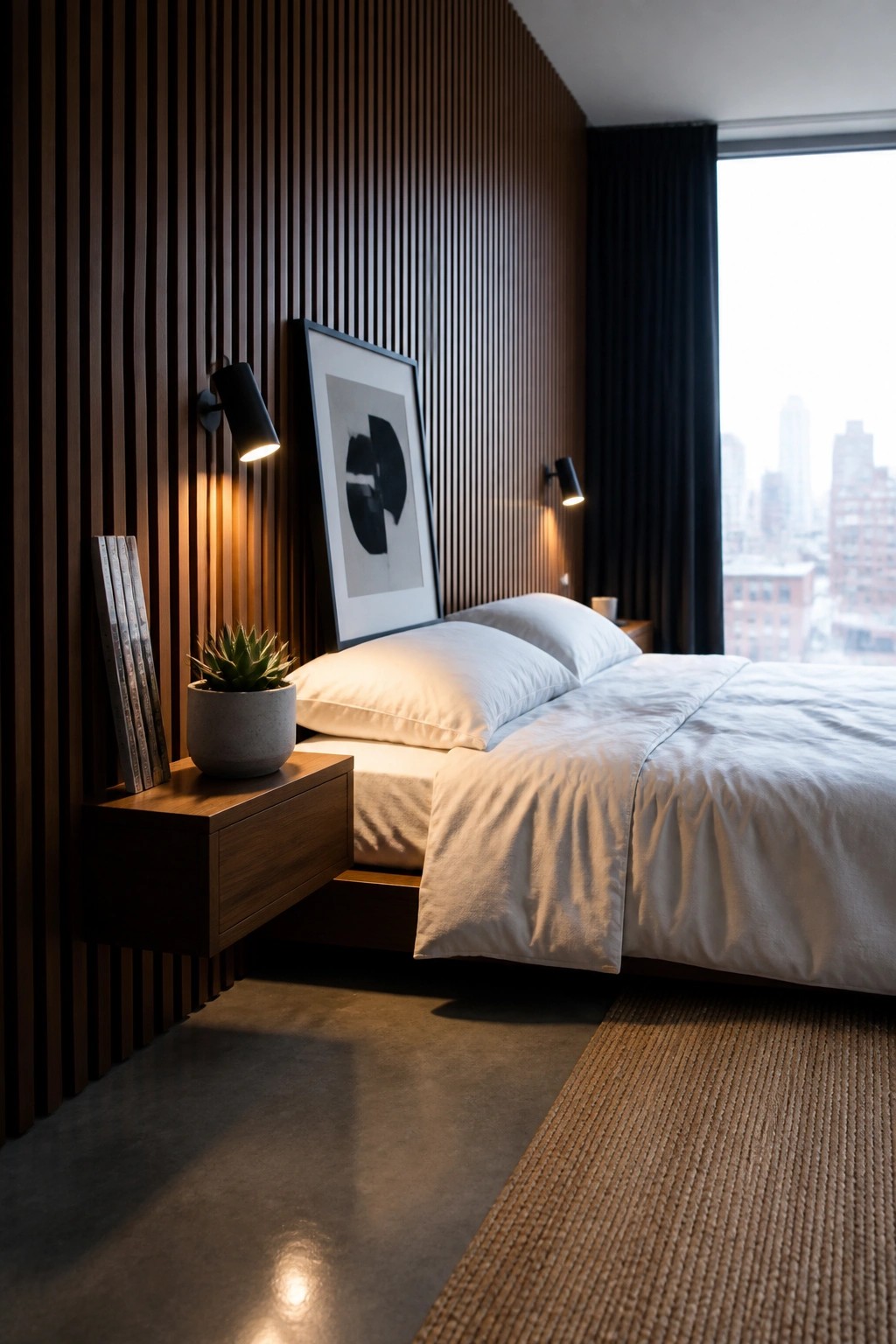
A vertical wood accent wall adds natural texture that makes a bedroom feel warmer without adding clutter. It works well when placed right behind the bed, where the lines draw the eye upward and give the space a quiet sense of depth.
This idea suits modern rooms that already have clean lines and need a bit of softness. Keep the wood tone consistent with any other wood furniture in the room, and let the rest of the space stay light so the wall can do the work.
White Shiplap for Bedroom Walls
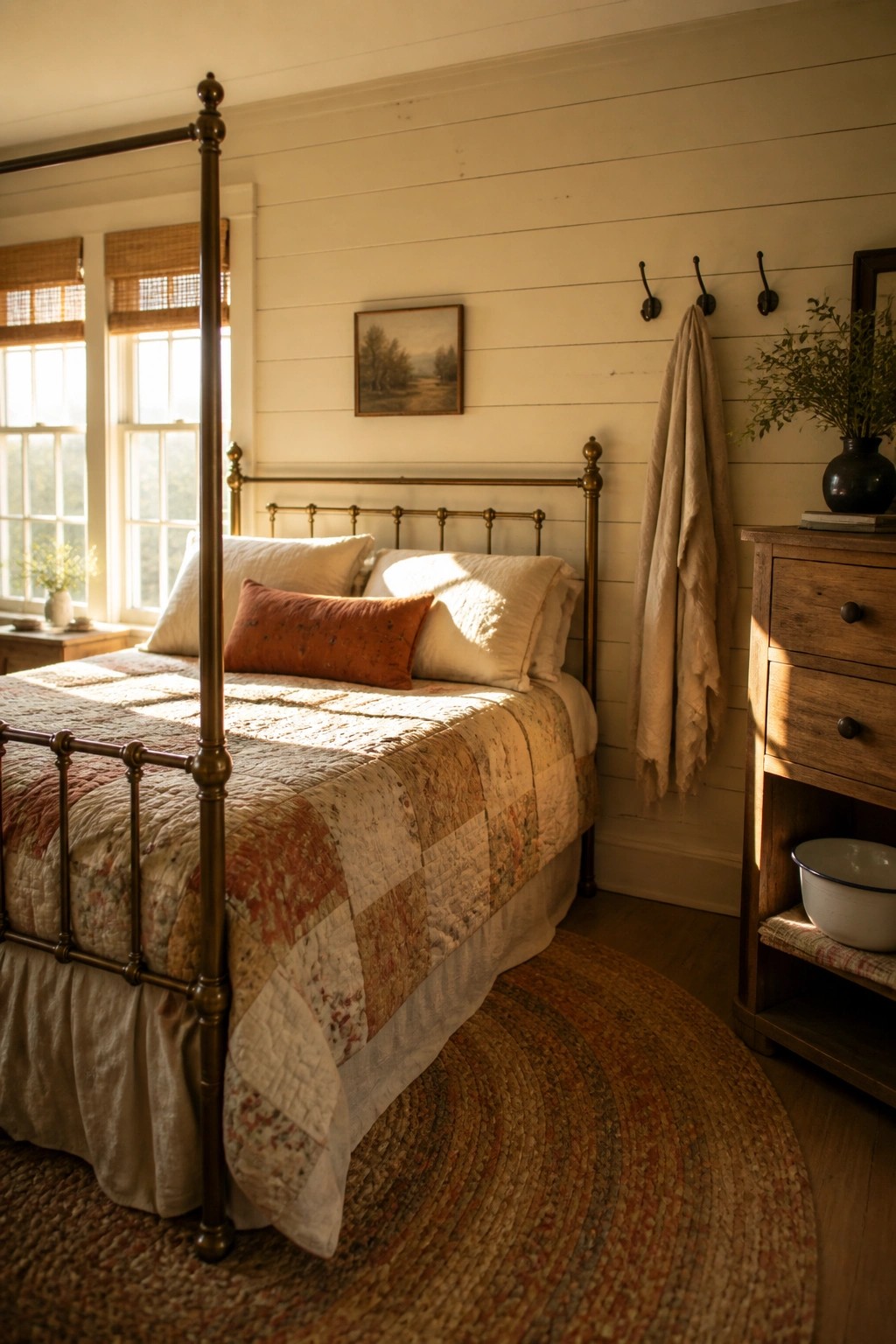
White shiplap gives a bedroom that soft, lived-in feel without adding much color. The horizontal lines add texture that catches the light nicely, especially when the sun hits during the day. It works well with simple bedding and older furniture that already has some warmth to it.
This approach suits older homes or anyone wanting a cottage look that still feels calm. Keep the rest of the room light so the wall does not feel busy. It also pairs easily with natural rugs and linen bedding if you want to lean into the cozy side.
Vertical Wood Panel Accent Wall Behind the Bed
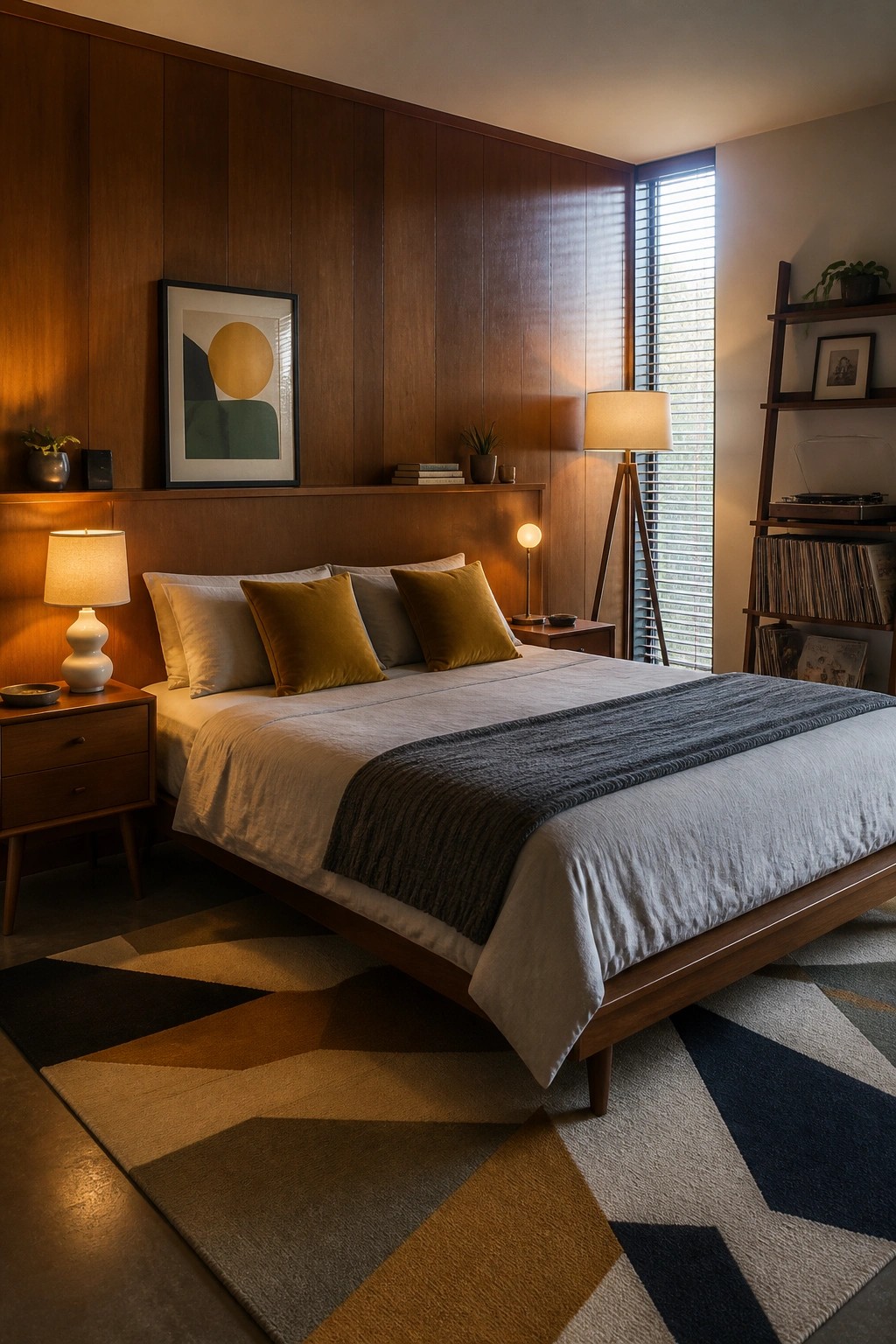
A wood accent wall behind the bed gives the room a grounded, warm feel that works well in many bedrooms. The vertical panels add texture and depth while keeping the space calm and simple.
This approach suits rooms with neutral bedding and minimal furniture. It works best in homes that already have wood tones elsewhere, since the wall can tie things together without needing extra color or pattern.
Vertical Wood Walls for Bedroom Warmth
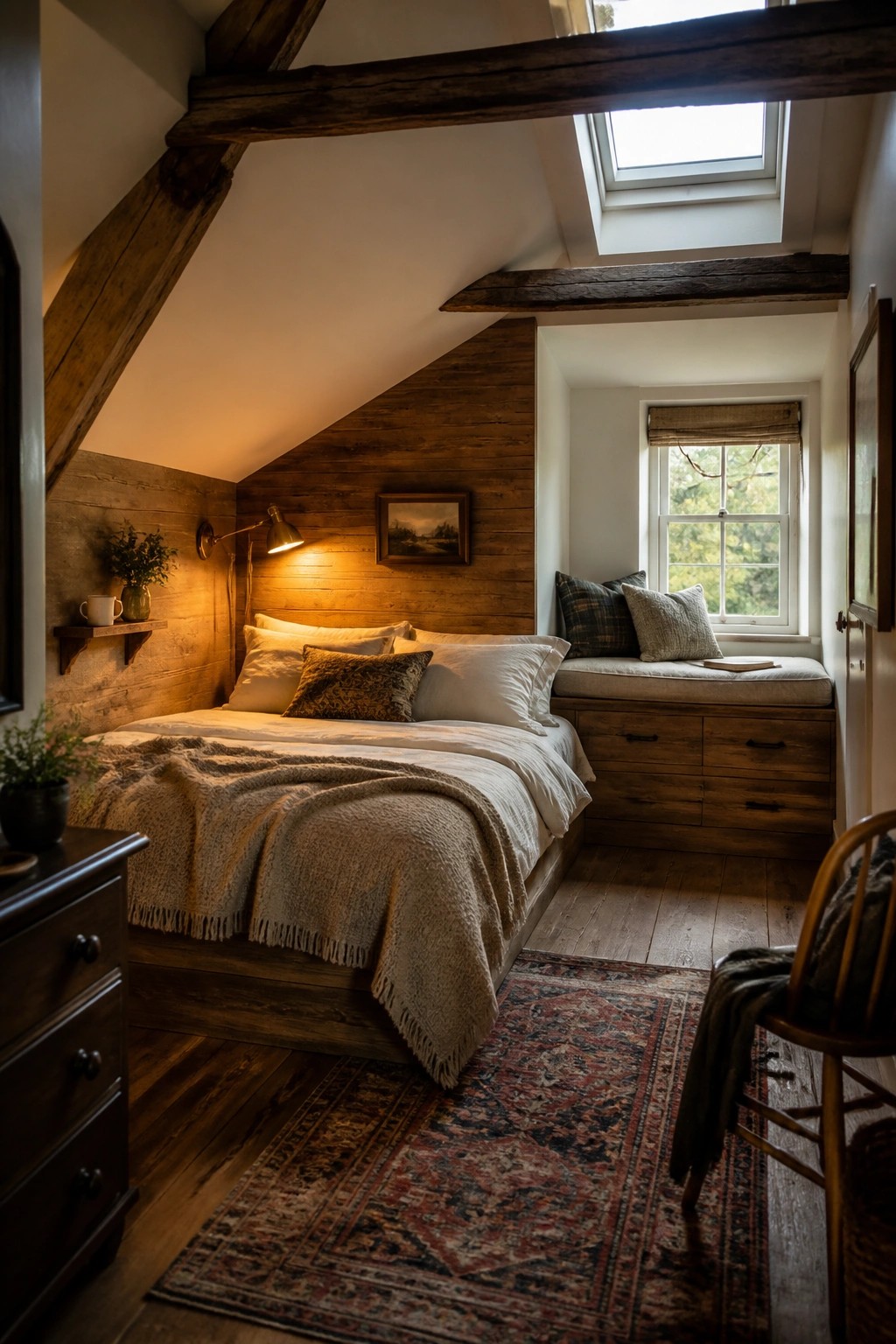
A wood accent wall adds natural texture that makes a bedroom feel warmer right away. Vertical planks work especially well when the ceiling slopes, since they draw the eye upward and keep the space from feeling closed in.
This idea fits smaller or attic bedrooms best. Pair the wood with light bedding and simple lighting so the wall stays the main source of warmth without overpowering the room.
Horizontal Shiplap for Bedroom Walls
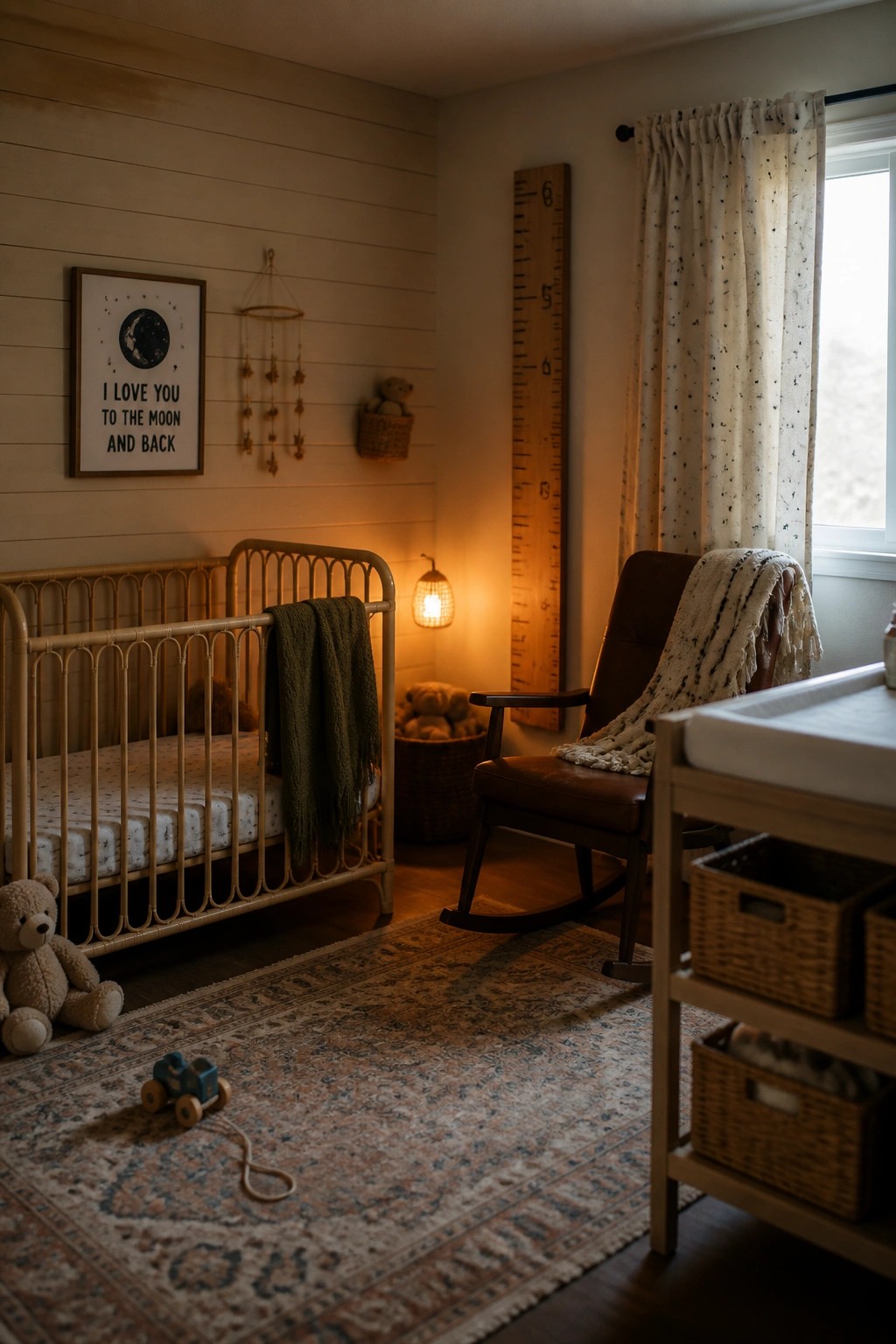
Horizontal shiplap gives a bedroom wall some texture while keeping the overall look light. The boards run side to side and catch just enough shadow to add interest without darkening the space.
This works especially well in smaller rooms or spaces meant for kids, since the light finish pairs easily with wood furniture and simple textiles. It is easy to paint over later if the room needs to change.
Floor-to-Ceiling Vertical Wood Panels for Bright Bedrooms
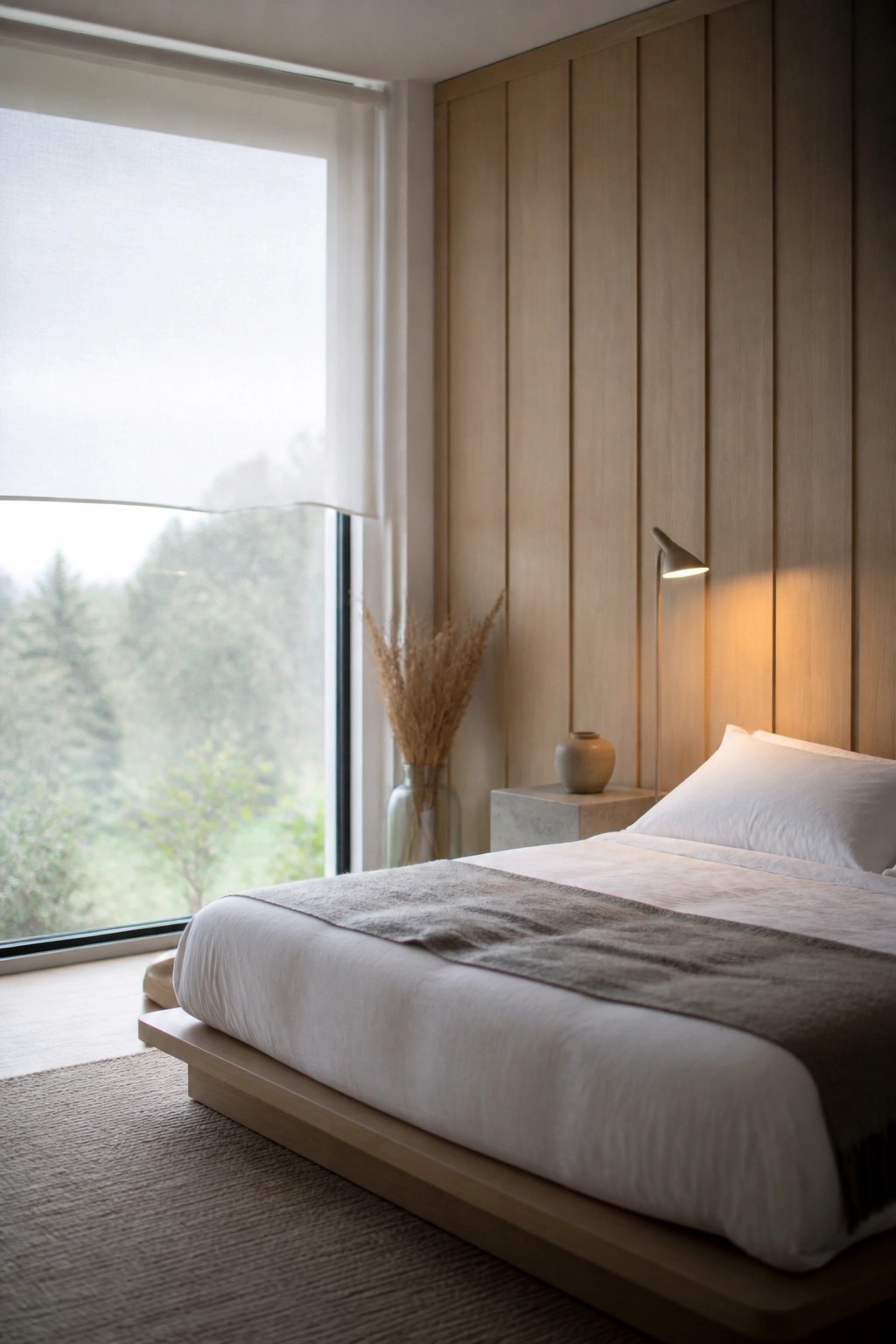
A wood accent wall with vertical panels gives a bedroom a simple, grounded feel that many people look for. The natural grain and tone add warmth without needing a lot of extra decoration or color.
This approach works best in rooms with plenty of natural light, where the wood can show its texture but still feel calm. It suits homes that already lean toward clean lines and neutral bedding, since the wall itself becomes the main feature.
Rich Walnut Accent Wall for a Cozy Bedroom
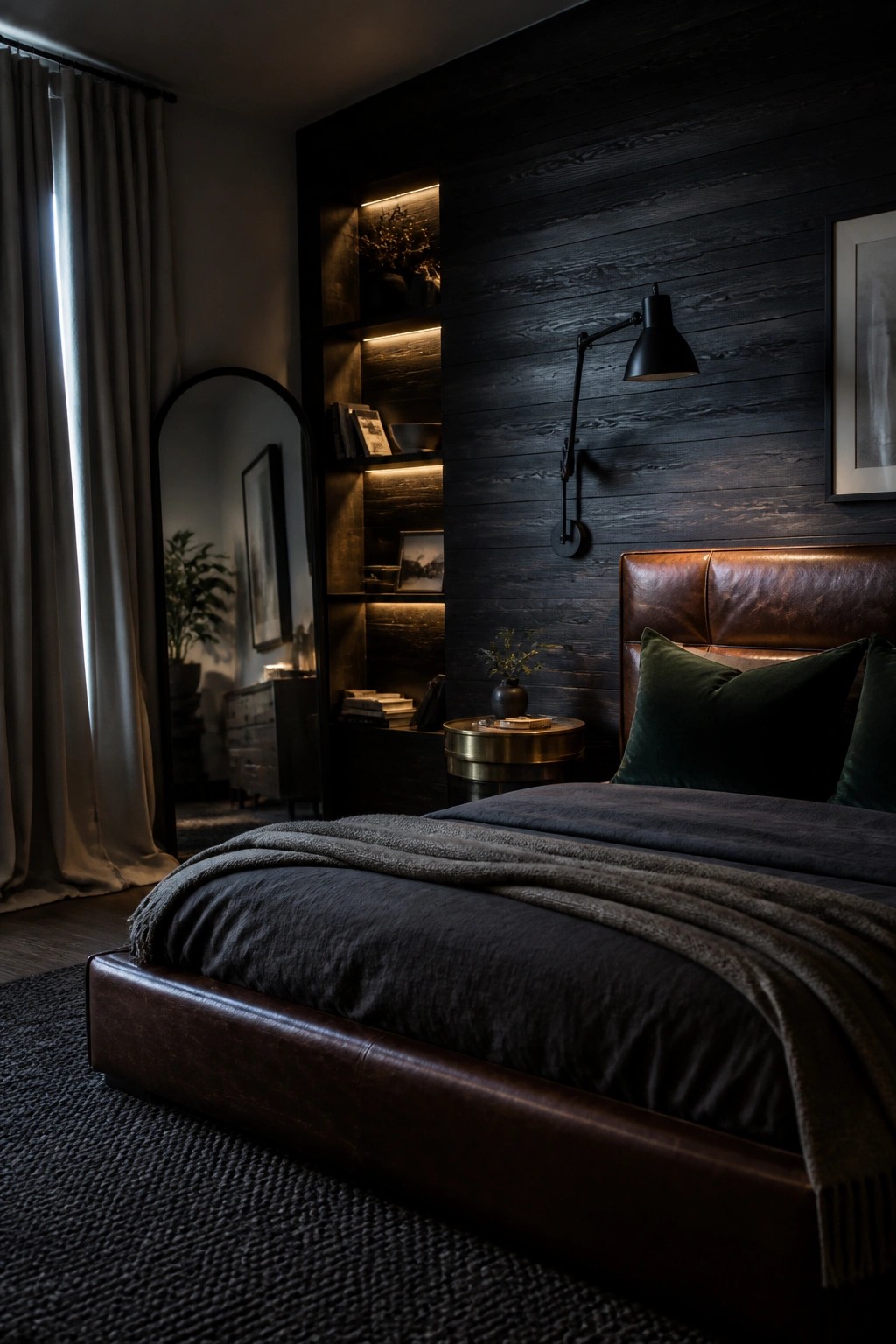
A dark wood accent wall brings natural warmth into a bedroom in a way that feels solid and lived-in. It works especially well when placed behind the bed, where the grain and tone add depth without needing extra layers of decoration.
This choice suits spaces that already have some heavier furniture or darker textiles, since the wood helps tie everything together. Keep the rest of the room lighter if you want to avoid a closed-in feel, and test the wood finish in your lighting first to make sure it reads warm rather than flat.
Vertical Wood Paneling For Bedroom Walls
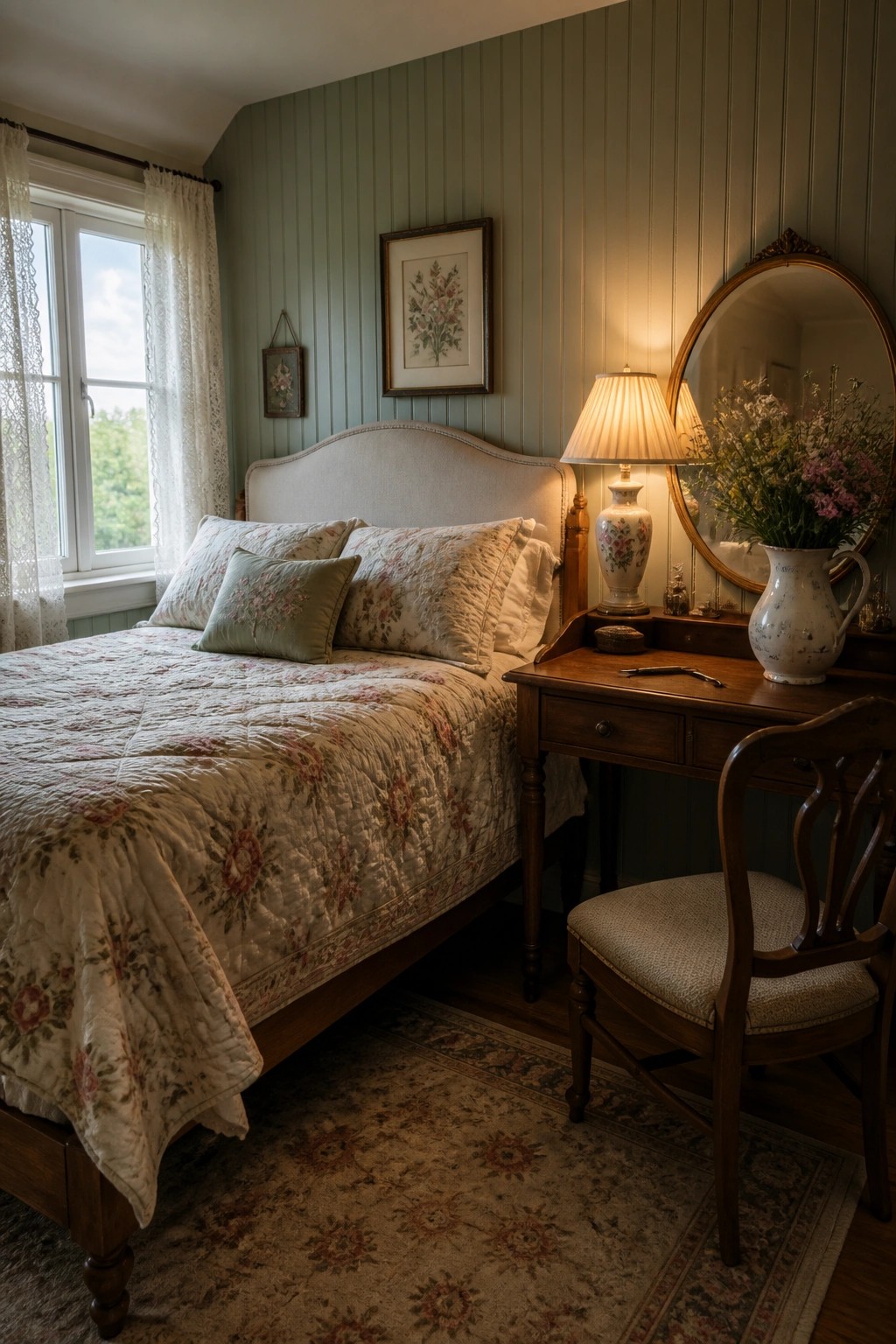
Vertical wood paneling adds quiet texture to bedroom walls while keeping the space feeling calm and grounded. A soft painted finish helps the wood show through without making the room feel heavy or dark.
This works well in bedrooms with older trim or simple layouts. Pair it with natural wood furniture and soft textiles so the paneling becomes the main source of warmth rather than competing with other details.
Herringbone Wood Accent Walls
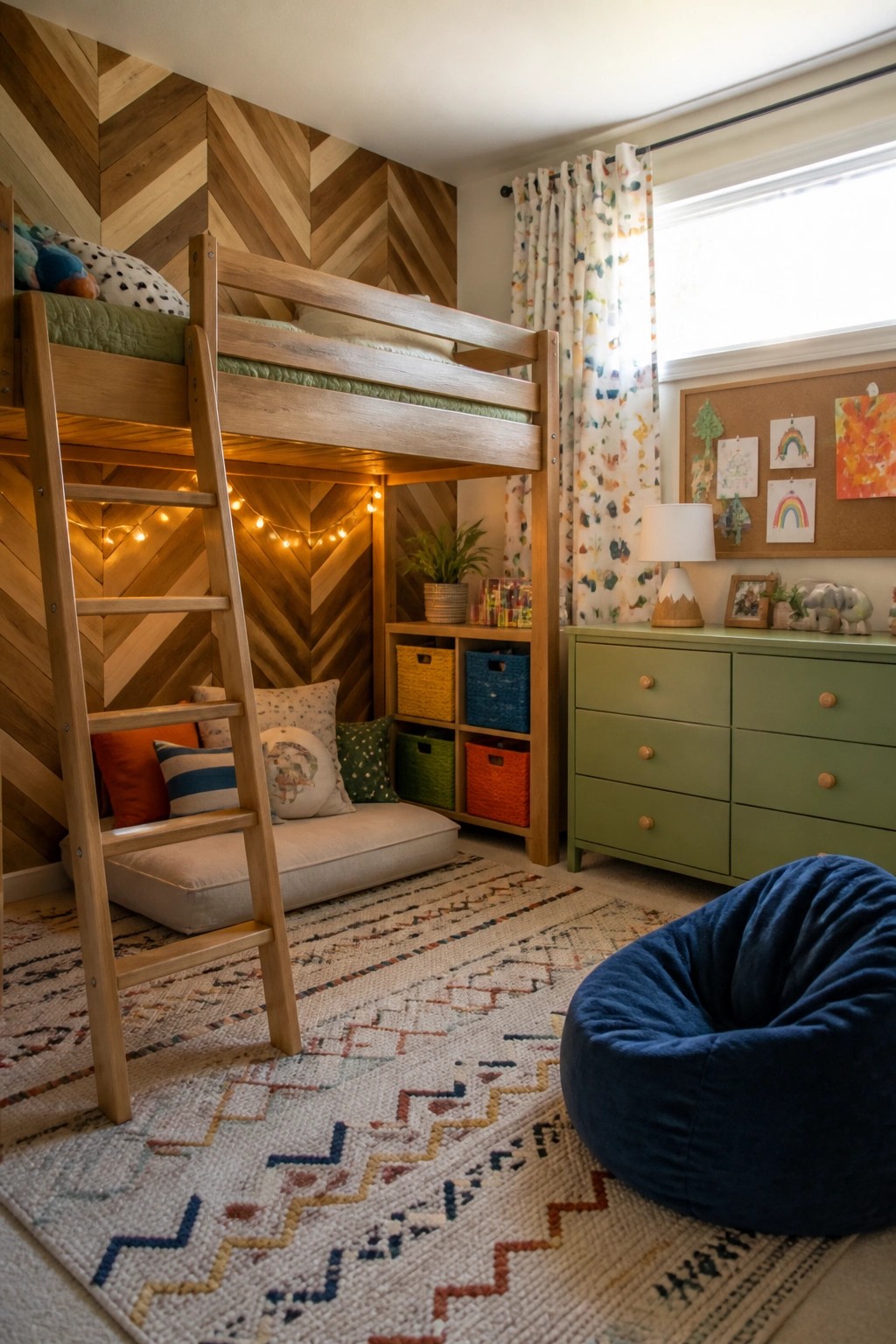
A herringbone wood accent wall gives a bedroom instant warmth, especially when placed behind a loft or bunk bed. The angled pattern adds texture that feels natural and lived-in rather than polished.
This idea works well in smaller rooms or kids spaces where you want the bed area to feel cozy without crowding the floor. Keep other walls light and simple so the wood does the main job.
Vertical Wood Slats on the Accent Wall
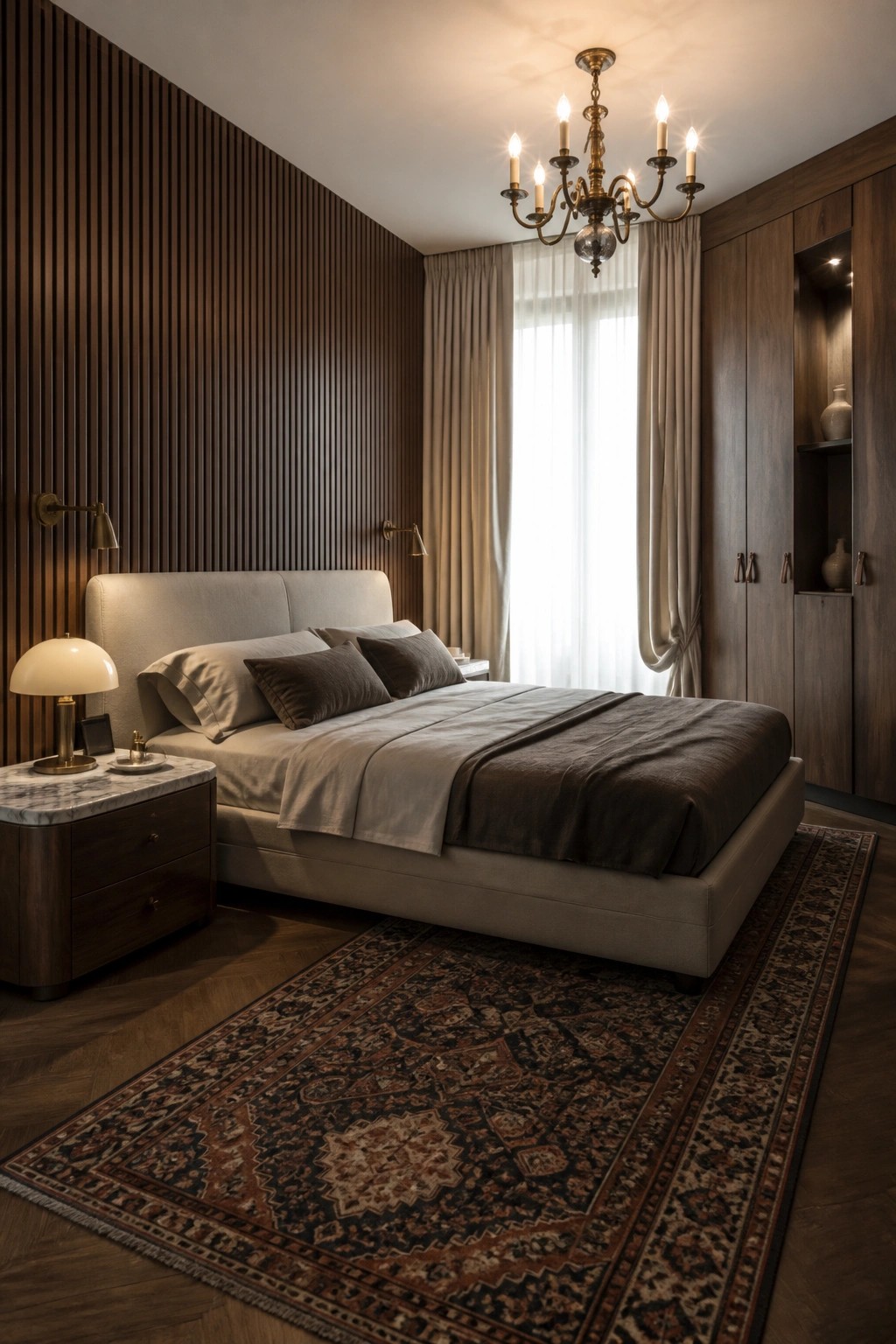
A wall of vertical wood slats gives a bedroom that steady, natural feel without needing a lot of extra pieces. The lines add texture and depth while the wood tone keeps everything warmer than a flat painted surface would.
This approach works best in rooms where the rest of the finishes stay simple. Keep bedding and rugs in neutral shades so the wood does the main work, and make sure the slats run floor to ceiling for a clean look that still feels substantial.
Light Wood Paneling For Cozy Bedrooms
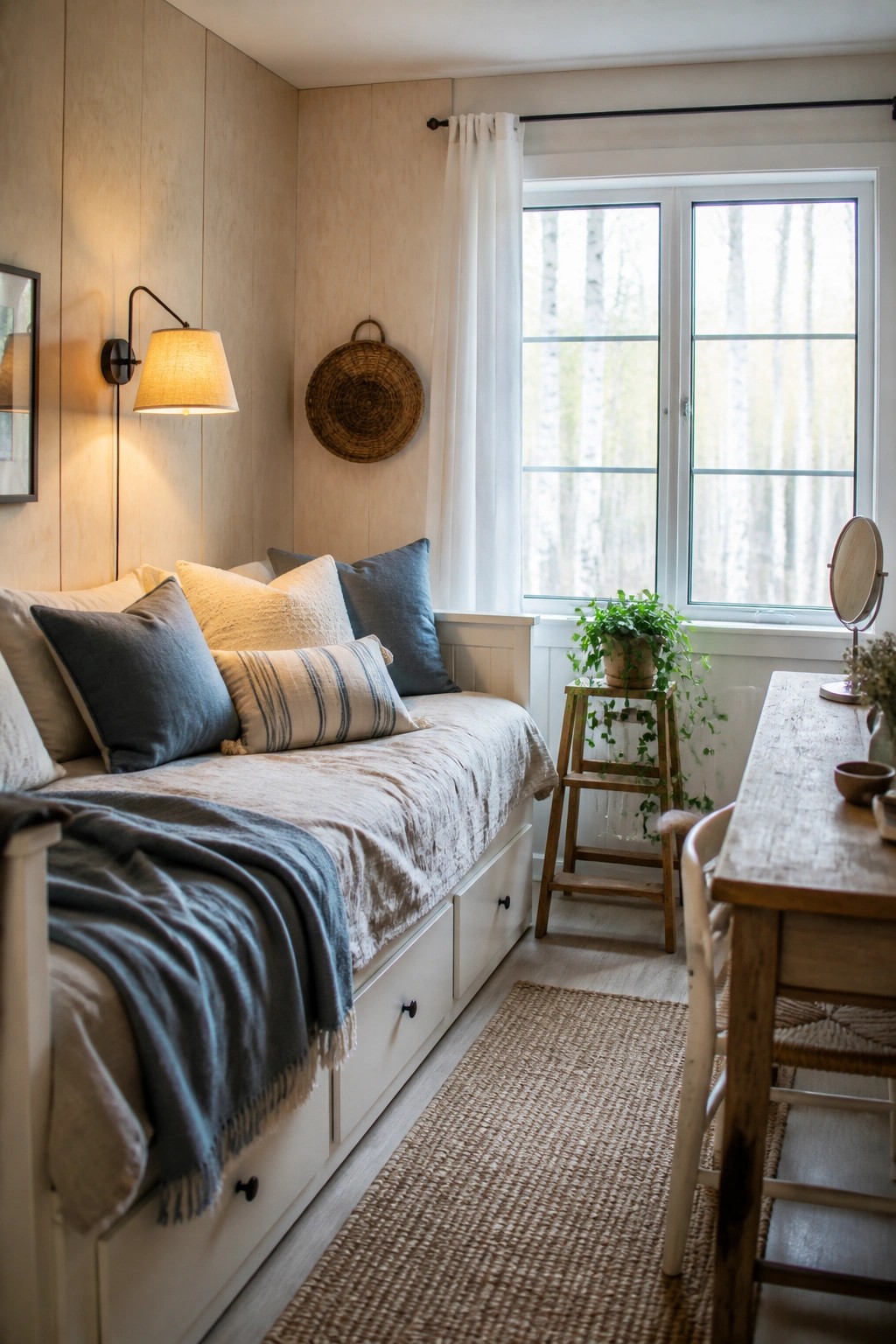
Light wood paneling works well when you want a bedroom to feel warm and calm without adding heavy color. The vertical planks keep the walls simple while still giving the room a natural texture that softens everything around it.
This approach suits smaller bedrooms or spaces that already get decent daylight. It pairs best with light bedding and a few woven pieces so the wood stays the main source of warmth rather than competing with too many other materials.
Mixed Grain Wood Accent Wall for a Natural Focal Point
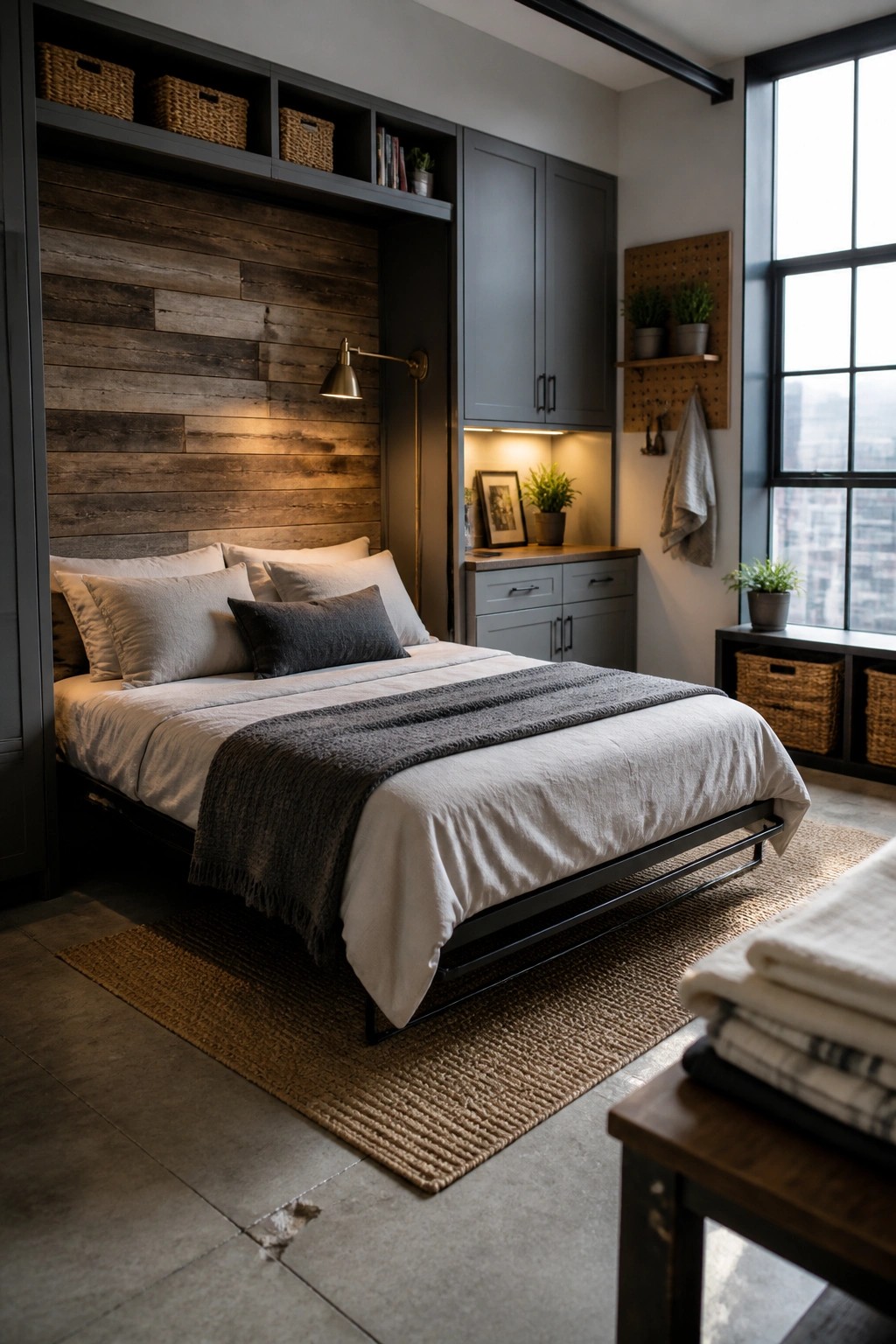
A wood accent wall gives a bedroom instant warmth that paint alone rarely achieves. The natural grain and varied tones create a grounded backdrop that makes the whole space feel softer and more inviting, especially when the rest of the room stays light and simple.
This approach works best in bedrooms where you want one strong focal point without adding much clutter. Keep other surfaces neutral and let the wood carry the texture so the room stays calm rather than busy.
Vertical Wood Planks Behind the Bed
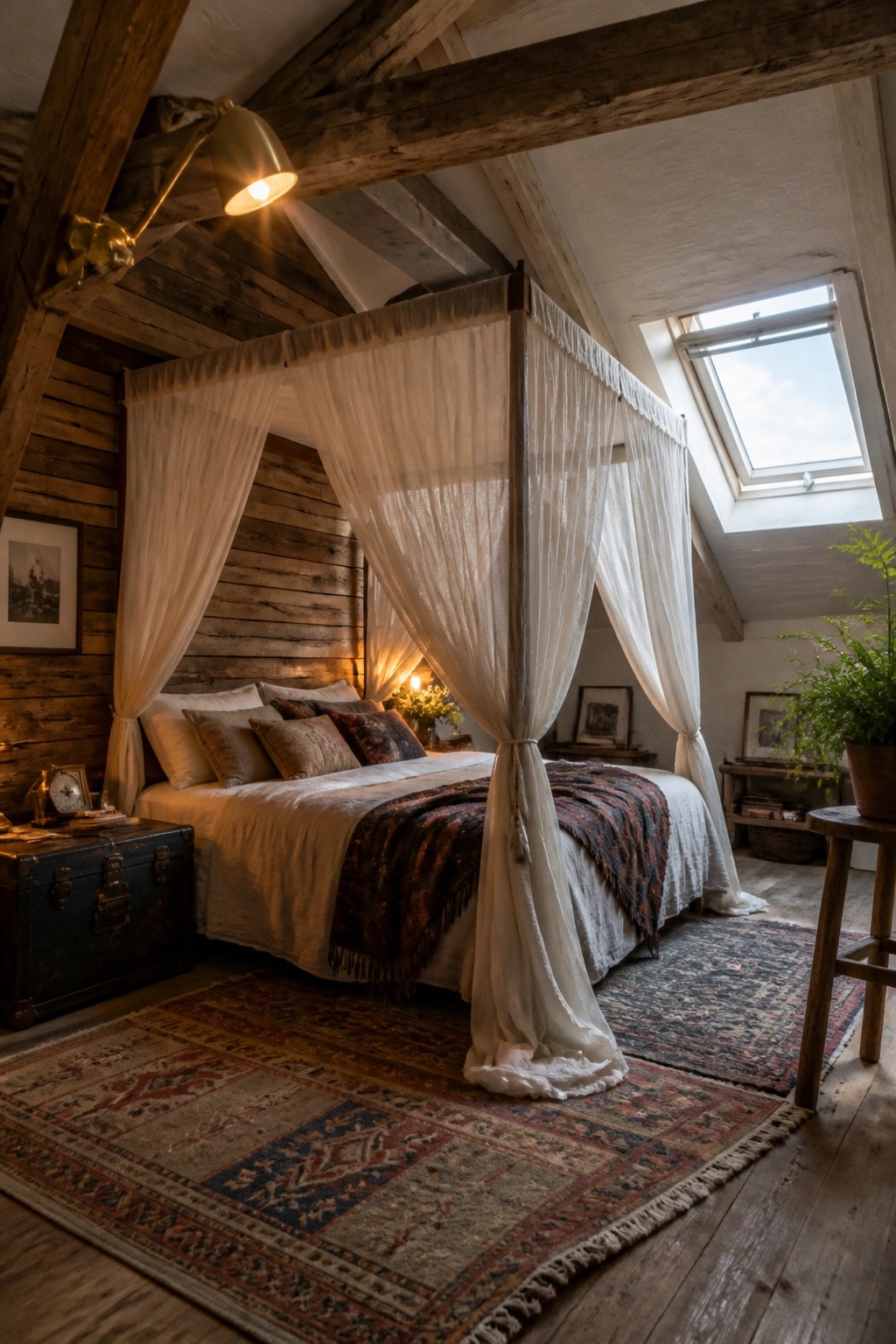
A wood accent wall works well in a bedroom because it brings in real texture and warmth without much effort. Vertical planks like these create a simple backdrop that makes the space feel grounded and a little more lived in.
This approach suits older homes or any bedroom where you want to add character without a full renovation. Keep the rest of the room light so the wood stays the main feature, and avoid overcrowding the wall with too many decorations.
Dark Wood Walls Bring Natural Warmth to Bedrooms
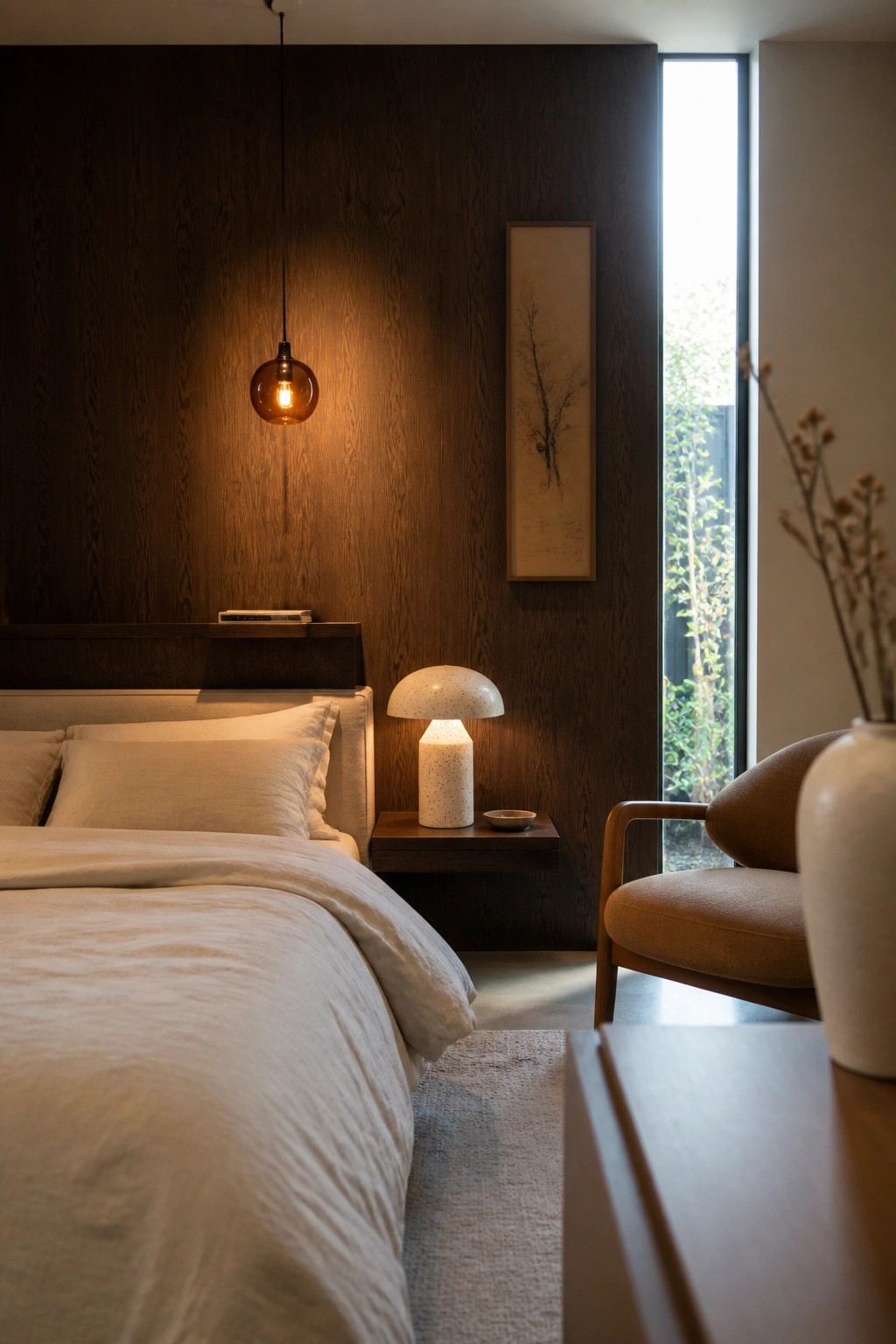
A dark wood accent wall behind the bed adds depth and a grounded feel that makes the room feel warmer without extra layers. The natural grain shows up well against lighter bedding and keeps the space from feeling flat or cold at night.
This works best in bedrooms where you want the material to carry most of the character. Pair it with simple furnishings and soft lighting so the wood stays the focus without making the room feel heavy.
Dark Horizontal Wood Plank Feature Wall
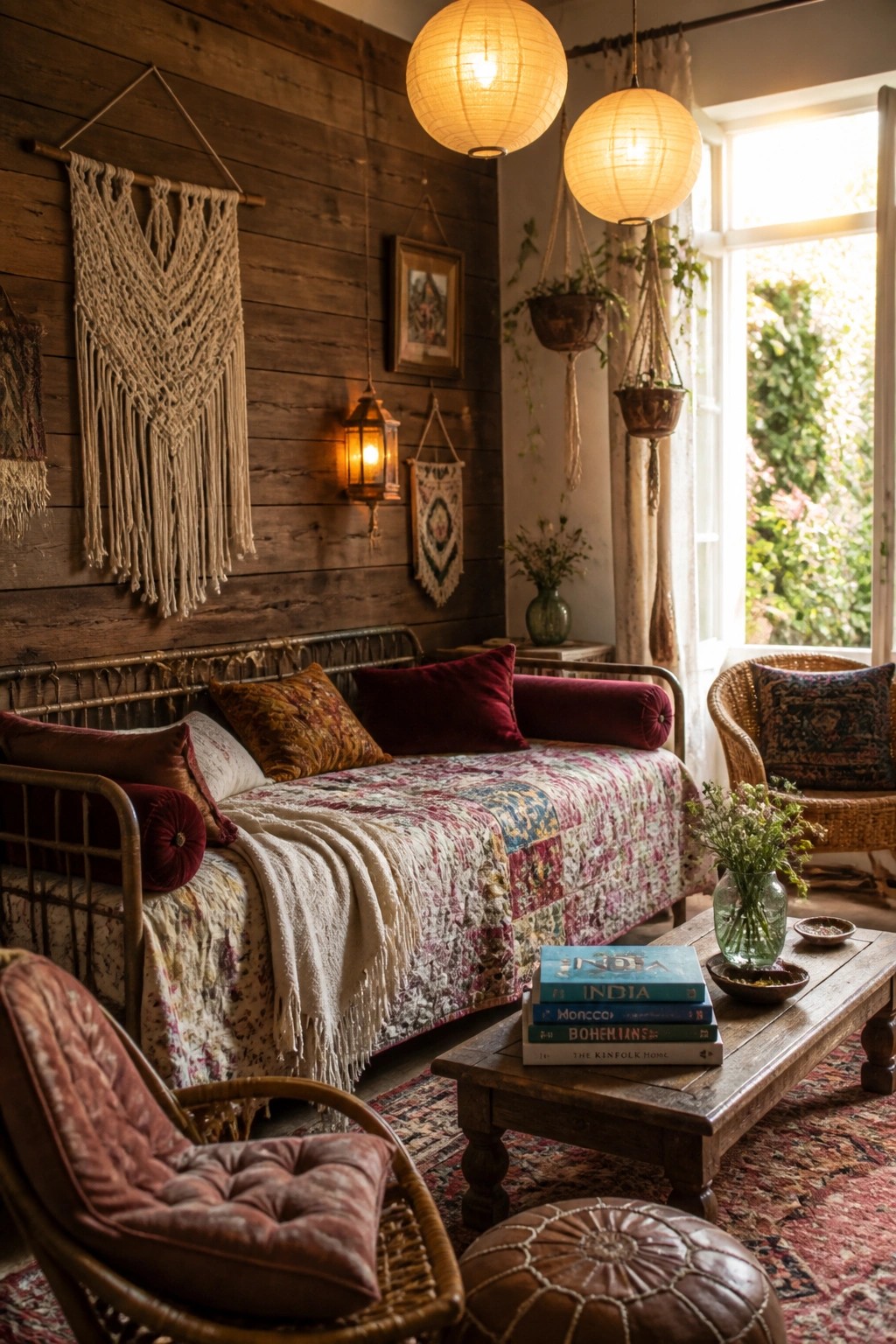
A wall of dark horizontal planks gives a bedroom that settled, grounded feeling without much extra effort. The wood adds depth and texture that plain drywall never quite reaches, especially when the rest of the room stays simple.
This works best in smaller bedrooms where one strong surface can carry the warmth. Keep furniture and bedding lighter so the wood stays the main feature rather than competing with too many patterns.
Rustic Wood Feature Wall Behind the Bed
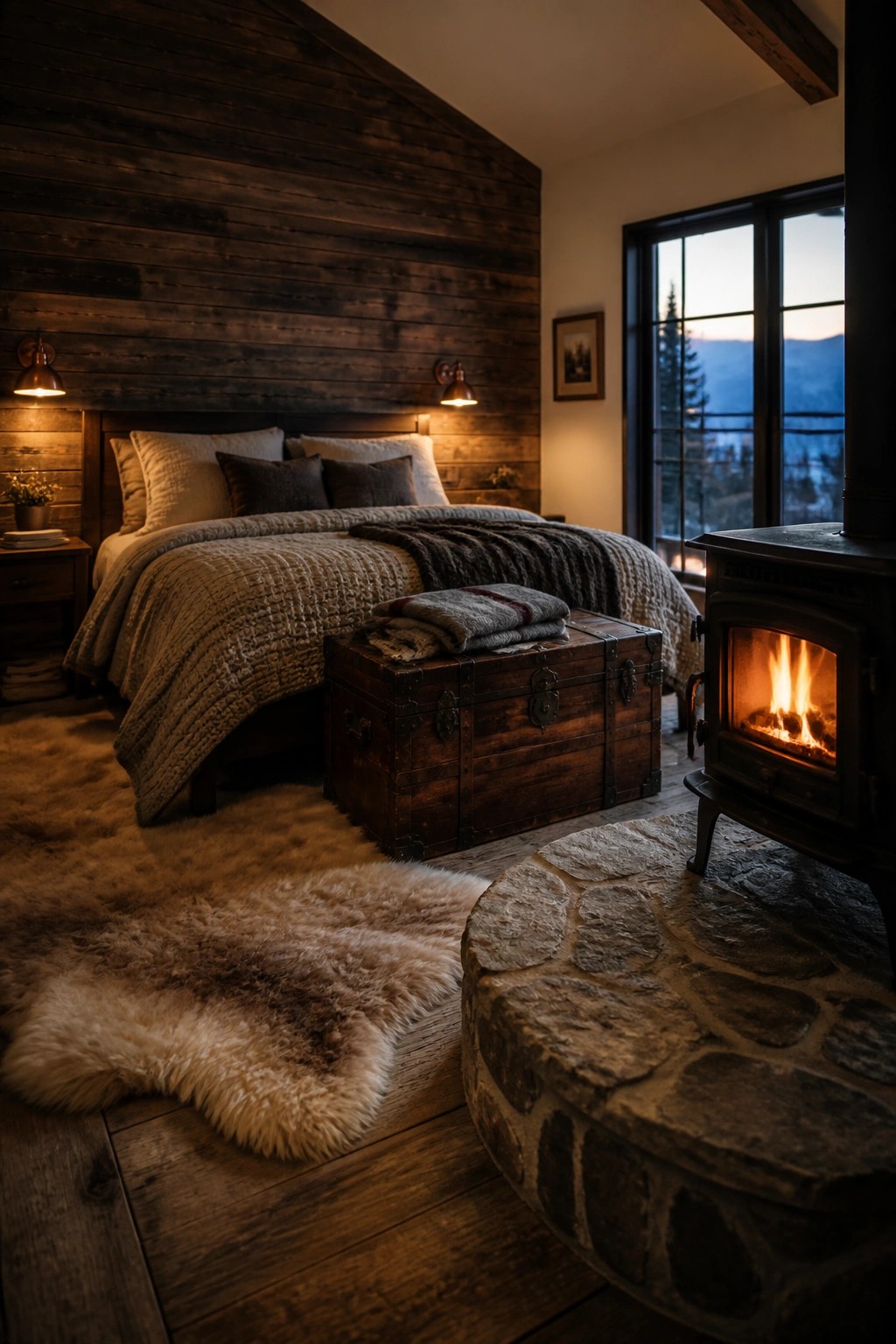
A wood accent wall gives a bedroom that settled, warmer feel without needing a lot of extra pieces. The planks bring natural texture and color that works especially well when the rest of the room stays simple and the bed is centered against it.
This approach suits homes that already lean rustic or cabin style, but it can work in newer builds too if you keep the other walls light. Just watch the scale so the wood does not take over the whole room.
Horizontal Wood Planks For Bedroom Warmth
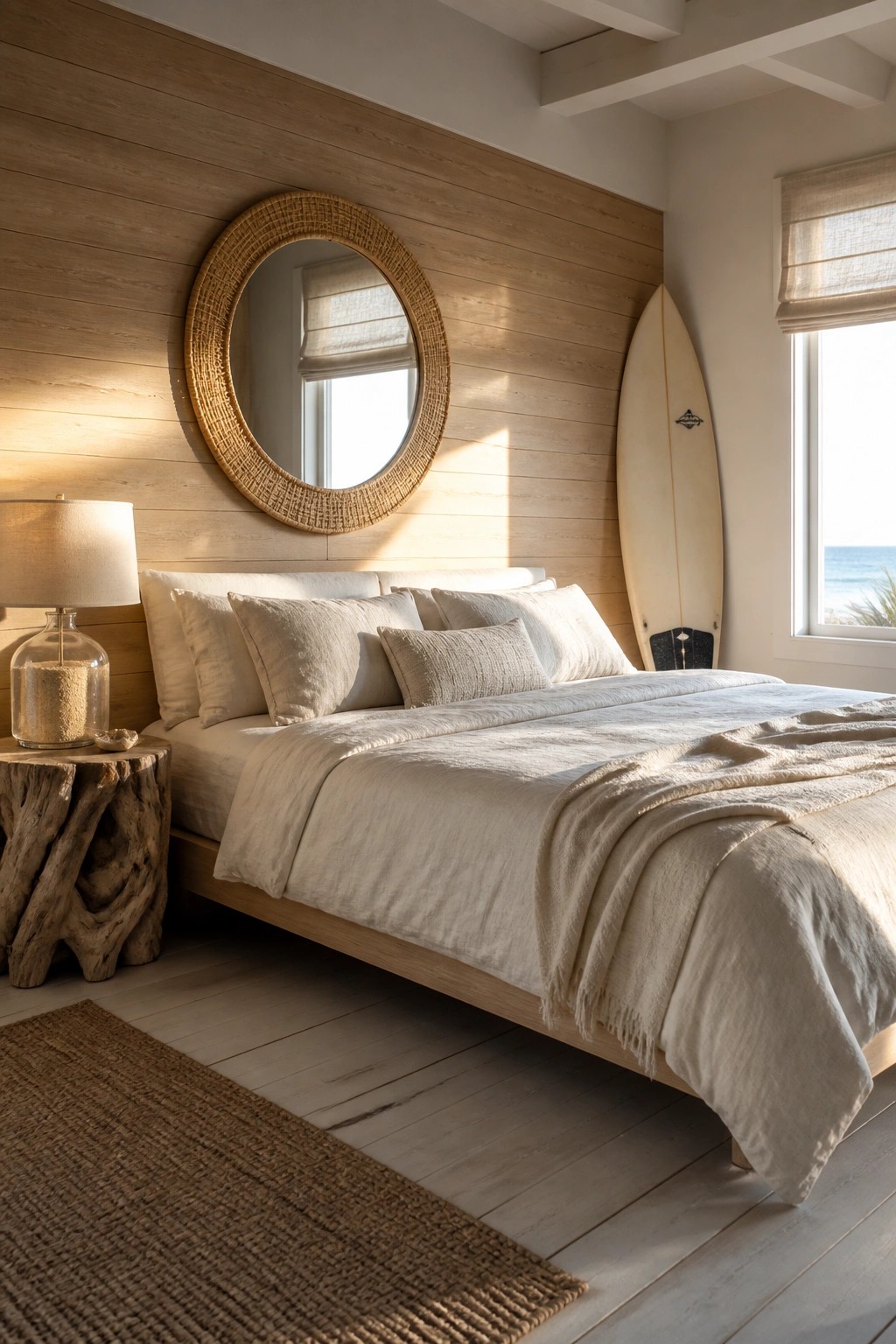
Many bedrooms feel a little flat without some natural texture on the walls. A wall of horizontal wood planks adds that warmth right where it matters most, behind the bed.
This approach works best in lighter rooms that already use soft fabrics and simple furniture. Keep the wood tone light so it blends rather than takes over.
Frequently Asked Questions
Q: What if I have no experience with power tools? A: Start with peel and stick wood panels instead. They go up with adhesive and need no cutting or nailing. Many options mimic real grain without the mess.
Q: How do I match the wood tone to my existing floor? A: Bring a sample board home from the store. Hold it against your floor in different lights to see what feels right. Lighter woods often balance darker floors nicely.
Q: Does adding an accent wall make the room feel smaller? A: Not if you pick a light wood shade. It actually draws the eye and adds depth. Vertical planks can make ceilings seem higher too.
