

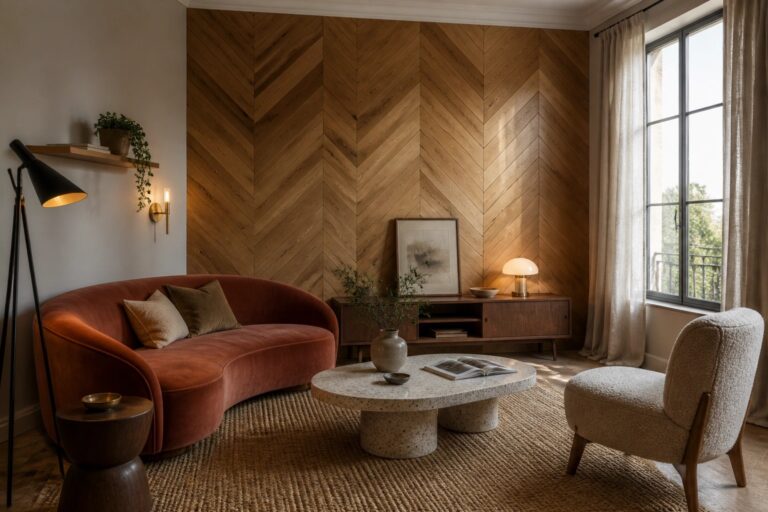
I’ve noticed that walls tend to shape how a room feels long before the furniture or lighting gets any attention.
When I consider updates that avoid major demolition, wood treatments stand out because they can introduce texture without changing the footprint of the space.
They often affect how sound moves and how shadows fall, which matters more in daily use than it does in photos.
Some options simply suit certain room sizes better than others.
I usually grab a few offcuts first to see how the grain and finish interact with the existing light before going further.
Herringbone Wood Walls
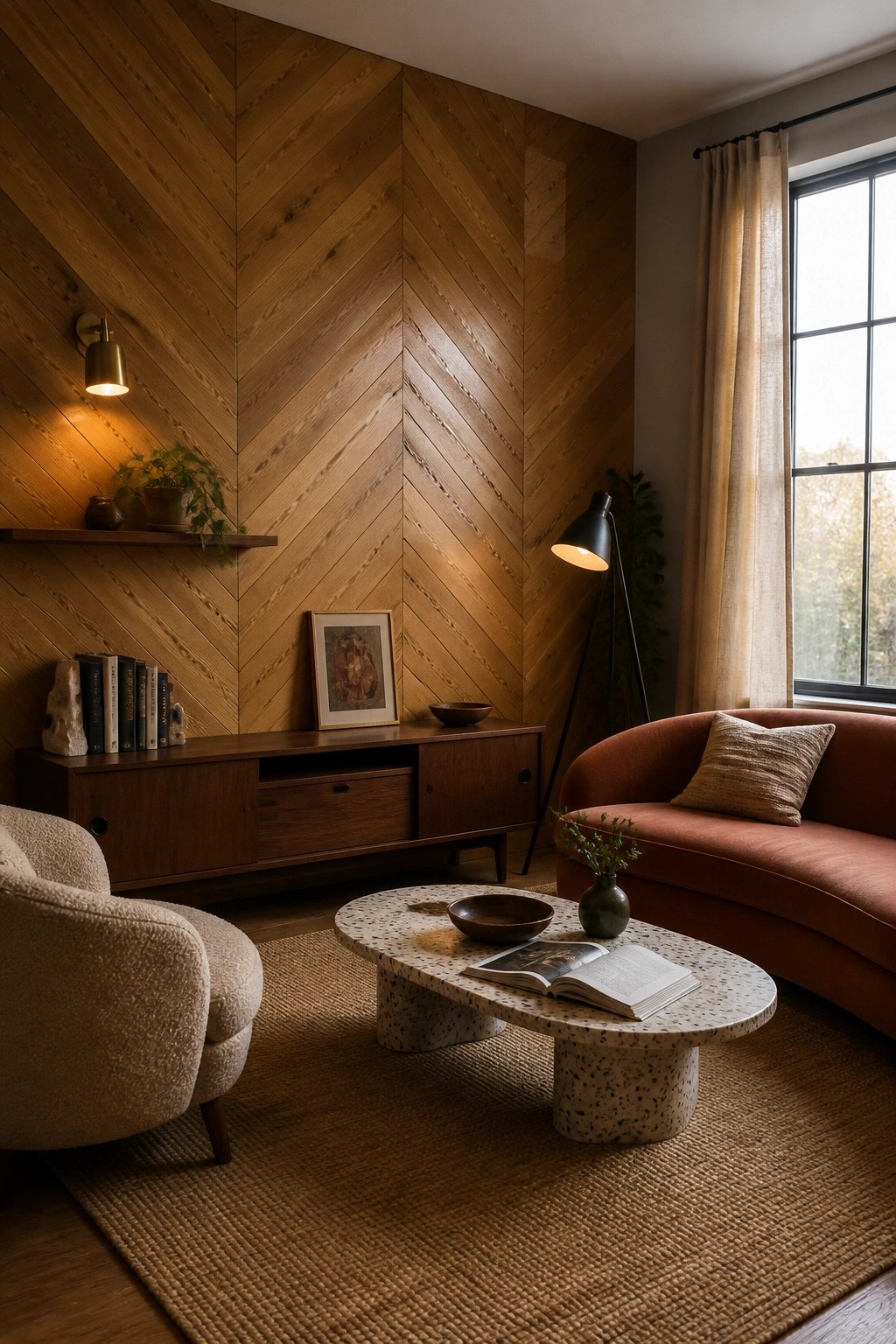
Herringbone wood walls give a room more texture and depth than flat paint or basic paneling. The angled pattern catches light differently across the surface, so the wall feels more alive without any extra color or clutter.
This treatment works best in living areas where you already have wood furniture or flooring. It suits older homes that need a refresh without tearing into drywall, and it pairs well with simple furnishings so the pattern does the work.
Vertical Wood Slats On A Bedroom Wall
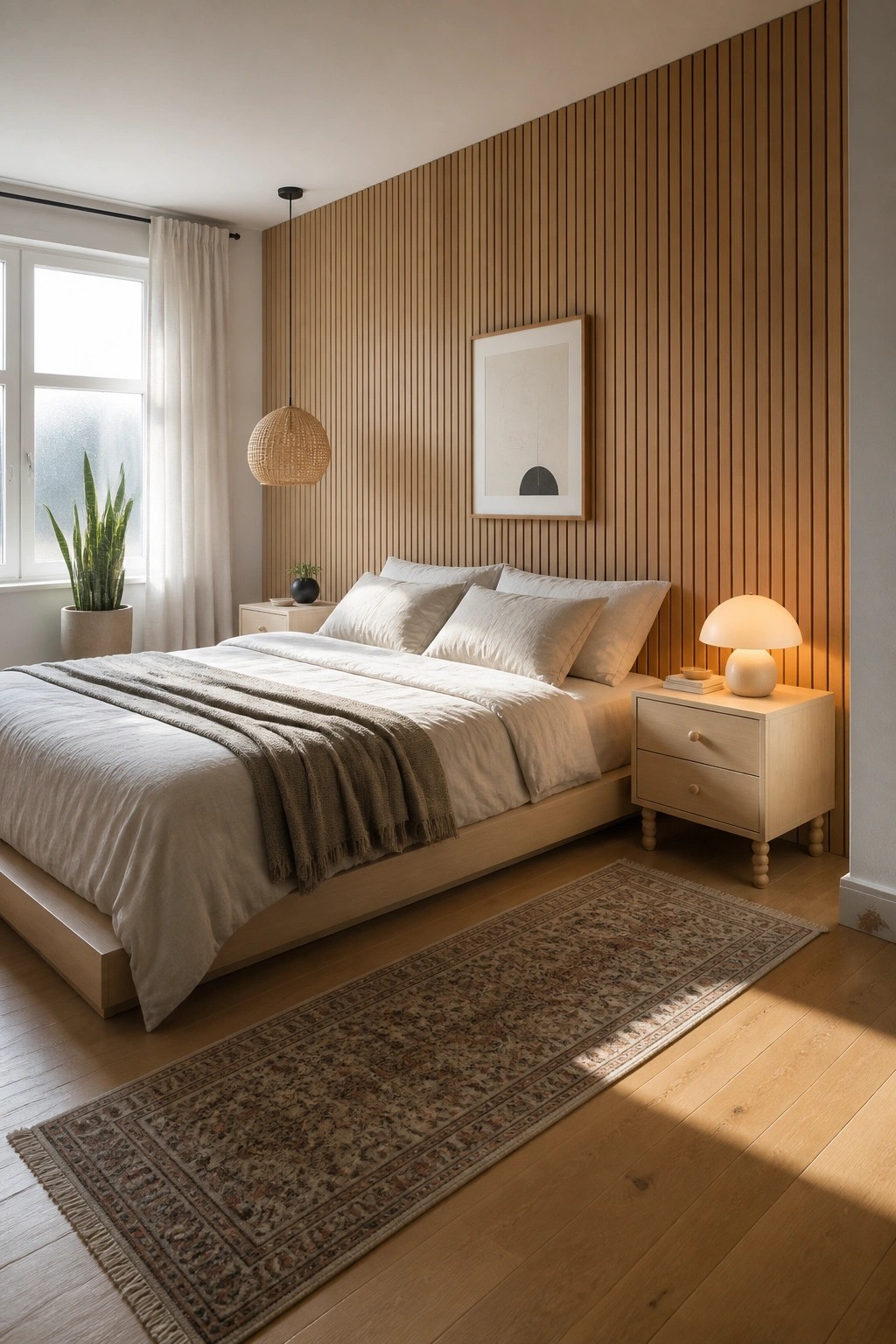
Vertical wood slats give a wall quiet texture that feels solid without closing in the room. Many people choose this treatment because it adds warmth and depth while working over existing drywall.
Install the slats in a single area like the wall behind the bed, keep the finish light, and pair them with simple furnishings so the wood stays the main focus. This approach suits smaller bedrooms that need more character without major construction.
Vertical Wood Slats Behind Shelves
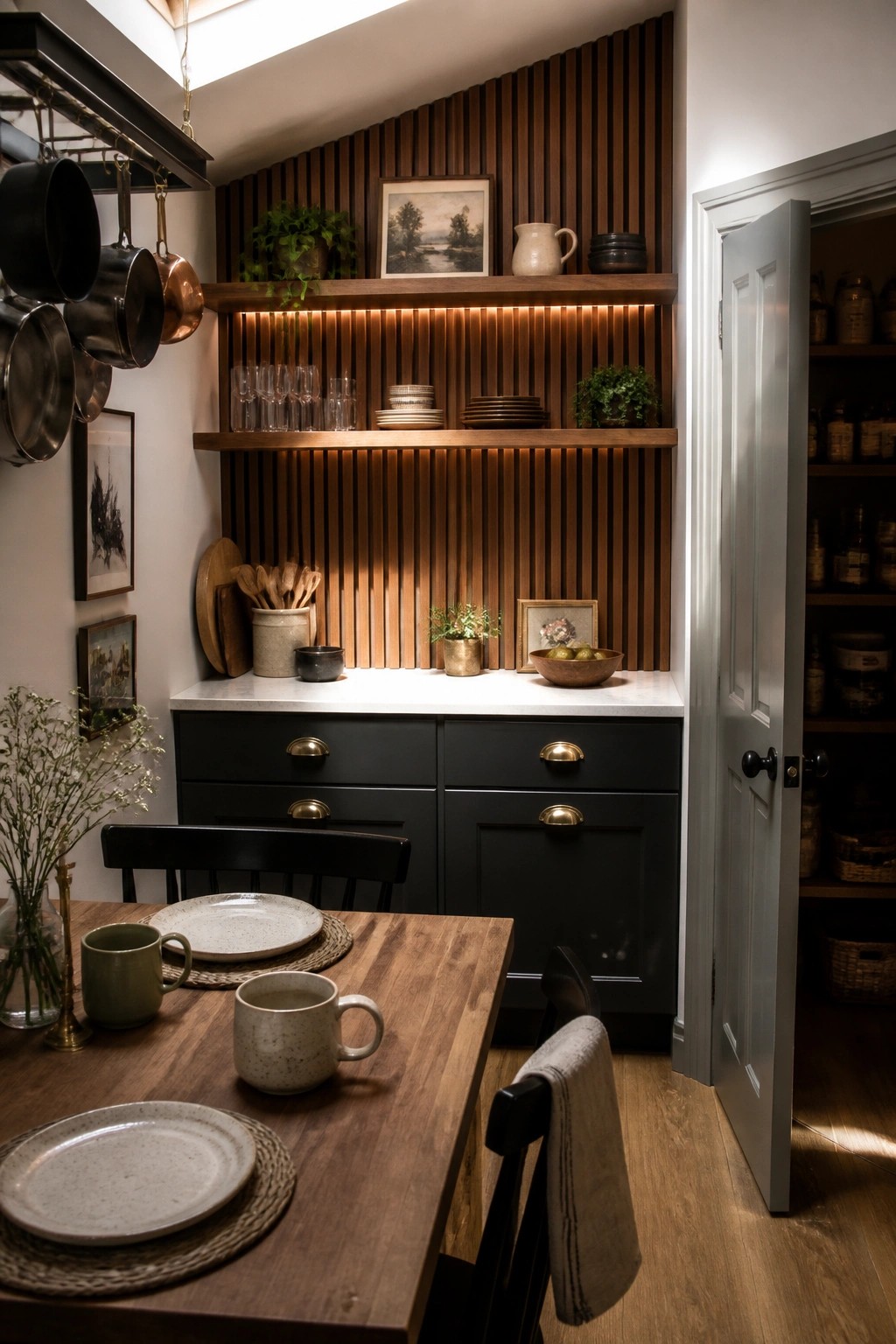
Vertical wood slats give a plain wall some texture and depth without a full remodel. They work especially well in tight kitchen areas where you already have open shelves and a work surface, since the lines add interest without taking up floor space.
This treatment suits smaller homes or older kitchens that need a quick update. Keep the slats natural or painted to match nearby cabinetry, and use simple under-shelf lighting so the pattern shows up without extra decoration.
Horizontal Wood Planks Above Wainscoting
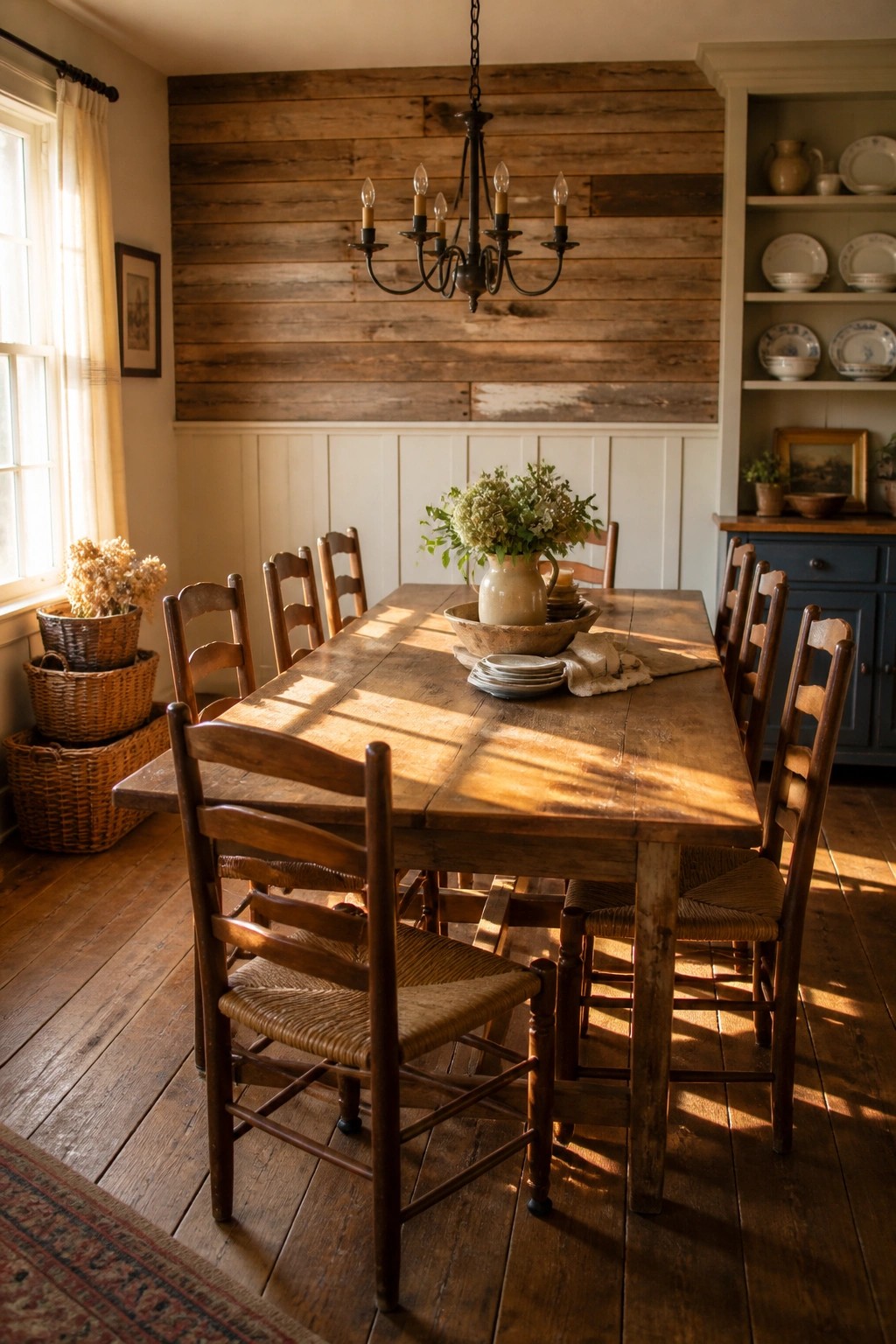
This treatment keeps things simple by covering just the upper half of the wall with horizontal wood planks. The lower section stays painted, which makes the wood stand out without overwhelming the room. It adds texture and a bit of warmth that painted walls alone often lack.
It works best in spaces like dining rooms where you already have a table and chairs pulling focus. Keep the wood tone close to your furniture so it feels connected rather than added on later. Avoid very dark planks if the room gets little natural light.
Vertical Wood Paneling For Added Depth
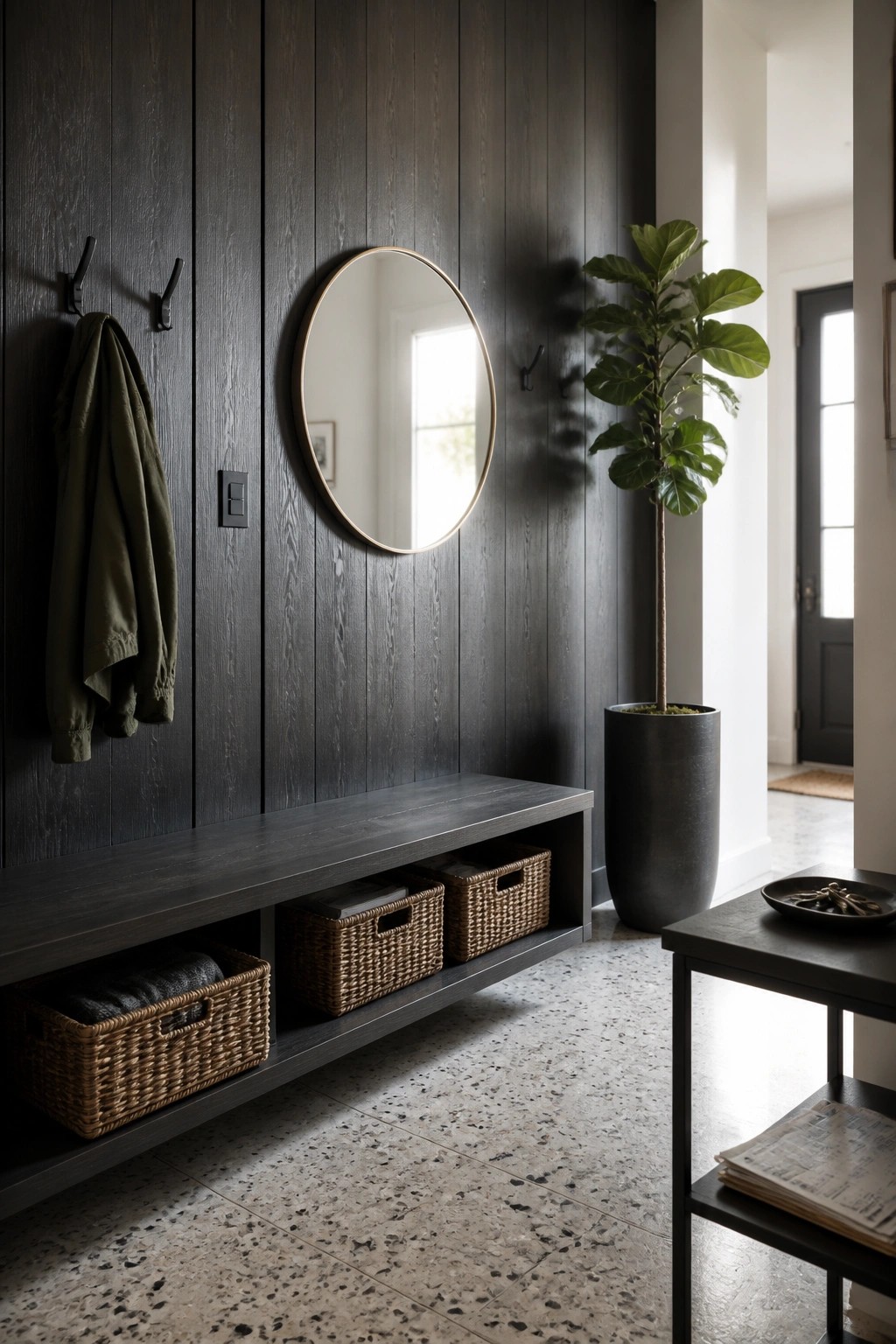
Vertical wood paneling gives a wall instant texture and makes a space feel more finished. It works well in entry areas where you want something solid without tearing into the structure.
This treatment suits homes with plain walls that need a quick refresh. Keep the planks in a dark tone and pair them with a simple bench or hooks so the focus stays on the wall itself.
Horizontal Wood Paneling Behind The Vanity
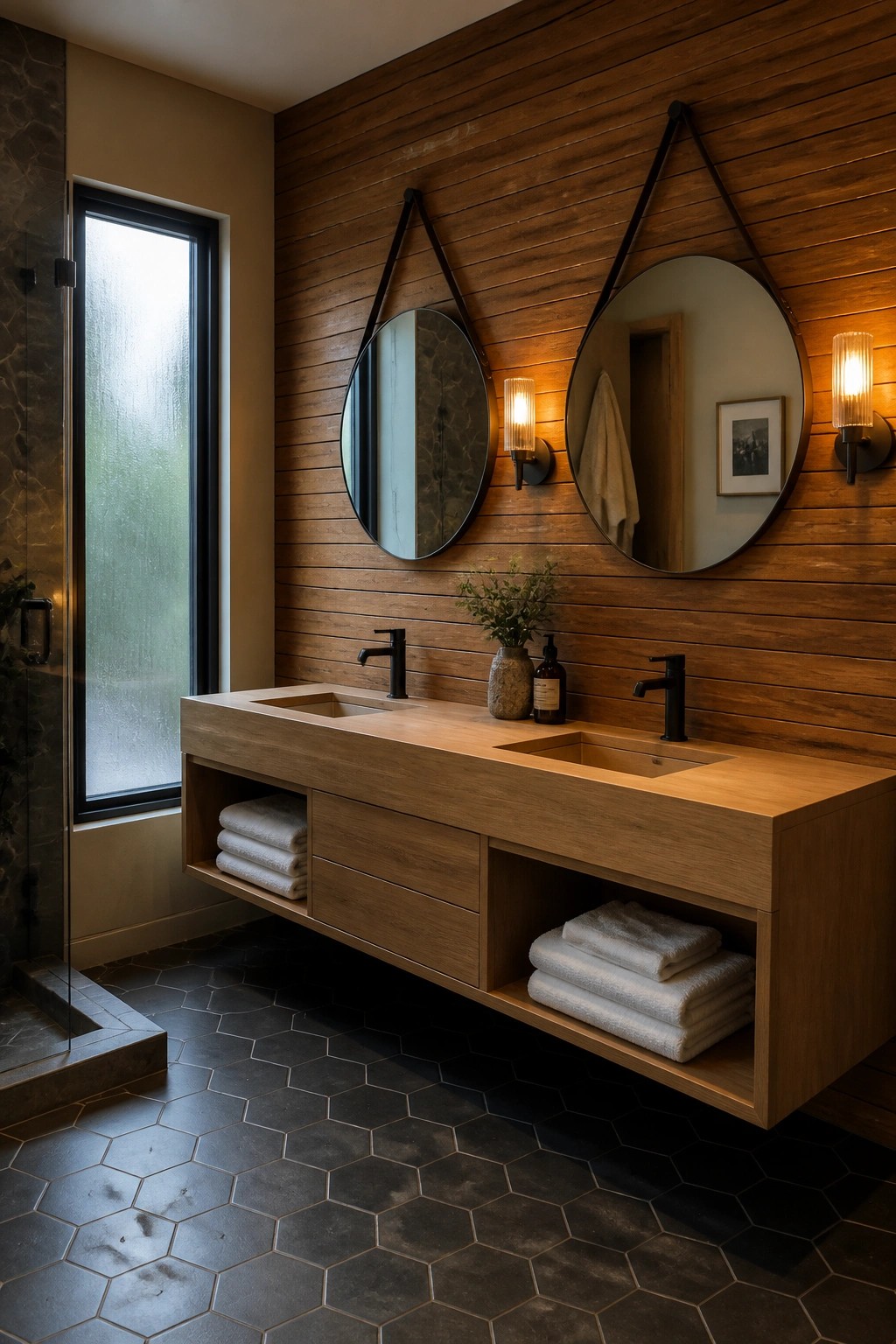
Many bathrooms end up feeling a bit stark because of all the tile and hard surfaces. A wood wall treatment behind the vanity adds warmth and a bit of texture without needing a full remodel.
This approach works best in smaller baths where you want one focal wall to carry the room. Use a simple horizontal layout and keep the rest of the walls light so the wood does not close the space in.
Wood Wainscoting For Easy Wall Texture
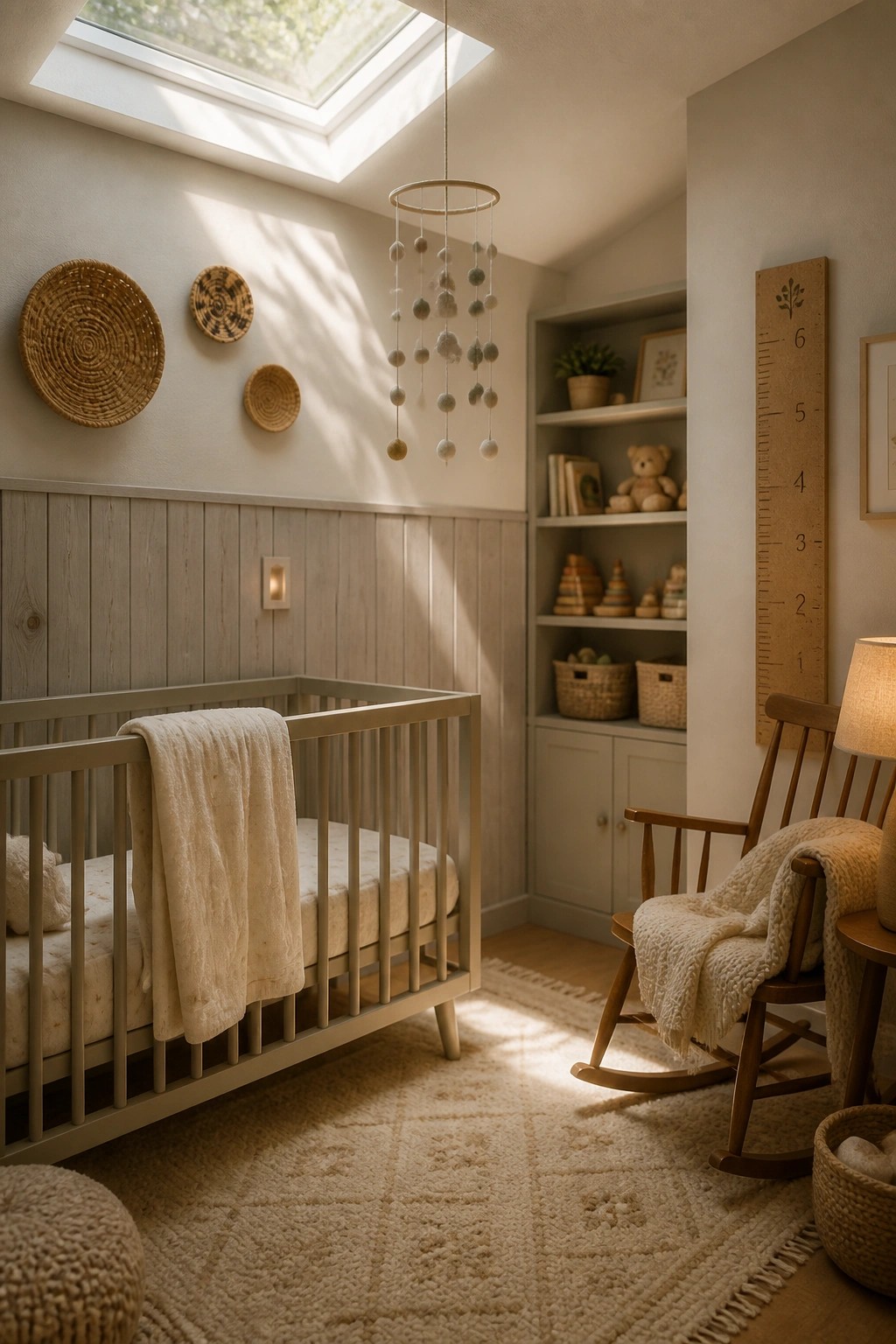
Wood wainscoting gives walls a bit of structure and texture that paint alone cannot provide. It works well when you want some depth in a room without tearing into the existing surface or adding heavy trim work.
This treatment suits smaller rooms or spaces like nurseries where you want the walls to feel finished but still keep things light. Paint the wood in a soft tone so it blends with the rest of the room and does not compete with furniture or rugs.
Vertical Wood Slats For Added Wall Depth
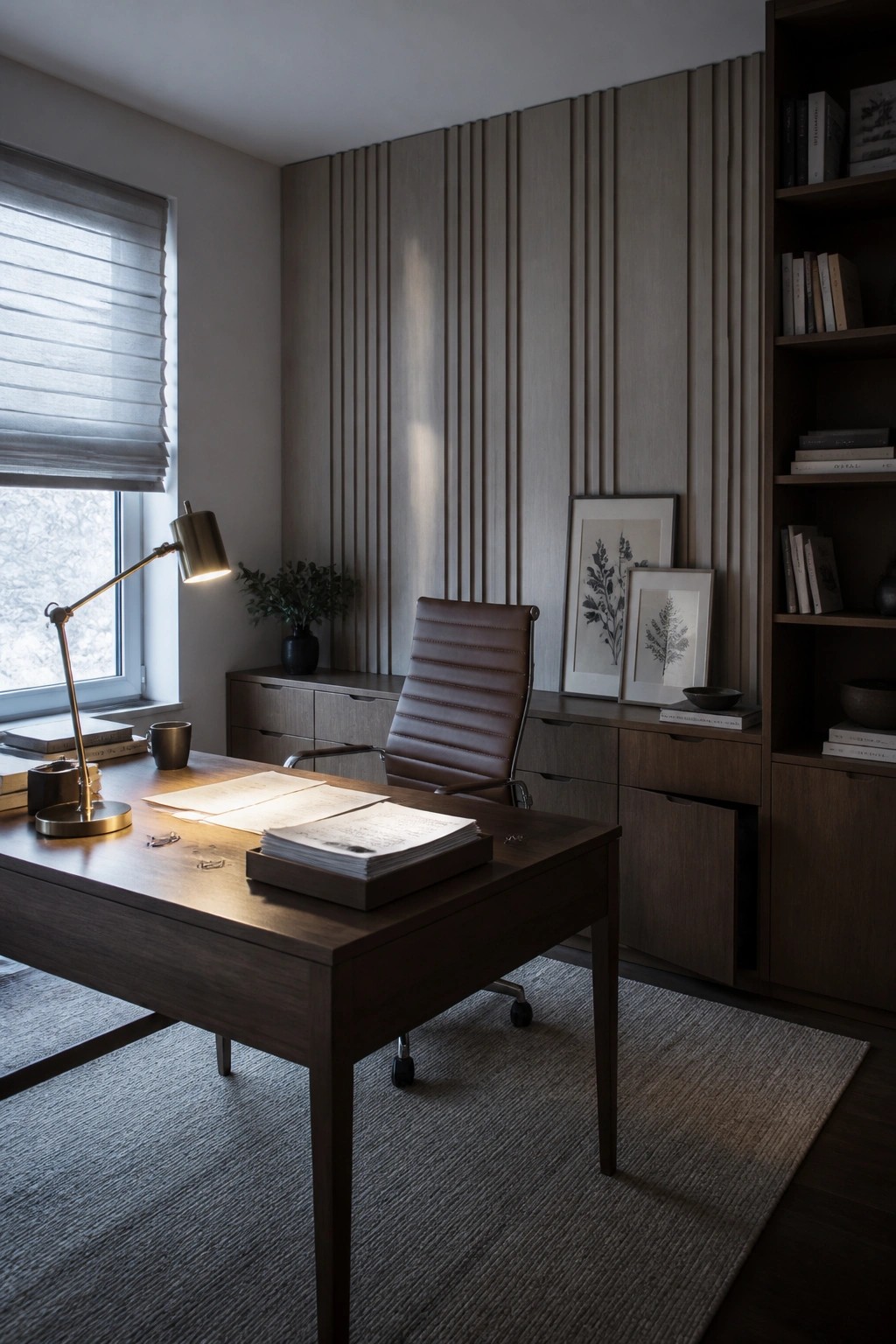
Vertical wood slats give a wall quiet texture without needing new trim or major changes. They catch light in a way that makes the surface feel deeper and more interesting, especially in a room that already has wood furniture. The effect works well when the slats are spaced evenly and kept in a similar tone to the rest of the wood in the space.
This treatment suits offices, living rooms, or bedrooms where you want some warmth but still need the wall to stay calm. It pairs best with simple furniture and minimal styling so the slats stay the focus. Avoid using it on every wall in a small room or it can start to feel heavy.
Wood Planks In Laundry Rooms
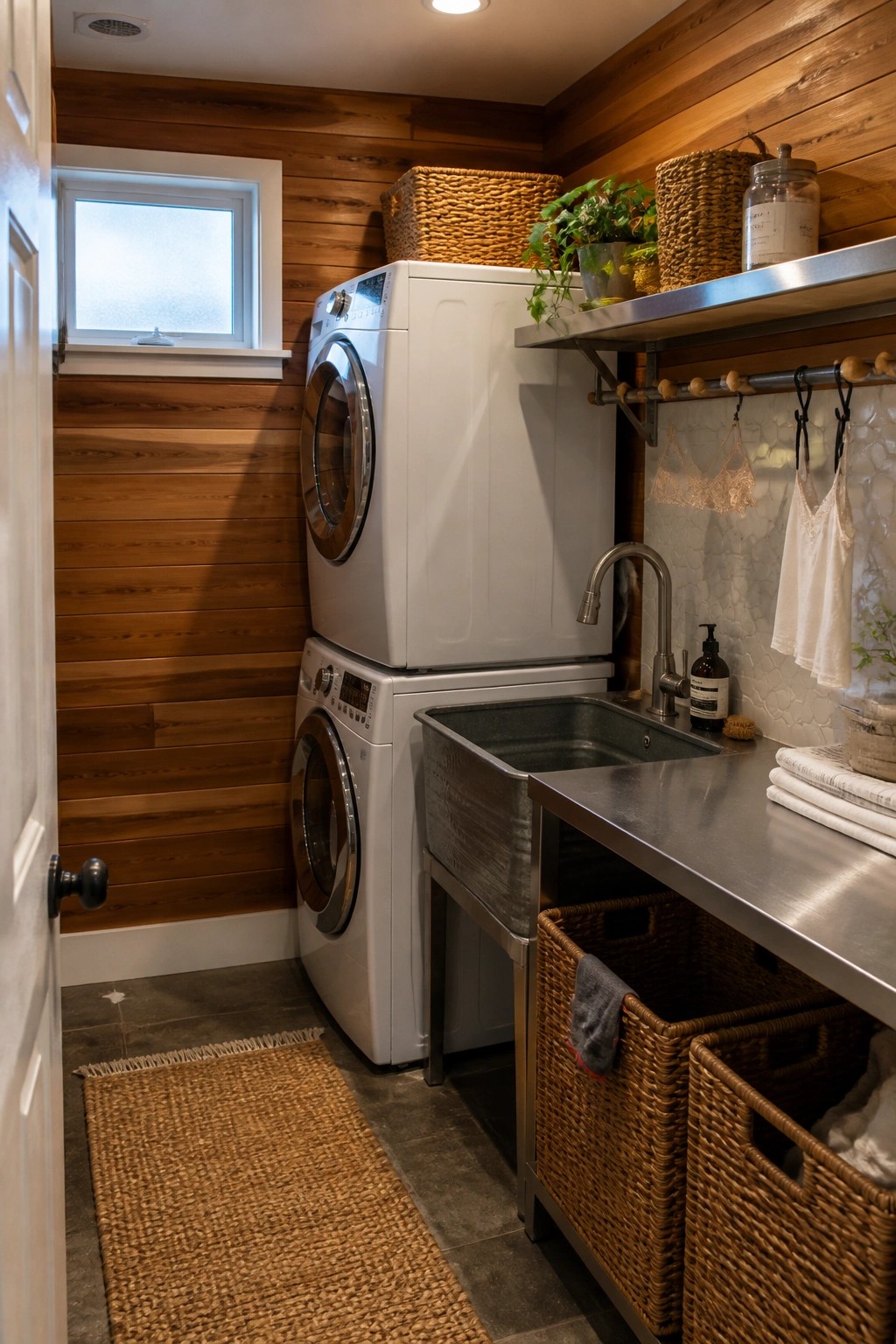
Many people skip wall treatments in laundry rooms because the space feels too functional. Horizontal wood planks change that by adding texture and warmth while keeping the room practical for daily use.
This works best in smaller utility spaces where you want something durable that still feels finished. Keep the rest of the room simple with basic fixtures and storage so the wood stays the main feature without crowding the area.
Wood Plank Feature Walls
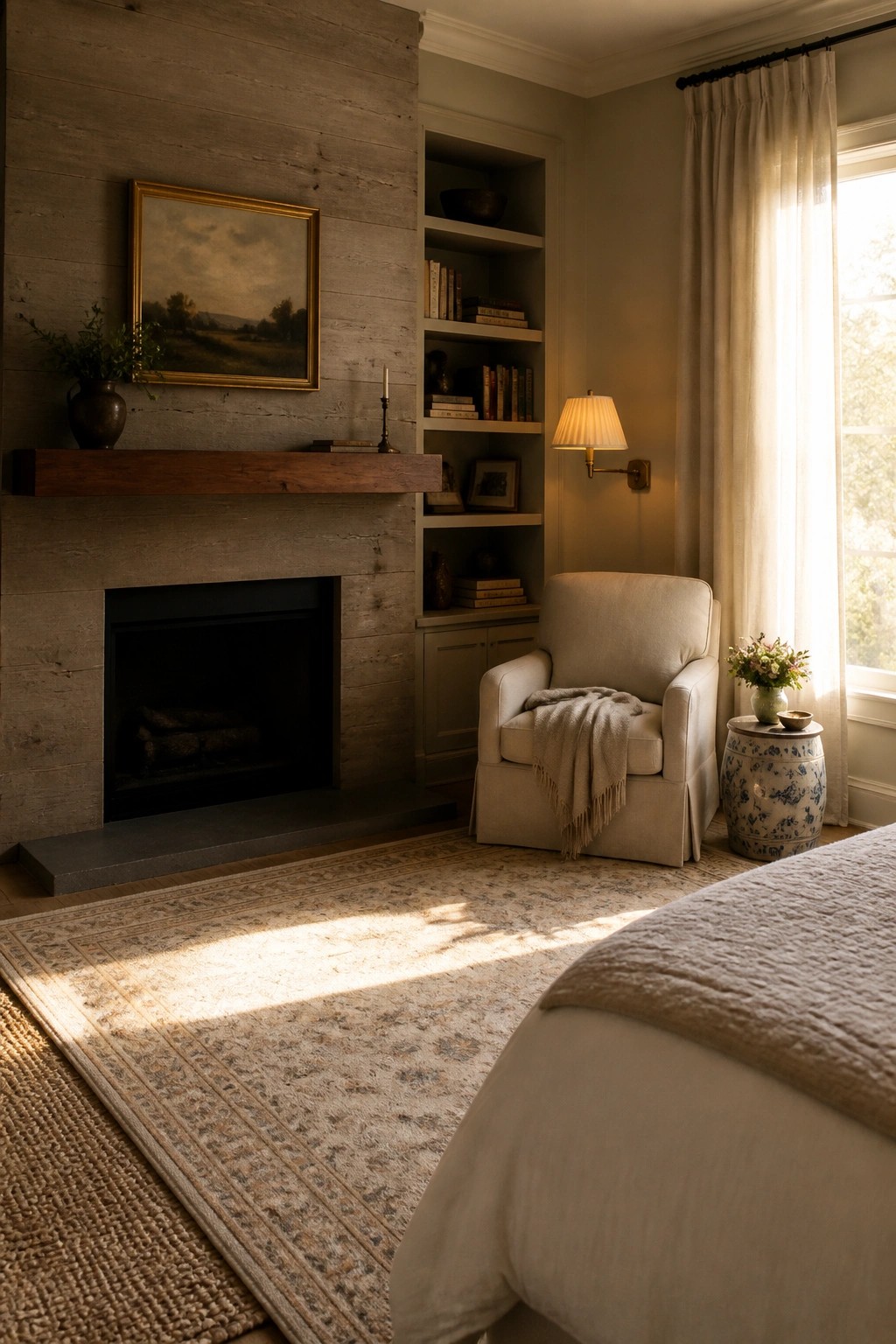
Wood planks on a single wall section give a room instant texture and warmth. This approach works especially well around a fireplace because the material adds depth without covering every surface or requiring major construction.
It suits older homes or spaces that already have some wood tones nearby. Keep the rest of the room simple so the planks stand out as the main material choice rather than competing with too many other elements.
Dark Wood Paneling As A Feature Wall
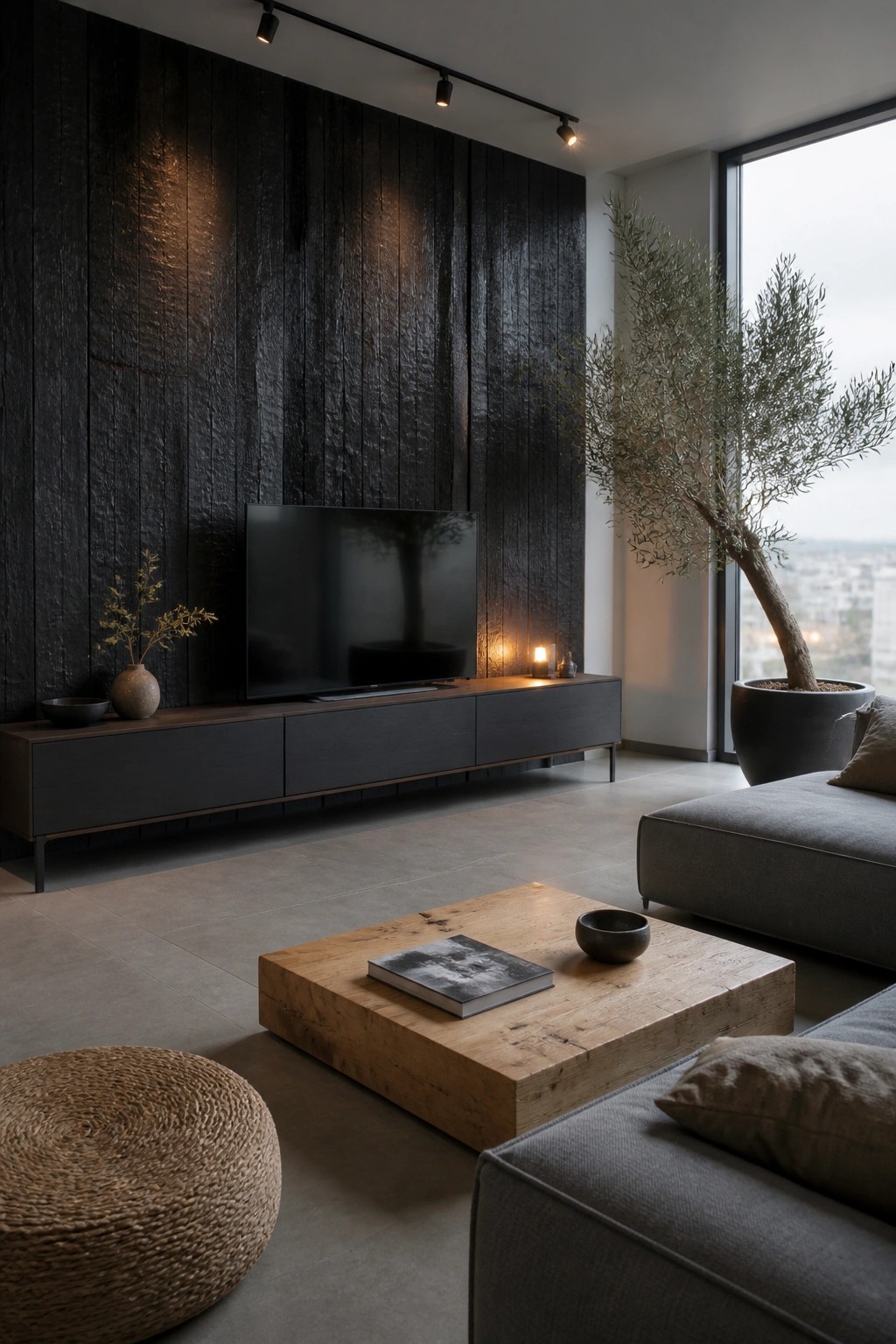
A dark wood wall can give a room instant depth without any structural work. The vertical planks create texture and shadow that a flat painted wall never will, and the effect feels grounded even in a simple space.
This treatment suits living rooms or bedrooms where the tv or bed sits against one main wall. It works best with lighter floors and furniture so the wood does not overwhelm the room. Keep the rest of the finishes calm and let the wall do the work.
Wood Plank Walls In Stairwells
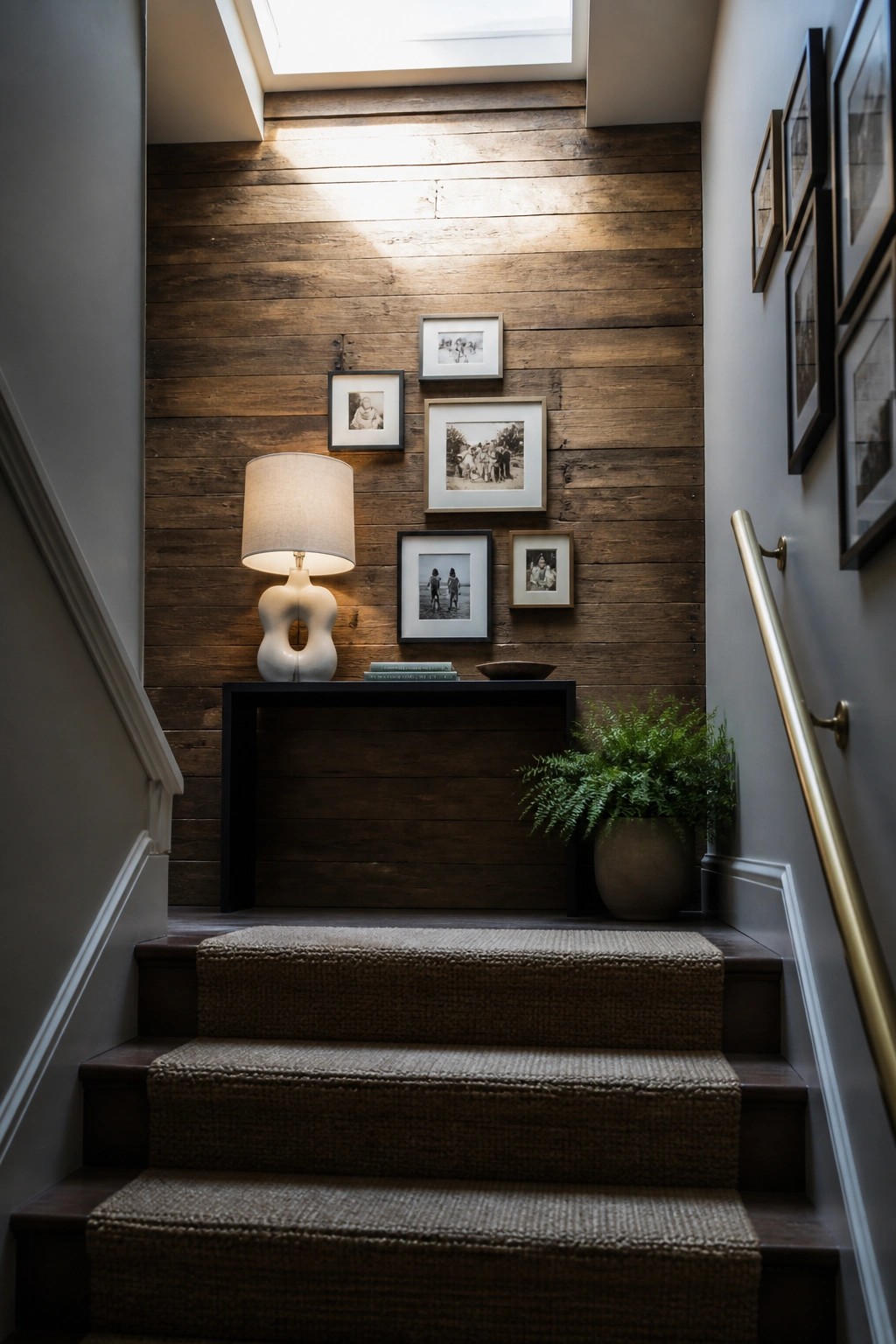
Covering a stair wall with simple horizontal wood planks is an easy way to bring texture into a space that often feels plain. The planks add depth and a bit of warmth without needing to change the structure or layout of the stairs.
This approach works best in homes where the stairwell gets decent light and the wood tone can tie in with nearby trim or flooring. Keep the rest of the wall fairly simple so the planks stay the main feature.
Wood Paneling Behind The Vanity
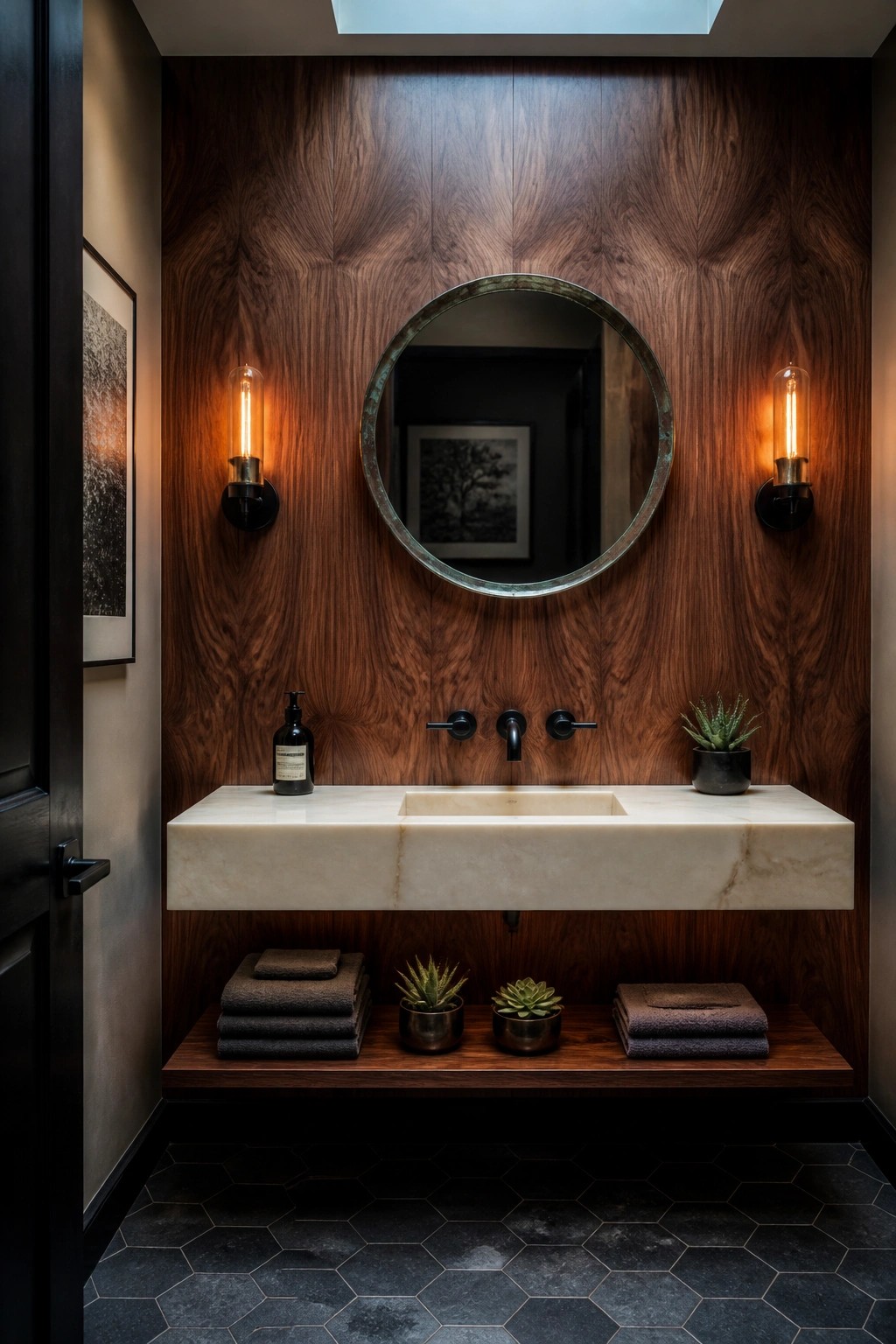
Covering just the wall behind the sink with wood paneling gives a bathroom more warmth and texture right where you notice it most. The vertical grain adds depth that a flat painted wall cannot match, and it works without touching the rest of the room.
This approach suits smaller baths or powder rooms where you want one strong material but still need the space to feel open. Match the wood tone to your floor or hardware so it feels connected rather than added on.
Wood Slats For Everyday Storage
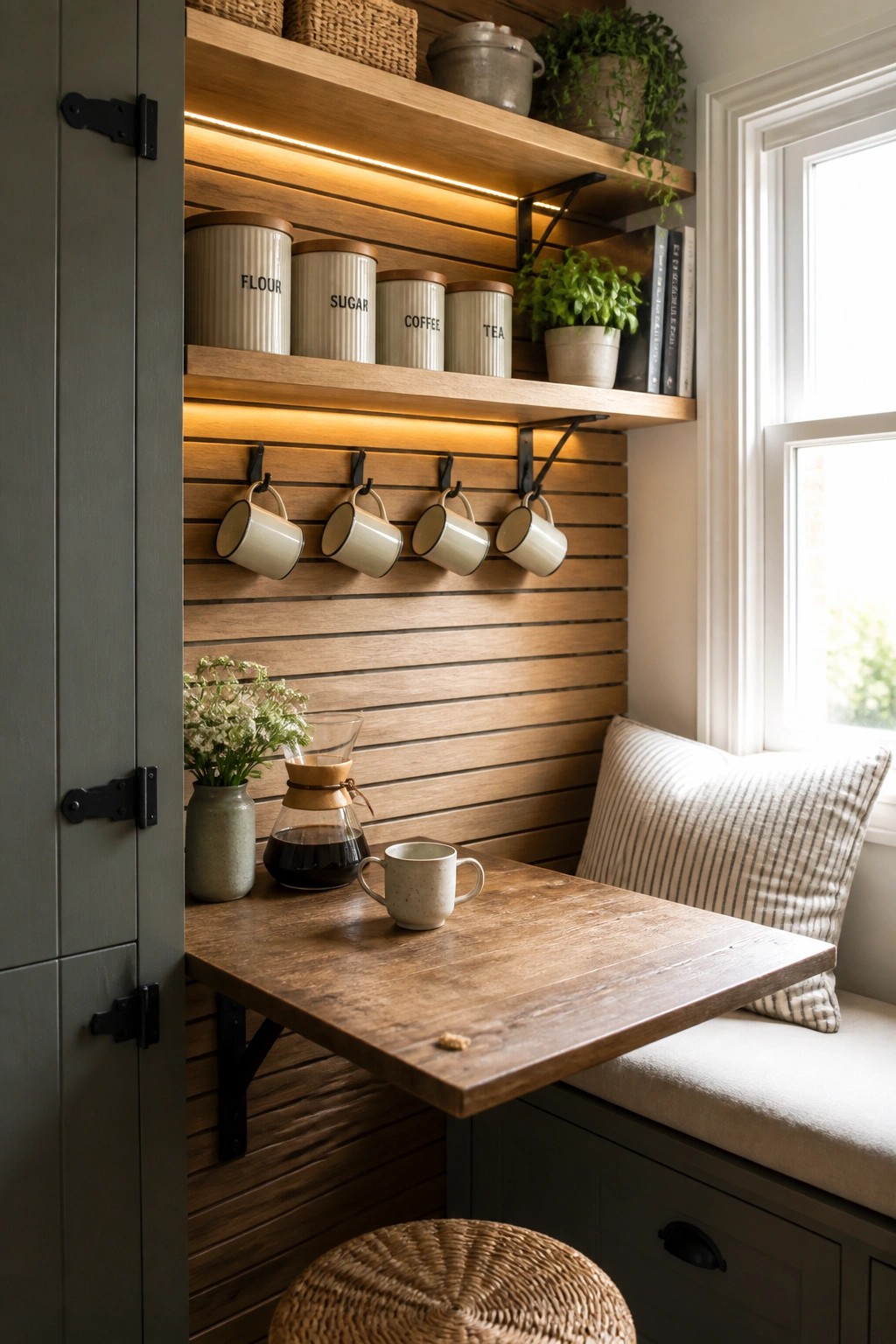
Horizontal wood slats give a wall texture and a place to hang things at the same time. They work especially well in a small kitchen or pantry corner because you can add hooks without drilling into plain drywall every time you want to rearrange.
This treatment fits homes that already have some wood tones elsewhere. Keep the spacing consistent so hooks sit evenly, and run a simple light strip along the top edge if the area gets used in the morning or evening.
Wood Paneling In Closets
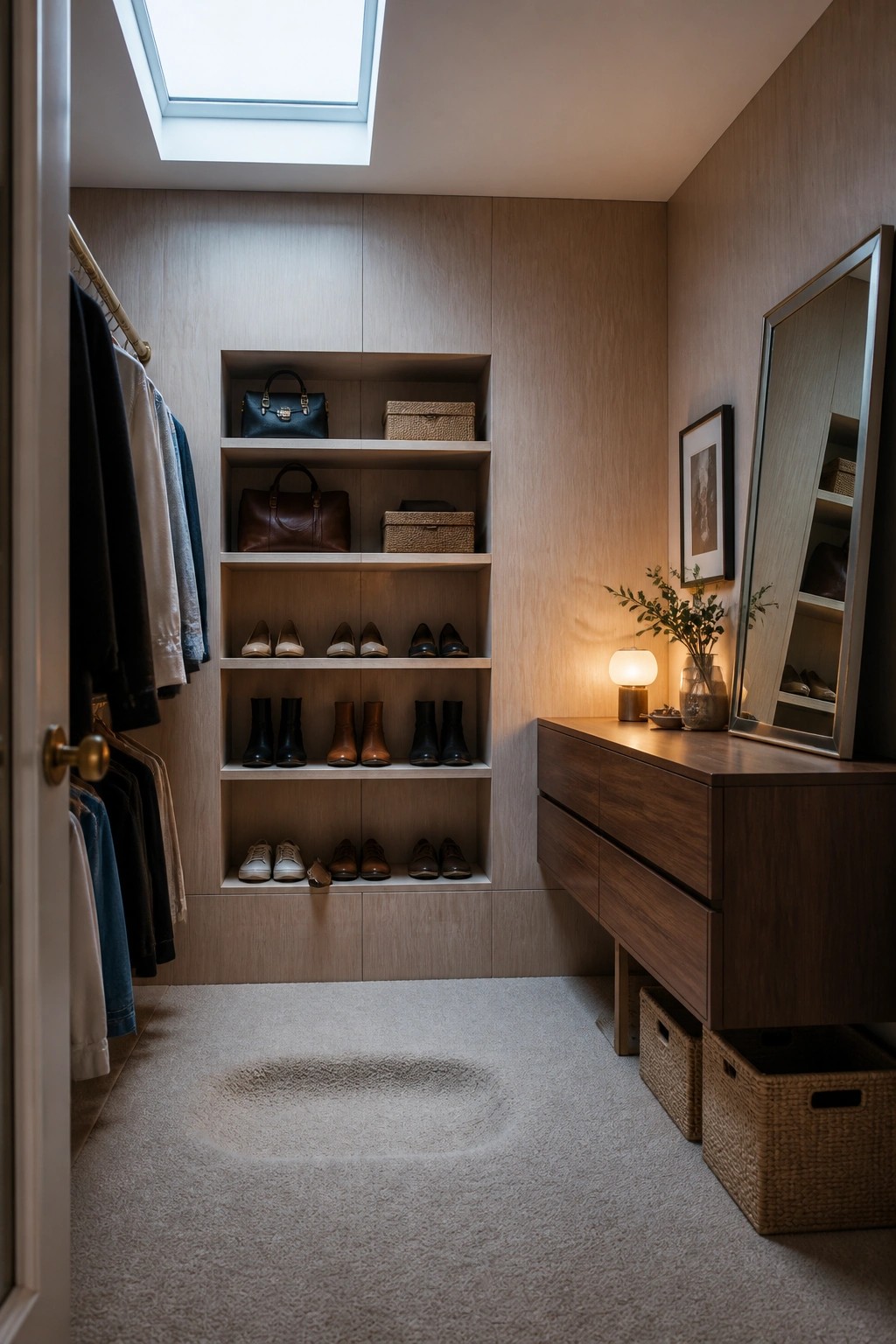
Wood paneling gives closet walls a finished look that feels calm and put together. It adds texture without any extra trim or paint layers, and it makes the whole space feel more like part of the house instead of just a storage box.
This works best in walk-in closets that already have some built-in shelving. A light wood tone keeps the area from feeling closed in, especially when the floor is carpeted or the room gets limited natural light.
Vertical Wood Slats For Easy Texture
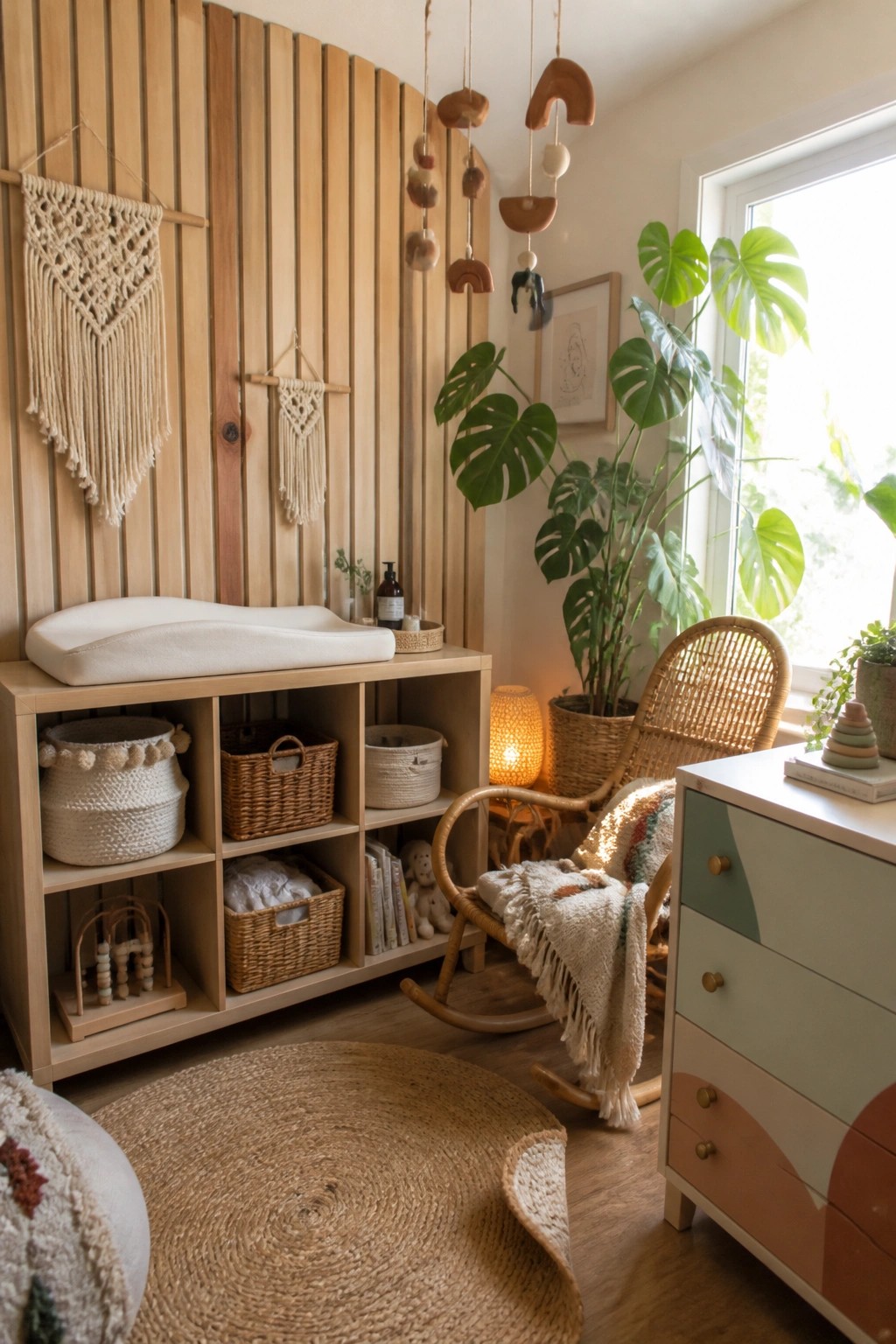
Vertical wood slats give a wall some real dimension without any big construction. They turn a flat surface into something that feels more finished, and the look works in all kinds of rooms from nurseries to living areas.
You can put them up over existing drywall in a weekend, then paint or leave the wood natural. They suit smaller spaces especially well because the lines add interest without taking up floor space or making the room feel busy.
Vertical Wood Paneling For Living Room Walls
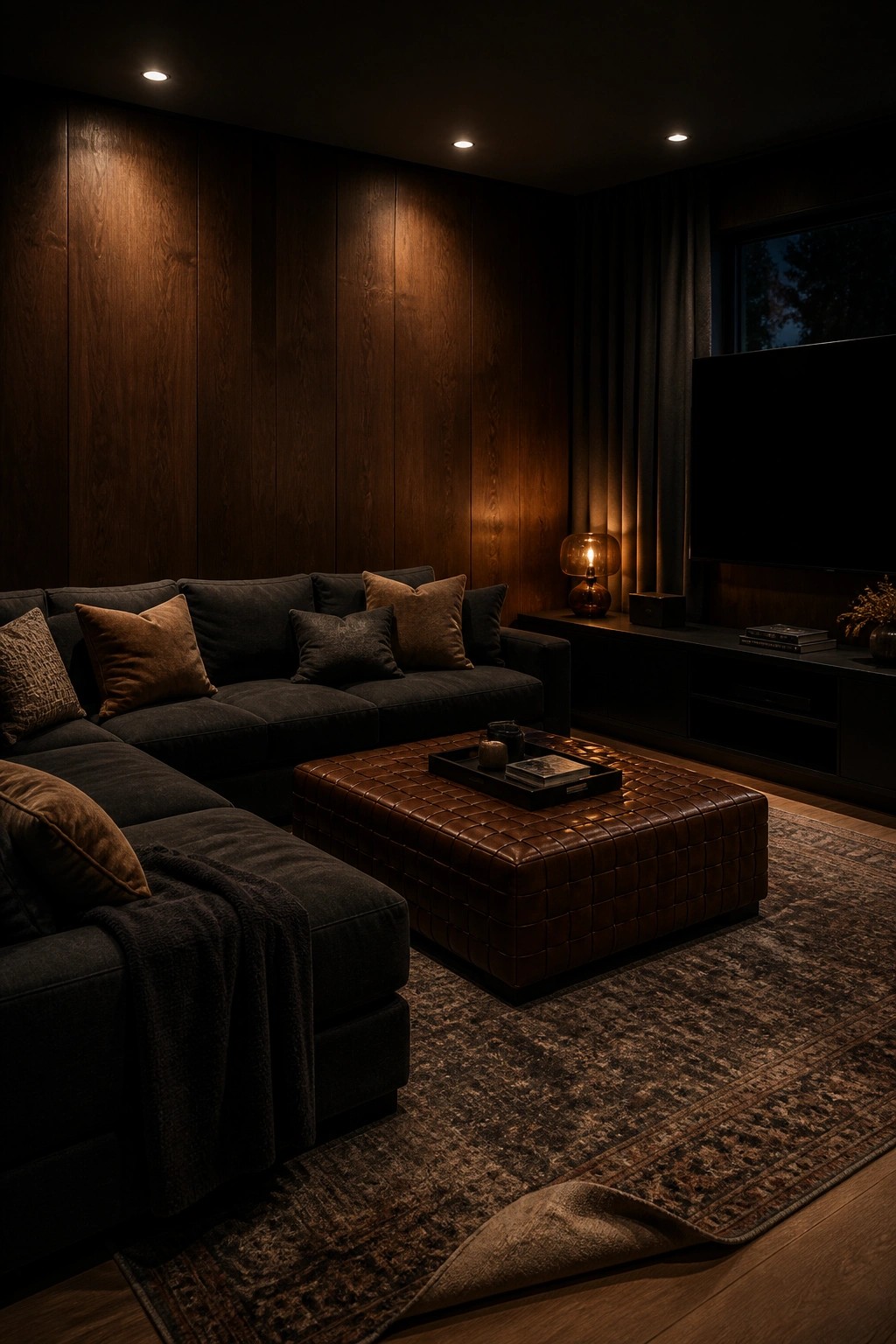
Vertical wood paneling gives a room instant texture and makes the space feel more finished. It works especially well when the wood is stained dark, since the lines add movement without any extra trim or molding.
This treatment suits living rooms that already lean modern or transitional. Keep the rest of the furnishings simple and let the walls carry the weight, but test the stain color on a large sample first since darker tones can shift a lot once they cover an entire wall.
Vertical Wood Paneling Behind A Vanity
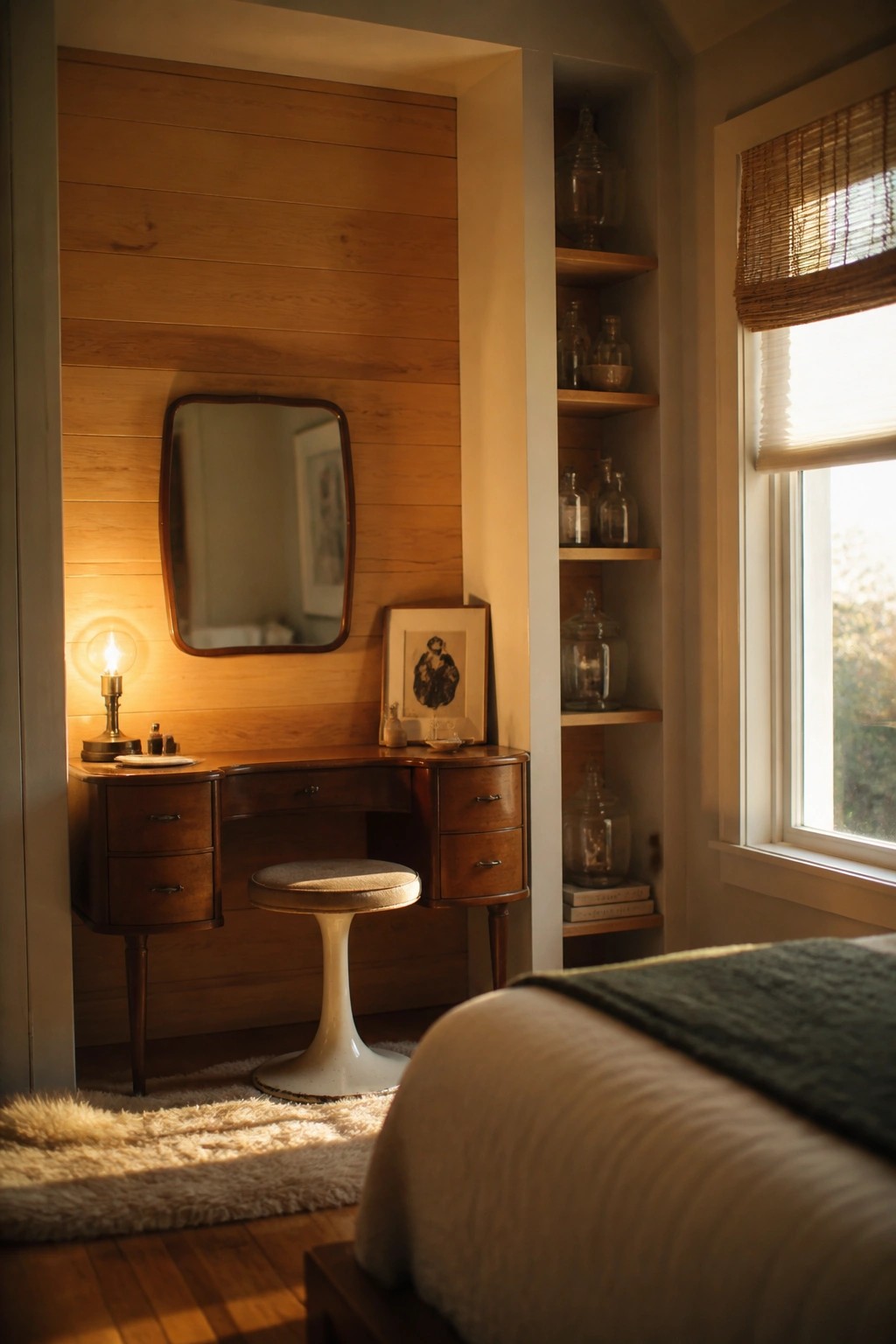
Vertical wood paneling can turn a simple vanity spot into something that feels more built in. The warm tone and lines add texture that makes the area stand out without any big construction.
This approach works well in bedrooms where you already have wood floors or trim. Keep the paneling to one wall section and leave the rest plain so the effect stays balanced and easy to install.
Frequently Asked Questions
Q: What if my walls have some bumps or imperfections? A: Start with a thin plywood layer to smooth things out before adding your wood accents. This keeps the final look clean without tearing into the drywall. Sand lightly between coats if you go for a painted finish later.
Q: Can I do these treatments myself without special tools? A: Most of the ideas work fine with basic saws and a nail gun you can rent. Take your time measuring twice so the pieces fit snug.
Q: How long does a wood wall treatment like this usually last? A: With good sealing it holds up for years even in busy areas. Wipe it down now and then to keep dust from settling in the grooves. Reapply a protective coat every few years if it starts to look worn.
Q: Which option adds the most depth on a budget? A: Go for vertical slats spaced a few inches apart. They catch light and shadow without needing much wood. Paint them the same color as the wall for a subtle effect that still feels rich.
