


When ceilings stay plain, a room can still feel unfinished no matter how the walls and floors come together.
Wood tray details bring a quiet sense of depth that changes how the space reads once you are actually living in it.
Some rooms only settle once the ceiling gets that extra layer.
I added a simple wood tray to my dining area last year and noticed the light started to sit differently on the walls by late afternoon.
It helps to test how the wood tone plays against the rest of the room before committing to a full install.
Wood Tray Ceilings That Add Warmth
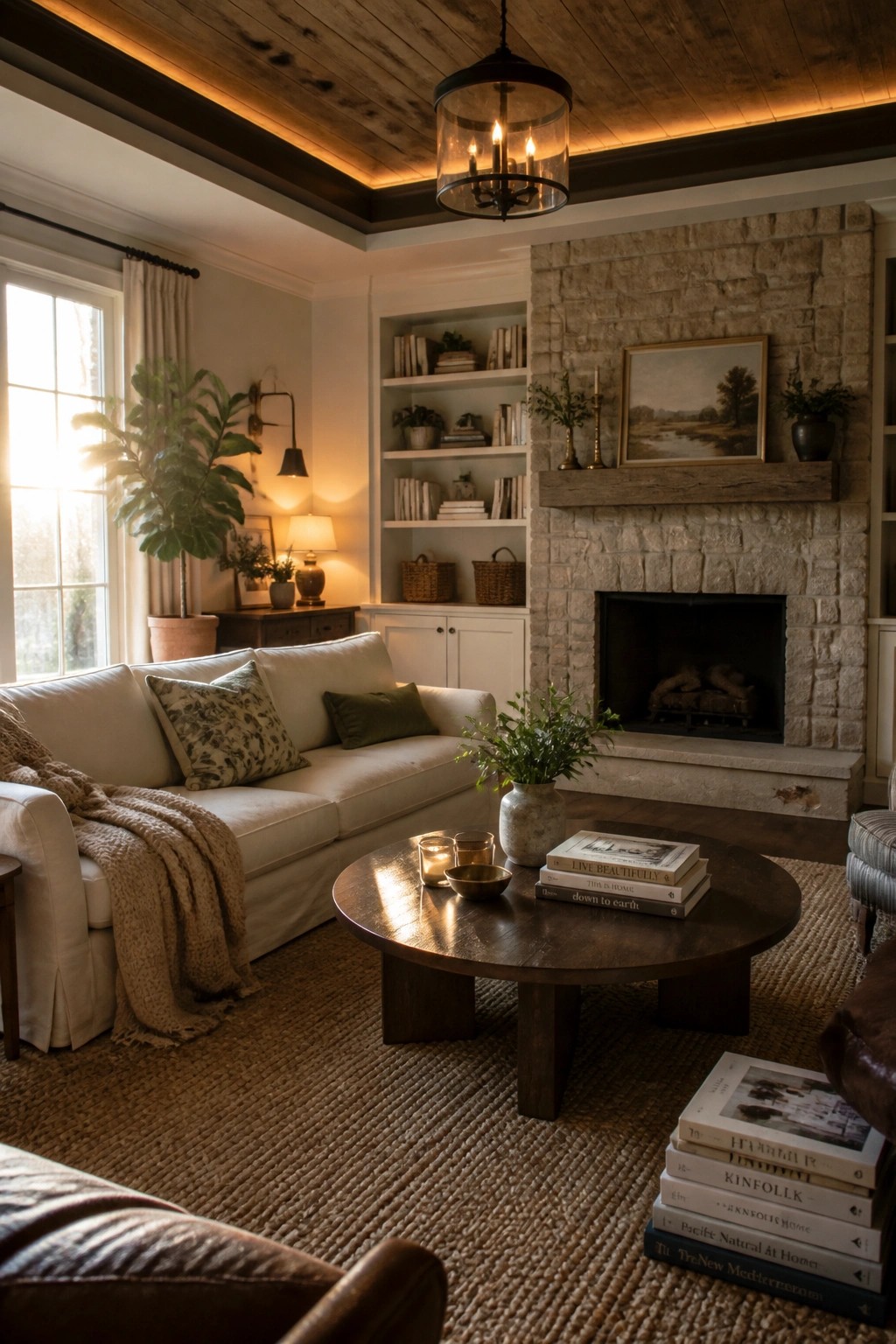
A wood tray ceiling stands out because it gives the room a clear border at the top without closing things in. The darker wood tone against lighter walls creates a gentle frame that makes the space feel more finished and a little cozier at the same time.
This works best in living rooms that already have some height or open sight lines. Keep the wood simple and let the recessed lighting do the rest so the ceiling adds structure without competing with the furniture below.
Wood Tray Ceilings in Dining Rooms
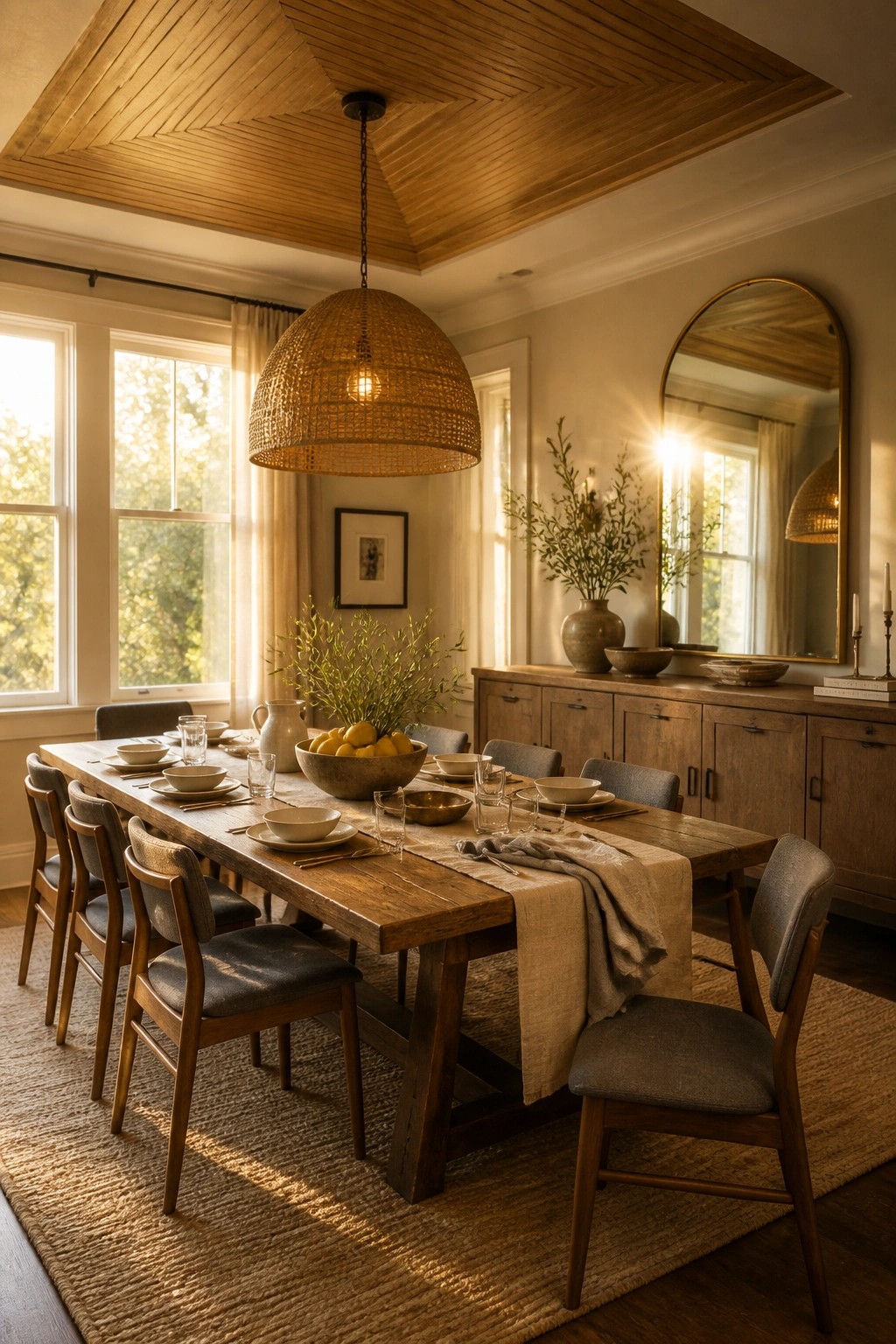
A wood tray ceiling can give a dining room more structure without adding clutter. The raised center panel and wood finish create a subtle frame that makes the space feel more finished while keeping the overall look warm and simple.
This works best in rooms with standard or slightly higher ceilings where the detail can be noticed but not dominate. Pair it with wood furniture and natural textiles so the ceiling blends in rather than stands apart. Keep the lighting simple so the ceiling lines remain the main focus.
Wood Tray Ceilings For Layered Depth
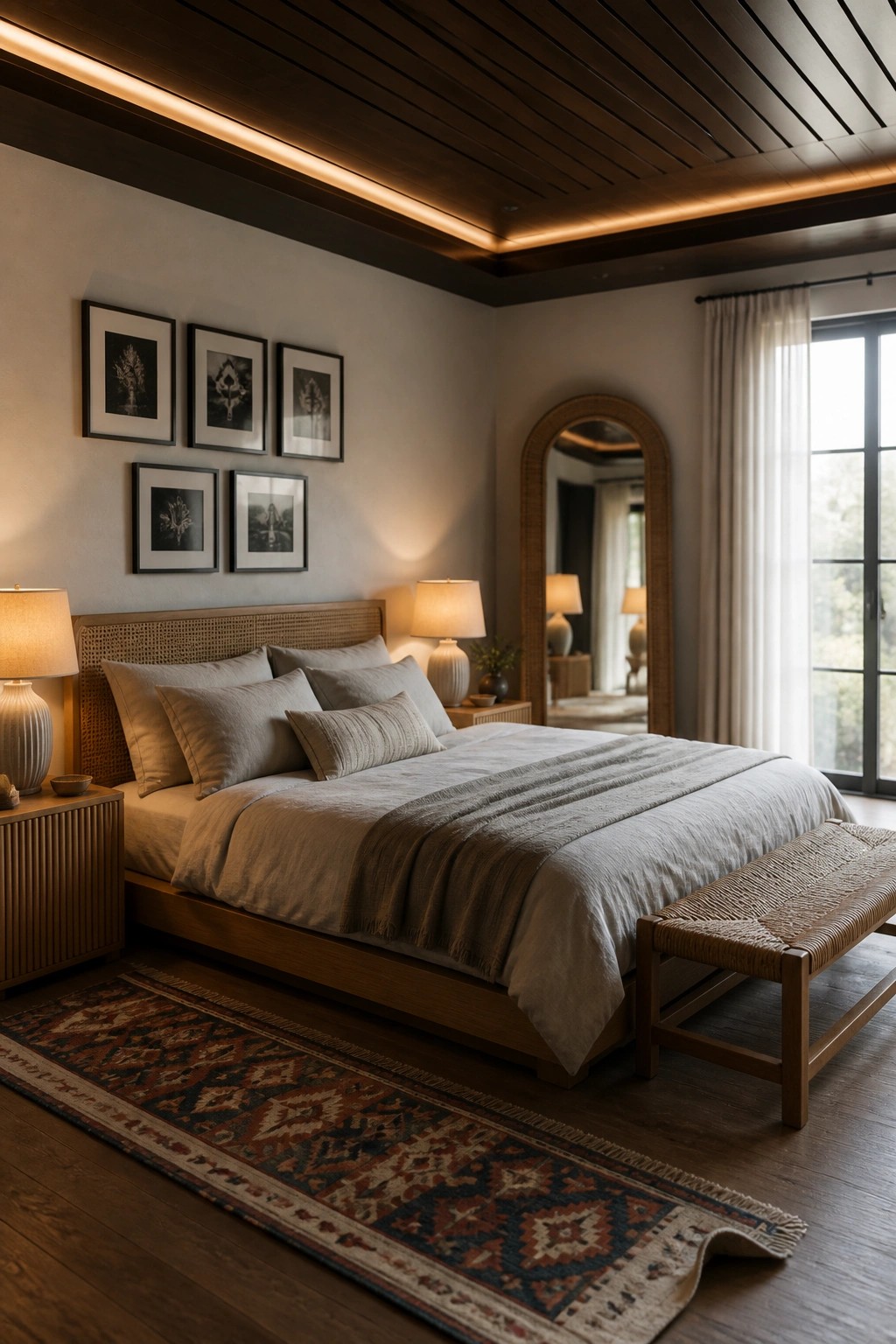
A wood tray ceiling gives the room a quiet sense of structure. The recessed center and the wood wrapping around it add a gentle frame that makes the space feel more finished without adding clutter.
This approach works well in bedrooms or sitting rooms where you want the ceiling to do some of the visual work. Keep the walls simple and use soft lighting along the edge so the wood stays the main feature.
Wood Tray Ceilings in Kitchens
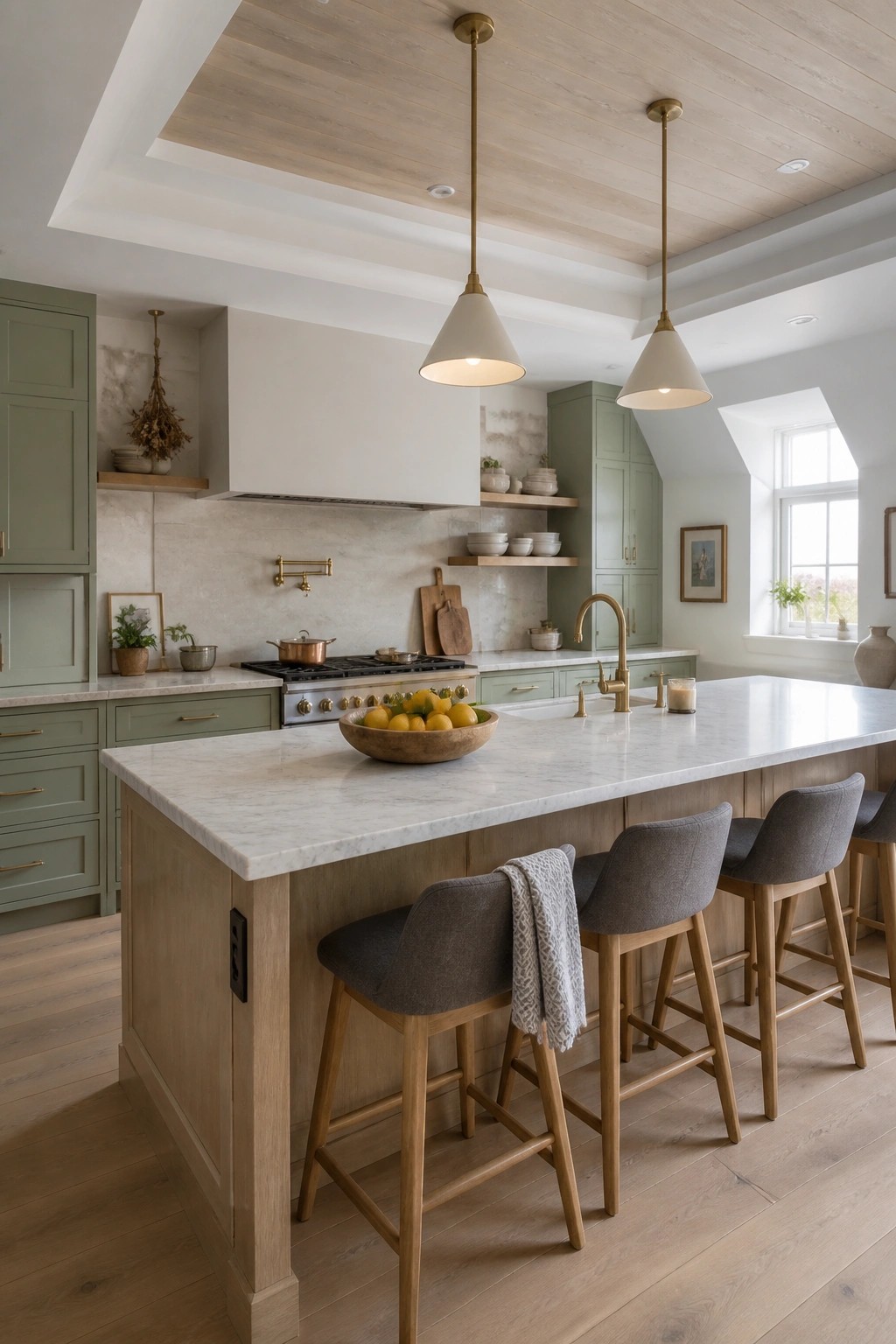
A wood tray ceiling brings quiet structure to a kitchen without needing bold colors or busy details. The recessed panels add height and a bit of warmth that balances cooler elements like stone counters and painted cabinets.
This works best in open layouts where the kitchen flows into living areas. Keep the wood tone light and the recess modest so the ceiling adds dimension without closing in the space. Darker woods or deeper trays can feel heavy if the room is not large.
Wood Tray Ceilings In Bathrooms
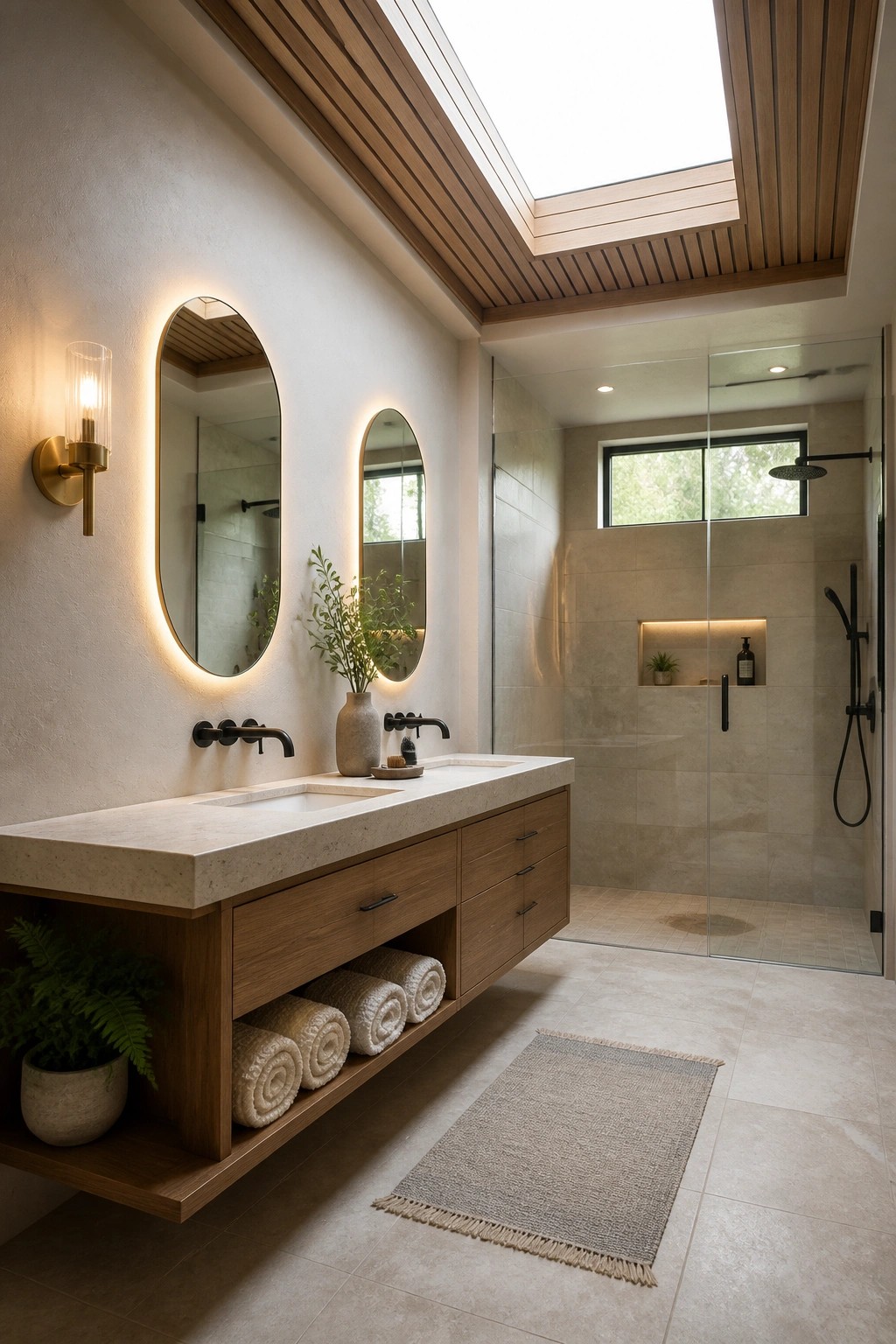
A wood tray ceiling works well in a bathroom because it adds height and texture where most ceilings stay flat and plain. The wood slats create a simple layer that makes the room feel more finished without needing extra trim or bold colors.
This detail suits homes that already lean on natural materials. It shows up best when the rest of the space stays fairly calm, so the ceiling can do the work without competing with busy walls or heavy fixtures.
Wood Tray Ceilings in Entryways
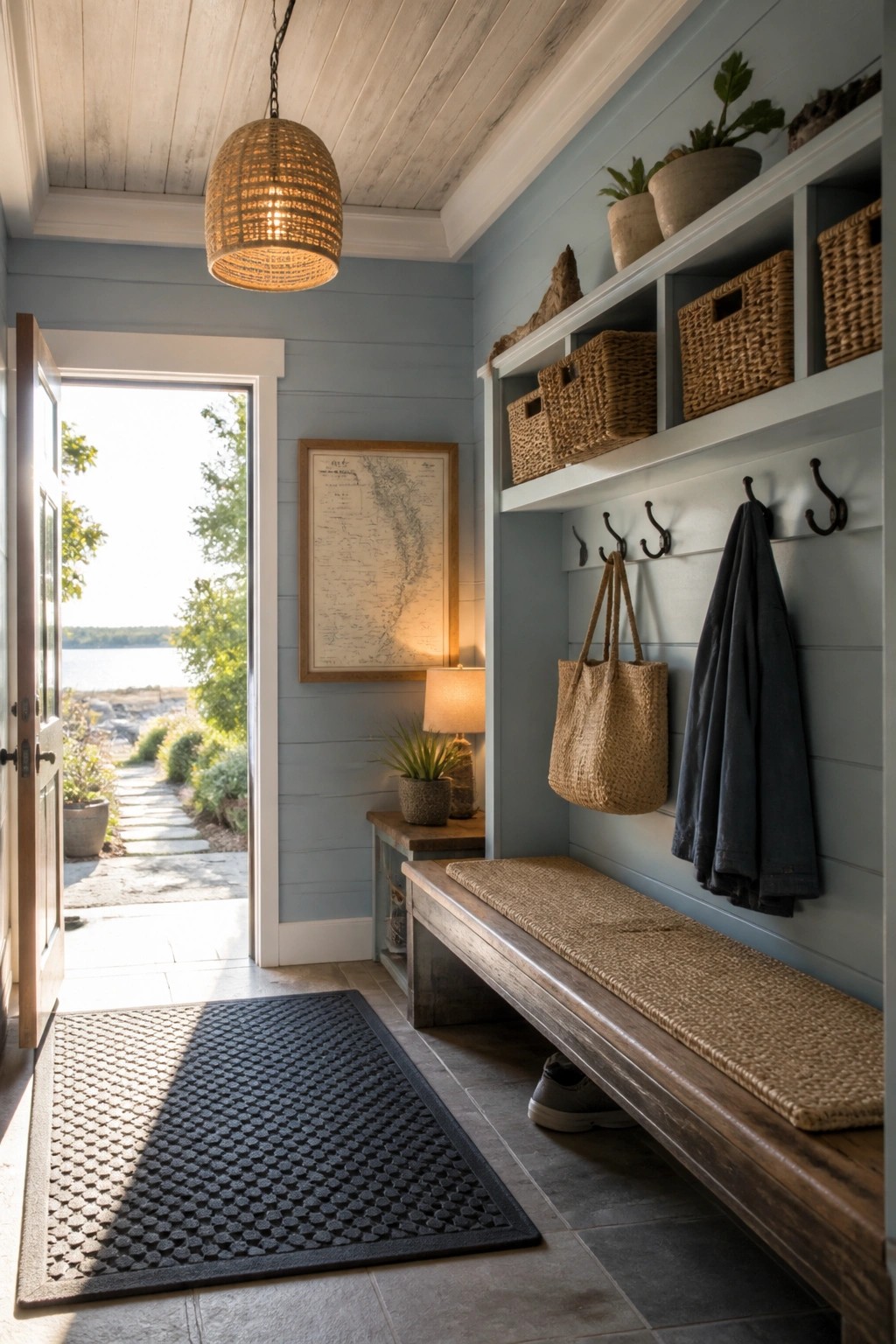
A wood tray ceiling brings a quiet layer of texture to an entry space that often gets overlooked. The planks add warmth and a sense of structure without making the area feel busy or cramped. In this example the light finish keeps the ceiling from competing with the walls or storage.
This approach works well in homes that already have simple trim and painted walls. It suits smaller rooms where you want some architectural interest but still need the space to function for coats, shoes, and daily traffic. Keep the wood tone soft so it does not darken the room.
Wood Tray Ceilings Add Warmth Overhead
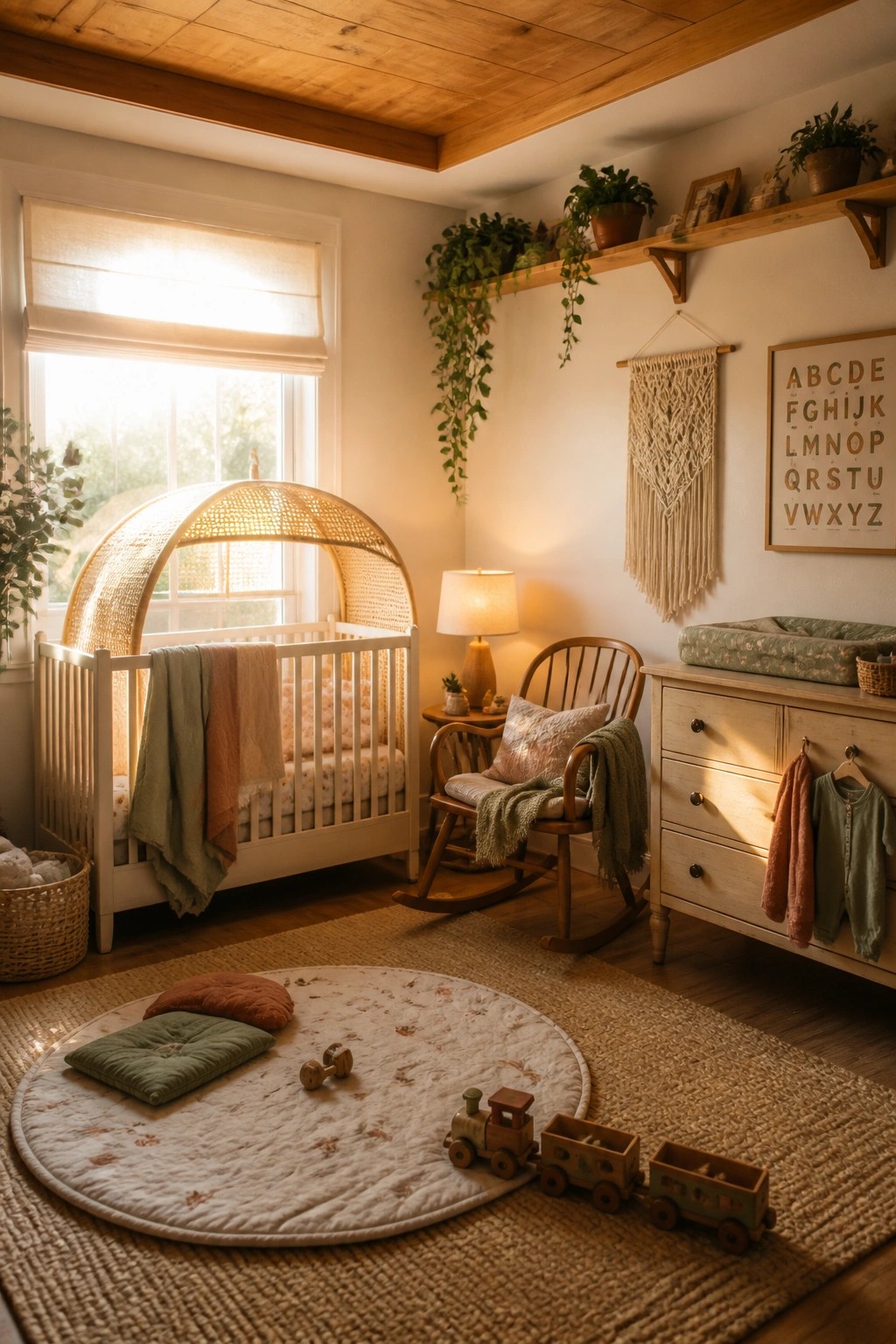
A wood tray ceiling gives a room an extra layer without needing much else. In spaces with lots of natural light, the wood tones help ground the brightness and keep things from feeling too open or plain.
This works especially well in smaller rooms where you want a bit more character. Keep the rest of the finishes light and let the ceiling carry the warmth.
Wood Tray Ceilings In Home Offices
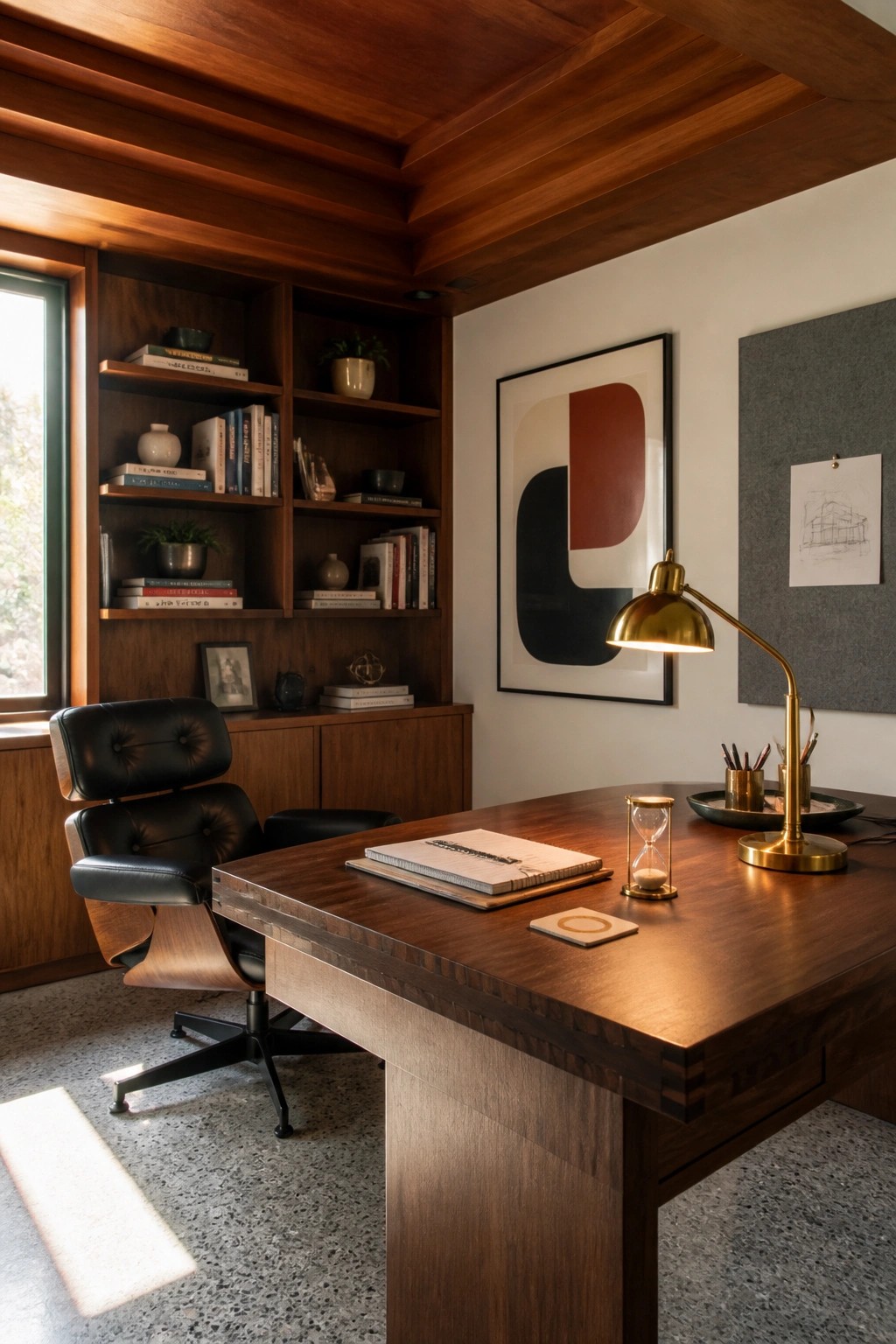
A wood tray ceiling works especially well in a home office because it adds structure without making the room feel closed in. The recessed panels and warm wood tones create a sense of depth that helps define the space while keeping it comfortable for long hours at a desk.
This approach suits rooms with built-in storage and simple furniture, where the ceiling can carry some of the visual weight. It works best in homes that already lean toward natural materials, and it is worth keeping the rest of the finishes fairly calm so the ceiling stays the main feature.
Tray Ceilings in Laundry Rooms
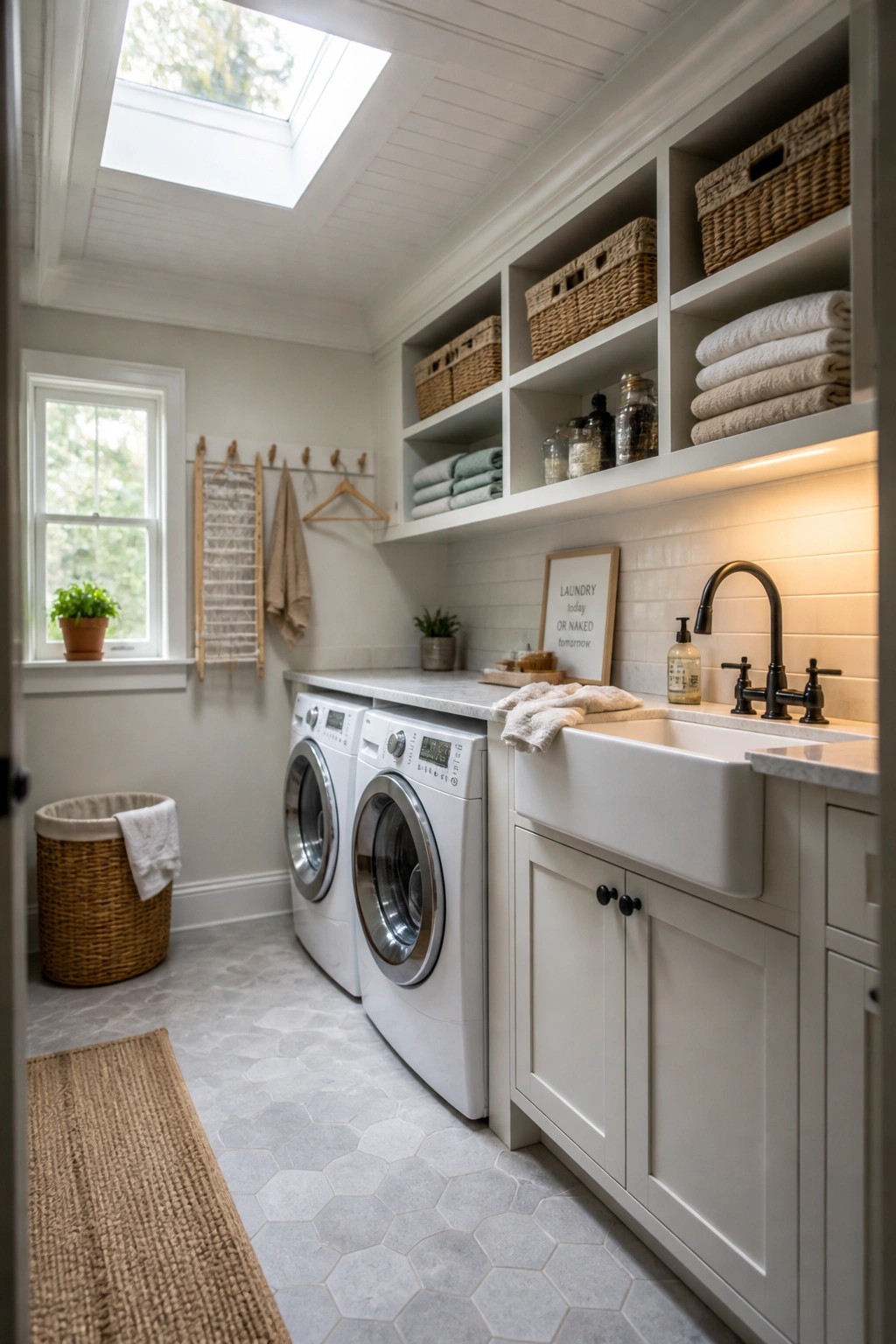
A tray ceiling can give a laundry room the same finished look people usually reserve for main living areas. The raised center section adds height and breaks up an otherwise flat surface, which helps the room feel less like a utility space and more like part of the house.
This approach works especially well in rooms that already have some built-in storage or a skylight. The ceiling detail ties those elements together without needing extra trim or color changes. It suits homes where the laundry room sits near living areas and needs to feel more intentional.
Light Wood Tray Ceilings Add Quiet Layers
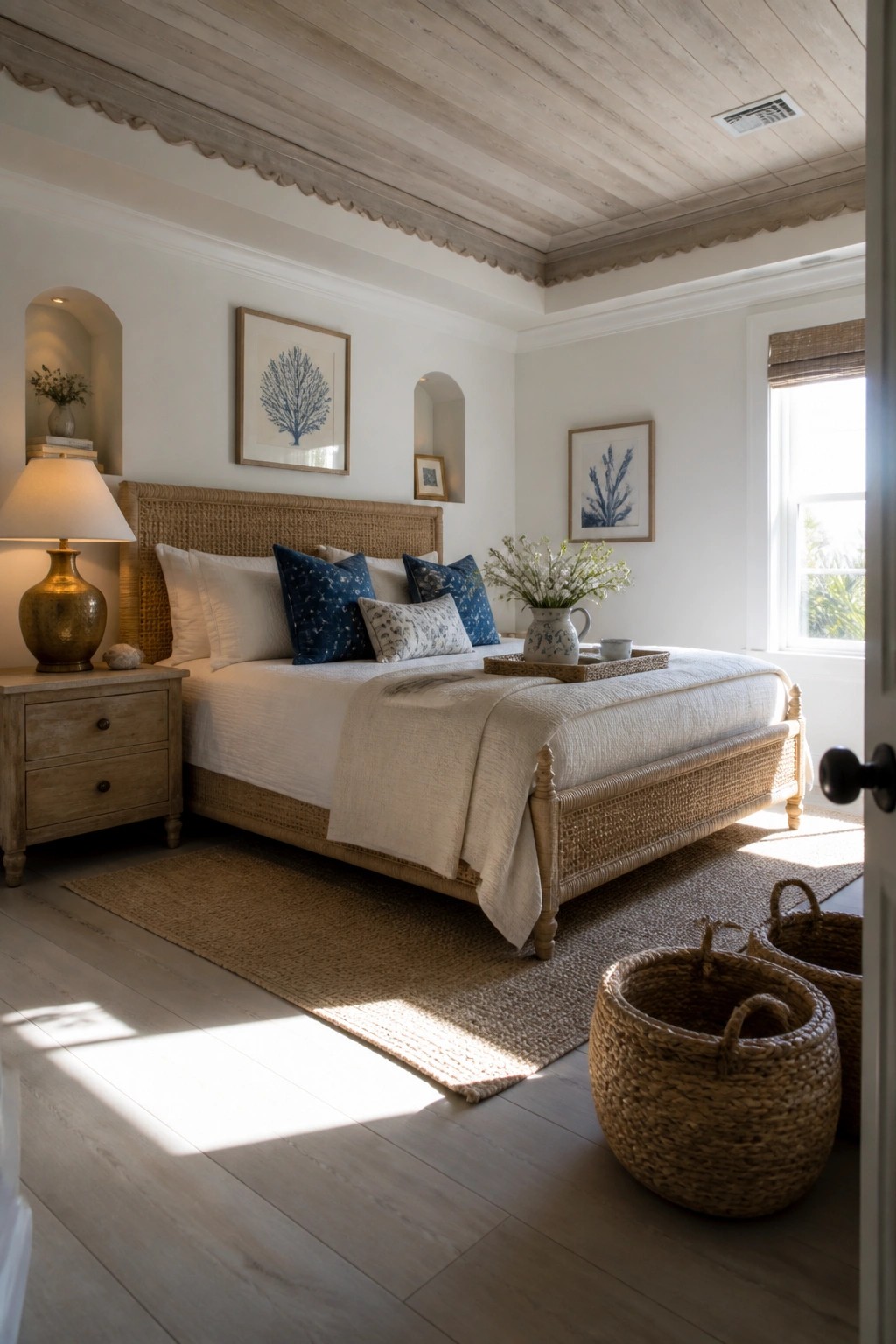
A tray ceiling in light wood gives a room just enough structure overhead without making the space feel heavy. The soft color and simple drop create a gentle separation from the walls that adds interest while keeping everything calm and open.
This approach works well in bedrooms or smaller rooms where you want a bit more character but still prefer a relaxed feel. Keep the walls light and the furnishings simple so the ceiling detail stands out on its own.
Wood Tray Ceilings in Small Bathrooms
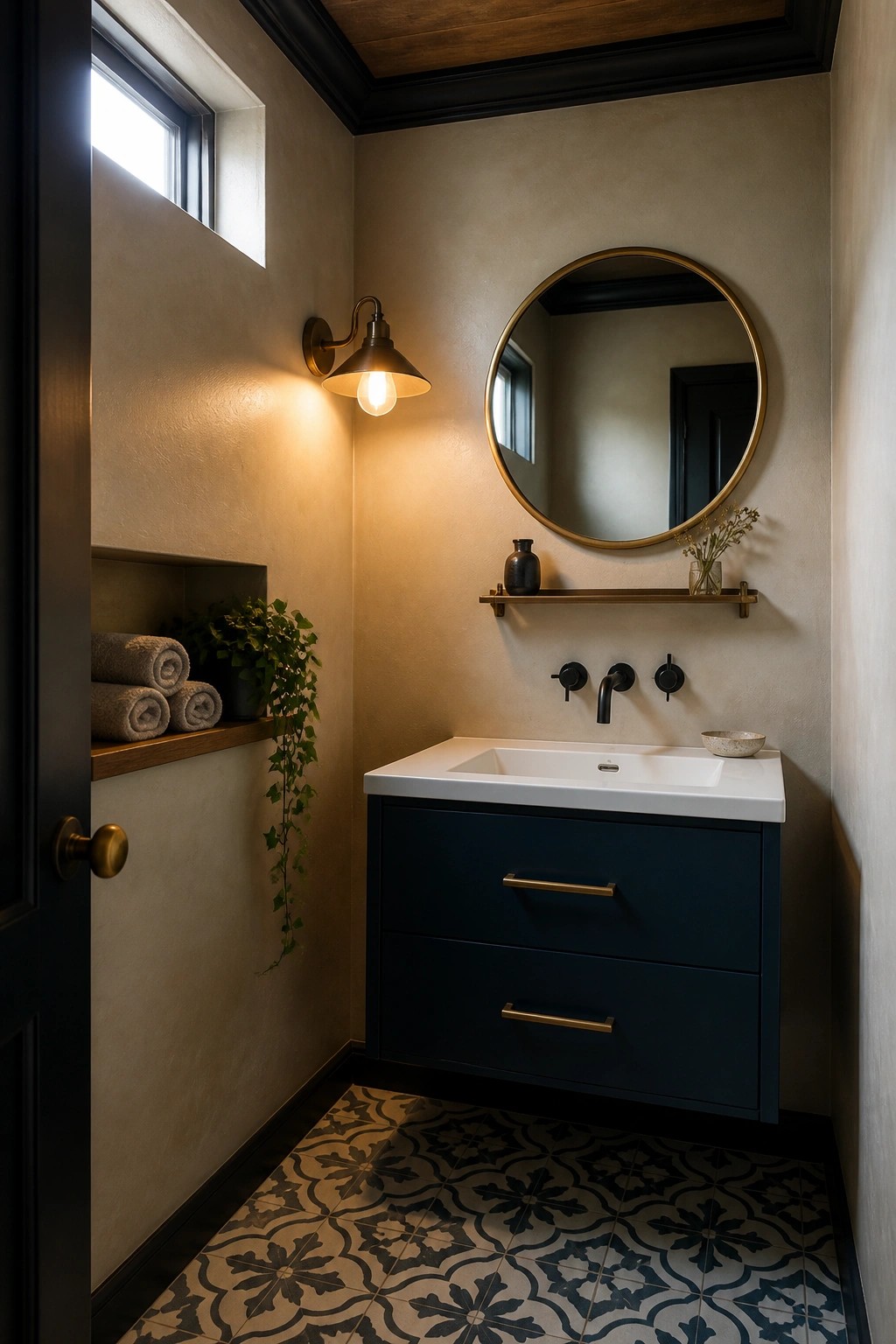
A wood tray ceiling brings warmth and a bit of extra depth to a compact bathroom without needing much else to make the space feel finished. The dark trim around the edges helps the wood stand out and gives the ceiling a clear shape that draws the eye upward.
This works best in rooms where the walls stay simple and the cabinetry stays darker, so the ceiling becomes the main point of interest. It suits older homes or any space where you want a bit more character without adding clutter.
Dark Wood Tray Ceilings In Living Rooms
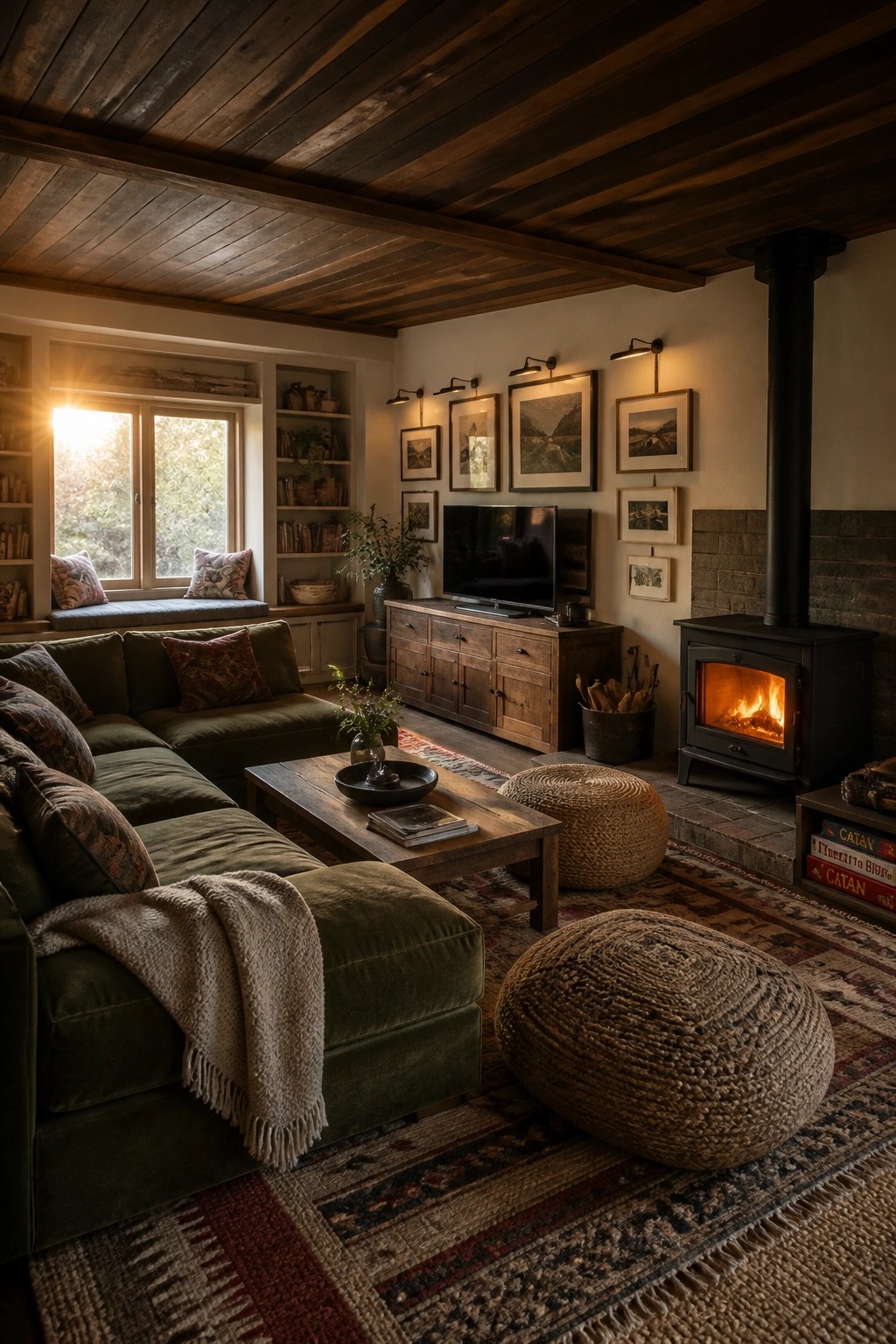
A dark wood tray ceiling adds structure and warmth without needing much else in the room. The recessed panels and heavy beams create a natural frame that makes the space feel more settled and finished. It works especially well when the rest of the room stays simple and grounded in wood tones and soft textiles.
This approach suits homes that already lean rustic or traditional. Keep the ceiling color consistent with the beams so the tray reads as one solid feature rather than a busy pattern. Avoid pairing it with too many competing dark elements on the walls or floor.
Dark Wood Tray Ceilings For Extra Dimension
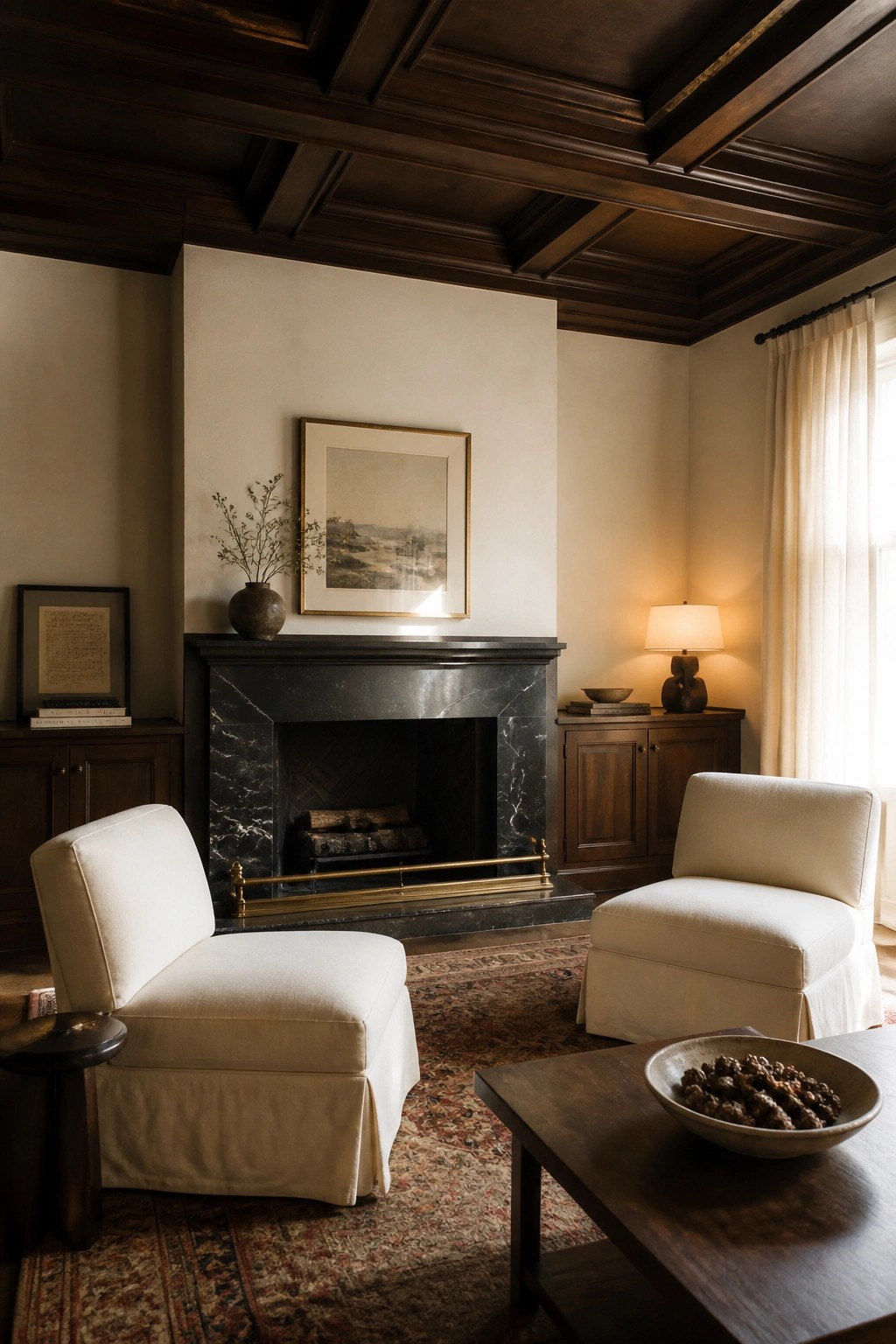
A dark wood tray ceiling adds structure and depth to a room in a simple way. The recessed panels and deep tone create layers that make the space feel more finished, especially when the rest of the room stays lighter.
This works best in rooms with some height and traditional details. Pair it with pale walls and minimal furniture so the ceiling becomes the main feature instead of competing with everything else.
Wood Trim On Tray Ceilings
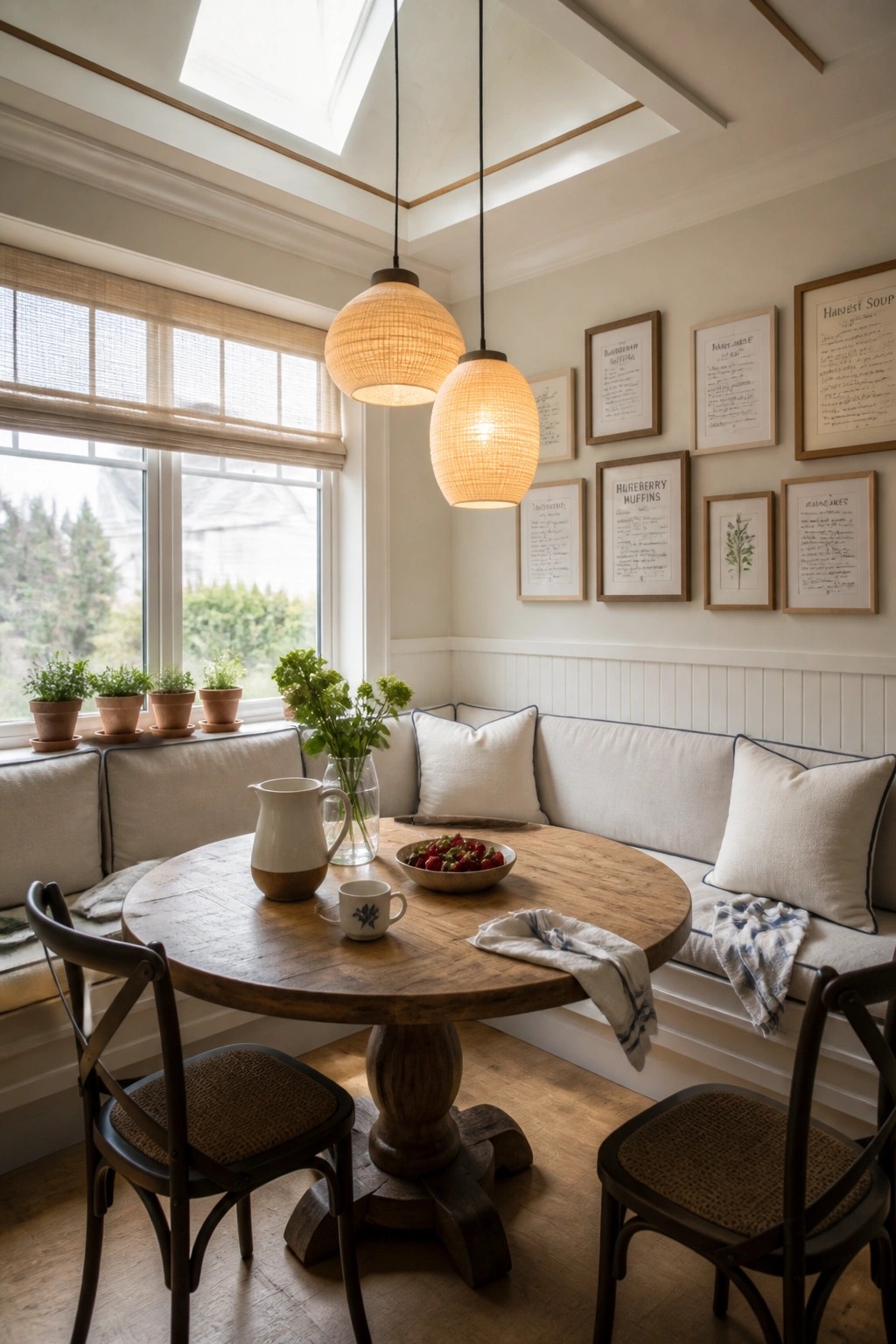
A tray ceiling already lifts the look of a room, but adding wood trim around the edges gives it more definition. The contrast between the wood and the painted surface helps the ceiling feel more intentional, especially in smaller spaces like a dining nook.
This approach works well in homes with white or light walls and built-in seating. Keep the trim simple and match the tone to other wood elements in the room so it feels consistent rather than busy.
Exposed Beams On A Wood Tray Ceiling
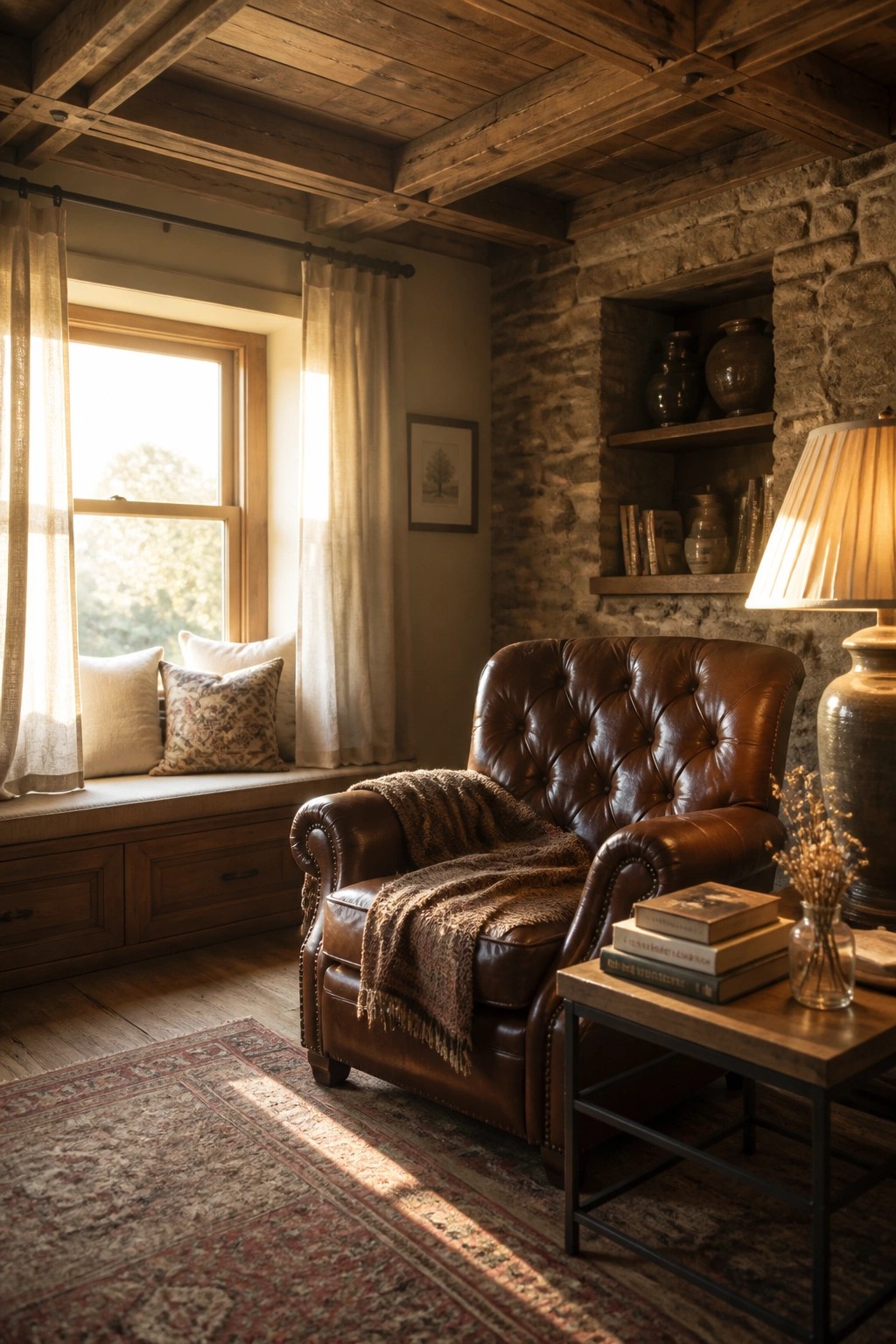
A wood tray ceiling with exposed beams adds real structure overhead without making the room feel heavy. The beams break up the flat surface and bring in warmth that pairs well with stone walls or darker furniture.
This approach works best in living rooms or studies where you already have wood floors or built-in wood details. Keep the beams a similar tone to your flooring so the ceiling feels like a natural extension rather than a separate feature.
Wood Tray Ceilings in Walk-In Closets
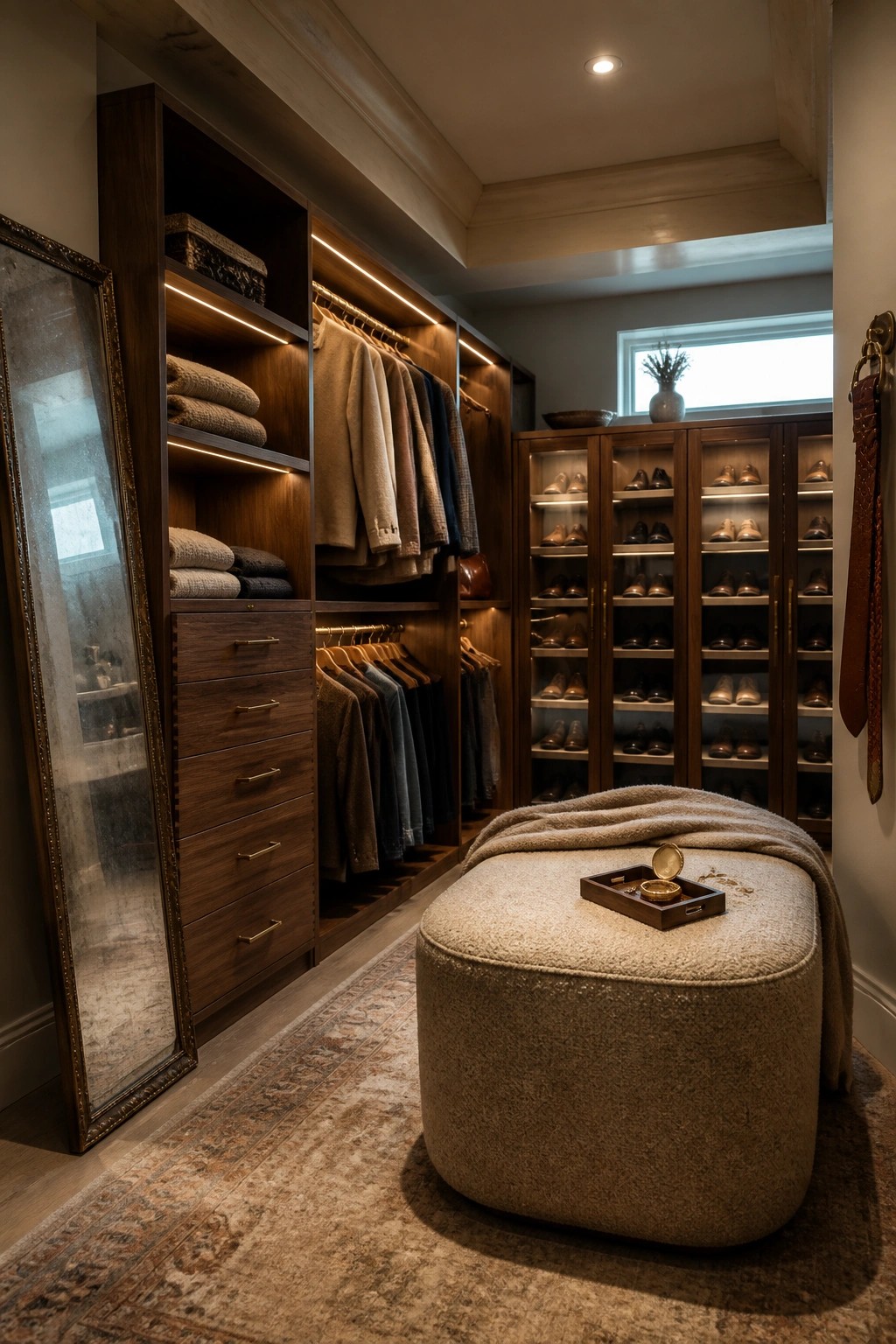
A wood tray ceiling works well in a closet because it adds structure without crowding the floor. The recessed panel and wood trim create a finished look that makes the space feel more like a real room instead of just storage.
This approach suits larger closets where you already have built-in cabinetry. Keep the wood tone close to your shelves and drawers so everything reads as one calm layer rather than separate pieces fighting for attention.
Dark Wood Tray Ceilings
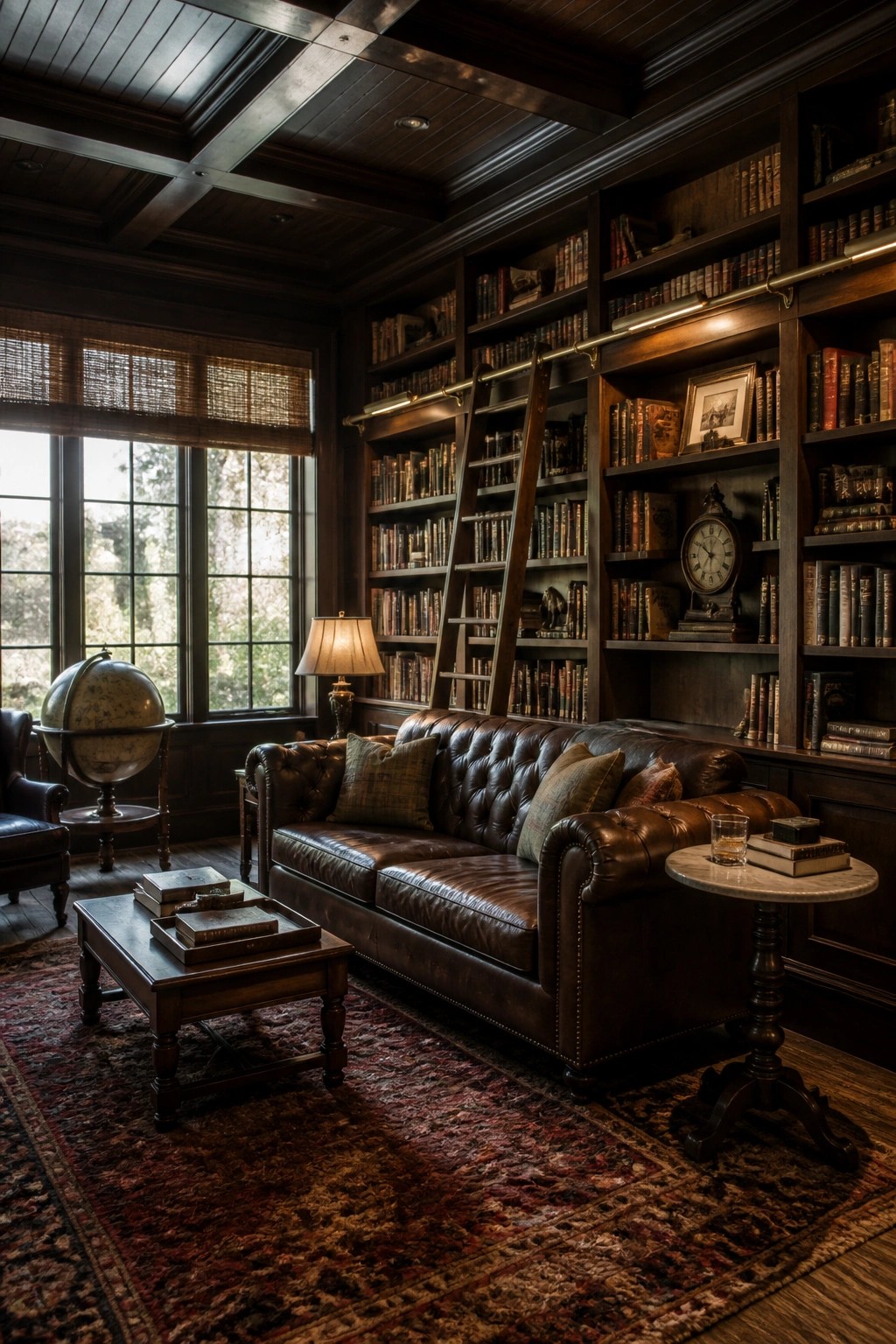
A dark wood tray ceiling adds structure and depth to a room without needing a lot of extra trim or detail. It works especially well in spaces already filled with wood tones, since the ceiling can tie everything together while still standing out on its own.
This choice suits traditional libraries or studies best, where the goal is a settled, enclosed feeling. Keep the wood finish consistent with nearby built-ins so the ceiling reads as part of the room rather than a separate feature.
Wood Tray Ceilings in Calm Rooms
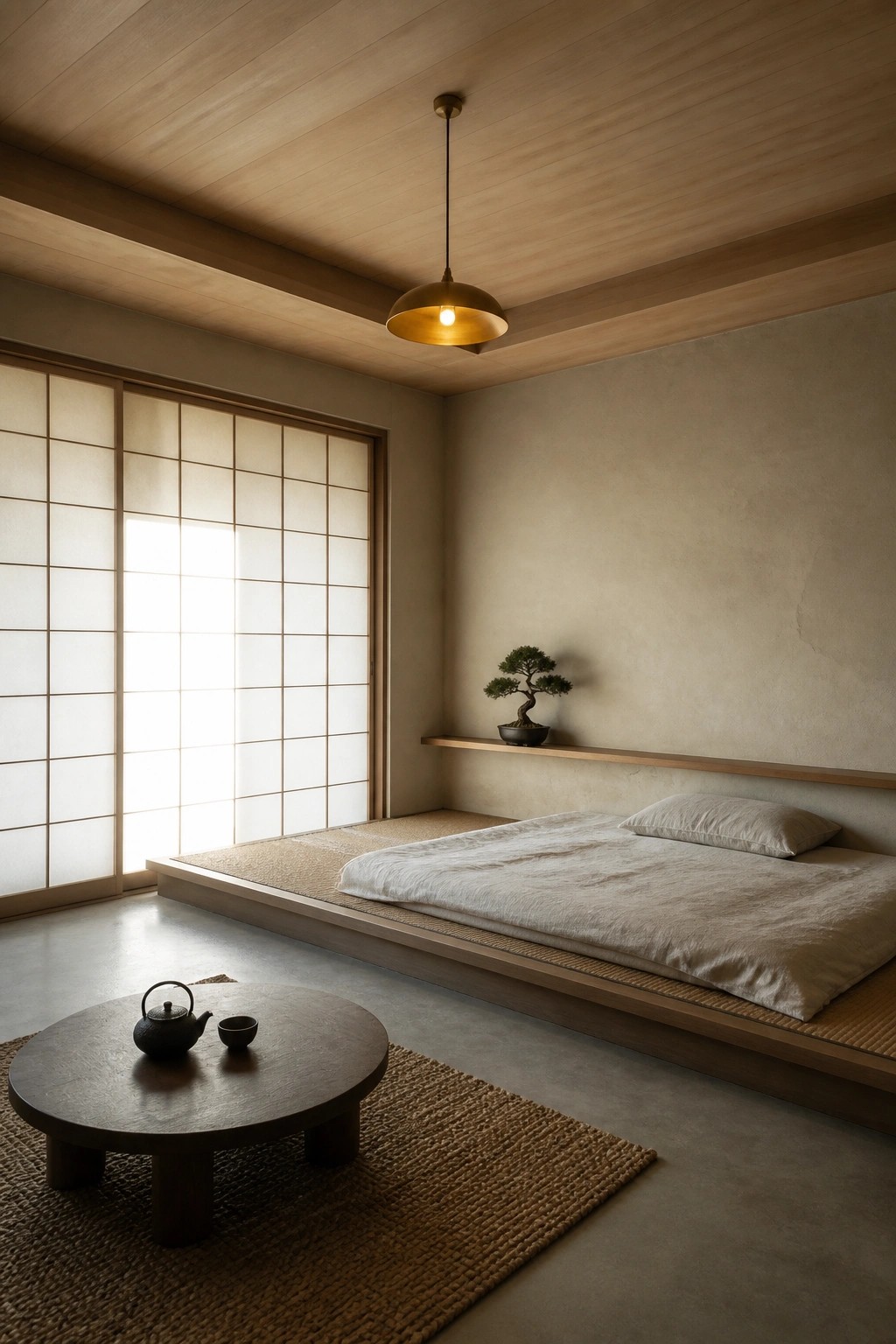
A wood tray ceiling adds a quiet layer of depth without making the room feel busy. The recessed wood brings in natural texture and a gentle sense of structure overhead, which works especially well in spaces that stay simple and low to the ground.
This idea suits minimalist bedrooms or similar rooms where you want warmth from the material but not a lot of extra detail. Keep walls and furnishings plain so the ceiling can do its job without competing.
Frequently Asked Questions
Q: Can I add a wood tray ceiling to a room with low ceilings?
A: Raise the outer edges first so the center drops just a little. Pick thinner wood panels to keep the drop minimal. This way the room still feels open instead of cramped.
Q: What if my budget is tight but I still want real wood?
A: Start with a simple square tray instead of fancy shapes. Use affordable pine and stain it yourself to match your style. Skip extra moldings until you can add them later.
Q: How do I light a tray ceiling so it looks layered at night?
A: Place LED strips along the inner edge. They highlight the wood depth without harsh shadows.
Q: Does wood need special care once it’s up on the ceiling?
A: Dust it every few months with a soft cloth. Check for cracks once a year and touch up the finish if it fades.
