

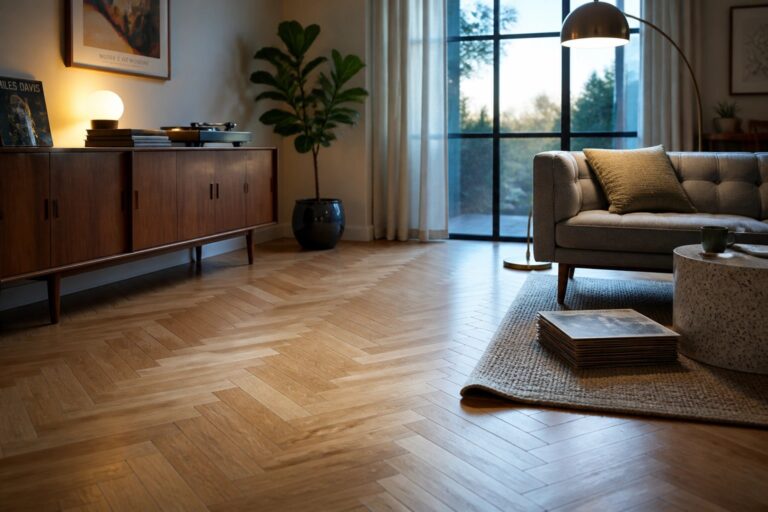
I have walked into plenty of homes where the flooring sets the tone for how the whole room feels once you actually live in it day to day.
Over time I noticed that floors which survive multiple updates usually come down to straightforward grain and color choices that do not clash when walls move or furniture gets swapped.
Some floors simply hold up better than others once real life starts happening.
In my own house I would try a couple of these approaches first in the main rooms to see how they settle before going all in.
It helps to picture how the surface will look once lighting changes or a new layout shifts the traffic paths.
Herringbone Hardwood Floors
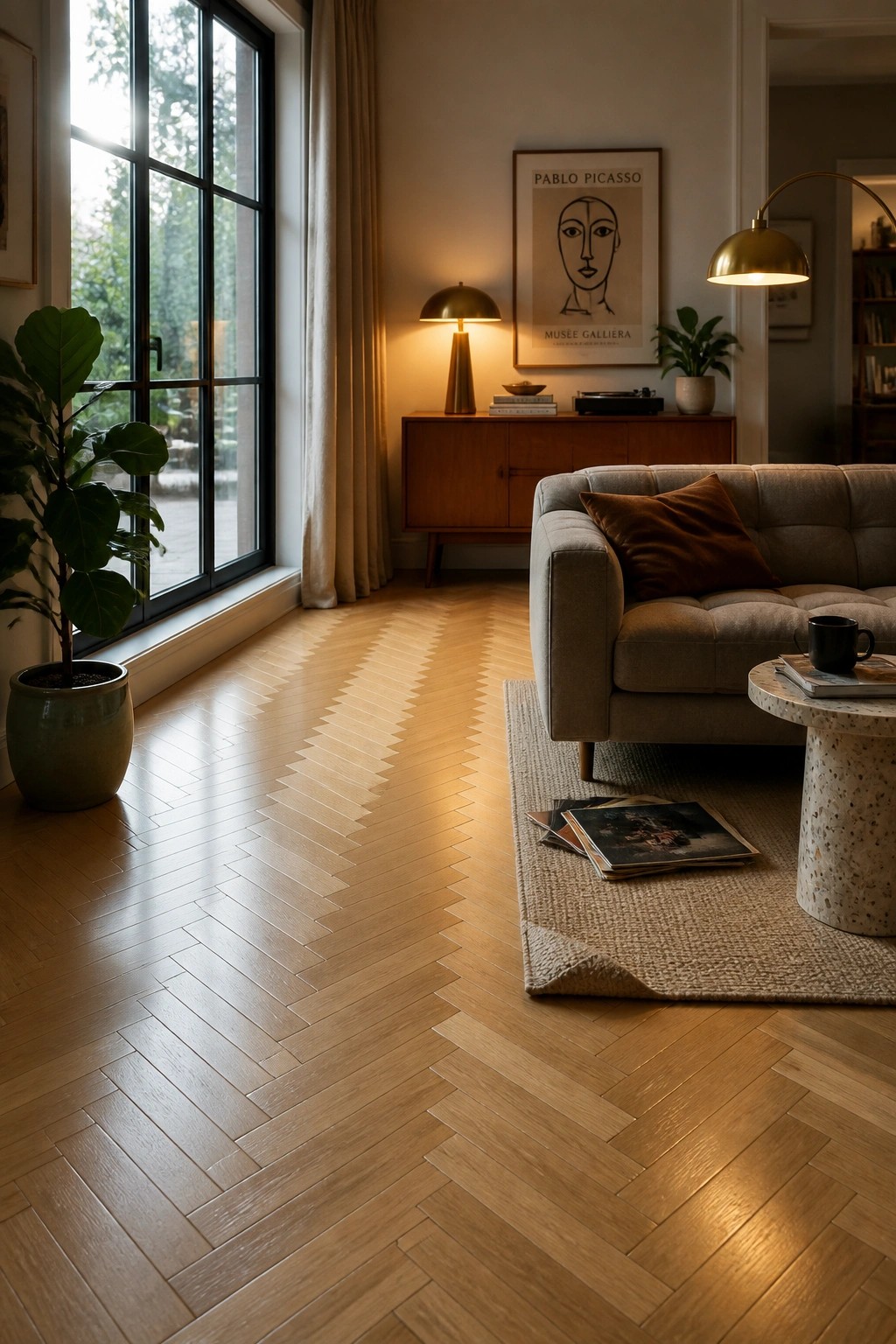
Herringbone patterns have held up well over time because they add just enough movement without looking busy. The wood grain shows through clearly and the layout keeps the floor interesting even when the rest of the room changes.
This style works in both older homes and newer ones as long as the boards stay in a medium or light tone. It pairs easily with simple rugs and plain furniture so you can update the space later without replacing the floor.
Wide Plank Hardwood in Kitchens
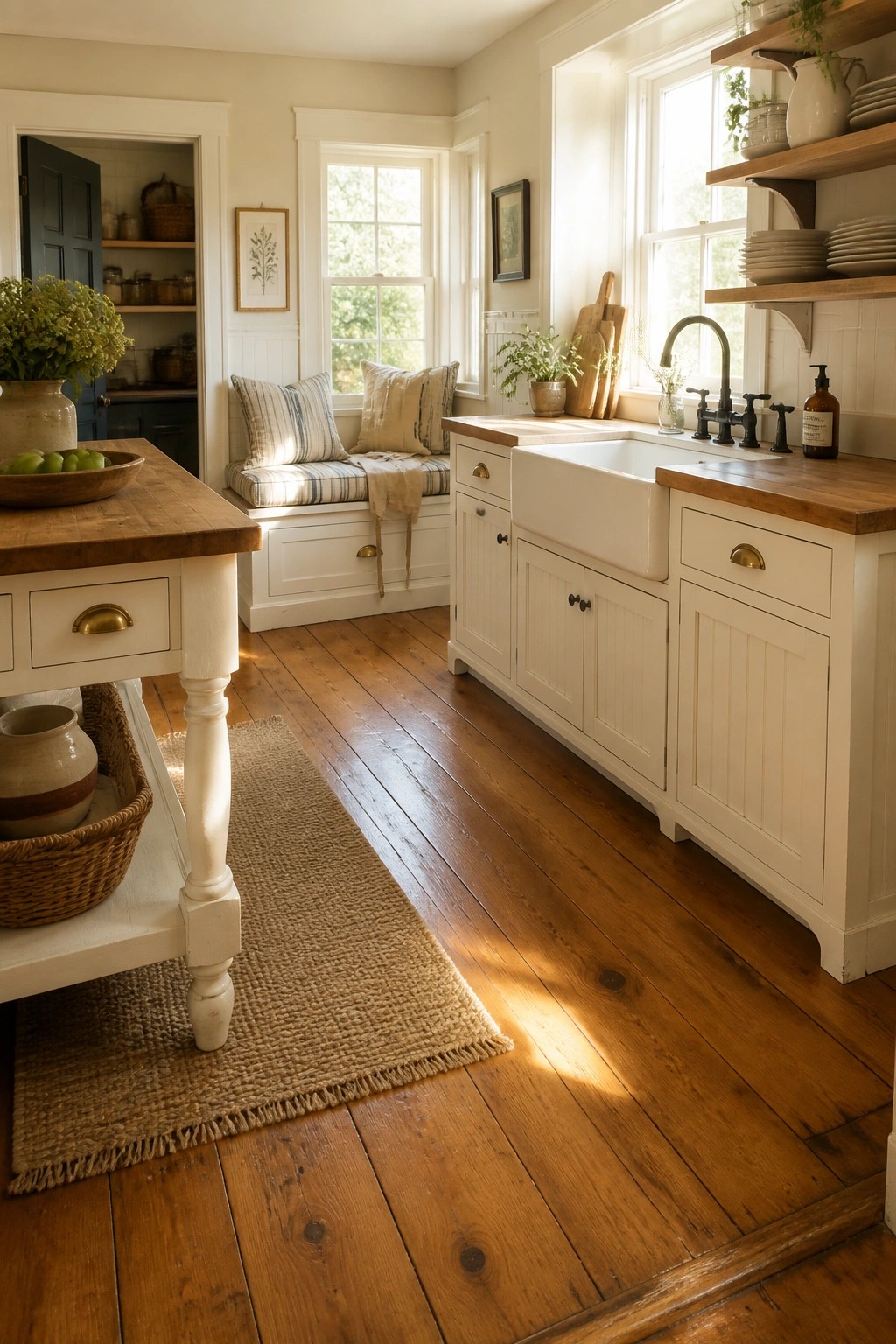
Many kitchens still get tile or vinyl, but wide plank hardwood can work just as well and look more connected to the rest of the house. The warm tone and visible grain give the space a settled feel that holds up as styles change.
It works best in homes that already have hardwood elsewhere, so the floor reads as one surface rather than a separate room. Pick a durable species and a matte finish that hides wear, and keep a washable rug near the sink for extra protection.
Light Hardwood Flooring For Versatile Bedrooms
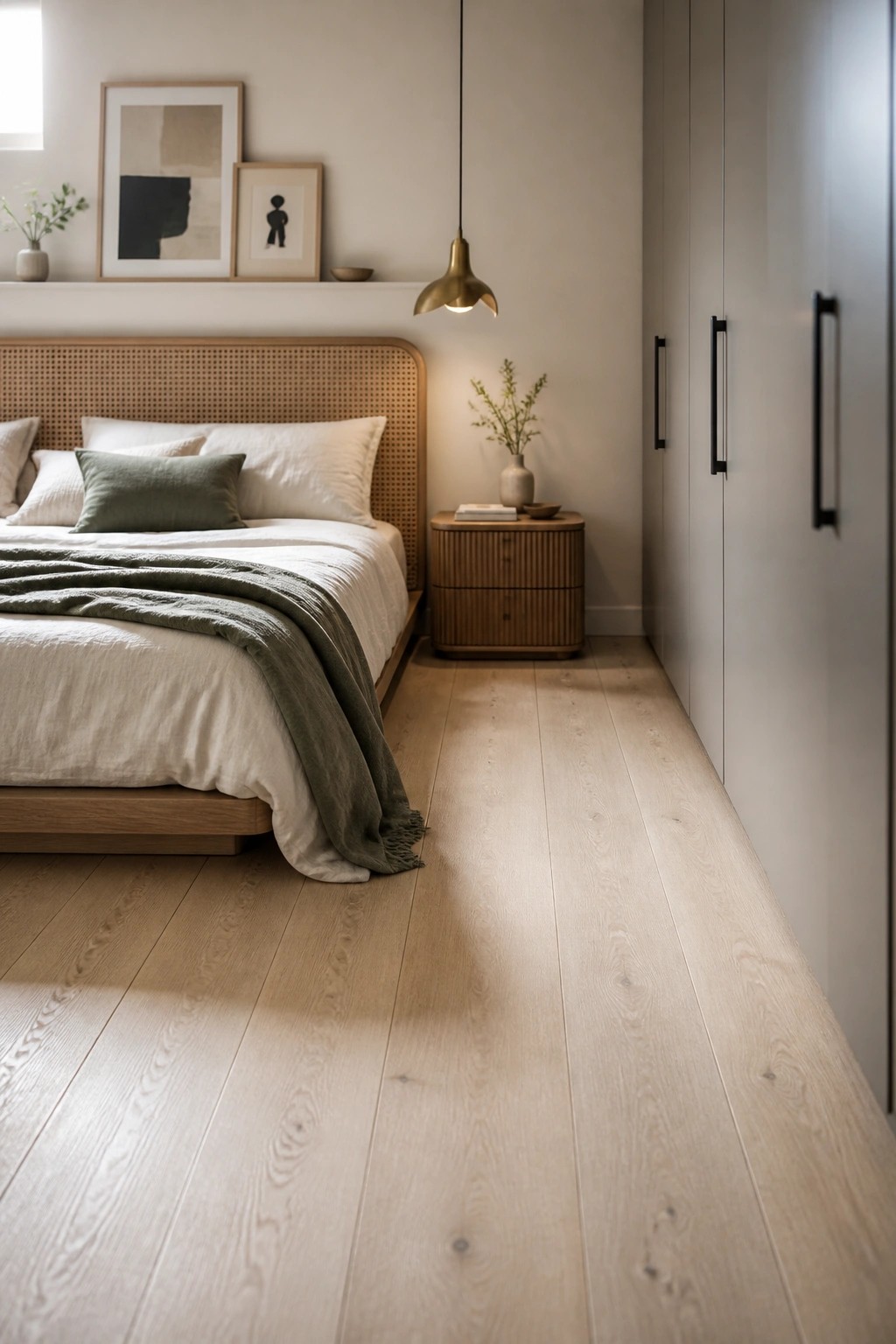
Light hardwood floors give a bedroom a calm, open feel that works with many different styles. They keep the space from feeling heavy and make it easier to change other elements later without starting over.
This flooring looks best with simple wood furniture and soft layers like linen or cotton. It suits smaller rooms especially well since the light tone helps everything feel connected and easy to live with over time.
Light Hardwood Flooring For Everyday Rooms
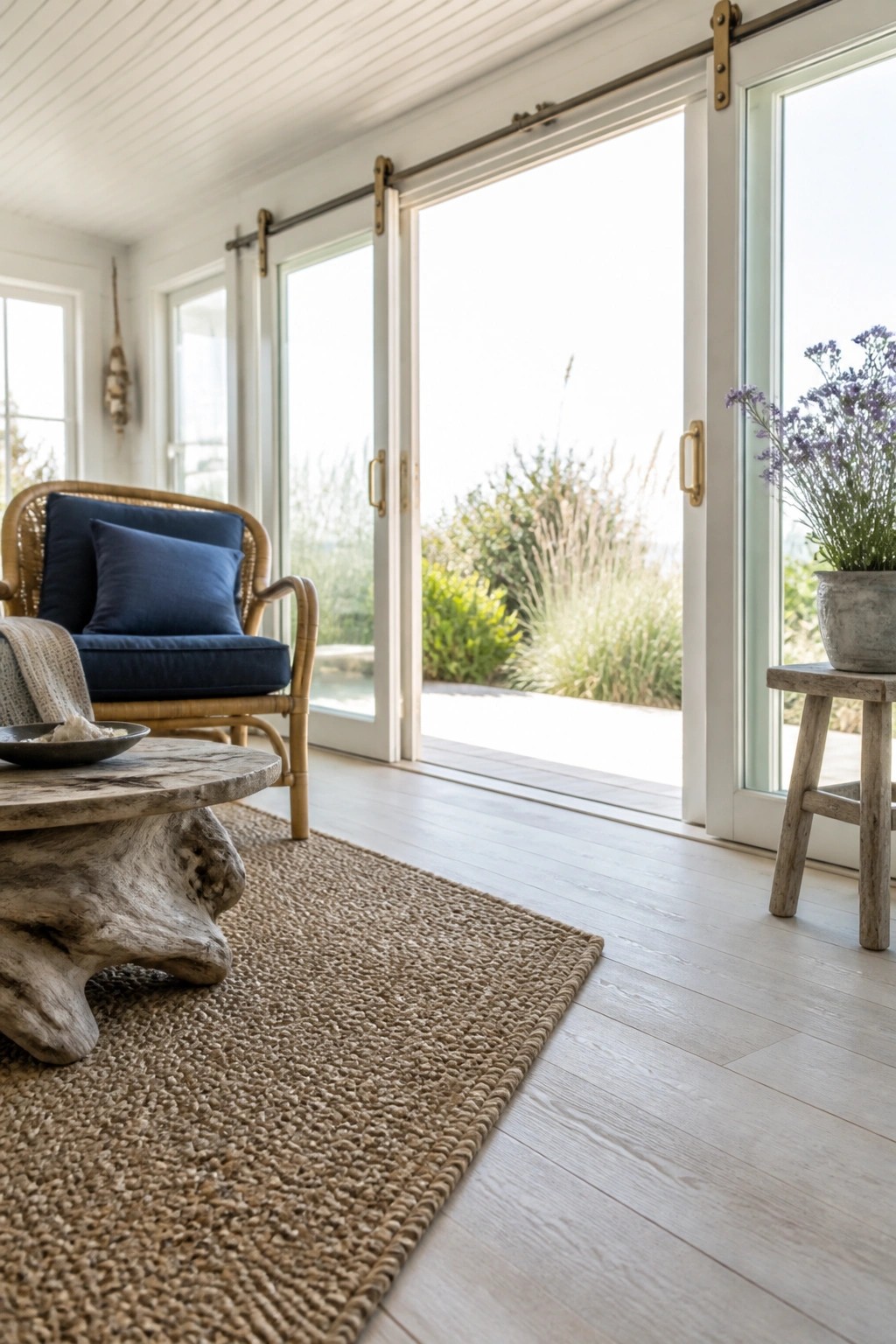
Light hardwood floors give a room a clean base that stays easy to live with over time. They reflect more light than darker tones, which helps smaller spaces feel open without any extra effort.
This style works best in homes with plenty of windows or doors that bring in natural light. Keep the look simple with a single woven rug and a few natural textures so the floor remains the main feature instead of competing with too many patterns.
Parquet Flooring Patterns
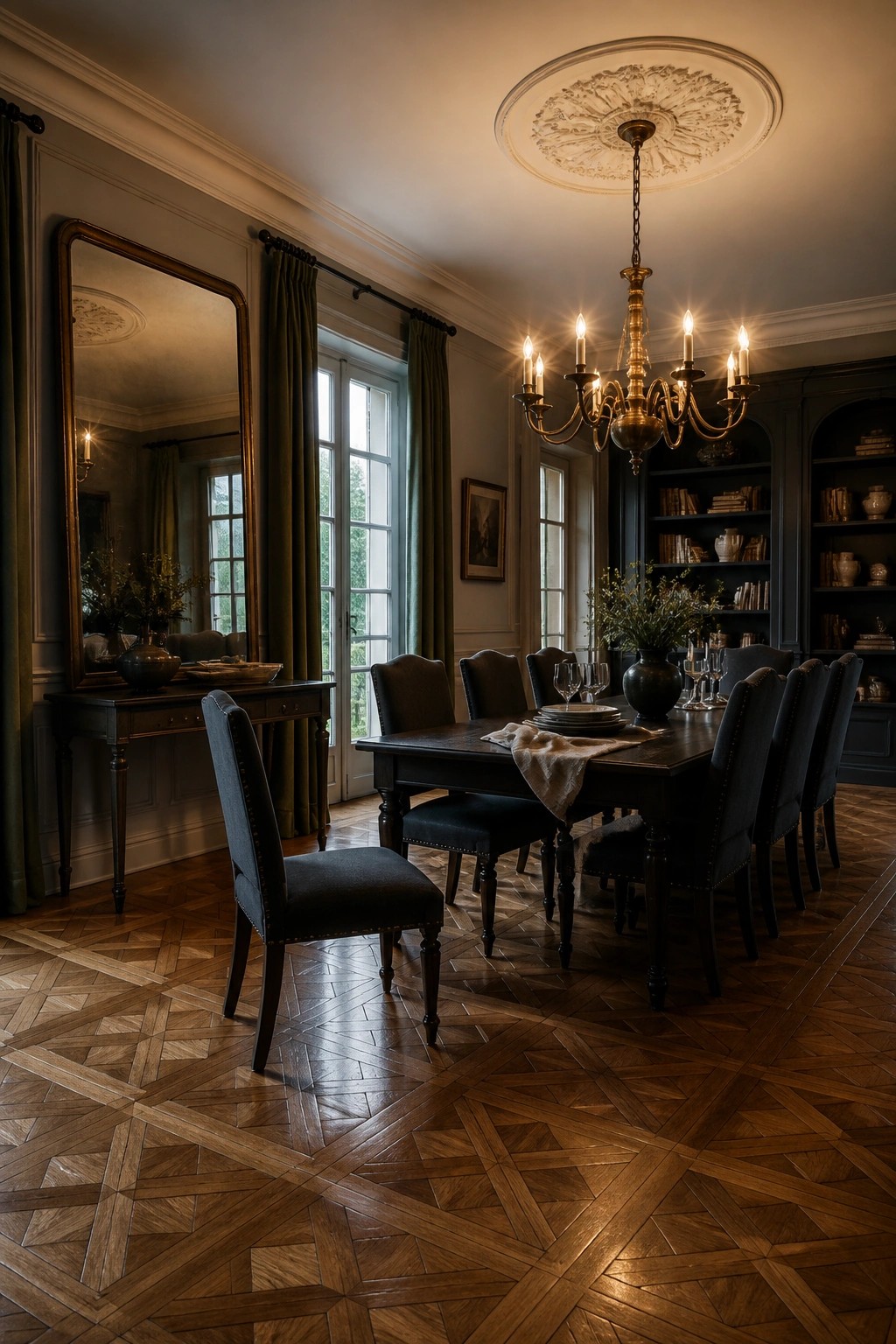
Parquet floors add structure and interest that holds up well over time. The geometric design here gives the dining room a finished look without relying on rugs or extra layers to fill the space.
This style suits larger rooms where the pattern has room to read clearly. It works especially well in homes that lean traditional or transitional, though it needs a fairly level subfloor and careful installation to keep the joints tight.
Light Hardwood Flooring in a Home Office
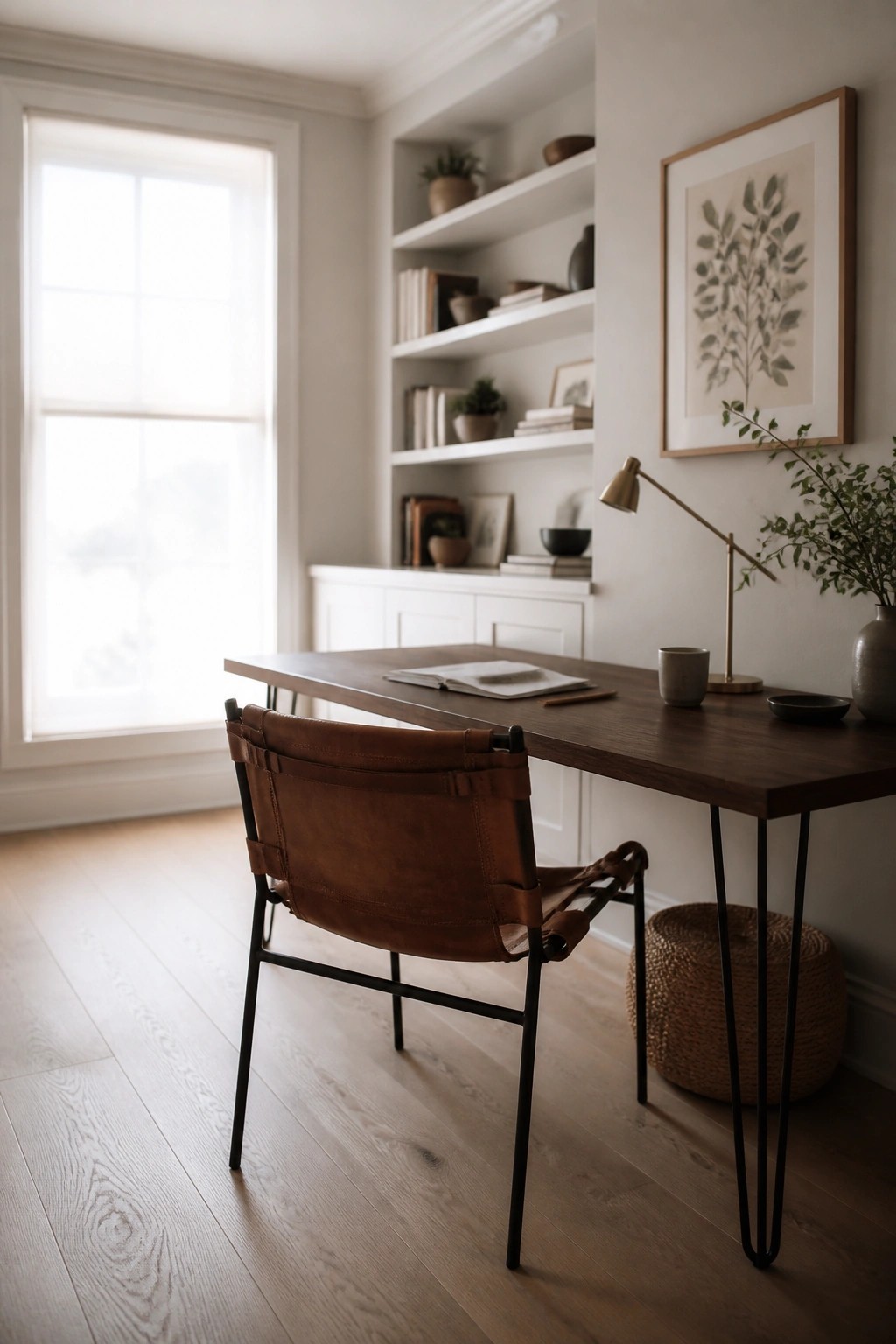
Light hardwood flooring helps a workspace stay bright and open even when the room has a lot of furniture. It reflects daylight from the windows and keeps the overall feel calm instead of heavy.
This choice works best in rooms that already get good natural light. It also gives you flexibility to change the desk, chair, or shelves later without the floor looking dated.
Hardwood Flooring With Area Rugs
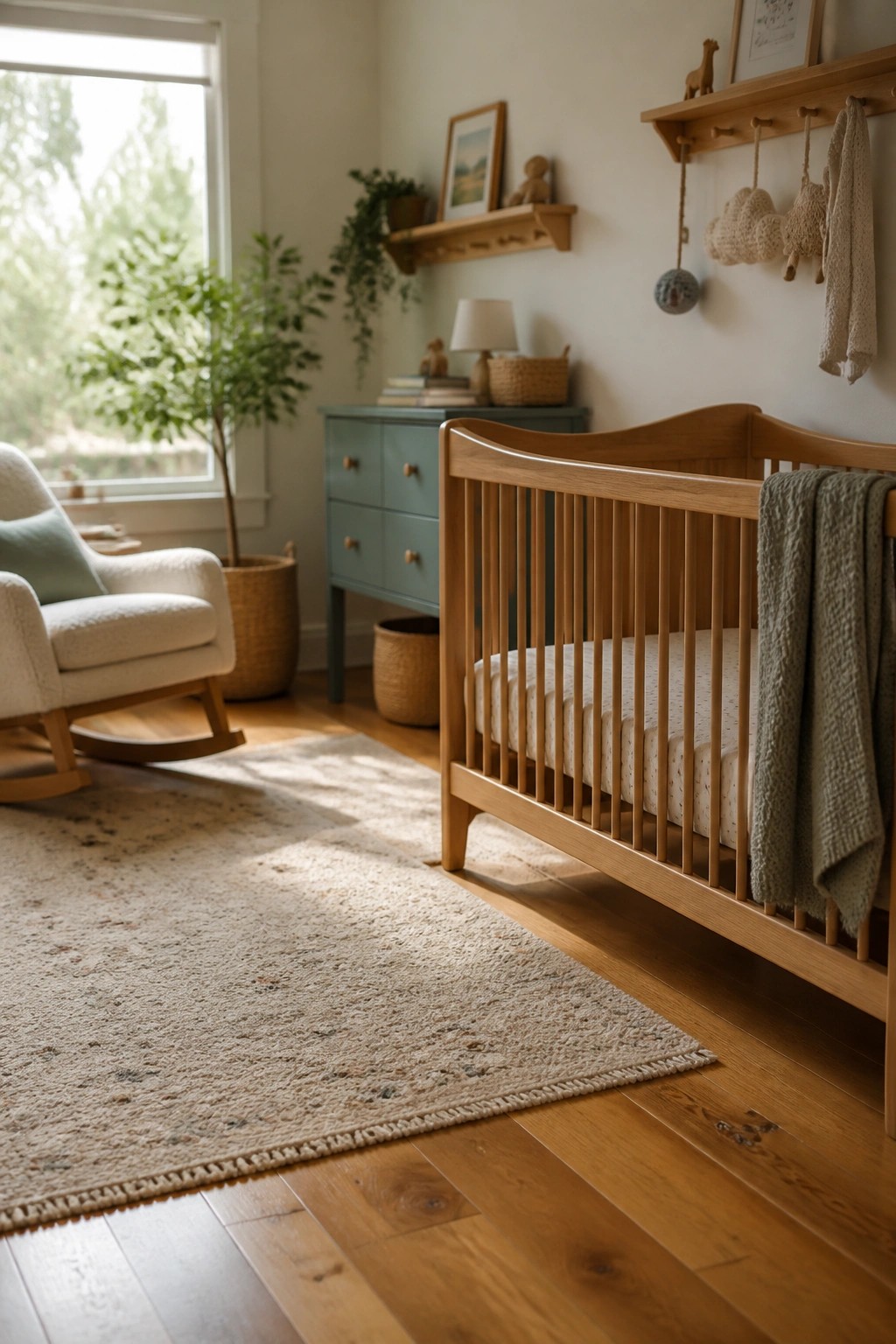
Hardwood gives a room a solid base that holds up over time, even when the space changes from a nursery into something else later. A large rug on top adds softness underfoot and protects the wood in the spots that see the most use.
This approach works well in any kid’s room or guest space where you want the floor to feel warm but still practical. Keep the rug simple in texture and size so the wood shows around the edges and the floor remains the main feature.
Hardwood Flooring In Entryways
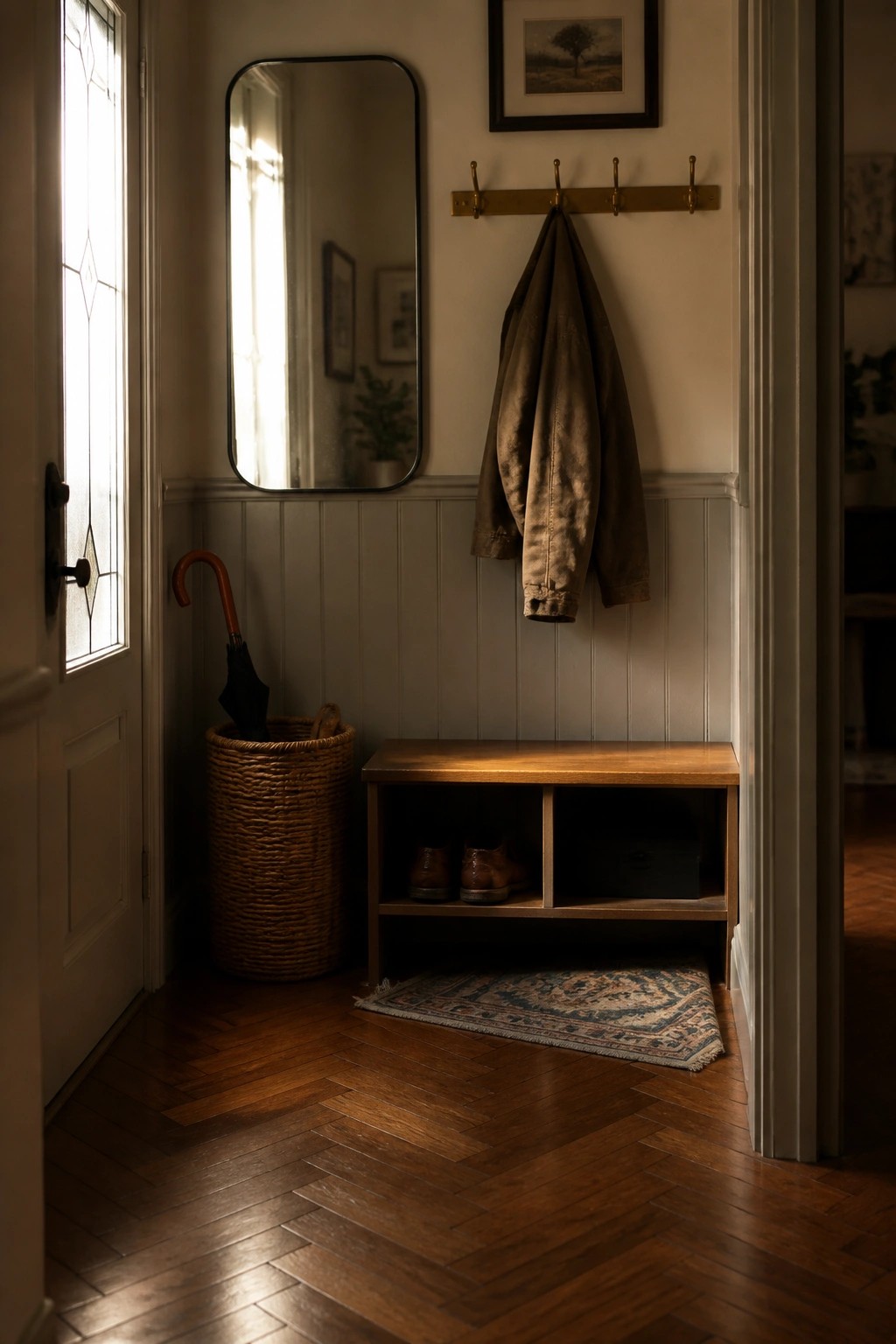
Hardwood holds up well in an entryway because it takes daily wear without showing it quickly. The material keeps its look through seasons of use and still feels at home even after other parts of the house get updated.
It suits homes that want a simple floor that does not need constant attention. Keep storage low and practical nearby so the space stays useful without crowding the floor itself.
Dark Hardwood Flooring In Bathrooms
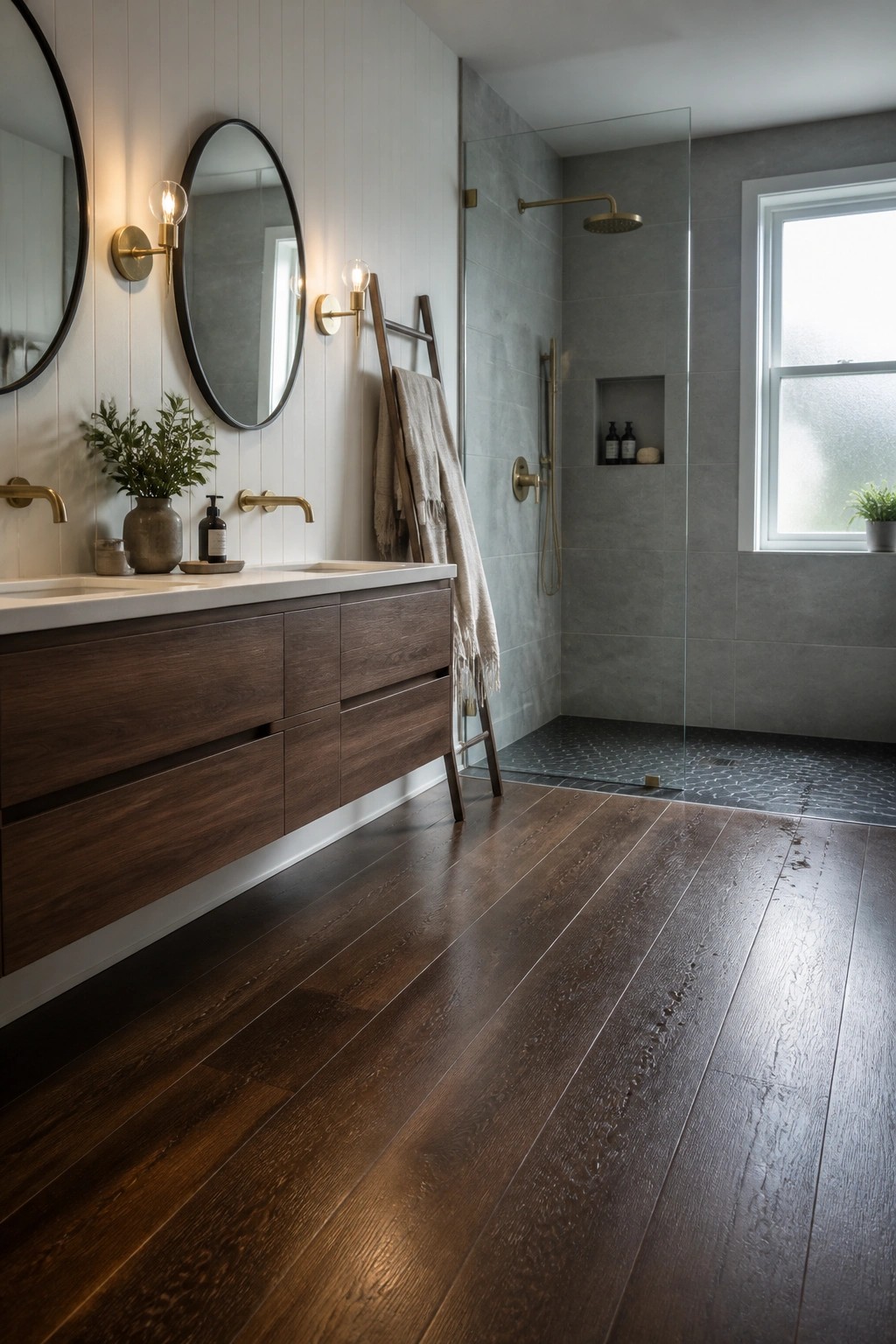
Dark hardwood floors bring a steady, grounded feel to bathrooms that often get overlooked. They add warmth next to cooler surfaces like tile and stone, and the contrast helps the room feel more finished without extra effort.
This choice works best in homes that already lean toward natural materials. Make sure the wood has a strong sealant and good ventilation, since moisture can still be an issue over time.
Dark Hardwood Flooring For Lasting Warmth
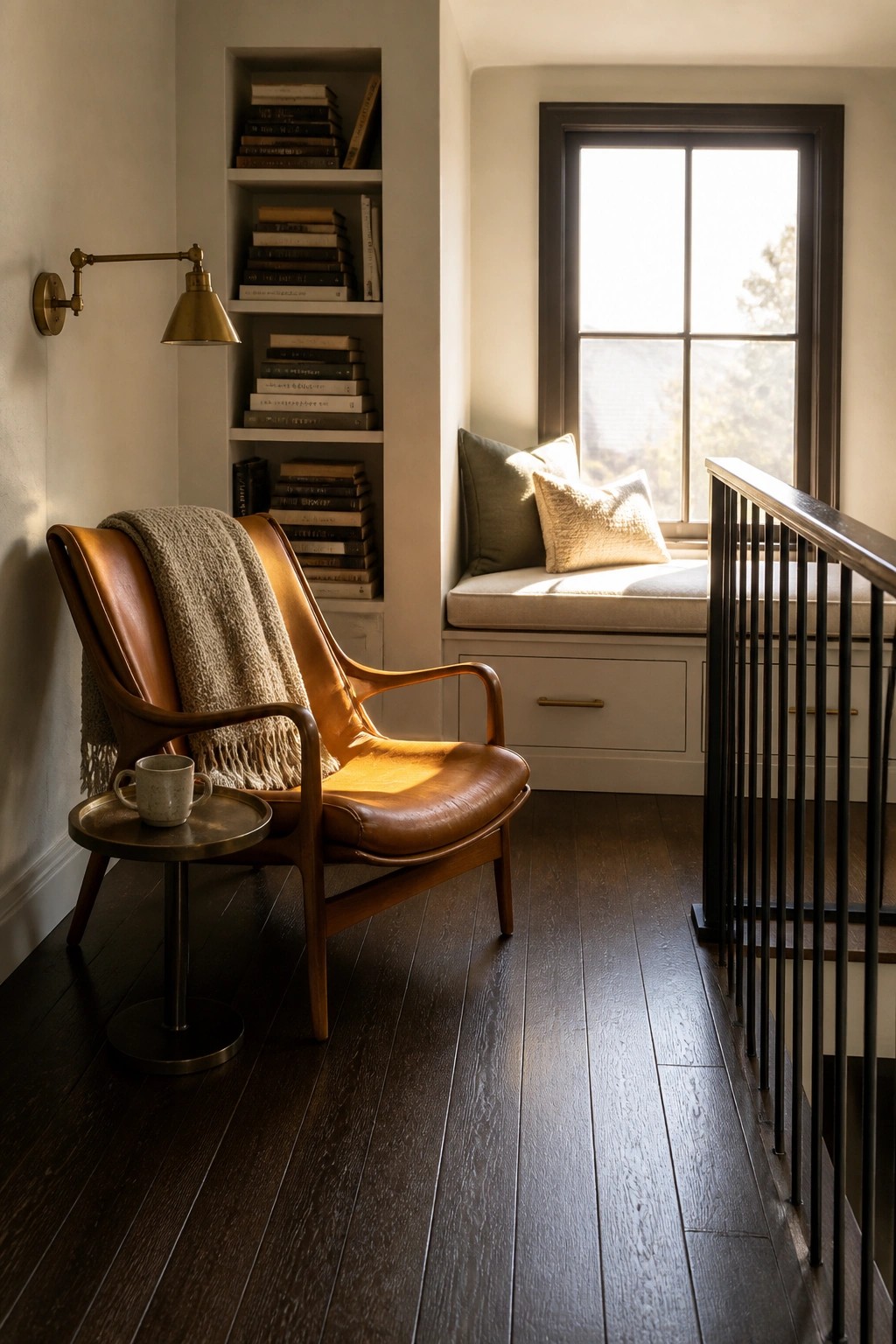
Dark hardwood floors give a room a solid, grounded base that feels steady even when everything else changes. They pair naturally with wood tones and leather, so the space stays cohesive without needing constant updates.
This works best in homes that already lean warm or traditional. Keep the finish simple and avoid high gloss, since it shows wear faster over time.
Hardwood Flooring In The Kitchen
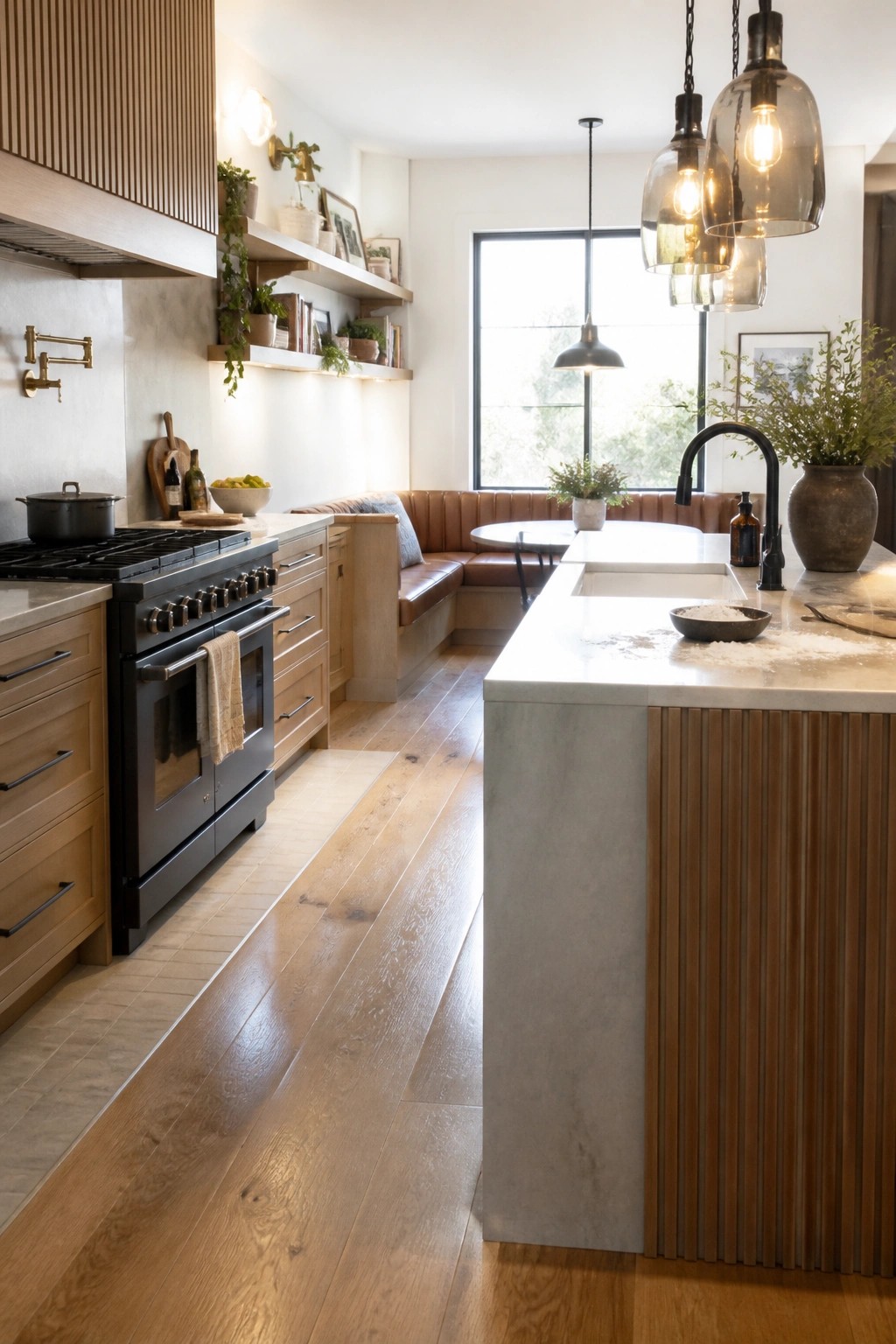
Hardwood can handle a kitchen if you pick a durable finish and keep the color simple. Light oak boards like the ones shown here add warmth and help the room feel connected to nearby living spaces instead of cut off by tile or vinyl.
This approach works best in homes with open layouts where the kitchen shares the same floor as the dining or family area. Avoid high gloss finishes that show every mark, and stick with wider planks that hide minor wear over time.
Dark Hardwood Floors In Traditional Rooms
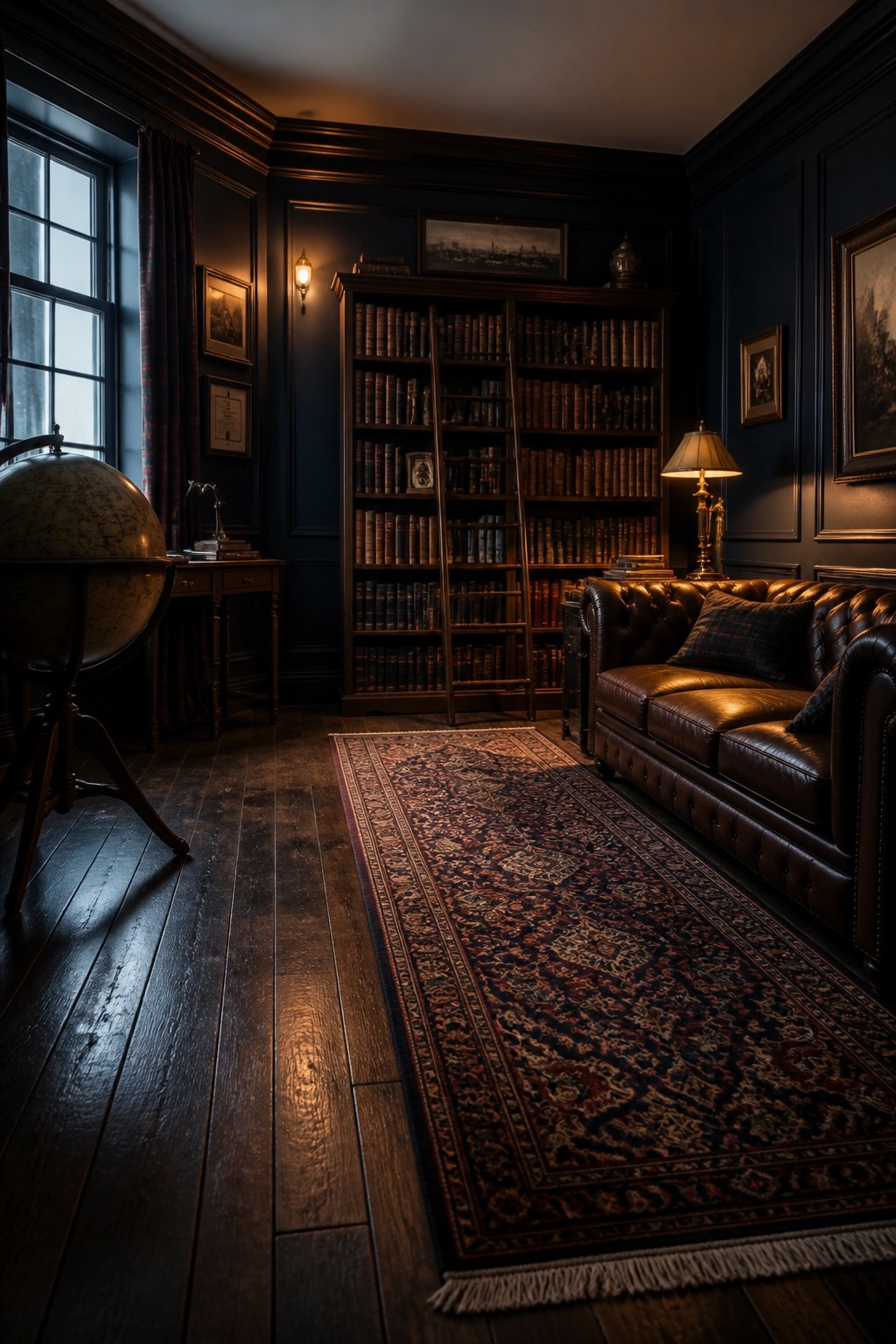
Dark hardwood floors give a room like this study a solid, grounded base that holds up over time. The deep tone works with the heavy furniture and built-ins without feeling heavy itself, and it keeps the space from looking dated when other elements change.
This style suits homes with classic trim and darker wall colors. It also pairs well with area rugs, since the wood stays visible around the edges and shows its grain even after years of use.
Light Hardwood Flooring For Open Spaces
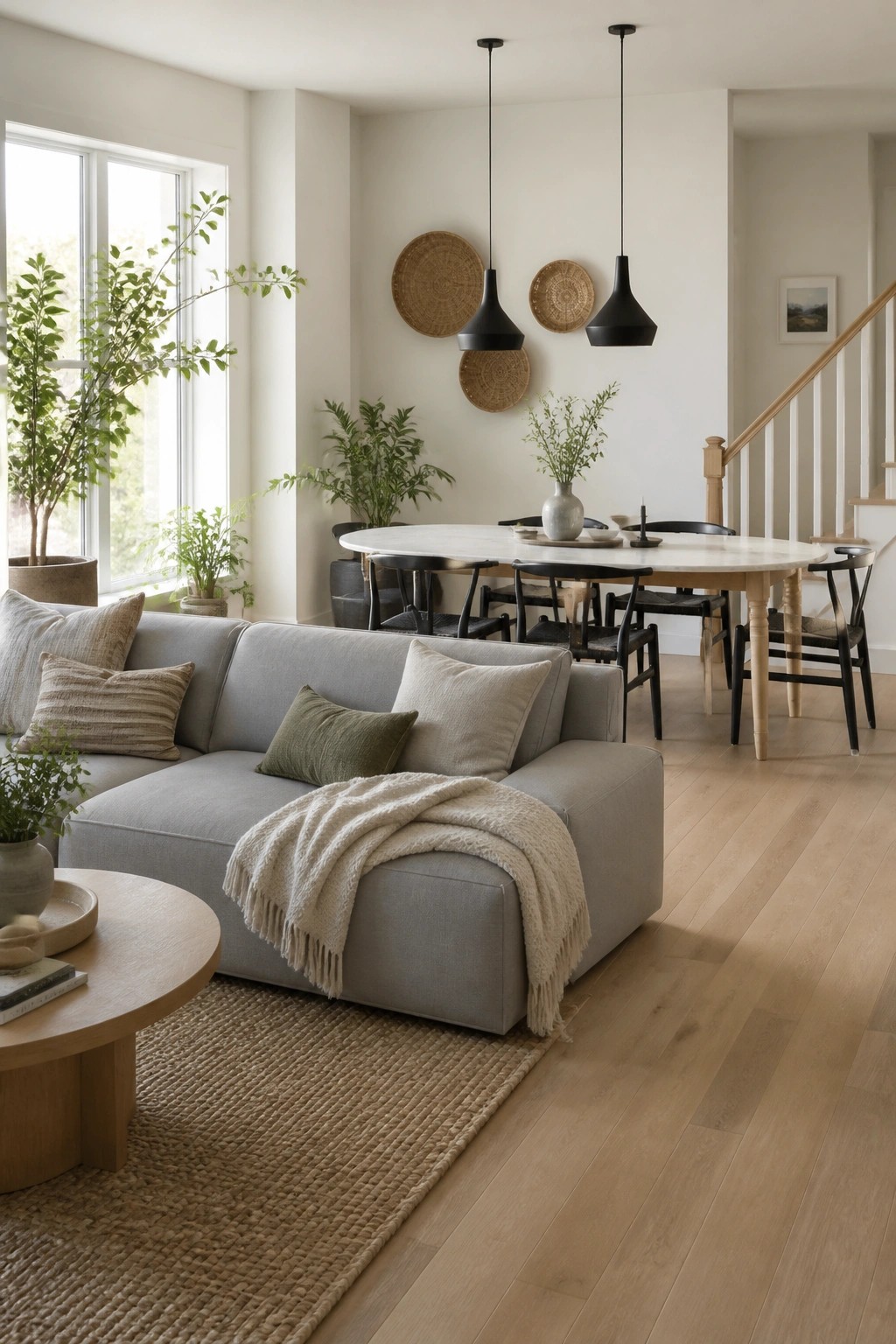
Light hardwood floors help open living areas feel connected and easy to move through. They reflect more light than darker tones, which keeps the whole space from feeling heavy even when furniture and plants fill the room.
This choice works best in homes where the living area flows into dining or kitchen zones. It pairs with both light and dark pieces, though adding some contrast in rugs or seating keeps the look balanced over time.
Wide Plank Hardwood That Handles Change
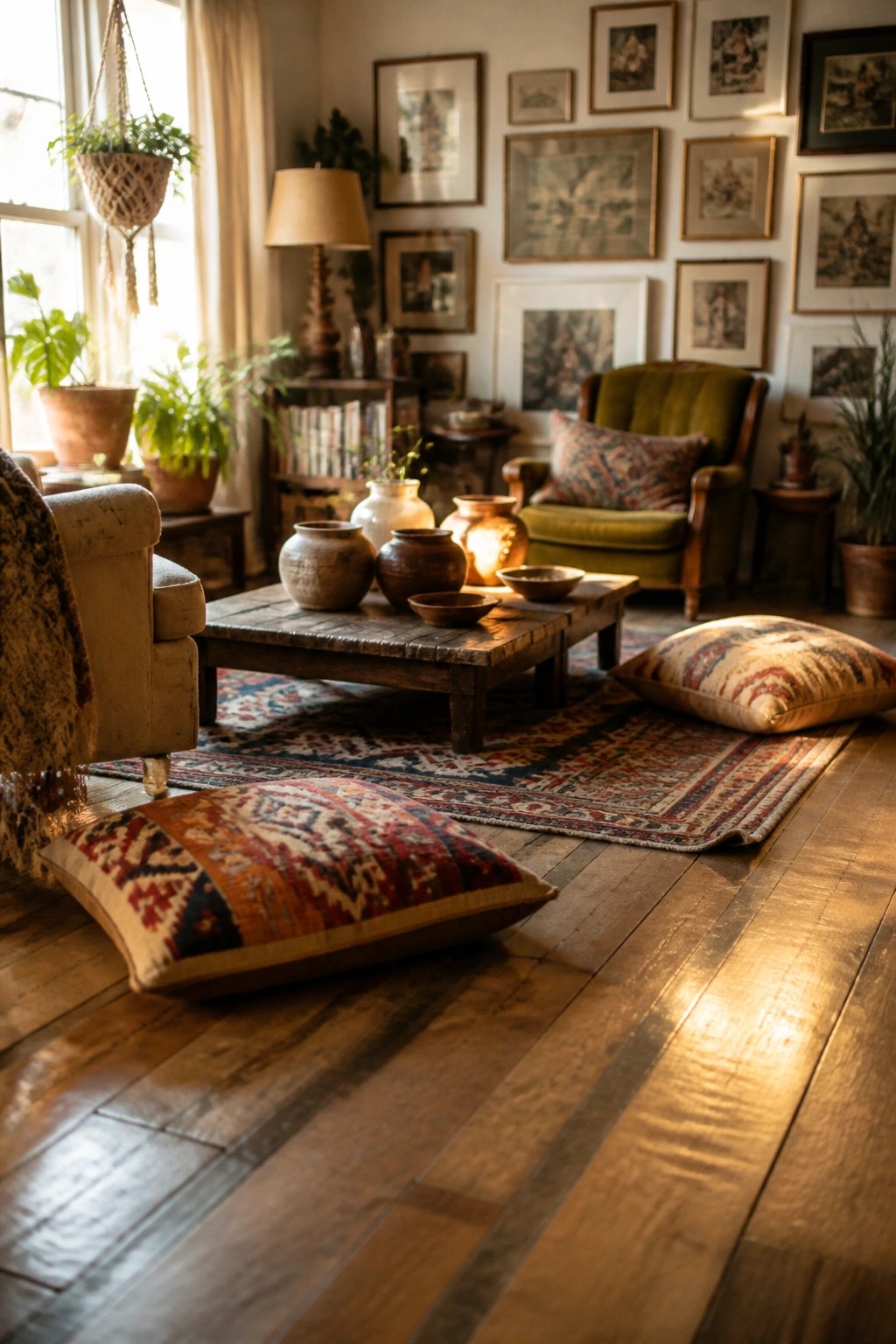
Wide plank hardwood gives a room a steady base that does not need replacing when the rest of the space shifts. The floor in this room shows that simple grain and natural tone that still looks right even after the furniture and rugs have been rearranged several times.
It suits older homes or any space that gets updated in stages. Keep the planks unfinished or lightly sealed so small marks blend in, and use rugs when you want a softer feel without covering the wood completely.
Light Oak Floors for a Kitchen That Lasts
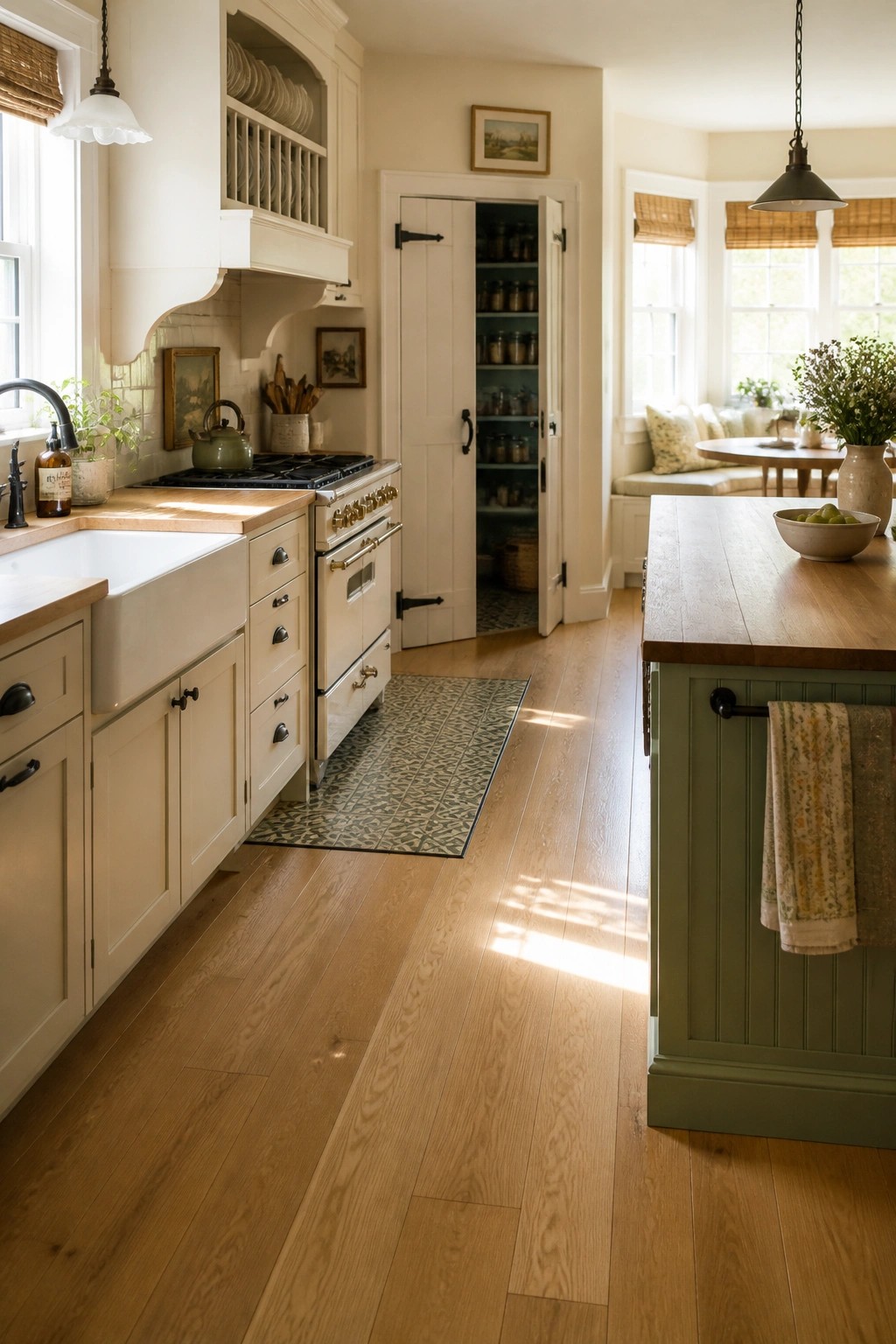
Light oak hardwood gives a kitchen a solid base that feels steady even when other elements change over time. The natural grain and warm tone work with both painted cabinets and bolder island colors, so you can update the space later without replacing the floor.
This choice suits older homes or any kitchen that sees daily use, since the wood holds up well under traffic and can be refinished if needed. Keep the finish simple and avoid heavy stains that might date the look quickly.
Herringbone in Dark Hardwood
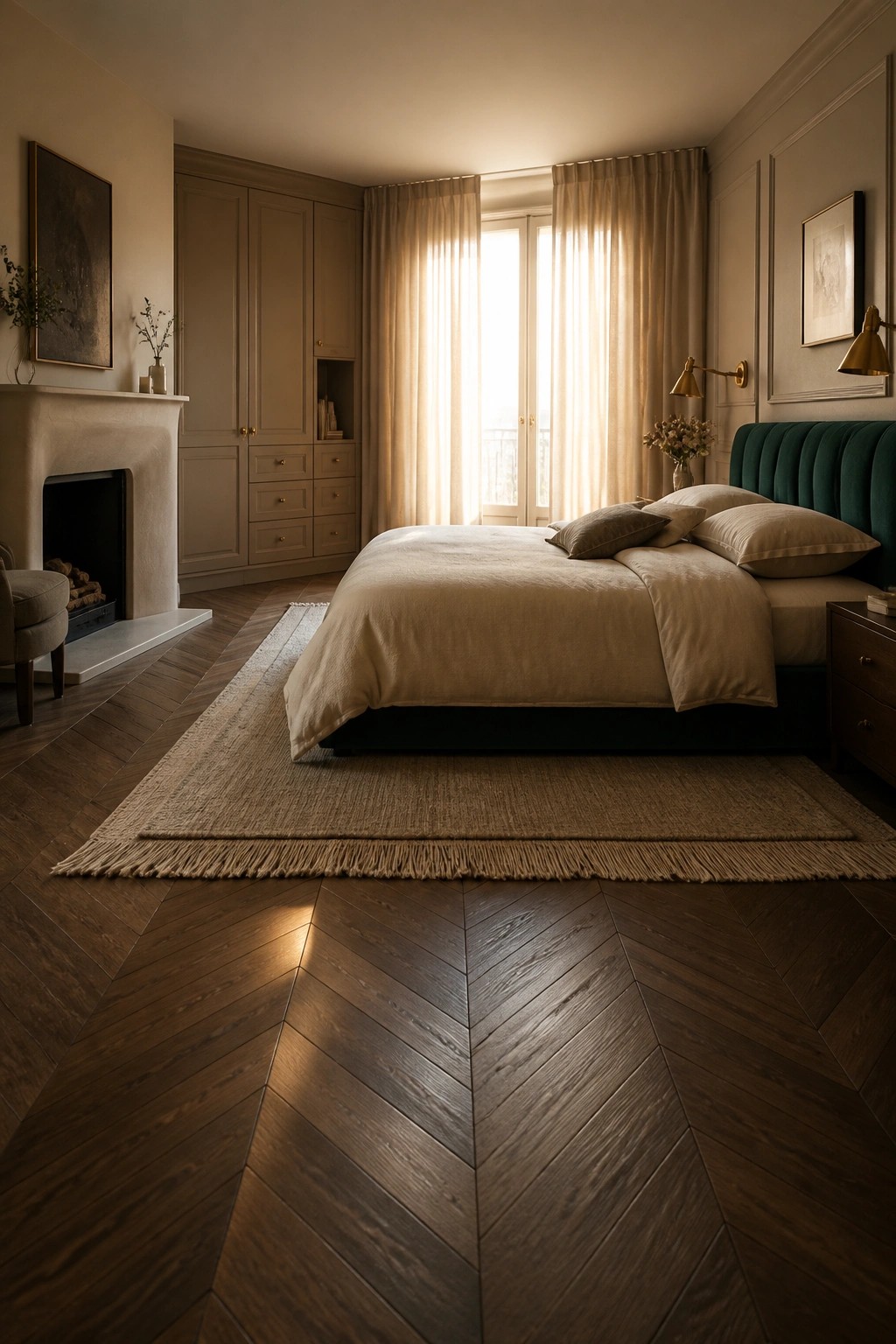
Herringbone floors in a deep wood tone bring quiet structure to a room. The pattern adds movement underfoot while the darker color keeps things grounded and easy to live with over the years.
This choice works especially well in bedrooms or sitting areas where you want a bit of texture without extra pattern elsewhere. It pairs with both painted walls and built-ins, and it tends to look intentional even after furniture changes or a fresh coat of paint.
Dark Hardwood In Hallways
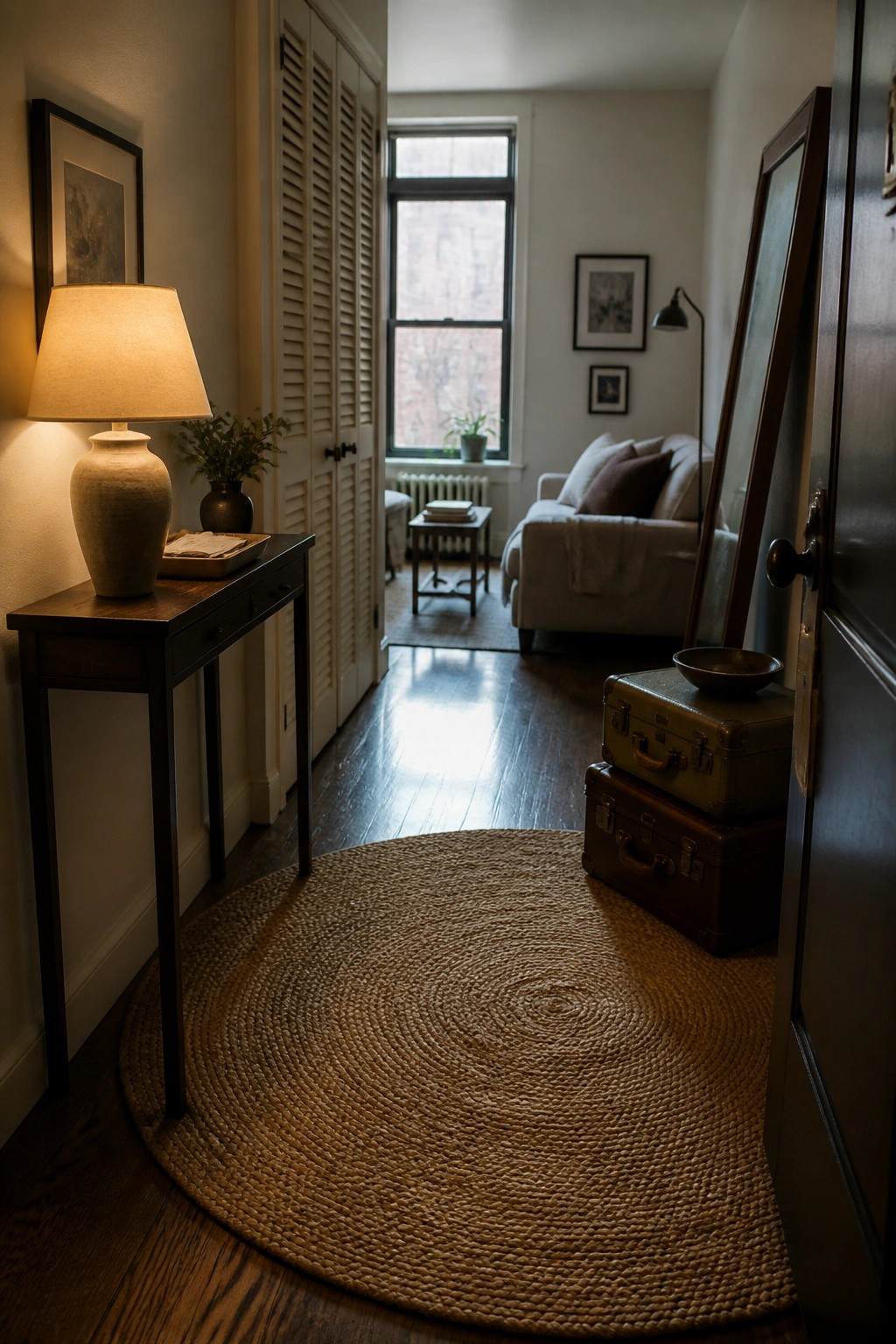
Dark hardwood flooring gives hallways a solid base that feels finished on its own. The tone adds warmth and keeps the space from looking like just a pass-through, which helps when the rest of the house gets updated over the years.
This choice works best in older homes or any layout where the hallway sees steady foot traffic. A low-sheen finish holds up better than a glossy one, and a simple rug can protect the center without covering the wood completely.
Dark Hardwood In A Herringbone Pattern
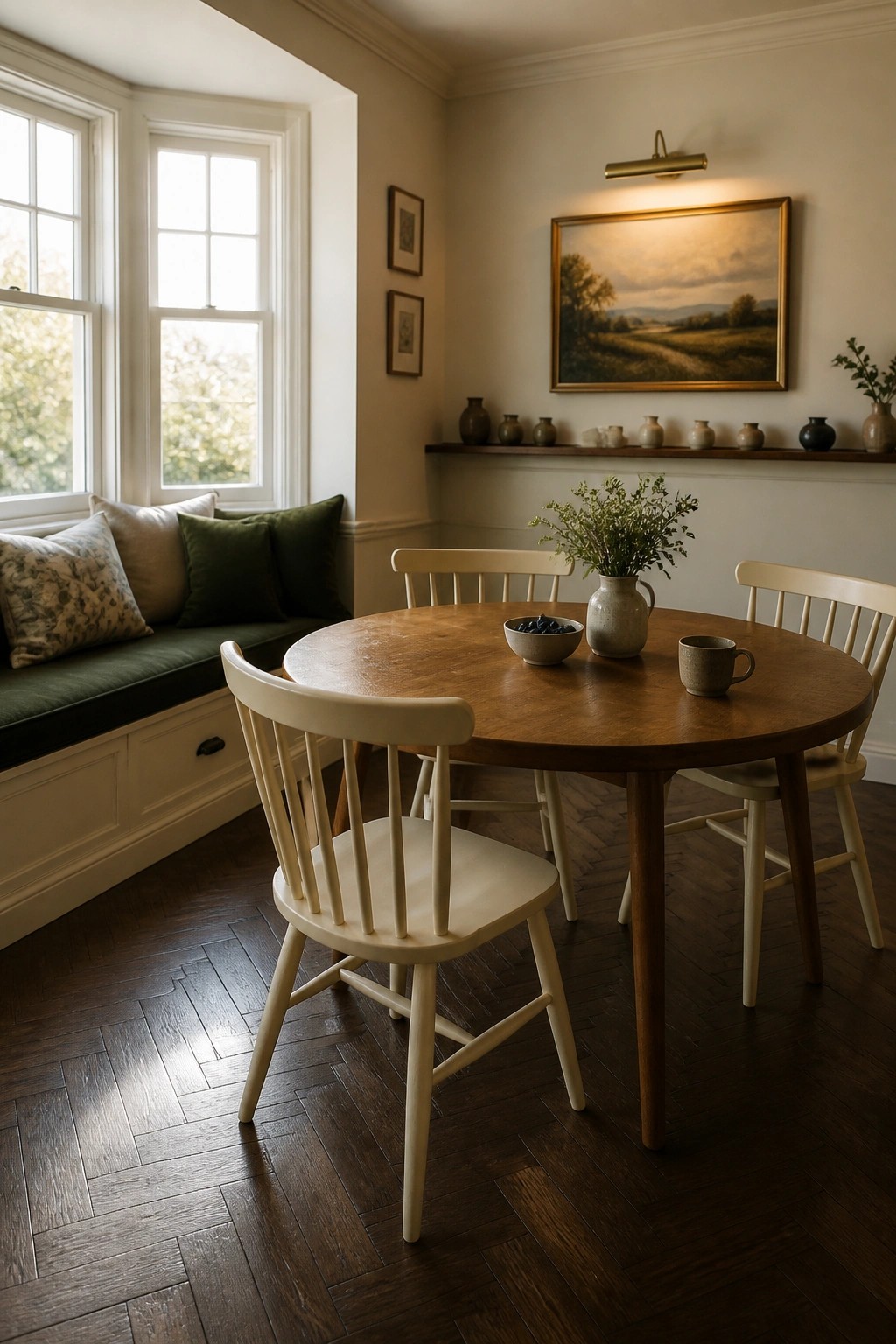
Dark hardwood flooring gives a dining area weight and presence that lighter tones often lack. The rich color anchors the room and holds its own even when furniture or wall colors change over the years.
This style suits older homes or any space that sees regular updates. It works best with simple wood tables and light chairs, since the floor itself carries the visual interest. Keep the pattern consistent across connected rooms to avoid a chopped-up look.
Light Hardwood Floors In Simple Rooms
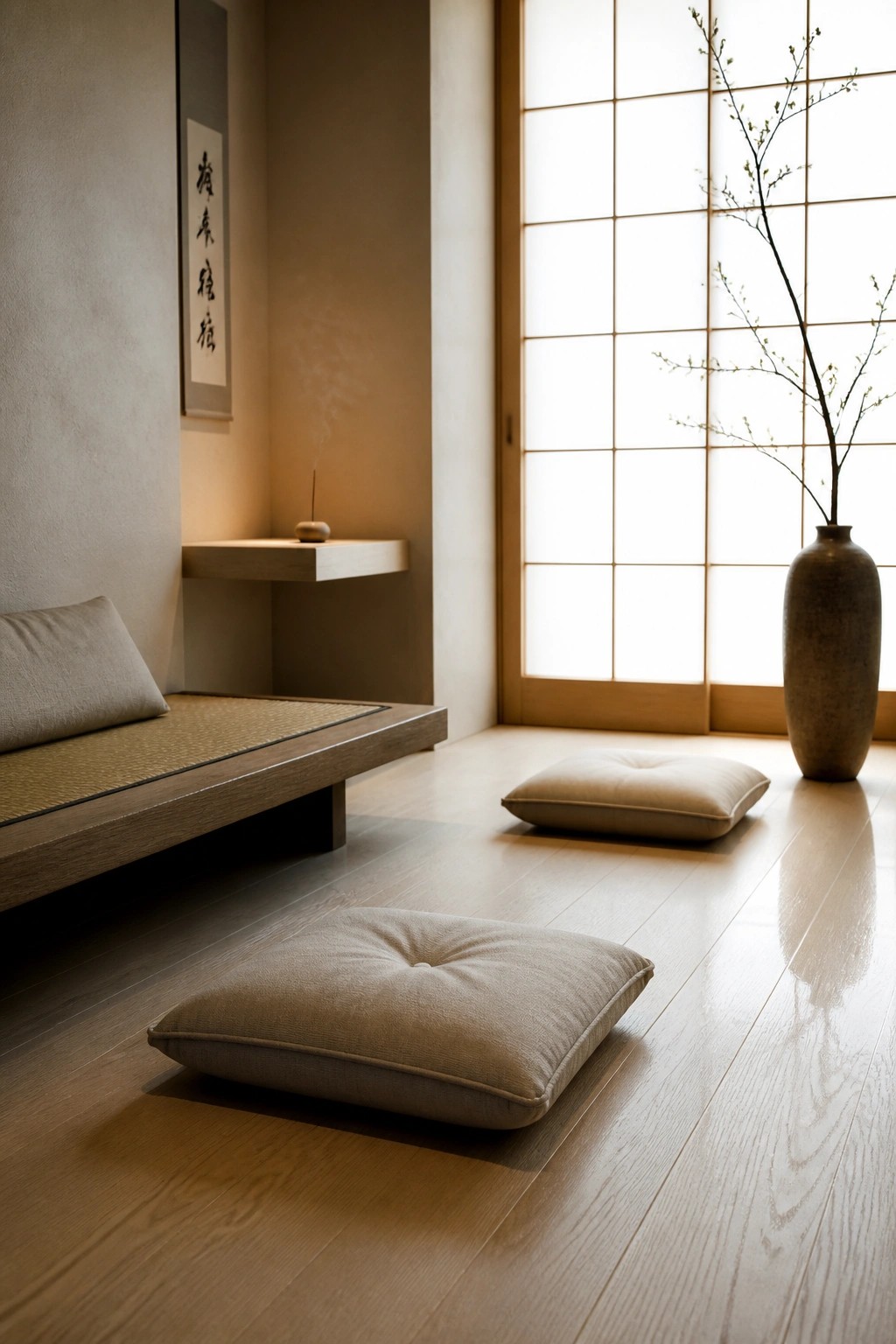
Light hardwood flooring works well in rooms that stay low and uncluttered. It reflects daylight nicely and keeps the space from feeling heavy, which makes it easier to change other elements later without the floor looking out of place.
This approach suits homes that lean toward natural textures and minimal furniture. It ages evenly and holds up through small updates, as long as the planks are wide enough to handle wear in the main walking areas.
Hardwood Flooring In Utility Rooms
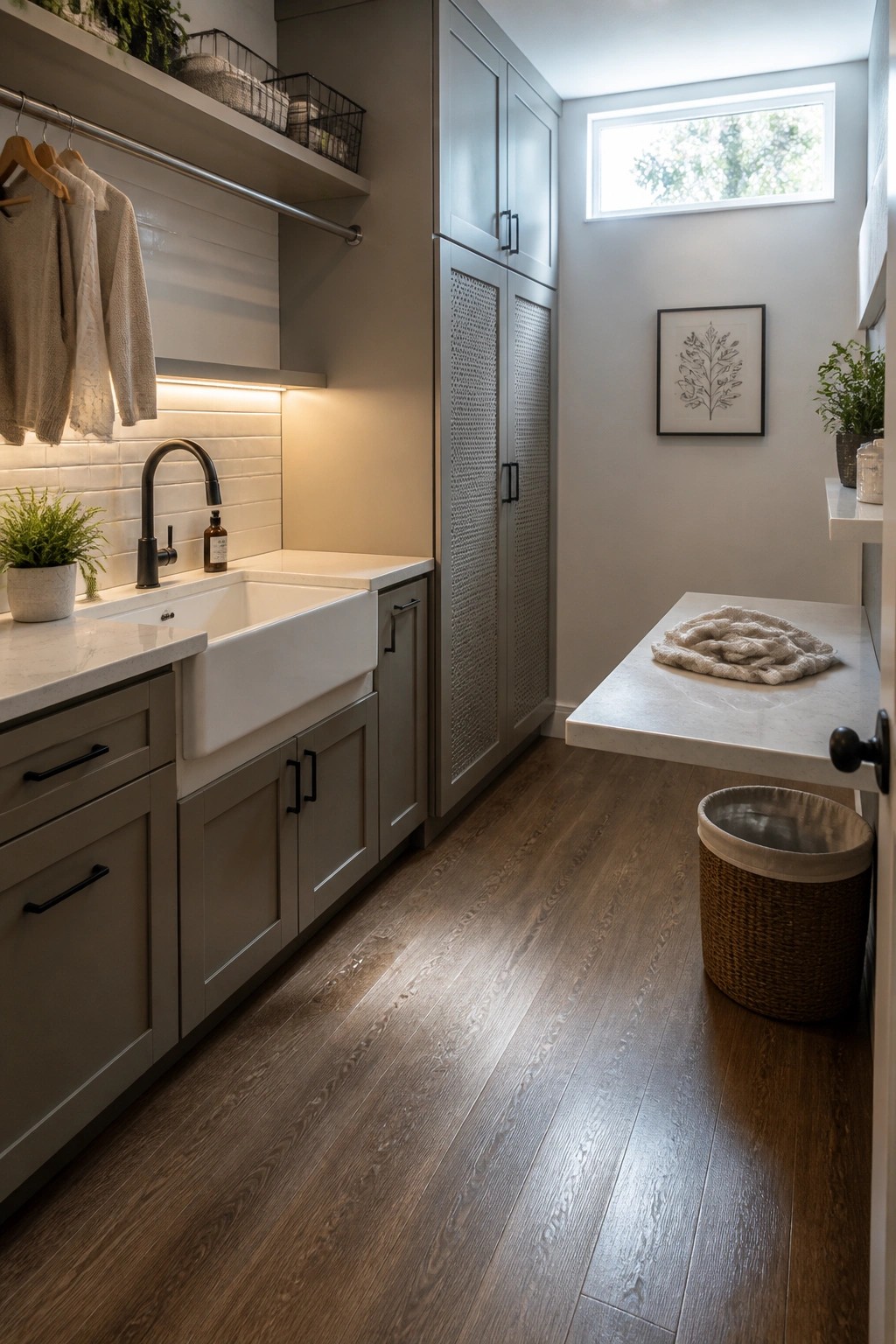
Hardwood holds up well in a laundry room when you choose a durable species and a tough finish. It adds warmth to a space that often feels cold and purely functional, and it avoids the chill that tile can bring underfoot.
This approach works best in homes where you want the flooring to continue from living areas into smaller rooms without a visual break. Keep water from pooling on the surface and wipe up spills quickly to keep the wood looking good over time.
Hardwood On Floors And Stairs
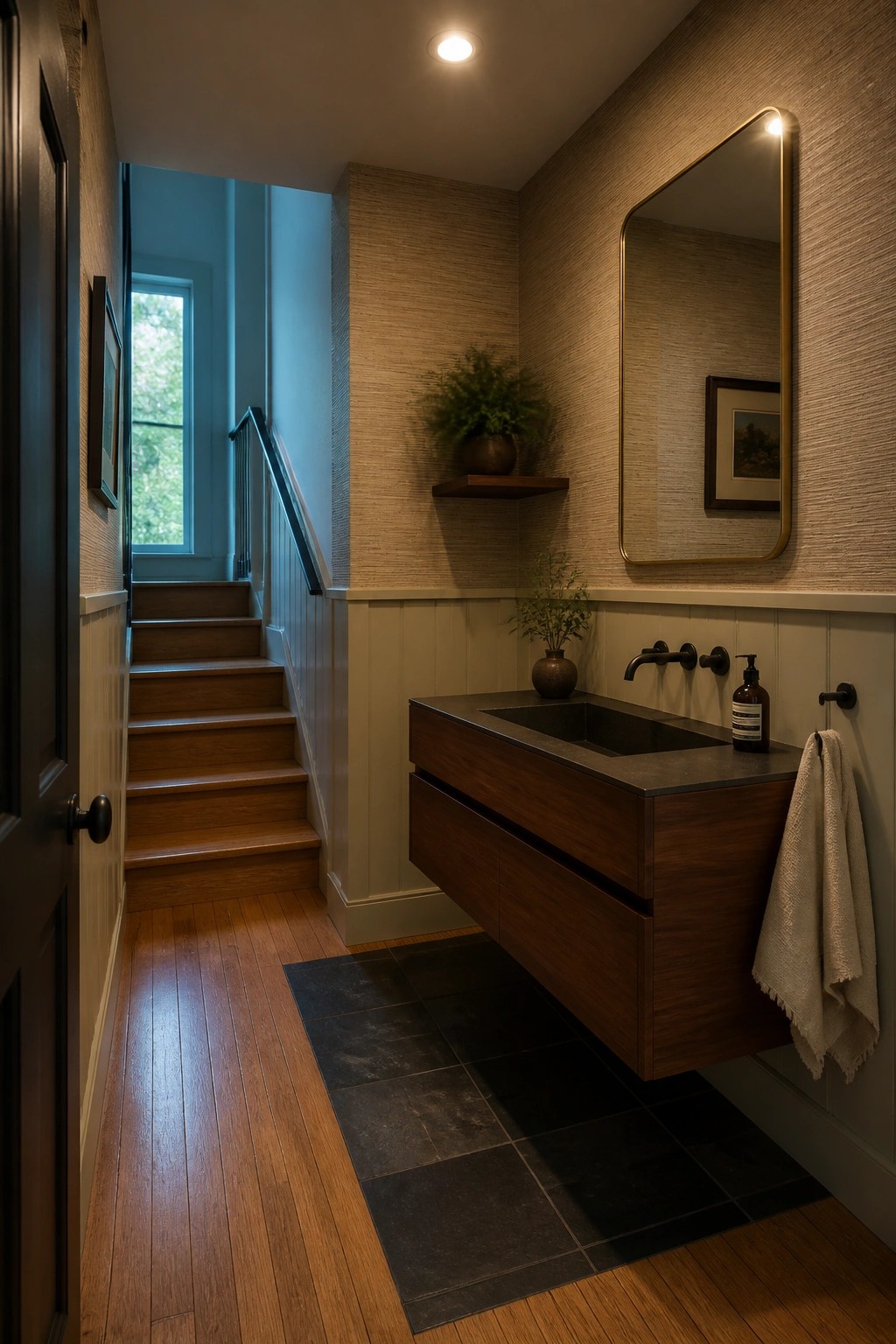
Carrying the same hardwood from the hallway straight onto the stairs keeps the whole area feeling connected. It avoids the choppy look that comes from switching materials in a tight space and holds up well as the rest of the house changes over time.
This works best in older homes or smaller layouts where the stairs sit right off a main hallway. Stick with a medium tone that hides everyday wear, and make sure the stair treads match the floor width so the grain lines up.
Frequently Asked Questions
Q: What floor type hides everyday wear during multiple remodels?
A: Go with a medium stain on a durable species. It masks scuffs better than very light or dark options. Regular sweeping keeps it looking fresh without much effort.
Q: Can hardwood work in a kitchen remodel without getting ruined fast?
A: Yes if you seal it well from the start. Place rugs in high traffic spots. The timeless appeal makes it worth the extra care over cheaper alternatives.
Q: How do I choose the right width for planks that stay stylish?
A: Wider planks feel modern but can date faster. Narrower ones offer more flexibility across styles.
