

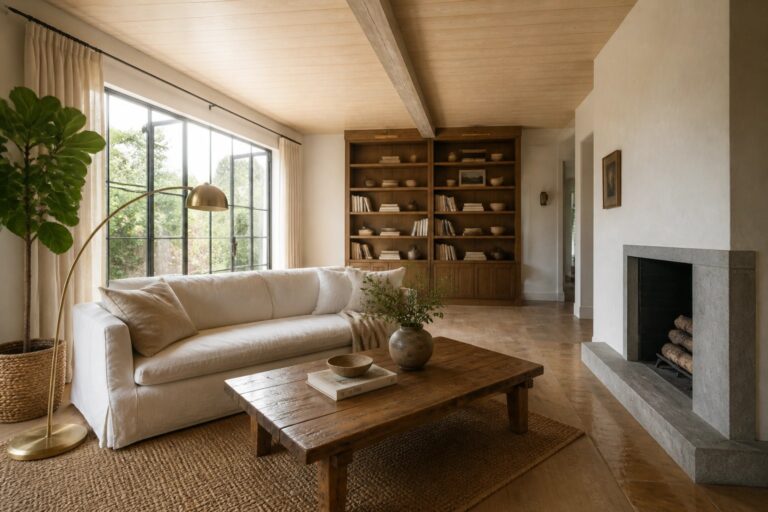
When ceilings get the same attention as walls and floors, rooms start to feel more complete instead of flat and unfinished.
I noticed this most in my own dining area, where the overhead surface now anchors the whole space instead of fading into the background.
Choosing wood with the right grain and tone matters because it affects how light moves around the room throughout the day and how voices carry in the evenings.
Some patterns just click better than others.
Trying a sample panel in place before committing has helped me avoid choices that looked fine on screen but felt too heavy once installed.
Wood Ceilings for Rich Natural Texture
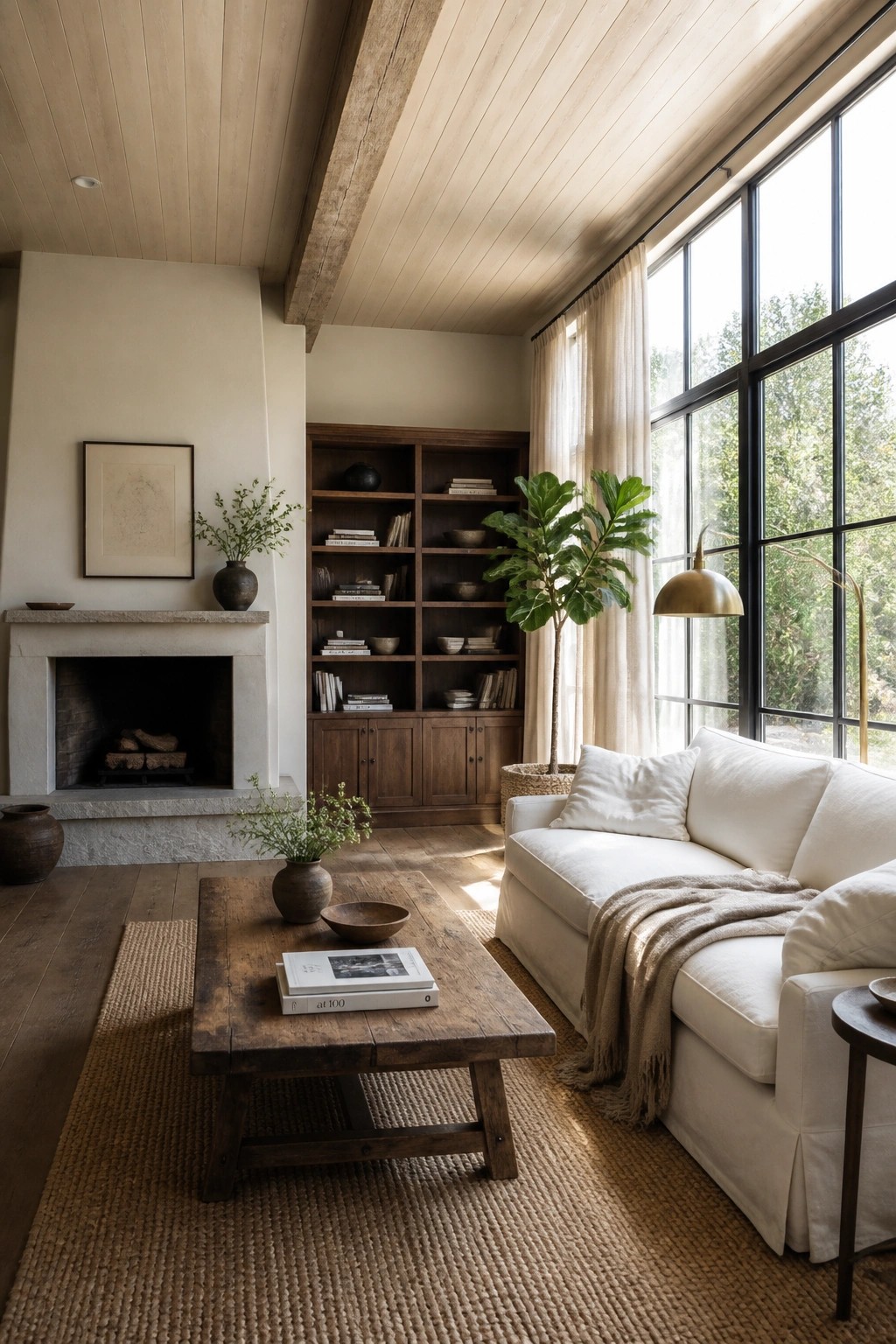
Wood ceilings add a layer of natural texture that changes how a room feels without needing a lot of extra pieces. The light planks here keep the space bright while still giving it that grounded, lived-in quality that painted ceilings often lack.
This approach works well in living rooms that already have wood floors or built-ins, since the ceiling ties everything together. It suits homes that lean toward simple, calm interiors rather than bold color or heavy patterns. Just keep the walls light so the wood reads as texture instead of weight.
Dark Wood Ceilings for Natural Warmth
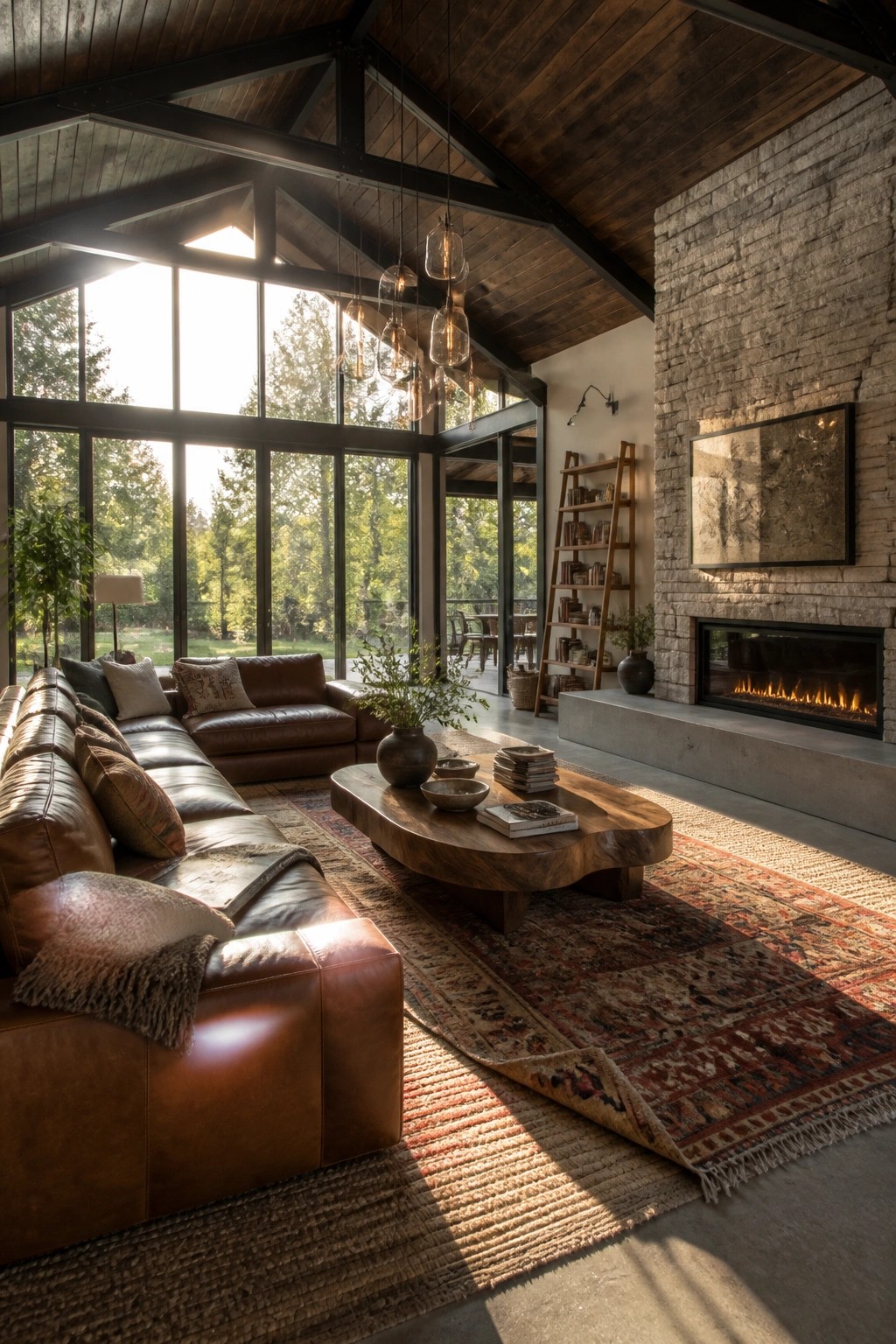
A dark wood ceiling can make a large room feel more settled without adding much else. The grain and tone overhead pull everything together and keep the space from feeling too open or bare.
This approach works best in homes with vaulted or beamed ceilings where you already have some height to play with. It pairs well with simple furnishings and natural materials, though lighter walls help prevent the room from getting too heavy.
Exposed Wood Beams in the Kitchen
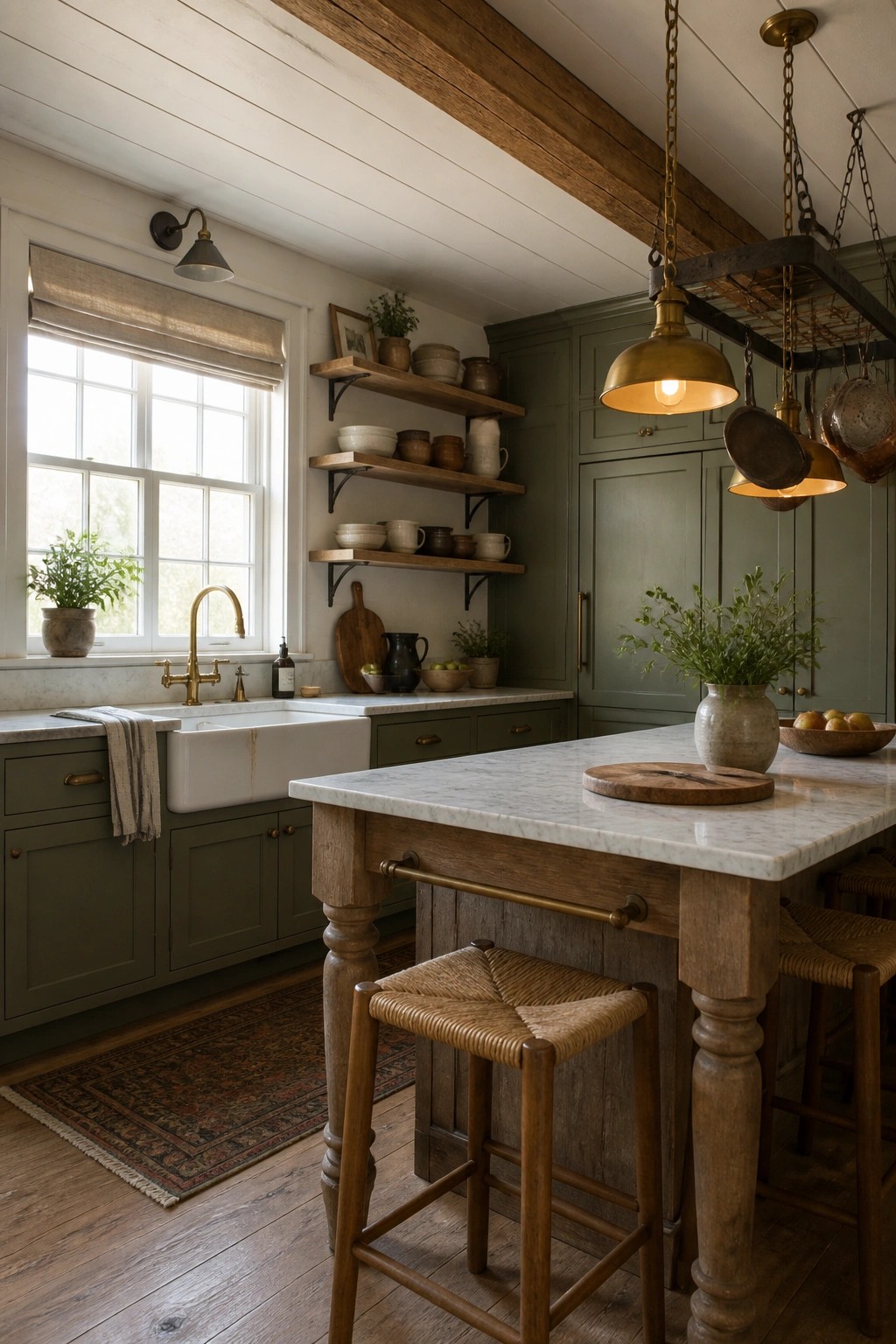
Exposed wood beams bring natural texture into a kitchen without crowding the space or adding extra furniture. They stand out against a lighter ceiling and help the room feel grounded and a little warmer.
This works best in homes that already have some wood elsewhere, like floors or open shelving. Keep the beams a medium or darker tone so they read clearly against white or light walls and cabinetry.
Chevron Wood Ceilings
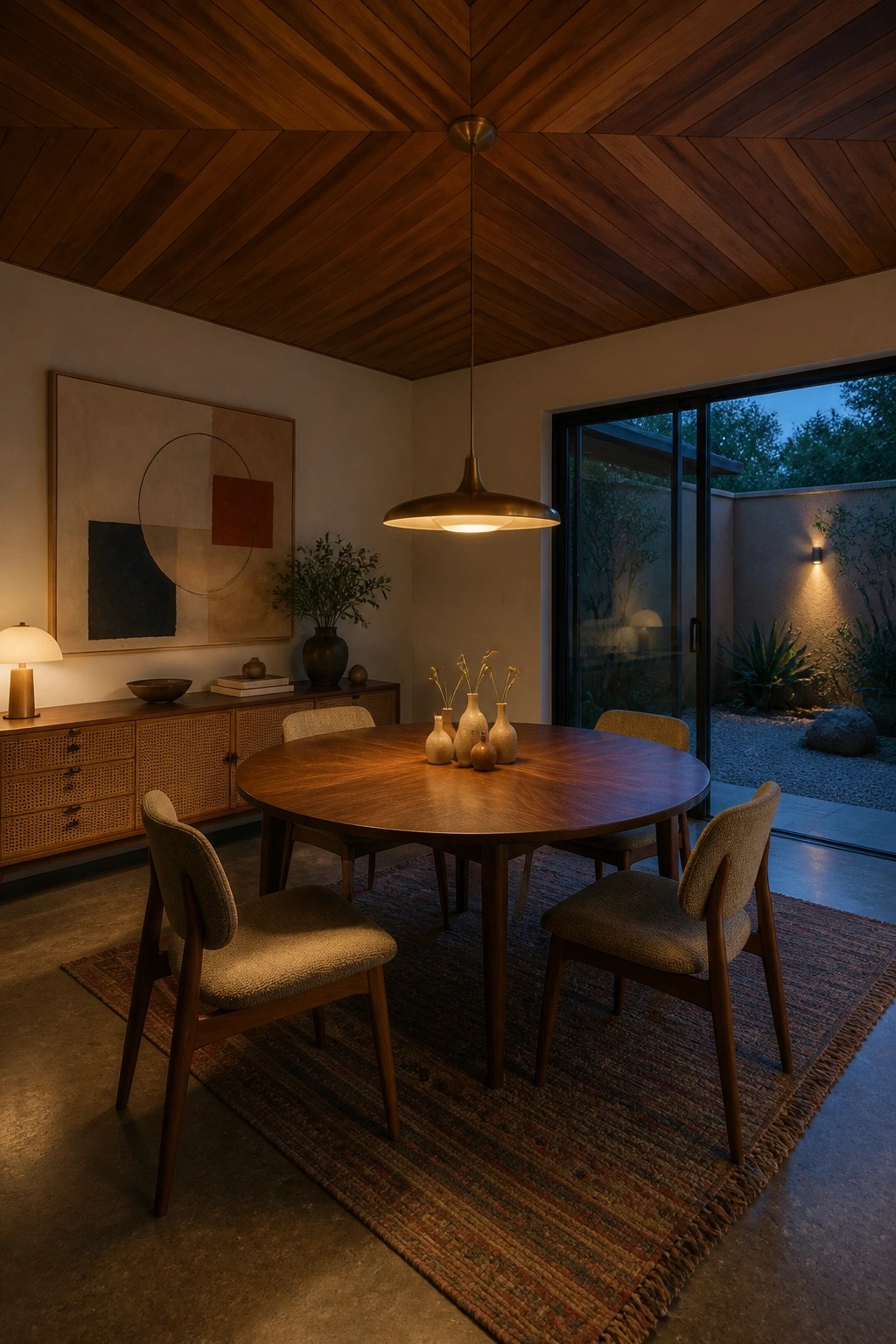
A wood ceiling laid in a chevron pattern brings strong natural texture into a dining room without extra decoration. The angled planks catch the light and give the space a quiet warmth that flat ceilings often lack.
This works best in rooms where you already have wood furniture and simple walls. Keep other surfaces calm so the ceiling can do the work, and make sure the scale of the pattern fits the height of the room.
Wood Ceilings For Natural Texture
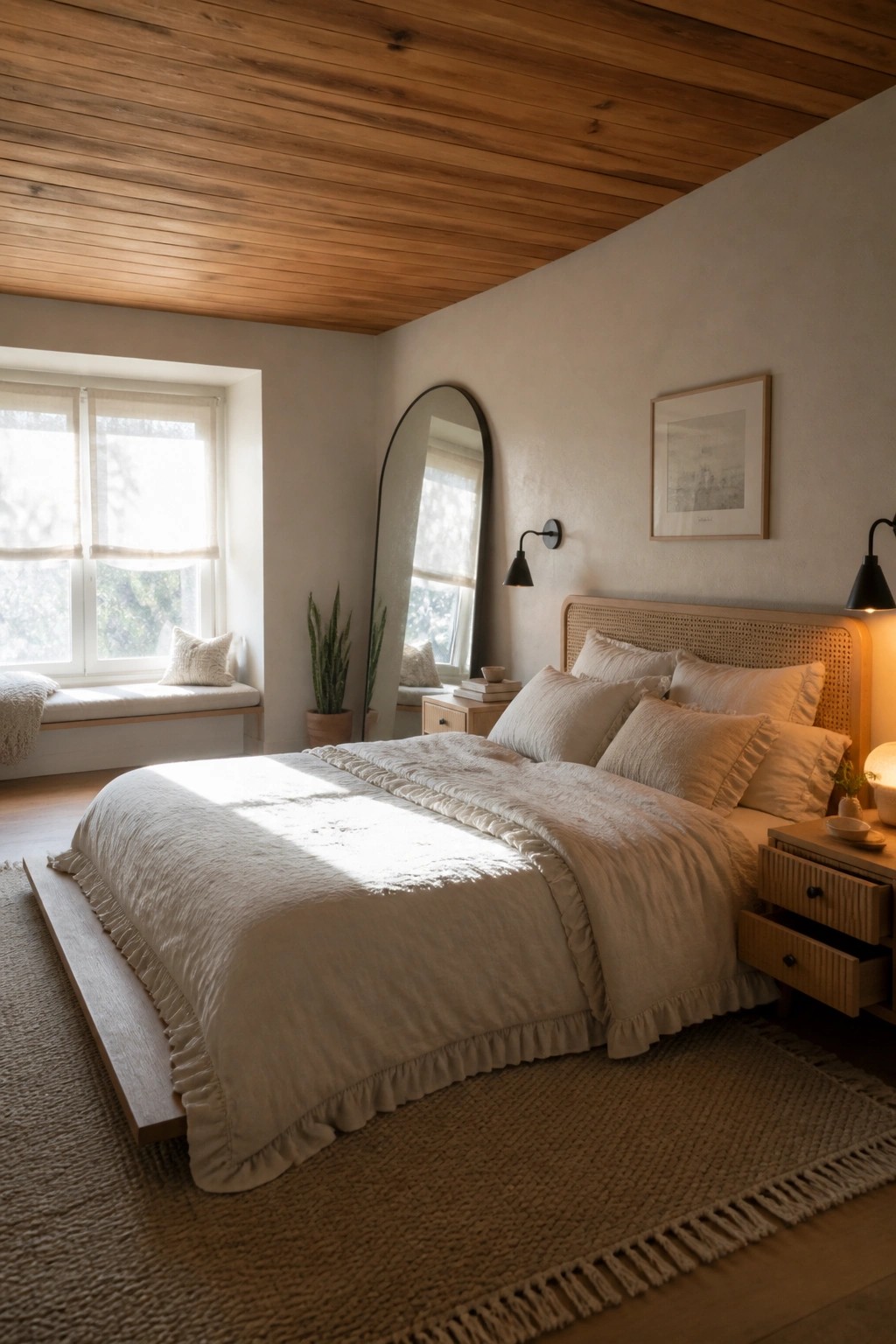
A wood ceiling adds texture in a way that walls or floors often cannot. In a light bedroom like this one, the planks create a quiet contrast that makes the whole room feel more grounded without adding clutter.
This approach works best in spaces with simple furnishings and pale walls where the ceiling can do most of the visual work. It suits homes that already use wood elsewhere or want a single strong natural element overhead without committing to a full wood interior.
Light Wood Ceilings For Natural Texture
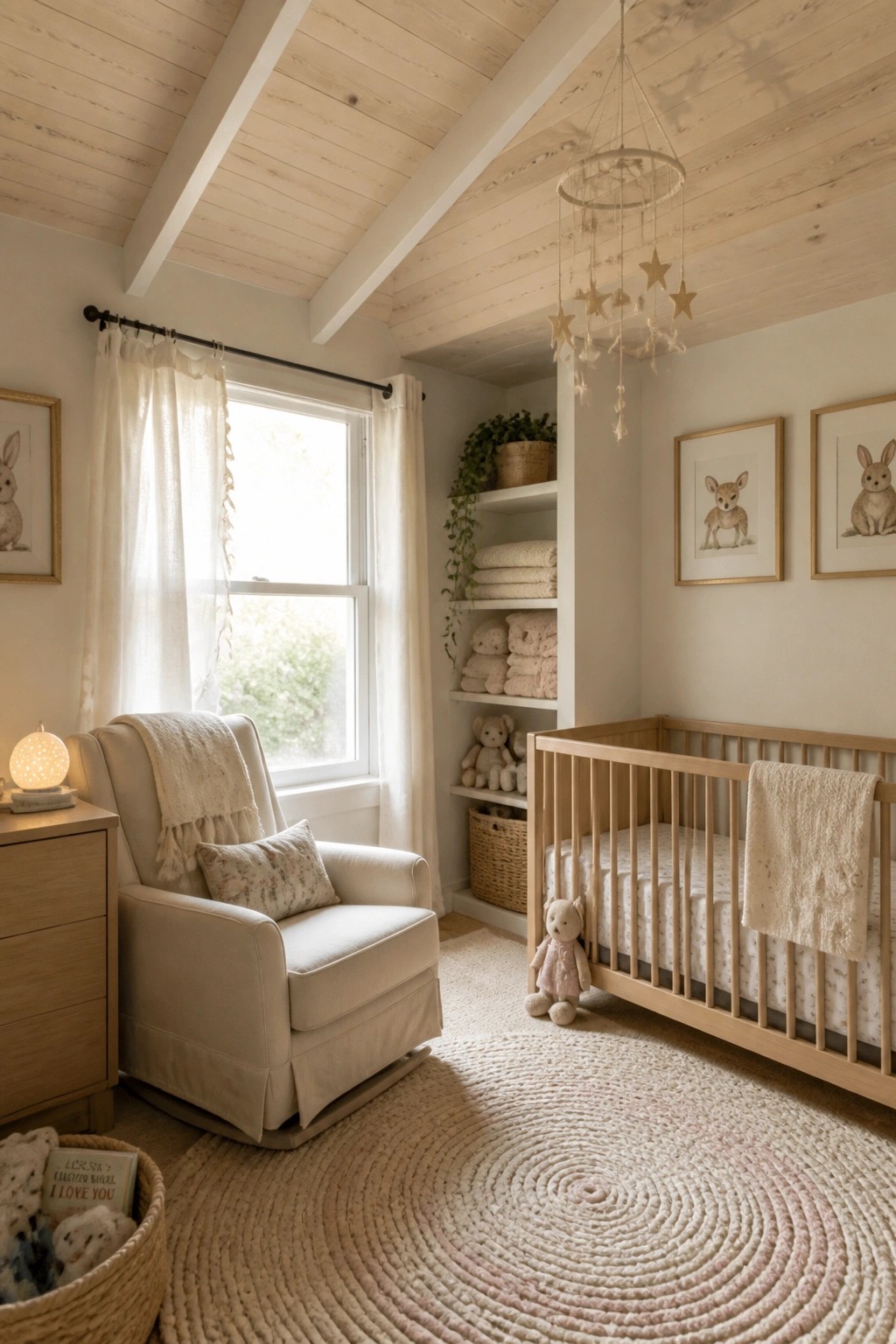
A light wood ceiling adds gentle texture that feels warm without closing in the space. The pale planks let the grain show while reflecting plenty of light, which keeps the room feeling open and calm even with a vaulted shape.
This approach works best in rooms that already lean neutral and simple. It pairs well with soft furnishings and minimal wall color so the ceiling becomes the main source of natural interest without competing for attention.
Wood Ceilings In The Bathroom
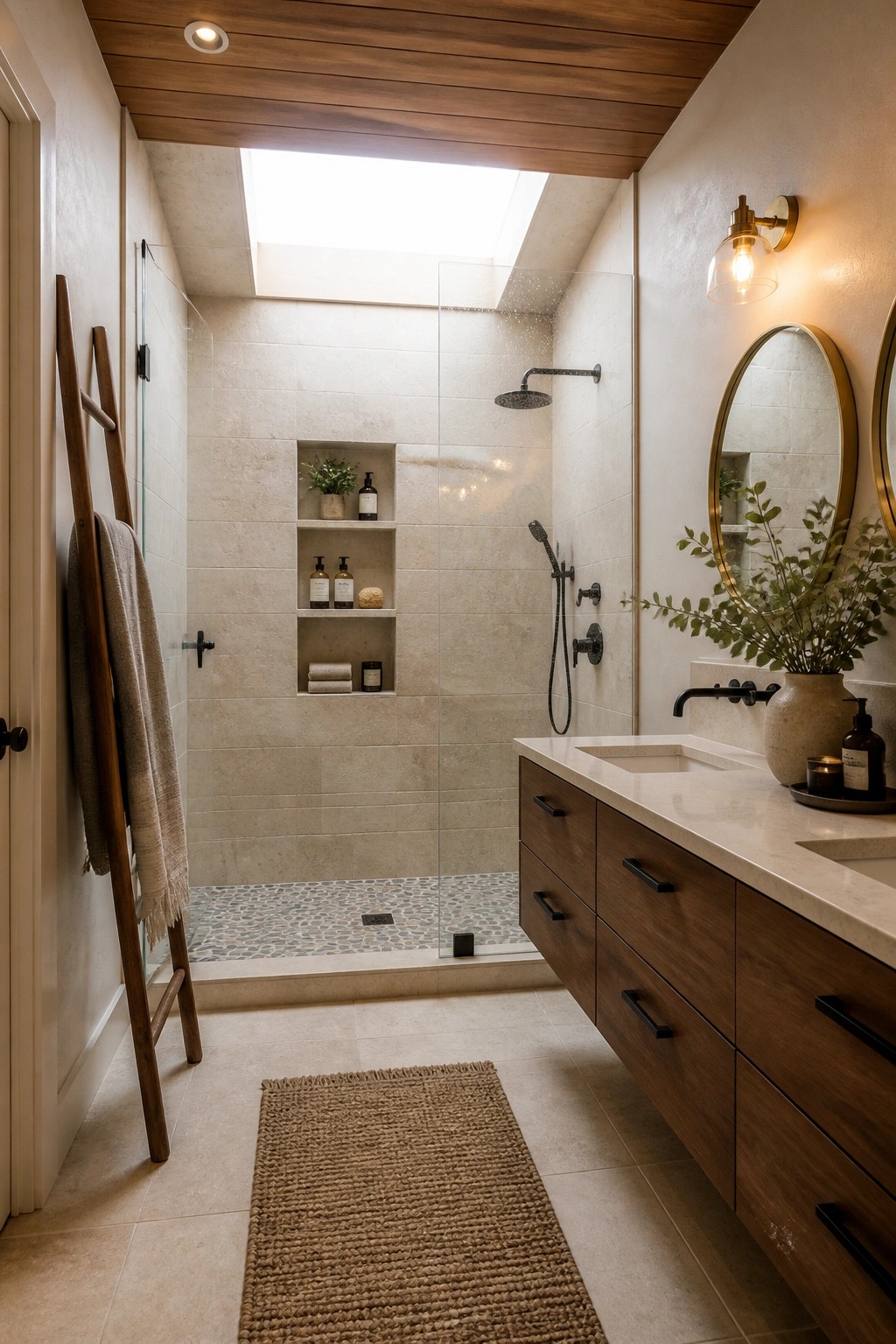
A wood ceiling gives a bathroom instant warmth that tile alone often lacks. The planks add natural texture overhead and help the space feel less cold and clinical, especially when paired with stone or ceramic surfaces below.
This approach works best in smaller bathrooms where the ceiling becomes a natural focal point. Keep the wood tone light if the room has limited daylight, and let the rest of the finishes stay simple so the ceiling does the work without competing.
Wood Ceilings That Add Natural Texture
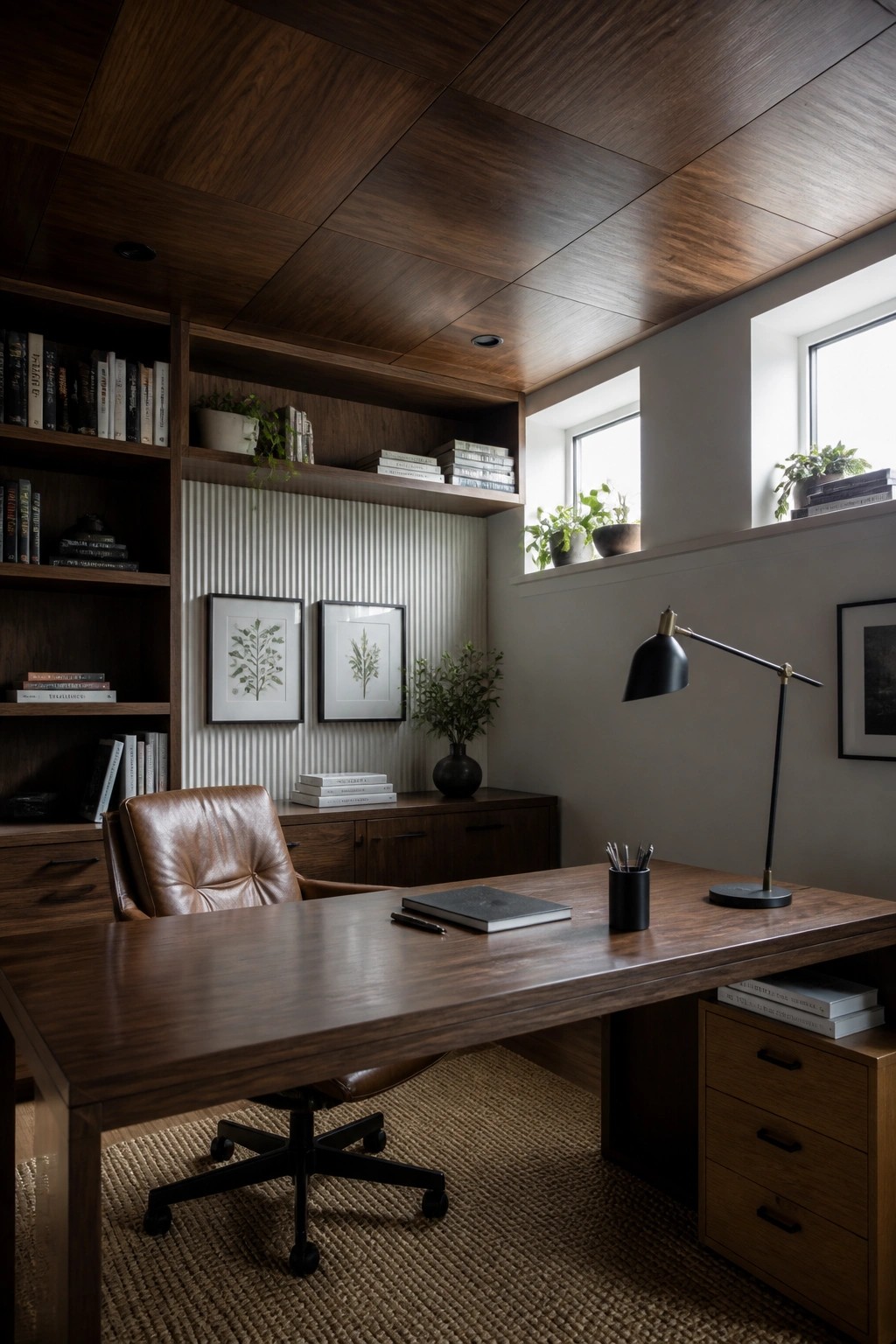
A wood ceiling can give a room depth and warmth without needing a lot of extra decoration. In this office the dark planks run across the whole ceiling and pull the eye upward, making the space feel more finished and grounded.
This approach works well in rooms that already have wood furniture or built-ins. It pairs best with lighter walls so the ceiling does not feel too heavy, and it suits homes that want a simple way to bring in more natural material.
Wood Ceilings In Entryways
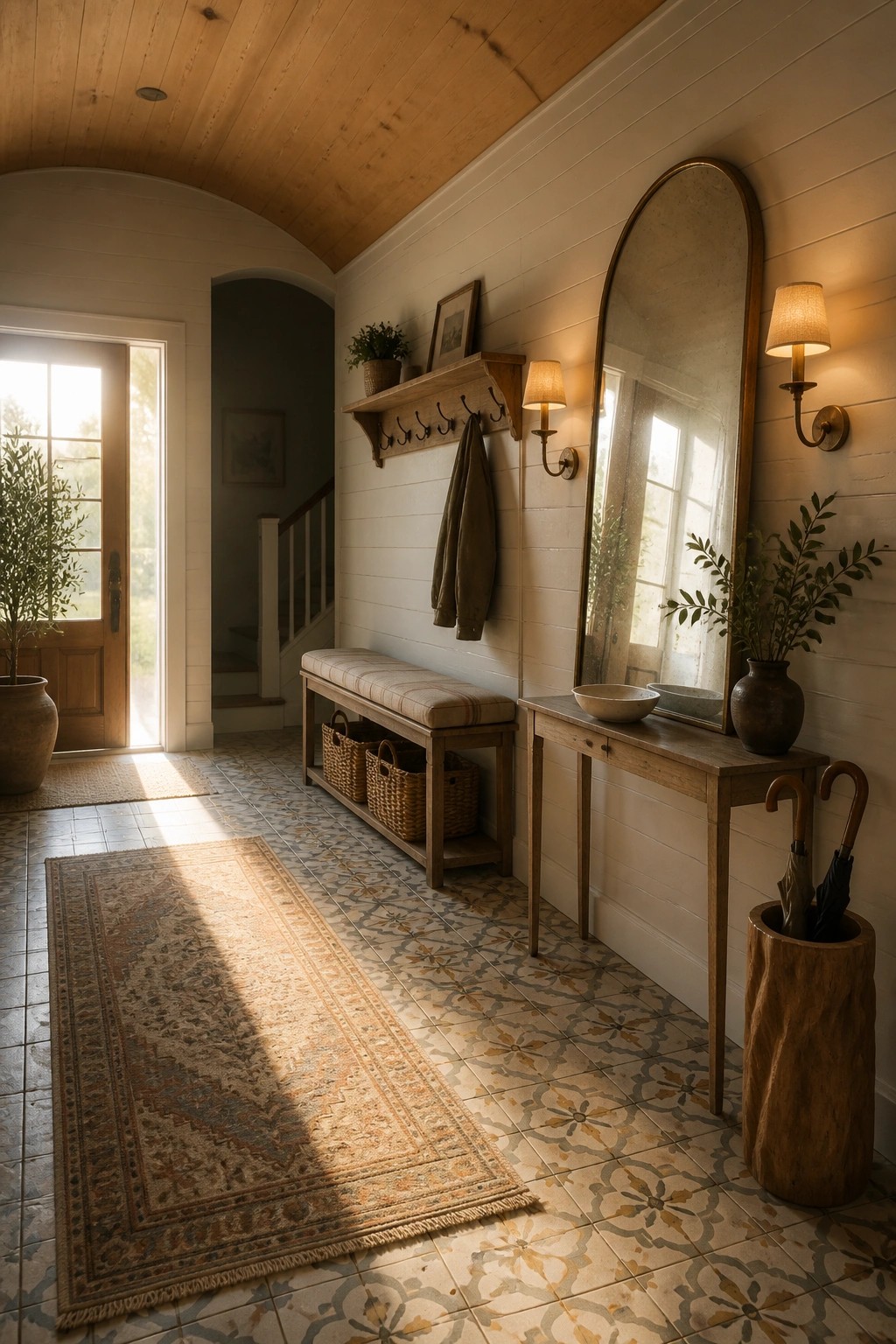
A wood ceiling adds natural texture to an entry without needing much else. The planks bring warmth and depth that balances out light walls and a busy floor pattern.
This works well in homes with simple trim and open layouts. Keep the wood tone fairly neutral so it does not fight with other materials already in the space.
Wood Ceilings in Laundry Rooms
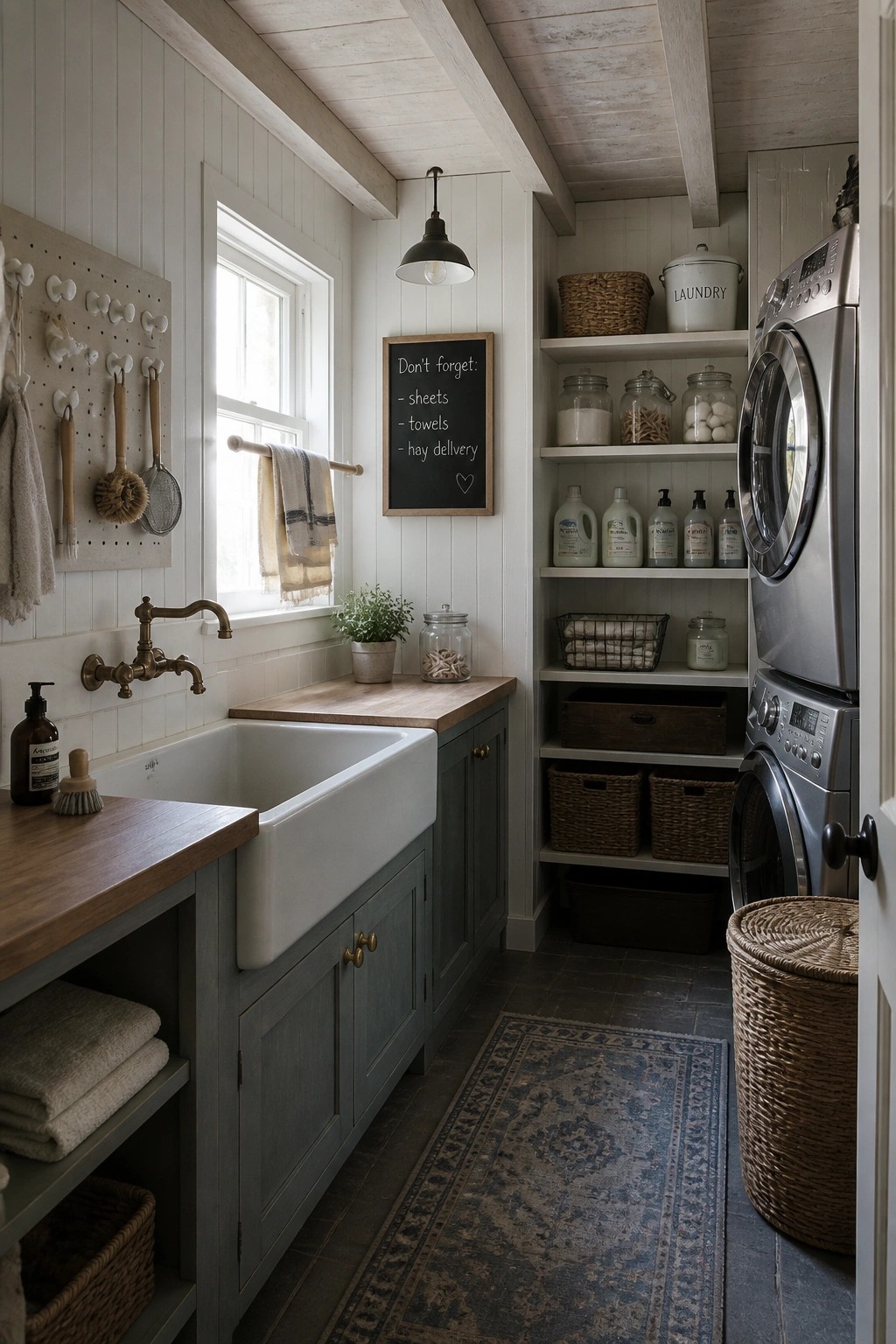
A wood ceiling brings natural texture into a laundry room without crowding the walls or floor. The planks and beams add warmth that keeps the space from feeling purely functional.
This approach works best in smaller utility rooms where you want the ceiling to do the visual work. It suits homes that already use wood ceilings elsewhere and helps tie the whole house together.
Wood Ceilings In Compact Workspaces
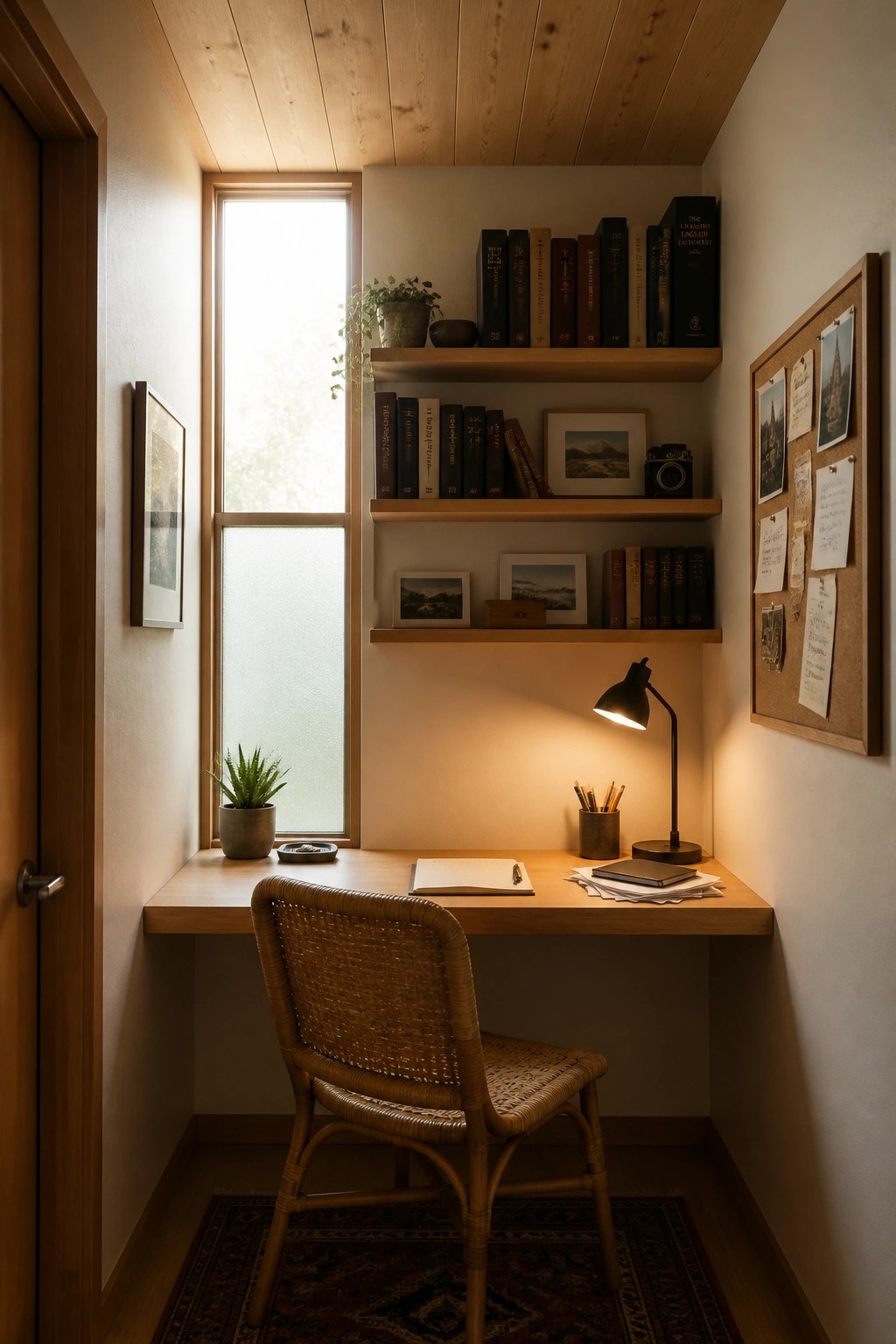
A wood ceiling adds natural texture that makes a small desk area feel warmer and more finished. The planks bring a soft layer overhead that balances the clean surfaces of the desk and shelves without crowding the space.
This choice works well in tight corners or narrow rooms where you want character but still need the area to feel open. It suits homes with simple wood tones and minimal furnishings, and it helps the room feel cohesive when the rest of the woodwork stays light.
Wood Ceilings In Attic Bedrooms
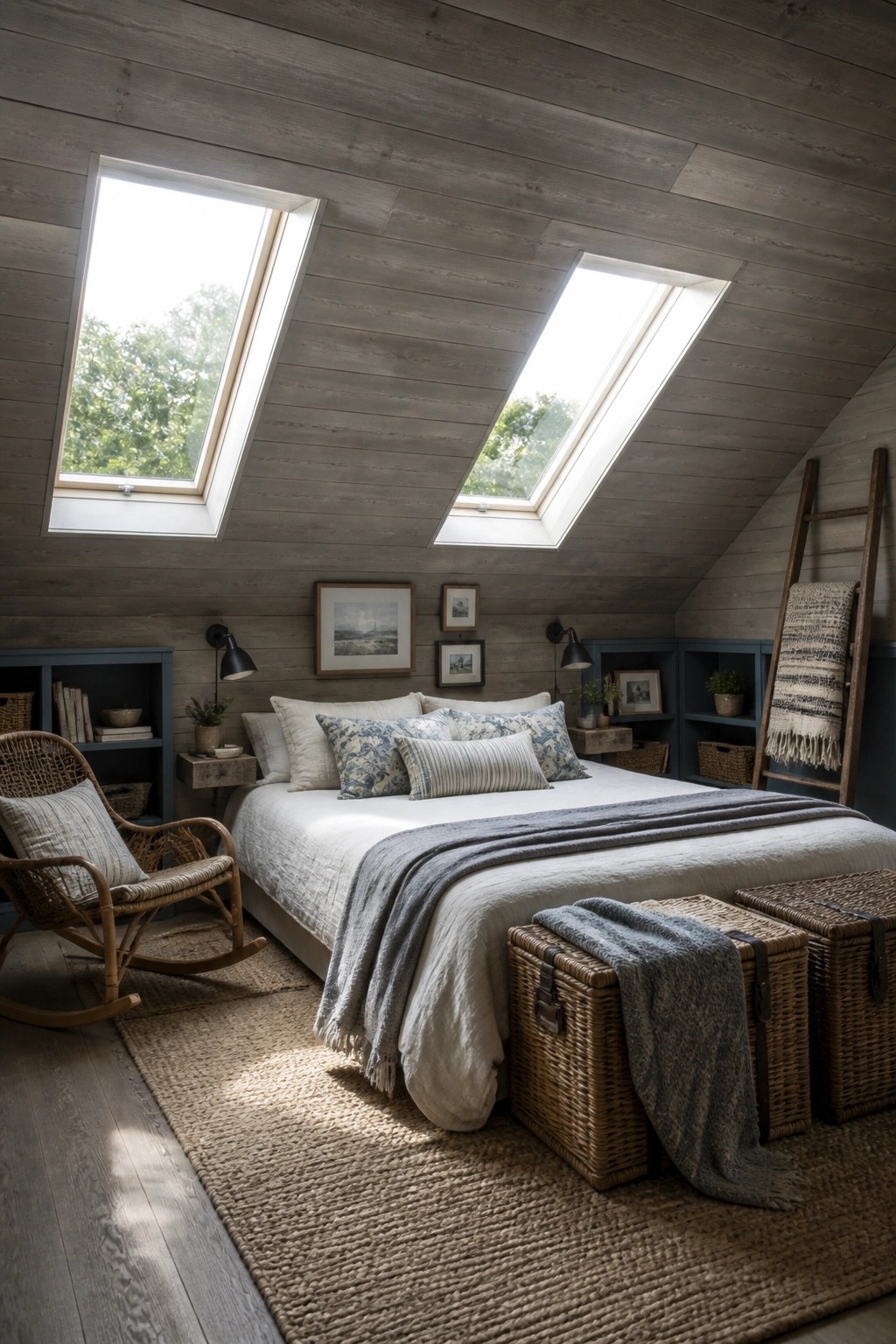
Wood plank ceilings work especially well in attic bedrooms because they bring texture and warmth to a space that can otherwise feel bare. The planks help the room feel finished and connected rather than like an afterthought.
This approach suits homes with sloped ceilings and skylights since the wood softens the angles without competing for attention. It works best in simpler rooms where you want one strong material to carry the look.
Wood Ceilings for Natural Texture
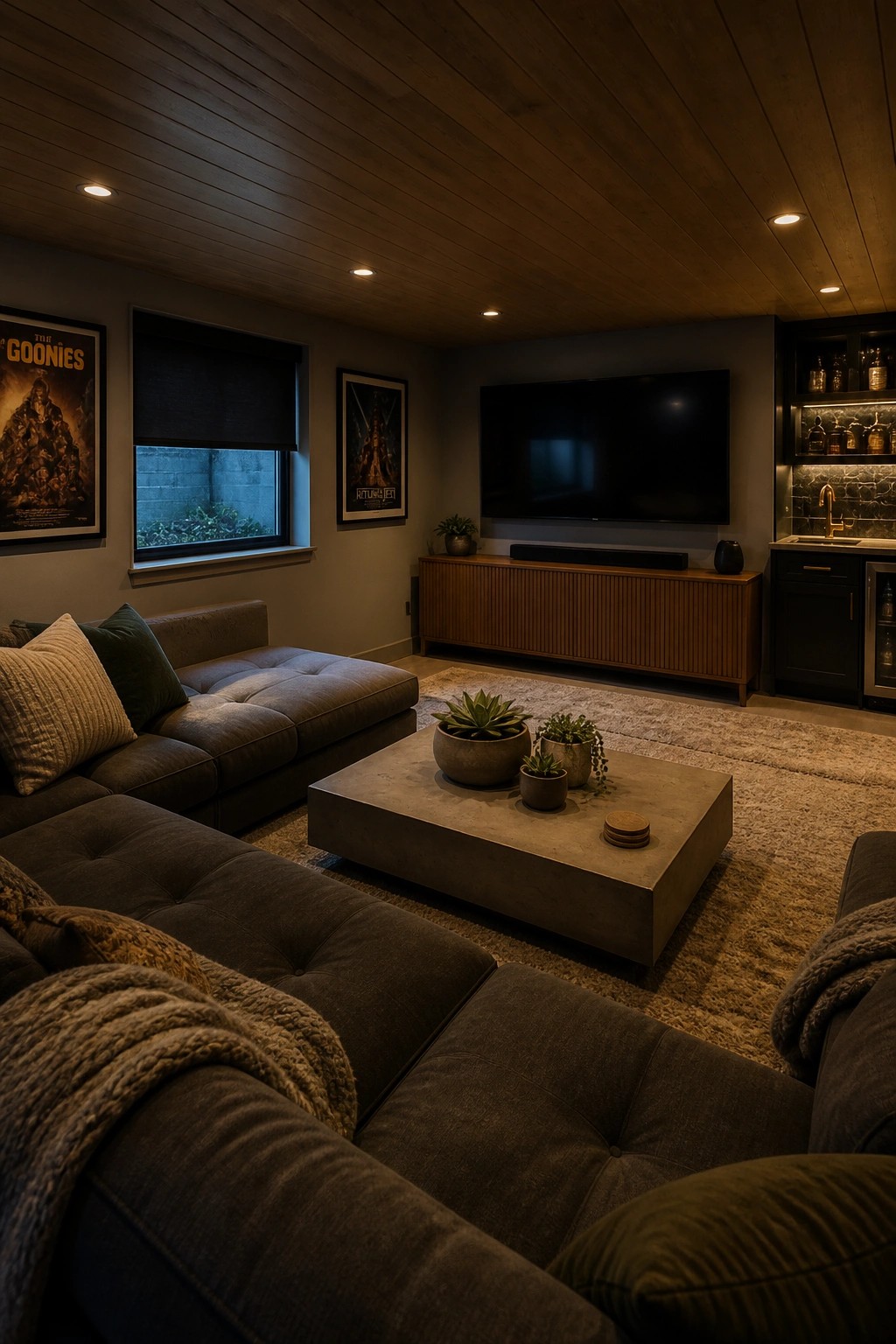
A wood ceiling adds texture and warmth in a way that flat drywall cannot match. The planks bring in a natural element that makes the whole room feel more grounded and finished, especially when the rest of the space stays simple and neutral.
This approach works best in living rooms or family spaces where you want a bit of depth without adding clutter. Darker wood tones pair well with soft seating and low lighting, but test a few samples first since the color can shift depending on your wall paint and flooring.
Wood Slat Ceilings Add Texture Overhead
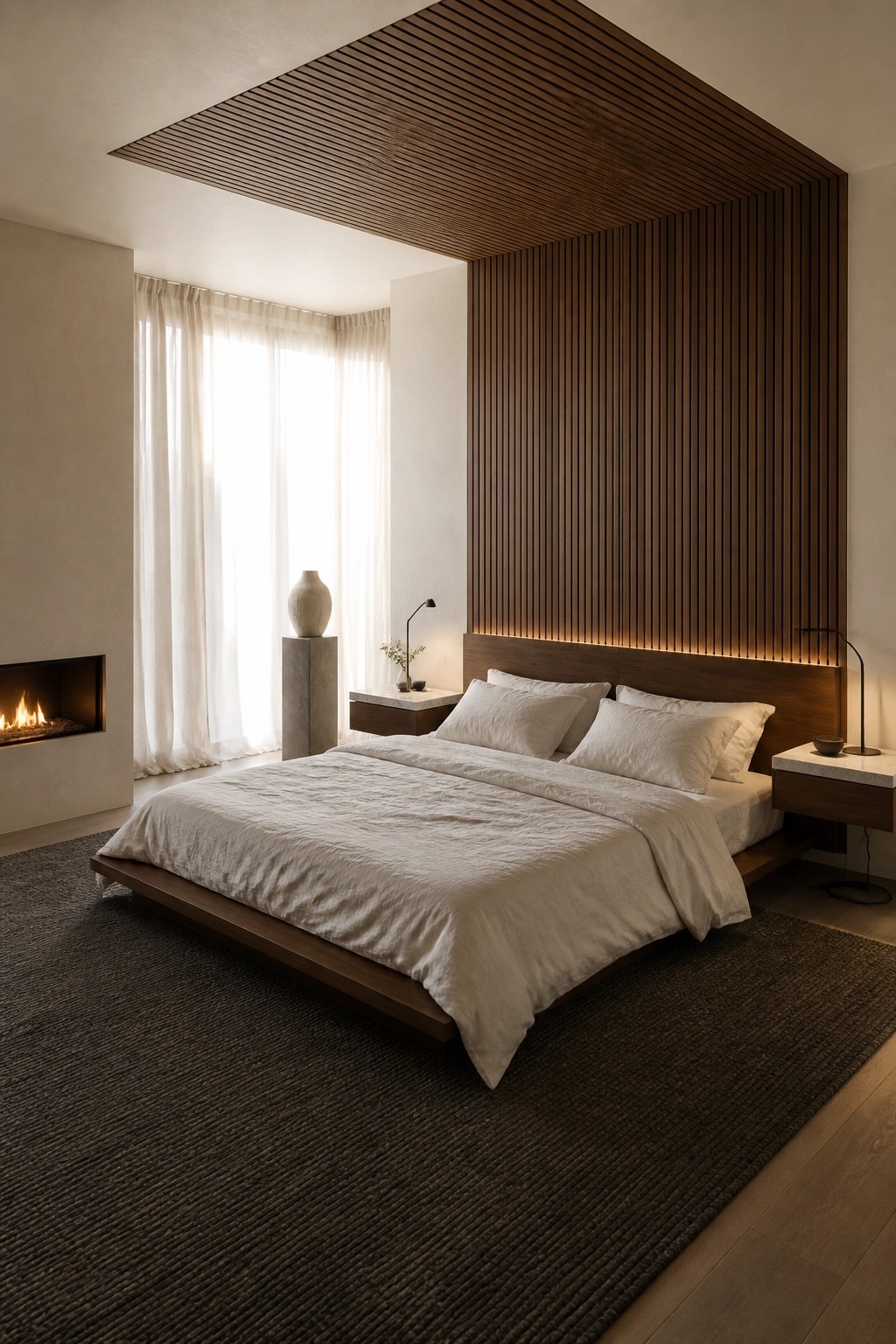
A wood slat ceiling gives a room extra depth without needing much else on the walls. The linear pattern breaks up flat space and brings in natural grain that feels steady rather than busy. It works especially well when the rest of the room stays light and simple.
This approach suits bedrooms where you want to mark off the bed area without adding bulk. Keep the wood tone close to any nearby casework or headboard so the ceiling reads as part of the same material story. Avoid very dark slats in small rooms, since they can pull the ceiling down.
Wood Plank Ceilings For Natural Texture

A wood plank ceiling gives a room texture that feels steady and lived-in. The grain and slight color shifts catch light in a way flat ceilings never do, which makes the space feel warmer without adding much else.
This works best in rooms that already have some connection to the outdoors. Keep walls and floors simple so the ceiling can do the main job. It suits older homes or additions where you want a bit of character without a full remodel.
Wood Ceilings In Walk In Closets

A wood ceiling can change how a closet feels without much extra effort. The natural grain adds warmth and texture that painted drywall never quite matches, especially in a space that often gets overlooked during planning.
This works best in larger closets where the ceiling stays visible from eye level. Match the wood tone to shelves or flooring so the room feels pulled together, and add simple linear lighting along the edges to bring out the grain without adding clutter.
Wood Ceilings Bring Natural Texture To Bathrooms
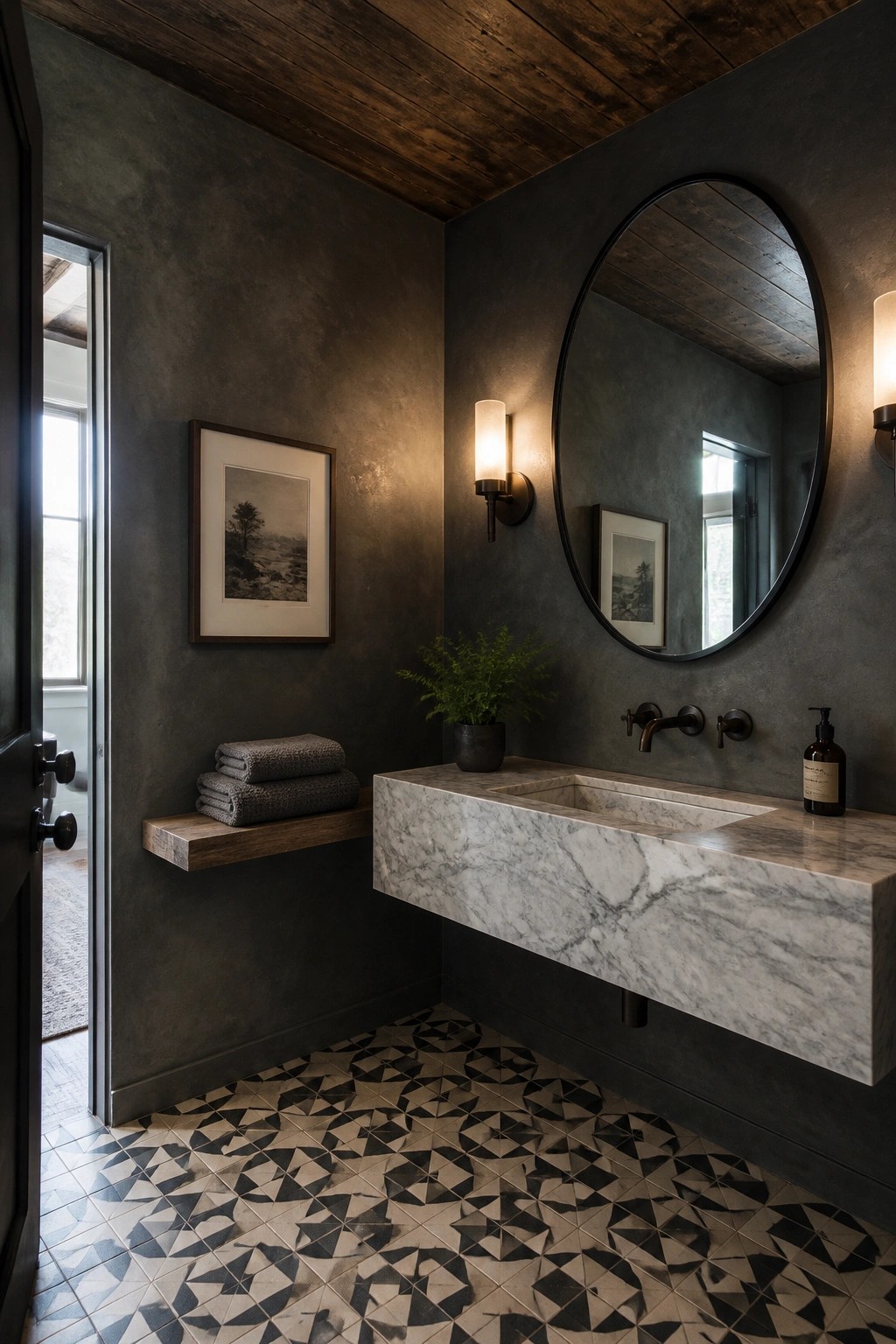
A wood ceiling works especially well in bathrooms that lean dark and moody. It adds the kind of natural grain and warmth that painted surfaces cannot match, and it keeps the room from feeling flat or closed in.
This approach suits homes where the rest of the finishes stay simple. Pair the ceiling with matte walls and minimal hardware so the wood does the main job without competing.
Exposed Wood Beams For Natural Texture

Exposed wood beams work well when you want to add real texture to a tall kitchen ceiling. They bring warmth and structure without needing much else on the walls. The beams stand out most when the rest of the room stays simple in color and finish.
This approach suits open kitchens with plenty of height. Keep the wood in a natural tone and let it contrast with darker cabinetry or concrete floors. In smaller rooms the same beams can feel heavy, so scale matters.
White Wood Plank Ceilings Add Texture Without Darkening A Room
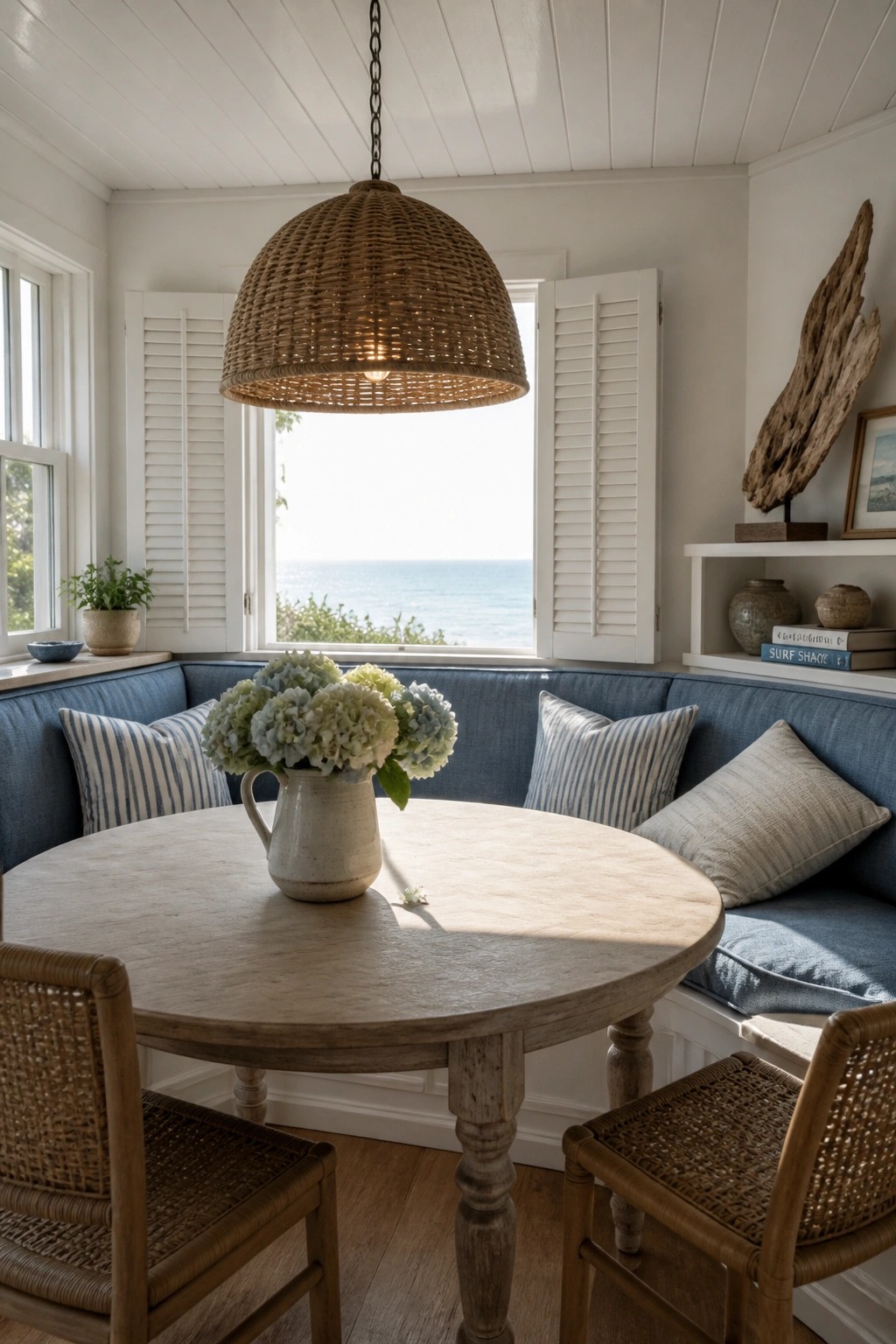
Many homes use white painted wood ceilings when they want the look of natural material but still need the space to feel open and bright. The planks give the ceiling some quiet structure that a flat surface just does not have.
This works best in casual dining areas or small nooks that get good natural light. Keep the finish simple and let the lines of the wood show through so the texture stays noticeable but never heavy.
Exposed Wood Beams Add Natural Texture
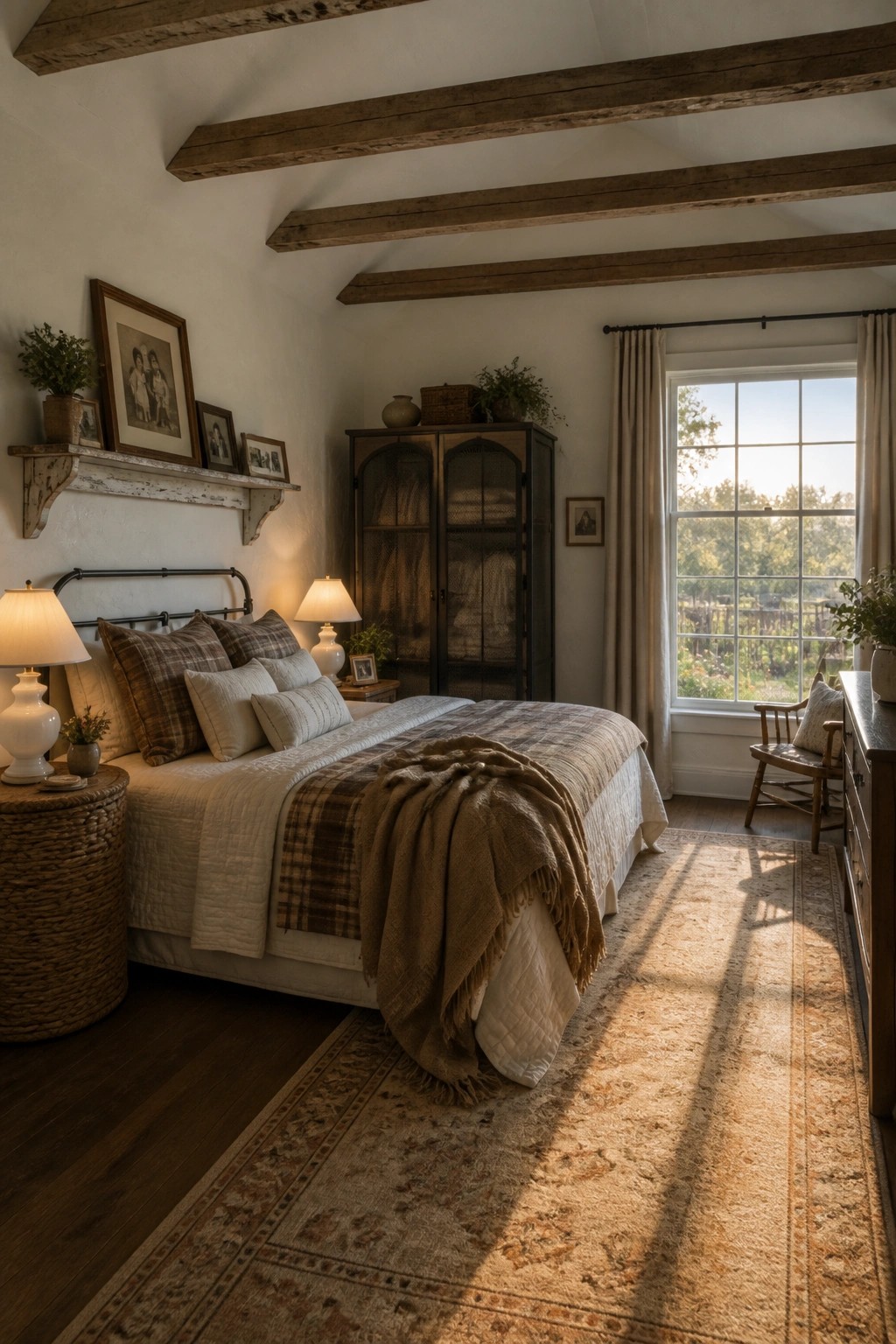
Exposed wood beams bring a simple layer of natural texture to a ceiling that might otherwise feel flat. They work especially well when the rest of the room stays light and quiet so the wood can stand out without competing.
This choice suits homes with higher ceilings or a more traditional structure. Keep the beams in their natural finish and pair them with plain walls and soft furnishings to let the texture do the work.
Slatted Wood Ceilings For Natural Texture

A wood slat ceiling brings real texture into a room without needing a lot of extra pieces. The lines create movement and the material adds warmth, which helps balance out darker walls and heavy furniture.
This works best in rooms where you want some softness but still need the space to feel grounded. It suits media rooms and dens especially well, since the ceiling becomes the main point of interest without competing with the rest of the setup.
Wood Ceilings Add Natural Texture
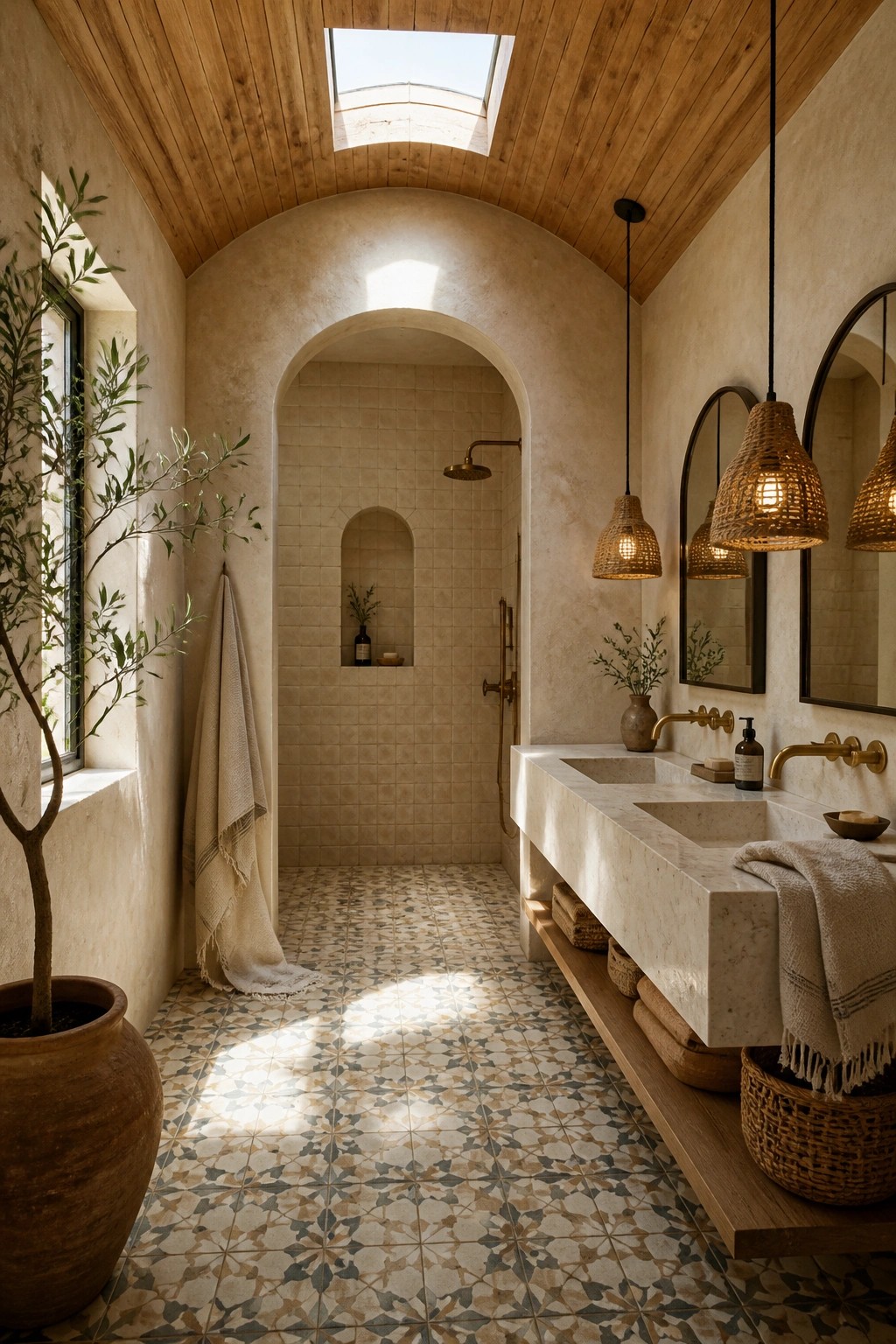
A wood ceiling stands out when the rest of a room uses harder surfaces like tile and stone. The planks bring a warmer layer overhead that keeps the space from feeling too cold or flat.
This works best in bathrooms or smaller rooms with some height to the ceiling. Keep the wood tone simple so it adds texture without competing with everything else below.
Wood Ceilings That Add Natural Texture
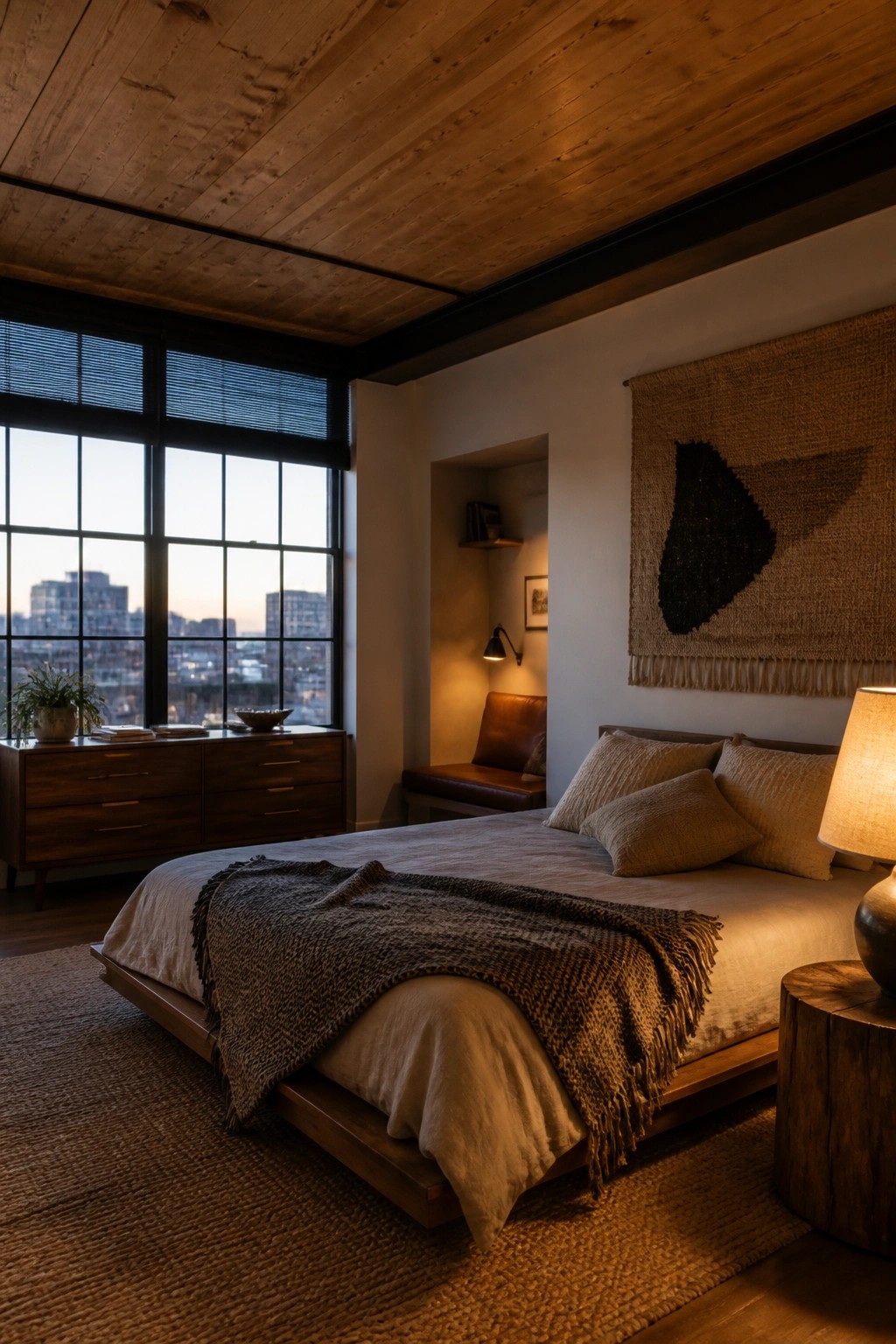
A wood ceiling gives a bedroom an easy layer of warmth that paint alone cannot match. The planks bring in grain and color that make the room feel more settled, especially when the rest of the space stays fairly simple.
This approach works best in rooms that already have some height or good natural light. Keep other wood tones similar in shade so the ceiling reads as part of the room instead of a separate feature.
Frequently Asked Questions
Q: How do I keep a wood ceiling from collecting dust in hard to reach spots? A: Run a vacuum with a soft brush head over the surface every month or so. Follow up with a dry microfiber cloth for any leftover film. This keeps the grain visible without much effort.
Q: The wood ceiling I picked makes the room feel darker than the photos showed. How do I fix that? A: Swap in higher wattage bulbs or add a couple of floor lamps aimed upward. Lighter rugs and curtains bounce light around and balance the tone.
Q: Can I tackle a simple wood ceiling install on my own? A: Start with lightweight planks and a basic grid if the ceiling is flat and low. Measure twice and work with a helper to hold pieces steady.
