

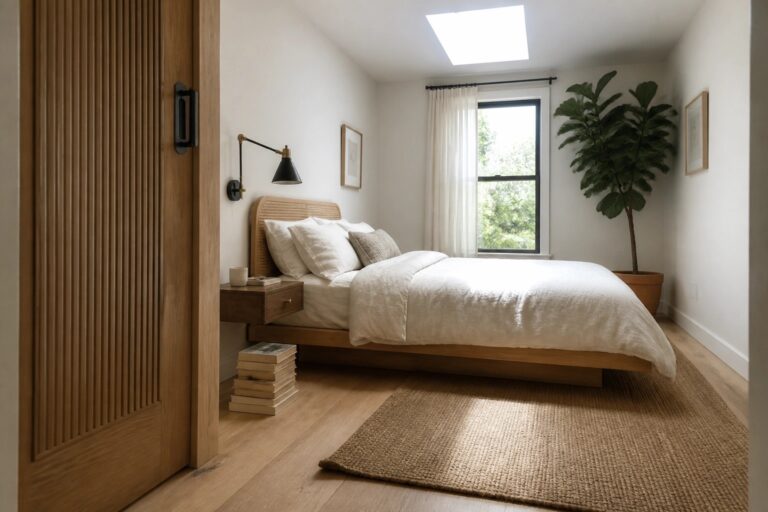
In homes where space feels tight the choice of door can quietly decide whether a room works for daily life or just sits there unused.
I have noticed that once a swinging door starts carving into the middle of a floor plan the whole layout seems to shrink even if the measurements on paper look fine.
Wood changes that.
A well chosen sliding door keeps the path clear while still letting the materials and grain add something solid to the walls around it.
A few of these ideas are the sort I would measure twice at home before ordering anything.
Vertical Slat Sliding Doors
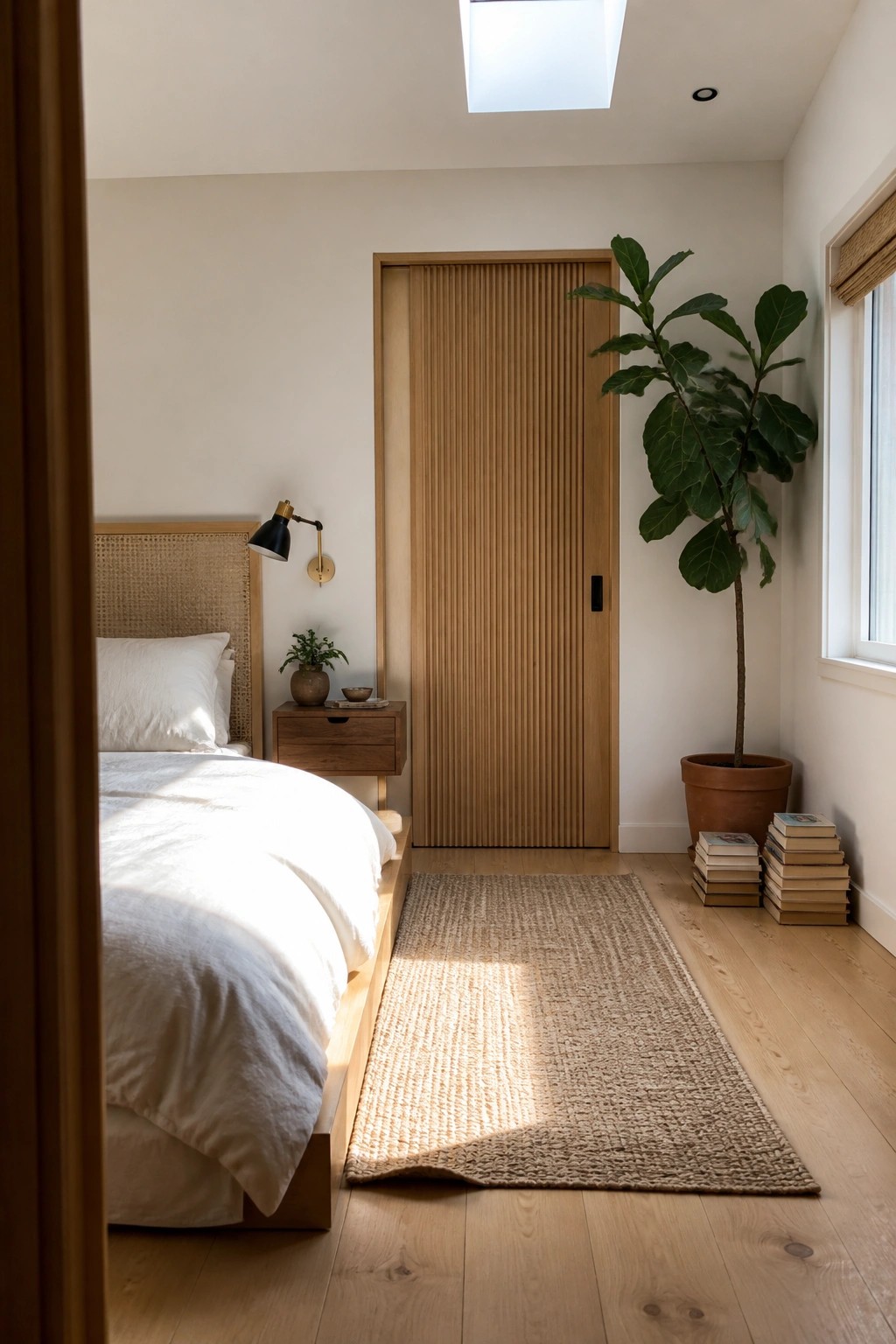
A sliding door with vertical slats works well when floor space is tight. The grooves break up the surface without adding extra trim or hardware, and the door tucks away along the wall instead of swinging into the room.
This approach suits smaller bedrooms or guest rooms where a standard door would crowd the layout. Keep the wood tone light so the door blends with the walls and floor rather than standing out too much.
Chevron Pattern Sliding Doors
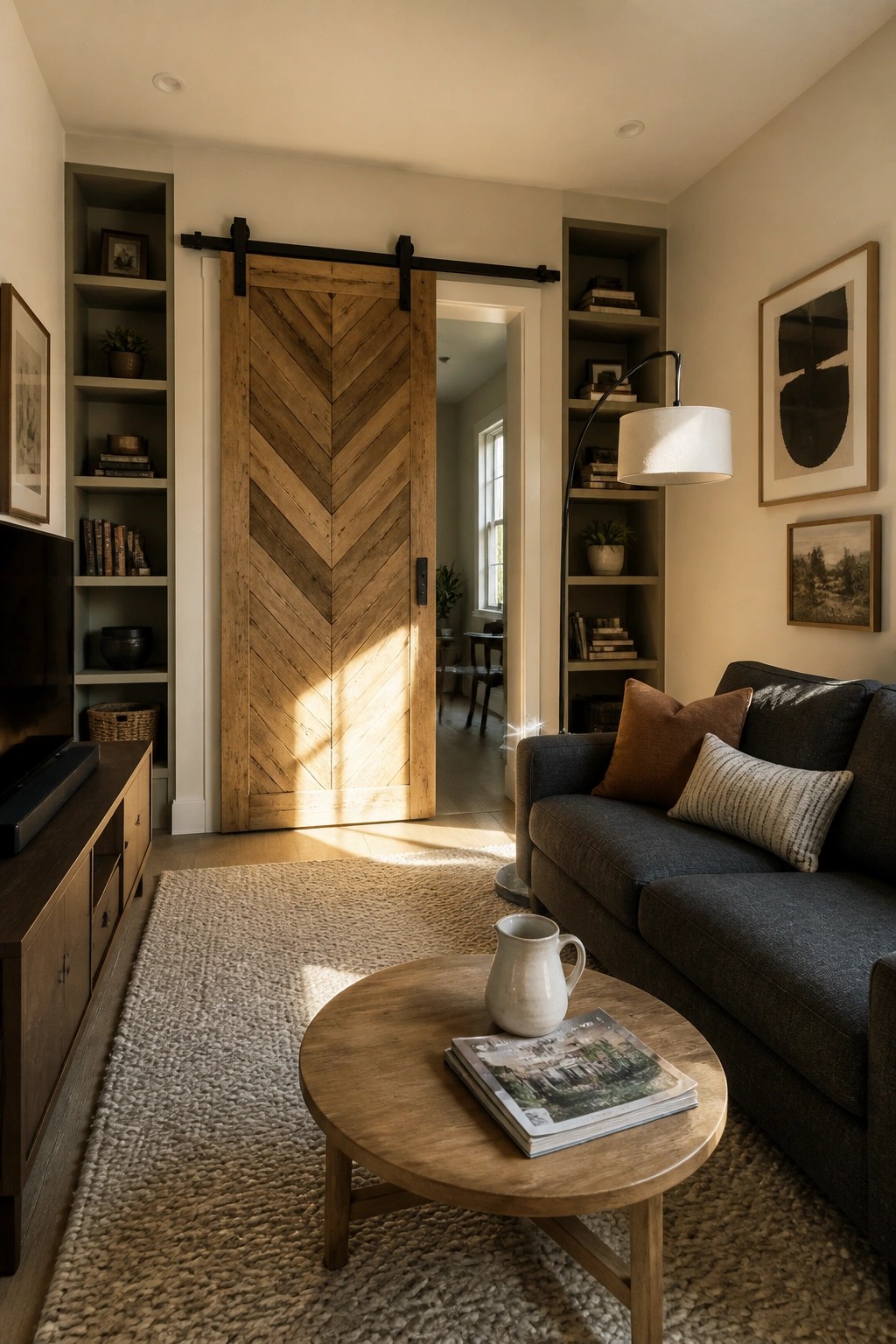
A sliding door with a chevron wood pattern gives you a clean way to separate rooms without losing floor space. The angled grain catches light nicely and adds some movement to what would otherwise be a plain panel.
This style works best in homes with open layouts where you need the option to close off a living area or hallway. Keep the hardware simple and dark so the wood stays the focus, and make sure the track has enough clearance above the door frame.
Wooden Sliding Doors For Kitchen Storage
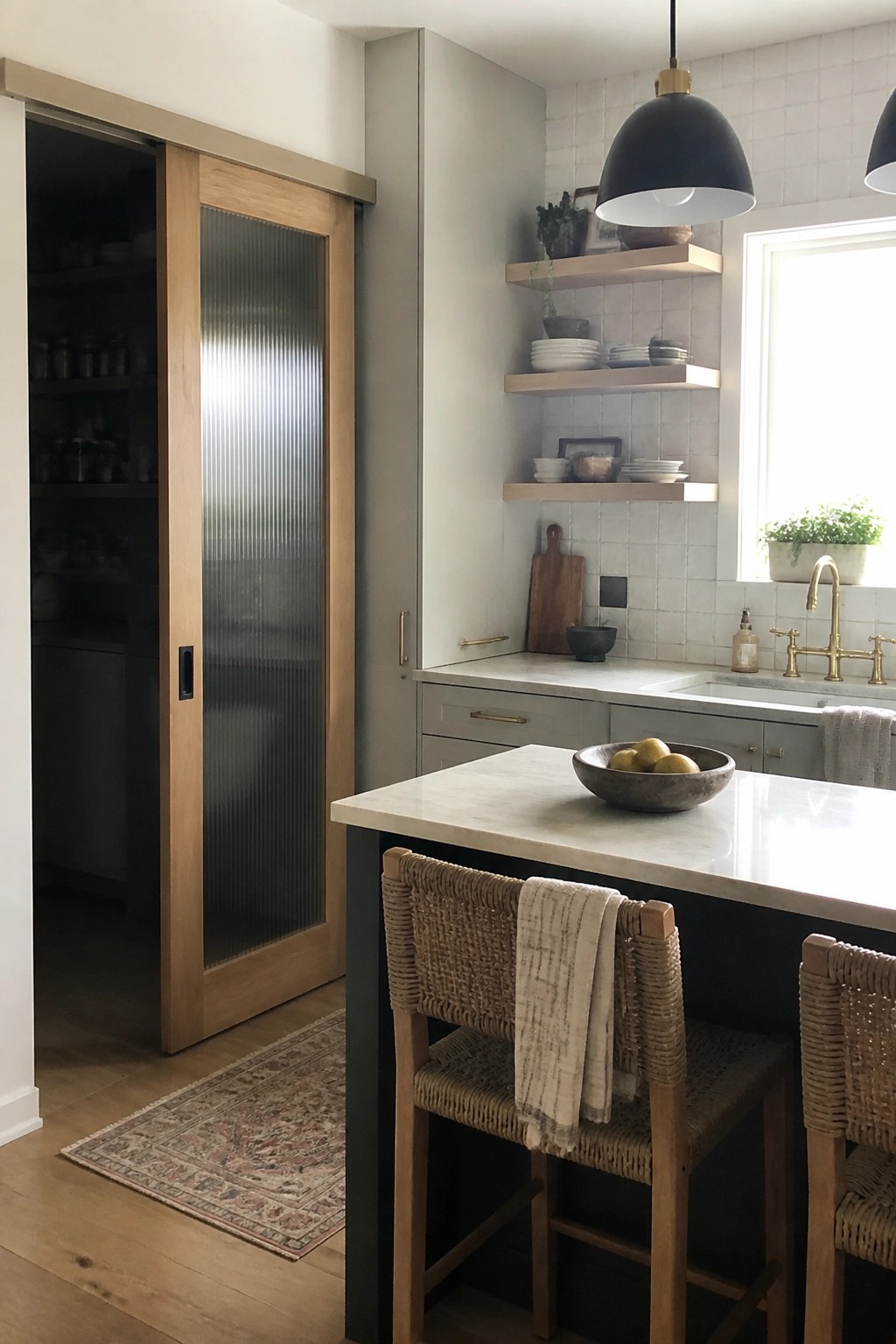
A wooden sliding door makes sense in a kitchen when you want to tuck away a pantry or utility space without losing floor room. The door can stay open most of the time so light still reaches the back shelves, then slide closed when you want things out of sight.
This setup works best in homes where the kitchen opens into other living areas and a swinging door would get in the way. Keep the wood tone simple and add a textured glass panel if you want a bit of privacy without blocking all the light.
Wooden Sliding Shutters For Flexible Light Control
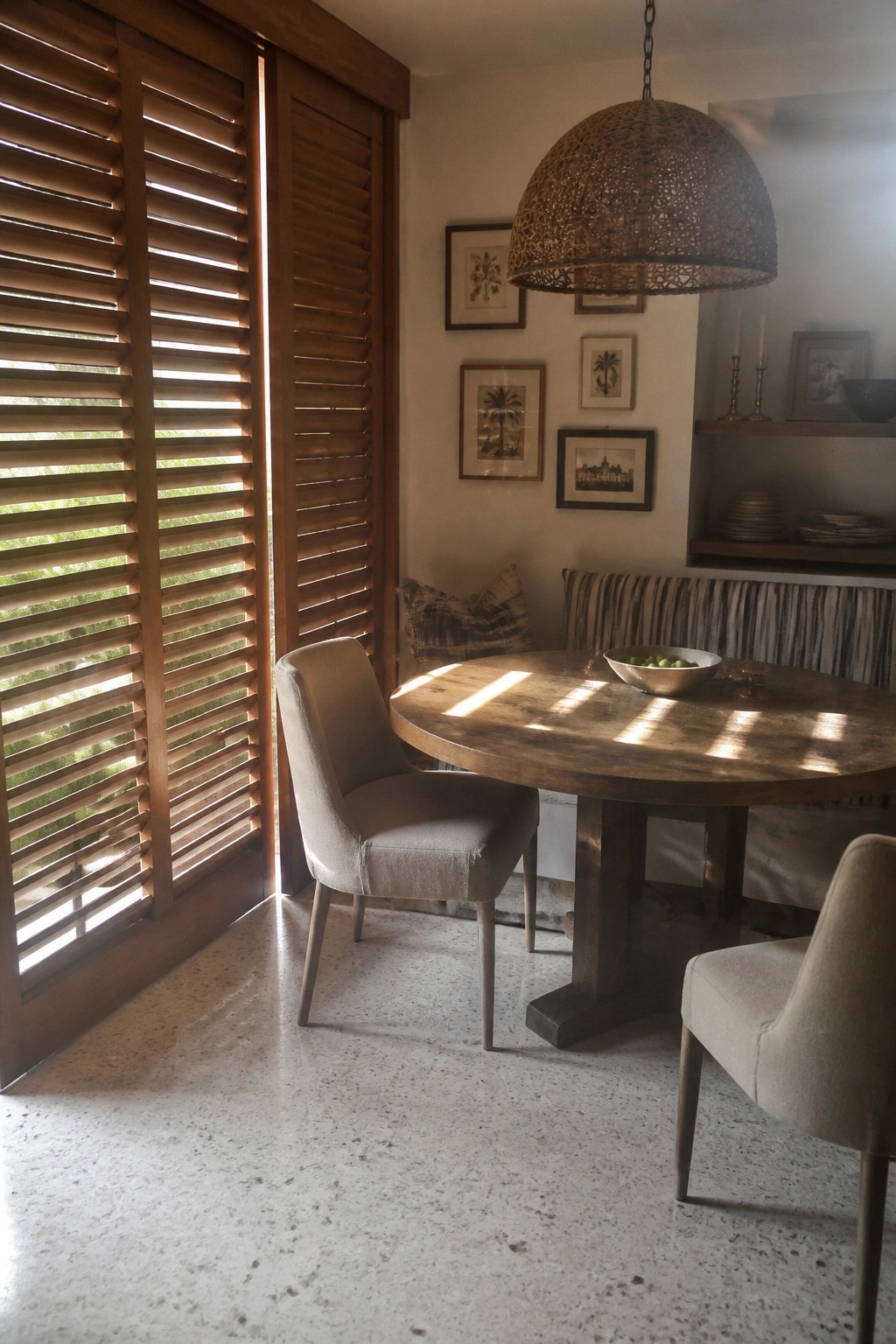
Many people like wooden sliding shutters because they let you adjust how much light comes into a room without taking up floor space the way curtains often do. The louvers can tilt to soften bright sun while still keeping the view outside.
They work best in dining rooms or living areas where light changes through the day. Make sure the track is installed level so the panels slide without sticking.
Slatted Sliding Doors For Flexible Room Division
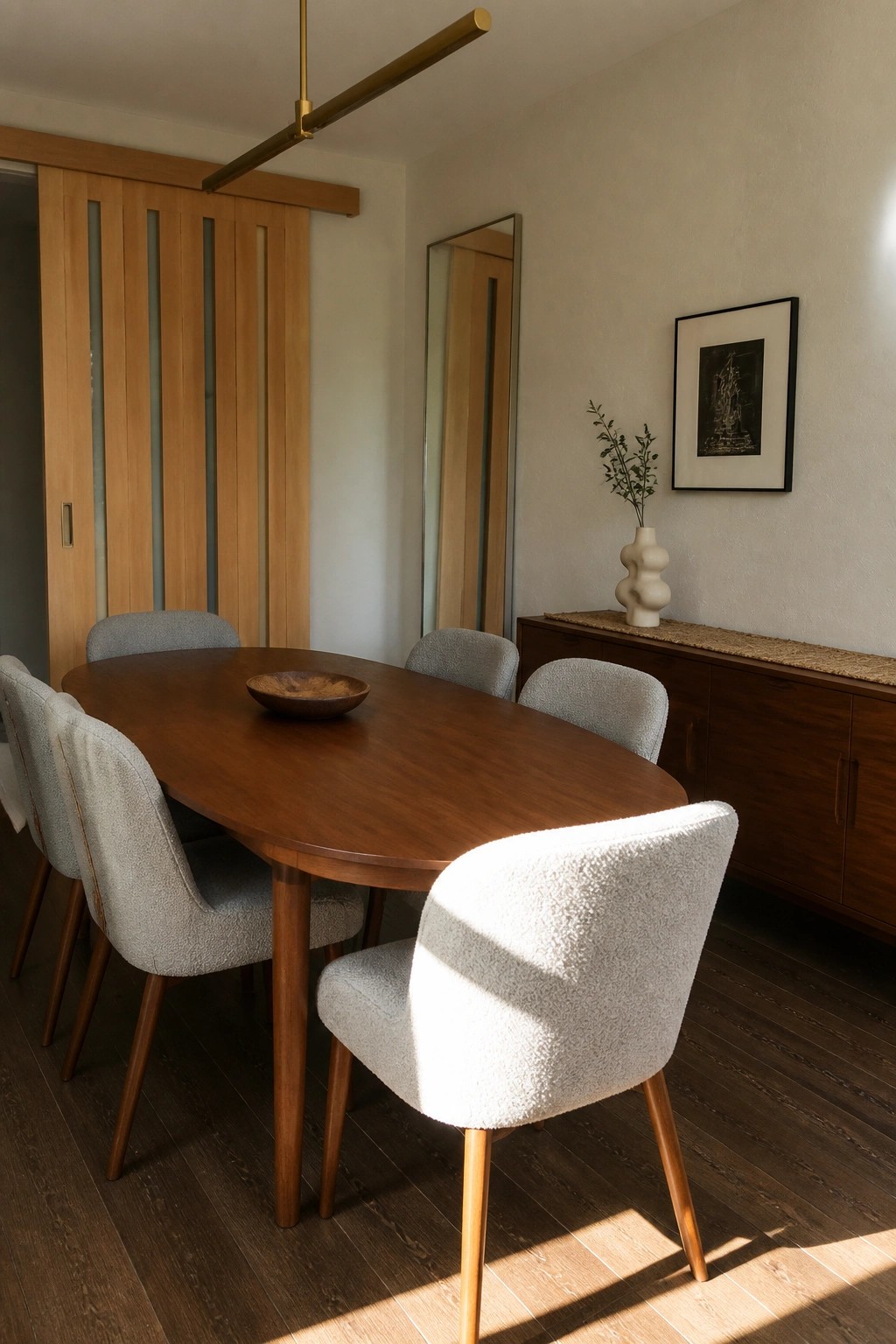
A wooden sliding door with vertical slats gives you a clean way to separate a dining area from the rest of the house without losing floor space. The door can stay open during meals or slide shut when you want the room to feel more contained. It works especially well in homes where the dining space sits right off a hallway or living area.
This style suits smaller homes or open layouts where a full wall would feel too heavy. The wood adds warmth and texture, and the slats keep the door from looking too solid. Just make sure the track runs smoothly and the door width matches the opening so it actually closes the space when needed.
Wooden Sliding Doors For Room Division
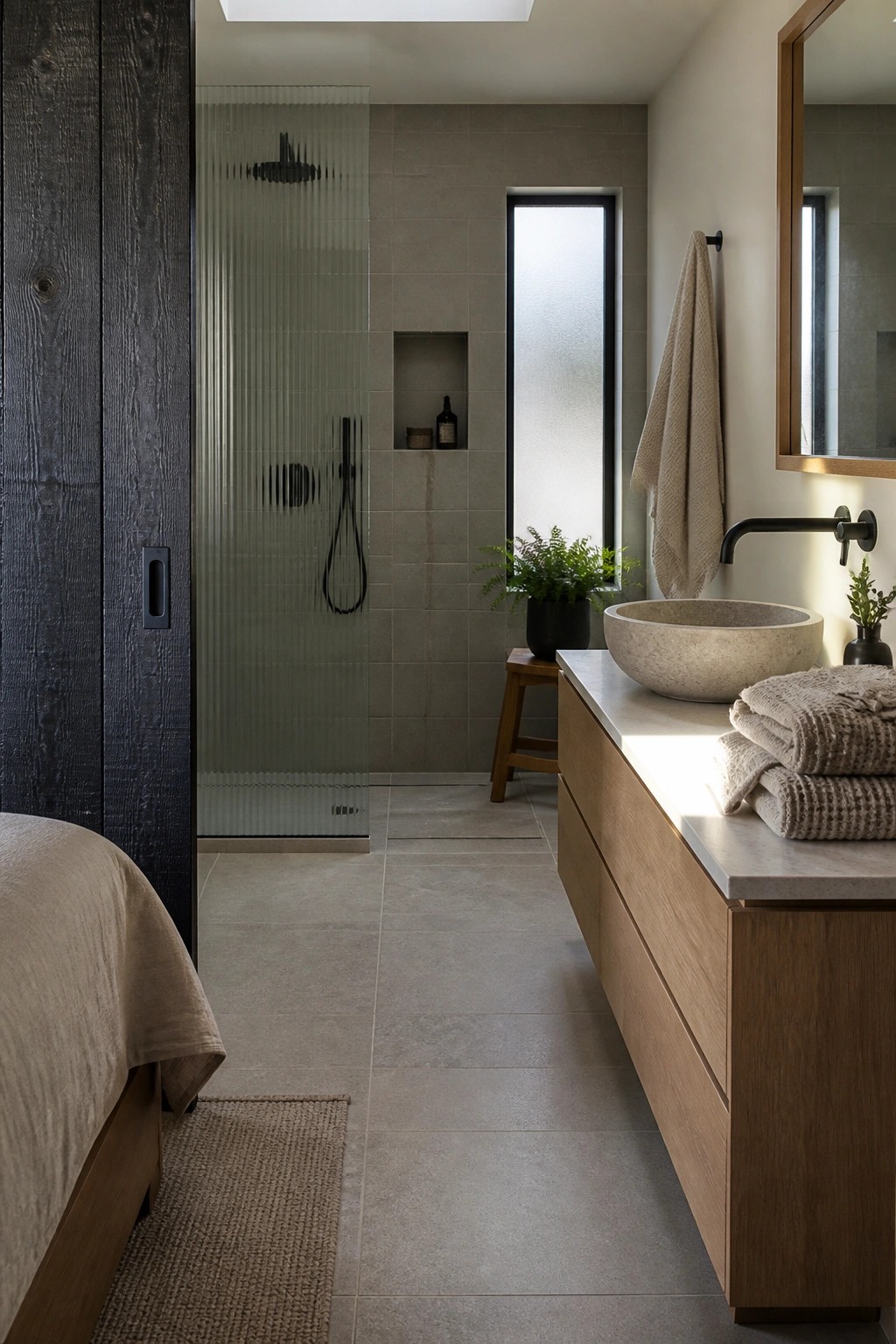
A sliding wooden door makes sense when you need to separate a bedroom from an attached bath without losing floor space. It slides along the wall instead of swinging out, which keeps the layout open and simple in tighter rooms.
This works best in homes where the bath sits right off the bedroom and you want a solid barrier at times. Choose a dark wood tone that fits the rest of the trim, and check that the track runs smoothly so the door stays easy to use every day.
Wooden Sliding Doors To Save Floor Space
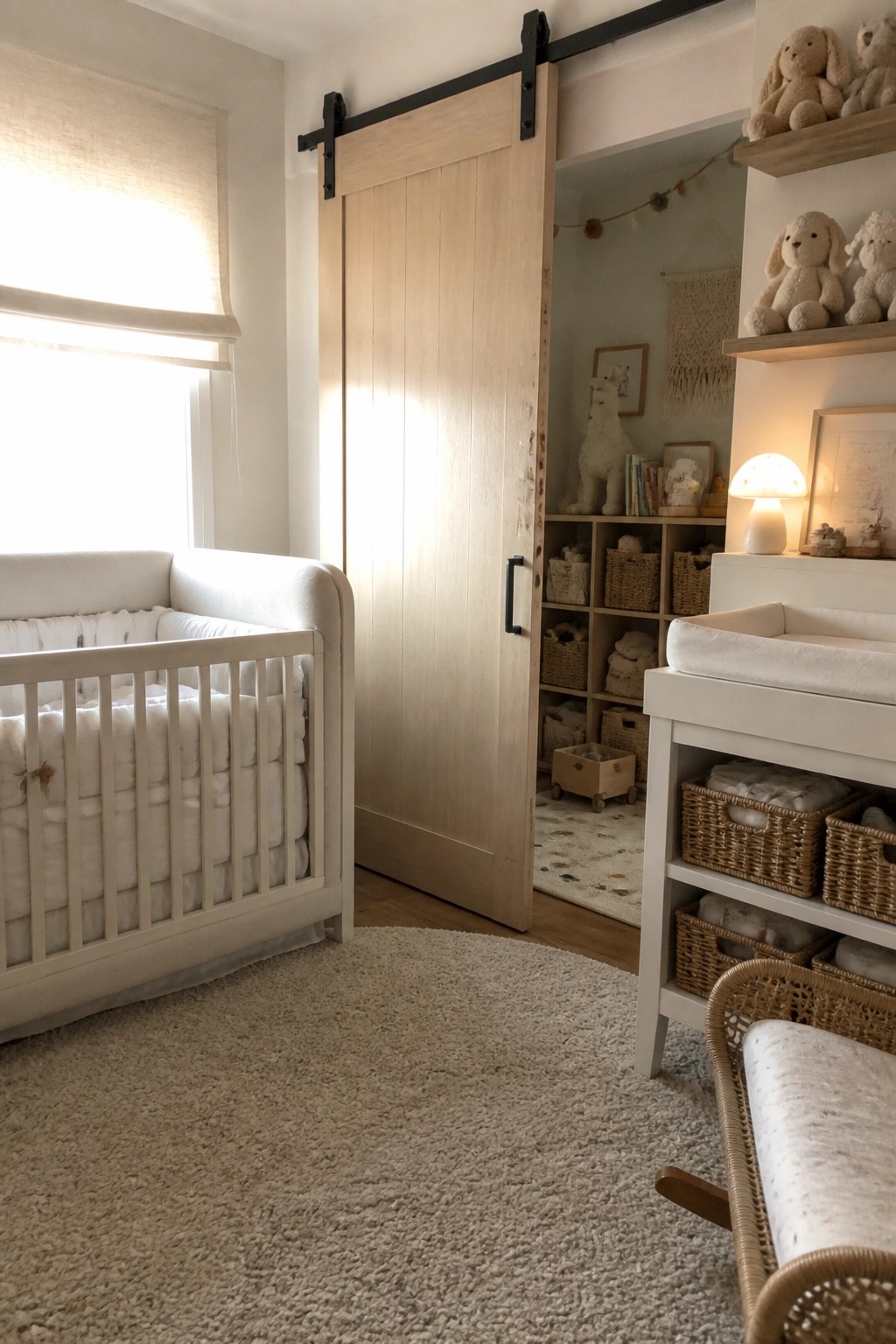
Many homes use sliding doors when floor space feels tight. A wooden sliding door moves along a track instead of swinging out, so it leaves more room for furniture and daily movement.
This works well in smaller bedrooms or rooms that double as storage areas. It suits homes that need simple wood tones and basic hardware, and it helps when a standard door would block a crib, chair, or walkway.
Wooden Sliding Doors For Laundry Areas
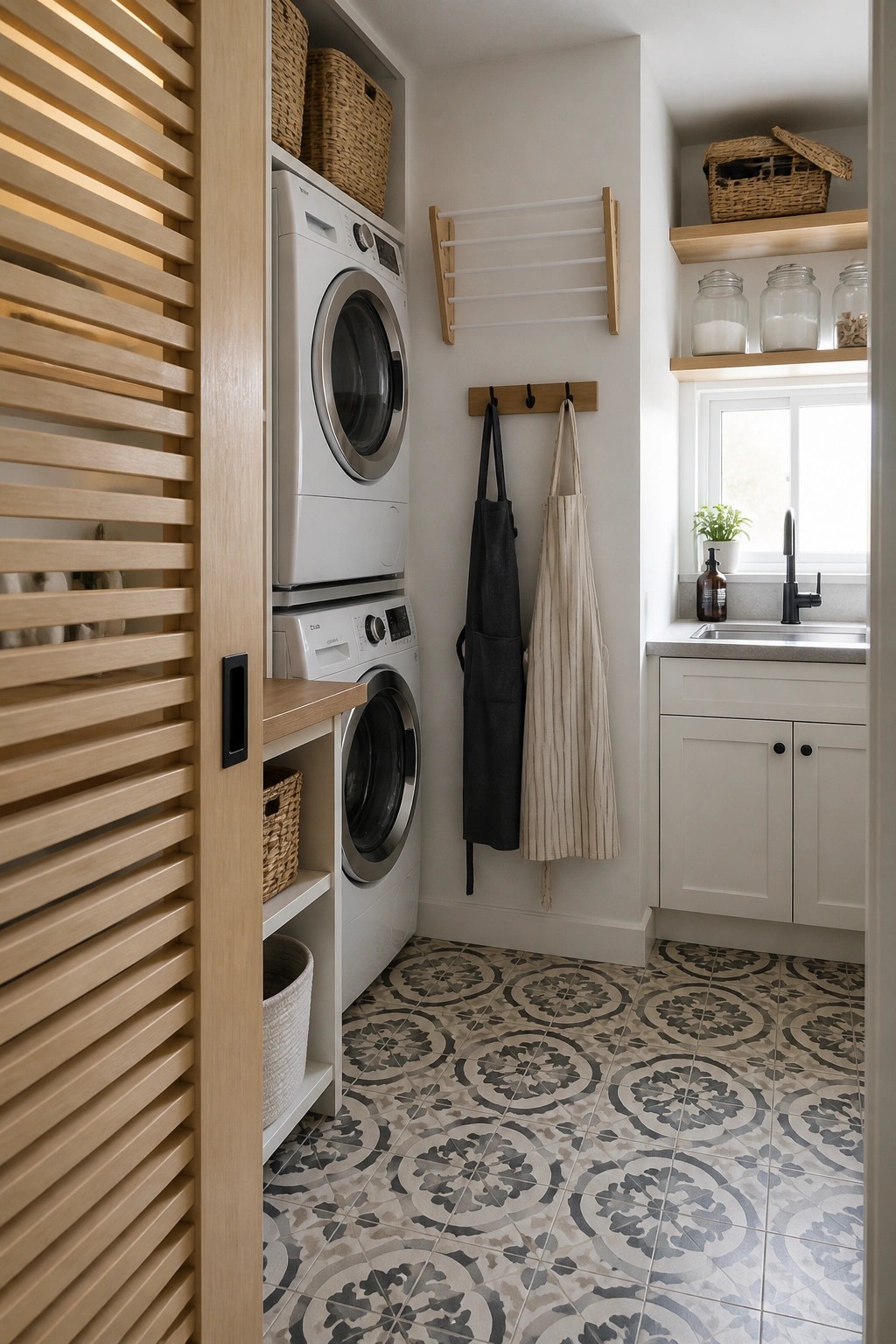
A sliding wooden door works well when you want to keep the washer and dryer out of view without losing access. It moves along a track so the door never swings out into the room and blocks the walkway.
This approach suits small homes or open layouts where the laundry space shares the same area as other rooms. The slats help with airflow around the machines while the wood adds a simple finished look.
Sliding Barn Doors For Flexible Room Use
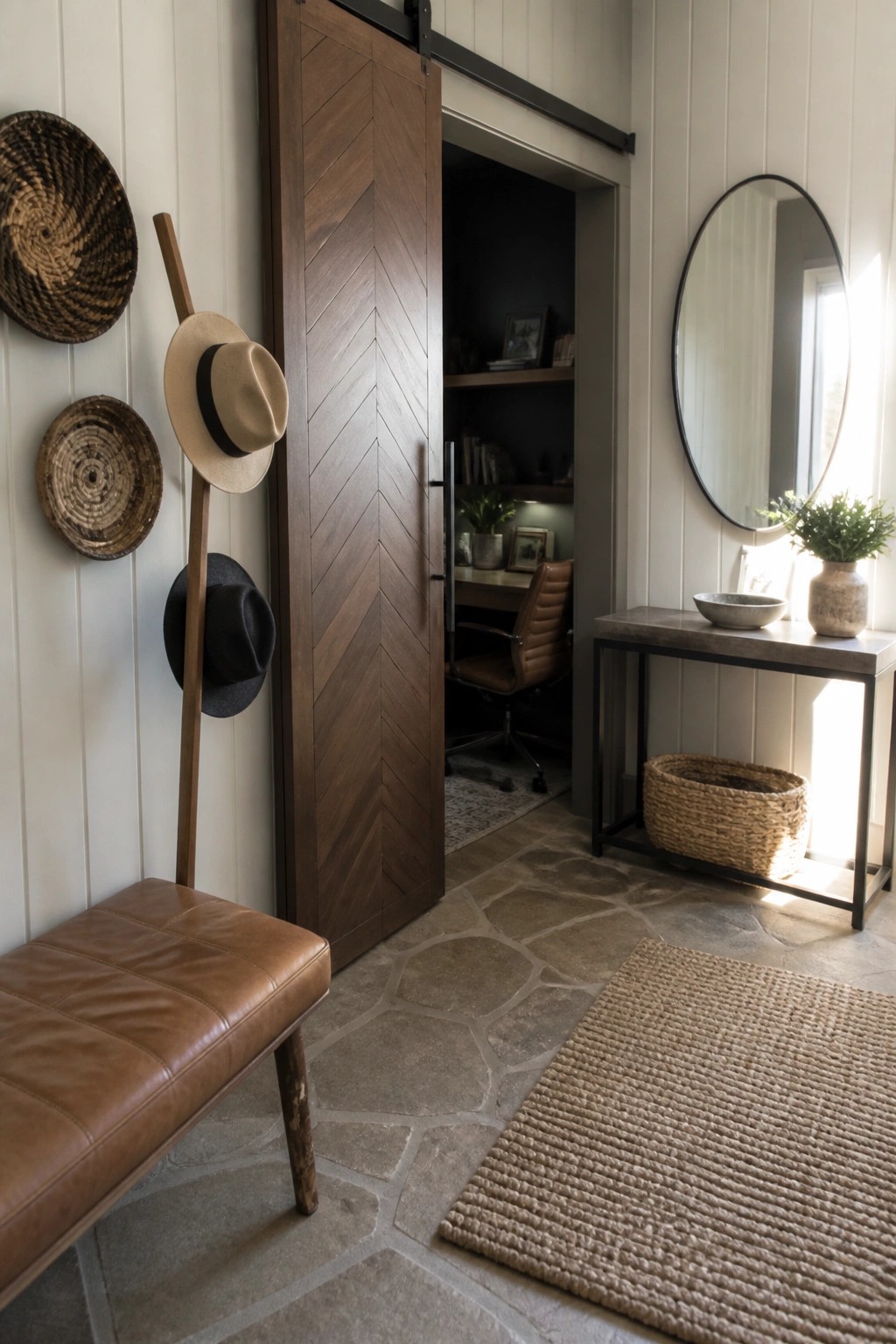
Sliding barn doors give you a way to close off one area without losing floor space to a swinging door. The wood adds warmth and texture that fits many home styles, and the track hardware keeps the look simple and functional.
They work best in hallways or between a main living area and a smaller room like a study. Match the wood tone to nearby furniture or trim so the door feels like part of the house rather than an add-on.
Wooden Sliding Doors Between Rooms
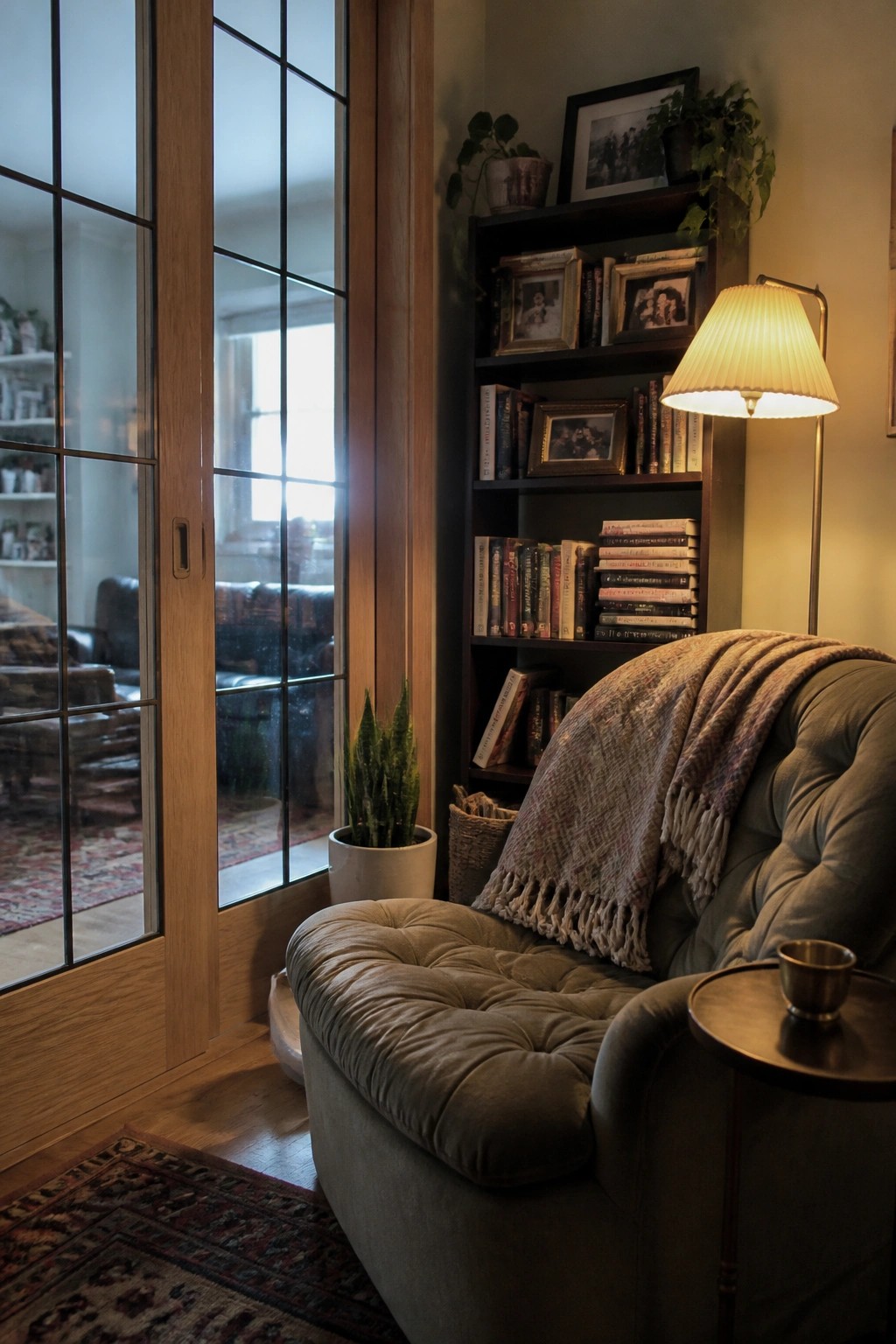
Wooden sliding doors make sense when you want to split one big room into two without losing light or floor space. The grid style glass panels let you see through to the next area, so the whole place still feels connected even when the doors are closed.
They work best in older homes or smaller layouts where a swinging door would crowd the walkway. Keep the wood tone close to your trim and bookshelves so the doors blend in instead of standing out as a separate feature.
Wooden Sliding Doors In Compact Bathrooms
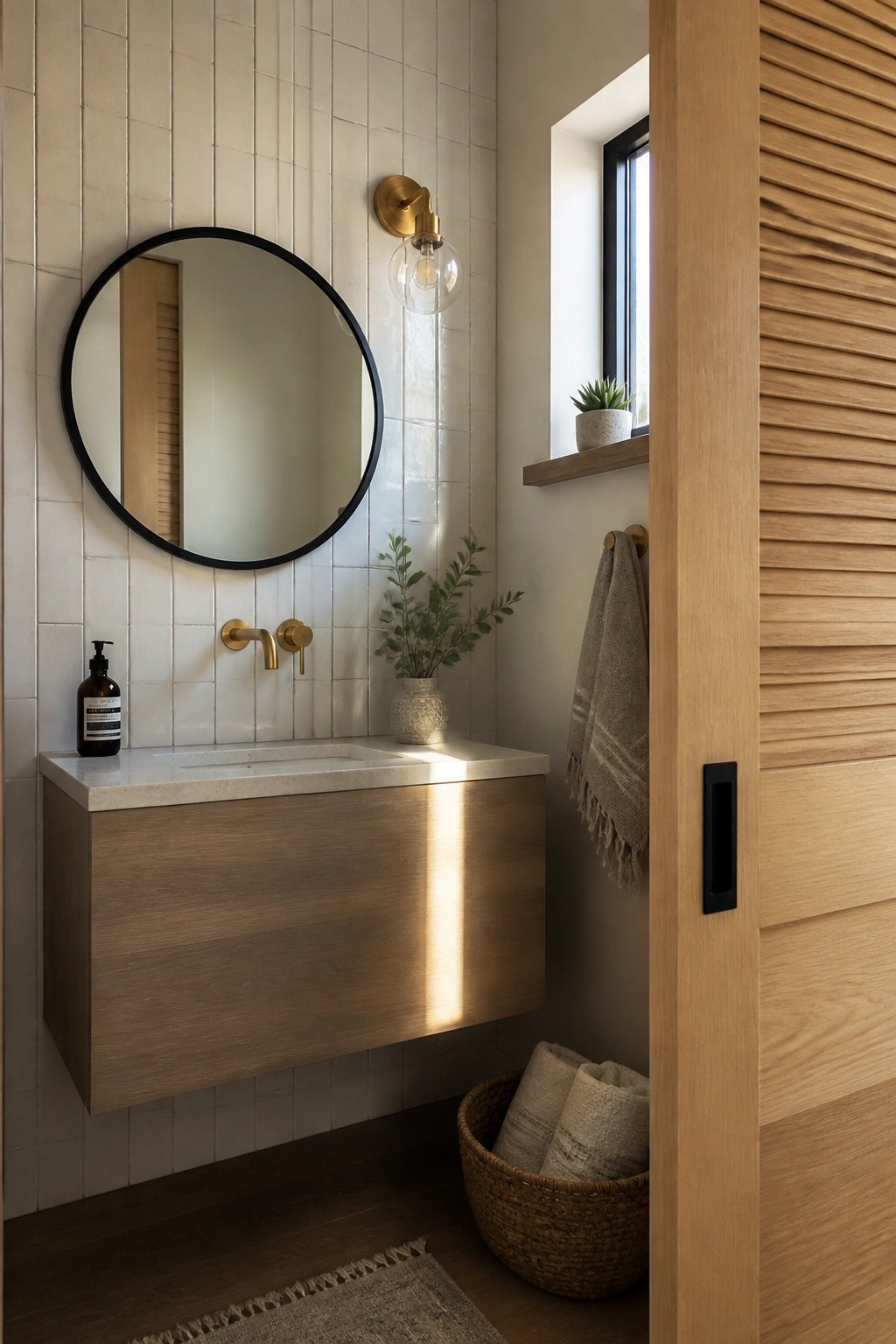
A sliding door like this one solves the space problem that regular doors create in small bathrooms. Instead of swinging out and taking up floor area, it slides along the wall so the room stays usable even when the door is open.
This approach fits homes with narrow layouts or older floor plans where every inch matters. The horizontal wood slats keep the look simple and let some light through while still giving privacy.
Sliding Closet Doors That Save Floor Space
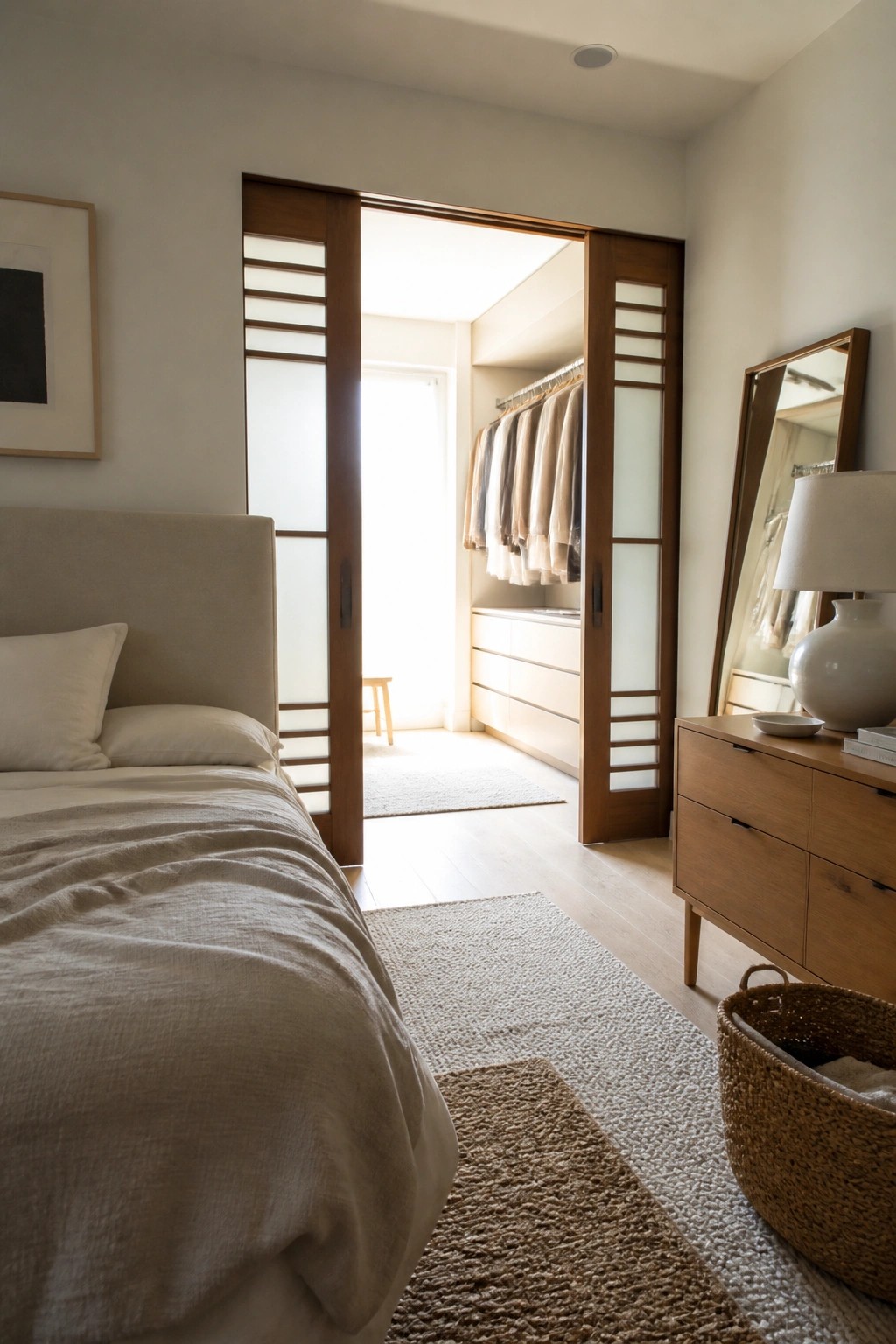
Many bedrooms lose usable space to doors that swing out. A sliding door solves that by moving along a track instead, which leaves the floor clear for rugs, furniture, or just walking through.
This approach works best in rooms where every foot matters, like smaller bedrooms or layouts with a closet right off the main area. The wood frame helps the door feel like part of the room rather than an afterthought, and the panels let in a bit of light without showing everything inside.
Vertical Slat Sliding Doors
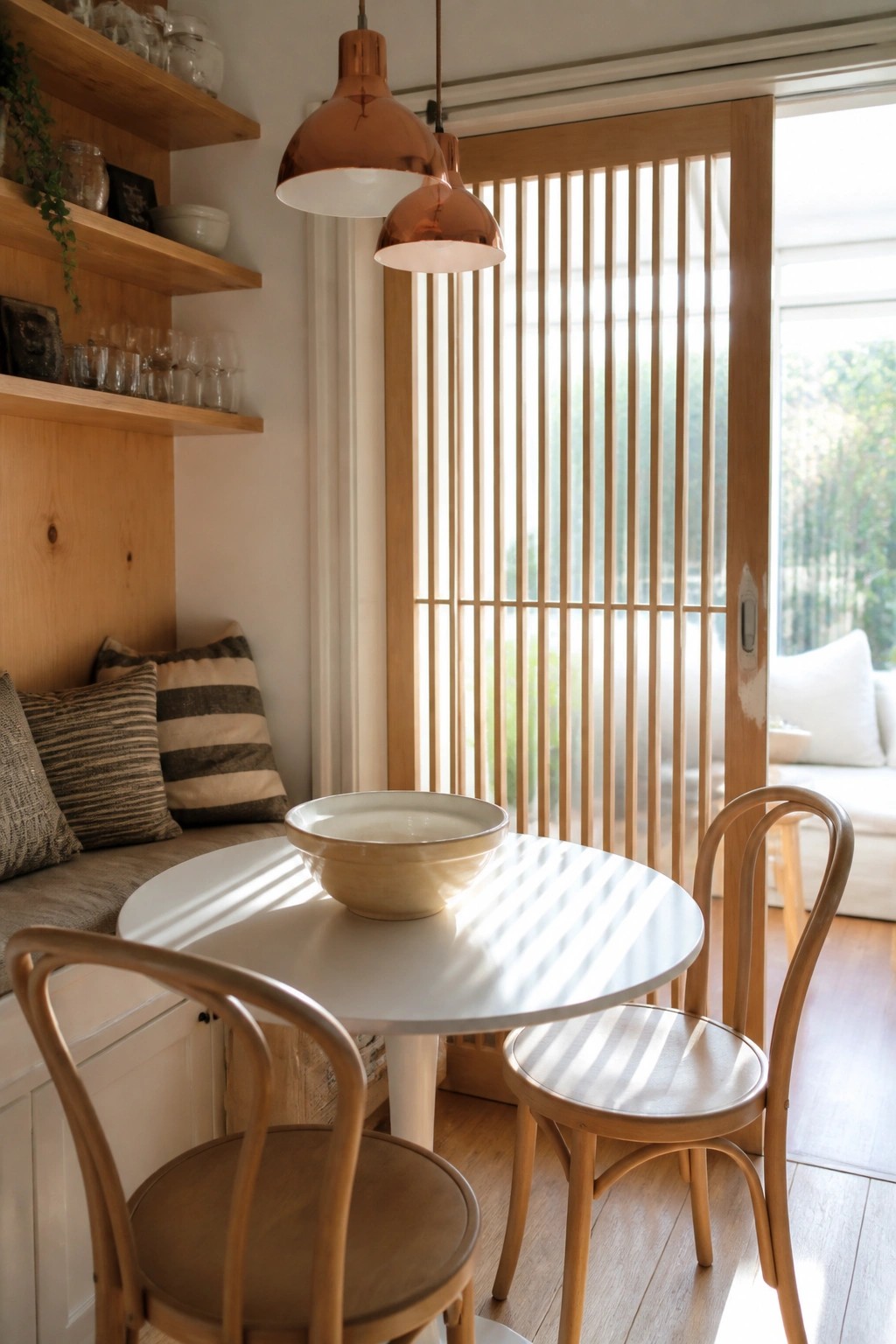
A sliding door with vertical slats gives you separation without blocking light or making a room feel closed in. The simple wood lines add texture and still let the space behind stay visible, which works especially well in compact homes that need to stay airy.
Place one between a dining spot and an outdoor area or use it to divide two living zones. Keep the hardware sturdy and check that the floor track stays clear so the door slides without sticking.
Wooden Sliding Doors For Workshop Areas
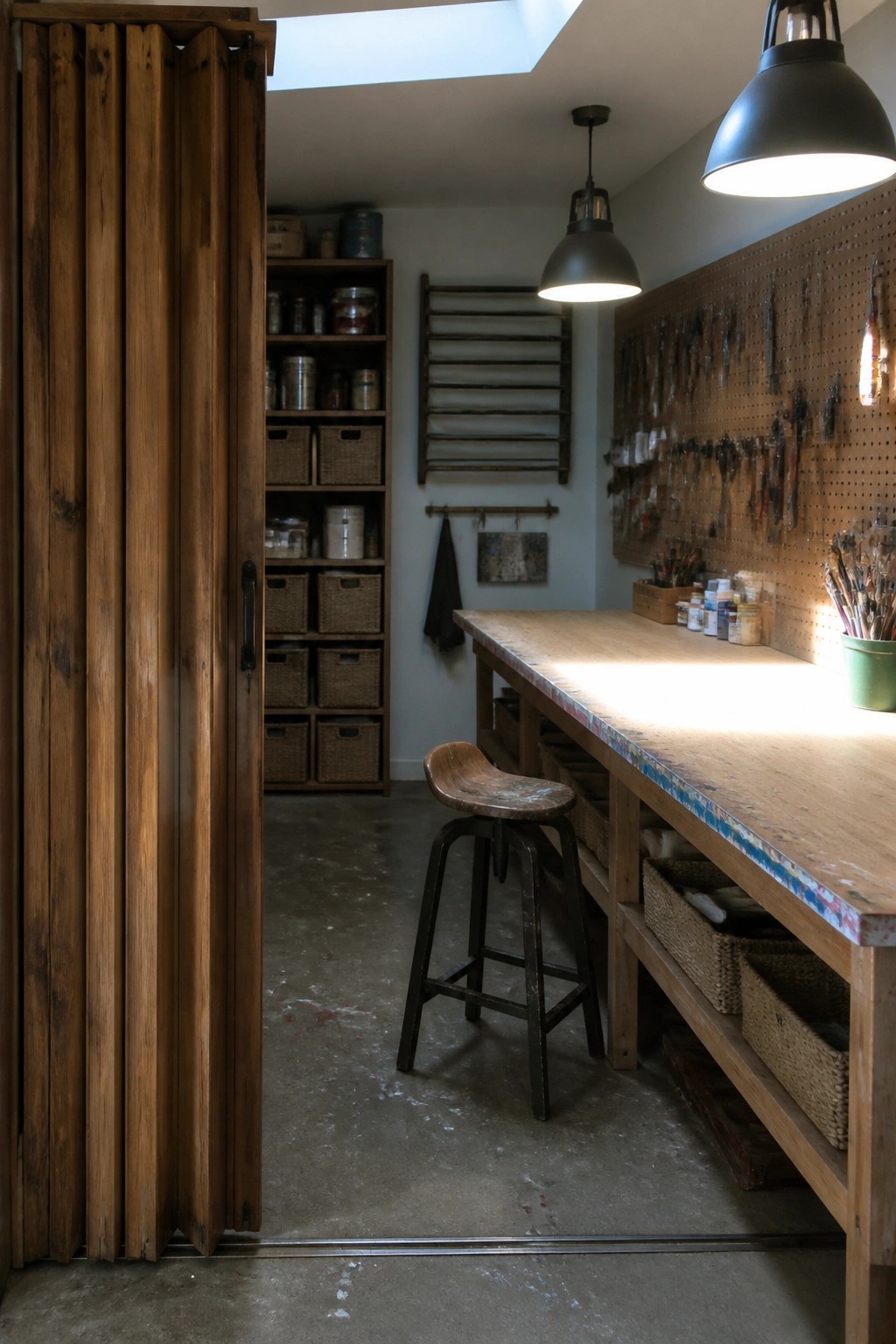
A wooden sliding door makes sense when you want to close off a workshop or craft space without losing floor room. It moves along a track instead of swinging out, so the area stays usable even when the door is open.
This works best in homes where a creative room sits right off a main hallway or living area. The door can stay pushed back during projects and slide closed at the end of the day. Just check that the track can handle the weight if the door is solid wood.
Frequently Asked Questions
Q: How do I keep the wood from getting scratched when kids run by?
A: A quick coat of clear sealant every couple years protects the surface without changing the look. You can also add a thin strip of felt along the bottom edge if the door slides close to the floor. This keeps marks from building up over time.
Q: What track length works if my opening is not a standard size?
A: Measure the full width twice and add a few inches on each end for the hardware. Most tracks come in sections you can cut to fit with a simple hacksaw. Then mount them level so the door glides smoothly every time.
Q: Do I need special tools to hang one of these myself?
A: Basic tools like a drill and level get the job done for most setups. Start by attaching the track to solid framing above the opening. Test the rollers on the door before you lift it into place.
