

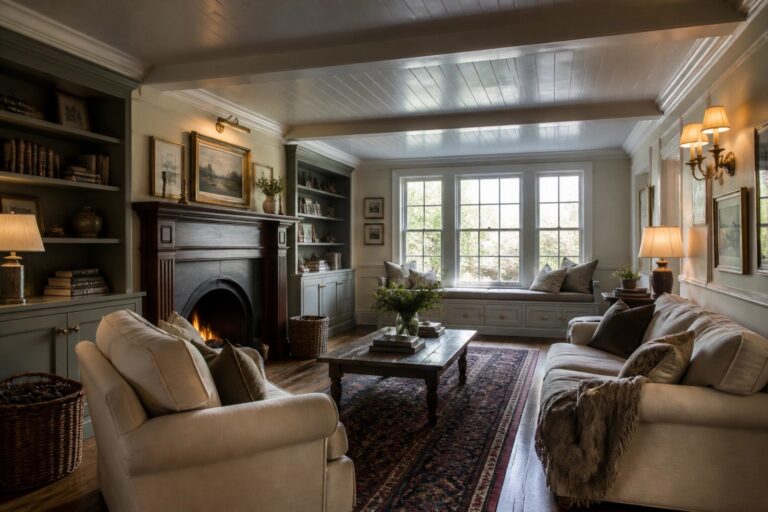
When I walk into a traditional room the ceiling is usually the last thing I notice until something feels off about the scale.
Painting the wood can adjust that balance without touching the walls or floors at all.
Some hold up better once the furniture is back in place.
I would try the muted shades first in my own space to see how they settle over time.
The details in the grain and the way the paint settles matter more than a bold color ever could.
A Light Painted Ceiling to Refresh Traditional Rooms
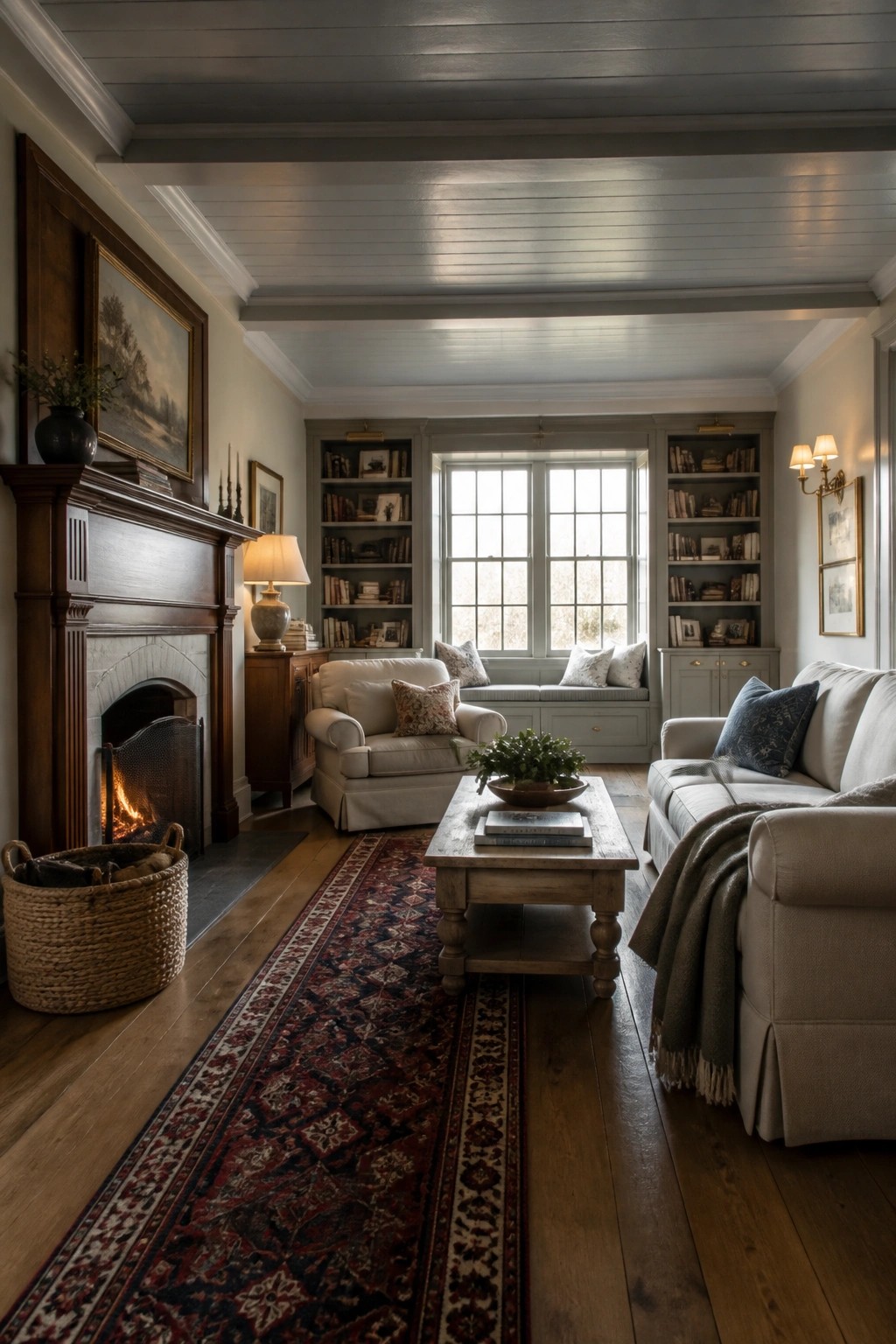
Painting the wood ceiling a soft gray tone can make an older room feel brighter without changing the rest of the architecture. The planks still show their texture, but the lighter color lifts the whole space and helps it feel less heavy.
This works especially well in homes that already have classic details like built-ins or a fireplace. Keep the ceiling paint matte so the wood grain stays visible, and test the color on a sample board first since it can shift with the light in the room.
Deep Green Paint on Coffered Ceilings
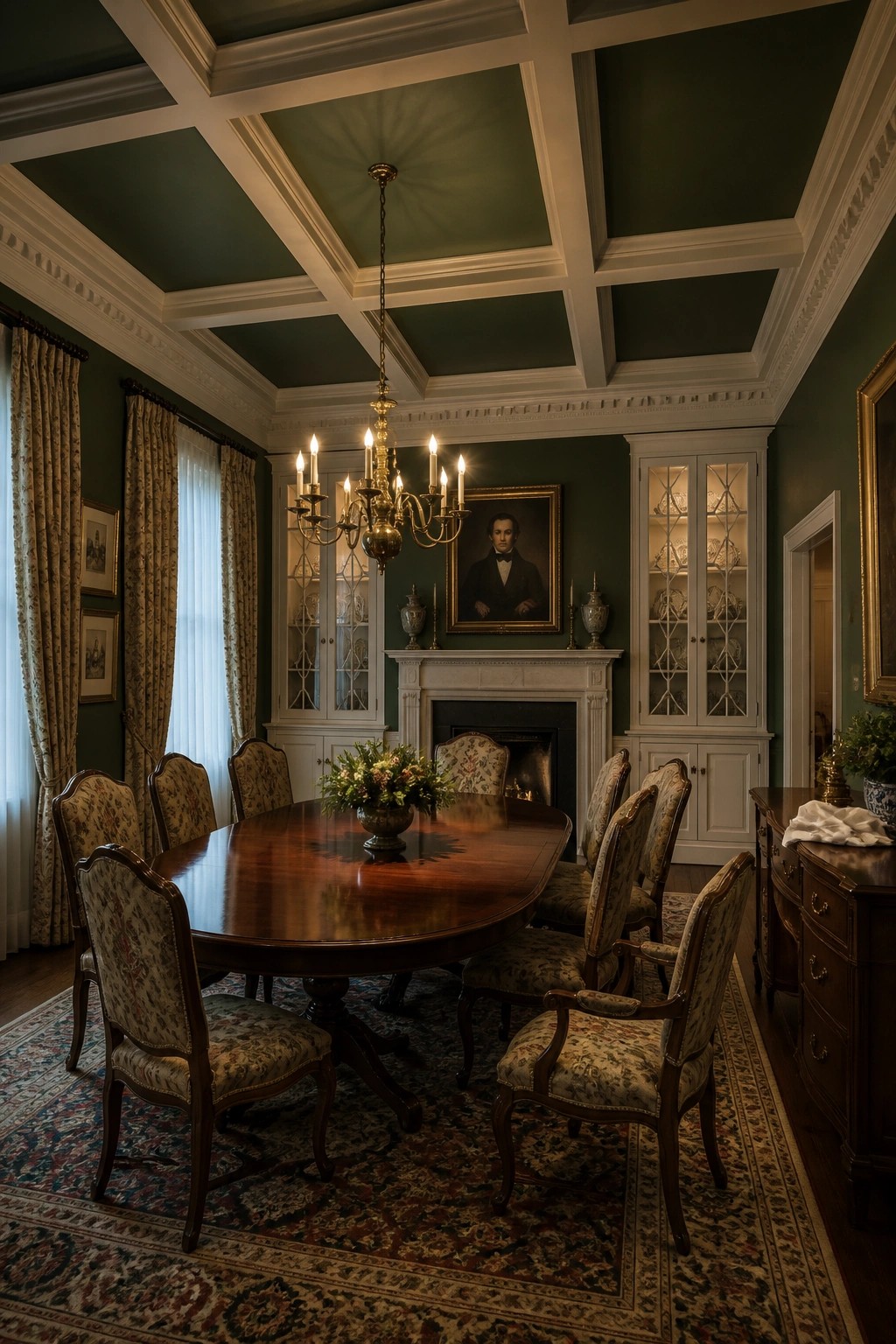
A painted ceiling in a strong color can change how a traditional room feels without any major changes to the walls or furniture. The deep green used here keeps the formal look but adds weight and interest overhead, which helps balance the dark wood table and patterned chairs.
This approach works best in rooms with tall ceilings and clear trim details. Use it where you want a bit more warmth and depth, but keep the walls lighter so the space stays balanced rather than heavy.
White Painted Ceilings for Traditional Kitchens
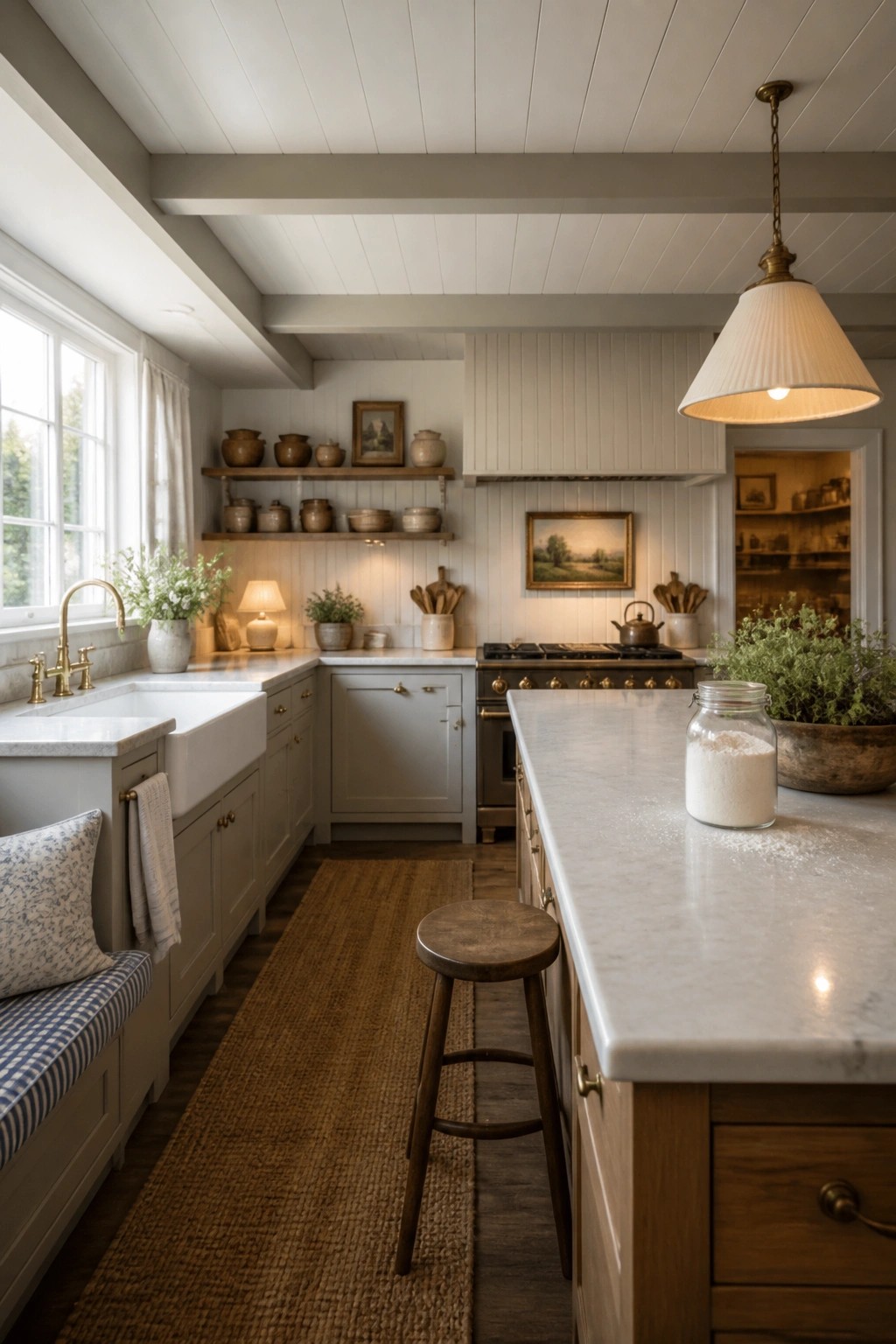
Many kitchens with older wood ceilings end up feeling closed in even when the rest of the room is fairly light. Painting the ceiling and any exposed beams a clean white opens things up without removing the original wood structure or trim details.
This approach works best in homes that already have classic cabinetry and simple built-ins. It keeps the warmth of the wood while making the space feel noticeably brighter during the day. Just test the paint on a small section first since some older finishes can show through lighter colors.
Painted Wood Ceilings In Entryways
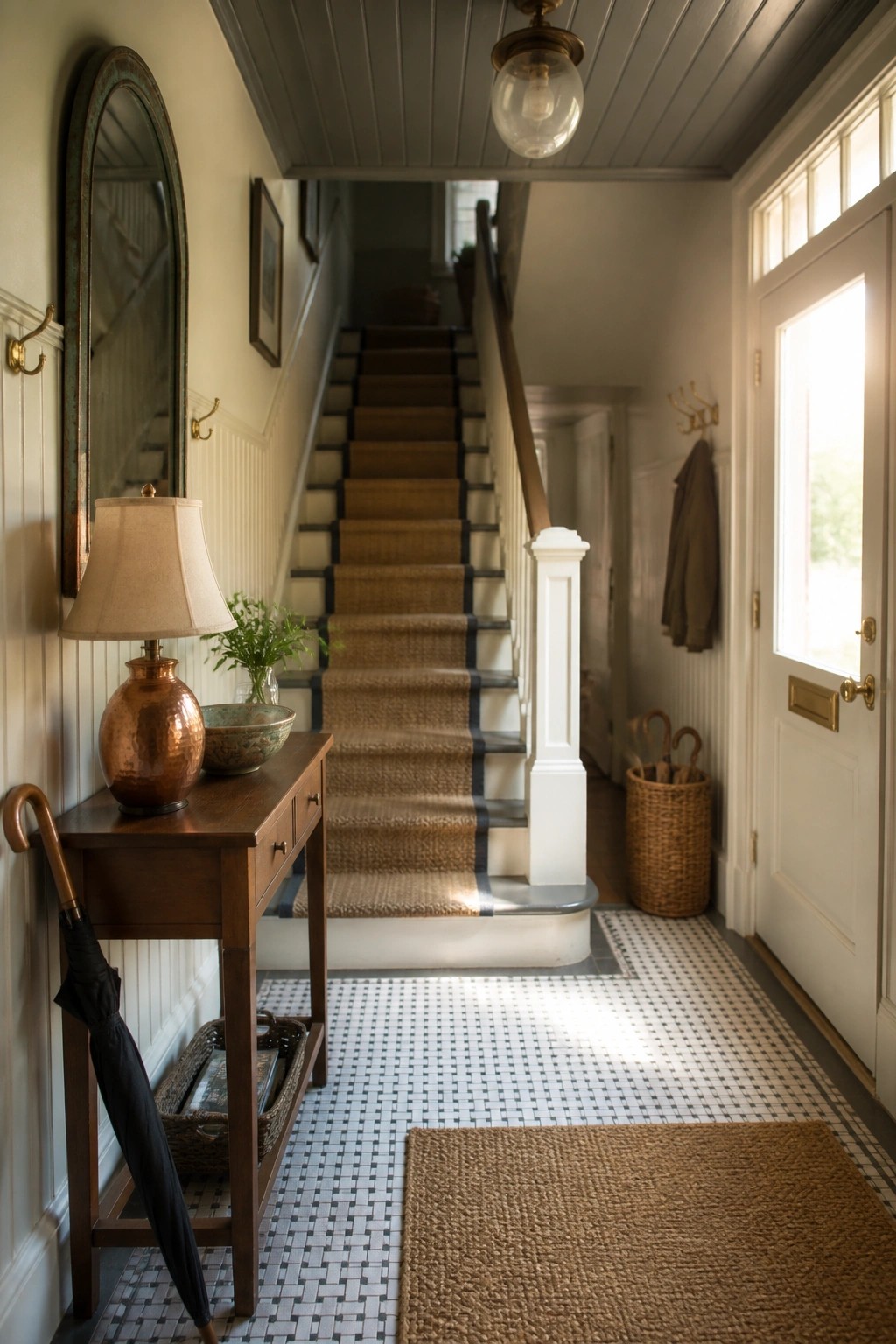
Painting the wood ceiling a soft gray can refresh a traditional entry without losing its character. The color keeps the space feeling grounded while making the whole area feel a little lighter and more open.
This approach works best in older homes where the original trim and details are worth keeping. Choose a muted tone rather than something too bright, and test it on a small section first since ceiling paint can shift once it is up.
Soft Color On Wood Ceilings
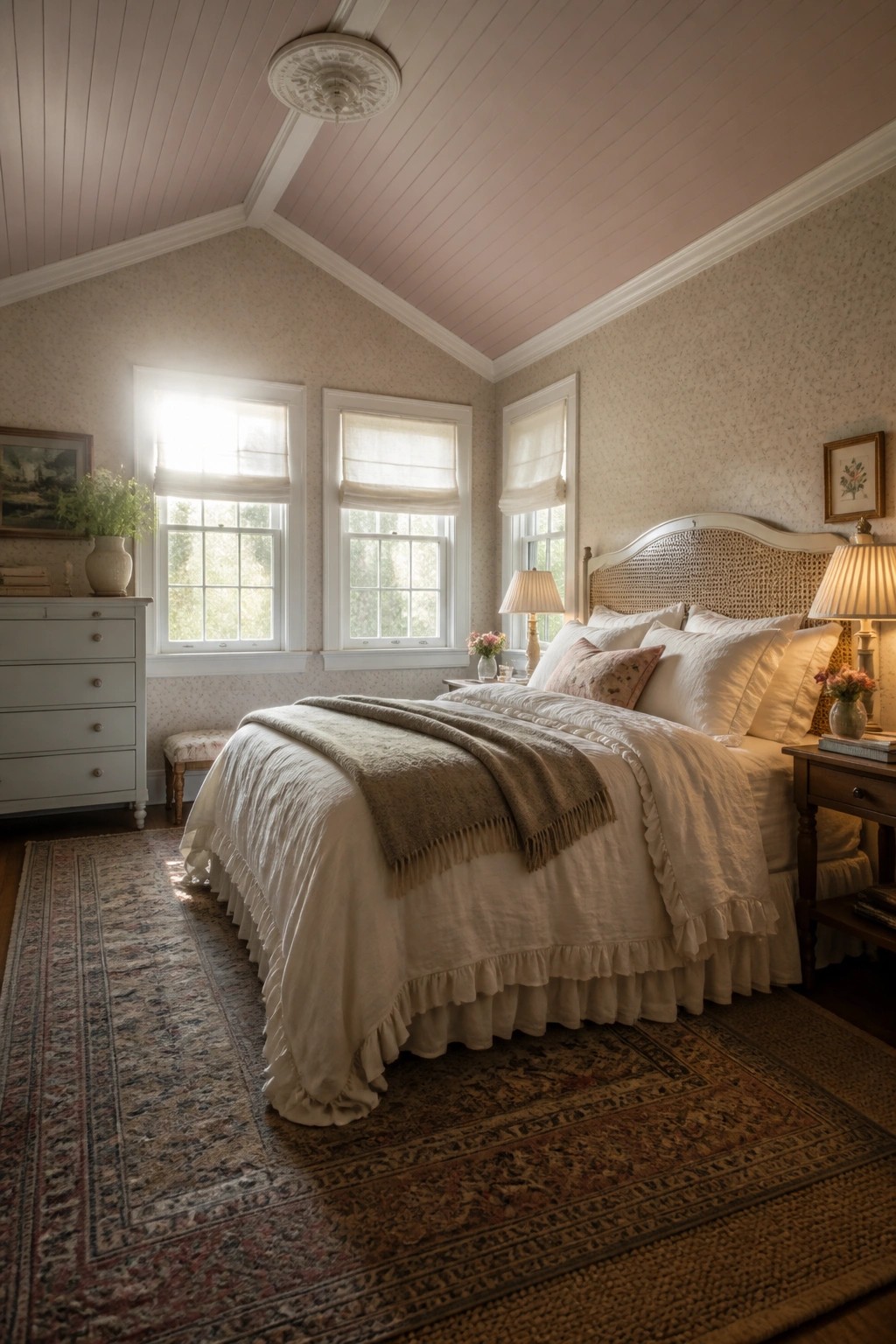
A painted wood ceiling in a soft shade can shift the mood of a traditional room without much effort. The light pink tone here keeps the space feeling airy while adding a bit of warmth that white alone would miss.
This works best in bedrooms or smaller traditional homes where the ceiling has some height or slope. Stick to muted colors and test the paint on a sample board first, since the angle of light can change how the color reads throughout the day.
Soft Painted Ceilings In Gentle Colors
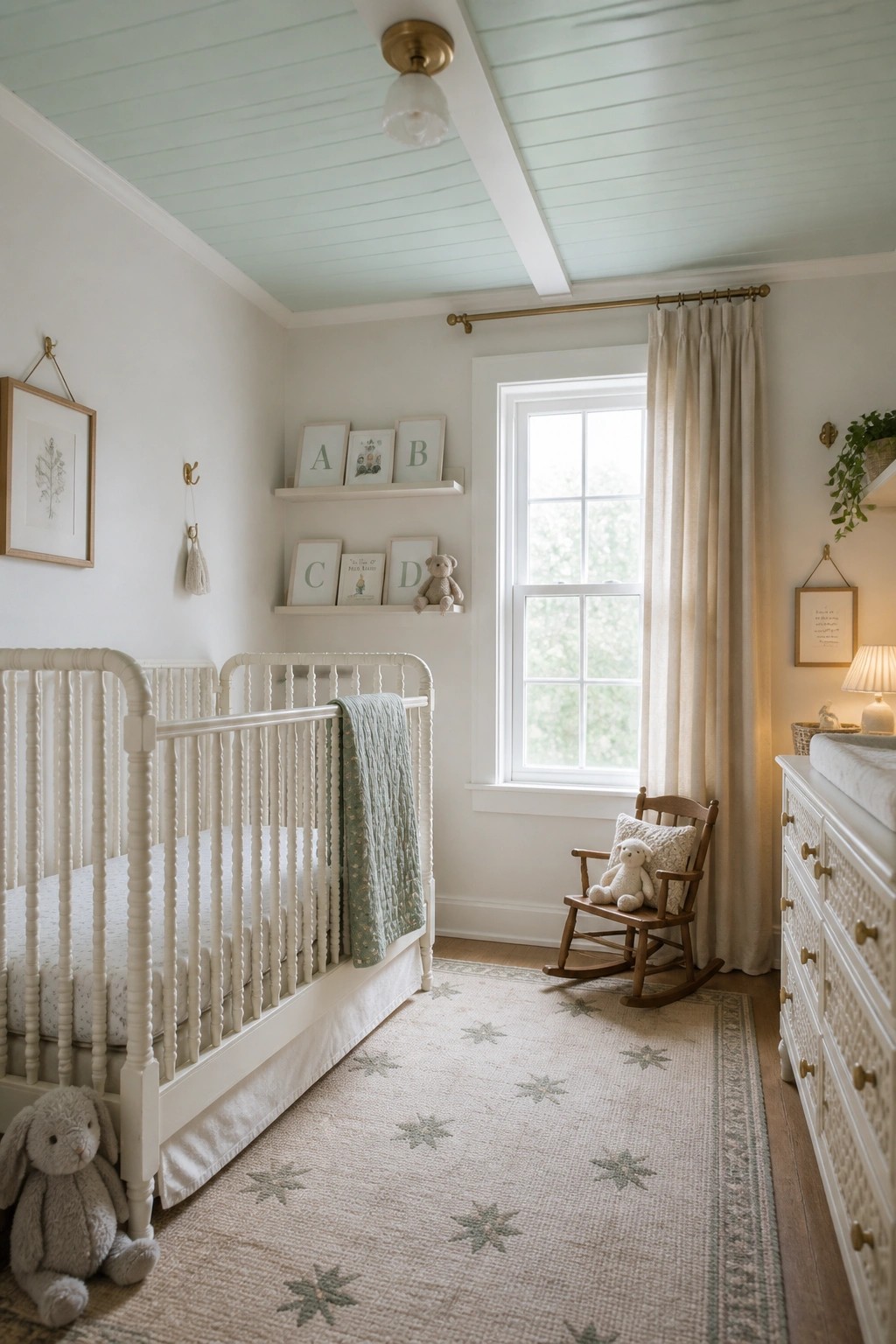
Painting the wood ceiling a soft color gives a traditional room an easy refresh. The pale mint shade here feels calm and light against the white walls and trim.
This works best in spaces where you want a bit of color without much effort. Stick to pale tones so the room stays bright, and test the paint on a sample board first since ceiling light can shift how it reads.
Dark Painted Ceilings For Traditional Rooms
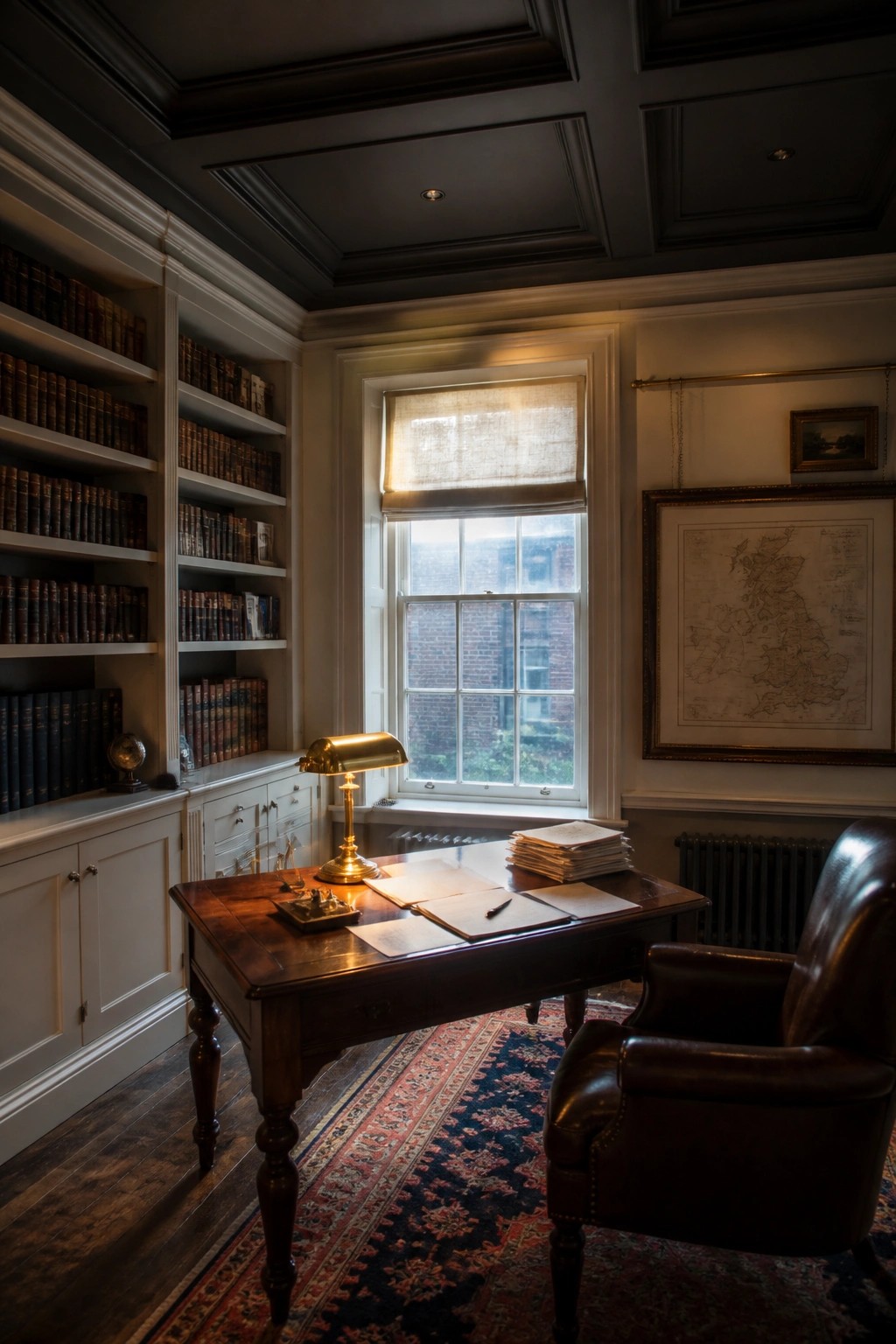
A dark painted ceiling can give a traditional room more weight without changing the rest of the space. The wood panels here are finished in a deep tone that contrasts with the white trim and built-ins, which keeps the room from feeling too light and open.
This approach suits studies or libraries where you want a grounded feel. It works best when the walls and trim stay light so the ceiling does not close the room in too much. Test the color on a sample board first, since the tone can shift with the light.
Painted Wood Ceilings In Bathrooms
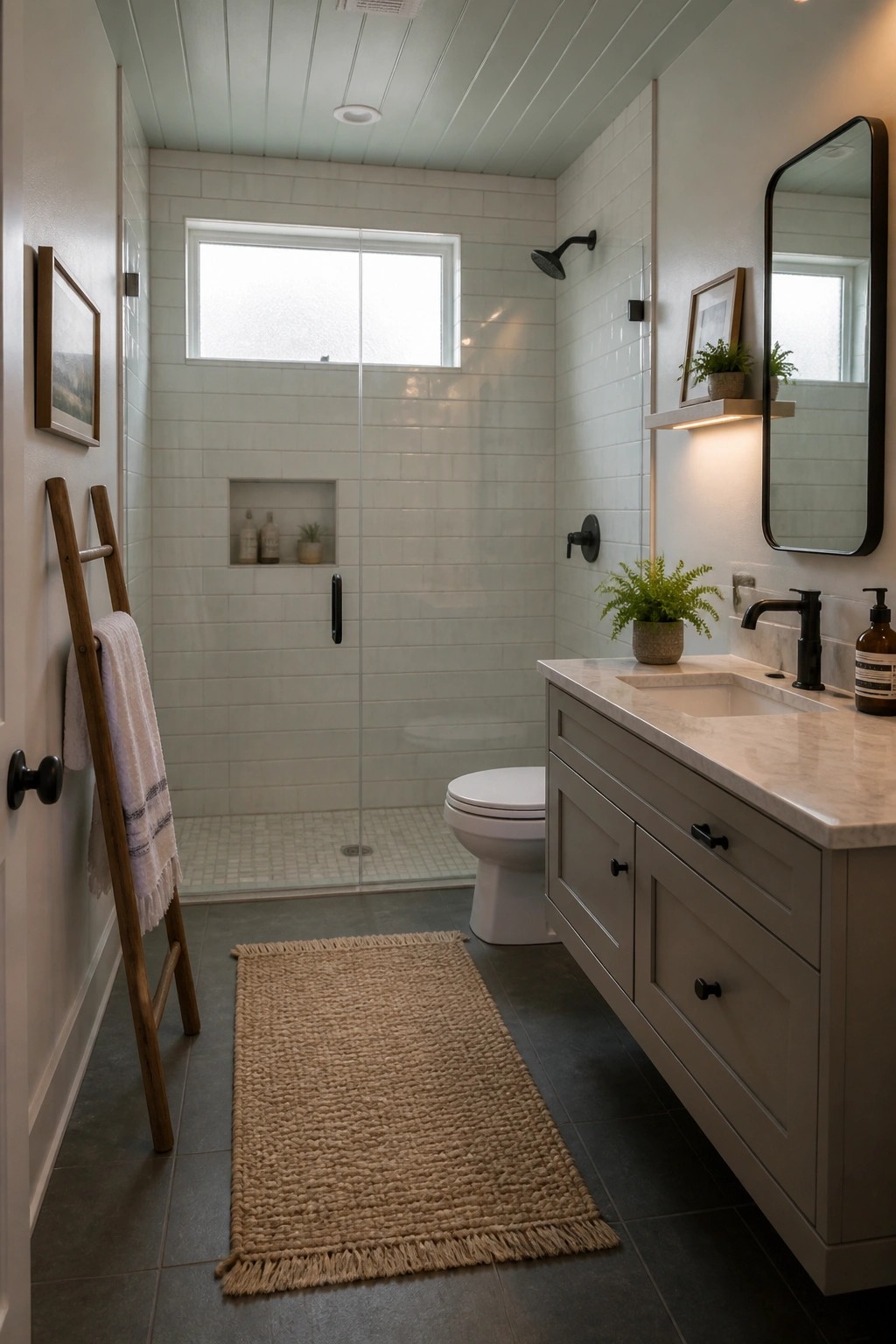
Painting wood planks on the ceiling gives a bathroom a quiet refresh without changing the rest of the room. The soft color keeps the space feeling open while adding just enough warmth that plain drywall often lacks. It works especially well when the walls stay light and simple.
This approach suits smaller baths or any room with white tile that could use a touch of character. Choose a muted tone that still reads clean, and keep the finish smooth so it does not compete with other surfaces. It fits homes that want a gentle update rather than a big overhaul.
Bright Paint on Wood Ceilings
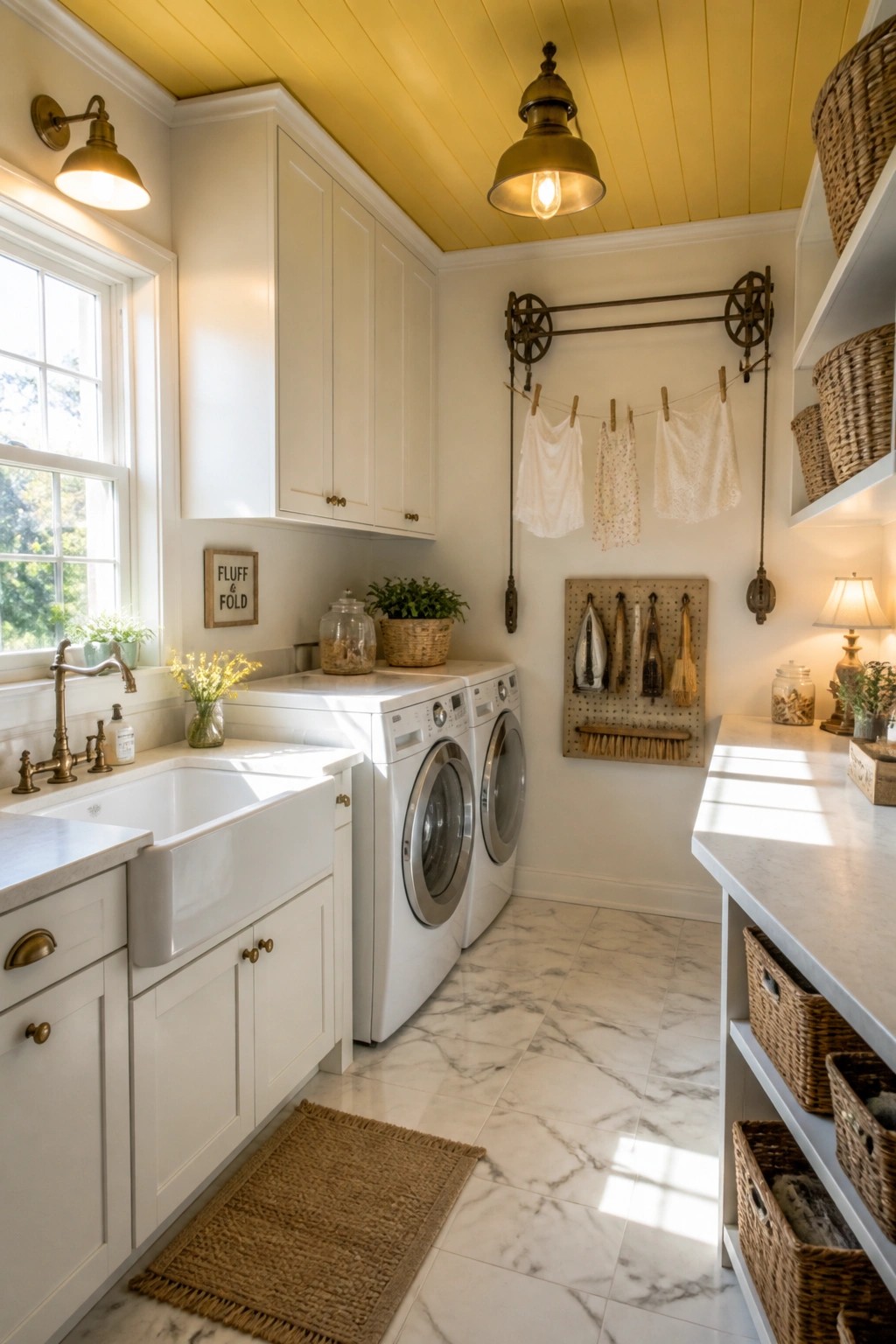
A painted wood ceiling in a strong color can change how a practical room feels without much extra effort. In spaces that tend to stay plain and functional, the ceiling becomes the one place where a bold choice adds energy and light. The yellow here lifts the whole room while the rest stays simple and white.
This approach works best in smaller utility areas where you want a little cheer without cluttering the walls or counters. It suits homes that already have traditional trim and cabinetry, since the color contrast keeps things from feeling too heavy. Just test the shade in natural light first, since ceiling paint can read stronger once it is up.
Painting Wood Ceilings A Soft Blue
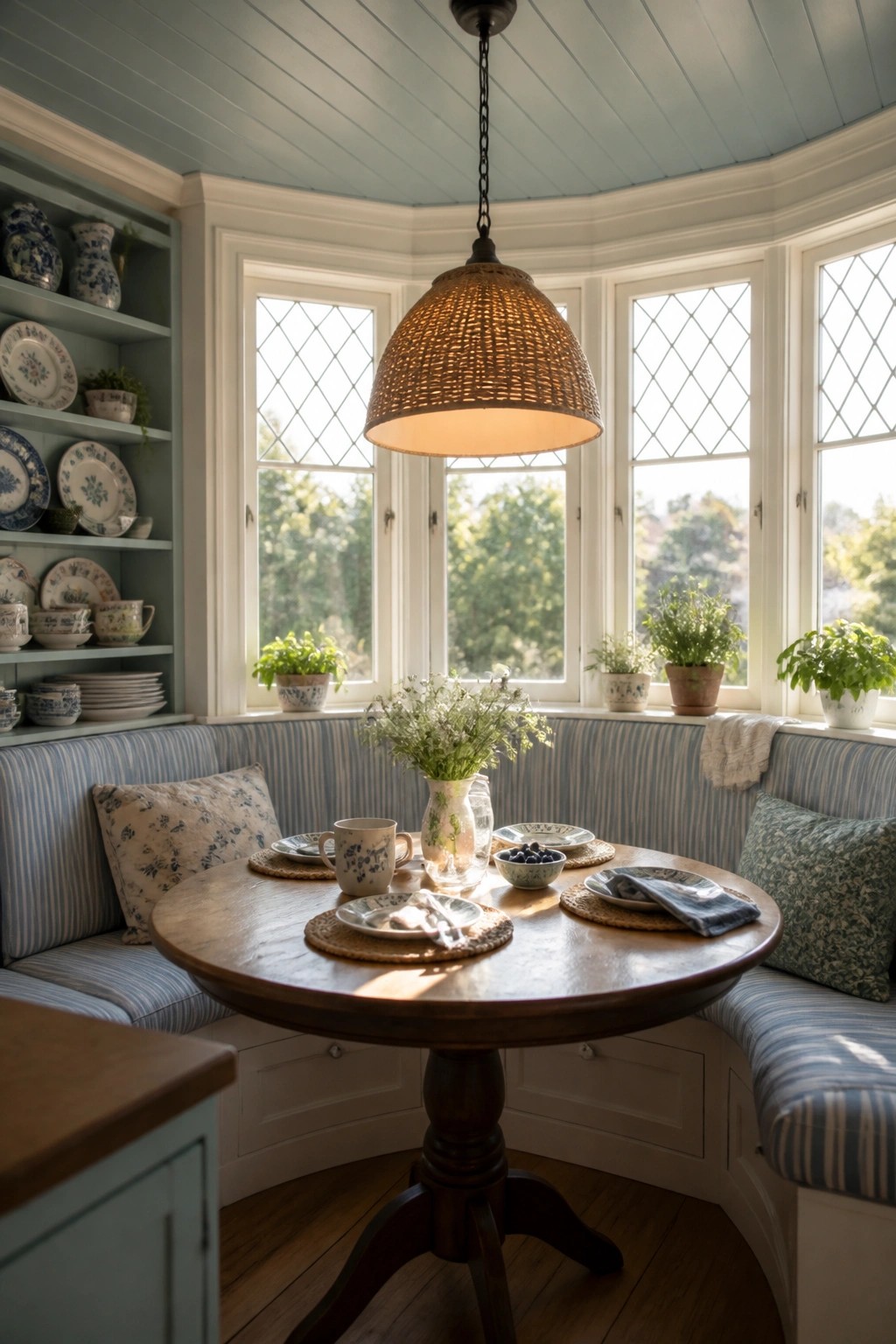
Many traditional rooms end up feeling a bit closed in when the ceiling stays the same wood tone as the rest of the trim. A light blue painted finish opens the space up and adds just enough color to keep things interesting without overpowering the room.
This approach works especially well in smaller dining spots or window nooks where you already have built-in seating. Keep the trim white so the ceiling color reads clean rather than heavy, and test the shade on a small section first since blue can shift a lot depending on the light.
Painting Traditional Ceilings In Soft Tones
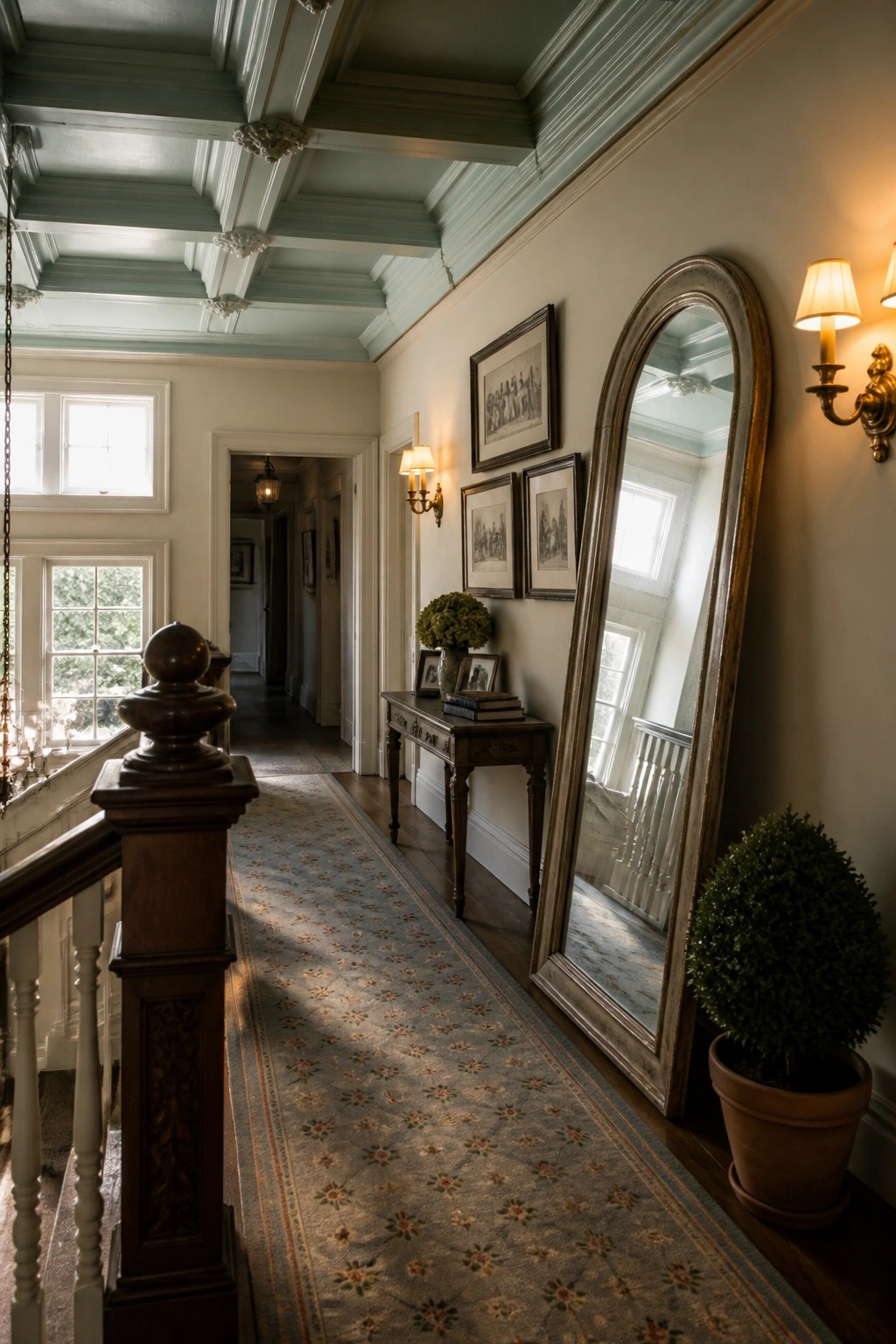
Many older homes have wood ceilings with nice detail that start to feel dark or heavy after a while. A soft painted color can lift the room without losing the character that makes the space feel established.
This works especially well in hallways and narrower areas where walls stay light. Keep the color muted so it blends with the trim and does not compete with wood floors or rugs.
Dark Painted Ceilings in Traditional Bathrooms
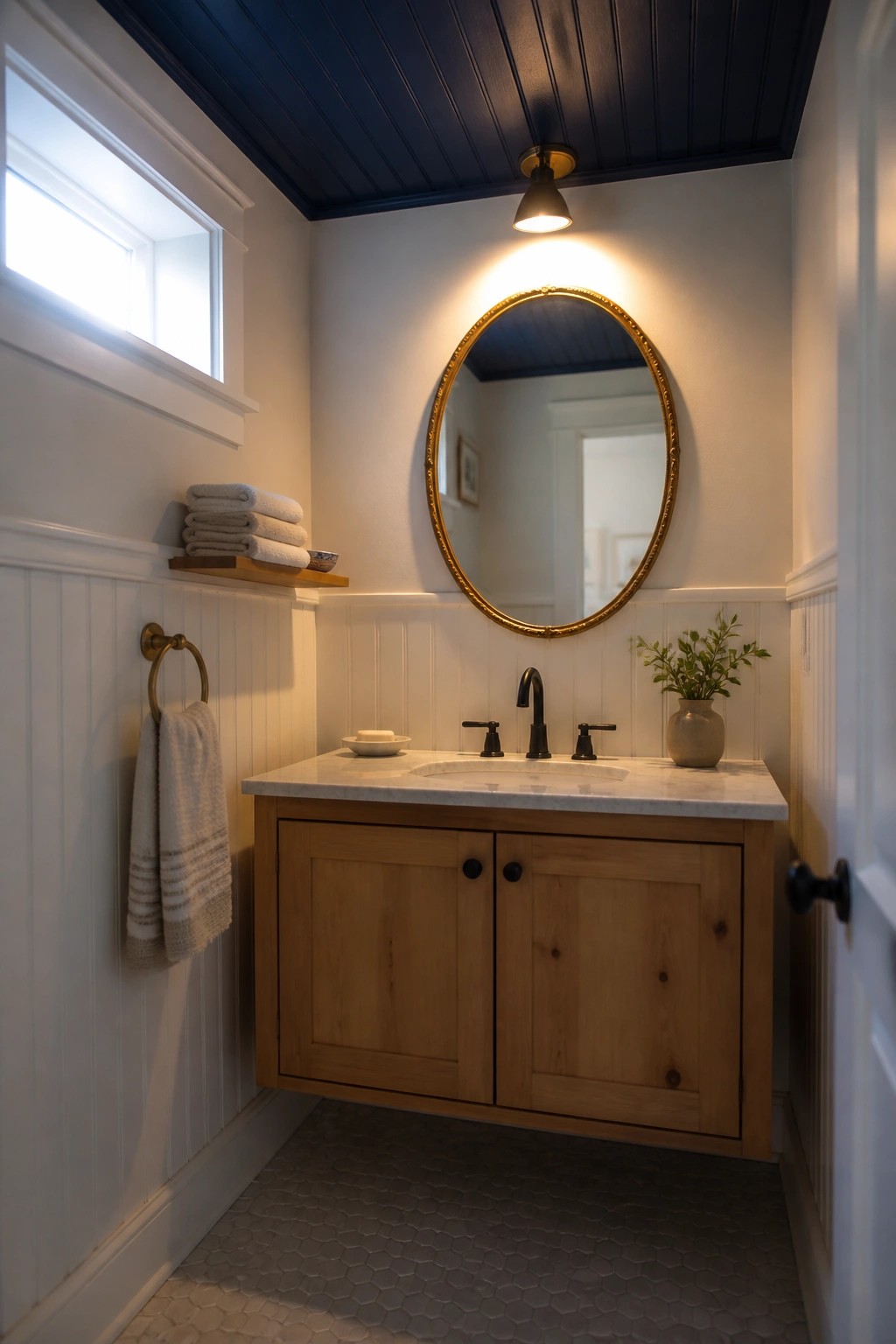
Painting the wood ceiling a deep navy gives a small traditional bath a fresh look without any major changes to the layout. The dark tone draws attention upward and adds contrast against the white walls and trim, which keeps the room from feeling flat.
This idea works best in compact spaces where the ceiling can act as a simple focal point. It suits older homes that already have wood details and pairs well with natural wood vanities and basic fixtures. Keep the walls light so the ceiling stands out without closing the room in.
Rich Color On Traditional Ceilings
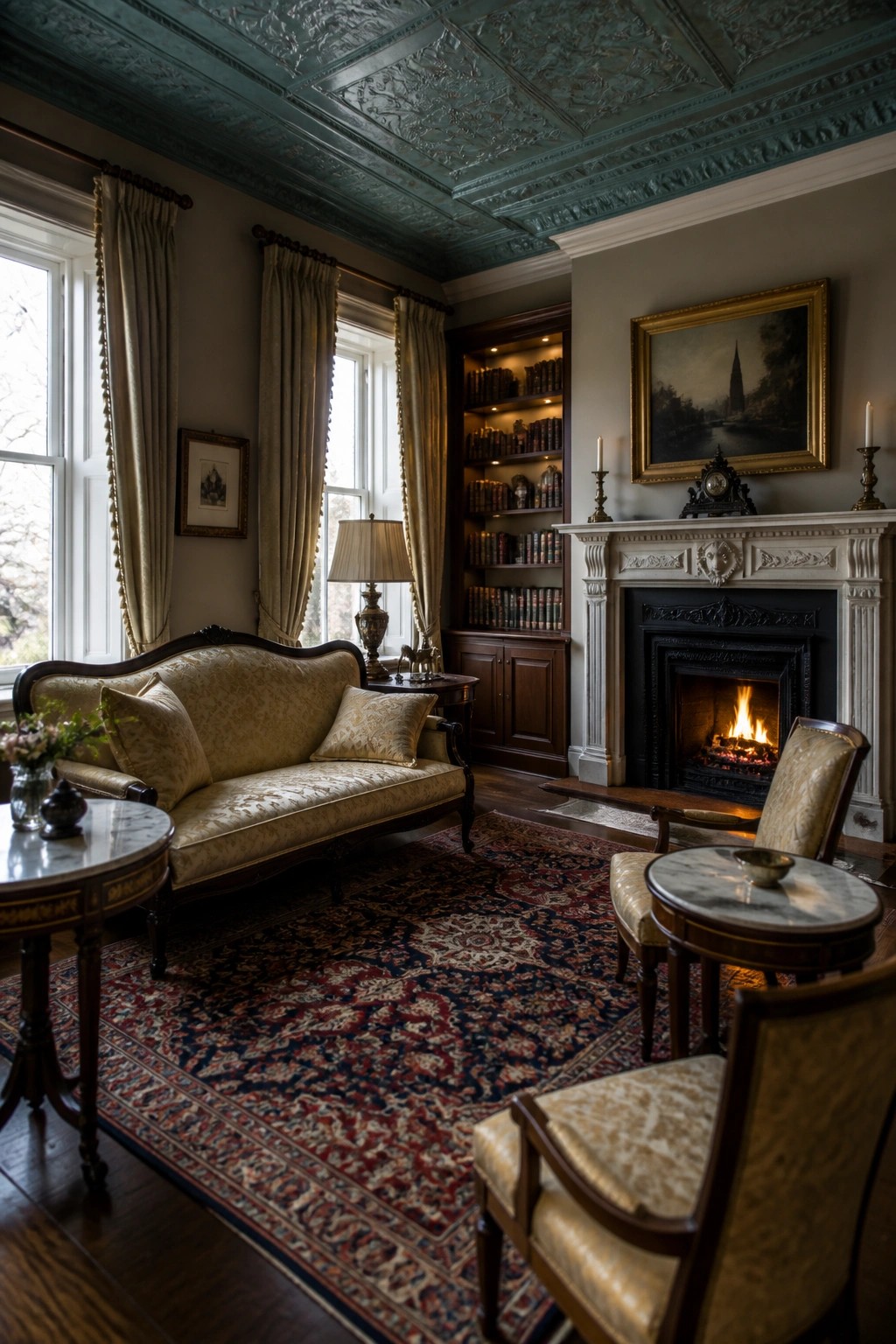
Painting the ceiling a deep color can give an older room more presence without changing much else. The teal here brings out the pressed pattern and keeps the space from feeling flat or dated.
This works especially well in homes that already have crown molding or detailed tin ceilings. Keep the walls and trim light so the ceiling stands out on its own.
Dark Painted Wood Ceilings Refresh Light Kitchens
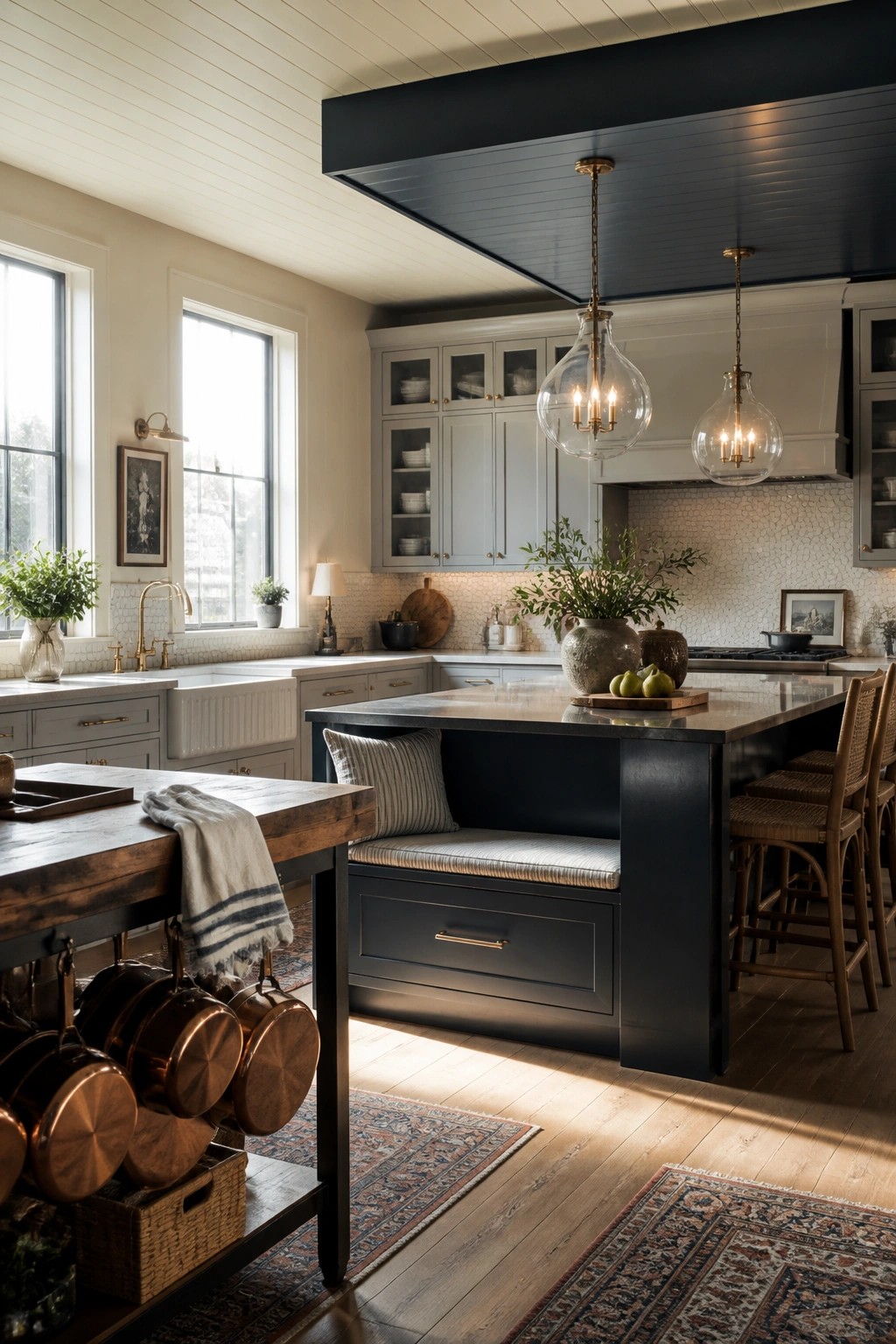
A dark painted wood ceiling stands out in a room that is otherwise light and neutral. It adds weight overhead without making the space feel smaller, especially when the rest of the room stays soft and bright.
This approach works best in traditional kitchens with white or pale gray cabinetry and simple trim. Keep the ceiling paint matte or low-sheen so the wood grain still shows through, and test the color on a sample board first since dark tones can shift under different lighting.
Painted Wood Ceilings in Traditional Rooms
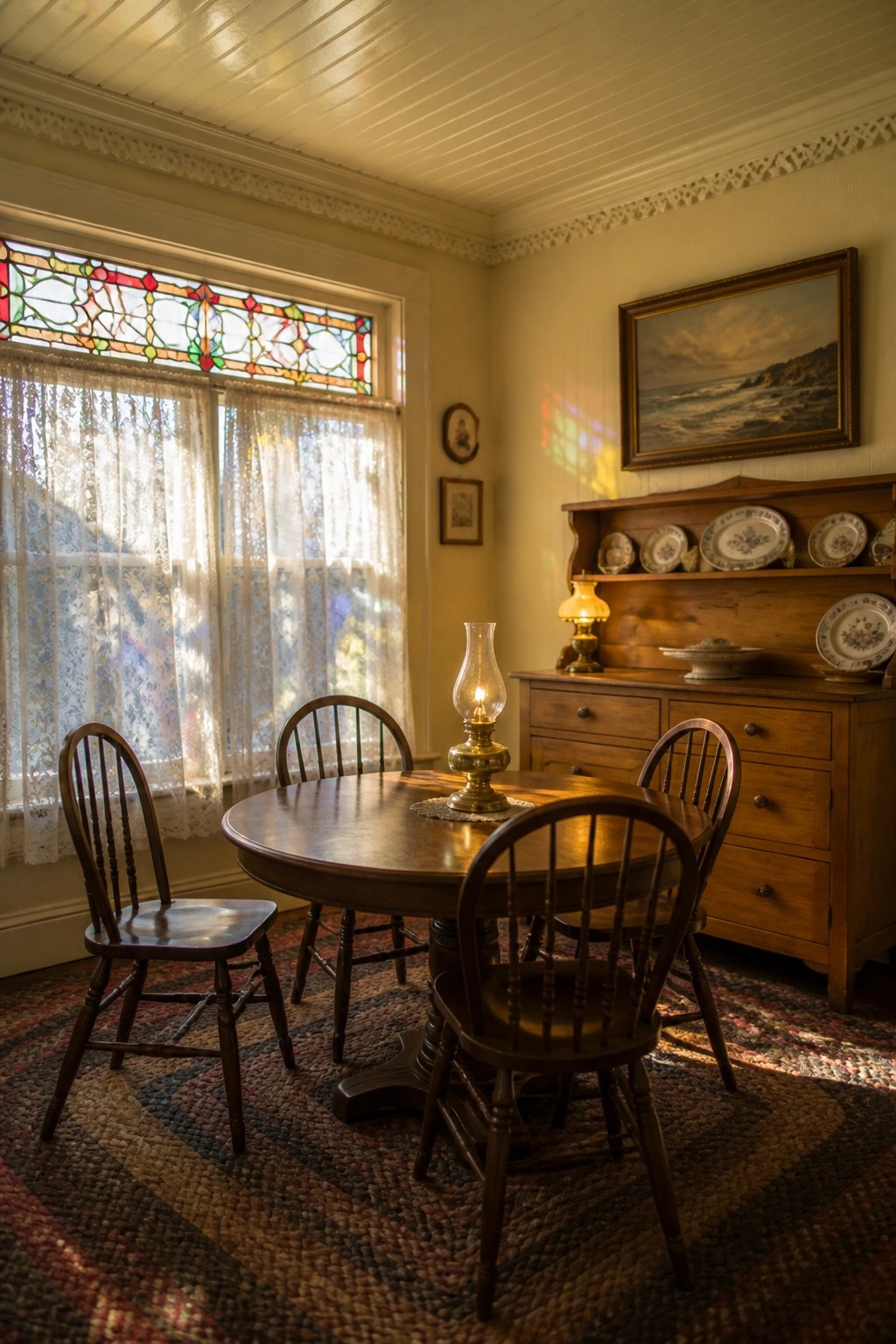
A painted wood ceiling can open up an older room without stripping away its original character. The planks stay visible, but the light color bounces more daylight around and keeps the space from feeling closed in.
This works best in dining rooms or sitting areas where the rest of the trim is already painted. Match the finish to the existing woodwork so the ceiling reads as part of the room instead of an add-on.
White Painted Beams Over Traditional Rooms
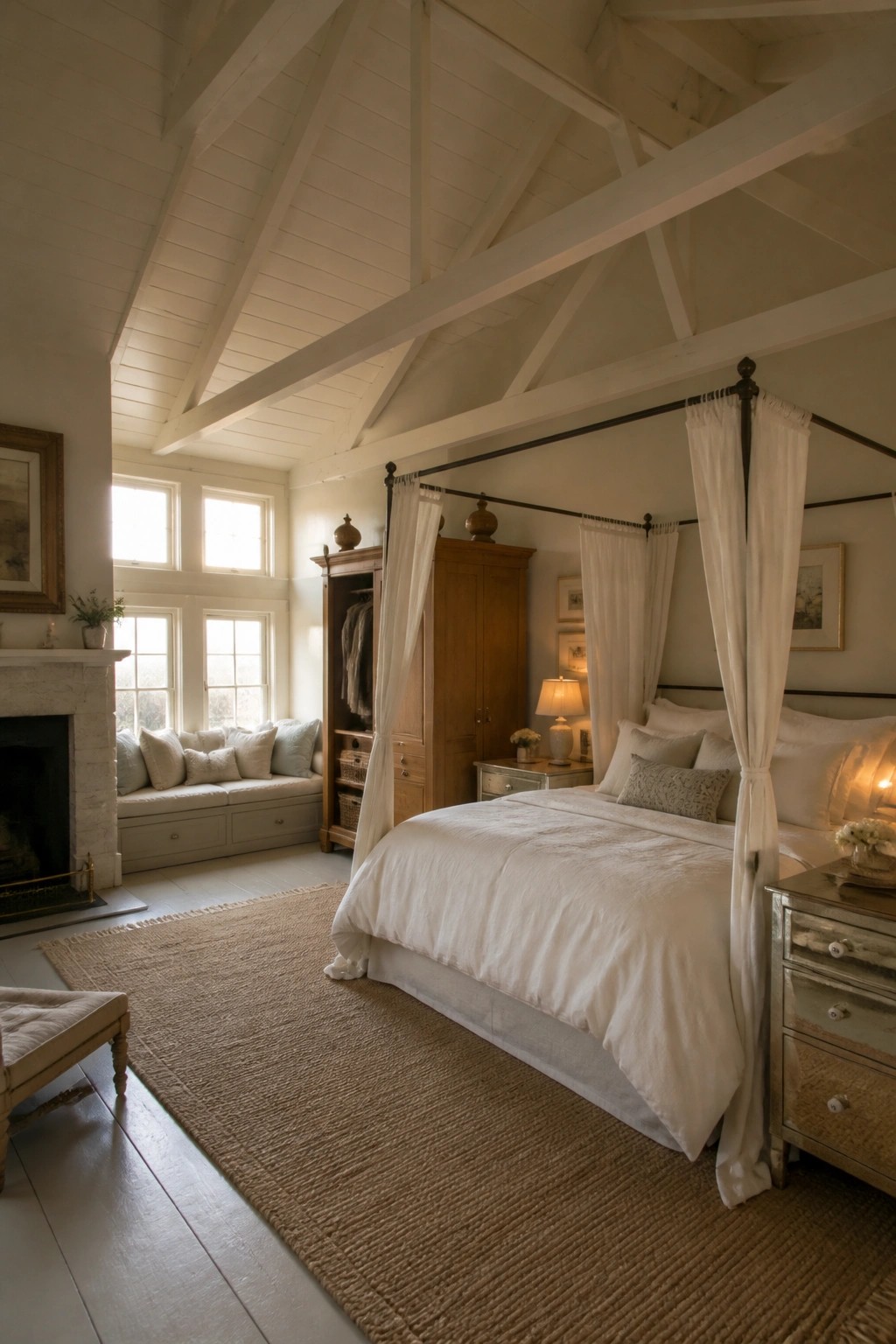
Painting the ceiling and its exposed beams white can make an older room feel much brighter without losing any of its character. The beams stay visible, so the architecture still reads as traditional, but the light color lifts the whole space and keeps it from feeling heavy or closed in.
This approach works especially well in bedrooms or living rooms that already have good natural light. It suits homes with simple trim and classic details, though it can look too stark if the rest of the room is very dark or overly ornate. Stick to a soft white rather than a bright one so the wood grain still shows through a bit.
Painted Wood Ceilings In Bathrooms
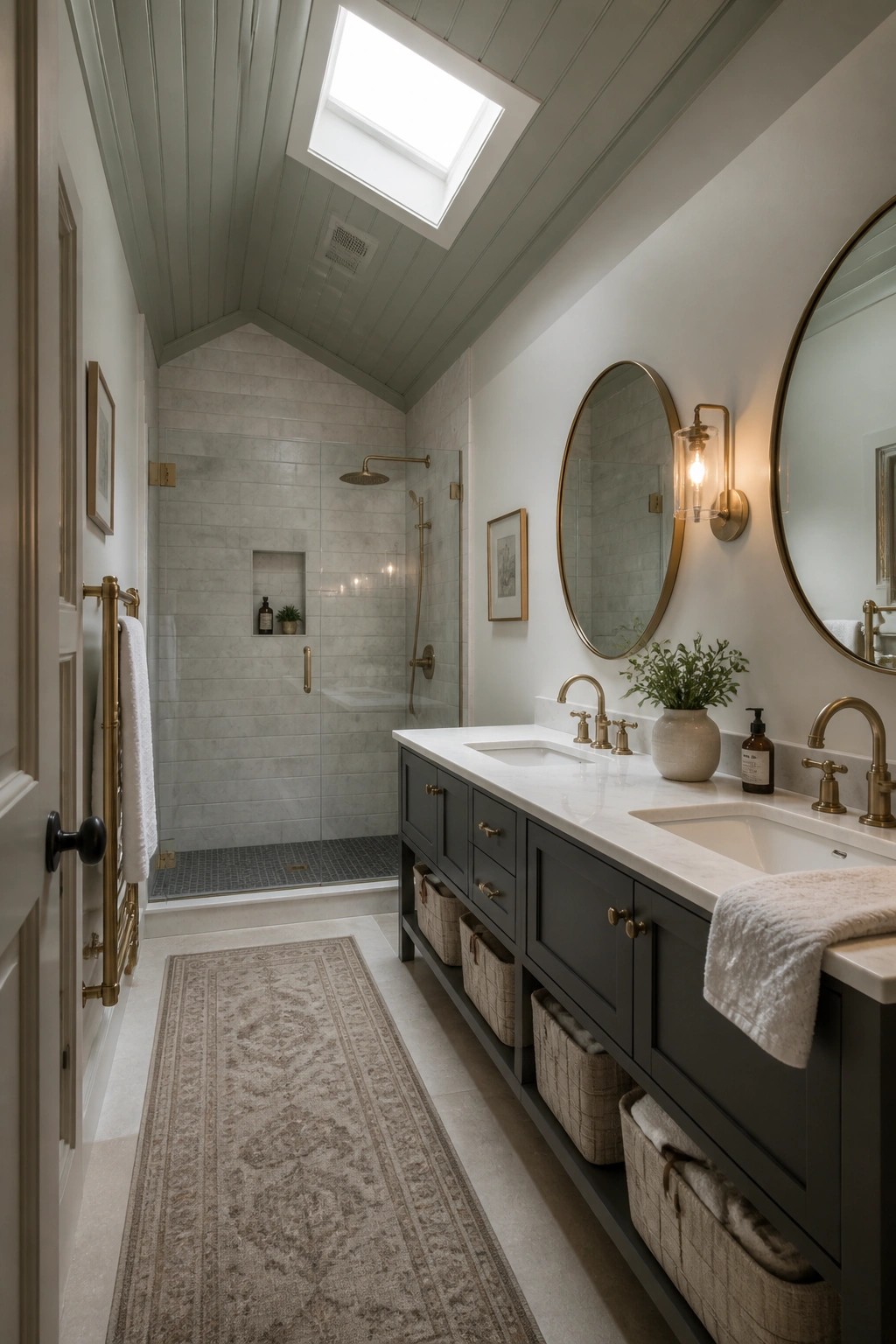
Many older bathrooms have wood ceilings that feel heavy or dated once the rest of the room is updated. Painting those planks a soft color changes the balance without tearing anything out. The ceiling becomes part of the room instead of something you ignore.
This works best in spaces with some height or an angled roofline. A muted green or gray keeps the look calm and still fits traditional trim and fixtures. Just make sure the paint is rated for moisture so it holds up over time.
Painted Wood Ceilings In Soft Tones
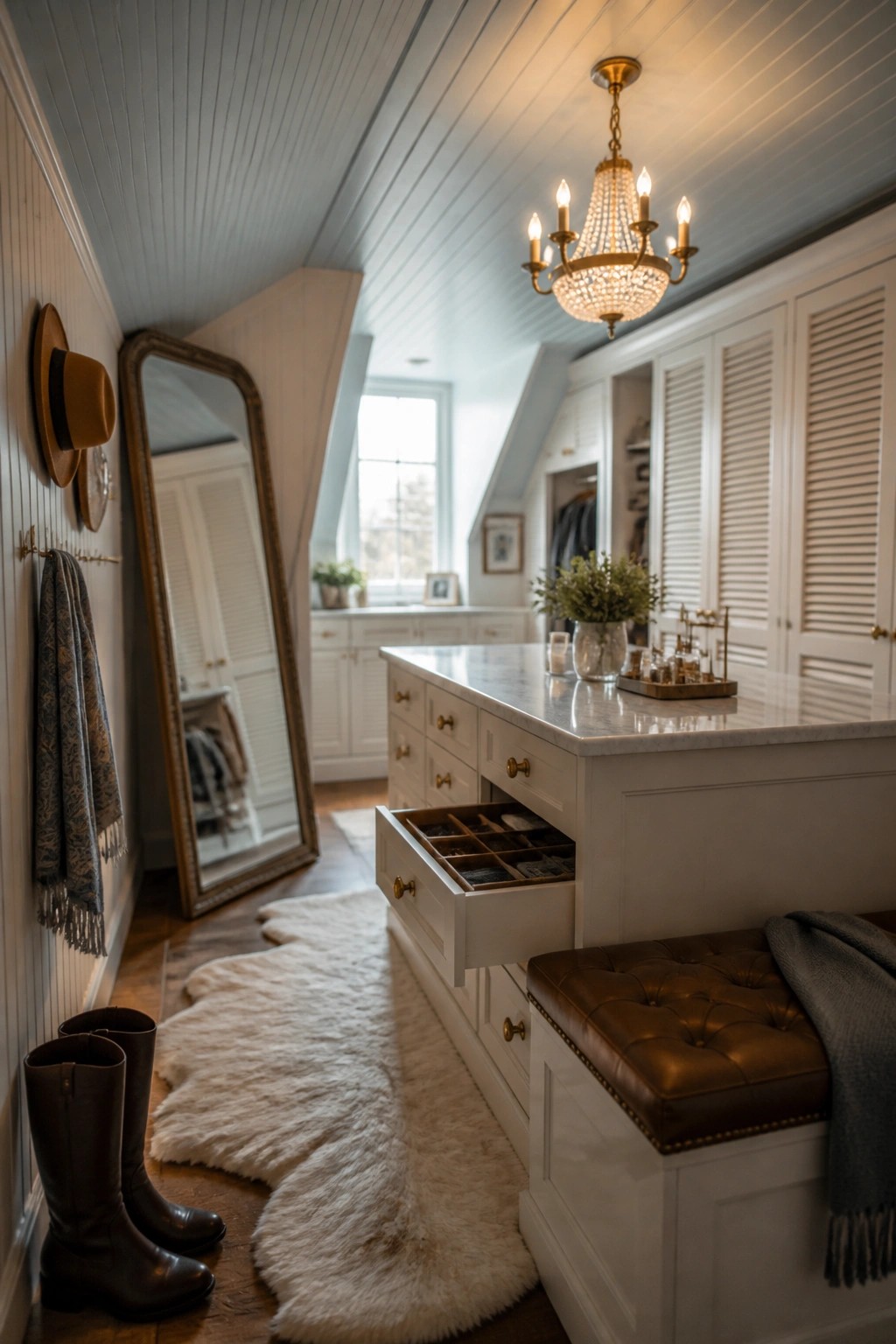
A painted wood ceiling in a gentle color can give a traditional room a quiet update without changing the overall feel. The wood grain still shows through, so the space keeps its classic character while the soft shade adds a bit of freshness that white paint alone cannot provide.
This approach works best in rooms that already have plenty of white trim and cabinetry. Keep the color light and muted so the ceiling does not feel heavy, and it pairs especially well in smaller or sloped spaces where you want a touch of interest overhead.
Painted Wood Ceilings In Entryways
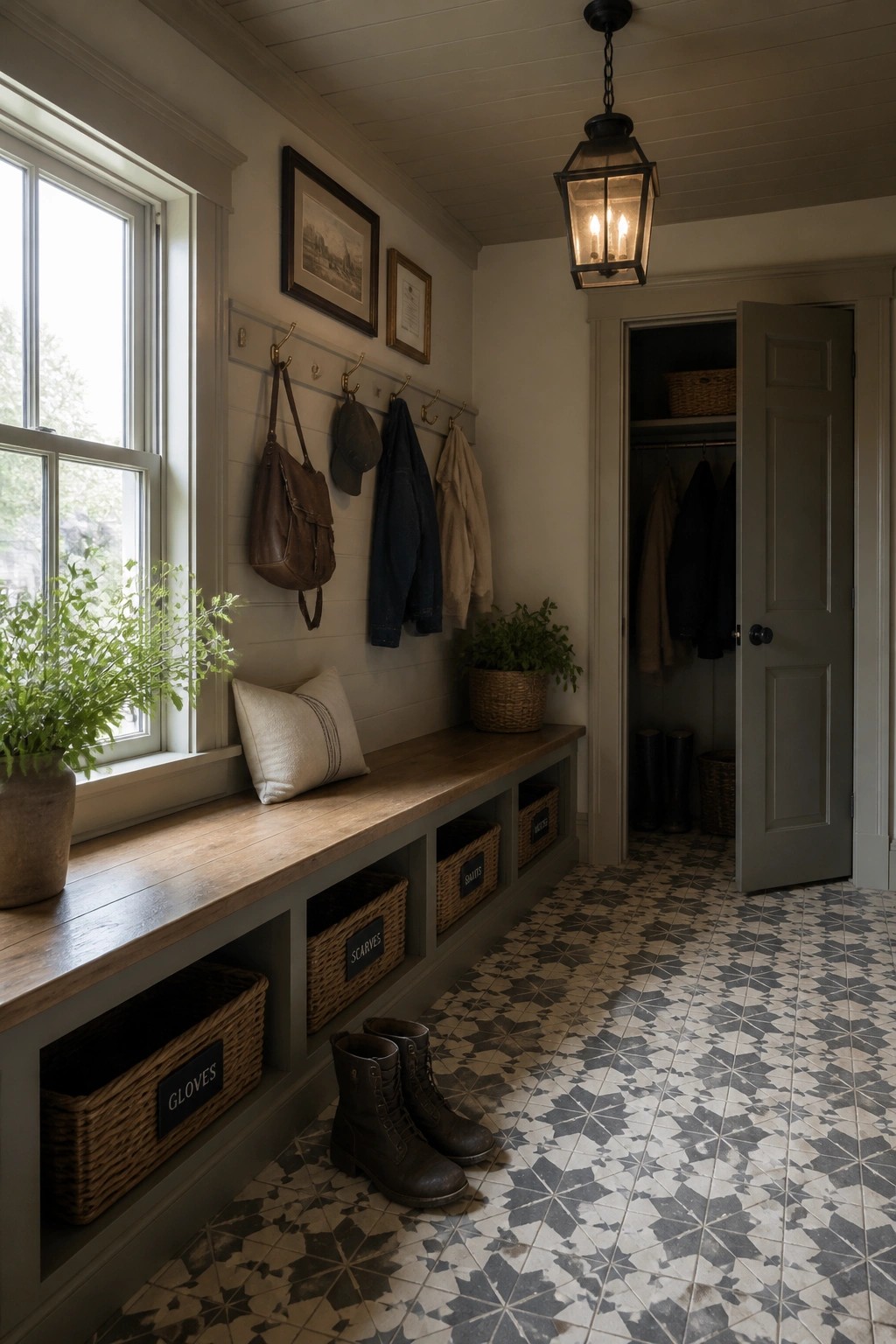
A painted wood ceiling works well in an entry or mudroom because it keeps the space from feeling too closed in. The light color bounces what light there is and gives the room a cleaner look without needing to change the walls or trim.
This choice suits older homes that still have their original wood ceilings. Keep the paint soft and matte so the planks stay visible but do not compete with everything else going on below.
Frequently Asked Questions
Q: Which paint colors hide imperfections best on wood ceilings?
A: Go for matte or eggshell finishes in medium tones. They soften dents and brush marks better than gloss. Lighter shades show every flaw so steer clear if your wood has texture.
Q: How do I keep dust from sticking to a fresh painted ceiling?
A: Wait until the paint cures fully before cleaning. Then use a dry microfiber mop weekly to catch buildup early. This simple habit keeps it looking fresh for years.
Q: Can I paint just the ceiling beams and leave the rest natural?
A: Yes focus on the beams for a quick update that adds contrast. Mask off the flat areas carefully with tape and paper. One coat often does the trick on clean wood.
