

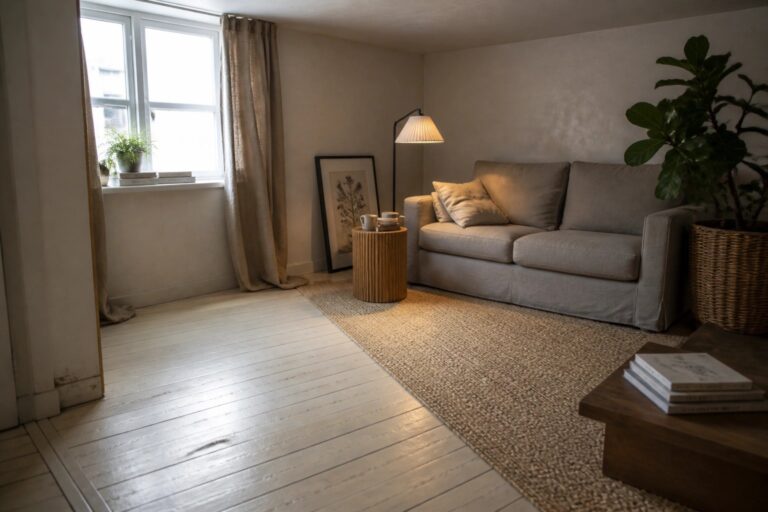
I often find that the floor is what quietly decides whether a room feels finished or still half done.
When I tackled my own hallway last year the choice of wood changed how the light moved through the space and made the narrow walls seem less cramped.
Some ideas are worth testing on a small patch first.
The grain and tone need to work with the furniture and the way people actually walk through the room day after day.
Paying attention to how the boards meet the baseboards and door frames usually saves a lot of extra work later on.
Light Wood Flooring For Everyday Rooms
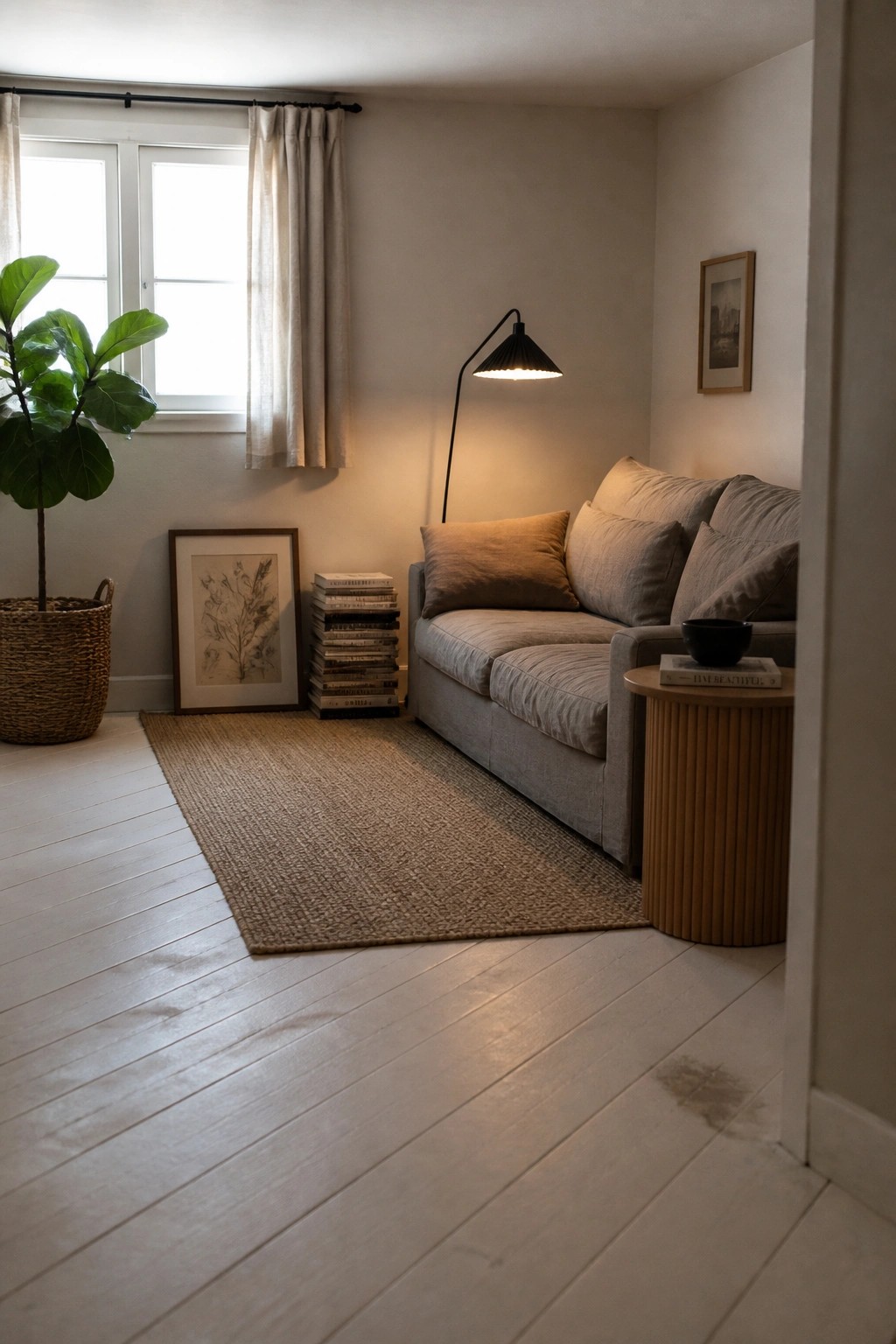
Light wood floors give a room a calm, open base that works with almost any furniture. The pale planks here keep the space from feeling heavy while letting the rest of the room stay simple and neutral.
You can get this look with inexpensive pine boards or even sanded plywood finished with a light stain. It suits small rooms or spaces that need more brightness without adding much cost.
Wide Plank Wood Floors In A Bedroom
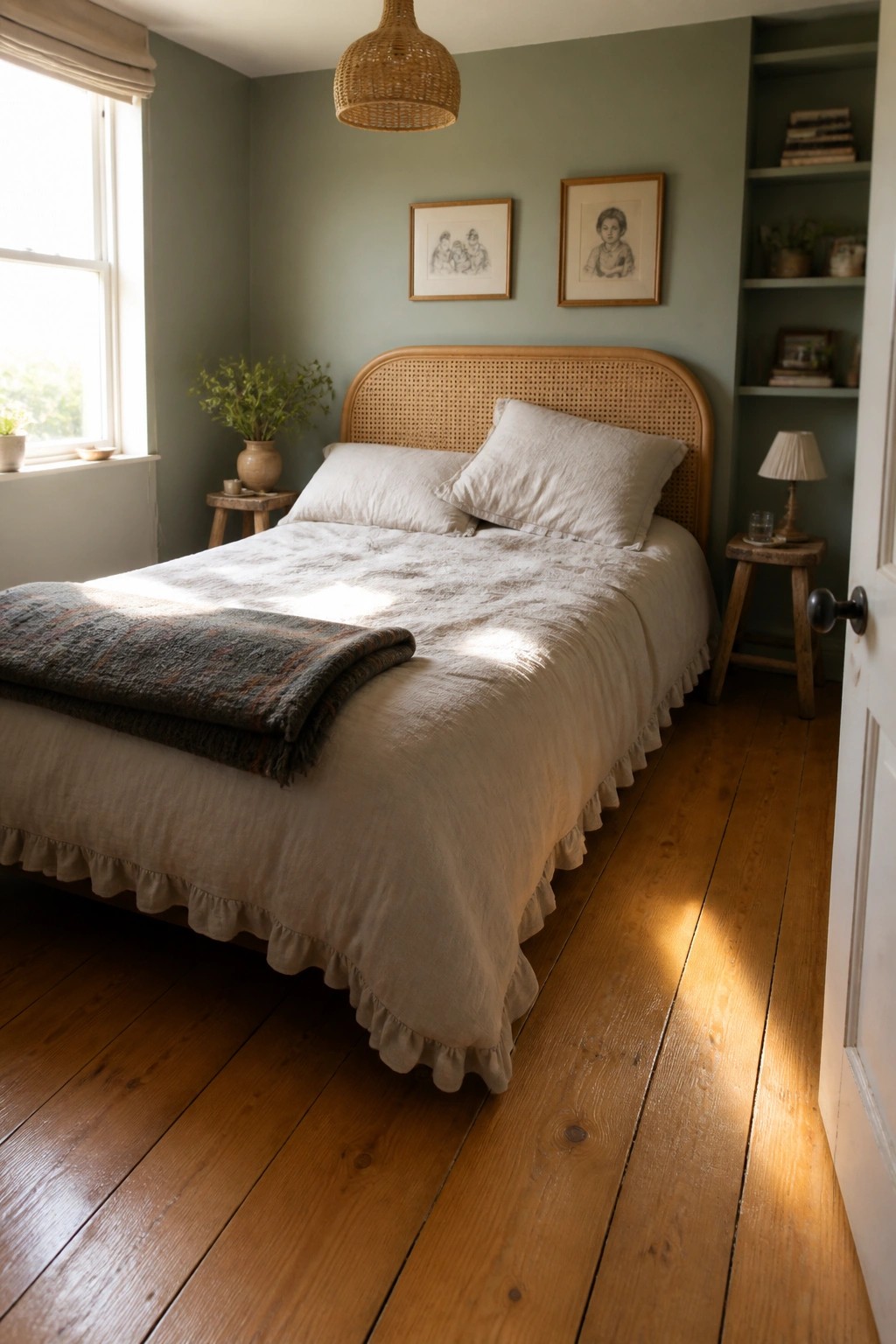
Wide plank wood floors bring a quiet warmth to a bedroom without much effort. They look settled and natural, especially when the planks show a little variation in tone and texture.
This approach works best in simple rooms where you want the floor to carry the look rather than compete with heavy furniture or lots of color. Budget pine or reclaimed boards can be sanded and sealed for everyday use, and they tend to improve with age if you keep the finish light.
Dark Wood Flooring To Warm Up White Cabinets
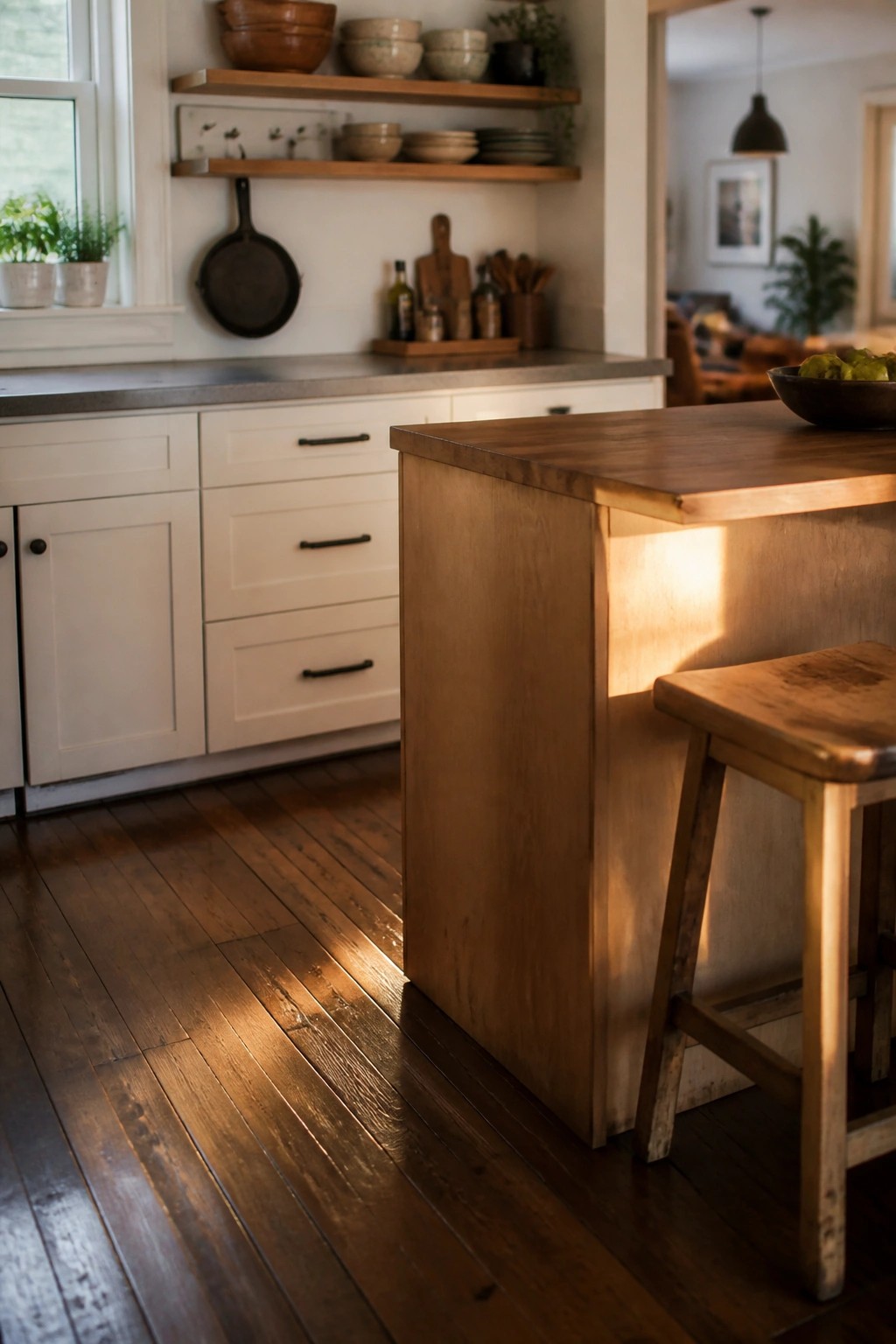
Dark wood floors bring a steady sense of warmth to kitchens that rely on white cabinets. The contrast keeps the space from feeling too bright or cold while still letting the cabinets stay simple and clean.
This approach suits older homes or any kitchen where you already have wood pieces like an island or stools. Many people stain affordable planks themselves to reach the same deep tone without spending much.
Herringbone Wood Flooring In Dining Spaces
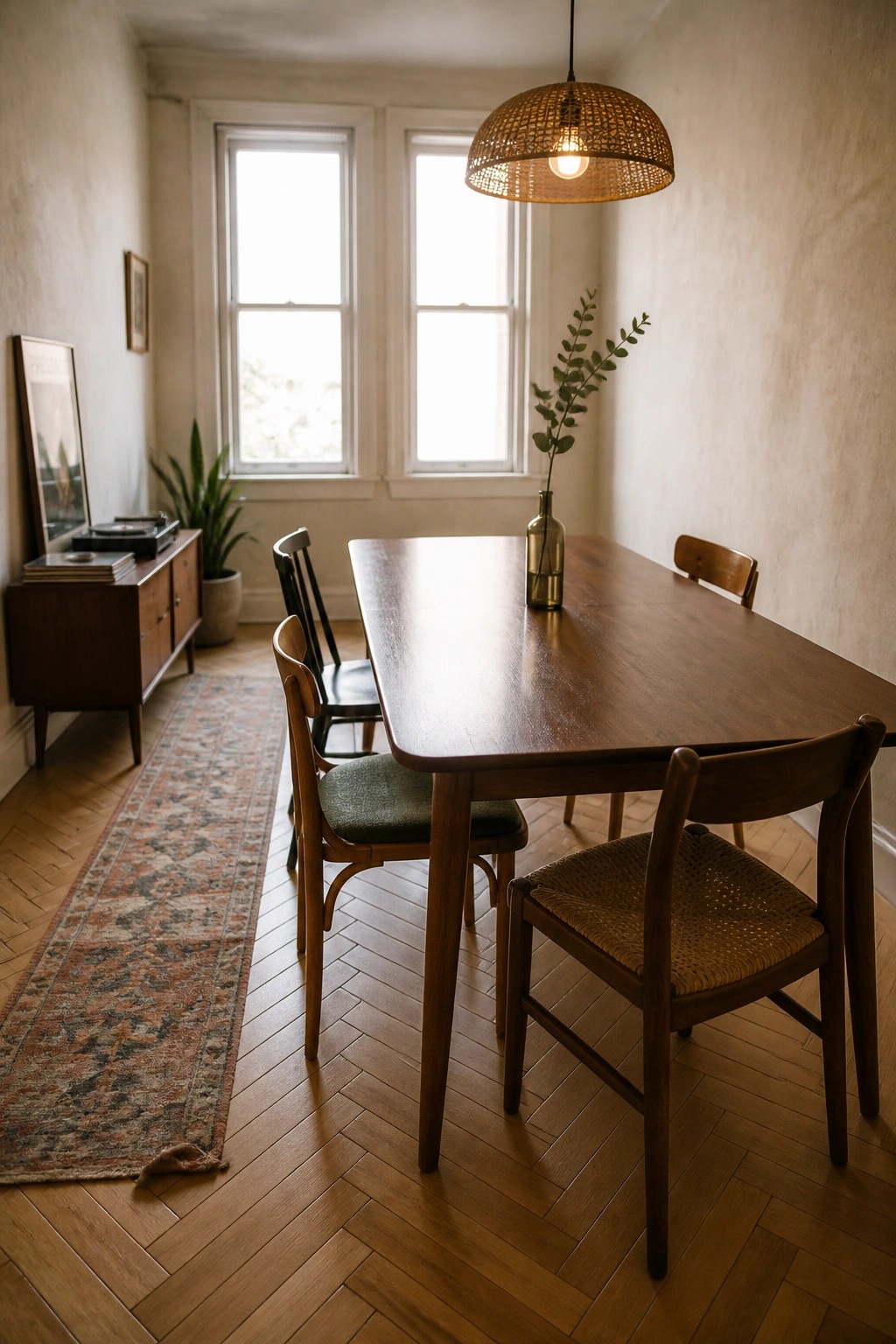
Herringbone wood flooring adds a simple pattern that still feels practical for daily use. Many people like how it brings a bit of structure to a room without needing fancy materials or complicated installs.
This layout works best in medium sized rooms where the floor gets plenty of light. You can start with basic planks and cut them to fit the angle, which keeps costs down while giving the space a finished look.
Wide Plank Flooring In Entryways
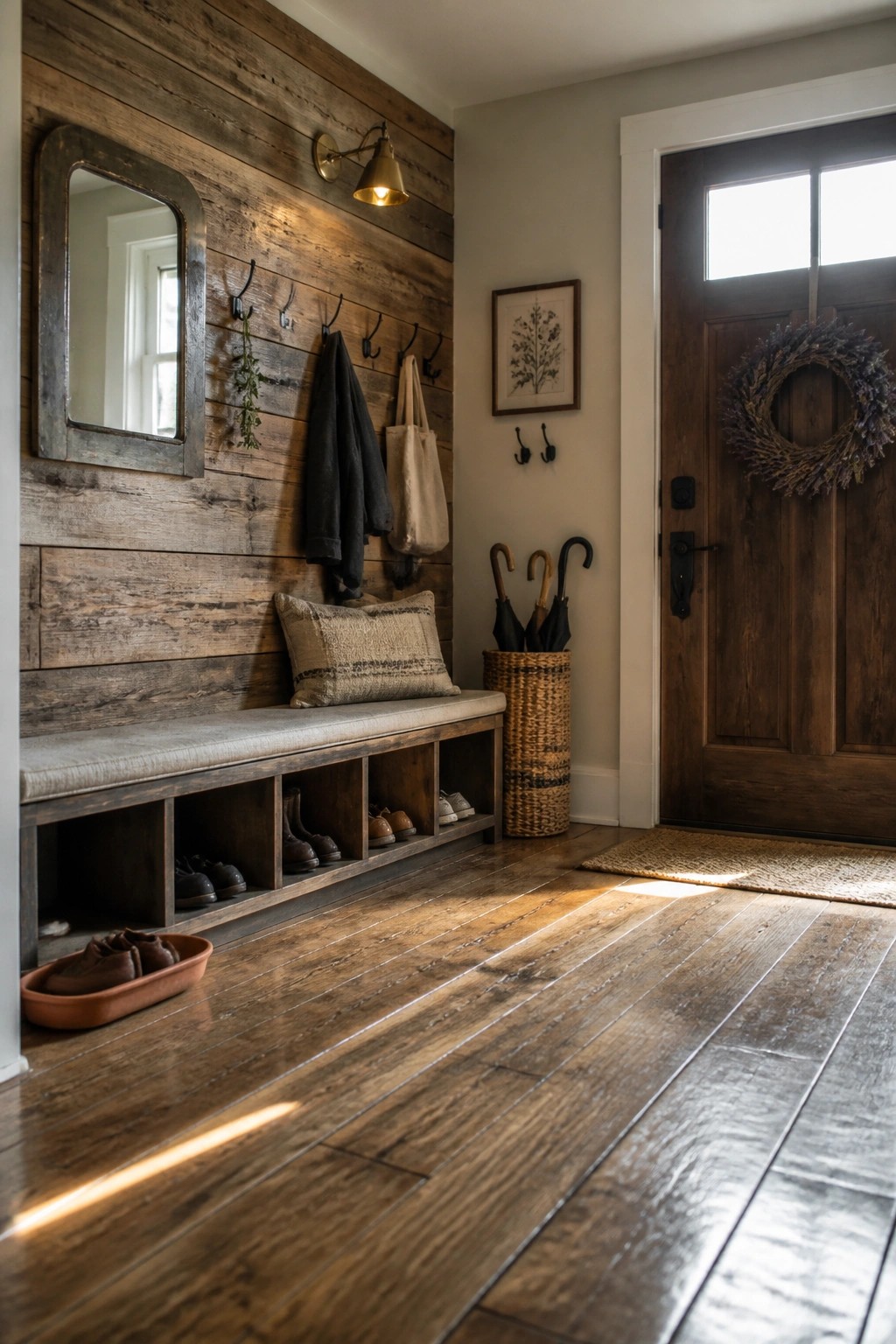
Wide plank wood flooring gives an entryway a solid, lived-in feel without needing a big budget. The planks shown here run straight through the space and handle daily wear from shoes and traffic while still looking warm and simple.
This approach works best in homes that already lean rustic or farmhouse. You can source cheaper lumber or even reclaimed boards, then finish them yourself to keep costs down. Just make sure the subfloor is level and add a durable sealant since entry areas see the most use.
Light Wood Flooring For Home Offices
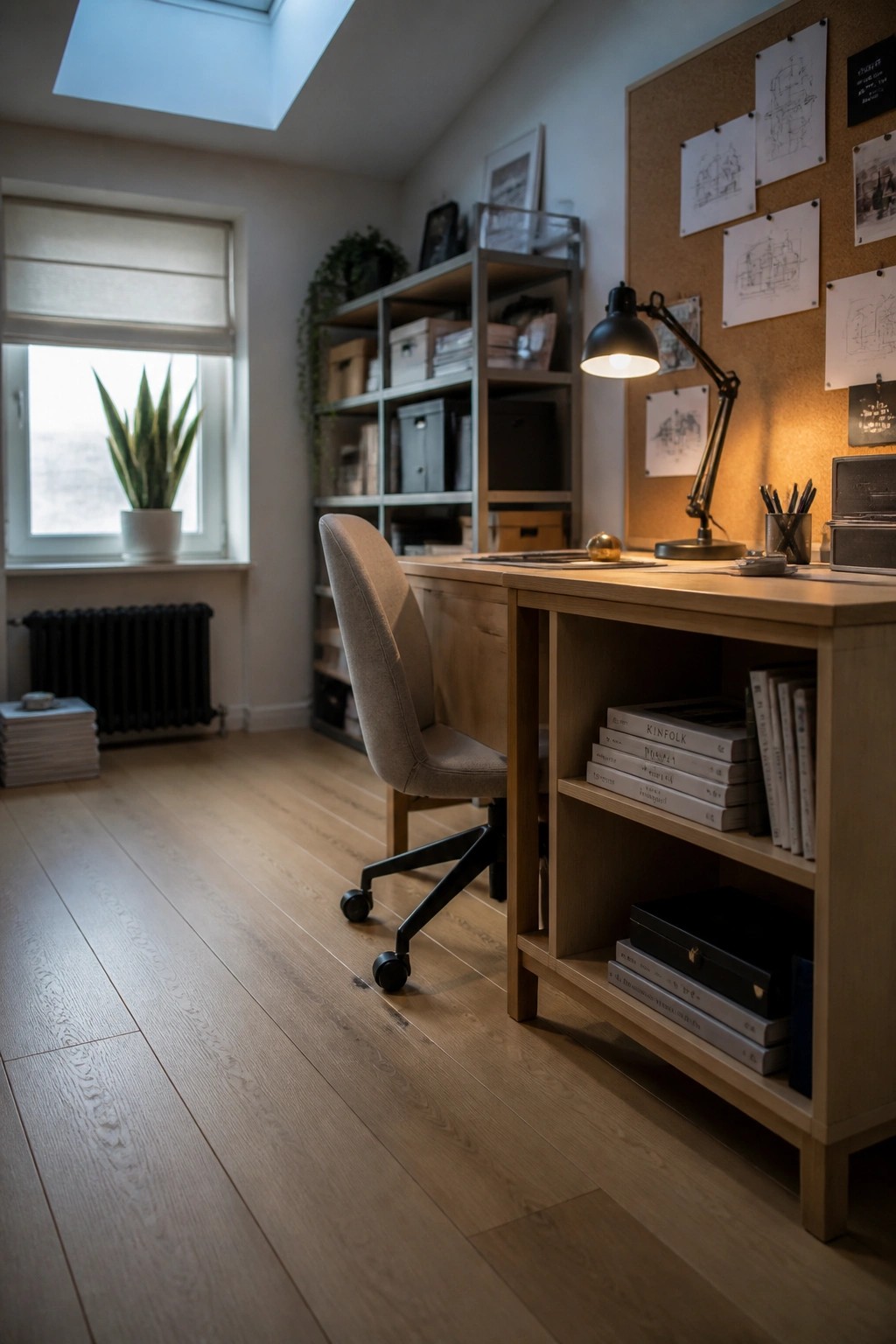
Light wood floors can make a small workspace feel much bigger and calmer without any extra effort. The pale planks reflect light from the window and keep the room from looking heavy even when you add a desk and shelves.
This style works well in any room that doubles as an office. Look for click-together laminate or engineered wood in a light oak tone so the job stays simple and affordable.
Painted Wood Floors For A Fresh Base
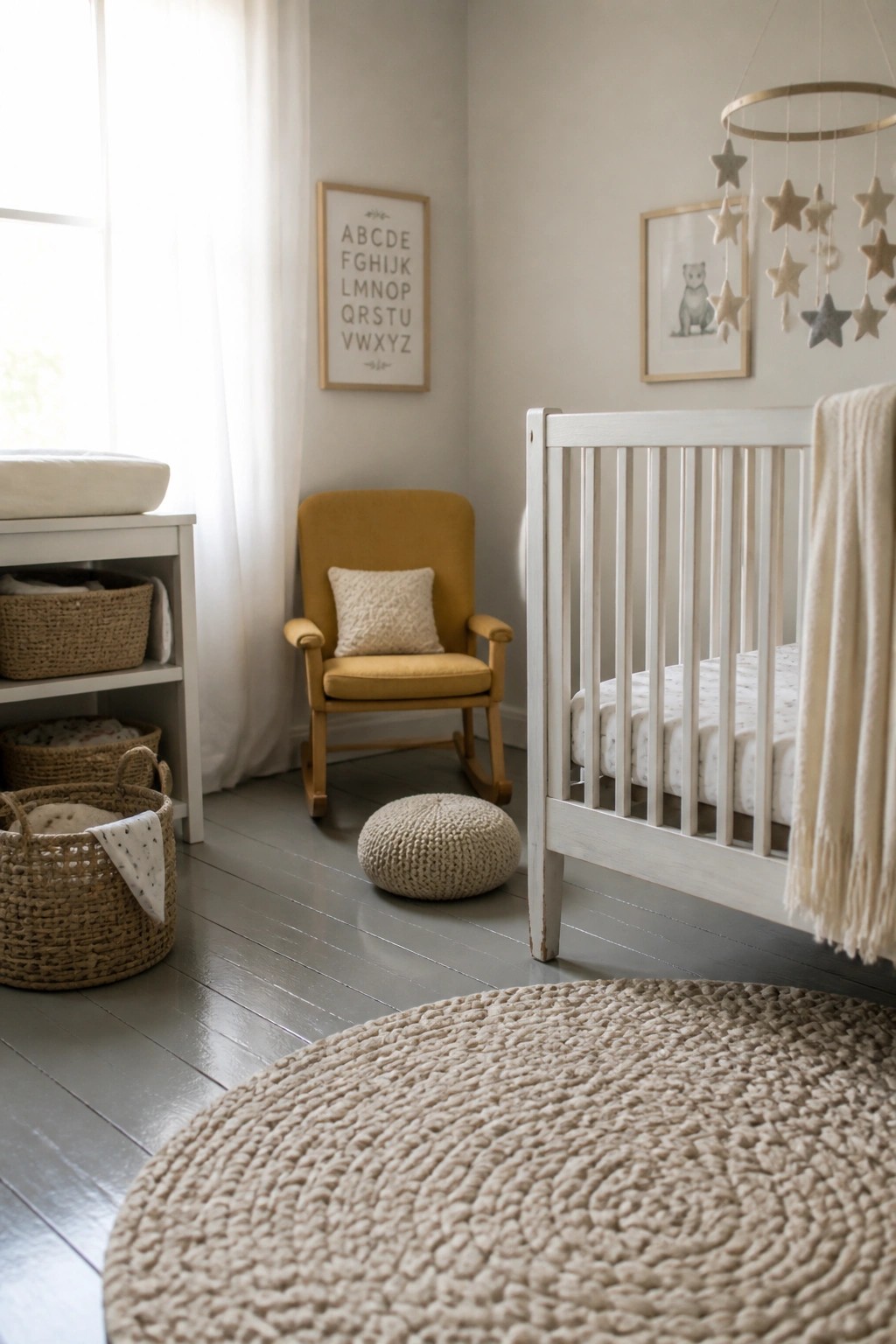
Painting wood floors a light color gives a room a clean and open feel without replacing the boards. This works especially well in smaller spaces where you want the floor to stay quiet and let other pieces stand out.
It suits homes that already have decent wood floors and just need a simple update. Use a good floor paint, sand lightly first, and add a couple of coats so the finish holds up over time.
Plywood Cabinetry For Laundry Rooms
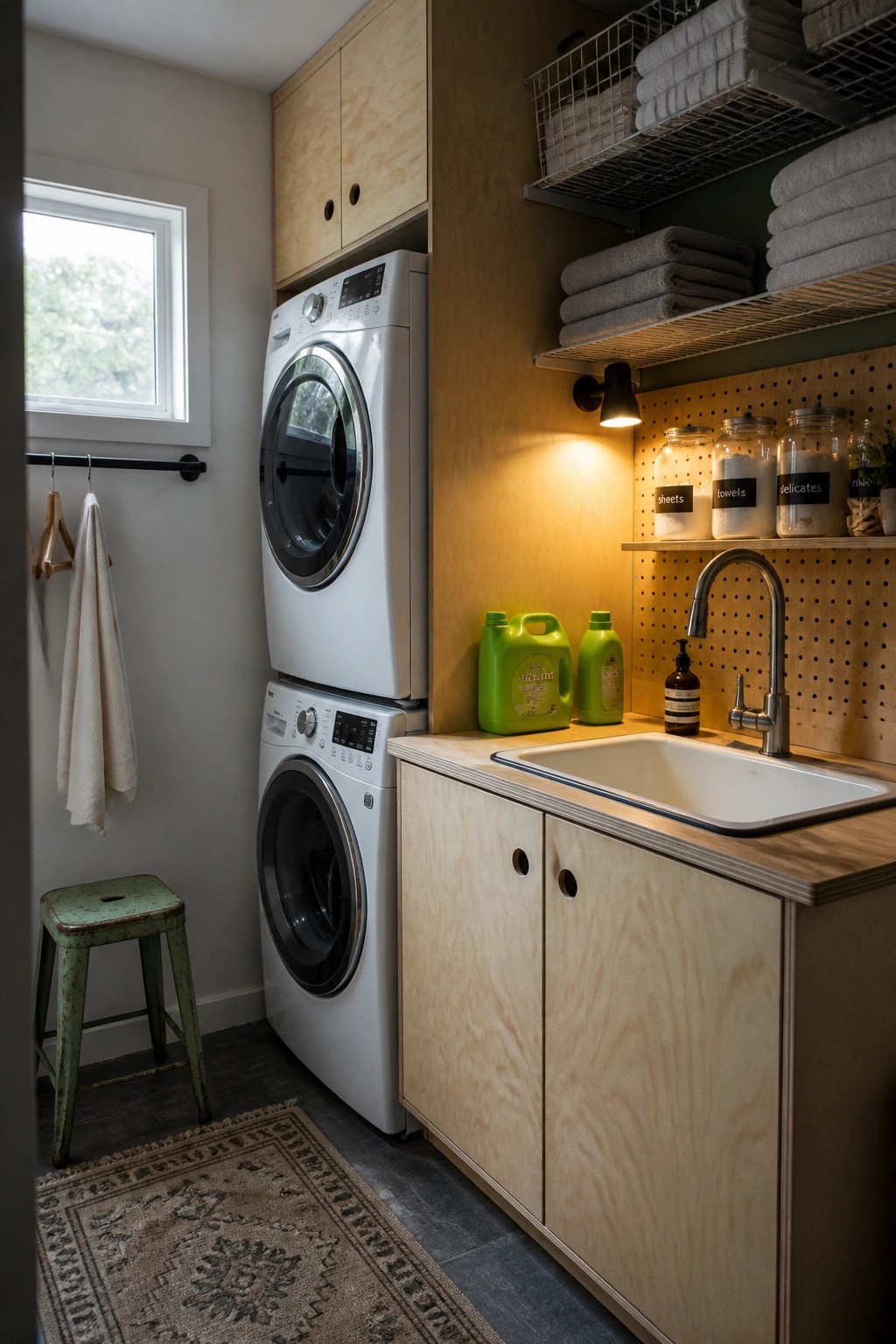
Many people like using plywood when they build storage in a laundry room because it is inexpensive and easy to work with. It gives a clean look without needing fancy materials or a big budget.
This works best in smaller homes where the laundry space also serves as a utility area. Seal the wood properly since moisture can be an issue, and keep the design simple so it stays practical day to day.
Light Wood Flooring In Bathrooms
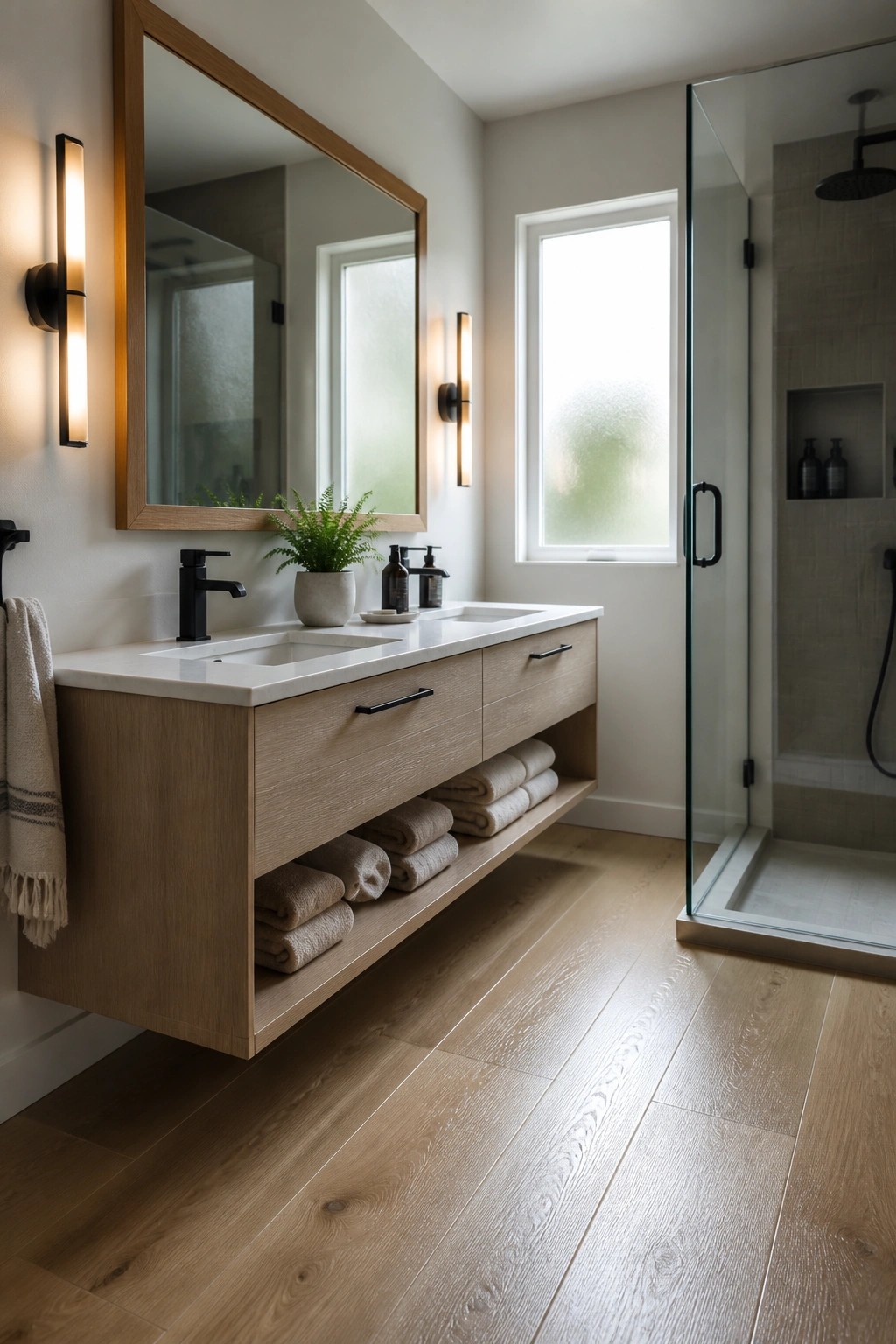
Light wood flooring gives bathrooms a brighter, more open feel even when the room is small. The pale tone reflects light from windows and helps the space look less cramped than darker floors would.
This approach works best in homes where you want a natural material without high cost. Look for budget-friendly waterproof laminates or vinyl planks that mimic real wood grain, and keep the rest of the room simple so the floor stays the main feature.
Reclaimed Wood On Stair Treads
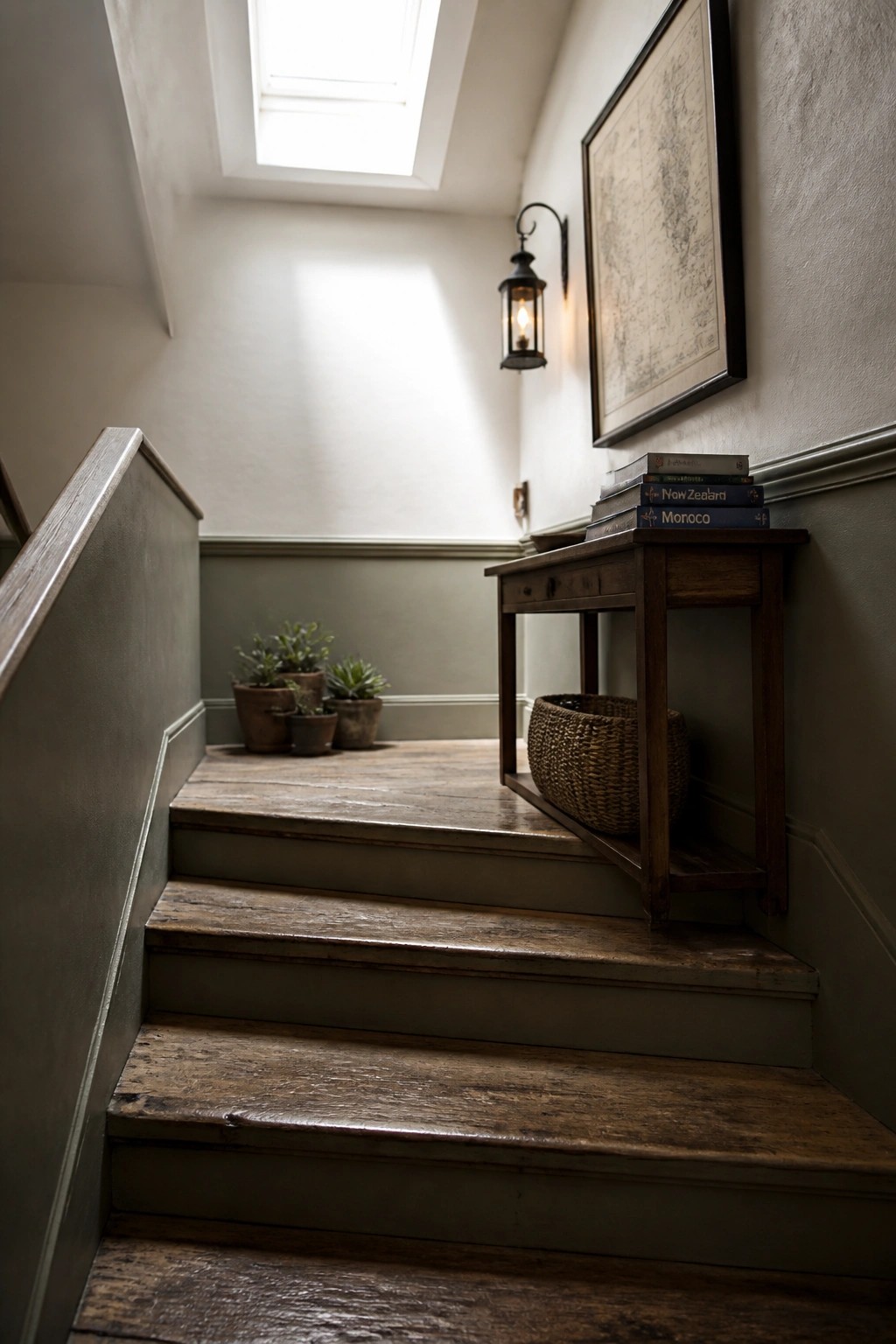
Reclaimed wood works especially well on stairs because the material already has character from age and wear. It gives the steps a grounded look that blends with the rest of a home without needing new flooring throughout.
This approach suits older houses or any space where you want the staircase to feel connected to nearby wood floors. Focus on securing the planks firmly and checking for rough edges so the surface stays safe to walk on.
Light Wood Flooring For Everyday Warmth
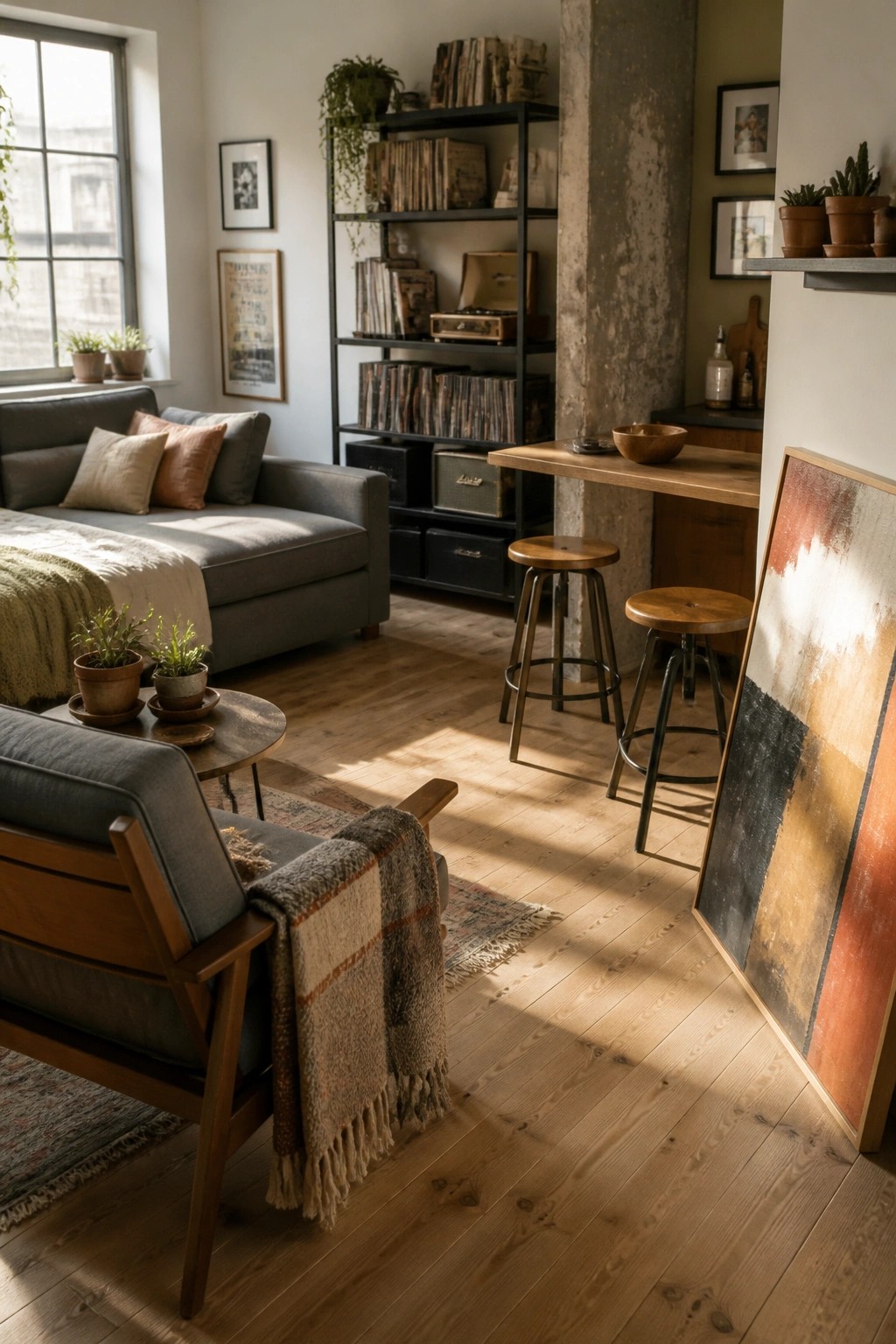
Light wood planks like the ones running through this room give a space a calm base that feels easy to live with. The color keeps things bright and helps smaller or older rooms feel a bit more open without any fancy finishes.
This kind of flooring works well in living areas where you want warmth but still need it to hold up to daily use. It pairs nicely with simple furniture and older pieces, and the lighter tone tends to hide scuffs better than darker wood would.
Dark Wood Flooring For Everyday Living Rooms
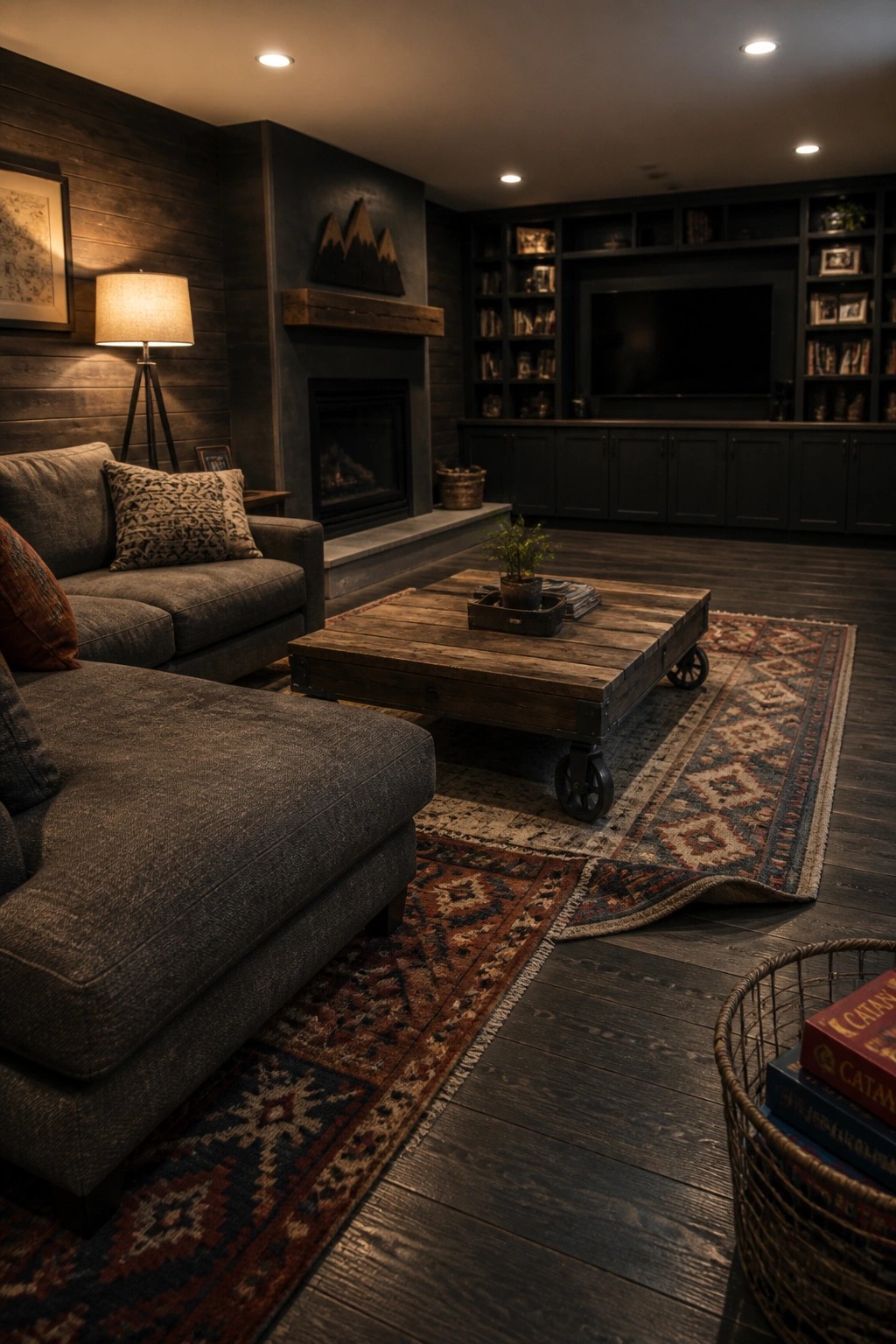
Dark wood flooring gives a living room a solid, finished feel without needing a lot of extra pieces to make it work. It holds up well under daily use and pairs easily with whatever furniture you already have.
This option suits homes that need something practical but still warm. The darker tone hides marks better than lighter shades, so it stays looking decent longer even when rugs get moved around or shifted over time.
Light Wood Flooring For Kitchens
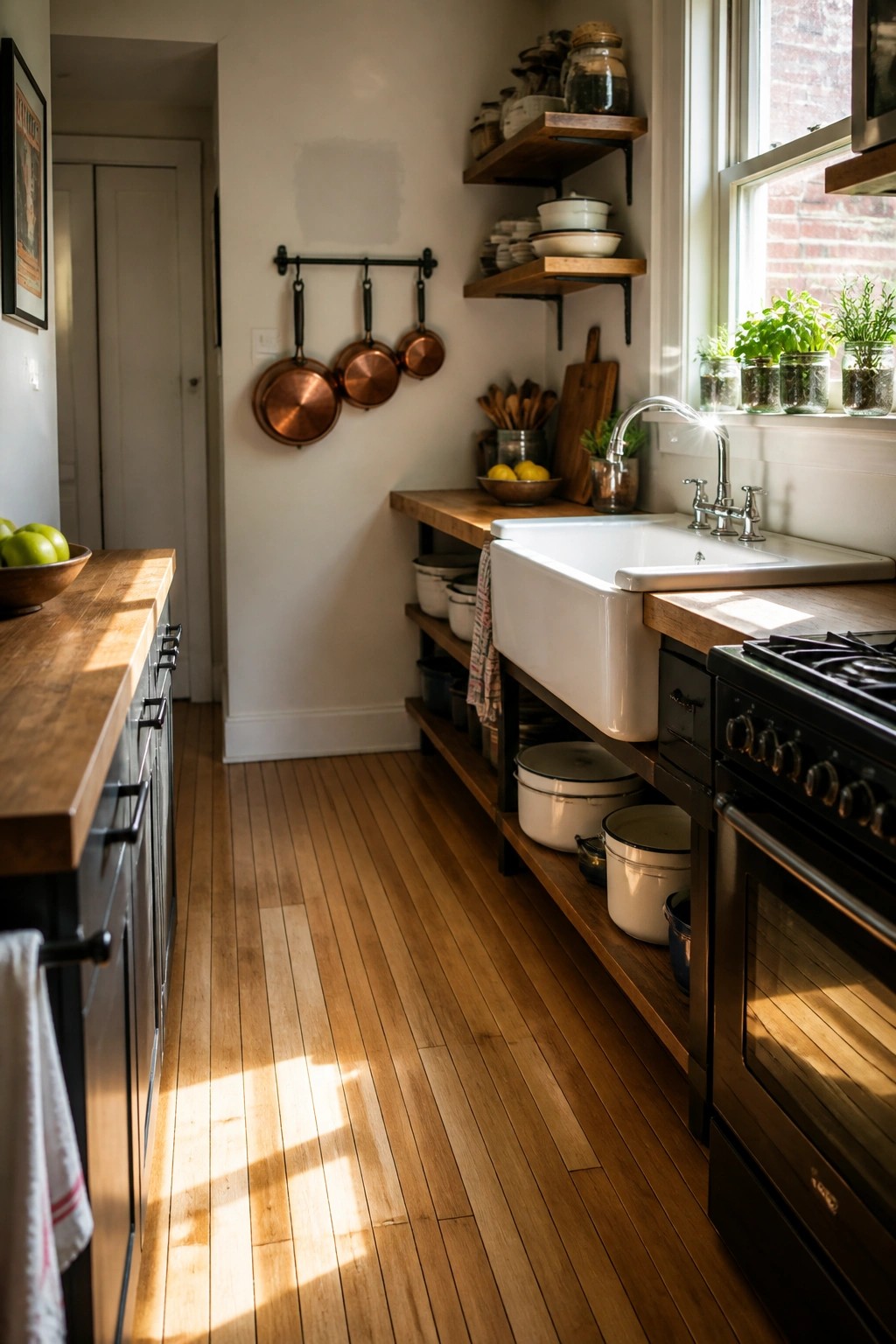
Light wood flooring stands out in a kitchen because it keeps the space feeling open and easy to work in. The natural tone warms up the room without needing a lot of extra color or pattern on the walls. Many people like it because it handles daily use well and still looks clean after a few years.
This style works best in smaller or narrow kitchens where you want the floor to help the room feel a bit bigger. You can install basic pine or spruce planks yourself and finish them with a light stain to match the look. Just make sure the boards are sealed well against spills.
Painted Wood Floors In Soft Colors
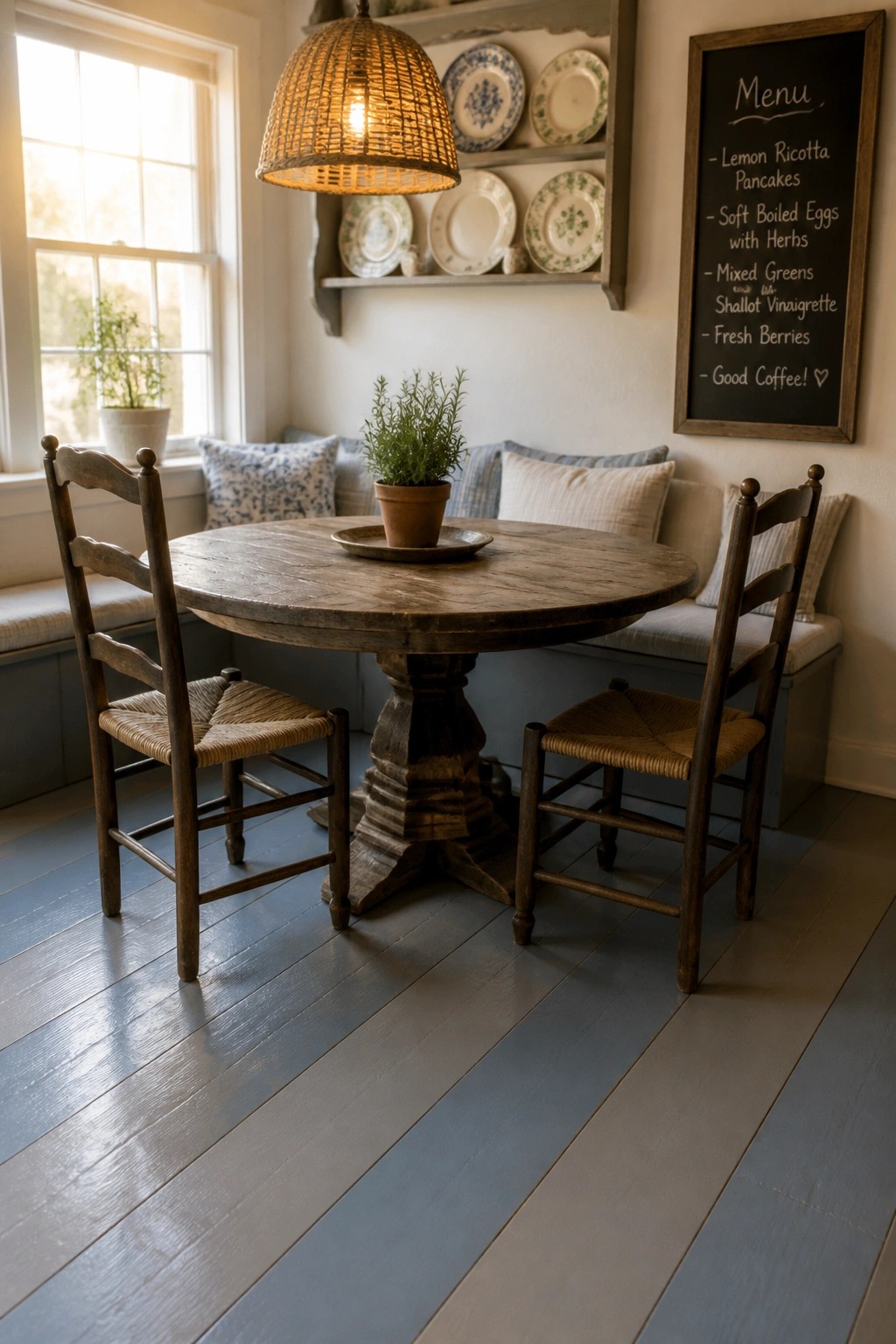
Painting wood floors is one of the easiest ways to change the feel of a room without tearing anything out. A soft blue gray finish like the one on these planks keeps the space light while still letting the wood texture show through.
This works best in older homes where the boards are still sound but the original finish looks worn. Clean the floor well first, then use a good floor paint and add a couple of coats of sealer on top for durability.
Painting Wood Floors White
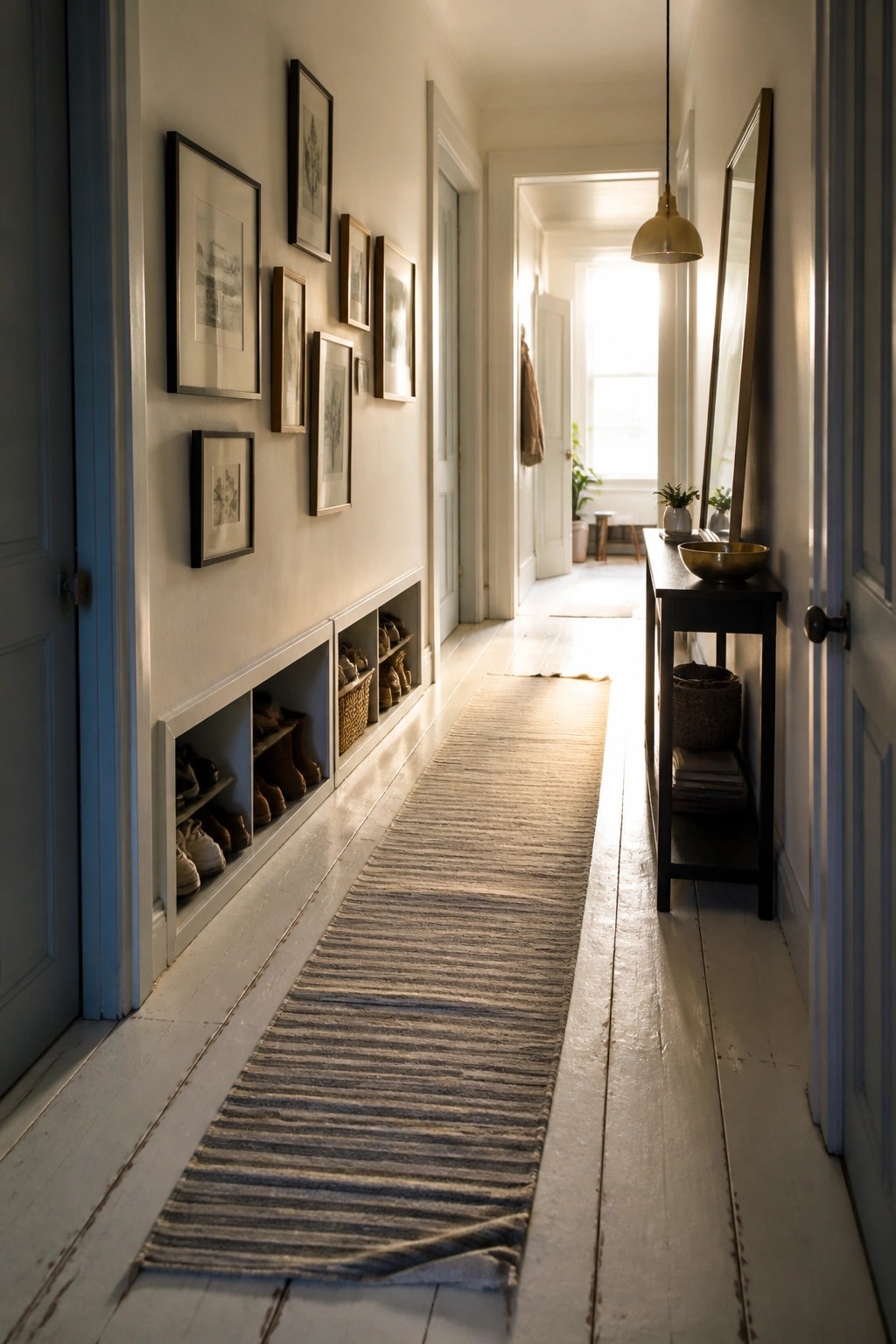
Painting wood floors white gives a hallway a lighter and cleaner feel without needing new materials. It works especially well in narrow spaces where light is limited and older boards already exist underfoot.
This approach suits older homes or rentals where the goal is a quick refresh. Sand lightly if needed, apply floor paint in a few coats, and protect the surface with a simple runner in high traffic areas.
Natural Wood Floors For Sunrooms
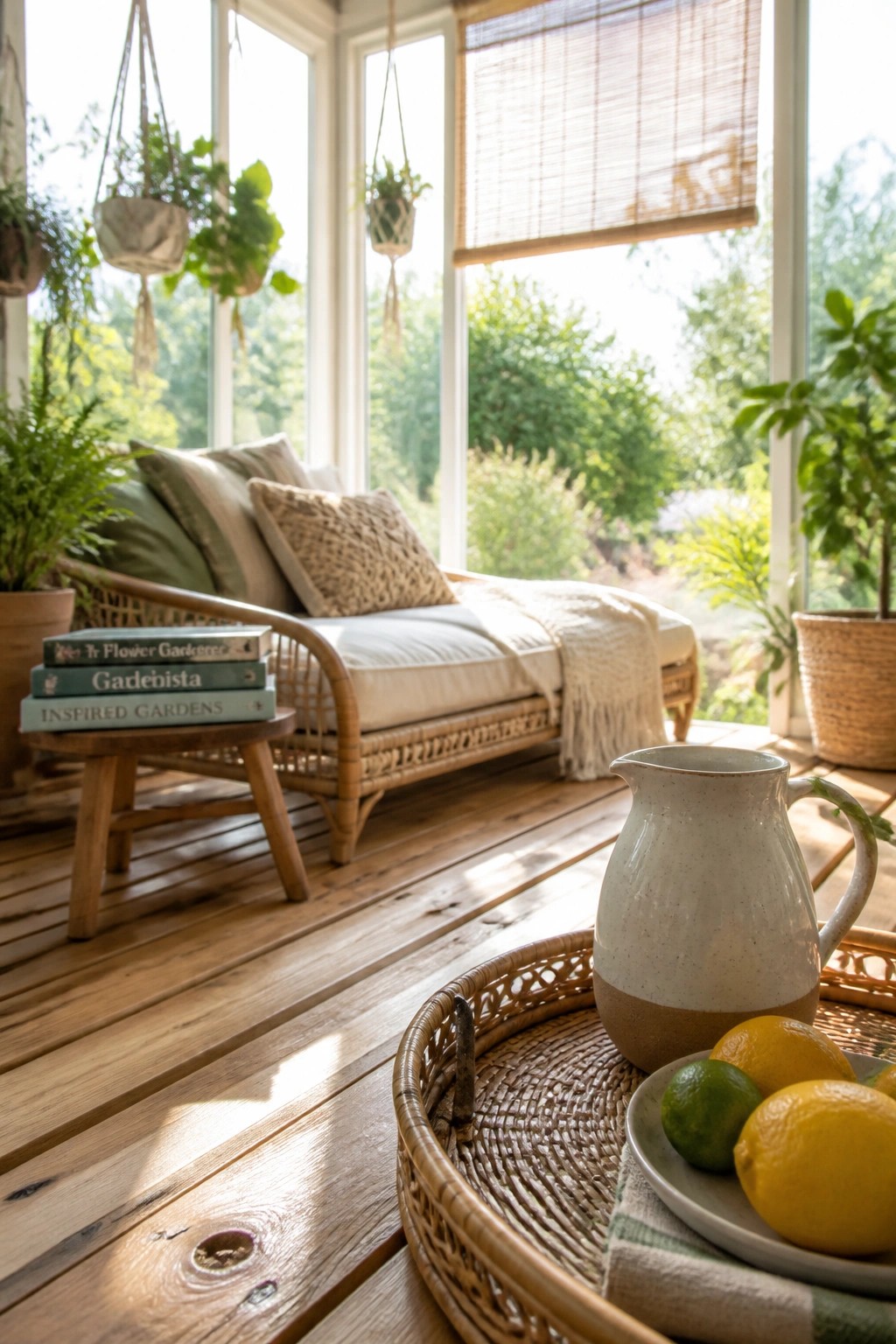
Wood flooring brings a warm base to sunrooms without competing with all the light and plants. It holds up well in bright spaces and gives the room a grounded feel that painted or tiled floors often lack.
This approach works best in homes where the sunroom connects to the garden or backyard. Stick with straightforward plank styles that are simple to cut and lay yourself, and avoid anything too glossy that might show every mark from daily use.
Geometric Wood Floors On A Budget
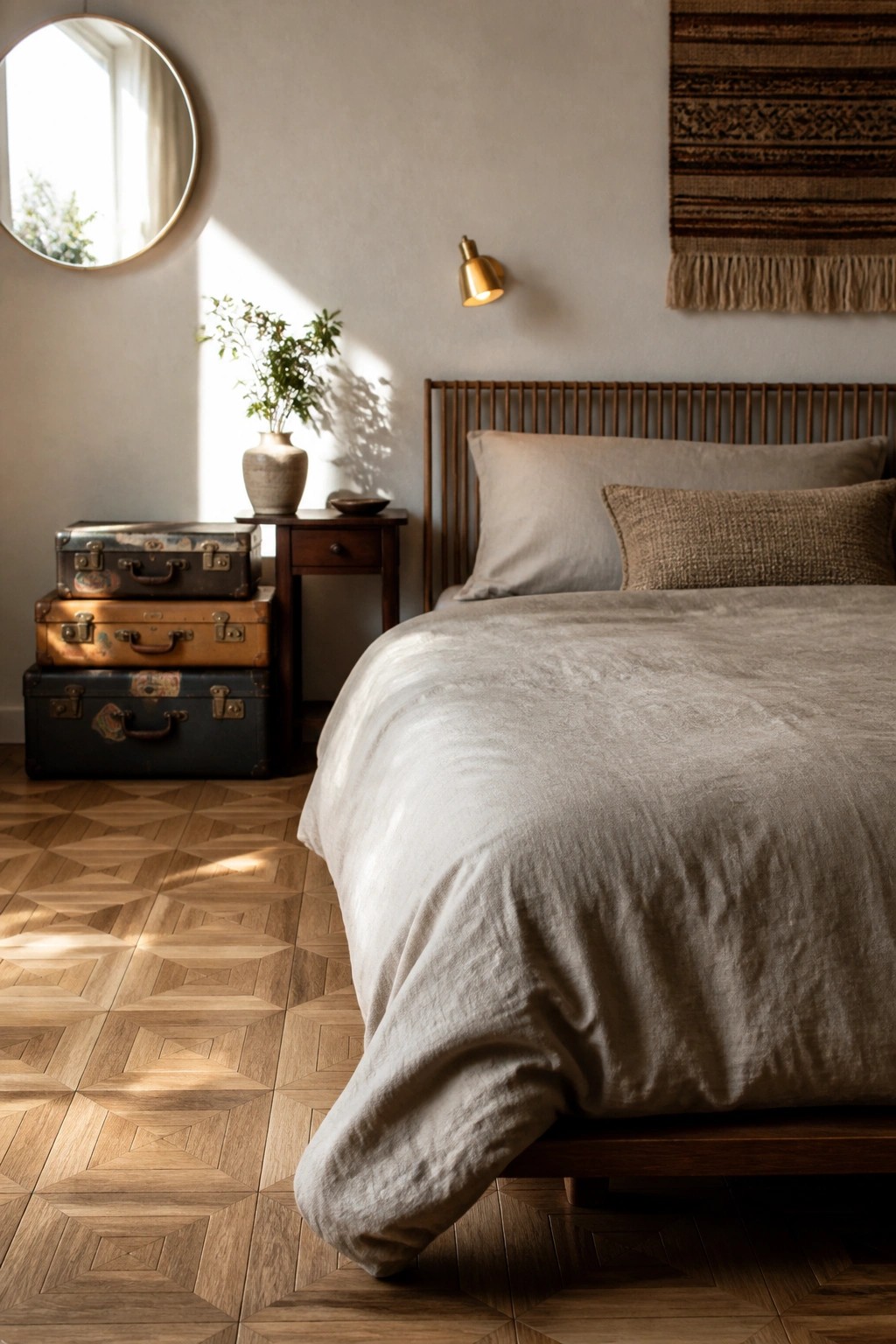
A patterned wood floor like this one brings quiet interest to a room without any extra layers or rugs. The repeating shape catches light nicely and makes the space feel more finished than plain boards would.
You can get a similar look with basic plywood or thin hardwood strips cut into triangles. It works best in smaller rooms where the pattern stays visible but does not overwhelm. Keep the finish light so the grain shows through instead of hiding it.
Herringbone Wood Flooring
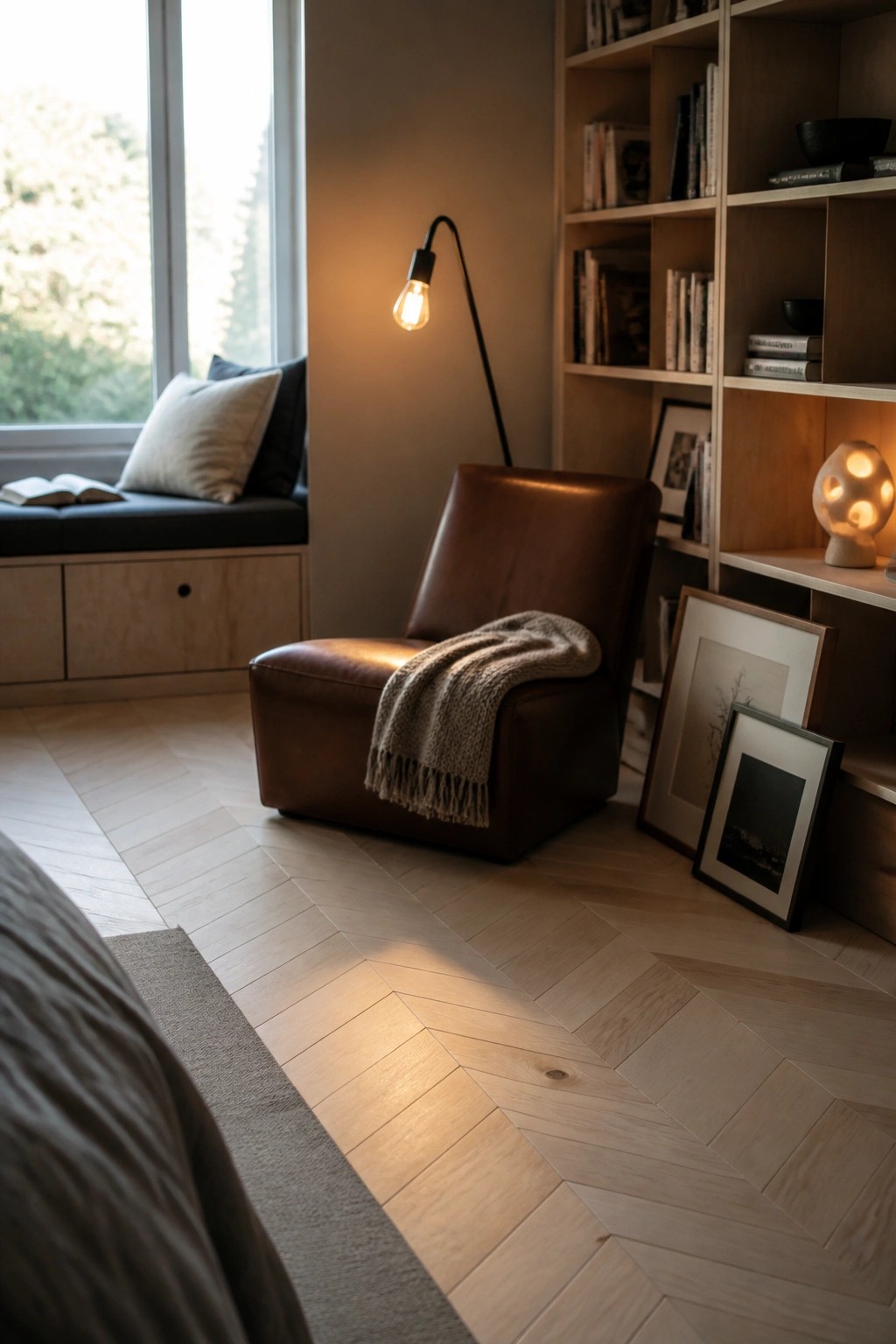
Herringbone wood flooring brings a bit of pattern and movement to a room without needing lots of extra pieces or fancy finishes. It works especially well in spaces that already have simple furniture and neutral walls, since the floor itself adds enough visual interest to keep things from feeling flat.
This layout suits smaller rooms or open living areas where you want the floor to feel intentional but still easy to maintain. Many budget wood options or even laminate versions can be cut and arranged in this pattern if you plan the layout carefully and start from the center of the room.
Light Painted Wood Floors In Entry Areas
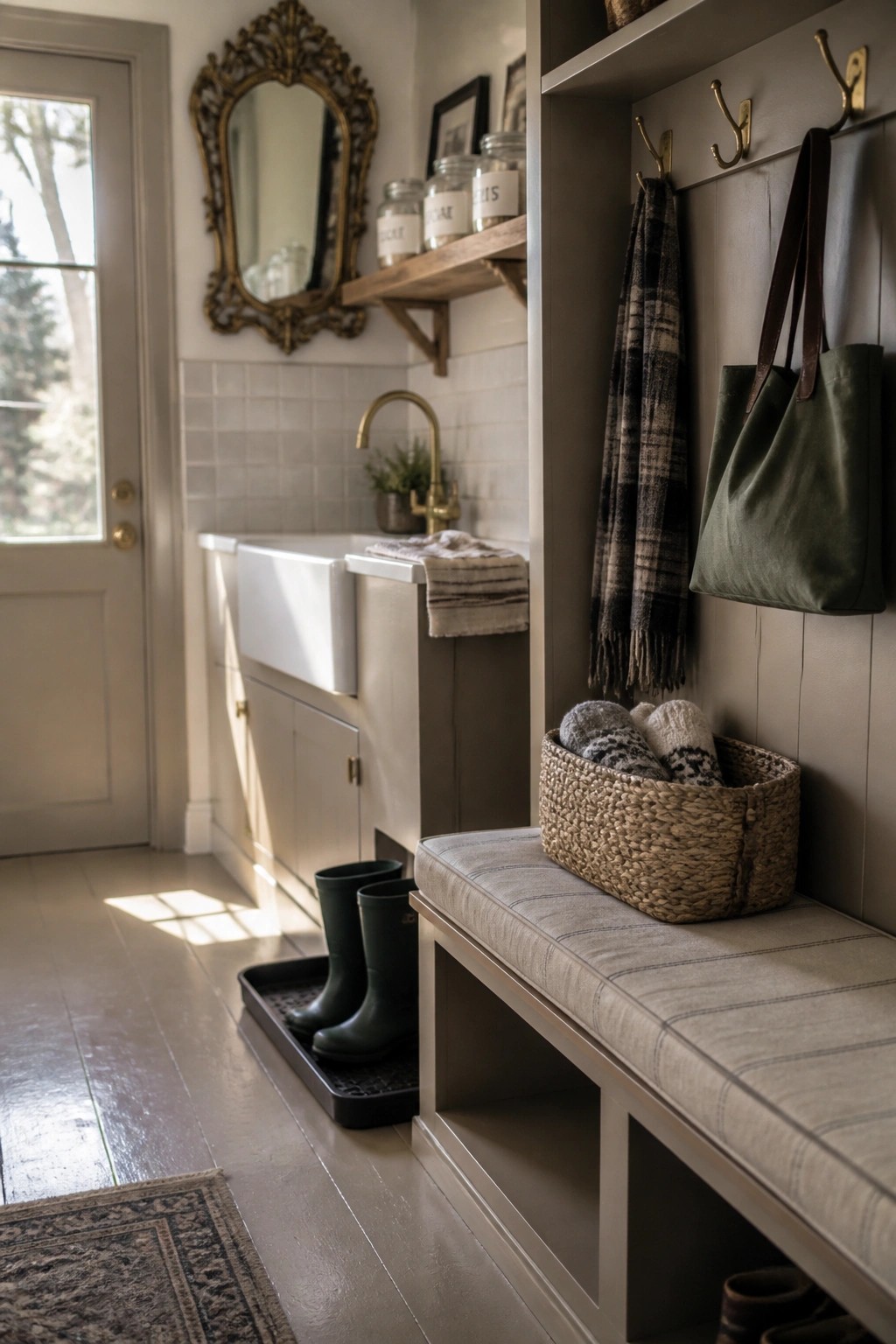
Light painted wood floors hold up better than people expect in spots that see constant traffic. The pale finish hides scuffs and dirt while still showing the grain, which keeps the whole space from feeling dark or closed in. Many people start with basic pine boards and add a couple coats of floor paint for a finish that lasts.
This approach works best in homes that need a durable but simple floor in the entry or mudroom. It suits older houses with uneven subfloors and gives you a clean look without spending much on materials. Just make sure the paint you choose is made for floors so it does not chip quickly.
Affordable Wood Planks For Home Gyms
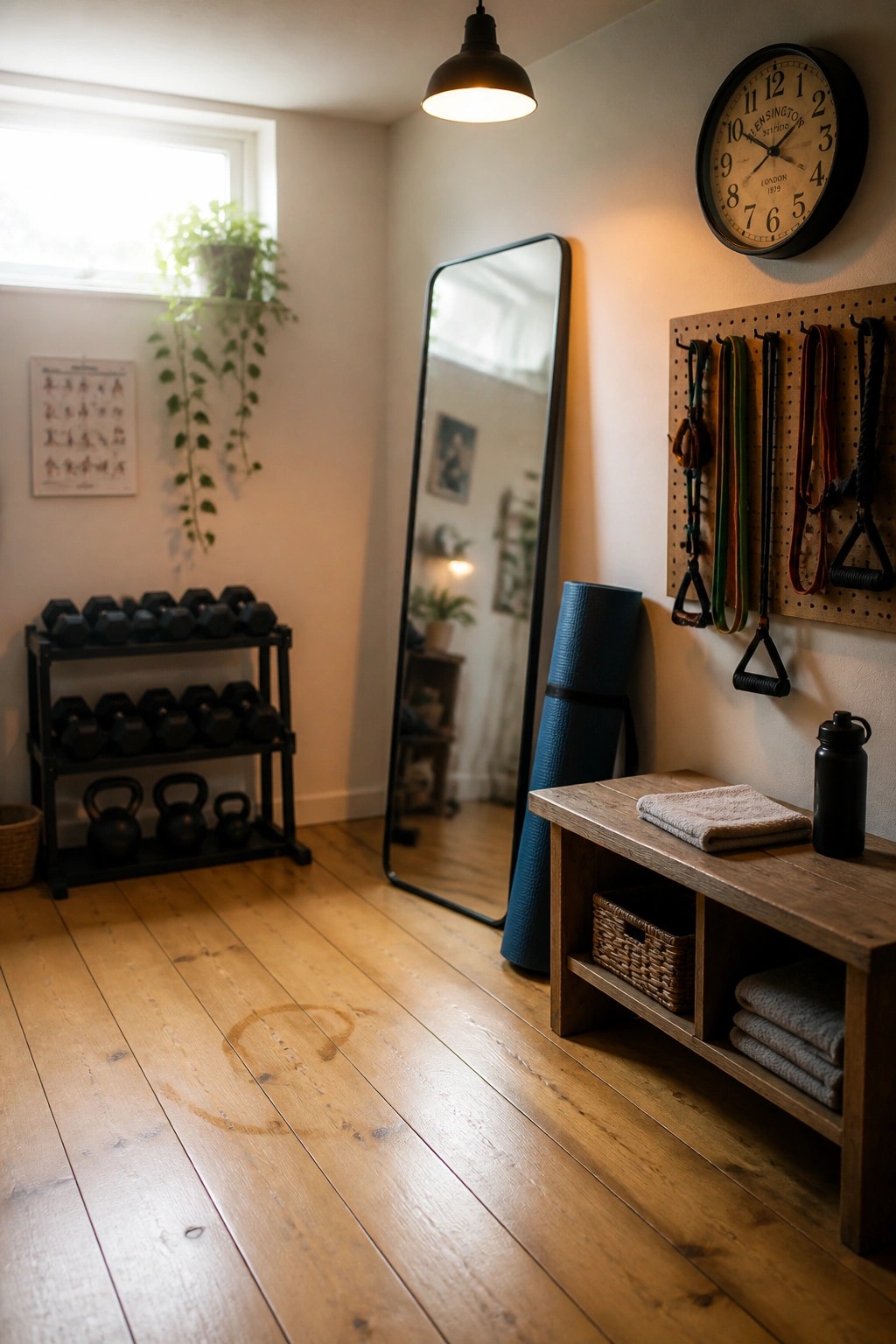
Wood flooring holds up well in rooms that get heavy daily use. The light planks here give a simple, clean base that still feels warm and easy to keep clean around weights and mats.
This approach works best in smaller active spaces where you want something practical but not too cold underfoot. Seal the surface well and stick with wider planks so the floor stays steady when equipment moves around.
Frequently Asked Questions
Q: Do I need to level my subfloor before starting any of these projects?
A: Check for dips and bumps with a long straight edge first. Fill low spots with a basic leveling compound from the hardware store. This keeps boards from shifting or making noise once you lay them down.
Q: Should I seal the wood after installing it myself?
A: Brush on a clear polyurethane finish after the floor is clean and dry. It guards against spills and scuffs without adding much expense. Touch it up every couple of years to maintain the protection.
Q: How long does it take to finish one of these rooms?
A: Most people finish a small space over a weekend. Break the work into sections so you can keep using the rest of the house.
