

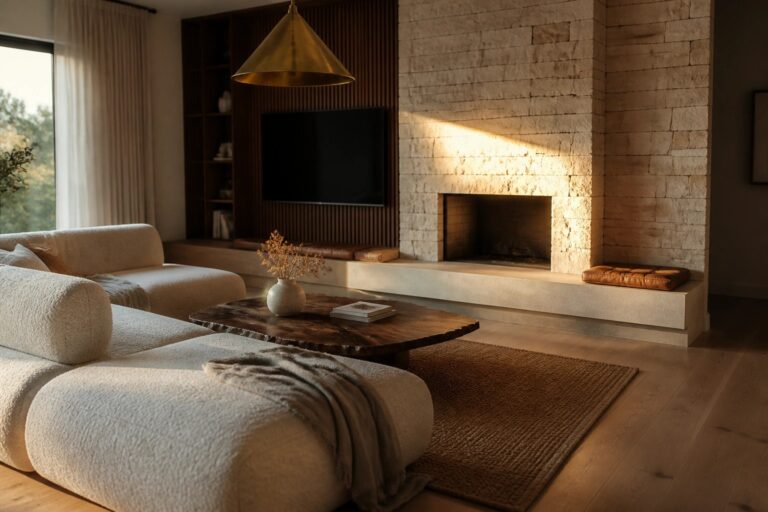
I have noticed that wood and stone tend to settle a room into a quieter rhythm once they are placed where daily movement happens most.
In my own home the combinations that worked came from letting the grain and the rough edges meet without forcing them into perfect symmetry.
Scale and proportion decide whether the mix feels balanced once the furniture is in place.
Trying out one pairing in a single wall or built in first made it clearer which textures would hold up to light changes and actual use.
Corners and transitions between the two materials often end up carrying more weight than the larger surfaces when the room is finished.
Stone Hearth Seating Built Right In
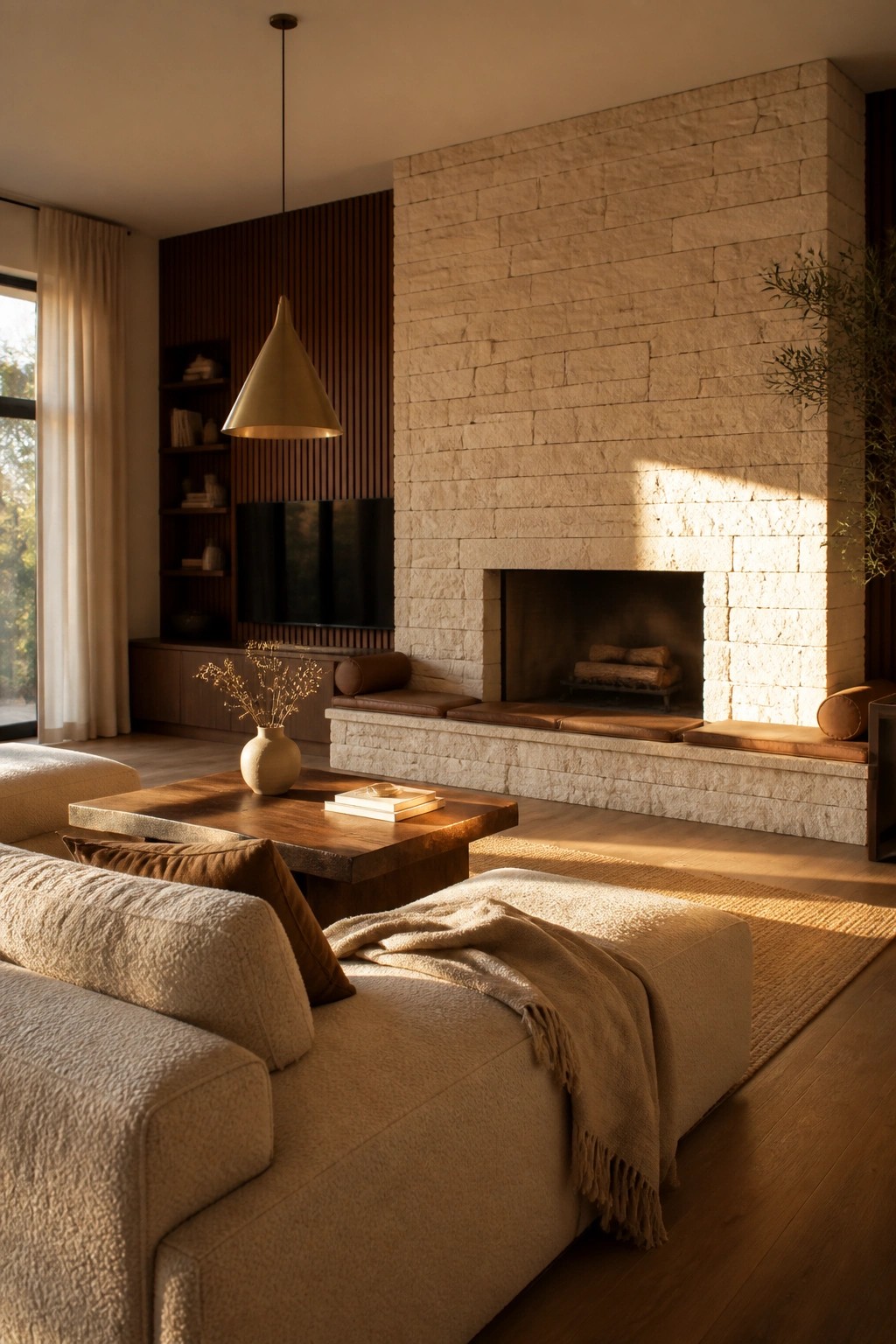
A wide stone hearth that doubles as seating gives the fireplace a practical role in the room instead of just sitting there as a backdrop. The built-in cushions make it easy to pull up and sit close to the fire without dragging over extra chairs.
This setup works best in living rooms that already have wood tones on the walls or floors. It keeps the space from feeling cluttered while still giving you more places to sit. Just watch the depth of the hearth so it feels comfortable rather than too shallow.
Pairing Wood And Stone In The Bedroom
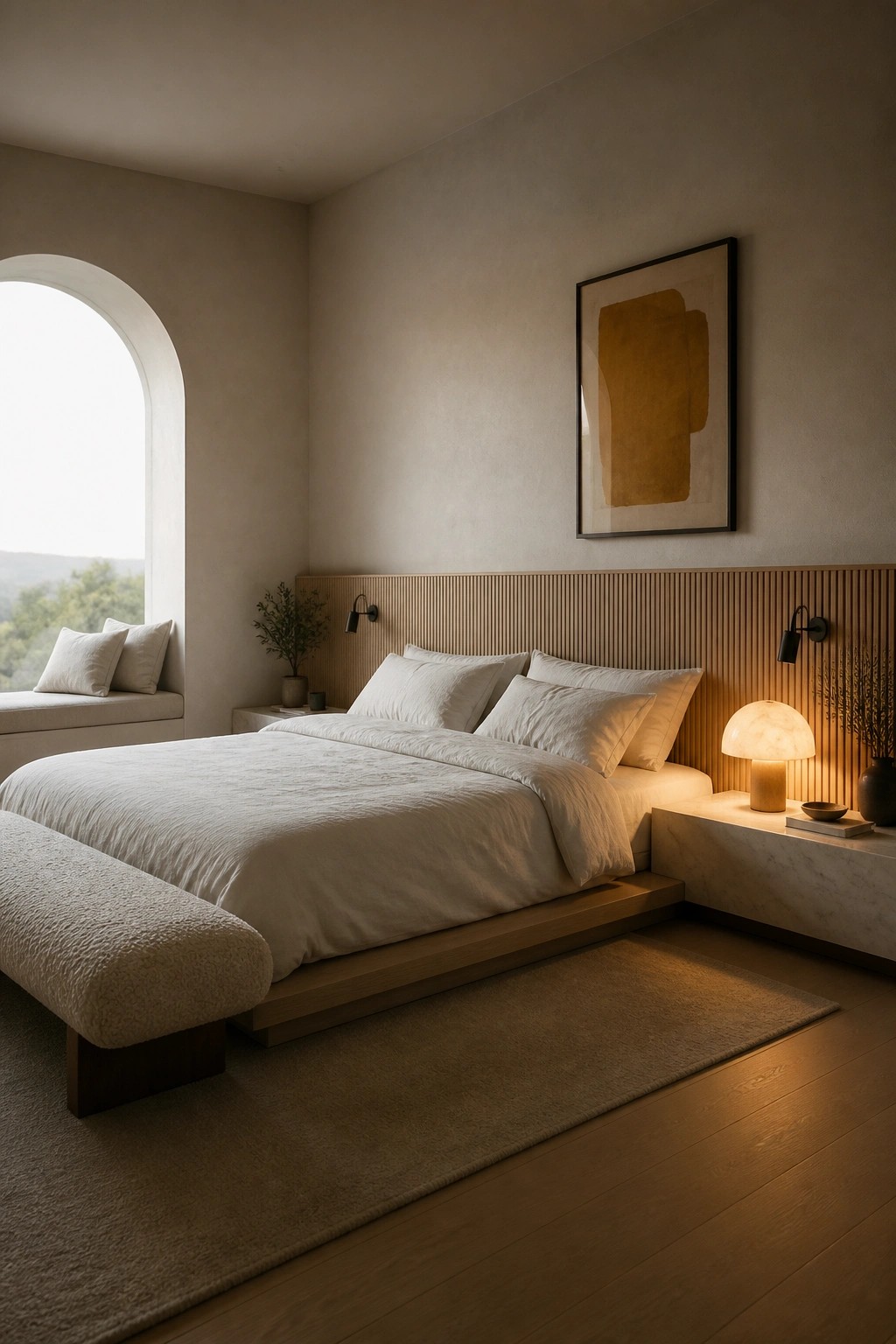
A low wood platform bed next to stone nightstands gives a bedroom that quiet mix of warmth and weight. The wood keeps things grounded while the stone adds a cooler, solid surface that feels lasting. It works because the two materials balance each other without needing much else.
This approach suits simple bedrooms where you want natural texture but not a lot of pattern or color. Keep the wood tones close and let the stone stay light so the contrast stays soft. It also helps if the room already has wood floors, since the nightstands can echo that without matching exactly.
Stone And Wood Create Natural Kitchen Contrast
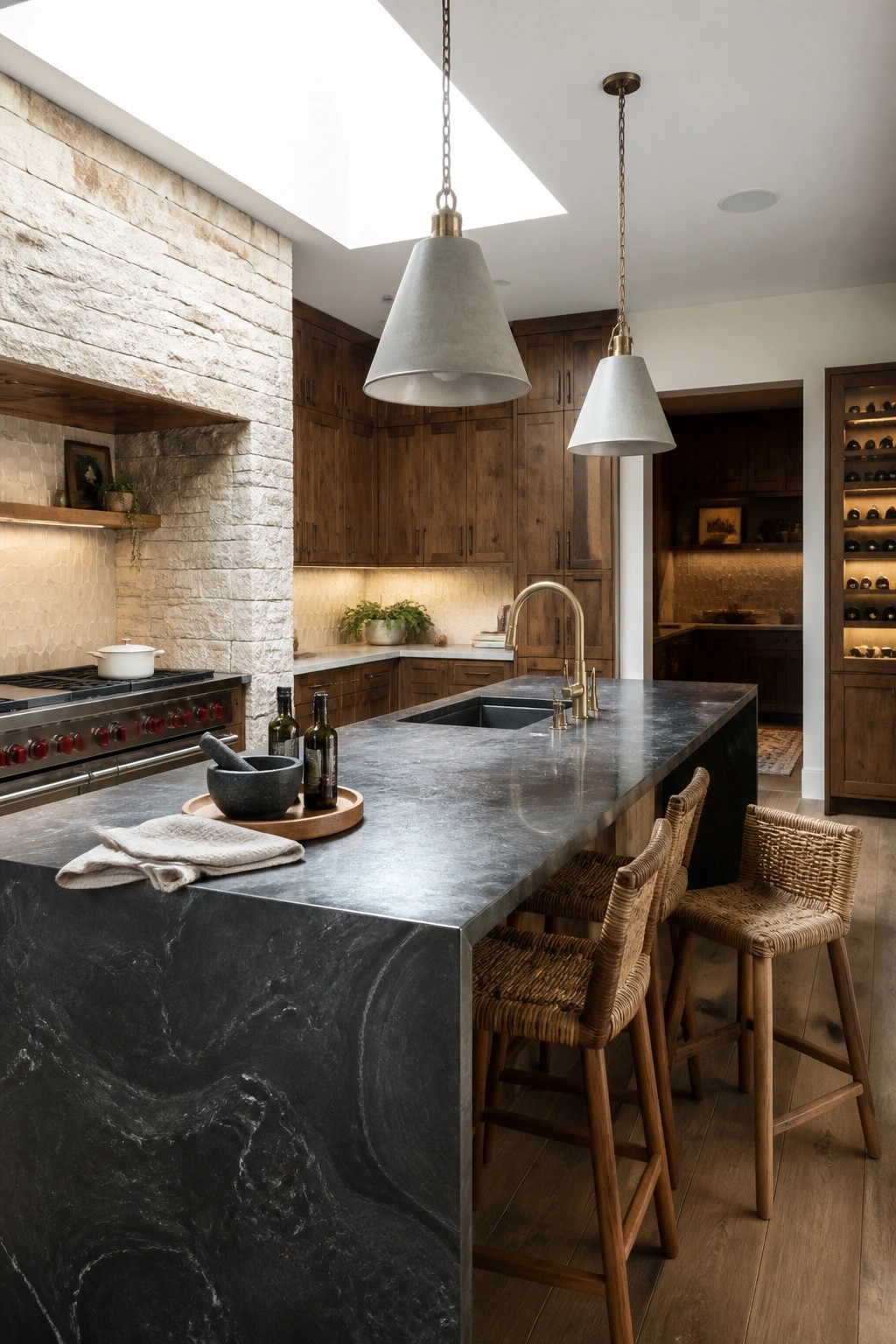
Kitchens often lean too far in one direction, either feeling too heavy with all wood or too stark with nothing but stone. Bringing in a dark stone island next to warm wood cabinetry gives both materials room to stand out. The stone brings depth and a sense of permanence while the wood softens the overall look and adds warmth.
This mix works best in larger kitchens where the island can act as the main anchor. It suits homes that already lean toward natural materials and do not need extra color or pattern to feel complete. Keep the wood finish consistent and let the stone stay matte so the contrast stays simple rather than busy.
Mixing Wood With Stone In Bathrooms
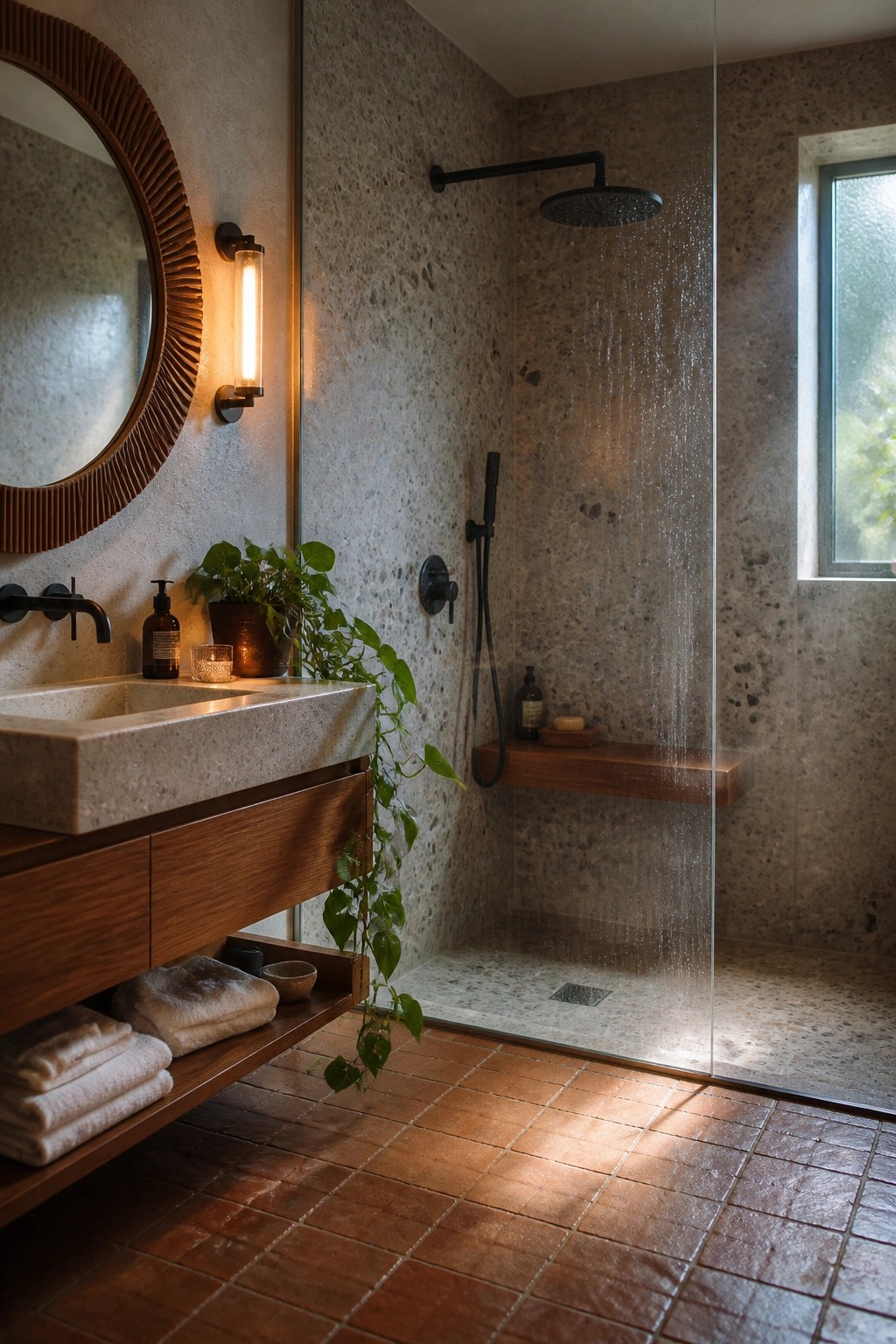
Many bathrooms lean too hard on stone or tile and end up feeling cold. Adding wood through a vanity, shelf, or mirror frame softens the space and gives the stone something to contrast against in a simple way.
This approach works best in bathrooms that get good natural light. Keep the wood finish natural and let the stone stay textured so the materials play off each other without extra effort.
Wood Tables With Stone Walls
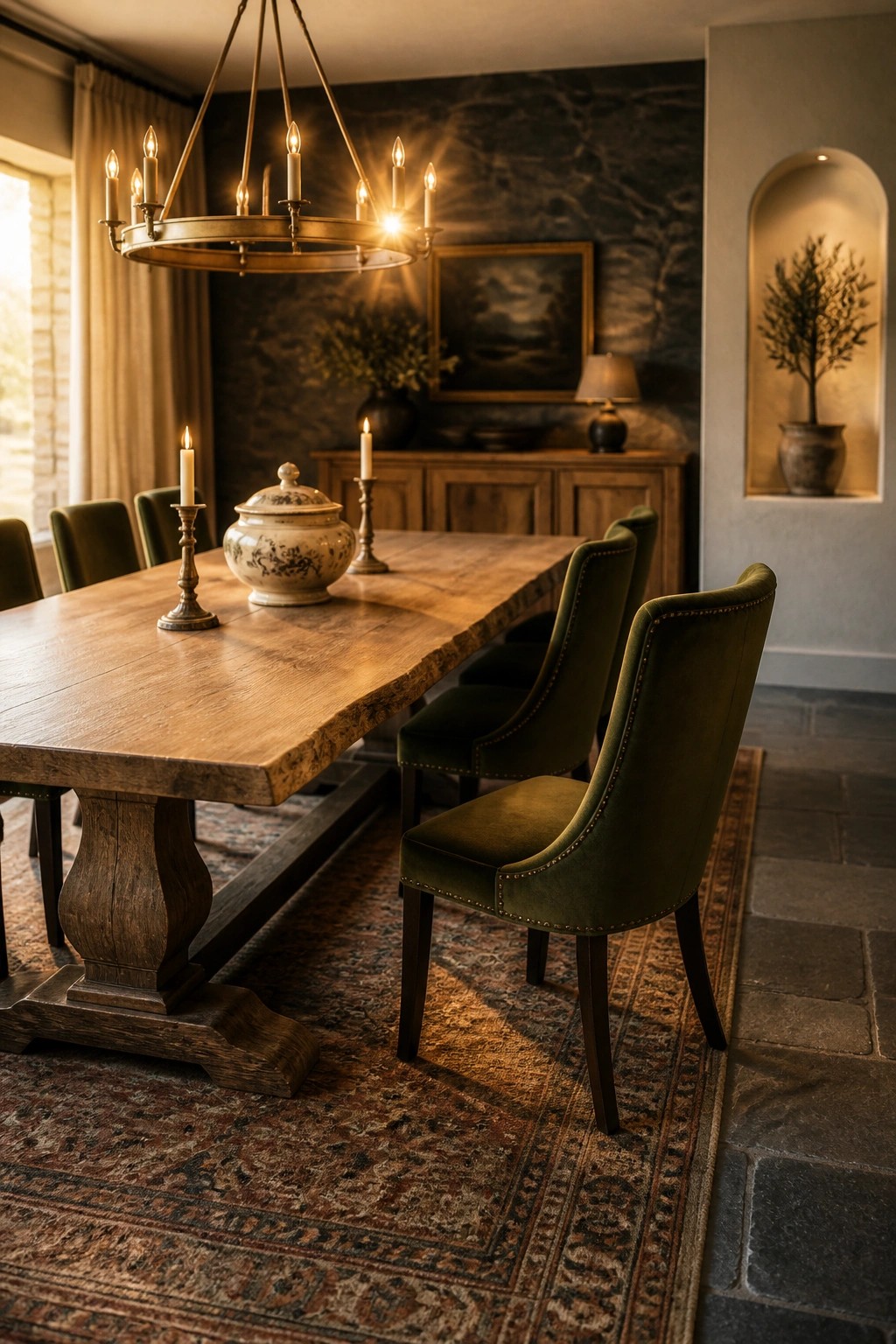
A big wood table next to a stone wall gives a dining room that solid, grounded feel without trying too hard. The natural grain of the wood plays off the rough texture of the stone and keeps the space from feeling too polished or cold.
This works best in homes that already have some weight to them, like older houses or ones with exposed materials. Keep the rest of the room simple so the table and wall can carry the look, and make sure the seating stays comfortable rather than too formal.
Adding Stone Bases to Window Seats
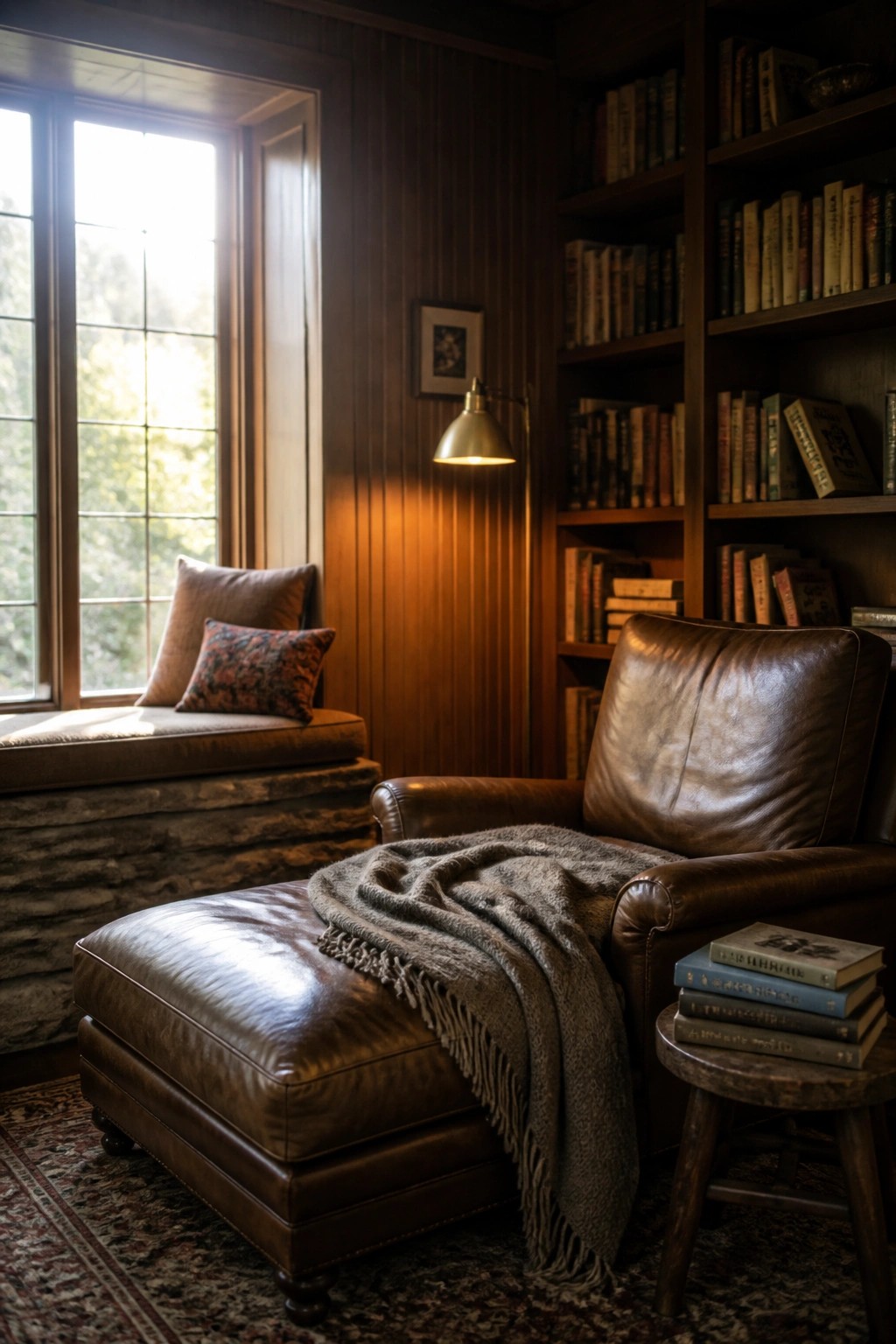
A stone base under a window seat gives the whole corner a grounded feel that wood alone can miss. It adds weight and texture that keeps the space from looking too light or temporary, especially when the walls are paneled in wood.
This works best in rooms that already have strong wood tones, like libraries or dens. Keep the seat cushion simple and let the stone show at the bottom so the contrast stays clear. Just make sure the stone is sealed if the seat gets any direct sun or moisture.
Vertical Wood Paneling in a Nursery
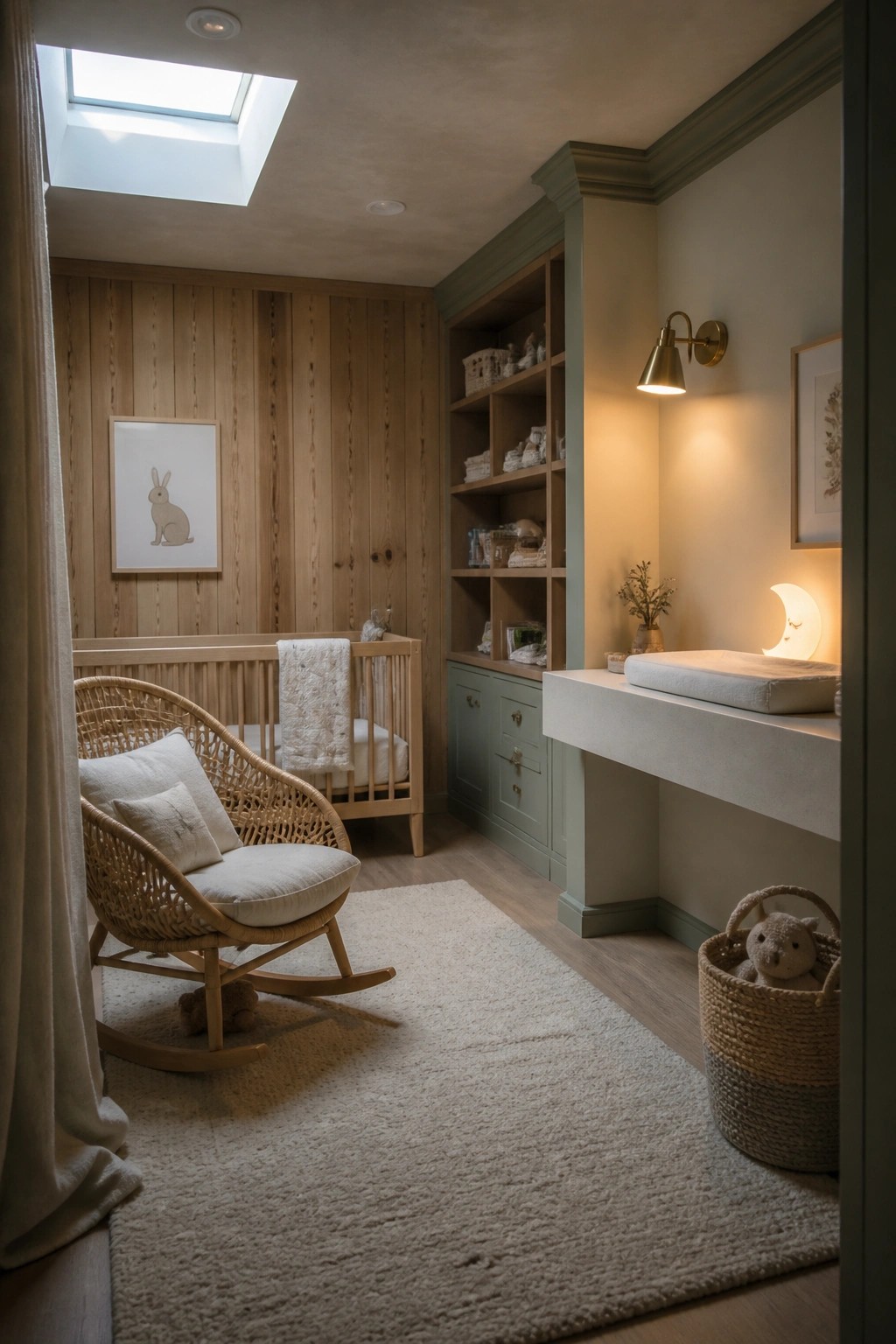
Vertical wood paneling gives a nursery a steady, natural feel that works well with soft lighting and simple furniture. It adds warmth without needing lots of extra color or pattern, and it pairs easily with built-in shelves so the room stays calm and organized.
This approach works best in smaller rooms or spaces that already have some wood trim. Keep the rest of the finishes light and avoid crowding the walls so the wood can do its job without feeling heavy.
Built-In Wood Shelving Against Stone Walls
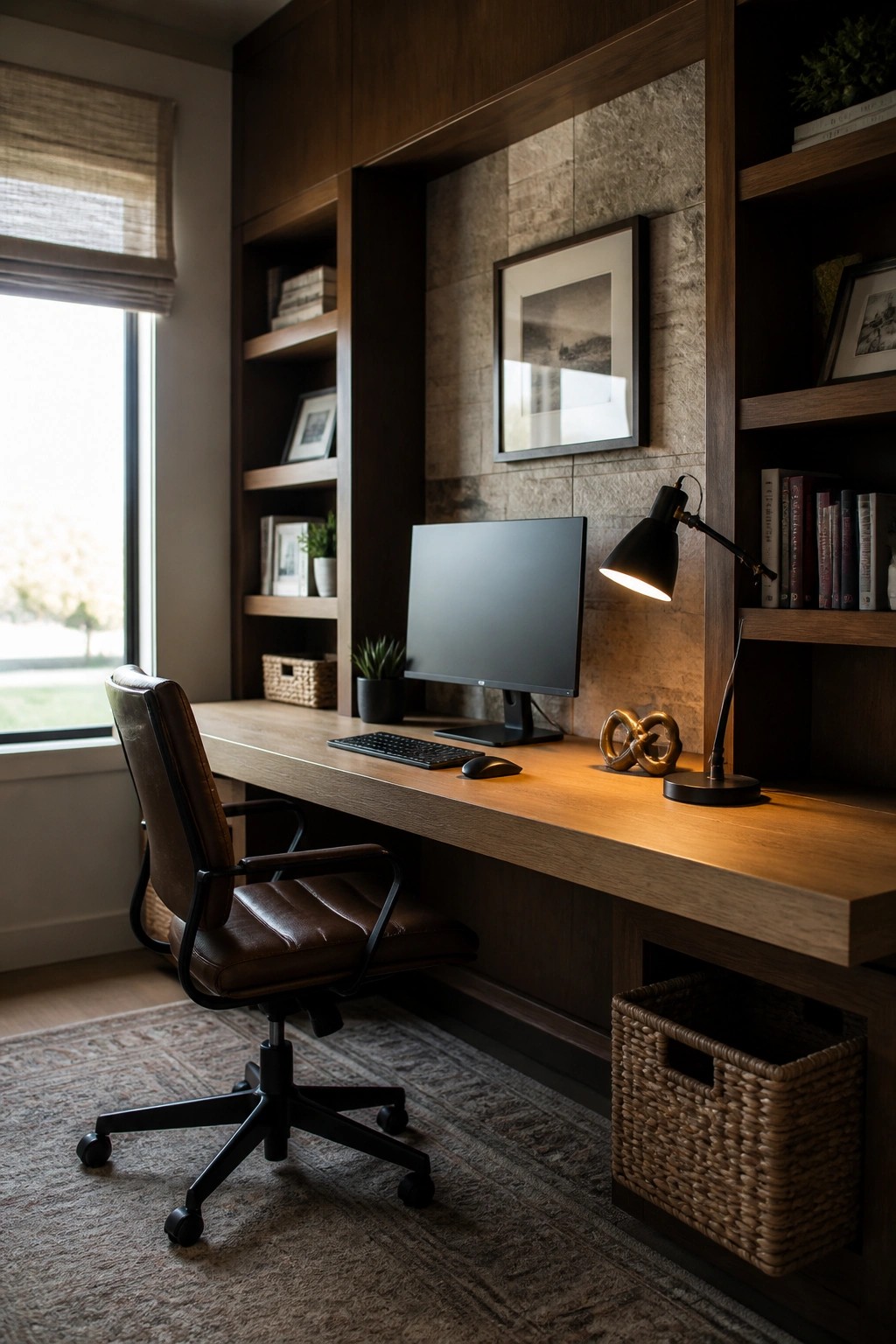
Built-in wooden shelving and a desk make a workspace feel more permanent and useful. The stone wall behind it adds texture without needing extra decoration or artwork to fill the space.
This approach works best in rooms where storage needs to stay organized and out of the way. It suits homes that already have wood tones elsewhere and want one solid surface to break things up without going too dark or heavy.
Mixing Stone and Wood in the Entry
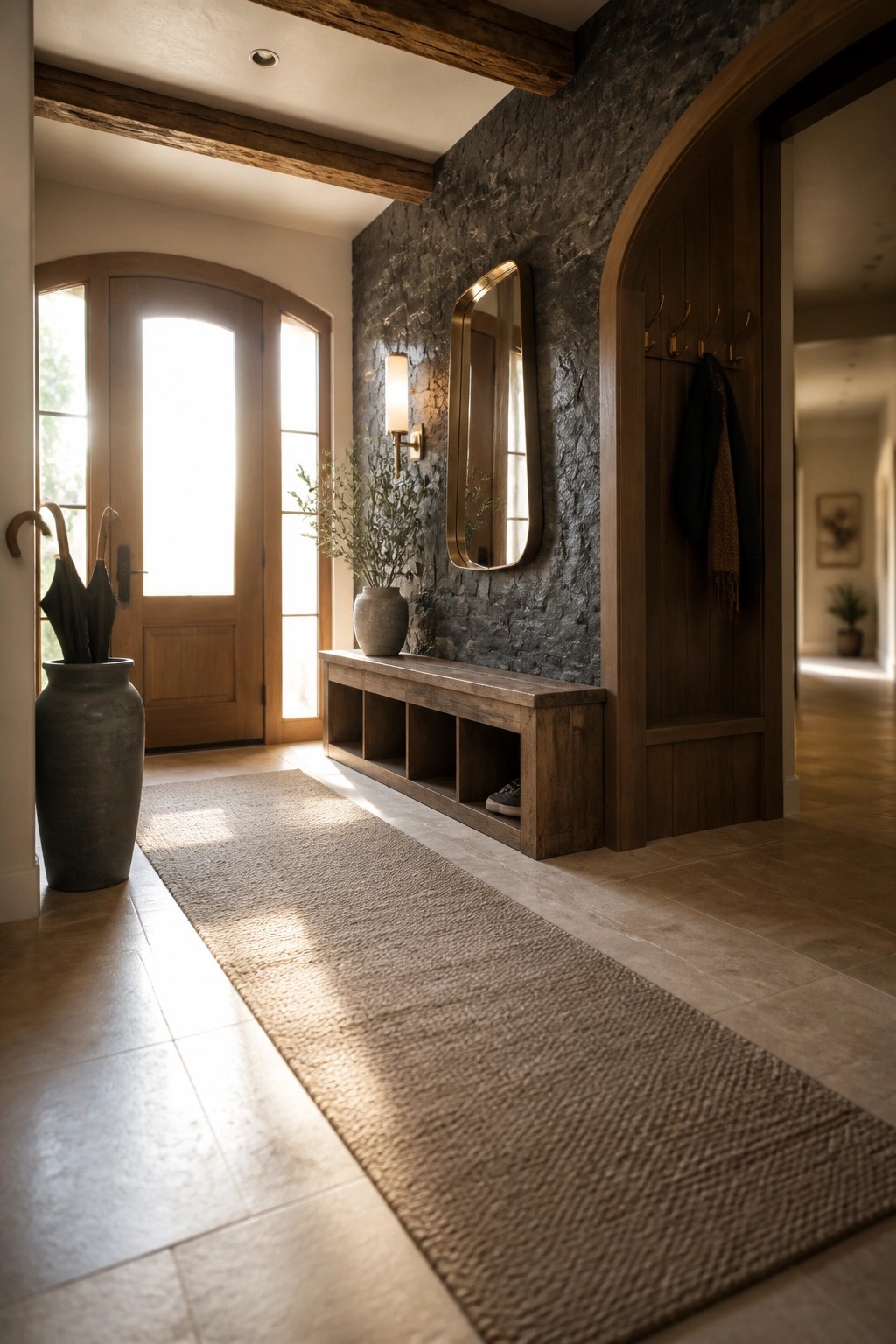
One simple way to get that organic contrast is to run a stone accent wall along one side of the entry and let warm wood handle the rest. The rough surface of the stone gives the space weight, while the wood bench and trim keep it from feeling cold or stark.
This idea works best in homes that already lean toward natural materials. Use it near the front door where traffic is steady, and keep the wood tones on the warmer side so the two materials sit comfortably together.
Wood And Stone In Everyday Utility Spaces
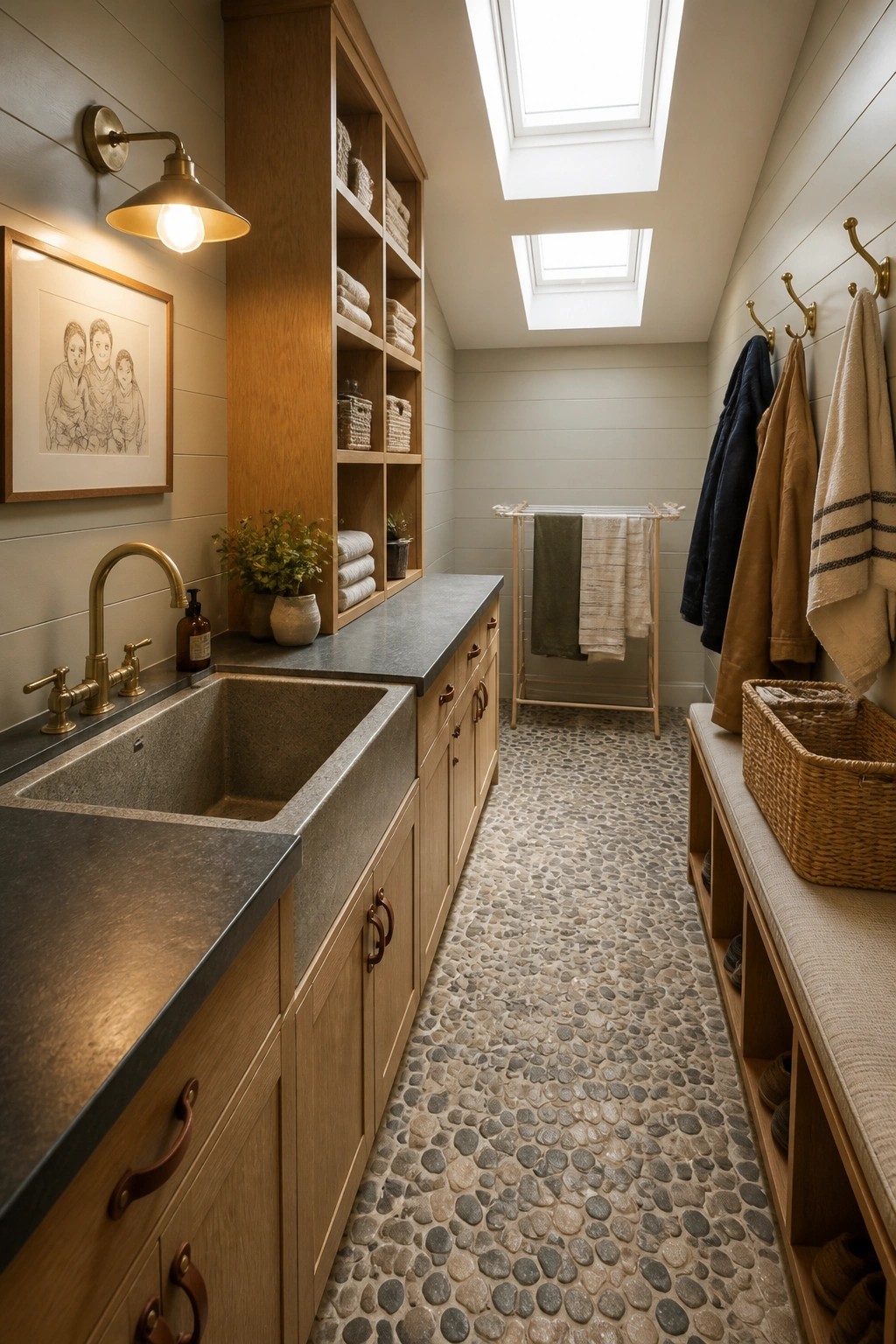
Many homes are starting to use wood cabinetry alongside stone surfaces in rooms that handle daily chores. The mix gives a grounded, natural feel that still stands up to regular wear.
This works especially well in narrower spaces where storage and durability both matter. Keep the stone on counters and floors, then let the wood handle the cabinetry and shelving so the room stays warm without feeling heavy.
Stone And Wood In The Bedroom
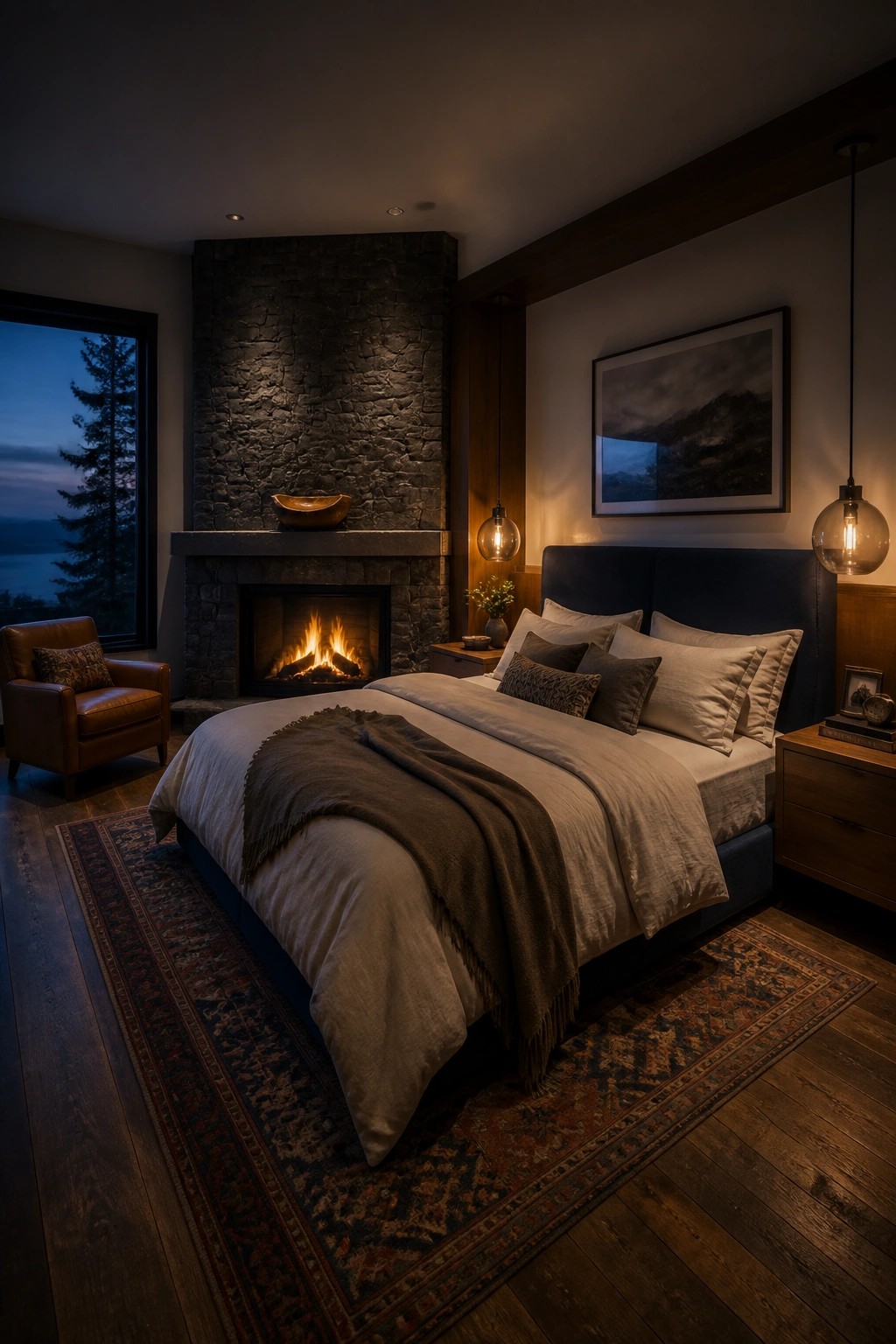
A stone fireplace wall next to wood floors and furnishings gives a bedroom that solid, grounded feel many people want. The rough texture of the stone balances the smoother wood surfaces and keeps the space from looking too soft or flat.
This approach works well in homes that already have wood beams or flooring. Keep other finishes simple so the two materials can stand out without competing.
Wood And Stone Side By Side In The Kitchen
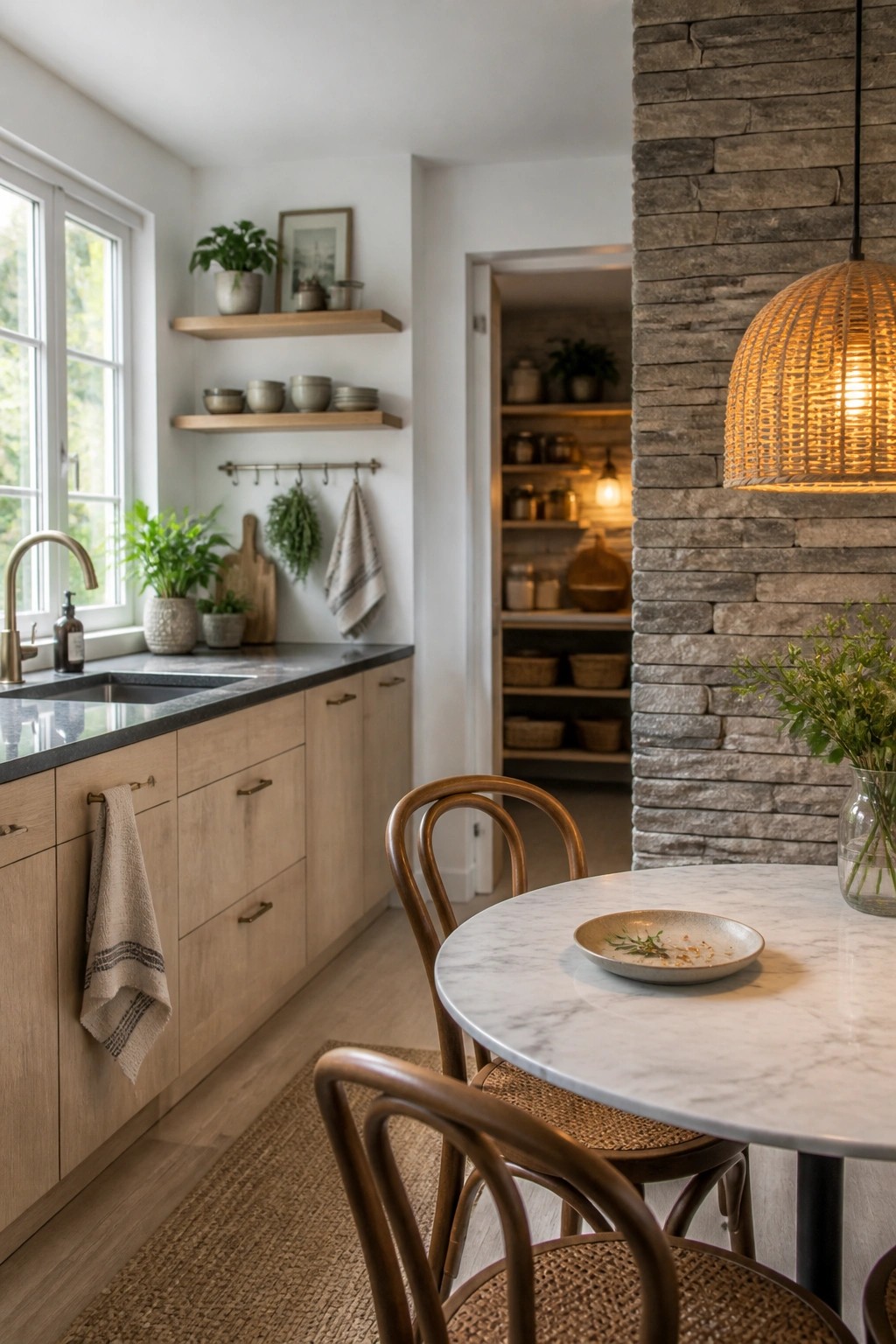
Many kitchens gain a quiet strength when light wood cabinetry sits next to stone. The wood softens the space while the stone adds weight and texture that feels lasting.
This mix works best in homes that already lean natural. Keep the wood tones warm and let the stone stay simple so the two materials support each other without competing.
Dark Wood Vanities With Stone Counters
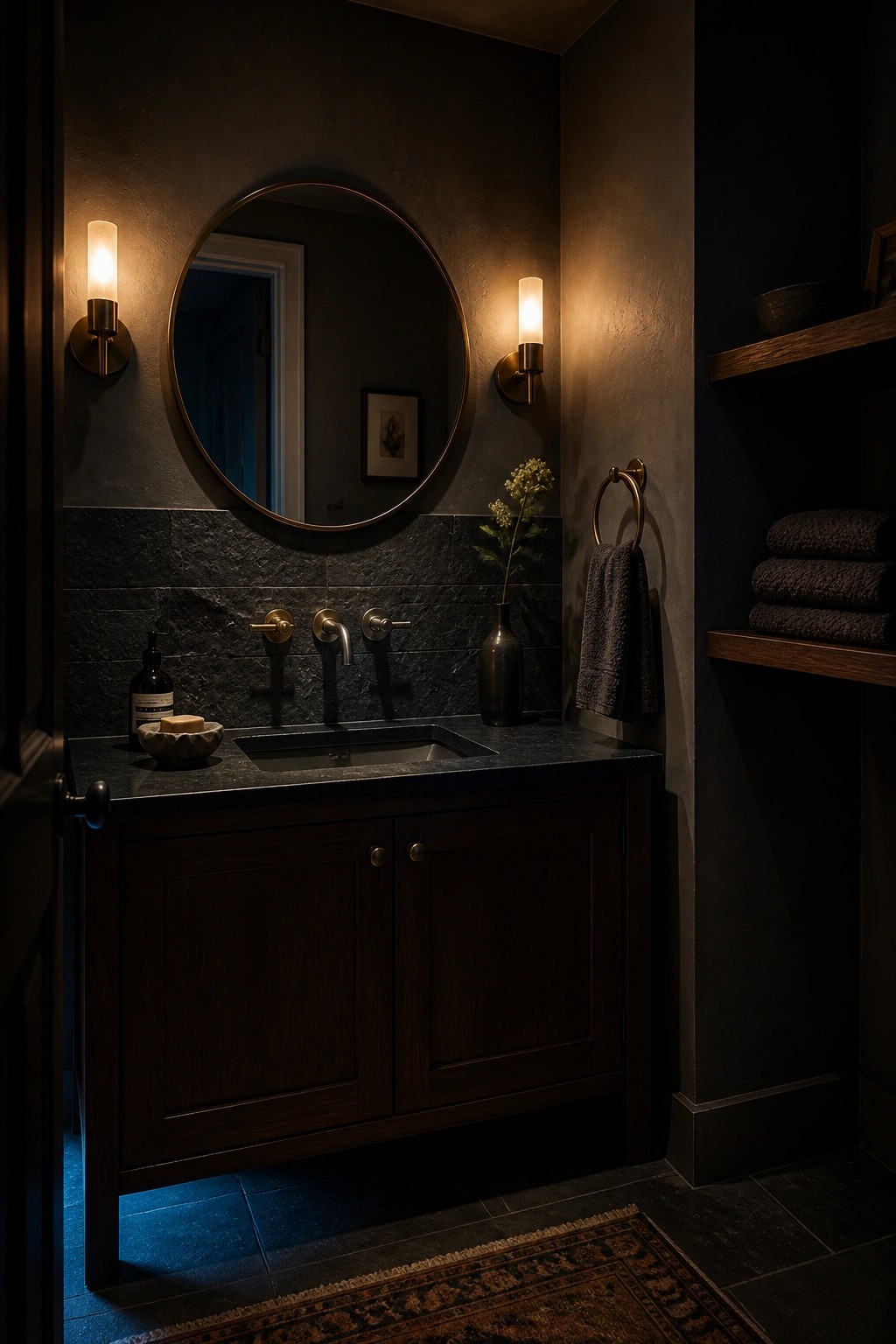
Many bathrooms feel more solid when the vanity uses dark wood paired with a matching stone top and backsplash. The combination adds weight and texture without needing a lot of extra pieces or bright colors.
This setup works best in smaller rooms that already lean toward deeper tones. Keep the wood finish matte and choose stone that stays close in value so the surfaces read as one quiet block rather than separate materials.
Stone And Wood Create Natural Contrast
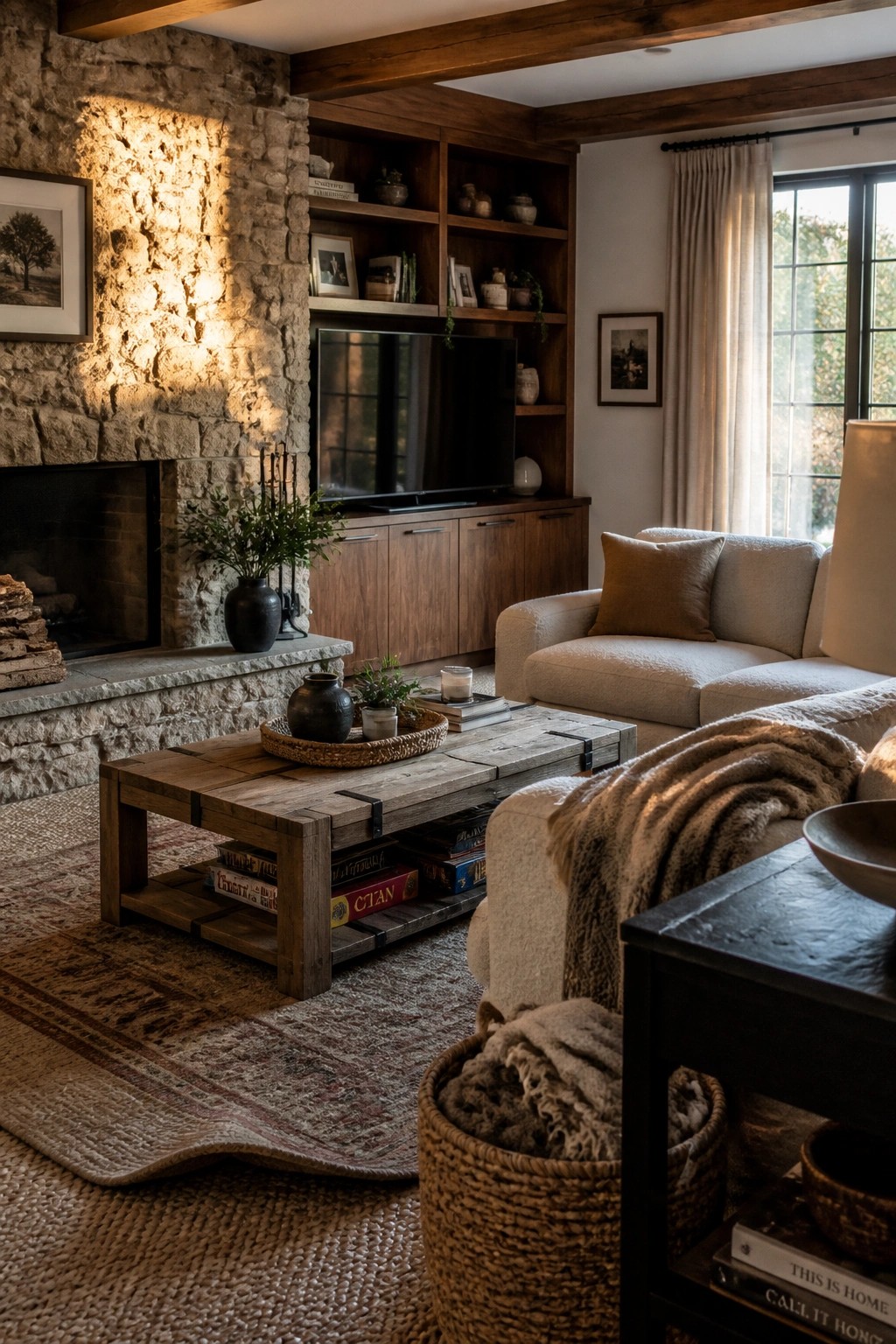
Stone and wood work well together because one brings texture while the other adds warmth. The rough surface of the stone fireplace next to the smoother wood shelves and beams keeps the room from feeling too polished or cold.
This pairing suits living rooms that need a bit of weight without looking heavy. It works best in homes that already lean toward natural materials, and it helps if the wood tones stay warm so the stone does not dominate the space.
Wood Shelves With a Stone Fireplace
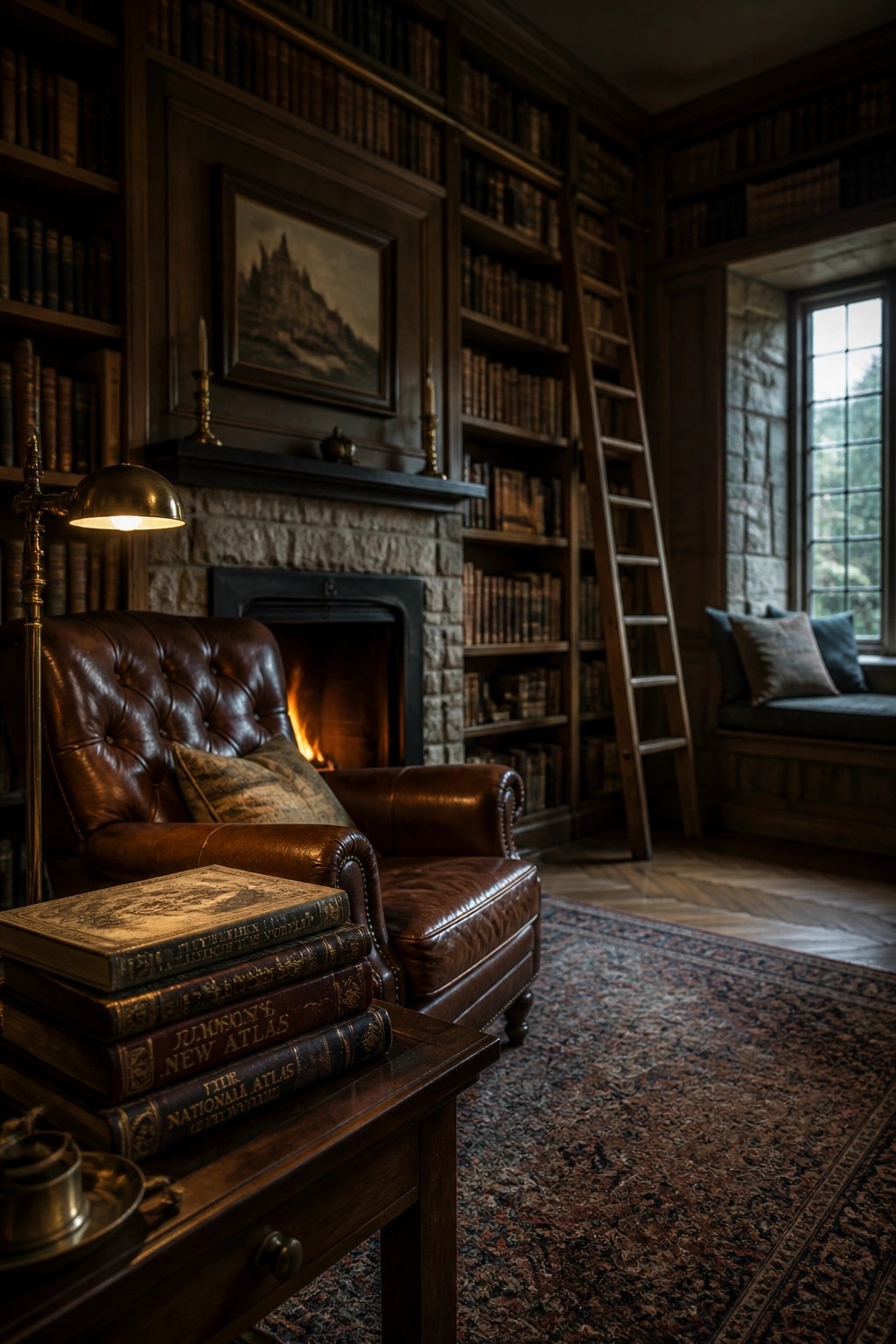
Many older homes already have this setup, and it still feels right because the wood gives the room structure while the stone keeps it from feeling too closed in. The two materials balance each other without much extra effort.
It works best in studies or sitting rooms that get regular use. Keep the shelves full but not overcrowded, and let the stone show its natural color and texture so the contrast stays clear. In smaller rooms, a lower stone surround helps avoid crowding the space.
Stone Walls with Wooden Furniture
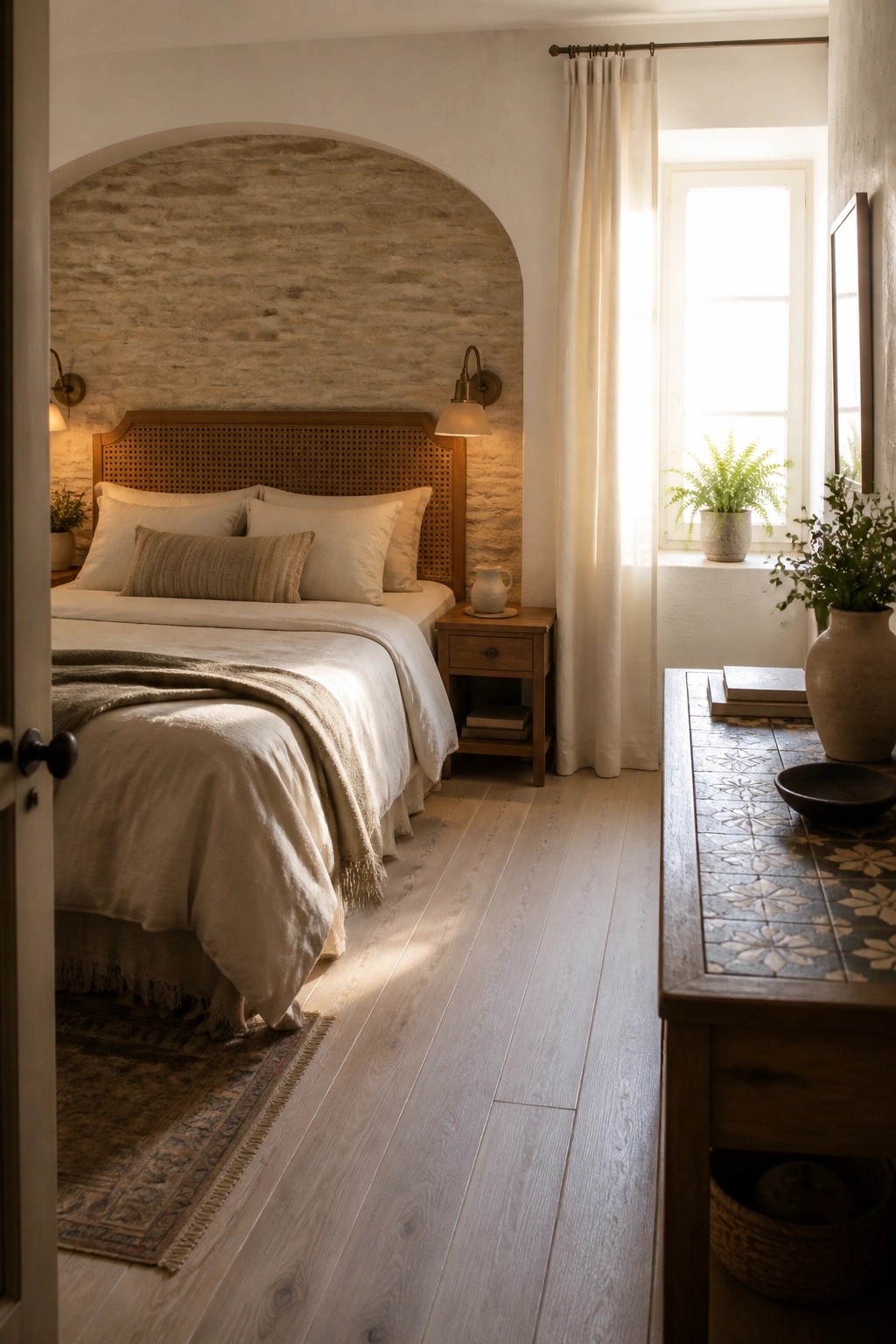
Placing a stone wall right behind the bed gives a room instant texture without needing much else. The wood bed frame and nightstand soften the stone so the whole space feels grounded instead of cold.
This mix works best in bedrooms that already have some age or character to the walls. Keep the bedding and floors light so the contrast between the rough stone and the warm wood stays clear and comfortable.
Wood Built-Ins With A Stone Island
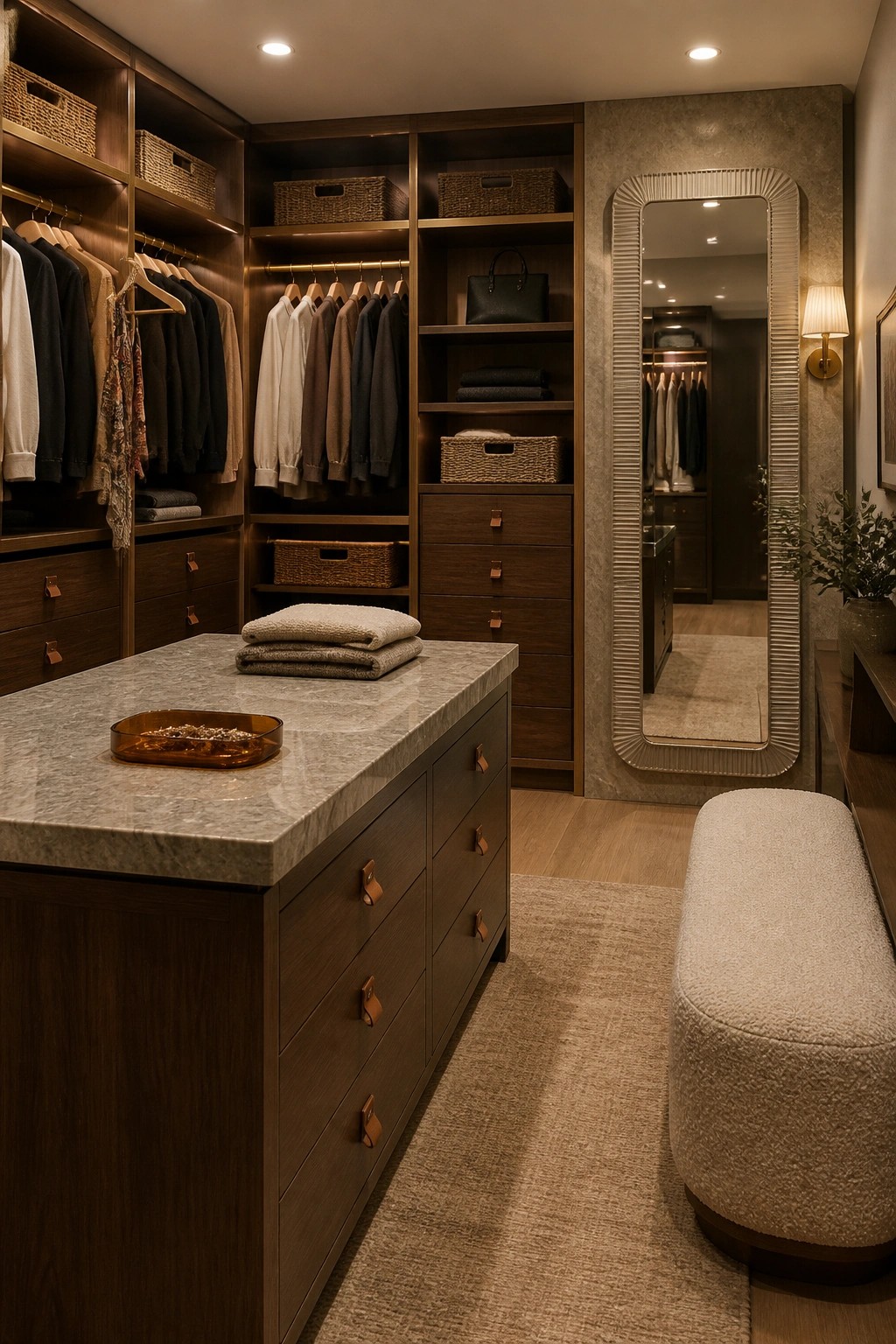
Many people like the look of a central island in a walk-in closet because it gives extra surface space without crowding the room. When the base stays in dark wood and the top switches to stone, the mix feels grounded and a little more finished than all-wood storage.
This works best in larger closets where you already have wood shelving and drawers along the walls. Keep the stone simple and let the wood carry most of the color so the two materials balance each other without competing.
Wood Cabinets With Stone Countertops
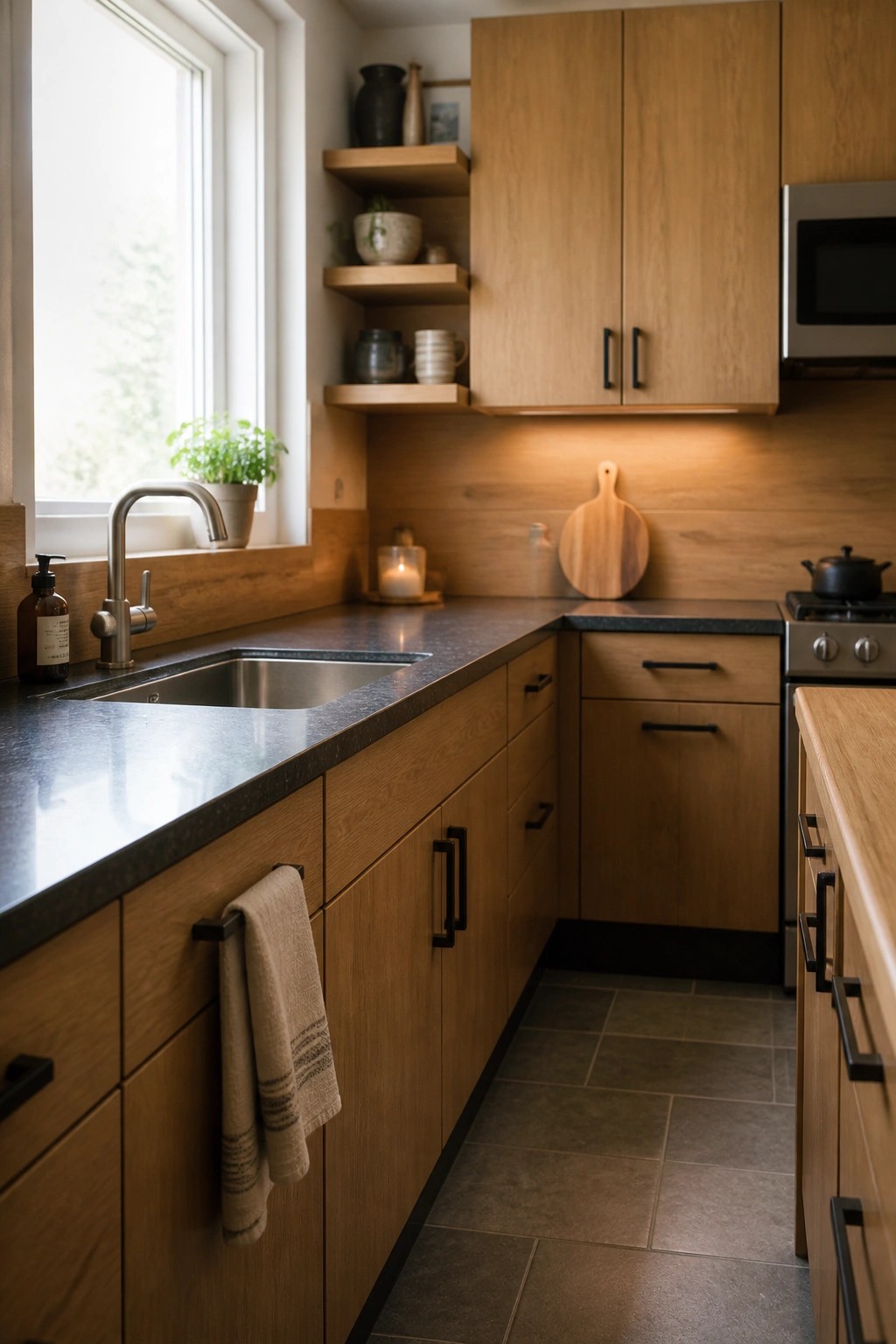
Mixing light wood cabinetry with dark stone surfaces gives a kitchen a grounded, organic feel without much extra effort. The wood brings warmth while the stone adds weight and texture, and the two materials balance each other nicely in smaller or medium kitchens.
This approach works best in homes that already lean toward natural finishes. Keep the wood tone fairly light and let the stone stay simple so the contrast stays clean rather than busy.
Wood Paneling With A Stone Base
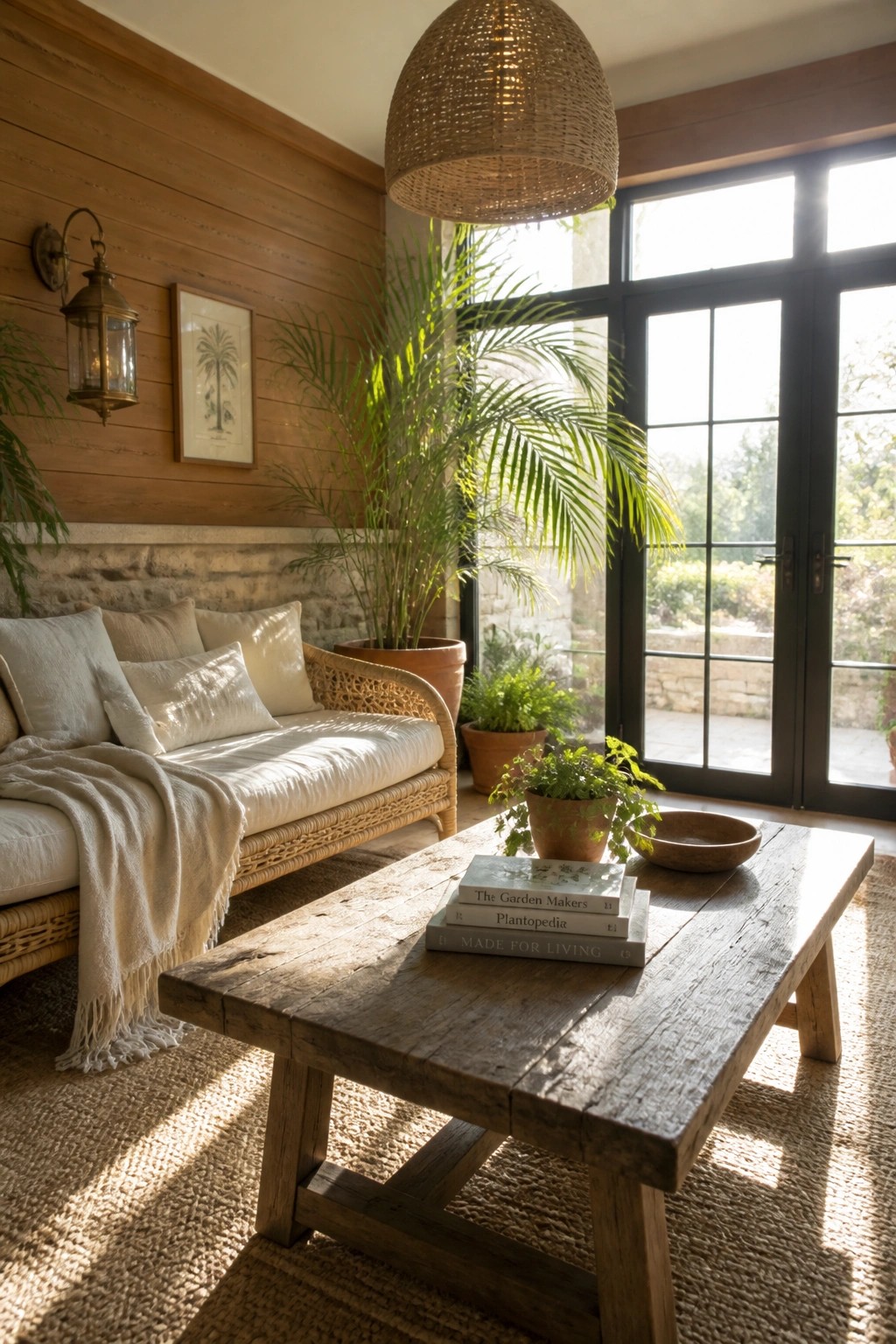
Pairing wood paneling above a stone wall gives a room a solid, natural foundation that feels both warm and grounded. The contrast between the rough texture of the stone and the smoother grain of the wood keeps things interesting without needing a lot of extra decoration.
This approach works especially well in rooms that get plenty of daylight, since the materials catch the light in different ways. It suits homes that already lean toward natural textures and can be scaled down to just one accent wall if a full room feels like too much.
Stone Sinks With Wood Details
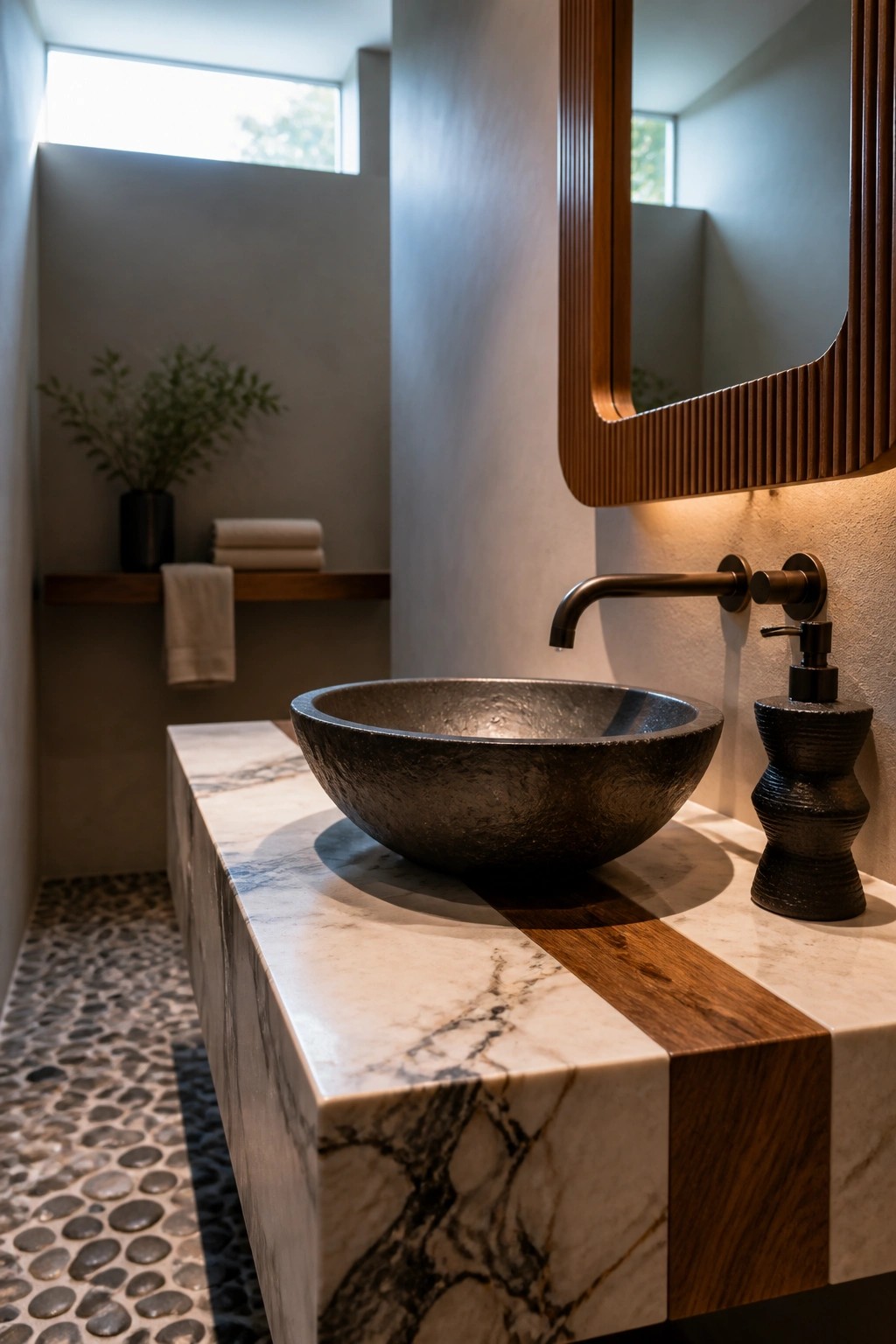
A stone vessel sink paired with a marble top and a narrow wood inlay gives a bathroom that grounded, natural feel without much effort. The rough texture of the stone plays off the smoother surfaces and the warm wood strip, which keeps the whole look from feeling too cold or too polished.
This works best in smaller bathrooms where you want simple materials to do the work. Keep the rest of the space fairly quiet so the mix of stone and wood stays the main feature. It suits homes that already lean toward organic finishes rather than anything too sleek or modern.
Wood And Stone For Organic Contrast
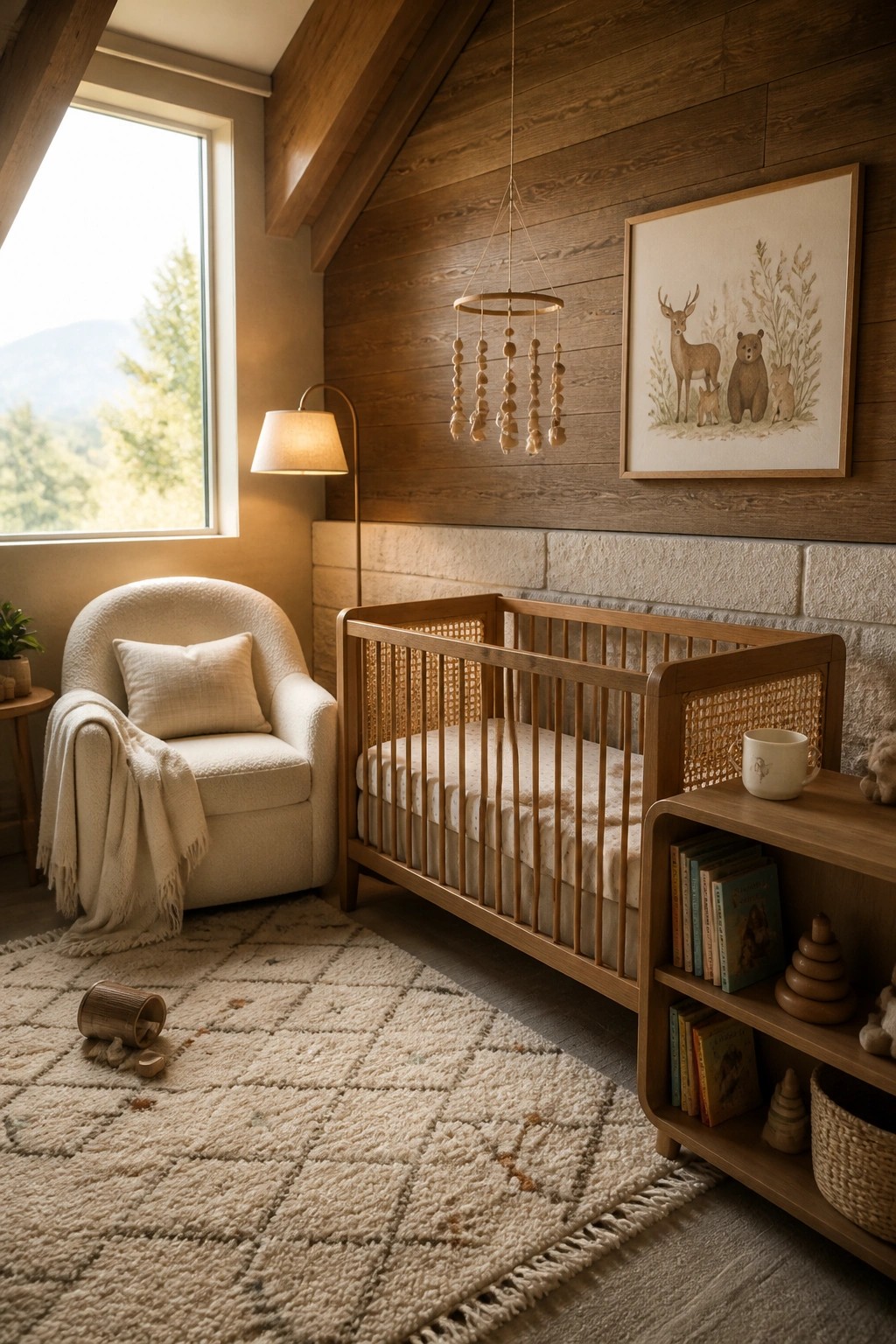
Pairing a stone accent wall with warm wood furniture gives a room a natural balance that feels solid but still inviting. The rough texture of the stone grounds the space while the wood brings softness and a sense of warmth that works well in smaller rooms.
This mix suits bedrooms or nurseries best when the stone stays on one wall and the wood tones stay consistent throughout the furniture and trim. It keeps the look simple and avoids the heaviness that can come from too much stone in one space.
Floating Wood Vanities With Stone Tops
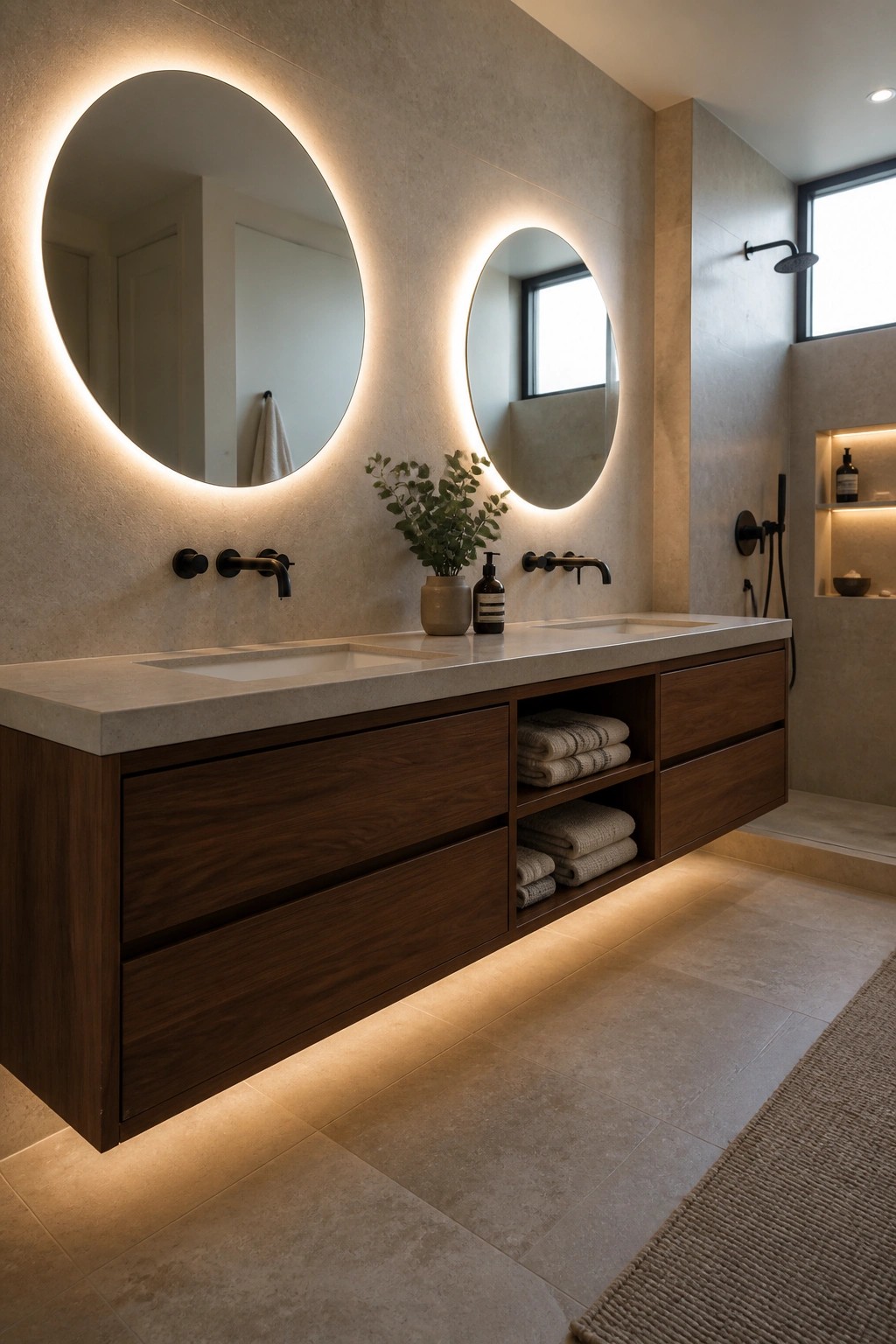
A floating wood vanity topped with stone gives a bathroom that clean organic contrast without much effort. The wood brings warmth and the stone adds a solid practical surface that holds up well over time.
This setup works best in spaces that already lean modern or minimalist. Keep the under lighting soft and use open shelving below only if you want to show folded towels or simple storage.
Wood Slat Walls With Stone Tops
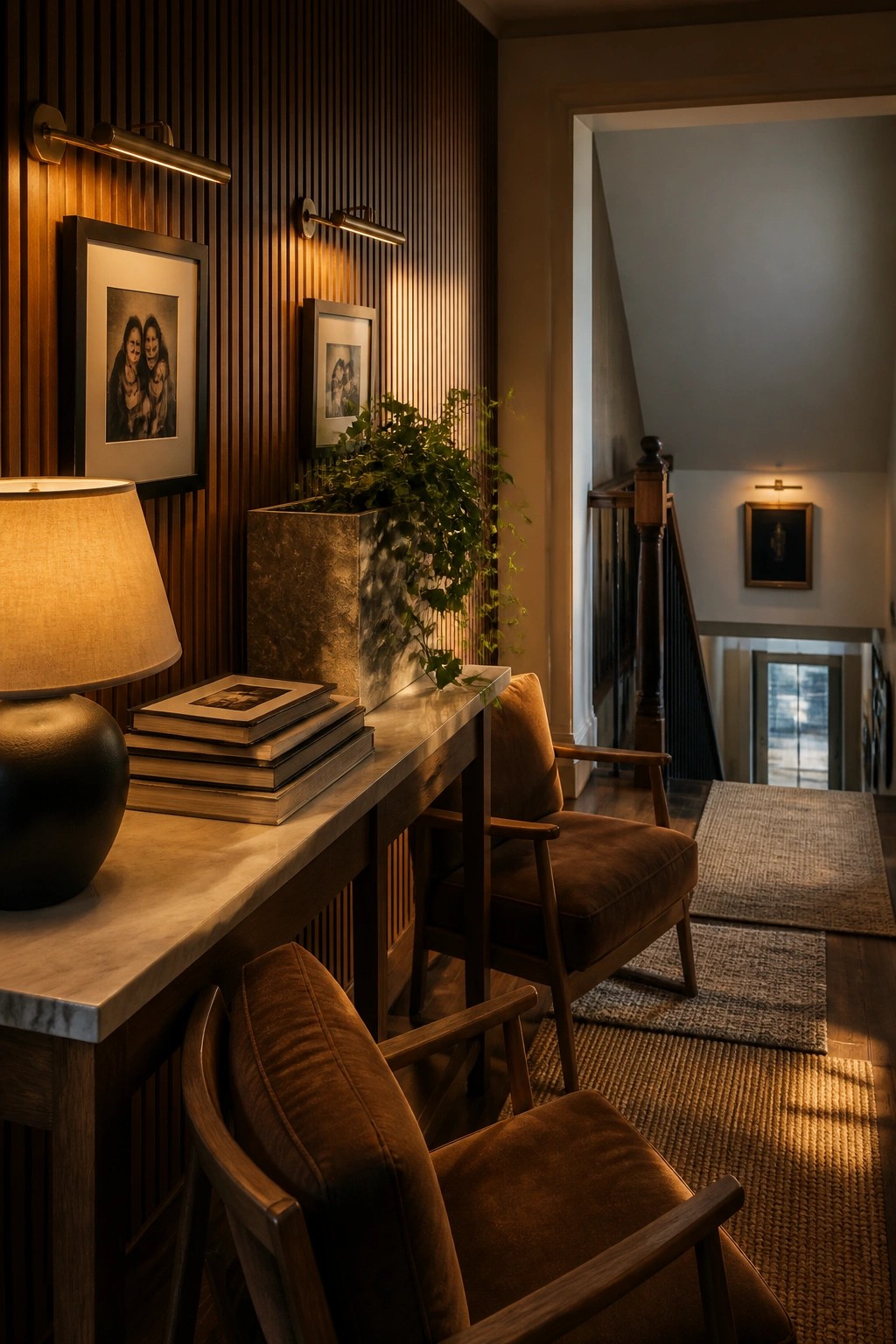
Vertical wood slats bring a lot of texture to a wall without making the space feel closed in. When you set a stone or marble surface against them, the contrast feels natural and balanced rather than heavy. The stone keeps the wood from looking too warm or flat, while the wood softens the stone so the whole area stays inviting.
This approach works well in entryways or hallways where you want some warmth but still need durability. Keep the rest of the materials simple so the wood and stone stay the focus. Avoid overcrowding the surface with too many small objects, since the material mix already gives the spot enough interest.
Frequently Asked Questions
Q: How do I keep a room with lots of stone from feeling chilly next to the wood? A: Bring in wood on the larger surfaces like floors or paneling to balance the cool tones. A few wooden shelves or a bench near the stone wall adds warmth without much work. Matte finishes on both materials help them sit together naturally.
Q: Can I mix stone and wood in a small bathroom without crowding it? A: Use stone just on the shower surround and let wood cover the vanity and a single accent wall. This keeps the space open while still giving that organic contrast. Light-colored wood pairs especially well with softer stone shades here.
Q: My wood floors are already installed. Where should the stone go to create contrast? A: Add it through a fireplace surround or kitchen island top. The difference in texture will pop against the existing floors right away. Keep the stone in one main spot so it does not compete.
Q: What if the wood grain looks too busy next to patterned stone? A: Choose a stone with subtle veining to calm things down. Let the wood handle the bolder pattern and keep stone simpler in that pairing. One or two test samples side by side will show what works before you commit.
