

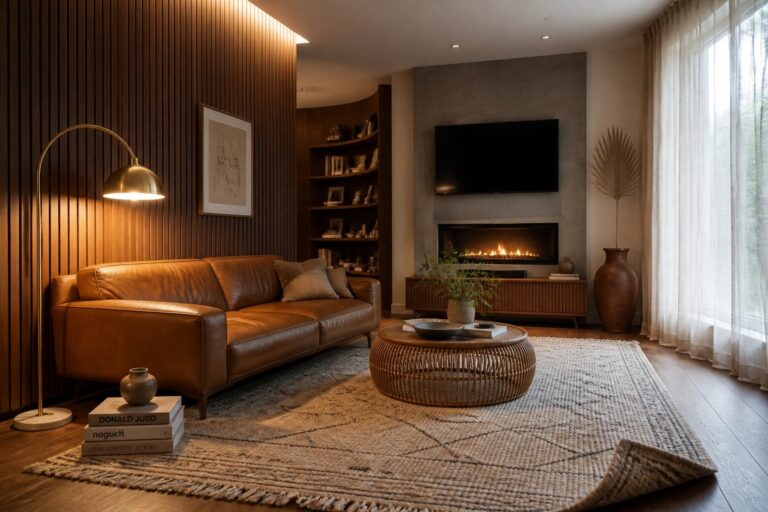
I’ve spent time in rooms where wood walls or floors set the temperature of the space in a way that feels immediate once you sit down.
Choosing the right species and finish often comes down to how the light moves across the surface throughout the day.
That detail shows up in the best examples.
When I tried adding wood shelving to my living room last year I learned to check the undertones against my existing pieces first.
The approaches that hold up are the ones built around how people actually move through the room rather than how it looks in a single photo.
Vertical Wood Slats for Warmth
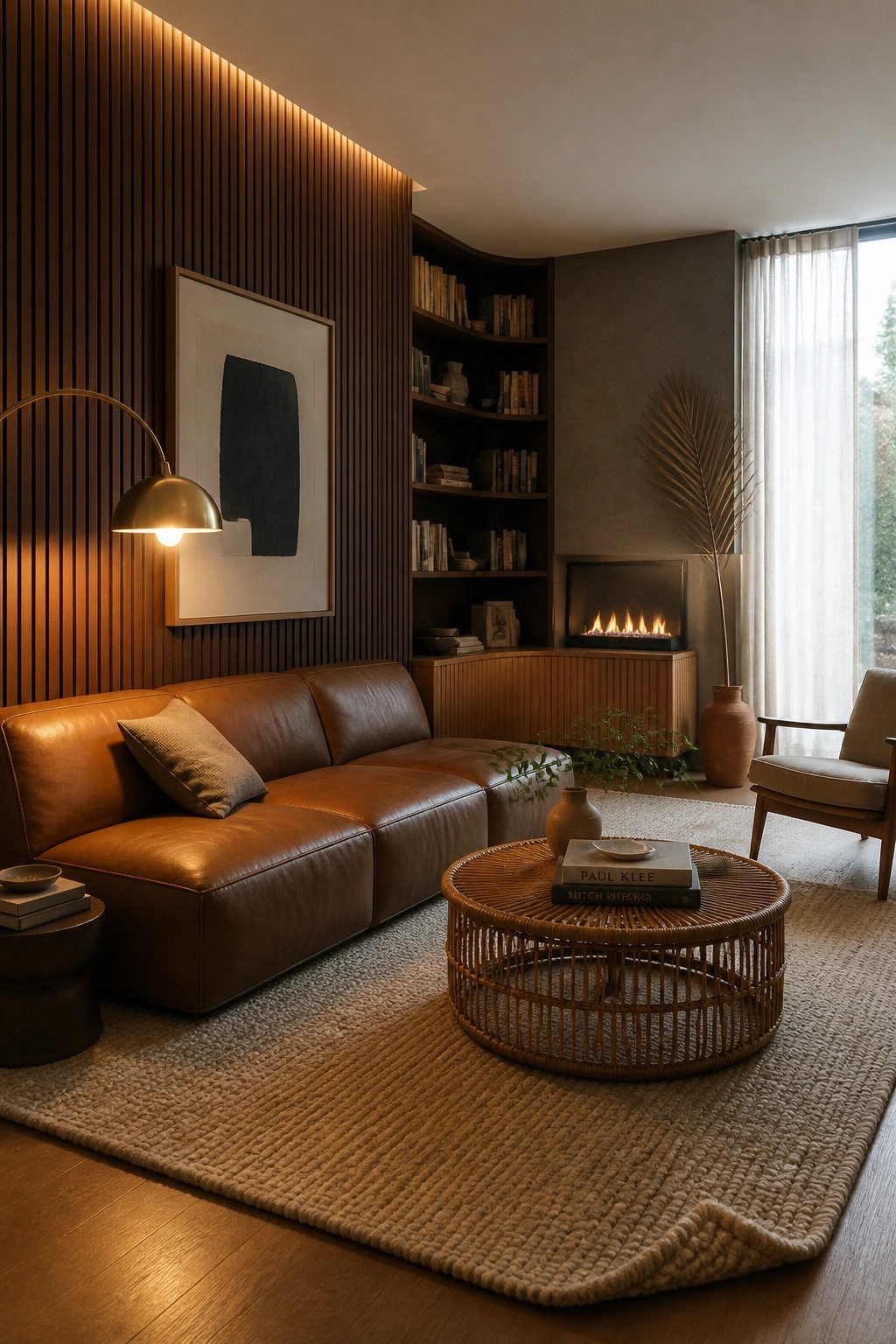
Vertical wood slats on a feature wall give a room a quiet sense of depth and warmth. The narrow gaps let light through when the backlighting is on, which softens the look and keeps the surface from feeling flat or heavy.
This works well in living rooms that already have wood tones elsewhere, like shelving or a coffee table. Keep the rest of the space simple so the slats stay the main point, and test the lighting at night before committing to the full height.
Light Wood Platform Beds For Warmth
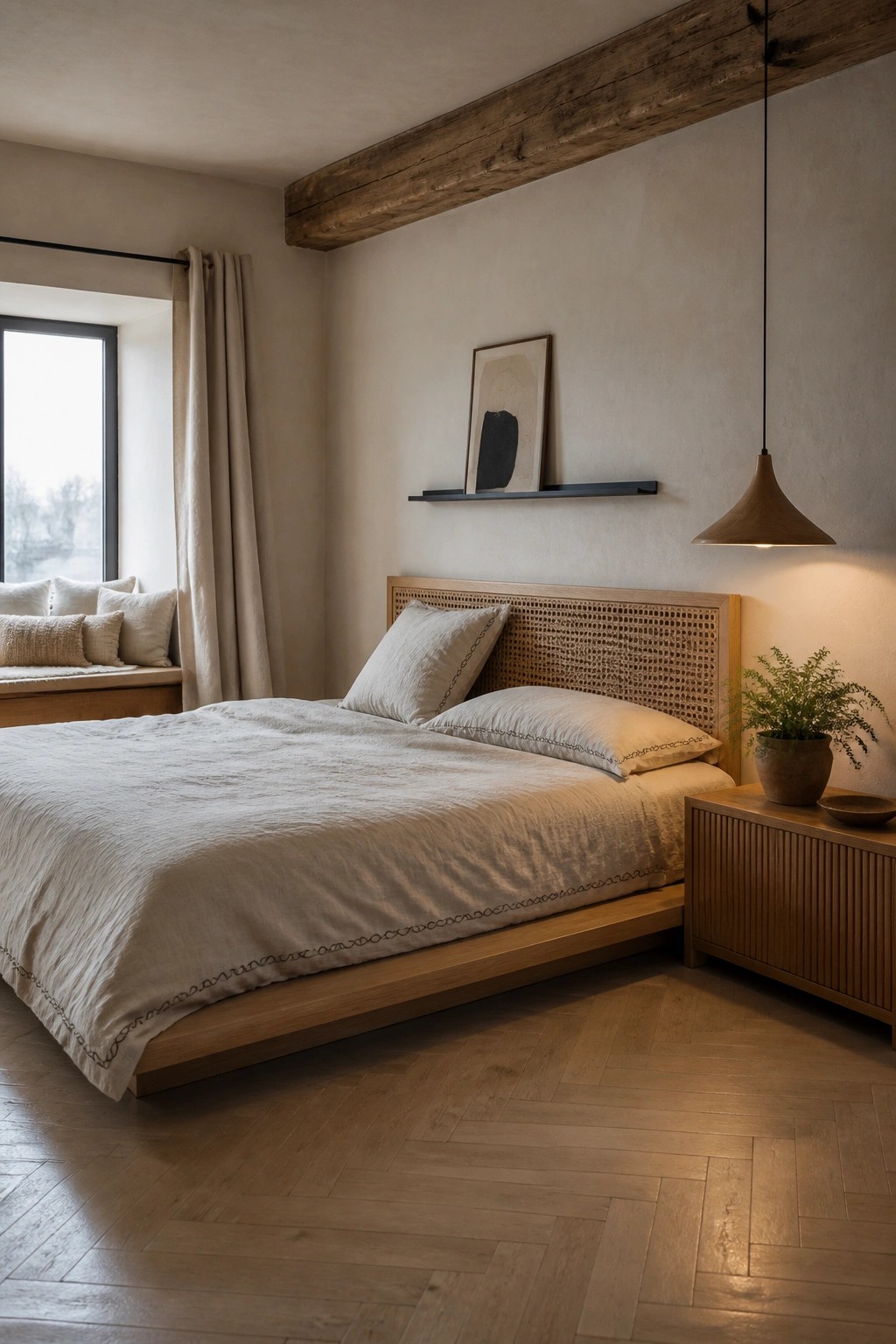
A low wooden platform bed brings a quiet, grounded feeling to a bedroom without much effort. The natural grain and simple lines keep the space feeling calm and lived in, especially when paired with soft neutral bedding and a woven headboard for a bit of texture.
This works well in smaller rooms or homes that already have wood floors, since the bed ties everything together without adding visual weight. Stick to lighter oak or similar tones if you want the room to feel open, and avoid overcrowding the space with too many other wood pieces.
Natural Wood Kitchen Islands
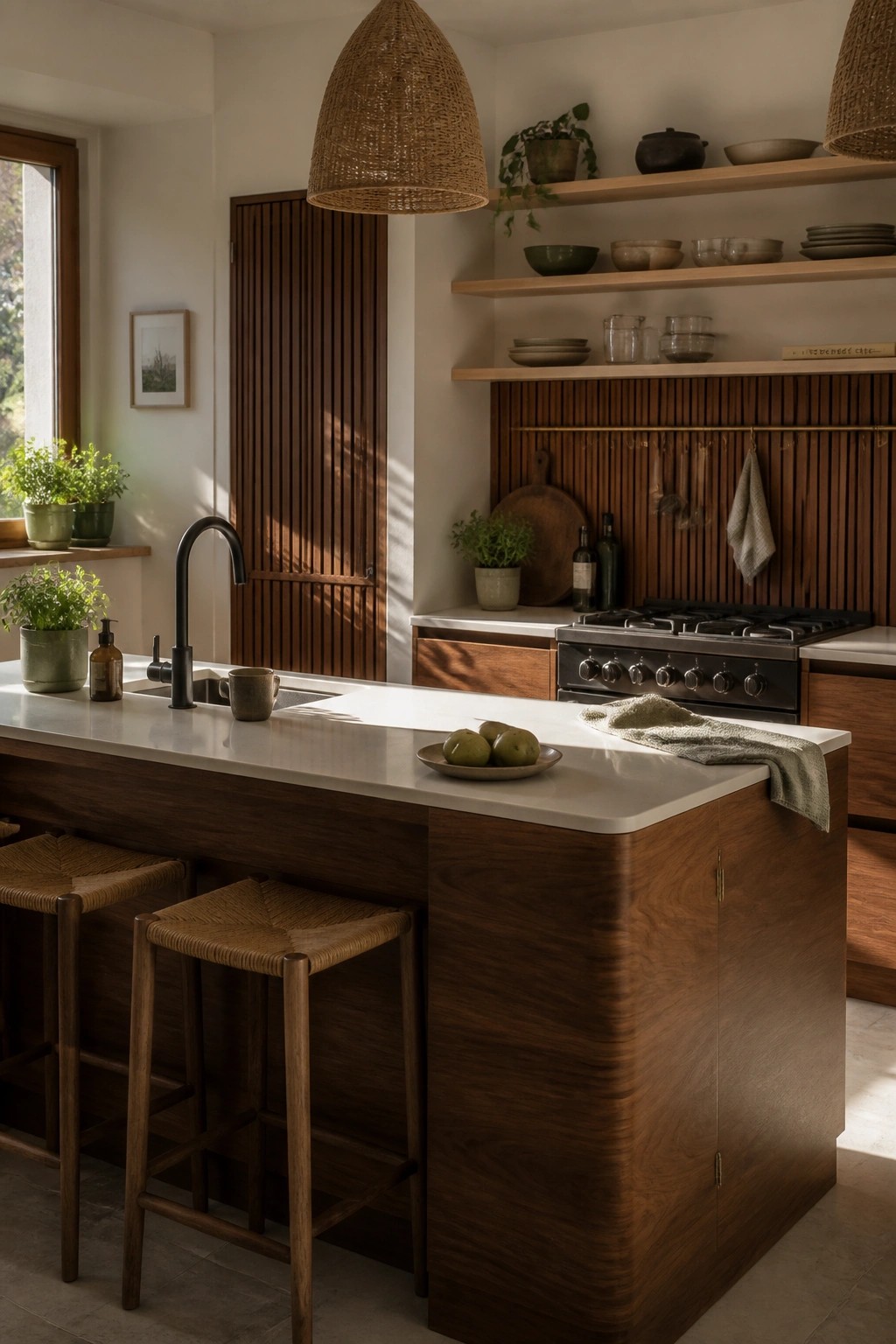
Wood kitchen islands bring a grounded, lived-in feel to the whole space. The grain and tone of the wood add warmth that painted surfaces often miss, especially in open kitchens where the island becomes the main gathering spot. It works because the material feels substantial without trying too hard.
This approach suits homes that already have wood floors or trim, since it ties the room together. Keep the rest of the kitchen lighter so the island stands out, and choose a finish that can handle daily use without showing every mark.
Dark Wood Dining Tables
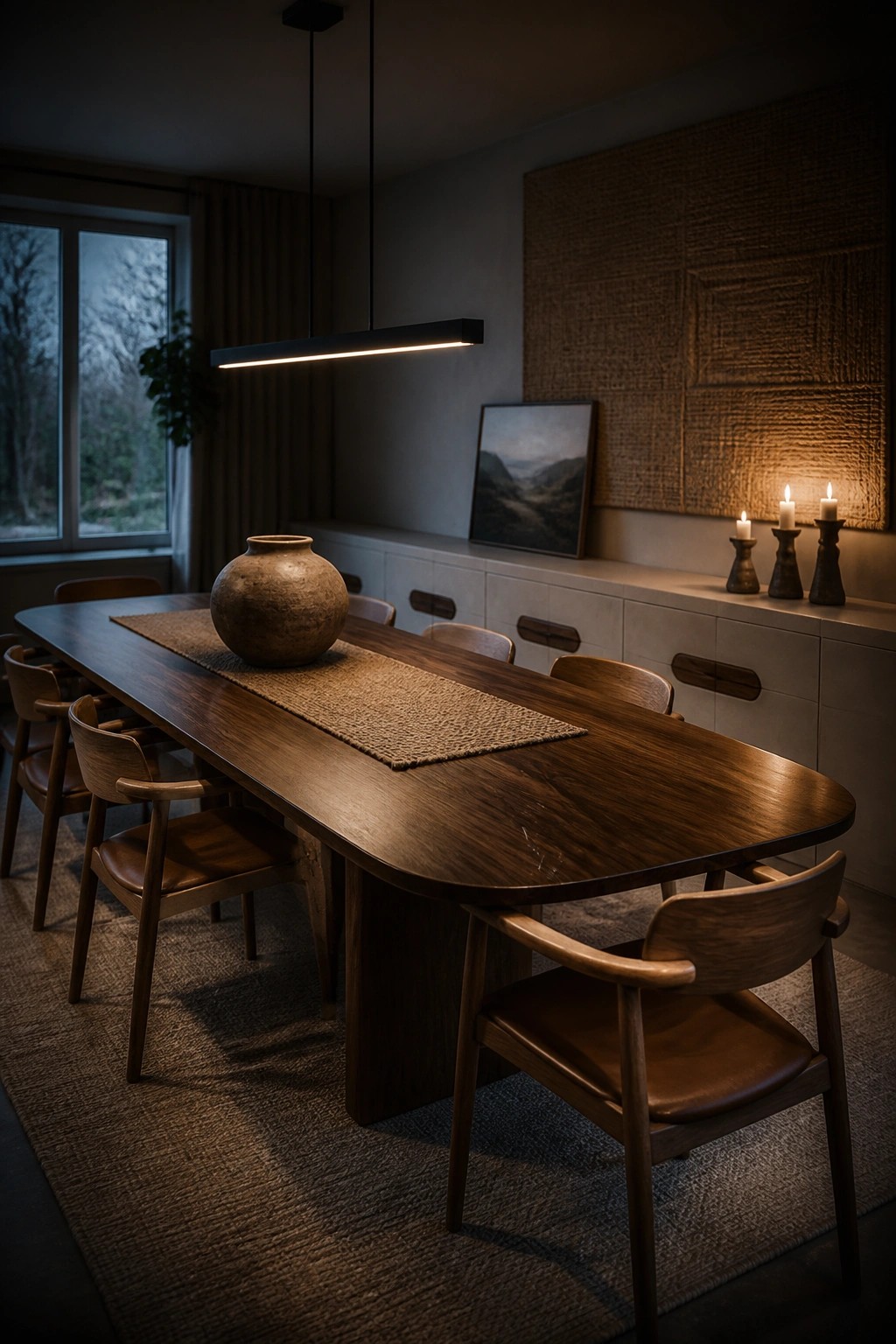
A long dark wood dining table gives the whole room a grounded feel that lighter materials rarely match. It works because the grain and depth of the wood add warmth without needing much else around it.
This choice suits homes that want a simple, lasting look rather than constant changes in decor. Keep the chairs in matching wood tones and limit extra pieces on the table so the material stays the main feature.
Built-In Wood Shelving Above A Desk
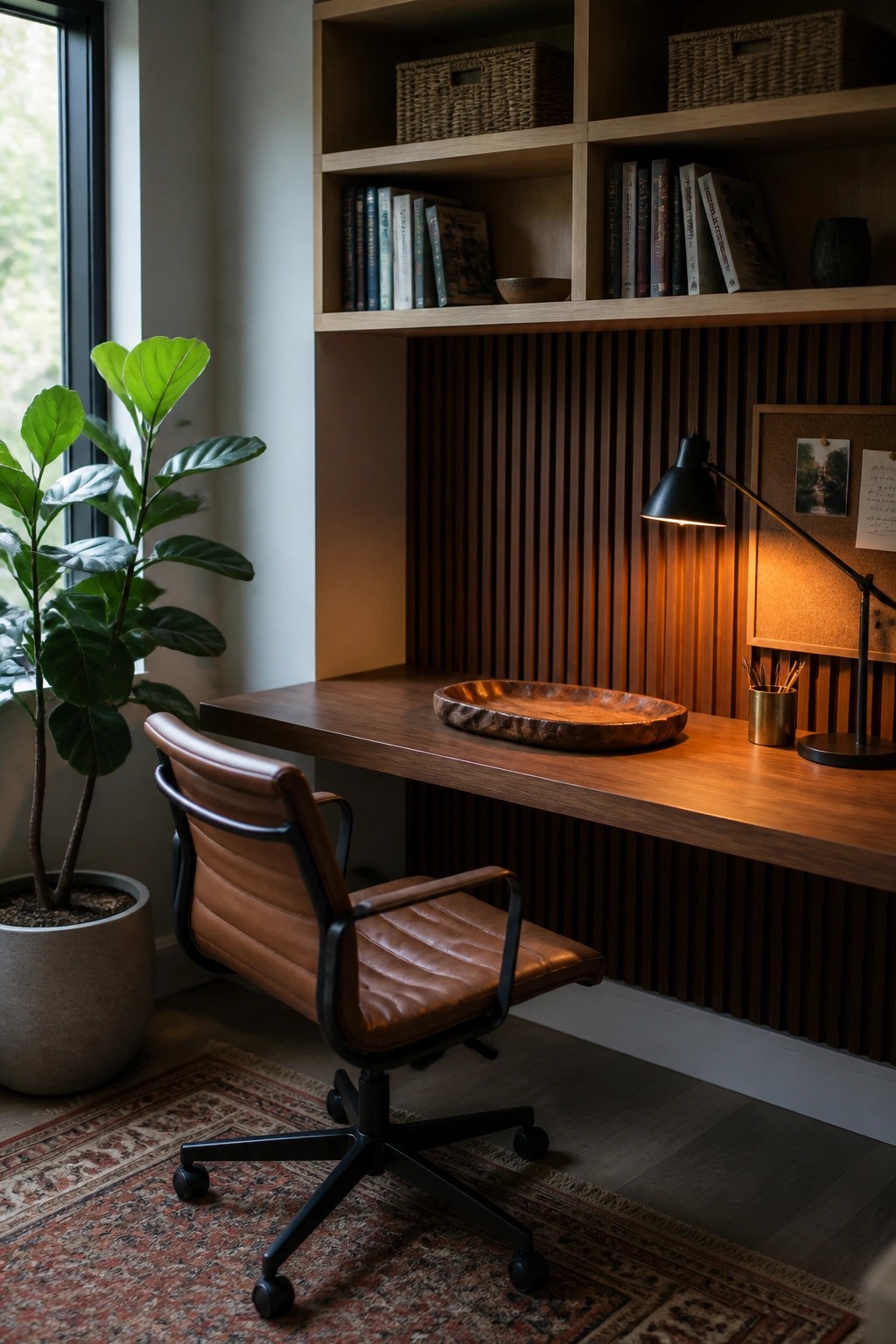
Built-in wood shelving right above a desk gives you storage without crowding the floor. The matching wood tones make the whole area feel connected and a bit warmer than a plain wall would.
This works best in smaller offices or corners where you need room for books and papers but do not want extra cabinets. Keep the shelves at a comfortable reach and leave some open space so the desk still feels open.
Light Wood Furniture for Nurseries
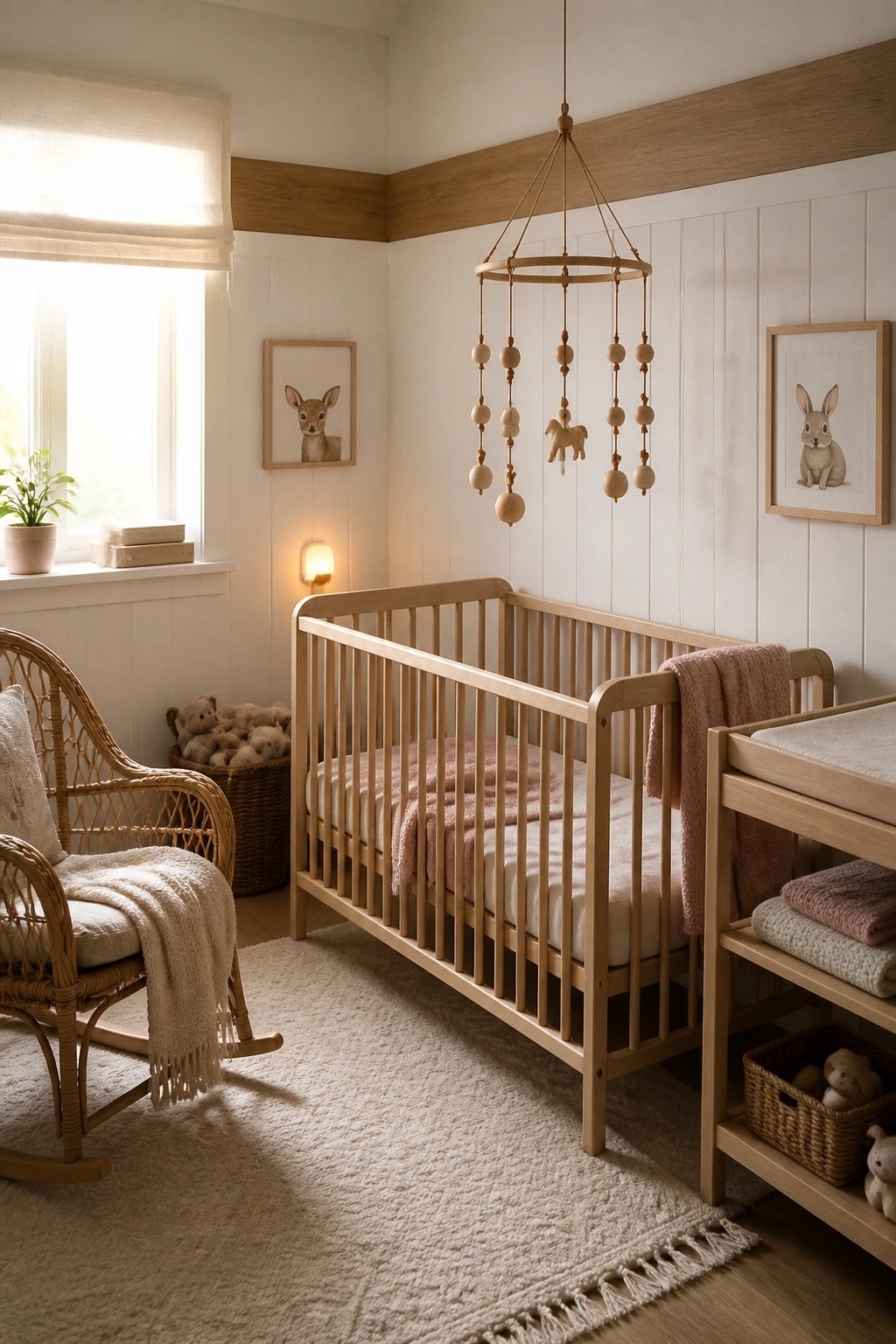
Many people turn to light wood when setting up a nursery because it keeps the space feeling calm and natural. The crib, changing table, and rocking chair all share the same tone, which helps everything feel connected without adding too much pattern or color.
This works well in smaller rooms or homes that want a simple, lasting look. It pairs easily with soft blankets and basic wall art, and the pieces can stay useful as the child gets older.
Wood Console Tables In The Entry
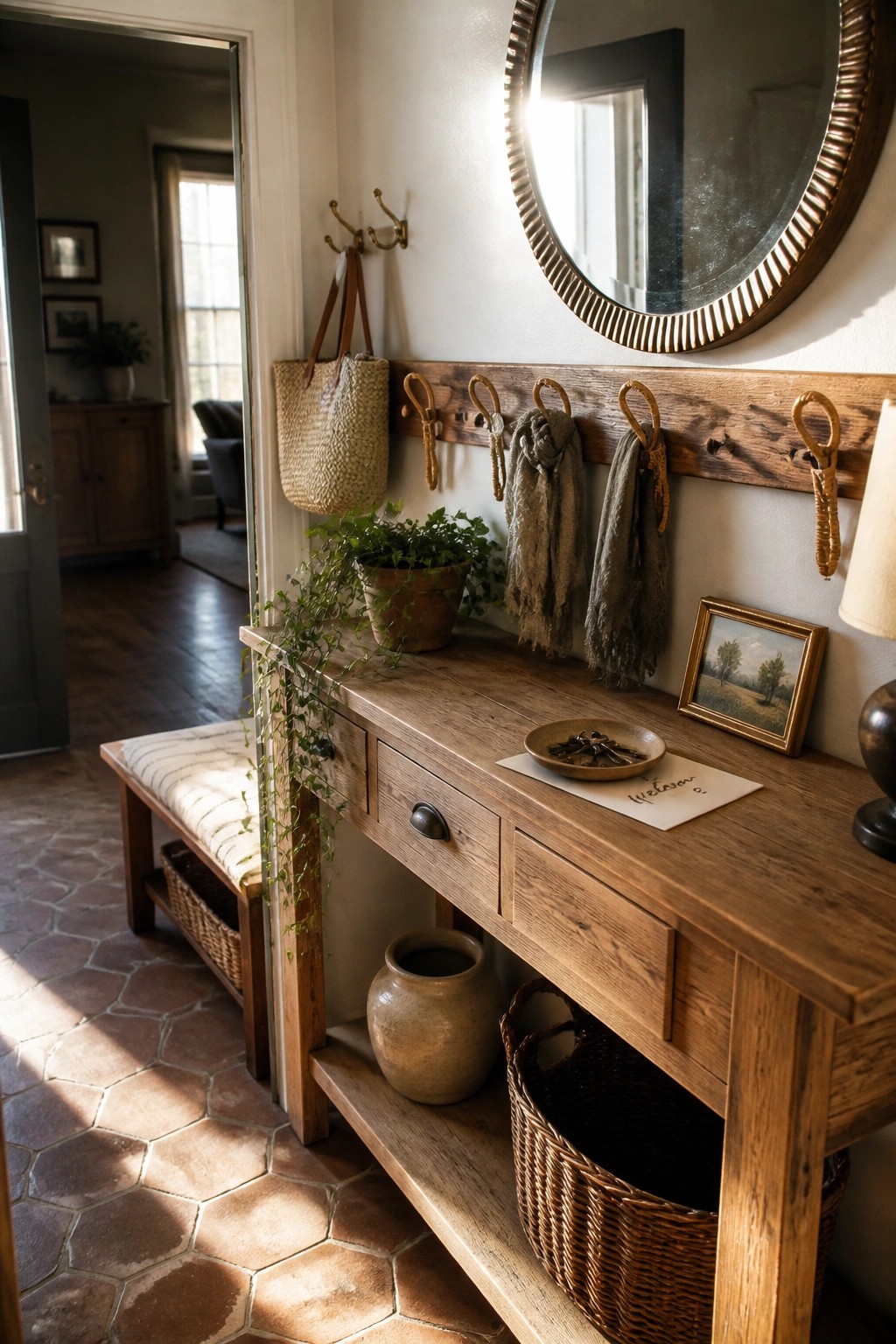
A wood console works well in an entry because it gives you a spot to set things down while keeping the space feeling warm and grounded. The natural grain adds that lived-in look without making the area feel heavy or closed in.
It fits best in homes that need extra storage near the door but still want the room to feel open. Look for one with drawers or a lower shelf for baskets, and add hooks above if you need a place for bags and coats. Keep the top fairly clear so it does not turn into a clutter spot.
Wood Countertops And Shelves In Laundry Rooms
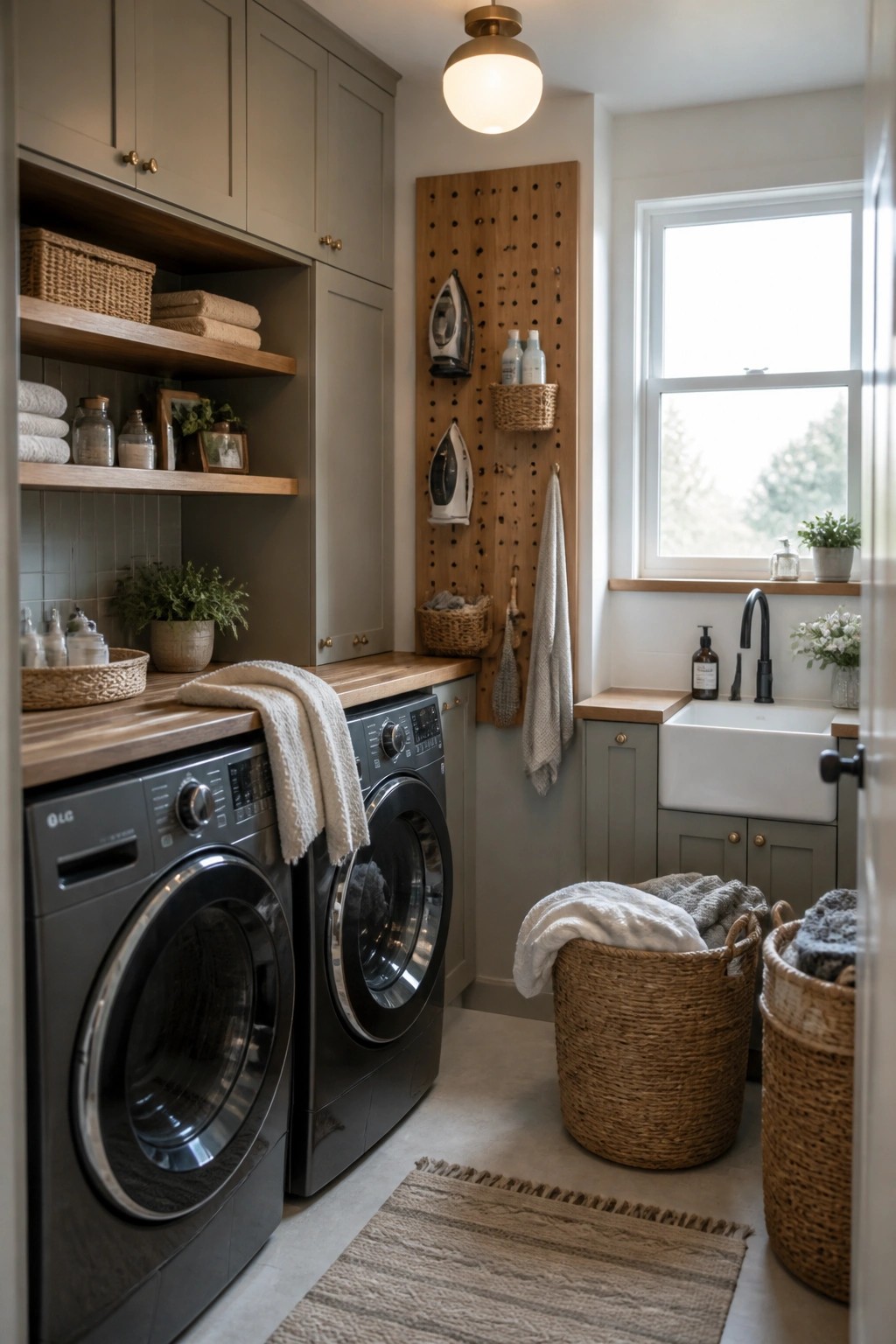
Wood brings a practical warmth to laundry rooms that painted cabinets alone often lack. The natural tone of the countertop and open shelves softens the look of the space while giving you easy spots to stack towels or keep supplies within reach. It works especially well when the rest of the cabinetry stays a simple painted color.
This approach suits smaller homes or any laundry area that doubles as storage. Keep the wood finish simple and sealed well so it holds up to moisture. A few open shelves above the machines usually give enough room without crowding the space.
Wood Vanities That Warm Up A Bathroom
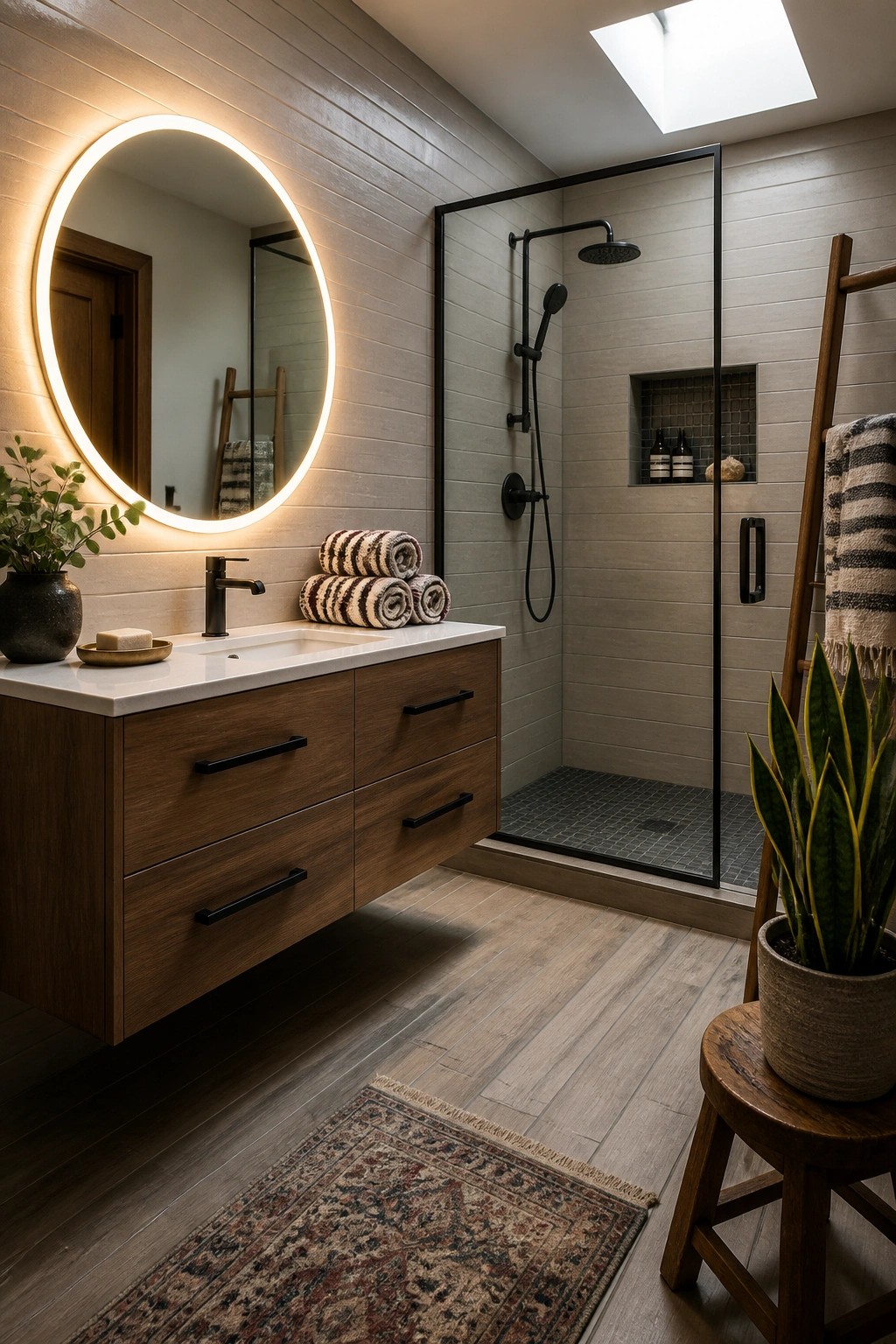
A floating wood vanity adds natural texture that softens a bathroom without making it feel heavy. The wood grain brings in warmth that tile and stone alone often lack, and the floating design keeps the floor clear so the space stays open.
This approach works especially well in smaller bathrooms or rooms with light walls. Keep the hardware simple and let the wood tone do the work, but watch the finish if the room gets a lot of moisture.
Built-In Wood Storage For Small Spaces
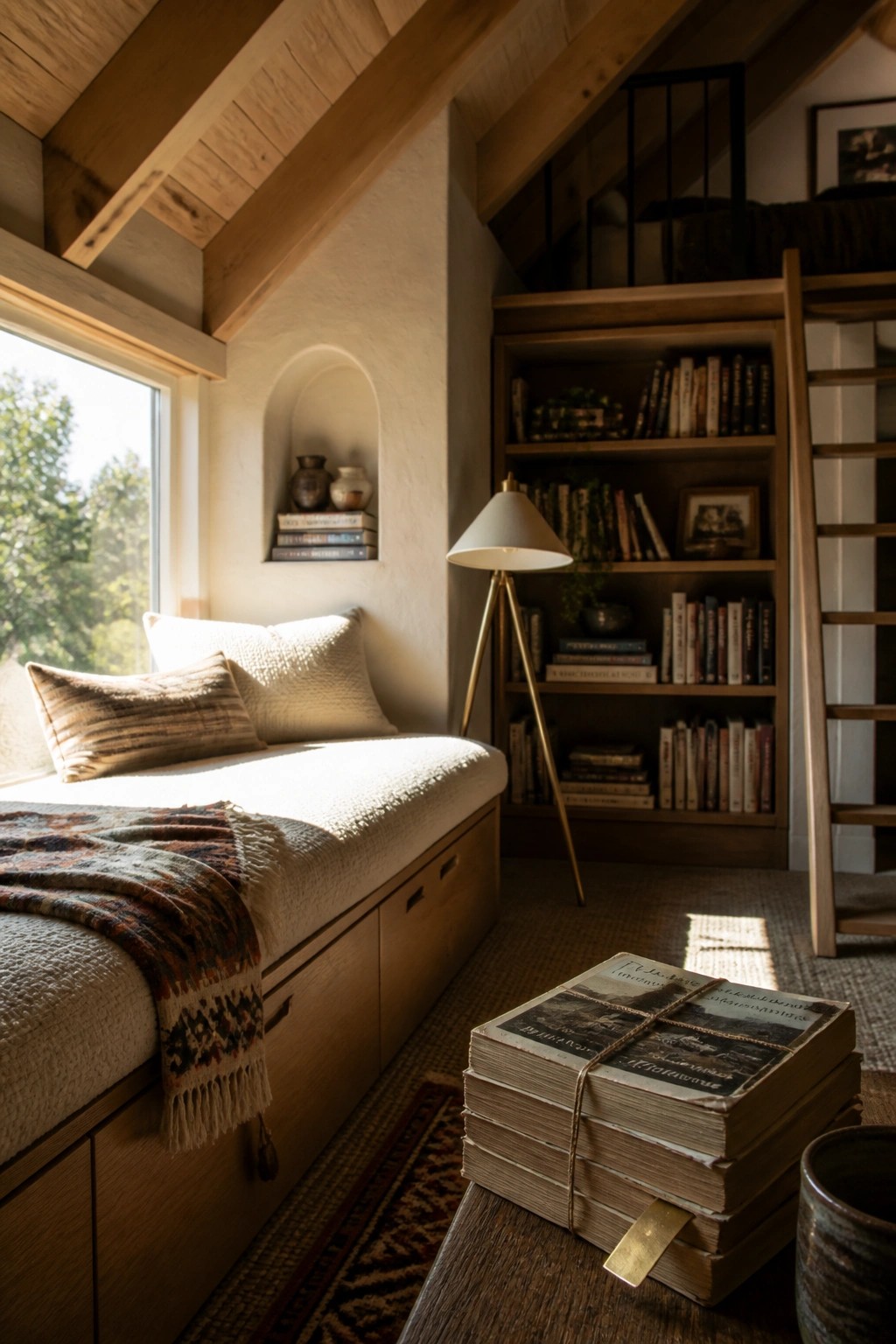
Built-in furniture made from natural wood gives a room extra warmth while keeping things practical. In tighter areas like attics or lofts, these pieces make good use of odd angles and low ceilings without adding clutter.
A wooden daybed with drawers below or a set of open shelves along one wall works well in most homes that already have wood floors or trim. Keep the finish simple so the grain shows and the space stays light.
Wood Paneling On Bedroom Walls
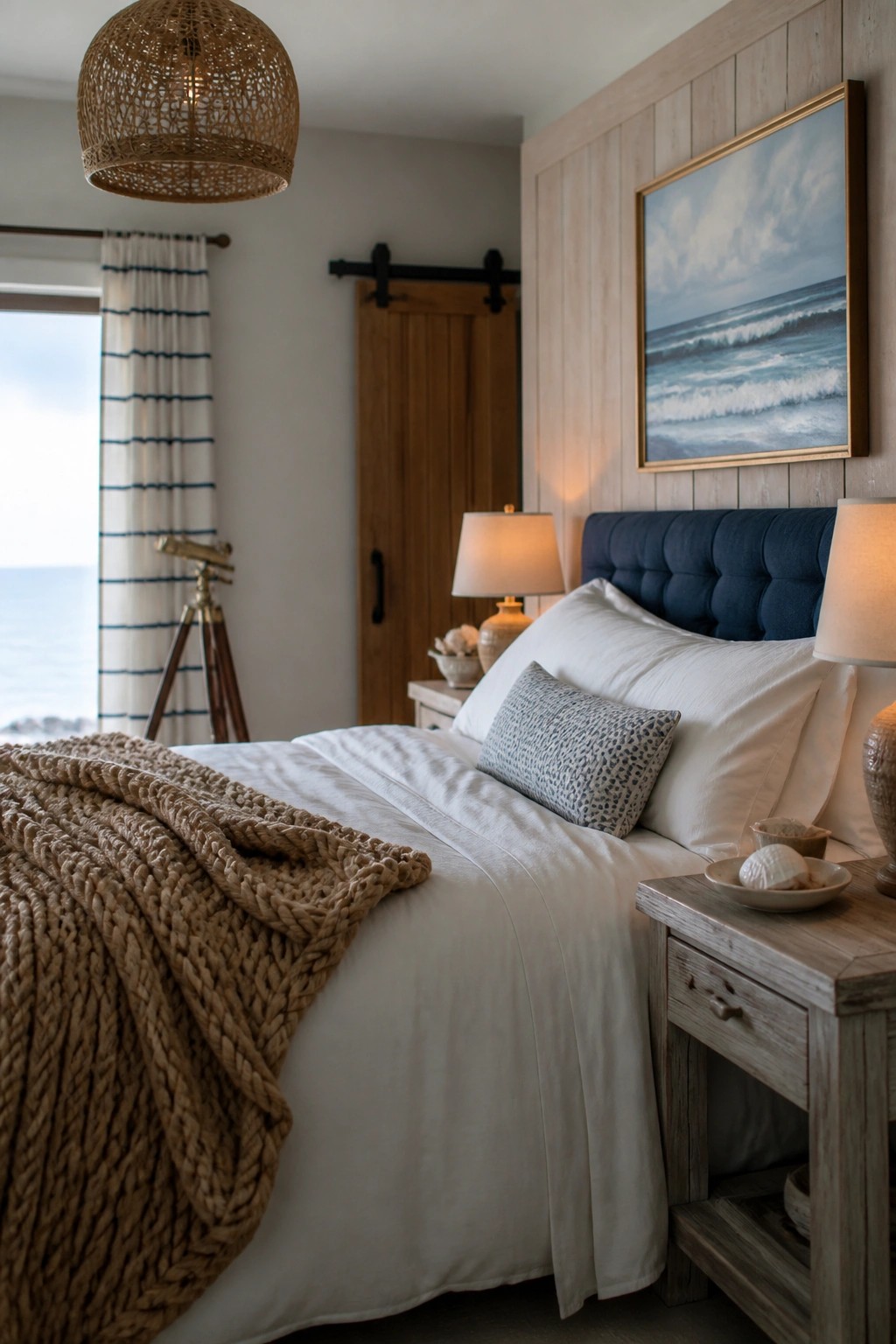
Wood paneling adds a layer of warmth that paint cannot quite match. In a bedroom it works well behind the bed, where it creates a quiet focal point and softens the overall feel without much extra effort.
This idea fits best in spaces that already have some wood tones in the furniture or floors. Keep the finish light if the room needs to stay bright, and let the paneling run only partway up the wall so the effect stays simple rather than heavy.
Dark Wood Cabinetry for Kitchen Warmth
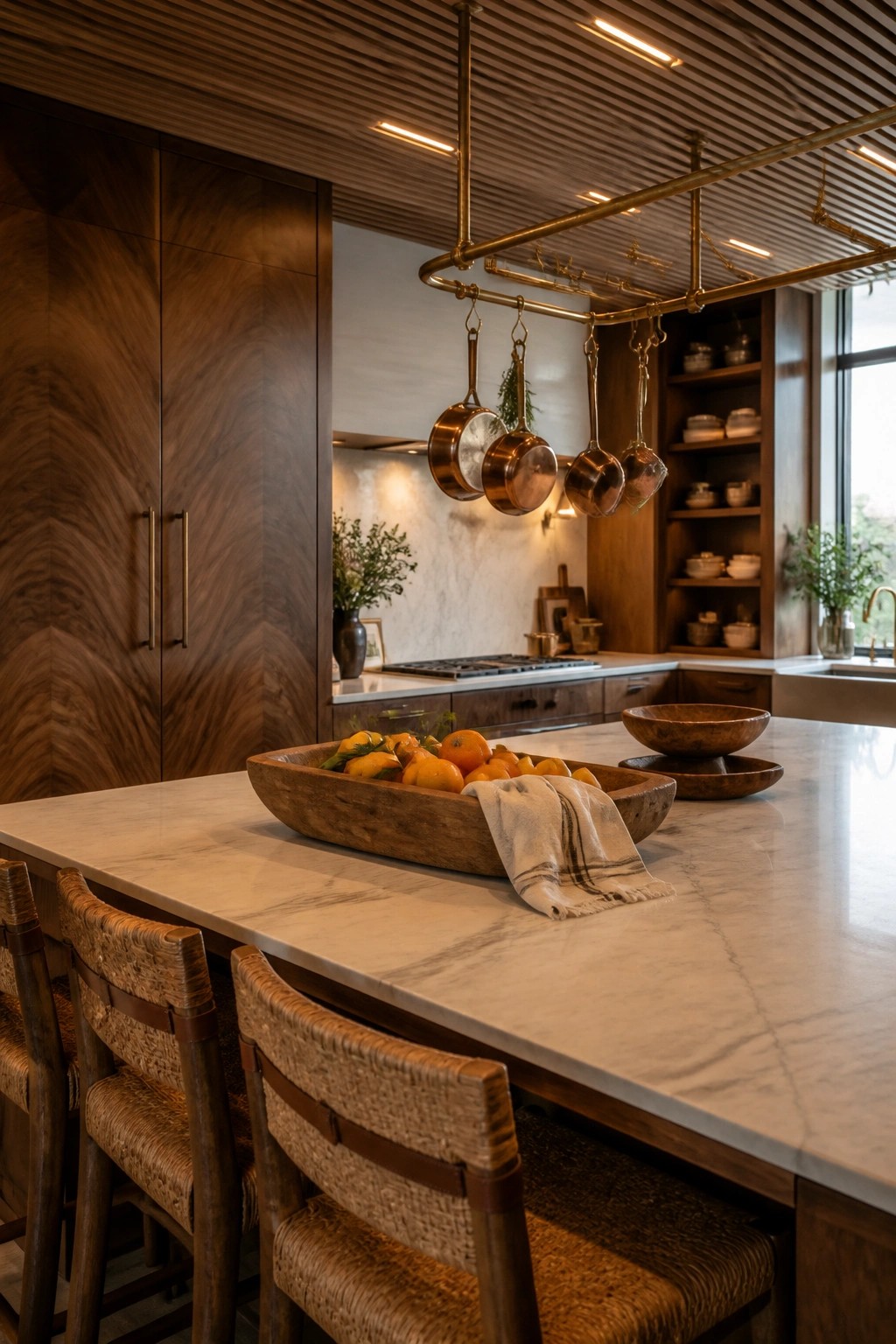
Many kitchens lean too cool when they stick with pale cabinets and lots of stone. Dark wood cabinetry shifts the feel right away by adding depth and a natural tone that makes the whole space feel more settled.
It works best in homes that already have some wood elsewhere, like floors or beams, so the look stays consistent. Keep the hardware simple and let lighter countertops handle the contrast so the wood stays the main feature without overpowering the room.
Built-In Bench Seating For Casual Dining Areas
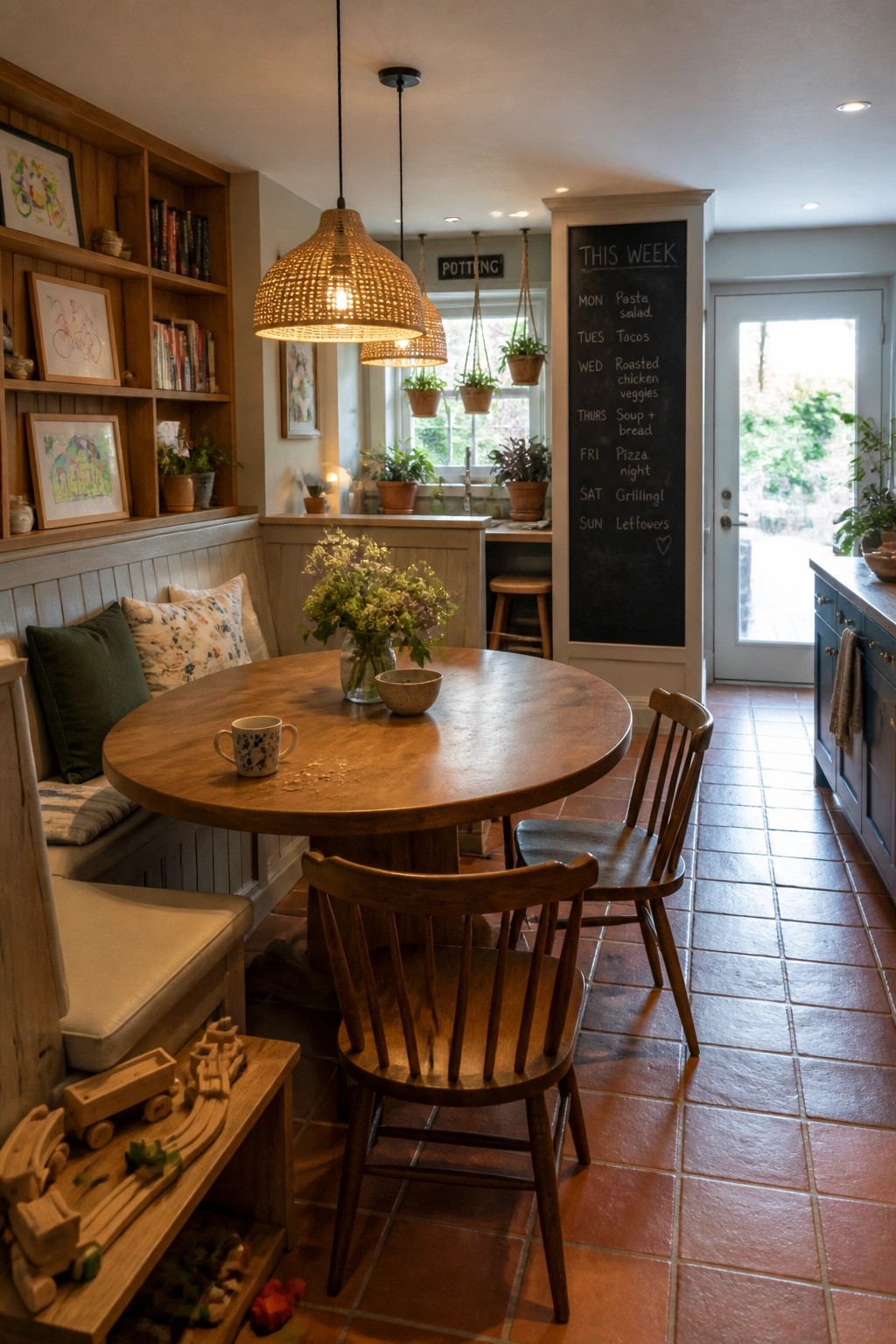
Built-in bench seating gives a dining spot that relaxed, everyday feel without needing a full set of matching chairs. It works especially well in open kitchens where you want extra seating that stays out of the way yet still invites people to linger. The wood tones on the bench and table help tie everything together naturally.
This layout suits family homes or smaller spaces where flexibility matters more than formality. Keep the cushions simple and layer in a few wooden pieces nearby so the whole area feels cohesive rather than styled. It is an easy change that makes daily meals feel a bit more comfortable.
Vertical Wood Paneling In Hallways
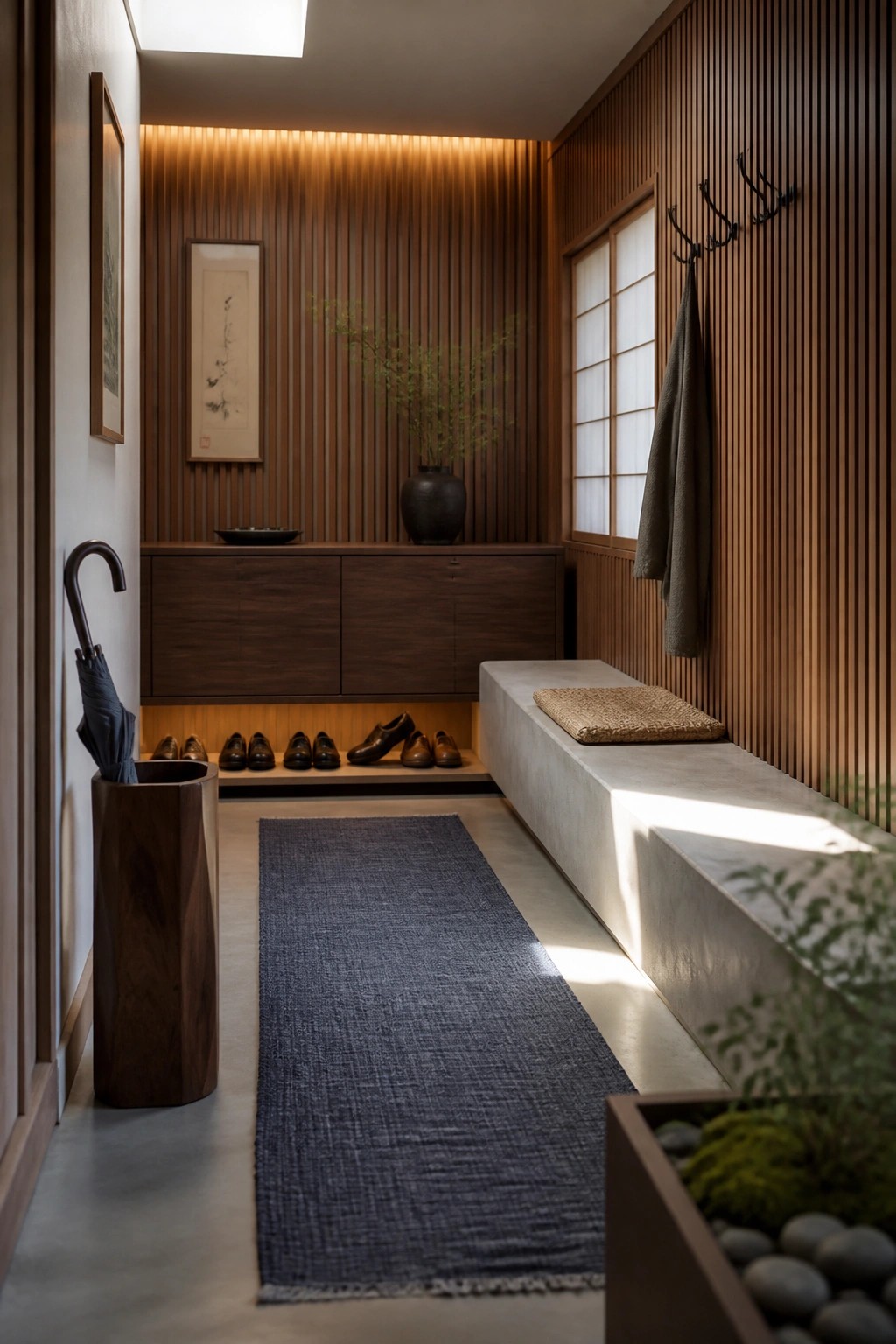
Vertical wood paneling works well in hallways because it adds warmth without making the space feel smaller. The continuous grain and soft lighting create a calm transition from the entry into the rest of the home. It also gives a built-in look that feels finished rather than decorated.
This approach suits homes that already have wood tones elsewhere. Keep the paneling simple and let it run floor to ceiling so the hallway reads as one material rather than a collection of surfaces. A low bench or open shoe storage underneath helps the space stay practical.
Wood Paneling on Feature Walls
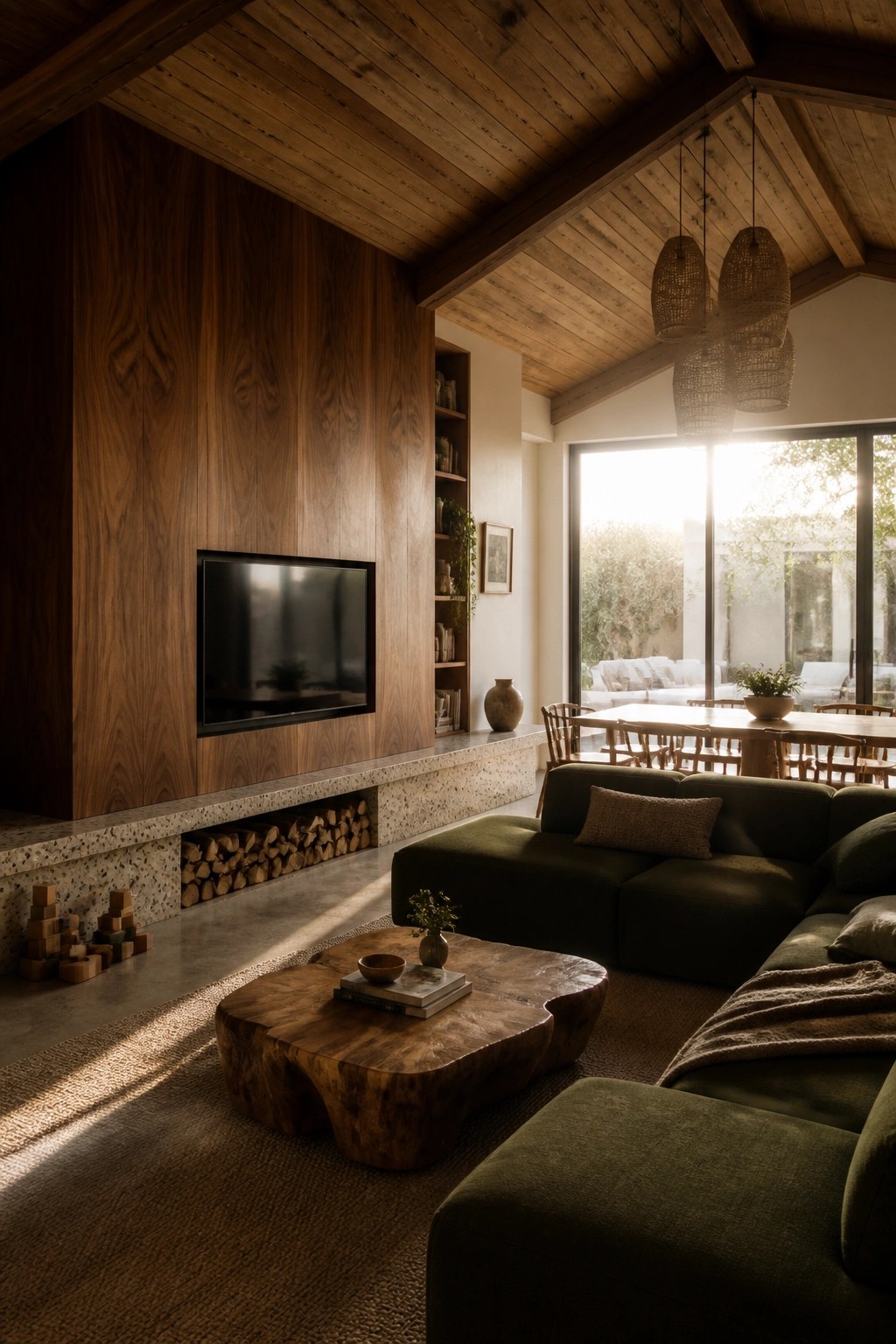
Wood paneling on a main wall gives a living room instant warmth and a grounded feel. The vertical grain adds texture without needing much extra decoration, and it works especially well when the ceiling already shows wood tones.
This idea suits homes with open layouts or high ceilings. Keep the surrounding walls lighter so the paneling becomes the focal point, and match the finish to any beams or trim already in the room.
Adding Warmth With a Wood Vanity
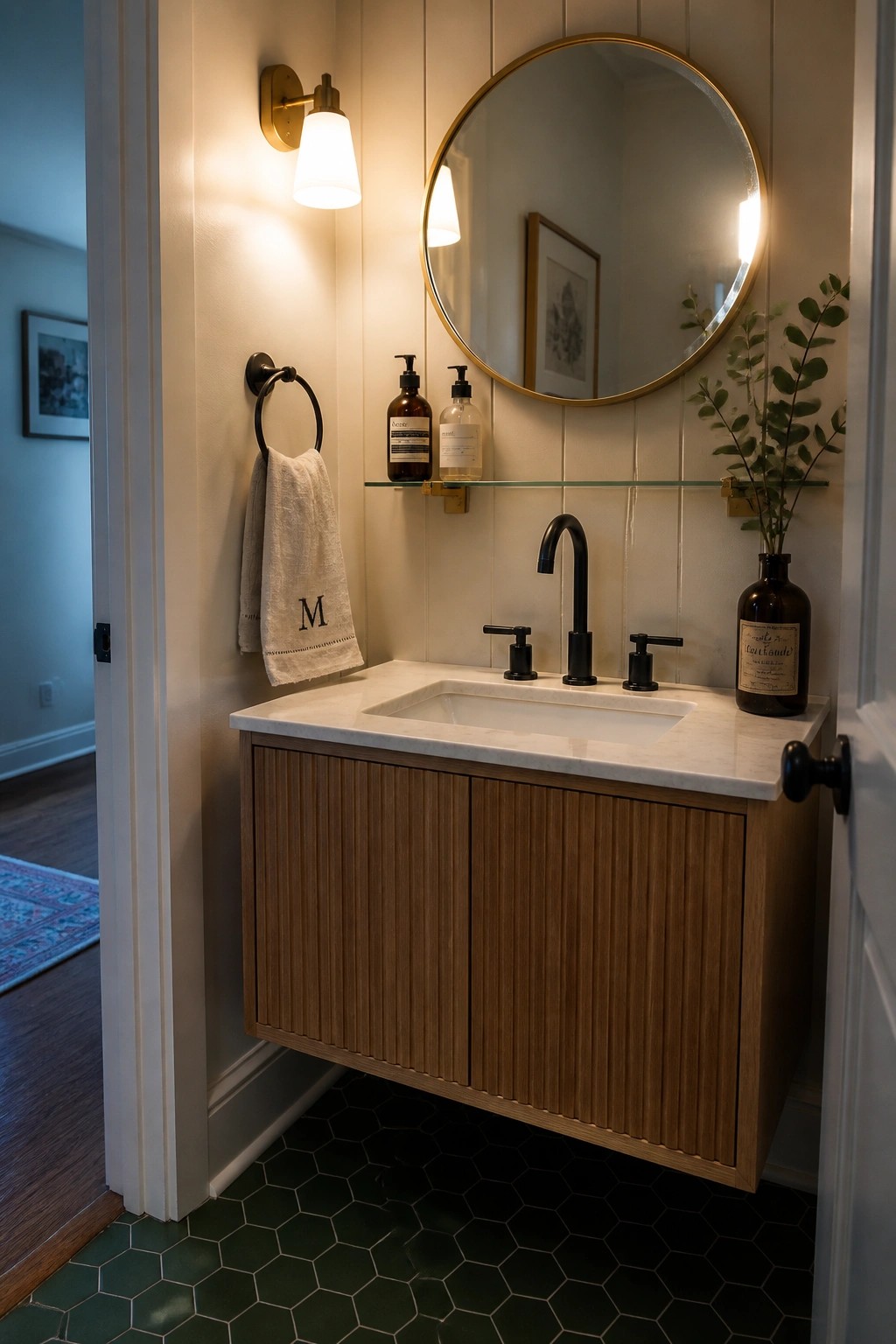
Bathrooms often end up feeling cold with so much tile and stone. A wood vanity cuts through that chill and brings in a natural material that softens the whole space.
This approach works best in smaller bathrooms or powder rooms where you want one strong warm element. A floating style with vertical grooves keeps the look light while the wood tone does the main job of adding comfort.
Vertical Wood Paneling For Hallways
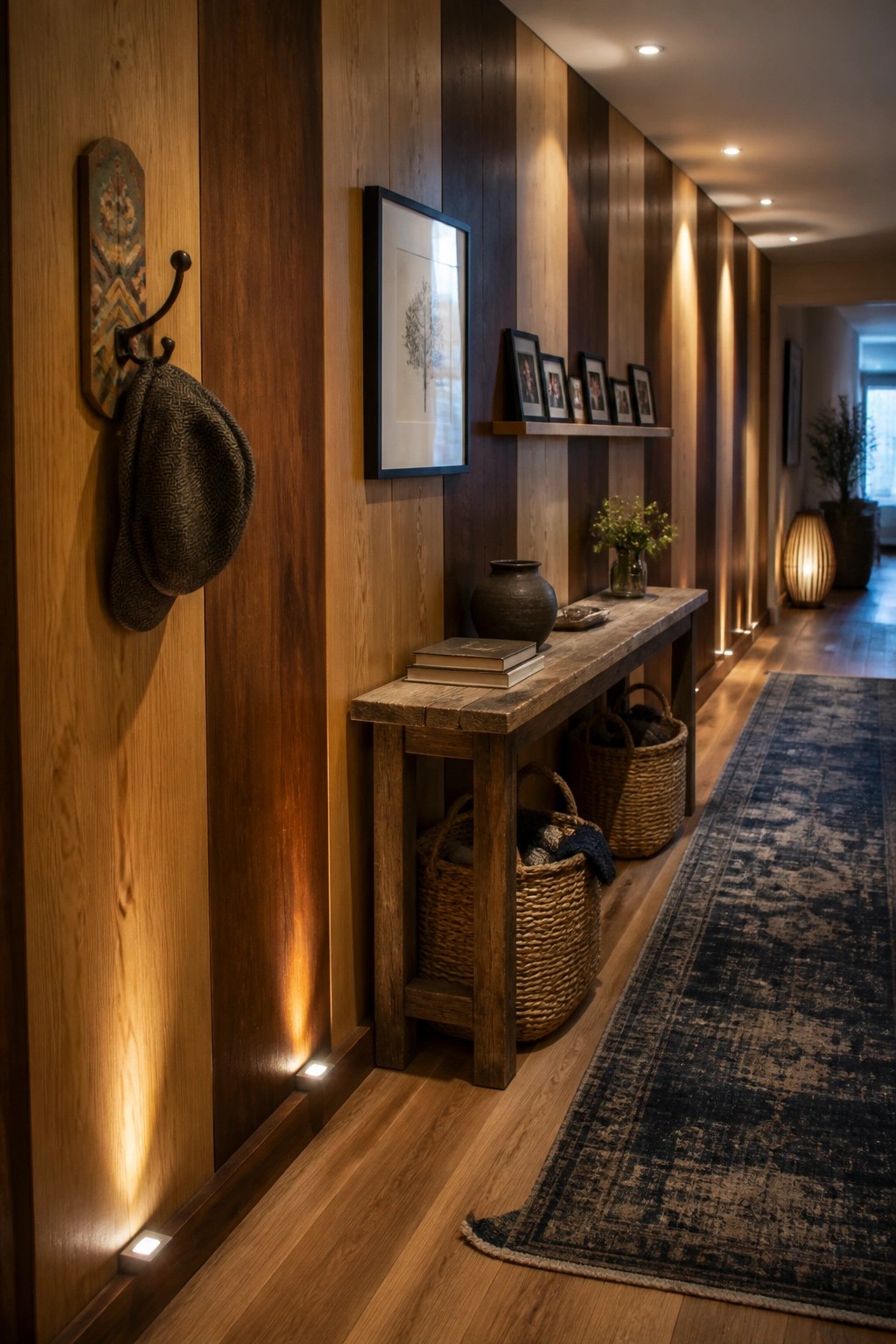
Wood paneling brings a lot of warmth to a hallway without making it feel heavy. Using a mix of wood tones on the walls adds texture and keeps the space from looking plain or too narrow.
This works best in homes where you want the hallway to feel like part of the living area rather than just a pass-through. Pair it with simple furniture and low storage so the wood stays the main focus.
A Wooden Island Brings Extra Storage To A Walk In Closet
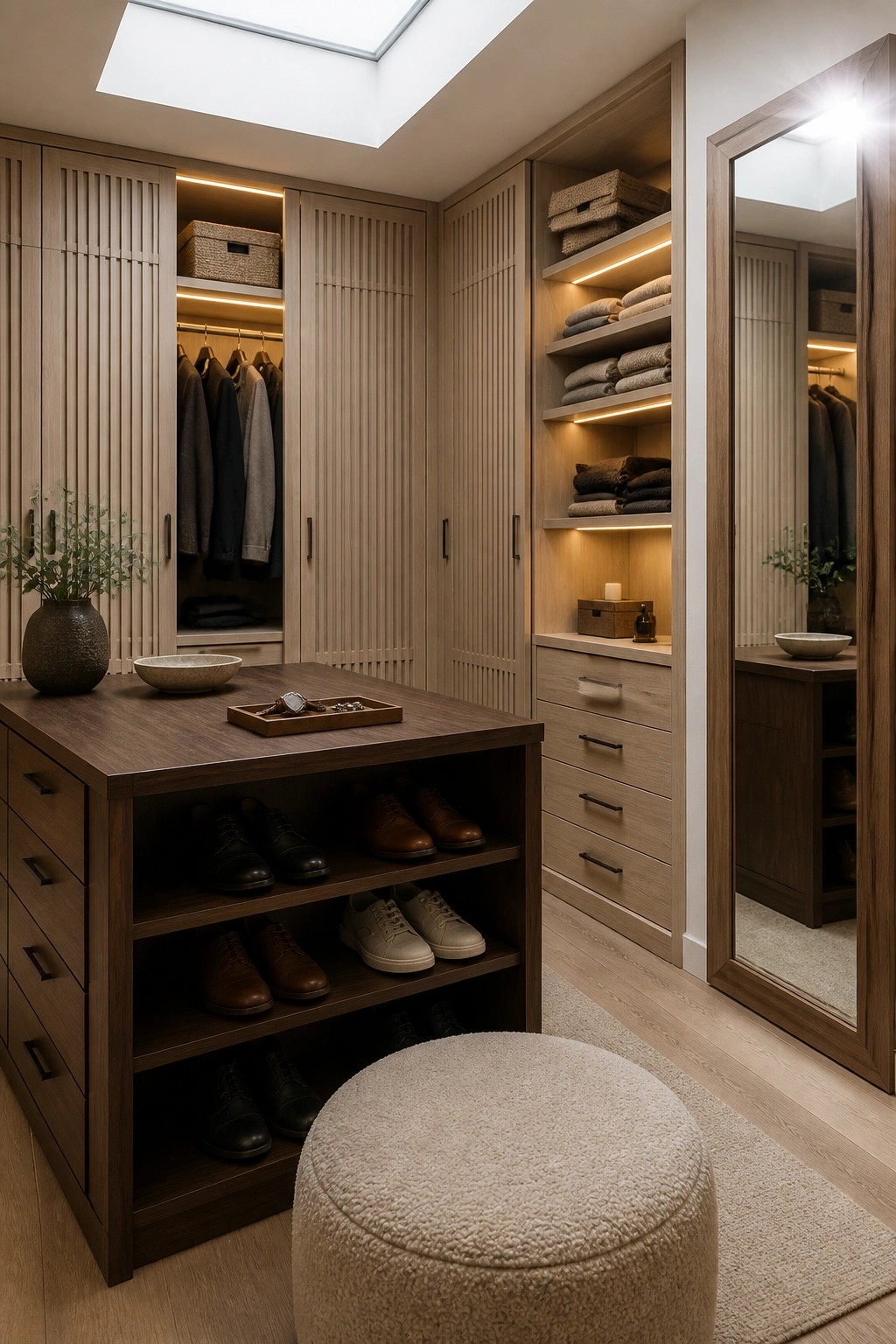
A central island works well in larger closets because it turns empty floor space into usable storage without crowding the room. The wood tones keep everything feeling warm and connected to the rest of the cabinetry.
This setup suits homes with bigger closet areas where you need room for shoes, accessories, and folded items all in one place. Keep the island lower than standard counters so it stays easy to reach and does not block the surrounding cabinets.
Built-In Wood Benches For Dining Corners
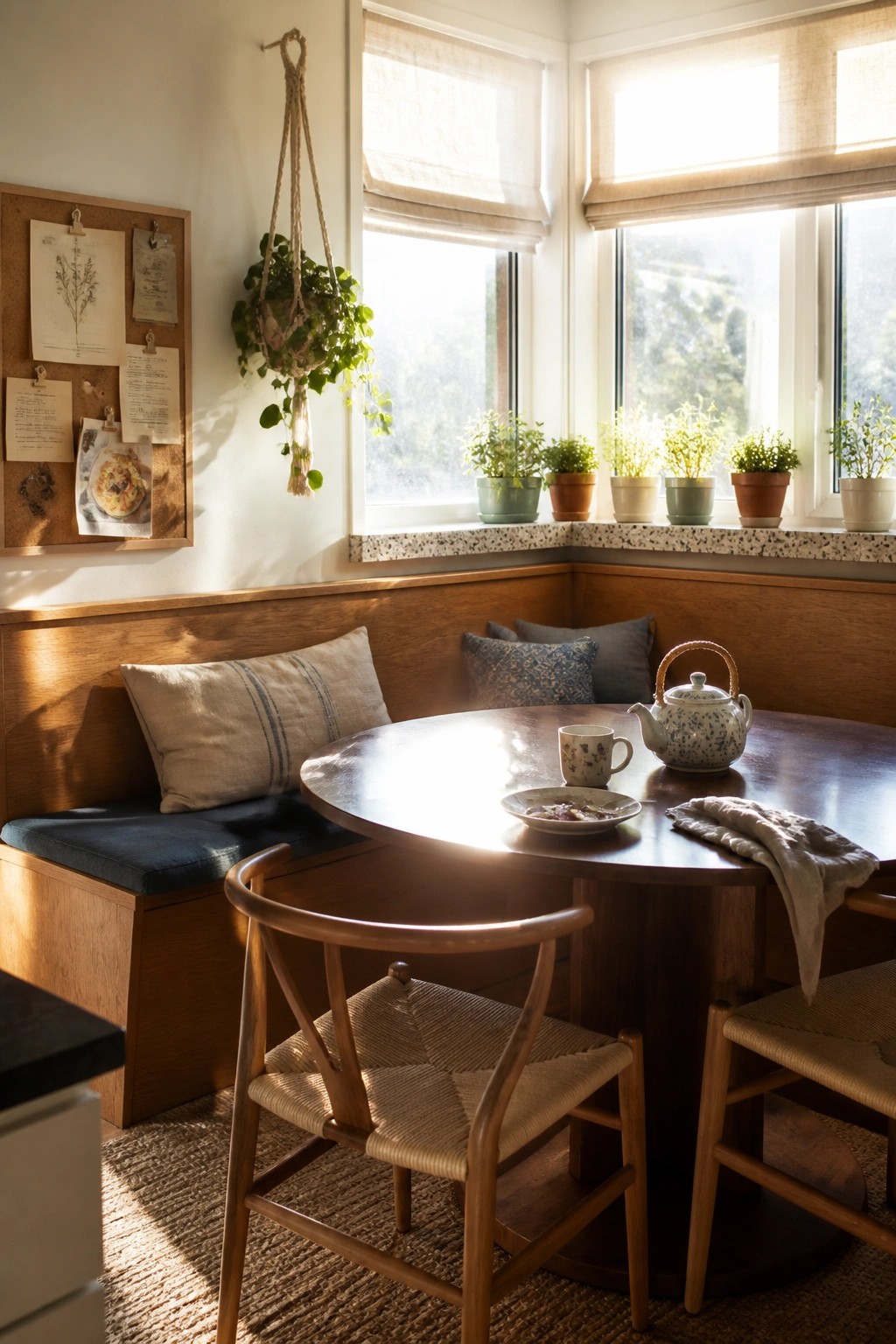
Built-in benches made from wood give a dining area a settled, comfortable feel without taking up much extra space. They turn an awkward corner into a practical spot that fits more people and still leaves room to move around the table.
This works best in homes where the kitchen or eating area runs into a wall or window. Keep the bench simple, add a cushion for comfort, and choose a round table so the whole setup feels balanced rather than boxed in.
Built-In Bookshelves in Dark Wood
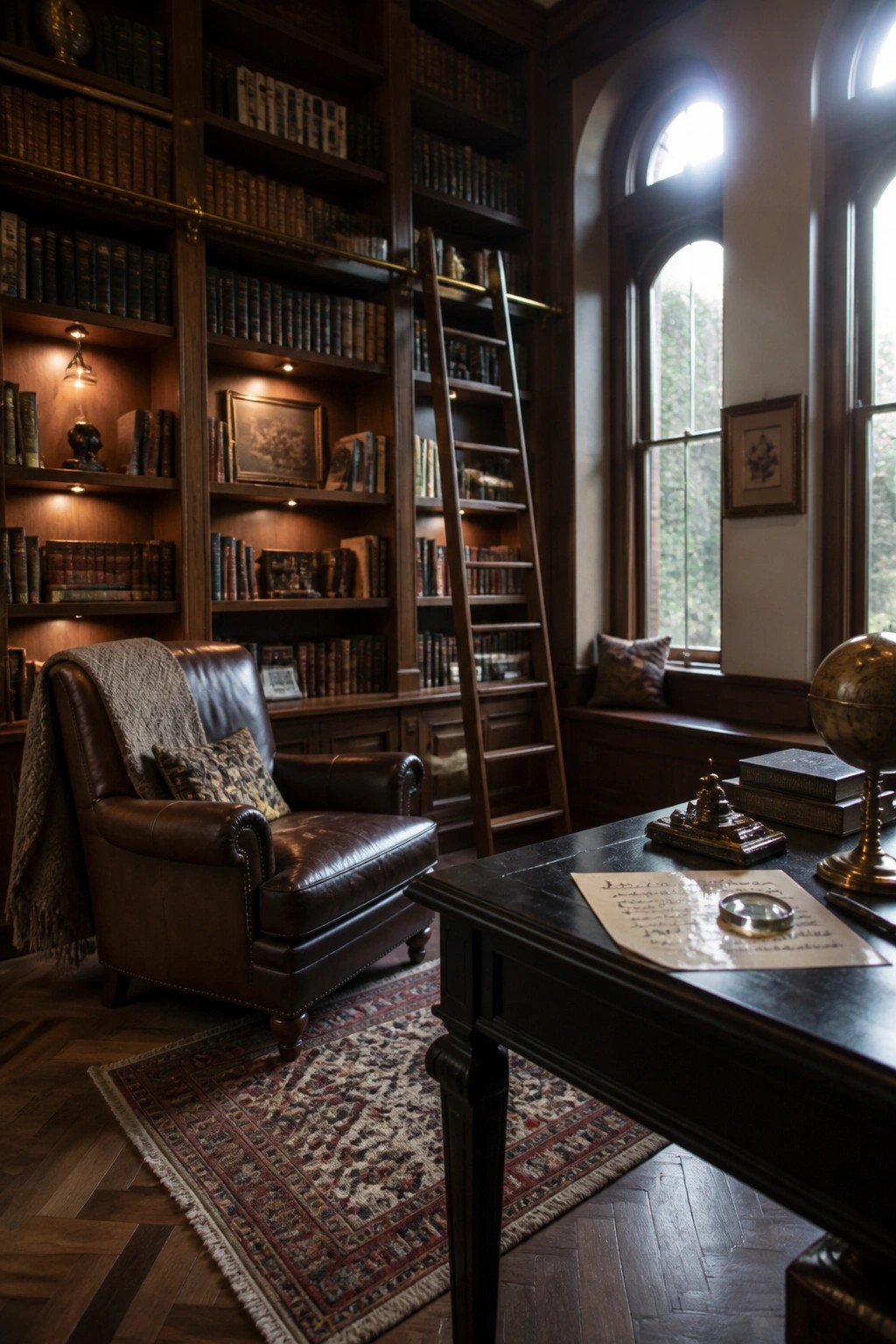
Dark wood built-ins can turn an ordinary room into a space that feels settled and comfortable right away. The shelves here run from floor to ceiling and hold plenty of books without looking crowded, which keeps the room warm even when the walls are mostly wood.
This approach works best in studies or living rooms where you want a quiet spot to read or work. It suits older homes or any space with decent ceiling height, though you need to plan the layout so the shelves do not overpower smaller rooms.
Wooden Benches On The Balcony
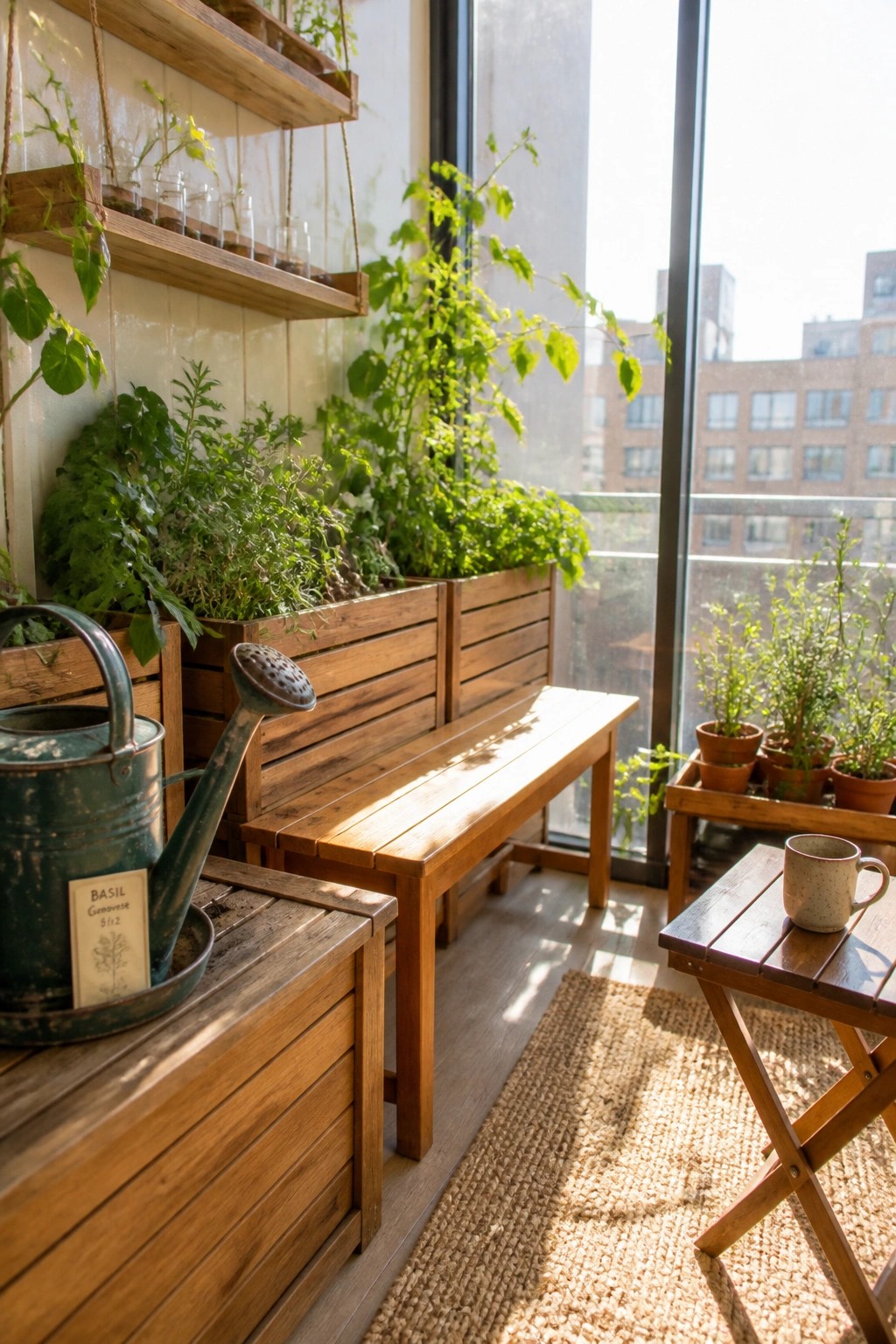
A wooden bench paired with matching planters gives a balcony a settled, usable feel without much effort. The natural grain and simple lines keep the space from looking temporary or cold, especially when plants fill in around the edges.
This setup works well on urban balconies or small terraces where you want seating that can stay out year round. Keep the wood tones consistent and leave room for a few pots so the area stays open but still feels furnished.
Frequently Asked Questions
Q: Which wood shade opens up a small room best? A: Lighter oak or maple bounces light around and keeps the space from closing in. Pick a matte finish to avoid glare from nearby windows. Test a sample board on the wall first to see how it shifts through the day.
Q: How often do wood walls need attention after installation? A: Wipe them down monthly with a damp cloth and skip harsh cleaners. Reapply a natural oil once a year in busy areas like hallways. This keeps the grain looking rich without much effort.
Q: Can metal accents work with wood without clashing? A: Metal brings a nice contrast to wood. Choose brushed finishes so the warmth stays front and center.
